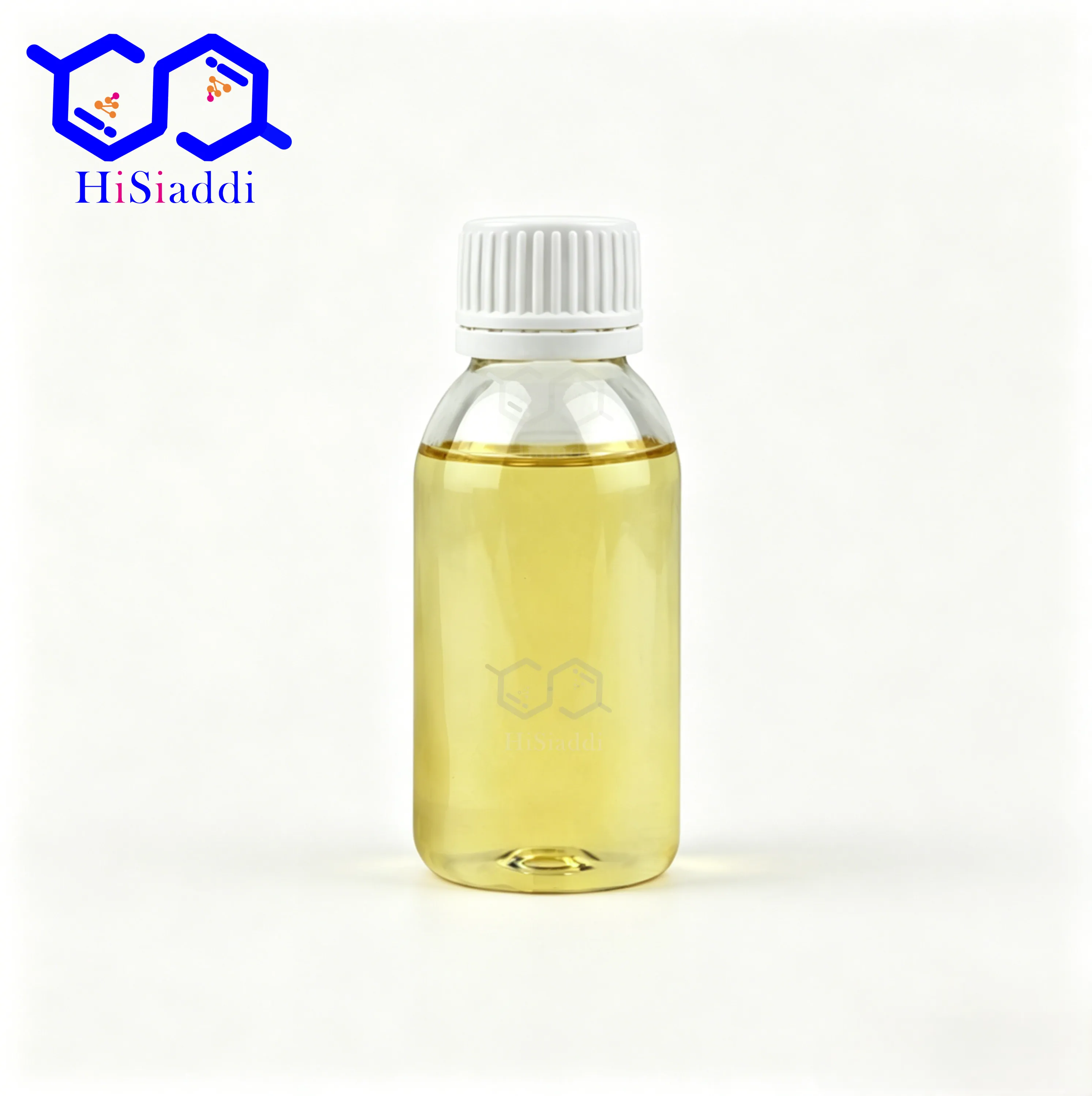
As a new-type foreign trade service provider driven by dual engines of technology commercialization and export services, HiSiaddi has established a "1+2+3+4=1" service system and can supply Bronopol sourced directly from multiple well-known original manufacturers.
Adopting the "1+1>2" business model, HiSiaddi focuses on the integrated development of technology transformation and export trade, and consistently tracks the global Bronopol market from both R&D and market perspectives. Today, we conduct a professional analysis of new shifts and trends across the global Bronopol market.
If you require more comprehensive and valuable market intelligence on Bronopol, please contact HiSiaddi customer service.
1.
Strictly tightened EU and US regulations drive surging compliance costs The EU REACH Regulation has listed Bronopol on the Substances of Very High Concern (SVHC) list, requiring exporting enterprises to submit complete carbon footprint reports, ecotoxicological dossiers, and certificates verifying wastewater and exhaust emission compliance. The EU Carbon Border Adjustment Mechanism (CBAM) officially launched in 2026 imposes an additional carbon tariff of 300–500 EUR per ton of Bronopol, directly pushing up procurement costs. The US EPA has strengthened registration reviews for pesticides and preservatives, mandating submission of 90-day subchronic toxicity data, environmental degradation kinetics and other datasets; products failing to meet standards are prohibited from entry.
2.
3.
Domestic Chinese policies force backward capacity phase-out and intensify industrial concentration China’s dual carbon goals and the Implementation of the Hazardous Chemicals Safety Law mandate that Bronopol manufacturers achieve waste acid resource utilization rate ≥80%, bromine-containing wastewater COD ≤50mg/L, and product carbon footprint ≤1.85 tons CO₂e. Starting in 2022, the Ministry of Ecology and Environment has included organobromine compounds in key monitoring catalogs. Between 2020 and 2024, a total of 21,000 tons of backward production capacity was eliminated. The industry CR5 (concentration ratio of top 5 enterprises) rose from 52% in 2018 to 71% in 2023, with small and medium-sized capacities exiting the market at an accelerated pace.
4.
5.
Global green procurement becomes mainstream; ESG credentials serve as order entry thresholds The world’s top 10 pharmaceutical CDMOs and major daily chemical giants (Unilever, BASF, etc.) incorporate carbon emission intensity, wastewater reuse rates, and green certifications into procurement evaluations. Products produced via green manufacturing command an 8%–12% premium; suppliers lacking ESG qualifications are directly removed from approved vendor lists.
6.
1.
Continuous flow microreactor technology replaces traditional batch reactors, upgrading both capacity and product quality Traditional batch reactor processes (75%–80% yield, high energy consumption, severe safety risks) are being phased out rapidly. Leading manufacturers such as Bluestar Chemical and Yangnong Chemical have adopted continuous flow microreactor technology, lifting yields above 92%, cutting energy consumption by 25%, limiting impurity content below 0.1%, and delivering a pharmaceutical-grade purity of 99.5%. By the end of 2024, seven enterprises with continuous flow production capacity accounted for 61.3% of China’s effective total capacity. Technology licensing fees reach 8–12 million RMB per set, forming high industry barriers.
2.
3.
Volatile core raw material supply chains create significant cost transmission pressures Bromine, the core raw material accounting for 40%–50% of total costs, has experienced drastic price fluctuations. Its average price hit 28,500 RMB/ton in 2023, a 42% increase from 2020, pushing Bronopol’s per-ton production cost up by 18%. The domestic localization rate of nitromethane climbed from 65% in 2020 to 82% in 2023, yet 35% of specialty surfactants for high-end formulations still rely on imports, threatening supply chain stability.
4.
5.
Regional capacity shift; green chemical parks become core production hubs Driven by environmental policies and energy costs, production capacity is shifting to western and central regions abundant in green power (Ningdong, Ordos). 45% of new capacity planned for 2025–2030 will be located in these areas, while eastern coastal facilities are gradually transitioning to high-end customized manufacturing, forming a "western production capacity + eastern R&D" layout.
6.
1. Downstream application segmentation with surging demand for high-end pharmaceutical and electronic grades
· Pharmaceutical intermediates: The CDMO sector expands rapidly, driving annual demand growth of 12%–15% for high-purity (≥99.5%), low-impurity (≤0.1%) Bronopol for antibiotic and antiviral drug synthesis.
· Daily chemical preservatives: Driven by EU Regulation EC No 1223/2009, Bronopol boasts a 28-day biodegradation rate of 68% (far superior to MIT’s <20%), raising its penetration in premium skincare and infant care products.
· Industrial water treatment & oilfield sectors: Global water scarcity and demand for microbial corrosion control in oilfields fuel steady growth in demand for compound Bronopol biocides.
1.
Intensified competition from substitutes; halogen-free solutions pose potential threats While traditional preservatives such as MIT and CMIT face usage restrictions due to toxicity concerns, halogen-free preservative systems based on natural product derivatives (e.g., ethylhexylglycerin) are rapidly commercialized. Though 30% more costly, they align with the EU Green New Deal and gradually replace Bronopol in low-end daily chemical and water treatment applications.
2.
3.
Restructured regional demand; emerging markets emerge as key growth drivers Demand in North America and Europe remains stable with annual growth of 3%–5%, while Southeast Asia (agricultural fungicides), South America (daily chemicals & water treatment), and the Middle East (architectural coating preservatives) see explosive demand growth of 15%–18% annually, emerging as new consumption hotspots for global Bronopol.
4.
5.
Steady overall market expansion with strong growth certainty The global Bronopol market size reached approximately 8.336 billion RMB in 2025, projected to hit 11.92 billion RMB by 2032 with a CAGR of 5.2% from 2026 to 2032. China’s domestic market stood at 520 million RMB in 2024 and is forecast to reach 860 million RMB by 2030 at an 8.9% CAGR.
6.
1.
Stringent quality standards create extremely high entry barriers Bronopol must meet purity ≥99.5%, single impurity ≤0.1%, and zero heavy metal residue requirements. Suppliers must provide GMP certifications, DMF files, and full-batch COAs; standard industrial-grade products fail to meet specifications.
2.
3.
High compliance costs and lengthy certification cycles Products must satisfy FDA and EMA registration standards with rigorous reviews of carbon footprints and toxicological data. Certification cycles span 6–12 months with substantial upfront investment.
4.
5.
Fragile supply chains with high outage risks High-end production capacity is concentrated among only 4–5 leading manufacturers. Raw material price volatility and environmental production limits frequently trigger delivery delays, disrupting pharmaceutical production schedules.
6.
1.
Booming high-end demand delivers substantial premium margins Pharmaceutical-grade Bronopol is priced above 50,000 RMB/ton, 30%–50% higher than industrial-grade alternatives, with stable annual demand growth of 12%–15% and long-term order visibility.
2.
3.
Green compliance barriers reduce competitive pressure Small and medium-sized buyers lack full compliance capabilities and are locked out of high-end markets. Leading CDMOs can secure long-term partnerships via established ESG credentials to build differentiated competitive moats.
4.
1.
Severe substitution risks and fierce price competition Halogen-free preservative alternatives and MIT compound systems cost 10%–20% less, pushing low-to-mid-tier daily chemical manufacturers to switch inputs for cost control.
2.
3.
Rapidly evolving regulations force frequent formulation adjustments Global tightening of limits on preservative concentrations and residual levels requires constant formula revisions, increasing R&D and compliance overheads.
4.
5.
Difficulty passing cost hikes to end consumers squeezes profit margins Rising bromine prices force Bronopol price increases, yet end consumer products are highly price-sensitive, preventing buyers from fully offsetting cost growth and compressing profit space.
6.
1.
Green consumer trends create natural competitive advantages for Bronopol Consumers prefer low-toxicity, biodegradable preservatives. Bronopol’s 68% biodegradation rate outperforms conventional alternatives, enabling premium daily chemical brands to market "green-label" products and boost price premiums by 10%–15%.
2.
3.
Expanding emerging markets unlock new volume growth Rapid expansion of daily chemical markets in Southeast Asia and the Middle East creates robust demand for high-efficiency preservatives, generating new order pipelines for buyers.
4.
1.
Extreme price sensitivity creates heavy cost control pressure Intense competition across the agrochemical sector caps end-product pricing based on farmer affordability, leaving minimal tolerance for Bronopol price volatility among buyers.
2.
3.
Tightened pesticide registration rules raise compliance expenses Registration in all jurisdictions requires residue metabolism and environmental risk datasets, with lengthy, costly application cycles unaffordable for small-scale formulators.
4.
5.
Complex compounding requirements complicate efficacy stability Bronopol must be blended with other fungicides to maximize performance; improper mixing ratios or compatibility issues reduce efficacy and damage brand reputation.
6.
1.
Policy dividends for green pesticides sustain steady demand Global phase-outs of highly toxic pesticides prioritize low-toxicity, high-efficiency, residue-controllable Bronopol in recommended product catalogs, driving annual agricultural demand growth of 4.8%–5.5%.
2.
3.
Expanding agricultural emerging markets deliver volume gains Expanded cultivation of cash crops (fruits, vegetables) across South America and Southeast Asia amplifies disease prevention needs, lifting demand for Bronopol fungicides.
4.
1.
Price-driven purchasing compresses profit margins Industrial buyers prioritize low-cost industrial-grade Bronopol (85%–90% purity), resulting in brutal price competition and weak bargaining power for purchasers.
2.
3.
Stricter environmental regulations raise operational expenses Elevated industrial wastewater and exhaust emission standards mandate additional environmental treatment infrastructure, increasing operational overheads.
4.
5.
Mature substitute solutions create high replacement risks Low-cost chlorine-based biocides and quaternary ammonium salts can replace Bronopol in multiple scenarios with superior stability and lower prices.
6.
1.
Rigid demand underpins consistent consumption Water treatment and oilfield corrosion prevention represent non-negotiable industrial needs. Bronopol’s broad-spectrum bactericidal activity and wide applicable pH range make it irreplaceable in complex water and reservoir environments.
2.
3.
Compound formulation upgrades boost added value Industrial operators are shifting from single biocides to compounded solutions. Blending Bronopol with polyquaternium and surfactants enhances sterilization efficiency, allowing buyers to raise margins via customized compounding services.
4.
1. Upgrade quality control to meet pharmaceutical-grade standards
· Clarify procurement specifications: Source only pharmaceutical-grade material with purity ≥99.5%, single impurity ≤0.1%, and heavy metals ≤10ppm; reject mixed industrial-grade batches.
· Establish internal quality inspection workflows: Deploy HPLC, GC-MS and other testing equipment for full-batch analysis and archive all COAs for audit purposes.
· Partner with qualified suppliers: Prioritize manufacturers with GMP workshops and DMF files; collaborate with vendors to compile FDA/EMA registration materials and shorten certification timelines.
1. Lock in leading suppliers and build dual-source supply chains
· Core suppliers: Sign 3–5 year long-term framework agreements with 2–3 top continuous flow manufacturers (Bluestar, Yangnong) to secure 60%–70% of required capacity with pre-negotiated ±5% price fluctuation caps to mitigate raw material volatility risks.
· Backup suppliers: Vet 1–2 secondary manufacturers with certified pharmaceutical-grade capacity to avoid single-source supply disruptions.
· Cross-supply chain coordination: Share production forecasts with suppliers and submit orders 3 months in advance to optimize production scheduling and guarantee on-time delivery.
1. Advance green compliance to capture high-end orders
· Carbon footprint accounting: Engage third-party institutions to calculate product carbon footprints and prepare pre-emptive CBAM declaration documentation for EU exports.
· Complete ecotoxicological dossiers: Supplement 90-day subchronic toxicity and environmental degradation kinetic datasets to fulfill audit requirements for top European and American clients.
· Secure green certifications: Obtain ISO14001, EU ECO-label and other credentials to strengthen tender submissions and improve bid win rates.
1. Develop green product labeling to boost premium pricing
· Raw material selection: Prioritize Bronopol batches with biodegradation ≥65%, halogen-free composition, and low toxicity; require suppliers to provide biodegradation and toxicology test reports.
· Marketing enablement: Highlight "biodegradable, mild, high-efficiency preservation" on packaging and marketing materials to benchmark premium brands and achieve a 10%–15% price uplift.
· Compliance pre-registration: Preemptively align with EU and Southeast Asian cosmetic regulations to complete preservative concentration filings and avoid post-launch compliance penalties.
1. Accelerate formulation innovation to expand application scenarios
· Compound R&D: Collaborate with suppliers to develop Bronopol + paraben + ethylhexylglycerin blends balancing sterilization performance, biodegradability, and cost for mid-to-high-end skincare and infant care.
· Low-concentration high-efficiency formulas: Develop formulations with 0.01%–0.02% Bronopol loadings to meet global low-residue standards while cutting raw material expenses.
· Scenario diversification: Expand into oral care and pet care to reduce reliance on a single market segment.
1. Optimize procurement strategies to control cost volatility
· Price lock-ins: Sign 6–12 month fixed-price contracts for core purchase volumes to hedge against bromine price surges.
· Tiered procurement: Specify high-purity (≥99%) material for premium product lines and industrial-grade (85%–90%) material for low-to-mid-tier ranges to cut overall procurement costs.
· Substitute testing: Pilot blended Bronopol + natural preservative formulas on non-core product lines to balance cost and performance amid substitution competition.
1. Strictly manage procurement costs to strengthen price competitiveness
· Group bulk purchasing: Coordinate with 2–3 peer manufacturers for consolidated orders to secure 5%–8% volume discounts via enhanced bargaining power.
· Trace integrated raw material suppliers: Prioritize vertically integrated manufacturers with self-sufficient bromine supply to eliminate intermediate markups and reduce purchasing costs.
· Optimize inventory management: Maintain 1–2 months of safety stock; ramp up stockpiling during Q4 bromine price troughs and reduce orders during price peaks to smooth cost fluctuations.
1. Deepen compound formulation technology to boost efficacy and stability
· Core compound formulas: Prioritize R&D of Bronopol + mancozeb and Bronopol + carbendazim fungicide blends to broaden bactericidal spectra, extend efficacy duration to 15–20 days, lower single-ingredient dosage, and mitigate pathogen resistance risks.
· Formulation upgrades: Deploy sustained-release microcapsule and nano-carrier technologies to improve Bronopol adhesion to crop surfaces, reduce rain wash-off, and enhance utilization efficiency.
· Field trials: Partner with agricultural research institutes to conduct crop-specific disease trials, refine mixing ratios, and standardize product formulations to strengthen brand reputation.
1. Preempt compliance planning to expand international market reach
· Registration dossier preparation: Align with South American and Southeast Asian pesticide registration requirements; compile residue metabolism, environmental risk, and efficacy datasets in advance to shorten registration cycles to 6–8 months.
· Partner with compliant production capacity: Select suppliers holding pesticide registration credentials and full environmental compliance to prevent product withdrawals triggered by non-compliant raw materials.
· Regional customized formulations: Develop differentiated compound products tailored to regional crop disease profiles to raise local market penetration.
1. Maximize cost control to sustain price advantages
· Low-cost raw material sourcing: Source industrial-grade (85%–90%) Bronopol exclusively from low-cost western and central green chemical parks (Ningdong, Ordos) to cut purchasing prices by 5%–10%.
· Annual framework bulk orders: Sign yearly supply agreements to access tiered volume discounts (8%–10% rebates for annual purchases exceeding 500 tons).
· Streamline quality inspection: Adopt basic testing standards (purity, moisture, pH) and eliminate non-essential testing items to reduce QC overheads.
1. Launch customized compounding services to raise product added value
· Scenario-specific blends: Develop tailor-made Bronopol + polyquaternium + surfactant biocides for cooling water, oilfield injection water, and pulp wastewater applications, boosting sterilization efficiency and cutting chemical dosage by 20%–30% to lower end-customer total costs.
· Solid dosage form development: Launch strip and block solid biocides to simplify transportation and dosing, reducing logistics and labor costs for remote oilfield and industrial clients.
· Value-added technical support: Deliver water quality testing, solution design, and on-site operational guidance to secure long-term customer loyalty.
1. Advance green transformation to adapt to tightening environmental oversight
· Process optimization: Upgrade internal treatment workflows to maximize chemical utilization and lower wastewater/exhaust emissions, avoiding fines and production halts for non-compliance.
· Green product reserves: Small-batch source high-purity low-residue Bronopol and develop biodegradable compound formulas to prepare for future regulatory tightening.
· Carbon reduction roadmaps: Establish internal carbon emission targets; collaborate with suppliers to optimize supply chain carbon footprints and develop low-carbon product lines to meet industrial clients’ green procurement criteria.
The Bronopol industry is currently undergoing a critical transformation driven by tightened compliance regulations, technological restructuring, and fragmented downstream demand. While different B-end buyers face distinct challenges and opportunities, all share the same core breakthrough logic: abandon cutthroat low-price competition, and build differentiated competitiveness through compliance, quality, technology, and service advantages.
If you require more authentic, objective information on multiple leading Chinese Bronopol brands, please contact HiSiaddi customer service.

 +86-13120989737
  info@hisiaddi.com
 English