Succinic Acid is used in food acidulant, PBS raw materials and cosmetics. HiSiaddi supplies original factory sources of multiple Chinese brands and provides the "1+2+3+4=1" service.
Landian: It provides 99% food grade, bio-based high-purity grade, PBS polymerization grade and pharmaceutical grade with purity over 99%, bio-fermentation technology (petroleum-free) and heavy metal content less than 0.5ppm. Its price is 40%-50% lower than BASF with world-class quality and prominent bio-based advantages, suitable for PBS manufacturers, food & beverage suppliers and high-end cosmetic enterprises.
Huakang: It offers 98% food grade, feed grade, industrial grade and sodium succinate with purity over 98%. Its price is 10%-15% lower than Landian.
HiSiaddi Exclusive Service: We provide PBS polymerization process guidance and formula consultation for food pH adjustment as well as key indicator & cost comparison of multiple brands, customize purity of 95%-99% with options of bio-based/chemical synthesis, and develop one-stop acid regulation raw materials by compounding Succinic Acid with Citric Acid/Malic Acid.
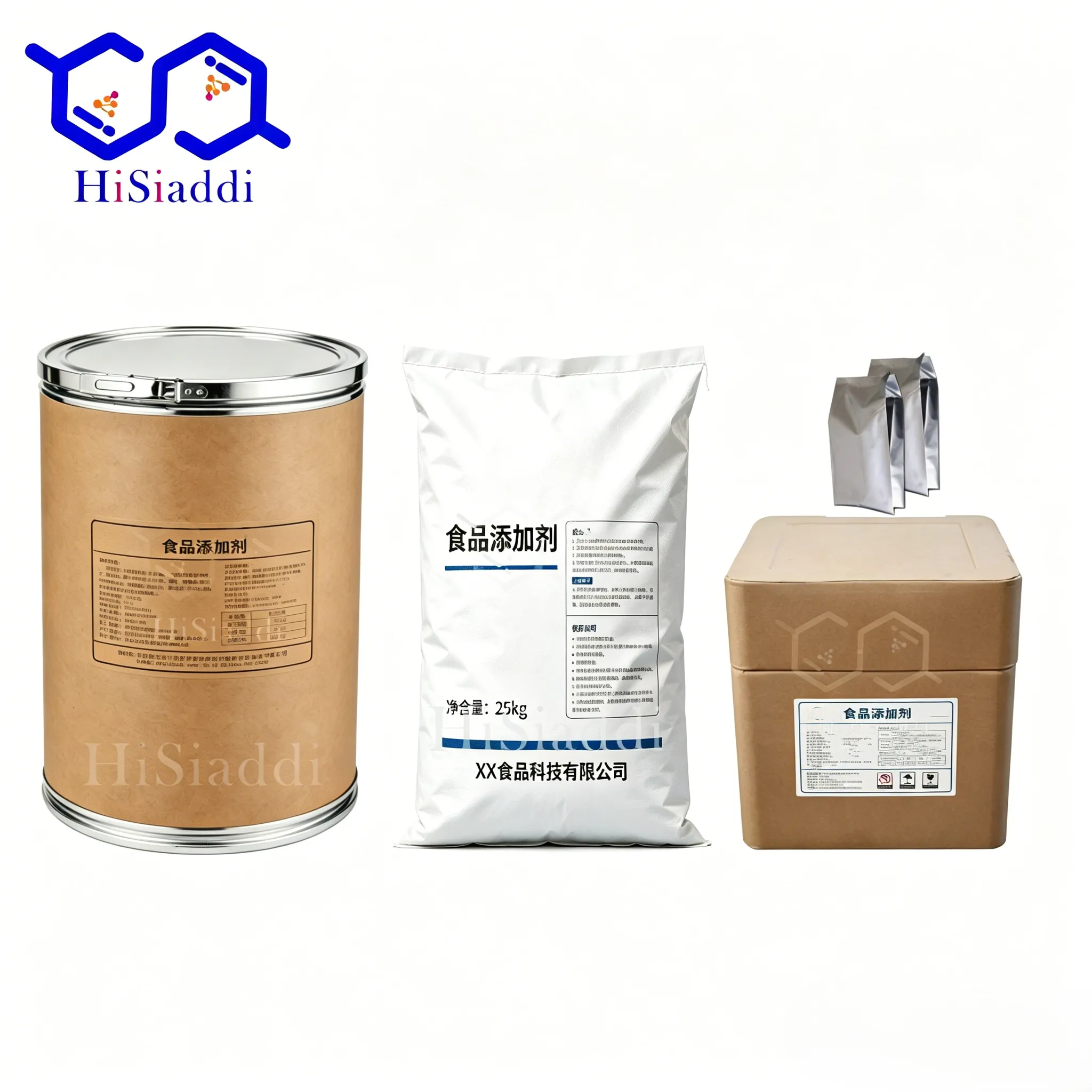
 CONTACT HiSiaddi NOW
| CAS No: | 110-15-6 | Brand Name: | Multi-brand |
| MF: | C4H6O4 | Model Number: | Multi-models |
| EINECS No: | 203-740-4 | Grade: | Food grade |
| Purity: | 99%min. | Place of Origin: | China |
| MOQ: | 1ton | Storage: | Please refer to the product packaging or contact the customer service. |
Potential Questions You May Encounter as a Buyer When Purchasing Succinic Acid
What are the key indicator advantages of mainstream grades from well‑known succinic acid brands and their impacts on end‑use applications?
What competitive services can succinic acid suppliers provide?
What are the qualification certifications and market feedback of target succinic acid brands?
How are the inventory levels and supply stability of succinic acid suppliers?
What factors should be considered when selecting succinic acid?
…and many other related questions.
LD‑Bio99: Bio‑based food‑grade succinic acid (purity ≥99.5%, fermented, carbon footprint certified)
LD‑Poly: Polymer‑grade bio‑based succinic acid (ultra‑high purity, for PBS/PBAT biodegradable plastics)
LD‑Med: Pharmaceutical‑grade succinic acid (USP/EP/JP pharmacopoeia grade, low endotoxin and low heavy metal content)
Sodium Succinate / Disodium Succinate (specialized for daily‑use chemicals and electroplating)
Top‑tier bio‑based purity and carbon footprint performance: Fermented succinic acid features purity ≥99.5%, total impurities ≤0.3% and maleic acid ≤0.05%, matching premium bio‑based indicators of BioAmber (USA). It supports ≥99% bio‑based content and carbon neutrality/carbon footprint certifications, fully complying with EU REACH, US EPA and global carbon neutrality regulations. Labels for natural bio‑based and renewable raw materials are available, a mandatory selling point for major European and American biodegradable material giants that petroleum‑based alternatives cannot achieve.
Superior polymer‑grade indicators over Japanese and Korean petroleum‑based products: Polymer‑grade succinic acid contains heavy metals <0.5 ppm and nitrogen impurities <10 ppm, directly applicable to PBS and PBAT synthesis. Downstream materials feature high molecular weight, strong tensile strength, controllable degradation cycles and odor‑free properties. Petroleum‑based succinic acid from Mitsui Chemicals (Japan) contains higher impurities, leading to brittleness and poor heat resistance in downstream products.
Excellent thermal stability and processing adaptability: No decomposition or carbonization occurs with minimal by‑products under polymerization conditions of 180–220℃. Food‑grade grade remains stable without discoloration during high‑temperature sterilization (120–140℃), baking and sauce processing, with batch‑to‑batch fluctuations in purity, acidity and impurities <0.2%, compatible with fully automated polymerization and high‑speed food production lines.
Comprehensive high‑end global compliance certifications: Fully certified with FDA GRAS, EU food additive approval, REACH registration, Kosher, Halal, Non‑GMO and bio‑based carbon footprint credentials, ensuring zero customs clearance risks in Europe and America.
Outstanding chelating and bacteriostatic properties: Strong chelating capacity for metal ions delivers anti‑oxidation, color protection and extended shelf life in food applications. In feeds, it lowers intestinal pH, inhibits harmful bacteria and achieves better growth‑promoting effects than petroleum‑based succinic acid.
Global giants of European and American biodegradable plastics (PBS/PBAT manufacturers) and bio‑based material producers
Leading European and American brands in food & beverage, baking, sauces and meat preservation
European and American pharmaceutical enterprises, oral preparation, chiral drug and API synthesis manufacturers
Global suppliers of high‑end feed additives, organic farming and pet food raw materials
Bio‑based carbon footprint compliance helps downstream biodegradable materials obtain EU green labels and carbon neutrality certifications, capturing policy dividends from global plastic‑ban and environmental protection regulations and significantly boosting product premium value.
Ultra‑low impurities in polymer‑grade succinic acid enhance mechanical properties of PBS and reduce production defect rates.
Stable supply via fermentation route is unaffected by oil price fluctuations, avoiding price hikes of petroleum‑based raw materials.
Fully biodegradable plastic products eliminate white pollution, catering to eco‑friendly consumption trends.
Natural fermented food‑grade variant features mild acidity and safe preservation, ideal for clean‑label healthy food.
Feed‑grade variant improves livestock intestinal health and reduces antibiotic usage.
HB‑99: Standard food‑grade petroleum‑based succinic acid (99.0% purity)
HB‑pH: Acidity regulator/preservation‑specialized succinic acid (buffering‑enhanced type)
HB‑Feed: Feed‑grade succinic acid (acidifying and growth‑promoting type)
Full coverage of mid‑range specifications and exceptional cost control: Backed by Anhui’s fine chemical industrial cluster, large‑scale petroleum‑based synthetic production delivers massive succinic acid capacity with stable 99.0% purity. Maleic acid and heavy metal impurity control outperforms domestic peers, suiting global mass‑market food and feed applications.
Good stability in tropical environments: Stable acidity under high‑temperature and high‑humidity conditions prevents oxidation and deterioration of fruit juices, sauces and meat products, adapting to climates in Southeast Asia and the Middle East.
Excellent growth‑promoting effects for feed applications: Reduces intestinal pH, inhibits Salmonella, improves livestock weight gain and lowers diarrhea rates, ideal for tropical farming.
Complete regional certifications: Certified with ASEAN food additive approval, Australian TGA, Brazilian ANVISA and Middle Eastern Halal credentials for smooth customs clearance.
Small‑to‑medium manufacturers of beverages, sauces, meat products and aquatic processing in Southeast Asia, Australia and Latin America
Halal food traders and bulk raw material purchasers in the Middle East and North Africa
Global feed additive and livestock/aquaculture enterprises
Ultra‑low bulk procurement costs enhance price competitiveness of end mass‑market food and feed products, enabling rapid penetration into emerging markets.
Buffering‑type acidity regulators simplify formulations and reduce auxiliary material procurement.
Stable storage in tropical conditions extends food shelf life and cuts warehousing losses.
Natural acidity in mass‑market food offers anti‑oxidation and color protection, minimizing chemical preservative usage.
Feed‑grade variant improves farming profitability and reduces disease incidence.
JL‑Ind: Industrial‑grade succinic acid (high‑purity polymerization intermediate)
Succinic Anhydride & Succinate Esters (specialized for resins, coatings and plasticizers)
JL‑Metal: Modified succinic acid for electroplating chelation
Ultimate bulk cost advantage: A top domestic producer of petroleum‑based industrial‑grade succinic acid with large‑scale continuous production delivering the industry’s lowest per‑ton costs, suitable for thousand‑ton bulk shipments.
Excellent performance as polymerization intermediates: High‑purity succinic anhydride is used in unsaturated polyester, alkyd resin and polyurethane coatings, endowing paint films with strong adhesion and weather resistance.
Stable electroplating chelating performance: Replaces cyanide for uniform and bright plating layers, suiting precision electronic electroplating and complying with European and American environmental regulations.
Strong acid‑alkali and temperature resistance: Adapts to harsh industrial conditions including high‑temperature polymerization and metal processing with year‑round stable supply.
Manufacturers of resin coatings, polyurethane and unsaturated polyester in Europe and America
Precision electronic electroplating, hardware surface treatment and industrial cleaning enterprises in Europe and America
Petrochemical downstream new material and bulk industrial raw material traders in the Middle East
Ultra‑low bulk procurement costs drastically reduce raw material expenses for resins and electroplating.
Eco‑friendly and biodegradable properties avoid penalties from European and American VOC and cyanide regulations.
Long‑term stable supply ensures controllable supply chain risks.
Weather‑resistant and durable eco‑friendly coating films.
Safe electroplated products free of toxic residues.
CM‑Na: Sodium succinate (specialized for moisturizing, skin conditioning and anti‑oxidation)
CM‑Blend: Compound acidity regulator of succinic acid + lactic acid/citric acid
Leading refined indicators for daily‑use chemical applications: Iron ion <1 ppm with strict heavy metal control. It delivers mild exfoliation and anti‑oxidation without irritation or redness, ideal for serums, toners, face masks, toothpaste and mouthwash. Sodium succinate exhibits excellent anti‑oxidation effects to slow cosmetic deterioration.
Mature compound formulations: Precisely proportioned organic acids create mild fruit acid systems suitable for household cleaners and laundry detergents.
Exclusive compliance for Japan and EU: Fully certified with JFAN Japanese cosmetic additive approval, EU CosIng and ECOCERT organic credentials for hassle‑free customs clearance in Japan, South Korea and Europe.
Flexible small‑batch customization: Custom non‑standard purity and liquid formulations available for niche beauty and oral care brands.
High‑end skincare, medical beauty care, toothpaste and mouthwash brands in Japan and South Korea
European enterprises of natural organic beauty products, household cleaners and oral care goods
Global raw material suppliers for cross‑border e‑commerce high‑end beauty and personal care products
Low‑irritation raw materials suit sensitive‑skin formulations and reduce post‑sale allergy risks.
Anti‑oxidation properties extend cosmetic shelf life and cut preservative usage.
Comprehensive organic compliance enables rapid entry into Europe’s natural organic beauty market.
Skincare products offer gentle repair, brightening and anti‑oxidation effects.
Oral care products deliver bacteriostasis, freshness and gentle tooth protection.
RB‑Ultra: Ultra‑high‑purity bio‑based succinic acid (purity ≥99.8%, for chiral synthesis)
RB‑Der: D‑Succinic Acid & Succinic Acid Derivatives (for chiral drugs)
RB‑Pet: High‑end pet‑grade succinic acid (gastrointestinal conditioning type)
Differentiated ultra‑high‑purity bio‑based strengths: Purity ≥99.8% with impurities <0.1%, suiting high‑end chiral drugs, targeted formulations and medical biodegradable materials. Overseas ultra‑high‑purity bio‑based succinic acid suffers from scarce capacity and exorbitant pricing.
Stringent pharmaceutical intermediate indicators: Ultra‑low endotoxin content supports synthesis of anti‑tumor and anti‑epileptic drugs.
Flexible small‑batch delivery: Accepts kg‑to‑hundred‑kg high‑purity custom orders for research institutions and high‑end new material startups.
European and American university laboratories, biological research institutions and chiral drug synthesis enterprises
Global high‑end pet food and functional feed brands
Special medical biodegradable material and fine chemical enterprises
Ultra‑high‑purity bio‑based raw materials support R&D of high‑end drugs and medical materials, slashing high overseas procurement costs.
Small‑batch supply lowers trial‑and‑error costs for scientific research and new product development.
Higher‑purity chiral drugs with reduced side effects.
Pet food improves gastrointestinal health and alleviates soft stool and diarrhea issues.

| Comparison Dimension | Shandong Landian Biological | Anhui Huabang Biotechnology | Shandong Jinling Chemical | Changmao Biochemical Engineering | Jiangsu Ruibang Biotechnology |
| Export Ranking | 1 | 2 | 3 | 4 | 5 |
| Core Export Regions | European & American PBS biodegradable plastics, high‑end food & pharmaceuticals, bio‑based eco‑friendly markets | Mass‑market food & feed markets in Southeast Asia, Australia, Latin America and the Middle East | European & American resin coatings, industrial electroplating and polymerization intermediate markets | High‑end beauty, oral care and organic personal care markets in Japan, South Korea and Europe | European & American research institutions, chiral drugs and high‑end medical material sectors |
| Mainstream Core Grades | LD‑Bio99 (bio‑based food‑grade), LD‑Poly (polymer‑grade), LD‑Med (pharmaceutical‑grade), Sodium Succinate | HB‑99 (standard food‑grade), HB‑pH (buffering‑type), HB‑Feed (feed‑grade) | JL‑Ind (industrial‑grade), Succinic Anhydride/Esters, Electroplating‑Modified Grade | CM‑Cos (cosmetic‑grade), CM‑Na (sodium succinate), Compound Acidity Regulator | RB‑Ultra (ultra‑high‑purity bio‑based), RB‑Der (pharmaceutical derivatives), RB‑Pet (pet‑grade) |
| Core Competitive Indicator Advantages | ≥99.5% bio‑based purity, complete carbon footprint certifications, ultra‑low polymer‑grade impurities, strong PBS compatibility, comprehensive European & American environmental compliance | Strong petroleum‑based cost advantages, stable pH buffering, tropical storage resistance, complete regional certifications | Massive bulk capacity, superior resin performance of succinic anhydride, eco‑friendly electroplating chelation, high industrial adaptability | Low iron & heavy metal content, low irritation, strong anti‑oxidation, complete Japanese & EU cosmetic compliance | Scarce ultra‑high‑purity bio‑based product, chiral synthesis compatibility, ultra‑low endotoxin, flexible small‑batch delivery |
| Benchmarked Overseas Competitors | BioAmber (USA), Roquette (France) bio‑based succinic acid | SK (South Korea), BASF (Germany) mid‑range petroleum‑based succinic acid | Imported European & American industrial‑grade succinic acid & succinic anhydride | Mitsui (Japan), BASF (Germany) daily‑use‑chemical‑grade succinic acid | Custom overseas ultra‑high‑purity bio‑based succinic acid |
| Cost‑Performance Positioning | High‑end bio‑based grade benchmarking top international brands, 30%‑38% price reduction | King of cost‑performance for mid‑range food & feed grades, 32%‑40% price reduction | Ultimate low‑cost bulk industrial polymerization & electroplating grade, 44%‑52% price reduction | Outstanding cost‑performance for high‑end daily‑use chemical & oral care sectors, 29%‑37% price reduction | Ultra‑high cost‑performance for research‑oriented specialty pharmaceutical sectors, 47%‑55% price reduction |
| Target B‑End Buyers | European & American PBS biodegradable plastic giants, food & pharmaceutical enterprises, high‑end feed manufacturers | Southeast Asian food processors, Middle Eastern Halal traders, global feed producers | European & American resin coating & electroplating enterprises, petrochemical new material traders | Japanese & South Korean medical beauty care, toothpaste & mouthwash producers, European organic beauty enterprises | European & American research institutions, chiral drug producers, high‑end medical material manufacturers |
| Specific Benefits for Downstream Buyers | Bio‑based carbon footprint boosts eco‑friendly premium value, polymer‑grade variant improves PBS quality, fermentation route hedges oil price volatility | Cost advantages capture mass‑market share, buffering‑type variants simplify formulations, tropical storage cuts losses | Ultra‑low bulk procurement costs, eco‑friendly compliance avoids penalties, long‑term stable supply | Low‑irritation anti‑oxidation properties reduce after‑sales risks, multi‑purpose use simplifies formulations, rapid market entry into Japanese, South Korean and European beauty sectors | Ultra‑high‑purity products resolve chiral synthesis pain points, scarce bio‑based raw materials break monopolies, small‑batch supply cuts trial‑and‑error costs |
| Specific Benefits for End Consumers | Eco‑friendly and recyclable biodegradable plastics, natural and safe food‑grade product, feed‑grade variant improves intestinal health | Anti‑oxidation and color protection for mass‑market food, feed‑grade variant boosts farming profitability | Weather‑resistant and durable coatings, safe and eco‑friendly electroplated products | Anti‑oxidation and brightening skincare effects, bacteriostatic and fresh oral care products | Reduced side effects of high‑end drugs, improved pet gastrointestinal health |
HiSiaddi, a new-type foreign trade service provider driven by dual engines of technology transformation and foreign trade services, have formed a "1+2+3+4=1" product service system by 1 foreign trade salesperson with over 3 years of experience, 2 R&D teams, 3 high-quality suppliers, and 4 warehouses to serve 1 product demand.
Relying on this service system, HiSiaddi boasts more profound expertise in the R&D optimization and technical processes of Succinic acid products than most foreign trade companies, a better grasp of market demands and competitive advantages of various Succinic acid brands than individual factories, and a more thorough understanding of the Succinic acid foreign trade market than research institutions.
HiSiaddi only hires foreign trade sales staff with more than 3 years of working experience, who must receive over 6 months of training from the R&D team and foreign trade team before serving customers.
(1)Succinic acid Basic Guarantee Service: Supported by the foreign trade team and the company’s service system, we provide customers with one-stop full-process document handling services, including but not limited to: presentation and application of various compliance certificates for Succinic acid; provision of third-party test reports and resolution of quality warranty feedback issues.
(2)Succinic acid Exclusive Premium Service: Backed by the R&D team, we deliver customized product and technical consulting services for customers, including but not limited to: comparative analysis of core index compatibility and costs across all Succinic acid brands; regular sharing of market trends for Succinic acid products.
We conduct in-depth cooperation with source manufacturers through technology transformation and maintain close internal collaboration with the foreign trade team to deliver technical training for sales staff. This enables more professional Succinic acid customization and provides research-grade consulting services for Succinic acid brand matching recommendation and optimization of Succinic acid application solutions.
(1)Succinic acid Research-Grade Customization Service:
Driven by dual engines of technology transformation and foreign trade, we convert core domestic technologies including precise purification in bio-fermentation of succinic acid, customization of polymerization indicators, carbon footprint optimization, low-irritation refining for daily chemicals, succinic anhydride modification and compound formula development into product competitiveness for overseas purchasers, which forms our core competitive barrier. We provide customized index and application modification technology empowerment services for succinic acid:
• Precise index customization: Precisely control bio-based content, maleic acid impurities, nitrogen impurities and heavy metals for polymerization grade;
• Scenario-based modification customization: High-purity succinic acid exclusive for PBS polymerization, antioxidant enhanced food-grade succinic acid, mild low-irritation alpha-hydroxy acid for daily chemicals, high chelation modified succinic acid for electroplating, customized succinic anhydride;
• Derivative customization: Sodium succinate, succinate ester, compound acidity regulators;
• Downstream process optimization: Polymerization proportion for PBS, fresh-keeping formulas for food, antioxidant systems for daily chemicals, complexing schemes for electroplating.
We do not merely sell raw materials, but develop customized raw materials and application schemes tailored to local scenarios for customers, drastically reducing R&D costs and new product launch cycles.
(2)Succinic acid Research-Grade Consulting Service:
Specialized matching service of polymerization-grade succinic acid for PBS/PBAT biodegradable plastics. For leading degradable material enterprises in Europe and America, we customize bio-based succinic acid for polymerization with low nitrogen, low heavy metals and low maleic acid. We provide small-scale polymerization test data, molecular weight test data and material mechanical property data to directly match downstream polyester processes, solving core pain points of mismatched raw materials and polymerization processes and unqualified material performance for overseas customers.
Specialized compliance service for bio-based carbon footprint & carbon neutrality. The European and American market imposes strict requirements on carbon footprint, renewable sources and carbon neutrality certificates of bio-based succinic acid. We specially provide bio-based traceability, carbon footprint accounting and third-party certification documents, and assist customers in completing EU green label and carbon neutrality certifications to seize environmental policy dividends.
Specialized anti-oxidation & low-irritation optimization service for cosmetic-grade succinic acid. For high-end beauty brands in Japan, South Korea and Europe, we specially reduce iron ions, heavy metals and free impurities, and customize mild antioxidant succinic acid and sodium succinate. We provide test reports for skin irritation and antioxidant performance, suitable for formulas of masks, serums and high-end care products.
Specialized service of industrial succinic anhydride & cyanide-free electroplating. For resin and electroplating enterprises in Europe and America, we customize high-purity succinic anhydride and high chelation succinic acid. We provide small-scale electroplating process test data and resin paint film performance test data to replace cyanides and petroleum-based toxic additives and meet European and American environmental regulations.
Our foreign trade and R&D teams collaborate to conduct multi-round evaluations and cooperation including preliminary market research, on-site factory inspections, product testing, in-depth technology transformation partnerships and product procurement cooperation. We screen around 3 branded manufacturers with reliable quality, stable supply, sound reputation and strong development potential.
(1) Initiative to Secure Lower Prices: Long-term cooperation via technology transformation and exclusive distribution allows us to source factory-direct raw materials at more competitive prices.
(2) Succinic acidLong-Term Supply Chain Guarantee Service: Long-term partnerships in technology transformation and distribution effectively strengthen production process monitoring, full-lot traceability, batch stability control, and compensation guarantees for substandard third-party test results.
We have 4 warehouses, which are jointly operated and managed with suppliers to store hot-selling products.
(1)Succinic acidFast Localized Delivery & Improved Emergency Resolution: Our four warehouses are located at Qingdao Port in North China, Ningbo Port in East China, Shenzhen Port in South China, and Zhengzhou, China’s inland logistics hub, ensuring timely shipment of Succinic acid. Meanwhile, on-site staff can promptly resolve transport accidents, packaging defects and export compliance issues involving Succinic acid.
(2) Mitigate Price Fluctuations & Support Custom Packaging: We stock up in advance to ease severe price surges during Succinic acid peak demand seasons. Our proprietary warehouses can fully accommodate personalized customer requirements for packaging, labels and other customizations.
As a new foreign trade service provider driven by both technology commercialization and foreign trade services, HiSiaddi has established a "1+2+3+4=1" service system and can supply raw materials from multiple well-known original manufacturers of succinic acid. As a research and development-oriented foreign trade enterprise, HiSiaddi will systematically outline common challenges faced by B-end buyers sourcing succinic acid from China and propose targeted solutions from a professional perspective.
If you require more professional and in-depth analysis regarding succinic acid selection, please contact HiSiaddi customer service.
1. FDA Compliance and Labeling Risks: As an acidity regulator and flavor agent for food, succinic acid requires complete FDA food additive filing documentation for North American market entry. Labels must accurately state purity, moisture, ignition residue, heavy metals and other indicators; a deviation exceeding 5% between measured values and labeled specifications will result in product removal and regulatory penalties. Clear differentiation between biological fermentation-grade and chemical synthetic-grade material is required: organic food and high-end dietary supplements only accept naturally fermented sources, while synthetic grades are prohibited.
2. Improper Form and Process Selection: Two mainstream forms exist: crystalline granules and fine powder. Granules are preferred for beverages and sauces (slow dissolution, mild sourness), while fine powder suits effervescent tablets, solid compound additives and daily chemical buffer systems. Incorrect selection causes uneven dissolution, poor effervescent performance and powder stratification. Its heavy sour profile, when poorly blended with citric acid and malic acid, creates dull, unpalatable overall flavors.
3. Rigorous Safety Physicochemical Requirements: Food-grade specifications mandate ≥99.0% purity, lead <1ppm, arsenic <2ppm, total plate count ≤1000cfu/g, and strict limits on organic residues and ash. Low-grade industrial raw materials contain excessive impurities and organic by-products, introducing off-odors and accelerating end-product deterioration when used in food, barring access to supermarket chains and branded daily chemical channels.
4. Conflicts Between Storage & Transportation and Order Requirements: High hygroscopicity leads to moisture absorption and caking during long-distance transit and warehousing with standard packaging, disrupting automated feeding. Most buyers operate small-to-medium factories requiring small trial orders and repeat replenishments, yet large manufacturers impose high minimum order quantities, causing inventory overstock or material shortages.
1. Full Compliance Documentation + Label Guidance: Supply FDA food filings, biological fermentation source certificates and compliant label templates. Each batch is accompanied by a full CoA test report with batch-to-batch indicator deviation controlled below 3%, supporting regulatory sampling inspections.
2. Full-Specification Inventory + Formulation Support: Maintain complete stock of granular and fine powder grades, with one-on-one form recommendations based on end-use scenarios. Provide multi-acid blending ratios to optimize flavor profiles.
3. Dual-Quality Inspection Control: Implement in-house testing plus third-party verification via SGS/Intertek to fully cover impurities, heavy metals and microorganisms, meeting all North American food and daily chemical market access standards.
4. Moisture-Proof Packaging + Flexible MOQ: Vacuum moisture-resistant aluminum foil packaging with approved anti-caking agents to suppress caking. Support small trial orders starting at 50kg and mixed shipments of multiple specifications. Leverage North American overseas warehouses for local delivery within 3–7 days for urgent orders.
1. Dual Compliance Pressures: Food Additive Approval & REACH Regulation. Succinic acid is an authorized food additive in the EU, with more complex filing procedures for bio-fermented variants requiring toxicology reports, stability data and dietary exposure assessments. Independent filing takes 5–8 months. It is also governed by REACH regulation, with SVHC substances capped at ≤0.1%. Small and mid-sized buyers lack dedicated compliance teams, risking delayed new product launches.
2. Temperature Adaptation Limitations: While stable at ambient temperatures, standard grades decompose slightly and generate trace by-products under high-temperature baking and prolonged pasteurization, causing flavor and color shift. Fine powder generates dust and agglomerates in high-humidity production environments, increasing manufacturing losses. When used as a pH buffer in daily chemicals, incompatibility with certain surfactants leads to system turbidity.
3. Insufficient Long-Distance Transit Stability: Extended ocean shipping and warehousing cycles within the EU cause moisture absorption and compaction with standard packaging, requiring secondary crushing upon unpacking and raising labor costs.
4. Sustainable Procurement Barriers: EU organic food, high-end cosmetics and bio-based industrial chains mandate fermentation feedstock traceability, bio-based content certification and carbon footprint reports. Pure chemically synthesized succinic acid cannot enter premium channels, and missing documentation eliminates opportunities for end-product price premiums.
1. One-Stop Compliance Package + Filing Assistance: Provide EU food additive permits, REACH-SVHC testing, EU organic, KOSHER and HALAL certifications. Professional teams support document submission and review, shortening filing cycles to within 3 months.
2. Scenario-Specific Customization + Process Guidance: Segregate high-temperature-resistant food-grade and daily chemical buffer-exclusive grades, offering guidance on sterilization processes and surfactant compatibility. Optimize particle size distribution to reduce dusting and agglomeration.
3. Reinforced Light-Blocking Moisture-Sealed Packaging: Vacuum light-proof packaging suitable for transoceanic shipping and long-term storage, effectively delaying moisture-induced caking and component decomposition.
4. Green Supply Chain Documentation Support: Supply fermentation feedstock traceability records, bio-based certification and full-lifecycle carbon footprint reports to facilitate entry into EU organic and premium retail channels.
1. Disruption from Low-Cost Counterfeit Products: Local workshops blend citric acid, mixed industrial acids and low-cost inorganic acids to fake food-grade succinic acid, driving down market prices. Premium genuine fermentation-grade raw materials carry higher costs, squeezing profit margins for buyers operating in low-end condiment, industrial cleaning and general feed segments.
2. Difficulty Verifying Indicator Authenticity: Widespread false purity labeling; products marked 99% purity often test at only 90%–95%, with excessive organic impurities and ash. Professional testing laboratories are scarce locally, making post-delivery verification difficult. Usage results in abnormal condiment flavors, reduced cleaning efficacy and poor feed palatability, triggering end-customer complaints.
3. Elevated Storage & Transit Loss Rates: Year-round high temperature and humidity in Southeast Asia accelerate moisture absorption and caking, even partial deliquescence, of succinic acid powder. Combined with port congestion during rainy seasons extending ocean transit by 1–3 weeks, total comprehensive losses reach 8%–12%.
4. Lack of After-Sales Support: Local suppliers are predominantly small trade firms and workshop manufacturers refusing returns or exchanges for under-specification or moisture-damaged goods, with all losses borne solely by buyers.
1. Tiered Pricing for Segmented Markets: Separate economical industrial/feed-grade and standard food-grade lines with split pricing for granules and powder. Recommend economical grades for low-end cleaning and general feed, and food-grade material for branded condiments to balance cost and quality.
2. Authorized Testing + Traceability Anti-Counterfeiting: Each batch includes bilingual SGS test reports listing full indicators including purity, moisture and impurities. Unique batch traceability QR codes enable instant production and testing record lookup to quickly identify adulterated counterfeit goods.
3. Reinforced Waterproof Packaging + Staggered Logistics: Double-layer waterproof sealed packaging with reinforced outer cartons limits transportation losses to below 2%. Avoid rainy seasons and port peak periods via direct ocean freight lines with stable 7–10 day delivery cycles.
4. Dedicated Local After-Sales Service: Deploy full-time Southeast Asian account managers with 24-hour issue response. Offer full order returns and exchanges with supplier coverage of round-trip logistics fees for non-human-induced under-specification or severe moisture caking.
1. Mandatory HALAL Certification Barrier: Middle Eastern markets enforce full-process halal control over succinic acid production feedstock, fermentation strains, auxiliary raw materials and manufacturing equipment. Shipments without authoritative Malaysian JAKIM or UAE ESMA certificates face customs detention and confiscation, while independent certification procedures are lengthy and complex.
2. Extreme Heat Accelerates Quality Degradation: Summer temperatures consistently exceed 40°C across the Middle East, with high heat and humidity speeding moisture absorption, minor decomposition and severe powder compaction. Acidity and flavor profiles fluctuate, destabilizing sauce and daily chemical end-product quality.
3. Fragmented Order Mismatch: Most customers operate small food workshops, regional retailers and daily chemical stores with order volumes concentrated between 20–100kg and high ordering frequency. Most suppliers impose a 200kg minimum order quantity, unable to accommodate small, frequent batches.
4. Flavor Compatibility Issues: Succinic acid’s heavy, lingering sourness easily masks the native flavors of traditional Middle Eastern sauces and beverages. Buyers lack compound blending formulations, reducing end-product market acceptance.
1. Dual Authoritative Halal Certifications + Customs Clearance Support: Factory production fully complies with halal standards with dual JAKIM and ESMA certifications. Original certificates with English translations accompany shipments, and teams assist buyers with customs filing for seamless clearance.
2. High-Temperature Moisture-Resistant Custom Packaging: Approved anti-caking agents paired with thick insulated aluminum foil plus thermal foam packaging. Powder remains loose with negligible acidity shift after 3 months storage at 45°C.
3. Flexible Production for Small Orders: Production lines support ultra-low 20kg minimum order quantities, with 3–5 day delivery for orders under 100kg. Spot inventory in Dubai overseas warehouses enables same/next-day local delivery for urgent requests.
4. Formulation Technical Support: Supply blending ratios of succinic acid with citric acid and sweeteners to balance heavy sourness and align with local Middle Eastern food and daily chemical usage preferences.
1. High Production Qualification and Cleanroom Entry Thresholds: Succinic acid for pharmaceutical, medical food and pharmaceutical intermediate applications requires suppliers to hold EU GMP certification with Class 10,000 sterile cleanroom production facilities. Conventional food-grade production lines fail to meet deep impurity removal, sterility control and cross-contamination prevention standards, barring entry into pharmaceutical supply chains.
2. Ultra-Tight Purity and Impurity Limits: Pharmaceutical grades require ≥99.5% purity, individual heavy metal limits <0.1ppm, ignition residue <0.05%, total microbial count ≤10cfu/g, and non-detectable organic by-products and residual solvents. Standard food-grade material fails to meet these thresholds.
3. Prolonged Technical Documentation Review Cycles: Entry into European pharmaceutical and medical food systems requires submission of excipient DMF files, process validation reports, long-term stability trials and pharmacology-toxicology assessment reports. EMA review cycles last 5–8 months, with rejected applications stemming from non-standard documentation.
4. Severe Cross-Contamination Risks: Pharmaceutical-grade succinic acid prohibits shared production lines or warehouse storage with industrial chemicals and general food additives. Cross-contamination results in full batch scrapping and substantial financial losses.
1. Independent GMP-Dedicated Medical Production Lines: Equipped with EU GMP-certified Class 10,000 sterile cleanrooms with physically segregated dedicated production, refining, warehousing and logistics channels exclusive to pharmaceutical-grade succinic acid, fully compliant with European pharmaceutical excipient and intermediate manufacturing regulations.
2. Deep Refining for Rigorous Indicator Control: Multi-stage recrystallization coupled with membrane separation refining delivers stable ≥99.5% purity with batch-to-batch purity deviation limited to ±0.3%. All impurity and microbial indicators meet specifications, with dedicated pharmaceutical-grade test reports issued per batch.
3. Full Technical Documentation + Audit Support: Pre-prepared complete DMF, process validation, stability and toxicology evaluation materials. Professional pharmaceutical regulatory teams provide full support for EMA audit inquiries, shortening review cycles to within 4 months.
4. Full-Link Sterile Segregation Control: Sterile sealed packaging post-sterilization with dedicated conveying equipment. Supporting documentation for production line zoning and cross-contamination prevention fully mitigates quality risks.
For more professional and in-depth analysis regarding succinic acid selection, please contact HiSiaddi customer service.
Most domestic mass-production plants for fermented bio-based succinic acid produce industrial-grade material (ash content ≥0.25%), while dedicated purification lines for food-grade products are extremely limited. Factories were reluctant to conduct separate purification for small-batch 25-ton orders. Conventional processes only deliver a biocarbon content of 82%, failing to meet EU eco-label certification standards.
The French REACH Regulation mandates biocarbon traceability certificates and full-component toxicology reports for bio-based raw materials, yet the client lacked familiarity with domestic testing systems in China.
Bio-based succinic acid is prone to discoloration when exposed to heat. Temperature fluctuations during transoceanic shipping easily cause yellowing, which fails to meet feeding requirements for lubricant esterification.
Coordination for Customized Production: HiSiaddi partnered with a domestic specialized bio-fermentation manufacturer, arranging the factory to suspend partial industrial-grade production capacity and activate precision crystallization and activated carbon decolorization purification lines. Fermentation strains and extraction processes were optimized to raise biocarbon content to 98.6%. Strict calcination impurity removal procedures stabilized ash content at 0.06%, and air jet milling classification delivered a uniform 200-mesh particle size. Central laboratory testing was conducted across three separate batches.
Compliance Documentation Handling: HiSiaddi assisted the client in entrusting authoritative domestic testing institutions to complete biocarbon content testing, organized supporting documents for REACH substance registration, and issued EU-recognized biocarbon traceability certificates as well as SGS heavy metal and microbial test reports. Leveraging RCEP policies, a Certificate of Origin was processed to reduce France’s import tariffs.
Customized Packaging & Logistics: Moisture-proof ton bags lined with aluminum foil paired with rainproof wooden pallets were adopted for packaging. Temperature-controlled containers maintaining a constant temperature of 15–25°C were used for sea transport to Le Havre Port to avoid high-temperature oxidation and discoloration throughout transit.
Iron ion content of incoming standard succinic acid reached 18 ppm, while the client’s PBS polymerization catalytic system had a maximum tolerance limit of 8 ppm. Iron impurities formed gel particles under high-temperature polymerization, clogging extruder filters and disrupting the regularity of molecular chains, which led to uneven plasticization.
Excessive free moisture of 0.39% in raw materials generated tiny bubbles from water vaporization during heating in the polymerization reactor, resulting in internal voids in plastic pellets and decreased tensile strength.
The client’s original feeding process adopted a low preheating temperature for succinic acid. Rapid temperature rise after raw materials entered the reactor caused local thermal agglomeration and uneven polymerization reactions.
Customized Raw Material Parameter Adjustment: HiSiaddi coordinated the manufacturer to add a chelating resin iron removal procedure in the succinic acid refining stage, controlling iron ion content below 6 ppm. Extended vacuum drying cycles locked the finished product moisture content at ≤0.18%. A 500 kg small-batch sample was shipped to South Korea for pilot polymerization verification.
Downstream Formula & Process Guidance: HiSiaddi’s polymer material engineers remotely collaborated with the client’s workshop to deliver a process improvement plan: pre-dry succinic acid at a constant temperature of 80°C for 2 hours before feeding, adopt segmented gradient heating in the polymerization reactor, and fine-tune the molar ratio of diol to succinic acid by ±0.01 to improve polymerization uniformity.
Mass Replacement Supply: Two separate sea shipments delivered the 40 tons of succinic acid with optimized indicators, accompanied by full-item impurity COA test reports. Supplementary raw material storage moisture-proof specifications were also provided.
Lead time
Quantity (ton) | 0 - 10 | 10 - 30 | > 30 |
Lead time (days) | 7 | 15 | To be negotiated |
The monthly inventory volume of Succinic acid is 15 tons, with appropriate adjustments upwards or downwards in response to peak and off-peak seasons.
HiSiaddi safeguards the supply stability of Succinic acid through the following measures:
(1) Performance evaluation and screening of Succinic acid brand factories based on on-time delivery rate, batch pass rate, timeliness of risk alerts, and completeness of documentation to assess their supply stability.
(2) For each mainstream model or major grade of Succinic acid, secure 1 primary high-quality brand manufacturer and 2 backup high-quality manufacturers.
(3) Each factory operates independent production lines in separate production zones to prevent production halts caused by major unforeseen incidents such as environmental production suspensions and power outages.
Through long-term cooperation with brand manufacturers via technology commercialization and authorized distribution channels, HiSiaddi can effectively strengthen supervision over the production processes of brand manufacturers, optimize full-process traceability management, improve batch stability control, and further reinforce real-time monitoring of the supply stability of Succinic acid products.
Long-term Annual Framework Supply Guarantee Agreement. HiSiaddi signs 12-month long-term agreements with leading manufacturers. The agreements specify the minimum guaranteed supply volume, maximum price hike range, and priority production scheduling rights during peak seasons. It is stipulated that manufacturers shall issue a 30-day prior written notice if production is suspended due to environmental rectification or equipment maintenance, and backup manufacturers will be activated to replenish goods accordingly.
We have 4 warehouses, which are jointly operated and managed with suppliers to store hot-selling products.The four warehouses are located at Qingdao Port in North China, Ningbo Port in East China, Shenzhen Port in South China, and Zhengzhou, China’s inland logistics hub. This setup guarantees sufficient supply and timely shipment of Succinic acid during peak seasons.
HiSiaddi issues a rolling demand forecast covering the subsequent three months on the 25th of each month, allowing manufacturers to reserve production capacity in accordance with the forecast. Any new urgent orders from overseas clients will be prioritized to draw on inventories or production capacity from backup manufacturers.
Unstable logistics for Succinic acid will extend delivery lead times. HiSiaddi has established alternative arrangements covering multiple freight forwarders, ports and transportation solutions:
(1) Binding of multiple professional chemical freight forwarders for Succinic acid
Each product is assigned 2 to 3 freight forwarders with hazardous chemical/food transport qualifications affiliated with different shipping lines. Alternative sailing schedules can be switched to immediately in case of space shortages or customs inspections on a single shipping route.
(2) Backup transportation solutions for Succinic acid
Ocean freight serves as the standard mode; air freight and rail freight are reserved as alternatives for urgent orders. Long-term agreements for temperature-controlled containers are signed for temperature-sensitive and perishable food additives to secure shipping space.
(3) Visual tracking and digital early warning for Succinic acid
Freight forwarders synchronize daily updates on container loading, customs declaration, vessel loading and port arrival milestones. If customs inspection occurs, replenishment from backup inventory will be initiated immediately to shorten client waiting periods.
Full-chain digital early warning automatically monitors four categories of risks:
Factory side: Expiring supplier environmental assessment certificates, renewal of production permits, scheduled major equipment overhauls, and notifications of price hikes for upstream raw materials;
Inventory side: Inventory falling below safety thresholds, excessive inventory age, and batches failing quality inspection;
Logistics side: Shipping line space shortages, strikes at destination ports, and updates to customs policies;
Overseas side: Revisions to additive regulations and adjustments to import restriction lists in target countries.
Early warning notifications are automatically pushed to procurement and business leads, allowing backup suppliers or inventory contingency plans to be activated in advance.
As a new-type foreign trade service provider driven by both technology commercialization and export business, HiSiaddi has built a "1+2+3+4=1" service system, offering access to raw materials from multiple well-known original manufacturers of succinic acid.
As an R&D-focused foreign trade enterprise, HiSiaddi does not only promote individual manufacturers like single-brand factories. We objectively analyze China’s top export-competitive succinic acid brands and share their certification credentials and market feedback to help buyers streamline supplier selection.
Contact HiSiaddi customer service for objective, detailed introductions to multiple well-known Chinese succinic acid brands.
· KSB-995 (Polymer Grade, ≥99.5%): Specially formulated for PBS/PBAT biodegradable plastics
· KSB-998 (Food & Pharmaceutical Grade, ≥99.8%): Food additives and pharmaceutical intermediates
· KSB-LC (Low Carbon Footprint Grade, ≤0.85 tons CO₂e/ton): Customized for EU CBAM low-carbon compliance
1. BASF, DSM (PBS Polymerization): Batch purity fluctuation ≤0.15%, stable color ≤8 APHA with zero black particulate impurities. PBS produced delivers narrow molecular weight distribution and controllable degradation cycles, lifting finished product premium yield by 12% with zero quality complaints over three consecutive years.
2. Danone, Nestlé (Food Grade): Microbe-free, pyrogen-free, heavy metal levels below 3 ppm. Mild acidic taste with subtle umami, fully masking bitter aftertaste when blended with citric acid, and stable performance under high-temperature beverage sterilization.
3. IKEA, Adidas (Green Supply Chain): Industry-leading carbon footprint of 0.85 tons CO₂e per ton, qualifying for EU CBAM tariff exemptions with a 15%–20% procurement premium. Order volume surged over 70% year-on-year during 2024–2025.
· ✅ U.S. FDA GRAS (Food Grade)
· ✅ EU EFSA food additive approval (First domestic enterprise holding dual certification)
· ✅ Full EU REACH registration across all batches
· ✅ USDA bio-based certification (≥95% bio-based content)
· ✅ ISO 14064 carbon footprint certification (0.85 tons CO₂e/ton)
· ✅ China CBCC bio-based chemical certification, listed in MIIT Green Manufacturing Directory
· HH-9999 (Electronic Grade, ≥99.99%): Lithium battery cathode solvents, semiconductor cleaning agents
· HH-995 (Bio-Based Polymer Grade, ≥99.5%): PBS, TPES elastomers
· HH-998 (Pharmaceutical Grade, ≥99.8%): Antibiotics, sustained-release excipients
1. Samsung SDI, LG Chem (Lithium Battery Solvents): Metal ions ≤0.5 ppb, moisture ≤30 ppm, chloride-free. Replaces toxic NMP solvent, lifting battery production yield by 3% and cutting VOC emissions by 90%. Securely integrated into Japanese and Korean power battery supply chains starting 2025.
2. Sumitomo Chemical (Japan), Hanwha (South Korea) (Pharmaceutical Intermediates): Consistent purity above 99.8% with transparent impurity profiles; superior batch uniformity vs. Japanese competitors. Delivers higher purity and stable crystallization for cephalosporin antibiotic synthesis.
3. Evonik (Germany), Showa Denko (Japan) (Cost-Effective Bio-Based Material): Fermentation yield exceeding 93.5% with unit costs 18%–22% lower than European and American alternatives. European procurement volume rose 63.4% year-on-year in 2025, establishing Huaheng as Europe’s second-largest bio-based succinic acid supplier.
· ✅ SEMI S2 (Semiconductor Material Safety Standard)
· ✅ South Korean KC certification, Japanese METI filing
· ✅ U.S. FDA DMF pharmaceutical filing, EU CEP pharmaceutical excipient certification
· ✅ ISO 9001/14001/45001, China Electronic Chemical Industry Association certification
· FY-995 (Bio-Based Polymer Grade, ≥99.5%): PBS, PBAT
· FY-990 (Industrial Grade, ≥99.0%): Resins, plasticizers, leather chemicals
· FY-998 (Food Grade, ≥99.8%): Beverages, baking, condiments
1. PTT (Thailand), Indorama (Indonesia), Vinamilk (Vietnam) (PBS): Stable continuous fermentation and membrane separation processes with batch purity fluctuation ≤0.2%, compatible with high-speed polymerization lines and boosting equipment utilization by 10%. RCEP tariff advantages deliver landed costs 12%–15% below European and American competitors.
2. Wanhua Chemical, Kingfa Science & Technology (Direct Supply Bases): Integrated direct "succinic acid-PBS" supply cuts raw material costs by 18% and accelerates response speed by 40%. Cooperative production capacity exceeded 50,000 tons in 2025, making BBCA East China’s largest PBS raw material supplier.
3. Southeast Asian Food Manufacturers: Pure acidity and strong buffering capacity with complete HALAL certification, capturing over 30% market share in halal food segments.
· ✅ EU REACH registration
· ✅ Thailand FDA, Vietnam food safety certification
· ✅ ISO 9001/22000 food safety certification, HALAL halal certification
· ✅ China CBCC bio-based certification, Anhui Provincial Green Factory designation
· JD-995 (Bio-Based Polymer Grade, ≥99.5%): PBS mulch films, disposable packaging
· JD-998 (Food Grade, ≥99.8%): Food additives, feed ingredients
· JD-990 (General Industrial Grade, ≥99.0%): Industrial resins, daily chemicals
1. Reliance Industries (India), Braskem (Brazil), Petkim (Turkey) (Mass PBS Production): Stable ≥99.5% purity with pricing 20%–25% below European and American alternatives. Ideal for mulch films and single-use packaging, supporting stable gross margins of 18%–22%. ASEAN export volume rose 44.6% year-on-year in 2025.
2. Shuanghui, Yili, DuPont (Food Grade): Clean acidic profile with strong buffering performance; blending with citric acid enhances flavor and extends product shelf life by 20% under high-temperature storage.
3. Southeast Asian Feed Industry: Non-toxic bio-based material improves digestion and reduces livestock diarrhea rates, capturing over 25% regional market share in 2025 due to prominent cost advantages.
· ✅ U.S. FDA GRAS, EU EFSA food-grade certification
· ✅ Compliance with China GB 28302 food-grade national standard
· ✅ ISO 9001/14001, China Bio-Based Materials Alliance certification
· ✅ Customs Class A Enterprise, registered export food production facility
· FY-998 (High-Purity Industrial Grade, ≥99.8%): Polyesters, polyurethanes, synthetic resins
· FY-999 (Electronic Grade, ≥99.9%): Semiconductors, wafer cleaning, electronic chemicals
· FY-995F (Food Grade, ≥99.5%): Food additives, daily chemical formulations
1. Shin-Etsu (Japan), LG Chem (South Korea), Formosa Plastics (Taiwan) (High-Purity Industrial Grade): ≥99.8% purity, ash content ≤0.01%, zero mechanical particulates. Viable replacement for Japanese imported succinic acid, cutting costs by 15% and shortening delivery lead times by 50%.
2. SMIC, JCET (Electronic Grade): Metal ions ≤1 ppm, moisture ≤50 ppm, particle size <0.5 μm. Applied in wafer etching and cleaning, capturing 20.1% domestic market share in 2025.
3. Domestic Resin & Coatings Manufacturers: Consistent batch quality, high reaction activity and light finished product color. Pricing 18%–25% lower than imported equivalents, the primary domestic alternative to foreign imports.
· ✅ Lead drafter of GB/T 34609-2017 National Standard for Industrial Succinic Acid, equivalent to Japanese JIS K 8047
· ✅ SEMI S2, ISO 9001/14001/45001
· ✅ KOSHER/HALAL, EU REACH registration
· ✅ China Electronic Chemical Materials Association certification, Shandong Provincial Famous Brand
Contact HiSiaddi customer service for objective, detailed introductions to multiple well-known Chinese succinic acid brands.
As a new-type foreign trade service provider driven by both technology commercialization and export business, HiSiaddi has built a "1+2+3+4=1" service system, offering access to raw materials from multiple well-known original manufacturers of succinic acid.
As an R&D-focused foreign trade enterprise, HiSiaddi does not only promote individual manufacturers like single-brand factories. We objectively analyze China’s top export-competitive succinic acid brands and share their production processes, supply stability and key technical indicators, alongside their downstream procurement impacts, to help buyers streamline supplier selection.
Contact HiSiaddi customer service for objective, detailed introductions to multiple well-known Chinese succinic acid brands.
· Carbon feedstock: Shanxi base utilizes self-produced ethanol and corn starch, powered entirely by green electricity.
· Microbial strain: Self-developed hyperosmotic-resistant E. coli strain KSB-2024M, delivering final fermentation concentration of 120 g/L and sugar-to-acid conversion rate of 98.6% (industry average: 91%).
· Purification workflow: Membrane filtration → electrodialysis → low-temperature crystallization, cutting solvent consumption by 60% and wastewater discharge by 70%.
· Carbon footprint: 0.85 tons CO₂e per ton of product (global minimum), eligible for EU CBAM low-carbon tariff exemptions.
· Production capacity: 30,000 tons/year dedicated bio-based production line in Changzhi, Shanxi, operating at 98% utilization rate in 2025.
· Raw material security: Dual supply chains of corn and ethanol with local supporting infrastructure eliminating supply disruption risks.
· Delivery performance: Permanent safety stock covering 30 days of consumption. 25–30 day transit to European and American ports with zero quality complaints and delivery delays.
· Operational resilience: Fully certified under FDA/EFSA/REACH, with green customer orders locked through the end of 2026.
· Purity: KSB-998 ≥99.8%; KSB-995 ≥99.5%; KSB-LC ≥99.5%
· Color: ≤8 APHA (pure white, no yellow discoloration)
· Heavy metals: Pb/As/Cd <3 ppm (food & pharmaceutical grade)
· Moisture: ≤0.1%; Ash content: ≤0.01%
· Batch variation: Purity fluctuation ≤0.15%, color variation ≤2 APHA, consistent performance across three consecutive years.
· PBS Polymerization (BASF/DSM): Narrow molecular weight distribution, controllable degradation cycles, 12% higher premium finished product yield and drastically improved production stability.
· Food & Pharmaceutical Applications (Danone/Bayer): Pyrogen-free and microbe-free material directly usable for acidity regulation and pharmaceutical intermediates, delivering mild blended flavors without bitter aftertaste.
· Green Supply Chain Partners (IKEA/Adidas): 0.85 tons CO₂e/ton carbon footprint qualifies for CBAM tariff exemptions, delivering a 15%–20% procurement premium and enhanced corporate ESG brand credentials.
· Microbial strain: Recombinant E. coli with 3x enhanced malate dehydrogenase (MDH) activity, fermentation concentration of 120 g/L and sugar-to-acid conversion rate of 68% (near theoretical maximum of 70%).
· Purification workflow: Continuous flow ion exchange → multi-stage crystallization → vacuum drying, cutting purification energy consumption by 40%.
· Exclusive electronic-grade production: Cleanroom manufacturing with real-time ICP-MS ion chromatography monitoring, limiting metal ions to ≤0.5 ppb.
· Carbon emissions: 2.8 tons CO₂e per ton, 46% lower than chemical synthesis routes (5.2 tons CO₂e/ton).
· Production capacity: 50,000 tons in Chifeng (commissioned 2024) + 50,000 tons in Bayannur (Q4 2026), total 100,000 tons annual capacity.
· Raw material security: Corn starch/glucose feedstock sourced from dual northern and northwestern China bases, limiting raw material price swings to <5%.
· Delivery performance: 14–18 day transit to Japanese and Korean ports; permanent 15-day safety stock for electronic-grade material with 100% on-time delivery rate in 2025.
· Certification barriers: SEMI S2, KC, METI, FDA DMF, EU CEP credentials granting exclusive access to Japanese/Korean power battery and semiconductor supply chains.
· Purity: HH-9999 ≥99.99%; HH-998 ≥99.8%; HH-995 ≥99.5%
· Metal ions: Electronic grade ≤0.5 ppb (Na/K/Fe/Cu); pharmaceutical grade ≤1 ppm
· Moisture: Electronic grade ≤30 ppm; pharmaceutical grade ≤0.1%
· Color: ≤5 APHA; Ash content: ≤0.005%
· Batch consistency: Purity fluctuation ≤0.05%, meeting ultra-precise semiconductor and lithium battery manufacturing requirements.
· Lithium Battery Cathode Materials (Samsung SDI/LG Chem): Replaces toxic NMP solvent, cutting VOC emissions by 90%, lifting battery production yield by 3% and extending cycle life by 50 charge-discharge cycles.
· Pharmaceutical Intermediates (Sumitomo/Hanwha): Transparent impurity profiles and consistent batch quality boost cephalosporin antibiotic finished purity by 0.2% with more stable crystallization performance.
· European Bio-Based Material Buyers (Evonik/Showa Denko): Unit costs 18%–22% below European and American manufacturers; European export volume rose 63.4% year-on-year in 2025, making Huaheng the top cost-performance option.
· Raw material supply: Corn starch sourced within a 50km local radius at stable raw material cost of CNY 14,800 per ton, 100% vertical self-sufficiency across the entire corn-to-succinic acid chain.
· Fermentation technology: Succinigen-producing actinomycetes with 48-hour continuous fermentation cycles, 90 g/L fermentation concentration and 62% sugar-to-acid conversion rate.
· Purification workflow: Membrane filtration → bipolar membrane electrodialysis → crystallization, cutting salt consumption by 50% and overall production costs by 18%.
· Environmental compliance: 85% wastewater recycling rate, fully aligned with RCEP Southeast Asian environmental regulations.
· Production capacity: 50,000 tons/year bio-based production line in Bengbu, Anhui, operating at 92% utilization rate in 2025.
· Raw material security: Fully integrated vertical chain covering corn, starch, glucose and succinic acid production with zero external feedstock reliance.
· Delivery performance: 7–12 day transit to Southeast Asian ports with RCEP reduced tariffs of only 0.8%, delivering landed costs 12%–15% below European and American competitors.
· Strategic partnerships: Co-built direct "succinic acid-PBS" supply bases with Wanhua Chemical and Kingfa Science & Technology, accelerating production response speed by 40%.
· Purity: FY-995 ≥99.5%; FY-998 ≥99.8%; FY-990 ≥99.0%
· Batch variation: Purity fluctuation ≤0.2%, fully compatible with high-speed Southeast Asian PBS production lines
· Heavy metals: ≤5 ppm (food grade); ≤10 ppm (industrial grade)
· Moisture: ≤0.15%; Ash content: ≤0.02%
· Particle size: 80–120 mesh, ideal for high-speed mixing and polymerization processes.
· Southeast Asian PBS Manufacturers (PTT/Indorama): Consistent batch quality compatible with high-speed production lines, lifting equipment utilization by 10% and cutting per-unit production costs by 8%.
· Southeast Asian Food Manufacturers: Complete HALAL certification, pure acidic taste and strong buffering capacity capturing over 30% regional halal food market share.
· RCEP-Area Buyers: 0.8% preferential tariffs, fast delivery and low unit costs delivering an overall competitiveness boost of 15%.
· Raw material supply: Local corn sourcing within a 50km radius of Dancheng, Henan, delivering industry-leading minimum raw material costs.
· Fermentation technology: Succinigen-producing actinomycetes with 85 g/L fermentation concentration and 60% sugar-to-acid conversion rate, optimized for minimal production expenses over maximum conversion efficiency.
· Purification workflow: Membrane filtration → bipolar membrane electrodialysis → cooling crystallization, cutting capital equipment investment by 30% with a unit production cost of CNY 14,800 per ton.
· Product positioning: Mass-market PBS and food industrial applications prioritizing cost stability while meeting minimum quality specifications.
· Production capacity: 25,000 tons/year bio-based production line in Dancheng, Henan, operating at 85% utilization rate in 2025.
· Raw material security: Long-term procurement agreements securing annual 150,000 tons local corn supply, locking in stable feedstock pricing.
· Delivery performance: 25–35 day transit to India, Brazil and Turkey; permanent 20-day safety stock with raw material price swings capped below 3%.
· Compliance credentials: FDA GRAS, EU EFSA and GB 28302 food-grade certification, meeting all food and feed market entry standards.
· Purity: JD-995 ≥99.5%; JD-998 ≥99.8%; JD-990 ≥99.0%
· Batch variation: Purity fluctuation ≤0.3%, sufficient for mass-market mulch film and packaging PBS manufacturing
· Heavy metals: ≤5 ppm (food grade); ≤15 ppm (general industrial grade)
· Moisture: ≤0.2%; Ash content: ≤0.03%
· Pricing: 20%–25% cheaper than European and American equivalents, the lowest-cost option for global mass-market applications.
· Mass PBS Manufacturers (Reliance Industries/Braskem): Fully compliant purity standards paired with industry-low pricing, supporting stable gross margins of 18%–22% and a 20% cost competitiveness advantage.
· Food Additive Manufacturers (Shuanghui/Yili/DuPont): Clean acidic flavor profile with strong buffering performance; blending with citric acid improves flavor characteristics and extends finished product shelf life by 20%.
· Southeast Asian Feed Industry: Non-toxic bio-based material improves livestock digestion and reduces diarrhea rates, capturing over 25% regional market share due to prominent cost advantages.
· Raw material supply: Domestic bulk maleic anhydride sourcing via long-term supply agreements, mature chemical synthesis route enabling precise purity control.
· Reaction workflow: Aqueous-phase maleic anhydride hydrogenation → succinic acid solution → decolorization → concentration → multi-stage rectification and gradient crystallization.
· High-purity control: Precision gradient crystallization with temperature variation limited to ±0.3°C paired with vacuum sublimation to achieve ≥99.9% purity thresholds.
· Product positioning: High-purity industrial and electronic chemical applications, serving as a domestic replacement for Japanese imported succinic acid.
· Production capacity: 20,000 tons/year high-purity chemical synthesis line in Zibo, Shandong, operating at 90% utilization rate in 2025.
· Raw material security: Long-term maleic anhydride supply contracts with abundant domestic production capacity maintaining stable feedstock pricing.
· Delivery performance: 18–22 day transit to Japanese and Korean ports, 3–7 day domestic delivery; permanent 15-day safety stock reserves.
· Standard authority: Lead drafter of GB/T 34609-2017 National Standard for Industrial Succinic Acid, technical specifications equivalent to Japanese JIS K 8047.
· Purity: FY-999 ≥99.9%; FY-998 ≥99.8%; FY-995F ≥99.5%
· Ash content: ≤0.01% (high-purity grade); ≤0.02% (standard industrial grade)
· Metal ions: Electronic grade ≤1 ppm; high-purity industrial grade ≤5 ppm
· Moisture: ≤0.1%; Color: ≤10 APHA
· Trace impurities: Chloride ≤5 ppm, sulfide ≤10 ppm, compatible with polyester, polyurethane and electronic wafer cleaning processes.
· High-Purity Industrial Buyers (Shin-Etsu/Formosa Plastics): Direct replacement for Japanese imported succinic acid, cutting procurement costs by 15% and halving delivery lead times with equivalent material quality.
· Electronic Wafer Cleaning Manufacturers (SMIC/JCET): Ultra-low metal ion and particulate levels reduce production defects by 30% and lift yield by 2% for 28nm semiconductor manufacturing processes.
· Domestic Resin & Coatings Manufacturers: Consistent batch quality and high reaction activity deliver light-colored finished products; pricing 18%–25% below imported alternatives, the primary domestic import substitution supplier.
Contact HiSiaddi customer service for objective, detailed introductions to multiple well-known Chinese succinic acid brands.
As a new foreign trade service provider driven by both technology commercialization and foreign trade services, HiSiaddi has established a "1+2+3+4=1" service system and can supply raw materials from multiple well-known original manufacturers of succinic acid. As a research and development-oriented foreign trade enterprise, HiSiaddi will analyze key purchasing considerations and critical indicators from a professional perspective to ease buyers’ selection concerns.
If you require more professional and in-depth analysis regarding succinic acid selection, please contact HiSiaddi customer service.
There are three mainstream global production processes for succinic acid: biological fermentation, chemical synthesis, and catalytic hydrogenation. Different routes determine product purity, impurity profiles and applicable scenarios, serving as the primary benchmark for global price comparison. For food, health supplement, pharmaceutical, feed and other human-contact applications, products manufactured via biological fermentation are preferred. Produced from renewable feedstocks such as corn, cassava and molasses, they feature fewer impurities and superior safety. Chemically synthesized and petroleum-based hydrogenation products have lower costs but relatively more by-products, and are mostly used in non-edible sectors including industrial materials, electroplating and cleaning.
Refining processes directly classify product grades: crude products have high colority and excessive residual impurities, while products refined through decolorization, recrystallization and distillation exhibit pure white color, high purity and mild odor, suitable for high-end food and pharmaceutical applications. Process stability is critical; fluctuations in crystallization, drying and purification parameters can cause inconsistent acidity, particle size and melting point across batches. For long-term procurement, suppliers with continuous mass production and robust quality control systems are prioritized. Strict segregation of raw material grades is mandatory, and industrial crude feedstock is prohibited for food-grade production.
Succinic acid covers food, pharmaceutical, new material and industrial sectors with steady year-round demand and no obvious off-season. Supply capacity directly affects the operation of multiple downstream production lines. First, verify manufacturers’ regular and peak production capacities to assess their ability to fulfill full-container long-term framework orders, while also accommodating small trial orders and split shipments to match different procurement volumes. Second, evaluate upstream raw material reserves: fermentation processes rely on grain and saccharide feedstocks, while synthetic processes depend on petrochemical raw materials. Confirm suppliers maintain sufficient raw material inventories and supply chain safeguards to avoid shortages and unexpected supply disruptions.
Additionally, compare risk resistance across suppliers worldwide. Address risks including environmental production restrictions, energy price volatility, international trade policy changes and ocean freight port congestion by confirming backup production lines and diversified logistics channels. Succinic acid powder has moderate hygroscopicity and tends to develop minor caking under improper temperature and humidity. Suppliers’ finished product warehouse management (cool, dry, sealed and ventilated storage) constitutes a key assessment criterion.
Organic acids are heavily regulated worldwide, with significant disparities in access regulations across application scenarios.
· For food, beverage and dietary supplement use: US market requires FDA registration and GRAS certification, complying with FCC standards; the EU includes succinic acid in its food additive list with strict limits on heavy metals, residues and microorganisms; Japan, South Korea, Australia and New Zealand follow local food raw material specifications.
· For pharmaceutical excipient use: compliance with USP and EP pharmacopoeia standards is mandatory.
· Cosmetic, feed and industrial applications require industry-specific special qualifications.
If end products target organic, halal, kosher or vegan positioning, supplementary special certifications are required. Production facilities must hold food additive/pharmaceutical excipient production licenses, alongside GMP, ISO22000 and HACCP management systems. Cleanroom standards for food and pharmaceutical production lines are far more stringent than industrial lines. For global sourcing, prioritize manufacturers with complete, cross-border verifiable certifications to avoid customs clearance delays and product launch barriers.
Global price comparison cannot rely solely on ex-factory unit prices; total comprehensive costs across the entire trade chain must be calculated.
1. Differentiate grades and specifications: classified by purity into food grade, pharmaceutical grade and industrial grade, available as crystalline powder or granules. Quotations vary drastically across grades and purity levels.
2. Calculate cross-border expenses: ocean/air freight, tariffs, customs clearance miscellaneous fees and insurance premiums differ by port of origin and further widen total costs.
3. Account for hidden losses: insufficient packaging sealing leads to moisture absorption, reduced powder flowability and minor caking, increasing transportation losses.
In parallel, evaluate trade terms including minimum order quantity, payment terms, credit periods and sample policies. Judge overall cost performance based on procurement frequency and capital turnover cycles.
Overseas B-end application scenarios are diverse, and standard products often fail to meet differentiated demands:
· Food sector prioritizes mild sourness and low off-odor products;
· Pharmaceutical excipients demand ultra-high purity and minimal impurities;
· New material industries focus on crystal form and reaction activity;
· Liquid formulations prefer high-solubility fine powder, while solid ingredients commonly adopt medium-coarse granules.
When selecting suppliers, prioritize R&D capacity: ability to customize particle sizes and high-purity refined products as required, alongside optimized powder flowability and solubility. Also assess sampling efficiency, trial production turnaround, and provision of technical guidance including acid blending ratios, production temperature control and crystal form matching. China boasts a complete succinic acid industrial chain with superior product segmentation and application service capabilities compared to overseas single-focus mass producers.
For long-term cross-border cooperation, business communication, document processing and logistics lead times are critical.
1. Confirm multilingual support teams with timely response to accurately fulfill order, grade customization, quality inspection and after-sales requirements.
2. Verify documentation capabilities: ability to issue certificates of origin, sanitary certificates, batch test reports and full qualification documents compliant with customs and food safety authorities of all target countries to guarantee smooth customs clearance.
Additionally, assess delivery cycles, sample delivery speed, and willingness to cooperate with third-party cross-border testing and quality abnormality troubleshooting. Standardized services effectively mitigate trade risks.
Main content, melting point, impurities, physicochemical and safety indicators form the core grading and acceptance criteria for succinic acid, mandatory for batch inspection, third-party testing, cross-border customs clearance and production launch.
This is the leading metric for specification classification, pricing and application segmentation. Food-grade and industrial-grade succinic acid generally require a minimum purity of 99.0%, while ultra-refined pharmaceutical grades demand higher purity, tested batch-by-batch via titration or HPLC high-performance liquid chromatography.
Process by-products are strictly controlled: fermentation-derived products are screened for residual organic acids and sugars; synthetic products impose tight limits on maleic acid, fumaric acid, other dibasic acids and organic solvent residues, all of which carry clear regulatory thresholds globally. Consistent main content and impurity ratios across batches are required.
1. Moisture content: The powder exhibits moderate hygroscopicity; excessive moisture causes caking and microbial growth. Food/pharmaceutical grade standard limit: ≤0.5%.
2. Melting point: A core characteristic indicator of succinic acid. Insufficient purity or excessive impurities directly shift the melting point range, requiring batch-by-batch testing against standards.
3. Particle size: Fine powder (100–200 mesh) suits liquid systems such as beverages and oral liquids; medium-coarse granules (40–100 mesh) are used for candies, baked goods and solid formulations. Uneven particle size causes inconsistent mixing and localized abnormal acidity.
4. Solubility, pH value and ignition residue: Test solubility at ambient and elevated temperatures; aqueous solutions must remain clear without precipitation; aqueous pH must stay within standard ranges. Ignition residue quantifies inorganic impurities with strict upper limits for food and pharmaceutical grades.
Microbiological testing is mandatory globally for succinic acid used in food, pharmaceuticals and oral feed, serving as a pass/fail criterion. Mandatory tests include total plate count, mold and yeast count, and Escherichia coli. Infant food and high-end pharmaceutical raw materials require additional screening for pathogenic bacteria including Salmonella and Staphylococcus aureus. North America, Europe, Japan and South Korea enforce zero tolerance for pathogenic bacteria, requiring independent microbial test reports per batch with no combined batch testing allowed.
1. Heavy metals: Mandatory testing for lead, arsenic, mercury, cadmium and copper. Food/pharmaceutical grade limits are far stricter than industrial grades, aligned with FCC, USP and EU standards.
2. Process residues: Fermentation products control fermentation by-product, defoamer and biocide residues; synthetic products prioritize organic intermediate and solvent residue limits.
3. Additional screening: Sulfur dioxide, plasticizers and other exogenous contaminants tested on demand to eliminate cross-border inspection risks.
Genuine succinic acid appears as colorless crystals or white crystalline powder/granules with no discoloration, black specks or visible foreign matter. It possesses a characteristic mild sour taste; premium grades have no pungent, moldy, burnt, oily or other off-odors. Appearance and flavor directly impact end-product experience in food and daily chemical applications, requiring cross-reference with standard samples per batch.
1. Thermal stability: For high-temperature baking, hot filling and polymerization reactions, test for decomposition, discoloration and off-odor generation under elevated temperatures.
2. Acid-base stability: For compound acid regulation and buffer systems, verify stability across pH ranges to prevent precipitation or efficacy loss.
3. Anti-caking performance: Test powder condition over storage cycles for long-term warehousing and open feeding scenarios to ensure uninterrupted production line operation.
Packaging must prioritize moisture resistance, light shielding, sealing and compression resistance to address the powder’s moisture absorption tendency. Standard industrial packaging uses double-layer sealed construction: food-grade inner film plus thick fiber drums. Food and pharmaceutical grades add an aluminum foil barrier for enhanced protection. Outer packaging clearly labels product name, purity, particle size, batch number, production date, shelf life, storage conditions and applicable standards, complying with food labeling regulations and customs inspection requirements worldwide.
Storage and transportation must maintain cool, dry, ventilated conditions, away from humid environments, strong alkalis and oxidizing agents, and protected from direct sunlight.
For more professional and in-depth analysis regarding succinic acid selection, please contact HiSiaddi customer service.



 +86-13120989737
  info@hisiaddi.com
 English