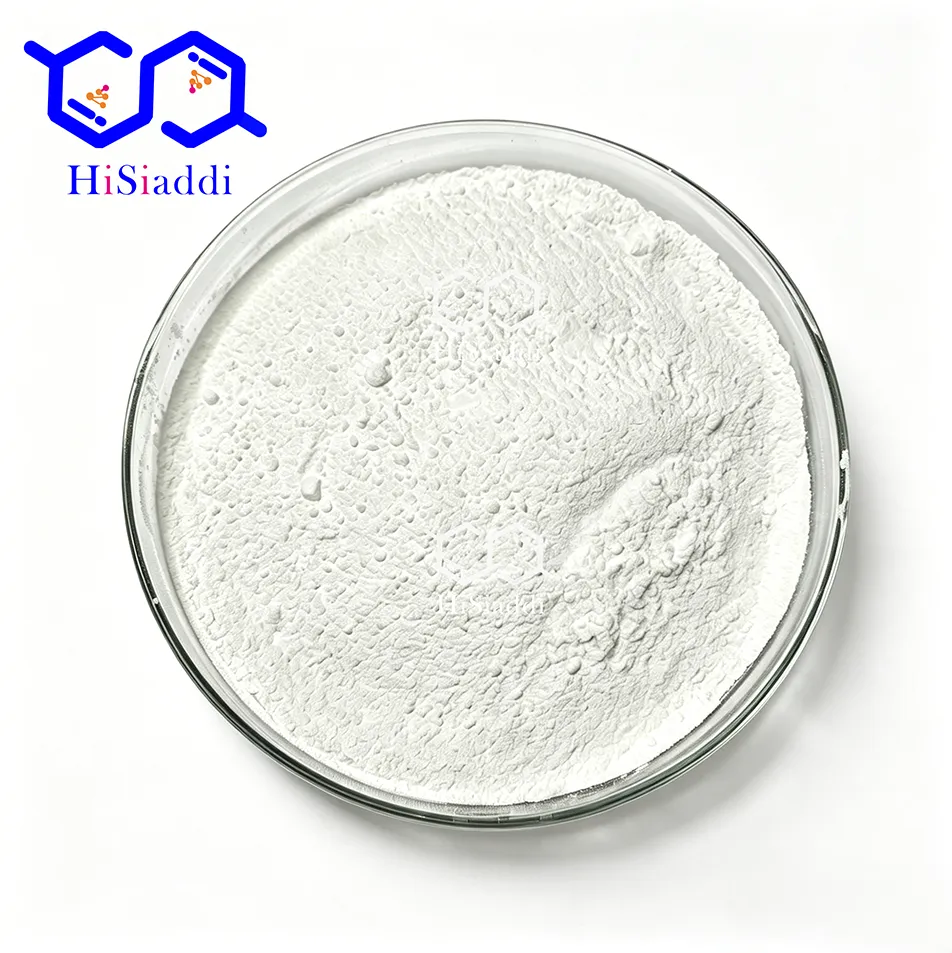
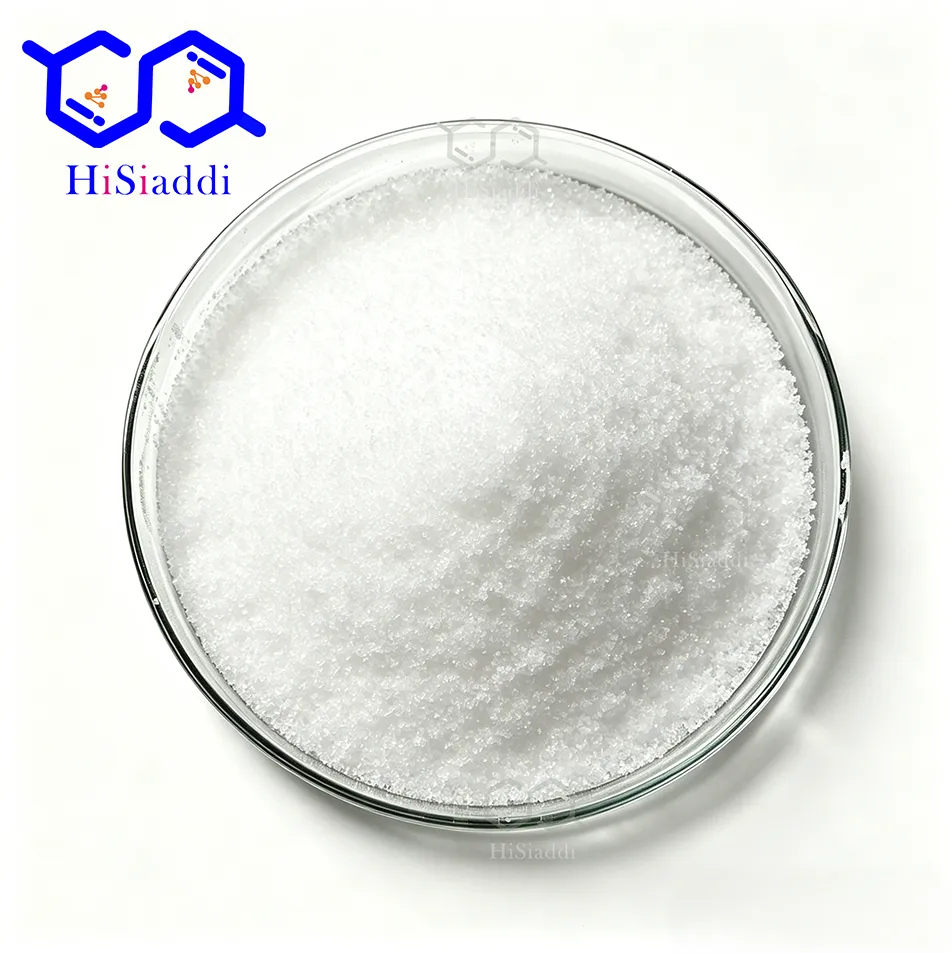
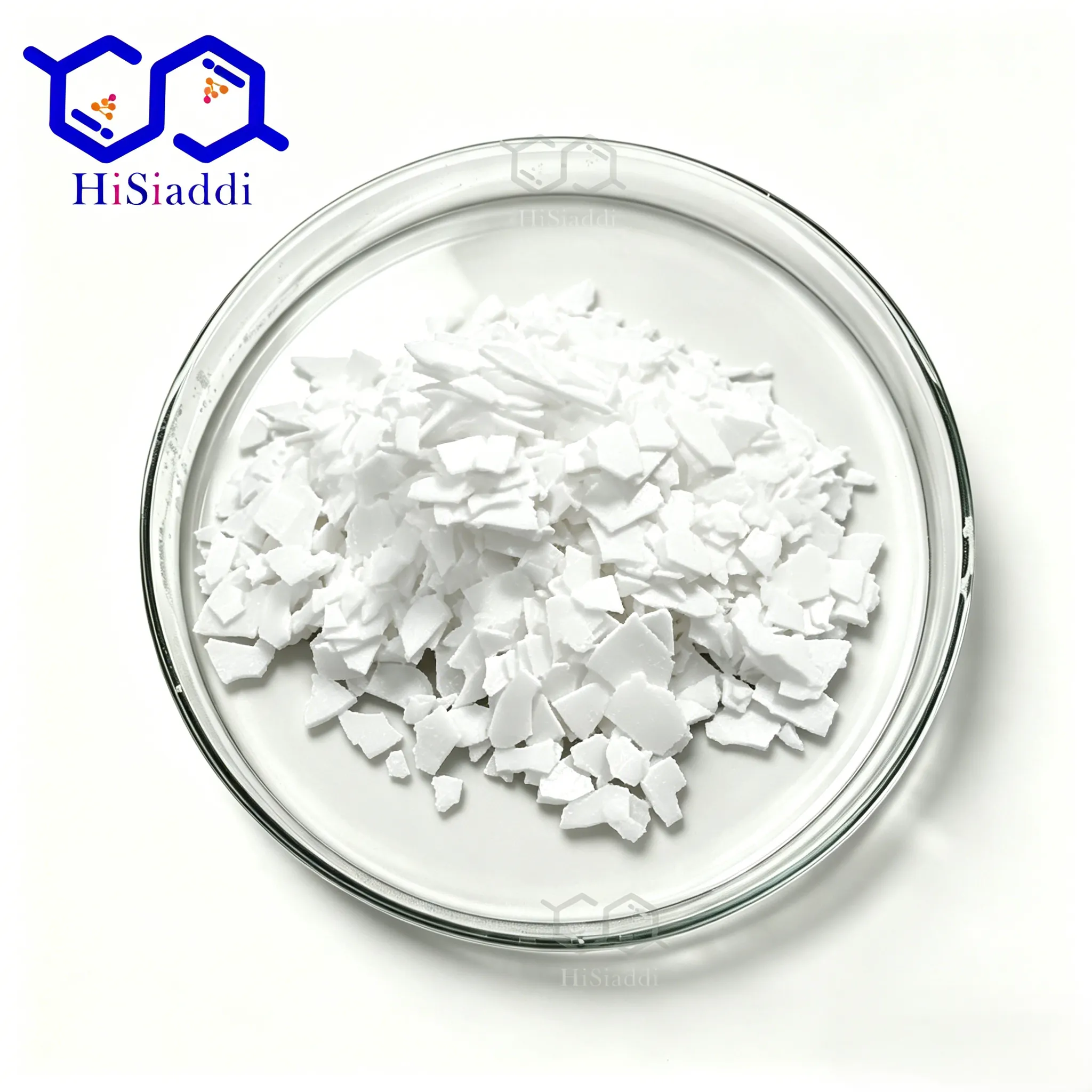
DOPO, The full name is 9, 10-Dihydro-9-oxa-10-phosphacanthene 10 oxide, which is a reactive phosphorus based flame retardant monomer used in epoxy resins, copper-clad laminates, engineering plastics, etc.
Based on ten years of experience in scientific research consulting services, HiSiaddi recommends the following DOPO products.
Yak DOPO-E995 has a purity of ≥ 99.5%, a melting point of 118-120 ℃, a phosphorus content of ≥ 14.2%, low impurities, excellent thermal stability, and better dielectric loss than Japanese and Korean competitors; Specially designed for overseas high-end copper-clad laminates, semiconductor packaging, and electronic resin manufacturers;
Weidong WD-DOPO-98 has outstanding cost-effectiveness and is suitable for bulk procurement. Targeting general composite materials and large-scale rigid demand purchasers, we focus on the ultimate cost-effectiveness.
The prices of the two products are only 60% -70% of those of ADEKA from Japan and Clariant from Germany. Their performance is benchmarked against international standards, with short delivery times and support for customized particle sizes.
 CONTACT HiSiaddi NOW
Name: | 9,10-Dihydro-9-oxa-10-phosphaphenanthrene 10-oxide | Other Name: | DOPO |
CAS No. | 35948-25-5 | Brand: | Multi-Brand |
MF: | C₁₂H₉O₂P | Model Number: | Multi-models |
EINECS No. | 252-813-7 | Place of Origin: | Jiangsu, China |
Purity: | 99.0% | Grade: | Industrial grade |
MOQ: | 1ton | Storage: | Please refer to the product packaging or contact the customer service |
When you purchase DOPO and its derivatives as a buyer, you may encounter the following questions:
What are the key indicator advantages of mainstream models of well-known DOPO and derivatives brands and their impacts on practical application?
What competitive services can suppliers of DOPO and derivatives provide?
What are the qualification certifications and market feedback of target DOPO and derivatives brands?
How about the inventory level and supply stability of DOPO and derivatives suppliers?
What factors need to be taken into consideration when selecting DOPO and derivatives?
...and many other relevant questions.
XF-DOPO 99.9 Electronic Grade: GC purity ≥99.9%, ranking top in the industry, far exceeding the 99.7% standard of Japan Daiichi Kasei; phosphorus content ≥14.4%, free acid ≤0.01mgKOH/g, moisture ≤0.05%, with near-zero impurity content.
Excellent thermal stability: 5% thermal weight loss temperature ≥380℃, suitable for high-temperature epoxy curing and copper clad laminate lamination at 280-320℃ without decomposition, volatilization or yellowing; melting point 118-120℃ with batch fluctuation within ±0.5℃, boasting the most stable performance worldwide.
XF-DOPO-HQ 99.8 High-Purity Derivative: purity ≥99.8%, phosphorus content ≥9.6%, hydroxyl value 162±2mgKOH/g, featuring strong reactivity with epoxy resin. Cured product achieves Tg ≥180℃ and water absorption ≤0.3%, ideal for high-frequency high-speed copper clad laminates (Df ≤0.0025 under 10GHz).
Comprehensive compliance advantages: fully registered under REACH, compliant with RoHS 3.0, UL94 V-0 flame retardant grade, FDA food contact standard and semiconductor-grade dust-free certification; halogen-free, heavy metal-free and free of SVHC substances, serving as a perfect substitute for imported materials from Japan Daiichi Kasei.
Closed industrial chain: self-sufficient production covering phosphate ore, yellow phosphorus, phosphorus oxychloride, catechol and finished DOPO, cutting intermediate procurement cost by 18-22%; monthly production capacity over 6,500 tons, the largest globally.
High purity and low impurity enable 20% less dosage to reach UL94 V-0 standard, directly reducing formula cost by 15-18%; stable batch performance keeps finished product rejection rate below 0.2%, outperforming international competitors.
Reactive flame retardant features non-migration and non-precipitation, completely solving blooming phenomenon and unstable dielectric property of copper clad laminates and packaging adhesives, enabling direct replacement of imported materials without formula adjustment.
Full coverage of mainstream compliance certifications avoids cargo detention risks under EU REACH and RoHS 3.0 regulations, ensuring barrier-free access to semiconductor and electronic industries.
High-frequency low-loss 5G copper clad laminates ensure stable signal transmission and low latency, applicable to core boards of 6G base stations and servers.
High temperature and humidity resistant semiconductor packaging adhesives maintain long-term stable insulation and prevent electric leakage, supporting reliable chip operation for more than 10 years.
High-temperature resistant flame retardant materials for new energy battery packs raise thermal runaway temperature by over 50℃, greatly reducing battery fire hazards.
YK-DOPO 99.7 Industrial High-Purity Grade: GC purity ≥99.7%, phosphorus content ≥14.3%, free acid ≤0.03mgKOH/g, moisture ≤0.08%, matching mainstream grade standards of Japan Daiichi Kasei with outstanding stability.
YK-DiDOPO 99.6 Bifunctional Derivative: purity ≥99.6%, phosphorus content ≥11.6%, molecular weight 560±10g/mol. Double reactive groups boost flame retardant efficiency by 40%, perfectly suitable for melt processing of engineering plastics such as PA66 and PBT.
Superior thermal stability and processing adaptability: 5% thermal weight loss temperature ≥370℃, compatible with high-temperature extrusion and injection molding at 260-300℃; melting point 116-122℃ offers wide processing window with good dispersibility and low caking tendency.
Strong compound synergistic effect: excellent compatibility with brominated epoxy resin and flame retardant masterbatch, enhancing synergistic flame retardancy by 35% and lowering total flame retardant dosage in formulas.
Stable production and delivery: monthly capacity over 5,000 tons with spot goods stored in East China bonded warehouses; delivery cycle 10-15 days, 20-25 days faster than German Merck.
Stable performance of industrial high-purity grade supports large-scale high-speed production and eliminates production line shutdown risks caused by batch performance deviation.
DiDOPO bifunctional reactive flame retardant hardly impairs mechanical properties of plastics (tensile strength retention rate ≥90%), solving the brittleness problem caused by additive-type flame retardants.
Sufficient spot inventory and short delivery cycle ensure stable supply even in peak seasons and on-time order fulfillment.
Flame retardant engineering plastic parts feature high toughness and impact resistance, suitable for long-term service of home appliance and automotive structural components.
High temperature resistant flame retardant insulating materials for photovoltaic modules achieve 25-year outdoor weather resistance and anti-aging performance, safeguarding safe operation of photovoltaic power systems.
WS-DOPO 99.5 General Industrial Grade: GC purity ≥99.5%, phosphorus content ≥14.2%, free acid ≤0.05mgKOH/g, moisture ≤0.10%, meeting basic performance requirements for most industrial flame retardant scenarios.
WS-DOPO-MA 99.4 Maleimide Derivative: purity ≥99.4%, phosphorus content ≥8.5%, high heat resistance (Tg ≥200℃), applicable to BT resin and high-speed copper clad laminates with 15% higher peeling strength.
Strict cost control: relying on Shandong petrochemical industrial cluster, the procurement cost of yellow phosphorus and intermediates is reduced by 10-12% with annual price fluctuation controlled within 5%.
Wide application compatibility: applicable to epoxy resin, polyester, polyamide, polyurethane and other resin systems, only 0.3-0.8% dosage is required to achieve UL94 V-0 standard.
Complete export qualifications: certified for hazardous goods export, basic REACH registration and RoHS compliance, ensuring smooth customs clearance.
Mid-range price with qualified industrial-grade performance greatly cuts raw material procurement cost and strengthens price competitiveness of end products.
Wide compatibility with various resin types reduces inventory SKU quantity and capital occupation pressure.
Stable technical indicators and thoughtful after-sales service keep batch abnormal rate below 0.5% with few service disputes.
Flame retardant ordinary electronic accessories are non-toxic and eco-friendly, complying with basic EU environmental protection regulations.
Weather-resistant durable flame retardant coatings maintain stable fireproof performance without peeling or aging within 3-5 years of outdoor use.
HP-DOPO 99.3 Standard Industrial Grade: GC purity ≥99.3%, phosphorus content ≥14.0%, free acid ≤0.08mgKOH/g, moisture ≤0.12%, satisfying all performance demands of non-electronic industrial flame retardant applications.
HP-DOPO-BQ 99.2 Benzoquinone Derivative: purity ≥99.2%, phosphorus content ≥9.0%, excellent hydrolysis, acid and alkali resistance, ideal for outdoor flame retardant coatings and building fireproof materials.
Stable low price: large-scale mass production achieves precise cost control, 5-8% lower than industry average price; FOB price: 39,000-42,000 US dollars per metric ton.
Flexible supply: minimum order quantity starts from 25kg, friendly for small-batch trial orders with flexible consolidated shipment solutions to meet procurement demands of small and medium-sized clients.
Basic compliance certificates: basic REACH registration, RoHS compliance, complete MSDS and COA documents for hassle-free customs clearance.
Ultra-low price with qualified performance minimizes production cost in general industrial fields and maximizes profit margins.
Stable supply ensures on-time sea freight delivery to remote regions without delivery delay risks.
Flexible small-batch procurement accelerates inventory turnover and reduces capital occupation.
High-efficiency flame retardant building fireproof coatings slow down fire spread effectively and extend escape time in fire accidents.
Non-toxic affordable ordinary flame retardant plastic products meet popularization demands of low-end markets.
UN-DOPO 99.0 Bulk Industrial Grade: GC purity ≥99.0%, phosphorus content ≥13.8%, free acid ≤0.10mgKOH/g, moisture ≤0.15%, meeting basic flame retardant requirements of low-end industrial applications.
UN-DOPO-VL 98.8 Vinyl Derivative: purity ≥98.8%, phosphorus content ≥7.5%, low viscosity and good dispersibility, suitable for flame retardant unsaturated polyester and fiberglass reinforced plastics.
Bottom price benchmark: supported by million-ton-level production capacity and low raw material cost relying on Henan chemical industrial cluster; FOB price: 36,000-39,000 US dollars per metric ton, the lowest price across the market.
Good adaptability to recycled materials: favorable compatibility with recycled plastics improves flame retardant property and commercial value of recycled products, well-suited for recycled plastic modification market.
Efficient delivery: goods dispatched within 72 hours, flexible full container and consolidated container shipping with dedicated sea routes directly reaching Africa and the Middle East.
Ultra-low cost helps quickly seize low-end flame retardant market and replace restricted halogen-based flame retardants.
Smooth high-volume sales accelerate inventory turnover and relieve capital pressure.
Excellent compatibility with recycled plastics greatly increases added value of waste materials, in line with environmental protection and circular economy policies.
Compliant non-toxic low-end flame retardant products satisfy local environmental protection bans at affordable prices.
Flame retardant qualified recycled plastic products with enhanced toughness achieve longer service life and outstanding cost performance.

| Brand | Mainstream Models | Core Key Indicator Advantages | FOB Price Range (USD/MT) | Target B-end Buyers | Core Benefits for Downstream Buyers | Long-term Benefits for End Clients |
| Hubei Xingfa | XF-DOPO 99.9, XF-DOPO-HQ 99.8 | 99.9% purity, 14.4% phosphorus content, thermal stability ≥380℃, electronic dust-free grade, full compliance, high-purity derivatives for high-frequency CCL | 48000-52000 (High-end, benchmark Japan & Germany) | 5G CCL, semiconductor packaging, new energy battery packs, high-end epoxy synthesis | Cost reduction via less dosage, near-zero rejection rate, direct import substitution without formula adjustment, zero compliance risk | Stable 5G signal, long-term reliable chip operation, enhanced battery pack fire safety |
| Jiangsu Yake Technology | YK-DOPO 99.7, YK-DiDOPO 99.6 | 99.7% purity, 14.3% phosphorus content, thermal stability ≥370℃, high-efficiency bifunctional derivatives, ideal for engineering plastics | 45000-48000 (Mid-to-high end balanced) | Engineering plastic modification, mid-to-high end CCL, electronic potting adhesive, photovoltaic insulation | Stable performance, no damage to mechanical properties, sufficient spot goods, stable supply in peak seasons | Impact-resistant home appliance & auto parts, 25-year weather resistance of photovoltaic materials |
| Shandong Wansheng | WS-DOPO 99.5, WS-DOPO-MA 99.4 | 99.5% purity, 14.2% phosphorus content, wide versatility, high-temperature resistant derivatives for BT resin, stable low price | 42000-45000 (Mid-range mainstream) | Small & medium epoxy synthesis, ordinary CCL, flame retardant traders, Southeast Asian electronic accessories | Significant cost reduction, multi-resin compatibility, low inventory pressure, few after-sales disputes | Safe and compliant electronic accessories, 3-5 years durable flame retardant coatings |
| Zhejiang Haopu Technology | HP-DOPO 99.3, HP-DOPO-BQ 99.2 | 99.3% purity, 14.0% phosphorus content, hydrolysis-resistant derivatives, stable low price, flexible 25kg minimum order | 39000-42000 (Industrial economical type) | Building fireproof coatings, general plastic modification, rubber flame retardants, Africa & Middle East traders | Lowest industrial cost, stable delivery, flexible small-batch purchase, smooth customs clearance | Fire retardant coatings restrain fire spread, safe and affordable low-end finished goods |
| Henan Unord | UN-DOPO 99.0, UN-DOPO-VL 98.8 | 99.0% purity, 13.8% phosphorus content, low-viscosity derivatives, recycled material adaptability, market bottom price, fast delivery | 36000-39000 (Low-end bulk type) | Recycled plastic modification, bulk wholesalers, low-end outdoor products, African high-volume traders | Capture low-end market with bottom price, fast capital turnover, improved recycled material added value | Durable flame retardant recycled products, compliant and low-cost low-end supplies |
HiSiaddi is an innovative foreign trade service provider driven by both technology transformation and foreign trade services. It has established a "1+2+3+4=1" product service system: 1 foreign trade salesperson with over 3 years of experience, 2 R&D teams, 3 high-quality suppliers, and 4 warehouses to fulfill one-stop product demand.
Backed by this service system, HiSiaddi boasts deeper expertise in DOPO R&D and process optimization than most foreign trade firms, better insight into market demands and competitive edges of various DOPO brands than standalone manufacturers, and a more thorough grasp of the DOPO export market than research institutions.
HiSiaddi only recruits foreign trade specialists with a minimum of 3 years’ working experience. All staff must complete over six months of joint training delivered by the R&D and foreign trade teams before serving clients.
(1) Basic Support Services for DOPO
Supported by the foreign trade team and corporate service system, we deliver full-process one-stop document handling services for clients, including but not limited to provision and application of all compliance certificates for DOPO, and submission & resolution of third-party reports and quality warranty issues.
(2) Exclusive Premium Services for DOPO
Leveraging our R&D team, we provide customized product and technical consulting services, such as comparative analysis of core indicators and costs across all DOPO brands, and regular sharing of global market updates.
· Monthly Global DOPO Industry Bulletin: Real-time updates on global price fluctuations, phosphate rock/yellow phosphorus raw material supply, EU REACH/SVHC & RoHS 3.0 regulatory revisions, and downstream electronics & new energy demand trends.
Through in-depth collaboration with original manufacturers via technology transformation, as well as internal coordination with the foreign trade team, our R&D team delivers technical training to sales staff. This enables professional DOPO customization and provides research-grade consulting on DOPO brand matching and application formula optimization.
(1) Research-Grade Customization Services for DOPO
· One-to-One Domestic Substitution Benchmarking vs Japan Daicel & Germany Merck: Free full-dimensional comparison reports covering purity, phosphorus content, thermal stability and dielectric properties. Domestic alternatives cut costs by over 35% with equivalent performance.
· Optimized Electronic & Engineering-Grade DOPO Formulas: Self-developed phosphorus flame retardant databases tailor blends with synergists, antioxidants and dispersants for epoxy, PA66 and PBT resins. Reduce additive dosage by 20–30%, boost flame retardancy by 35% and eliminate migration & precipitation.
(2) Research-Grade Consulting Services for DOPO
· 5G High-Frequency Copper Clad Laminates: Supply 99.9% high-purity DOPO/DOPO-HQ; provide dielectric testing, low Dk/Df formulation, semiconductor dust-free packaging and one-stop REACH/UL94 certification support
· Semiconductor Encapsulation & Electronic Potting: Low free-acid DOPO, high-temperature anti-yellowing formulas, humidity aging testing, FDA and semiconductor cleanroom certification packages
· Modified Engineering Plastics: DiDOPO bifunctional derivatives, mechanical property protection formulas, high-temperature injection molding optimization and UL94 V-0 certification assistance
· New Energy EV Battery Packs: High-phosphorus thermally stable DOPO, thermal runaway protection formulations and EU new energy compliance consulting
· Construction Fire-Retardant Coatings: Hydrolysis-resistant DOPO-BQ derivatives, fire resistance optimization and EU CE construction certification support
Our foreign trade and R&D teams collaborate to conduct preliminary market research, on-site factory audits, product testing, deep technology transformation cooperation and bulk purchasing cooperation. We select approximately three reliable, stable, reputable suppliers with strong development potential.
(1) Initiative to Secure Lower DOPO Prices
Long-term partnerships built on technology transformation and authorized distribution grant us access to factory-direct pricing.
(2) Long-Term Supply Chain Assurance for DOPO
Long-term cooperation via technology transfer and authorized distribution strengthens production supervision, full-lot traceability, batch stability control, and compensation guarantees for substandard third-party inspection results.
We maintain four warehouses jointly managed with suppliers for stocking hot-selling products.
(1) Fast Local Delivery & On-Site Issue Resolution for DOPO
Our four warehouses are located at Qingdao Port (North China), Ningbo Port (East China), Shenzhen Port (South China), and Zhengzhou (inland logistics hub). This enables prompt DOPO shipments and on-site staff to resolve transit damage, packaging defects or export compliance issues immediately when they arise.
(2) Mitigate Price Volatility & Support Custom Packaging for DOPO
We pre-stock inventory in advance during peak price seasons to cushion cost fluctuations. Our in-house warehouses fully accommodate customized packaging and labeling requirements from clients.
As a new-type foreign trade service provider driven by both technology commercialization and foreign trade services, HiSiaddi has built a "1+2+3+4=1" service system and can supply DOPO from multiple well-known original manufacturers. Leveraging its R&D expertise, HiSiaddi sorts out typical challenges encountered by B-end buyers sourcing DOPO in China and delivers targeted solutions.
For more professional and in-depth analysis on DOPO procurement, please contact HiSiaddi customer service.
1. Noticeable flame retardant attenuation under high-temperature operation: After 1,200 hours of continuous operation at 130°C powered on, conventional DOPO loses 28% of phosphorus activity, dropping flame retardant rating from UL94 V0 to V1 and severely weakening circuit board fire blocking capacity, failing safety standards for industrial control and communication motherboards.
2. Non-compliant electrical parameters for high-frequency circuits: Ordinary raw materials contain impurities above 0.15%, resulting in dielectric loss of 0.022 at 1GHz for 5G high-frequency copper clad laminates – exceeding the industry control threshold of ≤0.015. Signal transmission distortion rises by 17%, increasing terminal equipment malfunctions.
3. Poor resin compatibility triggering processing defects: After epoxy resin mixing and curing, micro-delamination gaps inside boards account for 3.2% of volume, pushing scrappage rates to 9.5% during mechanical drilling and cutting and generating substantial single-batch production losses.
4. Weak batch performance stability: Conventional market products show up to 1.8% maximum difference in effective phosphorus content across batches, creating visible gaps in flame retardancy and heat resistance for boards produced from identical formulations. Third-party overseas inspection failure risks trigger costly return and exchange disputes.
1. Supply high heat-stable DOPO derivatives with reinforced molecular anti-decomposition structure, limiting activity loss to within 8% after long-term 130°C operation and sustaining UL94 V0 flame retardant ratings throughout service life for electronic substrates under continuous power loads.
2. Multi-stage rectification purification restricts conductive harmful impurities below 0.05%, stabilizing dielectric loss under 0.012 at 1GHz to improve signal transmission reliability and cut terminal equipment defect rates significantly.
3. Interfacial modification optimizes resin compatibility, compressing internal board gap ratio to below 0.8% and reducing drilling/cutting scrappage to under 2%, slashing consumable production losses.
4. Full-batch testing of phosphorus content, thermal weight loss and dielectric performance before delivery locks phosphorus fluctuation error within ±0.3%. English authoritative test reports are provided to guarantee uniform mass product quality and smooth passage through cross-border third-party inspections.
1. Flame retardant modification weakens structural integrity: At a standard DOPO loading of 8%, ABS substrate impact strength drops 21% and tensile strength falls 16%, leading to frequent fractures of equipment casings and mechanical structural parts that fail industrial assembly load-bearing specifications.
2. Surface precipitation defects during high-temperature forming: Low-molecular-weight substances migrate and precipitate at a rate of ~1.3% during 210–240°C injection molding, forming white bloom on plastic surfaces that reduces subsequent coating adhesion by 35%, rendering defective finished goods undeliverable.
3. Short outdoor anti-aging lifespan: After 6,000 hours of UV exposure in open-air environments, modified plastic yellowing index Δb≥3.8 and material toughness declines by 30%, causing component cracking and discoloration that fails 5-year outdoor warranty requirements.
4. Narrow substrate compatibility: Generic DOPO derivatives suit fewer than two conventional plastic types. Formulation adjustment consumes over 4 hours per switch to PC, PP or PA substrates, disrupting continuous factory production schedules.
For more professional and in-depth analysis on DOPO procurement, please contact HiSiaddi customer service.
Conventional domestic DOPO synthesis adopts phosphorus trichloride as raw material, generating by-product chlorides that are hard to remove, and existing mass production lines could not achieve ultra-low chlorine content.
No mature mass production data was available for the feeding ratio and temperature control curve in the synthesis of derivatives.
The products needed to be accompanied by flame retardant test reports complying with JIS K7201 and REACH-SVHC compliance documents, while test reports issued by domestic institutions were not recognized by Japanese authorities.
The viscosity of discharge from the PET polymerization reactor fluctuated greatly, and the melt turned yellow. The filament breakage rate surged from the normal 0.8% to 12%.
The flame retardant performance of finished polyester was uneven; some batches reached UL94-V2 while others failed to meet UL94-V0.
A large number of granular impurities appeared on the filament surface, leading to frequent yarn breakage in the subsequent weaving process.
Lead time
Quantity (ton) | 0 - 10 | 10 - 30 | > 30 |
Lead time (days) | 7 | 15 | To be negotiated |
The monthly inventory volume of DOPO is 80 tons, with appropriate adjustments upwards or downwards in response to peak and off-peak seasons.
HiSiaddi safeguards the supply stability of DOPO through the following measures:
(1) Performance evaluation and screening of DOPO brand factories based on on-time delivery rate, batch pass rate, timeliness of risk alerts, and completeness of documentation to assess their supply stability.
(2) For each mainstream model or major grade of DOPO, secure 1 primary high-quality brand manufacturer and 2 backup high-quality manufacturers.
(3) Each factory operates independent production lines in separate production zones to prevent production halts caused by major unforeseen incidents such as environmental production suspensions and power outages.
Through long-term cooperation with brand manufacturers via technology commercialization and authorized distribution channels, HiSiaddi can effectively strengthen supervision over the production processes of brand manufacturers, optimize full-process traceability management, improve batch stability control, and further reinforce real-time monitoring of the supply stability of DOPO products.
Long-term Annual Framework Supply Guarantee Agreement. HiSiaddi signs 12-month long-term agreements with leading manufacturers. The agreements specify the minimum guaranteed supply volume, maximum price hike range, and priority production scheduling rights during peak seasons. It is stipulated that manufacturers shall issue a 30-day prior written notice if production is suspended due to environmental rectification or equipment maintenance, and backup manufacturers will be activated to replenish goods accordingly.
We have 4 warehouses, which are jointly operated and managed with suppliers to store hot-selling products.The four warehouses are located at Qingdao Port in North China, Ningbo Port in East China, Shenzhen Port in South China, and Zhengzhou, China’s inland logistics hub. This setup guarantees sufficient supply and timely shipment of DOPO during peak seasons.
HiSiaddi issues a rolling demand forecast covering the subsequent three months on the 25th of each month, allowing manufacturers to reserve production capacity in accordance with the forecast. Any new urgent orders from overseas clients will be prioritized to draw on inventories or production capacity from backup manufacturers.
Unstable logistics for DOPO will extend delivery lead times. HiSiaddi has established alternative arrangements covering multiple freight forwarders, ports and transportation solutions:
(1) Binding of multiple professional chemical freight forwarders for DOPO
Each product is assigned 2 to 3 freight forwarders with hazardous chemical/food transport qualifications affiliated with different shipping lines. Alternative sailing schedules can be switched to immediately in case of space shortages or customs inspections on a single shipping route.
(2) Backup transportation solutions for DOPO
Ocean freight serves as the standard mode; air freight and rail freight are reserved as alternatives for urgent orders. Long-term agreements for temperature-controlled containers are signed for temperature-sensitive and perishable food additives to secure shipping space.
(3) Visual tracking and digital early warning for DOPO
Freight forwarders synchronize daily updates on container loading, customs declaration, vessel loading and port arrival milestones. If customs inspection occurs, replenishment from backup inventory will be initiated immediately to shorten client waiting periods.
Full-chain digital early warning automatically monitors four categories of risks:
Factory side: Expiring supplier environmental assessment certificates, renewal of production permits, scheduled major equipment overhauls, and notifications of price hikes for upstream raw materials;
Inventory side: Inventory falling below safety thresholds, excessive inventory age, and batches failing quality inspection;
Logistics side: Shipping line space shortages, strikes at destination ports, and updates to customs policies;
Overseas side: Revisions to additive regulations and adjustments to import restriction lists in target countries.
Early warning notifications are automatically pushed to procurement and business leads, allowing backup suppliers or inventory contingency plans to be activated in advance.
As a new-type foreign trade service provider driven by both technology commercialization and export business, HiSiaddi has built a "1+2+3+4=1" service system, offering access to original factory supplies of DOPO from multiple well-known brands.
As an R&D-focused export service provider, HiSiaddi avoids biased self-promotion typical of single-brand factories. We objectively analyze multiple top Chinese DOPO brands with strong export competitiveness and share their certifications and market feedback transparently to streamline buyers’ sourcing decisions.
If you require authentic, objective in-depth introductions to China’s major DOPO brands, please contact HiSiaddi customer service.
· DOPO-YK701 (High-purity monomer, 99.95%): Base electronic-grade monomer with metal ion impurities ≤10 ppb
· DOPO-HQ-YK702 (Reactive derivative): Customized for CCL, low dielectric & high heat resistance
· DOPO-BA-YK703 (Epoxy curing agent): For semiconductor packaging and high-voltage components
· YK-FR728 (P-N synergistic flame retardant): For engineering plastic modification
1. Deep integration into high-end electronic supply chains: DOPO-HQ-YK702 has passed Class A certification from the world’s top 10 CCL manufacturers including Shennan Circuits, Shengyi Technology and Nan Ya Plastics, capturing a 28.7% market share in high-frequency high-speed CCL in 2025 as a direct replacement for Daikoku Chemicals (Japan).
2. Leading reputation in semiconductor packaging: DOPO-BA-YK703 is deployed in epoxy molding compounds for Huawei Ascend AI servers and TSMC packaging substrates, delivering thermal stability above 280℃ and migration rate below 0.1% with zero customer complaints from end users.
3. Breakthrough certifications for new energy vehicles: YK-FR728 passes flame retardant testing for CATL and BYD battery packs, meeting lightweight high-voltage component requirements, with new energy export volume surging 42.3% year-on-year in 2025.
4. Outstanding cost-performance ratio: Matches Daikoku Chemicals EP series purity at a 32%–35% lower price, achieving an 89% repeat purchase rate among European and American buyers.
· Environmental compliance: EU REACH SVHC, U.S. EPA halogen-free low-toxicity certification, China RoHS 2.0
· Performance standards: UL94 V-0 (1.6mm), IEC 61249-2-21 halogen-free certification, TÜV SÜD carbon footprint certification (carbon footprint <1.7 tons CO₂e/ton)
· Industry qualifications: Recommended supplier by EPCA (European Printed Circuit Association), SEMI-certified enterprise for semiconductor packaging materials
· Honor accreditations: National High-Tech Enterprise, Ranked 16th among China’s Top 100 Fine Chemical Manufacturers
· WSFR-4101 (High-purity DOPO monomer, 99.8%): General & premium universal grade
· DOPO-HQ-WS (Liquid derivative): For PBT/PA66 modification and CCL
· DOPO-ITA-WS (Reactive monomer): For polyester copolymerization and new energy cables
· MPP-L (P-N synergistic liquid flame retardant): For engineering plastics and textile coatings
1. No.1 market share in engineering plastic modification: DOPO-HQ-WS holds a 38.6% share in PBT/PA66 modification, certified by BASF, Covestro and LG Chem, with overseas sales hitting 18,600 tons in 2025.
2. Hit product for new energy cables & insulation materials: DOPO-ITA-WS serves as insulation layers for Tesla and Volkswagen high-voltage cables, reaching UL94 V-0 at only 8%–10% loading with 92%+ retention of performance after 1,000 hours thermal aging.
3. High penetration in Southeast Asia and Europe: WSFR-4101 and MPP-L series achieve 32.6% penetration in Vietnamese, Malaysian and German home appliance/electronics markets. Overseas revenue reached RMB 1.03 billion in 2025, accounting for 41.8% of total revenue.
4. Praised customization capability: Adjustable phosphorus content (1.6%–2.4%) and melting point (235–265℃) per client requirements; designated custom supplier for Samsung SDI and LG Chem.
· Environmental compliance: REACH registration, RoHS, CE certification, TÜV carbon footprint certification
· Performance standards: UL94 V-0, ISO 14040 full life cycle assessment, German VDE cable flame retardant certification
· Industry qualifications: Vice Chairman Unit of China Flame Retardant Association, drafter of DOPO industry standard Q/WS 014-2023
· Customer accreditations: Qualified supplier for Samsung SDI, LG Chem, BASF and Covestro
· DOPO-XF999 (Ultra-high-purity electronic grade, 99.99%): Ultra-high purity with metal ions <5 ppb
· DOPO-PN-XF (P-N synergistic derivative): Low-smoke halogen-free for energy storage & battery packs
· DOPO-EP-XF (Epoxy modifier): For electronic packaging and CCL
1. Full import substitution for ultra-high-purity products: DOPO-XF999 with 99.99% purity and ppb-level metal ion control fully replaces products from Japan’s Sanko Co., Ltd., capturing a 19.3% share in Apple and Dell premium electronic supply chains in 2025.
2. Low-carbon eco-label favored by Europe and the U.S.: Hydropower resources and green synthesis cut carbon footprint 25% below industry average, earning TÜV SÜD low-carbon certification and 10%–15% EU CBAM exemptions, driving a 58.7% jump in European and American orders in 2025.
3. Core supplier of flame retardant materials for energy storage power stations: DOPO-PN-XF is used in potting adhesives for CATL and Sungrow energy storage stations, featuring low smoke density (SDR<150) and high flame retardant efficiency with UL 1973 energy storage safety certification.
4. Outstanding cost advantage: Closed-loop "phosphate rock-phosphoric acid-DOPO" industrial chain with 60%+ self-sufficiency of raw materials, pricing 8%–10% lower than peers, with an 85%+ repeat purchase rate among Middle Eastern and South American buyers.
· Environmental compliance: REACH, RoHS, EU CE, TÜV SÜD benchmark carbon footprint certification
· Performance standards: UL94 V-0, IEC 61249-2-21, U.S. ASTM E662 smoke density certification
· Industry qualifications: National Engineering Technology Research Center for Phosphorus Chemicals, 80%+ domestic market share of electronic-grade phosphoric acid (supplier for TSMC and SMIC)
· Customer accreditations: Qualified supplier for Apple, Dell, CATL and Sungrow
· DOPO-WD98 (Industrial grade, 98.5%): General grade for engineering plastics & home appliances
· DOPO-WD99 (High-purity grade, 99.5%): For electronics & new energy
· DOPO-DH-WD (Bis-DOPO derivative): High heat resistance & anti-aging for automotive interiors
1. Solid long-term reputation from stable veteran production: 70 years of flame retardant manufacturing delivers consistent batch-to-batch variation below 0.3% for DOPO-WD98/99, securing long-term global procurement orders from Gree, Midea and Haier, with 12,000 tons of home appliance exports in 2025.
2. Differentiated advantage of bis-DOPO derivatives: DOPO-DH-WD withstands temperatures up to 290℃ with 50% improved anti-aging performance, passing FMVSS 302 automotive interior flame retardant certification for Toyota, Volkswagen and General Motors, with automotive export volume up 37.6% year-on-year in 2025.
3. Voice in drafting international standards: Lead drafter of the national industry standard Flame Retardant Chemicals – Electronic-Grade DOPO Flame Retardants (2023-1070T-HG); product indicators serve as global reference standards, making it the preferred brand for small and medium buyers in Southeast Asia and Europe.
4. Certified green production capacity: RMB 380 million investment in nitrogen-phosphorus new flame retardant materials plant with full environmental compliance, holding EU REACH and RoHS certifications, with overseas order backlogs stretching 1–2 months in 2025.
· Environmental compliance: REACH, RoHS, CE, China Green Product Certification
· Performance standards: UL94 V-0, U.S. FMVSS 302 automotive interior flame retardant certification
· Industry qualifications: Lead drafter of DOPO industry standards, National Green Mine Enterprise, High-Tech Enterprise
· Customer accreditations: Qualified supplier for Gree, Midea, Haier, Toyota and Volkswagen
· MCP-3000 (DOPO-based copolymer flame retardant): Reactive type for polyesters & polyethers
· DOPO-WH801 (Reactive polyether flame retardant): For EV battery packs & building insulation
· FireLab-DOPO (Custom derivative): AI-formulated for low loading & high efficiency
1. World-leading reactive technology: MCP-3000 is China’s first phosphorus-based copolymer chip certified under ISO 14040 full life cycle assessment, achieving UL94 V-0 at only 8% loading with whiteness L>85, certified by Toray and Covestro.
2. Hit flame retardant solution for EV battery packs: DOPO-WH801 is deployed in BYD Blade Batteries and NIO battery pack structural parts, retaining an oxygen index ≥32% after 1,000 hours thermal aging at 200℃ with electrolyte corrosion resistance, earning end-user recognition as the "optimal flame retardant solution".
3. Outstanding AI-driven customization capability: FireLab-DOPO leverages AI high-throughput formulation screening to cut development cycles by 70%, lowering loading to 6%–8% and boosting flame retardant efficiency by 40%, with international custom orders up 65.2% year-on-year in 2025.
4. Breakthroughs in premium material markets: DOPO derivatives penetrate photovoltaic encapsulation films and rail transit interiors, passing IEC 61730 and EN 45545 certifications, with premium material exports accounting for 38.9% of total exports in 2025.
· Environmental compliance: REACH, RoHS, CE, ISO 14040 full life cycle assessment
· Performance standards: UL94 V-0, IEC 61730 photovoltaic certification, EN 45545 rail transit certification, National Fire Protection Center testing certification
· Industry qualifications: World’s first molten polyphosphate polycondensation tail gas catalytic oxidation unit (99.2% phosphorus recovery rate), National Enterprise Technology Center
· Customer accreditations: Qualified supplier for BYD, NIO, Toray and Covestro
China’s export-focused DOPO brands have completed the transition from "import substitution" to "standard-setting leadership", offering a full spectrum of high-purity monomers, reactive derivatives and P-N synergistic products. All major grades hold UL, REACH, TÜV and other global authoritative certifications and gain deep recognition from global end giants including Apple, Tesla, BYD and BASF, combining high performance, stable quality and superior cost-performance as three core competitive advantages.
As your foreign trade service provider, we maintain core supplier partnerships with these five brands, delivering one-stop services including spot fixed-price contracts, customized R&D, green certification support and technical formulation consulting to help you rapidly access premium domestic DOPO resources and capture global high-end market share.
For detailed grade parameters, latest quotations, sample applications or customized solutions, please feel free to contact us anytime!
As a new-type foreign trade service provider driven by both technology commercialization and export business, HiSiaddi has built a "1+2+3+4=1" service system, offering access to original factory supplies of DOPO from multiple well-known brands.
As an R&D-focused export service provider, HiSiaddi avoids biased self-promotion typical of single-brand factories. We objectively analyze multiple top Chinese DOPO brands with strong export competitiveness and share their production processes, supply stability and key performance indicators, alongside their impacts on downstream buyers to streamline sourcing decisions.
If you require authentic, objective in-depth introductions to China’s major DOPO brands, please contact HiSiaddi customer service.
· Core synthesis route: Self-developed microchannel continuous flow synthesis replaces traditional batch reactors. o-Phenylphenol (OPP) reacts with phosphorus trichloride (PCl₃) under Lewis acid catalysis with nitrogen shielding at precise 150–160℃ temperature control to form DOPO intermediates in one cyclization step.
· Purification workflow: Solvent-free hydrolysis, membrane filtration and vacuum recrystallization eliminate organic solvents, cutting catalyst residue below 1 ppm. Metal ions (Na⁺/K⁺/Fe³⁺) are controlled to ≤10 ppb via exclusive electronic-grade workflows.
· Derivative manufacturing: Continuous hydroxylation for DOPO-HQ-YK702; epoxy ring-opening polymerization for DOPO-BA-YK703. Full DCS automated temperature control delivers batch consistency error below 0.3%.
· Production capacity: Dual manufacturing bases in Yixing (Jiangsu) and Chengdu (Sichuan) deliver 3,000 tons/year high-purity DOPO monomer and 2,000 tons/year derivatives, operating at 100% utilization in 2025.
· Raw material security: Long-term supply agreements with Luxi Chemical and Hubei Xingfa secure 70%+ self-sufficiency of phosphorus trichloride, with fixed-price contracts for o-phenylphenol to hedge raw material volatility.
· Delivery capability: Standard orders delivered in 15–20 days, rush orders fulfilled within 7 days. 300 tons permanent safety stock maintained, achieving a 99.7% on-time delivery rate in 2025.
· Risk resilience: Full REACH/UL/TÜV carbon footprint certifications prioritize European and American order scheduling; group-wide capacity allocation covers extreme supply disruptions.
· DOPO-YK701 (Monomer): Purity 99.95%, melting point 237–239℃, phosphorus content 14.8%–15.2%, metal ions ≤10 ppb, moisture ≤50 ppm
· DOPO-HQ-YK702 (CCL-Specific): Purity 99.8%, hydroxyl content ≥9.2%, thermal decomposition temperature ≥280℃, dielectric constant (1GHz) ≤2.9, UL94 V-0 (1.6mm)
· DOPO-BA-YK703 (Epoxy Curing Agent): Epoxy equivalent 280–300 g/eq, heat distortion temperature ≥170℃, cured resin V-0 flame retardancy, migration rate <0.1%
1. CCL/Electronic Material Manufacturers: Direct replacement for Daikoku EP series at 32%–35% lower price with equivalent purity; optimized for 5G high-frequency boards cutting dielectric loss by 20% and lifting production yield 3%–5%.
2. Semiconductor Packaging Plants: DOPO-BA-YK703 optimized for epoxy molding compounds in AI servers with 280℃+ thermal stability, TSMC/Huawei certified with zero ion migration and superior insulation.
3. New Energy Customers: YK-FR728 achieves V-0 at 8%–10% loading with 85%+ impact strength retention, supporting lightweight battery pack design and cutting total material costs 10%–15%.
· Monomer process (WSFR-4101): Optimized batch reactors with precise temperature control for OPP/PCl₃/ZnCl₂ cyclization at 170℃; alkali dissolution-acid precipitation plus centrifugal drying delivers 99.8% purity with batch variation below 0.5%.
· Derivative manufacturing workflows:
o DOPO-HQ-WS: One-step hydroxylation via continuous reaction and thin-film evaporation, 99.5% purity with color ≤20 APHA
o DOPO-ITA-WS: Copolyesterification under nitrogen shielding at 180℃, acid value controlled 55–60 mgKOH/g for reactive cable-grade applications
o MPP-L: P-N synergistic compounding via melt mixing and homogeneous dispersion, liquid flame retardant with precipitation rate <1%
· Production capacity: Taizhou (Zhejiang) base with 2,000 tons/year DOPO monomer and 3,000 tons/year derivatives, operating at 95%+ utilization; overseas sales hit 18,600 tons in 2025.
· Raw material security: 3-year long-term contracts with Wanhua Chemical and Luxi Chemical lock stable phosphorus trichloride and o-phenylphenol supply, capping price fluctuations within ±5%.
· Delivery capability: 15–25 day lead times for Southeast Asia/Europe, 10 days domestic delivery. 200 tons permanent inventory stored in Shanghai and Ningbo warehouses, achieving a 99.2% on-time delivery rate in 2025.
· Risk resilience: Full REACH/RoHS/VDE certifications; balanced exposure to engineering plastics and new energy minimizes disruption from single-industry demand swings.
· WSFR-4101 (Monomer): Purity 99.8%, melting point 236–238℃, phosphorus content 14.7%–15.3%, moisture ≤100 ppm, acid value ≤0.1 mgKOH/g
· DOPO-HQ-WS (PBT/PA66-Specific): Purity 99.5%, thermal decomposition temperature ≥270℃, V-0 at 10% loading, ≥80% impact strength retention
· DOPO-ITA-WS (Cable-Specific): Phosphorus content 7.5%–8.5%, melting point 120–130℃, oxygen index ≥32% after 1,000 hours thermal aging, VDE certified
1. Engineering Plastic Modifiers: DOPO-HQ-WS holds 38.6% market share as a 30% cheaper import alternative, certified by BASF/Covestro and lifting production yield 2%–4%.
2. New Energy Cable Manufacturers: DOPO-ITA-WS delivers V-0 at 8%–10% loading with 270℃+ thermal stability for Tesla/Volkswagen high-voltage cables, extending service life by 50%.
3. Home Appliance Injection Molders: Stable general-grade WSFR-4101 priced 35% below imports, cutting bulk procurement costs 12%–18% for Gree/Midea supply chains.
· Core industrial chain: "Phosphate rock → yellow phosphorus → phosphorus trichloride → DOPO" fully integrated closed loop. Hydropower resources and green synthesis cut reaction energy consumption by 30%, delivering carbon footprint <1.7 tons CO₂e/ton.
· Ultra-high-purity workflow (DOPO-XF999): Double recrystallization plus ion exchange resin treatment limits metal ions ≤5 ppb to achieve 99.99% purity; full recovery of byproduct hydrochloric acid for zero wastewater discharge.
· Derivative manufacturing (DOPO-PN-XF): In-situ P-N copolymerization embeds triazine groups into molecular structures for ultra-low smoke density (SDR<150), tailored for energy storage and battery packs.
· Production capacity: Yichang (Hubei) base delivers 4,000 tons/year electronic-grade DOPO at 100% utilization, with ultra-high-purity grades accounting for 40% of total output; European and American orders rose 58.7% in 2025.
· Raw material security: Self-owned phosphate mines and hydropower assets deliver 60%+ self-sufficiency of phosphorus trichloride, with fixed-price o-phenylphenol contracts cutting production costs 8%–10% vs industry peers.
· Delivery capability: 20–25 day lead times for Europe/America, 25–30 days for Middle East/South America; 250 tons permanent inventory maintained, achieving a 99.5% on-time delivery rate in 2025.
· Risk resilience: TÜV low-carbon certification grants 10%–15% EU CBAM exemptions; ultra-high-purity grades fully replace Sanko Japan products with an 85%+ overseas repeat purchase rate.
· DOPO-XF999 (Ultra-High-Purity Monomer): Purity 99.99%, melting point 237–239℃, metal ions ≤5 ppb, moisture ≤30 ppm, carbon footprint <1.7 tons CO₂e/ton
· DOPO-PN-XF (Energy Storage-Specific): Phosphorus content 12%–13%, nitrogen content 4%–5%, thermal decomposition temperature ≥290℃, smoke density SDR<150, UL 1973 certified
· DOPO-EP-XF (CCL-Specific): Epoxy equivalent 320–340 g/eq, dielectric constant ≤2.8 (1GHz), heat distortion temperature ≥180℃
1. Premium Electronics Manufacturers (Apple/Dell): DOPO-XF999 fully replaces Sanko Japan at 25% lower price with equivalent purity; ppb-level metal ion control boosts high-end motherboard production yield by 4%.
2. Energy Storage System Integrators (CATL): DOPO-PN-XF delivers low-smoke halogen-free performance with 290℃+ thermal stability for energy storage potting adhesives, passing UL 1973 and elevating overall safety ratings.
3. CCL Manufacturers: DOPO-EP-XF’s ≤2.8 dielectric constant optimizes 5G high-frequency boards, cutting signal loss by 25% and raw material costs 10%–12%.
· Monomer workflow (DOPO-WD98/99): Refined batch reactors with multi-stage temperature control for OPP/PCl₃/ZnCl₂ cyclization at 165–175℃; water washing, neutralization and vacuum drying deliver 98.5%–99.5% purity with exceptional batch stability.
· Derivative manufacturing (DOPO-DH-WD): Bimolecular condensation under high-temperature vacuum reaction achieves heat resistance up to 290℃ with 50% improved anti-aging performance for automotive interior applications.
· Environmental upgrades: RMB 380 million investment in nitrogen-phosphorus new flame retardant facility with tail gas catalytic oxidation and zero wastewater discharge, holding EU REACH/RoHS and China Green Product certifications.
· Production capacity: Shouguang (Shandong) base delivers 3,000 tons/year DOPO monomer and 2,000 tons/year derivatives, operating at 90%+ utilization; 70 years of flame retardant manufacturing expertise with 12,000 tons home appliance exports in 2025.
· Raw material security: Long-term partnerships with Zhongtai Chemical and Luxi Chemical secure stable phosphorus trichloride and o-phenylphenol supply, capping price volatility within ±8%.
· Delivery capability: 20–25 day lead times for Southeast Asia/Europe, 7–10 days domestic delivery; 200 tons permanent inventory maintained, achieving a 99.0% on-time delivery rate in 2025.
· Risk resilience: Lead drafter of national DOPO industry standards with product benchmarks adopted as global references; long-term fixed orders from Gree/Midea/Toyota stabilize demand.
· DOPO-WD98 (Industrial Grade): Purity 98.5%, melting point 235–238℃, phosphorus content 14.5%–15.5%, moisture ≤150 ppm, acid value ≤0.2 mgKOH/g
· DOPO-WD99 (High-Purity Grade): Purity 99.5%, thermal decomposition temperature ≥260℃, metal ions ≤50 ppb, UL94 V-0 (1.6mm)
· DOPO-DH-WD (Automotive Interior-Specific): Melting point 285–290℃, oxygen index ≥30% after 1,000 hours thermal aging, FMVSS 302 certified, precipitation rate <0.8%
1. Home Appliance Injection Molders (Gree/Midea): Consistently mass-produced DOPO-WD98 with batch variation below 0.3% for standard home appliances, priced 35% below imports with guaranteed long-term order fulfillment.
2. Automotive Interior Manufacturers (Toyota/Volkswagen): DOPO-DH-WD withstands 290℃ heat with 50% improved anti-aging performance, passing FMVSS 302 certification for dashboards and door panels and extending product service life by 40%.
3. Small & Medium Modification Plants: Cost-effective high-purity DOPO-WD99 suits mid-to-high-end home appliances and electronics, cutting raw material costs 15%–20% while meeting European and American compliance standards.
· Core workflow (MCP-3000): DOPO-based copolymer flame retardants covalently bonded into polyester backbones via melt polycondensation; tail gas catalytic oxidation recovers 99.2% phosphorus, certified under ISO 14040.
· Derivative manufacturing (DOPO-WH801): Reactive polyether flame retardants synthesized via ring-opening copolymerization of DOPO and propylene oxide, achieving V-0 at only 8% loading with whiteness L>85.
· AI customization (FireLab-DOPO): AI high-throughput formulation screening cuts development cycles by 70%, lowering loading to 6%–8% and boosting flame retardant efficiency by 40%.
· Production capacity: Yantai (Shandong) base delivers 3,000 tons/year reactive DOPO derivatives at 95%+ utilization; custom orders rose 65.2% year-on-year in 2025.
· Raw material security: Group self-production of propylene oxide and o-phenylphenol delivers 80%+ raw material self-sufficiency for tight cost control; long-term fixed orders with CATL and BYD guarantee stable demand.
· Delivery capability: 15–20 day lead times for new energy orders, 20–25 days for standard orders; 150 tons permanent inventory maintained, achieving a 99.3% on-time delivery rate in 2025.
· Risk resilience: Full ISO 14040/UL/EN 45545 certifications; high technical barriers for reactive products limit competitors, granting strong supplier pricing power.
· MCP-3000 (Copolymer Flame Retardant): Phosphorus content 1.8%–2.2%, melting point 220–230℃, V-0 at 8% loading, whiteness L>85, oxygen index ≥32% after 1,000 hours thermal aging
· DOPO-WH801 (Battery Pack-Specific): Phosphorus content 7%–8%, hydroxyl value 280–300 mgKOH/g, thermal decomposition temperature ≥275℃, electrolyte corrosion resistance, V-0 flame retardancy
· FireLab-DOPO (Customized Grade): 6%–8% loading, 40% higher flame retardant efficiency, thermal stability ≥280℃, optimized for photovoltaic and rail transit applications
1. EV Battery Manufacturers (BYD/NIO): Covalently bonded reactive DOPO-WH801 eliminates ion migration and resists electrolyte corrosion, delivering V-0 at 8% loading with 85%+ impact strength retention to cut blade battery weight by 10%.
2. Polyester Modifiers: Copolymerized MCP-3000 locks 100% phosphorus into polymer chains, retaining 92%+ performance after 1,000 hours thermal aging for high-end fibers and films with superior whiteness and zero precipitation.
3. Photovoltaic & Rail Transit Manufacturers: Custom FireLab-DOPO achieves 6%–8% loading, passing IEC 61730 and EN 45545 certifications for photovoltaic encapsulation films and rail interiors to elevate safety ratings.
· Jiangsu Yake Technology: High-purity electronic grade, continuous flow process, ≥99.95% purity; ideal for 5G/semiconductors, mid-high price tier, industry-leading stability
· Zhejiang Wansheng Co., Ltd.: Widest derivative portfolio, dual strengths in engineering plastics & new energy; optimized for PBT/PA66/cables, mid price tier, best overall cost-performance
· Hubei Xingfa Group: Ultra-high purity + low-carbon credentials, integrated mineral-chemical chain, lowest carbon footprint; ideal for premium electronics/energy storage, mid-high price tier, exclusive green supply chain moat
· Shouguang Weidong Chemical: Veteran consistent mass production, benchmark industrial grade, industry standard drafter; optimized for home appliances/automotive interiors, lowest price tier, reliable long-term supply
· Wanhua Chemical: Cutting-edge reactive technology, AI customization, ultra-low loading high efficiency; ideal for new energy/premium materials, high price tier, unrivaled technical barriers
1. High-Frequency CCL / Semiconductor Packaging: Prioritize Jiangsu Yake Technology (YK702/YK703) for ultra-high purity, low dielectric constant and superior thermal stability tailored to 5G/AI servers
2. Engineering Plastic Modification (PBT/PA66): Prioritize Zhejiang Wansheng Co., Ltd. (DOPO-HQ-WS) for top cost-performance, full certifications and 38.6% market dominance
3. Premium Consumer Electronics / Energy Storage Power Stations: Prioritize Hubei Xingfa Group (XF999/PN-XF) for ultra-high purity, low-carbon production and low-smoke halogen-free performance for Apple/CATL supply chains
4. Home Appliances / Automotive Interiors: Prioritize Shouguang Weidong Chemical (WD98/DH-WD) for consistent mass production, lowest pricing and superior weather resistance for Gree/Toyota applications
5. EV Battery Packs / Premium Polyester Materials: Prioritize Wanhua Chemical (WH801/MCP-3000) for non-migratory reactive chemistry, ultra-low loading and high efficiency for BYD/photovoltaic manufacturing
China’s DOPO export brands have formed a differentiated landscape of specialized production workflows, stabilized supply chains and high-end performance indicators: Yake and Xingfa focus on ultra-high-purity electronic grades; Wansheng and Weidong anchor engineering and home appliance markets; Wanhua leads reactive technology for new energy tracks. All five brands hold full REACH/UL/TÜV global certifications, delivering consistent batch quality, on-time delivery and significantly better cost-performance vs Japanese and Korean imports.
As your foreign trade service provider, we maintain core supplier partnerships with all five brands and offer end-to-end support including process parameter disclosures, fixed-price long-term contracts, customized R&D and green certification services to help you accurately match production capacity, mitigate supply chain risks and strengthen product competitiveness.
For detailed process flow diagrams, full performance test reports, latest quotations or sample applications, please feel free to contact us anytime!
If you require authentic, objective in-depth introductions to China’s major DOPO brands, please contact HiSiaddi customer service.
As a new-type foreign trade service provider driven by both technology commercialization and foreign trade services, HiSiaddi has built a "1+2+3+4=1" service system and can supply DOPO from multiple well-known original manufacturers. With R&D capabilities, HiSiaddi analyzes key purchasing considerations and critical technical indicators from a professional perspective to ease buyers’ selection concerns.
For more professional and in-depth analysis on DOPO procurement, please contact HiSiaddi customer service.
Classified by downstream application scenarios, operation models and regional regulations, buyers fall into six categories: high-end electronic copper clad laminate/semiconductor material purchasers, engineering/modified plastic manufacturers, flame retardant composite/insulation product producers, textile flame retardant modification processors, coating & adhesive special buyers, and global chemical distribution traders. Each category features distinct pre-purchase considerations and core quality inspection indicators tailored to production conditions and regional compliance standards.
Concentrated in regions with mature electronics industries including Western Europe, North America, Japan, South Korea, Chinese Taiwan and Singapore, this group represents the core purchasers of high-purity DOPO and its derivatives. Their main products include high-end PCB copper clad laminates, prepregs, electronic packaging materials, semiconductor insulating substrates and high-frequency high-speed boards. Electronic materials demand top-tier purity, thermal and electrical performance; minor fluctuations in raw material parameters directly cause insulation failure, insufficient heat resistance and reduced yield of finished boards, leading to extremely rigorous procurement decisions.
1.
Comprehensive Pre-Purchase Considerations First, prioritize verification of industry-specific qualifications and compliance systems. Beyond universal global standards including REACH, RoHS and halogen control directives, products must comply with halogen-free flame retardant standards for electronics and the EU WEEE Directive. Some high-end semiconductor supporting enterprises additionally require suppliers to pass clean production system audits for electronic chemicals and annual supplier quality assessments. Complete batch traceability documents and third-party authoritative test reports are mandatory, enabling full traceability of production, warehousing and transportation. Second, thoroughly evaluate formulation compatibility and process adaptability. DOPO and its derivatives act as reactive monomers for epoxy resin copolymerization. Buyers conduct multiple rounds of lab trials, pilot tests and mass production verification to match reaction activity with epoxy resins, curing agents, fillers and accelerators, eliminating risks such as system delamination, abnormal gelation and incomplete curing. Combined with high-temperature pressing and drying processes for copper clad laminates, thermal stability above 200°C is tested to prevent decomposition, smoke generation and precipitation. Third, secure long-term stable supply and strict cleanroom control. The electronics industry mostly adopts annual framework long-term contracts with continuous production lines, making stockouts and batch quality deviations unacceptable. Buyers audit suppliers’ rectification equipment, dust-free workshops and sealed storage facilities on-site or remotely, requiring full isolation of dust and moisture during transit. Preference is given to suppliers offering fixed shipping schedules, constant-temperature logistics and dedicated containers to preserve quality during long-distance cross-border transport. Fourth, low price sensitivity. For high-end electronic materials, quality and stability take top priority; buyers are willing to pay a premium for high-purity, consistent products and will not base cooperation solely on low prices.
2.
3.
Core Product Indicators Under Rigorous Precision Control
4.
1. Main Content / Effective Component Purity: The core metric. Electronic-grade DOPO and derivatives require purity ≥99% with stringent limits on isomers, unreacted raw materials and byproducts. Ultra-narrow batch-to-batch purity deviation ensures uniform copolymerization.
2. Phosphorus Content: The core active flame retardant element. Measured values must align closely with nominal figures, as phosphorus fluctuations destabilize flame retardant ratings of finished boards.
3. Initial Decomposition Temperature & Thermal Weight Loss: Critical for high-temperature manufacturing and end-device operation. Higher initial decomposition temperature and low thermal weight loss prevent structural damage and flame retardant degradation under heat.
4. Moisture Content: Trace moisture disrupts epoxy copolymerization, causing board blistering, delamination and degraded insulation; strictest industry moisture limits apply.
5. Ash & Metal Ion Content: Iron, sodium, potassium, copper and other metal ions severely impair insulation and dielectric properties of electronic substrates. Ash and metal ions are hard-controlled, ideally at undetectable levels.
6. Color & Appearance: White crystalline or colorless liquid with no mechanical impurities or suspended solids. Colored contaminants compromise board appearance and weather resistance; color stability during storage is monitored.
7. Reaction Activity: For reactive DOPO derivatives, functional group activity and curing reaction rate are tightly tested to guarantee consistent reaction kinetics across batches for automated mass production lines.
Distributed globally with heavy concentration in Southeast Asia, Eastern Europe, South America and North America, these producers manufacture glass fiber reinforced plastics, PC, ABS, PBT, PA and other general & high-end engineering plastics for home appliance casings, auto parts, rail transit plastic components and precision structural parts. DOPO and derivatives function as additive or reactive flame retardants, requiring balanced flame retardancy, melt flowability and mechanical properties.
1.
Comprehensive Pre-Purchase Considerations First, assess flame retardant efficiency and substrate compatibility. Buyers test UL94 V0/V1/V2 flame retardant grades at different loadings while observing mixing performance with resin, glass fiber, compatibilizers and antioxidants to avoid agglomeration, poor dispersion, reduced tensile strength and impaired impact toughness. Second, evaluate tolerance to processing conditions. Focus on thermal decomposition, odor generation and screw fouling at extrusion/injection molding temperatures, selecting grades thermally matched to in-house production lines. Third, tier compliance requirements by target market. Products exported to Europe, Japan and South Korea must meet halogen-free, RoHS and REACH standards; goods for domestic markets in the Middle East, Africa and parts of Southeast Asia only need basic local chemical access and general environmental standards for flexible compliance. Fourth, balance supply flexibility and comprehensive costs. Production includes regular and customized orders, requiring flexible minimum order quantities and fast replenishment. Total landed cost (raw material price + logistics) is compared; cost-effectiveness is prioritized when flame retardant and processing performance meet standards. Long-term partnerships favor suppliers with stable pricing and uniform batches.
2.
3.
Core Product Indicators Focused on Flame Retardancy, Dispersion & Processing Stability
4.
1. Effective Component & Phosphorus Content: Ensures baseline flame retardancy with acceptable standard batch deviations, no ultra-rigorous purification requirements as electronic grades.
2. Thermal Stability: Matches extrusion/injection molding temperatures to limit decomposition and volatile emissions, reducing smoke and odor.
3. Particle Size & Dispersibility: Solid DOPO powder requires uniform particle size and low moisture absorption/caking for rapid dispersion in plastic matrices, avoiding localized insufficient flame retardancy and surface particle defects.
4. Moisture Content: Excess moisture causes foaming and internal voids during plastic processing, governed by universal modified plastic industry standards.
5. Anti-Migration Performance: Flame retardants must not bloom or precipitate from plastics over long-term use, preventing surface degradation and gradual loss of flame retardancy.
6. Acid Value: Excess acid accelerates plastic aging and equipment corrosion, maintained within reasonable industry ranges.
Concentrated in Europe, Australia, North America, the Middle East and other regions with strict fire and insulation codes, manufacturers produce epoxy composites, insulation boards, wind turbine auxiliary materials, fire partition panels, high-voltage electrical insulation fittings and fiberglass products. Most items operate outdoors or under continuous live electrical loads, requiring robust insulation, weather resistance and mechanical strength alongside flame retardancy.
1.
Comprehensive Pre-Purchase Considerations First, verify fire safety regulations and insulation material standards. Each country enforces unique fire rating certifications (EU EN standards, US ASTM, Australian AS codes). Raw materials must enable finished goods to pass local fire tests and comply with electrical insulation specifications. Second, test composite system compatibility. Evaluate bonding strength and molding efficiency after mixing DOPO derivatives with resin and glass fiber/inorganic fillers to avoid reduced tensile, flexural and other mechanical properties. Extra UV and rain erosion testing applies for outdoor products. Third, assess long-term service stability. Product lifespans span years to over a decade; suppliers must demonstrate minimal attenuation of flame retardant and insulation performance after long-term aging, rejecting short-lived raw materials. Fourth, bulk, periodic fixed orders predominate, requiring stable supply and robust packaging suited to warehousing and feeding for large composite production.
2.
3.
Core Product Indicators Centered on Insulation, Weather Resistance & Durable Flame Retardancy
4.
1. Phosphorus Content & Long-Term Flame Retardancy: Sustains specified fire ratings without degradation over service life.
2. Volume Resistivity & Dielectric Properties: Non-negotiable hard metrics determining operational safety for electrical insulation applications.
3. Weather Resistance & Anti-Aging Performance: Testing for property shifts under light, temperature and humidity cycles to slow composite yellowing and embrittlement for outdoor goods.
4. Thermal Stability & Low Smoke Emission: Low smoke and low toxicity during fire exposure, with resistance to rapid thermal decomposition.
5. Compatibility: Harmonious integration with glass fiber, inorganic fillers and base resin without interfacial debonding or delamination.
Clustered in textile industrial hubs across Southeast Asia, Turkey and Europe, manufacturers produce flame retardant fabrics, decorative textiles, industrial protective cloth, tent materials and home flame retardant textiles. DOPO derivatives are applied in post-finishing and fiber copolymerization, with vastly different application requirements compared to chemical and electronics sectors.
1.
Comprehensive Pre-Purchase Considerations First, comply with textile environmental and safety regulations. Beyond baseline environmental directives, products must satisfy hazardous substance limits for textiles and skin contact safety with bans on sensitizing and carcinogenic ingredients. High-end fabrics additionally require OEKO-TEX and other ecological textile certifications. Second, test water dispersibility and process compatibility. Textile flame retardant processes include water padding, spraying and high-temperature setting. Key verification covers uniform dispersion/solubility without precipitation and thermal stability during high-temperature curing. Third, evaluate wash durability as a core demand. Flame retardant components must firmly adhere to fibers with minimal flame retardancy loss after repeated laundering. Fourth, preserve fabric hand feel and appearance. Raw materials cannot harden, roughen or discolor textiles to guarantee end-user comfort. Fifth, medium price sensitivity. Cost and logistics are compared once flame retardancy, wash resistance and hand feel meet standards, with regular batch-sized orders.
2.
3.
Core Product Indicators Prioritizing Dispersion, Wash Fastness & Minimal Fabric Impairment
4.
1. Water Dispersibility & Solubility: Liquid/modified DOPO derivatives require homogeneous distribution in aqueous systems without agglomeration or sediment.
2. Effective Component Content: Delivers baseline flame retardancy matching textile loading ratios.
3. Wash Fastness: Flame retardant rating retention after simulated repeated laundering cycles.
4. Volatiles & Odor Control: Limits irritating residual odors during setting and end-product use.
5. pH Value: Neutral-moderate acidity/alkalinity to prevent fiber corrosion, yellowing and damage.
6. Low Precipitation: Avoids flame retardant leaching onto human skin for safe contact.
Coating and adhesive manufacturers globally source DOPO and derivatives for industrial fire-resistant coatings, epoxy adhesives, potting compounds and anti-corrosion coatings as functional flame retardant additives, with formulation requirements aligned with coating and gluing processes.
1.
Comprehensive Pre-Purchase Considerations First, test compatibility with resin, solvents, pigments and fillers as a primary cooperation prerequisite to eliminate layering, flocculation, precipitation and abnormal thickening. Separate aqueous and solventborne formulations require matched modified DOPO grades. Second, evaluate process performance. Assess impacts on coating leveling and adhesive curing speed to avoid pinholes, craters and uneven curing. Outdoor fire-resistant coatings undergo additional yellowing and rain erosion testing. Third, tier compliance by application: industrial fire coatings satisfy local VOC and environmental regulations; indoor/skin-contact goods add low-toxicity, low-irritation requirements. Fourth, consistent batch parameters ensure uniform color and performance across coating/adhesive batches, with supply schedules adjusted to seasonal coating industry demand fluctuations.
2.
3.
Core Product Indicators Focused on System Compatibility, Processability & Long-Term Film Integrity
4.
1. Purity & Impurity Content: Impurities create surface particles and stains, ruining appearance and protective performance.
2. Acid Value: High acid values react with alkaline coating/adhesive components, causing storage instability and premature gelation.
3. Volatiles & Boiling Point: Governs coating drying speed, process odor and VOC emissions.
4. Miscibility: Remains homogeneous without stratification or turbidity in diverse solvent and aqueous systems.
5. Yellowing & Aging Resistance: Prevents long-term film cracking, yellowing and flame retardant degradation.
These traders operate chemical distribution hubs and port markets worldwide without in-house deep processing; they purchase bulk DOPO and derivatives for containerized transit, repackaging and resale to small-to-medium downstream manufacturers. Procurement centers on easy transport, storage, customs clearance and universal applicability.
1.
Comprehensive Pre-Purchase Considerations First, full universal qualification packages are mandatory, including multi-language MSDS, universal quality inspection reports, certificates of origin and customs declaration documents. Certifications must cover mainstream global standards (REACH, RoHS, halogen-free) for cross-border customs clearance and downstream inspection, rejecting niche customized certifications. Second, assess storage and long-distance shipping stability. Solid DOPO easily absorbs moisture and cakes; liquid derivatives risk stratification and discoloration with temperature shifts. Key evaluation metrics include moisture absorption rate, caking tendency, ambient shelf life and temperature tolerance. Rigorous packaging inspection: moisture-sealed packaging for solids, leak-proof corrosion-resistant drums for liquids suited to ocean freight and multiple transshipments. Third, prioritize mainstream general grades rather than niche specialty derivatives to expand downstream customer bases and reduce inventory stagnation. Diverse packaging sizes (ton bags, standard drums, small repackaging units) are required. Fourth, precise calculation of purchase price, freight and repackaging loss to secure stable distribution margins, favoring suppliers with steady pricing and sustained sufficient stock.
2.
3.
Core Product Indicators Prioritizing Circulation Performance with Industry-Standard Functional Properties
4.
1. Shelf Life, Anti-Moisture Absorption & Anti-Caking (core for solid DOPO); low-temperature anti-stratification & ambient stability (core for liquid derivatives) to retain quality during warehousing and transit.
2. Moisture Content: Elevated moisture accelerates degradation and caking, a mandatory circulation inspection metric.
3. Basic Physicochemical Indicators: Routine spot checks of main content, phosphorus content and acid value meeting universal industrial standards, no ultra-precise testing required as for high-end specialty grades.
4. Volatile Content: Limits transport loss and eliminates safety hazards inside sealed shipping containers.
5. Freezing Point / Low-Temperature Tolerance: Adaptability to global climate zones to prevent solidification and degradation in cold transit environments.
Below is a systematic comparison covering five dimensions: core procurement objectives, compliance qualification requirements, prioritized product indicators, price/cost sensitivity, logistics packaging and supply models.
1. High-End Electronic Copper Clad Laminate / Semiconductor Materials: Ultra-high purity, thermal stability, superior electrical performance and zero batch deviation to guarantee yield and safety of premium electronic substrates.
2. Engineering / Modified Plastics: Qualified flame retardant efficiency, matched processability and reasonable cost-effectiveness balancing flame retardancy and production efficiency.
3. Flame Retardant Composites / Insulation Products: Long-lasting flame retardancy, reliable insulation and weathering/anti-aging performance for electrical and outdoor fire safety applications.
4. Textile Flame Retardant Modification: Excellent water dispersibility, robust wash resistance, unimpaired fabric hand feel and safe skin contact compatible with textile finishing processes.
5. Coatings & Adhesives: Outstanding system compatibility, smooth processing and long-term stable film/adhesive layer performance suited to coating and gluing workflows.
6. Cross-Border Chemical Distributors: Stable storage and transit, universal qualifications, broad end-market applicability and smooth inventory turnover to secure cross-border circulation and distribution profits.
1. High-End Electronic Copper Clad Laminate / Semiconductor Materials: Strictest standards including halogen-free, WEEE and electronic chemical cleanroom specifications, full batch traceability and annual supplier audits with the most comprehensive certification suite.
2. Engineering / Modified Plastics: Tiered compliance; EU/Japan/South Korea exports require RoHS, REACH and halogen-free standards, while domestic goods only meet basic local environmental regulations.
3. Flame Retardant Composites / Insulation Products: Mandatory alignment with country-specific fire safety and electrical insulation material certifications, compliance centered on fire protection codes.
4. Textile Flame Retardant Modification: Ecological textile and skin contact safety standards with tight control over sensitizing and toxic substances.
5. Coatings & Adhesives: VOC control and general environmental standards; low-toxicity requirements added for indoor and human-contact applications.
6. Cross-Border Chemical Distributors: Only universal international full documentation and multi-language materials are required, prioritizing certification versatility for multi-country customs clearance.
1. High-End Electronic Copper Clad Laminate / Semiconductor Materials: Full-spectrum precision control focused on ultra-high purity, low metal ions, low moisture, high thermal stability and precise reaction activity with minimal allowable parameter error ranges.
2. Engineering / Modified Plastics: Primary focus on phosphorus content, thermal stability, powder dispersibility and anti-migration with reasonable tolerance for standard indicator fluctuations.
3. Flame Retardant Composites / Insulation Products: Top priorities include dielectric performance, weather resistance, low smoke/low toxicity and long-term flame retardancy.
4. Textile Flame Retardant Modification: Core metrics: water dispersibility, wash fastness, pH value and low precipitation.
5. Coatings & Adhesives: Key evaluation criteria: compatibility, acid value, volatile content and yellowing resistance.
6. Cross-Border Chemical Distributors: Emphasis on circulation-focused metrics including anti-moisture caking, low-temperature stability, shelf life and low volatiles; functional performance maintained at general industry benchmark levels.
1. High-End Electronic Copper Clad Laminate / Semiconductor Materials: Lowest price sensitivity; quality and stability come first with premium pricing accepted.
2. Flame Retardant Composites / Insulation Products, Textile Flame Retardant Modification, Coatings & Adhesives: Medium price sensitivity; pricing comparison occurs only after performance benchmarks are satisfied.
3. Engineering / Modified Plastics: Medium-high price sensitivity; full supply chain costs are minimized once performance specifications are met.
4. Cross-Border Chemical Distributors: Medium price sensitivity; core focus on comprehensive landed cost and distribution profit margins with preference for stable pricing.
1. High-End Electronic Copper Clad Laminate / Semiconductor Materials: Constant-temperature sealed clean packaging, annual long-term contracts with strict dust, moisture and contamination control and fixed dedicated logistics plans.
2. Engineering / Modified Plastics: Standard industrial packaging, flexible small-batch multi-run orders with fast replenishment requirements.
3. Flame Retardant Composites / Insulation Products: Standard industrial packaging, medium-to-large periodic bulk orders with steady supply cadence.
4. Textile Flame Retardant Modification: Specialized water-system packaging, moderate batch sizes aligned with seasonal textile industry demand cycles.
5. Coatings & Adhesives: Conventional sealed packaging, rigorous batch consistency control with medium-to-long term order frameworks.
6. Cross-Border Chemical Distributors: Multi-size packaging with reinforced leak-proof and moisture-proof design, full-container bulk orders optimized for long-distance ocean freight and extended warehousing.
For more professional and in-depth analysis on DOPO procurement, please contact HiSiaddi customer service.



 +86-13120989737
  info@hisiaddi.com
 English