High-purity Phosphorus-free RO Antiscalant, also known as Non-phosphate RO Scale Inhibitor, is a phosphorus-free eco-friendly scale inhibitor dedicated to RO membranes, inhibiting calcium carbonate, calcium sulfate and silicon scale. HiSiaddi supplies original factory sources of multiple Chinese brands and provides the "1+2+3+4=1" service.
Shandong Punio: PN-RO-100 (high-purity concentrated liquid); scale inhibition rate ≥98% (LSI≤+2.8); temperature resistant from -5~45℃, hard water resistant up to 1500ppm; silicon scale inhibition capacity ≤240ppm; priced at 55% of Dow of the United States.
Zhejiang Huangma: RM-RO-301 (high hard water resistant type), RM-RO-302; dispersing power increased by 30%, iron and aluminum tolerance ≤8ppm; compatible with organic flocculants; phosphorus-free and nitrogen-free, biodegradation rate ≥95%; batch stability error ≤ ±0.3%; standard grade is 25% cheaper than European and American brands, suitable for petrochemical/electronic factories and RO users with high hardness water sources.
HiSiaddi Exclusive Services: Test reports for scale inhibition rate, hard water resistance, silicon scale inhibition and membrane compatibility; concentration customization (10%-50%), high hard water resistant/low silicon scale modification and nitrogen-free formulations; multi-brand core indicator comparison and formula optimization consulting services.
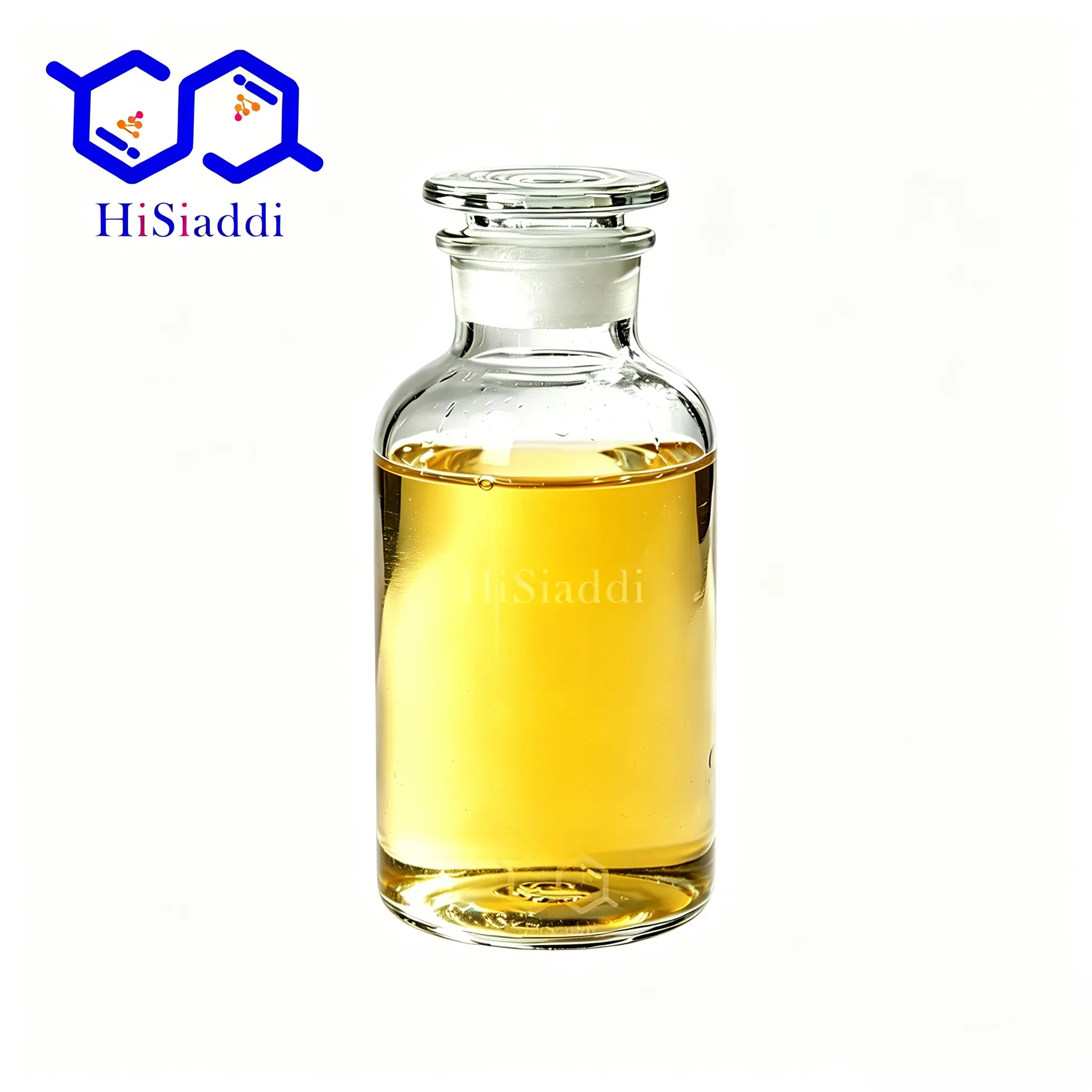
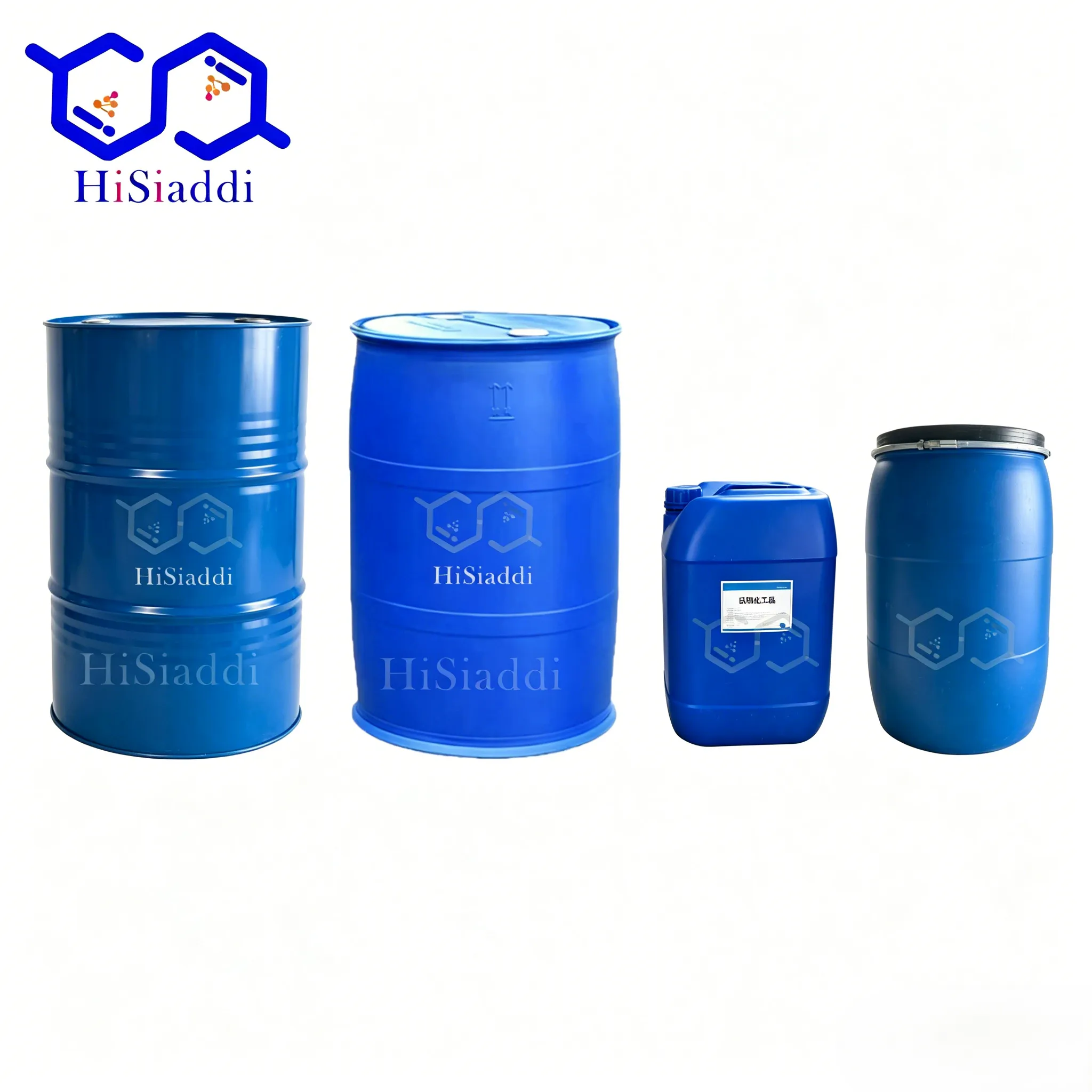
 CONTACT HiSiaddi NOW
Name: | High-Purity Non-Phosphorus RO Antiscalant | Other Name: | N/A |
CAS No. | N/A | Brand: | Multi-brand |
MF: | N/A | Model Number: | Multi-models |
EINECS No. | N/A | Place of Origin: | Shandong, China |
Purity: | 99% | Grade: | Industrial grade |
MOQ: | 1ton | Storage: | Please refer to the product packaging or contact the customer service |
When purchasing high-purity phosphorus-free RO scale inhibitors as a buyer, you may encounter the following questions:
What are the core index advantages and application impacts of mainstream models from well-known high-purity phosphorus-free RO scale inhibitor brands?
What competitive services can suppliers of high-purity phosphorus-free RO scale inhibitors provide?
What are the qualification certifications and market reputation of target brands of high-purity phosphorus-free RO scale inhibitors?
How about the inventory level and supply stability of high-purity phosphorus-free RO scale inhibitor suppliers?
What factors need to be considered when selecting high-purity phosphorus-free RO scale inhibitors?
...and many other relevant questions.
Main export models: JY NP RO FP (Food/Pharmaceutical/Semiconductor high-purity phosphorus-free type, equivalent to Dow PermaTreat PC 191), JY NP RO SW (ultra-high salt resistant type dedicated for seawater desalination), JY NP RO HP (for high-hardness & high-salt wastewater reuse)
Core competitive advantages
Total phosphorus<0.01ppm, complete phosphorus-free; heavy metals (Pb/Cd/Hg/Cr⁶⁺)<10ppb; total nitrogen<0.1%; effective dispersing monomer content ≥42%; tolerates maximum TDS up to 75000mg/L seawater condition and residual chlorine 0-5mg/L; calcium carbonate scale inhibition rate>99%, calcium sulfate>98%, magnesium silicate>95%, excellent dispersion effect on iron and manganese scale; applicable pH range 2-11, stable within 0-45℃.
Compliant with food contact grade and pharmaceutical purified water grade standards; no slime formation, no bacterial growth, no contamination to RO membrane elements. Seawater desalination grade resists high calcium & magnesium ions and boron enrichment, suitable for harsh seawater environments in the Middle East and North Africa. Semiconductor grade features ultra-low ion residue without affecting water quality for chip manufacturing.
Excellent compatibility with flocculants, biocides and reducing agents without flocculation or membrane surface deposition; low dosage (2-4ppm), stable long-term membrane flux, membrane cleaning cycle extended by over 50%.
Complete top-tier compliance certificates: REACH registration, SVHC, RoHS, drinking water chemical certification, food contact material safety certification, HALAL & KOSHER certification. It is a long-term certified designated supplier for European and American semiconductor groups, pharmaceutical enterprises and Middle Eastern seawater desalination plants.
Annual output exceeds 28,000 tons, capable of undertaking annual ten-thousand-ton long-term fixed-price framework orders from global seawater desalination giants and semiconductor enterprises.
Cost performance: High-end positioning at the top of the global market, unit price: 3.1-3.7 USD/kg. Products match original phosphorus-free RO scale inhibitors from Dow and Nalco in quality with 33%-39% lower price, achieving the best cost performance worldwide in food, pharmaceutical, semiconductor and seawater desalination fields.
Target B-end buyers: European & American semiconductor ultrapure water plants, pharmaceutical purified water systems, food & beverage pure water factories, large-scale seawater desalination groups in the Middle East and North Africa, high-salt wastewater zero-discharge projects.
Benefits for downstream buyers: Real zero-phosphorus property easily meets EU phosphorus-free environmental discharge and food & pharmaceutical safety compliance standards; ultra-low impurities prevent membrane clogging, greatly cutting RO membrane replacement cost and cleaning frequency; broad-spectrum scale inhibition adapts to complex water quality with high salinity, high hardness and high silicon content; stable batch consistency ensures non-declining system operating flux; one-stop complete compliance documents support customs clearance and project filing worldwide, saving massive third-party testing and certification costs.
Benefits for end users: Long-term stable operation of RO systems and greatly reduced cleaning frequency; qualified low-ion residual pure water for semiconductor industry; safe and compliant pharmaceutical water; stable water production in seawater desalination projects; fully in line with global low-carbon, phosphorus-free and green water treatment trends.
Main export models: HN NP RO M (mid-to-high end universal industrial pure water type), HN NP RO P (special for power plant boiler make-up water), HN NP RO E (for high-hardness surface water & groundwater)
Core competitive advantages
Total phosphorus<0.03ppm, heavy metals<20ppb, effective ingredient ≥38%; stable performance against hard water and residual chlorine, ideal for power plant make-up water, iron & steel industry pure water and pure water systems in large industrial parks.
High temperature resistance and wide pH adaptability, fit for high-temperature pretreatment and continuous operation of boiler make-up water; excellent storage stability without stratification, degradation or failure after long-term storage.
Possesses large-scale phosphorus-free monomer synthesis and compounding base in Shandong with strong industrial mass production capacity and sufficient spot goods monthly, free from production shortage, price surge and supply cut-off of international brands, able to fulfill bulk long-term orders from global power plants and industrial pure water plants.
Standard light-proof sealed export packaging in IBC totes ensures no quality deterioration during ocean transportation with controllable overall costs.
Cost performance: Dominant product in global mid-to-high end industrial market, unit price: 2.4-2.9 USD/kg. Best cost performance for power plant and industrial pure water markets in Southeast Asia, Latin America, Japan and South Korea; outperforms low-end phosphorus-free scale inhibitors from Southeast Asia, price only 47%-57% of European and American brands.
Target B-end buyers: Power plant boiler make-up water factories in Southeast Asia, large-scale industrial pure water projects in Latin America, pure water systems of daily chemical groups, general industrial RO operation and maintenance service providers.
Benefits for downstream buyers: Balanced performance applicable to all industrial pure water scenarios; sufficient stable spot goods guarantee continuous operation all year round especially in peak seasons; complete phosphorus-free compliance credentials for easy acquisition of global green water treatment certifications; low dosage reduces overall water treatment operating costs.
Benefits for end users: Stable operation of power plant make-up water systems and scale-free boilers; qualified water output of industrial pure water; prolonged service life of RO membranes and reduced operation & maintenance costs.
Main export models: KF NP RO EL (customized for electronic precision ultrapure water), KF NP RO PV (special for photovoltaic silicon material cleaning pure water), KF NP RO SI (phosphorus-free type for silicon scale inhibition in high-silicon surface water)
Core competitive advantages
Customizable total phosphorus content, dispersion index, silicon resistance performance, ion residue and low nitrogen level; ultra-low residue of electronic & photovoltaic grades meets strict water quality requirements; high-silicon grade enhances silicic acid dispersion to solve silicon-induced membrane clogging; precision cleaning grade leaves no organic residue without affecting product yield.
Phosphorus-free, heavy metal-free and low VOC properties conform to EU green electronics and new energy environmental labels; strictly controlled microbial indicators and sterile compounding process meet safety standards of high-precision pure water.
Powerful flexible small-batch production capacity supports customized supply ranging from 500kg to 20 tons, perfectly satisfying R&D and mass production demands of small and medium-sized semiconductor, photovoltaic and new material enterprises.
Cost performance: Top-tier product in segmented global markets, unit price: 2.5-3.1 USD/kg. Well-received worldwide in photovoltaic pure water, electronic precision ultrapure water and high-silicon water treatment industries with far higher formula customization flexibility than European and American multinational chemical enterprises.
Target B-end buyers: European and American new energy photovoltaic enterprises, electronic component pure water factories in Southeast Asia, precision cleaning brands of niche new materials, cross-border high-end water treatment chemical traders.
Benefits for downstream buyers: Customized indicators precisely match segmented complex water quality; prominent high-end environmental advantages help quickly access high-end markets of European and American new energy and precision manufacturing industries; small-batch customization greatly cuts down R&D and inventory risks for start-up brands.
Benefits for end users: Stable pure water for photovoltaic silicon material cleaning; qualified ion content of electronic ultrapure water; scale-free and long-term stable operation of RO systems adopting high-silicon water sources.
Main export models: ZT NP RO G (base material for RO chemical compounding), ZT NP RO D (special for high-salt wastewater reuse and zero discharge), ZT NP RO B (economical type for general bulk blending)
Core competitive advantages
Stable total phosphorus content<0.05ppm with balanced dispersion performance and strong compatibility, mixable with reducing agents, biocides and flocculants; suitable for RO systems for industrial reclaimed water reuse, electroplating wastewater and chemical wastewater high-salt zero discharge treatment.
Complete basic qualifications including REACH, RoHS, MSDS and COA, meeting safety access standards of industrial water treatment chemicals in most countries worldwide.
Sufficient perennial bulk spot goods in IBC totes with top-ranking industry production capacity, ideal for large-scale low-price procurement by global industrial wastewater treatment enterprises and RO chemical compounding factories.
Cost performance: Optimal choice for bulk industrial environmental protection fields, unit price: 2.0-2.5 USD/kg. Ultimate cost performance in global reclaimed water reuse and wastewater zero-discharge markets, superior in quality to inferior phosphorus-free scale inhibitors from India.
Target B-end buyers: Global wastewater zero-discharge engineering companies, industrial reclaimed water reuse enterprises, RO chemical compounding manufacturers, bulk chemical importers in the Middle East and Africa.
Benefits for downstream buyers: Extremely low raw material procurement cost and stable dispersion property greatly improve operating stability of wastewater reuse RO systems; sufficient bulk supply supports continuous construction of large-scale industrial environmental protection projects; simple general compliance documents remove technical barriers for global cross-border customs clearance.
Benefits for end users: Stable water production of wastewater reuse RO systems; reduced scaling risks of zero-discharge projects; remarkably decreased operation and maintenance costs of industrial water treatment.
Main export models: LD NP RO U (general global phosphorus-free blending type), LD NP RO L (economical industrial raw material), LD NP RO EX (enhanced general export type for mass sales)
Core competitive advantages
Total phosphorus: 0.05-0.1ppm with balanced and stable indicators, applicable to general economical industrial pure water, municipal reclaimed water and basic groundwater RO system blending; minimal batch fluctuation and stable long-term supply price.
Complete basic REACH registration, MSDS and COA documents, satisfying import access requirements of industrial water treatment products in developing countries worldwide.
Full specifications including 25kg drums and IBC totes, regular spot goods in overseas warehouses ensure ultra-fast global delivery, mainly undertaking bulk mass-sales orders from global phosphorus-free scale inhibitor distributors.
Highly competitive market price, unit price of LD NP RO L only 1.8-2.1 USD/kg, outperforming inferior trace-phosphorus scale inhibitors from Southeast Asia and India in quality.
Cost performance: Ultimate cost performance for global bulk distribution, unit price: 1.8-2.4 USD/kg. Absolute price advantage in global mid & low-end industrial pure water and general RO water treatment markets.
Target B-end buyers: Large-scale global water treatment chemical distributors, overseas RO operation & maintenance service providers, economical industrial pure water brands, water treatment import traders in Africa and the Middle East.
Benefits for downstream buyers: Industry-lowest raw material procurement cost brings high profit margin after repackaging and blending; instant delivery of overseas warehouse spot goods responds rapidly to global market restocking demands; smooth customs clearance with simple general compliance files.
Benefits for end users: Stable operation of economical industrial pure water systems; safe phosphorus-free treatment of basic reclaimed water; outstanding cost performance for small and medium-sized RO projects.

| Brand | Main Models | Core Indicators (Total Phosphorus/Heavy Metal/Effective Content/Salt Resistance TDS/Scale Inhibition Range) | Unit Price Range (USD/kg) | Cost Performance Positioning | Core Target B-end Buyers | Practical Benefits for Downstream Buyers | Specific Benefits for End Users | Core Advantages vs European & American Overseas Brands |
| Jiangsu Jingyuan Chemical | JY NP RO FP/SW/HP | Total P<0.01ppm, Heavy Metal<10ppb, Effective Content≥42%, Salt Resistance up to 75000mg/L, Top grade for food, pharmaceutical & seawater scenarios | 3.1-3.7 | Top cost performance for global food, pharmaceutical & seawater desalination industry | European & American semiconductor, pharmaceutical, seawater desalination, high-salt zero-discharge projects | Zero-phosphorus high-purity compliance, broad-spectrum scale inhibition, prolonged RO membrane service life, ultra-stable batch quality | Qualified pure water ion content, stable seawater desalination output, phosphorus-free eco-friendly discharge | Same quality as Dow/Nalco with 33%-39% lower price, stronger customization capability |
| Shandong Hainuo New Materials | HN NP RO M/P/E | Total P<0.03ppm, Heavy Metal<20ppb, stable industrial-grade performance, excellent hard water & chlorine resistance | 2.4-2.9 | Leading brand for global power plant & industrial pure water mass supply | Southeast Asian power plants, Latin American industrial pure water projects, daily chemical pure water systems | Stable mass supply, compatible with all industrial RO scenarios, full compliance credentials | Scale-free boiler pure water, stable industrial pure water output, lower operation costs | Price only 47%-57% of European & American brands, faster bulk delivery |
| Zhejiang Kefu Additives | KF NP RO EL/PV/SI | Customizable total phosphorus, dispersion index & silicon resistance, dedicated for electronics, photovoltaic & high-silicon water | 2.5-3.1 | Optimal choice for electronic, photovoltaic & high-silicon water segmented markets | European & American new energy photovoltaic enterprises, electronic ultrapure water factories, precision cleaning industries | Precise customized formulas, ultra-low residue, flexible small-batch supply | Stable photovoltaic cleaning water, qualified electronic pure water, scale-free high-silicon water systems | Higher customization flexibility and lower MOQ than international giants |
| Guangdong Zhuotai Chemical | ZT NP RO G/D/B | Total P<0.05ppm, strong compounding compatibility, universal for wastewater zero discharge | 2.0-2.5 | Best choice for reclaimed water reuse & industrial chemical compounding | Global wastewater zero-discharge contractors, RO chemical compounding factories, industrial reuse enterprises | Low bulk procurement cost, suitable for large-scale environmental projects, easy customs clearance | Stable wastewater reuse effect, lower scaling risks of zero-discharge projects | Larger production capacity than overseas small brands, over 30% lower price with equivalent performance |
| Anhui Landun Environmental Protection | LD NP RO U/L/EX | Total P 0.05-0.1ppm, balanced indicators, sufficient overseas warehouse stock | 1.8-2.4 | Ultimate cost performance for global bulk distribution | Global water treatment distributors, economical industrial pure water suppliers, African & Middle Eastern traders | Lowest procurement cost, instant spot delivery, high profit margin after repackaging | Stable operation of basic RO systems, superior cost performance for small & medium projects | Most competitive global price, better quality than inferior Southeast Asian products |
vs international giants including Dow, Nalco, BASF and Kemira: International brands feature excessive patent premium, high minimum order quantity, long ocean transportation cycle, frequent stock shortage of food & semiconductor high-purity grades, unavailable formula customization and high threshold for R&D sample testing. In contrast, leading Chinese brands achieve lower total phosphorus content, stricter heavy metal control, stronger salt and silicon resistance, complete food & pharmaceutical compliance certifications, more competitive prices, accessible small-batch formula customization and faster after-sales response, becoming the optimal solution for global pure water, seawater desalination, semiconductor and pharmaceutical enterprises to replace imported products, cut costs and improve efficiency.
vs low-end phosphorus-free scale inhibitors from India and Southeast Asia: Overseas low-end products contain trace phosphorus, exceed heavy metal limits, cause easy membrane clogging due to poor dispersion and unstable batch quality, failing to pass food-grade compliance verification. Chinese high-purity phosphorus-free RO scale inhibitors deliver genuine zero-phosphorus purity, stable performance, full compliance certifications and adaptability to harsh high-end working conditions, firmly occupying all mid-to-high-end global reverse osmosis scale inhibitor market shares.
The five major brands fully cover high-end fields including food, pharmaceutical and semiconductor industries, power plant industrial pure water, electronic & photovoltaic precision pure water, wastewater zero-discharge environmental protection and global bulk distribution business lines, perfectly satisfying all budget ranges, diverse water quality conditions and all types of procurement demands from overseas B-end buyers worldwide.
HiSiaddi is a new foreign trade service enterprise powered by dual drivers of technology transformation and foreign trade services. It has established a "1+2+3+4=1" product service system: 1 foreign trade specialist with over 3 years of working experience, 2 chemical R&D teams, 3 high-quality suppliers and 4 shared warehouses to satisfy one-stop product demands.
With this system, HiSiaddi outperforms most foreign trade firms in the R&D optimization and technical craftsmanship of Phosphorus-free RO Antiscalant, grasps market demands and competitive edges of different phosphorus-free scale inhibitor brands better than single manufacturers, and boasts deeper insights into the global foreign trade market of this product than research institutes.
HiSiaddi only recruits foreign trade sales staff with over three years of industry experience. All salespeople must complete more than 6 months of joint training delivered by our R&D and foreign trade teams before serving clients.
(1) Basic Supporting Services for Phosphorus-free RO Antiscalant
Supported by our complete foreign trade operation system, we deliver one-stop full order follow-up services for phosphorus-free RO antiscalant, including but not limited to issuance & application of all compliance certificates, provision of full sets of third-party test reports, and handling all quality after-sales issues.
(2) Exclusive Value-Added Services for Phosphorus-free RO Antiscalant
Backed by our professional R&D teams, we provide customized product matching and technical consulting solutions, covering core indicator adaptation & cost comparison of all phosphorus-free antiscalant brands, regular global market analysis reports, etc.
One-stop compliance upgrading for food, pharmaceutical and semiconductor clients: Assist EU customers with food contact certification, semiconductor safety assessment and phosphorus-free label registration to avoid green trade barriers.
Real-time global price tracking of Dow, Nalco and BASF phosphorus-free products, issuing full comparative performance & cost analysis reports.
Free green water treatment brand marketing materials highlighting zero-phosphorus, heavy-metal-free selling points for overseas project tendering.
Global pure water & seawater desalination industry resource matching service to connect buyers with terminal engineering clients.
We carry out in-depth joint R&D with source manufacturers via technology transfer, while conducting internal technical training for foreign trade teams. This enables us to deliver highly customized phosphorus-free RO antiscalant solutions and research-level technical consultation for brand selection and formulation optimization.
(1) Research-Grade Customization Services for Phosphorus-free RO Antiscalant
· Phosphorus-free monomer ratio precision customization: Adjust dispersive monomers to tailor salt resistance, silicon inhibition and nitrogen content for seawater, pharmaceutical ultra-pure water and electronic semiconductor applications.
(2) Research-Grade Consulting Services for Phosphorus-free RO Antiscalant
· Seawater desalination & zero-discharge high-hardness water professional technical support with silicon scale removal optimization plans.
· All-climate storage technical guidance to prevent stratification and deterioration during cross-continental shipping; matching schemes with biocides and reducing agents.
Our foreign trade and R&D teams jointly conduct preliminary market research, factory site inspections, full product testing and long-term technical cooperation, selecting around 3 stable, reputable, high-potential core suppliers.
(1) Advantage of Cost-Effective Factory-Direct Sourcing
Long-term technical transformation and exclusive distribution partnerships grant us access to raw materials at factory bottom prices.
(2) Full-Lifecycle Supply Chain Assurance
Long-term cooperative production supervision strengthens full batch traceability, consistent quality control and full compensation commitments for batches failing third-party inspections.
We operate four warehouses together with our supplier partners to stock hot-selling phosphorus-free RO antiscalant inventory.
(1) Fast Regional Delivery & On-Site Troubleshooting
Our four warehouses are located at Qingdao Port (North China), Ningbo Port (East China), Shenzhen Port (South China) and Zhengzhou inland logistics hub to guarantee timely shipments. Local on-site staff can rapidly resolve transportation damage, packaging faults and export compliance issues when they arise.
(2) Price Risk Mitigation & Custom Packaging Solutions
We pre-stock inventories ahead of peak demand cycles to ease drastic seasonal price swings. Our self-owned warehouses support customized packaging, labels and printing to meet personalized branding requirements.
· Complete trial gift boxes for RO system engineers: Pharmaceutical, seawater, industrial and high-silicon dedicated antiscalant samples with full simulation test data.
As a new foreign trade service provider driven by dual engines of technology transformation and foreign trade services, HiSiaddi has established a "1+2+3+4=1" service system and can supply factory-direct products of multiple well-known brands of Phosphorus-free RO Antiscalant. As a research-and-development-oriented foreign trade service provider, HiSiaddi will systematically sort out and analyze common difficulties faced by B-end purchasers sourcing Phosphorus-free RO Antiscalant from China, and propose targeted solutions from HiSiaddi.
If you require more professional and in-depth analysis on the selection of Phosphorus-free RO Antiscalant, please contact HiSiaddi customer service.
1. Insufficient inhibition of silica and magnesium scales under high concentration ratios of 4–8 times leads to hard silica-magnesium composite scale on membrane surfaces. Low-end conventional phosphorus-free antiscalants only suppress calcium carbonate scale with extremely weak dispersion capacity for silicic acid and magnesium ions. Under industrial high-concentration RO systems with highly enriched ions, hard white silica-magnesium composite scale forms on membrane surfaces within 1–2 months of operation, which cannot be completely removed via regular acid cleaning and causes permanent membrane flux attenuation.
2. Continuous front-end free chlorine sterilization triggers chain scission and degradation of phosphorus-free polymer molecules leading to rapid performance failure. Most industrial pure water systems continuously dose sodium hypochlorite for bacteria inhibition; conventional phosphorus-free polymers exhibit weak oxidation resistance and decompose rapidly upon contact with free chlorine, resulting in premature chemical failure and sudden system scaling that catches operation teams off guard.
3. System hydrolysis under 35–45°C high inlet water temperatures drastically reduces scale inhibition stability. In tropical regions or factories with waste heat leading to elevated inlet water temperatures, conventional phosphorus-free formulations suffer poor high-temperature hydrolysis resistance with gradual decline in chemical activity during long-term high-temperature operation, forcing increased dosing rates and continuous growth in chemical costs.
4. Low-dosing precision tolerance is low; batch indicator fluctuations trigger sudden full-line RO system scaling. Industrial pure water systems adopt constant low-dosing via metering pumps; minor dosing deviations caused by fluctuating active component raw materials or residual monomers lead to full-system scale inhibition failure and sharp pressure differentials overnight.
5. Inferior phosphorus-free chemicals contain small-molecule organic compounds that act as nutrient sources for membrane surface microorganisms, fostering slime and algae growth. Crude products retain polymer monomers and small-molecule auxiliary agents that serve as biological nutrients; long-term operation accumulates biological slime on membrane surfaces forming "biological scale", which is far harder to clean than mineral scale.
1. Specialized silica-magnesium scale enhanced formulation with powerful silicate lattice distortion and dispersion capacity, adapted for ultra-high concentration RO systems with 8x recovery ratios, fundamentally inhibiting hard silica-magnesium composite scale formation and drastically reducing membrane cleaning frequency.
2. Modified chlorine and oxidation resistant technology enabling long-term tolerance of conventional system free chlorine levels with unbroken polymer molecular chains and sustained stable scale inhibition activity.
3. High-temperature anti-hydrolysis stable system maintaining undiminished performance under continuous long-term 45°C inlet water operation without blind dosing increases to stabilize chemical operating costs.
4. High-purity narrow-distribution polymerization technology with minimal batch deviations in active components, delivering stable low-dosing performance compatible with automatic metering pumps for precise dosing and elimination of sudden scaling risks.
5. Refined production eliminating biological nutrient residues with complete removal of polymer monomers and small-molecule organic matter, removing nutrient sources for bacterial and algae growth and stabilizing long-term membrane pressure differentials.
1. Polymer charge destabilization and failed scale inhibition under ultra-high salinity electrolyte environments of seawater and brackish water. Conventional phosphorus-free antiscalants possess weak salt resistance; high electrolytes disrupt molecular dispersion structures, preventing stable dispersion of scale crystals which rapidly settle and adhere to membrane surfaces.
2. High native silicon and boron content in seawater leads to undetectable yet dense hard boron-silica composite microcrystalline scale formation unremovable by regular cleaning, triggering irreversible membrane flux attenuation.
3. Poor chemical compatibility under winter low-temperature seawater (5–10°C) causes precipitation of trace flocs blocking membrane micropores. Low-end phosphorus-free formulations suffer reduced solubility under low seawater temperatures with precipitated suspended polymer flocs clogging membrane pores and lowering water production capacity.
4. Insufficient scale inhibition threshold for high-calcium magnesium hardness brackish water leads to instant scaling during system shutdown standby. Static water flow during shutdown concentrates ions rapidly; conventional phosphorus-free antiscalants deliver weak static scale inhibition capacity, forming visible scale layers within hours of standby.
5. Poor raw material purity and compatibility cause antagonism when mixed with seawater-specific flocculants and boron removal agents, generating flocs and stratification that disrupt the stability of full seawater desalination pre-treatment systems.
1. Modified ultra-high salt resistance molecular structure maintaining stable charge and dispersion capacity under ultra-high seawater mineralization environments to continuously inhibit scale crystal sedimentation.
2. Specialized boron-silica composite scale dispersion formulation targeting breakdown of boron-silica microcrystalline structures and suppressing composite scale deposition, adapted for special seawater desalination operating conditions to stabilize membrane flux.
3. Low-temperature compatible stabilization technology enabling complete dissolution without precipitation or flocs under 5°C low-temperature seawater, eliminating low-temperature membrane blockage and water production attenuation issues.
4. Enhanced static scale inhibition capacity stably encapsulating scale crystals even during system shutdown standby to eliminate scaling and hardening during idle periods.
5. Optimized broad-spectrum compatibility with pre-treatment chemicals, fully compatible with boron removal agents and seawater flocculants without antagonism, turbidity or floc formation for more stable full-system operation.
1. Residual trace metal ions and inorganic impurities cause unstable substandard ultrapure water resistivity. Electronic-grade ultrapure water imposes stringent impurity control standards; trace sodium, iron and chloride ions in conventional industrial-grade phosphorus-free antiscalants enter systems and directly disrupt water conductivity and resistivity stability.
2. High residual polymer small molecules lead to excessive system TOC (Total Organic Carbon). Crude products fail to remove residual monomers, causing cumulative elevated pure water TOC unable to meet high-precision water standards for semiconductors and photovoltaics.
3. Residual insoluble micro-particles adhere to membrane surfaces and trigger excessive particulate counts in pure water. Conventional filtration processes cannot remove micron-grade impurities that enter ultrapure water systems as minor pollution sources lowering end-product yield rates.
4. Inconsistent batch viscosity creates flow deviations in precision metering pumps leading to erratic dosing rates and intermittent micro-scaling. Electronic pure water systems rely on micro-precise dosing; viscosity fluctuations directly skew chemical addition volumes triggering periodic micro-scaling.
5. Lack of high-purity electronic-grade cleanliness certifications and phosphorus-free test reports disqualifies products from high-end cleanroom project bidding.
1. Electronic-grade ultra-high purity refining process deeply removing metal ions and inorganic impurities to sustain stable ultrapure water resistivity for precision electronics and semiconductor water applications.
2. Deep rectification and removal of residual monomers delivering ultra-low TOC residuals fully compliant with high-end ultrapure water TOC control standards.
3. Multi-stage precision filtration down to 0.1μm eliminating all micro-particles and mechanical impurities to resolve pure water particulate exceedance issues.
4. Precision viscosity locking technology delivering highly consistent batch viscosity compatible with micro-dosing via precision metering pumps for zero deviation in chemical addition volumes and sustained system stability.
5. Accompanying high-purity phosphorus-free, low-TOC and low-ion cleanliness compliance reports for direct use in high-end electronic ultrapure water bidding and project acceptance.
1. Inconsistent polymer active content across batches leads to variable finished product performance when compounded with fixed formulations. Compound manufacturers rely on stable raw material indicators; inconsistent polymerization degrees of conventional phosphorus-free antiscalants create drastic batch-to-batch scale inhibition rate differences resulting in mass scrapping of private label finished goods.
2. Compatibility defects with non-oxidizing biocides and bacteriostatic auxiliaries reduce efficacy and destabilize systems. Raw materials with high polar impurity levels exhibit poor compatibility with biocides, mutually attenuating scale inhibition and bacteriostatic performance upon mixing and preventing production of multi-functional compound chemicals.
3. Oxidation and yellow discoloration under high-temperature summer storage and ocean shipping for transparent high-end export private label chemical products. Raw materials without anti-oxidation treatment discolor under heat, failing appearance standards for premium transparent export chemicals.
4. Turbidity and loss of clarity when mixed with PAA, HPMA and sulfonate copolymers due to impurity disruption of colloidal equilibrium, preventing mass production of high-end clear compound chemicals and limiting product premium upgrading.
5. Unstable raw material systems cause stratification and sedimentation of compounded finished goods during long-term storage with short shelf life.
1. Precisely locked polymerization degrees delivering highly consistent active components across batches, eliminating re-formulation adjustments for customers’ mature formulas and guaranteeing 100% stable mass-produced finished product performance.
2. Special purification for compatibility with all biocides and polymer auxiliaries enabling synergistic scale inhibition and bacteriostatic performance without mutual attenuation upon compounding.
3. High-temperature anti-oxidation and decolorization refining producing highly transparent heat-resistant raw materials meeting appearance standards for premium export private label chemicals.
4. Low-interference pure system enabling transparent compounding with all polymer auxiliaries free of turbidity and flocs, compatible with customized high-end chemical production.
5. Long-term stable formulations enabling 12 months of ambient storage for compounded finished goods without stratification, sedimentation or performance attenuation, fully matching long shelf life requirements for export shipments.
1. Widespread counterfeit products mixed with phosphorus-containing monomers falsely marketed as pure phosphorus-free goods triggering failed third-party zero-phosphorus testing at customer terminals. Some suppliers cut costs by blending cheap phosphorus-containing additives; visually identical to genuine products yet fail total phosphorus testing at end customers, resulting in project acceptance failure, product returns and compensation claims.
2. Artificial water dilution of active ingredients with falsified viscosity and activity specifications leads to drastically reduced scale inhibition performance for downstream customers. Low-priced raw materials contain insufficient active components; standard dosing rates fail to deliver scale inhibition triggering large-scale membrane blockage accidents.
3. Polymer slow degradation under high-temperature closed ocean shipping conditions reduces post-arrival activity and performance failure. Conventional phosphorus-free products exhibit poor thermal stability with polymer degradation during enclosed high-temperature ocean transit leading to under-dosed and ineffective batches upon arrival.
4. Missing phosphorus-free test certificates, REACH, SVHC, CLP and cleanliness documentation blocks customs clearance in Europe and America and restricts market circulation in overseas high-end environmental protection markets. Mandatory zero-phosphorus supporting documents are required by overseas high-end markets; incomplete documentation prevents customs clearance and local sales.
5. Component settlement during long-term IBC tote storage creates uneven upper and lower layer concentrations leading to inconsistent performance across small repackaged orders.
1. 100% genuine pure phosphorus-free formulation with batch-by-batch zero-phosphorus test reports eliminating phosphorus adulteration and supporting third-party re-inspection by any global testing institution to guarantee end-user compliance acceptance.
2. Third-party full-item testing for every batch with truthful labeling of active ingredients, viscosity and scale inhibition performance with zero dilution and zero falsification, eliminating after-sales risks for distributors.
3. High-temperature stabilized treatment for ocean shipping delivering anti-heat and anti-degradation performance maintaining consistent product quality upon arrival matching factory specifications.
4. Complete accompanying documentation including English SDS, CLP labels, REACH-SVHC screening, official zero-phosphorus test reports and low-TOC cleanliness certificates enabling unimpeded customs clearance and market circulation across Europe and America.
5. Optimized homogeneous system suppressing component settlement with uniform material concentration throughout IBC totes requiring only simple stirring before repackaging to deliver highly consistent quality across small orders.
For professional and in-depth analysis on purchasing Phosphorus-free RO Antiscalant, please contact HiSiaddi customer service.
Barriers to Custom Formulation: Conventional domestic phosphorus-free antiscalants are mostly industrial-grade, lacking advanced high-purity purification processes and carrying excessive impurities that fail to meet semiconductor ultrapure water inlet membrane standards. The client banned residual sulfonate monomers and required a compound system of modified polyepoxysuccinic acid plus dendritic polycarboxylic acid; mass-produced commercial formulas on the market could not be directly applied.
Compliance Certification Obstacles: The product required NSF 60 drinking water grade certification, EU REACH registration, and local Spanish filing for water treatment chemicals. The client lacked domestic channels to complete these procedures independently, and separate application would take more than 60 days.
Packaging & Maritime Shipping Restrictions: Spanish ports imposed special inspection standards covering chemical drum material specifications, English MSDS versions, and hazard classification labeling. The client’s original procurement documents failed to satisfy both China export customs clearance and Spanish import customs clearance requirements.
Conflict Between Small-Batch Trial Production and Mass Production Handover: The client required a 50 L trial batch for 30-day on-site process verification before full-scale production. Most manufacturers declined small trial orders, requiring HiSiaddi to coordinate flexible production scheduling with partner factories.
Coordinated Technical Customization: HiSiaddi collaborated with partnered R&D laboratories to adjust monomer polymerization and purification processes, controlling residual raw material monomers below 0.1% and eliminating inorganic impurities. Three consecutive test batches delivered stable phosphorus content ranging from 3.2 ppm to 4.5 ppm, with all heavy metal indicators compliant. The compound ratio was optimized as follows: 27% modified PESA, 22% dendritic polyacrylic acid, 8% modified itaconic acid copolymer, and the balance deionized water, fully aligning with the phosphorus-free formula framework specified by the client.
One-Stop Compliance Agency Service: Partnering with third-party testing institutions, HiSiaddi completed NSF 60 testing, REACH pre-registration, and Spanish-language safety data sheet compilation within 18 days, while assisting the client with Spanish chemical access filing to eliminate cross-border application delays.
Phased Supply Chain Production Scheduling: A 50 L trial batch was prioritized for packaging in food-grade HDPE narrow-mouth drums and airfreighted to the Spanish facility for on-site pilot testing. After 30 days of continuous RO system operation, the two-stage pressure differential increase was less than 0.02 MPa, stable water production was maintained, and no organic fouling accumulated on membrane surfaces. Upon successful trial validation, dedicated production lines were allocated at the factory, completing 25 tons of mass production in 22 days. All products were packed in UN-certified IBC totes with tri-lingual labels (Chinese, English, Spanish).
Integrated Logistics & Customs Clearance: HiSiaddi consolidated freight forwarding resources to prepare customized export customs documentation and pre-reviewed Spanish import clearance materials, mitigating risks of customs detention for chemical cargo. The full delivery cycle from domestic loading to the Barcelona warehouse totaled 31 days.
Mismatched Formulation Adaptability: The initial customized formula was designed for inland surface water and lacked sufficient dispersant components to handle Saudi high-salinity seawater. Insufficient PESA content prevented stable dispersion and precipitation inhibition of barium sulfate and calcium sulfate microcrystals. The chemical’s colloidal stability deteriorated under high-salinity conditions, triggering localized flocculation and membrane surface fouling.
Hidden Risks in Production Feeding Processes: Low-temperature feeding during manufacturing led to incomplete dissolution of partial high-molecular copolymers, leaving trace gel particles within the finished chemical. These particles clogged pre-treatment cartridge filters, indirectly causing fluctuating inlet water quality and elevated membrane system load.
Incorrect On-Site Dosing Procedures: The client retained dosing logic originally designed for phosphorus-containing antiscalants, applying a single high-concentration dose (22 ppm) directly to the concentrate stream without an online dilution unit. Instant localized supersaturation rendered the phosphorus-free antiscalant ineffective, with chemical utilization falling below 45%.
Remote Analysis + On-Site Sampling & Testing: HiSiaddi dispatched water treatment engineers to Saudi Arabia to collect water and chemical stock solution samples for full laboratory testing. A complete water quality analysis report and chemical component inspection report were issued within 72 hours, accurately identifying the three root causes listed above.
On-Site Iterative Formula Optimization: Tailored to local seawater quality parameters, the formula framework was revised while retaining the phosphorus-free base system: dendritic modified polymer increased to 31%, sulfonated modified PESA adjusted to 29%, and a trace organic chelating monomer added at 3.5%. Static on-site scale inhibition testing showed calcium sulfate scale inhibition efficiency rising from 82.1% to 95.7%, while barium sulfate inhibition efficiency exceeded 93%. HiSiaddi coordinated domestic manufacturers to expedite production of 8 tons of reformulated improved chemical for airfreight replenishment.
Rectification of Manufacturing Processes: Production standard operating procedures were revised retroactively for the factory, mandating constant-temperature feeding at 55°C with 4 hours of continuous stirring and adding an in-line filtration step to remove gel impurities. All subsequent mass production batches were accompanied by filtration integrity test reports to eliminate defective semi-finished products.
On-Site Dosing System Retrofit & Operational Guidance: HiSiaddi engineers assisted the client with upgrading the chemical dosing system by installing online dilution tanks, shifting dosing from single-point concentrate injection to continuous quantitative feeding at the pre-treatment inlet, and optimizing the dosing concentration to 5–7 ppm. An Arabic-language Chemical Dosing Operation & Maintenance Manual was issued, and three on-site operation and maintenance staff received standardized operational training.
Lead time
Quantity (ton) | 0 - 10 | 10 - 30 | > 30 |
Lead time (days) | 7 | 15 | To be negotiated |
The monthly inventory volume of Phosphorus-free RO Antiscalant is 150 tons, with appropriate adjustments upwards or downwards in response to peak and off-peak seasons.
HiSiaddi safeguards the supply stability of Phosphorus-free RO Antiscalant through the following measures:
(1) Performance evaluation and screening of Phosphorus-free RO Antiscalant brand factories based on on-time delivery rate, batch pass rate, timeliness of risk alerts, and completeness of documentation to assess their supply stability.
(2) For each mainstream model or major grade of Phosphorus-free RO Antiscalant, secure 1 primary high-quality brand manufacturer and 2 backup high-quality manufacturers.
(3) Each factory operates independent production lines in separate production zones to prevent production halts caused by major unforeseen incidents such as environmental production suspensions and power outages.
Through long-term cooperation with brand manufacturers via technology commercialization and authorized distribution channels, HiSiaddi can effectively strengthen supervision over the production processes of brand manufacturers, optimize full-process traceability management, improve batch stability control, and further reinforce real-time monitoring of the supply stability of Phosphorus-free RO Antiscalant products.
Long-term Annual Framework Supply Guarantee Agreement. HiSiaddi signs 12-month long-term agreements with leading manufacturers. The agreements specify the minimum guaranteed supply volume, maximum price hike range, and priority production scheduling rights during peak seasons. It is stipulated that manufacturers shall issue a 30-day prior written notice if production is suspended due to environmental rectification or equipment maintenance, and backup manufacturers will be activated to replenish goods accordingly.
We have 4 warehouses, which are jointly operated and managed with suppliers to store hot-selling products.The four warehouses are located at Qingdao Port in North China, Ningbo Port in East China, Shenzhen Port in South China, and Zhengzhou, China’s inland logistics hub. This setup guarantees sufficient supply and timely shipment of Phosphorus-free RO Antiscalant during peak seasons.
HiSiaddi issues a rolling demand forecast covering the subsequent three months on the 25th of each month, allowing manufacturers to reserve production capacity in accordance with the forecast. Any new urgent orders from overseas clients will be prioritized to draw on inventories or production capacity from backup manufacturers.
Unstable logistics for Phosphorus-free RO Antiscalant will extend delivery lead times. HiSiaddi has established alternative arrangements covering multiple freight forwarders, ports and transportation solutions:
(1) Binding of multiple professional chemical freight forwarders for Phosphorus-free RO Antiscalant
Each product is assigned 2 to 3 freight forwarders with hazardous chemical/food transport qualifications affiliated with different shipping lines. Alternative sailing schedules can be switched to immediately in case of space shortages or customs inspections on a single shipping route.
(2) Backup transportation solutions for Phosphorus-free RO Antiscalant
Ocean freight serves as the standard mode; air freight and rail freight are reserved as alternatives for urgent orders. Long-term agreements for temperature-controlled containers are signed for temperature-sensitive and perishable food additives to secure shipping space.
(3) Visual tracking and digital early warning for Phosphorus-free RO Antiscalant
Freight forwarders synchronize daily updates on container loading, customs declaration, vessel loading and port arrival milestones. If customs inspection occurs, replenishment from backup inventory will be initiated immediately to shorten client waiting periods.
Full-chain digital early warning automatically monitors four categories of risks:
Factory side: Expiring supplier environmental assessment certificates, renewal of production permits, scheduled major equipment overhauls, and notifications of price hikes for upstream raw materials;
Inventory side: Inventory falling below safety thresholds, excessive inventory age, and batches failing quality inspection;
Logistics side: Shipping line space shortages, strikes at destination ports, and updates to customs policies;
Overseas side: Revisions to additive regulations and adjustments to import restriction lists in target countries.
Early warning notifications are automatically pushed to procurement and business leads, allowing backup suppliers or inventory contingency plans to be activated in advance.
As a new-type foreign trade service provider driven by dual engines of technology transformation and foreign trade services, HiSiaddi has built a "1+2+3+4=1" service system and can supply original factory products of many well-known brands of Phosphorus-free RO Antiscalant.
As a R&D-focused foreign trade service provider, HiSiaddi differs from single-brand factories that only promote their own products. We objectively analyze multiple competitive well-known Chinese export brands of phosphorus-free RO antiscalants and share their qualification certifications and market feedback to help purchasers select products efficiently and reliably.
If you require more authentic and objective introductions to multiple well-known Chinese brands of Phosphorus-free RO Antiscalant, please contact HiSiaddi customer service.
· TH-0100 (General High-Purity Phosphorus-Free Type): Phosphorus-free formulation allowing LSI up to 2.8, silicon tolerance up to 290mg/L, scale inhibition rate ≥98%; suitable for seawater desalination and high-salinity wastewater, holding over 25% market share in the Middle East and Southeast Asia.
· TH-191 (Special High-Silicon & High-Hardness Type): Tolerates silicon up to 180mg/L and hardness up to 1000mg/L with biodegradability ≥92%; certified with EU CE and US NSF/ANSI 60, designated model for power and chemical projects in Europe.
· PASP (High-Purity Bio-Based Sodium Polyaspartate): Phosphorus-free, non-toxic and 100% biodegradable with nearly 100% scale inhibition rate; compliant with EU REACH and US EPA standards, the top choice for ultrapure water systems in food and pharmaceutical industries.
· Cumulative global supply exceeds 120,000 tons, serving international giants including Siemens and ACWA Power with an 89% client repurchase rate.
· After application in Southeast Asian seawater desalination projects, membrane service life is extended by 35%, cleaning cycles reach 80 days, and per-ton water costs drop by 22%.
· European client comment: "Performance matches top international brands at a 30% lower price with a 50% shorter delivery cycle."
· National-level qualifications: National Enterprise Technology Center, ISO9001/14001 certification, Recommended Product by China Membrane Industry Association.
· International certifications: EU CE, US NSF/ANSI 60, REACH registration, SEMI F57 (electronic grade).
· Industry honors: Top 1 global RO antiscalant producer by capacity in 2025, Benchmark Enterprise for China’s Water Treatment Chemical Exports.
· PureGuard™-S (Semiconductor Ultra-High-Purity Type): TOC ≤20ppb, metal ions ≤0.1ppb, zero particle residue; certified by SGS and SEMI F57, integrated into supply chains of SMIC and Yangtze Memory.
· FM-308 (Special High-Salinity & High-Fluoride Type): Phosphorus-free formulation tolerating TDS ≥50000mg/L and F⁻≤50mg/L with scale inhibition rate ≥98.5%; suitable for high-salinity lithium battery wastewater and coal chemical zero-liquid-discharge projects, holding 30% market share in new energy projects in the Middle East and China.
· PESA-50 (High-Purity Biodegradable Type): Phosphorus-free with biodegradability ≥95%, suitable for food and pharmaceutical industries; certified with US FDA and EU ECO, designated product for food & beverage sectors in Europe and America.
· Cumulative high-end market supply exceeds 80,000 tons, serving TSMC and LG New Energy with a 92% repurchase rate among high-end clients.
· After deployment in semiconductor projects, ultrapure water TOC stabilizes below 50ppb, membrane fouling rate drops by 70%, and production yield rises by 15%.
· Middle East seawater desalination client feedback: "Stable operation for 2 years without scaling under high-salinity conditions, outperforming similar European and American products."
· National-level qualifications: National High-Tech Enterprise, China Patent Excellence Award, Standard-Setting Entity of China Membrane Industry Association.
· International certifications: SEMI F57, SGS, FDA, ECO, Carbon Footprint Certification (PAS 2050).
· Industry honors: Benchmark for China’s high-purity phosphorus-free antiscalant technology in 2025, Top 3 global PASP producer by capacity.
· QS-810 (Broad-Spectrum Phosphorus-Free Type): Phosphorus-free, low-toxicity with biodegradability ≥90%, suitable for municipal wastewater reuse and industrial park wastewater; compliant with EU Water Framework Directive and China GB/T 31962.
· QS-820 (Special High-Alkalinity & High-Hardness Type): Tolerates alkalinity up to 500mg/L and hardness up to 800mg/L with scale inhibition rate ≥97%; suitable for power plants and steel plant circulating water, holding 28% market share in Southeast Asian industrial projects.
· QS-830 (Low-Silicon & Low-Metal Special Type): Tolerates Fe³⁺ up to 1.5mg/L and SiO₂ up to 120mg/L, suitable for electronic electroplating and photovoltaic silicon cleaning; certified with US NSF and EU RoHS.
· Cumulative global supply exceeds 75,000 tons, serving Thailand National Waterworks and Vietnam VinFast with an 85% repurchase rate among emerging market clients.
· After application in municipal reuse projects, stable effluent discharge meets standards and operating costs drop by 18%, winning recognition from environmental authorities in Southeast Asia.
· European purchaser comment: "Maximum compliance with complete documentation, directly marketable in the EU with zero compliance risks."
· National-level qualifications: China Environmental Product Certification, ISO9001/14001/45001, Green Chemical Agent Recommended by Ministry of Ecology and Environment.
· International certifications: EU CE, NSF/ANSI 60, RoHS, REACH, EU Water Framework Directive Compliance Certification.
· Industry honors: No.1 market share in Southeast Asia in 2025, Benchmark Enterprise for China’s Industrial Water Treatment EPC Services.
· PO-100 (Special High-Silicon & High-Strontium Type): Tolerates SiO₂ up to 220mg/L and Sr²⁺ up to 10mg/L with scale inhibition rate ≥99%; suitable for oilfield water and geothermal wastewater, holding 35% market share in Middle Eastern oilfield projects.
· PO-200 (Special High-Salinity & High-Chloride Type): Phosphorus-free formulation tolerating TDS ≥60000mg/L and Cl⁻≤20000mg/L; suitable for concentrated seawater desalination wastewater and coal chemical high-salinity wastewater, designated product for Australian and Middle Eastern projects.
· PO-300 (Electronic-Grade Low-Metal Type): TOC ≤30ppb, metal ions ≤0.5ppb, compatible with mainstream RO membranes; certified with SEMI F57 and SGS, integrated into Samsung South Korea’s supply chain.
· Cumulative global supply exceeds 60,000 tons, serving Saudi Aramco and BHP Australia with a 90% repurchase rate among clients operating under extreme working conditions.
· After deployment in oilfield projects, membrane cleaning cycles extend to 100 days and annual maintenance costs drop by 40%.
· International engineering firm comment: "Strong customization capacity with solution delivery within 72 hours, performance exceeds expectations at half the price of international brands."
· National-level qualifications: National High-Tech Enterprise, over 30 patents, Council Member Unit of China Membrane Industry Association.
· International certifications: SEMI F57, SGS, CE, NSF, REACH, EU ECO Certification.
· Industry honors: Global Expert in Extreme Working Condition Antiscalant Solutions in 2025, Benchmark for China’s Customization Services.
· LD-10X (10x Concentrated General Phosphorus-Free Type): Phosphorus-free, 10-fold concentration with dosing volume of 1–2mg/L and scale inhibition rate ≥97%; suitable for small and medium RO systems and commercial water purification, holding 22% market share among small and medium European and American clients.
· LD-20X (Concentrated High-Hardness & High-Alkalinity Type): 8-fold concentration tolerating hardness up to 600mg/L and alkalinity up to 400mg/L; suitable for boiler makeup water and small power plants, popular in Eastern Europe and South America.
· LD-30X (Food-Grade Phosphorus-Free Type): Phosphorus-free, non-toxic with biodegradability ≥93%, meeting food-grade standards; suitable for bottled water and beverage industries, certified with US FDA and EU ECO.
· Cumulative global supply exceeds 50,000 tons, serving small and medium European water plants and South American food enterprises with an 82% repurchase rate among small and medium clients.
· After deployment in small and medium RO systems, chemical costs drop by 50% and transportation costs fall by 60%, delivering outstanding cost-effectiveness.
· European distributor comment: "Concentrated design reduces warehousing pressure with ample profit margins and high client acceptance."
· National-level qualifications: ISO9001/14001, China Domestic Water Safety Product Certification, Environmentally Compliant Product.
· International certifications: EU CE, NSF/ANSI 60, FDA, ECO, REACH Registration.
· Industry honors: Benchmark for Global High-Concentration Antiscalant Cost-Effectiveness in 2025, Top Brand for Small & Medium Purchasers in China.
表格
Brand | Core Strengths | Main Models | Optimal Application Scenarios | Price Range (USD/ton) |
Taihe Technology | Large production capacity, cost-effective, adaptable to extreme water quality | TH-0100, TH-191 | Seawater desalination, power, chemical industry | 6,800–7,500 |
Fumei Technology | Electronic-grade ultra-high purity, dedicated for semiconductors, high biodegradability | PureGuard™-S, FM-308 | Semiconductors, new energy, pharmaceuticals | 28,000–35,000 |
Qingshuiyuan | Maximum compliance, EPC integration, municipal water reuse | QS-810, QS-820 | Municipal wastewater, industrial parks | 7,000–7,800 |
Punio | Strong customization, suitable for extreme working conditions, fast response | PO-100, PO-200 | Oilfields, coal chemical industry, high-salinity wastewater | 8,500–12,000 |
Ludong Environmental Protection | High concentration, low cost, ideal for small and medium clients | LD-10X, LD-20X | Small & medium RO systems, commercial water purification | 5,500–6,200 |
If you require more authentic and objective introductions to multiple well-known Chinese brands of Phosphorus-free RO Antiscalant, please contact HiSiaddi customer service.
As a new-type foreign trade service provider driven by dual engines of technology transformation and foreign trade services, HiSiaddi has built a "1+2+3+4=1" service system and can supply original factory products of many well-known brands of Phosphorus-free RO Antiscalant.
As a R&D-focused foreign trade service provider, HiSiaddi differs from single-brand factories that only promote their own products. We objectively analyze multiple competitive well-known Chinese export brands of phosphorus-free RO antiscalants and share their production processes, supply stability and key indicators, as well as the impacts of these core factors on purchasers to help purchasers select products efficiently and reliably.
If you require more authentic and objective introductions to multiple well-known Chinese brands of Phosphorus-free RO Antiscalant, please contact HiSiaddi customer service.
· Core monomers (PESA/PASP): Tubular continuous free radical polymerization under nitrogen protection with precise temperature control (85–92℃), narrow molecular weight distribution (PDI=1.28–1.35) to eliminate batch-to-batch discrepancies.
· Purification section: Three-stage nanofiltration + precision ultrafiltration to remove residual monomers, salts and metal impurities, stabilizing TOC ≤50ppb and heavy metals ≤0.1ppm.
· Compounding & filling: Fully automatic closed compounding + aseptic filling in a dust-free environment to avoid secondary pollution; automatic production lines for 25kg/250kg/IBC tote drums with a daily single-shift output of 120 tons.
· Environmental protection & energy consumption: By-product recycling and waste heat recovery cut unit energy consumption by 18% vs. industry average; zero-phosphorus process with zero phosphorus-containing wastewater discharge.
· Production capacity scale: Two manufacturing bases in Zaozhuang Shandong and Suzhou Anhui, with an annual phosphorus-free RO antiscalant capacity of 128,000 tons, accounting for 28% of national total capacity.
· Raw material guarantee: Self-built acrylic acid and maleic anhydride production lines with core raw material self-sufficiency ≥85%, mitigating price volatility and supply disruption risks.
· Delivery cycle: 7–10 days for standard models, 12–15 days for customized formulas; 8,000 tons permanent stock with 3-day direct spot delivery to the Middle East and Southeast Asia.
· Risk resistance: Only a 5% minor price adjustment during the 2025 raw material price surge with zero supply disruption; 99.7% on-time delivery rate for three consecutive years.
· Appearance: Colorless to pale yellow clear liquid with no sediment or suspended solids.
· Active components: ≥50% (TH-0100), ≥55% (TH-191), phosphorus-free (P<0.01%).
· Scale inhibition performance: Calcium carbonate LSI ≤+2.8, calcium sulfate SDSI ≤+3.0, silicon tolerance SiO₂≤290mg/L, scale inhibition rate ≥98%.
· High-purity indicators: TOC ≤50ppb, Fe/Cu/Al ≤0.1ppb, zero detectable particles below 0.1μm.
· Biodegradability: ≥92%, compliant with OECD 301B; heavy metals (Pb/Cd/Hg) ≤0.1ppm.
· Advantages: Large-scale production stabilizes unit prices (USD 6,800–7,500/ton), consistent batch performance and low membrane fouling risks; TH-191 directly applicable to seawater and high-silicon water without extra compounding.
· Disadvantages: Slightly slower customized solution response vs. small manufacturers; not a top performer for ultra-high-purity electronic-grade products (TOC<20ppb).
· Bio-based PASP route: Microbial fermentation of L-aspartic acid for green polymerization delivering 100% biodegradability with zero chemical residues, suitable for pharmaceutical, food and semiconductor industries.
· Ultra-purification: Four-stage reverse osmosis + ion exchange + 0.05μm precision filtration to achieve TOC ≤20ppb and metal ions ≤0.1ppb, meeting SEMI F57 electronic-grade standards.
· Compounding process: Low-shear low-temperature compounding to prevent polymer degradation; full Class 1000 dust-free workshop eliminating micro-particle contamination.
· Quality traceability: Full chromatographic and mass spectrometric analysis for every batch, with electronic reports traceable back to raw material batches.
· Capacity layout: Zhangjiagang Jiangsu base with 3 dedicated high-purity phosphorus-free production lines delivering an annual capacity of 95,000 tons, including 20,000 tons of electronic-grade PureGuard™-S annually.
· Raw material guarantee: 3-year long-term supply agreements with bio-fermentation raw material suppliers to lock prices and supply volume; core auxiliary material self-sufficiency at 70%.
· Delivery cycle: 10–12 days for standard high-purity products, 15–20 days for electronic-grade products; permanent stock of 5,000 tons for high-purity grades and 1,000 tons for semiconductor grades.
· Stability: The only electronic-grade antiscalant manufacturer without supply shortages during the 2025 high-end market supply crunch; 99.5% on-time delivery rate.
· Appearance: Colorless transparent liquid with zero impurities, conductivity ≤5μS/cm.
· Active components: ≥45% (PureGuard™-S), ≥50% (FM-308), phosphorus-free and non-nitrogen.
· Scale inhibition performance: FM-308 tolerates TDS ≥50000mg/L and F⁻≤50mg/L with scale inhibition rate ≥98.5%; PureGuard™-S delivers LSI ≤+2.5 for ultrapure water applications.
· High-purity indicators: TOC ≤20ppb, Fe/Cu/Zn/Ni ≤0.1ppb, zero detectable 0.1μm particles, certified to SEMI F57 and SGS.
· Biodegradability: ≥95%, FDA and EU ECO certified; carbon footprint ≤2.5kgCO₂e/kg.
· Advantages: Directly meets SEMI F57 requirements for semiconductor and new energy projects without secondary testing; membrane service life extended by 40%, cleaning cycles over 90 days, ultrapure water TOC stabilized below 50ppb lifting production yield by 15%.
· Disadvantages: High unit price (USD 28,000–35,000/ton), high minimum order quantity (10 tons minimum), long delivery cycles; uneconomical for ordinary industrial projects.
· Polymerization section: Atmospheric low-temperature aqueous free radical polymerization (75–85℃) with low energy consumption and high safety; copolymerization of PESA/PASP delivers uniform molecular weight distribution.
· Purification section: Two-stage precipitation + activated carbon adsorption + precision filtration to remove organic matter and heavy metals; heavy metals ≤0.5ppm, COD ≤50mg/L.
· Compounding & filling: Fully automatic closed compounding with precise proportioning; automatic filling for 25kg/250kg drums with batch error <±1%.
· Environmental closed-loop: Full reuse of production wastewater and harmless disposal of solid waste; zero-phosphorus zero-discharge process compliant with EU Water Framework Directive.
· Capacity scale: Jiyuan Henan base with an annual high-purity phosphorus-free capacity of 80,000 tons and 2 dedicated production lines for municipal and industrial reuse.
· Raw material guarantee: Sourcing from the Central Plains chemical cluster with multiple alternative suppliers; permanent 3-month raw material inventory limiting price fluctuations within 8%.
· Delivery cycle: 7–9 days for standard models, 10–14 days for customized formulas; permanent stock of 6,000 tons with direct port delivery to Southeast Asia and the Middle East.
· Stability: Zero major supply disruptions for five consecutive years; capacity utilization remained at 85% amid 2025 environmental production restrictions.
· Appearance: Pale yellow clear liquid with no sediment.
· Active components: ≥48%, phosphorus-free (P<0.01%) and low-toxicity.
· Scale inhibition performance: QS-810 LSI ≤+2.7, alkalinity tolerance up to 500mg/L; QS-820 hardness tolerance up to 800mg/L with scale inhibition rate ≥97%.
· High-purity indicators: TOC ≤100ppb, heavy metals ≤0.5ppm, compliant with NSF/ANSI 60.
· Biodegradability: ≥90%, EU CE/REACH certified; effluent phosphorus <0.5mg/L for direct compliance with discharge standards.
· Advantages: Complete certification documentation (CE/NSF/REACH) enabling direct market entry into EU and Southeast Asia; moderate unit prices (USD 7,000–7,800/ton), low MOQ (5 tons minimum), fast delivery.
· Disadvantages: Weak electronic-grade performance (TOC>50ppb); subpar performance under extreme high salinity (TDS>40000mg/L).
· Targeted polymerization: Copolymerization of multi-functional monomers with precise grafting of carboxyl/hydroxyl/sulfonic acid groups for high silicon/strontium/salinity resistance at grafting rates ≥92%.
· High-salinity resistant compounding: Synergy of salt-resistant monomers and dispersants to adapt to TDS ≥60000mg/L and Cl⁻≤20000mg/L; stable without stratification at low temperatures (5–10℃).
· Intelligent quality control: Real-time online spectrum and ion concentration monitoring with automatic sampling every 15 minutes and automatic alarms for abnormalities; batch-to-batch performance fluctuation <±0.8%.
· Flexible production: Modular production lines enabling rapid switching between general, high-silicon, high-salinity and electronic-grade formulas; small-batch customization starting from 1 ton with solution delivery within 72 hours.
· Capacity layout: Zibo Shandong base with 2 flexible high-purity phosphorus-free production lines delivering an annual capacity of 60,000 tons plus 1 dedicated production line for extreme working conditions.
· Raw material guarantee: Custom synthesized core monomers with permanent 2-month inventory; diversified auxiliary material sourcing lowering supply disruption risks.
· Delivery cycle: 7 days for standard products, 10–12 days for customized formulas; 30 national warehousing locations with 72-hour direct delivery to the Middle East and Australia.
· Stability: 98.5% on-time delivery rate for customized orders; 90% capacity utilization during the 2025 high-salinity project boom with zero supply shortages.
· Appearance: Colorless to pale yellow clear liquid with zero crystallization at 5℃ low temperature.
· Active components: ≥52% (PO-100), ≥55% (PO-200), phosphorus-free.
· Scale inhibition performance: PO-100 tolerates SiO₂≤220mg/L and Sr²⁺≤10mg/L; PO-200 tolerates TDS ≥60000mg/L with LSI ≤+3.0 and scale inhibition rate ≥99%.
· High-purity indicators: TOC ≤80ppb, metal ions ≤0.5ppb, optional SEMI F57 certification.
· Biodegradability: ≥88%, CE/NSF certified; stable at high temperature (90℃) and wide pH range (6–12).
· Advantages: Directly applicable to oilfield, coal chemical and high-salinity wastewater without pre-treatment; cleaning cycles extend to over 100 days cutting annual maintenance costs by 40%; flexible small-batch customization ideal for project-based procurement.
· Disadvantages: Relatively high unit prices (USD 8,500–12,000/ton); higher mass production costs; inferior cost-effectiveness vs. Taihe Technology for general water quality.
· One-step polymerization: Single-reactor aqueous polymerization streamlining processes and lowering energy consumption; PESA homopolymer with moderate molecular weight and excellent dispersibility.
· Concentration refining: Vacuum distillation + membrane concentration to achieve 10-fold concentration for LD-10X, reducing transportation volume and costs.
· Compounding & filling: Simplified automatic compounding with precise proportioning; low-cost packaging for 25kg/250kg drums targeting small and medium clients.
· Cost control: Local raw material sourcing, streamlined processes and low energy consumption cut comprehensive costs by 20% vs. industry average.
· Capacity scale: Yantai Shandong base with 2 dedicated high-concentration phosphorus-free production lines delivering an annual capacity of 50,000 tons for small and medium clients.
· Raw material guarantee: Local chemical raw material sourcing with low transportation costs; permanent 1-month inventory limiting price fluctuations within 10%.
· Delivery cycle: 5–7 days for standard concentrated models; permanent stock of 4,000 tons with 7-day direct delivery to small and medium European and American clients.
· Stability: Stable capacity utilization at 75%; zero major quality incidents with a 98% on-time delivery rate.
· Appearance: Pale yellow transparent liquid with 10-fold concentration.
· Active components: ≥50% (10x concentrated), phosphorus-free; dosing volume 1–2mg/L (vs. conventional 5–10mg/L).
· Scale inhibition performance: LSI ≤+2.5, hardness tolerance up to 600mg/L with scale inhibition rate ≥97%; suitable for small and medium RO systems.
· High-purity indicators: TOC ≤150ppb, heavy metals ≤1ppm, meeting basic NSF/ANSI 60 standards.
· Biodegradability: ≥93%, FDA/ECO certified; low-toxicity with zero secondary pollution.
· Advantages: Lowest unit prices (USD 5,500–6,200/ton), 60% lower transportation costs via high-concentration design and reduced warehousing pressure; low MOQ (3 tons minimum) suitable for small water plants and commercial water purification.
· Disadvantages: Weak performance under extreme high-silicon/high-salinity conditions; slightly inferior batch consistency vs. top manufacturers; not applicable to electronic-grade scenarios.
表格
Brand | Process Characteristics | Supply Stability | Core Indicator Advantages | Downstream Adaptation & Impacts |
Taihe Technology | Continuous polymerization + membrane purification + full automatic control | Strongest (self-sufficient raw materials + dual bases) | Broad-spectrum stable performance, superior adaptability to extreme water quality | Top choice for general scenarios and seawater desalination, stable costs, low risks |
Fumei Technology | Bio-based synthesis + electronic-grade precision purification | Strong (dedicated production lines + long-term raw material contracts) | Ultra-high purity, low metal content, SEMI F57 certification | Mandatory for semiconductors and new energy, extended membrane life, export premium potential |
Qingshuiyuan | Aqueous polymerization + closed-loop compliance production | Strong (Central Plains logistics hub + diversified sourcing) | Complete compliance documentation, high biodegradability | Top choice for municipal and industrial reuse, balanced cost-effectiveness, zero compliance risks |
Punio | Targeted polymerization + high-salinity resistant compounding | Medium-Strong (flexible lines + national warehousing network) | Ultra-high tolerance, superior scale inhibition, fast customization | Top choice for oilfield and coal chemical high-salinity wastewater, lower maintenance costs |
Ludong Environmental Protection | One-step polymerization + high-concentration refining | Medium (regional OEM production) | High concentration, low dosing volume, minimum cost | Top choice for small and medium RO systems and commercial purification, lowest procurement expenses |
1. Segmented cost structures: High-end projects (semiconductors, new energy) bear high unit prices (USD 28,000–35,000/ton) in exchange for extended membrane service life, higher production yields and lower operation & maintenance costs; Taihe Technology or Ludong Environmental Protection are selected for general and small-medium projects with unit prices ranging USD 6,000–7,500 to deliver optimal comprehensive costs.
2. Differentiated operational risks: Taihe Technology, Fumei Technology and Qingshuiyuan feature stable batch performance and low membrane fouling risks; Punio minimizes risks under extreme working conditions; Ludong Environmental Protection delivers controllable risks for conventional water quality with high risks for extreme water quality.
3. Tiered compliance thresholds: Fumei Technology and Qingshuiyuan provide complete certification documentation (CE/NSF/REACH/SEMI) for direct market entry into Europe and America; Taihe Technology holds basic compliance certifications; Ludong Environmental Protection only carries basic compliance credentials with limited high-end certifications.
4. Supply chain security: Taihe Technology and Fumei Technology achieve high raw material self-sufficiency with minimal supply disruption risks; Punio delivers stable customized order supply; Ludong Environmental Protection relies on local raw materials with medium risks.
If you require more authentic and objective introductions to multiple well-known Chinese brands of Phosphorus-free RO Antiscalant, please contact HiSiaddi customer service.
As a new foreign trade service provider driven by dual engines of technology transformation and foreign trade services, HiSiaddi has established a "1+2+3+4=1" service system and can supply factory-direct products of multiple well-known brands of Phosphorus-free RO Antiscalant. As a research-and-development-oriented foreign trade service provider, HiSiaddi will analyze key purchasing considerations and critical indicators from a professional perspective to ease purchasers’ selection concerns.
If you require more professional and in-depth analysis on the selection of Phosphorus-free RO Antiscalant, please contact HiSiaddi customer service.
This product is predominantly a colorless to pale yellow homogeneous aqueous solution, a fine compound chemical specially formulated for membrane systems. Its core quality, membrane compatibility, scale inhibition performance and impurity levels are determined by raw material selection, formulation system, compounding process and terminal precision filtration procedures. Given its direct contact with reverse osmosis membranes, partial applications in drinking water/food production, coupled with stringent global phosphorus-free environmental regulations, standards for chemical access, pure water industries and food & pharmaceutical sectors vary significantly across countries. Cross-border transportation is regulated as general liquid chemicals. Purchasing decisions cannot rely solely on unit price and basic solid content comparison; comprehensive evaluation must integrate operating conditions, regulatory compliance and long-term operating costs.
High-purity phosphorus-free RO antiscalants serve highly segmented application scenarios, with overlapping stringent requirements including phosphorus ban environmental regulations, membrane chemical specifications and safety standards for food/pharmaceutical/drinking water. Complete compliance documents form the foundation for smooth customs clearance, legal project operation and risk mitigation. First, match special qualifications and test reports per end-use applications.
· For drinking water, bottled water, food & beverage and pharmaceutical pure water systems with the strictest control standards, export shipments to the EU, North America, Japan, South Korea and Southeast Asia must provide food-contact-grade and drinking water additive safety test reports. Comprehensive inspections of heavy metals, toxic organic compounds, microorganisms and migratable contaminants are required to comply with local food and pharmaceutical regulations.
· For electronic ultrapure water and semiconductor cleaning pure water applications, electronic-grade chemical standards must be met with strict control over anions, cations, particulate matter and total organic carbon (TOC) to prevent circuit contamination and component defects.
· For industrial pure water and general reclaimed water reuse, priority shall be given to local phosphorus ban environmental regulations, with full-component phosphorus-free test reports issued to confirm undetectable total phosphorus, orthophosphate and organic phosphorus in line with wastewater discharge requirements.
· For seawater desalination and high-salinity, high-hardness pure water projects, supplementary test data on safety under high-salinity operating conditions, biological toxicity and marine environmental protection shall be provided.
Second, prepare complete documents for cross-border transportation and customs clearance. Liquid phosphorus-free RO antiscalants are non-flammable, non-explosive and non-highly corrosive, classified as general liquid chemicals. Suppliers must provide multilingual Safety Data Sheets (SDS) and chemical classification identification reports, mandatory documents for global sea, air and land cargo inspections. General customs clearance documents include certificates of origin, batch-by-batch Certificate of Analysis (COA) and production traceability slips. For food, pharmaceutical and drinking water markets, supplementary hygiene safety and toxicology test reports are required; for the electronics industry, special test reports on ions, particulate matter and TOC shall be provided. All orders must be accompanied by phosphorus-free special test certificates to comply with global phosphorus ban policies.
Finally, prioritize suppliers with long-term export track records in target regions, and verify the qualifications and traceability of third-party testing institutions. Detection of phosphorus content exceeding limits, excessive impurities or missing compliance documents will not only lead to cargo detention at customs, but also cause severe losses such as scrapped membrane elements, finished product rejection and project shutdowns. Compliance verification must be completed in advance.
This product is a multi-component compound agent. Its zero-phosphorus property, membrane compatibility, stable scale inhibition performance and shelf life are fully determined by the purity of upstream raw materials, formulation system, compounding process and post precision filtration. These factors also distinguish high-purity grades, ordinary compound grades and inferior blended products.
1. Verify upstream raw material quality. Formal high-purity products adopt high-purity phosphorus-free monomers, premium imported/domestic polymers, chelating agents and auxiliary agents with zero phosphorus, low ion and low impurity raw materials to eliminate phosphorus introduction at the source while ensuring compatibility with all types of reverse osmosis membranes (polyamide membranes, composite membranes, etc.). Low-end products mix phosphorus-containing additives and crude industrial raw materials; despite being labeled "phosphorus-free", they contain hidden phosphorus, resulting in membrane scaling, continuous flux decline within short-term use and violations of local phosphorus ban regulations. Purchasers may request suppliers to provide phosphorus detection certificates for each raw material and purity specifications.
2. Confirm compounding and post-treatment processes. The standard industrial workflow consists of closed compounding at ambient temperature followed by multi-stage precision filtration. High-purity membrane-specific grades adopt fully automatic closed reactors for uniform stirring and compounding to avoid uneven local component concentrations. After compounding, materials undergo sequential bag filtration, precision filter cartridge filtration and ultrafiltration to completely remove mechanical impurities, fine particles and flocs, maximizing protection of membrane channels. Formulas undergo membrane immersion testing to ensure no corrosion, adsorption or degradation of membrane materials during long-term operation. Ordinary industrial grades simplify filtration procedures with elevated particulate and trace impurity levels, only suitable for low-end industrial pure water systems. Inferior products lack professional filtration with poor component compatibility, prone to stratification and precipitation. Under no circumstances shall ordinary industrial-grade products be falsely marketed as high-purity food/electronic grades. Formal production lines maintain dust-free and sterile control throughout the process; production lines for food and electronic grades operate in independent zones to eliminate cross-contamination, resulting in minimal batch-to-batch deviations of all indicators.
3. Evaluate quality control, production capacity and inventory capacity. Phosphorus-free RO antiscalants are mass-produced continuously; leading manufacturers guarantee stable supply without seasonal stockouts. Request consecutive batches of COA, full phosphorus test reports and test data for particle size, ion content to check fluctuation ranges of total phosphorus, solid content, pH, density, particulate matter, TOC and heavy metals, so as to judge the rigor of quality control. For long-term framework cooperation, fixed formulas, fixed raw material brands and filtration processes may be locked to guarantee consistent performance across batches. Prioritize source manufacturers with self-owned compounding production lines and complete precision filtration equipment; trading companies tend to mix different formulas and grades, directly disrupting the operation of membrane systems. Request stability data under high-low temperature cycling, long-term static storage and varying water quality to adapt to ocean shipping and storage environments across global temperature zones.
Commercially available high-purity phosphorus-free RO antiscalants are classified by purity grade, concentration ratio, functional formulation and applicable water quality. Different parameters lead to significant differences in dosing volume, scale inhibition spectrum, membrane compatibility and operating costs; improper selection will cause failed scale inhibition, membrane fouling and surging operating expenses.
1. Distinguish concentration ratios (active component content). Two mainstream categories exist: standard concentrates and high-concentration concentrates. Conventional standard concentrates are widely used with moderate viscosity and good fluidity for easy dosing control, suitable for most small and medium-sized pure water equipment, commercial water purification and food & beverage production lines. High-concentration models feature high active component ratios, drastically reducing warehousing and ocean freight costs, yet have higher viscosity and decreased low-temperature fluidity, making them more suitable for large-scale water plants, seawater desalination and large industrial pure water projects. Clearly specify concentration ratio, nominal solid content and allowable fluctuation range in contracts.
2. Select functional formulations per applicable water quality.
o General basic type: suitable for conventional surface water and tap water raw water, inhibiting common calcium and magnesium scales.
o High-hardness special type: tailored for hard northern water and mine water with enhanced inhibition of carbonate and sulfate scales.
o High-silica special type: designed for groundwater and surface water with elevated silicon levels to suppress silica scale deposition.
o Seawater desalination special type: resistant to high salinity, high chloride and high mineralization for coastal and island desalination projects.
o Food/electronic high-purity grade: focused on ultra-low ions, microorganisms and TOC to meet requirements of high-end industries. Accurate selection based on on-site raw water quality, membrane model and system recovery rate is mandatory; cross-generalization is prohibited.
3. Classify refined product grades by application scenarios.
o Food, Pharmaceutical & Drinking Water High-Purity Grade: zero phosphorus, ultra-low impurities, qualified microorganisms, non-toxic and harmless, closely linked to personal safety.
o Electronic Ultrapure Grade: strict control over anions, cations, particulate matter and TOC to prevent precision component contamination.
o Industrial Pure Water Grade: meets basic indicators with superior cost performance, prioritizing scale inhibition performance.
o Seawater Desalination Grade: enhanced salt resistance, chlorine tolerance and biological stability. Cross-scenario substitution of different grades is not permitted.
4. Confirm physical properties and packaging specifications. Qualified finished products are homogeneous transparent liquids free of stratification, precipitation, suspended solids and peculiar odors. Mainstream export bulk packaging includes brand-new food-grade/industrial-grade 200kg plastic drums and 1000kg IBC totes; small-batch orders and samples use 25kg plastic drums. Confirm minimum order quantities and production cycles in advance for special requirements such as ultra-low ion content, customized concentration ratios and tailor-made formulations. Send samples prior to mass order placement for static scale inhibition tests, membrane compatibility immersion tests and on-site pilot trials.
High-purity phosphorus-free RO antiscalants are liquid goods shipped in large tonnages, with high-concentration variants carrying higher cargo value. Packaging, domestic short-distance transportation, international ocean freight and special testing fees account for substantial costs. Cost accounting cannot rely solely on ex-factory unit prices; full-link calculations must be conducted per trade models.
1. Clarify quotation modes. Two mainstream options are FOB China Port and CIF Destination Port.
o FOB quotations cover goods, domestic transportation and standard packaging costs. International logistics, insurance and destination port customs clearance are the purchaser’s responsibility, ideal for large water groups, equipment integrators and chain pure water factories with dedicated liquid chemical freight forwarders and year-round bulk stocking to achieve optimal comprehensive costs.
o CIF quotations include ocean freight, insurance, port miscellaneous charges and handling fees, with suppliers coordinating the entire process for simplified operations, suitable for first-time cooperation, small and medium-batch procurement and global chemical distributors. Inquire about volume tiered pricing and annual framework cooperation discounts; long-term fixed-price contracts hedge against fluctuations in upstream raw material prices.
2. Agree on settlement, delivery and quality dispute clauses. International trade commonly adopts T/T and irrevocable letter of credit settlement; advance payment and balance settlement timelines are agreed based on cargo volume and cooperation trust. Standard concentration and general formulation models are readily available with short lead times; customized formulations including food-grade, electronic-grade, high-silica and seawater-specific variants require reserved production, multi-stage filtration and full testing cycles. Contracts shall define dispute judgment criteria: in cases of detected phosphorus content, substandard solid content, liquid stratification/precipitation or mismatched product grades, specify re-inspection, return, replacement and replenishment procedures. Meanwhile, clarify reasonable scope for normal storage and transportation loss of liquid chemicals and slight color deviations to clearly divide liabilities between both parties.
3. Confirm minimum order quantities and warehousing agreements. Factory bulk shipments are based on full drums and full IBC totes, while distributors offer more flexible minimum order thresholds. The product remains stable under ambient storage; high temperatures accelerate minor component reactions and darken color, while low temperatures increase viscosity. Agree on free domestic warehousing duration to avoid long-term storage in open-air, high-temperature or frigid ports.
High-purity phosphorus-free RO antiscalants are homogeneous aqueous solutions without fire or explosion hazards. Core risks during storage and transportation include leakage from long-distance bumping, contamination by external impurities, thickening at low temperatures and property changes under high temperatures. Food-grade and electronic-grade products impose stricter packaging cleanliness requirements, with full-process control centered on sealing, ambient temperature maintenance, cleanliness and leak prevention.
1. Adopt grade-specific sealed packaging. Food-grade and electronic-grade products use brand-new clean food-grade plastic drums with inner and outer lids paired with corrosion-resistant leak-proof gaskets for tight drum mouth sealing. Drum bodies are cleaned and disinfected prior to packaging. Industrial-grade and seawater desalination grades use thickened brand-new industrial plastic drums. IBC totes feature intact inner liners and sturdy frames; every batch undergoes drum-by-drum leak testing before shipment. Outer packaging affixes storage and transportation labels: store at ambient temperature away from sunlight, avoid freezing and maintain cleanliness. Packaging strength meets international ocean stacking and long-distance bumping standards.
2. Plan transportation modes and storage/transport environments. Large-tonnage shipments prioritize ocean freight using sealed, clean containers maintained at a constant well-ventilated temperature of 10–35°C. Avoid prolonged high-temperature cabin storage for tropical summer routes to prevent property changes of chemicals. For cold high-latitude regions in winter, temperature-controlled containers are recommended to avoid excessive liquid viscosity hindering unloading. Samples and urgent orders may be shipped by air, complying with general liquid air transportation regulations. Minimize loading and unloading transshipment times; repeated collisions risk drum damage and seal failure, while multiple transfers increase external impurity contamination risks. High-value high-purity batches such as food and electronic grades are advised to purchase cargo insurance to guard against leakage and contamination losses.
3. Divide storage/transport liabilities and operational reminders. Suppliers are responsible for sealed packaging and ambient clean warehousing before cargo departs the port. Upon arrival at the destination port, goods shall be immediately transferred to indoor ambient-temperature, dry and clean warehouses. Remind operators that thickening at low temperatures is a normal physical phenomenon; fluidity can be restored via slow warming, and direct heating with open flames is strictly prohibited. Seal drum lids immediately after each use to prevent dust, rainwater and external impurities from entering and compromising chemical purity.
The formulation, purity and impurity content of phosphorus-free RO antiscalants directly determine membrane service life, produced water quality and environmental compliance. Dosing schemes vary drastically per raw water, membrane brand and operating parameters. Professional technical services can significantly reduce on-site commissioning and operational risks.
1. Pre-sales application technical support. Suppliers provide samples, complete technical manuals, formulation descriptions and test reports, customize dosing concentrations, chemical dosing points and operating parameter schemes combined with purchasers’ raw water quality reports, membrane models and system recovery rates. Offer solutions for common issues including declining membrane flux, localized scaling, abnormal foaming and chemical incompatibility, while interpreting phosphorus ban regulations and pure water chemical access requirements for target countries.
2. Post-arrival re-inspection coordination. Agree on unified sampling testing standards; customers may independently test basic indicators including total phosphorus, solid content, pH and appearance, or entrust third parties to conduct full testing of ions, particles, TOC and microorganisms. If measured indicators and physical properties fail to meet contractual standards, rapid disposal shall be implemented per agreed procedures.
3. Document assistance and regulatory interpretation. Provide multilingual SDS, translated full test reports, phosphorus-free compliance statements, food/electronic safety certification documents as required, assisting customers with local chemical filing, pure water system access and environmental audits. Timely update global phosphorus ban and pure water industry regulatory revisions.
Classified into five major purchaser groups covering food & pharmaceutical & drinking water pure water, electronic & semiconductor ultrapure water, high-hardness/high-silica raw water industrial pure water, seawater desalination RO systems and cross-border chemical raw material distribution, core quality control focuses are defined below, aligned with global general standards for pure water, food, electronics and seawater desalination industries.
Core Priorities: Complete phosphorus-free status, high purity, qualified microorganisms, non-excessive heavy metals, low-toxic safety and odorless compliance as the top criterion, with the strictest indicator control balancing scale inhibition and human contact safety.
1. Total phosphorus content: core mandatory indicator, must be undetectable to fully comply with phosphorus ban regulations.
2. Solid content / concentration ratio: strictly aligned with contractual values with minimal fluctuation range for precise dosing control.
3. pH value, density: highly consistent across batches to stabilize chemical preparation and dosing systems.
4. Heavy metals (lead, cadmium, arsenic, mercury, etc.): below limits for food contact and drinking water additives.
5. Microbial indicators: total bacterial count and pathogenic bacteria all meet standards to avoid secondary contamination of pure water.
6. Appearance, odor: clear and transparent liquid free of turbidity, precipitation and pungent odors.
7. Biological toxicity: low-toxic and non-irritating, complying with food and pharmaceutical industry safety specifications.
8. Scale inhibition performance: effectively suppress calcium and magnesium scales to stabilize produced water volume and quality.
9. Membrane compatibility: long-term compatibility with all drinking water-grade reverse osmosis membranes without damaging membrane elements.
10. Storage stability: no stratification and no indicator attenuation after long-term storage.
Core Priorities: Zero phosphorus, ultra-low ions, low particulate matter, low TOC, low volatile compounds and high membrane compatibility; high purity and low contamination are central to preventing component damage and circuit failures.
1. Total phosphorus: fully undetectable to meet environmental protection and workshop discharge requirements.
2. Solid content: stable indicators compatible with automatic precision dosing systems.
3. Anion and cation content: strictly limited to ultra-low thresholds to prevent electrical conductivity and corrosion risks.
4. Particulate matter, mechanical impurities: no micro-particles after precision filtration to avoid blockage of membrane channels and pipelines.
5. Total Organic Carbon (TOC): low residual content to guarantee qualified ultrapure water quality.
6. pH, density: minimal batch differences for stable compounding systems.
7. Membrane compatibility: no adsorption or degradation of polyamide membranes and special membrane materials.
8. Dissolution clarity: fully transparent diluted solution free of suspended solids of any kind.
Core Priorities: Complete phosphorus-free status, powerful scale inhibition efficiency, hard water resistance, good compatibility and cost performance; focus on on-site scale inhibition performance with moderately relaxed trace impurity indicators balancing operating costs.
1. Total phosphorus: undetectable to comply with local phosphorus ban environmental regulations.
2. Solid content: meet contractual specifications with allowable fluctuations within conventional ranges.
3. Carbonate, sulfate scale inhibition rate: core functional indicator for high-hardness raw water adaptation.
4. Silica scale suppression capacity: key assessment item for high-silica water scenarios to prevent hard-to-clean silica scale.
5. Hard water and acid-alkali resistance: stable performance under complex raw water quality conditions.
6. Compatibility: no abnormalities when mixed with water treatment chemicals including biocides, flocculants and reducing agents.
7. pH, density: stable indicators compatible with conventional on-site industrial chemical preparation.
Core Priorities: Zero phosphorus, high salt and chlorine resistance, high mineralization tolerance, strong biological stability and long-lasting scale inhibition; adapted to high-salinity, high-corrosion and high-microbe seawater operating conditions, testing comprehensive chemical tolerance.
1. Total phosphorus: undetectable to meet marine environmental phosphorus ban regulations.
2. Solid content: stable indicators for unified concentrated dosing in large-scale systems.
3. Salt tolerance, chloride resistance: no precipitation or failure under high-mineralization seawater environments.
4. Scale inhibition capacity: suppress scaling of various salts in seawater systems to stabilize membrane flux.
5. Biological stability: resistant to algae and bacterial growth to reduce membrane biological fouling.
6. Auxiliary corrosion inhibition performance: compatible with seawater pipelines and membrane systems to lower corrosion risks.
7. High-low temperature stability: adapt to large temperature fluctuations during storage, transportation and operation at sea and coastal areas.
Core Priorities: Strong storage weather resistance, clean leak-proof packaging and complete qualification & test documents; bulk purchasing for global repackaging and resale, with primary focus on market circulation, packaging integrity and universal document compatibility.
1. Storage weather resistance: total phosphorus, solid content and appearance remain unchanged after ocean shipping and cross-temperature zone storage.
2. Packaging protection: intact sealed, clean drums free of impurities with no leakage or damage after long-distance stacking and multiple transshipments.
3. Basic indicator sampling inspection: verify total phosphorus, solid content, pH, appearance and odor in line with corresponding grade standards.
4. Low-temperature tolerance: no solidification under low-temperature environments, with fluidity fully restored after warming.
5. Qualification documents: complete multilingual SDS, COA, phosphorus-free test reports, food/electronic compliance certificates to pass customs inspections and downstream customer audits in multiple countries.
For professional and in-depth analysis on purchasing Phosphorus-free RO Antiscalant, please contact HiSiaddi customer service.



 +86-13120989737
  info@hisiaddi.com
 English