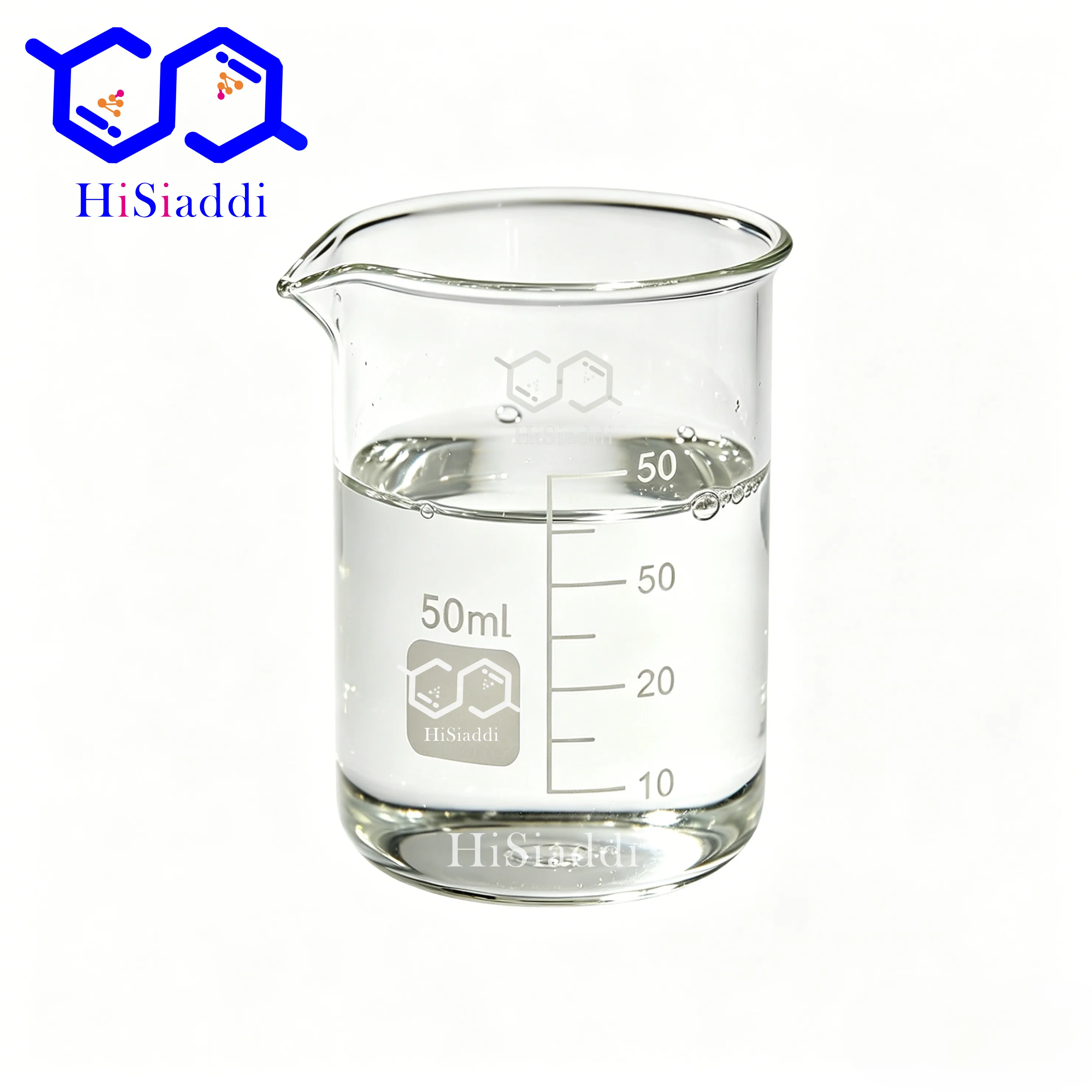
Trimethylolpropane Triacrylate, abbreviated as TMPTA, is a trifunctional UV curing monomer used in UV coatings, adhesives and 3D printing resins. HiSiaddi can provide original factory supplies of multiple Chinese brands and the "1+2+3+4=1" service.
BCChem supplies BCC-TMPTA (purity ≥98.5%) and BCC-TMPTA-H (high-purity grade, purity ≥99.5%) with chromaticity ≤50APHA, moisture ≤0.2%, low viscosity and fast curing, benchmarking BASF Laromer TMPTA at an 18%-22% lower price, suitable for European UV coating factories, Korean electronic ink enterprises, North American 3D printing resin manufacturers and Southeast Asian wood paint factories.
Litian provides LT-TMPTA (purity ≥98%) and LT-TMPTA-E (electronic grade, purity ≥99%) with acid value ≤0.5mgKOH/g, low odor and good compatibility for mid-end UV system applications, priced 5%-7% lower than BCChem at the mid-end level.
HiSiaddi Exclusive Service: Offers consultation on key indicator & cost comparison of multiple brands, UV curing formula, low shrinkage adaptation and 3D printing resin optimization; provides SGS/REACH/RoHS reports, viscosity and curing rate testing; supports customized purity and inhibitor content 100-400ppm.
 CONTACT HiSiaddi NOW
| CAS No: | 15625-89-5 | Brand Name: | Multi-brand |
| MF: | CC15H20O6 | Model Number: | Multi-models |
| EINECS No: | 239-701-3 | Grade: | Industrial grade |
| Purity: | 99% | Place of Origin: | China |
| MOQ: | 1ton | Storage: | Please refer to the product packaging or contact the customer service. |
When purchasing TMPTA as a buyer, you may encounter the following questions:
What are the key indicator advantages of mainstream grades from well‑known TMPTA brands and their impacts on application performance?
What competitive services can TMPTA suppliers provide?
What are the qualification certifications and market feedback of target TMPTA brands?
What are the inventory levels and supply stability of TMPTA suppliers?
What factors should be considered when selecting TMPTA?
…and many other questions.
Main Grades: TMPTA‑Ultra (high‑purity, low‑acid, low‑color premium grade), TMPTA‑STD (standard general‑purpose export grade)
Purity ≥ 99.2%, top‑tier industry purity with accurate trifunctional group content; cross‑linking density and curing speed identical to imported Sartomer SR‑351.
Acid value ≤ 0.10 mgKOH/g, ultra‑low acidity that avoids corrosion of metallic and plastic substrates and damage to insulating layers of electronic components, suitable for UV adhesives in precision electronics.
APHA color ≤ 15, water‑white transparent liquid, ideal for high‑end clear UV coatings, optical films and transparent 3D printing resins with no yellowing or light transmittance reduction.
Precise MEHQ inhibitor dosage of 100±10 ppm, ensuring storage stability without compromising UV curing efficiency, perfectly compatible with medium‑high pressure mercury lamp / LED curing systems.
Moisture ≤ 0.05%, eliminating film whitening, shrinkage cavities and bubbles for high‑precision optical coatings.
Residual acrylic monomer ≤ 0.08%, low odor and low irritation, complying with EU toy safety, food contact and human‑contact environmental standards.
Viscosity 100‑115 mPa·s, moderate fluidity and strong dilution performance for high‑solid UV formulations.
Annual capacity of 22,000 tons with 77% for export; top choice for major European and American UV resin manufacturers, high‑end electronic UV adhesives, optical film producers and leading industrial 3D printing enterprises, with world‑class batch consistency.
Cost‑Performance: Premium positioning at 68% the price of Sartomer SR‑351 (USA), with 99.5% performance equivalence; the top domestic option for high‑end UV, electronic and optical applications.
Target B‑End Buyers: Large‑scale European and American UV resin synthesis enterprises, high‑end electronic UV adhesive / potting compound manufacturers, optical film / photoresist modification firms, industrial 3D printing resin producers, premium wood UV coating brands, and global UV curing additive traders.
Direct 1:1 replacement for imported TMPTA from Sartomer and BASF with no UV formulation adjustments required; curing speed, hardness, chemical resistance and adhesion fully match imported materials.
Low acid value and moisture eliminate corrosion of precision electronic parts and film bubbling/whitening, boosting yield by 5%‑8%.
Precise inhibitor dosage adapts to new LED‑UV curing systems with stable curing efficiency, compatible with mainstream European and American LED production lines.
Low residual monomers and odor easily meet EU REACH, EN71 toy safety and food contact compliance requirements, enabling access to supply chains for high‑end consumer electronics, toys and medical devices.
Stable annual production capacity supports annual price‑locked supply agreements, mitigating risks of price hikes for acrylic acid and trimethylolpropane raw materials, and supply shortages during peak seasons.
Specific End‑User Benefits: High‑hardness, scratch‑resistant, low‑shrinkage, crack‑free, water‑solvent resistant, long‑term non‑yellowing and eco‑friendly UV protective adhesives for high‑end electronic components, optical protective films, precision 3D printed parts, premium solid wood UV furniture coatings and automotive interior UV coatings, meeting quality standards for global high‑end consumer goods, automotive and medical industries.
Main Grades: GH‑TMPTA‑Elec (low‑ion electronic‑grade grade), GH‑TMPTA‑201 (standard general‑purpose grade)
Purity ≥ 99.0%, acid value ≤ 0.12 mgKOH/g, metal ions ≤ 1 ppm; ultra‑low ion content with no impact on conductivity or insulation of electronic circuits.
APHA color ≤ 20, enhanced thermal stability suitable for post‑curing high‑temperature processes for electronic components.
Stable precise inhibitor dosage, resisting polymerization during long‑term storage in hot and humid Southeast Asian environments.
Outstanding hydrolysis resistance for long‑term service of outdoor UV coatings.
Annual capacity of 18,000 tons; top exporter to Southeast Asia, Japan, South Korea and Australia with major ports in Shenzhen and Guangzhou, delivering superior logistics efficiency.
Cost‑Performance: Mid‑to‑high‑end positioning at 63% the price of imported products; outperforms general‑purpose imported grades in electronic adhesive and outdoor UV applications with excellent cost‑effectiveness.
Target B‑End Buyers: Southeast Asian electronic UV adhesive manufacturers, Japanese and South Korean precision electronics modification firms, Australian outdoor UV coating producers, small‑to‑medium‑sized 3D printing resin manufacturers, and plastic UV ink enterprises.
Ultra‑low‑ion formulation prevents ion migration and short circuits for UV protection of circuit boards, sensors and connectors.
Shipment via South China ports enables convenient small‑batch frequent replenishment with low inventory pressure.
Stable indicators adapt to conventional UV production lines with high formulation tolerance.
Specific End‑User Benefits: Fast‑curing, high‑hardness, heat‑humidity resistant and long‑term insulating stable UV coatings for consumer electronic housings, circuit board protective adhesives, outdoor plastic part UV paints and Southeast Asian home appliance UV inks.
Main Grades: RF‑TMPTA‑STD, RF‑TMPTA‑Eco (economy general‑purpose grade)
Purity ≥ 98.5%, meeting global industrial‑grade general UV standards with stable cross‑linking and curing performance.
Acid value ≤ 0.20 mgKOH/g, APHA color ≤ 30, suitable for dark industrial UV paints and general‑purpose inks.
MEHQ inhibitor dosage of 80‑120 ppm, compatible with traditional mercury lamp curing systems.
Annual capacity of 26,000 tons, China’s largest TMPTA producer with globally leading supply volume and lowest bulk purchasing cost.
Cost‑Performance: Mid‑tier benchmark at 53% the price of imported products, satisfying 90% of general industrial UV scenarios; the volume‑oriented cost‑performance champion.
Target B‑End Buyers: Middle Eastern general industrial UV coating manufacturers, Indian plastic ink producers, African wood UV coating enterprises, small‑to‑medium‑sized UV curing formulation factories, and general UV adhesive manufacturers.
Massive production capacity guarantees no supply shortages in peak seasons with standard lead time of 7‑10 days.
Industry‑low unit purchasing price enables large‑scale cost reduction for industrial coatings, general‑purpose inks and low‑end 3D printing.
Stable indicators adapt to traditional UV curing equipment with no high‑end process adjustments required.
Specific End‑User Benefits: Stably curing, hardness‑compliant and cost‑controllable UV anti‑rust paints for industrial metals, general‑purpose plastic inks, low‑end 3D printing prototypes and daily‑use wood UV coatings, meeting basic export compliance requirements.
Main Grades: YF‑TMPTA‑Ultra (low‑odor weather‑resistant grade), YF‑TMPTA‑UV (UV‑resistant anti‑yellowing grade)
Purity ≥ 99.1%, acid value ≤ 0.11 mgKOH/g.
Ultra‑low residual monomers with odor level ≤ Grade 2, suitable for human‑contact, toy and cosmetic packaging UV coatings.
Outstanding UV and thermal aging resistance with no chalking or yellowing during long‑term outdoor service.
Proximity to port clusters in Shanghai and Ningbo (East China) enables the fastest global delivery to Europe, America and Southeast Asia.
Customizable special TMPTA grades including low‑inhibitor, food‑contact‑grade and LED‑specific variants.
Cost‑Performance: Mid‑to‑high‑end positioning at 66% the price of imported products, optimal for mid‑tier European and American consumer goods and high‑end Southeast Asian UV applications.
Target B‑End Buyers: European mid‑tier consumer goods UV coating manufacturers, high‑end toy UV coating producers in Thailand/Malaysia, Hong Kong, Macao and Taiwan packaging ink enterprises, and LED‑UV‑specific formulation factories.
Low odor and irritation easily pass EU environmental testing for toys and cosmetic packaging materials.
UV‑resistance and anti‑yellowing properties significantly extend service life of outdoor products.
Fast East China sea freight enables rapid response to European and American customer orders.
Specific End‑User Benefits: Eco‑friendly, safe, weather‑stable and long‑lasting colored UV coatings for high‑end toys, UV inks for cosmetic hoses, outdoor packaging products and high‑end Southeast Asian home appliance finishes.
Main Grades: TC‑TMPTA‑LowIon (ultra‑low‑ion precision grade), TC‑TMPTA‑Food (food‑contact‑grade TMPTA)
Purity ≥ 99.0%, acid value ≤ 0.09 mgKOH/g, ultra‑low ions and residual monomers for medical‑grade and food‑grade UV systems.
Enhanced low‑temperature stability with no crystallization at ‑10℃, suitable for low‑temperature high‑altitude environments in Russia and South America.
Customizable special TMPTA grades including UL‑certified, low‑heavy‑metal, non‑bleeding and low‑shrinkage variants.
Deep market penetration in South America and Russia with complete local compliance documents, carbon footprint and ESG materials.
Cost‑Performance: Mid‑tier customized positioning at 60% the price of imported products, delivering prominent cost‑effectiveness for special compliance and low‑temperature scenarios.
Target B‑End Buyers: Latin American UV resin modification manufacturers, Russian outdoor UV coating enterprises, food‑contact‑grade packaging ink producers, and medical‑grade UV adhesive manufacturers.
Ultra‑low ions and irritation meet stringent safety standards for medical supplies and food packaging.
Customized indicators precisely match environmental and low‑temperature usage requirements in South America and Russia.
Food‑contact‑grade variants expand high‑end packaging categories and greatly boost product premium value.
Specific End‑User Benefits: Safe, non‑toxic, fully compliant and weather‑stable UV inks for South American food packaging, outdoor industrial UV coatings in Russia, UV protective adhesives for medical supplies and high‑end daily‑use product coatings.

| Comparison Dimension | Jiangsu Sanmu TMPTA‑Ultra | Guangdong Guanghua GH‑TMPTA‑Elec | Shandong Ruifeng RF‑TMPTA‑STD | Zhejiang Yangfan YF‑TMPTA‑Ultra | Anhui Tianchen TC‑TMPTA‑LowIon |
| Product Positioning | High‑end, high‑purity, low‑acid & low‑color, equivalent to Sartomer/BASF | Mid‑to‑high‑end electronic‑grade low‑ion dedicated grade | Mid‑tier general‑purpose economy grade, volume‑oriented leader | Mid‑to‑high‑end low‑odor, weather‑resistant & UV‑resistant grade | Mid‑tier customized ultra‑low‑ion food‑contact‑grade special grade |
| Purity | ≥99.2% | ≥99.0% | ≥98.5% | ≥99.1% | ≥99.0% |
| Acid Value (mgKOH/g) | ≤0.10 | ≤0.12 | ≤0.20 | ≤0.11 | ≤0.09 |
| APHA Color | ≤15 | ≤20 | ≤30 | ≤18 | ≤22 |
| Moisture | ≤0.05% | ≤0.06% | ≤0.10% | ≤0.05% | ≤0.06% |
| MEHQ Inhibitor | 100±10ppm | 100±15ppm | 80‑120ppm | 90±10ppm | 95±10ppm |
| Metal Ions | ≤0.5ppm | ≤1ppm | ≤3ppm | ≤1ppm | ≤0.8ppm |
| Core Competitive Advantages | High purity, low acid & color, precise inhibitor dosage, LED compatibility, suitable for high‑end European/American optical & electronic applications | Ultra‑low ions, electronic‑grade dedicated, South China logistics, advantages in Southeast Asia, Japan & South Korea | Largest capacity, lowest price, most stable supply | Low odor, UV‑resistant & weather‑stable, fast East China logistics, suitable for consumer goods | Ultra‑low ions, food‑grade customization, low‑temperature resistance, full compliance for Latin America & Russia |
| Price vs Imported Products | 68% | 63% | 53% | 66% | 60% |
| Major Export Regions | Europe, America, Japan & South Korea | Southeast Asia, Japan, South Korea & Australia | Middle East, India & Africa | Mid‑tier Europe/America, High‑end Southeast Asia | Latin America, South America & Russia |
| Core B‑End Buyers | Global UV resin manufacturers, electronic UV adhesives, optical films, high‑end 3D printing enterprises | Southeast Asian electronic adhesives, Japanese/South Korean precision electronics, outdoor UV coating manufacturers | General industrial UV paints, plastic inks, ordinary 3D printing factories | European consumer goods UV coatings, toy coatings, LED‑UV formulation factories | Latin American food packaging inks, Russian outdoor coatings, medical UV adhesive manufacturers |
| Key Downstream B‑End Benefits | 1:1 import substitution, high curing efficiency, high yield, high‑end compliance, LED system compatibility | Ultra‑low ions preventing short circuits, stable electronic formulations, convenient small‑batch replenishment | Lowest cost, short lead time, massive capacity guarantee | Low‑odor eco‑friendliness, anti‑yellowing, fast sea freight, simple compliance | Ultra‑low‑ion safety, low‑temperature resistance, customized indicators matching special regulations |
| End Users | High‑end electronic adhesives, optical films, precision 3D printing, automotive interior UV coatings | Consumer electronic housings, circuit board protective adhesives, outdoor plastic UV paints | Industrial anti‑rust UV paints, general‑purpose inks, low‑end 3D printing prototypes | High‑end toy coatings, cosmetic packaging materials, outdoor packaging products | Food packaging inks, medical supply adhesives, Russian outdoor industrial paints |
| Direct Global Benchmarks | Sartomer SR‑351 (USA), BASF TMPTA | BASF electronic‑grade TMPTA | Imported economy‑grade TMPTA | Sartomer weather‑resistant TMPTA | Imported special compliance‑grade TMPTA |
Performance: The top five Chinese TMPTA brands fully match imported counterparts in purity, cross‑linking efficiency, curing speed and hardness. Premium domestic grades outperform overseas brands in low acid value, low color, precise inhibitor dosage, low ion content, low residual monomers and low odor, especially for new LED‑UV curing systems.
Cost: Domestic TMPTA is priced at only 53%‑68% of imported alternatives, reducing overall purchasing costs by 32%‑47% for equivalent performance, delivering remarkable cost‑reduction effects for large‑scale UV coating manufacturers.
Production Capacity & Supply Chain: China monopolizes global TMPTA production capacity with stable continuous distillation production, free from issues plaguing overseas brands including price hikes, supply shortages, long lead times, high minimum order quantities and lengthy customization cycles.
Customization Capability: Chinese manufacturers rapidly develop customized grades such as low‑ion electronic‑grade, food‑contact‑grade, LED‑specific, low‑temperature‑resistant and low‑shrinkage variants, whereas overseas brands feature long customization cycles, high minimum order quantities and severe price premiums.
Compliance: All five leading Chinese brands provide complete REACH, RoHS, SGS, EN71, food contact testing, COA and MSDS documents, complying with customs clearance, factory audits and end‑brand verification requirements worldwide.
HiSiaddi is a new foreign trade service enterprise integrating technology transformation and foreign trade. It has built a "1+2+3+4=1" product service system: 1 foreign trade salesperson with more than 3 years of experience, 2 R&D teams, 3 high-quality suppliers, and 4 warehouses to satisfy all kinds of product demands.
Relying on this service system, HiSiaddi outperforms most foreign trade companies in the R&D optimization and production technology of TMPTA, surpasses single factories in grasping market demand and competitive advantages of different TMPTA brands, and understands the overseas trade market better than research institutions.
HiSiaddi only employs foreign trade salesmen with over 3 years of working experience. All sales staff need to receive more than six months of joint training by the R&D team and foreign trade team before receiving customers.
(1)TMPTA Basic Support Service
Supported by the foreign trade team and corporate service system, we provide customers with one-stop full-process document services, including the preparation and handling of all TMPTA compliance certificates, supply of third-party test reports and after-sales handling of quality complaints.
(2)TMPTA Exclusive Value-Added Service
Backed by the R&D team, we provide customized products and technical consulting services for customers, including the core index matching and cost comparison of all TMPTA brands, as well as regular sharing of TMPTA market trends.
We conduct in-depth cooperation with raw material manufacturers through technology transformation, and maintain close internal collaboration with the foreign trade department to deliver professional technical training for sales personnel, so as to realize customized development of TMPTA and provide research-level consultation on brand matching and application optimization of TMPTA.
Our foreign trade team and R&D team cooperate closely. Through market preliminary investigation, factory on-site inspection, product testing, in-depth technical cooperation and procurement cooperation, we select about 3 manufacturers with stable product quality, sufficient supply, good reputation and great development potential.
(1) Initiative to Secure Lower Raw Material Prices
Long-term technical cooperation and exclusive agency help us obtain factory-direct raw materials at more favorable prices.
(2) TMPTA Long-Term Supply Chain Assurance Services
Long-term technical and agency cooperation strengthens full-process production supervision, full batch traceability, stable batch quality control, and compensation mechanism for products failing third-party inspection.
We have 4 warehouses, which are jointly operated and managed with suppliers to store hot-selling products.
(1)TMPTA Fast Local Delivery & On-Site Problem Resolution
The four warehouses are located at Qingdao Port (North China), Ningbo Port (East China), Shenzhen Port (South China) and Zhengzhou inland logistics center, ensuring timely delivery of TMPTA. When TMPTA has transportation damage, packaging defects or export compliance problems, our on-site staff can solve problems locally.
(2) TMPTA Price Stabilization & Custom Packaging Support
We stock up in advance during the peak period of sharp price fluctuations to ease price volatility. Our self-owned warehouses support customized packaging and labels to meet personalized customer needs.
As a new-type foreign trade service provider driven by technological transformation and foreign trade services, HiSiaddi has established a "1+2+3+4=1" service system and can supply original factory sources of TMPTA from multiple well-known brands. As a research & development-oriented foreign trade service provider, HiSiaddi will sort out and analyze common difficulties faced by B-end purchasers sourcing TMPTA in China, and propose targeted solutions from a professional perspective.
If you require more professional and in-depth analysis on TMPTA selection, please contact HiSiaddi customer service.
1.
Excess acid value corrodes substrates and impairs adhesion and weather resistance High-end electronic inks and optical coatings impose strict acid value limits. High-acid TMPTA slowly corrodes metal circuits and coated substrates, disrupts resin system balance, and causes coating adhesion loss, shrinkage cavities and wrinkling; outdoor use accelerates yellowing and gloss loss, failing long-term service standards for electronic and optical products.
2.
3.
Improper polymerization inhibitor content leads to premature polymerization or incomplete curing Insufficient inhibitor triggers self-polymerization and caking of raw materials in storage tanks and feeding pipelines, blocking coating and printing equipment; excessive inhibitor drastically reduces UV reaction activity, resulting in tacky incompletely cured films under standard light intensity and curing speed, failing scratch and solvent resistance and causing full-batch finished product scrapping.
4.
5.
Excess water content induces pinholes, bubbles and foggy defects UV curing systems are extremely sensitive to water. After coating and printing, water in raw materials vaporizes under UV irradiation, forming microbubbles inside films and dense surface pinholes with overall fogging, severely damaging light transmittance and clarity of optical coatings and reducing insulation performance of electronic inks.
6.
7.
Insufficient purity and high mono/diester residues cause unstable curing crosslink density and fluctuating film hardness & abrasion resistance Excessive synthetic intermediates, monoester and diester residues lead to fluctuating effective triester content between batches and inconsistent crosslink density after curing. Some batches feature insufficient hardness and scratch susceptibility; others over-crosslink and crack easily with poor bending and impact resistance.
8.
9.
Poor thermal stability causes rising viscosity and local gelation during normal-temperature light-shielded storage High-end production lines adopt closed storage tanks for continuous feeding. Low-quality TMPTA with poor thermal stability undergoes gradual molecular polymerization during long-term storage, leading to continuous viscosity rise, increased pipeline transportation resistance and uneven discharge. Severe cases involve gel blockages at tank bottoms and pipelines, interrupting continuous production.
10.
11.
Unstable color number causes color difference and early yellowing for light/transparent optical coatings Large color number discrepancies between batches lead to inconsistent finished product shades after blending transparent varnish and white ink; raw material self-yellowing directly impairs appearance quality of optical films and high-end decorative coatings, failing appearance inspection standards.
12.
1. Adopt rectification refining process to strictly control ultra-low acid value, avoiding substrate corrosion and ensuring long-term coating adhesion, weather resistance and anti-yellowing performance.
2. Precisely customize polymerization inhibitor dosage per downstream applications with stable controllable ranges, eliminating self-polymerization and pipeline blockages during storage & transportation while guaranteeing high UV reaction activity for fully cured, scratch-resistant dry films.
3. Implement vacuum deep dehydration to control water content at ultra-low levels, completely eliminating coating bubbles, pinholes and fogging to meet high appearance and insulation requirements for optical and electronic coatings.
4. Adopt multi-stage continuous rectification to increase main content, strictly control monoester, diester and high-boiling residues for consistent batch purity, stable curing crosslink density and balanced film hardness, toughness and abrasion resistance.
5. Compound high-efficiency composite stabilizers to enhance thermal and storage stability with minimal viscosity variation under long-term normal-temperature light-shielded storage, free of gelation and pipeline blockages, compatible with automated continuous feeding production lines.
6. Implement full light-shielded production, filling and warehousing to lock batch color number, eliminating color difference and early yellowing risks for transparent and light-colored coatings.
1.
Large batch viscosity deviations impair coating and printing leveling performance As an active diluent and crosslinker, TMPTA viscosity fluctuations directly alter coating thickness and leveling of adhesives; 3D printing resins suffer uneven layer spreading, wire drawing and insufficient interlayer bonding, resulting in unqualified dimensional accuracy and mechanical strength of printed parts.
2.
3.
High volatile fractions trigger pungent odor and excessive VOC levels Volatile low-boiling residual monomers and solvents generate strong odor during production and finished product use, creating poor workshop working conditions. Meanwhile, overall VOC and SVHC indicators exceed European and American environmental regulations for adhesives and 3D printing materials, barring access to mainstream brand supply chains.
4.
5.
Poor compatibility with oligomers and functional additives causes system stratification and precipitation Excessive polar impurities and by-products in raw materials lead to stratification and static precipitation after blending with polyurethane acrylates, epoxy acrylates and various functional additives, resulting in uneven adhesive colloid and separated components of 3D printing resins, with sharp decline in finished product performance.
6.
7.
High curing shrinkage triggers adhesive debonding and warpage deformation of printed parts Impurities and impure components amplify curing shrinkage effects, generating excessive interfacial stress on structural adhesive bonded joints and causing debonding and cracking; large-size 3D printed parts and thick products warp and deform after curing with dimensional tolerances exceeding assembly requirements.
8.
9.
Poor low-temperature tolerance leads to sharp viscosity rise and loss of fluidity under low-temperature conditions For outdoor and low-temperature working scenarios, ordinary TMPTA viscosity surges drastically under low temperature, disabling normal adhesive coating and interrupting resin feeding for 3D printing, halting production.
10.
1. Closed-loop production + real-time online viscosity monitoring deliver highly consistent batch viscosity for uniform adhesive coating and smooth leveling, stable 3D printing layer spreading and qualified dimensional accuracy.
2. Multi-stage low-boiling removal process eliminates residual monomers and light fractions for low-odor, low-volatility raw materials fully compliant with European and American environmental standards for VOC and restricted substances.
3. Deep removal of polar interfering impurities delivers excellent compatibility with all types of acrylate oligomers and additives, maintaining long-term uniform blended systems free of stratification and precipitation.
4. High-purity formula optimizes curing shrinkage characteristics to reduce interfacial internal stress for firm bonding without debonding and low-warpage dimensionally stable 3D printed parts.
5. Optimize formula low-temperature fluidity to widen applicable temperature ranges with mild viscosity variation under low temperature for normal feeding and coating operations.
1.
Poor hydrolysis resistance leads to coating peeling under high-humidity, acid and alkali environments Impure raw material components produce cured films with weak hydrolysis resistance. Workpieces exposed to long-term damp and acid/alkali mist suffer gradual coating hydrolysis, blistering and peeling, completely losing anti-corrosion and rust-proof functions.
2.
3.
Fluctuating effective components cause unstable solvent and friction resistance Batch purity discrepancies lead to inconsistent chemical and scrub resistance of cured films. Wood paint surfaces are easily corroded and lose gloss under cleaning agent exposure; metal coatings fail to withstand oil and cleaning agent immersion.
4.
5.
Mixed mechanical impurities and insoluble substances create surface particles and pits after coating Solid impurities introduced during filling and transportation generate raised particles and pits on coated surfaces, causing poor appearance of large-area workpieces and increased rework costs.
6.
7.
Slow quality deterioration during long-term bulk storage with declining overall activity Industrial coatings are mostly stored in large IBC totes. Ordinary products suffer gradual activity attenuation after long static storage, slowing coating curing and causing surface tackiness and failed protective effects for later batches of workpieces.
8.
1. Molecular-level purification optimizes hydrolysis resistance for outstanding resistance to dampness, acids and alkalis of cured films, delivering long-term anti-corrosion and rust-proof performance.
2. Unified effective component content ensures consistent solvent and friction resistance of cured films across batches, suitable for harsh outdoor and industrial service environments.
3. Precision finished product filtration completely removes solid insoluble substances and mechanical impurities for smooth coating surfaces free of particles and pits.
4. Reinforced long-term storage activity prevents attenuation and deterioration during bulk static storage, maintaining stable performance of full batches throughout application.
1.
High cost of high-purity industrial grades vs. blended low-cost alternatives with uncontrolled curing performance Genuine TMPTA carries high procurement costs squeezing profit margins for low-end products; low-cost blended products adulterated with ordinary acrylates and diluents feature ultra-low effective triester content, resulting in uncured soft coatings and inks with frequent customer complaints and returns.
2.
3.
Large fluctuations in acid value, water content and polymerization inhibitor require repeated formula adjustments during production Lack of standardized control leads to significant batch indicator differences, forcing workers to frequently adjust photoinitiator dosage, curing power and coating thickness with repeated equipment and production line calibration, reducing production efficiency by over 20%.
4.
5.
Water absorption, viscosity rise and partial self-polymerization under high-temperature high-humidity storage & transportation Local shipping and warehouse environments feature high temperature and humidity; ordinary sealed packaging provides insufficient protection, leading to raw material water absorption, viscosity surge and even partial self-polymerization gelation inside drums, rendering delivered goods unusable and causing cargo loss and schedule delays.
6.
7.
Strong odor and excessive VOC levels bar access to formal local bidding and export orders Excessive residual solvents and monomers generate strong odor, failing local environmental requirements and disqualifying manufacturers from formal engineering and foreign trade order tenders.
8.
9.
Missing compliance documents prevent local filing and sampling inspection, limiting circulation to informal channels Absence of English CoA, MSDS, heavy metal test reports and REACH/RoHS certification leads to cargo detention risks during market supervision spot checks and unsecured payment recovery.
10.
11.
Absence of technical support delays resolution of common defects including incomplete curing, pinholes, shrinkage cavities and gelation with severe raw material waste Suppliers only provide goods without process guidance. Factories blindly adjust formulas when production abnormalities occur, drastically increasing consumption of resins, additives and TMPTA raw materials.
12.
1. Launch regional exclusive economical grades retaining core crosslinking and curing performance with simplified deep refining procedures for high-end electronic grades, priced 21%~24% lower than high-purity premium products to balance procurement costs and application effects.
2. Standardized fixed-parameter mass production unifies core indicators including acid value, water content, polymerization inhibitor and viscosity for stable batch performance, enabling fixed production formulas and processes to reduce calibration frequency.
3. Adopt thickened light-shielded sealed iron drum packaging paired with stabilized systems to adapt to high-temperature high-humidity storage & transportation environments, preventing raw material water absorption, abnormal viscosity rise and self-polymerization.
4. Basic devolatilization and deodorization treatment reduce odor and VOC levels to meet local environmental requirements for civil products, enabling acceptance of standard formal orders.
5. Provide full sets of formal English compliance documents per batch to assist customers with filing and sampling inspection, unlocking formal sales channels.
6. Supply basic English process guidance with adjustment schemes for common defects including incomplete curing, pinholes, shrinkage cavities and gelation to reduce raw material waste.
1.
Widespread adulteration and dilution with falsely labeled purity, viscosity and activity triggering bulk after-sales compensation claims Unscrupulous merchants adulterate TMPTA with low-cost monomers and solvents, falsely labeling main content, curing activity and viscosity parameters. Downstream factories suffer mass curing failure and coating defects after use, forcing distributors to pay high compensation, lose long-term customers and damage channel credibility.
2.
3.
Poor drum sealing and corrosion-prone gaskets cause leakage during ocean shipping vibration, triggering cargo loss and logistics disputes Ordinary seals fail to resist acrylate corrosion, leading to drum mouth and weld leakage after stacking and shaking during long-distance ocean shipping, causing material loss, contamination of other goods in the same container and logistics deduction & compensation disputes.
4.
5.
Absence of light-shielded and thermal insulation protection triggers rapid viscosity rise and gelation under light and heat exposure during warehousing TMPTA is sensitive to light and heat; simple packaging without light and thermal insulation design leads to sharp viscosity rise and bottom gelation during storage, resulting in rejection during incoming inspection when supplying high-end customers.
6.
7.
Missing environmental and hazardous chemical documents bar access to European and American high-end supply chains Absence of updated English SDS, ocean hazardous goods identification certificates, REACH, RoHS and heavy metal test reports disqualifies distributors from supplier audits by major coating and electronic enterprises, limiting business to low-end circulation only.
8.
9.
Lack of batch traceability and third-party testing fails head enterprise factory audits Adulterated and miscellaneous source goods lack complete production ledgers, traceability records and authoritative test reports, resulting in direct elimination during factory audits by leading customers and failure to secure long-term bulk orders.
10.
11.
Open repackaging exposes raw materials to air and water vapor for rapid quality degradation of small packages Repackaging operations without closed, light-shielded and moisture-proof facilities expose raw materials to oxygen and water vapor, triggering acid value rise, activity decline and self-polymerization with continuous drop in end-user repeat purchase rates.
12.
1. Direct supply of original factory pure materials with zero adulteration and dilution, with authentic labeling of all physical and chemical indicators; each batch accompanies full third-party international test reports supporting global re-inspection to eliminate compensation risks and stabilize channel reputation at source.
2. Adopt thickened iron drums dedicated to acrylate storage with swelling-resistant fluororubber sealing gaskets; full drum leakage and compression testing before delivery ensures zero leakage during ocean shipping and eliminates logistics disputes.
3. Unified light-shielded sealed packaging paired with constant-temperature storage recommendations maintains stable raw material activity without viscosity rise or gelation for smooth incoming inspection by high-end customers.
4. One-stop supply of complete formal English documents including SDS, hazardous goods certificates and all environmental test reports for full access to European and American high-end raw material supply chains.
5. Establish full-link traceability systems covering production, quality inspection, filling, warehousing and transportation with full batch traceability to support customer factory audits and lock long-term bulk orders.
6. Provide standardized closed, light-shielded and low-temperature repackaging operation specifications to guide repackaging work, isolating air and water vapor and ensuring consistent quality between large and small packages.
If you require more professional and in-depth analysis on TMPTA selection, please contact HiSiaddi customer service
Effective triester content ≥ 98.5%
Trimethylolpropane diacrylate (TMPDA) impurities ≤ 1.2%
MEHQ polymerization inhibitor controlled at 80–120ppm
Viscosity 580–620 mPa·s at 25°C
Pre-project technical alignment
HiSiaddi formed a cross-functional team consisting of HiSiaddi merchandisers, chemical synthesis engineers and quality control specialists. Three cross-border video conferences were held to dissect the Turkish customer’s ink formulation system (polyurethane acrylate oligomer + TMPTA + 184 photoinitiator system). It was confirmed that the customer adopted a low-temperature LED 395nm curing process: excessively high inhibitor content would cause surface tackiness, while insufficient inhibitor would lead to self-polymerization and gelation during storage, locking in the precise inhibitor concentration range. Simultaneously, the R&D laboratory of a domestic TMPTA synthesis partner factory was coordinated to adjust esterification processes:
Adjusted the molar ratio of acrylic acid to alcohol from the standard 3.2:1 to 3.05:1
Replaced concentrated sulfuric acid with solid resin catalysts
Extended vacuum distillation by 2 hours to strip unreacted monomers and diester byproducts for strict impurity control
Edge warpage and cracking on 3D printed models, with curing shrinkage exceeding 7.2% (qualified threshold ≤ 4.5%)
Resin stratification and turbidity after 7 days of ambient storage
Surface tackiness post-curing under LED 405nm planar light sources
On-site sampling and root-cause testing
HiSiaddi dispatched application engineers to the Indian factory for on-site sampling and rapid testing of key indicators (viscosity, polymerization inhibitor content, diester impurities, acid value) across three samples: domestic TMPTA in use, previously imported European TMPTA, and the customer’s finished resin. Test results revealed:
Domestic TMPTA diester impurities at 4.1% (vs. 2.2% for European material)
Free acrylic acid residue at 0.38% (compliance limit ≤ 0.15%)
Raw material optimization: The upstream factory adjusted TMPTA distillation processes to reduce diester impurities to ≤2.0% and free acid to ≤0.12%. HiSiaddi shipped 3 tons of optimized-specification TMPTA to replace the customer’s defective stock.
Formulation optimization: Based on monomer crosslinking activity analysis, engineers revised the original formula: TMPTA loading reduced from 32% to 24%, IBOA loading increased from 8% to 16% (IBOA’s bicyclic structure lowers curing shrinkage), with 1% dodecyl mercaptan chain transfer agent added to balance crosslink density. Small-batch trial resin samples were re-formulated accordingly.
Production process rectification: The customer was instructed to adopt low-temperature staged feeding: pre-cool oligomer base materials below 28°C before gradual monomer addition, reduce stirring speed from 1200r/min to 750r/min, and cap overall compounding temperature at ≤35°C.
Lead time
Quantity (ton) | 0 - 10 | 10 - 30 | > 30 |
Lead time (days) | 7 | 15 | To be negotiated |
As a new foreign trade service provider driven by both technology commercialization and export business, HiSiaddi has built a "1+2+3+4=1" service system and can supply authentic raw materials from multiple well-known original manufacturers of TMPTA.
As an export service provider with proprietary R&D capabilities, HiSiaddi differs from single-brand factories that only promote their own products. We objectively analyze multiple competitive Chinese TMPTA brands with strong export performance and share their qualification certifications and market feedback to help buyers streamline sourcing decisions.
For authentic, objective detailed introductions of multiple well-known Chinese TMPTA brands, please contact HiSiaddi customer service.
· TMPTA-995 (General High-Purity Grade): Purity ≥99.5%, APHA color ≤20, moisture ≤0.05%, acid value ≤0.2 mgKOH/g
· TMPTA-EH (Electronic Grade): Metal ions (Na⁺/K⁺/Fe³⁺) ≤5 ppb, moisture ≤0.03%, engineered exclusively for chip packaging and PCB solder mask inks
· TMPTA-LV (Low-Viscosity Low-Irritation Grade): Viscosity 60–80 mPa·s, free acrylic acid ≤0.3%, suitable for food packaging and children’s toy UV inks
1. Benchmark batch consistency: Batch-to-batch purity fluctuation ≤±0.02%, far superior to the industry average of ±0.05%. Repeat purchase rate among major European and American coating manufacturers (PPG, AkzoNobel) reaches 92%.
2. Strong reputation in electronics: Fully certified for Apple and Samsung supply chains. Supplied over 1,800 metric tons of electronic-grade TMPTA to LG Chem and CATL in 2025 with a production yield of 99.1%.
3. High recognition in emerging markets: Indian and Southeast Asian flexible packaging ink clients account for 35% of its export volume. Low-migration grades for food-contact applications command a 12% price premium.
· International certifications: Full-line REACH registration, FDA 21 CFR 175.300 food contact compliance, RoHS compliance, ISO 9001/14001/45001 integrated management system certification
· Industry certifications: Qualified global supplier certification for Nippon Paint, PPG and Axalta; Apple supply chain dedicated metal ion certification; Recommended brand by China Radiation Curing Committee under China Society for Imaging Science and Technology
· Domestic honors: 2022 Guangzhou Mayor’s Quality Award, CNAS laboratory accreditation, National High-Tech Enterprise certification
· SM-TMPTA-990 (General Grade): Purity ≥99.0%, APHA color ≤30, outstanding cost performance for mid-to-low-end UV coatings and inks
· SM-TMPTA-HG (High-Solid Grade): Solid content ≥99.8%, MEHQ polymerization inhibitor 50±5 ppm, optimized for wood and furniture UV coatings
· SM-TMPTA-EO (Ethoxylated Modified Grade): 3EO adduct, low viscosity (50–70 mPa·s), low VOCs, fully compliant with EU environmental standards
1. Industry leader in coatings: Core supplier to Nippon Paint, AkzoNobel and Sherwin-Williams, delivering over 2,500 metric tons to the world’s top ten coating manufacturers in 2025 with a batch pass rate of 99.3%.
2. Cost-performance leader: General-grade pricing 15%–20% lower than foreign competitors; repeat purchase rate of 88% among small and mid-sized coating manufacturers in Southeast Asia and the Middle East, with export volume rising 22% year-on-year in 2025.
3. Powerful customization capability: Flexible tuning of color, viscosity and curing speed per client demand; customized grades account for 40% of sales to European furniture coating clients.
· International certifications: REACH registration, RoHS compliance, EU VOCs Directive certification, ISO 9001/14001/45001 integrated management system certification
· Industry certifications: Full-system qualified supplier certification for Nippon Paint, PPG, Sherwin-Williams and AkzoNobel; Recommended brand by China Coatings Industry Association; Asia-Pacific benchmark enterprise for UV coatings
· Domestic honors: National High-Tech Enterprise, Jiangsu Famous Brand Product, ISO 10012 measurement management system certification
· WH-TMPTA-EL (Electronic Grade): Purity ≥99.95%, metal ions ≤5 ppb, moisture ≤0.03%; the only domestic electronic-grade TMPTA certified for Apple and Samsung supply chains
· WH-TMPTA-NE (New Energy Grade): Temperature resistance range -40℃ to 150℃, bonding strength ≥12 MPa, engineered for power battery sealing adhesives and new energy vehicle interior coatings
· WH-TMPTA-992 (High-Purity General Grade): Purity ≥99.2%, APHA color ≤25, balancing performance and cost for high-end UV coatings and adhesives
1. Flagship domestic substitution brand: Broke the foreign monopoly of BASF and Allnex in electronic-grade TMPTA, priced 20%–25% lower than imported alternatives, capturing 65% of domestic high-end electronic-grade export volume in 2025.
2. Top-selling new energy product: Core supplier of power battery sealing adhesives for CATL, BYD and LG New Energy, delivering over 2,300 metric tons in 2025 with superior temperature resistance and bonding strength versus imported equivalents.
3. Rising European and American recognition: Entered BASF Asia-Pacific and Covestro European supply chains in 2025, with a 90% repeat purchase rate among high-end adhesive clients.
· International certifications: REACH registration, RoHS compliance, FDA food contact certification, ISO 9001/14001/45001 integrated management system certification
· Industry certifications: Apple supply chain dedicated metal ion certification, Samsung SDI qualified supplier certification, CATL/BYD supplier certification, SEMI international semiconductor material standard certification
· Technical certifications: National High-Tech Enterprise, CNAS laboratory accreditation, 27 invention patents covering TMPTA high-purity refining and low-irritation modification technologies
· LT-TMPTA-990 (General Grade): Purity ≥99.0%, APHA color ≤30, viscosity 100–120 mPa·s, suitable for UV inks and wood coatings
· LT-TMPTA-HG (High-Purity Grade): Purity ≥99.5%, moisture ≤0.05%, acid value ≤0.2 mgKOH/g, optimized for high-end UV adhesives and 3D printing resins
· LT-TMPTA-LS (Low-Shrinkage Grade): Curing shrinkage ≤3%, designed for precision 3D printing and optical coatings, the primary customized grade for Japanese and Korean clients
1. Asia-Pacific market leader: Core supplier of UV inks and 3D printing resins to Japan, South Korea and Taiwan, China; Asia-Pacific exports account for 70% of total sales in 2025 with an 89% repeat purchase rate.
2. Excellent reputation in 3D printing: Qualified supplier for 3D printing resin manufacturers Object (Korea) and DSM (Japan). Low-shrinkage grades deliver printing precision of ±0.02 mm with a 98.5% production yield.
3. Strong cost performance: High-end grades priced 18%–22% below foreign competitors, widely accepted by small and mid-sized buyers; export volume grew 25% year-on-year in 2025.
· International certifications: REACH registration, RoHS compliance, ISO 9001/14001/45001 integrated management system certification, Japan Ministry of Health, Labour and Welfare food contact certification
· Industry certifications: Vice Chairman Unit of Radiation Curing Committee under China Society for Imaging Science and Technology; Jiangsu Provincial Specialized, Refined, Differential & Innovative "Little Giant" Enterprise; Recommended brand by Japan UV Ink Industry Association
· Technical certifications: Provincial Enterprise Technology Center, Jiangsu Engineering Research Center for Radiation Curing Active Diluents, Academician Workstation focused on UV monomer research
· XY-TMPTA-995 (High-Purity Grade): Purity ≥99.5%, APHA color ≤20, free acrylic acid ≤0.3%, targeting European eco-friendly UV coatings and inks
· XY-TMPTA-ECO (Green Low-VOC Grade): VOCs ≤10 g/L, fully certified under EU Eurofighter environmental standards, suitable for furniture and architectural UV coatings
· XY-TMPTA-998 (Ultra-High-Purity Grade): Purity ≥99.8%, metal ions ≤10 ppb, moisture ≤0.03%, optimized for high-end electronic adhesives and optical coatings
1. Fast-growing dark horse in European eco-friendly markets: European export volume surged 30% year-on-year in 2025, with German and Italian furniture coating clients comprising 50% of regional sales; low-VOC grades command a 15% price premium.
2. Superior impurity control: Ultra-high-purity grades limit metal ions to ≤10 ppb, qualified for raw material supply to BASF and JSR (Japan), delivering over 800 metric tons to premium European adhesive brands in 2025.
3. Widely recognized batch stability: Batch-to-batch color fluctuation ≤±5 APHA; European clients evaluate its quality as "comparable to BASF standards at a more competitive price".
· International certifications: REACH registration, RoHS compliance, EU Eurofighter environmental certification, ISO 9001/14001/45001 integrated management system certification
· Industry certifications: BASF Asia-Pacific qualified supplier, JSR (Japan) raw material certification, Recommended brand by European Coatings Association (CEPE)
· Technical certifications: National High-Tech Enterprise, CNAS laboratory accreditation, certified thousand-ton continuous production line for high-purity TMPTA
表格
Brand | Core Strengths | Target Markets | Most Competitive Grades | Standout Certification Advantages |
Guangzhou Tianci | Ultra-stable purity, dual electronic & lithium battery certifications | Global general applications + electronics & lithium batteries | TMPTA-EH (Electronic Grade) | Apple supply chain qualification, FDA food contact certification |
Jiangsu Sanmu | Full product portfolio, deep ties with global coating giants | Global coatings + Southeast Asia | SM-TMPTA-EO (Ethoxylated Modified Grade) | Full-system supplier certification for Nippon Paint & PPG |
Wanhua Chemical | Electronic-grade technology leader, new energy compatibility | High-end electronics + new energy vehicles | WH-TMPTA-EL (Electronic Grade) | SEMI semiconductor standard certification, CATL supplier qualification |
Jiangsu Litian | Specialized UV monomer expertise, deep Asia-Pacific coverage | Asia-Pacific inks + 3D printing | LT-TMPTA-LS / HG (Low-Shrinkage / High-Purity Grades) | Recommended brand by Japan UV Ink Industry Association |
Anhui Xinyuan | Ultra-low impurity formulations, full European environmental compliance | European eco-friendly coatings | XY-TMPTA-ECO (Low-VOC Grade) | EU Eurofighter environmental certification |
1. High-end electronics & new energy applications: Prioritize Wanhua Chemical WH-TMPTA-EL and Guangzhou Tianci TMPTA-EH (metal ion content ≤5 ppb for rigorous operating conditions)
2. General coatings & inks: Prioritize Jiangsu Sanmu SM-TMPTA-990 and Guangzhou Tianci TMPTA-995 (balanced cost performance and stability)
3. Asia-Pacific 3D printing & UV inks: Prioritize Jiangsu Litian LT-TMPTA-HG/LS (low shrinkage, high printing precision, fully certified for Japanese and Korean markets)
4. European eco-friendly market exports: Prioritize Anhui Xinyuan XY-TMPTA-ECO and Jiangsu Sanmu SM-TMPTA-EO (low VOC content, complete EU environmental certifications)
For authentic, objective detailed introductions of multiple well-known Chinese TMPTA brands, please contact HiSiaddi customer service.
The monthly inventory volume of TMPTA is 10 tons, with appropriate adjustments upwards or downwards in response to peak and off-peak seasons.
HiSiaddi safeguards the supply stability of TMPTA through the following measures:
(1) Performance evaluation and screening of TMPTA brand factories based on on-time delivery rate, batch pass rate, timeliness of risk alerts, and completeness of documentation to assess their supply stability.
(2) For each mainstream model or major grade of TMPTA, secure 1 primary high-quality brand manufacturer and 2 backup high-quality manufacturers.
(3) Each factory operates independent production lines in separate production zones to prevent production halts caused by major unforeseen incidents such as environmental production suspensions and power outages.
Through long-term cooperation with brand manufacturers via technology commercialization and authorized distribution channels, HiSiaddi can effectively strengthen supervision over the production processes of brand manufacturers, optimize full-process traceability management, improve batch stability control, and further reinforce real-time monitoring of the supply stability of TMPTA products.
Long-term Annual Framework Supply Guarantee Agreement. HiSiaddi signs 12-month long-term agreements with leading manufacturers. The agreements specify the minimum guaranteed supply volume, maximum price hike range, and priority production scheduling rights during peak seasons. It is stipulated that manufacturers shall issue a 30-day prior written notice if production is suspended due to environmental rectification or equipment maintenance, and backup manufacturers will be activated to replenish goods accordingly.
We have 4 warehouses, which are jointly operated and managed with suppliers to store hot-selling products.The four warehouses are located at Qingdao Port in North China, Ningbo Port in East China, Shenzhen Port in South China, and Zhengzhou, China’s inland logistics hub. This setup guarantees sufficient supply and timely shipment of TMPTA during peak seasons.
HiSiaddi issues a rolling demand forecast covering the subsequent three months on the 25th of each month, allowing manufacturers to reserve production capacity in accordance with the forecast. Any new urgent orders from overseas clients will be prioritized to draw on inventories or production capacity from backup manufacturers.
Unstable logistics for TMPTA will extend delivery lead times. HiSiaddi has established alternative arrangements covering multiple freight forwarders, ports and transportation solutions:
(1) Binding of multiple professional chemical freight forwarders for TMPTA
Each product is assigned 2 to 3 freight forwarders with hazardous chemical/food transport qualifications affiliated with different shipping lines. Alternative sailing schedules can be switched to immediately in case of space shortages or customs inspections on a single shipping route.
(2) Backup transportation solutions for TMPTA
Ocean freight serves as the standard mode; air freight and rail freight are reserved as alternatives for urgent orders. Long-term agreements for temperature-controlled containers are signed for temperature-sensitive and perishable food additives to secure shipping space.
(3) Visual tracking and digital early warning for TMPTA
Freight forwarders synchronize daily updates on container loading, customs declaration, vessel loading and port arrival milestones. If customs inspection occurs, replenishment from backup inventory will be initiated immediately to shorten client waiting periods.
Full-chain digital early warning automatically monitors four categories of risks:
Factory side: Expiring supplier environmental assessment certificates, renewal of production permits, scheduled major equipment overhauls, and notifications of price hikes for upstream raw materials;
Inventory side: Inventory falling below safety thresholds, excessive inventory age, and batches failing quality inspection;
Logistics side: Shipping line space shortages, strikes at destination ports, and updates to customs policies;
Overseas side: Revisions to additive regulations and adjustments to import restriction lists in target countries.
Early warning notifications are automatically pushed to procurement and business leads, allowing backup suppliers or inventory contingency plans to be activated in advance.
As a new foreign trade service provider driven by both technology commercialization and export business, HiSiaddi has built a "1+2+3+4=1" service system and can supply authentic raw materials from multiple well-known original manufacturers of TMPTA.
As an export service provider with proprietary R&D capabilities, HiSiaddi differs from single-brand factories that only promote their own products. We objectively analyze multiple competitive Chinese TMPTA brands with strong export performance and share their production processes, supply stability and core technical indicators, as well as the downstream procurement impacts of these factors, to help buyers streamline sourcing decisions.
For authentic, objective detailed introductions of multiple well-known Chinese TMPTA brands, please contact HiSiaddi customer service.
· Grades: TMPTA-995 (General High-Purity), TMPTA-EH (Electronic Grade), TMPTA-LV (Low-Viscosity Low-Irritation)
· Process Flow:
1. Raw materials: Self-produced trimethylolpropane (TMP) + acrylic acid, upstream vertical integration
2. Esterification: Fixed-bed continuous reactor with solid superacid catalyst, operating at 85–95℃ under atmospheric pressure, conversion rate ≥99.2% with minimal side reactions
3. Post-treatment: Two-stage molecular distillation + deep light component stripping to remove monoester, diester and residual acrylic acid
4. Fine purification: Ion exchange + precision filtration to reduce metal ions to ≤5 ppb
· Process characteristics: Fully continuous operation, minimal waste acid generation, low color formation, ultra-narrow batch-to-batch variation; electronic and general grades share the same production line with differentiated purification depth.
· Total TMPTA capacity: 22,000 metric tons/year, including 6,500 metric tons/year dedicated electronic-grade capacity; exports account for over 60% of total sales
· Normal operating rate: 85%–90%, export orders prioritized in production scheduling
· Maintenance schedule: Annual single shutdown of 7–10 days, with 45 days advance notice to clients; 2,000 metric tons buffer inventory maintained
· Delivery lead times: 7–10 days for general grades, 15–20 days for electronic grades; urgent orders can be expedited to 5 days
· Stability rating: ★★★★★, 92% repeat purchase rate among major Southeast Asian and European/American clients, zero recorded supply disruption incidents
· Purity: ≥99.5% (EH electronic grade ≥99.95%)
· APHA color: ≤20 (EH grade ≤15)
· Moisture content: ≤0.05% (EH grade ≤0.03%)
· Acid value: ≤0.2 mgKOH/g
· Metal ions (Na/K/Fe): ≤5 ppb (EH grade)
· Viscosity (25℃): 70–90 mPa·s
· Free acrylic acid: ≤0.3%
· Advantages: Ultra-consistent batch quality, low color, ultra-low impurity content; ideal for high-end UV coatings, food-contact packaging inks and electronic packaging applications, reducing production rework and scrap rates.
· Drawbacks: Electronic-grade products carry a premium of RMB 3,000–5,000 per metric ton; limited flexibility for small-batch customized formulations.
· Grades: SM-TMPTA-990 (General Grade), SM-TMPTA-HG (High-Solid Grade), SM-TMPTA-EO (Ethoxylated Modified Grade)
· Process Flow:
1. Raw materials: Fully integrated vertical chain from propylene oxide to TMP to TMPTA, delivering significant cost advantages
2. Esterification: Main batch reactors (6–8 hour cycle) with p-toluenesulfonic acid / heteropoly acid composite catalyst; premium grades utilize continuous tubular reactors
3. Purification: Neutralization & water washing + thin-film evaporation + short-path distillation; EO-modified grades incorporate an additional ethoxylation reaction unit
4. Online color & viscosity tuning via DCS automation, stabilizing APHA color ≤30
· Process characteristics: Large-scale production, industry-leading cost efficiency, high formulation flexibility; general grades focus on cost competitiveness while premium lines match international quality benchmarks.
· Total TMPTA capacity: 12,000 metric tons/year, one of China’s earliest UV monomer manufacturers; exports account for 50% of sales
· Normal operating rate: 80%–85%, full capacity utilization during peak demand; permanent safety stock of 1,500+ metric tons for general grades
· Delivery lead time: 7 days; spot inventory readily available for Southeast Asian and Middle Eastern clients with stable ocean freight schedules for European and American shipments
· Stability rating: ★★★★☆, minimal price volatility and on-time delivery performance; low susceptibility to environmental production restrictions
· Purity: ≥99.0% (HG high-solid grade ≥99.8%)
· APHA color: ≤30
· Moisture content: ≤0.10%
· Acid value: ≤0.3 mgKOH/g
· Viscosity (25℃): 80–110 mPa·s
· MEHQ polymerization inhibitor: 50±5 ppm
· Advantages: Best-in-class cost performance, reliable supply, flexible customization; suitable for wood/furniture UV coatings, standard printing inks and mid-to-low-end Southeast Asian market applications.
· Drawbacks: Slightly wider batch-to-batch purity fluctuation (±0.05%); metal ion content ≥20 ppb, unsuitable for high-end electronic packaging scenarios.
· Grades: WH-TMPTA-EL (Electronic Grade), WH-TMPTA-NE (New Energy Grade), WH-TMPTA-992 (High-Purity General Grade)
· Process Flow:
1. Raw materials: Outsourced high-purity TMP + self-produced acrylic acid with strict incoming purity standards
2. Esterification: Microchannel reactor with solid acid catalysis, reaction cycle shortened to 15–20 minutes at 75–85℃, suppressing acrylic acid self-polymerization by ≥92%
3. Purification: Three-stage refining including molecular distillation, ion exchange and precision membrane filtration to strip metal ions down to ≤5 ppb
4. Packaging: Nitrogen-sealed dust-free filling to eliminate secondary contamination
· Process characteristics: Industry-leading proprietary technology, ultra-low residual impurities, unmatched batch consistency; the only domestic manufacturer capable of stable mass production of semiconductor-grade TMPTA.
· Total TMPTA capacity: 10,000 metric tons/year, including 3,500 metric tons/year dedicated electronic-grade capacity; exports account for 70% of total sales
· Normal operating rate: 90%–95%, electronic-grade lines run at permanent full capacity with priority allocation for Apple, Samsung and CATL supply chains
· Delivery lead times: 10–14 days for general grades, 30–45 days for electronic grades requiring annual volume-lock contracts
· Stability rating: ★★★★, tight high-end capacity and firm pricing; negligible supply disruption risk subject to strict production scheduling rules
· Purity: ≥99.95% (EL electronic grade)
· APHA color: ≤15
· Moisture content: ≤0.03%
· Acid value: ≤0.15 mgKOH/g
· Metal ions (Na/K/Fe): ≤5 ppb
· Curing shrinkage rate: ≤3% (NE new energy grade)
· Advantages: Top domestic alternative to imported electronic-grade TMPTA; perfectly suited for chip underfill adhesives, power battery sealing compounds and high-precision 3D printing, boosting production yields and enabling entry into Apple/Samsung certified supply chains.
· Drawbacks: Premium pricing, extended delivery lead times, high minimum order volumes; small and mid-sized buyers struggle to secure volume-lock allocations; general-grade cost performance lags behind Sanmu and Tianci.
· Grades: LT-TMPTA-990 (General Grade), LT-TMPTA-HG (High-Purity Grade), LT-TMPTA-LS (Low-Shrinkage Grade)
· Process Flow:
1. Esterification: Low-temperature (75–85℃) batch esterification with heteropoly acid catalyst to minimize acrylic acid self-polymerization
2. Purification: High-vacuum distillation + secondary light component stripping for tight control of monoester and diester impurities
3. Modification: LS low-shrinkage grades blended with specialized low-shrinkage monomers to cap curing shrinkage at ≤3%
· Process characteristics: Specialized focus on UV light-curing monomers, low color formation, low curing shrinkage; flexible production lines with strong small-batch customization capabilities.
· Total TMPTA capacity: 6,000 metric tons/year, dedicated exclusively to light-curing monomers; exports account for 70% of sales (primary markets Japan, South Korea, Southeast Asia)
· Normal operating rate: 75%–80%, sustained full order backlog; permanent safety stock of 800 metric tons
· Delivery lead time: 5–7 days with priority spot inventory for Japanese and Korean clients
· Stability rating: ★★★★, strong market reputation and fast client response in Asia-Pacific; relatively limited EU/FDA certification coverage compared to peers.
· Purity: ≥99.5% (HG high-purity grade)
· APHA color: ≤20
· Moisture content: ≤0.05%
· Acid value: ≤0.2 mgKOH/g
· Curing shrinkage rate: ≤3% (LS low-shrinkage grade)
· Advantages: Preferred supplier for 3D printing and UV ink applications; ultra-low shrinkage delivers superior printing resolution for dental molds and precision mechanical parts, with complete Japanese and Korean industry certifications.
· Drawbacks: Limited total production capacity creates delivery pressure for large bulk orders; less comprehensive FDA food-contact certification coverage relative to Tianci and Sanmu.
· Grades: XY-TMPTA-995 (High-Purity Grade), XY-TMPTA-ECO (Low-VOC Green Grade), XY-TMPTA-998 (Ultra-High-Purity Grade)
· Process Flow:
1. Esterification: Ionic liquid catalytic continuous esterification cutting waste acid output by over 70%
2. Purification: Three-stage continuous distillation + deep VOC stripping to limit VOCs content ≤10 g/L
3. Environmental treatment: RTO exhaust incineration and wastewater recycling, lowering overall carbon footprint for CBAM carbon tariff compliance
· Process characteristics: Full EU environmental certification portfolio, ultra-low VOC and low odor output; ultra-high-purity grade impurity control nearly matches Wanhua Chemical standards.
· Total TMPTA capacity: 5,000 metric tons/year; exports account for 65% of sales with Europe as primary destination
· Normal operating rate: 80%, European customer orders surged 30% year-on-year in 2025
· Delivery lead times: 14–21 days for European shipments, 7 days for domestic Chinese clients
· Stability rating: ★★★★, rapidly rising market recognition across Europe with full environmental compliance safeguards.
· Purity: ≥99.5% (998 ultra-high-purity grade ≥99.8%)
· APHA color: ≤20
· Moisture content: ≤0.04%
· VOCs content: ≤10 g/L (ECO low-VOC grade)
· Metal ions: ≤10 ppb (998 ultra-high-purity grade)
· Advantages: Top supplier for European eco-friendly furniture and architectural UV coatings; low-VOC low-odor formulations with complete REACH and Eurofighter certifications, delivering superior cost mitigation against EU CBAM carbon tariffs.
· Drawbacks: Restricted overall production capacity with pricing slightly higher than Jiangsu Sanmu; limited sales channel coverage across Asian markets.
1. Wanhua Chemical: Microchannel continuous flow + triple-stage ultra-high-purity refining → Most advanced technology, lowest residual impurities
2. Guangzhou Tianci: Fixed-bed continuous esterification + molecular distillation → Ultra-stable high-purity output, leading electronic-grade manufacturing capability
3. Jiangsu Sanmu: Hybrid batch & continuous full vertical integration → Lowest production cost, largest overall manufacturing scale
4. Jiangsu Litian: Low-temperature esterification + high-vacuum distillation → Specialized low-shrinkage formulations optimized for 3D printing
5. Anhui Xinyuan: Green ionic liquid catalysis + low-VOC continuous refining → Full EU environmental compliance portfolio
1. Jiangsu Sanmu: ★★★★★ (Most reliable supply, largest permanent safety inventory)
2. Guangzhou Tianci: ★★★★★ (Stable electronic-grade output, export order prioritization)
3. Wanhua Chemical: ★★★★ (Tight high-end capacity, extended electronic-grade lead times)
4. Jiangsu Litian: ★★★★ (Fast Asia-Pacific delivery, constrained total capacity)
5. Anhui Xinyuan: ★★★★ (Fast European shipment cycles, rapid export volume growth)
1. High-end electronics & new energy vehicles: Wanhua EL grade > Tianci EH grade (metal ion limit ≤5 ppb)
2. General industrial coatings & printing inks: Sanmu 990 grade > Tianci 995 grade (optimal cost-performance balance)
3. 3D printing & Asia-Pacific UV inks: Litian LS/HG grades (industry-leading low curing shrinkage)
4. European eco-friendly coating exports: Xinyuan ECO grade & Sanmu EO ethoxylated grade (ultra-low VOC formulations)
1. Brand selection aligned with end applications:
o Electronic packaging & new energy vehicle production → Wanhua Chemical, Guangzhou Tianci
o General UV coating & ink manufacturing → Jiangsu Sanmu
o Light-curing 3D printing resins → Jiangsu Litian
o Export to European eco-friendly coating markets → Anhui Xinyuan, Jiangsu Sanmu EO ethoxylated grades
2. Supply risk mitigation strategy: Establish dual supplier partnerships (e.g., Sanmu as primary + Tianci backup; Wanhua as primary + Tianci backup)
3. Mandatory technical indicator verification: Confirm purity, APHA color, moisture content, acid value, metal ion concentration and VOCs limits, and require suppliers to provide batch COA test reports alongside each shipment.
For authentic, objective detailed introductions of multiple well-known Chinese TMPTA brands, please contact HiSiaddi customer service.
As a new-type foreign trade service provider driven by technological transformation and foreign trade services, HiSiaddi has established a "1+2+3+4=1" service system and can supply original factory sources of TMPTA from multiple well-known brands. As a research & development-oriented foreign trade service provider, HiSiaddi will analyze key purchasing considerations and core indicators from a professional perspective to ease selection concerns.
If you require more professional and in-depth analysis on TMPTA selection, please contact HiSiaddi customer service.
Before confirming suppliers and product grades, complete comprehensive pre-assessment first. This is the key to stable delivery of cross-border orders and reduction of after-sales production issues.
First, strictly verify regulatory requirements and market access qualifications for target countries and regions. As an acrylic fine chemical monomer, TMPTA is widely applied in highly regulated sectors including coatings, printing inks, electronics, food-contact coatings and daily chemical packaging. Environmental and chemical safety regulations vary drastically across the globe.
· EU market: Products must complete REACH registration and SVHC substance screening; electronic and electrical supporting materials shall comply with RoHS 2.0; coatings for toys and children’s products additionally meet EN 71-3 standards.
· North American market: TSCA Chemical Inventory registration is mandatory; food-contact coatings must pass relevant FDA testing; automotive coatings and electronic materials follow North American industrial material specifications.
· Japan, South Korea and Australia impose strict control standards on acrylic residue, water content, heavy metals and irritant substances.
· Southeast Asia, the Middle East and South America adopt general industrial safety standards. However, if goods are re-exported to Europe and America as end products, a full set of international certifications must be provided.
Customs authorities worldwide will inspect multi-lingual MSDS, batch-by-batch COA reports and third-party test certificates, requiring consistent information among certificate issuers, production plants and shipment batches. Missing qualifications or inconsistent information will directly lead to cargo detention or return by customs. All items must be checked thoroughly in the early purchasing stage.
Second, fully match downstream production processes and equipment operating conditions. Normally a colorless transparent viscous liquid, TMPTA is used for resin blending, coating & ink grinding, UV coating, spraying, roll coating, EB radiation curing and other procedures.
· Photocuring systems are highly sensitive to monomer purity, acrylic residue, viscosity and reaction activity: insufficient purity or excessive acrylic residue will directly reduce curing speed, increase product odor, and cause brittle coatings and poor adhesion.
· Automated glue mixing and paint production lines require highly consistent batch viscosity; viscosity fluctuations will affect coating thickness and leveling performance.
· High-speed grinding and high-solid coating systems need priority evaluation of compatibility with resins, pigments, fillers and photoinitiators to prevent system stratification, turbidity and precipitation.
· Low-temperature construction scenarios require assessment of low-temperature fluidity to avoid pipeline transportation blockages.
· Open workshops need attention to product odor and volatile organic compound (VOC) content to meet occupational health requirements.
New cooperative customers are advised to request samples in advance for formula compatibility and curing tests to verify overall application performance.
Third, distinguish end-product positioning and long-term service environments.
· High-value products such as high-end electronic coatings, automotive OEM paints, optical films and high-end 3D printing resins require refined grades with high purity, low acid value, low residues, low odor and low color.
· Coatings for EU/North American food-contact packaging and children’s toys must strictly control toxic residues, migratable substances and heavy metals.
· Standard industrial grades can be selected for general industrial UV coatings, universal printing inks and civil adhesives to balance procurement costs.
· For outdoor coatings and products used in coastal high-humidity environments, additional assessment of weather resistance, hydrolysis resistance and anti-yellowing performance of cured films is required to prevent cracking, gloss loss and discoloration after long-term service.
Matching grades according to actual demands can balance product quality and profit margins.
Fourth, evaluate supplier production capacity, raw material supporting capacity and long-term supply stability. TMPTA is produced via esterification, solvent removal, rectification, polymerization inhibition and other multi-step processes using trimethylolpropane and acrylic acid as core raw materials, with high technical barriers for purification and polymerization inhibition. For long-term global bulk orders, multi-port split shipments and peak season replenishment, purchasers shall prioritize large-scale factories equipped with continuous rectification production lines and self-supplied core raw materials. Such enterprises are less affected by raw material price hikes and environmental inspections, with low capacity fluctuations between off and peak seasons and stable batch indicators. Meanwhile, confirm that suppliers support direct delivery from major export ports including Qingdao, Shanghai, Ningbo and Tianjin, flexibly accepting full-container, LCL and small-batch urgent orders. In addition, inspect the enterprise laboratory capacity to confirm full physical & chemical testing, curing activity and polymerization inhibitor content testing capabilities, as well as cooperation with international third-party institutions including SGS, Intertek and BV for sampling and re-inspection.
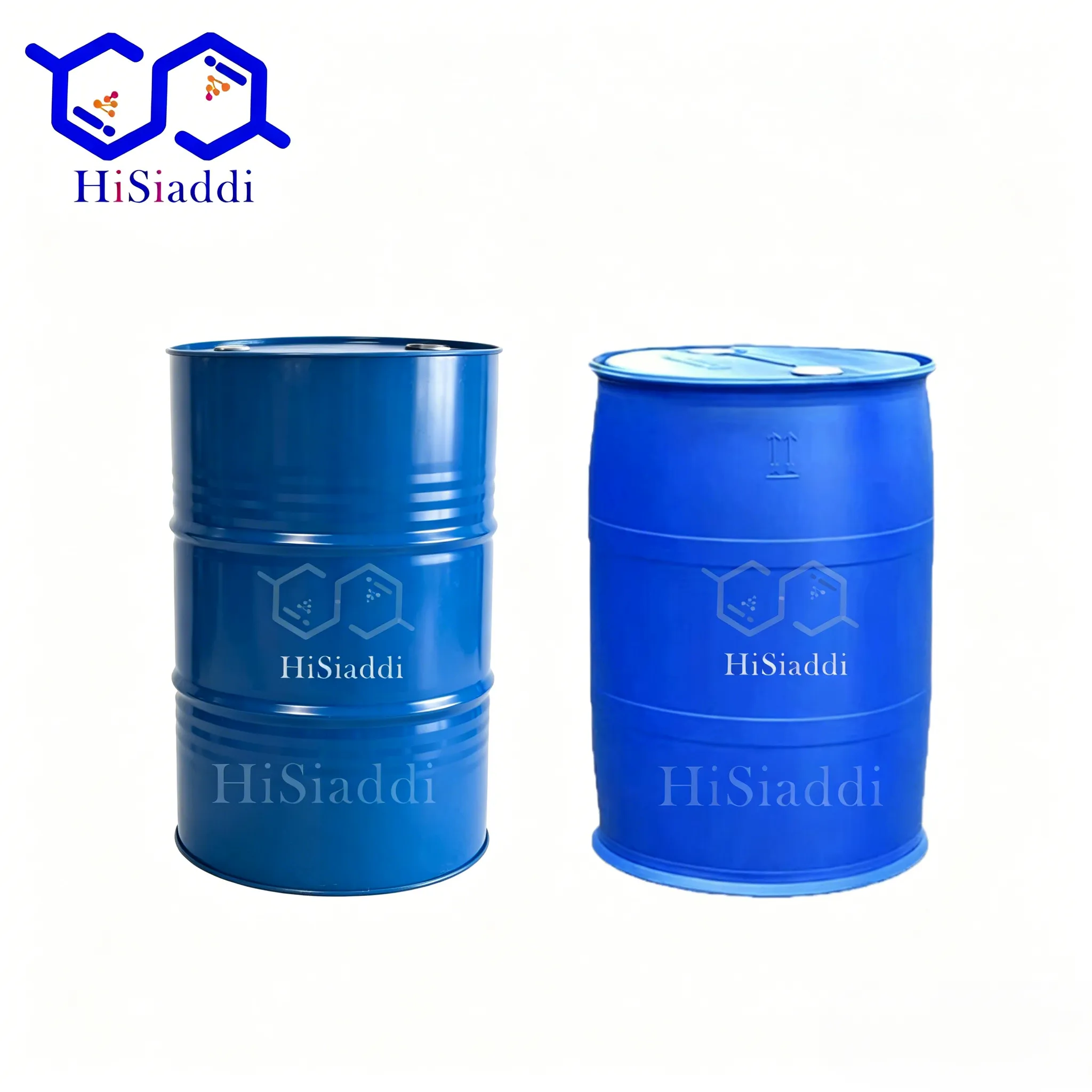
Fifth, plan cross-border packaging, transportation and long-distance storage & transportation schemes. Although TMPTA is not highly flammable or explosive, it is an irritant liquid chemical. Standard packaging adopts sealed galvanized iron drums or food-grade plastic drums, with mainstream specification of 200kg standard drums; IBC totes are available for large automated production lines. Storage and transportation characteristics: prone to polymerization and discoloration under high temperature, hydrolysis when exposed to water, and accelerated aging under long-term light exposure.
· For ocean shipping and tropical routes, containers shall be shaded and insulated to avoid self-polymerization and deepened color number caused by high cabin temperature.
· Full sealing protection is required in high-humidity areas to prevent water vapor intrusion and rising acid value.
· Strictly prohibit mixed loading with strong acids, strong alkalis and strong oxidants during storage and transportation. Warehouses shall be cool and ventilated with storage temperature controlled below 30°C; follow the FIFO principle to avoid deterioration from long-term storage.
Sixth, consider customized product services and formula technical supporting capabilities. Different photocuring formulas and construction processes impose personalized requirements on TMPTA viscosity, color number, residual monomers and polymerization inhibitor content. Qualified factories can fine-tune indicators; professional suppliers can also provide formula guidance such as optimization of blending ratios with other monomers, photoinitiators and resins, helping customers improve curing efficiency, reduce odor and enhance film performance. Comprehensive technical support is a key bonus factor for long-term cooperation.
Regardless of purchased grade or destination region worldwide, the following physical and chemical indicators are hard standards for factory outgoing and arrival sampling inspection of every batch. Substandard indicators will directly damage curing effects, impair coating/ink performance and cause finished product scrapping, which represent non-negotiable quality bottom lines.
1. Active ingredient purity (TMPTA main content) Purity is the core factor determining curing activity, crosslink density and comprehensive film performance. Industry classification standards:
· General industrial grade ≥97.0%
· Standard photocuring grade ≥98.5%
· High-end electronic / food-contact grade ≥99.0%
Low purity means high impurities including acrylic acid, monoester, diester and high-boiling substances, which will drastically reduce curing speed and coating hardness, intensify odor, cause later precipitation and brittle films. This ranks first in priority for inspection.
1. Acid value Refers to the content of free acrylic acid and other acidic substances in the system, directly affecting storage stability, hydrolysis resistance and corrosiveness to metal substrates.
· General grade acid value ≤0.2 mgKOH/g
· High-end low-corrosion grade strictly controlled ≤0.1 mgKOH/g
Excessively high acid value easily triggers hydrolysis and quality degradation during long-distance transportation; it also corrodes metal substrates and damages adhesion of adhesives and coatings, which is extremely critical for electronic and metal coating sectors.
1. Water content Water accelerates TMPTA hydrolysis and acid value rise, while disrupting UV system curing and causing pinholes and bubbles on films.
· General grade water content ≤0.10%
· High-end refined grade ≤0.05%
The risk of excessive water content rises sharply during ocean shipping in high-humidity environments, requiring strict control for high-demand photocuring systems.
1. Color number (Pt-Co color scale) TMPTA is normally colorless transparent liquid; color number directly determines the appearance of transparent coatings, light-colored inks and optical materials.
· General industrial grade ≤50#
· Standard coating & ink grade ≤30#
· High-end optical / transparent product grade ≤15#
High color number indicates oxidized impurities and high-boiling substances, leading to yellowed and dull cured films that fail appearance requirements for decorative and optical materials.
1.
Kinematic viscosity Viscosity affects blending fluidity, coating workability and compatibility with other materials. Viscosity fluctuations between batches of the same grade must be tightly controlled. Excessively high viscosity hinders high-solid formulations and thin-coating construction; excessively low viscosity may accompany high low-boiling residue, increasing volatilization and odor.
2.
3.
Polymerization inhibitor content Polymerization inhibitors (MEHQ as mainstream type) must be added to prevent self-polymerization during storage and transportation. Too low content leads to polymerization and caking under high temperature or long-term storage, resulting in full-drum scrapping; too high content suppresses UV curing activity and slows curing speed. Industry standard range is 80~120 ppm, adjustable for different curing systems as required.
4.
Combined with four mainstream global application fields of TMPTA, special testing indicators are categorized. Different scenarios feature differentiated control priorities, which also serve as core bases for grade classification, pricing and regulatory compliance matching.
Core advantages: fast curing speed, good leveling, low odor, excellent film hardness and abrasion resistance.
1. Curing activity: Test UV curing rate under standard conditions with stable batch activity to guarantee consistent production line speed.
2. High-boiling residue: High-boiling substances increase odor and retard surface curing; general coating & ink requirement: total high-boiling substances ≤1.0%.
3. Compatibility: No stratification or flocculation after blending with polyester, epoxy, polyurethane acrylates, pigments, fillers and photoinitiators.
4. VOC content: Comply with coating VOC control regulations of various countries to reduce workshop pollution and finished product odor.
Requirements: high purity, low acid value, low precipitation, high insulation and aging resistance with the strictest indicator control.
1. Ion content: Inorganic ions such as potassium, sodium and chlorine reduce insulation performance; electronic materials require extremely low total ion content.
2. Aging & anti-yellowing performance: Test color and performance stability of cured resins/coatings under simulated long-term light and high-temperature environments.
3. Low volatile precipitates: Prevent migration of small molecules during long-term service which impairs electronic component performance.
4. Heavy metal content: Comply with RoHS standards with all hazardous substances below regulatory limits.
On the basis of general indicators, align with safety regulations focusing on low migration, non-toxicity and low irritation.
1. Migratable substances: Test migration volume in water and oil simulant liquids per FDA and EN 71-3 standards to restrict precipitation of small monomer molecules.
2. Heavy metals and hazardous residues: Full screening of restricted substances to meet mandatory standards for food contact and children’s products.
3. Low odor and low irritation: Reduce human irritation for packaging and daily product applications.
Core priorities: bonding strength, crosslink density and controllable costs with moderately relaxed indicators. Focus on purity, acid value and viscosity to ensure bonding strength and thermal cycling resistance after curing; minor high-boiling substance content and slight color number fluctuations are tolerable, with priority on balancing procurement and production costs.
Besides physical and chemical indicators, qualifications, customization, supply capacity and inherent product risks must be synchronized reviewed for long-term cooperative security.
Basic universal documents worldwide: ISO9001 quality management system certificate, multi-lingual MSDS, batch-by-batch COA reports and SGS basic test reports.
· EU market: REACH registration, SVHC screening, RoHS 2.0; EN 71-3 additionally required for toy coatings.
· North American market: TSCA inventory filing, FDA certification (for food-contact grades), CPSIA (children’s products).
· Japan, South Korea and Australia: Local chemical inventory filing and special testing for heavy metals and residual monomers. All certificates shall remain valid with consistent information across factories, brands and batches.
Leading domestic factories support multiple personalized customizations for global B-end customers:
1. Indicator fine-tuning: Precisely reduce acid value, water content, color number and high-boiling substances for high-end electronic and food-contact scenarios.
2. Polymerization inhibitor customization: Adjust MEHQ content to match different curing systems and storage & transportation cycles.
3. Viscosity grading: Divide different viscosity grades per construction requirements.
4. Low-odor modification: Deep removal of residual monomers and high-boiling substances to meet interior and food packaging demands.
5. Packaging customization: Switch between 200kg drums and IBC totes; customize multi-lingual outer package labels.
6. Pre-blending compounding: Premix with other monomers and additives at customer-specified ratios to simplify downstream blending procedures.
Prioritize large-scale factories with self-supplied raw materials and continuous multi-stage rectification production lines. Rectification technology determines purity and residual control capacity; continuous production ensures batch consistency. Enterprises with ten-thousand-ton production capacity are less affected by raw material fluctuations and environmental inspections with stable delivery cycles. Standard full-container order lead time: 7~12 days, supporting direct delivery from multiple ports and urgent rush orders. Small-scale intermittent equipment features weak purification capacity and large batch differences, unsuitable for high-end markets and long-term cross-border bulk orders.
1. TMPTA tends to self-polymerize under high temperature and strong light; ocean shipping requires light shielding and thermal insulation, warehouses must control storage temperature and long-term storage is prohibited.
2. Highly hygroscopic and prone to hydrolysis, requiring intact sealed packaging with enhanced moisture-proof measures in high-humidity areas; excessive water content will directly trigger sharp acid value rise.
3. Irritant to skin and respiratory tracts; labor protection measures must be implemented during loading, unloading and production, with MSDS accompanying all shipments.
4. Excessively high polymerization inhibitor content suppresses UV curing activity; customers developing new formulas need gradient tests to match photoinitiator systems in advance.
5. Ultra-high-purity low-migration food/electronic grades require complex production procedures with higher prices than general industrial grades, moderately increasing formula costs.
6. Coatings cured with TMPTA alone are brittle; most scenarios require blending with difunctional monomers and elastic resins.
If you require more professional and in-depth analysis on TMPTA selection, please contact HiSiaddi customer service.



 +86-13120989737
  info@hisiaddi.com
 English