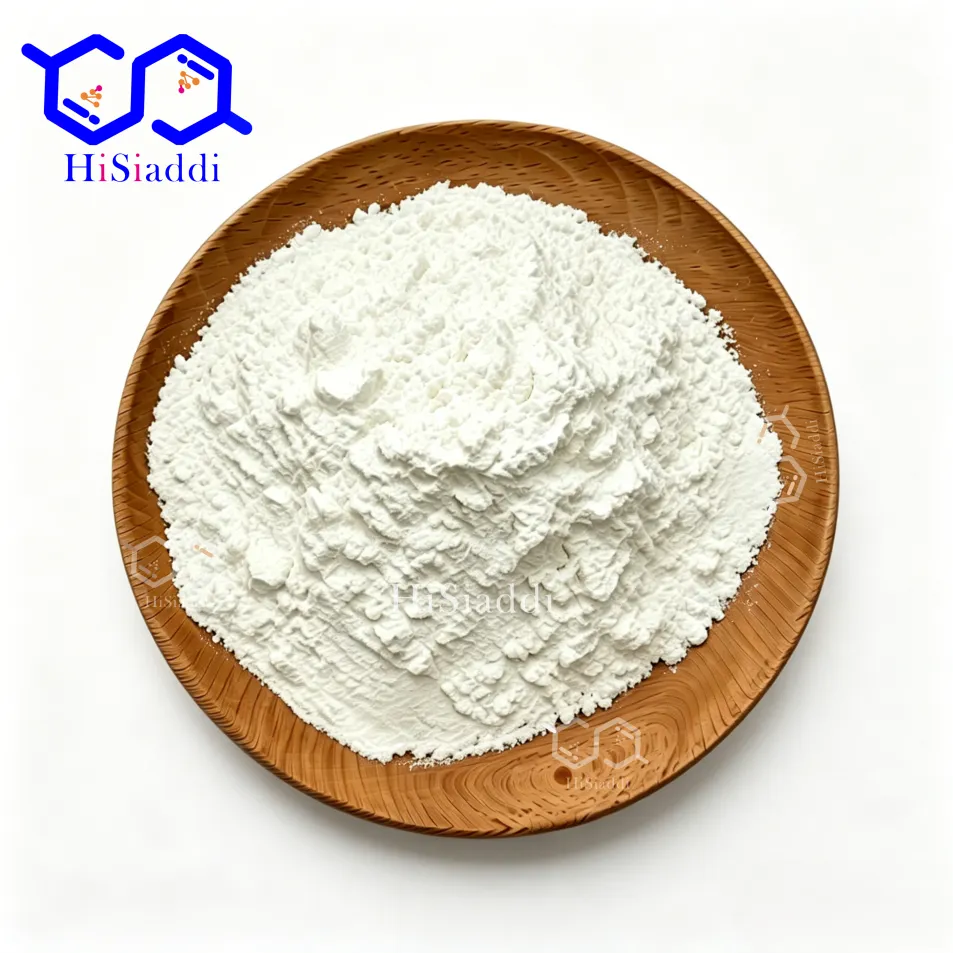
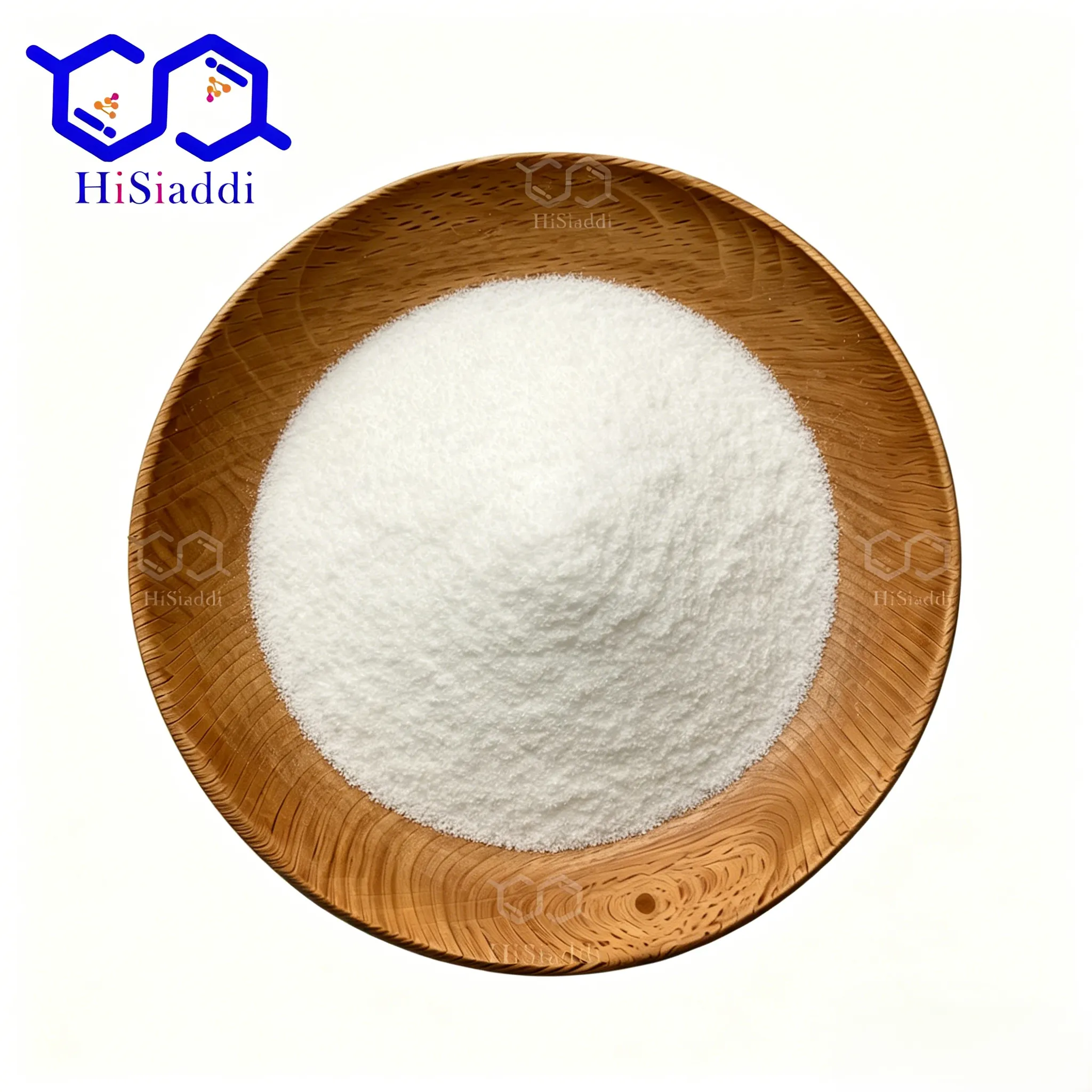
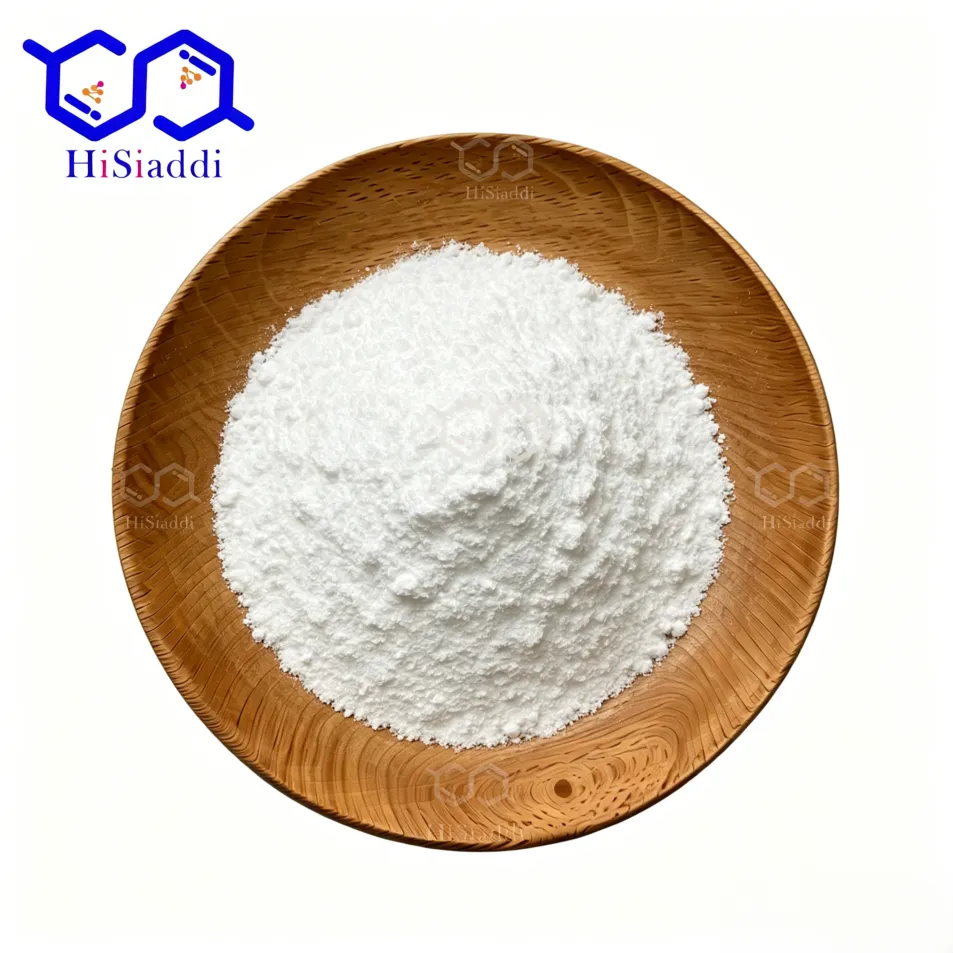
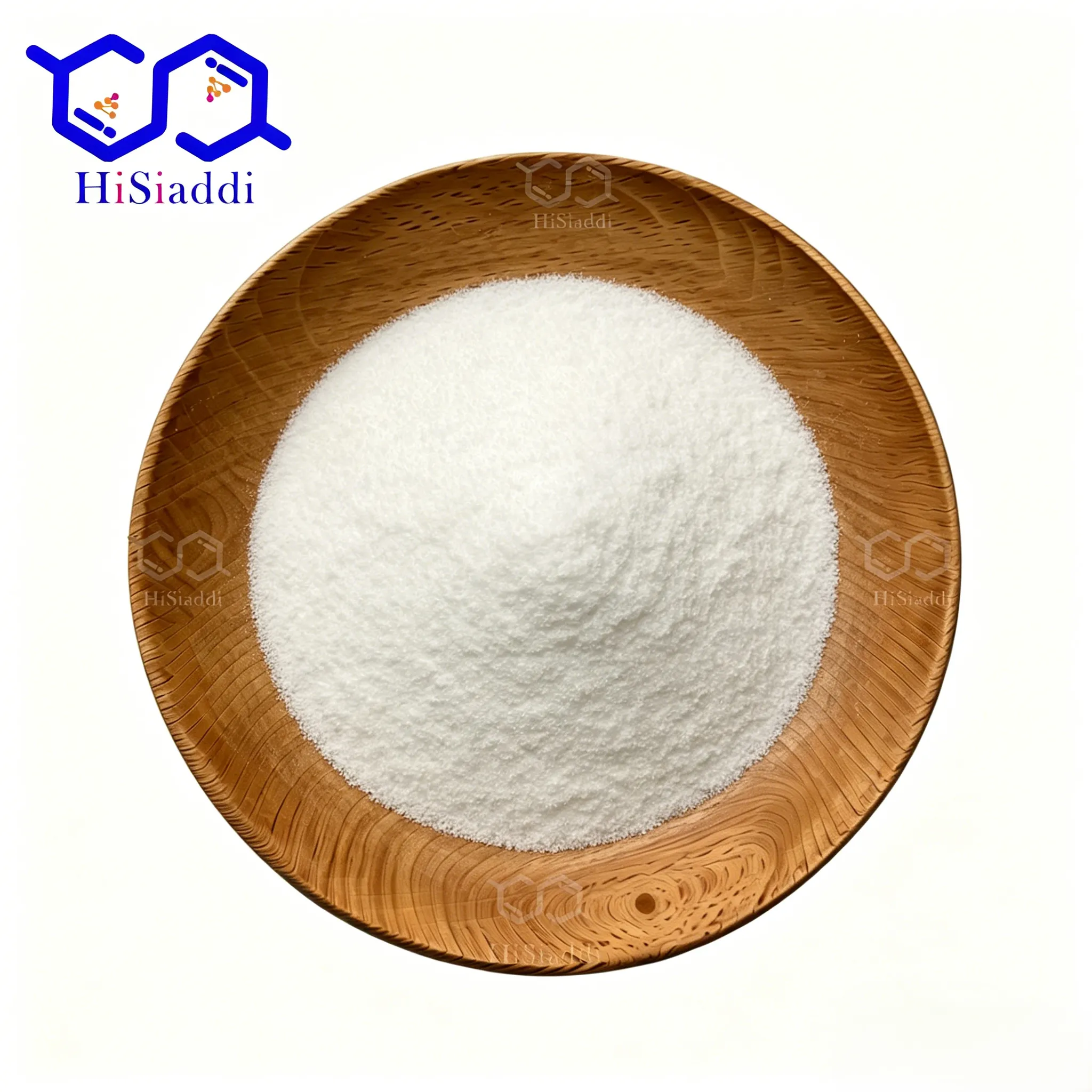
L-Tryptophan, also known as (S)-2-Amino-3-indolepropionic acid, Abbreviation: L-Trp. It is used as feed additive for growth promotion and meat quality improvement, as well as food nutritional fortifier. HiSiaddi provides original factory goods of multiple Chinese brands with high cost performance.
Relying on ten years of research-grade consulting service experience, HiSiaddi recommends well-known brands and mainstream models of this product to you.
Caiwei: L-Trp 99.5%/99%/98.5%. Enzymolysis + dual membrane separation process, purity ≥99.5%, single impurity<0.1%, heavy metals ≤1ppm, light transmittance 98%, complying with USP/FCC standards. Priced 25%-30% lower than Japan Ajinomoto with equivalent pharmaceutical grade performance, suitable for mid-to-high-end manufacturers.
Pingju: 98.5% Feed Grade, 99% Export Standard Grade. Mature fermentation process with stable content, good water solubility and anti-caking property, priced 60%-70% of international brands, suitable for large-scale feed mills and animal husbandry groups.
HiSiaddi Exclusive Services: Customized purity (98%-99.5%) and particle size (80-200 mesh); provision of FCC/USP, REACH, Kosher/Halal certificates; consulting on feed growth promotion and food fortification dosage formula; testing for impurities, light transmittance and heavy metals.
 CONTACT HiSiaddi NOW
Name: | L-Tryptophan | Other Name: | L-Trp |
CAS No. | 73-22-3 | Brand: | Multi-brand |
MF: | C₁₁H₁₂N₂O₂ | Model Number: | Multi-models |
EINECS No. | 200-795-6 | Place of Origin: | Jiangsu, China |
Purity: | 99.0% | Grade: | Food grade, feed grade |
MOQ: | 1ton | Storage: | Please refer to the product packaging or contact the customer service |
When you purchase L-Tryptophan as a buyer, you may encounter the following questions:
What are the core indicator advantages and application impacts of mainstream models from well-known L-Tryptophan brands?
What competitive services can L-Tryptophan suppliers provide?
How about the qualification certifications and market reputation of targeted L-Tryptophan brands?
What is the inventory level and supply stability of L-Tryptophan suppliers?
What factors need to be considered when selecting L-Tryptophan?
...and many other related questions.
Most overseas products adopt high-cost chemical synthesis or OEM production with imported strains, leading to high fermentation cost and unstable supply;
The mainstream feed-grade specification is 98.5% content with few customized grades, failing to match precise formulas of low-protein diets;
The output of high-transmittance refined products is limited, and the customization cycle for food-grade and pharmaceutical-grade products is long;
High carbon footprint results in significantly higher CBAM carbon tariff costs compared with China's eco-friendly fermentation technology.
L TRP 98.5 Feed Pro: 98.5% high-purity feed grade L-Tryptophan (world's largest export volume model)
L TRP 99.0 Food: 99.0% food grade L-Tryptophan, dedicated for food additives and high-end pet food
L TRP HT Microcapsule: Microcapsule high-temperature resistant slow-release type, specially used for expanded feed
L TRP 99.5 Pharma: 99.5% high-purity pharmaceutical grade, for special breeding and functional feed
L TRP Low Metal: Low-heavy-metal antibiotic-free special grade, for organic breeding in Europe and America
Content: 98.5% grade stably ranges from 98.3% to 98.7% with batch RSD<0.2%; 99.0% food grade ≥99.0%
Specific rotation: 30.0° ~ 32.0°, fully compliant with FCC/USP/Feed Grade standards, D-Tryptophan content <0.1%
Transmittance: ≥98.0%, sulfate ash ≤0.15%, heavy metals: Pb<0.5 ppm, As<0.2 ppm, Cd<0.1 ppm
High temperature resistance: After 30-second expansion granulation at 95℃, effective ingredient retention rate of microcapsule products ≥90% (industry average:75%-82%; Evonik equivalent:84%)
Fermentation purity: Fermented from corn starch with GMO-free strains, free of chemical synthetic impurities
Storage stability: Content attenuation <0.8% after 24-month sealed storage at 25℃
Compliance certifications: FAMI QS, ISO22000, GMP, EU REACH registration, Halal, Kosher, PAS2050 carbon footprint certification, FCC/USP certification. It is the only Chinese L-Tryptophan enterprise with full-range compliance standards matching Ajinomoto and Evonik
Production capacity: Annual output exceeds 35,000 tons, ranking first worldwide with stable year-round supply
The FOB Qingdao price of 98.5% high-purity feed grade is 80%-125% lower than Evonik's equivalent products and 78%-120% lower than Ajinomoto's products, while 17%-23% higher than second-tier domestic manufacturers.Hidden advantages: No false content labeling, no unqualified transmittance, no excessive heavy metals, no formula failure risk and no customs detention risk due to non-compliance. The comprehensive procurement cost for high-end feed, pet food and precise nutrition clients is over 62% lower than that of famous overseas brands.Positioning: Preferred choice for global high-end precise nutrition, featuring high purity, high transmittance, excellent high-temperature resistance, superior stability and zero after-sales cost, the king of high-end cost performance.
Europe & America: Large-scale integrated feed groups, leading pet food enterprises, standardized sow breeding groups and low-protein diet R&D enterprises in Germany, Netherlands and the United States
Japan & South Korea: High-end antibiotic-free breeding groups and food additive manufacturers
Global market: Horse breeding farms, high-end organic ruminant breeding bases and top imported premix suppliers
High purity and high transmittance ensure accurate amino acid balance, which can cut soybean meal dosage in feed by 3%-6% and greatly reduce raw material costs
High-temperature resistant microcapsules adapt to expansion and high-temperature granulation technology, maintaining stable tryptophan efficacy in aquatic and pet expanded feed
Stress-relief and appetite-promoting effects suit summer breeding in heat-stress prone areas and reduce tail-biting and pica behaviors
Complete sets of REACH, FAMI QS and food-grade FCC compliance documents help pass supplier access assessment of European and American feed factories directly, shortening factory audit cycle by 4-6 months
Reduced fecal nitrogen emission complies with EU environmental protection and low-carbon regulations to avoid environmental penalties
Livestock & Poultry: Improved sow lactation capacity and farrowing rate, reduced mortality rate; greatly decreased tail-biting of broilers, relieved heat stress and reduced feed conversion ratio by 0.07-0.12; stable egg production and enhanced stress resistance of layers; lower diarrhea rate and faster growth of piglets
Aquatic Products: Enhanced stress resistance and feeding rate of fish and shrimp, decreased transportation loss
Pets: Stabilized mood, relieved anxiety and improved appetite, ideal for high-end functional pet food
Environmental Protection: 25%-35% reduction in nitrogen emission supports low-carbon breeding. End livestock and pet products are natural and healthy with strong premium capability
L TRP 98 Standard: 98.0% standard feed grade L-Tryptophan (second largest export volume)
L TRP 98.5 HT: 98.5% high-temperature resistant general grade, for conventional granulation of broilers and fattening pigs
L TRP Ruminant: Slow-release L-Tryptophan specially for cattle and sheep
L TRP Multi Blend: Compound amino acid premix (Tryptophan + Lysine + Threonine + Methionine)
Content: 98.0% grade ranges from 97.8% to 98.2%, specific rotation: 29.5°~32.5°
Transmittance ≥96.5%, heavy metal indicators fully meet FAMI QS standards
High temperature resistance: Effective ingredient retention rate ≥85% after granulation at 85℃ (CJ CheilJedang general grade:80%)
Raw material: Corn starch fermentation with self-sufficient raw materials for controllable costs
Compliance: FAMI QS, ISO22000, Halal, Kosher certificates ensure 100% customs clearance in Southeast Asia, Middle East, Africa and South America
Production capacity: Annual output reaches 28,000 tons with stable bulk supply and great price negotiation space for full-container orders
The FOB Tongliao price of standard grade is 70%-105% lower than CJ CheilJedang's equivalent products and 8%-12% lower than small and medium-sized domestic manufacturers. It enjoys strong cost advantages in bulk procurement, ideal for large-scale breeding groups and volume-oriented traders. Positioning: Ultimate cost-performance choice for bulk feed grade, preferred supplier for global large-scale low-protein diet breeding.
Southeast Asia: Large livestock and poultry feed groups and aquatic breeding groups in Vietnam, Thailand and Indonesia
Middle East & North Africa: Standardized cattle and sheep breeding groups and feed raw material traders in Saudi Arabia, Egypt and UAE
South America: Integrated feed raw material importers in Brazil and Argentina
Eastern Europe: Regional feed distributors in Poland and Romania
Sufficient annual fermentation capacity ensures stable bulk supply without raw material shortage and production halt risks
Standard models fit conventional granulation technology with controllable active ingredient loss and stable feed formula effect
One-stop supply of compound amino acid premixes cuts costs of multi-amino acid procurement and batch inspection
Remarkable price advantage increases gross profit margin of finished feed products by 14%-20% for large-scale breeding
Complies with low-protein diet policies in Southeast Asia and Middle East to quickly penetrate local mainstream feed markets
Reduced soybean meal consumption and feed cost, relieved stress, improved daily weight gain and decreased abnormal behaviors in large-scale livestock and poultry breeding
Improved feed intake, reproductive performance and lactation capacity of ruminants such as cattle and sheep
Lower nitrogen emission in meat, eggs and milk with zero residues meets global food safety export standards and strengthens international competitiveness
L TRP 98 USP: 98.0% food-grade standard feed L-Tryptophan
L TRP Microcapsule Slow Release: Exclusive core microcapsule slow-release L-Tryptophan
L TRP Low PH: Strong acid resistant grade for young livestock, dedicated for piglets and young poultry
L TRP Russia Wheat: Customized L-Tryptophan for wheat-based diets in Russia
Stable content, transmittance ≥97.0% and excellent heavy metal control
Microcapsule products: Coated with plant wall materials to resist gastric acid and oxidation, maintain activity in stomach and realize targeted slow release in intestines with 18-month shelf life
Strong acid resistant grade: Retain over 82% effective ingredients after 2 hours in extreme gastric acid environment (pH1.8), suitable for newborn young animals
Exclusive certifications: Complete Russian RZN, Kazakhstan GOST and Uzbekistan certifications, ranking No.1 in market share in Central Asia and Eastern Europe
Logistics advantage: Supported by inland northwest ports for fast and low-cost delivery to Russia and Central Asia
Low-carbon technology: Adopts clean energy fermentation with low carbon emission to adapt to EU CBAM carbon tariff rules
The price of common 98.0% grade FOB is 20%-25% lower than Fufeng Biotech; microcapsule products have a 14%-20% price premium, yet no extra protective agents are needed for downstream use, leading to equivalent overall formula costs.Positioning: Top choice for mid-range customized products, outstanding advantages in long shelf life, long-lasting slow-release effect and region-exclusive formulas.
Russia & Five Central Asian Countries: Large-scale piglet/sow farms, wheat-based diet feed factories and regional raw material distributors
Eastern Europe: High-end antibiotic-free breeding enterprises in Poland and Hungary
Middle East: Young livestock breeding groups
Intestinal targeted slow-release improves nutrient absorption efficiency and prolongs stress relief and growth-promoting effects
Exclusive formula for Russian wheat diets accurately balances amino acids to fit local high-fiber and low-protein feed structures
Complete local compliance certificates ensure barrier-free customs clearance without policy risks in Central Asia and Russia
Flexible customized specifications allow adjustment of purity and content according to local breeding modes
Higher survival rate of piglets and young poultry with greatly reduced stress, diarrhea and tail-biting issues
Stable ingredient content during long-distance storage in cold regions ensures stable breeding performance free from transportation losses
Optimized amino acid balance of wheat and barley diets adapts to local raw material structures in Eastern Europe and Russia
L TRP All Grade: Universal full-specification L-Tryptophan
L TRP Pet Blend: High-purity compound grade exclusive for pets (Tryptophan + Lysine + Threonine)
L TRP Custom Ultra Low Metal: Ultra-low-heavy-metal customized grade for organic breeding
L TRP Carbon Neutral: Carbon-neutral low-carbon L-Tryptophan
Balanced and stable purity, transmittance and specific rotation
One-stop procurement advantage: Simultaneous production of full-series essential amino acids including lysine, threonine, methionine, valine and isoleucine supports consolidated container export
Exclusive certifications: Australian TGA, New Zealand RMP, Brazilian ANVISA and Mexican COFEPRIS certificates ensure zero customs clearance risks in Latin America, Australia and New Zealand
Customization service: Customizable low-moisture, special particle size, exclusive content and liquid-type products
Carbon footprint: Eco-friendly fermentation technology with low carbon emission meets EU CBAM compliance requirements
Single purchase of L-Tryptophan offers medium cost performance, while consolidated procurement of multiple amino acids cuts overall comprehensive costs by 16%-21% compared with separate purchases. Positioning: Best supplier for integrated one-stop procurement, ideal for multi-category import traders.
Australia & New Zealand: Pet food groups and high-end organic breeding enterprises
Latin America: Integrated feed and pet raw material importers in Brazil and Mexico
Small and medium-sized comprehensive raw material distributors and cross-border pet brands in Europe and America
Access to full-series essential amino acids from one single supplier sharply reduces costs of supplier docking, factory audit and product inspection
Consolidated shipment lowers unit ocean freight and boosts overall gross profit
Ultra-low-heavy-metal customized products comply with strict organic breeding and natural feed regulations in Australia, New Zealand and Latin America
Favorable payment terms for bulk purchases ease capital pressure
Synergistic effect of compound amino acids comprehensively improves growth performance, stress resistance and reproductive capacity of livestock, poultry and pets
Natural low-carbon and GMO-free features with high compliance level grant direct access to supermarkets and high-end pet sales channels in Oceania and Latin America
Carbon-neutral raw materials conform to European and American ESG green breeding trends to achieve higher premium of end products
L TRP 98.5 High Pure: High-purity feed grade L-Tryptophan with transmittance ≥97.5%
L TRP Halal: Halal-exclusive L-Tryptophan produced with full-process Halal fermentation and manufacturing
L TRP Custom Low Ash: High-end customized low-ash grade
Produced via corn starch microbial fermentation, free of chemical synthesis, GMO ingredients and pathogenic bacteria contamination
Core advantage: World-class Halal and Kosher certifications with full-process Halal traceability
Flexible supply: Extremely low minimum order quantity accepting small orders from 50kg to 1000kg, breaking high MOQ barriers of large manufacturers
Complete testing service: Provide SGS full-item test reports (content, transmittance, heavy metals), multi-language COA documents and strain traceability reports for each batch
Logistics advantage: Supported by ports in Guangdong and Qingdao to offer flexible consolidated shipment, air freight and express delivery services for customer trial orders
Unit price for small-batch purchases is 12%-17% lower than small orders from large manufacturers without minimum order premium and extra customization fees. Positioning: Cost-performance leader for small-batch orders and Halal/Kosher markets, irreplaceable in segmented markets.
Middle East & North Africa: Small and medium-sized breeding farms, Halal pet food and Halal food additive enterprises in Saudi Arabia, UAE and Iran
Southeast Asia: Muslim-oriented feed and food raw material importers in Malaysia and Indonesia
Global emerging pet brands and niche special breeding raw material traders
In-built top-tier Halal certificates eliminate secondary application procedures for direct access to global Muslim breeding and food consumption markets
Low-risk small-batch trial orders avoid inventory backlog and verify low-protein diet formula effects efficiently
Low-ash and high-purity formulas support differentiated formulas for high-end organic breeding, pet food and functional food
Flexible customization supports development of niche diets and exclusive packaging solutions
Fully compliant with Islamic dietary laws to ensure safety and qualification of livestock, pet and food raw materials for Muslim consumers
High-end high-purity raw materials create strong differentiation advantages for niche breeding and food brands to capture segmented market dividends
Low raw material access threshold accelerates the development of regional and local small and medium-sized brands

| Brand | Core Export Models | Core Competitive Indicators (Vs Evonik/Ajinomoto/CJ CheilJedang) | Cost Performance Positioning | Target B-end Buyers | Core Benefits for Downstream Buyers | Core Benefits for End Users |
| Fufeng Biotech | 98.5% high-purity feed grade, 99.0% food grade, high-temperature resistant microcapsule grade, 99.5% pharmaceutical grade, low-heavy-metal antibiotic-free grade | Content:98.3-98.7%, transmittance≥98.0%, 90%+ active ingredient retention of microcapsules at 95℃, full-set FAMI QS/REACH/carbon footprint/FCC certificates, batch RSD<0.2% | High-end high cost-performance, 80%-125% cheaper than Evonik, zero after-sales risks | Large European & American feed groups, top pet enterprises, high-end breeding & low-protein diet R&D enterprises | Accurate amino acid balance cuts soybean meal usage by 3%-6%; microcapsules fit expansion technology; complete high-end compliance documents shorten overseas factory audit cycle by 4-6 months; eco-friendly nitrogen emission reduction meets environmental policies | Reduced livestock stress and tail-biting, lower feed conversion ratio; improved aquatic feeding efficiency; stabilized pet mood; 25%+ nitrogen emission reduction enables low-carbon products with strong market premium |
| Meihua Bio | 98.0% standard feed grade, 98.5% high-temperature resistant grade, ruminant slow-release grade, compound amino acid premix | Content:97.8-98.2%, transmittance≥96.5%, 85%+ ingredient retention at 85℃, stable bulk supply, complete FAMI QS certificates with prominent price advantages | Ultimate cost-performance for bulk feed products, 70%-105% cheaper than CJ CheilJedang | Large feed groups & cattle-sheep breeding groups in Southeast Asia, Middle East and Africa, regional traders | Fit conventional granulation technology; one-stop compound amino acid supply reduces multi-supplier procurement costs | Lower soybean meal consumption and breeding stress; enhanced ruminant reproductive performance; improved export qualification of meat, egg and milk products |
| Yipin Bio | 98.0% food-grade standard grade, microcapsule slow-release grade, strong-acid resistant young livestock grade, Russia wheat-diet customized grade | 18-month shelf life for microcapsules, 82%+ ingredient retention under pH1.8 environment, complete Russian RZN certificates, superior logistics in Central Asia, low-carbon fermentation technology | Preferred mid-range customized supplier, outstanding advantages in long shelf life, slow-release effect and regional exclusive formulas | Feed factories and wheat-diet breeding groups in Russia & Central Asia, young livestock breeding enterprises | Intestinal targeted release effect; perfect match with local low-protein wheat diets; barrier-free customs clearance in Central Asia with minimized storage loss | Higher survival rate of piglets and young poultry; stable ingredient content in cold regions; optimized amino acid balance for wheat and barley-based diets |
| Hebang Bio | Universal full-specification grade, pet-exclusive compound grade, ultra-low-heavy-metal organic customized grade, carbon-neutral low-carbon grade | One-stop supply of all essential amino acids, complete Oceania & Latin America certifications, carbon footprint compliance, prominent consolidated shipment cost advantages | Top choice for integrated one-stop procurement, superior comprehensive cost performance for multi-category purchases | Pet groups and organic breeding enterprises in Australia, New Zealand and Latin America, comprehensive importers | One-stop supplier for all amino acids; consolidated shipment cuts ocean freight; customized products fit strict regional regulations | Synergistic effect of compound amino acids improves overall breeding performance; eco-friendly features grant access to high-end sales channels with higher ESG premium |
| Xinghu Bio | 98.5% high-purity grade, Halal-exclusive grade, low-ash customized grade | Top-class Halal & Kosher certifications, flexible supply starting from 50kg, full strain traceability and complete multi-language test reports | Best cost-performance for small-batch orders and Halal/Kosher segmented markets without MOQ premium | Halal breeding & food enterprises in Middle East, North Africa and Southeast Asia, emerging pet brands | Built-in Halal qualifications open Muslim markets directly; low-risk small-batch trials; flexible customized solutions | Fully compliant with religious dietary norms; strong product differentiation advantages; lower raw material threshold boosts development of regional niche brands |
HiSiaddi is an innovative foreign trade service provider driven by integrated technology transformation and foreign trade businesses. We have built a "1+2+3+4=1" product service system: 1 foreign trade salesperson with over 3 years of experience, 2 chemical R&D teams, 3 multi-screened high-quality suppliers, and 4 shared warehouses to satisfy all demands for one single product.
With this complete service system, HiSiaddi gains deeper insight into L-Trp R&D and production optimization than ordinary trading companies, better understanding of differentiated market demands and competitive advantages of various L-Trp brands than single factories, and richer experience in L-Trp overseas export business than professional research institutes.
HiSiaddi only recruits foreign trade sales staff with more than 3 years of industry experience. All sales must receive combined training organized by R&D and foreign trade teams for over 6 months before providing services to clients.
(1) Basic Support Services for L-Trp
Backed by our complete foreign trade operation system, we provide full-cycle one-stop document follow-up services, including issuance and agency application of all compliance certificates for L-Trp, and resolution of third-party reports and quality warranty issues.
(2) Exclusive Premium Services for L-Trp
Carbon Footprint & EU CBAM One-Stop Compliance Service: We supply official carbon footprint documents to help clients deduct EU carbon tariffs, and assist with ESG supply chain certification and carbon label filing for downstream feed and food products, catering to high-end low-protein livestock breeding markets in Europe and America.
We carry out in-depth cooperation with original manufacturers through technology transfer and maintain close internal coordination with the foreign trade team to deliver regular technical training for sales personnel. This enables professional L-Trp customization and provides research-level consulting on brand matching and feed formula optimization.
(1) Research-Grade Customization Services for L-Trp
Customized Modified L-Tryptophan & Low-Protein Diet Optimization Service
1. We cooperate with amino acid labs to tailor L-Trp specifications based on clients’ local corn-soybean feed formulas;
2. Develop exclusive variants: high temperature resistant 98°C grade, high absorption formula for wheat-based diets, low-irritation type for piglets, high-purity carrier-free grade for pets, and special particle size specifications for food manufacturing;
3. Formulate balanced compound schemes of L-Trp + Lysine + Threonine + Enzymes to reduce soybean meal usage in feed.
Pain Points Solved: Standard L-Trp cannot adapt to local raw materials and breeding processes, resulting in unsatisfactory livestock growth performance.
Client Benefits: Feed raw material costs are greatly reduced, forming differentiated competitiveness against peers, with gross profit margin increased by 35–55%.
(2) Research-Grade Consulting Services for L-Trp
Domestic vs Imported L-Trp Benchmark Intelligence Report: Monthly market brief covering global low-protein and antibiotic-free breeding policies; comparative tests of optical rotation, transmittance, heat resistance and breeding effects between domestic products and Evonik/Kyowa fermentation brands; accurate calculation of cost savings after switching to domestic alternatives.
Feed Trial Verification Service: Free supply of domestic and imported contrast samples for feed formulation, granulation heat resistance and feeding comparison tests, with formal test reports provided.
Global Buyer Community Matching: Connect global amino acid purchasers, large breeding groups and pet food brands to help clients expand downstream sales channels while purchasing raw materials.
Our foreign trade and R&D teams conduct multi-round market research, factory audits and product testing to select around 3 stable, reputable suppliers with strong development potential.
(1) Initiative to Secure Lower L-Trp Prices
Long-term cooperation via technology licensing and authorized distribution enables us to obtain direct factory pricing.
(2) Long-Term Supply Chain Assurance for L-Trp
Long-term cooperative mechanisms strengthen whole-process production supervision, full batch traceability, batch stability control and compensation clauses for unqualified third-party inspection results.
We operate four warehouses jointly with suppliers to stock hot-selling feed additives.
(1) Fast Local Delivery & On-Site Issue Resolution for L-Trp
Warehouses are located at Qingdao Port (North China), Ningbo Port (East China), Shenzhen Port (South China) and Zhengzhou inland logistics hub. We can arrange prompt shipments and dispatch on-site staff to handle packaging damage, customs compliance and transit accidents locally.
(2) Mitigate Price Volatility & Support Custom Packaging for L-Trp
We pre-stock inventory ahead of peak demand cycles to stabilize price fluctuations. Our warehouses fully support personalized packaging and label customization.
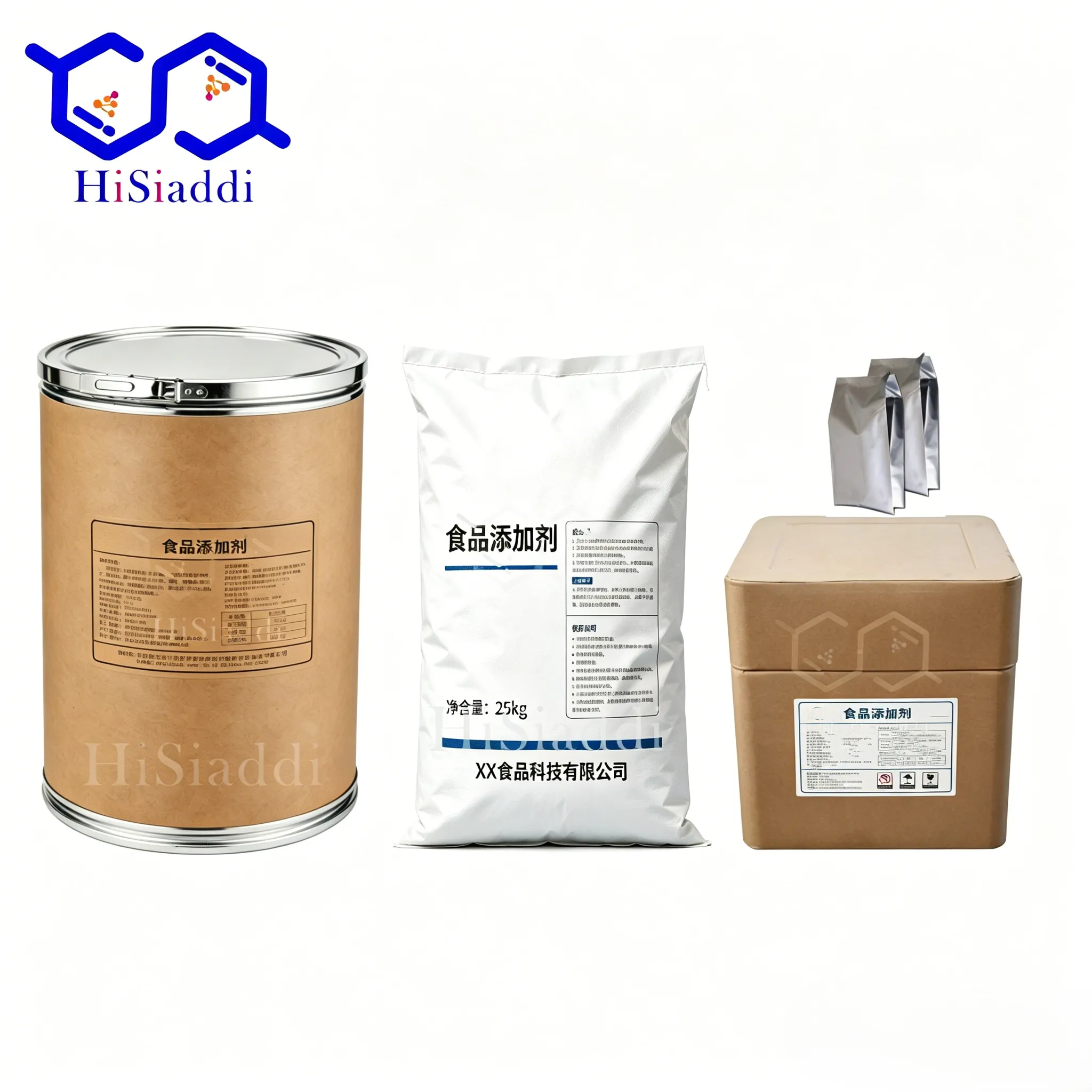
Private Label Customization: Moisture-proof aluminum bags and fiber drums printed with client LOGO, traceable QR codes and low-carbon clean label marks for pet feed traders and food additive manufacturers.
As an innovative foreign trade service provider driven by both technology commercialization and cross-border trading, HiSiaddi has built a "1+2+3+4=1" service system and can supply original factory goods of multiple well-known brands for L-Trp. Boasting R&D capabilities as a tech-enabled foreign trade enterprise, HiSiaddi sorts out and analyzes typical pain points of B-end buyers sourcing L-Trp from China, alongside targeted solutions provided by HiSiaddi.
If you require more professional and in-depth analysis on L-Trp sourcing, please contact HiSiaddi customer service.
1. Severe cyclical volatility of raw material costs undermines budget control: L-Trp fermentation raw materials are linked to corn and glucose. Global grain prices, domestic energy costs and environmental production restrictions drive monthly raw material price fluctuations of 8%–15%. Groups struggle to lock prices for annual centralized procurement, and peak stocking periods often coincide with factory maintenance and capacity cuts. Temporary replenishment premiums can reach 12%–20%. Reliance on a single supply source creates direct supply disruption risks during major manufacturer maintenance or environmental shutdowns. Historically, many leading cross-border feed manufacturers have been forced to adjust feed formulas due to raw material shortages, resulting in reduced livestock weight gain at slaughter.
2. Uncontrollable batch consistency for full-vessel bulk arrivals: Single orders often cover full containers or full vessels (20–100 containers). Batches produced in different cycles show inconsistent whiteness, solubility and free impurity levels. Partial cargo within the same batch may discolor due to moisture absorption during storage and transit, disrupting premix formulation balance. Offline inspection failures can lead to full-container detention and rejection at ports, incurring heavy detention and return shipping costs.
3. Unequal performance constraints in long-term contracts with no compensation safeguards for manufacturer breaches: Overseas groups commonly sign annual long-term contracts to lock volume and prices, yet some domestic manufacturers unilaterally reduce supply or delay delivery amid market price surges. Overseas buyers lack on-site verification channels in China, and cross-border dispute resolution takes 3–6 months, missing critical stocking windows for livestock breeding seasons.
4. Unstable ocean shipping transit times disrupt inventory turnover due to geopolitical disruptions on Red Sea and Indian Ocean routes: Bulk commodity shipping space shortages and route diversions extend scheduled 30-day voyages to 45–60 days. Groups’ safety inventory planning fails, forcing costly emergency local replenishment from distributors.
1. Quarterly tiered price locking + consolidated multi-factory bulk procurement to mitigate price volatility: Integrate production capacity from 3+ leading domestic L-Trp manufacturers including Meihua Biotech, Fufeng Group and Adisseo. Split long-term orders by quarterly demand and allocate supply across multiple factories, limiting single-factory supply to no more than 40% of total orders. Anchor quotations to monthly domestic corn spot prices and lock unit purchase prices 1.5 months in advance to smooth raw material price swings.
2. Pre-inspection at domestic forward warehouses and batch separation to control quality for full-vessel shipments: The service provider builds bonded transit warehouses in core L-Trp production regions of Shandong and Jiangsu. All goods enter our warehouses post-factory for batch sampling testing of purity (≥98.5% for feed grade), specific rotation and loss on drying. Non-compliant batches are immediately replaced with alternative stock. Qualified goods are separately packaged with traceability codes by batch before consolidated vessel loading to eliminate cross-batch discoloration risks. Third-party SGS pre-test reports accompany goods for customs clearance.
3. Third-party performance guarantee clauses embedded in long-term contracts: Our company acts as a third-party guarantor in signed contracts. If upstream manufacturers delay delivery or reduce supply volume, we advance shortfall stock and cover detention fees and temporary procurement price differentials before pursuing recovery from domestic manufacturers, eliminating cross-border litigation costs for overseas clients.
4. Multi-route diversion and split shipments to optimize logistics cycles: Deploy fast direct short-sea vessels for Southeast Asia and split large orders into two batches via separate shipping lines for Europe and America to avoid single-route geopolitical congestion. Secure fixed shipping space in advance and share monthly sailing forecasts to help clients dynamically adjust safety inventory thresholds.
1. Prohibitive manufacturer minimum order quantities (MOQ) prevent small buyers from accessing factory ex-factory prices: Leading domestic L-Trp manufacturers set standard batch MOQs of 20MT, while small and medium mills only require 2–10MT monthly. Independent procurement forces buyers to source from local intermediaries with a 25%–35% price markup, squeezing profit margins.
2. Uneconomical unit logistics costs for scattered small orders: Less-than-container load (LCL) consolidated shipping carries high damage risks and unreliable transit times, while full-container orders lead to insufficient warehouse storage and excessive capital occupation, creating a procurement dilemma.
3. Lack of formulation technical support leads to blind raw material selection: Buyers cannot identify suitable L-Trp purity grades for aquafeed, piglet feed or laying hen feed. Over-specifying high-purity grades inflates costs, while low-quality raw materials reduce feed conversion rates and trigger complaints from end farmers.
4. Fragmented documentation causes customs detention due to incomplete import clearance materials: Small and medium buyers lack dedicated compliance staff. Missing manufacturer production credentials, feed additive export filings and full COA test reports lead to customs detention upon arrival, generating storage penalties.
1. Consolidate orders from multiple clients to meet factory MOQs and split bulk shipments into small lots: Aggregate demand from multiple overseas small feed manufacturers in the same region to meet the 20MT factory MOQ threshold. After unified bulk procurement at our domestic bonded warehouse, split large shipments into 1–5MT small packages for separate delivery per client, enabling small buyers to access factory direct prices and eliminate local intermediary markups.
2. Full-container inventory stocking with phased delivery to optimize logistics expenses: Forecast regional monthly demand and stock full containers at domestic bonded warehouses. Clients may select LCL consolidation or combine orders with neighboring buyers to fill full containers and share ocean freight costs. Land-sea intermodal transport is available for short-distance neighboring countries to cut unit logistics expenses.
3. Free supporting feed formulation technical service: Our in-house amino acid formulation engineers recommend precise L-Trp grades and inclusion ratios (0.1%–0.5%) based on client livestock categories (swine, poultry, fish and shrimp) and basal soybean meal ratios, avoiding costly mis-sourcing.
4. One-stop agency for full set of customs clearance documents: Post-contract, the service provider handles export commodity inspection, feed additive export filings, COA, MSDS and full compliance documentation, formatted per destination country customs requirements and shipped alongside goods to eliminate detention risks from incomplete paperwork.
1. Fragmented regulatory standards across countries create compliance matching barriers: EU REACH registration, US FDA GRAS filing and Canadian NPN declaration are mandatory for different markets. Many domestic L-Trp supplies only hold Chinese national certifications and fail to qualify for end supermarket sales, resulting in unsellable full batches if sourcing targets are misselected.
2. Stringent refined physicochemical index requirements with frequent batch turbidity and heavy metal non-compliance: Food-grade specifications impose strict limits of Pb ≤10ppm, As ≤2ppm and solution clarity ≥95%. Some domestic batches fail third-party testing upon arrival, halting production, with cross-border return and replacement cycles exceeding 40 days.
3. Substandard moisture-proof light-shield packaging causes agglomeration and yellow discoloration during ocean shipping: L-Tryptophan oxidizes and discolors under light and high humidity. Conventional woven bag packaging leads to partial yellowing post long-distance ocean transit, rendering materials unusable for high-end dietary supplement production with loss rates of 5%–10%.
4. Long sample delivery cycles delay new product R&D: New formula trials only require 500g–5kg samples, yet most manufacturers charge fees for samples or impose 7–15 day international shipping timelines, extending product launch cycles.
1. Pre-verify fully certified raw materials aligned with target country regulations: Screen food-grade manufacturers holding full FDA GRAS, EU REACH and ISO22000 certifications. Verify certificate validity and product filing numbers pre-contract and supply goods tailored to clients’ sales regions to eliminate compliance blockages at source.
2. Full third-party testing prior to shipment with immediate stock replacement for non-compliant batches: Prior to factory dispatch, commission SGS/Intertek to conduct full testing of heavy metals, specific rotation and clarity per destination country food pharmacopoeia standards, issuing dual-standard test reports aligned with Chinese national and export market specifications. Non-compliant batches are replaced with equivalent qualified stock without vessel loading.
3. Custom food-grade double-layer aluminum foil moisture-proof packaging: Adopt uniform 25kg packaging with food-grade kraft paper outer bags and aluminum foil inner liners, plus additional desiccant packs to control yellow discoloration loss during shipping, reducing loss rates to below 1%.
4. In-house multi-grade sample inventory with 48-hour cross-border sample dispatch: Our domestic warehouse maintains ready samples of all food-grade specifications (500g/1kg/5kg). International express delivery is arranged on the same day of sample requests, with European and American deliveries arriving within 3–5 days to shorten R&D cycles.
1. Scarce pharmacopoeia-grade production capacity creates tight global supply and steep price premiums: High purification technical barriers limit compliant domestic GMP production capacity for pharmaceutical-grade L-Trp. API manufacturers compete aggressively for stock during peak seasons, with spot prices carrying a 40%–60% premium over long-term contract rates, leading to uncontrolled temporary procurement costs.
2. Cumbersome full-chain traceability documentation with missing materials for pharmaceutical GMP audits: European and American pharmaceutical factories require suppliers to submit full production process validation records, batch manufacturing records, pollution source traceability and API DMF filing materials for factory entry audits. Most small and medium domestic manufacturers cannot provide complete audit documentation, failing paper or on-site audits.
3. Stringent trace impurity (hetero-amino acid, fermentation residue) control triggers full-batch rejection upon re-testing at destination: Pharmacopoeia standards cap residual tyrosine and phenylalanine at ≤0.1%. Unstable fermentation processes frequently cause trace impurity excess, generating heavy cross-border return and replacement losses.
4. High-frequency small-batch orders are deprioritized by large manufacturers: Pharmaceutical companies place split orders aligned with clinical production schedules, with single batch volumes of 0.5–5MT. Major pharmaceutical-grade manufacturers prioritize large-volume orders, pushing small order production lead times beyond 60 days and disrupting pharmaceutical production schedules.
1. Pre-lock annual reserved capacity at GMP manufacturers to stabilize spot price premiums: Sign annual capacity reservation agreements with 3+ domestic manufacturers holding API GMP and DMF filing credentials. Reserve quotas based on clients’ annual estimated consumption to guarantee priority fulfillment during peak seasons and avoid costly spot market stockpiling.
2. One-stop collation and delivery of full GMP audit documentation: Assist manufacturers in compiling complete batch manufacturing records, process validation reports, raw material traceability ledgers and DMF filing documents, translated and archived per European and American pharmaceutical audit standards and delivered alongside every shipment to satisfy factory entry review requirements.
3. Full pharmacopoeia-standard chromatographic testing pre-shipment with dual laboratory re-inspection: Deploy HPLC high-performance liquid chromatography to test trace hetero-amino acid levels pre-factory, with dual re-inspection by domestic third-party laboratories and destination-country accredited labs before shipment, eliminating risks of rejection due to excess impurities upon arrival.
4. Decentralized pharmaceutical-grade bonded warehouse stock for split small-batch direct delivery: Maintain ready pharmacopoeia-grade inventory in our constant-temperature pharmaceutical bonded warehouses. Small client orders are split from existing stock, cutting delivery lead times to 7–15 days to match flexible pharmaceutical production scheduling.
1. Mismatched MOQs with minimal demand leaving no viable supply channels: Single R&D trials only require 100g–20kg, while domestic manufacturers enforce minimum orders of 500kg+. Buyers are forced to source from local overseas reagent distributors at prices 3–5 times factory ex-factory rates.
2. High retooling costs for custom particle sizes (80 mesh / 120 mesh / 200 mesh) with manufacturers refusing small-batch customization: Cosmetic-grade L-Trp requires ultrafine powder screening adjustments. Small customization orders trigger production line retooling surcharges exceeding 100%.
3. Low-value scattered orders generate international logistics fees exceeding raw material value: Multi-specification split orders carry low cargo value, with international courier or consolidated shipping costs accounting for over 40% of total procurement expenses, severely undermining cost performance.
4. Absence of application technical guidance leads to raw material selection errors delaying R&D progress: Researchers lack familiarity with solubility and stability differences between L-Trp produced via distinct processes, and blind sourcing hinders experimental timelines.
1. Full-specification ready inventory supporting gram-level split orders: Our warehouse maintains ready stock of all feed/food/pharmacopoeia grades and particle sizes of L-Trp, supporting orders starting at 100g. Bulk factory procurement enables split retail distribution at prices far below overseas reagent vendors.
2. Monthly aggregated custom demand consolidation for unified factory screening adjustments: Collect monthly custom particle size requests from global comparable clients, consolidate orders to meet manufacturers’ minimum retooling volume thresholds and allocate processing surcharges across multiple buyers to drastically reduce customization unit prices.
3. Monthly consolidated cargo pooling for unified bulk shipment to cut cross-border logistics costs: Aggregate orders from clients within the same country/region monthly, ship full containers to overseas partner distribution warehouses then conduct last-mile local small-parcel delivery, reducing unit logistics expenses by over 60%.
4. Free formulation selection guidance from dedicated technical specialists: Recommend matching L-Trp grades and particle sizes based on client research directions (in vitro testing, cosmetic formulation, new product trial production), alongside measured solubility and stability data to lower R&D trial-and-error costs.
1. Exchange rate hedging services: Offer forward locked exchange rate quotations to offset procurement cost hikes from monthly RMB/USD exchange rate fluctuations.
2. Slow-moving inventory consignment distribution guarantee: Assist clients in redistributing surplus stock from product iteration to other buyers in the same region, minimizing losses from idle raw material inventory.
3. Monthly price report updates: Share monthly data on domestic corn raw material prices, L-Trp ex-factory quotations and capacity changes to support clients’ medium and long-term procurement planning.
For any L-Trp sourcing inquiries requiring more professional and in-depth analysis, please contact HiSiaddi customer service.
During high-temperature pelleting at 85℃, the effective loss of L-Tryptophan exceeded 28%, resulting in reduced feed intake and lower daily weight gain of piglets.
After 30 days of storage, the premix experienced partial dampness and caking, with the coefficient of variation (CV) of mixing uniformity higher than 12%, which failed to meet Argentina’s feed factory quality control standards. The client suspended the production line, leaving 6 tons of raw materials in stock and filed a claim for return of the entire batch.
Raw material modification: We adjusted the customized formula at our cooperative factories, replacing the original carrier with a compound of modified microcrystalline starch and silicon dioxide anti-caking agent. A micro-coating slow-release process was applied to the surface of L-Tryptophan, raising the high-temperature resistance threshold to 95℃ and controlling the effective loss during high-temperature pelleting within 7%.
Particle size customization: The D50 particle size of the carrier was adjusted to 30~40 mesh, lowering the mixing uniformity CV to below 5%, which fully matched the operating parameters of the client’s existing twin-screw premixers.
On-site Production Guidance
Our engineers guided the client to adjust the feeding sequence of premixes (adding the carrier first, then L-Tryptophan) and reduce stirring speed. We also optimized the temperature and humidity control standards for finished product storage and compiled localized operating manuals for production in Argentina.
Lead time
Quantity (ton) | 0 - 10 | 10 - 30 | > 30 |
Lead time (days) | 7 | 15 | To be negotiated |
The monthly inventory volume of L-Trp is 80 tons, with appropriate adjustments upwards or downwards in response to peak and off-peak seasons.
HiSiaddi safeguards the supply stability of L-Trp through the following measures:
(1) Performance evaluation and screening of L-Trp brand factories based on on-time delivery rate, batch pass rate, timeliness of risk alerts, and completeness of documentation to assess their supply stability.
(2) For each mainstream model or major grade of L-Trp, secure 1 primary high-quality brand manufacturer and 2 backup high-quality manufacturers.
(3) Each factory operates independent production lines in separate production zones to prevent production halts caused by major unforeseen incidents such as environmental production suspensions and power outages.
Through long-term cooperation with brand manufacturers via technology commercialization and authorized distribution channels, HiSiaddi can effectively strengthen supervision over the production processes of brand manufacturers, optimize full-process traceability management, improve batch stability control, and further reinforce real-time monitoring of the supply stability of L-Trp products.
Long-term Annual Framework Supply Guarantee Agreement. HiSiaddi signs 12-month long-term agreements with leading manufacturers. The agreements specify the minimum guaranteed supply volume, maximum price hike range, and priority production scheduling rights during peak seasons. It is stipulated that manufacturers shall issue a 30-day prior written notice if production is suspended due to environmental rectification or equipment maintenance, and backup manufacturers will be activated to replenish goods accordingly.
We have 4 warehouses, which are jointly operated and managed with suppliers to store hot-selling products.The four warehouses are located at Qingdao Port in North China, Ningbo Port in East China, Shenzhen Port in South China, and Zhengzhou, China’s inland logistics hub. This setup guarantees sufficient supply and timely shipment of L-Trp during peak seasons.
HiSiaddi issues a rolling demand forecast covering the subsequent three months on the 25th of each month, allowing manufacturers to reserve production capacity in accordance with the forecast. Any new urgent orders from overseas clients will be prioritized to draw on inventories or production capacity from backup manufacturers.
Unstable logistics for L-Trp will extend delivery lead times. HiSiaddi has established alternative arrangements covering multiple freight forwarders, ports and transportation solutions:
(1) Binding of multiple professional chemical freight forwarders for L-Trp
Each product is assigned 2 to 3 freight forwarders with hazardous chemical/food transport qualifications affiliated with different shipping lines. Alternative sailing schedules can be switched to immediately in case of space shortages or customs inspections on a single shipping route.
(2) Backup transportation solutions for L-Trp
Ocean freight serves as the standard mode; air freight and rail freight are reserved as alternatives for urgent orders. Long-term agreements for temperature-controlled containers are signed for temperature-sensitive and perishable food additives to secure shipping space.
(3) Visual tracking and digital early warning for L-Trp
Freight forwarders synchronize daily updates on container loading, customs declaration, vessel loading and port arrival milestones. If customs inspection occurs, replenishment from backup inventory will be initiated immediately to shorten client waiting periods.
Full-chain digital early warning automatically monitors four categories of risks:
Factory side: Expiring supplier environmental assessment certificates, renewal of production permits, scheduled major equipment overhauls, and notifications of price hikes for upstream raw materials;
Inventory side: Inventory falling below safety thresholds, excessive inventory age, and batches failing quality inspection;
Logistics side: Shipping line space shortages, strikes at destination ports, and updates to customs policies;
Overseas side: Revisions to additive regulations and adjustments to import restriction lists in target countries.
Early warning notifications are automatically pushed to procurement and business leads, allowing backup suppliers or inventory contingency plans to be activated in advance.
HiSiaddi is an innovative foreign trade service provider driven by dual engines of technology commercialization and foreign trade. It has built a "1+2+3+4=1" service system and can supply original factory goods from multiple well-known L-Trp brands.
As a R&D-oriented foreign trade service provider, unlike single-brand manufacturers that only promote their own products, HiSiaddi objectively analyzes multiple competitive Chinese L-Trp export brands and shares transparent insights on their certification credentials and market feedback to help purchasers make efficient, reliable sourcing decisions.
For more authentic, objective details on China’s major L-Trp brands, please contact HiSiaddi customer service.
· Feed-Grade L-Trp 98.5% (Model MT-T01): Packed in 25kg bags, white crystalline powder with ≥98.5% purity and ≤0.5% moisture, suitable for low-protein diets for livestock, poultry and aquatic species.
· Food-Grade L-Trp 99.0% (Model MT-F02): Packed in 25kg fiber drums, featuring high water solubility and low odor, compliant with FCC standards for functional food and plant-based protein fortification.
· Pharmaceutical-Grade L-Trp 99.8% (Model MT-P03): Packed in 10kg aluminum foil drums, ≥99.8% purity with indole impurity ≤0.01%, meeting USP/EP Pharmacopoeia specifications.
1. Feed Sector (Southeast Asia, Middle East, South America): Benchmark for Stable Supply & Cost Performance
o Ranked No.1 globally in feed-grade market share for three consecutive years, accounting for 31.2% of China’s total L-Trp exports in 2025. Top feed conglomerates in Vietnam, Egypt and Brazil (CP Group, New Hope Group, etc.) maintain long-term exclusive supply contracts.
o Buyer feedback: High fermentation titer, consistent batch-to-batch quality and remarkable antibiotic replacement effects (8%–12% higher piglet weight gain), priced 25%–30% lower than European and American brands.
2. Food & Pharmaceutical Sectors (Europe & North America): Rapidly Growing Reputation via High-End Market Penetration
o Integrated into EU functional food supply chains and certified by North American dietary supplement brands (e.g., Natrol). 2025 European and American pharmaceutical-grade exports surged 45% year-on-year.
o Buyer feedback: Consistent purity, strict impurity control and verified carbon footprint compliance (1.4 tons CO₂e reduction per ton of product), meeting EU green procurement criteria.
· ✅ U.S. FDA GRAS certification (food & pharmaceutical grades), EU REACH registration for all product lines
· ✅ Triple certifications: ISO 9001 (quality management), ISO 14001 (environmental management), Fami-QS (feed safety)
· ✅ Compliance with China GB/T 23873-2022 (feed-grade), FCC IV (food-grade), USP 43 (pharmaceutical-grade) standards
· ✅ World’s first tryptophan manufacturer certified for EU carbon footprint, listed in the EU Green Supply Chain Recommended Directory
· Feed-Grade L-Trp 98.5% (Model FF-T01): Packed in 25kg kraft paper bags, excellent fluidity and anti-caking properties, dominant in aquatic and poultry feed with over 40% Southeast Asian market share.
· Food-Grade L-Trp 99.0% (Model FF-F02): Packed in 25kg fiber drums, low ash content and ≥98% light transmittance, used in condiments and nutritional fortified foods.
· Pharmaceutical-Grade L-Trp 99.5% (Model FF-P03): Packed in 10kg aluminum foil drums with ≤0.05% total impurities, EP-compliant for Southeast Asian pharmaceutical manufacturers.
1. Southeast Asian Markets (Vietnam, Thailand, Indonesia): Unrivaled Market Leader with Strong Localized Service
o L-Trp export revenue reached 427 million RMB in 2025, contributing 35.1% of the group’s total tryptophan revenue. Over 90% of feed manufacturers in Vietnam and Thailand source feed-grade L-Trp from Fufeng.
o Buyer feedback: Fast delivery cycles (7–10 days) and abundant spot inventory; localized technical teams in Vietnam deliver rapid formulation adaptation support.
2. Middle Eastern & African Markets: Cost-Performance Benchmark, Primary Replacement for Western Brands
o Captures 23.7% of bulk procurement by major Middle Eastern feed groups (Saudi Arabia, UAE), priced 20%–25% cheaper than Evonik from Europe with quality stability matching top international standards.
o Buyer feedback: Strong high-temperature stability, no caking or discoloration under dry Middle Eastern climate conditions.
· ✅ U.S. FDA GRAS, EU REACH, HALAL, KOSHER full-spectrum certifications
· ✅ ISO 22000 (food safety), HACCP (hazard analysis) certifications, compliant with EU E418 standards
· ✅ Chinese feed additive production SC license, EU CE certification; awarded "Best Feed Raw Material Supplier" across Southeast Asia
· Feed-Grade L-Trp 98.5% (Model YP-T01): Packed in 25kg double-layer plastic bags, 5%–8% lower production cost than Meihua Biotech, optimized for swine and ruminant feed.
· Custom Low-Cost Grade L-Trp 98.0% (Model YP-T02): Packed in 25kg bags, ultra-low-cost variant exclusively for low-end feed markets in Central Asia and Russia.
1. Central Asian & Russian Markets: Monopolistic Position, Unmatched Cost Performance
o Accounts for 18.5% of China’s regional exports in 2025; over 70% of feed manufacturers in Russia and Kazakhstan source products from Eppen, ranking as the region’s top supplier.
o Buyer feedback: Industry-low pricing with stable compliant quality; resistant to crystallization and deterioration under low-temperature storage and transportation.
2. Domestic & Mid-Tier Southeast Asian Markets: Superior Cost Advantage, Preferred by Small & Medium Feed Mills
o Captures 15% of procurement volume from small Southeast Asian feed manufacturers, positioning itself as a reliable low-cost stable raw material supplier for budget-limited formulations.
o Buyer feedback: Verified purity without adulteration, outperforming Japanese and Korean brands in cost-effectiveness.
· ✅ Fami-QS, ISO 9001, ISO 14001 certifications, compliant with GB/T 23873-2022 national standard
· ✅ Russian GOST certification, Kazakhstan ST-KZ certification (mandatory market access credentials for Central Asia)
· ✅ National honor: China’s "Feed Additive Export Quality Benchmark Enterprise"
· Pharmaceutical-Grade L-Trp 99.8% (Model NH-P01): Packed in 10kg aluminum foil drums, industry-leading purity with indole ≤0.005% and heavy metals ≤1ppm, formulated for injections and psychiatric pharmaceuticals.
· Dietary Supplement-Grade L-Trp 99.5% (Model NH-F02): Packed in 25kg fiber drums, high water solubility and neutral taste, optimized for sleep-support and anti-anxiety supplements.
1. European & American Pharmaceutical Markets: Premium Industry Benchmark with Long-Term Pharmaceutical Partnerships
o Supplies international pharmaceutical giants including Pfizer and Merck; 2025 European and American pharmaceutical-grade exports rose 50% year-on-year. It is China’s sole supplier integrated into Western pharmacopoeia-grade raw material supply chains.
o Buyer feedback: Consistent purity, strict impurity control, full batch traceability, fully compliant with USP/EP standards with zero quality complaints on record.
2. Premium Dietary Supplement Markets: Strong Pricing Power & High Brand Recognition
o Core supplier for top-tier North American and European supplement brands (e.g., GNC), delivering a 30%–40% product price premium and over 90% repeat purchase rate.
o Buyer feedback: Effective sleep-support benefits with no side effects, aligned with premium Western health consumption trends.
· ✅ U.S. FDA GRAS, EU REACH, USP 43, EP 10.0 pharmacopoeia-grade certifications
· ✅ ISO 13485 (medical device quality system), GMP (pharmaceutical production specification) certifications
· ✅ China NMPA pharmaceutical production license; EU award as "Premium Supplier of Pharmaceutical-Grade Amino Acids"
· Feed-Grade L-Trp 98.5% (Model HH-T01): Packed in 25kg bags, proprietary enzymatic synthesis process achieving industry-leading 42.6g/L conversion rate, cutting unit production costs by 9.3%.
· Food-Grade L-Trp 99.0% (Model HH-F02): Packed in 25kg fiber drums, carbon footprint 30% lower than traditional fermentation products, tailored for EU green food markets.
1. European Markets: Green Production Benchmark, Top Choice for ESG-Aligned Enterprises
o 2025 European export volume jumped 60% year-on-year; core supplier for organic feed and food manufacturers in Germany and France with EU-verified carbon footprint reports.
o Buyer feedback: Eco-friendly low-carbon manufacturing with consistent quality, fully aligned with EU ESG procurement policies.
2. Premium Feed Markets: High Production Efficiency, Customized Bulk Procurement by Large Conglomerates
o Custom bulk orders from major domestic feed groups (e.g., Muyuan); delivers 15%–20% higher antibiotic replacement efficiency for high-density livestock farming.
o Buyer feedback: High substrate conversion reduces required addition dosages, delivering controllable overall breeding costs with remarkable comprehensive economic benefits.
· ✅ U.S. FDA GRAS, EU REACH, FCC IV certifications; EU patented enzymatic synthesis technology
· ✅ ISO 14064 (carbon footprint verification), ISO 50001 (energy management) certifications
· ✅ EU title of "Synthetic Biology Green Manufacturing Enterprise"; listed in the EU Recommended Raw Material Directory for Organic Feed
表格
Brand | Core Competitive Advantages | Primary Target Markets | Most Suitable Purchasers |
Meihua Biotech | Full product portfolio, reliable supply, carbon compliance | Southeast Asia, Middle East, Europe & America | All-scenario buyers, large groups seeking long-term price lock-ins |
Fufeng Group | Superior food-grade performance, Southeast Asian market dominance, localized service | Southeast Asia, Middle East | Feed & food manufacturers requiring on-site technical support |
Ningxia Eppen Biotech | Ultra-low production costs, dominant position in Central Asia & Russia | Central Asia, Russia | Budget-sensitive small & medium feed mills, low-cost formulation buyers |
Zhejiang NHU | Industry-leading pharmaceutical-grade purity, complete Western certification suite | Europe & America, premium dietary supplements | Pharmaceutical manufacturers, high-end supplement brands |
Anhui Huaheng Biotech | Low-carbon enzymatic production, rapid European market expansion | Europe, premium feed | ESG-focused enterprises, organic food & feed producers |
In summary, China’s top five L-Trp export brands have formed a clear differentiated competitive landscape: "Meihua anchors global supply, Fufeng dominates Southeast Asia, Eppen secures Central Asian markets, NHU leads the high-end pharmaceutical segment, and Huaheng expands European green raw material sales." Each brand’s product lines precisely match regional and tiered buyer demands, backed by internationally recognized certifications and consistent positive market feedback.
As a professional foreign trade service provider, we maintain deep direct partnerships with all five leading manufacturers and deliver one-stop services covering capacity reservation, customized product matching, certification agency support, global logistics and technical formulation assistance. We help buyers rapidly source suitable suppliers while mitigating quality and supply chain risks.
HiSiaddi is an innovative foreign trade service provider driven by dual engines of technology commercialization and foreign trade. It has built a "1+2+3+4=1" service system and can supply original factory goods from multiple well-known L-Trp brands.
As a R&D-oriented foreign trade service provider, unlike single-brand manufacturers that only promote their own products, HiSiaddi objectively analyzes multiple competitive Chinese L-Trp export brands and shares transparent insights on their production processes, supply stability and key quality indicators, alongside the downstream procurement impacts of these core factors, to help purchasers make efficient, reliable sourcing decisions.
For more authentic, objective details on China’s major L-Trp brands, please contact HiSiaddi customer service.
· Feed-Grade (MT-T01, 98.5%): Non-GMO corn starch hydrolysate as carbon source, 3rd-generation genetically engineered Escherichia coli strain GMM3 (tnaA/pykF competitive pathways knocked out, trp operon overexpressed). Deep fermentation in 500m³ large bioreactors for 30 hours at 37°C, fermentation titer reaching 58.3g/L. Post-fermentation workflows: microfiltration sterilization, ion exchange impurity removal, concentration crystallization, vacuum low-temperature drying (≤60°C), crushing and screening, fully automated closed-loop production with zero chemical synthesis steps.
· Food-Grade (MT-F02, 99.0%): Identical fermentation process as feed-grade; purification upgraded with activated carbon decolorization + dual-membrane ultrafiltration/nanofiltration fine filtration to eliminate trace pigments and heteroproteins, followed by double recrystallization with optical purity ee>99.8%.
· Pharmaceutical-Grade (MT-P03, 99.8%): Fermentation strains optimized for impurity suppression; purification adds molecular distillation + sterile filtration, limiting indole ≤0.01% and heavy metals ≤1ppm, all operations conducted in GMP Class clean zones.
· Production Scale: Total annual tryptophan capacity of 50,000 tons (global No.1), distributed across three production hubs in Hebei, Inner Mongolia and Xinjiang. Single-base maintenance does not disrupt overall supply.
· Inventory & Delivery: Permanent safety stock of 8,000 tons covering feed, food and pharmaceutical grades; domestic spot shipments dispatched within 7 days, overseas warehouses (Vietnam, Egypt) deliver goods in 3–5 days. Long-term contract fulfillment rate hits 98.5%, with zero supply disruptions recorded in 2025.
· Risk Resistance: Fully vertically integrated corn-starch-fermentation-energy chain with 100% self-sufficient raw material supply; self-owned power plants insulate production from external electricity price volatility, maintaining stable capacity utilization between 92% and 95%.
· Feed-Grade: Purity ≥98.8% (national standard minimum 98.5%), moisture ≤0.3%, ash ≤0.2%, heavy metals (Pb ≤3mg/kg, As ≤2mg/kg), Salmonella and E. coli free.
· Food-Grade: Purity ≥99.2%, light transmittance ≥98%, D-tryptophan ≤0.05%, water solubility ≥30g/L at 25°C.
· Pharmaceutical-Grade: Purity ≥99.85%, indole ≤0.008%, ignition residue ≤0.1%, sterile and pyrogen-free.
1. Feed Enterprises: Consistent batch-to-batch quality limits antibiotic replacement efficacy fluctuation to ≤5%, delivering stable 8%–12% piglet weight gain improvements. Long-term price lock-in hedges corn price swings, cutting comprehensive procurement costs by 8%–10%.
2. Food & Dietary Supplement Manufacturers: High water solubility and low odor enhance product mouthfeel and reconstitution performance. Verified carbon footprint compliance (-1.4t CO₂e per ton) supports EU ESG procurement requirements, enabling a 15%–20% product price premium.
3. Pharmaceutical Manufacturers: Strict impurity control and full batch traceability deliver 100% pass rates for USP/EP certification without secondary third-party testing, shortening product launch cycles by 3–6 months.
· Feed-Grade (FF-T01, 98.5%): Derived Corynebacterium glutamicum ATCC13032 strain with high osmotic and temperature tolerance (40°C). 24-hour fermentation cycle (6 hours shorter than industry average) with 52g/L titer. Post-processing: centrifugal sterilization, three-column tandem ion exchange, concentration crystallization, low-temperature drying, delivering 5%–8% lower production costs than E. coli fermentation workflows.
· Food-Grade (FF-F02, 99.0%): Identical fermentation as feed-grade; purification enhanced via multi-stage membrane filtration + vacuum low-temperature double recrystallization, limiting ash ≤0.15% with ≥98% light transmittance, optimized for condiments and nutritional fortification foods.
· Pharmaceutical-Grade (FF-P03, 99.5%): Low-temperature fermentation (32°C) minimizes impurity generation; purification incorporates deep activated carbon decolorization + sterile filtration, restricting indole ≤0.03% to meet EP standards.
· Production Scale: Total annual tryptophan capacity of 32,000 tons across two manufacturing hubs in Inner Mongolia and Shandong, focused primarily on feed and food-grade products with on-demand scheduling for pharmaceutical-grade output.
· Inventory & Delivery: Permanent regional stock of 5,000 tons across Southeast Asia, with local packaging warehouses in Vietnam and Thailand delivering orders within 7 days, achieving a 99% contract fulfillment rate across Southeast Asia.
· Risk Resistance: Centralized long-term corn procurement locks raw material pricing; flexible production lines enable rapid switching between feed and food-grade manufacturing, with small-batch orders (minimum 500kg) scheduled within 48 hours.
· Feed-Grade: Purity ≥98.6%, moisture ≤0.4%, superior fluidity (angle of repose ≤35°) with anti-caking properties, suitable for hot, humid tropical storage environments.
· Food-Grade: Purity ≥99.1%, low ash content (≤0.15%), robust thermal stability (no decomposition after 30 minutes at 120°C).
· Pharmaceutical-Grade: Purity ≥99.5%, total impurities ≤0.05%, compliant with Southeast Asian pharmacopoeia standards.
1. Southeast Asian Feed Manufacturers: High thermal stability and anti-caking performance eliminate quality degradation during rainy-season storage in Vietnam and Thailand. Local technical teams deliver fast formulation adjustment support, lifting antibiotic replacement efficiency by 10%–15%.
2. Food Manufacturers: Excellent thermal stability withstands high-temperature sterilization processes, reducing precipitation and wall adhesion; low inherent bitterness improves product taste, boosting repeat purchase rates by 20%.
3. Middle Eastern Buyers: Priced 20%–25% lower than Evonik from Europe with near-parity quality to top international brands, drastically cutting overall procurement expenditure.
· Feed-Grade (YP-T01, 98.5%): Cold-resistant Corynebacterium glutamicum strains optimized for Northwest China’s low ambient temperatures, fermented at 30°C over a 28-hour cycle with 48g/L titer. Simplified purification workflow (microfiltration + ion exchange + crystallization) removes activated carbon decolorization steps, cutting production costs by 5%–8% versus Meihua Biotech.
· Custom Low-Cost Grade (YP-T02, 98.0%): Identical fermentation as standard feed-grade, with relaxed recrystallization purity requirements to hit ≥98.0% purity exclusively for low-end feed markets in Central Asia and Russia at the industry’s lowest price point.
· Production Scale: Total annual tryptophan capacity of 35,000 tons (Northwest China’s largest), single-site manufacturing hub in Ningxia fully dedicated to feed-grade production with steady 90% capacity utilization.
· Inventory & Delivery: Permanent safety stock of 4,000 tons; direct railway freight lines from Ningxia to Central Asia and Russia deliver goods in 10–15 days. Long-term contracts account for 70% of total output, securing stable supply to major feed manufacturers in Russia and Kazakhstan.
· Risk Resistance: Low corn and coal energy costs in Northwest China deliver inherent cost leadership; no diversion of production capacity to high-end product lines ensures full focus on feed-grade manufacturing.
· Feed-Grade: Purity ≥98.5%, moisture ≤0.5%, ash ≤0.3%, heavy metal limits met (Pb ≤5mg/kg), pathogen-free.
· Custom Low-Cost Grade: Purity ≥98.0%, total impurities ≤1.5%, tailored for low-budget feed formulations.
1. Central Asian & Russian Feed Manufacturers: Industry-low pricing with stable compliant quality, resistant to crystallization and deterioration under cold transport and storage conditions, cutting comprehensive procurement costs by 15%–20% and boosting end-product market competitiveness.
2. Small & Medium Southeast Asian Feed Manufacturers: Exceptional cost-performance fits low-protein, low-budget feed formulations with zero recorded quality complaints and an 85% repeat purchase rate.
· Pharmaceutical-Grade (NH-P01, 99.8%): Specialized high-purity genetically engineered E. coli strains with all byproduct pathways knocked out, minimizing fermentation broth impurity levels. 60g/L fermentation titer over a 32-hour cycle; multi-stage purification workflow including microfiltration, ultrafiltration, nanofiltration, molecular distillation and sterile crystallization with five recrystallization cycles, limiting indole ≤0.005% and heavy metals ≤1ppm. All production conducted in Class A clean zones fully compliant with USP/EP pharmacopoeia standards.
· Dietary Supplement-Grade (NH-F02, 99.5%): Identical fermentation as pharmaceutical-grade; simplified purification with dual-membrane filtration and three recrystallization cycles, delivering ≥99.5% purity, high water solubility and neutral taste for premium sleep-support supplements.
· Production Scale: Total annual tryptophan capacity of 15,000 tons, 100% dedicated to high-end output (70% pharmaceutical-grade, 30% dietary supplement-grade), single manufacturing hub in Zhejiang with 85% steady capacity utilization.
· Inventory & Delivery: Pharmaceutical-grade batches produced on demand without large standing inventories, requiring capacity reservations 6–12 months in advance. European and American orders delivered in 45–60 days with 100% full batch traceability and zero historical quality incidents.
· Risk Resistance: High R&D investment (6.8% of operating revenue) accelerates strain iteration; long-term binding supply contracts with global pharmaceutical giants (Pfizer, Merck) secure consistent order volume, insulated from low-end price competition.
· Pharmaceutical-Grade: Purity ≥99.85%, indole ≤0.005%, D-tryptophan ≤0.03%, sterile, pyrogen-free and endotoxin-free, fully compliant with USP 43 / EP 10.0.
· Dietary Supplement-Grade: Purity ≥99.5%, water solubility ≥35g/L, no bitter taste, heavy metals ≤1ppm.
1. European & American Pharmaceutical Manufacturers: Consistent purity, rigorous impurity control and full batch traceability directly satisfy pharmacopoeia requirements, eliminating the need for supplementary third-party testing, shortening drug registration timelines and supporting a 40%–50% end-product price premium.
2. Premium Dietary Supplement Brands: High water solubility and neutral taste deliver proven sleep-support efficacy without side effects, aligning with high-end Western health consumption trends to achieve 90% repeat purchase rates and strong brand pricing power.
· Feed-Grade (HH-T01, 98.5%): Proprietary enzymatic synthesis process (distinct from traditional microbial fermentation) using glucose as substrate with immobilized biocatalysts, achieving industry-leading 42.6g/L conversion over a 20-hour cycle. Reactions proceed under ambient temperature and pressure, cutting energy consumption by 35%. Post-processing relies solely on membrane filtration and crystallization without chemical reagent additions for eco-friendly low-carbon output.
· Food-Grade (HH-F02, 99.0%): Identical enzymatic fermentation as feed-grade; purification upgraded with activated carbon decolorization + dual-membrane filtration, delivering a carbon footprint 30% lower than traditional fermentation products for EU green food market applications.
· Production Scale: Total annual tryptophan capacity of 20,000 tons across two manufacturing hubs in Anhui and Inner Mongolia, 100% enzymatic process production with steady 90% capacity utilization.
· Inventory & Delivery: Permanent regional green raw material stock of 3,000 tons across Germany and France, European orders delivered in 10–15 days. ESG-compliant customer orders receive priority production scheduling with a 98% European contract fulfillment rate.
· Risk Resistance: Enzymatic workflows deliver low energy consumption and minimal pollution, fully aligned with EU environmental regulations. Pilot production using non-grain raw materials (straw hydrolysate) is underway to diversify raw material sources and drive further cost reductions in the future.
· Feed-Grade: Purity ≥98.7%, moisture ≤0.3%, carbon footprint ≤1.0t CO₂e per ton, compliant with EU organic feed standards.
· Food-Grade: Purity ≥99.1%, ISO 14064 verified low-carbon certification, tailored for EU green food markets.
1. European Organic Feed & Food Manufacturers: Low-carbon, chemical-residue-free production meets EU ESG procurement and organic certification rules, enabling a 25%–30% product price premium and strengthening brand market competitiveness.
2. Large Premium Feed Conglomerates: High enzymatic conversion efficiency reduces required L-Trp addition dosages and lifts antibiotic replacement efficacy by 15%–20%, cutting comprehensive livestock breeding costs by 5%–8% for high-density farming operations.
表格
Brand | Core Production Process | Supply Stability | Key Quality Strengths | Most Suitable Purchasers |
Meihua Biotech | 3rd-generation E. coli fermentation + full-chain purification | Global maximum capacity, 98.5% contract fulfillment rate | Balanced full-spectrum quality indicators, strict impurity control | All-scenario buyers, large groups seeking long-term price lock-ins |
Fufeng Group | Corynebacterium glutamicum fermentation + membrane purification | Reliable Southeast Asian supply, guaranteed 7-day delivery | Excellent fluidity and thermal stability | Southeast Asian feed & food manufacturers |
Ningxia Eppen Biotech | Low-temperature Corynebacterium fermentation + streamlined purification | Direct railway delivery to Central Asia & Russia, industry-low costs | Minimum compliant quality, ultimate cost performance | Budget-sensitive small & medium feed mills |
Zhejiang NHU | High-purity E. coli fermentation + pharmacopoeia-grade purification | Scarce high-end capacity, scheduled advance batch production | ≥99.8% purity, indole ≤0.005% | Western pharmaceutical manufacturers, premium dietary supplement brands |
Anhui Huaheng Biotech | Enzymatic synthesis + green low-carbon purification | European green regional warehouses, priority scheduling for ESG orders | Minimal carbon footprint, 35% lower energy consumption | European organic producers, ESG-focused enterprises |
In summary, China’s top five L-Trp export brands have formed a clear differentiated competitive landscape summarized as: "Meihua anchors global supply, Fufeng dominates Southeast Asia, Eppen secures Central Asian markets, NHU leads the high-end pharmaceutical segment, and Huaheng expands European green raw material sales." From a technical perspective, traditional fermentation remains mainstream while enzymatic synthesis emerges as a disruptive low-carbon alternative. In terms of supply stability, leading manufacturers deploy redundant large-scale production capacity and mature regional warehousing and distribution networks. For quality indicators, strict pharmacopoeia standards govern high-end grades while feed-grade products prioritize cost-effective compliance. For downstream buyers, core value propositions include reliable supply, cost reduction, full regulatory compliance and end-product premium pricing.
As a professional foreign trade service provider, we maintain deep direct partnerships with all five leading manufacturers and deliver one-stop services covering capacity reservation, customized product matching, certification agency support, global logistics and technical formulation assistance. We help buyers mitigate quality and supply chain risks while maximizing procurement benefits.
As an innovative foreign trade service provider driven by both technology commercialization and cross-border trading, HiSiaddi has built a "1+2+3+4=1" service system and can supply original factory goods of multiple well-known brands for L-Trp. Boasting R&D capabilities as a tech-enabled foreign trade enterprise, HiSiaddi analyzes key purchasing considerations and critical indicators from a professional perspective to ease buyers’ sourcing concerns.
If you require more professional and in-depth analysis on L-Trp sourcing, please contact HiSiaddi customer service.
For global centralized procurement, the first step is not to immediately confirm Chinese manufacturers, but to screen supply pools across major global production regions (China, Southeast Asia, and a small number of fermentation production bases in Europe and America). This is the primary decision-making step for cross-border purchasing.
1.
Comprehensive purchasing considerations: On one hand, compare industrial policies of different producing countries. For example, environmental production restrictions, import/export tariffs and quotas on grain raw materials (corn, glucose syrup) in certain regions may trigger temporary production shutdowns and price hikes. On the other hand, assess geopolitical logistics risks, including port congestion in regional areas, cross-border trade barriers, and fluctuations in ocean freight rates. Distinguish transit time differences between short-sea shipping (Southeast Asia) and long-distance ocean shipping (China to Europe, America and South America). Meanwhile, calculate the self-sufficiency rate of local raw materials in each producing region. L-Tryptophan is mainly produced via microbial fermentation, which heavily relies on grain and starch raw materials. Regions dependent on imported raw materials face far more volatile production costs than those with sufficient local raw material supplies.
2.
3.
Key quantitative indicators to monitor: ① Annual effective fermentation capacity of each supplier’s plant, as well as stable monthly supply volume (distinguish year-round mass production capacity from seasonal temporary expanded capacity; many factories outsource processing during peak seasons, leading to inflated actual delivery capacity). ② Plant operating rates over the past 3 years, frequency of unplanned production halts and root causes (environmental regulations, raw material shortages and equipment maintenance are the top causes of shutdowns for L-Trp manufacturers). ③ Standard ocean transit time from departure port to buyer’s destination port, freight fluctuation range across peak and off-peak seasons, and historical records of unexpected port detention.
4.
Globally purchased L-Trp falls into three major application segments: feed grade (additives for livestock and aquafeed), food grade (functional food and beverage fortification), and pharmaceutical grade (API and amino acid infusion formulation). National standards, European and American pharmacopoeia, and FCC specifications impose entirely different requirements for each grade. When comparing prices globally, buyers must not only look at general purity figures but align indicators with end-use applications.
1.
Comprehensive purchasing considerations: Buyers need to lock in downstream end product categories in advance to avoid cost waste from over-specifying high-grade products or disqualification of end goods from low-quality raw materials. In addition, differentiate implementation standards across producing regions: Chinese national standards, US FCC, European EP Pharmacopoeia, and Japanese JP Pharmacopoeia set different limits for test items. Many small Southeast Asian manufacturers only meet low local standards for feed use and cannot export to European and American food or pharmaceutical markets. Production processes also require differentiation: mainstream microbial fermentation (E. coli fermentation) and chemical synthesis yield products with distinct impurity profiles, and pharmaceutical applications impose strict control over by-products.
2.
3.
Key quantitative indicators to monitor: ① Main L-Tryptophan purity: ≥98.5% for feed grade, ≥99.0% for food grade, ≥99.5% for pharmaceutical grade, supported by third-party authoritative test reports. ② Critical impurities: transmittance, heavy metals (Pb, As, Cd, Hg), chlorides, loss on drying, ignition residue, microbial limits (total bacteria, mold and yeast). Pharmaceutical grade additionally requires testing for related substances and chiral impurities. ③ Optical rotation and specific rotation (to identify effective L-form and avoid adulteration with ineffective D-tryptophan). ④ Batch consistency: test data deviation range across 5 consecutive production batches from the same manufacturer.
4.
Cross-border buyers often only compare manufacturers’ bare prices while ignoring hidden additional costs. When sourcing from China, the US, Southeast Asia and other regions, full-link landed costs must be calculated, which directly determine final procurement cost performance.
1.
Comprehensive purchasing considerations: Beyond manufacturers’ ex-factory quotations, break down export customs clearance fees, inland transportation costs at origin, ocean freight, destination port customs duties, import tariffs of the buyer’s country, inspection fees and insurance premiums. Import tariff rates for amino acid raw materials vary drastically by country (tariff exemptions under free trade agreements apply to the EU and Southeast Asia, while some South American countries impose high import tariffs). Payment costs must also be calculated: different settlement terms (L/C, advance T/T, post T/T) create varying capital occupation interest expenses. For long-term procurement, buyers need to anticipate cyclical price fluctuations of fermentative raw materials such as corn and decide whether to lock long-term contract prices or follow market prices.
2.
3.
Key quantitative indicators to monitor: ① Itemized quotation breakdown covering manufacturer EXW ex-factory unit price, FOB departure port unit price, and CIF/CFR destination port landed unit price. ② Import tariff rates, anti-dumping duties and additional trade barrier surcharges (if applicable) for L-Trp in the buyer’s destination country. ③ Annual price fluctuation cap agreed in long-term contracts and threshold clauses triggering price adjustments due to raw material price hikes. ④ Tiered pricing corresponding to minimum order quantities (MOQ) and unit price discount ratios for bulk centralized procurement.
4.
Customs, food and drug supervision, and feed regulatory authorities impose distinct market access thresholds across countries. Even low-priced goods with incomplete qualifications cannot clear customs, making compliance screening a core risk avoidance step for global procurement.
1.
Comprehensive purchasing considerations: Feed-grade products require corresponding feed additive import filing in the destination country; food-grade products demand FDA registration and EU EFSA approval; pharmaceutical-grade products need CEP and DMF filings. Certification systems of China, Europe, America and Southeast Asia are not mutually interchangeable. For instance, a Chinese factory holding domestic SC certification and feed additive production licenses does not automatically qualify for US FDA market access. Meanwhile, verify suppliers’ customs import/export filings, factory environmental impact assessment and production permits to avoid goods detention by customs from unlicensed small-scale workshops.
2.
3.
Key qualification indicators to monitor: ① Factory production credentials: fermentation amino acid production license, environmental impact assessment acceptance report, ISO22000 (food safety), ISO9001 quality management system, FAMI-QS (international feed additive certification). ② Special market access certifications for export destinations: FDA registration number, FCC certification, EP Pharmacopoeia compliance certificate, feed filing registration number for the target country. ③ Customs inspection failure records and goods return frequency over the past 24 months.
4.
Cross-border ocean shipping cycles often range from 30 to 90 days, during which delayed delivery, cargo damage and inconsistent batch quality frequently occur. Liability for after-sales issues must be agreed upon prior to procurement to avoid losses from difficult cross-border dispute resolution.
1.
Comprehensive purchasing considerations: Compare after-sales response efficiency of suppliers from different regions. European and American local suppliers offer on-site after-sales support but command higher unit prices. For long-distance supplies from China and Southeast Asia, compensation rules for cargo damage and quality non-compliance must be stipulated. Additionally, evaluate suppliers’ emergency replenishment capacity: whether cooperative contract manufacturers can quickly supplement stock if upstream raw material supply is cut off or plant production halts. Penalty clauses for port detention and delivery delays should also be defined.
2.
3.
Key actionable indicators to monitor: ① Penalty ratio for delivery delays stipulated in contracts (percentage of total cargo value per day). ② Resolution plan for unqualified goods upon arrival: timeline for replacement, supplementary shipment, price discount or full return, and responsible party for transportation fees. ③ Compensation standard for damaged goods (upper limit of compensation for moisture damage and package breakage during ocean shipping). ④ Emergency safety inventory reserves maintained by suppliers (tons of stock on standby).
4.
L-Tryptophan powder readily absorbs moisture and agglomerates. Cross-temperature zone ocean voyages (tropical and frigid shipping routes) create drastic environmental changes, and improper packaging leads to excessive cargo losses upon arrival. Packaging standards vary across sourcing countries.
1.
Comprehensive purchasing considerations: Select packaging specifications based on voyage length and destination country warehousing conditions. Short-distance short-sea shipments (Southeast Asia) can use standard woven bags lined with PE film, while trans-Pacific and trans-Atlantic long-distance ocean shipping requires thickened aluminum foil lining plus double-layer waterproof packaging. Distinguish standard 25kg industrial packaging, 500kg/1000kg bulk jumbo bags to match automated feeding equipment specifications of buyers.
2.
3.
Key indicators to monitor: ① Packaging material specifications: thickness of inner moisture-proof film, load-bearing standard of outer bags, and completion of leak and break resistance tests. ② Shelf life under sealed ambient storage and valid shelf life under ocean shipping conditions. ③ Agreed reasonable loss upper limit in contracts (standard acceptable loss for L-Trp long-distance ocean shipping is generally capped at ≤0.3%), with excess losses compensated by suppliers.
4.
For any L-Trp sourcing inquiries requiring more professional and in-depth analysis, please contact HiSiaddi customer service.



 +86-13120989737
  info@hisiaddi.com
 English