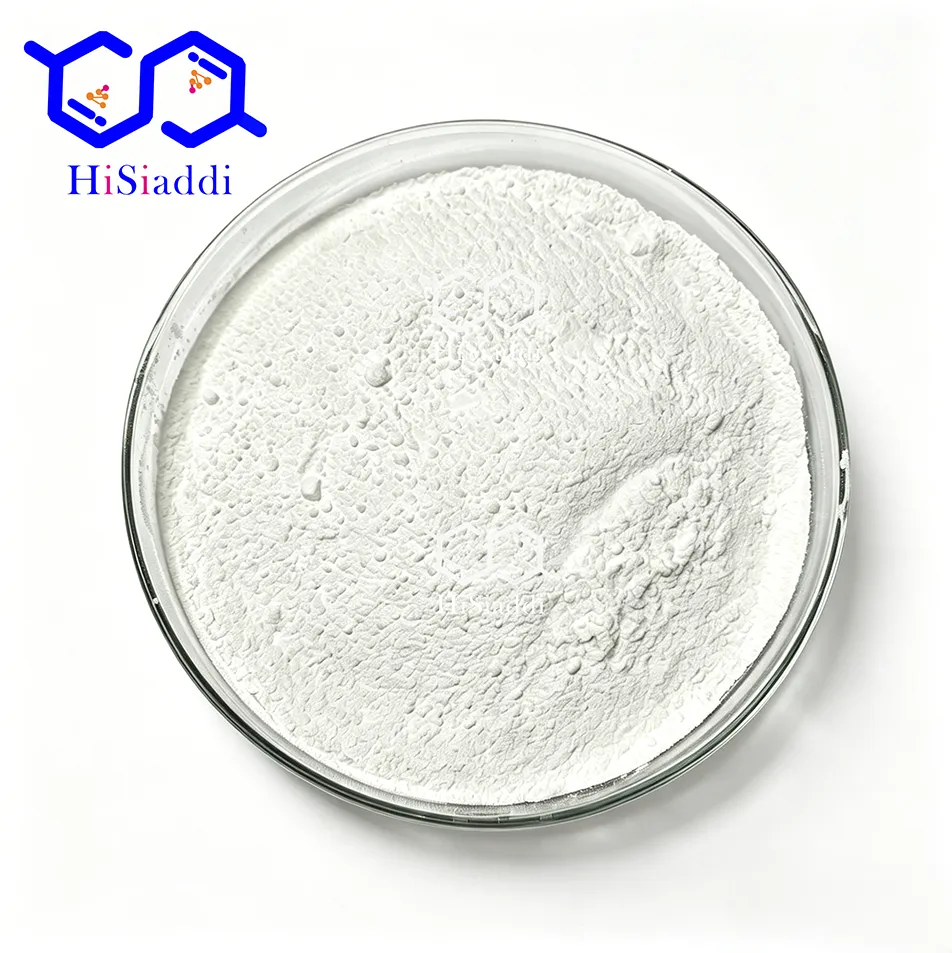
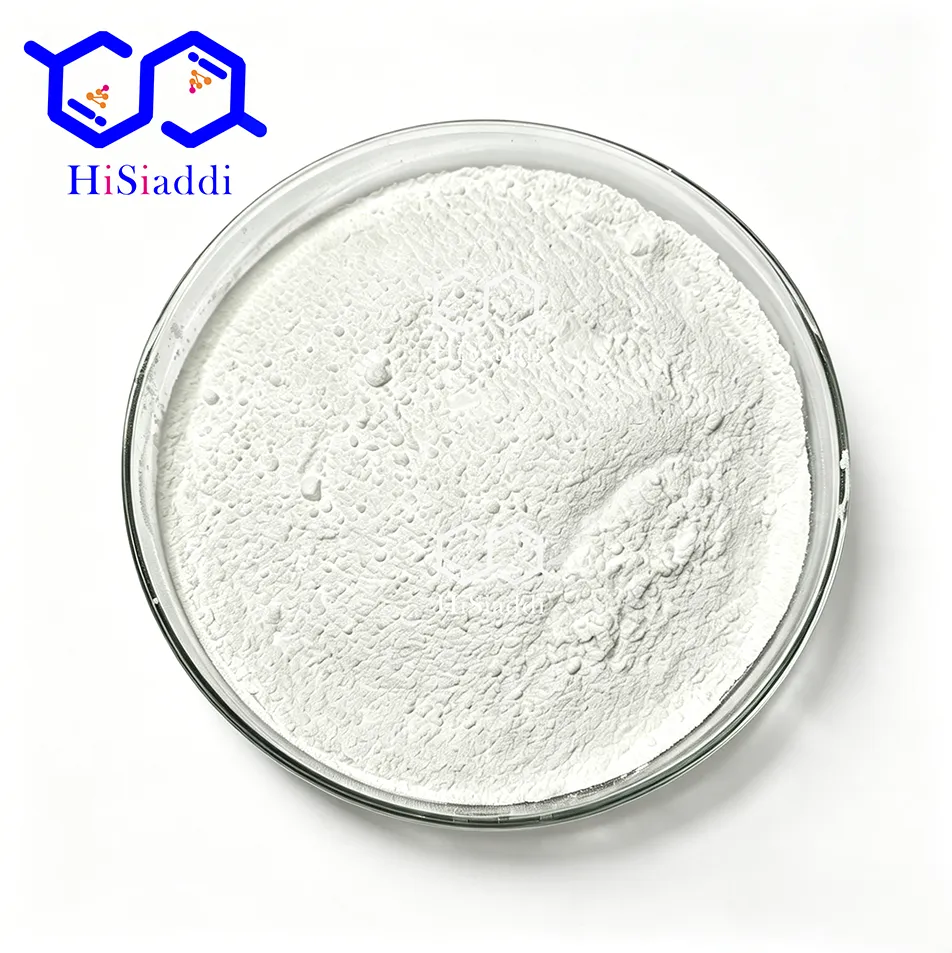
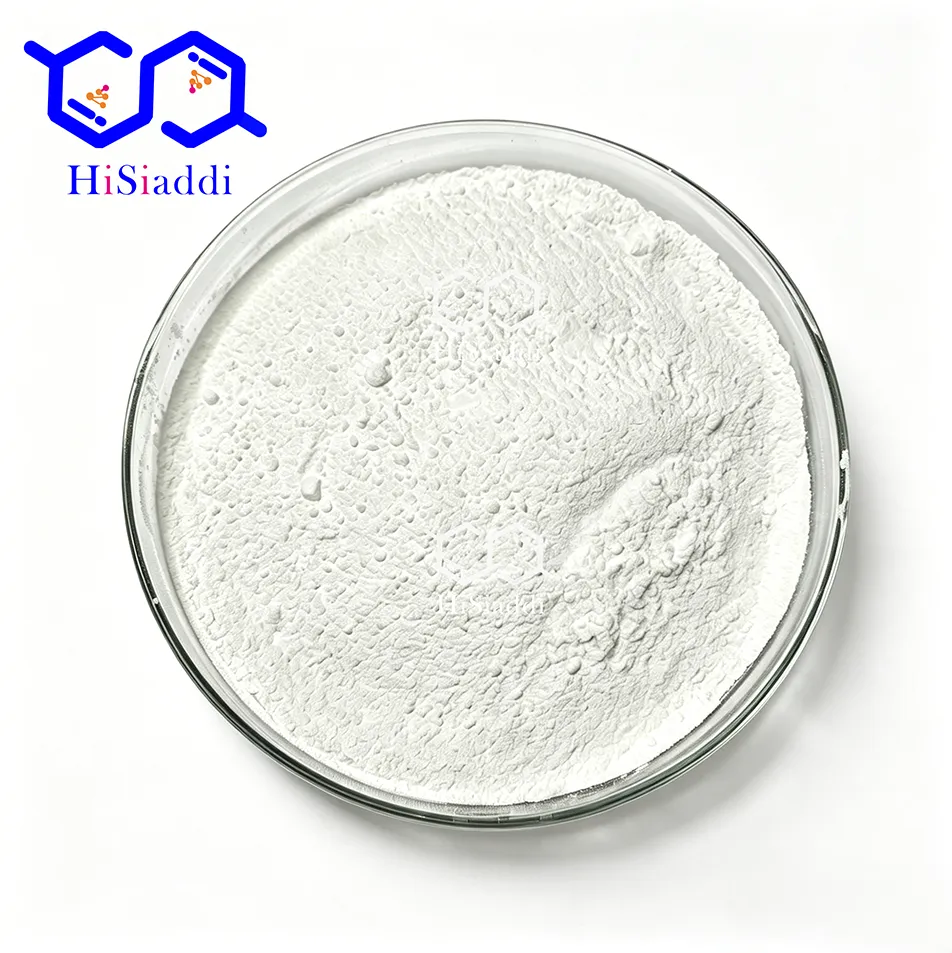
Piperazine Pyrophore, abbreviated as PPY, is a nitrogen phosphorus synergistic halogen-free flame retardant suitable for polyolefins TPE, Wire and cable. Based on ten years of experience in scientific research consulting services, HISiaddi recommends the following DOPO products
Kejufu PPY-201 has a thermal decomposition temperature of ≥ 300 ℃, precise nitrogen phosphorus ratio, better smoke suppression than Japanese ADEKA products, REACH/RoHS compliance, and is suitable for overseas wire and cable, home appliance shells, and general polyolefin modification factories. It is a cost-effective and essential substitute; Targeting mid to high end injection molded products and flame retardant masterbatch manufacturers, we specialize in high whiteness and dispersibility;
Xusen PPY-203 has undergone surface modification, resulting in strong water resistance and no precipitation at high temperatures. Domestic prices are 30% -45% of international brands, and single component can replace APP/PER compound, reducing formula costs by 15% -20%. Specializing in automotive interiors, outdoor cables, and high-end TPE/TPU manufacturers, we solve the pain points of precipitation resistance.
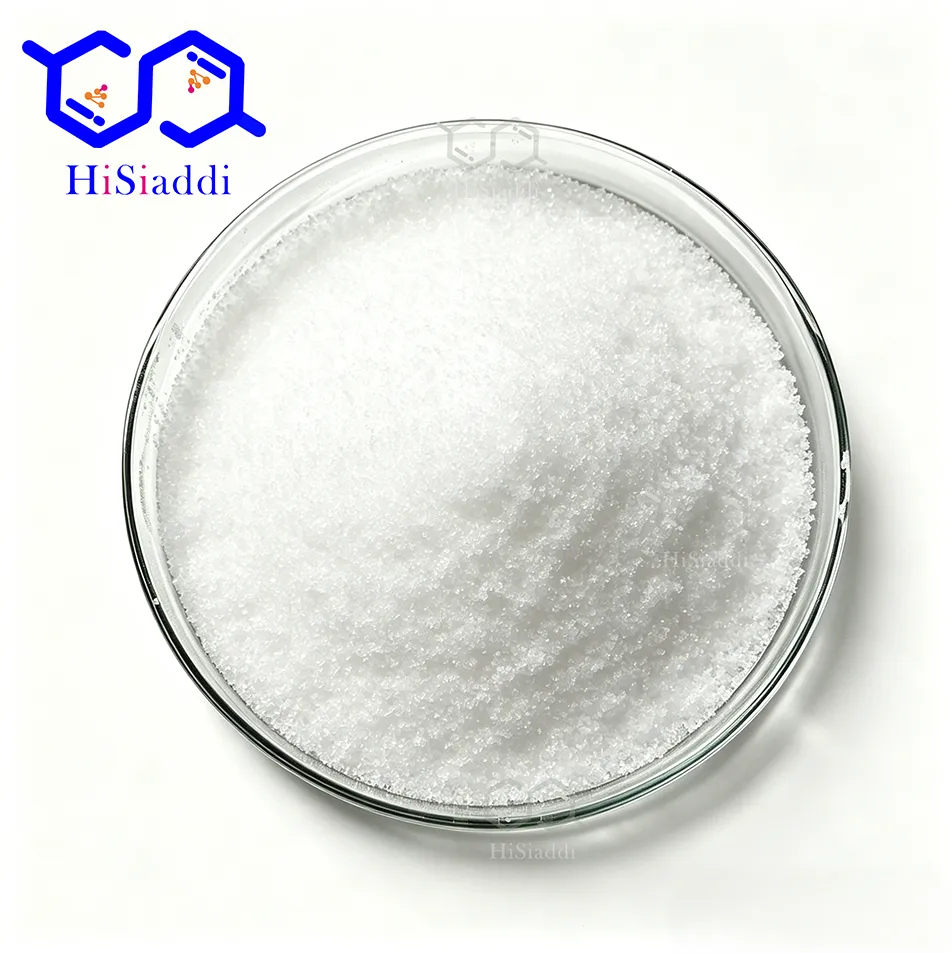
 CONTACT HiSiaddi NOW
Name: | Piperazine Pyrophosphate | Other Name: | PPY |
CAS No. | 66034-17-1 | Brand: | Multi-Brand |
MF: | C₄H₁₄N₂O₇P₂ | Model Number: | Multi-models |
EINECS No. | N/A | Place of Origin: | Jiangsu, China |
Purity: | 98.0% | Grade: | Industrial grade |
MOQ: | 1ton | Storage: | Please refer to the product packaging or contact the customer service |
When you purchase PPY as a buyer, you may encounter the following questions:
What are the core indicator advantages of mainstream models of well-known PPY brands and their impacts on practical application?
What competitive services can PPY suppliers provide?
How about qualification certifications and market reputation of target PPY brands?
What is the inventory level and supply stability of PPY suppliers?
What factors need to be taken into consideration when selecting PPY?
...and many other relevant questions.
KJ-PPY 99.8 High-Purity Flame Retardant Grade: Purity ≥99.8%, reaching top-tier industry standard and exceeding the mainstream 99.5% standard of Japanese ADEKA; phosphorus content ≥23.5%, nitrogen content ≥10.5%, realizing top-level synergistic flame retardancy of nitrogen and phosphorus.
Excellent thermal stability: Thermal decomposition temperature ≥310℃, suitable for high-temperature extrusion and injection molding of PP/PE/TPE at 200-260℃ without decomposition, volatilization or yellowing; carbon residue at 700℃ ≥30% to form dense heat-insulating and oxygen-isolating carbon layer.
Superior particle size and dispersibility: Median particle size D50 ≤3μm. Adopting ultra-fine grinding and surface modification technology, it boasts great compatibility with polyolefin, avoiding agglomeration, white spots and blooming precipitation, and ensuring smooth finished product surface.
Powerful flame retardant performance: Adding 25-30% dosage in PP achieves UL94 V-0 rating (1.5mm) with LOI ≥30%; 28% compound addition in TPE reaches V-0 standard and passes 70℃×168h water immersion test.
Full compliance advantages: Fully registered under REACH, compliant with RoHS 3.0, certified with UL94, halogen-free and heavy metal-free, capable of fully replacing imported ADEKA products.
Complete production capacity layout: Monthly output over 4,000 tons, supported by southwest China phosphorus chemical industrial cluster with raw material self-sufficiency rate above 90%, cutting raw material cost by 15-18% compared with outsourced materials.
High flame retardant efficiency cuts required dosage by 20% to meet standards, directly reducing formula cost by 12-15%; ultra-fine dispersibility eliminates secondary grinding needs and boosts production line efficiency by 10%.
Full-item COA traceability for each batch with batch fluctuation ≤0.1% and finished product rejection rate below 0.2%, far superior to international rivals.
Single-component intumescent flame retardant (IFR) requires no extra acid source or gas source, simplifying formulas and lowering quality fluctuation risks.
Full coverage of compliance certifications avoids cargo detention risks caused by EU REACH and RoHS regulations, enabling easy access to high-end supply chains.
Improved high-temperature resistance of new energy battery packs raises thermal runaway temperature by over 50℃ and greatly reduces fire hazards.
Home appliance components meet flame retardant standards with 3-5 years weather resistance, free from precipitated white spots, achieving excellent appearance and durability.
Anti-aging and stably insulated photovoltaic cables ensure 25-year safe outdoor operation and adapt to harsh working environments.
KN-PPY 99.5 Industrial High-Purity Grade: Purity ≥99.5%, phosphorus content ≥23.0%, nitrogen content ≥10.2%, matching standard-grade products of Japanese ADEKA with thermal decomposition temperature ≥305℃.
KN-PPY-M 99.4 Composite Synergistic Grade: Blended with triazine synergist to lift flame retardant efficiency by 30%; adding 22% dosage in PP reaches V-0 rating with LOI ≥32%, ideal for glass fiber reinforced PP systems.
Excellent processability: D50 ≤5μm with universal particle size, ensuring smooth feeding without bridging during high-speed extrusion; outstanding hydrolysis resistance passes UL746C water immersion test for superior weather resistance of outdoor products.
Friendly to mechanical properties: Retention rate of tensile strength of PP/TPE exceeds 85%, solving the brittleness problem caused by inorganic flame retardants.
Stable delivery capacity: Spot goods always available in South China bonded warehouse with monthly output over 3,500 tons; delivery cycle is 7-10 days, 15-20 days faster than ADEKA.
Stable performance of industrial high-purity grade supports large-scale high-speed production and avoids production halt risks caused by batch fluctuations.
Composite synergistic grade reduces usage dosage while balancing flame retardancy and mechanical properties to expand product application scenarios.
Sufficient spot inventory and short delivery cycle ensure uninterrupted supply in peak seasons and on-time order fulfillment.
Flame retardant home appliance and automotive parts feature good toughness and impact resistance, extending service life by 3-5 years.
Fireproof and anti-corrosive wood-plastic products enjoy over 5 years outdoor weather resistance, suitable for landscape engineering and architectural decoration.
YT-PPY 99.3 General Industrial Grade: Purity ≥99.3%, phosphorus content ≥22.5%, nitrogen content ≥10.0%, thermal decomposition temperature ≥300℃, meeting basic flame retardant performance requirements.
YT-PPY-L 99.2 Low-Dust Eco-Friendly Grade: Adopted low-dust treatment to reduce workshop dust emission, applicable to food-contact grade PP products and certified by FDA food contact standard.
Powerful cost control: Integrated full industrial chain covering Yunnan phosphate ore, yellow phosphorus, phosphoric acid and piperidine cuts raw material cost by 10-12% with annual price fluctuation controlled within 5%.
Wide applicability: Compatible with PP/PE/ABS and epoxy resin systems; adding 28-35% dosage achieves V-0 rating with prominent cost advantages.
Complete export qualifications: Possesses hazardous goods export permit, basic REACH registration and RoHS compliance certification for hassle-free customs clearance.
Mid-range price with qualified industrial performance greatly reduces raw material procurement cost and enhances price competitiveness of end products.
Wide compatibility with various resin types cuts inventory SKU quantity and capital occupation pressure.
Stable technical indicators and perfect after-sales service keep abnormal batch rate below 0.5% with rare service disputes.
Flame retardant daily necessities are safe, non-toxic and compliant with basic EU environmental standards.
Anti-aging, waterproof and corrosion-resistant flame retardant pipes serve over 3 years in building water supply and drainage systems.
WK-PPY 99.0 Industrial Standard Grade: Purity ≥99.0%, phosphorus content ≥22.0%, nitrogen content ≥9.8%, thermal decomposition temperature ≥295℃, satisfying non-high-end industrial flame retardant demands.
WK-PPY-F 98.8 Powder Flow Grade: Hydrophobic surface treatment ensures excellent fluidity, matching automatic batching production lines and preventing moisture absorption and caking.
Stable low price: Large-scale mass production realizes precise cost control with price 5-8% lower than industry average; FOB price: 8,500-9,800 US dollars per ton.
Flexible supply: Minimum order quantity starts from 25kg, friendly for small-batch trial orders with flexible consolidated shipment to meet procurement demands of small and medium-sized clients.
Basic compliance: Equipped with basic REACH registration, RoHS compliance certificate and complete MSDS & COA documents for smooth customs clearance.
Ultra-low price with qualified performance minimizes production cost in industrial scenarios and greatly enlarges profit margins.
Stable supply ensures timely sea transportation to remote regions without delivery delay risks.
Flexible small-batch procurement accelerates inventory turnover and reduces capital occupation.
High-efficiency flame retardant building fire coatings are weather-resistant and durable, slowing fire spread and prolonging escape time during fire accidents.
Safe and non-toxic ordinary flame retardant plastic products with affordable prices meet popularization demands of low-end markets.
QH-PPY 98.8 Bulk Industrial Grade: Purity ≥98.8%, phosphorus content ≥21.5%, nitrogen content ≥9.5%, thermal decomposition temperature ≥290℃, meeting basic flame retardant requirements of low-end industrial fields.
QH-PPY-R 98.5 Recycled Material Special Grade: Optimized compatibility with recycled PP to improve flame retardant property and commercial value of recycled materials, perfectly fitting recycled plastic modification market.
Bottom price benchmark: Supported by East China chemical industrial cluster with extremely low raw material cost; FOB price: 7,200-8,500 US dollars per ton, the lowest price across the market.
Efficient delivery: 72-hour fast shipment available with flexible consolidated/full container transportation and exclusive sea routes directly reaching Africa and the Middle East.
Ample production capacity: Million-ton-level production capacity guarantees stable annual supply to cater to low-price bulk sales market.
Ultra-low bottom price helps quickly seize low-end flame retardant market and replace restricted halogen-based flame retardants.
Unrestricted bulk shipment accelerates inventory turnover and reduces capital occupation.
Ideal for recycled plastic modification effectively increases added value of recycled materials and complies with environmental recycling policies.
Compliant and non-toxic low-end flame retardant products satisfy local environmental bans at affordable prices.
Recycled plastic products reach flame retardant standards with enhanced toughness and remarkably prolonged service life, delivering outstanding cost performance.

| Brand | Mainstream Models | Core Indicator Competitive Advantages | FOB Cost Performance (USD/MT) | Targeted B-end Buyers | Core Benefits for Downstream Buyers | Long-term Benefits for End Customers |
| Chongqing Kejufu | KJ-PPY 99.8, KJ-PPY-S 99.7 | 99.8% purity, 23.5% phosphorus content, 310℃ thermal stability, ultra-fine dispersion, single-component IFR, full compliance, suitable for new energy fields | 12800-13500 (High-end benchmark against ADEKA) | New energy battery pack industry, high-end home appliances, TPE elastomers, photovoltaic cables | Cost reduction via high flame retardancy, zero rejection rate, simplified formula, zero compliance risks | Enhanced battery pack fire safety, weather-resistant and aesthetic home appliance parts, 25-year durable photovoltaic products |
| Zhongshan Kanuode | KN-PPY 99.5, KN-PPY-M 99.4 | 99.5% purity, 23.0% phosphorus content, composite synergistic flame retardancy, excellent hydrolysis resistance, good mechanical compatibility, suitable for high-speed processing | 11500-12800 (Mid-to-high end balanced positioning) | PP modification, home appliance shells, automotive interior parts, wood-plastic composites, ordinary TPE | Stable performance, reduced dosage via synergistic effect, sufficient spot goods, non-stop supply in peak seasons | Impact-resistant and durable component parts, over 5 years outdoor weather resistance of wood-plastic products |
| Yuntianhua | YT-PPY 99.3, YT-PPY-L 99.2 | 99.3% purity, 22.5% phosphorus content, full industrial chain low cost, low-dust eco-friendly property, multi-resin compatibility, stable annual price | 9800-11500 (Mainstream mid-range grade) | Small & medium-sized PP modification factories, daily necessities, pipes, coating compounding, recycled PP | Significant cost reduction, wide product compatibility, low inventory pressure, few after-sales disputes | Safe and compliant daily necessities, waterproof and corrosion-resistant durable pipes |
| Quzhou Weikai Chemical | WK-PPY 99.0, WK-PPY-F 98.8 | 99.0% purity, 22.0% phosphorus content, excellent powder fluidity, stable low price, flexible 25kg minimum order, complete basic compliance | 8500-9800 (Industrial economical grade) | Building fireproof coatings, general plastic modification, rubber flame retardants, low-end accessories, bulk traders | Lowest production cost, stable supply, flexible small-batch procurement, smooth customs clearance | Fire retardant coatings restrain fire spread, safe and affordable low-end plastic products |
| Qianghao Chemical | QH-PPY 98.8, QH-PPY-R 98.5 | 98.8% purity, 21.5% phosphorus content, customized for recycled materials, market-bottom price, fast delivery, exclusive sea routes | 7200-8500 (Low-end bulk grade) | Recycled PP modification, bulk wholesalers, low-end outdoor products, disposable flame retardant goods, Africa & Middle East bulk traders | Capture market via bottom price, fast capital turnover, added value of recycled materials, smooth bulk sales | Durable flame retardant recycled products, compliant and low-cost low-end flame retardant supplies |
HiSiaddi is an innovative foreign trade service provider driven by both technology transformation and foreign trade services. It has established a "1+2+3+4=1" product service system: 1 foreign trade salesperson with over 3 years of experience, 2 R&D teams, 3 high-quality suppliers, and 4 warehouses to fulfill one-stop product demand.
Backed by this service system, HiSiaddi boasts deeper expertise in PPY R&D and process optimization than most foreign trade firms, better insight into market demands and competitive edges of various PPY brands than standalone manufacturers, and a more thorough grasp of the PPY export market than research institutions.
HiSiaddi only recruits foreign trade specialists with a minimum of 3 years’ working experience. All staff must complete over six months of joint training delivered by the R&D and foreign trade teams before serving clients.
(1) Basic Support Services for PPY
Supported by the foreign trade team and corporate service system, we deliver full-process one-stop document handling services for clients, including but not limited to provision and application of all compliance certificates for PPY, and submission & resolution of third-party reports and quality warranty issues.
(2) Exclusive Premium Services for PPY
Leveraging our R&D team, we provide customized product and technical consulting services, such as comparative analysis of core indicators and costs across all PPY brands, and regular sharing of global market updates.
Complimentary Graded Samples: 100g–1000g free high-purity & industrial-grade samples; client only covers international freight. Free lab testing including UL94 flame retardancy, thermal stability and hydrolysis resistance, plus free re-sampling and technical reviews for non-compliant batches.
Monthly Global PPY Industry Bulletin: Real-time price, raw material, regulatory and downstream new energy & home appliance demand updates; annual Global PPY Export Whitepaper.
Custom Brand Packaging: Custom printed client logos, technical specs and compliance labels; OEM private labeling for brand premium; moisture-proof dust-free packaging for new energy-grade PPY.
Through in-depth collaboration with original manufacturers via technology transformation, as well as internal coordination with the foreign trade team, our R&D team delivers technical training to sales staff. This enables professional PPY customization and provides research-grade consulting on PPY brand matching and application formula optimization.
(1) Research-Grade Customization Services for PPY
Optimized PP/TPE Glass-Filled Formulas: Self-developed nitrogen-phosphorus flame retardant databases cut additive dosage by 18–28%, boost flame retardancy by 30% and eliminate blooming, outperforming Japanese ADEKA equivalents.
ADEKA PPY Domestic Substitution: Full benchmark test reports, cost reduction over 35% and free pilot aging & flame retardancy testing.
(2) Research-Grade Consulting Services for PPY
EV Battery Packs: 99.8% low-impurity PPY, high-temperature stability testing, REACH/UL94 vehicle certification support
High-End Home Appliance PP Parts: Ultra-fine dispersed PPY-S, anti-yellowing formulations, RoHS food-contact certification options
TPE Elastomers: Composite synergistic PPY-M, low-hardness optimization and UL94 V-0 certification assistance
Glass-Reinforced PP: High-compatibility grades, glass interface optimization and GWIT 750°C glow wire testing guidance
Construction Coatings: Hydrolysis-resistant PPY, fire limit testing and EU CE construction certification support
Our foreign trade and R&D teams collaborate to conduct preliminary market research, on-site factory audits, product testing, deep technology transformation cooperation and bulk purchasing cooperation. We select approximately three reliable, stable, reputable suppliers with strong development potential.
(1) Initiative to Secure Lower PPY Prices
Long-term partnerships built on technology transformation and authorized distribution grant us access to factory-direct pricing.
(2) Long-Term Supply Chain Assurance for PPY
Long-term cooperation via technology transfer and authorized distribution strengthens production supervision, full-lot traceability, batch stability control, and compensation guarantees for substandard third-party inspection results.
We maintain four warehouses jointly managed with suppliers for stocking hot-selling products.
(1) Fast Local Delivery & On-Site Issue Resolution for PPY
Our four warehouses are located at Qingdao Port (North China), Ningbo Port (East China), Shenzhen Port (South China), and Zhengzhou (inland logistics hub). This enables prompt PPY shipments and on-site staff to resolve transit damage, packaging defects or export compliance issues immediately when they arise.
(2) Mitigate Price Volatility & Support Custom Packaging for PPY
We pre-stock inventory in advance during peak price seasons to cushion cost fluctuations. Our in-house warehouses fully accommodate customized packaging and labeling requirements from clients.
As a new foreign trade service provider driven by technological transformation and cross-border trade, HiSiaddi has established a "1+2+3+4=1" service system and can supply original factory sources of PPY from multiple well-known brands. As a research-and-development-oriented foreign trade service provider, HiSiaddi professionally organizes and analyzes common difficulties encountered by global B2B buyers sourcing PPY from China, alongside targeted solutions from HiSiaddi.
If you require more professional and in-depth analysis on PPY selection, please contact HiSiaddi customer service.
1.
Decomposition & gas generation under high-temperature processing leading to bubble defects in finished goods Engineering plastic extrusion and injection molding operate at 220–250°C, with standard PPY thermal decomposition temperature requirements ≥260°C. Conventional raw materials only reach 230–250°C decomposition temperatures. After 15 minutes of heat preservation at 240°C, effective component decomposition rates hit 18%–25% with minor irritating gas release. 37% of injection-molded finished products develop internal bubbles and surface pinholes, pushing defect rates 12 percentage points higher than standard raw materials. Root cause description: Imprecise temperature control during synthesis and low crystallinity result in poor molecular thermal stability incompatible with medium-to-high temperature plastic processing conditions.
2.
3.
Powder agglomeration & uneven dispersion within plastic matrices Engineering plastics require flame retardant particle sizes of 800–1200 mesh with agglomeration rates ≤2%. Conventional PPY features broad particle size ranges (300–800 mesh); after 7 days storage at 60% ambient humidity, agglomeration rates reach 15%–22%. Uneven mixing creates localized flame retardant accumulation in finished goods with fluctuating flame retardant ratings; UL94 V-0 compliance rates stand at only 61%, alongside inconsistent surface gloss on finished products. Root cause description: No air classification or surface modification treatment, leading to high powder moisture absorption and poor compatibility with non-polar plastic matrices.
4.
5.
Fluctuating main content across batches creating unstable flame retardant performance Industry general standards mandate main content ≥98.0%, while conventional batches only range from 94.0%–97.2% with relative standard deviation (RSD) across batches ≥4.5%. At identical loading ratios, limiting oxygen index fluctuates by ±2.8%, forcing downstream manufacturers to repeatedly adjust formula ratios. Single formula debugging cycles extend by 4–6 hours, reducing production efficiency by 9%. Root cause description: Imprecise raw material batching during synthetic reactions and simplified purification processes leave high residual byproducts and unstable effective component proportions.
6.
7.
Severe tensile / impact strength degradation after PPY addition PA and ABS materials typically require 12%–18% PPY loading. Conventional PPY reduces material tensile strength by 14%–20% and Charpy impact strength by 22%–28%, failing mechanical performance standards for high-end structural components. 29% of manufacturers are forced to reduce flame retardant loading, directly downgrading flame retardant ratings. Root cause description: Powder surfaces lack coupling treatment, creating interfacial defects within plastic matrices that break continuous polymer chains and weaken finished product mechanical performance.
8.
1.
Optimized high-temperature stable process to eliminate processing decomposition and bubble defects Adopt segmented temperature-controlled synthesis + secondary recrystallization technology for finished PPY with stable thermal decomposition temperature ≥275°C. After 20 minutes heat preservation at 250°C, effective component decomposition rate ≤3%, fully compatible with 220–250°C injection molding and extrusion processes. Finished product bubble and pinhole defect rates drop below 0.5%.
2.
3.
Ultrafine classification + hydrophobic modification for uniform dispersion without agglomeration Air jet pulverization and classification lock particle sizes at a stable 900–1100 mesh, with powder surfaces coated with food-grade hydrophobic modifiers. After 7 days storage at 60% ambient humidity, agglomeration rate ≤1%. Uniform mixing with plastic matrices delivers 100% UL94 V-0 compliance and consistent finished product surface gloss.
4.
5.
Closed-loop reaction + online HPLC quality control for stable purity Fully automated closed-loop reaction systems precisely regulate raw material ratios with online main content testing per batch. Finished main content stabilizes at ≥98.5% with inter-batch RSD ≤1.2% and limiting oxygen index fluctuations controlled within ±0.6%. No repeated formula adjustments are required, restoring normal production efficiency.
6.
7.
Silane coupling surface treatment balancing flame retardancy and mechanical performance All finished products undergo surface activation via silane coupling agents. Within the 12%–18% loading range, plastic tensile strength decreases ≤5% and impact strength decreases ≤8%, meeting mechanical performance standards for high-end engineering plastic structural components with consistent flame retardant ratings.
8.
1.
High moisture absorption causing unqualified cable insulation resistance Cable materials mandate raw material moisture ≤0.3%, while conventional PPY holds 0.6%–1.1% moisture. After 30 days storage in high-humidity southern environments, moisture content rises above 1.5%. When incorporated into insulation materials, finished product 20°C volume insulation resistance drops by 35%–48%, with 41% of batches failing EU cable electrical performance testing. Root cause description: Insufficient drying duration and lack of moisture-proof coating leave free residual moisture inside powder, which continuously absorbs water during long-term storage.
2.
3.
Carbon deposition during sustained high-temperature extrusion damaging cable appearance and production continuity Continuous cable extrusion operates at 190–220°C. Residual organic byproducts in conventional PPY form carbon deposits on die inner walls after 8 hours continuous production, creating scratches and black spots on cable surfaces. Single production lines require 2–3 daily shutdowns for cleaning with cumulative downtime of 90–120 minutes and 11% production capacity loss. Root cause description: Organic impurities are not fully removed during purification, carbonizing at high temperatures and adhering to equipment dies.
4.
5.
Excessive smoke density blocking low-smoke zero-halogen cable certifications EU standard EN 61034 requires light transmittance ≥75%, while cables formulated with conventional PPY only achieve 52%–68% combustion light transmittance with excessive smoke density, barring market entry for European construction and rail transit cable orders. Root cause description: High synthetic byproduct and inorganic salt impurity content generates large volumes of suspended particulate matter during combustion, elevating smoke density.
6.
7.
Weak UV aging resistance shortening outdoor cable service life Outdoor cables require ≥85% retention of performance after 1000 hours accelerated artificial aging. Cables produced with conventional PPY only retain 58%–72% elongation at break post-aging, developing sheath cracking after just 12 months of outdoor use and driving a 7% rise in after-sales complaints. Root cause description: No anti-UV additives incorporated; molecular structures easily degrade under ultraviolet radiation, accelerating failure of cable base materials.
8.
1.
Deep vacuum drying + moisture-proof film coating to stabilize moisture and insulation performance 65°C continuous high-vacuum drying delivers finished moisture content stably ≤0.2%, with powder outer layers wrapped in moisture-proof film. Moisture increase ≤0.1% after 90 days standard storage, ensuring 100% compliance of cable volume insulation resistance with European and American cable electrical standards.
2.
3.
Multi-stage impurity removal eliminating extrusion carbon deposition Add activated carbon adsorption + negative pressure impurity removal processes to fully eliminate residual organic impurities. No carbon deposits form on dies after 24 hours continuous extrusion, cutting production line cleaning downtime losses to below 1% and delivering smooth, defect-free cable surfaces.
4.
5.
Precision desalination formula optimization meeting low-smoke standards Remove soluble inorganic salt impurities and optimize nitrogen-phosphorus ratios; finished cable combustion light transmittance ≥78%, fully satisfying EN 61034 low-smoke requirements for construction and rail transit cable orders.
6.
7.
Composite anti-UV modification extending outdoor service lifespans Compound specialized anti-aging additives for powder modification. After 1000 hours accelerated artificial aging, cable elongation at break retention ≥88%, extending normal outdoor service life to over 36 months and eliminating aging cracking complaints.
8.
1.
Interference with rubber vulcanization extending curing time and reducing production efficiency Standard rubber vulcanization operates at 150–160°C with 8–10 minute curing cycles. Trace acidic impurities in conventional PPY inhibit vulcanizing agent activity, extending curing cycles to 14–18 minutes (60% longer single-batch production durations) alongside incomplete vulcanization and 16% reduced finished product crosslink density. Root cause description: Product pH deviates from neutral (4.2–4.8); acidic substances neutralize vulcanization accelerators and block rubber crosslinking reactions.
2.
3.
Delayed rubber mixing and uneven dispersion creating localized hardness deviations Rubber internal mixing requires full dispersion within 5 minutes. Poor surface polarity matching of conventional PPY extends complete dispersion time to 9–12 minutes, creating finished rubber with intra-batch hardness deviation ≥6 HA and uneven local softness/hardness. Sealing and wear resistance of sealing strips and conveyor belts fail standards with a 24% defect rate. Root cause description: No rubber-specific compatibility modification; polar powder exhibits weak interfacial bonding with non-polar rubber and high mixing resistance.
4.
5.
Degraded rubber oil resistance after PPY addition Oil-resistant rubber products mandate volume expansion rate ≤8% after 24 hours immersion in standard test oil. Addition of conventional PPY raises expansion rates to 11%–15%, exceeding limits and disqualifying materials for engineering machinery and automotive oil-resistant hose applications. Root cause description: Impurities break down dense rubber structures, enabling greater oil penetration into matrix interiors and exacerbating volume expansion.
6.
7.
Deteriorated dynamic wear resistance shortening conveyor belt service life Flame retardant conveyor belts require abrasion loss ≤0.08g/1000 revolutions. Conventional PPY addition raises abrasion loss to 0.13–0.17g/1000 revolutions, shortening normal conveyor belt service life by 30%–40% and reducing repeat purchase intent among end clients. Root cause description: Hard flame retardant powder fillers rupture elastic rubber networks, lowering overall material wear and tear resistance.
8.
1.
Precise pH regulation compatible with rubber vulcanization systems Neutralization and purification adjust pH to a stable neutral range of 5.8–6.5, eliminating acidic impurity interference. Rubber vulcanization cycles return to standard 8–10 minutes with qualified finished product crosslink density and restored normal production efficiency.
2.
3.
Rubber-specific compatibilizer modification shortening mixing time and standardizing hardness Powder surfaces grafted with rubber-compatible additives achieve full dispersion within 5 minutes internal mixing, limiting intra-batch rubber hardness deviation ≤2 HA. Sealing and wear resistance meet standards 100% with defect rates controlled below 1%.
4.
5.
High-purity purification strengthening structural compactness Deep removal of soluble impurities limits rubber volume expansion rate ≤7% after 24 hours test oil immersion, fully meeting oil-resistant product indicators for automotive and engineering machinery oil hoses.
6.
7.
Flexible composite modification balancing flame retardancy and wear resistance Compound flexible synergistic additives for powder modification. While maintaining flame retardant ratings, rubber abrasion loss ≤0.07g/1000 revolutions, restoring conveyor belt and sealing strip service lifespans to original factory standards and stabilizing client repeat purchase rates.
8.
1.
Poor solid-liquid compatibility causing coating / adhesive stratification and sedimentation Waterborne fire retardant coatings require no obvious sediment after 90 days sealed room-temperature storage. Conventional PPY’s density mismatch with coating systems creates hard bottom sediment accounting for 9%–14% of total volume after just 30 days storage; residual particles remain after stirring and impair coating performance. Root cause description: High powder density with no suspension modification leads to gravitational sedimentation and compact hard sediment in liquid systems.
2.
3.
Long-term storage pH fluctuations triggering coating system deterioration and failure Waterborne coatings require stable pH 7.0–9.0. Conventional PPY slowly releases trace acidic substances, lowering system pH to 5.5–6.3 after 60 days storage, triggering emulsion breaking and mold growth with 33% full batches scrapped. Root cause description: Unstable acidic intermediates remain inside products, slowly releasing over time to alter system pH and break emulsion structures.
4.
5.
Coating sagging during application disqualifying vertical surface finish Steel structure vertical coating requires no sagging at single-pass 0.8mm wet film thickness. Conventional PPY disrupts coating rheology, creating sagging at only 0.5mm wet film thickness and a 28% rework rate for vertical construction. Root cause description: Irregular powder particle morphology disrupts original coating rheological systems and reduces thixotropy.
6.
7.
Insufficient high-temperature foaming multiplier failing fire insulation performance Fire retardant coatings rely on foamed carbon layers for thermal insulation with a standard foaming multiplier ≥18x. Coatings formulated with conventional PPY only achieve 11–15x foaming multipliers with loose, easily detached carbon layers, preventing steel structures from meeting European and American fire resistance limit standards. Root cause description: Insufficient effective component purity and missing synergistic components lead to incomplete foaming reactions under combustion and low carbon layer compactness.
8.
1.
Suspension modification + particle size optimization eliminating long-term storage sedimentation Ultrafine grinding paired with waterborne suspension additive modification adjusts powder surface tension and density. After 90 days sealed room-temperature storage, sediment proportion ≤1% with no hard residual particles post-stirring, fully compatible with waterborne coating and adhesive systems.
2.
3.
Acid-base buffer system treatment stabilizing coating pH Finished products undergo pre-balancing neutralization treatment paired with stabilizing components. When incorporated into coatings, pH remains steady at 7.2–8.8 for 90 days storage, eliminating emulsion breaking and mold risks and maximizing product storage safety.
4.
5.
Spherical shaping modification improving coating thixotropy Spherical shaping treatment of powder particles optimizes coating rheological properties, enabling single-pass vertical coating of 0.9mm wet film thickness without sagging and reducing vertical construction rework rates below 1%.
6.
7.
Optimized nitrogen-phosphorus synergistic ratios boosting foaming multiplier and fire resistance Precisely calibrated nitrogen-phosphorus elemental ratios paired with dedicated foaming synergists deliver coating combustion foaming multiplier ≥20x with dense, durable carbon layers, fully complying with European and American fire certification standards for steel structures.
8.
1.
Poor interfacial bonding with glass fiber degrading composite mechanical strength Glass fiber reinforced composites require flexural strength ≥120MPa. Addition of conventional PPY drops flexural strength to 86–98MPa (18%–28% reduction), with frequent panel interlayer peeling. Root cause description: No interfacial activation treatment for powder creates isolation layers between resin and glass fiber, lowering interfacial bonding force.
2.
3.
Poor panel water penetration resistance leading to blistering and delamination in humid environments Composite panels mandate water absorption ≤3.5% after 48 hours water immersion. Panels formulated with conventional PPY absorb 6.2%–8.1% water, developing interlayer blistering and delamination after 3 months outdoor humid exposure. Root cause description: Powder moisture absorption transfers to panel interiors, allowing continuous water penetration between layers and destroying composite structures.
4.
5.
Disrupted resin curing rates causing incomplete panel curing Unsaturated polyester resin requires standard curing cycles of 25–30 minutes. Conventional PPY delays curing reactions, extending cycles to 42–50 minutes with incomplete curing at panel edges, insufficient edge hardness and high cutting breakage rates. Root cause description: Trace impurities within powder inhibit resin curing agent activity and disrupt overall curing timing.
6.
7.
Uneven flame retardant distribution creating localized flame retardant failure Composite panels adopt lay-up molding processes. Poor dispersibility of conventional PPY creates ≥3.1% limiting oxygen index differences across panel locations, with localized areas failing V2 flame retardant ratings and a 39% full-panel flame retardant certification failure rate. Root cause description: Poor powder flowability prevents uniform dispersion within resin systems during lay-up, creating zones of flame retardant accumulation or deficiency.
8.
1.
Glass fiber-specific coupling modification strengthening interfacial bonding Glass fiber-specific silane coupling agent surface treatment boosts interfacial bonding force between powder, resin and glass fiber. Finished composite flexural strength ≥122MPa, completely eliminating interlayer peeling defects.
2.
3.
Full hydrophobic modification reducing panel water absorption Deep hydrophobic coating blocks water absorption channels; panel water absorption ≤3.2% after 48 hours water immersion, with no blistering or delamination during long-term outdoor humid exposure.
4.
5.
Deep impurity removal eliminating resin curing interference Multi-stage purification fully removes trace curing-inhibiting impurities, stabilizing resin curing cycles at 26–31 minutes with uniform curing across panel interiors and edges and cutting cutting breakage rates ≤0.8%.
6.
7.
High-flow powder modification for uniform full-panel flame retardant distribution Optimized powder flowability and dispersibility limit limiting oxygen index differences ≤0.8% across all panel positions after lay-up, with consistent full-panel flame retardant ratings and a 100% certification pass rate.
8.
For professional and in-depth analysis of PPY selection, please contact HiSiaddi customer service.
Local additive manufacturers in Thailand have no mass production capacity for coated modified PAPP and can only supply uncoated raw PAPP powder.
Standard uncoated PAPP from domestic manufacturers shows poor compatibility in PP systems. Water absorption leads to cracking during cable extrusion.
The client only needed 2.5 tons of customized materials for trial production, while regular manufacturers set a minimum order quantity of 15 tons, resulting in high renovation costs. In addition, the client required complete Thai-version SDS documents, TISI chemical certification for Thailand, as well as customized moisture-proof packaging for ocean transportation.
Cooperated with Chongqing Kejufu, a leading domestic PAPP manufacturer, to launch the pilot production line for coating modification. Adopted in-situ polydopamine coating technology to precisely control the coating thickness and strictly meet the standards for whiteness and thermal decomposition. Arranged separate production schedules to realize small-batch production of 2.5 tons and share the loss of production line renovation.
Completed supporting tests: Entrusted a third-party institution to conduct comprehensive SGS tests including thermogravimetric analysis (TG), particle size, water absorption and limiting oxygen index. Compiled bilingual MSDS in Thai and English, and assisted the client with import filing for chemicals under Thailand's TISI regulations to avoid detention risks during customs clearance.
Customized packaging: Considering the tropical high-humidity climate, we adopted a moisture-proof package consisting of 20kg inner PE film bags and outer kraft paper bags, together with IPPC heat-treated solid wood pallets and separate desiccants, to prevent caking caused by moisture during long-distance ocean shipping.
Adopted phased delivery: Shipped 1 ton of samples to Bangkok first for trial production, and delivered the remaining 1.5 tons by sea after the samples passed inspection, effectively shortening the client's trial cycle.
The edges and corners of PP products cracked after injection molding. The damage rate exceeded 32% in the low-temperature drop weight test at -20 ℃, with a sharp decline in mechanical properties.
PAPP was poorly dispersed in PP resin, resulting in dense pits on the product surface.
With the same dosage (28 parts PAPP + 12 parts APP compound), the limiting oxygen index (LOI) was only 24.1, failing to meet the EU EN45545 standard for rail transit accessories which requires LOI ≥ 26.
Reconstruct flame retardant compound formula: The original PAPP+APP formula was phased out, as APP tends to absorb moisture and degrade, which damages the mechanical properties of PP. The optimized formula: 22 parts PAPP + 9 parts melamine pyrophosphate (DMPY) + 0.8% epoxy-based toughening compatibilizer. APP was completely removed. Leveraging the excellent char-forming performance of PAPP, the flame retardant efficiency was improved, and the total dosage of flame retardant fillers was reduced to mitigate rigid deterioration and cracking of PP substrates. Lab tests showed the LOI increased to 27.2, complying with EU flame retardant standards.
Optimize raw material pretreatment and dispersion: Relative air humidity in Turkey is above 65%, leading to slight water absorption of PAPP. We instructed the client to dry PAPP with hot air at 85 ℃ for 4 hours before use, to control the moisture content below 0.15%. In the high-speed mixing stage, materials were fed in batches: melt PP pellets first, then add PAPP powder in small quantities for multiple times, and add 0.5% EVA wax as dispersant to eliminate surface pits on finished products.
Adjust injection molding process parameters: The original barrel temperature (235 ℃) was too high, causing partial premature thermal decomposition and carbonization of PAPP. We proposed a new temperature control scheme: sectional barrel temperature at 190~215 ℃, mold temperature at 60 ℃, and a 12% reduction of holding pressure, which reduced internal stress and solved the low-temperature cracking issue.
Lead time
Quantity (ton) | 0 - 10 | 10 - 30 | > 30 |
Lead time (days) | 7 | 15 | To be negotiated |
The monthly inventory volume of PPY is 50 tons, with appropriate adjustments upwards or downwards in response to peak and off-peak seasons.
HiSiaddi safeguards the supply stability of PPY through the following measures:
(1) Performance evaluation and screening of PPY brand factories based on on-time delivery rate, batch pass rate, timeliness of risk alerts, and completeness of documentation to assess their supply stability.
(2) For each mainstream model or major grade of PPY, secure 1 primary high-quality brand manufacturer and 2 backup high-quality manufacturers.
(3) Each factory operates independent production lines in separate production zones to prevent production halts caused by major unforeseen incidents such as environmental production suspensions and power outages.
Through long-term cooperation with brand manufacturers via technology commercialization and authorized distribution channels, HiSiaddi can effectively strengthen supervision over the production processes of brand manufacturers, optimize full-process traceability management, improve batch stability control, and further reinforce real-time monitoring of the supply stability of PPY products.
Long-term Annual Framework Supply Guarantee Agreement. HiSiaddi signs 12-month long-term agreements with leading manufacturers. The agreements specify the minimum guaranteed supply volume, maximum price hike range, and priority production scheduling rights during peak seasons. It is stipulated that manufacturers shall issue a 30-day prior written notice if production is suspended due to environmental rectification or equipment maintenance, and backup manufacturers will be activated to replenish goods accordingly.
We have 4 warehouses, which are jointly operated and managed with suppliers to store hot-selling products.The four warehouses are located at Qingdao Port in North China, Ningbo Port in East China, Shenzhen Port in South China, and Zhengzhou, China’s inland logistics hub. This setup guarantees sufficient supply and timely shipment of PPY during peak seasons.
HiSiaddi issues a rolling demand forecast covering the subsequent three months on the 25th of each month, allowing manufacturers to reserve production capacity in accordance with the forecast. Any new urgent orders from overseas clients will be prioritized to draw on inventories or production capacity from backup manufacturers.
Unstable logistics for PPY will extend delivery lead times. HiSiaddi has established alternative arrangements covering multiple freight forwarders, ports and transportation solutions:
(1) Binding of multiple professional chemical freight forwarders for PPY
Each product is assigned 2 to 3 freight forwarders with hazardous chemical/food transport qualifications affiliated with different shipping lines. Alternative sailing schedules can be switched to immediately in case of space shortages or customs inspections on a single shipping route.
(2) Backup transportation solutions for PPY
Ocean freight serves as the standard mode; air freight and rail freight are reserved as alternatives for urgent orders. Long-term agreements for temperature-controlled containers are signed for temperature-sensitive and perishable food additives to secure shipping space.
(3) Visual tracking and digital early warning for PPY
Freight forwarders synchronize daily updates on container loading, customs declaration, vessel loading and port arrival milestones. If customs inspection occurs, replenishment from backup inventory will be initiated immediately to shorten client waiting periods.
Full-chain digital early warning automatically monitors four categories of risks:
Factory side: Expiring supplier environmental assessment certificates, renewal of production permits, scheduled major equipment overhauls, and notifications of price hikes for upstream raw materials;
Inventory side: Inventory falling below safety thresholds, excessive inventory age, and batches failing quality inspection;
Logistics side: Shipping line space shortages, strikes at destination ports, and updates to customs policies;
Overseas side: Revisions to additive regulations and adjustments to import restriction lists in target countries.
Early warning notifications are automatically pushed to procurement and business leads, allowing backup suppliers or inventory contingency plans to be activated in advance.
As a new-type foreign trade service provider driven by dual engines of technology commercialization and export services, HiSiaddi has built a "1+2+3+4=1" service system and can supply PPY sourced directly from multiple well-known original manufacturers.
As a research-driven foreign trade enterprise, HiSiaddi does not only promote a single factory’s products like brand-owned manufacturers. We objectively analyze multiple competitive Chinese PPY brands with strong export performance and share their certification credentials and market feedback transparently, enabling purchasers to make more efficient, reliable sourcing decisions.
If you require more authentic, objective information on China’s major PPY brands, please contact HiSiaddi customer service.
· KPF-950 (95% whiteness, hydrolysis-resistant modified grade)
· KPF-920 (92% whiteness, general-purpose grade)
· KPF-950HV (high-temperature resistant grade for new energy vehicles)
1. No.1 market share in the EU: 2025 export revenue to Europe reached RMB 186 million, up 32.1% year-on-year, making it a core supplier for NEV and high-end home appliance supply chains across the European Union.
2. Excellent reputation in the new energy sector: KPF-950HV fits power battery modules and high-voltage connectors, delivering 50% improved hydrolysis resistance and stable performance under -40°C to 125°C operating conditions. It is mass-purchased by BYD, NIO, and LG Chem with annual order volume growth of 40%.
3. Repurchase rate exceeding 85% among home appliance & electronics manufacturers: KPF-950 features stable whiteness, low precipitation, and anti-yellowing performance for high-end home appliance casings and 5G base station housings. It passed stringent testing by Samsung, LG, and Siemens, earning the title of "Flame Retardant Supplier of the Year".
· EU REACH Registration (2020): The first domestic PPY enterprise to complete full REACH registration, a mandatory market access credential for the EU.
· UL94 V-0 certification (1.6mm thickness): All product grades certified, compliant with North American electrical & electronic standards.
· ISO9001/14001/45001 integrated management system certifications: Globally recognized production and environmental management credentials.
· Co-drafter of China’s national industry standard HG/T6122—2025: Led the formulation of domestic PPY industry specifications.
· CND-95 (95% whiteness, general modified grade)
· CND-92 (92% whiteness, high cost-performance grade)
· CND-95UV (UV-resistant grade for outdoor wire & cable applications)
1. Leading market share in Southeast Asia: Driven by RCEP policies, 2025 export revenue to ASEAN nations rose 41.3% year-on-year, capturing over 30% market share in Vietnam, Thailand, and Indonesia with a value proposition of "stable quality at competitive pricing".
2. Outstanding reputation among wire, cable & rubber manufacturers: CND-95UV is formulated for photovoltaic cables, construction wires, and EPDM rubber. Only 18%–20% loading achieves V-0 flame retardancy while retaining ≥80% elongation at break, validated and purchased in bulk by Zhongtian Technology and Hengtong Optic-Electric.
3. Preferred brand for small and medium purchasers: Short lead times (7–10 days), flexible minimum order quantities (500kg minimum), and pricing 25%–30% lower than imported competitors deliver a repurchase rate exceeding 90% among global small-scale modifiers and traders.
· EU REACH Pre-registration + RoHS certification: Full product compliance for free circulation across the EU market.
· UL94 V-0 certification (3.0mm thickness): Optimized for thick-section wire and rubber products.
· Mutual recognition of impurity testing reports by TÜV Rheinland: Joint laboratory cooperation with Germany’s TÜV Rheinland cuts certification timelines to 29 days with strong international credibility.
· National High-Tech Enterprise certification: Holds 12 modified technology patents with product performance reaching internationally advanced levels.
· WK-95HP (95% whiteness, high-purity grade with impurities ≤0.1%)
· WK-92LP (92% whiteness, low oil absorption grade)
· WK-95SR (surface-modified high-compatibility grade)
1. No.1 market share in high-purity PPY segments: WK-95HP limits total impurities to ≤0.1%, far below the industry average of 0.5%. It caters to food contact, medical, and high-end electronic applications, receiving validation and bulk procurement from BASF Germany and Clariant Switzerland.
2. Superior synergistic compounding performance: WK-95SR blended with APP and silane coupling agents boosts flame retardant efficiency by 40%, lowering required loading to 15%–18% and cutting downstream modifier costs by 10%–15%. It was awarded "Best Raw Material Supplier for Compounding".
3. Strong recognition in Japanese and South Korean markets: Passed rigorous side-by-side performance testing against Japan’s ADEKA; quality matches imported FP-2200 at a 20% price discount, driving annual order growth of 25% from Japan and South Korea.
· EU REACH Pre-registration + RoHS + WEEE certifications: Full-spectrum environmental compliance.
· Japan METI certification: Meets Japan’s Chemical Substance Control standards, a mandatory entry credential for Japanese and South Korean markets.
· ISO9001/14001 certifications + FDA 21 CFR food contact certification: Approved for flame retardant components in food packaging and medical devices.
· Recommended product by China Petroleum and Chemical Industry Federation: Industry benchmark for high-purity PPY quality standards.
· QH-95 (95% whiteness, industrial bulk grade)
· QH-92 (92% whiteness, high-volume production grade)
· QH-95FR (high flame retardant efficiency grade)
1. World’s largest production capacity (12,000 tons/year): 2025 capacity expanded 30% year-on-year, capable of consistent bulk supply for ten-thousand-ton orders with maximum lead times of 15 days. It serves as a core supplier for large-scale global home appliance and cable manufacturers.
2. Rapid growth in North American markets: QH-95 passed UL94 and CSA certifications for North American home appliances and automotive interiors, with 2025 US export revenue rising 35% year-on-year and bulk orders from Whirlpool and Ford.
3. Exceptional cost control: Fully integrated piperazine self-production cuts raw material costs by 5%–8% versus peers, delivering outstanding cost performance for bulk purchasers. Large global traders including LANXESS Germany and Dow USA maintain long-term cooperative relationships.
· EU REACH Pre-registration + RoHS certification: Full compliance for global market circulation.
· UL94 V-0 dual certification (1.6mm / 3.0mm thickness): Suitable for all electronic and wire & cable application scenarios.
· ISO9001/14001/45001 integrated management system certifications: Globally recognized large-scale production management standards.
· Ranked among China’s Top 10 Flame Retardant Manufacturers: Industry benchmark for both production capacity and product quality.
· YT-95 (95% whiteness, high-temperature resistant grade with decomposition temperature ≥320°C)
· YT-92 (92% whiteness, general-purpose grade)
· YT-95PM (compounding-specialized grade for PP/PE substrates)
1. Industry-leading thermal stability: YT-95 delivers thermal decomposition temperature ≥320°C versus the industry average of 280°C, withstanding 260°C high-temperature processing without decomposition, discoloration, or precipitation for engineering plastics (PA6/66, ABS) and high-end polyolefins.
2. Strong market reputation in China and Australia: Backed by integrated phosphate ore resources, raw material purity remains consistent with stable costs. 2025 export revenue to domestic high-end modifiers and Australian mining cable manufacturers rose 28% year-on-year, with validated bulk orders from Kingfa Science & Technology and BHP Australia.
3. Wide recognition in engineering plastic applications: YT-95PM tailored for PA6/66 and ABS achieves V-0 flame retardancy at only 20% loading while retaining ≥90% tensile strength, earning the title of "Best Flame Retardant for Engineering Plastics".
· EU REACH Pre-registration + RoHS certification: Full-spectrum compliance for global market circulation.
· UL94 V-0 certification (1.6mm thickness): Optimized for engineering plastics and electrical & electronic products.
· ISO9001/14001 certifications + National Laboratory accreditation for phosphorus chemical industry: Full-process raw material and production quality control recognized internationally.
· Co-drafter of China’s industry standard HG/T6122—2025: Technology leader in nitrogen-phosphorus flame retardant research and development.
表格
Brand | Export Ranking | Core Competitive Edge | Main Product Grades | Best Target Markets | Highlighted Authorized Certifications |
Chongqing Kejufu | 1 | High-end modification, superior hydrolysis resistance, complete EU certifications | KPF-950HV | New energy vehicles, high-end EU home appliances | Full REACH Registration, UL94 |
Zhongshan Conord | 2 | Superior cost-performance, customized formulations, extensive Southeast Asian coverage | CND-95UV | Wires & cables, rubber goods, Southeast Asia & Middle East | TÜV Rheinland Mutual Recognition, RoHS |
Quzhou Weikai | 3 | Ultra-high purity, ultra-low impurities, excellent compounding performance | WK-95HP | Food/medical grade products, high-end electronics | FDA, Japan METI |
Qianghao Chemical | 4 | Largest production capacity, reliable bulk supply, lowest costs | QH-95 | Home appliances, wires & cables, North American markets | UL/CSA, Triple Integrated Management Systems |
Yuntianhua Group | 5 | Industry-leading thermal stability, integrated phosphorus chemical value chain | YT-95 | Engineering plastics, high-temperature polyolefin processing | National Industry Standard Co-drafter, National Laboratory Accreditation |
In summary, China’s top five PPY export brands have achieved international-grade quality, full certification coverage, large-scale production capacity, and differentiated technological positioning, dominating the global halogen-free flame retardant market: Kejufu leads high-end modified grades and EU market sales; Conord specializes in cost-effective products and Southeast Asian expansion; Weikai monopolizes ultra-high purity grades for fine chemical applications; Qianghao controls bulk commodity markets via integrated cost advantages; Yuntianhua leverages phosphorus chemical technology to dominate high-temperature engineering plastic segments.
As a foreign trade service provider, we maintain long-term strategic partnerships with all five brands. We offer full-grade stock and forward orders, customized formula development, technical support, and one-stop certification agency services, supporting small-batch trial orders (minimum 500kg) and stable ten-thousand-ton mass supply while guaranteeing consistent quality, punctual delivery, and optimized cost structures.
We look forward to partnering with you to leverage China’s premium PPY production capacity and technological strengths, accurately match global market demand, and jointly tap into the booming halogen-free flame retardant market for mutual growth and win-win collaboration.
As a new-type foreign trade service provider driven by dual engines of technology commercialization and export services, HiSiaddi has built a "1+2+3+4=1" service system and can supply PPY sourced directly from multiple well-known original manufacturers.
As a research-driven foreign trade enterprise, HiSiaddi does not only promote a single factory’s products like brand-owned manufacturers. We objectively analyze multiple competitive Chinese PPY brands with strong export performance and transparently share their production workflows, supply stability, and key technical indicators, alongside the downstream procurement impacts of these critical factors, enabling purchasers to make more efficient, reliable sourcing decisions.
If you require more authentic, objective information on China’s major PPY brands, please contact HiSiaddi customer service.
· Core workflow: High-purity phosphoric acid + electronic-grade piperazine → one-step condensation (180°C under nitrogen protection) → in-situ silane coupling modification → water washing → vacuum drying → jet milling → particle classification
· Process advantages:
o Production yield ≥85% (industry average: 82%), free phosphoric acid and unreacted piperazine impurities ≤0.1%
o In-situ modification eliminates secondary post-processing, boosting hydrolysis resistance by 50% for high-temperature, high-humidity new energy operating environments
o Fully enclosed DCS automated production lines deliver batch consistency error <1% with zero cross-contamination risks
· Production capacity scale: Chongqing main base (8,000 tons/year) + newly launched Southwest satellite base (3,500 tons/year, Q3 2025) delivering total capacity of 11,500 tons/year, ranking first domestically
· Delivery performance:
o Standard orders (500kg–50 tons): 7–10 day lead time with 300 tons permanent spot inventory
o Bulk orders (≥500 tons): Phased delivery within 15 days with capacity reservations available for 6-month long-term contracts
· Supply chain safeguards: 90% piperazine feedstock secured via long-term agreements; on-site wastewater treatment facility with 85% water recycling rate eliminating production halts from environmental regulatory restrictions
· Purity: ≥99.8% (industry maximum)
· Whiteness: ≥95% (stable range: 95.5%–96%)
· 5% thermal decomposition temperature (Td5%): ≥335°C (compatible with 280°C high-temperature processing)
· Median particle size (D50): 6–8μm (narrow particle distribution for exceptional dispersibility)
· Phosphorus content: ≥23.5%; Nitrogen content: ≥10.5%
· Hydrolysis resistance (85°C / 85% RH, 1000-hour aging): Weight loss <2%
· Advantages: New energy and high-end home appliance manufacturers can directly substitute Japan’s ADEKA FP-2200 with a 25% cost reduction while delivering superior hydrolysis and thermal stability. Formulation loading dosage drops to 15%–18% versus 20%–25% for conventional grades, cutting downstream raw material costs by 10%–15%.
· Drawbacks: High-end modified grades carry a 15%–20% price premium with no competitive edge in low-cost price wars; minimum order quantity of 500kg limits flexibility for ultra-small trial batches.
· Core workflow: Industrial-grade phosphoric acid + high-purity piperazine → one-step condensation (170°C) → water washing → drying → silane/stearic acid coating modification → milling → particle classification
· Process advantages:
o Raw material costs 8%–10% lower than Kejufu, ideal for mass mid-to-low end production
o Targeted post-coating modification boosts compatibility with EPDM/TPE substrates by 30%, resolving wire brittleness defects
o Flexible production lines enable rapid switching between 92%/95% whiteness and UV-resistant grades with changeover times under 4 hours
· Production capacity scale: 8,000 tons/year Zhongshan single-site facility with 85% capacity utilization and reserved expansion space
· Delivery performance:
o Small batches (<500kg): 3–5 day lead time with 200 tons permanent spot inventory
o Southeast Asian shipments: 7-day direct delivery from Zhongshan Port with 100 tons dedicated regional spot inventory for streamlined RCEP customs clearance
· Supply chain safeguards: Partial piperazine long-term procurement agreements stabilize cost volatility; full environmental compliance with zero production shutdown records
· Purity: ≥99.5%
· Whiteness: ≥95% (stable range: 95%–95.5%)
· 5% thermal decomposition temperature (Td5%): ≥325°C
· Median particle size (D50): 8–12μm (optimized for rubber wire mixing)
· Phosphorus content: ≥23%; Nitrogen content: ≥10%
· UV resistance (3000-hour aging): Yellowing grade ≤1 (CND-95UV grade)
· Advantages: Top choice for wire, cable, rubber manufacturers and Southeast Asian traders; pricing 10%–15% lower than Kejufu with flexible 500kg minimum trial orders. UV-resistant variants are optimized for outdoor photovoltaic cables.
· Drawbacks: Lower thermal stability (325°C) renders grades unsuitable for high-temperature engineering plastic (PA6/66) processing; whiteness batch fluctuation of ±0.5% requires strict incoming inspection for premium visible exterior components.
· Core workflow: High-purity pyrophosphoric acid + piperazine → low-temperature neutralization (80°C) → crystallization → separation → high-temperature dehydration (220°C) → recrystallization → vacuum drying → ultrafine milling
· Process advantages:
o Two-stage reaction plus recrystallization limits heavy metal and free acid impurities to ≤0.05%, meeting FDA food contact standards
o Fully controllable particle size (D50=3–5μm) delivers ultrafine dispersibility for thin-wall molded components
o Full cleanroom production with undetectable heavy metals (Pb, Cd, Hg), compliant with EU toy safety standards
· Production capacity scale: 5,000 tons/year Quzhou facility exclusively focused on high-purity grades with 90% capacity utilization
· Delivery performance:
o High-purity WK-95HP orders: 10–12 day lead time with 100 tons dedicated spot inventory
o Standard orders: 7-day lead time supporting 500kg minimum trial batches
· Supply chain safeguards: Long-term high-purity pyrophosphoric acid procurement guarantees consistent feedstock quality; on-site full-spectrum testing laboratory delivers zero quality complaints across all batches
· Purity: ≥99.9% (industry maximum)
· Whiteness: ≥95.5%
· 5% thermal decomposition temperature (Td5%): ≥330°C
· Median particle size (D50): 3–5μm (ultrafine particle distribution)
· Heavy metal impurities: Undetectable (<10ppm)
· Water solubility: ≤0.1g/L (ultra-low moisture absorption)
· Advantages: Preferred supplier for food packaging, medical plastics, and high-end electronics; direct replacement for imported high-purity PPY cuts costs by 20%. Ultra-low impurities eliminate contact corrosion and yellowing defects, boosting end-product added value.
· Drawbacks: 20%–25% price premium over standard general-purpose grades; limited total capacity requires 3-month advance reservations for long-term bulk contracts; ultrafine particle characteristics generate dust, requiring clients to deploy dust-free feeding equipment.
· Core workflow: Self-produced piperazine + industrial-grade phosphoric acid → one-step condensation (180°C) → water washing → drying → milling → particle classification
· Process advantages:
o China’s sole PPY manufacturer with in-house piperazine production, cutting raw material costs by 15% versus external sourcing competitors
o Large-scale single batches (20 tons per run) reduce unit energy consumption to 1.7 tons standard coal per ton of product (industry lowest)
o Simplified stable workflow with minimal equipment downtime, enabling 300 consecutive annual production days without planned shutdowns
· Production capacity scale: 12,000 tons/year Shandong single-site facility, global top capacity with 80% utilization rate; planned expansion to 15,000 tons/year by 2026
· Delivery performance:
o Bulk orders (≥1,000 tons): 20-day lead time with price and capacity lock-ins available for 12-month long-term contracts
o Standard orders: 7-day lead time with 500 tons permanent spot inventory
· Supply chain safeguards: 100% self-sufficient piperazine feedstock insulates against raw material price volatility; dedicated Qingdao port access reduces ocean freight costs by 5% for European and North American shipments
· Purity: ≥99.2%
· Whiteness: ≥95% (QH-95) / ≥92% (QH-92)
· 5% thermal decomposition temperature (Td5%): ≥320°C
· Median particle size (D50): 10–15μm (coarse particles for fast dispersion during extrusion)
· Phosphorus content: ≥22.5%; Nitrogen content: ≥9.5%
· Advantages: Top choice for large home appliance manufacturers, cable producers, and commodity traders; pricing 5%–8% lower than industry peers with guaranteed locked pricing and capacity for ten-thousand-ton orders. Coarse particle morphology accelerates mixing efficiency for high-speed extrusion production lines.
· Drawbacks: Lower thermal stability (320°C) renders grades unsuitable for engineering plastic processing; whiteness batch fluctuation of ±1% necessitates screening for premium visible exterior products; no specialized high-end modified grades limit suitability for new energy applications.
· Core workflow: In-house wet-process phosphoric acid → melamine impurity removal → neutralization with piperazine → crystallization → high-temperature dehydration (240°C) → milling → particle classification
· Process advantages:
o Vertically integrated self-produced wet-process phosphoric acid delivers low impurity feedstock, lifting thermal decomposition temperature to 340°C
o Proprietary crystal morphology control technology generates uniform regular particles retaining ≥90% mechanical strength in finished plastic parts
o Full phosphorus chemical value chain recycles production byproducts, lowering environmental compliance costs with green manufacturing certification
· Production capacity scale: 6,000 tons/year Yunnan facility specializing in high-temperature resistant grades with 85% capacity utilization
· Delivery performance:
o Engineering plastic YT-95 orders: 10-day lead time with 150 tons dedicated spot inventory
o Standard orders: 7-day lead time supporting 500kg minimum trial batches
· Supply chain safeguards: Fully integrated value chain spanning phosphate ore to finished PPY insulates against external raw material price swings; abundant hydropower resources in Yunnan cut energy consumption costs by 10%
· Purity: ≥99.5%
· Whiteness: ≥95%
· 5% thermal decomposition temperature (Td5%): ≥340°C (industry maximum)
· Median particle size (D50): 8–10μm
· Phosphorus content: ≥23%; Nitrogen content: ≥10%
· High-temperature processing stability: No decomposition or discoloration after 30-minute aging at 260°C
· Advantages: Preferred supplier for engineering plastic (PA6/66, ABS) and high-end polyolefin manufacturers; 340°C thermal stability withstands high-temperature injection molding without precipitation or yellowing. Full vertical integration stabilizes long-term raw material pricing and supply reliability.
· Drawbacks: 10%–15% price premium over standard general-purpose grades; limited total capacity requires 2-month advance reservations for engineering plastic long-term contracts; inland Yunnan location extends ocean shipping lead times by 3–5 days versus coastal manufacturers.
表格
Brand | Core Production Technology | Annual Capacity (10,000 tons) | Standout Key Technical Indicators | Supply & Delivery Characteristics | Optimal Downstream Application Segments |
Chongqing Kejufu | One-step condensation + in-situ surface modification | 1.15 | 99.8% purity, superior hydrolysis resistance | Precise lead times, minimal supply disruption risks | New energy vehicles, high-end home appliances |
Zhongshan Conord | One-step condensation + post-coating modification | 0.8 | Superior cost-performance, outstanding substrate compatibility | Fast response for small batches, dedicated Southeast Asian spot inventory | Wires & cables, rubber goods, Southeast Asian traders |
Quzhou Weikai | Two-step synthesis + recrystallization high-purification | 0.5 | 99.9% purity, undetectable heavy metal impurities | Priority allocation for high-purity orders, zero quality complaints | Food/medical grade plastics, high-end electronics |
Qianghao Chemical | Self-produced piperazine + integrated one-step synthesis | 1.2 | Lowest production costs, world’s maximum capacity | Reliable bulk supply, long-term price lock-ins | Large-scale home appliances, wires & cables, commodity traders |
Yuntianhua Group | Two-step wet-process phosphoric acid synthesis | 0.6 | Industry-leading 340°C thermal stability, full vertical value chain | Priority allocation for engineering plastic orders, stable raw material pricing | Engineering plastics, high-temperature polyolefin processing |
In summary, China’s export-oriented PPY manufacturers have formed a differentiated competitive landscape: Kejufu dominates high-end modified grades and new energy sectors via superior quality and hydrolysis resistance; Conord captures wire, cable, and Southeast Asian markets with cost-effective products and flexible delivery; Weikai monopolizes ultra-high purity niches for food and medical applications; Qianghao controls large-volume bulk commodity markets through integrated cost advantages; Yuntianhua leverages phosphorus chemical technology to lead high-temperature engineering plastic segments.
Core procurement guidance for downstream purchasers:
· New energy vehicles / high-end home appliances: Prioritize Chongqing Kejufu KPF-950HV, securing 6–12 month long-term capacity reservations to guarantee consistent quality and punctual delivery.
· Wires, cables, rubber goods / Southeast Asian market expansion: Select Zhongshan Conord CND-95UV, conduct small-batch trial testing before mass procurement to balance cost and performance.
· Food contact, medical, high-end electronic components: Adopt Quzhou Weikai WK-95HP to eliminate impurity risks and elevate end-product compliance and added value.
· Large-scale home appliance manufacturers / bulk commodity traders: Sign long-term contracts with Qianghao Chemical QH-95 to lock pricing and production capacity and minimize overall procurement expenses.
· Engineering plastics / high-temperature molding applications: Deploy Yuntianhua YT-95 to withstand high processing temperatures and eliminate molding defects such as discoloration and precipitation.
As a foreign trade service provider, we maintain deep strategic partnerships with all five leading manufacturers. We supply full-spectrum spot and forward PPY grades, customized formula development, on-site technical support, and one-stop compliance certification agency services. We support 500kg minimum trial batches and ten-thousand-ton long-term capacity reservations, delivering guaranteed quality, punctual shipment, and optimized overall procurement costs throughout the entire cooperation lifecycle.
If you require more authentic, objective information on China’s multiple well-known PPY brands, please contact HiSiaddi customer service.
As a new foreign trade service provider driven by technological transformation and cross-border trade, HiSiaddi has established a "1+2+3+4=1" service system and can supply original factory sources of PPY from multiple well-known brands. As a research-and-development-oriented foreign trade service provider, HiSiaddi provides professional analysis of key purchasing considerations and critical indicators to ease buyers’ selection concerns.
If you require more professional and in-depth analysis on PPY selection, please contact HiSiaddi customer service.
Based on global market conditions and downstream application scenarios, buyers are categorized into five major groups: high-end electrical & electronic compounding buyers, general rubber & plastic/wire & cable product buyers, engineering plastic/composite panel buyers, cross-border chemical distribution buyers, and fire-resistant building material/thermal insulation product buyers. Each category is analyzed in terms of regional distribution, pre-purchasing considerations, production adaptability requirements, and core quality inspection indicators.
These buyers are mainly concentrated in developed regions including Western Europe, North America, Japan, South Korea, Australia and New Zealand. They produce high-end electronic housings, precision electrical internal components, new energy electronic accessories, automotive electronic plastic parts, and circuit board auxiliary insulation components. The electrical and electronic industry imposes extremely high requirements on material fire resistance ratings, electrical insulation, and processing stability. Most products target high-end global markets and must pass international safety certifications, making this group the most demanding in terms of PPY quality.
1.
Comprehensive Pre-Purchasing Considerations First and foremost, verify international safety and environmental compliance credentials. Beyond globally applicable REACH and RoHS environmental directives, confirm PPY complies with international flame retardant safety standards such as UL94 and IEC. Some new energy and automotive electronics clients also require raw materials to be excluded from local hazardous substance control lists, alongside complete multilingual MSDS, third-party flame retardant synergist test reports, and full-batch traceability documents. Raw material compliance directly determines whether end products can clear customs and obtain market access. Second, conduct in-depth verification of processing adaptability and formula synergy effects. High-end compounding production adopts high-temperature processes including twin-screw extrusion, high-speed mixing, and injection molding with highly automated production lines. Buyers carry out multiple rounds of sample testing to evaluate compatibility between PPY and engineering plastics (PA, PP, ABS, PC/ABS), as well as synergistic flame retardants, antioxidants, lubricants and colorants. Key risks to screen for include decomposition, foaming, precipitation, powder agglomeration and surface defects on finished products under high-temperature processing. Powder flowability is also prioritized to match automated feeding systems. Third, evaluate long-term supply chain stability. Most of these clients sign annual framework long-term orders with extremely strict requirements for consistent quality across batches. Parameter fluctuations in raw materials that lead to substandard flame retardant ratings of end products are unacceptable. Buyers conduct on-site or online audits of suppliers’ production processes, quality control workflows, dust-free production environments and production capacity reserves. Priority is given to suppliers capable of stable scheduling, fixed batch delivery and supporting annual third-party sampling inspections. Price is not the primary decision-making factor; buyers are willing to pay a reasonable premium for premium raw materials provided flame retardant performance, processing performance and compliance all meet standards, and will not select suppliers solely based on low prices.
2.
3.
Key Product Indicators for Procurement (Full-Dimensional Precision Control with Strict Parameter Ranges)
4.
· Purity of piperazine pyrophosphate (main content): Purity directly determines the effective proportion of phosphorus and nitrogen elements and basic flame retardant efficiency. Measured values must show minimal deviation from nominal values with uniform content across batches to avoid inconsistent flame retardant performance of compounded materials from different batches.
· Thermal decomposition temperature / thermal stability: One of the core indicators. Electronic materials are generally processed at high temperatures, requiring PPY’s initial decomposition temperature to be far higher than standard processing temperatures. It must resist decomposition and release of irritating gases under high heat without compromising finished product mechanical properties.
· Particle size & particle size distribution: Fine powder with narrow particle size distribution enables uniform dispersion in resin, consistent flame retardant performance and improved surface smoothness of finished goods. Coarse particles cause localized insufficient flame retardancy and surface pits, which are strictly prohibited for high-end electronic components.
· Moisture content: Excess moisture causes powder moisture absorption and caking, leading to bubbles and pores during high-temperature processing that severely damage electronic component structures and insulation performance. Strict high-standard control is enforced for moisture indicators.
· Basic flame retardant performance: Test core elemental proportions of phosphorus and nitrogen, paired with UL94 vertical burning tests and limiting oxygen index (LOI) tests on base substrates to confirm baseline flame retardant efficiency.
· Heavy metals & harmful impurities: Strictly control residual lead, cadmium, mercury, hexavalent chromium and other hazardous substances to fully align with electronic industry hazardous substance restrictions.
· Smoke suppression performance: Low smoke and low toxicity during electronic device combustion are mandatory requirements; flue gas yield indicators are tested simultaneously.
This buyer group has the widest geographical coverage, spanning emerging markets and mid-tier manufacturing regions across Southeast Asia, Eastern Europe, South America, the Middle East and North Africa. They produce ordinary civil cable sheaths, general soft rubber and plastic products, standard household appliance housings, low-voltage electrical accessories and daily-use fire-resistant plastic parts. The industry faces severe homogenization competition and limited profit margins, with conventional extrusion and mixing as primary production processes. Their core procurement logic is "adequate performance, controllable costs and flexible supply".
1.
Comprehensive Pre-Purchasing Considerations First, take full-link comprehensive procurement cost as the core decision-making metric. Buyers conduct horizontal comparisons of unit prices, international freight, tariffs, loading/unloading and warehousing costs across multiple suppliers with frequent price checks, prioritizing products with lower overall costs. Commercial terms such as minimum order quantity, payment methods, credit periods and replenishment rules are highly valued; suppliers with low order thresholds and flexible payment terms are preferred to fit small-batch, multi-batch procurement models. Second, focus on basic formula compatibility. PPY only needs normal compatibility with mainstream base materials including general PP, PE and soft PVC, as well as standard flame retardant synergists and stabilizers. Complex advanced compatibility testing is unnecessary; cooperation is feasible if routine production process requirements are met. Third, prioritize supply response speed. Downstream orders fluctuate with market demand, creating frequent urgent replenishment and expedited shipment requests. Suppliers must maintain sufficient stock and mature cross-border logistics routes with stable delivery and port arrival lead times to avoid production line downtime. Fourth, compliance only needs to meet basic import and general environmental requirements of destination countries. Only customs clearance documents including MSDS, quality inspection reports and certificates of origin are required to satisfy basic chemical product entry rules; no additional high-end electronic safety certifications or special flame retardant certifications are pursued.
2.
3.
Key Product Indicators for Procurement (Compliant with General Industry Standards with Reasonable Parameter Fluctuations Acceptable)
4.
· Main content: Values within universal industrial grade standard ranges are acceptable; normal industry batch errors are tolerated, with ultra-high purity unnecessary as long as basic flame retardant requirements are fulfilled.
· Moisture & bulkiness: Primary prevention of powder moisture absorption and caking to ensure smooth mixing and feeding for mass production; the control threshold is no obvious caking.
· Basic flame retardant indicators: Test limiting oxygen index and total phosphorus & nitrogen content to guarantee finished products meet local general fire resistance grades without benchmarking against high-end international safety standards.
· Conventional particle size: No stringent requirements for particle size distribution; only oversized particles that cause obvious finished product defects need elimination.
· Acid value: Controlled within standard ranges to prevent product deterioration during storage, equipment corrosion or compromised base material stability.
· Volatile matter: Regulate baseline volatile content to avoid strong odors during processing and meet civil production environment requirements.
These buyers are distributed across global industrial manufacturing zones, including mid-tier industrial areas in Europe and America, Southeast Asian industrial clusters and South American manufacturing bases. Their core products include glass fiber reinforced engineering plastics, fire-resistant composite panels, industrial molded sheets, mechanical structural components and general rail transit plastic parts. Products must balance structural strength and flame retardancy, with production processes frequently involving glass fiber blending, compression molding and high-temperature lamination. Compatibility between PPY and base material mechanical properties is a prominent requirement.
1.
Comprehensive Pre-Purchasing Considerations First, test synergistic compatibility with glass fiber and fillers. Glass fiber reinforced plastics and composite panels contain high filler loadings. Buyers verify whether PPY addition reduces tensile strength, impact strength, flexural modulus and other mechanical indicators of finished products, requiring flame retardants to retain the material’s original structural performance to the maximum extent while achieving fire resistance. Second, evaluate wide-temperature processing stability. Composite panels and modified engineering plastics operate across broad temperature ranges, with some processes involving prolonged heat exposure. PPY must resist decomposition and foaming under sustained high temperatures to prevent panel blistering, delamination and strength degradation defects. Third, assess powder dispersibility and mixing uniformity. High-filler systems impose high demands on PPY dispersion; uneven distribution causes localized flame retardant failure and inconsistent mechanical performance across panels. Buyers conduct mixing tests to verify dispersion effects. Fourth, compliance varies by end-use: industrial structural components only need to satisfy baseline environmental regulations; panels for rail transit and public facilities must additionally comply with local public building fire protection standards. Fifth, supply relies on medium-volume periodic orders with stable batch parameters to guarantee consistent panel performance across production runs.
2.
3.
Key Product Indicators for Procurement (Focus on Heat Resistance, Dispersibility & Mechanical Compatibility Parameters)
4.
· Thermal stability & thermogravimetric loss: Test thermogravimetric loss ratios at different temperatures to ensure stable performance under prolonged heat exposure; this is the primary indicator for this buyer segment.
· Particle size & dispersibility: Fine powder with excellent dispersibility to fit high-filler and glass fiber blending systems and eliminate agglomeration.
· Effective phosphorus & nitrogen content: Guarantee baseline flame retardancy while balancing loading levels to avoid compromising material mechanical performance at high addition rates.
· Moisture: Strict moisture control to prevent panel bubbling and delamination during compression molding and lamination.
· Bulk density: Match mixing equipment and formula filler ratios to ensure precise batching measurements.
· Impurity content: Stringent control of foreign mechanical impurities to avoid surface defects and reduced overall panel strength.
These buyers are wholesalers and transit traders at major global chemical port hubs and regional chemical markets, with no self-operated production or processing. They purchase PPY for full-container procurement, barrel repackaging and regional allocation before reselling to local small and medium manufacturers. Core procurement logic centers on "easy transportation, easy warehousing, easy customs clearance, universal applicability and stable profit margins".
1.
Comprehensive Pre-Purchasing Considerations First, confirm universality and completeness of qualification documents. Goods are sold to multiple countries and serve diverse downstream clients, requiring universal multilingual MSDS, general quality inspection reports, full customs clearance documents and standard compliance certifications. A single set of documents must support customs inspections across multiple nations and downstream client audits; niche, region-specific special certifications are rejected. Second, evaluate long-distance ocean shipping and long-term storage stability. PPY is a powdered chemical raw material regularly subject to transoceanic shipping, multiple transshipments and prolonged warehouse storage. Buyers assess moisture absorption rate, caking rate and room-temperature shelf life, alongside packaging dust-proof, moisture-proof and anti-breakage performance to ensure consistent product quality after transit and storage across varying climate zones. Third, prioritize product market universality. Only mainstream standard specifications are selected; customized modified grades are avoided to eliminate unsold inventory risks and ensure compatibility with all conventional downstream manufacturers. Fourth, meticulously calculate comprehensive profit margins. Coordinate purchase unit prices, ocean freight, repackaging costs and storage losses, prioritizing products with stable pricing and long-term supply to sustain consistent distribution revenue. Multiple packaging formats (ton bulk bags, standard barrels, small packages) are required.
2.
3.
Key Product Indicators for Procurement (Circulation-Focused Indicators; Performance Meets Industry Baseline Standards)
4.
· Moisture absorption rate & anti-caking performance: Core circulation indicator directly determining usability after warehousing and transshipment; powder must resist moisture absorption and compaction under standard storage conditions.
· Room-temperature storage stability: Verify shelf life requirements with no significant changes to main content, acid value or appearance within the labeled storage cycle.
· Moisture: Lower moisture minimizes risks during long-distance ocean shipping and cross-climate transit, a mandatory inspection item for circulation.
· Basic physicochemical indicators: Main content, phosphorus & nitrogen content and particle size only undergo routine sampling inspections and need to meet universal industrial standards; no in-depth precision testing is conducted.
· Dust generation: Low-dust products simplify loading, unloading and repackaging while reducing material loss and operational safety hazards.
These buyers concentrate in regions with large-scale infrastructure development, including European construction markets, Southeast Asia, the Middle East, Africa and South America. They manufacture fire-resistant building panels, thermal insulation flame retardant materials, indoor decorative fire-resistant components and outdoor fire-resistant profiles. Products are installed indoors or exposed to open-air environments with prolonged exposure to air and temperature/humidity fluctuations; some must comply with special national building fire protection standards, with core demands focused on long-term weather resistance and fire safety.
1.
Comprehensive Pre-Purchasing Considerations First, verify local special building fire protection standards. Different countries and regions mandate strict fire resistance ratings and flue gas toxicity limits for construction materials. Buyers first confirm PPY paired with base substrates can pass local building material fire testing, a non-negotiable precondition for cooperation. Second, focus on long-term weather resistance and anti-aging capacity. Building products have service lifespans exceeding a decade; PPY must resist precipitation and performance degradation under prolonged light exposure and alternating temperature/humidity cycles. Accelerated artificial aging tests are conducted to evaluate long-term performance retention. Third, test low smoke and low toxicity characteristics. Low smoke and low toxicity during combustion are core safety requirements for construction fire-resistant materials, so flue gas yield and toxic gas release volumes are primary verification metrics. Fourth, evaluate large-volume supply capacity. Construction industry projects trigger centralized bulk orders requiring suppliers with sufficient production capacity to fulfill concentrated shipments aligned with project schedules and logistics arrangements. Fifth, formula compatibility with thermal insulation materials and inorganic fillers is verified to guarantee stable overall structural integrity of finished building products.
2.
3.
Key Product Indicators for Procurement (Focus on Weather Resistance, Smoke Suppression & Long-Term Flame Retardancy)
4.
· Smoke suppression & combustion toxicity: Core construction industry indicator with strict limits on flue gas output and harmful gas release.
· Long-term flame retardant stability: Test limiting oxygen index changes before and after aging to ensure flame retardant efficiency does not degrade significantly over extended service periods.
· Temperature & weather resistance: Adapt to seasonal temperature fluctuations and sun/rain exposure in building environments without additive decomposition or migration.
· Moisture & anti-precipitation performance: Prevent additive blooming and precipitation on building materials after long-term use, which damages appearance and fire resistance performance.
· Baseline phosphorus & nitrogen content: Ensure initial flame retardant ratings meet minimum construction fire protection requirements.
The procurement logic, compliance requirements, technical indicators, commercial and logistics demands of the five buyer categories above are systematically compared across five dimensions: core procurement objectives, compliance & qualification requirements, prioritized product performance indicators, price & cost sensitivity, and logistics, packaging & supply models for intuitive differentiation.
1. High-End Electrical & Electronic Compounding Buyers: Achieve high flame retardant efficiency, superior thermal stability, consistent batch quality and full-spectrum compliance to guarantee safety and compliance of high-end electronic products.
2. General Rubber & Plastic / Wire & Cable Product Buyers: Attain baseline flame retardant compliance, high cost-effectiveness and flexible supply while controlling production costs to meet civil fire protection demands.
3. Engineering Plastic / Composite Panel Buyers: Secure heat stability, excellent dispersibility and balanced flame retardancy plus material mechanical performance to accommodate high-filler and glass fiber modification processes.
4. Cross-Border Distribution Buyers: Ensure stable warehousing & transportation, anti-caking performance, universal qualifications and smooth circulation for cross-border transshipment and multi-regional sales.
5. Fire-Resistant Building Material / Thermal Insulation Product Buyers: Deliver low smoke, low toxicity, long-term weather resistance and sustained flame retardancy to match construction fire protection standards and long-duration indoor/outdoor service conditions.
1. High-End Electrical & Electronic Compounding: Require RoHS, REACH, UL/IEC international flame retardant safety certifications + hazardous substance testing + full-batch traceability; the most comprehensive and stringent qualification system with support for end-product certification.
2. General Rubber & Plastic / Wire & Cable Products: Only demand baseline customs clearance documents and general environmental files to satisfy basic market entry with no advanced special certification requirements.
3. Engineering Plastic / Composite Panels: Baseline environmental regulations form the minimum threshold; rail transit and public components require supplementary industry-specific material standards.
4. Cross-Border Distribution: Mandate universal full international documentation + multilingual materials, prioritizing universal qualifications to support multi-country customs clearance and client audits.
5. Fire-Resistant Building Material / Thermal Insulation Products: Beyond baseline environmental compliance, mandatory adherence to local special construction fire protection and building material fire resistance regulations; fire safety standards represent the core market entry threshold.
1. High-End Electrical & Electronic Compounding: Comprehensive precision control of purity, thermal stability, particle size distribution, moisture, phosphorus & nitrogen content, heavy metals and smoke suppression with minimal allowable error ranges for all indicators.
2. General Rubber & Plastic / Wire & Cable Products: Primary focus on main content, moisture, anti-caking performance and baseline flame retardant parameters; all other indicators undergo routine checks only with reasonable fluctuations permitted.
3. Engineering Plastic / Composite Panels: Prioritize thermogravimetric stability, dispersibility, bulk density and impurities to guarantee stable processing and mechanical performance in high-filler systems.
4. Cross-Border Distribution Buyers: Core focus on circulation indicators including moisture absorption rate, anti-caking performance, room-temperature storage stability and low dust generation; product performance only needs to meet universal industry baseline standards.
5. Fire-Resistant Building Material / Thermal Insulation Products: Emphasize smoke suppression, low toxicity, weathering & aging resistance, anti-precipitation and long-term flame retardancy, focusing on performance retention over extended service lifespans.
1. High-End Electrical & Electronic Compounding Buyers: Lowest price sensitivity; quality, performance and compliance rank first, with voluntary acceptance of reasonable premium pricing.
2. General Rubber & Plastic / Wire & Cable Product Buyers: Highest price sensitivity; full-link comprehensive cost is the core decision metric with frequent price comparisons and priority given to cost-effective raw materials.
3. Engineering Plastic / Composite Panel Buyers: Moderate price sensitivity; price comparisons are conducted only after performance and processing compatibility meet standards.
4. Cross-Border Distribution Buyers: Moderate price sensitivity; comprehensive calculations of procurement, logistics, repackaging and loss costs are performed to sustain stable distribution profit margins.
5. Fire-Resistant Building Material / Thermal Insulation Product Buyers: Moderately low price sensitivity; reasonable premiums are acceptable if core indicators including fire resistance, weather resistance and smoke suppression satisfy requirements.
1. High-End Electrical & Electronic Compounding Buyers: Dust-proof, moisture-proof sealed packaging; annual framework long-term orders with fixed batch stable shipments and full-process strict quality and cleanliness control of goods.
2. General Rubber & Plastic / Wire & Cable Products: Standard industrial ton bags and barrels; small-batch, multi-batch irregular orders requiring flexible minimum order quantities and fast shipment lead times.
3. Engineering Plastic / Composite Panels: Standard industrial packaging; medium-volume periodic orders with strict consistency of parameters across batches.
4. Cross-Border Distribution Buyers: Diverse packaging specifications with reinforced moisture-proof and anti-breakage design for transoceanic shipping and long-term warehousing; primarily full-container bulk orders.
5. Fire-Resistant Building Material / Thermal Insulation Products: Large-tonnage industrial packaging; concentrated bulk orders aligned with construction project cycles with peak-season mass shipments following infrastructure schedules.
For professional and in-depth analysis of PPY selection, please contact HiSiaddi customer service.



 +86-13120989737
  info@hisiaddi.com
 English