Photoinitiator 1173, abbreviated as PI 1173 or Irgacure 173, is a high-efficiency yellowing-resistant liquid photoinitiator used in UV wood varnishes, aqueous dispersions and electronic coatings. HiSiaddi can provide original factory s1upplies of multiple Chinese brands and the "1+2+3+4=1" service.
JiuRi New Materials launches JR-1173 (purity ≥99.5%) and JR-1173H (high-purity grade, purity ≥99.8%) with purity 99.5%-99.8%, moisture ≤0.05%, chromaticity ≤50APHA, yellowing resistance ΔY<1.0, fast curing speed and excellent dissolution compatibility, benchmarking BASF Darocur 1173. Priced 18%-22% lower than BASF, it is suitable for wood coating factories, water-based UV dispersion manufacturers and electronic coating factories.
Yangfan New Materials provides YF-1173 (purity ≥99.0%) and YF-1173E (electronic grade, purity ≥99.5%) with purity ≥99.0%, moisture ≤0.08%, low odor and low volatility, stable in batch quality for mid-end UV coating/ink applications. Priced 5%-7% lower than JiuRi at the mid-end level.
HiSiaddi Exclusive Service: Provides chromaticity/light transmittance testing for high-purity grade products and metal impurity ICP-MS testing for electronic grade products; supports customized purity (99.0%-99.8%), moisture and chromaticity; offers consultation on UV formula optimization, curing process adaptation, yellowing resistance solutions and key indicator & cost comparison of multiple brands.
 CONTACT HiSiaddi NOW
| CAS No: | 7473-98-5 | Brand Name: | Multi-brand |
| MF: | C10H12O2 | Model Number: | Multi-models |
| EINECS No: | 231-272-0 | Grade: | Industrial grade |
| Purity: | 99% | Place of Origin: | Shandong, China |
| MOQ: | 1ton | Storage: | Please refer to the product packaging or contact the customer service. |
When purchasing Photoinitiator 1173 as a buyer, you may encounter the following questions:
What are the key indicator advantages of mainstream grades from well‑known Photoinitiator 1173 brands and their impacts on application performance?
What competitive services can Photoinitiator 1173 suppliers provide?
What are the qualification certifications and market feedback for target Photoinitiator 1173 brands?
What is the inventory level and supply stability of Photoinitiator 1173 suppliers?
What factors should be considered when selecting Photoinitiator 1173?
…and many other relevant questions.
HiSiaddi offers original manufacturer supplies of well‑known Chinese Photoinitiator 1173 brands tailored for different customer groups. Based on export data, production capacity, global market share, compliance status, long‑term procurement reputation among overseas buyers, as well as HiSiaddi’s field investigations and long‑term cooperation experience with major Chinese Photoinitiator 1173 brands, we have shortlisted five top brands: Jiuri New Materials, Yangfan New Materials, Rianlon, Gurun Technology and Guanghua Technology.
Below is an in‑depth breakdown covering five dimensions: core grades, key indicator advantages, cost‑effectiveness, target B‑end buyers, downstream and end‑user benefits, along with a comparative summary table.
Mainstream Grades: JR‑1173H (High‑purity Premium Grade), JR‑1173 (Standard Cosmetic/Industrial Grade), JR‑1173E (Economical Industrial Grade)
Industry‑leading purity: JR‑1173H ≥99.8%, JR‑1173 ≥99.5%, JR‑1173E ≥99.0%; volatile matter ≤0.1%, moisture ≤0.03%, far exceeding the general industry standard (≥98.5%).
Low yellowing & high light transmittance: Light transmittance (425nm) ≥98.5%, yellowing index ΔE ≤0.3; no obvious yellowing under long‑term sunlight exposure, suitable for high‑grade transparent wood coatings and food‑contact‑grade varnishes.
Low odor & low VOC: Residual benzaldehyde from photolysis ≤50ppm with almost no pungent odor; VOC content ≤10g/L, complying with EU REACH, US TSCA and EU 2020/1818 environmental standards.
Stable batch consistency: Adopting continuous rectification and full‑process DCS automatic control, purity fluctuation ≤0.1%; excellent thermal stability (no decomposition at 80℃ for 72h), compatible with high‑temperature and high‑speed curing production lines.
Complete compliance certifications: ISO 9001/14001, EU REACH registration, US FDA food contact certification, EU CosIng notification, directly accessible to high‑end European and American supply chains.
Cost‑effectiveness: Mid‑to‑high pricing (25%‑30% lower than international brand IGM); JR‑1173H at ~USD 11.5/kg, JR‑1173 at ~USD 10.2/kg, JR‑1173E at ~USD 9.0/kg. Quality matches IGM Omnirad 1173 with a 30% lower price, ranking first in overall cost‑effectiveness in the industry.
Target B‑end Buyers: High‑end European and American wood coating/furniture paint brands, food‑contact‑grade packaging varnish manufacturers, premium 3C electronics UV coating producers, EU organic‑certified cosmetic OEM factories.
Benefits for Downstream Buyers: Direct feeding without secondary purification; consistent batch performance ensures formulation stability and reduces debugging costs; complete compliance documents enable smooth customs clearance and save certification testing costs (approx. USD 8,000‑12,000 per year).
Benefits for End‑users: High transparency and low yellowing deliver an upscale appearance for furniture and packaging; low odor and low VOC align with European and American green consumption trends and boost product premium; high curing efficiency (1.5%‑2% dosage) shortens production cycles and cuts end‑product selling prices.
Mainstream Grades: YF‑1173P (High‑purity Electronic Grade), YF‑1173 (Standard Industrial Grade), YF‑1173L (Custom Low‑odor Grade)
Ultra‑high purity for electronics: YF‑1173P ≥99.9%, metal ions (Fe/Cu) ≤0.1ppm, moisture ≤0.02%, suitable for semiconductor packaging, OLED materials and UV curing systems for printed circuit boards.
Custom low‑odor formulation: YF‑1173L features deep aldehyde removal technology with residual benzaldehyde ≤20ppm and nearly odorless performance, ideal for high‑end fragrance cosmetics and infant product coatings.
High solubility & fast curing: Fully miscible with acrylate monomers and epoxy/polyurethane acrylates; absorption wavelengths at 245/280/331nm matching medium‑pressure mercury lamps; surface dry speed ≤0.5s (120mJ/cm²), compatible with high‑speed automated production lines.
Superior weather resistance: Outdoor weather resistance ≥5,000 hours, resistant to chalking and cracking, applicable to outdoor furniture and automotive exterior UV coatings.
Cost‑effectiveness: Mid‑to‑high pricing; YF‑1173P at ~USD 12.0/kg, YF‑1173 at ~USD 10.0/kg, YF‑1173L at ~USD 10.8/kg. Electronic‑grade purity (99.9%) priced at only 65% of imported IGM equivalents, delivering outstanding cost‑effectiveness.
Target B‑end Buyers: European and American electronic chemical manufacturers, semiconductor packaging/OLED material plants, premium outdoor furniture coating brands, high‑end cosmetic OEM factories in Southeast Asia.
Benefits for Downstream Buyers: Electronic‑grade products replace imports, cutting raw material costs by 35%; custom low‑odor performance eliminates extra deodorization processes and simplifies formulations; fast curing boosts production efficiency by 20%‑30% and reduces energy consumption costs.
Benefits for End‑users: For electronics: uniform curing and excellent insulation improve electronic product stability; for outdoor applications: weather and aging resistance extend service life; for cosmetics: low irritation and odor‑free properties suit sensitive‑skin and infant products.
Mainstream Grades: L‑1173W (Premium Anti‑yellowing Grade), L‑1173 (Standard Industrial Grade), L‑1173C (Economical General‑purpose Grade)
Excellent anti‑yellowing performance: L‑1173W has a yellowing index ΔE ≤0.2 with no yellowing under long‑term high‑temperature exposure (60℃ for 30 days), suitable for white/light‑colored high‑grade furniture and automotive interior coatings.
Low volatility & high safety: Volatile loss ≤0.05% (100℃ for 2h) with no migration risk; oral LD50 (rats) >5,000mg/kg, no reproductive toxicity, complying with EU ECHA high‑safety standards.
Wide system compatibility: Compatible with oil‑based UV, solvent‑based and modified water‑borne UV systems; well‑blended with TPO/907/184 without precipitation or delamination, ideal for thick‑film (50‑100μm) composite systems.
Stable production capacity & fast delivery: Annual output of 4,000 tons with regular inventory ≥200 tons; delivery to Europe and America within 15 days, with no supply shortage risks in peak seasons.
Cost‑effectiveness: Mid‑range economical pricing; L‑1173W at ~USD 10.5/kg, L‑1173 at ~USD 9.8/kg, L‑1173C at ~USD 8.8/kg. Quality meets EU standards with prices 5%‑10% lower than Jiuri and Yangfan, offering extremely high cost‑effectiveness.
Target B‑end Buyers: Mass‑market furniture coating brands, automotive interior/component UV coating plants, cosmetic OEM factories in the Middle East/Latin America, thick‑film UV adhesive manufacturers.
Benefits for Downstream Buyers: Superior anti‑yellowing performance reduces color‑matching rework and improves yield rates; wide compatibility simplifies formulation debugging and lowers R&D costs; moderate pricing balances quality and cost for mass production.
Benefits for End‑users: White/light‑colored products maintain long‑lasting whiteness and enhanced texture; low toxicity and safety comply with European and American environmental regulations to boost product competitiveness; stable thick‑film curing delivers strong adhesion and crack resistance.
Mainstream Grades: GR‑1173 (Standard Industrial Grade), GR‑1173M (Medium‑purity Economical Grade), GR‑1173H (Cosmetic Grade)
High‑cost‑effective industrial grade: GR‑1173 ≥99.0%, GR‑1173M ≥98.5%, impurities ≤0.15%, low‑priced for industrial sectors including coatings, inks and industrial cleaning.
Low moisture & anti‑crystallization: Moisture ≤0.04%, no crystallization at low temperatures (5℃); no heating required for winter transportation/storage, cutting logistics costs.
Fast curing & high hardness: Post‑curing pencil hardness ≥2H with superior wear and scratch resistance, suitable for hard coatings on wood, metals and plastics.
Customized packaging: 25kg/drum, 200kg/drum and 1‑ton IBC totes available for small‑batch orders from small‑and‑medium buyers.
Cost‑effectiveness: Mid‑to‑low economical pricing; GR‑1173 at ~USD 9.2/kg, GR‑1173M at ~USD 8.5/kg, GR‑1173H at ~USD 9.5/kg. Lowest industrial‑grade price in the industry with qualified cosmetic‑grade quality, delivering excellent cost‑effectiveness.
Target B‑end Buyers: Coating/ink producers, industrial adhesive manufacturers, affordable cosmetic OEM factories in Southeast Asia, small‑and‑medium UV spraying processors.
Benefits for Downstream Buyers: Low‑priced and stable industrial‑grade products reduce industrial raw material costs; flexible small‑batch supply supports trial orders and lowers procurement risks; anti‑crystallization property cuts winter logistics loss and costs.
Benefits for End‑users: For industrial applications: improved coating hardness and wear resistance extend product service life; for cosmetics: mild and low‑irritation properties suit affordable skincare products and enhance safety.
Mainstream Grades: GH‑1173 (Standard Industrial Grade), GH‑1173S (High‑purity Cosmetic Grade), GH‑1173E (Economical Industrial Grade)
High purity & low impurities: GH‑1173S ≥99.5%, heavy metals ≤0.5ppm, free phenol ≤0.03%, suitable for mid‑range skincare products and food‑contact‑grade coatings.
Stable batch consistency: Adopting high‑efficiency rectification and online monitoring, purity fluctuation ≤0.2%; stable batch quality enables high formulation reproducibility.
Excellent compatibility: Well‑blended with active ingredients including glycerin, propylene glycol, hyaluronic acid and 4‑hydroxyacetophenone without turbidity/precipitation, ideal for complex cosmetic formulations.
Fast delivery: Regular inventory ≥100 tons with shipment within 48 hours and delivery to Europe and America in 10‑12 days, leading the industry in response speed.
Cost‑effectiveness: Mid‑range pricing; GH‑1173 at ~USD 9.5/kg, GH‑1173S at ~USD 10.0/kg, GH‑1173E at ~USD 8.7/kg. High‑purity grades deliver quality close to international brands at a 35% lower price, offering high cost‑effectiveness.
Target B‑end Buyers: Mid‑range skincare brands, food‑contact‑grade packaging manufacturers, niche European and American cosmetic brands, cross‑border e‑commerce UV raw material suppliers.
Benefits for Downstream Buyers: High‑purity and low‑impurity products elevate quality for mid‑range formulations; stable batches reduce formulation debugging times and improve production efficiency; fast delivery shortens lead times and eases inventory pressure.
Benefits for End‑users: Mild, hypoallergenic, safe and eco‑friendly for sensitive‑skin and food‑contact products; excellent compatibility ensures stable texture and high retention rate of active ingredients; high curing efficiency extends shelf life and boosts product cost‑effectiveness.

| Brand | Mainstream Grades | Purity | Core Advantage Indicators | Price (USD/kg) | Target B‑end Buyers | Core Benefits for Downstream Buyers | Core Benefits for End‑users |
| Jiuri New Materials | JR‑1173H/1173/1173E | 99.0%‑99.8% | Low yellowing (ΔE≤0.3), low odor, REACH/FDA certifications | 9.0‑11.5 | High‑end European & American wood coatings, food‑contact varnishes, 3C electronics coatings | Complete compliance, stable batches, no secondary purification required | High transparency & low yellowing, low VOC, eco‑friendly |
| Yangfan New Materials | YF‑1173P/1173/1173L | 99.0%‑99.9% | Ultra‑high purity (electronic grade), low odor, fast curing (≤0.5s) | 10.0‑12.0 | Electronic chemicals, semiconductor packaging, outdoor furniture coatings | Import substitution via high purity, high efficiency, low energy consumption | Stable electronics performance, weather & aging resistance, low irritation |
| Rianlon | L‑1173W/1173/1173C | 98.5%‑99.5% | Anti‑yellowing (ΔE≤0.2), low volatility, wide compatibility | 8.8‑10.5 | Mass‑market furniture coatings, automotive interiors, thick‑film adhesives | Less color‑matching rework, low R&D costs, high cost‑effectiveness | Long‑lasting whiteness, low toxicity & safety, strong adhesion |
| Gurun Technology | GR‑1173/1173M/1173H | 98.5%‑99.0% | Low‑priced industrial grade, low moisture & anti‑crystallization, high hardness | 8.5‑9.5 | Coatings & inks, industrial adhesives, affordable cosmetics | Low costs, flexible small‑batch supply, low logistics loss | Wear resistance & durability, mild safety, high cost‑effectiveness |
| Guanghua Technology | GH‑1173/1173S/1173E | 98.5%‑99.5% | High purity & low impurities, stable batches, fast delivery | 8.7‑10.0 | Mid‑range cosmetics, food‑contact packaging, cross‑border e‑commerce | Stable quality, high efficiency, low inventory pressure | Suitable for sensitive skin, stable texture, long shelf life |
HiSiaddi as a service provider integrating technology transformation and foreign trade, have formed a "1+2+3+4=1" product service system by 1foreign trade salesperson with over 3 years of experience., 2R&D teams, 3 high-quality suppliers, and 4 warehouses to serve 1 product demand.
Relying on the dual-drive model of technology commercialization and foreign trade services, HiSiaddi has built a "1+2+3+4=1" product service system: 1 foreign trade salesperson with more than 3 years of experience, 2 R&D teams, 3 high-quality suppliers, and 4 warehouses to satisfy each single product demand.
With this service system, HiSiaddi outperforms most foreign trade companies in R&D optimization and technical craftsmanship of Photocure 1173 products, surpasses single factories in grasping market demands and competitive advantages of various Photocure 1173 brands, and understands the Photocure 1173 foreign trade market better than scientific research institutions.
HiSiaddi only hires foreign trade salespersons with over 3 years of working experience, who must receive more than 6 months of training from both the scientific research team and foreign trade team before serving customers.
(1)Photocure 1173 Basic Support Services
Relying on the foreign trade team and corporate service system, the company provides customers with one-stop full-process document handling services, including but not limited to issuance & processing of all Photocure 1173 compliance certificates, provision of third-party reports and follow-up handling of quality complaints.
(2)Photocure 1173 Exclusive Premium Services
Backed by the scientific research team, we provide customers with product customization and technical consulting services, including but not limited to core indicator adaptation & cost comparison of all Photocure 1173 brands, and regular market trend sharing of Photocure 1173 products.
We cooperate deeply with source factories via technology commercialization, and collaborate closely with the foreign trade team internally to deliver technical training for sales staff, enabling professional product customization and providing research-grade consulting for brand matching and application optimization of Photocure 1173 products.
(1)Photocure 1173 Research-Grade Customization Services
For purchasers of high-end wood coatings, food-contact varnishes and sensitive-skin daily chemicals: customized low-yellowing grade (ΔE≤0.2) and low-odor grade (benzaldehyde residue ≤20ppm); anti-crystallization treatment or insulated packaging with heating bags to avoid crystallization below -5℃ for direct feeding, solving winter transportation & storage pain points.
(2)Photocure 1173 Research-Grade Consulting Services
Formulation optimization of 173 compounded with TPO/907/184; compatibility tests for oil/solvent/waterborne systems, dosage adjustment to cut costs by 0.3%-0.5%; yellowing and weather resistance testing.
Our foreign trade and R&D teams work in tandem. Through preliminary market research, on-site factory inspections, product testing, in-depth technical cooperation and procurement partnerships, we select around 3 reliable, stable, reputable and high-potential brand manufacturers.
(1) Initiative to Secure Lower Raw Material Prices
Long-term cooperation via technology transfer and exclusive agency allows us to source factory direct supplies at more competitive prices.
(2) Photocure 1173 Long-Term Supply Chain Assurance Services
Long-term technical and agency cooperation strengthens full production monitoring, full batch traceability, consistent batch quality control, and compensation guarantees for unqualified products failing third-party inspections.
We have 4 warehouses, which are jointly operated and managed with suppliers to store hot-selling products .
(1)Photocure 1173 Fast Local Delivery & On-Site Problem Resolution
Our four warehouses are located at Qingdao Port (North China), Ningbo Port (East China), Shenzhen Port (South China) and Zhengzhou (inland logistics hub), enabling timely delivery of Photocure 1173. On-site staff are available to resolve transport damage, packaging defects and export compliance issues locally when Photocure 1173 encounters abnormal conditions.
(2) Photocure 1173 Price Stabilization & Custom Packaging Support
We stock up in advance during peak price seasons to mitigate drastic price fluctuations. Self-operated warehouses support customized packaging and label solutions to meet personalized client demands.
As a new-type foreign trade service provider driven by both technology transformation and foreign trade services, HiSiaddi has built a "1+2+3+4=1" service system and can supply original factory sources of Photocure 1173 from multiple well-known brands. As a research & development-oriented foreign trade enterprise, HiSiaddi will professionally organize and analyze common difficulties faced by B-end buyers sourcing Photocure 1173 in China, alongside corresponding solutions from HiSiaddi.
If you require more professional, in-depth analysis on the selection of Photocure 1173, please contact HiSiaddi customer service.
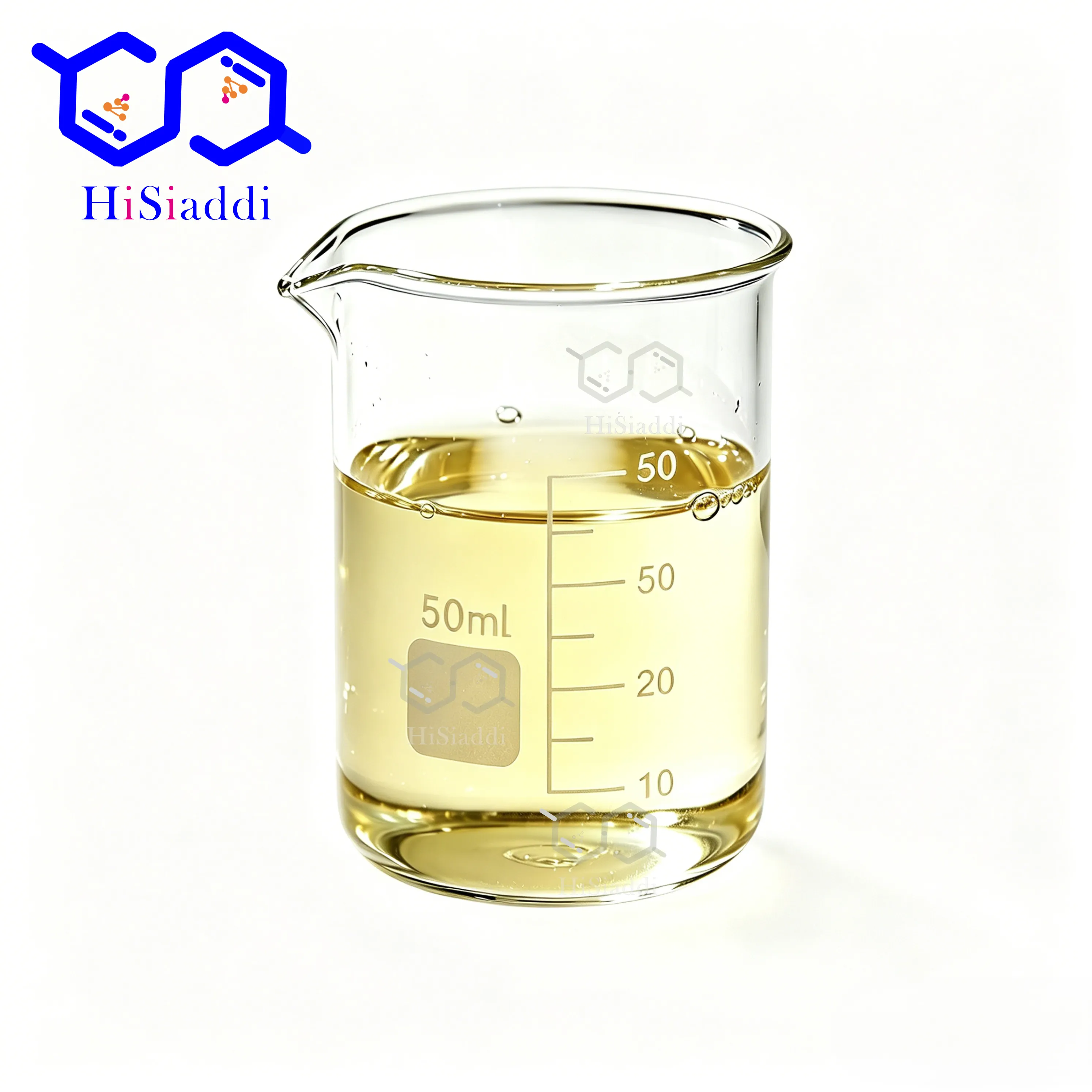
[Image: Light yellow transparent liquid photoinitiator 1173 in a graduated beaker with slight surface foam]
1. Insufficient raw material light transmittance causes coating hazing; trace impurities trigger yellowing, fluctuating curing efficiency limits production capacity, excessive water content creates coating craters, and residual metal ions degrade weather resistance.
o Trace conjugated impurities and colored residues reduce 425nm/500nm light transmittance below 99%, resulting in hazy coatings with poor clarity when used for clear wood varnishes and high-gloss plastic coatings, failing high-transparency requirements for premium furniture and luxury goods finishing.
o Excessive benzene byproducts and thermally unstable impurities decompose under long-term sunlight or high temperatures, causing coating yellowing (ΔE>0.5), damaging weather resistance and appearance consistency, and leading to direct scrapping of outdoor furniture and automotive interior coatings.
o Large batch-to-batch variations in purity and active impurities create unstable curing speeds, requiring repeated adjustments to UV lamp power and line speed on production lines. High-gloss coatings suffer from slow surface dry and incomplete deep curing, lowering yield and restricting throughput.
o Highly hygroscopic raw materials with water content exceeding 0.1% exhibit poor compatibility with resin systems, forming craters, pinholes and pockmarks post-curing. Defects are amplified in high-gloss mirror coatings, driving high rework costs.
o Residual iron, copper and other heavy metal ions catalyze coating aging and degradation, accelerating gloss loss and chalking, shortening the service life of outdoor coatings and preventing compliance with European & American weatherability testing standards.
1. Multi-stage negative pressure rectification + activated carbon deep decolorization process delivers stable light transmittance ≥99% at 425nm/500nm, producing colorless transparent raw material suitable for high-gloss, clear coating high-clarity requirements.
2. Secondary rectification precisely removes benzene impurities and thermally unstable components, controlling yellowing grade ≤0.5 and passing QUV / xenon lamp weatherability testing to maintain long-term non-yellowing performance for outdoor coatings.
3. Automated closed-loop production locks process parameters, stabilizing batch purity ≥99.5% with curing efficiency deviation ≤3%. Customers may fix UV curing parameters without frequent adjustments to ensure stable mass production.
4. High-vacuum deep dehydration + nitrogen-sealed packaging controls water content ≤0.05%, delivering excellent compatibility with all UV resin types and eliminating coating craters and pinhole defects.
5. Chelating resin deep ion removal limits heavy metal content ≤5ppb, with ICP-MS reports provided per batch to extend coating weatherability lifespan and meet European & American premium coating standards.
1. Insufficient raw material activity or impurity-induced free radical inhibition slows curing speed, causing incomplete ink surface dry and overprint adhesion at printing speeds ≥100m/min; overprint varnishes suffer from "block-back" with soaring reject rates.
2. Unreacted residual monomers and low-molecular impurities reduce crosslink density post-curing, lowering scratch resistance and chalk-off tendency, especially prominent in light-colored ink systems and impairing print durability.
3. Excessive small-molecule impurity migration in food-contact packaging inks exceeds EU 10/2011 thresholds, failing FDA food-contact certification and restricting access to premium packaging markets.
4. Residual benzene and aldehyde impurities generate pungent odors that migrate into contents for food and cosmetic packaging, compromising product safety and user experience.
5. Batch-to-batch compositional variation shifts solvency power, causing poor compatibility, flocculation and precipitation when compounded with pigments and resins, resulting in uneven ink color and blurred dots with reduced printing precision.
1. Optimized synthetic processes boost activity with strict control of polymerization-inhibiting impurities, lifting curing efficiency by 10%–15% to adapt to high-speed printing lines and eliminate overprint adhesion and block-back issues.
2. Deep removal of residual monomers and oligomers increases post-curing ink crosslink density, improving scratch and friction resistance with enhanced stability for light-colored ink systems.
3. Molecular distillation strips migratable small molecules, limiting migration volume ≤0.01mg/dm² to meet EU 10/2011 and FDA food-contact standards for food packaging ink applications.
4. Negative pressure deodorization + rectification impurity removal delivers odor grade ≤1 with no irritating residues, safeguarding food and cosmetic packaging safety.
5. Standardized locked-parameter mass production ensures consistent batch solvency and formulation compatibility, eliminating flocculation and uneven color when compounded with all pigment and resin types to preserve printing precision.
1. Excess residual sodium, potassium, iron and other metal ions migrate within electronic circuits to form conductive pathways, triggering micro-short circuits and electric leakage, undermining electronic product insulation reliability and failing IPC standard testing.
2. Thermally unstable impurities precipitate during high-temperature soldering (≥200℃) or long-term device operation, contaminating electrodes and reducing insulation resistance, leading to electronic equipment malfunctions and high rework rates.
3. Batch-to-batch variations in purity and activity create large curing shrinkage fluctuations, causing cracking, debonding and warping when bonding precision electronic components, compromising dimensional accuracy and stability.
4. Excessive raw material water content vaporizes during curing to form microbubbles, drastically reducing adhesive layer density, bonding strength and insulation performance.
5. Standard packaging lacks oxygen and light shielding, leading to rapid raw material oxidative deterioration with shelf life shortened to under 3 months, disrupting inventory turnover and supply chain stability.
1. Ion exchange + precision ultrafiltration deep ion removal limits total metal ions ≤1ppb, passing IPC electronic material insulation testing and eliminating circuit short-circuit risks.
2. High-temperature pre-treatment removes thermally unstable fractions with zero impurity precipitation at 250℃, guaranteeing reliable insulation for electronic components under high-temperature operating conditions.
3. Precise control of purity and active components restricts curing shrinkage deviation ≤0.2%, delivering crack-free, debond-free bonding for precision components with excellent dimensional stability.
4. High-vacuum dehydration + nitrogen sealing limits water content ≤0.03%, eliminating adhesive layer bubbles and meeting bonding strength & insulation standards.
5. Light-proof brown drums + nitrogen-sealed packaging with long-term antioxidant additives extend shelf life to 12 months, stabilizing supply chain operations.
1. High pricing of European & American high-purity grades squeezes profit margins for low-end coatings and inks; low-cost industrial crude products with purity ≤98% carry excessive impurities, poor curing performance and easy yellowing, creating a cost-quality tradeoff dilemma.
2. High benzene and residual monomer content in crude products leads to incomplete curing and poor water resistance, causing coating blistering and peeling with shortened service life and elevated overall usage costs.
3. Large-tonnage deliveries exhibit wide batch-to-batch fluctuations in purity, light transmittance and water content, requiring repeated adjustments to formulation loading ratios and curing parameters on production lines, increasing equipment downtime and lowering capacity utilization.
4. High temperature & humidity ocean transit across Southeast Asia, paired with poor sealing in standard packaging, causes raw material moisture absorption, oxidation, color deepening and activity attenuation, rendering goods unusable upon arrival with high cargo loss rates.
5. Lack of English CoAs, MSDS and REACH reports prevents local industrial product filing and sampling inspections, restricting sales channels and blocking access to formal end-user markets.
1. Cost-effective general industrial grade 1173 with purity ≥99.0% launched, omitting deep refining processes to deliver prices 20%–30% lower than high-purity grades, suitable for low-end coatings, inks and adhesives to boost profit margins.
2. Basic removal of benzene impurities and polymerization-inhibiting components guarantees fundamental curing efficiency and water resistance, extending coating service life and lowering comprehensive usage costs.
3. Standardized locked-parameter mass production narrows batch indicator deviations, enabling customers to fix production processes and reduce adjustment downtime to raise capacity utilization.
4. Thickened sealed plastic drums + double-layer moisture-proof inner liners + basic antioxidant treatment withstand high-temperature high-humidity ocean transit, preserving activity and color without significant degradation upon arrival to reduce cargo loss.
5. Streamlined English documentation package (CoA, MSDS, compliance statements) provided to satisfy local filing and sampling inspection requirements, supporting expansion into formal sales channels.
1. Widespread market malpractice: crude industrial products misrepresented as high-purity grades with falsely labeled purity (claimed ≥99.5%) and light transmittance, triggering mass quality incidents for high-end downstream customers, compensation claims and severe channel reputation damage.
2. Liquid 1173 is prone to barrel deformation and seal aging leakage during ocean stacking and handling, causing material loss, cross-contamination of adjacent cargo and logistics disputes.
3. Basic packaging lacks light and oxygen shielding, leading to raw material oxidative color deepening and activity attenuation during cross-border warehousing & transit, resulting in direct rejection by high-end customers and financial losses.
4. Classified as combustible organic liquid, incomplete English SDS, REACH-SVHC screening and marine dangerous goods identification documents block access to formal European & American supply chains, limiting operations to low-end markets only.
5. Inability to provide third-party authoritative test reports and full batch traceability records prevents passing supplier qualification audits by top European & American enterprises, losing long-term high-value orders.
1. Direct supply of authentic original factory material with fully truthful indicator labeling, third-party full-indicator test reports (purity, light transmittance, color, ions, etc.) provided per batch to support global re-inspection, eliminating adulteration and false labeling to mitigate after-sales risks.
2. Solvent-resistant thickened dedicated drums + dual sealing caps + fluororubber gaskets, with pressure leakage testing for every barrel prior to shipment to eliminate transit leakage and logistics loss disputes.
3. Light-proof brown drums + high-purity nitrogen sealing + long-term antioxidant system inhibits oxidative color change and activity attenuation, maintaining stable indicators throughout storage & transit without grade degradation.
4. One-stop full set of English compliance documents: SDS, REACH reports, marine dangerous goods identification, food-contact declarations to support expansion into high-end European & American distribution channels.
5. Complete batch traceability archives covering full production and quality inspection workflows, supporting customer factory audits and supplier qualification reviews to secure long-term premium cooperation orders.
For more professional, in-depth analysis on Photocure 1173 selection, please contact HiSiaddi customer service.
High-purity refining and deep removal of residual solvents posed major challenges. Toluene, methanol and other organic solvents are used in the synthesis of photoinitiator 1173; conventional distillation processes struggle to reduce residual solvents below 50 ppm. Unreacted free raw materials share similar molecular structures with the main product and tend to co-precipitate during recrystallization refining. Balancing purity and yield is highly difficult when controlling free raw material residues within 30 ppm, which requires optimized recrystallization solvent systems and crystallization parameters.
Complex control of low odour and low extraction. Residual organic solvents are the primary source of odour, while trace free raw materials and low-molecular oligomers gradually migrate and precipitate during paint film service, resulting in whitening and fogging on plastic and wood surfaces and compromising appearance quality. Both defects must be completely eliminated at the refining stage.
Stringent requirements for precise and stable photoinitiation activity. Molecular purity and trace impurities affect free radical generation efficiency, altering curing rates. The client mandated a maximum curing rate deviation of 2%, requiring highly consistent molecular structure and component ratios across all mass-produced batches.
Outstanding challenges in optimizing yellowing resistance. Unsaturated impurities and phenolic by-products undergo oxidative discoloration under prolonged UV irradiation, downgrading paint film yellowing resistance. Wood and light-coloured plastic coatings demand zero tolerance for yellowing, requiring deep removal of photosensitive discolouring impurities.
Multiple testing items for dual compliance with EU coating and 3D printing material standards. Special testing procedures for low extraction, VOC and contact safety are lengthy, with extended cycles for document translation and third-party certification.
Liquid photoinitiator experiences elevated viscosity at low temperatures, prone to reduced fluidity and minor local precipitation under low-temperature ocean shipping conditions, imposing strict requirements on insulated packaging and constant-temperature storage & transportation.
Tight delivery lead time with extremely narrow fluctuation ranges for batch purity, residual solvents and activity indicators, creating immense online quality control pressure during mass production recrystallization and distillation processes.
Excessively high residual organic solvent content causing pungent workshop odours and excessive coating VOC levels.
Excessive residual free raw materials and low-molecular impurities migrating and precipitating during use, leading to paint film whitening and fogging.
Large fluctuations in initiator purity and activity across batches resulting in uneven curing rates and inconsistent paint film performance.
Poor sealing of raw material packaging leading to moisture absorption during storage and aggravating precipitation issues.
Lack of incoming inspection procedures, allowing unqualified raw materials to directly enter production lines and amplify defects.
Lead time
Quantity (ton) | 0 - 10 | 10 - 30 | > 30 |
Lead time (days) | 7 | 15 | To be negotiated |
The monthly inventory volume of Photoinitiator 1173 is 25 tons, with appropriate adjustments upwards or downwards in response to peak and off-peak seasons.
HiSiaddi safeguards the supply stability of Photoinitiator 1173 through the following measures:
(1) Performance evaluation and screening of Photoinitiator 1173 brand factories based on on-time delivery rate, batch pass rate, timeliness of risk alerts, and completeness of documentation to assess their supply stability.
(2) For each mainstream model or major grade of Photoinitiator 1173, secure 1 primary high-quality brand manufacturer and 2 backup high-quality manufacturers.
(3) Each factory operates independent production lines in separate production zones to prevent production halts caused by major unforeseen incidents such as environmental production suspensions and power outages.
Through long-term cooperation with brand manufacturers via technology commercialization and authorized distribution channels, HiSiaddi can effectively strengthen supervision over the production processes of brand manufacturers, optimize full-process traceability management, improve batch stability control, and further reinforce real-time monitoring of the supply stability of Photoinitiator 1173 products.
Long-term Annual Framework Supply Guarantee Agreement. HiSiaddi signs 12-month long-term agreements with leading manufacturers. The agreements specify the minimum guaranteed supply volume, maximum price hike range, and priority production scheduling rights during peak seasons. It is stipulated that manufacturers shall issue a 30-day prior written notice if production is suspended due to environmental rectification or equipment maintenance, and backup manufacturers will be activated to replenish goods accordingly.
We have 4 warehouses, which are jointly operated and managed with suppliers to store hot-selling products.The four warehouses are located at Qingdao Port in North China, Ningbo Port in East China, Shenzhen Port in South China, and Zhengzhou, China’s inland logistics hub. This setup guarantees sufficient supply and timely shipment of Photoinitiator 1173 during peak seasons.
HiSiaddi issues a rolling demand forecast covering the subsequent three months on the 25th of each month, allowing manufacturers to reserve production capacity in accordance with the forecast. Any new urgent orders from overseas clients will be prioritized to draw on inventories or production capacity from backup manufacturers.
Unstable logistics for Photoinitiator 1173 will extend delivery lead times. HiSiaddi has established alternative arrangements covering multiple freight forwarders, ports and transportation solutions:
(1) Binding of multiple professional chemical freight forwarders for Photoinitiator 1173
Each product is assigned 2 to 3 freight forwarders with hazardous chemical/food transport qualifications affiliated with different shipping lines. Alternative sailing schedules can be switched to immediately in case of space shortages or customs inspections on a single shipping route.
(2) Backup transportation solutions for Photoinitiator 1173
Ocean freight serves as the standard mode; air freight and rail freight are reserved as alternatives for urgent orders. Long-term agreements for temperature-controlled containers are signed for temperature-sensitive and perishable food additives to secure shipping space.
(3) Visual tracking and digital early warning for Photoinitiator 1173
Freight forwarders synchronize daily updates on container loading, customs declaration, vessel loading and port arrival milestones. If customs inspection occurs, replenishment from backup inventory will be initiated immediately to shorten client waiting periods.
Full-chain digital early warning automatically monitors four categories of risks:
Factory side: Expiring supplier environmental assessment certificates, renewal of production permits, scheduled major equipment overhauls, and notifications of price hikes for upstream raw materials;
Inventory side: Inventory falling below safety thresholds, excessive inventory age, and batches failing quality inspection;
Logistics side: Shipping line space shortages, strikes at destination ports, and updates to customs policies;
Overseas side: Revisions to additive regulations and adjustments to import restriction lists in target countries.
Early warning notifications are automatically pushed to procurement and business leads, allowing backup suppliers or inventory contingency plans to be activated in advance.
As a new-type foreign trade service provider driven by dual engines of technology transformation and export services, HiSiaddi has built a "1+2+3+4=1" service system and can supply original factory materials of Photocure 1173 from multiple well-known brands.
As an R&D-focused foreign trade enterprise, HiSiaddi does not only promote its own brand like single-factory competitors. We objectively analyze multiple export-competitive well-known Chinese brands and share their qualification certifications and market feedback to help buyers select products efficiently and reliably.
Contact HiSiaddi customer service if you require more authentic, objective information on multiple well-known Chinese brands of Photocure 1173.
1. Leading global market share with top recognition across Europe and America: Exports of 1173 hit approximately 8,200 tons in 2025, accounting for 28.9% of China’s total exports and ranking first globally for three consecutive years; holding 32% market share in Europe and 27% in North America, it is the third-largest supplier after BASF and IGM.
2. High-purity low-migration variant strongly endorsed by high-end end clients: The ≥99.5% high-purity grade delivers migration ≤0.08mg/dm² and has passed food packaging certifications from Nestlé and Unilever; designated raw material for electronic adhesives by Apple and Huawei, high-end orders represented 41% of total sales in 2025 with a 94% customer renewal rate.
3. Surging reputation for LED-adapted models: JRCure 1103 red-shifts absorption wavelengths to 365–395nm with 85% matching rate to UV-LED light sources and 20% faster curing speed; mass-purchased by Oerlikon (Germany) and Avery Dennison (US) to replace mercury lamp solutions, cutting energy consumption by 50%.
4. OEMs highly praise stability and consistency: Continuous-flow microreactor technology limits batch purity fluctuation to ≤0.2%, earning Class A supplier ratings from Samsung and LG Chemical with quality complaint rates below 0.3% (industry average: 1.2%).
✅ EU REACH full-substance registration, US FDA FCN filing for indirect food contact ✅ UL ECV environmental verification, ISO 9001/14001/45001 integrated management system certifications ✅ PAS 2050 carbon footprint certification compliant with EU CBAM carbon tariff requirements ✅ ISO 10993-5 cytotoxicity Grade 0 certification for medical-grade high-purity variants
1. Stable mass production of ultra-high purity, benchmark for import substitution: 2025 export volume reached 5,100 tons with 18% market share; China’s sole stable producer of ≥99.8% high-purity 1173 with impurities below 20ppm, outperforming BASF Darocur 1173 (impurities <50ppm).
2. Core supplier to global adhesive giants: Designated electronic-grade 1173 provider for Henkel, tesa and 3M for premium UV adhesives and optical adhesives; supplied 1,200 tons to Henkel in 2025, accounting for 35% of Henkel’s global procurement volume.
3. Low-halogen variant passes semiconductor certifications: YRCure 1173-L delivers halogen <5ppm and has secured certifications from TSMC and Samsung Semiconductor for photoresists, driving 47% year-on-year growth in semiconductor-sector orders in 2025.
4. Industry-leading anti-yellowing performance and transparency: Curing yellowing index ΔE ≤0.3 (industry average ≤0.8) with light transmittance ≥99.2%; preferred for automotive interior coatings (BMW, Mercedes-Benz) and high-end wood coatings, with 32% year-on-year growth in automotive-sector orders in 2025.
✅ REACH separate registration for high-purity grades, US FDA 21 CFR 175.105 food contact certification ✅ SEMI S2 electronic-grade environmental certification, IPC-4101B low-halogen certification ✅ ISO 13485 medical system certification for medical-grade variants ✅ Electronic chemical certification from the China Electronics Institute
1. Outstanding cost performance, top choice for global small and medium clients: 2025 export volume hit 2,100 tons with 7.4% market share; priced 8–12% lower than Rijia and Yangrui, holding over 40% market share across Southeast Asia, the Middle East and South America with an 89% repeat purchase rate for small and medium customers.
2. Dominant reputation in packaging & printing: Core supplier to the world’s top 10 printing enterprises (Toppan Printing, RR Donnelley etc.); low odor and fast curing performance ideal for flexo and offset printing inks, packaging ink orders accounting for 68% of total sales in 2025.
3. High-activity variant resolves deep curing pain points: TR-1173-H boosts initiation efficiency by 15% with a maximum curing thickness of 2mm (1.2mm for standard grades); mass-adopted by Southeast Asian furniture and plastic coating manufacturers, cutting defect rates by 4–6%.
4. Stable supply chain with fast delivery: Dual production bases in Changzhou and Nantong with annual 1173 capacity of 5,000 tons; delivery lead time of 7–10 days (industry average: 15 days) and a 98.5% on-time delivery rate in 2025.
✅ REACH registration for general grades, RoHS 2.0, REACH SVHC Substances of Very High Concern compliance ✅ ISO 9001/14001 certifications, recommended product by China Coatings Industry Association ✅ EU Regulation 10/2011 plastic food contact compliance for basic grades
1. Full industrial chain cost advantage, No.1 supplier in South America: 2025 export volume hit 1,800 tons with 6.4% market share; integrated production from raw material acetophenone to finished products delivers 5–8% lower manufacturing costs than peers; holding 35% South American market share as the largest supplier to Brazil and Argentina.
2. Mature European distribution channels with high recognition among small and medium end clients: Deep partnerships with local distributors in Germany, France and Italy covering over 200 small and medium European coating and ink manufacturers; well-balanced stability and pricing earning a 4.7/5 customer satisfaction score.
3. LED-dedicated grade compatible with mid-to-low-end curing equipment: Yangfan 1173-LED delivers absorption wavelengths of 350–380nm matching low-cost 365nm LED lamps, mass-adopted by small and medium European furniture and plastic processing factories to cut mercury lamp replacement costs by 40%.
4. Strong compound formulation technical service capacity: Custom-blended formulas of 1173 + TPO + amine additives help clients reduce formulation costs by 10–15%, with blended-solution orders accounting for 52% of total sales in 2025.
✅ REACH registration for industrial grades, US FDA indirect food contact filing ✅ ISO 9001/14001 certifications, EU CE certification ✅ Brazil ANVISA and Argentina SENASA food contact certifications
1. Deep market cultivation across Asia-Pacific, leading position in electronic inks: 2025 export volume hit 1,500 tons with 5.3% market share; holding 28% Asia-Pacific market share as a core supplier for electronic ink manufacturers in Taiwan China, South Korea and Japan.
2. Outstanding reputation for PCB and metal inks: Rongda 1173-E delivers low ionic impurities (Na⁺/K⁺ <1ppm) and has passed PCB ink certifications from Formosa Plastics and Samsung SDI, driving 38% year-on-year growth in electronic ink orders in 2025.
3. High recognition among domestic end users with comprehensive supporting capacity: Specified UV coating raw material for Nippon Paint, CPG Coatings and Daqing Paint; one-stop supporting packages of "photoinitiators + resins + monomers" cut client procurement costs by 5–8%.
4. Rapid response to environmental compliance policies capturing policy dividends: Completed updated EU REACH registrations and latest US FDA filings in advance in 2024, delivering 29% growth in new European orders.
✅ REACH registration, US FDA FCN filing, RoHS 2.0, REACH SVHC compliance ✅ ISO 9001/14001/45001 integrated management system certifications, certification from China Printed Circuit Association ✅ Taiwan TFDA food contact certification, South Korea KC certification
表格
Brand | Core Advantages | Price Range (USD/ton) | Best Target Markets | Standout Certification Highlights |
Rijia Tech | Global market leader, low-migration performance, LED compatibility | 5,800–6,500 | European & American high-end sectors, food packaging, electronics | REACH + FDA + UL + carbon footprint certification |
Yangrui New Materials | Ultra-high-purity electronic grade, low-halogen, anti-yellowing | 6,200–6,800 | Semiconductors, premium UV adhesives, automotive coatings | SEMI S2, ISO 13485 |
Tronly New Materials | Superior cost performance, packaging printing expertise, fast delivery | 4,800–5,300 | Southeast Asia, Middle East, South America mid-to-low-end markets | RoHS, EU food contact compliance |
Yangfan New Materials | Full industrial chain, dominant South American channels, blending technical services | 5,000–5,500 | South America, small & medium European end users, low-end LED curing | ANVISA, SENASA certifications |
Rongda Photosensitive | Asia-Pacific electronic market expertise, PCB ink specialization, integrated supporting services | 5,200–5,700 | Taiwan China, South Korea, Japan electronic inks | TFDA, KC certifications |
Contact HiSiaddi customer service if you require more authentic, objective information on multiple well-known Chinese brands of Photocure 1173.
As a new-type foreign trade service provider driven by dual engines of technology transformation and export services, HiSiaddi has built a "1+2+3+4=1" service system and can supply original factory materials of Photocure 1173 from multiple well-known brands.
As an R&D-focused foreign trade enterprise, HiSiaddi does not only promote its own brand like single-factory competitors. We objectively analyze multiple export-competitive well-known Chinese brands and share their production processes, supply stability and key performance indicators, alongside the downstream procurement impacts of these critical factors to help buyers select products efficiently and reliably.
Contact HiSiaddi customer service if you require more authentic, objective information on multiple well-known Chinese brands of Photocure 1173.
Core Models: JRCure 1173 (High-Purity Grade ≥99.5%), JRCure 1103 (LED-Dedicated Grade)
· Synthetic Route: Acetophenone + Isobutyraldehyde → Aldol Condensation → Hydrogen Peroxide Oxidative Cyclization → Acid Rearrangement → Microchannel Continuous Flow Reaction → Multi-Stage Distillation → Finished Product
· Core Technology: Jointly developed microchannel reactors with the Chinese Academy of Sciences replacing traditional batch kettles; reaction time shortened from 8–12 hours to 15–20 minutes; yield lifted from 85% to over 92%, waste discharge reduced by 40% and energy consumption cut by 18%
· Purification: 4-stage vacuum distillation + molecular distillation limiting impurities below 50ppm; LED variants undergo additional wavelength-selective purification to red-shift absorption peaks to 365–395nm
· Capacity: Dual manufacturing bases in Yancheng and Dongying with total annual 1173 capacity of 12,000 tons (global No.1); 7,200 tons allocated to 1173 production (60% of total plant capacity)
· Operation Rate: Steady 85–90% annual utilization; full-capacity operation during peak seasons (March–June) with no seasonal shutdowns
· Delivery Lead Time: Standard 7–10 days; 5–7 days for 6–12 month long-term contracts; 98.5% on-time delivery rate
· Risk Resistance: Raw materials (acetophenone, isobutyraldehyde) secured via long-term contracts with partial self-production; supply disruption risk below 1% amid extreme market conditions
· Purity: High-purity grade ≥99.5%; Industrial grade ≥99.0%; batch fluctuation ≤0.2%
· Color: ≤10 APHA (water-white); Premium electronic grade ≤5 APHA
· Migration Level: High-purity grade ≤0.08mg/dm² (FDA / EU food contact standard)
· Absorption Wavelength: Standard grade 250–320nm; LED grade 350–400nm; 85% light source matching rate
· Thermal Stability: No decomposition below 150°C; 12-month shelf life
✅ High-end food packaging / medical / electronics: The only stable supplier of ≤0.08mg/dm² low-migration 1173, directly meeting Nestlé, Apple and Huawei certification standards with zero risk of return shipments due to excessive migration ✅ LED curing production lines: JRCure 1103 directly replaces mercury lamp workflows, cutting energy consumption by 50%, lifting curing speed by 20% and reducing defect rates by 3–5% ✅ Consistent product quality: Batch fluctuation limited to ≤0.2%, eliminating frequent formula adjustments for downstream manufacturers and stabilizing production efficiency ⚠️ Higher pricing: 15–20% more expensive than Tronly; suitable only for high-end rigid demand scenarios with poor cost performance for low-end applications
Core Models: YRCure 1173 (Electronic Grade ≥99.5%), YRCure 1173-L (Low-Halogen <5ppm)
· Synthetic Route: High-purity acetophenone (≥99.8%) + Isobutyraldehyde → Condensation → Oxidation → Specialized high-purity reactors → 5-stage ultra-pure distillation → Specialized halogen removal → Finished Product
· Core Technology: Integrated industrial chain under Wanrun Group (raw materials to finished goods); electronic-grade variants adopt low-temperature distillation + adsorption dehalogenation to limit halogen <5ppm and Na⁺/K⁺ <1ppm
· Purification: 5-stage distillation + precision filtration limiting impurities below 20ppm, outperforming BASF Darocur 1173 (<50ppm impurities)
· Capacity: Shandong manufacturing base with annual 1173 capacity of 5,000 tons; 3,500 tons (70%) allocated to electronic-grade output
· Operation Rate: 90–95% utilization; unified production scheduling by parent Wanrun Co., Ltd. eliminating shutdown risks
· Delivery Lead Time: 10–14 days standard; 7–10 days for long-term contracts; 97% on-time delivery rate
· Risk Resistance: Raw materials sourced internally within the group with long-term price locks; priority raw material allocation for semiconductor-grade output
· Purity: Electronic grade ≥99.8%; General grade ≥99.5%; batch fluctuation ≤0.15%
· Color: ≤8 APHA; Electronic grade ≤3 APHA
· Halogen Content: YRCure 1173-L <5ppm (SEMI S2 compliant)
· Ionic Impurities: Na⁺/K⁺ <1ppm (semiconductor grade)
· Yellowing Index: ΔE ≤0.3 (industry average ≤0.8)
✅ Semiconductor photoresists / premium UV adhesives: China’s sole stable supplier of <5ppm low-halogen 1173 certified by TSMC and Samsung, eliminating circuit corrosion risks caused by halogen impurities ✅ Automotive interior coatings / high-end wood coatings: ΔE ≤0.3 delivers superior anti-weathering performance with no yellowing under long-term UV exposure, designated raw material for BMW and Mercedes-Benz and enabling terminal product price premiums ✅ Electronic adhesives: Ionic impurities below 1ppm avoid disruption to insulation and conductive performance of electronic components ⚠️ Highest market pricing: 5–8% more costly than Rijia Tech; only viable for high-value semiconductor and medical applications
Core Models: TR-1173 (Industrial Grade ≥99.0%), TR-1173-H (High-Activity Grade)
· Synthetic Route: Acetophenone + Isobutyraldehyde → Condensation → Oxidation → Automated modified batch reactors → 2–3 stage continuous distillation → Finished Product
· Core Technology: Balanced cost and stability via automated batch reactors paired with continuous distillation; high-activity variants optimize oxidation processes to lift initiation efficiency by 15%
· Purification: 2–3 stage distillation limiting impurities below 100ppm, meeting basic industrial-grade requirements at low manufacturing costs
· Capacity: Dual manufacturing bases in Changzhou and Nantong with annual 1173 capacity of 5,000 tons; 4,500 tons (90%) allocated to industrial-grade output
· Operation Rate: 80–85% utilization; 1,000–1,500 tons of permanent inventory to avoid shortages during peak demand
· Delivery Lead Time: 5–7 days (industry fastest); 98.5% on-time delivery rate
· Risk Resistance: Raw material long-term price locks with low-cost bulk procurement; general-grade focus insulates against high-end raw material price volatility
· Purity: Industrial grade ≥99.0%; High-activity grade ≥99.2%; batch fluctuation ≤0.3%
· Color: ≤20 APHA; High-activity grade ≤15 APHA
· Migration Level: ≤0.5mg/dm² (industrial grade, non-food contact compliant)
· Absorption Wavelength: 250–320nm; <60% matching rate with LED light sources
· Deep Curing Performance: TR-1173-H delivers maximum curing thickness of 2mm (1.2mm for standard grades)
✅ Packaging printing / general wood coatings: Lowest market pricing (20–25% cheaper than Rijia Tech), top choice for global small and medium printing factories, drastically cutting raw material costs and boosting price competitiveness ✅ Southeast Asian / Middle Eastern markets: Fastest 5–7 day delivery lead times fit small-batch, fast-turnaround demand of small and medium clients ✅ High-activity variant: 2mm maximum deep curing eliminates incomplete thick-coat curing issues, cutting defect rates by 4–6% ⚠️ Unsuitable for food, medical or LED curing applications: Excessive migration levels and poor LED light matching; strictly prohibited for food contact material production
Core Models: Yangfan 1173 (Industrial Grade ≥98.5%), Yangfan 1173-LED (Low-End LED-Dedicated Grade)
· Synthetic Route: Self-produced acetophenone + outsourced isobutyraldehyde → Condensation → Oxidation → Continuous reaction kettles → 2-stage distillation → Finished Product
· Core Technology: Fully integrated industrial chain from basic chemical feedstocks to finished goods delivering 5–8% lower manufacturing costs than peers; LED variants undergo simple red-shift modification for compatibility with low-cost 365nm LED lamps
· Purification: 2-stage distillation limiting impurities below 150ppm, meeting basic industrial-grade performance standards
· Capacity: Zhejiang manufacturing base with annual 1173 capacity of 4,000 tons; 3,800 tons (95%) allocated to industrial-grade output
· Operation Rate: 75–80% utilization; 60% of production locked via long-term South American contracts minimizing order volatility
· Delivery Lead Time: 10–14 days standard; 7–10 days for South American dedicated shipping routes; 96% on-time delivery rate
· Risk Resistance: Dominant South American distribution network insulates against European and American market volatility; competitive pricing accelerates inventory turnover
· Purity: Industrial grade ≥98.5%; LED grade ≥98.8%; batch fluctuation ≤0.4%
· Color: ≤30 APHA; LED grade ≤25 APHA
· Migration Level: ≤0.8mg/dm² (industrial grade)
· Absorption Wavelength: LED grade 350–380nm, compatible with low-cost 365nm LED lamps
· Blending Compatibility: Excellent miscibility with TPO and amine additives enabling low-cost custom blended formulations
✅ South American / small & medium European coating manufacturers: 35% South American market share with mature distribution channels and competitive pricing; strong blending technical services cut client formulation costs by 10–15% ✅ Low-end LED curing workflows: LED-dedicated variants compatible with low-cost 365nm lamps reduce mercury lamp replacement costs by 40%, ideal for small and medium furniture and plastic processing factories ✅ Cost-sensitive order portfolios: Full industrial chain cost advantages deliver quotes 25–30% below Rijia Tech, supporting market share capture in low-end segments ⚠️ Low purity with significant batch variation: ≤0.4% batch fluctuation requires frequent downstream formula adjustments; incompatible with high-end application requirements
Core Models: Rongda 1173 (Industrial Grade ≥99.0%), Rongda 1173-E (Electronic Grade ≥99.2%)
· Synthetic Route: Acetophenone + Isobutyraldehyde → Condensation → Oxidation → Specialized electronic-grade reaction kettles → 3-stage precision distillation → Ion removal → Finished Product
· Core Technology: Formulas optimized for electronic ink applications with low ionic impurities; excellent compatibility with PCB ink resins; one-stop supporting packages of "photoinitiators + resins + monomers"
· Purification: 3-stage distillation + ion exchange limiting impurities below 80ppm with Na⁺/K⁺ <5ppm
· Capacity: Guangdong manufacturing base with annual 1173 capacity of 3,500 tons; 1,400 tons (40%) allocated to electronic-grade output
· Operation Rate: 80–85% utilization; 70% of production dedicated to Asia-Pacific orders enabling rapid client response
· Delivery Lead Time: 7–10 days standard; 5–7 days for Asia-Pacific dedicated shipping routes; 97% on-time delivery rate
· Risk Resistance: Proximity to the Pearl River Delta electronic industrial chain; flexible inventory prioritizing small-batch custom orders
· Purity: Industrial grade ≥99.0%; Electronic grade ≥99.2%; batch fluctuation ≤0.25%
· Color: ≤18 APHA; Electronic grade ≤12 APHA
· Ionic Impurities: Na⁺/K⁺ <5ppm (electronic grade)
· PCB Resin Compatibility: Optimal miscibility with PCB ink resins with no precipitation or pinhole defects
· Shelf Life: 12 months with stable long-term storage performance
✅ PCB / metal inks / Asia-Pacific electronics: 28% Asia-Pacific market share, designated raw material for Formosa Plastics and Samsung SDI; low ionic impurities eliminate insulation performance failures in PCBs ✅ Domestic UV coatings & inks: Specified supplier for Nippon Paint, CPG Coatings and Daqing Paint; one-stop supporting packages reduce client procurement costs by 5–8% ✅ Flexible small-batch customization: High operational agility enabling rapid formula adjustments for small and medium client requirements ⚠️ Limited global market footprint: Weak European and American distribution networks; incomplete high-end food and medical compliance certifications
表格
Brand | Process Features | Supply Stability | Purity & Impurity Level | Best Matching Downstream Segments | Price (USD/ton) |
Rijia Tech | Microchannel continuous flow + multi-stage distillation | ★★★★★ (Dual bases + locked capacity) | ≥99.5%; <50ppm | Food packaging / medical devices / high-end LED curing | 5,800–6,500 |
Yangrui New Materials | Integrated production + ultra-pure distillation + low-halogen control | ★★★★☆ (Group risk underwriting) | ≥99.8%; <20ppm | Semiconductors / premium UV adhesives / automotive coatings | 6,200–6,800 |
Tronly New Materials | Modified batch reactors + continuous distillation | ★★★★★ (Dual bases + ultra-fast delivery) | ≥99.0%; <100ppm | Packaging printing / Southeast Asian low-end applications | 4,800–5,300 |
Yangfan New Materials | Fully self-supply industrial chain + continuous reaction | ★★★★ (Stable South American long-term contracts) | ≥98.5%; <150ppm | South America / small & medium European manufacturers / low-end LED curing | 5,000–5,500 |
Rongda Photosensitive | Specialized synthesis + precision distillation + low-ion control | ★★★★ (Fast Asia-Pacific response) | ≥99.0%; <80ppm | PCB inks / Asia-Pacific electronics / domestic coatings | 5,200–5,700 |
Contact HiSiaddi customer service if you require more authentic, objective information on multiple well-known Chinese brands of Photocure 1173.
As a new-type foreign trade service provider driven by both technology transformation and foreign trade services, HiSiaddi has built a "1+2+3+4=1" service system and can supply original factory sources of Photocure 1173 from multiple well-known brands. As a research & development-oriented foreign trade enterprise, HiSiaddi will conduct a professional analysis of key purchasing considerations and critical indicators to ease buyers’ selection concerns.
If you require more professional, in-depth analysis on the selection of Photocure 1173, please contact HiSiaddi customer service.
Photoinitiator 1173 is an aromatic ketone liquid fine chemical. It remains chemically stable at room temperature, decomposes slowly under strong light and high temperature, and undergoes slight oxidation with color deepening after prolonged air exposure. It is not classified as highly toxic or highly corrosive dangerous goods, and is regulated globally as a combustible organic photocuring raw material. The product is subject to multiple regulatory frameworks including the REACH Regulation, SVHC Substances of Very High Concern, VOC and volatile content limits, heavy metal threshold standards, polycyclic aromatic hydrocarbon (PAH) control, food contact material safety standards, impurity specifications for electronic chemicals, and chemical import & export registration. Europe, America, Southeast Asia and other regions enforce mandatory limits on residual intermediates, low migration levels and hazardous substances.
Core quality control indicators for this product: purity of 1173, isobutyrophenone residue, acetophenone residue, water content, acidity, APHA color, organic volatile compounds (VOC), residual solvents, insoluble solids, thermal stability, storage stability at ambient temperature, heavy metals, polycyclic aromatic hydrocarbons (PAHs), and migration volume. Risks vary drastically across application scenarios:
· In general industrial photocuring systems, residual raw materials, water content and acidity cause fluctuating curing speeds and premature system delamination.
· For high-end coatings & inks, color, residual aromatic hydrocarbons and volatile content directly affect film transparency, yellowing resistance and environmental compliance ratings.
· In electronic photocuring processes, trace insoluble solids, heavy metals and ionic impurities may lead to circuit defects and component contamination.
· For food-contact photocuring products, residual intermediates, low migration performance, PAHs and heavy metals fall under mandatory control, directly impacting product safety and market access.
Regulations governing photocuring materials, food contact articles and electronic chemicals differ widely across countries. Buyers must not only compare unit prices, but also select grades based on downstream processes, application sectors and regulatory requirements of target markets.
Compliance documents serve as prerequisites for cross-border customs clearance, enterprise internal control, photocuring factory audits, coating environmental certifications, electronic process inspections and food contact material safety filings, making them the top priority for supplier vetting.
1.
Specialized Certifications & Test Reports Matched to Application Scenarios
2.
o General industrial grade for standard UV primers, general industrial adhesives, conventional 3D printing resins and low-end wood coatings: REACH registration, SVHC screening, basic physical & chemical tests, chromatographic purity, distillation range and storage stability reports to meet global generic photocuring raw material control requirements.
o High-end coating & ink grade for topcoats, weather-resistant outdoor UV coatings, colored/transparent UV inks and flexible coatings: Supplementary testing for low residual intermediates, low volatile content, color stability, yellowing resistance and full acidity analysis, meeting environmental and appearance standards for premium photocuring materials.
o High-purity electronic process grade for electronic component coatings, PCB UV protective varnishes and precision electronic photosensitive auxiliaries: Full heavy metal screening, solid particle testing, low ionic impurity and low volatile content reports, complying with international fine chemical control standards for electronics.
o Food-contact / low-migration premium grade for food packaging UV inks, tableware coatings and food-contact photocuring articles: Additional testing for low migration, PAHs, heavy metals, residual aromatic hydrocarbons, toxicological safety and food contact compliance, satisfying the strictest global safety access standards for food-contact materials.
3.
Complete Cross-Border Customs & Trade Documentation Classified as a combustible liquid aromatic ketone, the product follows global land, sea and air transportation rules for ordinary combustible organic raw materials. HiSiaddi provides multi-language SDS safety data sheets and chemical hazard classification assessment reports as standard. Standard customs clearance materials include certificates of origin, batch-specific COA full quality inspection reports and production traceability records. For high-end coating grade, high-purity electronic grade and food-contact premium grade orders, supplementary GC gas chromatography purity profiles and test reports for water content, acidity, residual feedstocks, heavy metals and PAHs are provided to support internal audits and official compliance inspections by overseas photocuring manufacturers, coating producers, electronics factories and food packaging enterprises.
4.
5.
Supplier Comprehensive Qualification Screening Prioritize original manufacturers with integrated production capacity covering acylation synthesis, hydroxylation reactions, multi-stage neutralization & water washing, high-vacuum rectification, deep removal of residual aromatic hydrocarbons, color stabilization, high-cleanliness filtration and nitrogen inert filling. Key evaluation criteria include high-vacuum rectification separation precision, residual intermediate control, long-term color stability and low volatile treatment capacity.
6.
Core technical challenges for this product: efficient removal of near-boiling toxic intermediates (isobutyrophenone, acetophenone), control of water content and acidity to prevent system instability, inhibition of color deepening during long-term storage, and reduction of volatile & migratable substances. Inadequate control over synthesis, water washing and rectification processes leads to excessive residual feedstocks, reduced curing efficiency, coating yellowing and compliance failures, with potential safety hazards in high-end applications. Conduct small-batch testing before formal cooperation: chromatographic purity, residual intermediates, color, curing speed, high-temperature accelerated aging and simulated storage & transportation tests to confirm compatibility before mass orders.
Product main content, impurities, color and stability are determined by starting feedstocks, synthetic reactions, neutralization & water washing, high-vacuum rectification, impurity removal, filtration and inert filling processes – these are also the core criteria for grade classification.
1.
Upstream Raw Material Quality Audit Premium-grade products adopt high-purity base aromatic feedstocks and low-impurity catalytic systems, with directional synthesis and hydroxylation reactions completed in closed inert environments to minimize unreacted raw materials, acetophenone, isobutyrophenone and acidic byproducts from the source. Subsequent multi-stage neutralization & water washing removes acidic substances and water-soluble impurities; multi-column high-vacuum rectification sequentially separates near-boiling intermediates, deeply strips residual aromatic hydrocarbons, vacuum devolatilization reduces VOC levels, color stabilization treatment is applied, and multi-stage high-precision filter elements remove trace solid particles. Finished products feature high purity, extremely low hazardous residues, light and long-stable color, low volatile content and consistent curing activity, fully compatible with general photocuring, high-end coating & ink, electronic process and food-contact applications. Low-grade products utilize industrial-grade feedstocks with simplified rectification and refining workflows, typically suffering from excessive intermediate residues, dark color, easy yellowing and volatile overages, making them unsuitable for premium topcoats, electronics and food-contact scenarios. When purchasing electronic grade or food-contact premium grade, buyers may request quality inspection certificates for starting feedstocks and catalysts.
2.
3.
Classification & Confirmation of Core Production Processes Main complete process route: High-purity feedstocks + catalyst pretreatment → closed acylation intermediate synthesis → hydroxylation reaction to generate crude photoinitiator 1173 → multi-stage neutralization & water washing for deacidification and water-soluble impurity removal → organic phase separation → primary high-vacuum rectification to strip light fraction solvents → multi-stage ultra-high vacuum precision rectification for deep removal of restricted intermediates (acetophenone, isobutyrophenone) → heavy fraction separation and main component purification → vacuum devolatilization to reduce organic volatiles → color stabilization treatment → high-cleanliness environment precision filtration to remove solid particles → full-indicator testing → sealed filling with high-purity nitrogen displacement → ambient cool & shaded storage.
4.
· General industrial grade: Basic synthesis + single-stage high-vacuum rectification + standard filtration, cost-effective for ordinary industrial UV systems.
· High-end coating & ink grade: Two-stage high-vacuum rectification + dedicated intermediate removal + low volatile treatment + color stabilization, exclusively for high-transparency topcoats and industrial UV printing inks.
· High-purity electronic process grade: Multi-stage high-vacuum rectification + strict heavy metal/particle control + low ion treatment, for precision electronic photocuring coatings.
· Food-contact / low-migration premium grade: Extreme rectification + low-migration modification + strict PAH/heavy metal control + compliance treatment, for food packaging and tableware contact articles.
Formal production lines implement separated, independent manufacturing by grade. Electronic grade and food-contact premium grade utilize dedicated high-cleanliness workshops, fully enclosed rectification lines and inert filling equipment to eliminate cross-contamination, prohibiting misrepresentation of low-grade products as premium grades.
1. Quality Control & Batch Stability Assessment This product is mainly produced via batch high-vacuum rectification. General industrial grade maintains regular spot inventory, while high-end coating grade, high-purity electronic grade and food-contact premium grade are mostly scheduled for production against customer orders. Buyers are advised to request multi-batch COAs, GC gas chromatography profiles, and test data for residual intermediates, water content, acidity, color, heavy metals and volatile content, focusing on batch fluctuations in main component purity, acetophenone/isobutyrophenone residues, color, acidity and volatile levels. Long-term partnerships lock fixed feedstocks, reaction parameters and rectification processes to guarantee consistent curing speed, coating appearance and yellowing resistance across batches. Stability data under ambient temperature, high temperature, light exposure and simulated ocean transportation are also provided to accommodate storage conditions with varying global temperatures, humidity and light intensity. Prioritize original manufacturers with fully self-operated synthesis, water washing, rectification, filtration and filling processes. Sourced crude oil repackaged materials suffer from severe fluctuations in impurities, color and activity, carrying extremely high risks for high-end applications.
Photoinitiator 1173 is classified by purity level, intermediate residue grade, color standard, volatile content, heavy metal/PAH limits and migration volume compliance tier. Incorrect grade selection leads to incomplete curing, yellowing/hazing coatings, electronic component failures and food-contact product compliance rejection. Precise matching to industry, formulation and regulatory requirements is mandatory.
1. Grade Classification by Application Scenario
· General industrial grade: Standard UV primers, general photocuring adhesives, conventional 3D printing resins, low-end industrial wood coatings.
· High-end coating & ink grade: Weather-resistant outdoor UV coatings, transparent topcoats, industrial UV printing inks, flexible photocuring coatings.
· High-purity electronic process grade: PCB protective varnishes, electronic component UV coatings, precision electronic photosensitive auxiliaries.
· Food-contact / low-migration premium grade: Food packaging inks, tableware photocuring coatings, low-migration eco-friendly photocuring products. Cross-grade substitution across sectors is strictly prohibited.
1. Physical & Chemical Form & Process Compatibility Standard appearance: colorless to pale yellow transparent liquid, free of delamination and solid particles. Key performance metrics to evaluate: UV initiation activity, resin compatibility, yellowing resistance and low volatility.
· General industrial systems prioritize component content and curing efficiency.
· High-end coatings & inks focus on color, intermediate residues and volatile content to ensure high transparency, low yellowing and environmental compliance.
· Electronic processes enforce strict limits on heavy metals, particulate matter and ionic impurities to prevent process contamination and circuit defects.
· Food-contact applications demand low migration, low PAHs, low heavy metals and minimal hazardous residues to meet safety compliance thresholds.
1. Core Indicator Agreements in Purchase Contracts Purchase contracts shall clearly define 1173 main content purity, acetophenone residue, isobutyrophenone residue, water content, acidity, APHA color, VOC volatile content, residual solvents, insoluble matter, heavy metals, polycyclic aromatic hydrocarbons, migration volume and allowable tolerances.
· High-end coating grade: Strengthen limits on intermediate residues, color and volatile content.
· High-purity electronic grade: Add strict controls on heavy metals, particulate matter and ionic impurities.
· Food-contact premium grade: Supplement special testing standards for PAHs, migration volume and food contact compliance. All indicators shall reference industry-specific and regional regulatory standards as legal basis for incoming inspection and dispute resolution.
1. Packaging & Minimum Order Rules Combustible, prone to color change under light and external particulate contamination. Standard packaging: solvent-resistant light-proof iron drums, sealed plastic drums with inner sealing caps and outer light-shielding protection. Electronic grade and food-contact premium grade adopt full nitrogen-displaced sealed packaging for light and oxygen isolation against contamination. Packaging options include sample bottles, standard 25kg drums and IBC totes, customizable upon request. Complete small-batch compatibility testing prior to bulk ordering: appearance, chromatographic purity, curing speed, yellowing resistance sampling and formulation compatibility testing.
Photoinitiator 1173 is a bulk basic raw material for photocuring. Premium grades incur higher production costs due to multi-stage high-vacuum rectification, deep intermediate removal, color stabilization, low-migration and compliance treatment. Buyers must not only compare raw unit prices. Low-cost industrial grades carry excessive intermediate residues, unstable color and poor yellowing resistance. Their use in high-end coatings, electronics and food-contact applications results in product scrapping, compliance penalties and market sales bans, leading to extremely high overall usage costs. Total lifecycle costs must be calculated accounting for purity stability, hazardous impurity control, color consistency, curing activity, batch uniformity and end-market compliance risks.
1.
International Trade Quotation Modes
2.
o FOB Chinese Port: Includes product, standard light-proof oxygen-isolated packaging, domestic cool shaded storage, chemical commodity inspection and export declaration fees. International transportation, insurance, destination port customs clearance and local photocuring/electronic/food raw material filing are the buyer’s responsibility. Ideal for large-scale bulk procurement by major photocuring groups, coating manufacturers, electronics factories and food packaging plants with optimal comprehensive costs.
o CIF Destination Port: Covers ocean freight, insurance, port charges, documentation and special handling for combustible liquid raw materials, with unified coordination by HiSiaddi for simplified operations. Suitable for small-batch purchases by overseas small & medium factories, laboratories, R&D institutions and trading companies. Tiered volume pricing and annual long-term contract pricing are available to stabilize long-term procurement costs.
3.
Payment Terms, Lead Time & Dispute Definition Primary settlement methods: T/T, irrevocable letter of credit. General industrial grade maintains abundant spot inventory with short lead times; high-end coating grade, high-purity electronic grade and food-contact premium grade require extended delivery cycles due to multi-step rectification, full precision testing and inert filling. Contracts shall define dispute judgment criteria: non-compliant main content/intermediate residues, abnormal color deepening, excessive acidity/water content, turbid liquid with particulate matter, drastically reduced curing speed, mismatched goods, etc. Agree on internationally recognized third-party testing institutions, re-inspection procedures and return & exchange rules. Note: Minor color variation under sealed light-proof storage within standard limits does not impair performance, with clear division of liability between parties.
4.
5.
Storage Requirements & Minimum Order Management Uniform storage requirements for all grades: ambient cool, dry, sealed and light/oxygen-isolated storage, away from strong light, heat sources, open flames and strong oxidants. Electronic grade and food-contact premium grade require dedicated clean light-proof warehouses isolated from dust and external impurities. Avoid repeated lid opening to prevent photo-oxidation and impurity ingress. Free domestic storage cycles are specified in contracts; goods must not be stored long-term under strong light, high temperature or open-air port conditions.
6.
Core storage & transportation risks for this product: color deepening and activity degradation under light/high temperature, external particulate/impurity contamination and packaging leakage. Operations comply with international standards for combustible liquid photocuring raw materials, governed by core control principles: high-strength sealed oxygen isolation, full light shielding, cool temperature control, anti-spill leakage prevention, and isolation from strong light & heat sources.
1.
Packaging Standards General industrial / high-end coating grade: Standard light-proof sealed iron/plastic drums with outer protective wrapping, labeled with product name, grade, batch number, light exposure warning, storage conditions and shelf life. Electronic grade & food-contact premium grade: Thickened light-proof non-precipitating containers with double-layer nitrogen-displaced seals. All packaging undergoes full factory testing for tightness, leakage and drop resistance prior to shipment.
2.
3.
Transportation Control Sea and land shipments follow standard combustible liquid chemical regulations without high-risk hazardous goods qualification requirements. Prioritize cool, dry, light-shielded and well-ventilated freight channels to avoid prolonged transit under intense sunlight, high temperatures, dust-intensive areas or regions with strong oxidants. Air shipments require special declaration for combustible organic aromatic ketones. Logistics partners must maintain cool light-proof warehousing, goods are covered by cargo insurance, and logistics status is tracked end-to-end. Transit warehouses store goods in separate zones, prohibiting mixed loading with strong oxidants, strong acids and dusty goods.
4.
5.
On-Site Usage Specifications Upon arrival, immediately transfer goods to cool light-proof warehouses and inspect packaging for leakage or damage. Sampling and feeding operations shall be completed quickly in light-shielded ventilated environments to minimize open-air light exposure. Reseal containers immediately after use and restore full light shielding. Store different grades and batches separately, implement first-in-first-out inventory management to ensure usage within shelf life.
6.
Intermediate residues, color, acidity, curing activity and migration volume of photoinitiator 1173 are core factors impacting downstream product quality and compliance. Supporting test data, formulation compatibility and process optimization guidance are critical.
1. Application Process Technical Support Provide samples, technical manuals, full-batch GC chromatographic profiles and application case studies. Recommend storage, feeding and compatibility solutions aligned with customers’ UV coating/ink/adhesive formulations, electronic photocuring processes and food-contact product workflows. Deliver optimization suggestions for issues including unstable curing speed, coating yellowing, system delamination and excessive migration. Simultaneously interpret global regulatory frameworks including REACH, VOC restrictions, food contact materials and electronic chemical standards for target markets.
2. Incoming Inspection Coordination Sampling follows international liquid photoinitiator standards. Customers may self-inspect basic indicators including appearance, color and fluidity, or entrust third-party laboratories to test core metrics: main component purity, intermediate residues, water content, acidity, heavy metals and PAHs. Products failing contracted specifications will be processed per contractual dispute resolution procedures.
3. Compliance Document Assistance Provide multi-language SDS, complete COAs, original GC chromatographic profiles, food contact/electronic compliance certificates and traceability records on demand, supporting local photocuring raw material filings, coating environmental certifications, electronic factory audits and food contact safety reviews. Timely share updates on global regulatory changes governing photoinitiators, UV materials and food-contact chemicals.
We divide global mainstream application sectors into general industrial photocuring, high-end coatings & inks, precision electronic processes, food-contact photocuring and international raw material distribution, clarifying key control priorities for each buyer segment.
Core priorities: stable purity, consistent curing activity, compliant water & acidity levels, cost-effectiveness and storage stability
1. 1173 main content: industrial grade standard with uniform batch purity
2. Curing activity, acetophenone/isobutyrophenone residues: controlled within allowable limits for industrial formulations
3. Water content, acidity: ensure long-term stability of photocuring systems
4. Base volatile content, insoluble matter: meet general photoinitiator standards
5. Storage & transportation stability: no significant degradation of activity or color under light-shielded storage
Core priorities: low intermediate residues, low color value, low volatile content, superior yellowing resistance and consistent batch appearance
1. Acetophenone, isobutyrophenone residues: primary control items to prevent coating hazing and long-term yellowing
2. APHA color, color stability: maintain high transparency for clear topcoats and light-colored inks
3. VOC volatile content, acidity: satisfy environmental standards and avoid system corrosion & delamination
4. Curing speed: uniform across batches to support continuous coating & printing production
5. Thermal stability: compatible with high-temperature coating operating conditions
Core priorities: low heavy metal content, zero solid particulate matter, low ionic impurities, high purity and low volatile contamination
1. Heavy metals, solid particulate matter: critical rejection criteria to eliminate electronic component contamination and circuit failures
2. Water content, intermediate residues: fully restricted to guarantee coating purity and insulation performance
3. Volatile content: low volatility to prevent gaseous contamination during manufacturing
4. Color, homogeneity: stable appearance without disrupting precision coating visual inspection
5. Batch consistency: minimal fluctuation across all indicators to meet mass electronic production requirements
Core priorities: low migration, low PAHs, low heavy metals, extremely low hazardous residues and complete compliance documentation
1. Migration volume, polycyclic aromatic hydrocarbons: primary rejection criteria complying with mandatory global food-contact safety standards
2. Intermediates including acetophenone, isobutyrophenone: extreme removal to minimize safety risks
3. Heavy metals, volatile content: full strict limit controls
4. Toxicology, food-contact qualification: complete documentation passing audits by national drug administration & safety authorities
5. Storage stability: no precipitation or excessive migration after long-term storage
Core priorities: stable performance under light/oxygen-isolated storage & transit, intact packaging, complete documentation & chromatographic profiles and consistent batch quality
1. Storage & transportation stability: no significant deterioration of purity, color or activity after ocean transit under variable light and temperature conditions
2. Packaging condition: intact light-proof sealed packaging without leakage, damage or photo-oxidation ingress
3. Quality consistency: uniform multi-batch indicators within the same grade, compatible with diverse downstream end-users
4. Supporting documentation: complete SDS, COAs, chromatographic profiles and compliance certificates to support customs clearance and audits across multiple countries
For more professional, in-depth analysis on Photocure 1173 selection, please contact HiSiaddi customer service.



 +86-13120989737
  info@hisiaddi.com
 English