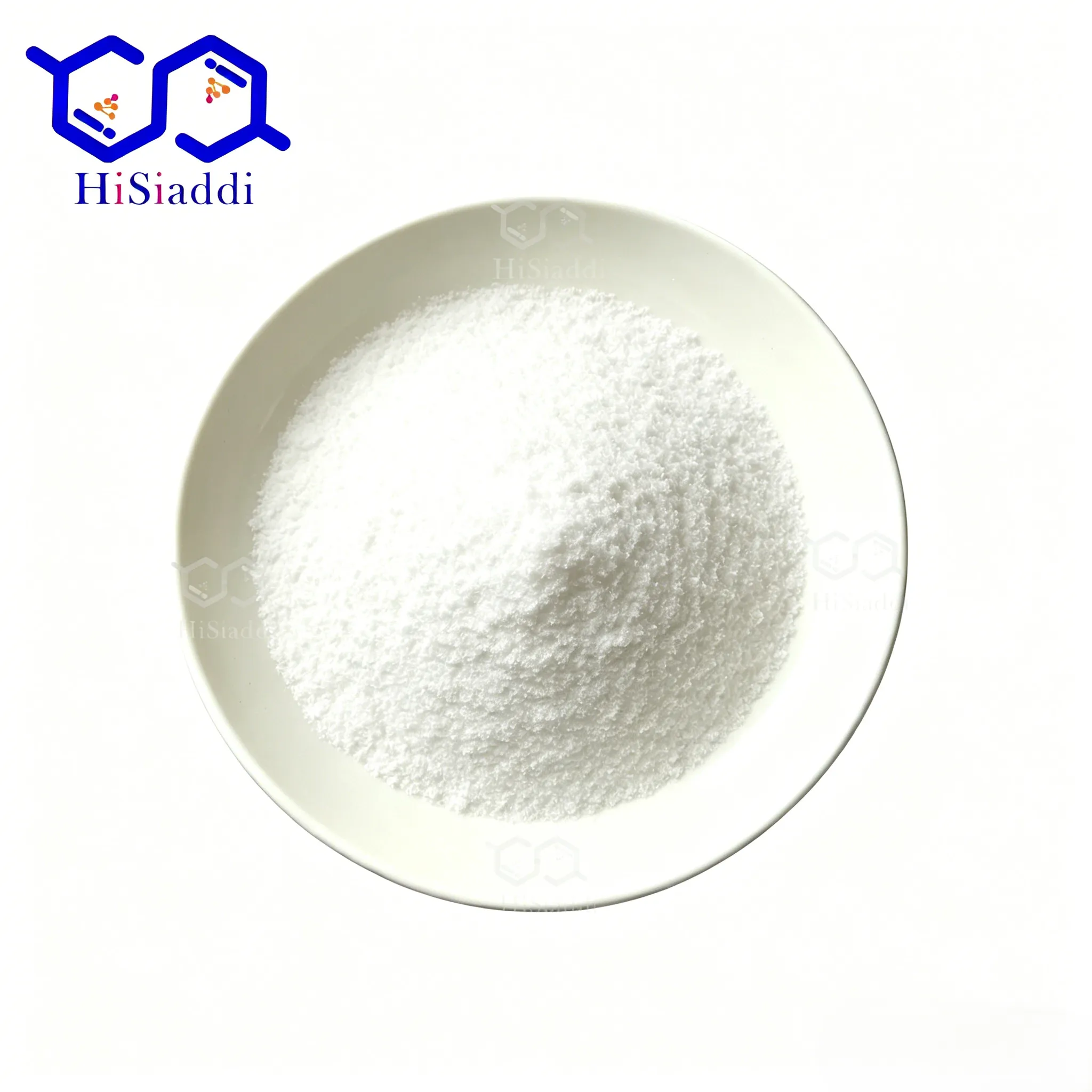
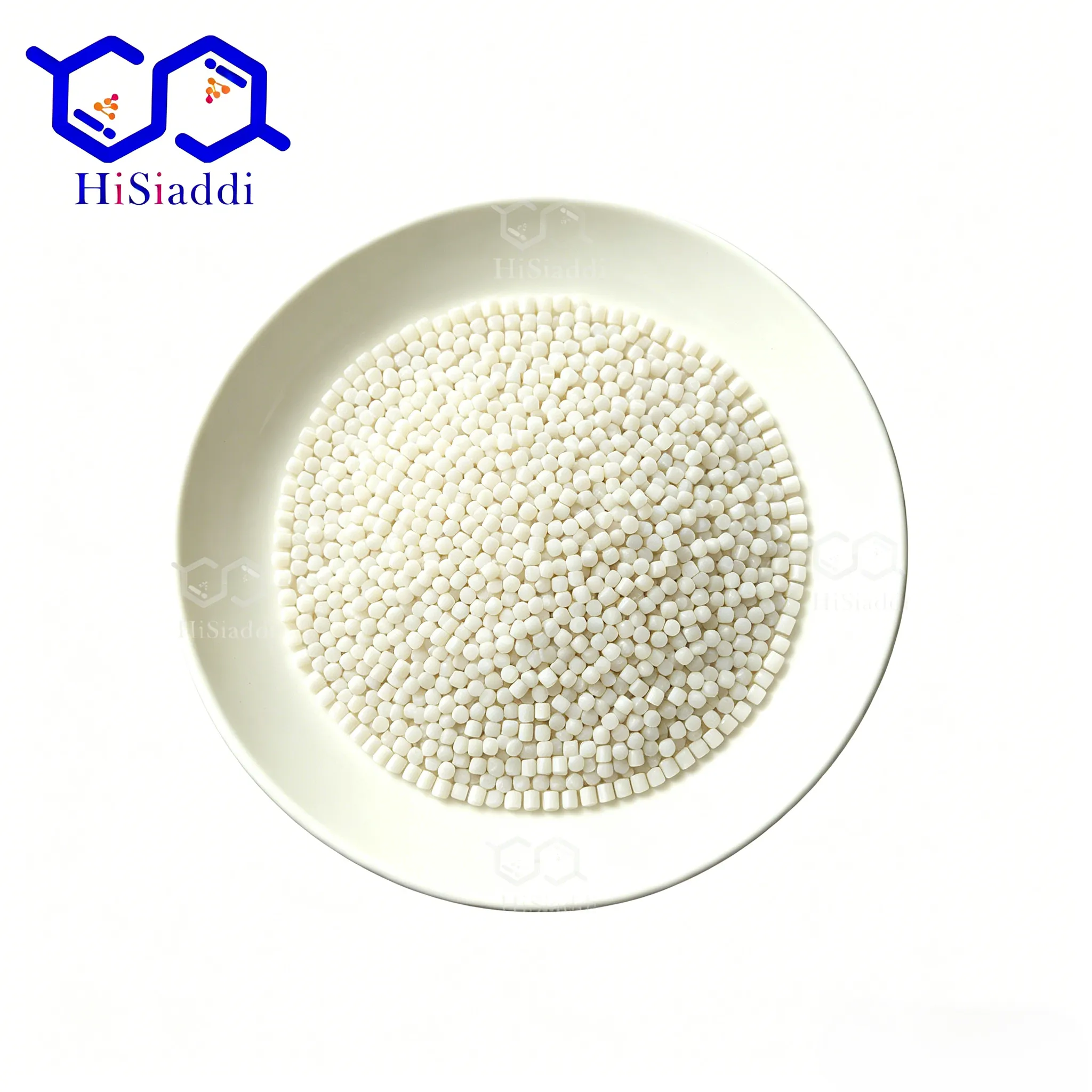
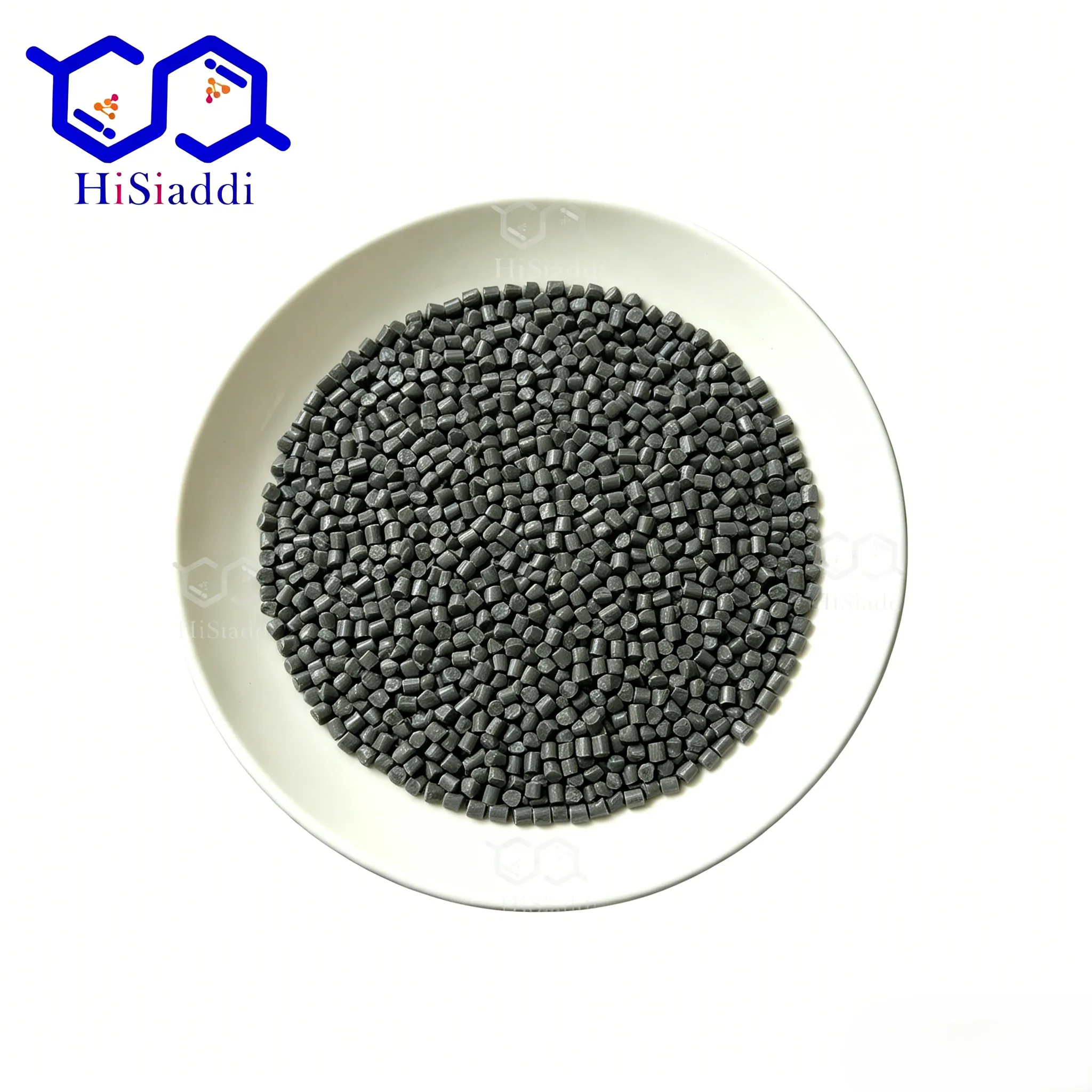
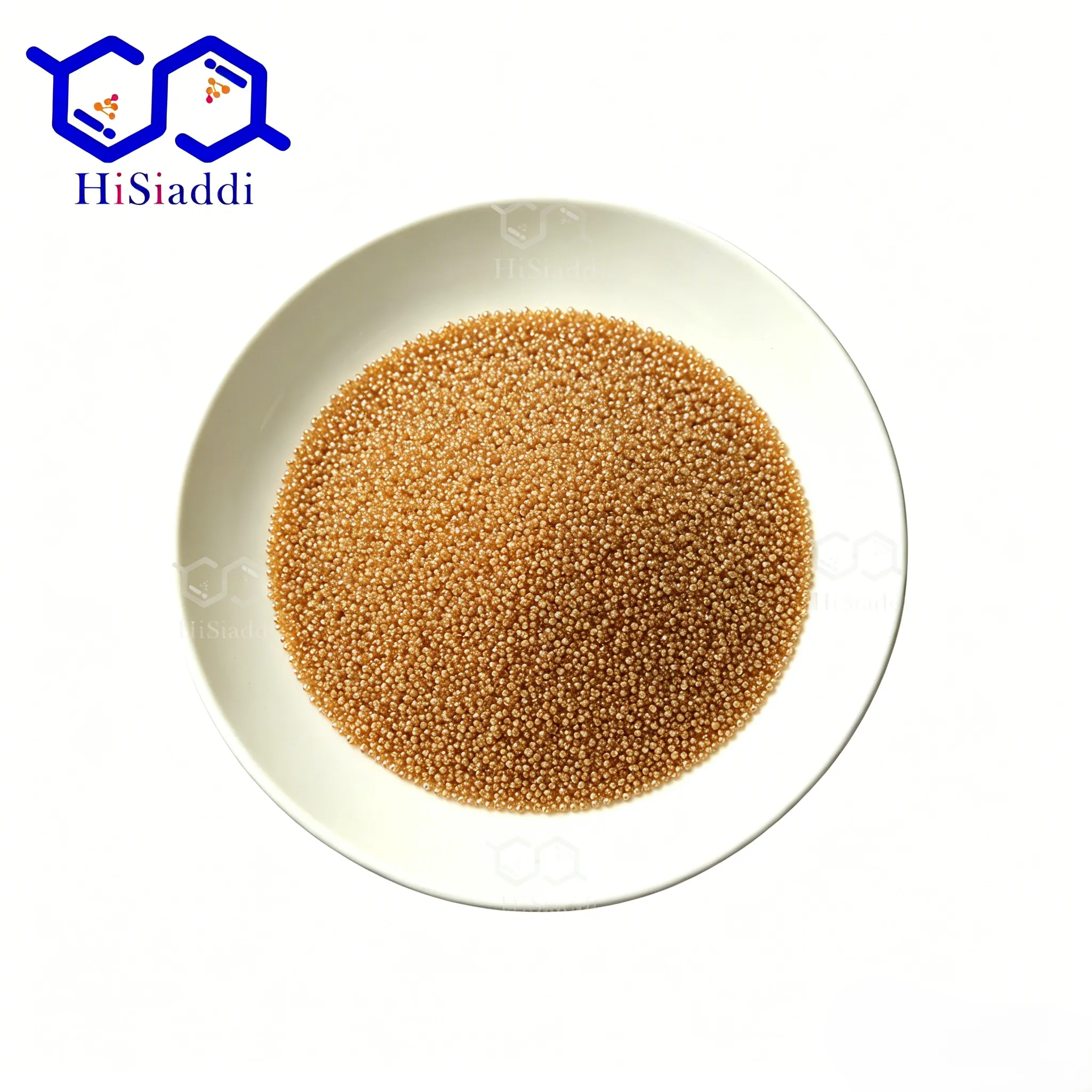
Polyetherimide abbreviated as PEI, it is a high-performance special engineering plastic, used in aerospace interior parts, medical sterilization components and electronic high-frequency connectors. HiSiaddi can supply original factory sources of multiple Chinese brands and provide "1+2+3+4=1" services.
Vatti: PEI-VAT002, PEI-VAT002G30 (glass fiber reinforced), long-term temperature resistance 180℃, heat distortion temperature 217℃, tensile strength ≥90MPa, flame retardant UL94 V-0, low dielectric constant 2.9~3.1, hydrolysis resistance and repeatable sterilization, 25%~35% lower in price than SABIC ULTEM with equivalent performance, suitable for medical equipment manufacturers and semiconductor test fixture factories.
Trues: TR-PEI-1000 (pure resin), TR-PEI-2300 (flame retardant grade), light transmittance 80%~85%, low haze, creep resistance, dielectric loss ≤0.002, international grade quality, 20%~30% lower in price, suitable for high-frequency connector factories and optical transparent component factories.
HiSiaddi Service: Design of medical sterilization scheme, technical support for replacing SABIC ULTEM, flame retardant / low dielectric modification; testing on tensile strength, heat distortion temperature, dielectric constant and flame retardancy.
 CONTACT HiSiaddi NOW
| CAS No: | 61128-46-9 | Brand Name: | Multi-brand |
| MF: | N/A | Model Number: | Multi-models |
| EINECS No: | N/A | Grade: | N/A |
| Purity: | N/A | Place of Origin: | Fujian, China |
| MOQ: | 1ton | Storage: | Please refer to the product packaging or contact the customer service. |
When purchasing polyetherimide as a buyer, you may encounter the following questions:
What are the core performance advantages and application impacts of mainstream models from well-known polyetherimide brands?
What competitive services can polyetherimide suppliers provide?
How are the qualification certifications and market reputation of target polyetherimide brands?
What is the inventory level and supply stability of polyetherimide suppliers?
What factors should be taken into account when selecting polyetherimide?
...and many other relevant questions.
PEI U1000: Virgin resin transparent injection grade, equivalent to SABIC ULTEM 1000
PEI U2100: 20% glass fiber reinforced high-strength grade, equivalent to SABIC 2100
PEI U2200: 30% glass fiber reinforced high-rigidity grade
PEI U FR: Halogen-free flame retardant grade, UL94 V0 rated
PEI U EX: Special grade for extruded sheets & films
Thermal Performance: Glass transition temperature Tg=217℃, continuous service temperature 170-180℃, heat deflection temperature 200℃, thermal decomposition temperature over 520℃, fully matching the performance of SABIC 1000
Mechanical Properties: Tensile strength of virgin resin 85-90MPa, flexural modulus 3.1-3.3GPa; modulus of glass fiber reinforced grades reaches 5.5-7.0GPa with excellent rigidity, strong creep resistance and superior high-temperature dimensional stability
Optical Property: Light transmittance 85%-87%, low yellowness index, transparent finished products free of crystal points, silver streaks and black spots with minimal batch color difference, ideal for mass production of high-end transparent components overseas
Hydrolysis & Damp Heat Stability: Water absorption rate below 0.25%, performance attenuation less than 3% after long-term immersion in 100℃ boiling water, resistant to repeated steam sterilization, suitable for high-temperature medical and food production environments
Flame Retardancy & Environmental Compliance: Halogen-free flame retardant with limiting oxygen index (LOI) over 47%, UL94 V0 rating, low smoke and non-toxic, compliant with EU REACH and RoHS standards, meeting fire safety standards for aviation and rail transit
Process Compatibility: Stable melt flow index and uniform fluidity, compatible with overseas high-speed injection molding, extrusion, blow molding and thermoforming automatic production lines with low mold adhesion and low internal stress generation
Priced at 50%-60% of equivalent SABIC ULTEM grades, ranking top-tier globally in cost performance for general transparent and glass fiber reinforced PEI, ★★★★★
Overseas manufacturers of high-end transparent precision parts, aviation interior components, rail transit accessories, food contact equipment fittings, high-end home appliance structural parts, and PEI sheet/film profile producers
Cut core raw material procurement cost by 40%-50%, greatly boosting profit margins and product price competitiveness of overseas component manufacturers
Stable batch consistency of transparent products reduces defective products caused by crystal points, color deviation and warpage, lowering production scrap rate
Complete series of glass fiber reinforced and flame retardant modified grades eliminate secondary compounding procedures and fit mainstream overseas processing equipment directly
Sufficient large-scale domestic polymerization capacity ensures stable peak-season supply, avoiding price hikes, supply shortages and ultra-long lead time risks from original SABIC suppliers
High-temperature resistance, flame retardancy and lightweight feature of aviation interior parts enhance aircraft safety and passenger comfort
Low-smoke flame retardancy and stable dimension of rail transit components adapt to complex road conditions and extreme operating environments
High-temperature steam resistance and corrosion resistance of food machinery accessories ensure food production hygiene and extend service life
SY PEI 1000HP: High-purity low-ion virgin resin, equivalent to SABIC 1000 HP
SY PEI F: Ultra-fine powder grade for 3D printing & electrostatic spraying
SY PEI SEMI: Special grade for semiconductor wafer carriers
High-purity Impurity Control: Ash content of high-purity grade below 0.03%, total content of metal ions (Na, K, Ca, Fe, Cu) less than 1.5ppm, ultra-low volatile content and minimal small molecule precipitation
Semiconductor Working Condition Adaptability: Resistant to plasma cleaning, acid-base etching solution and high-temperature baking without ionic contamination, applicable for wafer carrier rings, etching machine cavity fittings and test probe bases
Ultra-fine Powder Performance: Particle size 10-60μm with high sphericity and excellent fluidity, perfectly matching overseas SLS 3D printing, electrostatic spraying and coating molding processes
Ultra-low Water Absorption: Water absorption rate below 0.25%, nearly zero dimensional change in high-humidity environment, ensuring long-term stable operation of precision semiconductor accessories
Priced at 47%-57% of SABIC high-purity semiconductor PEI, top cost performance in high-purity segment, ★★★★★
Import-equivalent high-purity specifications enable access to high-end overseas semiconductor supply chains and avoid low-end price competition
Complete ultra-fine powder specifications are directly applicable to mainstream overseas 3D printing equipment without secondary sieving and purification
Flexible small-batch supply of high-purity materials meets demands of overseas R&D clients and high-end customized niche orders
High cleanliness of semiconductor accessories eliminates ionic pollution and significantly improves chip production yield
Heat-resistant and high-rigidity 3D printed PEI components are ideal for lightweight complex structural parts in aviation and medical industries
LH PEI MED: Medical grade, equivalent to SABIC ULTEM 2000
LH PEI FC: Food contact grade compliant with FDA standards
LH PEI MED ANTI: Antibacterial modified dedicated medical grade
Biocompatibility: Non-cytotoxic, non-sensitizing and non-genotoxic, fully certified by ISO 10993 biocompatibility tests, supporting repeated ethylene oxide, gamma ray and high-temperature steam sterilization
Purity Control: Extremely low monomer residue, heavy metal content below 0.1ppm, halogen-free and free of plasticizer precipitation
Independent Antibacterial Modification Technology: Self-developed inorganic antibacterial formula with long-lasting antibacterial effect, suitable for surgical instrument fittings and dental supplies
Food Grade Compliance: Conforms to US FDA, EU 10/2011 and German LFGB standards, resistant to high-temperature cooking and oil corrosion
Priced at 53%-63% of SABIC medical implant grade PEI, ★★★★☆ in medical subdivision market
Overseas medical device component manufacturers, dental material enterprises, surgical instrument accessory suppliers, high-end food & catering container producers and laboratory consumable manufacturers
Cost reduction of medical-grade raw materials lowers production costs for overseas medical device enterprises and enhances end-product pricing advantages in global markets
Ready-to-use antibacterial modified grades shorten formula R&D cycles and verification costs
Complete set of biological test and compliance certificates assist overseas clients in rapid FDA and CE certification acquisition
High-temperature sterilization resistance and antibacterial safety of medical consumables reduce cross-infection risks
Heat resistance, corrosion resistance and zero harmful substance precipitation of high-end catering containers and laboratory supplies ensure safer application
WK PEI CF30: 30% carbon fiber reinforced conductive grade
WK PEI ESD: Precisely controllable anti-static grade
WK PEI LT: Low-temperature impact resistant modified grade
Conductive & Anti-static Performance: Volume resistivity of carbon fiber reinforced grades ranges from 10² to 10⁴Ω·cm; surface resistance of anti-static grades is accurately adjustable within 10⁶-10¹⁰Ω with no surface migration precipitation and permanent anti-static property
Excellent Low-temperature Toughness: No brittle fracture at -50℃ with impact strength attenuation below 10%, applicable for frigid regions such as Northern Europe and Russia
EMI Shielding Performance: Carbon fiber modified grades deliver medium and high-frequency electromagnetic shielding effect for high-end electronic and military accessories
Uniform Filler Dispersion: Free of carbon fiber agglomeration and floating fiber issues, ensuring stable appearance and mechanical performance of molded products
Priced at 45%-55% of SABIC special conductive modified PEI, ★★★★☆ in industrial special material segment
Overseas high-end electronic shielding component manufacturers, semiconductor anti-static turnover part factories, military electronic structural part suppliers and industrial component enterprises serving frigid zones
Low unit price for bulk procurement fits large-scale assembly line production overseas
Precisely adjustable conductive and anti-static properties eliminate extra coating procedures and simplify production processes
Ready-made low-temperature resistant grades adapt to working conditions in high-latitude countries without secondary modification debugging
Anti-static and electromagnetic shielding performance of electronic accessories prevents signal interference and electrostatic breakdown, improving equipment operational stability
Excellent frost resistance and impact resistance extend service life of components used in extremely cold areas
YT PEI LV: Low-viscosity thin-wall injection molding grade
YT PEI V0 HP: Ultra-high halogen-free flame retardant grade
YT PEI ALLOY: PEI/PC special alloy grade
Low Viscosity & High Fluidity: Improved melt flow index suitable for ultra-thin precision parts of 0.1-0.6mm thickness, micro connectors and miniature sensor housings
Ultra-high Flame Retardancy: Halogen-free formulation with UL94 V0 rating and LOI over 50%, satisfying strict fire safety standards for aviation and military industries
PEI/PC Alloy Modification: Enhanced toughness and cost reduction while retaining original heat resistance and transparency, ideal for high-end consumer electronics
High Molding Precision: Molding shrinkage rate below 0.35% with outstanding dimensional accuracy for micro precision components
Priced at 56%-66% of SABIC niche modified PEI, ★★★★ in niche market segments
Overseas micro precision electronic manufacturers, high-end consumer electronic structural part factories, aviation & military flame retardant accessory suppliers and special alloy material enterprises
Low-viscosity grades support production of ultra-thin micro components, tapping into blue ocean high-end micro part markets overseas
Differentiated ultra-high flame retardant products avoid homogeneous low-price competition
Flexible alloy modification schemes quickly match new-generation high-end electronic material formulas overseas
Lightweight and precise micro electronic components cater to the miniaturization trend of 5G and wearable electronic devices
Higher fire safety grade and stronger environmental adaptability of aviation and military accessorie

| Comparison Dimension | Jiangsu Oxset | Shanghai Synthetic Resin Research Institute | Shandong Luhua Hongjin | Zhejiang Wankai New Materials | Guangdong Youtai New Materials |
| Export Ranking | 1 | 2 | 3 | 4 | 5 |
| Core Product Segments | General transparent injection/extrusion grade, glass fiber reinforced grade, halogen-free flame retardant grade | High-purity low-ion grade, semiconductor carrier grade, ultra-fine powder 3D printing grade | Medical grade, food contact grade, antibacterial modified grade | Carbon fiber reinforced conductive grade, anti-static grade, low-temperature impact resistant grade | Low-viscosity thin-wall grade, ultra-high flame retardant grade, PEI/PC alloy grade |
| Main Export Grades | PEI U1000/U2100/U2200/U FR/U EX | SY PEI 1000HP/F/SEMI | LH PEI MED/FC/MED ANTI | WK PEI CF30/ESD/LT | YT PEI LV/V0 HP/ALLOY |
| Equivalent Overseas Brands | Full range of SABIC ULTEM 1000/2100 | SABIC high-purity semiconductor series | SABIC ULTEM 2000 medical series | SABIC conductive & anti-static modified series | SABIC niche special modified series |
| Core Competitive Advantages | Tg=217℃, long-term service temp 170-180℃; light transmittance 85-87%; LOI>47%; water absorption<0.25%; superior batch consistency | Ash<0.03%, metal ion<1.5ppm; low precipitation; high powder sphericity; plasma cleaning resistance | Full ISO 10993 biocompatibility; heavy metal<0.1ppm; long-lasting antibacterial property; repeated sterilization available; FDA compliant | Adjustable permanent conductivity & anti-static property; excellent -50℃ low-temperature toughness; superior EMI shielding; uniform carbon fiber dispersion | Low viscosity for 0.1-0.6mm thin-wall parts; LOI>50% ultra-high flame retardancy; molding shrinkage<0.35%; improved toughness via PC alloy modification |
| Price Ratio vs Overseas Equivalents | 50%-60% | 47%-57% | 53%-63% | 45%-55% | 56%-66% |
| Cost Performance Rating | ★★★★★ | ★★★★★ | ★★★★☆ | ★★★★☆ | ★★★★ |
| Core Target Overseas B-end Buyers | Aviation interior part factories, rail transit accessory suppliers, food machinery manufacturers, PEI profile producers | Semiconductor equipment component factories, 3D printing service providers, high-end electronic insulation part manufacturers | Medical device manufacturers, dental material suppliers, food & catering container factories | Electronic shielding component factories, semiconductor anti-static turnover part factories, military electronic enterprises | Micro precision electronic manufacturers, high-end consumer electronic factories, aviation & military flame retardant accessory suppliers |
| Benefits for Downstream B-end Buyers | 1. 40%-50% raw material cost reduction2. Lower defective rate of transparent products3. Complete modified grades without secondary compounding4. Stable peak-season supply | 1. Access to high-end semiconductor supply chain via high-purity products2. Compatible powder materials for overseas 3D printing equipment3. Flexible small-batch supply | 1. Reduced medical device production cost2. Antibacterial grades shorten R&D cycle3. Complete compliance certificates speed up overseas certification | 1. Low bulk procurement price2. Adjustable performance simplifies production procedures3. Adaptable to extreme cold region working conditions | 1. Expand high-end ultra-thin micro component market2. Differentiated flame retardant products avoid price competition3. Alloy modification matches new electronic material formulas |
| End-user Benefits | 1. Safe & lightweight aviation interior parts2. Low-smoke flame retardant rail transit components3. Sanitary and durable food processing equipment | 1. Improved semiconductor chip yield2. Lightweight 3D printed parts for aviation & medical fields | 1. Safe antibacterial medical consumables2. Harmless food contact containers | 1. Anti-static & anti-interference electronic devices2. Durable components for extremely cold environments | 1. Fit electronic product miniaturization trend2. Upgraded fire safety performance for aviation & military products |
HiSiaddi, a new foreign trade service provider driven by both technology transformation and foreign trade business, has built a "1+2+3+4=1" product service system, which consists of 1 foreign trade salesperson with over 3 years of experience, 2 R&D teams and 3 high-quality suppliers supported by 4 warehouses to fulfill one-stop product demand.
With this service system, HiSiaddi boasts deeper expertise in R&D optimization and technical processes of PEI granules than most foreign trade companies, a clearer grasp of market demands and competitive advantages of various PEI granules brands than single factories, and a more thorough understanding of the PEI granules foreign trade market than research institutions.
HiSiaddi only recruits foreign trade sales staff with over 3 years of working experience, who must receive more than 6 months of training from both the R&D team and foreign trade team before serving customers.
(1)PEI Granules Basic Support Service
Backed by the foreign trade team and corporate service system, we provide customers with full-process one-stop document handling services, including but not limited to issuance and processing of all types of compliance certificates for PEI granules, provision of third-party test reports and resolution of quality warranty issues.
(2)PEI Granules Exclusive Premium Service
Full-Set Medical Biocompatibility Compliance Service. We assist overseas medical manufacturers in completing ISO 10993 testing, FDA registration and CE medical material certification, as well as sterilization validation schemes to accelerate product overseas launch.
Global PEI Industry Monthly Intelligence Push Service. We release regular market updates covering SABIC ULTEM price trends and demand changes in aerospace, medical and semiconductor industries, alongside global special plastic compliance policies and regional procurement preferences to help clients avoid price risks and seize market opportunities.
Through in-depth cooperation with source factories via technology transformation and internal collaboration with the foreign trade team, we provide technical training for sales staff to realize professional PEI customization and offer research-level consulting for PEI brand matching and application solution optimization.
(1)PEI Granules Research-Grade Customization Service
Import Substitution Benchmark Special Service. For clients adopting SABIC ULTEM imported PEI, we complete full-dimensional one-to-one comparison of thermal performance, mechanical properties, light transmittance, hydrolysis resistance, ionic purity, flame retardancy and batch stability, alongside cost and delivery cycle analysis, issuing dedicated substitution reports unavailable to ordinary traders.
PEI Technology Transfer & Custom Modification Service. We cooperate with domestic high-performance polymer research institutes to develop customized PEI grades including ultra-high-purity semiconductor types, antibacterial medical variants, low-viscosity thin-wall dedicated grades, high-transparency rigid alloys and precisely controlled conductive antistatic PEI, covering the whole process from small trial to mass production to help clients occupy overseas high-end niche markets.
Custom PEI Sheets, Films and Semi-Finished Parts. We offer customized cutting and thermoforming of PEI plates and films for small and medium overseas component factories to reduce clients’ processing equipment investment.
Joint R&D of Exclusive Custom PEI Grades. For long-term key clients, we co-develop proprietary modified PEI grades with top domestic manufacturers and grant clients exclusive priority formula rights to build differentiated end products and avoid low-price homogeneous competition.
(2)PEI Granules Research-Grade Consulting Service
Overseas Localized PEI Processing Technical Service. Our multilingual high-performance polymer technical team provides remote guidance on injection temperature curves, mold temperature control, exhaust optimization, internal stress elimination, transparent product anti-crystallization and 3D printing sintering parameters, services unavailable from regular trading firms.
Semiconductor Ultra-Low Ion Control Service. Every batch of PEI is accompanied by third-party test reports for metal ions, volatile substances and small molecule precipitates to meet strict semiconductor clean production standards.
Optical & Damp Heat Working Condition Testing. We conduct light transmittance, yellowness index, high-low temperature damp heat cycle and steam sterilization tests in authorized labs, issuing overseas recognized test documents to eliminate clients’ stability concerns.
Aerospace & Rail Transit Flame Retardant Formula Optimization. We develop halogen-free low-smoke PEI formulas compliant with EN45545 aviation and rail transit fire standards.
Our foreign trade and R&D teams jointly conduct preliminary market surveys, on-site factory inspections, product testing, in-depth technology transformation cooperation and bulk procurement cooperation to select around 3 reliable, stable, reputable and promising brand manufacturers.
(1)PEI Granules Greater Initiative to Secure Lower Prices
Long-term cooperation through technology transformation and authorized distribution enables us to source original factory goods at preferential prices.
(2) PEI Granules Long-Term Supply Chain Guarantee Service
Long-term partnership in technology transfer and distribution strengthens production process monitoring, full batch traceability, batch stability control and compensation guarantees for batches failing third-party inspection.
We have 4 warehouses, which are jointly operated and managed with suppliers to store hot-selling products.
(1)PEI Granules Fast Delivery & On-Site Emergency Handling
The four warehouses are located at Qingdao Port (North China), Ningbo Port (East China), Shenzhen Port (South China) and Zhengzhou (inland logistics hub), ensuring timely delivery of PEI granules. On-site staff can resolve transportation damage, packaging defects and export compliance issues locally.
(2) PEI Granules Price Stabilization & Custom Packaging Support
We stock up in advance to mitigate drastic price hikes during peak seasons. Self-operated warehouses support highly customized packaging and label solutions for clients.
As a new foreign trade service provider driven by both technology transformation and foreign trade services, HiSiaddi has established a "1+2+3+4=1" service system and can supply original factory materials of multiple well-known brands for PEI granules. As a technology R&D-oriented foreign trade supplier, we will systematically sort out and analyze common difficulties faced by B-end buyers purchasing PEI granules in China, and propose targeted solutions from HiSiaddi’s professional perspective.
If you require more professional and in-depth analysis regarding PEI granule selection, please contact HiSiaddi customer service.
1. Compliance and Labeling Risks: PEI (Polyetherimide) is divided into food-contact high-purity grade, electronic IC carrier tape grade, glass fiber modified engineering grade and ultra-fine powder coating grade. North America enforces TSCA chemical registration, FDA food contact, UL flame retardancy and California Proposition 65 control. Labels must clearly mark MFR, moisture content, Tg, ash content, halogen and heavy metal content. Recycled PET/PC mixed waste is strictly forbidden for food kitchenware and chip carrier tapes. Customs detention or incoming IQC rejection will occur if key physical property deviation exceeds 5%; clearance and warehousing are impossible without FDA statements and UL Yellow Cards.
2. Model Selection & Application Pain Points: Pure resin grades are used for food tableware and precision IC trays; glass fiber reinforced grades for aerospace interiors and high-temperature pump components. Excessive moisture in raw materials causes hydrolysis, whitening, silver streaks and cracking during high-temperature injection molding; high processing temperatures trigger thermal degradation and brittleness. Blending with PC or PS drastically reduces heat resistance and dielectric performance; uneven filler dispersion leads to excessive dimensional tolerance and insulation failure.
3. Strict Safety Physical & Chemical Standards: Food/electronic grades require volatile content <0.3%, single heavy metal <1ppm, halogen-free and low small molecule precipitation. A large volume of PC+glass fiber blends are falsely sold as PEI in the market, with drastically reduced heat distortion temperature, making them ineligible for supply chains of food and semiconductor leading enterprises.
4. Storage, Transportation and Order Pain Points: Pellets must be sealed and moisture-proof for storage; moisture absorption in humid environments causes molding defects. Small-batch trial orders for new material R&D are frequent, yet major raw material manufacturers require ton-level minimum orders, resulting in either stockpiling moisture damage or production shutdown due to material shortages.
1. Full set of compliance documents + labeling guidance: Complete TSCA filing, FDA food certification, RoHS/halogen-free, Proposition 65 and UL reports are provided. Each batch’s CoA locks MFR, moisture content and heat distortion temperature with batch fluctuation <3%, supporting customs inspection and factory incoming sampling.
2. Multi-spec stock preparation + molding process support: Two core mainstream grades (high-purity food grade and glass fiber reinforced aerospace grade) are stocked. Drying parameters and segmented injection molding temperature control schemes are provided to resolve hydrolysis silver streaks and brittleness issues.
3. Dual quality inspection for quality control: Original factory self-inspection plus full-item third-party SGS testing for thermal performance, halogen and heavy metals.
4. Vacuum aluminum-plastic moisture-proof packaging + flexible MOQ: Water vapor isolation; mixed batches starting from 50kg, with local delivery within 3–7 days from North American bonded warehouses for urgent orders.
1. Heavy Compliance Pressure: PEI synthetic monomers and processing additives fall under REACH-SVHC control with high-concern substance limit ≤0.1%. Food and medical materials must additionally comply with EU 10/2011 food contact regulations, while automotive parts follow the ELV Directive. Small and medium processing factories lack compliance teams; independent REACH declaration takes 5–8 months, delaying new product certification launch.
2. Operating Condition Adaptation Deficiencies: Insufficient drying of moisture-absorbed raw materials leads to internal silver streaks and delamination in extruded/injection-molded products. Year-round high humidity in Europe accelerates water absorption during storage; large temperature fluctuations during ocean shipping cause agglomeration of powder materials in simple packaging, disrupting feeding and molding.
3. Green Procurement Barriers: EU medical and automotive manufacturers mandate raw material traceability, production carbon footprint and recycled material proportion certificates. Blended waste materials without traceability cannot enter high-end supporting supply chains.
1. One-stop compliance package + declaration assistance: Complete REACH-SVHC, RoHS and food contact compliance documents are provided, with specialists assisting application review to shorten the audit cycle to 3 months.
2. Scenario-customized process guidance: Clean unfilled grades for medical use and high-temperature resistant modified grades for automotive use, with supporting drying and extrusion molding process parameters.
3. Moisture-proof and light-shielded sealed packaging: Vacuum packaging lined with aluminum film to reduce moisture damage during ocean shipping.
4. Green supply chain document support: Monomer traceability slips and carbon footprint ledgers to align with EU medical and automotive supporting channels.
1. Impact of Low-Cost Inferior Products: Small factories sell blends of PC, PPS and mineral-filled PA at low prices while falsely labeling them as PEI. The high synthetic cost of PEI with aromatic ring structures squeezes profit margins of formal suppliers in low-end markets.
2. Difficult Indicator Verification: Falsely labeled heat distortion and continuous operating temperature; local facilities lack thermogravimetric and melt index testing equipment, leading to full-batch returns due to finished product softening and insulation breakdown under high temperatures.
3. High Storage & Transportation Losses: High temperature and heavy rainfall in Southeast Asia cause rapid moisture absorption of raw materials. Port detention for 1–3 weeks during rainy seasons results in comprehensive scrap losses of 8%–12%.
4. Lack of After-Sales Support: Local intermediaries refuse to bear losses from counterfeiting or moisture damage, with all deficits borne solely by buyers.
1. Tiered pricing and graded supply: Economical blended materials mixed with PC and brand-new high-purity virgin PEI. Economical grades for low-end general electrical appliances, and pure resin raw materials for export food and medical orders.
2. SGS physical property testing + one-item-one-code traceability: Bilingual test reports for each batch, with QR code scanning to verify grades and quality inspection data for rapid authenticity identification.
3. Double-layer moisture-proof sealed packaging + off-peak shipment: Inner vacuum aluminum bags plus outer reinforced cartons to control losses within 2%; sea freight of 7–10 days by avoiding port congestion during rainy seasons.
4. Dedicated local after-sales service: Southeast Asian specialists available for 24-hour communication; full-order returns and exchanges supported for non-artificial storage moisture damage or substandard performance, with round-trip freight covered by the supplier.
1. Compliance Barriers: PEI for drinking water appliances and on-board electrical supporting parts requires JAKIM/ESMA Halal certification with strict engineering plastic import inspection. Goods without certificates will be detained and fined by customs, and independent certification takes a long time.
2. Deterioration Under Extreme High Temperatures: Long-term dry heat storage above 40°C in the Middle East accelerates aging and brittleness of inferior counterfeit materials, causing premature cracking and failure of components under high-temperature operating conditions.
3. Fragmented Order Demand: Trial orders of medium and small injection molding factories concentrate on 20–100kg, yet most original manufacturers enforce ton-level minimum orders, creating obstacles for small-batch trial procurement.
4. Localized Formula Challenges: Ordinary grades lack sufficient UV resistance for open-air exposure in the Middle East and tend to pulverize, with no weather-resistant modified grade options or dedicated drying processes available.
1. Dual authoritative Halal certificates + customs clearance support: Full-chain HALAL control for food-grade materials, with original JAKIM and ESMA certificates plus English translations on hand to assist commodity inspection and customs clearance.
2. Temperature-isolated moisture-proof customized packaging: Vacuum packaging with outer thermal insulation foam boxes to stabilize physical properties and resist aging for 3 months under 45°C storage.
3. Flexible minimum order model: Ultra-low MOQ of 20kg, delivery within 3–5 days for orders under 100kg; same-day local delivery from Dubai bonded warehouses for spot goods.
4. Material technical output: Weather-resistant UV-modified PEI grade selection plus thorough pre-drying processes adapted to open-air high-temperature operating conditions in the Middle East.
1. High Market Access Thresholds: PEI for medical devices and pharmaceutical equipment requires EU GMP clean polymerization production lines. Ordinary industrial grades exceed residual monomer and small molecule precipitation limits and are ineligible for pharmaceutical supporting products.
2. Stringent Impurity Limits for Medical Use: ppm-level control of soluble precipitates for pharmaceutical grades, single heavy metal <0.1ppm and no harmful dissolution. Industrial modified materials fail to meet biocompatibility and pharmaceutical equipment compliance standards.
3. Lengthy Pharmaceutical Regulatory Reviews: Supporting data including DMF, dissolution safety and biocompatibility are required for pharmaceutical-grade materials, with EMA audits taking 5–8 months and market access rejected for incomplete documents.
4. Severe Cross-Contamination Risks: Medical high-purity PEI is strictly prohibited from co-granulation and packaging with recycled blended materials and ordinary industrial modified materials; cross-contamination results in full-batch scrapping.
1. Independent GMP clean dedicated production lines: Class 10,000 dust-free workshops with separate production of pharmaceutical PEI for polymerization, granulation and screening, physically isolated from industrial grades.
2. Multi-stage devolatilization purification: Deep removal of residual monomers and low-molecular impurities, with MFR and moisture content batch deviation ≤±0.3%; dedicated medical CoA issued per batch.
3. Full set of pre-stored pharmaceutical regulatory documents: DMF and complete dissolution test data reserved in advance, with specialists coordinating with EMA to shorten audit cycles to 4 months.
4. Full-chain sterile isolation control: Medical dust-free vacuum packaging plus constant-temperature closed dedicated logistics, supported by workshop zoning disinfection and cross-contamination prevention certificates.
If you require more professional and in-depth analysis regarding PEI granule selection, please contact HiSiaddi customer service.
Virgin PEI resin: Glass transition temperature (Tg) ≥ 215℃, heat deflection temperature ≥ 200℃; long-term service temperature: -60℃ ~ 180℃.
Mechanical properties: Tensile strength ≥ 88MPa, flexural modulus ≥ 3.3GPa, elongation at break ≥ 7.0%.
Flame retardancy: UL94 V0 rating (1.5mm specimen), halogen-free formula with total halogen content < 50ppm.
Dielectric properties: Dielectric constant (1MHz) ≤ 3.1, dielectric loss ≤ 0.0018.
Radiation resistance: After exposure to 100kGy gamma-ray radiation, the retention rate of mechanical properties ≥ 92%, with no yellowing or cracking on the surface.
Water absorption: ≤ 0.23%; no obvious performance degradation after 800 hours of immersion in rail transit oil and cleaning agents.
Melt fluidity: Melt flow rate (337℃/6.6kg) = 17±0.8g/10min, suitable for high-speed injection molding and single-screw extrusion; warpage of finished products ≤ 0.15%.
Appearance and particle size: Uniform light amber pellets without black spots or foreign impurities; particle size: 2.4±0.2mm. The fluidity and color remain unchanged after 12 months of storage at room temperature.
Balancing halogen-free flame retardancy, high heat resistance and mechanical properties: Traditional halogen-containing flame retardants deliver good flame retardant effect but fail to meet EU environmental directives. Adding inorganic halogen-free flame retardants will reduce the fluidity and toughness of the resin, while organic flame retardant additives tend to increase dielectric loss and lower heat deflection temperature. It was necessary to develop an efficient low-dosage halogen-free flame retardant system compatible with PEI matrix to balance flame retardancy, heat resistance, mechanical properties and dielectric performance.
Complex control of radiation resistance and color stability: High-energy rays can break polymer molecular chains, causing material yellowing and embrittlement. Although radiation-resistant additives can improve radiation resistance, some additives will darken the resin color, introduce discoloration and affect melt fluidity. It was challenging to coordinate radiation protection, color stability and processability.
Mutual restriction between melt fluidity and low-warpage molding: Improving melt flow rate facilitates high-speed injection molding, yet it intensifies molecular chain orientation and easily leads to warpage after product cooling. Reducing fluidity can improve warpage resistance but cannot adapt to the client’s high-speed injection molding production line. Precise regulation of molecular chain structure and melt rheological behavior was required.
Complicated dual compliance system for EU rail transit fire protection and aerospace electronics: EU rail transit standard EN 45545 sets strict limits on smoke density, toxicity and flame propagation rate. Aerospace electronic materials additionally require low volatility, low precipitation and resistance to high and low temperature cycles. Conventional domestic material reports lack special data on fire smoke toxicity, radiation resistance and high-low temperature cycling, resulting in heavy workload for certification and document compilation.
Strict requirements for pellet color and impurity control: Even trace impurities or carbonized spots will cause black dots and color difference on light amber resin pellets. The whole processes of polymerization, pelletizing and conveying needed closed-loop management to prevent carbonization and external impurities.
Special storage and transportation requirements: PEI pellets are prone to moisture absorption, which will cause silver streaks and bubbles on injection molded products. The high humidity during long-distance ocean transportation to Europe put forward strict requirements on moisture-proof packaging. Besides, static electricity on pellets easily causes adhesion.
Tight delivery schedule and stringent quality control: The performance fluctuation of flame retardancy, dielectric property and color between batches must be kept to an extremely low range, bringing great pressure on mass production quality control.
For the halogen-free flame retardant system: A phosphorus-nitrogen composite high-efficiency halogen-free flame retardant modification technology was adopted. The flame retardant was added in low dosage without damaging the matrix molecular structure. The final total halogen content reached 32ppm, meeting UL94 V0 standard, while heat deflection temperature, mechanical properties and dielectric performance remained intact.
For radiation resistance and color stability: Monomers with stable aromatic ring structures were used for polymerization, combined with special organic radiation-resistant additives. The additives feature excellent compatibility with the matrix, with no precipitation and no impact on the original color of the resin. After 100kGy radiation test, the mechanical property retention rate reached 93.5% with no obvious yellowing.
For fluidity and low warpage: Moderate branching modification was conducted on molecular chains to optimize melt flow characteristics and regulate crystallization and orientation behaviors. The melt flow rate was 16.9g/10min and product warpage was 0.12%, fully adapting to high-speed injection molding and extrusion processes.
For color and impurity control: The whole polymerization and pelletizing processes were carried out under closed inert atmosphere protection. Equipment was regularly polished and cleaned to eliminate local high-temperature carbonization of materials. The finished pellets feature uniform color without black spots or foreign impurities.
For dual compliance documents: Full-item tests including fire smoke toxicity, radiation resistance and high-low temperature cycling were completed in accordance with EN 45545 and aerospace electronic standards. A complete set of English compliance documents and certification reports were compiled and reviewed for filing by Spanish compliance consultants.
For packaging and ocean transportation: Moisture-proof vacuum packaging plus outer anti-rust iron drums were adopted, and the whole transportation was carried out at constant temperature and dry conditions to prevent pellet moisture absorption.
Dense silver streaks and bubbles on injection molded products, damaging appearance and insulation performance.
Unstable flame retardant performance; some batches failed to reach V0 rating, bringing potential safety hazards.
Severe warpage of thin-walled products with out-of-tolerance dimensions affecting assembly.
Raw materials were easy to absorb moisture, and the high humidity in the warehouse exacerbated molding defects.
Fluctuating melt fluidity caused uneven discharging during high-speed injection molding and poor production stability.
To eliminate silver streaks and bubbles: Dry the raw materials at 125℃ for 3.5 hours before use, and optimize the exhaust and heating curve of injection molding to remove moisture and volatile substances.
To solve unstable flame retardancy: Replace with special PEI featuring uniformly dispersed flame retardant system, and establish incoming flame retardancy sampling inspection system to reject unqualified raw materials.
To improve warpage: Optimize injection molding holding pressure and sectional cooling parameters to reduce molecular chain orientation stress, and select PEI grades with rheological properties suitable for high-speed injection molding.
To prevent moisture absorption: Control the warehouse humidity within 45% and keep raw material barrels fully sealed.
Lead time
Quantity (ton) | 0 - 10 | 10 - 30 | > 30 |
Lead time (days) | 7 | 15 | To be negotiated |
The monthly inventory volume of PEI is 60 tons, with appropriate adjustments upwards or downwards in response to peak and off-peak seasons.
HiSiaddi safeguards the supply stability of PEI through the following measures:
(1) Performance evaluation and screening of PEI brand factories based on on-time delivery rate, batch pass rate, timeliness of risk alerts, and completeness of documentation to assess their supply stability.
(2) For each mainstream model or major grade of PEI, secure 1 primary high-quality brand manufacturer and 2 backup high-quality manufacturers.
(3) Each factory operates independent production lines in separate production zones to prevent production halts caused by major unforeseen incidents such as environmental production suspensions and power outages.
Through long-term cooperation with brand manufacturers via technology commercialization and authorized distribution channels, HiSiaddi can effectively strengthen supervision over the production processes of brand manufacturers, optimize full-process traceability management, improve batch stability control, and further reinforce real-time monitoring of the supply stability of PEI products.
Long-term Annual Framework Supply Guarantee Agreement. HiSiaddi signs 12-month long-term agreements with leading manufacturers. The agreements specify the minimum guaranteed supply volume, maximum price hike range, and priority production scheduling rights during peak seasons. It is stipulated that manufacturers shall issue a 30-day prior written notice if production is suspended due to environmental rectification or equipment maintenance, and backup manufacturers will be activated to replenish goods accordingly.
We have 4 warehouses, which are jointly operated and managed with suppliers to store hot-selling products.The four warehouses are located at Qingdao Port in North China, Ningbo Port in East China, Shenzhen Port in South China, and Zhengzhou, China’s inland logistics hub. This setup guarantees sufficient supply and timely shipment of PEI during peak seasons.
HiSiaddi issues a rolling demand forecast covering the subsequent three months on the 25th of each month, allowing manufacturers to reserve production capacity in accordance with the forecast. Any new urgent orders from overseas clients will be prioritized to draw on inventories or production capacity from backup manufacturers.
Unstable logistics for PEI will extend delivery lead times. HiSiaddi has established alternative arrangements covering multiple freight forwarders, ports and transportation solutions:
(1) Binding of multiple professional chemical freight forwarders for PEI
Each product is assigned 2 to 3 freight forwarders with hazardous chemical/food transport qualifications affiliated with different shipping lines. Alternative sailing schedules can be switched to immediately in case of space shortages or customs inspections on a single shipping route.
(2) Backup transportation solutions for PEI
Ocean freight serves as the standard mode; air freight and rail freight are reserved as alternatives for urgent orders. Long-term agreements for temperature-controlled containers are signed for temperature-sensitive and perishable food additives to secure shipping space.
(3) Visual tracking and digital early warning for PEI
Freight forwarders synchronize daily updates on container loading, customs declaration, vessel loading and port arrival milestones. If customs inspection occurs, replenishment from backup inventory will be initiated immediately to shorten client waiting periods.
Full-chain digital early warning automatically monitors four categories of risks:
Factory side: Expiring supplier environmental assessment certificates, renewal of production permits, scheduled major equipment overhauls, and notifications of price hikes for upstream raw materials;
Inventory side: Inventory falling below safety thresholds, excessive inventory age, and batches failing quality inspection;
Logistics side: Shipping line space shortages, strikes at destination ports, and updates to customs policies;
Overseas side: Revisions to additive regulations and adjustments to import restriction lists in target countries.
Early warning notifications are automatically pushed to procurement and business leads, allowing backup suppliers or inventory contingency plans to be activated in advance.
As a new foreign trade service provider driven by both technology transformation and export business, HiSiaddi has built a "1+2+3+4=1" service system, offering access to original factory supplies of PEI granules from multiple well-known brands.
As an export service provider with in-house R&D capabilities, HiSiaddi differs from single-brand manufacturers that only promote their own products. We objectively analyze multiple competitive Chinese PEI brands with strong export performance and share their certification portfolios and market feedback to help buyers make efficient, reliable sourcing decisions.
If you require more authentic, objective information on multiple well-known Chinese PEI granule brands, please contact HiSiaddi customer service.
1. Transparent natural pellets: VAT002 (equivalent to ULTEM 1000, unfilled transparent general substrate, benchmark domestic mass-produced base resin)
2. Black general-purpose material: VAT002-BK7101 (carbon black modified, matching ULTEM 1000-7101 black grade)
3. Glass fiber reinforced series: VAT002-G10 (10% GF), G20 (20% GF), G30 (30% GF), benchmarking ULTEM 2100/2200/2300 glass fiber grades
4. High-flow thin-wall specialty grade: VAT002-HF with upgraded melt index for injection molding of ultra-thin 0.3–0.8 mm structural components
5. Base medical substrate: VAT002-M (modifiable to meet medical-grade substrate standards via post-processing)
1. European industrial electrical market (Germany, Poland, Czech Republic): VAT002 and G30 grades have been supplied in mass batches to Siemens and Schneider European subcontractors for high-voltage terminal blocks and circuit breaker insulation bases for three consecutive years. End-user testing verifies heat deflection temperature of 202 °C, dielectric strength of 22 kV/mm and UL94 V-0 flame retardancy with no creep cracking under continuous long-term service. Raw material procurement costs fall 19%–23% vs. SABIC imports, and delivery lead times shrink from 90 days for imported materials to under 22 days. Annual repeat orders rise steadily at 12% year-on-year over three years.
2. Southeast Asian medical consumables (Malaysia, Thailand, Vietnam): Natural VAT002, post-modified for medical use, produces single-use endoscope handles and high-temperature sterilization trays. Hospital field testing confirms resistance to over 55 cycles of 134 °C autoclave sterilization without precipitation or warpage. Small and medium local medical device manufacturers have gradually replaced expensive imported ULTEM, with annual medical-grade PEI exports exceeding 1,200 tons to Southeast Asia.
3. East Asian 3C & 5G markets (Taiwan China, South Korea): Foxconn’s 5G base station supporting manufacturers source VAT002-G20 as mmWave module insulation brackets with stable dimensional shrinkage below 0.5%, cutting single-component production costs by 27% after import substitution.
4. Customer service feedback: 50 kg minimum order quantity for samples, custom color and modification available with 7–12 working day turnaround for standard custom formulations, making it the preferred general substrate for overseas small and medium manufacturers.
1. Global international compliance certifications (original English certificates available for customs clearance): UL94 V-0 flame retardant certification registered for all grades, EU REACH full substance registration, RoHS 2.0 hazardous substance control, FDA 21CFR food contact certification (natural VAT002)
2. Domestic official national qualifications: National green production facility, high-tech enterprise, national R&D platform for specialty engineering plastics, over 130 invention patents for PEI polymerization processes, one of China’s few manufacturers with continuous base resin polymerization mass production capacity
3. Global top-tier end-customer access certifications: Qualified insulation material supplier certification for Siemens Electrical, Foxconn 5G component raw material access certification, raw material filing with the Southeast Asian Medical Device Industry Association
1. KFPEI1000: Unfilled transparent general-purpose pellets equivalent to ULTEM 1000 for basic electronic housings
2. KFPEI2300: 30% glass fiber reinforced automotive-grade with high humidity and aging resistance for new energy vehicle three-electric insulation components
3. KFPEILD30: Low-dielectric-loss specialty grade (Dk ≤ 3.15, tanδ ≤ 0.0028 @ 10 GHz) for 5G mmWave and AI server connectors
4. KFPEIMED: Medical modified grade complying with USP Class VI biosafety standards for minimally invasive surgical consumables
1. European new energy Tier 1 auto suppliers (Valeo, Bosch Eastern European subsidiaries): KFPEI2300 is mass-produced for power battery module insulation brackets and 800 V high-voltage connectors. Full vehicle durability testing shows no cracking after 1,000 cycles of -40 °C to 150 °C temperature cycling with insulation performance degradation below 3%. Raw material unit prices are approximately 25% lower than imported European aerospace modified PEI, driving 42% export growth in European automotive segments in 2024.
2. North American AI server supply chain: AMD North American subcontractors select KFPEILD30 for high-speed pluggable connector housings, delivering signal loss performance comparable to equivalent Solvay grades while eliminating the 3–4 month lead time for imported materials with spot delivery within 30 days.
3. Premium European medical markets (Germany, Switzerland): KFPEIMED supplies European minimally invasive instrument manufacturers for puncture device housings, resisting both ethylene oxide and gamma ray sterilization and entering mass supply chains for small and medium European operating room consumables.
4. Domestic aerospace matching + overseas regional aircraft exports: Modified PEI obtained C919 interior component raw material certification, with byproducts exported in bulk to Russian and Indonesian regional aircraft interior supporting manufacturers for cabin control panel housings.
1. Mandatory international & industry access certifications: Full UL94 V-0 certification; KFPEI2300 holds AEC-Q200 automotive electronic material certification; KFPEIMED completed full ISO 10993 biocompatibility and USP Class VI testing; low-dielectric grades hold high-frequency physical property reports from international RF laboratories; all grades REACH and RoHS compliant
2. National authoritative qualifications: Lead participant in national specialty engineering plastics research projects, Second Class National Science and Technology Progress Award (high-temperature resistant polyimide and PEI modification program, designated automotive material laboratory under the China Automotive Materials Research Institute
3. End-customer access certifications: BYD global supply chain raw material certification, CATL automotive insulation material certification, AMD component raw material qualified supplier, COMAC interior raw material access qualification
1. SCIPEI002: Transparent base resin equivalent to ULTEM 1000
2. SCIPEIG30: 30% glass fiber reinforced general modified material
3. SCIPEICF20: 20% carbon fiber conductive modified PEI with self-lubricating wear resistance
4. SCIPEIDK01: Custom low-Dk mmWave specialty material
1. Japanese & South Korean semiconductor consumables (LG Electronics, Kyocera supporting manufacturers): SCIPEIDK01 forms the insulating substrate of chip test sockets with excellent dimensional stability under ambient and high-temperature conditions. Third-party laboratory testing in Japan and South Korea confirms physical properties matching equivalent high-frequency grades from SABIC, cutting procurement costs by 22% with rising annual shipments to South Korea over three years.
2. Southeast Asian precision transmission components: CF20 carbon fiber conductive grade produces precision gears and micro bearings with stable friction coefficients of 0.17–0.19, extending continuous service life by over 50% vs. standard glass fiber PEI, earning long-term fixed procurement contracts from precision equipment manufacturers in Vietnam and Indonesia.
3. Small European medical device manufacturers: The brand’s core advantage lies in flexible small-batch order acceptance (50 kg minimum vs. 500 kg minimum for major tier-one manufacturers). Small custom consumable processing factories across Europe prioritize sample procurement and small restock orders with a 94% repeat purchase rate.
1. International certifications: UL94 V-0, REACH registration, RoHS, ISO9001/ISO14001 management systems
2. Domestic qualifications: National Specialized, Refined, Unique & Innovative "Little Giant" enterprise, Shandong Provincial Special Plastic Engineering Research Center
3. End-customer certifications: LG Electronics raw material qualification, Kyocera precision component supplier filing, raw material access listing with the Southeast Asian Medical Device Alliance
1. ZHPEI1000: Extrusion-specialized natural substrate with high toughness and low internal stress for universal sheet and rod production
2. ZHPEIG20: 20% glass fiber reinforced extrusion grade with low shrinkage for structural sheets
3. ZHPEIAS: Permanent anti-static PEI for semiconductor wafer trays
4. ZHPEIMEDEX: Medical extrusion specialty material for sterilizable profiles
1. Leading European profile processors (Ensinger Germany, Röchling Switzerland subcontractors): ZHPEI1000 extrudes sheets with thickness tolerance stabilized at ±0.02 mm free of bubbles and flow marks, widely used for high-end machinery thermal insulation plates and instrument housings. European processors cut overall finished sheet production costs by 17%–21% after switching to domestic raw materials.
2. North American semiconductor packaging (Intel subcontractors, Samsung U.S. factories): Anti-static ZHPEIAS maintains stable surface resistance between 10⁶–10¹⁰ Ω unaffected by temperature and humidity fluctuations for wafer turnover trays and chip isolation carriers, with steady export growth in U.S. semiconductor consumables over three years.
3. EU medical extruded profiles (Siemens Medical France subsidiaries): Medical extrusion-grade material produces high-temperature sterilization trays and surgical instrument grips compliant with EU medical material control standards with consistent recurring bulk orders year-round.
1. International compliance: UL flame retardancy, REACH, RoHS, FDA food contact certification, ISO10993 (MED grade)
2. Industry qualifications: Director unit of the China Plastics Processing Industry Association, EU sheet raw material registration enterprise
3. End-customer certifications: Ensinger sheet raw material qualification, Intel anti-static material access certification, Siemens Medical consumable raw material filing
1. EWPEI1000: Universal transparent rod and sheet substrate
2. EWPEIG30: 30% glass fiber reinforced solid rod stock
3. EWPEIBK: UV-resistant black modified PEI for outdoor electrical housings
4. EWPEIHF: High-flow modified pellets for complex irregular component injection molding
1. Middle Eastern & South American general electrical manufacturers: EW-series rod stock maintains abundant spot inventory with customizable cutting and segmented delivery, eliminating the need for overseas manufacturers to invest in in-house extrusion and pelletizing. Rod outer diameter tolerance of ±0.03 mm delivers clean machining without edge chipping, making spot sourcing the top choice for local small and medium manufacturers with raw material costs 24% lower than imported finished rods.
2. Australian photovoltaic outdoor electrical component manufacturers: UV-resistant black EWPEIBK produces inverter insulation housings with no yellowing or cracking after five years of outdoor exposure, tolerating alternating temperatures of -40 °C to 175 °C for consistent bulk procurement on Australian new energy projects.
3. Supporting service advantages: Custom cutting and rough pre-processing one-stop services for overseas clients to reduce post-processing steps, making it the primary supplier for scattered small and medium global buyers.
1. International systems & compliance: UL94 V-0, RoHS, REACH, ISO9001 quality management, ISO14001 environmental management systems
2. Industry qualifications: Member of the China Specialty Engineering Plastics Industry Alliance
3. Regional end-customer certifications: Raw material certification from the Middle East Electrical Products Association, Australian new energy material access filing, raw material recommendation directory of the South American Plastics Processing Chamber of Commerce
1. Wanrun Co., Ltd.: Best cost-performance base resin with full production capacity and complete certifications → Ideal for mass general injection molding, medical base substrates, conventional electrical components
2. Kingfa Science & Technology: Leading high-end modification technology with comprehensive automotive, low-dielectric, medical and aerospace certifications → Target new energy vehicles, AI communications, premium medical care, aerospace components
3. Sciengy New Materials: Flexible small-batch custom manufacturing with standout carbon fiber and low-dielectric specialty modification → Japanese & South Korean semiconductors, precision niche machinery, small-batch R&D sampling
4. Zhenghao New Materials: Superior sheet/rod extrusion quality and mature anti-static grades → European & American profile processors, semiconductor carriers, medical extruded parts
5. Tongyi Co., Ltd.: Spot rod and sheet semi-finished products with integrated rough processing services → Global scattered small and medium processors, outdoor electrical equipment, general non-standard parts
If you require more authentic, objective information on multiple well-known Chinese PEI granule brands, please contact HiSiaddi customer service.
As a new foreign trade service provider driven by both technology transformation and export business, HiSiaddi has built a "1+2+3+4=1" service system, offering access to original factory supplies of PEI granules from multiple well-known brands.
As an export service provider with in-house R&D capabilities, HiSiaddi differs from single-brand manufacturers that only promote their own products. We objectively analyze multiple competitive Chinese PEI brands with strong export performance and share their production processes, supply stability and key performance indicators, alongside the impact of these critical factors on buyers to streamline efficient, reliable sourcing decisions.
If you require more authentic, objective information on multiple well-known Chinese PEI granule brands, please contact HiSiaddi customer service.
Wanrun is China’s sole manufacturer with kiloton-scale continuous base resin polymerization capacity. Its core grades (VAT002, VAT002-G30, VAT002-HF) adopt a two-step "melt polycondensation + twin-screw modification" process with fully self-controlled workflows:
1. Base resin polymerization (VAT002 transparent substrate): Nitro-displacement melt polycondensation (matching SABIC ULTEM technical route) using high-purity BPADA (≥99.9% purity) and m-PDA (≥99.95% purity) monomers. Melt polycondensation proceeds at 320–350 °C under high temperature, followed by vacuum devolatilization (-0.09 MPa), closed-loop imidization and extrusion pelletization to yield transparent natural PEI resin free of solvent residues with narrow molecular weight distribution (PDI ≤ 1.8).
2. Modification processes (G30/HF series): Glass fiber reinforced grades (G10/G20/G30) undergo twin-screw melt blending with silane coupling agent treated glass fibers for uniform dispersion without agglomeration. High-flow HF grades optimize molecular chain end groups to reduce melt viscosity (MFR raised to 18 g/10min @ 337 °C) for thin-wall injection molding compatibility.
3. Process advantages: Polymerization conversion rate ≥ 99.5% with consistent batch-to-batch performance; integrated solvent recovery systems (≥98% recovery rate) ensure environmental compliance and 20%+ cost savings vs. imported alternatives.
1. Production capacity: Current base resin polymerization capacity of 8,000 tons/year (China’s largest), paired with 5,000 tons/year modification capacity. An additional 4,000 tons/year expansion launching in 2025 will lift total capacity to 12,000 tons/year, capable of fulfilling mass monthly orders ≥ 500 tons.
2. Inventory strategy: General grades (VAT002, VAT002-BK) maintain 500–800 tons of permanent spot inventory; modified grades (G30/HF) follow scheduled production with minimum safety stock of 300 tons. Standard lead times: 15–25 days, expedited orders available in 7–10 days (vs. 90–120 days for imported materials).
3. Supply chain resilience: Self-supported upstream monomer (BPADA, m-PDA) production plus national strategic raw material reserves delivering ≥90% self-sufficiency for core auxiliary materials with no single-source reliance. 100% delivery fulfillment rate amid pandemic and geopolitical volatility with zero supply disruptions recorded 2024–2025.
4. Quality consistency: Batch inspection pass rate ≥ 99.8%, intrinsic viscosity deviation ≤ ±0.06 dL/g (near SABIC’s ±0.05 benchmark), global customer complaint rate < 0.1%.
表格
Metric | VAT002 (Natural Unfilled) | VAT002-G30 (30% Glass Fiber) | International Benchmark (ULTEM1000) | Downstream Application Matching |
Glass Transition Temperature Tg | 217 °C | 225 °C | 217 °C | High-temperature components (≥180 °C continuous service) |
Heat Deflection Temperature HDT (1.82 MPa) | 202 °C | 215 °C | 200 °C | High-voltage insulation, structural parts |
Tensile Strength | 110 MPa | 155 MPa | 105 MPa | High-strength mechanical components |
Flexural Modulus | 3.1 GPa | 4.8 GPa | 3.0 GPa | High-rigidity brackets, housings |
Dielectric Constant (1 MHz) | 3.2 | 3.5 | 3.2 | Electrical insulation, 5G substrates |
UL94 Flame Class | V-0 | V-0 | V-0 | Electrical & medical flame-retardant components |
MFR (337 °C / 6.6 kg) | 12 g/10min | 8 g/10min | 10 g/10min | Injection molding fluidity compatibility |
1. Positive Impacts
· Cost advantages: 18%–22% lower pricing than ULTEM1000, saving USD 5,000–8,000 per ton and drastically cutting procurement expenditure.
· Accelerated delivery: Lead times reduced by over 70%, lowering downstream inventory holding costs and shortening production cycles for rapid order response.
· Consistent quality: Performance matching imported equivalents with minimal batch fluctuation, eliminating major process adjustments for downstream injection/extrusion and stabilizing production yields above 95%.
· Flexible customization: Custom color and modification services available with 50 kg minimum order quantity for small-batch sampling and mass commercial production.
1. Potential Limitations
· Incomplete certification coverage for premium medical and aerospace scenarios (e.g., implantable devices, avionics components), requiring supplementary specialized testing coordinated with downstream buyers.
· Slightly inferior ultra-high-frequency (≥20 GHz) dielectric performance vs. imports, requiring targeted custom modification for top-tier 5G mmWave applications.
Kingfa’s flagship grades (KF-PEI1000, KF-PEI2300, KF-PEI-LD30, KF-PEI-MED) adopt a "continuous polymerization + functional modification" workflow specialized for four premium verticals: automotive, low-dielectric, medical and aerospace.
1. Base resin polymerization (KF-PEI1000): Optimized continuous melt polycondensation technology with segmented temperature gradient control (180 °C → 250 °C → 340 °C) to precisely regulate molecular weight (Mw = 45,000–50,000 g/mol) with 99.97% purity and impurity content < 50 ppm, suited for premium electronics and medical applications.
2. Automotive-grade modification (KF-PEI2300): 30% glass fiber reinforcement compounded with anti-aging and humidity-resistant additives via co-rotating twin-screw high-shear dispersion, retaining ≥85% glass fiber length after processing. AEC-Q200 certified withstanding -40 °C to 150 °C thermal cycling.
3. Low-dielectric modification (KF-PEI-LD30): Nano hollow microspheres blended with fluorinated copolymer monomers to lower Dk ≤ 3.15 @ 10 GHz and tanδ ≤ 0.0028, manufactured in sealed dedicated reactors to eliminate impurities disrupting high-frequency performance.
4. Medical modification (KF-PEI-MED): Biocompatible additive compounding plus post-process sterile finishing in full cleanroom production, complying with USP Class VI and ISO10993 standards with zero cytotoxicity and hemolysis risk.
1. Production capacity: Total PEI output of 5,000 tons/year, 70% allocated to high-end modified grades (3,500 tons/year) covering automotive, low-dielectric and medical applications. Focused high-value order prioritization avoids blind capacity expansion to safeguard premium quality consistency.
2. Inventory & lead times: No permanent spot inventory for premium grades, manufactured to order with standard lead times of 20–35 days; core clients (NVIDIA, BYD, Siemens Medical) receive priority production scheduling with 100% fulfillment rate. Small custom batches ≤ 500 kg carry 30–40 day lead times.
3. Supply chain safeguards: High-purity BPADA and m-PDA monomers sourced via a mix of import and domestic fixed suppliers; exclusive partnerships for specialty anti-aging and biocompatible additives delivering ≥80% self-sufficiency for high-end raw materials with zero supply disruption risks.
4. Quality stability: ≥99.9% batch pass rate for premium grades, retaining ≥85% mechanical performance after thermal aging (top domestic benchmark), holding long-term certifications from NVIDIA, AMD and BYD.
表格
Metric | KF-PEI2300 (30% GF Automotive Grade) | KF-PEI-LD30 (Low-Dielectric Grade) | KF-PEI-MED (Medical Grade) | Downstream Application Matching |
Tg | 228 °C | 215 °C | 217 °C | New energy vehicles, AI server high-temperature components |
HDT | 220 °C | 198 °C | 202 °C | High-voltage parts, high-speed connectors |
Tensile Strength | 160 MPa | 105 MPa | 110 MPa | Automotive structural components, minimally invasive instruments |
Dielectric Constant (10 GHz) | 3.6 | 3.12 | 3.2 | 5G/AI high-frequency signal transmission |
Humidity & Heat Resistance (85 °C / 85% RH) | No cracking after 1,000 hours | Stable performance after 500 hours | No precipitation after 500 hours | New energy vehicles, medical sterilization cycles |
Biocompatibility | — | — | USP Class VI | Minimally invasive surgical instruments, implant auxiliary components |
1. Positive Impacts
· Breakthrough premium import substitution: Automotive, low-dielectric and medical grades match equivalent Solvay and SABIC premium materials at 25%–30% lower pricing, breaking foreign monopolies and enabling downstream premium product cost reduction.
· Performance alignment with extreme operating conditions: Automotive grades withstand wide temperature and humidity cycling for 800 V high-voltage platforms; low-dielectric formulations meet ultra-low signal loss requirements for AI servers; medical grades support repeated sterilization and sterile manufacturing environments.
· Integrated technical collaboration: Custom modification formulation development paired with processing parameter optimization guidance to resolve warpage, thermal degradation and other manufacturing defects for downstream manufacturers.
1. Potential Limitations
· Higher unit pricing vs. general grades: Premium specialty materials cost USD 28–38/kg, presenting cost barriers for cost-sensitive general electrical end-users.
· Longer lead times than general-purpose PEI: Made-to-order custom production requires 20–35 day turnaround, unsuitable for urgent rush orders.
Sciengy’s flagship grades (SCI-PEI-002, SCI-PEI-G30, SCI-PEI-CF20, SCI-PEI-DK-01) adopt a "base resin polymerization + specialty functional modification" workflow. Base resin is co-produced with Wanrun Co., Ltd., while the firm exclusively focuses on small-batch, multi-variety custom modification targeting Asia-Pacific semiconductor, precision machinery and niche medical markets.
1. Base resin (SCI-PEI-002): Contract-manufactured by Wanrun via nitro-displacement melt polycondensation to yield amber transparent pellets equivalent to ULTEM1000 with narrow molecular weight distribution (PDI ≤ 1.9) and consistent physical properties.
2. Carbon fiber reinforced grade (SCI-PEI-CF20): 20% PAN-based carbon fiber blended with PTFE wear-resistant additives via low-temperature twin-screw compounding (280 °C) to avoid carbon fiber degradation, delivering stable friction coefficients of 0.17–0.19 for self-lubricating wear resistance.
3. Custom low-dielectric grade (SCI-PEI-DK-01): Specialty fluorinated monomer copolymerization paired with nano-filler dispersion to precisely tune Dk values of 3.1–3.3 @ 10 GHz for exceptional dimensional stability in Japanese and South Korean chip test sockets.
4. Flexible customization workflow: Agile production lines enable rapid formula switching (color, reinforcement, functional additives) with <4-hour changeover time, supporting minimum order quantities of 50 kg to meet small-batch R&D and custom production demands.
1. Production capacity: Total annual output of 3,000 tons, 80% allocated to modified grades (2,400 tons/year). Agile line configuration dynamically distributes capacity to fulfill orders ranging from 50 kg to 500 tons.
2. Inventory & lead times: Permanent custom grade spot inventory of 200–300 tons across Asia-Pacific (Japan, South Korea, Southeast Asia). Standard modified grades (G30/CF20) ship within 10–25 days; expedited small batches (50–500 kg) deliver in 7 days, enabling weekly order and fulfillment cycles across Asia-Pacific markets.
3. Supply chain safeguards: Direct base resin supply from Wanrun for consistent raw material security; carbon fiber and fluorinated additives sourced via fixed Japanese and South Korean suppliers delivering ≥85% self-sufficiency for core auxiliary materials with zero disruption risks.
4. Quality consistency: ≥99.7% batch pass rate with high formulation repeatability for custom products, holding long-term certifications from LG Electronics, Kyocera and the Southeast Asian Medical Device Alliance.
表格
Metric | SCI-PEI-G30 (30% Glass Fiber) | SCI-PEI-CF20 (20% Carbon Fiber) | SCI-PEI-DK-01 (Low-Dielectric Grade) | Downstream Application Matching |
Tg | 222 °C | 225 °C | 216 °C | Precision machinery, semiconductor high-temperature components |
Tensile Strength | 150 MPa | 180 MPa | 108 MPa | Wear-resistant gears, test socket substrates |
Flexural Modulus | 4.5 GPa | 5.5 GPa | 3.2 GPa | Precision structural brackets, insulation supports |
Dry Friction Coefficient | 0.35 | 0.18 | 0.32 | Wear-resistant transmission parts, micro bearings |
Dielectric Constant (10 GHz) | 3.5 | 3.8 | 3.18 | Chip test sockets, 5G insulation components |
1. Positive Impacts
· Precision matching via custom formulation: Formulations customizable for color, reinforcement loading and functional properties (anti-static, wear-resistant, low-dielectric) to resolve long lead times and high fees associated with custom imported grades.
· Low-risk small-batch R&D sampling: 50 kg minimum order quantity with pricing of USD 24–30/kg, lowering prototype testing and small-scale trial production costs for downstream manufacturers.
· Fast Asia-Pacific delivery: Regional spot inventory cuts lead times to 10–25 days, shortening downstream production cycles and reducing capital tied up in inventory for small and medium Asia-Pacific clients.
1. Potential Limitations
· Limited total production capacity: Annual output of 3,000 tons cannot accommodate ultra-massive monthly orders ≥ 300 tons.
· Weak European and American market channels: Primary market focus on Asia-Pacific with less developed certification and after-sales service networks for European and American clients, leading to slower support response times.
Zhenghao’s flagship grades (ZH-PEI-1000, ZH-PEI-G20, ZH-PEI-AS, ZH-PEI-MED-EX) adopt an integrated "polymerization + extrusion" workflow exclusively optimized for extruded PEI sheets, rods and anti-static blanks, capturing the largest domestic market share for PEI sheet exports to Europe and America.
1. Extrusion-grade base resin (ZH-PEI-1000): Modified melt polycondensation with low internal stress formulations and high linear molecular chain structure for elevated melt strength ideal for extrusion. Thorough vacuum devolatilization eliminates bubbles and flow marks in extruded sheets with light transmittance ≥ 85%.
2. Glass fiber reinforced extrusion grade (ZH-PEI-G20): 20% glass fiber compounded with low-shrinkage additives via low-temperature twin-screw blending (290 °C) to minimize internal stress. Post-extrusion online annealing (120 °C / 2 hours) delivers exceptional dimensional stability with shrinkage ≤ 0.4%.
3. Anti-static extrusion grade (ZH-PEI-AS): Compound blend of conductive carbon black and ionic anti-static agents for uniform dispersion maintaining stable surface resistance of 10⁶–10¹⁰ Ω. Dedicated extrusion tooling eliminates surface precipitation and scratches on finished sheets.
4. Medical extrusion grade (ZH-PEI-MED-EX): Medical-grade base resin processed in full cleanroom extrusion lines with post-production ethylene oxide sterilization for medical trays and instrument grips.
1. Production capacity: 4,000 tons/year dedicated extrusion-grade PEI capacity (China’s largest), paired with 3,000 tons/year sheet and rod forming capacity. Exclusive focus on extrusion verticals sustains ≥85% capacity utilization and consistent sheet quality control.
2. Inventory & lead times: Permanent sheet and rod spot inventory of 300–400 tons across European and American hubs (Germany, Switzerland, U.S.). Standard specifications (1–10 mm sheets, Φ10–50 mm rods) ship within 18–32 days; custom thickness/diameter profiles require 30–45 day lead times.
3. Supply chain safeguards: Fixed domestic base resin suppliers guarantee stable feedstock; conductive carbon black and medical additives imported from European and American manufacturers delivering ≥80% self-sufficiency for core auxiliary materials with zero supply disruption risks.
4. Quality consistency: Sheet thickness tolerance held to ±0.02 mm with surface roughness Ra ≤ 0.8 μm and consistent batch dimensional performance, holding long-term certifications from Ensinger, Intel and Siemens Medical.
表格
Metric | ZH-PEI-1000 (Extrusion Natural Unfilled) | ZH-PEI-G20 (20% GF Extrusion Grade) | ZH-PEI-AS (Anti-Static Grade) | Downstream Application Matching |
Tg | 216 °C | 223 °C | 217 °C | High-temperature sheet thermoforming |
Tensile Strength | 108 MPa | 140 MPa | 105 MPa | Impact-resistant structural sheets |
Flexural Modulus | 3.0 GPa | 4.2 GPa | 3.1 GPa | Structural insulation plates |
Dimensional Shrinkage Rate | 0.5% | 0.4% | 0.5% | Precision sheet machined components |
Surface Resistance | — | — | 10⁸ Ω | Semiconductor wafer trays & carriers |
Light Transmittance (Natural Grade) | 88% | — | — | Transparent observation windows |
1. Positive Impacts
· Sheet cost advantages: 15%–20% lower pricing than imported PEI sheets, saving USD 4,000–6,000 per ton and cutting procurement expenses for European and American profile processors.
· Ultra-precise dimensional tolerances: ±0.02 mm sheet thickness minimizes edge chipping and warpage during CNC machining, ideal for precision machinery and semiconductor carrier production.
· Complete European & American compliance certifications: UL, REACH, RoHS, FDA and ISO10993 accreditations fully satisfy regulatory requirements for European and American medical and semiconductor end-markets.
1. Potential Limitations
· Exclusive extrusion focus: Limited injection-molding grade portfolio, unsuitable for buyers sourcing materials for injection-molded components.
· Longer lead times for European & American custom profiles: 30–45 day turnaround for non-standard specifications, unable to support urgent rush orders.
Tongyi’s flagship grades (EW-PEI-1000, EW-PEI-G30, EW-PEI-BK, EW-PEI-HF) adopt a "universal polymerization + profile extrusion" workflow specializing in finished PEI rods and sheets as the primary spot raw material supplier for small and medium global processors.
1. General base resin (EW-PEI-1000): Standard melt polycondensation yielding amber transparent pellets equivalent to ULTEM1000 with molecular weight distribution PDI ≤ 2.0 compatible with rod and sheet extrusion.
2. Glass fiber reinforced rod stock (EW-PEI-G30): 30% glass fiber compounded with high-rigidity additives via twin-screw blending followed by continuous rod extrusion and inline cooling sizing, delivering ±0.03 mm outer diameter tolerance for clean, smooth machining performance.
3. Black UV-resistant grade (EW-PEI-BK): Carbon black blended with anti-UV additives for extrusion, resisting temperatures of -40 °C to 175 °C with zero yellowing or cracking after five years of outdoor exposure.
4. High-flow injection grade (EW-PEI-HF): Molecular chain end modification elevates MFR to 15 g/10min for complex irregular component injection molding while remaining compatible with thin-wall sheet extrusion.
1. Production capacity: Total PEI annual output of 3,500 tons, 90% allocated to finished rod and sheet semi-finished products (3,150 tons/year). Spot-oriented manufacturing maintains ≥90% capacity utilization to guarantee consistent global spot stock availability.
2. Inventory & lead times: Permanent rod and sheet spot inventory of 400–500 tons across global hubs (South America, Middle East, Australia, Southeast Asia). Standard specifications (Φ10–100 mm rods, 1–20 mm sheets) ship immediately with 5–15 day lead times; custom cutting and rough pre-processing carry 12–28 day turnaround with complimentary value-added machining.
3. Supply chain safeguards: Diversified domestic base resin suppliers eliminate single-source reliance; core auxiliary materials sourced via a mix of domestic and import channels delivering ≥75% auxiliary material self-sufficiency for stable consistent supply.
4. Quality consistency: ≥99.5% batch pass rate with ±0.03 mm rod outer diameter tolerance and defect-free sheet surfaces, holding certifications from the Middle East Electrical Products Association and Australian New Energy Materials Regulatory Board.
表格
Metric | EW-PEI-1000 (Natural Rod Stock) | EW-PEI-G30 (30% GF Rod Stock) | EW-PEI-BK (UV-Resistant Black Grade) | Downstream Application Matching |
Tg | 215 °C | 224 °C | 216 °C | General structural components, outdoor electrical parts |
Tensile Strength | 105 MPa | 152 MPa | 103 MPa | CNC machined components, electrical housings |
Flexural Modulus | 2.9 GPa | 4.6 GPa | 3.0 GPa | Support brackets, equipment handles, insulation parts |
Outdoor Weather Resistance (5 Years Exposure) | Slight yellowing | No visible degradation | Zero yellowing or cracking | Photovoltaic inverter housings, outdoor electrical enclosures |
Machinability | Excellent (no edge chipping) | Good (smooth cutting) | Excellent | Small and medium manufacturer CNC machining operations |
1. Positive Impacts
· Instant spot delivery: Global permanent inventory enables immediate shipment of standard specifications with 5–15 day lead times, resolving urgent order fulfillment pain points for small and medium processors.
· Reduced downstream processing costs: Complimentary custom cutting and rough pre-processing eliminate the need for clients to invest in in-house extrusion and cutting equipment, cutting capital and labor expenditure.
· Cost-effective pricing: Unit pricing of USD 21–27/kg delivers superior cost performance for cost-sensitive small and medium manufacturers.
1. Potential Limitations
· Lack of high-end specialty formulations: No low-dielectric or medical modified grades available, unsuitable for buyers targeting premium high-barrier end-markets.
· Slightly higher batch-to-batch property fluctuation: Mass general-grade production creates minor performance variance vs. Wanrun and Kingfa, requiring pre-production sampling for ultra-precision machining applications.
表格
Brand | Core Process Characteristics | Supply Stability | Flagship Performance Advantages | Best-Matched Downstream Clients |
Wanrun Co., Ltd. | Semi-continuous melt polycondensation, benchmark general-grade physical properties | Largest production capacity, permanent spot inventory, 15–25 day lead times | Tg 217 °C, tensile strength 110 MPa, UL94 V-0 flame retardancy | Mass general injection molding, medical base substrates, conventional electrical components |
Kingfa Science & Technology | Continuous polymerization + premium specialty modification, leading automotive & low-dielectric technology | Concentrated high-end capacity, 20–35 day lead times, priority scheduling for core clients | Tg 228 °C, low Dk of 3.12, USP Class VI medical certification | New energy vehicles, AI servers, premium medical devices, aerospace components |
Sciengy New Materials | Agile modified production lines optimized for small-batch custom formulations | Asia-Pacific spot inventory, 10–25 day lead times, 50 kg minimum order quantity | Carbon fiber friction coefficient of 0.18, low Dk of 3.18 | Japanese & South Korean semiconductors, precision niche machinery, small-batch medical R&D |
Zhenghao New Materials | Integrated extrusion workflow with ultra-precise sheet manufacturing | European & American spot inventory, 18–32 day lead times, ±0.02 mm sheet thickness tolerance | 88% natural sheet light transmittance, stable anti-static surface resistance of 10⁸ Ω | European & American profile processors, semiconductor wafer carriers, medical extruded profiles |
Tongyi Co., Ltd. | Universal polymerization + profile extrusion optimized for spot semi-finished products | Global spot inventory, 5–15 day lead times, complimentary rough machining | ±0.03 mm rod outer diameter tolerance, zero cracking after five years outdoor weathering | Global small and medium processors, outdoor electrical equipment, general non-standard machined parts |
If you require more authentic, objective information on multiple well-known Chinese PEI granule brands, please contact HiSiaddi customer service.
As a new foreign trade service provider driven by both technology transformation and foreign trade services, HiSiaddi has established a "1+2+3+4=1" service system and can supply original factory materials of multiple well-known brands for PEI granules. As a technology R&D-oriented foreign trade supplier, we will analyze key purchasing considerations and critical indicators from a professional perspective to ease procurement concerns.
If you require more professional and in-depth analysis regarding PEI granule selection, please contact HiSiaddi customer service.
The raw material is synthesized via high-temperature polycondensation of resorcinol anhydride and oxydianiline, followed by solvent removal after solution polymerization and fractional purification to eliminate catalyst ions:
1. Medical High-Purity Grade: Polymerized in a closed clean environment with multi-stage extraction to remove metal ions. Compliant with USP Class VI, ISO10993 and FDA food contact standards, featuring ultra-low small molecule precipitation. Benchmarked against SABIC ULTEM 1000, used for disposable puncture devices, dental supplies and dialysis components.
2. Aerospace Electronic Grade: High-purity base resin with low volatility and low ion content, complying with aerospace low-smoke halogen-free specifications. Applied to airborne connectors, precision structural parts for cabin interiors and RF insulating bases.
3. Semiconductor Wafer Grade: Ultra-high-purity low-precipitation grades resistant to acid-alkali photolithography fluids and SMT high-temperature reflow soldering. Specialized for wafer carrier rings and test sockets, the primary procurement choice for semiconductor manufacturers in Japan, South Korea and Taiwan, China.
4. General Transparent Injection Molding Grade: Standard purified natural pellets with high transparency, suitable for high-temperature resistant lamps, precision optical components and food-grade kitchenware.
5. Glass Fiber Reinforced Industrial Grade (10%/20%/30% GF): Base resin blended with glass fiber to boost modulus and cut costs, used for industrial pump valve housings, high-temperature resistant gears and home appliance structural parts.
Excessive metal ions or residual monomers will lead to excessive precipitation in medical products, short circuits in semiconductors and silver streaks/bubbles in injection-molded products. Industrial recycled modified materials are strictly prohibited for high-end applications.
SABIC (SABIC Innovative Plastics) is the global benchmark overseas manufacturer. The domestic polyimide industrial chain is mature, with leading manufacturers achieving full-spec mass production. Raw materials are categorized into natural transparent pellets, glass fiber modified pellets and ultra-fine modified powder. Products shall be stored at room temperature with controlled temperature below 32°C under moisture-proof and dust-proof conditions, as high temperatures cause yellowing. Standard 25kg packages are in stock, with 1kg aluminum foil divided samples available. Long-term price-locking contracts for full containers and split shipments for mixed containers are supported, with a 7–15 working day lead time for customized modified grades.
EU REACH registration, SVHC screening and RoHS halogen-free certification; TSCA listing for North America; FDA and ISO13485 supporting medical grades; UL Yellow Card and low-smoke aerospace material reports for aerospace grades. MSDS, TDS, single-batch COA and certificates of origin are attached for customs declaration, with third-party SGS testing reports available on demand to avoid customs detention during chemical inspections.
1. Grade price gap: Medical high-purity grade > Semiconductor grade > Aerospace transparent grade > General pure resin > Glass fiber reinforced grade; transparent natural materials are priced higher than filled modified materials.
2. Packaging: Medical high-purity grades adopt aluminum foil vacuum-lined fiber drums, while industrial grades use PE inner film kraft bags. Moisture absorption causes foaming during molding, and hidden storage & transportation losses shall be included in landed costs. The final purchase price shall be calculated based on minimum order quantity, account period and customized modification fees.
Medical customers select unfilled high-purity transparent materials; semiconductor clients choose ultra-low precipitation dedicated grades; mechanical component manufacturers adopt glass fiber reinforced specifications. Customization options include melt flow grades with different fluidity, black/brown/natural color matching, 10%–30% glass fiber/carbon fiber modification and high-toughness extrusion-specific grades. Supporting injection molding drying parameters and mold temperature process guidance are provided, with a 3–5 working day sample trial cycle.
Multilingual teams assist with model selection and production scheduling; melt index, moisture content, ash content and metal ion test reports are issued batch by batch. Returns and exchanges are supported for raw materials with yellow discoloration or substandard indicators, and small samples can be consolidated into full containers for sea freight.
1. Appearance: Qualified products are uniformly amber transparent pellets free of black spots, charred particles and white fog impurities. Yellowed or turbid pellets resulting from thermal oxidative deterioration shall be rejected.
2. Density: 1.27g/cm³ for pure resin; 1.51g/cm³ for 30% glass fiber reinforced grade; glass transition temperature Tg ≈ 217°C.
· High-flow thin-wall injection molding: 18–25g/10min (micro precision parts, thin-wall connectors)
· Medium-flow general grade: 9–15g/10min (medical and general injection molding)
· Low-flow extrusion grade: 3–7g/10min (sheets, profiles extrusion)
1. Alkali metals Na/K/Fe: ≤3ppm for medical/semiconductor grades, ≤8ppm for aerospace grades, ≤25ppm for industrial grades.
2. Moisture content: ≤0.04% for all grades; excessive moisture leads to silver streaks and bubbles during molding.
3. Ash content: ≤0.1% for pure resin; acceptance standard for glass fiber materials is based on filler proportion.
1. Flame retardancy: UL94 V-0 for all grades (0.8mm); continuous operating temperature ranging from -40°C to 180°C.
2. Transparent grades: Light transmittance ≥85%, excellent resistance to acids, alkalis and most organic solvents, superior hydrolysis stability.
3. Stable dielectric properties with minor Dk fluctuations under high-frequency conditions, suitable for RF electronic applications.
Sealed 25kg packages lined with PE film, stored in cool and dry warehouses away from high-temperature heat sources and strong oxidizing chemicals. Constant-temperature containers are preferred for ocean shipping to prevent resin yellowing caused by excessive cabin temperature.
If you require more professional and in-depth analysis regarding PEI granule selection, please contact HiSiaddi customer service.



 +86-13120989737
  info@hisiaddi.com
 English