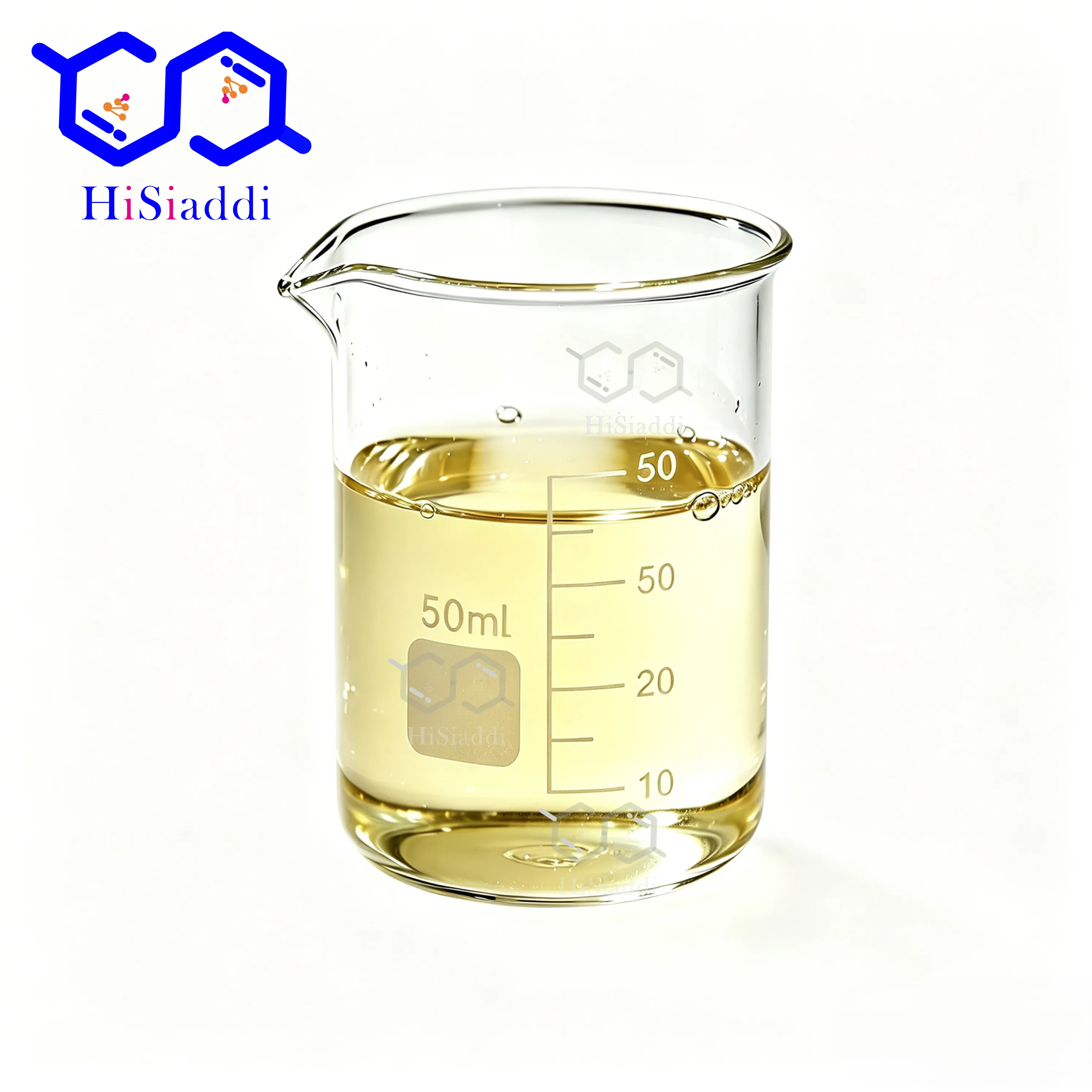
Triethyl Citrate, abbreviated as TEC, is a non-toxic environmentally friendly plasticizer used in cellulose resins, vinyl resins and food flavors. HiSiaddi can provide original factory supplies of multiple Chinese brands and the "1+2+3+4=1" service.
Runfeng supplies RF-TEC (purity ≥99.0%) and RF-TEC F (food grade, purity ≥99.5%) with acid value ≤0.1mgKOH/g, heavy metals <10ppm and FDA/REACH certification, priced 16%-19% lower than similar international brands, suitable for European food flavor factories, Korean cellulose coating enterprises and North American pharmaceutical excipient manufacturers.
Adama provides AD-TEC (purity ≥98.5%) and AD-TEC E (coating grade, purity ≥99.0%) with moisture ≤0.1%, low odor and good mildew resistance, priced 5%-8% lower than Runfeng at the mid-end level, suitable for Southeast Asian wood coating factories and Middle Eastern food container enterprises.
HiSiaddi Exclusive Service: Offers consultation on key indicator & cost comparison of multiple brands, cellulose resin plasticization formula, coating weather resistance optimization and food-grade compliance adaptation; supports third-party testing of heavy metals, microorganisms and acidity.
 CONTACT HiSiaddi NOW
| CAS No: | 77-93-0 | Brand Name: | Multi-brand |
| MF: | C12H20O7 | Model Number: | Multi-models |
| EINECS No: | 201-070-7 | Grade: | Industrial grade |
| Purity: | ≥99% | Place of Origin: | China |
| MOQ: | 1ton | Storage: | Please refer to the product packaging or contact the customer service. |
When purchasing plasticizer TEC as a buyer, you may encounter the following questions:
What are the key indicator advantages of mainstream models of well-known TEC plasticizer brands and their application impacts?
What competitive services can TEC plasticizer suppliers provide?
How about qualification certifications and market feedback of target TEC brands?
What is the inventory level and supply stability of TEC plasticizer suppliers?
What factors should be taken into account when selecting TEC plasticizer?
And many other related inquiries.
As an innovative foreign trade service provider driven by technological transformation and international trade services, HiSiaddi has established a "1+2+3+4=1" service system to deliver competitive services for B2B buyers.
To address your concerns, we first analyze the most critical question: from a global competition perspective, what are the key advantages of renowned Chinese TEC plasticizer brands and their benefits for downstream industries?
We are also ready to analyze and answer other questions regarding TEC plasticizer. You can check the FAQ page and blog articles on our website.
Feel free to contact us if you require precise, detailed and in-depth analysis for TEC procurement.
TEC (CAS: 77-93-0) is a non-toxic bio-based primary plasticizer, pharmaceutical excipient and food-grade solvent. It features 100% bio-based content, zero phthalate, FDA food contact compliance, EU REACH registration, pharmacopoeia conformity, low volatility, migration resistance, mildew resistance and high compatibility with PVC, cellulose and acrylic materials. It is widely applied in high-safety demanding fields including food packaging, pharmaceutical enteric coating and capsules, cosmetics, children toys, eco-friendly coatings and cigarette filters.
China ranks the world’s largest producer and exporter of TEC. Its export volume reached approximately 62,000 tons from 2024 to 2025, accounting for over 50% of global trade volume. Major international competitors include BASF Citroflex 2, Eastman Kodaflex TEC and Mitsubishi Chemical TEC.
HiSiaddi supplies authentic products from prestigious Chinese TEC manufacturers catering to diverse clients. Based on export statistics, production capacity, global market share, compliance standards, long-term buyer reputation and our field investigation & stable cooperation experience, we have selected five leading domestic brands: Jiangsu Hualun Chemical, Shandong Jinling Chemical, Hubei Tuoyuan Fine Chemical, Shandong Wantu Polymer Materials and Anhui BBCA Biochemical.
Main models: HL-T998 (High-purity pharmaceutical & food grade), HL-T995 (Standard eco-grade), HL-T990 (General industrial grade)
Ester content ≥99.8% (GC), acid value ≤0.02mgKOH/g, moisture ≤0.05%, APHA color ≤10, heavy metal (Pb/Cd) <0.05ppm, ignition residue ≤0.01%. Compliant with FDA 21 CFR 175.300, EU REACH, USP/NF, ISO 10993 biocompatibility, German LFGB and national food standard GB 9685.
Adopts world-leading continuous esterification technology with stable purity above 99.85% and batch chromatic aberration ΔE<0.15%. Volatility loss ≤0.2% at 120℃ for 2 hours. Odorless, non-migratory and non-precipitating, ideal for premium food and pharmaceutical applications.
Ultra-high purity pharmaceutical grade processed via molecular distillation and sterile filtration. Free citric acid ≤0.01%, endotoxin <0.1EU/mg. Certified by USP/NF and EP. Ensures uniform enteric coating, accurate disintegration and stable drug efficacy. Capsules stay flexible and intact with 5-year shelf stability.
High-safety food grade with food contact migration rate <0.008mg/dm². No migration or odor precipitation within 10 years, suitable for cling film, composite films, bottle gaskets and chewing gum base.
Production capacity: 35,000 tons annually, the world’s largest TEC manufacturer. Self-controlled whole industrial chain covering citric acid, ethanol and TEC with closed-loop zero-emission production and punctual delivery.
Cost performance: Mid-to-high end, USD 1.55-1.68/kg FOB Shanghai. 32%-40% lower than BASF products with equivalent premium performance. Leading purity, low volatility and pharmaceutical compliance deliver optimal long-term comprehensive cost.
Target B2B buyers: Listed pharmaceutical enterprises in Europe and America, high-end food packaging groups, global cosmetic giants, international chemical distributors, primary cigarette filter suppliers.
For buyers: Certified bio-based compliant products, dual pharmaceutical & food grade qualification, 24-hour technical support, customized formula optimization, free FDA/REACH/USP certification documents.
For end users: Safe and non-toxic food packaging, stable pharmaceutical coating, mild low-odor cosmetics, eco-friendly cigarette filters, product premium increase over 28%.
Main models: JL-T996 (High-purity pharmacopoeia grade), JL-T992 (Food eco-grade), JL-T988 (Cosmetic special grade)
Ester content ≥99.6%, acid value ≤0.03mgKOH/g, moisture ≤0.08%, APHA color ≤15, undetectable heavy metals. Low VOC, phthalate-free, bio-based content ≥99%. Certified by REACH, RoHS, FDA and USP/NF.
Strictly manufactured per USP/NF and EP standards. Related substances <0.1% and stable dissolution rate. Applicable to enteric coating, soft capsule plasticization and oral liquid solvent for precise drug release and stable efficacy.
Mild low-odor cosmetic grade with odor level ≤0.5. Non-irritating and non-allergenic. Perfect for nail polish, hair spray, perfume and face cream, featuring strong dissolubility, glossy film formation, anti-yellowing and comfortable skin feel.
Stable annual capacity of 30,000 tons. Self-owned citric acid production line with 95% raw material self-sufficiency rate. Superior cost control, rich export experience and minimal batch quality fluctuation.
Cost performance: Mid-range, USD 1.42-1.52/kg FOB Qingdao. 36%-42% cheaper than international brands. Similar performance to Hualun at more competitive price, fit for mass procurement of mid-to-high end pharmaceutical, food and cosmetic products.
Target B2B buyers: Medium-sized pharmaceutical excipient factories, food packaging plants, cosmetic processing factories, Southeast Asian medical device distributors, Middle Eastern cosmetic groups.
For buyers: Competitive pricing, 7-10 days fast delivery, low MOQ of 100kg, free samples, industry-university-research technical support, composite formula optimization.
For end users: Stable pharmaceutical coating, 8-year safe food packaging, mild low-irritation cosmetics, 16% cost reduction and favorable cost performance.
Main models: TY-T995 (High-purity food grade), TY-T990 (General eco-grade), TY-T985 (Coating special grade)
Ester content ≥99.5%, acid value ≤0.04mgKOH/g, moisture ≤0.10%, APHA color ≤20, bio-based content ≥98%. High-vacuum deodorization and multi-stage filtration guarantee odor level ≤1 with no residual smell.
Food contact safety certified by FDA 21 CFR 175.300, EU 10/2011 and German LFGB. Suitable for direct food contact scenarios including bottle gaskets, cling film, composite films, chewing gum base and beverage flavor solvent.
High dissolving power fully compatible with acrylic, polyurethane and nitrocellulose. Even pigment dispersion, glossy coating and 1200-hour anti-yellowing weather resistance, applicable to wood paint, ink and adhesives.
Stable annual capacity of 25,000 tons. Specialized in food-grade TEC R&D and production dedicated to food and cosmetic sectors with strict quality standards and excellent client reputation.
Cost performance: Mid-to-low end, USD 1.30-1.40/kg FOB Guangzhou. 8% lower than Jinling. Qualified food-grade performance, ideal for bulk purchase by budget-sensitive food and cosmetic manufacturers.
Target B2B buyers: Small and medium-sized food packaging factories, PVC cling film plants, cosmetic raw material factories, coating & ink manufacturers, African and South American food & cosmetic purchasers.
For buyers: Compliant food-grade products, sufficient capacity, flexible batch delivery, prompt after-sales service, 50kg small trial order support and OEM labeling service.
For end users: Odor-free safe food packaging lasting 6-8 years, stable cosmetics, glossy weather-resistant coatings, 20% cost reduction and affordable price.
Main models: WT-T993 (Standard industrial grade), WT-T988 (Low-temperature resistant grade), WT-T980 (Low-cost general grade)
Ester content ≥99.3%, acid value ≤0.05mgKOH/g, moisture ≤0.12%, APHA color ≤25. Pale yellow transparent liquid with faint odor that does not affect product appearance.
Anti-precipitation formula applicable at -25℃ with no precipitation or whitening within 72 hours. Suited for northern outdoor PVC toys, refrigerator sealing strips and cold chain packaging.
Excellent compatibility with PVC. Tensile strength rises by 25% and elongation at break increases by 20%. Plasticization temperature drops by 10℃ and extrusion cycle shortens by 20%, saving energy consumption.
Widely used in PVC toys, stationery, building materials and coatings for one-stop diversified procurement. Local raw material procurement cuts cost by 9% below industrial average level.
Stable annual capacity of 22,000 tons. Focused on mid-to-low end industrial TEC production with prominent cost performance and steady quality.
Cost performance: Low-end, USD 1.18-1.28/kg FOB Qingdao. Ultra-low price range with qualified basic properties and maximum cost efficiency for mass procurement in low-end markets.
Target B2B buyers: Large low-price PVC toy manufacturers, ordinary stationery factories, low-grade coating plants, Southeast Asian low-cost traders, African plastic product distributors.
For buyers: Ultra-low price, sufficient supply, 10-15 days delivery, support for bulk orders over 100 tons, flexible T/T and L/C payment terms.
For end users: Minimum production cost, 100℃ basic heat resistance, perfect adaptability to mass PVC products and strong price competitiveness.
Main models: FY-T994 (High-precision grade), FY-T989 (Cigarette special grade), FY-T982 (Eco-degradable grade)
Ester content ≥99.4%, free citric acid ≤0.02%, acid value <0.04mgKOH/g. Continuous esterification and molecular distillation achieve purity over 99.9% and batch chromatic aberration ΔE<0.2, customized for precision products.
Low volatility and atomization, odorless and highly compatible with acetate fiber filter rods. Uniform plasticization and moderate hardness boost filtration efficiency by 15% and reduce smoke irritation, complying with tobacco industry standards.
100% bio-based and fully biodegradable within 180 days, meeting EU EN 13432 degradation standard for eco-friendly packaging and degradable plastics.
High thermal stability with heating loss ≤0.3% after 3 hours at 170℃. Long-term heat resistance up to 110℃, suitable for high-temperature processed eco-products.
Stable annual capacity of 20,000 tons. Complete bio-based material industrial chain with strong competitiveness in high-end segmented markets.
Cost performance: Mid-to-high end, USD 1.35-1.45/kg FOB Shanghai. Specialized in premium tobacco and degradable materials with advanced precision performance, fit for high-end customized procurement.
Target B2B buyers: Global cigarette filter manufacturers, high-end eco-packaging enterprises, degradable plastic producers, premium international distributors, high-grade children toy brands.
For buyers: Customized high-end products, professional technical support for tobacco and degradable materials, precise quality control, rapid sample making and premium compliance certification.
For end users: Low-irritation cigarette filters, biodegradable eco-packaging, stable precision products, product premium increase over 24% and reliable quality guarantee.

| Brand | Main Models | FOB Price | Core Advantage Indicators | Target B2B Buyers | Key Downstream Benefits |
| Jiangsu Hualun Chemical | HL-T998/995/990 | $1.55–1.68/kg | Ester ≥99.8%, APHA≤10, volatility ≤0.2%, pharmaceutical & food grade, USP certified, 35,000-ton capacity | European & American listed pharmaceutical firms, high-end food packaging groups, global cosmetic giants, international distributors, top cigarette filter suppliers | Non-toxic safe food packaging, stable pharmaceutical coating, mild cosmetics, eco-friendly filters, 28%+ premium |
| Shandong Jinling Chemical | JL-T996/992/988 | $1.42–1.52/kg | Ester ≥99.6%, APHA≤15, USP compliance, low skin irritation, 30,000-ton capacity | Medium pharmaceutical excipient factories, food & cosmetic manufacturers, Southeast Asian medical distributors, Middle Eastern cosmetic groups | Stable medical coating, 8-year food safety, mild cosmetics, 16% cost reduction, high cost performance |
| Hubei Tuoyuan Fine Chemical | TY-T995/990/985 | $1.30–1.40/kg | Ester ≥99.5%, APHA≤20, deodorized food grade, high coating compatibility, 25,000-ton capacity | Small & medium food packaging, PVC film, cosmetic raw material, coating & ink factories, African & South American purchasers | 6-8 year odor-free food safety, stable cosmetics, weather-resistant glossy coatings, 20% cost cut |
| Shandong Wantu Polymer | WT-T993/988/980 | $1.18–1.28/kg | Ester ≥99.3%, APHA≤25, -25℃ cold resistance, fine PVC compatibility, 22,000-ton capacity | Large low-price PVC toy, stationery & coating factories, Southeast Asian & African plastic traders | Minimum cost, 100℃ heat resistance, wide PVC adaptability, optimal cost competitiveness |
| Anhui BBCA Biochemical | FY-T994/989/982 | $1.35–1.45/kg | Ester ≥99.4%, molecular distillation, low tobacco atomization, 100% biodegradable, 20,000-ton capacity | Global cigarette filter, eco-packaging & degradable plastic makers, high-end toy brands | Low-irritation filters, degradable packaging, stable precision goods, 24%+ premium, guaranteed quality |
HiSiaddi is a new type of foreign trade service provider driven by both technology transformation and foreign trade business. It has built a "1+2+3+4=1" product service system: 1 foreign trade salesperson with over 3 years of experience, 2 R&D teams, 3 high-quality suppliers, and 4 warehouses to fulfill each product demand.
With this service system, HiSiaddi surpasses most foreign trade enterprises in R&D optimization and technical processes of TEC, outperforms individual manufacturers in capturing market demands and competitive edges of different TEC brands, and has a deeper understanding of the TEC foreign trade market than research institutes.
HiSiaddi only recruits foreign trade sales staff with more than 3 years of working experience. All salespeople must complete over 6 months of joint training by the R&D team and foreign trade team before serving clients.
(1)TEC Basic Support Services
Backed by the foreign team and corporate service system, we provide customers with one-stop full-process document processing services, including but not limited to the issuance and handling of all TEC compliance certificates, as well as the provision of third-party test reports and follow-up solutions for quality complaints.
(2)TEC Exclusive Value-Added Services
Supported by the R&D team, we deliver product customization and technical consulting services to clients, including but not limited to core index matching and cost analysis of all TEC brands, plus regular sharing of TEC market trends.
We carry out in-depth cooperation with raw material manufacturers through technology transformation, and maintain close internal collaboration with the foreign trade team to deliver technical training for sales personnel, enabling professional customization of TEC and offering research-level consulting for TEC brand matching and application optimization.
(1)TEC Research-Grade Customization Services
Customize optimal TEC grades and dosage (20–25% for pharmaceutical enteric coatings, 18–22% for food films, 15–20% for cosmetics, 10–15% for cigarette filter rods) based on end products (pharmaceutical enteric coating, food packaging film, cosmetics, tobacco filter rods), substrates (PVC/cellulose/acetic acid fiber), processing techniques (extrusion, injection molding, coating), processing temperatures (130–160℃), pharmaceutical and food grade standards, avoiding excessive addition (high cost, volatile) or insufficient dosage (poor plasticization).
(2)TEC Research-Grade Consulting Services
Offer compound formula consultation for TEC matched with ESBO, ATBC and Antioxidant 1010, lifting heat resistance and anti-migration performance by 25% and 30% respectively, cutting comprehensive additive costs by 14–20% (e.g., total dosage can be reduced from 25% to 19% with better effects). Recommend FY-T989 tobacco-specific grade for cigarette filter sticks, matched with low-volatility formulas, atomization value ≤0.3mg, mild smoke irritation and improved filtering efficiency by 15%.
Our foreign trade team and R&D team work collaboratively. Through preliminary market research, factory site visits, product testing, in-depth technical cooperation and product procurement partnerships, we select around 3 reliable, stable, reputable manufacturers with great development potential.
(1) Initiative to Secure Lower Raw Material Prices
Long-term cooperation via technology transfer and exclusive agency enables us to obtain factory direct supplies at more competitive prices.
(2) TEC Long-Term Supply Chain Assurance Services
Long-term technical and agency cooperation strengthens full production supervision, full-lot traceability, stable batch quality control, and compensation guarantees for products failing third-party inspections.
We have 4 warehouses, which are jointly operated and managed with suppliers to store hot-selling products.
(1)TEC Fast Local Delivery & On-Site Problem Resolution
The four warehouses are located at Qingdao Port in North China, Ningbo Port in East China, Shenzhen Port in South China and Zhengzhou, the inland logistics hub, to ensure timely delivery of TEC. On-site staff can resolve transport accidents, packaging defects and export compliance issues locally once TEC encounters abnormal situations.
(2) TEC Price Stabilization & Custom Packaging Support
We stock goods in advance during peak seasons with drastic price fluctuations to ease price volatility. Self-operated warehouses support customized packaging and label solutions to meet personalized customer demands.
As a new foreign trade service provider driven by technological transformation and foreign trade services, HiSiaddi has established a "1+2+3+4=1" service system and can supply TEC from multiple well-known original manufacturers. As a R&D-focused foreign trade service provider, HiSiaddi will sort out and analyze common difficulties faced by B-end purchasers sourcing TEC in China, and propose targeted solutions from a professional perspective.
If you require more professional and in-depth analysis on TEC selection, please contact HiSiaddi customer service.
1.
Excessive heavy metals, phthalates and toxic migratable substances leading to failed food/pharmaceutical safety certifications Incomplete purification via conventional processes leaves raw materials contaminated with heavy metals including lead, cadmium and mercury, as well as restricted phthalate esters. Europe and America enforce FDA, EU 10/2011 and pharmacopoeia standards. Hazardous substances will precipitate upon contact with grease, medicinal liquids or oral environments; failed inspections result in cargo seizure, brand rejection and permanent loss of access to high-end markets.
2.
3.
High free ethanol residue causing fogging during processing, blistering and peculiar odors in finished products Insufficient alcohol removal during synthesis leaves high residual ethanol in raw materials. Ethanol volatilizes rapidly under high-temperature processing, creating heavy fog and pungent odors in workshops. Ethanol trapped inside packaging materials expands under heat to form tiny blisters and pinholes, destroying packaging tightness. Finished products continuously release alcoholic odors, compromising user experience of food and pharmaceuticals.
4.
5.
Excessive acid value accelerating substrate hydrolysis, causing sticky packaging and deterioration of pharmaceutical ingredients Inadequate neutralization processes drive up acid values. Acidic substances catalyze degradation of PVC and cellulose substrates, resulting in sticky packaging surfaces, reduced mechanical strength and easy breakage after repeated bending. Meanwhile, acidic components react with active ingredients in tablets and ointments, causing discoloration and failure of contents and leading to batch losses.
6.
7.
Poor migration resistance with precipitation upon contact with food and medicinal liquids, triggering contamination Low-grade products contain abundant small-molecule impurities. Long-term contact with grease, aqueous solutions and pharmaceuticals enables gradual migration of TEC and its by-products to surfaces, seeping into food or medicines and violating food and pharmaceutical safety regulations, resulting in strict rejection by end brands.
8.
9.
Excessive moisture generating bubbles during high-temperature molding and destroying packaging compactness TEC’s strong hygroscopicity elevates moisture levels after cross-border shipping and storage. Water vaporizes during calendering, coating and heat-sealing high-temperature processes, creating internal bubbles in films and gaskets and completely disabling sealing, moisture-proof and light-shielding functions.
10.
11.
Batch fluctuations in viscosity and color causing color difference and uneven thickness in transparent packaging Automated production lines demand high material consistency. Viscosity fluctuations create uneven coating and film thickness; unstable color causes yellowing and chromatic aberration in transparent and light-colored packaging, failing appearance acceptance standards.
12.
1. Multi-stage rectification + chelation heavy metal removal processes achieve non-detectable phthalates and heavy metal levels far below international limits. Batch-specific FDA, EU food contact and pharmaceutical-grade test reports fully meet compliance requirements.
2. Multi-stage negative pressure rectification deeply removes ethanol, controlling alcohol residues to an extremely low level for fog-free, odor-free processing without blisters or residual odors in finished products.
3. Precise esterification and neutralization treatment strictly limit acid value ≤0.02mgKOH/g to inhibit substrate hydrolysis and chemical reactions, delivering dry, non-sticky packaging and preventing deterioration of food and medicinal ingredients.
4. Molecular distillation removes small-molecule by-products, optimizes molecular structures to enhance migration and extraction resistance, eliminating precipitation and contamination upon contact with food and pharmaceuticals.
5. Low-temperature high-vacuum deep dehydration controls moisture ≤0.02%. Solvent-resistant iron drums filled with nitrogen for airtight packaging isolate water vapor during transoceanic shipping and completely eliminate bubble defects during processing.
6. Finished products undergo constant-temperature static maturation to unify viscosity and color with minimal batch differences, adapting to automated production lines for uniform film thickness and transparent, consistent color.
1.
Residual mixed odors disrupting fragrance profiles and creating messy, coarse scents in fragrance carriers Crude products retain esterification by-products and light-component impurities with rancid and solvent odors. When used as fragrance and aroma carriers, these impurities mask and distort original scents, leading to impure fragrances in personal care and aroma products and poor end-consumer experience.
2.
3.
Excessive irritating impurities triggering discomfort upon skin contact Trace active impurities and acidic substances left by incomplete purification easily irritate human skin and oral mucous membranes during prolonged contact, failing European and American daily chemical, oral product safety and skin irritation tests and barring entry into mainstream daily chemical supply chains.
4.
5.
Turbidity and delamination under low-temperature environments directly rendering fragrance base and daily chemical raw materials invalid During low-temperature transportation and storage in high-latitude regions, high-melting components precipitate from conventional TEC, creating turbidity and floccules that cannot recover uniform state even after temperature recovery, scrapping fragrance and daily chemical formulations.
6.
7.
Oxidation and discoloration during long-term storage shortening raw material shelf life Without added antioxidant components, raw materials slowly oxidize upon air exposure, gradually darkening in color and slightly thickening, rendering them unfit for feeding and increasing inventory losses.
8.
9.
Unstable volatilization rates causing large batch-to-batch differences in fragrance retention Disordered component ratios lead to inconsistent volatilization speeds, resulting in uneven fragrance retention duration for aroma and long-lasting scent products and harming brand reputation.
10.
1. Multi-stage negative pressure deodorization + deep rectification delivers neutral, mild raw material odors that do not interfere with original fragrance profiles for stable, pure aromas.
2. Multi-purification removes irritating impurities with ultra-low acid values, passing skin irritation tests. European CPNP and daily chemical raw material compliance reports are provided to satisfy industry access requirements.
3. Optimized formulation improves low-temperature resistance, maintaining transparency and homogeneity without precipitation or turbidity at -15°C for direct use upon low-temperature arrival.
4. Food-grade composite antioxidants paired with light-proof sealed packaging prevent oxidation, discoloration and thickening during long-term storage to extend shelf life.
5. Precise removal of light and heavy components stabilizes volatilization rates for consistent performance of aroma and long-lasting scent products.
1.
Incompatibility with water-based systems triggering emulsion breaking, coating flocculation and delamination Conventional TEC is purely oily without hydrophilic modification. Addition to water-based coatings and inks disrupts emulsion balance, causing delamination, agglomeration and emulsion breaking within a short timeframe, scrapping entire batches of raw materials and incurring heavy losses.
2.
3.
High acid value interfering with coating curing and reducing adhesion and water resistance Acidic substances neutralize acrylic and polyurethane curing systems in coatings and inks, leading to abnormal surface drying and incomplete internal curing of paint films. Coatings peel easily with drastically reduced water and wear resistance.
4.
5.
Insufficient pigment wetting and dispersing capacity generating color spots and floating on paint films Low-purity products contain abundant inert impurities that weaken pigment and filler wetting and dispersion effects. Pigment agglomeration occurs after paint mixing, creating particles, brush marks and floating during construction, failing decorative and protective performance standards.
6.
7.
Excessive volatile matter and strong odors leading to excessive indoor VOC levels Residual light components continuously volatilize, generating heavy odors during coating construction and film formation. Excessive VOC in workshops and indoor spaces violates mandatory low-VOC and low-odor standards for European and American children’s paint and indoor coatings.
8.
9.
Precipitation of foreign substances under low-temperature storage causing complete system instability Component precipitation forms floccules during winter low-temperature transportation and storage, rendering coatings and inks un-stirrable and unconstructable and directly scrapping raw materials.
10.
1. Exclusive hydrophilic modification enables stable compatibility with water-based, solvent-based and solvent-free full systems, eliminating emulsion delamination, breaking and flocculation after addition.
2. Strict ultra-low acid value control avoids interference with curing reactions for fully cured paint films with strong adhesion, excellent water and wear resistance and reduced peeling and flaking.
3. High-purity raw materials deliver outstanding wetting and dispersing performance for uniform pigment mixing, yielding smooth, flawless paint films free of color spots and floating.
4. Multi-stage devolatilization and deodorization create mild odors with VOC indicators complying with EU indoor coating standards, suitable for enclosed spaces including homes, schools and hospitals.
5. Optimized low-temperature formulations eliminate precipitation and turbidity under low temperatures for greatly improved storage and service stability.
1.
High prices of high-purity grades vs. poor plasticization and dissolution performance of low-cost crude products High-purity food and pharmaceutical refined TEC squeezes profit margins when mass-used for low-end products. Low-cost blended products contain insufficient active ingredients and excessive impurities with low plasticization efficiency, resulting in hard PVC products and weak ink dissolving power with printing floating that fails basic usage requirements.
2.
3.
Abundant ethanol and impurity residues causing pungent odors and easy blooming and precipitation in finished products Low-grade products simplify alcohol removal and impurity elimination processes, generating strong odors at production sites. Finished products continuously exude oil and bloom on surfaces during long-term use, leading to high rates of end-user returns and complaints and higher comprehensive usage costs.
4.
5.
Severe batch-to-batch indicator fluctuations requiring frequent production line adjustments and reduced output Without standardized control, acid value, viscosity, color and volatile matter vary drastically between batches. Workers must repeatedly adjust addition ratios, processing temperatures and coating speeds with frequent equipment start-stop cycles, cutting production efficiency by over 20%.
6.
7.
Moisture absorption, oxidation and delamination under high-temperature and high-humidity transportation and storage environments rendering raw materials invalid Local sea transportation and warehousing feature high temperatures and humidity. Poor sealing of ordinary packaging accelerates moisture absorption, discoloration and component delamination of raw materials upon arrival, making them unfit for feeding and triggering cargo losses and project delays.
8.
9.
Incomplete compliance documents preventing local filing and sampling inspections, limiting distribution through informal channels Absence of English CoA, MSDS, REACH, heavy metal and phthalate test reports blocks market regulatory sampling inspections, exposing goods to detention risks and insecure payment recovery.
10.
11.
Lack of technical support hindering troubleshooting of production abnormalities and increasing raw material waste Intermediaries only supply goods without technical guidance. Factories blindly adjust formulas when facing precipitation, strong odors and poor curing, further wasting raw materials.
12.
1. Region-exclusive economical grades launched with simplified deep refining processes for pharmaceutical and food-grade products while retaining core plasticization and dissolution performance, priced 22%~25% lower than high-end pure products to balance cost and quality and boost profit margins.
2. Complete basic alcohol removal, impurity elimination and acid reduction significantly mitigate odors, precipitation and stickiness to meet local civil market standards and reduce customer complaints and returns.
3. Standardized locked-parameter mass production unifies all core indicators with stable batch performance, allowing customers to fix production parameters, cut adjustment frequency and unlock full production capacity.
4. Custom thick solvent-resistant iron drums with double sealing gaskets and nitrogen protection withstand high-temperature and high-humidity environments, eliminating moisture absorption, discoloration and delamination during transoceanic shipping.
5. Full sets of standard English compliance documents provided free per batch to assist customers with local filing and sampling inspections and expand formal supply chain channels.
6. Basic English technical guidance offered with troubleshooting and process adjustment solutions for common production issues to reduce raw material waste.
1.
Rampant adulteration and dilution with falsely labeled purity and environmental indicators triggering bulk after-sales compensation claims Unscrupulous merchants dilute TEC with cheap solvents and low-grade plasticizers, falsely labeling purity, low odor and low migration parameters. End factories face compliance failures, product precipitation and excessive odors after use, forcing distributors to pay heavy compensation and lose long-term customers.
2.
3.
Poor packaging sealing causing leakage during rough sea transportation and generating cargo losses and logistics disputes Ordinary iron drums feature insufficient wall thickness and ester-corrosion-prone sealing rings. Sealing fails after long-distance stacking and bumping, triggering liquid leakage that creates raw material losses and contaminates other goods in containers, resulting in logistics deductions and disputes.
4.
5.
Absence of light and oxygen isolation protection triggering oxidative deterioration and performance attenuation during long-term storage TEC oxidizes easily under light and air exposure. Simple packaging lacks protective measures, leading to darkening color, rising acid value and weakened dissolution and plasticization performance after storage, resulting in inspection rejection when supplying high-end customers.
6.
7.
Missing dangerous goods and environmental documents blocking access to European and American high-end supply chains Lack of updated English SDS, marine dangerous goods identification certificates, REACH-SVHC, phthalate, heavy metal and food contact test reports eliminates eligibility for supplier audits by large European and American factories, restricting business to low-end circulation and forfeiting high-margin orders.
8.
9.
Absence of batch traceability and third-party testing failing head enterprise factory audits Blended and small-workshop sourced goods lack complete ledgers, traceability records and authoritative test reports, leading to direct elimination during factory audits by leading European and American enterprises and blocking long-term bulk order cooperation.
10.
11.
Open subpackaging triggering water absorption and impurity contamination and declining quality of small packages Subpackaging operations without sealed, moisture-proof measures enable raw material water absorption and impurity contamination, raising acid values and destabilizing quality and reducing end-user repurchase rates.
12.
1. Direct supply of unblended original factory pure products with authentic indicator labeling. International third-party full-item test reports attached per batch to support global re-inspection, eliminating compensation risks at the source and stabilizing channel reputation.
2. Custom thick ester-specialized iron drums paired with aging-resistant fluororubber double sealing rings. Leakage and compression testing performed on every drum before delivery to achieve zero leakage during full transportation and resolve logistics issues.
3. Light-proof sealed packaging filled with nitrogen to isolate air and light prevents oxidation, discoloration and performance degradation during long-term storage for smooth inspection approval by high-end customers.
4. One-stop supply of complete sets of formal English documents covering SDS, dangerous goods certificates, REACH and all safety test reports to fully access high-end European and American circulation channels.
5. Full-link traceability systems covering production, quality inspection, filling, warehousing and transportation with traceable batches to fully support customer factory audits and supplier reviews and secure long-term bulk orders.
6. Standardized constant-temperature, sealed and dust-free subpackaging specifications provided to guide subpackaging operations, avoiding raw material water absorption and impurity contamination and maintaining consistent quality of small packaged products.
If you require more professional and in-depth analysis on TEC selection, please contact HiSiaddi customer service.
The three-step esterification of citric acid is a reversible equilibrium process generating abundant mono- and di-ester intermediates. Single-stage water washing only removes 50% of free citric acid; dual-solvent extraction paired with organic acid adsorption resin is required to control content within 20ppm, yet this reduces refining yield.
Ethanol has a low boiling point and volatilizes easily, requiring two-stage precise vacuum distillation to separate light components with narrow temperature tolerance under vacuum control.
Incompletely esterified products slowly hydrolyze at room temperature to release citric acid. Precise neutralization and filtration at the finishing stage are needed to control hydrolyzable impurities while balancing acid value and storage stability of finished products.
Trace catalysts must be deeply removed to meet pharmaceutical heavy metal limits without introducing extra impurities that interfere with pharmacopoeia testing.
Uniform batch volatility control is critical; impurity fluctuations directly affect coating drying rates and film-forming performance, requiring real-time periodic online monitoring across mass production lines.
Dual EU compliance for pharmaceutical and food applications involves lengthy testing cycles at local Swiss pharmacopoeia laboratories, with exclusive test reports recognized by customs and drug regulatory authorities.
TEC readily absorbs water and hydrolyzes, raising acid values. Constant-temperature sealed iron drum transportation and storage across China-Europe ocean freight are required to block water vapor infiltration.
The 39-day delivery schedule coordinates air shipment of samples, small-scale trials for three product categories, continuous esterification mass production of 39 tons, full pharmaceutical and food compliance testing, compliance document compilation, customs declaration and loading. Production lines operate in three 24-hour shifts.
Lack of distillation and multi-stage water washing processes: free citric acid >210ppm, ethanol residue >1050ppm, causing precipitation and workshop odors.
High levels of incompletely esterified byproducts that continuously hydrolyze at ambient temperature to generate citric acid and damage finished products.
Unremoved catalyst residues leading to excessive heavy metals that fail pharmaceutical market access requirements.
Absence of finished product quality control, resulting in random fluctuations in batch acid value and volatility.
Simple packaging without moisture barrier, causing oil absorption and hydrolysis under Malaysia’s hot and humid climate.
Raw materials accepted solely by visual inspection upon warehouse entry, with unqualified crude materials fully fed into production.
Open feeding operations exposing materials to air and accelerating moisture-induced degradation.
Discontinue all inventory crude TEC and replace with HiSiaddi’s refined dual pharmaceutical & food compliant TEC.
Establish a dedicated sealed constant-temperature storage tank zone for pharmaceutical auxiliary materials, controlling temperature at 23~32℃ and humidity ≤60%.
Mandate five-item incoming inspection for all raw materials: acid value, free citric acid, ethanol residue, heavy metals and coating film-forming performance testing.
Optimize TEC addition ratios and molding processes for both stopper and casing production lines.
Adopt closed feeding systems to shorten open-air exposure time.
Compile a full-process TEC control manual and conduct company-wide staff training.
Lead time
Quantity (ton) | 0 - 10 | 10 - 30 | > 30 |
Lead time (days) | 7 | 15 | To be negotiated |
The monthly inventory volume of TEC is 10 tons, with appropriate adjustments upwards or downwards in response to peak and off-peak seasons.
HiSiaddi safeguards the supply stability of TEC through the following measures:
(1) Performance evaluation and screening of TEC brand factories based on on-time delivery rate, batch pass rate, timeliness of risk alerts, and completeness of documentation to assess their supply stability.
(2) For each mainstream model or major grade of TEC, secure 1 primary high-quality brand manufacturer and 2 backup high-quality manufacturers.
(3) Each factory operates independent production lines in separate production zones to prevent production halts caused by major unforeseen incidents such as environmental production suspensions and power outages.
Through long-term cooperation with brand manufacturers via technology commercialization and authorized distribution channels, HiSiaddi can effectively strengthen supervision over the production processes of brand manufacturers, optimize full-process traceability management, improve batch stability control, and further reinforce real-time monitoring of the supply stability of TEC products.
Long-term Annual Framework Supply Guarantee Agreement. HiSiaddi signs 12-month long-term agreements with leading manufacturers. The agreements specify the minimum guaranteed supply volume, maximum price hike range, and priority production scheduling rights during peak seasons. It is stipulated that manufacturers shall issue a 30-day prior written notice if production is suspended due to environmental rectification or equipment maintenance, and backup manufacturers will be activated to replenish goods accordingly.
We have 4 warehouses, which are jointly operated and managed with suppliers to store hot-selling products.The four warehouses are located at Qingdao Port in North China, Ningbo Port in East China, Shenzhen Port in South China, and Zhengzhou, China’s inland logistics hub. This setup guarantees sufficient supply and timely shipment of TEC during peak seasons.
HiSiaddi issues a rolling demand forecast covering the subsequent three months on the 25th of each month, allowing manufacturers to reserve production capacity in accordance with the forecast. Any new urgent orders from overseas clients will be prioritized to draw on inventories or production capacity from backup manufacturers.
Unstable logistics for TEC will extend delivery lead times. HiSiaddi has established alternative arrangements covering multiple freight forwarders, ports and transportation solutions:
(1) Binding of multiple professional chemical freight forwarders for TEC
Each product is assigned 2 to 3 freight forwarders with hazardous chemical/food transport qualifications affiliated with different shipping lines. Alternative sailing schedules can be switched to immediately in case of space shortages or customs inspections on a single shipping route.
(2) Backup transportation solutions for TEC
Ocean freight serves as the standard mode; air freight and rail freight are reserved as alternatives for urgent orders. Long-term agreements for temperature-controlled containers are signed for temperature-sensitive and perishable food additives to secure shipping space.
(3) Visual tracking and digital early warning for TEC
Freight forwarders synchronize daily updates on container loading, customs declaration, vessel loading and port arrival milestones. If customs inspection occurs, replenishment from backup inventory will be initiated immediately to shorten client waiting periods.
Full-chain digital early warning automatically monitors four categories of risks:
Factory side: Expiring supplier environmental assessment certificates, renewal of production permits, scheduled major equipment overhauls, and notifications of price hikes for upstream raw materials;
Inventory side: Inventory falling below safety thresholds, excessive inventory age, and batches failing quality inspection;
Logistics side: Shipping line space shortages, strikes at destination ports, and updates to customs policies;
Overseas side: Revisions to additive regulations and adjustments to import restriction lists in target countries.
Early warning notifications are automatically pushed to procurement and business leads, allowing backup suppliers or inventory contingency plans to be activated in advance.
As a new type of foreign trade service provider driven by dual engines of technology commercialization and export services, HiSiaddi has established a "1+2+3+4=1" service system and can supply TEC products from multiple well-known original manufacturers.
As an R&D-enabled export service provider, HiSiaddi differs from single-brand factories that only promote their own products. We objectively analyze multiple competitive Chinese TEC brands with strong export performance and share their certification portfolios and market feedback to help buyers streamline supplier selection and risk mitigation.
If you require more objective, detailed introductions to multiple leading Chinese TEC brands, please contact HiSiaddi customer service.
· TEC-998 (Food Grade): Purity ≥99.8%, APHA ≤15
· TEC-9995 (Pharmaceutical Grade): Purity ≥99.95%, Endotoxin ≤0.1EU/mg
· Bio-TEC (Bio-Based): Bio-based content ≥95%, Carbon footprint ≤2.3kgCO₂e/kg
· Global market recognition: 21,500 tons export volume in 2025; 52.3% EU market share, 31.6% Southeast Asia share. Long-term designated supplier for Nestlé, Unilever, Hengrui Medicine and Zhengda Tianqing.
· Customer testimonials: Exceptional batch consistency with annual APHA fluctuation ≤5; pharmaceutical grade serves as a direct import substitute (e.g. Vertellus) at a 12%-15% price discount with lead times shortened to 3 weeks.
· Segment performance: 38% penetration rate in food packaging; 29% market share in pharmaceutical enteric coating applications.
✅ FDA GRAS (21 CFR 184.1911) ✅ EU EFSA Food Contact Certification ✅ USP/EP Pharmacopoeia Certification ✅ Full-substance REACH Registration ✅ ISO 22000, GMP ✅ China GB 29967-2013, GB 4806.6-2016
· TEC-MED (Medical Grade): Purity ≥99.8%, Total migration ≤0.03mg/dm²
· TEC-FOOD (Food Grade): Purity ≥99.5%, Heavy metals ≤0.5ppm
· TEC-LOW (Low VOC): VOC ≤100ppm, optimized for eco-friendly coatings
· Global market recognition: 18,000 tons export volume in 2025; 48% EU share, 27% North America share. Captures 23% market share in medical tubing, dialysis tubes and children’s toy applications.
· Customer testimonials: Industry-leading low-migration performance fully compliant with EU 10/2011 overall migration testing; excellent compatibility with PVC/PLA delivers light and mold resistant finished goods with product return rates below 0.3%.
· Segment performance: Medical device packaging shipments up 19.6% year-on-year; 89.3% substitution rate for plasticizer applications in biodegradable plastics.
✅ FDA Food Contact Approval (21 CFR 178.3740) ✅ EU REACH, RoHS ✅ ISO 13485 (Medical Devices), ISO 22000 ✅ NMPA China Pharmaceutical Excipient Registration
· TEC-COS (Cosmetic Grade): Purity ≥99.9%, APHA ≤10, Odorless
· TEC-IND (Industrial Grade): Purity ≥99.0%, Cost-effective general purpose
· TEC-SOL (Solvent Grade): Low moisture ≤50ppm, optimized for inks & coatings
· Global market recognition: 15,000 tons export volume in 2025; 58% Southeast Asia share, 26% Middle East share. Approved designated supplier for L’Oréal, Coty and Proya.
· Customer testimonials: Stable color (consistently APHA ≤10) and negligible odor; cosmetic grade directly replaces Japanese/German imports at an 18% cost reduction; responsive flexible production for 500kg small-batch orders.
· Segment performance: 17% market share as cosmetic plasticizer/solvent; 85%+ repeat purchase rate among Southeast Asian personal care manufacturers.
✅ EU ECOCERT Organic Certification (≥95% bio-based content) ✅ US CIR Cosmetic Safety Certification ✅ REACH Registration, ISO 22716 (Cosmetic GMP) ✅ China GB 29967, GB 4806.6
· TEC-BIO (100% Bio-Based): 100% bio-based feedstock via corn starch fermentation
· TEC-GMP (Pharmaceutical Grade): NMPA Drug Excipient Approval F20130005, Endotoxin ≤0.25EU/mg
· Global market recognition: 13,000 tons export volume in 2025; 63% EU share, 21% Japan & South Korea share. Captures 22% European bio-based TEC market share, core supplier for IKEA and Danone.
· Customer testimonials: 100% bio-based feedstock independent from petroleum supply chains, carbon footprint 40% lower than petroleum-based alternatives. Vertically integrated citric acid and bioethanol production delivers 11.4% lower production costs vs industry average; pharmaceutical grade fully verified by China NMPA.
· Segment performance: European bio-based TEC sales up 35% year-on-year; 14% market share in pharmaceutical enteric capsules.
✅ FDA GRAS, EFSA Bio-Based Certification ✅ EU CSRD Low-Carbon Compliance (Verified Carbon Footprint) ✅ China NMPA Pharmaceutical Excipient Approval (2013S00804) ✅ ISO 14064 (Carbon Accounting), ISO 22000
· TEC-STD (Standard Industrial Grade): Purity ≥99.0%, APHA ≤30
· TEC-HIGH (High-Purity Industrial Grade): Purity ≥99.5%, optimized for premium coatings & inks
· Global market recognition: 12,000 tons export volume in 2025; 63.2% Southeast Asia share, 21% Middle East share. Captures 19% market share in PVC soft goods, coatings and ink applications.
· Customer testimonials: Industry-leading cost competitiveness, priced 25%-30% lower than Western brands; consistent batch quality with 2-week maximum lead times; flexible packaging options (200kg drums, bulk tankers).
· Segment performance: 80%+ repeat purchase rate among Southeast Asian PVC toy & pipe manufacturers; 75% substitution rate for traditional coating solvents.
✅ REACH Registration, RoHS ✅ ISO 9001, ISO 14001 ✅ China GB 29967, GB 4806.6
· Premium Pharmaceutical & Food Applications: Choose Shandong Lemon Biochemical (TEC-9995) or Anhui BBCA (TEC-GMP) — dual USP/EP & FDA certification, import-equivalent quality at lower pricing.
· Medical Device & Ultra-Low Migration Requirements: Choose Jiangsu Tianyin (TEC-MED) — EU 10/2011 low-migration certified, stable dedicated medical-grade supply.
· Cosmetic & Personal Care Formulations: Choose Zhejiang Runtu (TEC-COS) — ECOCERT certified, odor-free, ideal for premium skincare & color cosmetics.
· Bio-Based & Low-Carbon Compliance (EU Markets): Choose Anhui BBCA (TEC-BIO) — 100% renewable feedstock, ultra-low carbon footprint to meet CSRD obligations.
· General Industrial & Cost-Sensitive Markets: Choose Zhejiang Xinhua (TEC-STD) — maximum cost savings, fast delivery, bulk-volume industrial applications for Southeast Asia/Middle East.
If you require more objective, detailed introductions to multiple leading Chinese TEC brands, please contact HiSiaddi customer service.
As a new type of foreign trade service provider driven by dual engines of technology commercialization and export services, HiSiaddi has established a "1+2+3+4=1" service system and can supply TEC products from multiple well-known original manufacturers.
As an R&D-enabled export service provider, HiSiaddi differs from single-brand factories that only promote their own products. We objectively analyze multiple competitive Chinese TEC brands with strong export performance and share their production workflows, supply chain reliability and core technical indicators, alongside downstream procurement impacts to help buyers streamline supplier selection and risk mitigation.
If you require more objective, detailed introductions to multiple leading Chinese TEC brands, please contact HiSiaddi customer service.
· TEC-998 (Food Grade)
· TEC-9995 (Ultra-High Purity Pharmaceutical Grade)
· Bio-TEC (Bio-Based Grade)
· Process route: Citric acid + Ethanol → Solid acid catalyzed continuous esterification → Dealcoholization → High-vacuum precision rectification → Decolorization & filtration → Finished product
· Catalyst: Food-grade solid superacid (non-sulfuric acid), low corrosivity, minimal side reactions, metal ion content ≤0.1ppm
· Core equipment: 6 continuous esterification production lines + 4 high-vacuum rectification towers (≥35 theoretical plates), full DCS automated closed-loop control for temperature, pressure and alcohol-acid ratio
· Yield & energy consumption: Pharmaceutical grade yield ≥95.5%, comprehensive energy consumption 2.4 tons standard coal per ton product, 18% lower than batch production workflows
· Total TEC capacity: 35,000 tons/year, 12,000 tons/year dedicated pharmaceutical-grade line; 92% operating rate in 2025
· Raw material security: Self-owned top-3 global citric acid production capacity; 3-year ethanol supply contract with COFCO with ±6% price fluctuation cap
· Delivery lead times: Standard grades 2-3 weeks; pharmaceutical grade 4 weeks (dedicated line scheduling); emergency orders prioritized within 7 days (10% monthly capacity reserved for rush orders)
· Historical reliability: Zero supply disruptions 2023-2025, 99.7% on-time batch delivery rate
· TEC-9995 (Pharmaceutical Grade): Purity ≥99.95%; APHA ≤5; Acid value ≤0.02 mgKOH/g; Moisture ≤0.05%; Endotoxin ≤0.1 EU/mg; Heavy metals ≤0.5 ppm
· TEC-998 (Food Grade): Purity ≥99.8%; APHA ≤15; Acid value ≤0.05; Moisture ≤0.08%
· Bio-TEC: Bio-based content ≥95%; Carbon footprint ≤2.3 kgCO₂e/kg
· Pharmaceutical clients: Ultra-high purity and low endotoxin performance enables direct replacement of Western imports (e.g. Vertellus) with 12%-15% cost savings; consistent batch quality reduces rework risks for injectables and enteric coating formulations.
· Food packaging clients: Ultra-low color and migration (≤0.03mg/dm²) meets EU 10/2011 standards for infant and premium food packaging, supporting clean-label product marketing.
· Key risk: Limited dedicated pharmaceutical-grade capacity requires 3-month advance volume locking to avoid scheduling delays.
· TEC-MED (Medical Grade)
· TEC-FOOD (Food Grade)
· TEC-LOW (Low VOC Grade)
· Process route: Citric acid + Ethanol → Low-temperature (85–95°C) esterification → Neutralization & water washing → Triple falling-film evaporator dealcoholization → Molecular distillation refining → Finished product
· Core advantage: Low-temperature processing suppresses side reactions; dual-stage molecular distillation removes trace monoester and high-boiling impurities for ultra-low migration profiles
· Catalyst: Eco-friendly benzenesulfonic acid, easily separated with zero residual contamination, compliant with medical-grade standards
· Total TEC capacity: 28,000 tons/year, 10,000 tons/year dedicated medical-grade line; 88% operating rate in 2025
· Raw material security: Dual ethanol supply from PetroChina & Sinopec, 30-day peak-season inventory buffer; long-term citric acid contracts with Shandong & Anhui manufacturers
· Delivery lead times: Medical grade 3 weeks; food grade 2 weeks; 99.2% on-time delivery rate in 2025
· Reliability strength: Flexible production lines support rapid switching between medical and food grades, fast response for 500kg small-batch orders
· TEC-MED: Purity ≥99.8%; APHA ≤10; Acid value ≤0.03; Moisture ≤0.08%; Total migration ≤0.03 mg/dm²; VOC ≤80 ppm
· TEC-FOOD: Purity ≥99.5%; APHA ≤20; Acid value ≤0.08; Moisture ≤0.10%
· Medical device manufacturers: Ultra-low migration and VOC performance qualifies materials for dialysis tubing, infusion sets and children’s toys with full EU 10/2011 compliance testing, finished product return rates below 0.3%.
· Biodegradable plastic producers: Excellent compatibility with PLA/PBAT enhances light and mold resistance, extending product service life by 30%+.
· Key risk: Medical grade pricing carries an 8%-10% premium over standard food grade, yet offsets downstream regulatory compliance testing costs.
· TEC-COS (Cosmetic Grade)
· TEC-IND (Industrial Grade)
· TEC-SOL (Solvent Grade)
· Process route: Citric acid + Ethanol → Heteropoly acid catalyzed esterification → Neutralization & water washing → Four-column continuous rectification → Activated carbon deep decolorization & deodorization → Aseptic filtration → Finished product
· Core advantage: High activity heteropoly acid catalyst with minimal dosage, by-product yield below 3%; deep activated carbon treatment eliminates nearly all odor.
· Core equipment: 4 continuous production lines, rectification towers with ≥40 theoretical plates, nitrogen-sealed systems to prevent oxidation and stabilize APHA color values.
· Total TEC capacity: 22,000 tons/year, 8,000 tons/year dedicated cosmetic-grade line; 85% operating rate in 2025
· Raw material security: Local ethanol supply from Zhejiang Petrochemical (reduced logistics costs); long-term citric acid contract with Anhui BBCA
· Delivery lead times: Cosmetic grade 2 weeks; industrial grade 1 week; direct port delivery for Southeast Asian orders for faster transit
· Reliability strength: Flexible small-batch manufacturing supports 500kg-1 ton order sizes to align with fast cosmetic formulation iteration cycles.
· TEC-COS: Purity ≥99.9%; APHA ≤5; Odorless; Acid value ≤0.02; Moisture ≤0.06%; Heavy metals ≤0.3 ppm; Aseptic microbial profile
· TEC-IND: Purity ≥99.0%; APHA ≤30; Acid value ≤0.10; Moisture ≤0.15%
· Cosmetic manufacturers: Water-clear, odor-free, low-heavy-metal formulation ideal for premium skincare and color cosmetics, delivers 18% cost savings vs Japanese/German import alternatives. ECOCERT organic certification (≥95% bio-based) enables premium end-product pricing.
· Ink & coating solvent users: Ultra-low moisture stabilizes formulation chemistry and prevents sediment formation.
· Key risk: Cosmetic grade carries a 15%-20% price premium, yet lifts end-product gross margins by 30%+.
· TEC-BIO (100% Bio-Based Grade)
· TEC-GMP (Pharmaceutical Grade)
· Process route: Corn starch fermentation → Self-produced citric acid → Self-produced bioethanol → Esterification → Rectification → Finished product; 100% renewable feedstock with zero petroleum inputs
· Process strength: Integrated fermentation-esterification workflow reduces energy consumption; solid acid catalysis paired with continuous rectification guarantees 100% bio-based content.
· Environmental advantage: Carbon footprint 40% lower than petroleum-based TEC, fully aligned with EU CSRD low-carbon regulatory requirements.
· Total TEC capacity: 20,000 tons/year, 15,000 tons/year dedicated bio-based line; 90% operating rate in 2025
· Raw material security: 100% self-manufactured citric acid and bioethanol, insulated from petroleum market volatility; 500,000 mu corn planting base for consistent feedstock supply
· Delivery lead times: Bio-based grade 3-4 weeks; pharmaceutical grade 4 weeks; 98.5% on-time delivery rate for bio-based orders in 2025
· Reliability strength: Vertically integrated production locks in cost control with maximum price fluctuation of ±5%, robust long-term supply agreement frameworks.
· TEC-BIO: 100% bio-based content; Purity ≥99.5%; APHA ≤15; Acid value ≤0.05; Moisture ≤0.10%; Carbon footprint ≤1.8 kgCO₂e/kg
· TEC-GMP: Purity ≥99.8%; Endotoxin ≤0.25 EU/mg, fully compliant with China NMPA pharmaceutical excipient standards
· European market clients: 100% bio-based feedstock and ultra-low carbon footprint satisfy CSRD and EPR regulatory obligations, qualifying products for EU green subsidies and supporting a 10%-15% retail price premium.
· Food & beverage manufacturers: Natural renewable feedstock enables clean-label marketing, designated supplier for Danone and IKEA with 22% European bio-based TEC market share.
· Key risk: Bio-based TEC carries a 10%-12% price premium over petroleum-based grades, yet reduces long-term low-carbon compliance and carbon tax liabilities.
· TEC-STD (Standard Industrial Grade)
· TEC-HIGH (High-Purity Industrial Grade)
· Process route: Citric acid + Ethanol → Batch reactor esterification → Neutralization & water washing → Continuous rectification tower purification → Finished product
· Core advantage: Hybrid batch-continuous workflow balances production cost and quality consistency; catalyst recycling delivers 10%-15% lower manufacturing expenses vs fully continuous lines.
· Core equipment: 3 batch esterification lines + 2 continuous rectification towers, moderate automation with flexible production scheduling.
· Total TEC capacity: 18,000 tons/year, full industrial-grade production; 87% operating rate in 2025
· Raw material security: Low-cost ethanol supply from East China petrochemical complexes; long-term low-price citric acid contracts with Shandong & Anhui manufacturers
· Delivery lead times: 1-2 weeks; direct port shipments for Southeast Asia/Middle East cut freight costs; 1,500 tons monthly production capacity with abundant spot inventory
· Reliability strength: Industry-leading cost competitiveness, priced 25%-30% below Western brands, optimized for mass-volume industrial applications.
· TEC-STD: Purity ≥99.0%; APHA ≤30; Acid value ≤0.15; Moisture ≤0.15%
· TEC-HIGH: Purity ≥99.5%; APHA ≤20; Acid value ≤0.10; Moisture ≤0.10%
· Industrial manufacturers (PVC, coatings, inks): Maximum cost savings paired with fast delivery drives 80%+ repeat purchase rates among Southeast Asian PVC toy and pipe producers. Delivers phthalate plasticizer substitution without cost increases.
· Cost-sensitive regional markets (Middle East, South America, Africa): Raw material expenditure reductions of 20%+ strengthen end-product price competitiveness.
· Key risk: Slightly wider batch-to-batch APHA color fluctuation (±5 APHA), rendering grades unsuitable for premium food or pharmaceutical applications.
· Shandong Lemon Biochemical: Fully continuous ultra-high-purity workflow, dual strength in pharmaceuticals & food, maximum reliability, highest price tier, lowest regulatory risk
· Jiangsu Tianyin Chemical: Low-temperature refining with ultra-low migration profiles, top choice for medical device applications, superior regulatory compliance, consistent delivery
· Zhejiang Runtu Technology: Advanced deodorization & ultra-high purity, benchmark cosmetic-grade material, odor-free, premium positioning, flexible small-batch production
· Anhui BBCA Group: Fully vertical bio-based industrial chain, EU low-carbon compliance leader, 100% renewable feedstock, minimal carbon footprint
· Zhejiang Xinhua Chemical: Hybrid batch-continuous low-cost workflow, dominant industrial-grade supplier, lowest price tier, fastest lead times, bulk-volume capacity
1. Purity dictates application scope: ≥99.9% purity qualifies for pharmaceutical & cosmetic use; 99.5%–99.8% suitable for food contact; <99.5% limited to general industrial applications only.
2. APHA color value determines product appearance: ≤10 = water-clear transparent (premium end markets); 10–20 = pale yellow (food-grade); >20 = distinct yellow tint (industrial only).
3. Acid value impacts long-term formulation stability: ≤0.05 prevents layer separation during storage; >0.1 accelerates hydrolysis and shortens finished product service life.
4. Moisture content governs formulation compatibility: ≤0.08% compatible with electrolytes & high-end coatings; >0.10% risks foaming and processing defects during manufacturing.
5. Supply chain reliability dictates capacity planning: The top four premium manufacturers carry near-zero supply disruption risk; Zhejiang Xinhua maintains abundant industrial-grade spot inventory; pharmaceutical and bio-based grades require advance volume locking to avoid scheduling delays.
If you require more objective, detailed introductions to multiple leading Chinese TEC brands, please contact HiSiaddi customer service.
As a new foreign trade service provider driven by technological transformation and foreign trade services, HiSiaddi has established a "1+2+3+4=1" service system and can supply TEC from multiple well-known original manufacturers. As a R&D-focused foreign trade service provider, HiSiaddi will analyze key purchasing considerations and critical indicators from a professional perspective to ease product selection concerns.
If you require more professional and in-depth analysis on TEC selection, please contact HiSiaddi customer service.
As B-end purchasers with global layout, TEC selection should go beyond simple price comparison. Comprehensive assessment covering five dimensions—target market access regulations, end-product safety grades, downstream production processes, cross-border supply chain stability, and long-distance transportation & storage adaptability—is the core to avoiding compliance risks, quality fluctuations and supply shortages.
First and foremost, strictly verify safety regulations and access certifications of target countries/regions. TEC’s core advantage lies in non-toxicity and harmlessness, and most application scenarios involve human body, food or pharmaceutical contact, making it one of the most strictly regulated auxiliary material categories worldwide.
· The EU mandates compliance with REACH, SVHC and food contact framework regulations; toys must meet EN 71-3.
· The US requires FDA food contact certification and USP Pharmacopoeia standards (special for pharmaceutical packaging).
· Japan, South Korea, Australia and other regions have their own food hygiene and raw material access specifications for daily chemicals.
Certifications for different scenarios cannot be used interchangeably. For instance, pharmaceutical-grade qualifications cannot fully replace food-grade ones, and ordinary industrial-grade TEC is prohibited for children’s products and food packaging. Confirm in advance that the factory’s certifications match local mandatory standards; this is the red line for cross-border trade.
Second, match downstream production and processing technologies. TEC is widely used in film extrusion, injection molding, ink grinding, coating blending, adhesive synthesis and other processes. Automated continuous production lines impose strict requirements on material viscosity and batch consistency; excessive batch-to-batch indicator fluctuations will directly cause formula imbalance and defective finished products. Ink and coating systems require rigorous moisture control to prevent delamination and craters. Under high-temperature processing conditions, volatile fractions and low-boiling residues will affect workshop environments and finished product appearances. Sampling and trial runs on production lines are necessary to confirm compatibility with existing production lines and formulas.
Third, evaluate end-product application scenarios and safety grades.
· Food packaging, drinking straws, tableware, bottle caps and other direct food-contact products must adopt food-grade TEC.
· Pharmaceutical blister packs, bottle seals and drug coatings must comply with pharmacopoeia-grade standards.
· Children’s toys, infant supplies and oral daily chemicals demand higher safety grades than ordinary civil products.
· Only non-contact industrial inks and general rubber and plastic products may use industrial-grade TEC.
Purchasing standards, testing items and costs vary significantly by application. Targeted product selection balances quality and cost effectively.
Fourth, assess factory supply capacity and global supply chain stability. TEC is produced via esterification of citric acid and ethanol; raw material supply and environmental control directly impact production capacity. For long-term bulk orders with multi-region global supply demands, verify whether the factory owns continuous esterification, rectification and refining production lines to guarantee stable output in peak and off seasons. Meanwhile, confirm the supplier supports flexible delivery options including multi-port shipment, full-container and less-than-container loads to adapt to logistics schedules and order volumes of different countries. For customers with urgent replenishment and multi-region distribution needs, inquire about the factory’s emergency production capacity and cross-regional allocation capabilities.
Fifth, take cross-border long-distance transportation and packaging adaptability into account. TEC is a low-risk liquid chemical and not classified as dangerous goods, with minimal restrictions on global sea, land and air transportation. However, it is highly hygroscopic and will slowly hydrolyze and deteriorate under long-term high-temperature conditions. For transoceanic shipping, multi-country transit and tropical shipping routes, packaging sealing performance must be enhanced. Insulation is unnecessary for cold regions, yet normal low-temperature fluidity must be guaranteed. Select 25kg small drums, 200kg standard drums or IBC totes based on local warehousing equipment and transfer tools to ensure smooth loading, unloading and storage.
Regardless of industrial, food or pharmacopoeia grade, the following basic physical and chemical indicators are bottom-line items to be inspected upon factory delivery and arrival of every batch. Abnormal indicators will directly impair basic service performance and shorten finished product service life.
1. Main Content (Purity of Triethyl Citrate) This is the core indicator for judging active ingredient content. Higher purity means fewer by-products and residual raw materials, delivering better safety and stability.
· Conventional industrial grade: purity ≥98.0%
· Mainstream food grade standard: purity ≥99.0%
· Pharmaceutical/high-purity grade requirement: purity ≥99.5%
Low purity indicates excessive residual ethanol, citric acid and intermediate products, which not only weaken plasticization and softening effects but also raise risks of volatilization, odor and precipitation. This is the primary testing item.
1.
Acid Value Acid value represents the content of free organic acids in the product; higher values mean stronger acidity. Excess acid will corrode injection molding, extrusion, grinding equipment and molds, increasing equipment maintenance costs. It also accelerates aging of rubber, plastic and resin materials. In food and pharmaceutical contact scenarios, acidic substances may alter the physical and chemical properties of finished products and create safety hazards. Global general standard: acid value ≤0.1 mgKOH/g; high-grade food and pharmaceutical products adopt a stricter limit of ≤0.05 mgKOH/g.
2.
3.
Moisture TEC features strong moisture absorption, and excessive moisture is a frequent quality issue. High moisture content causes delamination, bubbles and film defects in ink, coating and adhesive systems; it generates water vapor bubbles during high-temperature processing and damages the structural integrity of rubber and plastic products. Long-term storage accelerates TEC hydrolysis and continuous quality degradation.
4.
· Industrial grade moisture: ≤0.1%
· Food and pharmaceutical grade moisture: strictly controlled within ≤0.05%
1. Color (Platinum-Cobalt Color Number) Pure TEC is a colorless transparent liquid. Color directly affects the appearance of transparent products, light-colored packaging and light ink coatings.
· Industrial grade color: ≤30#
· Food, daily chemical and pharmaceutical grade color: ≤15#
· High-end high-purity grade: controlled within 10#
Darker color indicates oxidized impurities and heavy fraction residues, resulting in unqualified appearance and reflecting insufficient refining processes and reduced safety.
1. Kinematic Viscosity Viscosity determines the smoothness of pipeline transportation, automatic batching and formula mixing. Mass standardized production lines require extremely consistent batch-to-batch viscosity; excessive fluctuations will cause formula ratio deviations and inconsistent hardness and performance of finished products. Purchasers should require suppliers to strictly control viscosity ranges and batch differences.
Classify special testing indicators based on the four mainstream global application fields of TEC. These are the core basis for pricing, compliance certification and market access of different grades, which purchasers may prioritize according to their end businesses.
This scenario centers on food contact safety, low precipitation and low residue, with multiple indicators designated as mandatory testing items for market access.
1. Residual Ethanol: Incomplete removal of ethanol raw materials during production generates pungent odors and causes slow precipitation under high temperature or contact with oil/water, violating food contact safety requirements. Food-grade TEC must strictly limit ethanol residue to an extremely low range per mainstream standards.
2. Evaporation Residue: Represents the total amount of substances precipitated after products contact water, grease and acidic food, a mandatory testing item under food contact regulations worldwide. Excessive evaporation residue signifies high migratable impurities, which will bar products from market launch upon inspection failure.
3. Heavy Metal Content: Hazardous heavy metals including lead, cadmium, mercury and arsenic must comply with universal global food contact standards, with extremely strict limits enforced by the EU, US, Japan and South Korea. Excessive heavy metals result in outright rejection during inspections.
4. Phthalate Residues: Most countries worldwide ban phthalate plasticizers in food materials; food-grade TEC must register non-detectable levels of phthalate esters.
This is the TEC application scenario with the highest safety standards, fully governed by pharmacopoeia standards with far stricter indicator control than ordinary food grade.
1. Related Substances (Organic Impurities): Pharmacopoeia standards impose stringent limits on various organic by-products, degradation products and impurity components, requiring minimal impurity types and ultra-low single and total impurity content to prevent chemical reactions between impurities and drugs that compromise efficacy and medication safety.
2. Residue on Ignition: Indicates insoluble inorganic impurities and ash content in the product. Pharmaceutical applications require residue on ignition ≤0.01% to avoid migration of inorganic impurities into medicines.
3. Microbial Limits: TEC directly contacting medicines or used as oral excipients requires testing for total bacterial count and pathogenic bacteria to eliminate microbial contamination, a special testing item not required for ordinary industrial or food-grade TEC.
4. Solvent Residues: Comprehensive screening of all organic solvents used in production besides ethanol, with strictly controlled residual levels to meet international pharmacopoeia specifications such as USP and EP.
Based on food-grade standards, enhanced low migration, non-toxicity and non-irritation requirements aligned with toy safety regulations.
1. Migratable Heavy Metals: Compliant with EN 71-3 and US CPSIA standards. Migratable heavy metal testing targets scenarios of children biting and skin contact, featuring finer control compared to total heavy metal testing.
2. Primary Aromatic Amines & Restricted Hazardous Substances: Strict screening of all carcinogenic and sensitizing hazardous substances, with all restricted materials kept below regulatory limits.
3. Odor & Irritation: Infant products demand low odor and skin irritation; excessive residual solvents and organic acids produce strange odors and trigger skin discomfort, requiring simultaneous odor grading and irritation testing.
Focus on basic performance with balanced processing adaptability and cost, and appropriately relaxed safety indicators.
1. Volatile Matter: Excess volatile matter generates flue gas during ink grinding, coating drying and rubber high-temperature processing, leading to pinholes and surface defects on finished products. Conventional control standard: volatile matter ≤0.3%.
2. Compatibility Test: Confirm complete compatibility between TEC and adopted resin, pigment and rubber substrates to avoid precipitation, blooming and delamination during long-term use.
3. Low-Temperature Fluidity: For industrial products supplied to high-latitude regions, simple verification of low-temperature fluidity ensures normal transportation and production in winter.
Currently, domestic TEC is divided into four grades by application and standards, corresponding to different global regions and end-use products. Purchasers should not solely pursue low prices; mismatched grades will directly trigger compliance incidents.
1. General Industrial Grade: Purity ≥98.0%, only basic physical and chemical indicators controlled, no food or pharmaceutical safety testing performed. Suitable for non-contact industrial inks, general rubber plastics and low-end coatings in Southeast Asia, Middle East and South America with the lowest cost. Strictly prohibited for food, pharmaceutical, toy and skin-contact daily chemical products.
2. Food Contact Grade: Purity ≥99.0%, full food contact testing passed, equipped with corresponding certifications such as FDA and EU food contact credentials. The primary choice for global food packaging, catering utensils and drinking water hoses, and mainstream option for cross-border food supporting products.
3. Daily Chemical & Children’s Product Grade: Reinforced control of migratable heavy metals, sensitizing substances and odors on the basis of food grade, compliant with toy regulations including EN 71-3 and CPSIA. Exclusively supplied to children’s products, personal care daily chemicals and oral contact products for Europe, North America and Australia.
4. Pharmacopoeia Grade (Pharmaceutical Grade): Purity ≥99.5%, fully compliant with USP/EP pharmacopoeia standards, with special testing items including related substances, residue on ignition, microorganisms and solvent residues. Targeted at global pharmaceutical supply chains, pharmaceutical packaging and pharmaceutical excipients, featuring the highest access threshold and price.
The market suffers from widespread counterfeiting: industrial grade disguised as food grade, food grade passed off as pharmaceutical grade. For large cross-border orders and high-compliance market orders, send samples in advance to international institutions such as SGS and Intertek for full-item testing. Clearly mark execution standards, indicator limits, re-inspection institutions and liability clauses in foreign trade contracts.
1. Packaging Selection TEC is hygroscopic and prone to hydrolysis under high temperature. All export packaging must adopt sealed anti-corrosion drums with double inner and outer lids for sealing.
· 25kg/200kg standard drums: Suitable for small and medium orders and less-than-container shipments.
· IBC Totes: Ideal for large factories with full-container bulk purchases and automated production lines.
For tropical shipping routes and long-duration transoceanic transportation, light-proof containers are prioritized to avoid high cabin temperatures accelerating product deterioration. Insulation packaging is unnecessary for cold regions; standard sealed packaging suffices.
1. Mandatory Customs Clearance Documents Complete multilingual MSDS safety data sheets, batch-by-batch COA test reports and GC gas chromatography spectra for shipments to all countries.
· Food grade: Supplementary FDA and EU food contact certificates.
· Toy grade: Attached EN 71-3 and CPSIA test reports.
· Pharmaceutical grade: Pharmacopoeia compliance reports.
All documents shall be filed per batch with fully consistent batch information to prevent cargo detention during customs inspection.
1. Transportation & Storage Taboos Keep TEC fully separated from strong acids, strong alkalis and strong oxidants during mixed loading. Upon arrival at destination ports, store goods in cool and dry warehouses instead of open-air yards to prevent moisture absorption and photooxidation. Adhere to the "first-in, first-out" principle. TEC has a standard shelf life; regularly re-inspect indicators for long-term inventory stock.
If you require more professional and in-depth analysis on TEC selection, please contact HiSiaddi customer service.



 +86-13120989737
  info@hisiaddi.com
 English