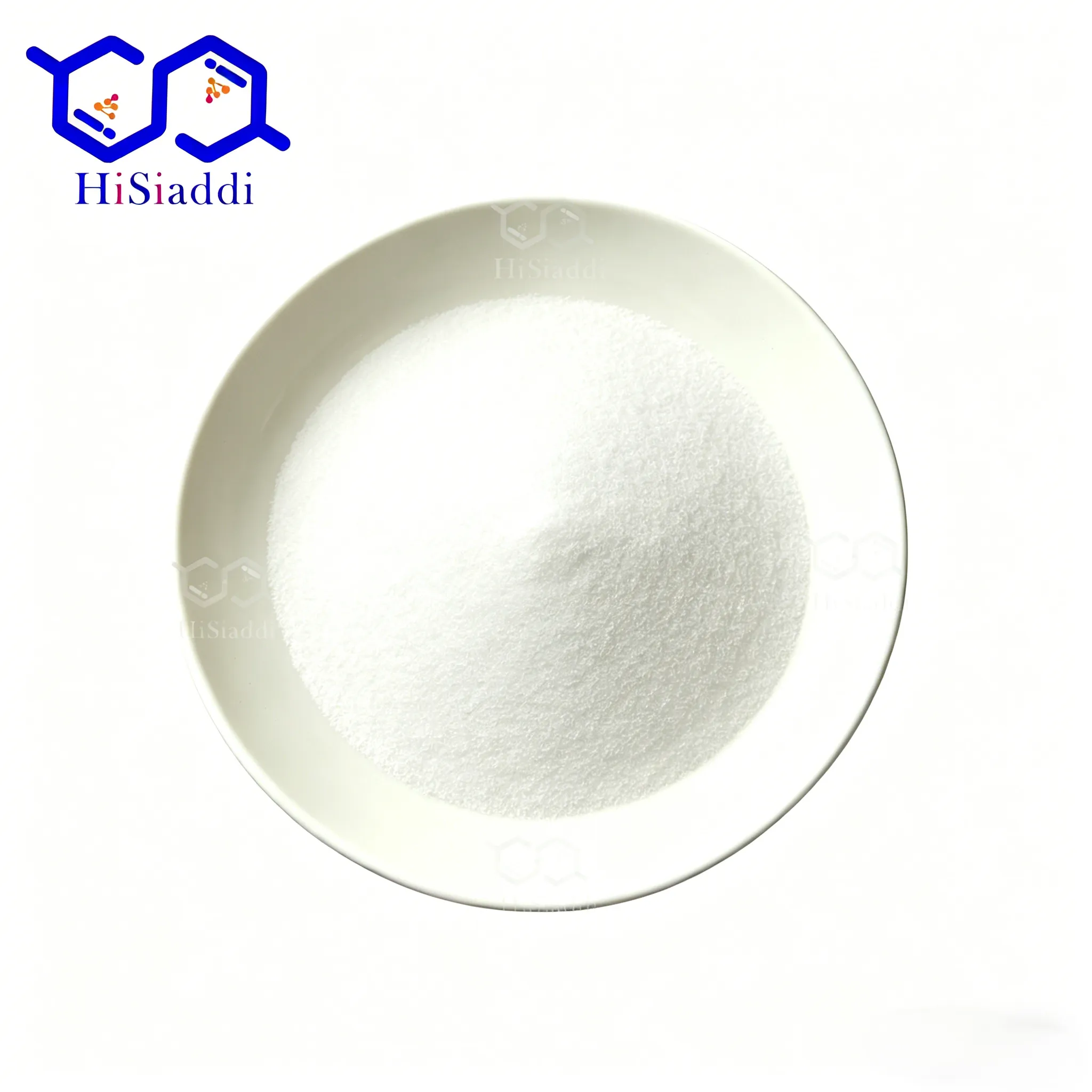
Silicon Nitride Powder is a high-performance ceramic raw material, used for manufacturing high-temperature structural parts, ceramic bearings and electronic packaging parts. HiSiaddi can supply original factory sources of multiple Chinese brands and provide "1+2+3+4=1" services.
Guoci: GC-SN10 (α phase ≥95%, D50=0.5~1μm), high-purity grade GC-SN20, high α phase content, uniform particle size, purity ≥99.9%, low impurities, high high-temperature strength and excellent thermal shock resistance, 30%~40% lower in price than Japan Ube SN-E10 with similar performance, suitable for ceramic bearing factories and electronic packaging material enterprises.
LIRR: LN-SN8 (α phase ≥90%, D50=1~3μm), industrial grade LN-SN5, good sintering activity, high density, wear resistance and corrosion resistance, international grade quality, 25%~35% lower in price, suitable for metallurgical refractory materials.
HiSiaddi Service: Customization of silicon nitride composite powder (compounded with alumina / yttria); optimization of ceramic sintering process, formula design of high-temperature structural parts, technical support for replacing Japan Ube SN-E10; compliance testing on particle size distribution, impurity content and specific surface area.
 CONTACT HiSiaddi NOW
| CAS No: | 12033-89-5 | Brand Name: | Multi-brand |
| MF: | Si3N4 | Model Number: | Multi-models |
| EINECS No: | 234-796-8 | Grade: | N/A |
| Purity: | 99.9% min | Place of Origin: | Liaoning, China |
| MOQ: | 1ton | Storage: | Please refer to the product packaging or contact the customer service. |
When you purchase silicon nitride as a buyer, you may encounter the following questions:
What are the core index advantages of mainstream models from well-known silicon nitride brands and their impacts on practical application?
What competitive services can silicon nitride suppliers provide?
What are the qualification certifications and market feedback of target silicon nitride brands?
How about the inventory level and supply stability of silicon nitride suppliers?
What factors need to be taken into consideration when selecting silicon nitride?
...and many other relevant questions.
(Leader in combustion synthesis method, qualified supplier of Tesla supply chain)
R Series (for ceramic substrates), S Series (for bearing balls), X Series (for structural components), N03X (LED phosphor powder), H Series (high-frequency packaging), N03 (PV release agent)Core export models: S860, R900, X780
Alpha-phase content: 86%-92%; up to 93% for premium R900 model, close to UBE’s 97%
Oxygen content: ≤1.2%, ≤0.6% for high-grade grades; Carbon ≤0.08%, Fe ≤80ppm, superior impurity control than Sweden VESTA
D50 particle size: 0.5-1.8μm with narrow particle size distribution and strong sintering activity; 4-hour synthesis cycle via combustion synthesis, energy consumption reduced by 60% vs UBE
Purity: 99.5%-99.8%; up to 99.99% for photovoltaic grade
International certifications: German VDA6.5, Japanese JIS R1613; certified by Tesla and Bosch supply chain access
Premium models: 52%-60% price of Japan UBE; mid-range models: 40%-45% price of UBE
Batch stability deviation ≤3%, nearly on par with overseas brands (≤2%)
Annual output: 600 tons; lead time: 7-15 days, far shorter than UBE’s 4-8 weeks
European & Southeast Asian silicon nitride ceramic substrate manufacturers, global new energy vehicle power module producers, high-end ceramic bearing manufacturers, semiconductor packaging material suppliers
For downstream manufacturers (ceramic & substrate factories): Sintering temperature reduced by 50-80℃, sintering time cut by 30%, unit ton production energy consumption lowered by 22%, product yield increased by 4%-6% to slash production costs. Stable powder batches eliminate frequent process adjustment, ideal for mass production of AMB copper-clad substrates.
For end users (new energy vehicle & semiconductor enterprises): Substrate thermal conductivity ≥85W/m·K with over 1 million thermal cycle service life, compatible with silicon carbide power modules to lower electric control failure rate of EVs. Weibull modulus of bearing balls ≥20%, wear resistance lifespan improved by 25%, suitable for high-speed operation scenarios of wind power and high-speed railways.
(Leader in silicon powder nitridation, specialized & sophisticated enterprise, military & medical grade available)
KX G90 (general structural parts), KX H95 (high-purity medical & semiconductor grade), KX A88 (alpha-phase bearing dedicated grade)
Alpha-phase content: 88%-95%; 95% for KX H95
Oxygen content: ≤0.8%, Fe ≤20ppm, Al ≤15ppm, excellent trace impurity control for semiconductor and biomedical applications
Particle size: 0.8-2.5μm with high sphericity and good fluidity
Purity: 99.8%-99.99%, heavy metal precipitation free for medical grade products
Annual output: 500 tons; certified with IATF16949 and ISO13485 medical standard, qualified for military-civilian integration projects
Priced at 48%-58% of Germany H.C.Starck products, ranking top globally in cost performance for high-end medical grade products. Customized 25nm nano-grade powder available, while overseas nano powder enjoys over 200% price premium.
Overseas bioceramic medical device manufacturers, aerospace precision structural component producers, semiconductor wafer tray manufacturers, high-end hydraulic seal manufacturers
For downstream manufacturers: Eligible for producing implantable medical ceramic components with qualified biocompatibility without extra surface modification. Aerospace ceramic parts achieve high-temperature strength ≥1200MPa and enhanced thermal shock resistance, applicable to miniature aero-engine components.
For end users: Extended service life of wear-resistant and corrosion-resistant medical implants; lightweight and high-temperature resistant aerospace parts boost equipment reliability; metal-free semiconductor components ensure stable chip manufacturing process.
(Self-propagating nitridation technology, low cost & high activity, dominant player in mid-end market)
Silzot HQ (core export grade), Silzot LQ (metallurgical refractory dedicated grade), Silzot NANO (nano grade)
Alpha-phase content: 86%-90%, oxygen content ≤0.6%; full-process high-purity nitrogen and silicon powder adopted with in-situ impurity purification via self-propagating process
Purity: 99.9%-99.99%, specific surface area 18-35m²/g, ultra-strong sintering activity
Particle size: 0.5-3μm, customized submicron and nano grades supported
Cost advantage: Extremely low energy consumption, unit ton production cost 70% lower than overseas brands
Priced at 38%-45% of Sweden VESTA products, offering top-tier cost performance for global mid-range silicon nitride powder, perfect for large-scale industrial procurement.
Southeast Asian & Middle Eastern metallurgical refractory material manufacturers, general mechanical ceramic component producers, photovoltaic release agent suppliers, ceramic cutting tool enterprises
For downstream manufacturers: Improved sintering compactness and molten steel erosion resistance of refractory materials to prolong service life of kilns and smelting equipment. Ceramic cutting tools reach hardness ≥HRA92 with higher cutting efficiency and greatly reduced production cost.
For end users: Extended maintenance cycle and reduced downtime of metallurgical equipment; high-efficiency mechanical cutting tools fit construction machinery and machine tool industry.
(Leading enterprise in nano silicon nitride, ultra-fine powder customization specialist)
YT Si3N4 AY800 (high-purity alpha phase), YT Si3N4 C20 (20nm nano grade), YT Si3N4 A500 (500nm submicron grade)
Alpha-phase content: 90%-99.99%; up to 99.99% for AY800
Full particle size coverage from 20nm to 1μm, nano powder sphericity over 98%
Purity: 97%-99.99%, oxygen content ≤1.0%, specific surface area 80-95m²/g
Leading global nano powder supply capacity; lead time 5-10 days vs Denka’s 8-12 weeks
Nano-grade products: 55%-62% price of Japan Denka; submicron products: 42%-50% price of Denka. Minimum order quantity only 1kg (50kg for overseas brands), friendly to small and medium-sized buyers.
Overseas new material R&D enterprises, nanoceramic composite material manufacturers, wear-resistant coating additive suppliers, precision grinding media producers
For downstream manufacturers: Nano powder serves as reinforcing phase for wear-resistant coatings and composite materials to upgrade material hardness, wear resistance and self-lubricating property. Small-batch fast delivery shortens R&D cycle for research institutions.
For end users: Wear-resistant and anti-corrosion coatings extend service life of automobile and marine facilities; lightweight high-strength composite materials are widely used in high-end sports equipment and precision machinery.
(Silicon powder nitridation process, dedicated for precision machinery, technical support from Chinese Academy of Sciences)
JK880 (precision bearing dedicated), JK920 (motor spindle & semiconductor dedicated), JK750 (general industrial grade)
Alpha-phase content: 88%-92%, oxygen content ≤1.0%, Fe ≤50ppm
Particle size: 0.6-2.0μm with uniform distribution, ideal for high-speed bearings and motor spindles
Purity: above 99.9%, excellent batch stability; jointly developed with Hefei Institutes of Physical Science, CAS
Optimized formula for high-speed bearing balls with Weibull modulus ≥22
Priced at 45%-55% of Germany ALZ products, well-received by European high-end precision machinery manufacturers.
European precision machine tool manufacturers, high-speed motor spindle producers, hydraulic seal suppliers, high-end ceramic valve enterprises
For downstream manufacturers: Ceramic bearing balls support rotating speed up to 100,000 rpm for high-speed machine tools; acid-alkali resistant and high-temperature resistant ceramic valves achieve superior sealing performance.
For end users: Improved machining accuracy and lower failure rate of high-speed machine tools; corrosion-resistant petrochemical valves enjoy longer service life.

| Brand | Core Export Models | Core Competitive Indicators | Benchmark International Brand | Domestic/Overseas Price Ratio | Core Target Overseas B-end Buyers | Benefits for Downstream Buyers | Benefits for End Users |
| Qingdao Cixing | S860, R900, X780 | Alpha phase 86%-93%, Oxygen ≤0.6%, Purity 99.5%-99.8%, Tesla supply chain certified | Japan UBE | 52%-60% | European substrate factories, EV power module manufacturers, high-end bearing factories | 22% lower sintering energy consumption, 4%-6% higher yield, suitable for AMB substrate mass production | Longer EV electric control service life, 25% improved wear resistance of wind power bearings |
| Hengyang Kaixin | KX G90, KX H95, KX A88 | Alpha phase 88%-95%, Oxygen ≤0.8%, Fe ≤20ppm, medical & military certifications | Germany H.C.Starck | 48%-58% | Medical ceramic factories, aerospace structural part manufacturers, semiconductor wafer factories | Qualified biocompatibility for medical implants, aerospace parts ≥1200MPa high-temperature strength | Extended lifespan of medical implants, lightweight & heat-resistant aerospace components |
| Jiangxi Silicon Nitride | Silzot HQ, LQ, NANO | Alpha phase 86%-90%, Oxygen ≤0.6%, self-purified high purity, high sintering activity | Sweden VESTA | 38%-45% | Metallurgical refractory factories, general ceramic factories, cutting tool manufacturers | Enhanced erosion resistance of refractory materials, tool hardness ≥HRA92 | Reduced downtime of metallurgical equipment, higher machine tool cutting efficiency |
| Ningbo Yutian | AY800, C20, A500 | Alpha phase 90%-99.99%, full 20nm-1μm particle size range, top nano powder technology | Japan Denka | 55%-62% | Nano composite material factories, wear-resistant coating manufacturers, new material R&D institutions | Improved material performance via nano powder, flexible small-batch procurement | Extended service life of anti-wear coatings, lightweight high-strength high-end equipment |
| Zhengzhou Junkenaxin | JK880, JK920, JK750 | Alpha phase 88%-92%, Weibull modulus ≥22, customized for high-speed precision machinery | Germany ALZ | 45%-55% | European precision machine tool factories, high-speed spindle factories, ceramic valve manufacturers | 100,000 rpm bearing balls, upgraded valve sealing performance | Higher machine tool precision, durable anti-corrosion petrochemical valves |
High-end Fields (Semiconductor, Medical Treatment, New Energy Substrates)Qingdao Cixing and Hengyang Kaixin are fully comparable with Japan UBE and Germany H.C.Starck with performance gap within 5%, 40%+ lower price and 70% shorter lead time, becoming the optimal import substitution choice for high-end overseas buyers.
Mid-end Fields (Metallurgy, General Structural Parts, Cutting Tools)Jiangxi Silicon Nitride and Zhengzhou Junkenaxin possess overwhelming cost advantages over overseas rivals, perfectly fit for bulk procurement demands.
Segmented Fields (Nano Powder, Small-batch R&D Use)Ningbo Yutian outperforms Japan Denka in customized service, minimum order quantity and delivery cycle, ideal for innovative overseas SMEs.
General OutlookChinese silicon nitride powder features sufficient production capacity, powerful customization capability, rapidly improved international certifications and faster technological iteration speed. It is projected to capture over 35% market share of global mid-to-high-end silicon nitride powder market within the next 3 years.
HiSiaddi, a new foreign trade service provider powered by technology transformation and foreign trade dual engines, has built a "1+2+3+4=1" product service system: 1 foreign trade salesperson with over 3 years of experience, supported by two professional R&D teams, three multi-round vetted high-quality suppliers and four shared distribution warehouses to meet all product supply demands.
With this integrated system, HiSiaddi masters Silicon Nitride R&D and production processes better than most foreign traders, understands cross-brand market demands and competitive edges more thoroughly than individual powder factories, and possesses richer overseas market operation experience than academic research institutions.
HiSiaddi only hires sales staff with a minimum of three years’ industry experience. All sales must complete over six months of combined training delivered by R&D and foreign trade teams before providing services to overseas buyers.
(1)Silicon Nitride Basic Guarantee Service
Leveraging our foreign trade team and standardized corporate service system, we deliver end-to-end one-stop document services: issuance & processing of all Silicon Nitride compliance certificates, provision of third-party test reports and full resolution of quality warranty issues.
(2)Silicon Nitride Exclusive Advantage Service
Backed by our internal R&D team, we offer customized product development and technical consulting, including cross-brand core indicator matching, cost substitution analysis and periodic global Silicon Nitride market intelligence updates.
Overseas Competitor Benchmark & Cost Substitution Calculation Service. For clients currently purchasing UBE, Denka and other imported silicon nitride powders, we issue detailed benchmark reports and cost calculation tables that quantify raw material cost reductions, sintering energy consumption cuts and finished product service life changes after switching to domestic equivalents. For example, switching domestic powder can cut raw material costs by 40%–50% and sintering energy use by 20%, delivering a total comprehensive cost reduction of over 35%, fully eliminating client concerns about domestic substitution risks.
Global Silicon Nitride Market Intelligence Service. We send regular updates covering global price trends, domestic capacity shifts, overseas competitor price adjustments, Chinese government policy subsidies and demand changes in new energy & semiconductor industries, enabling clients to accurately forecast market cycles and lock in favorable procurement prices.
Industry Supply-Demand Matching Service. Leveraging HiSiaddi’s global client network, we connect overseas ceramic manufacturers with downstream end-users and upstream auxiliary material & ceramic equipment suppliers, e.g., matching European ceramic factories with local new energy vehicle manufacturers to help clients expand end-product order channels.
We carry out deep cooperation with upstream powder manufacturers via technology transformation and provide internal technical training for sales teams, enabling professional customization of Silicon Nitride and research-grade consulting for brand matching and sintering process optimization.
(1)Silicon Nitride Research-Grade Customization Service
Precise Crystal Phase Customization. We tailor high α-phase powder (85%–99.99%) for bearings & substrates and high β-phase powder (90%+) for structural wear-resistant components to precisely match target mechanical properties including strength and toughness after sintering.
Nano & Submicron Powder Customization. Partnering with leading manufacturers such as Yutian Ningbo, we develop powders ranging from 20 nm to 1 μm for wear-resistant coatings and composite materials, with precise particle size adjustment and sphericity optimization.
(2)Silicon Nitride Research-Grade Consulting Service
We provide full technical support covering powder formula optimization, sintering process tuning and customized indicator adjustment (oxygen content, particle size, α/β crystal ratio). For overseas ceramic manufacturers suffering low sinter yield, we connect domestic R&D engineers to adjust silicon nitride powder particle size, oxygen content and sintering auxiliary ratios, offering free process proposals unavailable from ordinary foreign trade companies. We also customize silicon nitride powder with dedicated indicators (e.g., oxygen ≤0.4%, particle size 0.4 μm, α-phase 94%) tailored to clients’ end products.
Our foreign trade and R&D teams jointly conduct preliminary market surveys, on-site factory inspections, complete product testing, long-term technology transformation cooperation and bulk purchasing partnerships to select roughly three manufacturers with stable quality, consistent supply, sound reputation and strong growth potential.
(1)Silicon Nitride Greater Initiative to Secure Lower Prices
Long-term technology transfer and exclusive agency partnerships grant us access to factory-direct low-price raw material supplies.
(2) Silicon Nitride Long-Term Supply Chain Guarantee Service
Long-term factory cooperation strengthens full-process production supervision, full batch traceability, consistent batch quality control and formal compensation clauses for batches failing third-party quality testing.
We have 4 warehouses, which are jointly operated and managed with suppliers to store hot-selling products.
(1)Silicon Nitride Fast Delivery & Local On-Site Emergency Support
Warehouses are located at Qingdao Port (North China), Ningbo Port (East China), Shenzhen Port (South China) and Zhengzhou (inland logistics hub), ensuring timely shipments of Silicon Nitride. Local staff can resolve transit damage, packaging defects and export compliance problems on-site immediately.
(2) Offset Seasonal Price Swings & Custom Packaging Support
We pre-stock goods ahead of peak demand periods to mitigate excessive price fluctuations. Our self-owned warehouses fully support customized packaging and label design for all client orders.
As a new-type foreign trade service provider driven by technological transformation and cross-border trading, HiSiaddi has built a "1+2+3+4=1" service system and can supply original manufacturer materials of silicon nitride from multiple well-known brands. As a research and development-oriented foreign trade enterprise, HiSiaddi will systematically sort out and analyze common difficulties faced by B-end purchasers when sourcing silicon nitride in China, and propose targeted solutions from a professional perspective.
If you require more professional and in-depth analysis on silicon nitride selection, please contact HiSiaddi customer service.
1. Unbalanced crystalline phase ratio and excessive free silicon: Insufficient β-phase leads to low sintered green body density and finished product cracking; free silicon oxidizes and forms bubbles at high temperatures, causing dimensional non-compliance and scrapping of precision ceramic parts. European and American precision component manufacturers enforce strict limits on free silicon incoming materials.
2. Excessive total oxygen content: SiO₂ impurity phases form during sintering, drastically reducing ceramic temperature resistance and bending strength, and failing to meet insulation performance requirements for semiconductor substrates.
3. Excessive iron, aluminum and other heavy metal impurities: RoHS-restricted elements exceed thresholds, resulting in rejection during incoming material inspection by electronics and new energy supply chains.
4. Wide particle size span and mixed coarse/fine particles: Severe powder agglomeration causes pinholes and delamination during dry pressing / tape casting, sharply lowering product yield.
1. Vapor-phase nitridation + high-temperature crystalline phase regulation to precisely lock α/β ratio; free silicon controlled within 50% of specification limits for consistent sintering stability.
2. High-purity raw material synthesis + inert atmosphere refining for deoxidation, with total oxygen indicators far below access standards for high-end ceramics.
3. Multi-stage impurity removal via magnetic separation and acid washing to ensure heavy metal compliance with RoHS and automotive electronic material specifications.
4. Precision jet classification for narrow particle size distribution and agglomerate dispersion, delivering dense green bodies free of pores after forming.
1. Fluctuating sintering activity: Thermal shock resistance of refractory products from identical formulas varies drastically, leading to frequent cracking and liquid leakage.
2. Moisture absorption and agglomeration during storage: Uneven powder dispersion during batching causes incomplete local sintering.
3. Severe dust emission during low-temperature batching: High raw material loss and excessive workshop dust fail to meet European and American environmental control standards.
1. Temperature-controlled nitridation process stabilizes specific surface area, with batch sintering activity fluctuation ≤0.4% for consistent thermal stability of refractory products.
2. Inert surface coating for powder + high-barrier sealed packaging to resist moisture absorption and agglomeration under conventional storage conditions.
3. Surface modification reduces dust emission during feeding, complying with European and American workshop environmental standards.
1. Trace metallic impurities and soluble impurities close to regulatory red lines under Japan’s Ministry of Health, Labour and Welfare; failed port inspection halts local production.
2. Lack of Japanese-language raw material filing and test documents blocks access to Japanese automotive and semiconductor head supply chains, limiting product premium potential.
3. Unstable oxygen content causes high-temperature peeling of PV crucible coatings, triggering compensation claims from end PV manufacturers.
1. Deep refining and purification reduces harmful impurities to below 40% of Japanese regulatory limits, enabling smooth passage of Japanese customs incoming inspection.
2. Supporting Japanese MSDS and full-item COA test reports, with assistance for Japanese chemical raw material import filing.
3. Strict total oxygen control delivers excellent high-temperature coating adhesion to prevent peeling during long-term service.
1. Low-cost counterfeit materials adulterated with quartz powder and alumina powder; insufficient effective silicon nitride content causes high-temperature softening and cracking of refractory products.
2. Moisture absorption and hardening under tropical humid open storage conditions disrupt normal batching; incomplete compliance documents lead to customs detention and fines.
1. Economic industrial-grade silicon nitride without inert filler adulteration, stable physicochemical indicators, priced 22%~27% lower than high-purity precision ceramic grade.
2. Double-layer moisture-proof sealing with inner film + woven bags, resisting agglomeration and moisture absorption for 3 months under 45℃ humid tropical conditions.
3. Batch-specific COA, MSDS and Halal certificates provided to assist import customs declaration.
1. Counterfeit silicon nitride adulterated with quartz and silicon carbide powder; falsely labeled crystalline phase and purity trigger mass scrapping during ceramic sintering and downstream compensation claims.
2. Permeable packaging causes moisture absorption and agglomeration, leading to full order rejection by high-end precision ceramic manufacturers; incomplete compliance documents block access to European and American high-end procurement chains.
3. Moisture absorption and agglomeration during open repackaging degrade powder quality in small packages during storage.
1. Direct supply from original silicon nitride synthesis manufacturers, with batch-specific full-item COA covering crystalline phase, oxygen content and impurities; third-party SGS re-inspection supported with zero adulteration guarantee.
2. Vacuum aluminum plastic inner liner + thickened cardboard drum sealing for moisture and humidity resistance suitable for transoceanic shipping.
3. Closed inert atmosphere repackaging; powder indicators remain stable without obvious degradation after 12 months of storage in cool 25℃ environments. One-stop full compliance documents including REACH, RoHS and Japan/South Korea import certifications provided.
If you require more professional and in-depth analysis on silicon nitride selection, please contact HiSiaddi customer service.
Lead time
Quantity (ton) | 0 - 10 | 10 - 30 | > 30 |
Lead time (days) | 7 | 15 | To be negotiated |
As a new-type foreign trade service provider driven by technological transformation and cross-border trading, HiSiaddi has built a "1+2+3+4=1" service system and can supply original manufacturer materials of silicon nitride from multiple well-known brands. As a research and development-oriented foreign trade enterprise, HiSiaddi will analyze critical purchasing considerations and core technical indicators from a professional perspective to ease selection concerns for buyers.
If you require more professional and in-depth analysis on silicon nitride selection, please contact HiSiaddi customer service.
We possess complete self-propagating sintering refining processes, with stable mass production of high-purity electronic grade, special ceramic grade and refractory industrial grade silicon nitride, supported by a full industrial chain for high-end advanced ceramics.
Classification: Advanced ceramic powder, inorganic electronic filler, refined refractory raw material Core controlled indicators: α/β phase ratio, total nitrogen content, free silicon, oxygen content, metallic impurities (Fe/Al/Ca), particle size distribution, carbon content
· EU: REACH substance registration is required. Raw materials for ceramic cutting tools shall comply with REACH control standards; powders for electronic packaging shall meet RoHS heavy metal regulations.
· North America: TSCA listing is mandatory. Raw materials for semiconductors and new energy products shall conform to ASTM standards for silicon nitride powder.
· Japan & South Korea: Chemical substance review law filing is compulsory. Raw materials for precision ceramics and automotive components are subject to strict controls on oxygen content and free silicon.
· Southeast Asia & Middle East: General specifications for refractory raw materials. Orders exported to Europe and America must be accompanied by batch-specific Certificate of Analysis (COA), full third-party SGS test reports and raw material traceability documents. Customs will focus on inspecting impurity test reports; shipments with excessive metallic impurities or oxygen content are prone to customs detention and inspection.
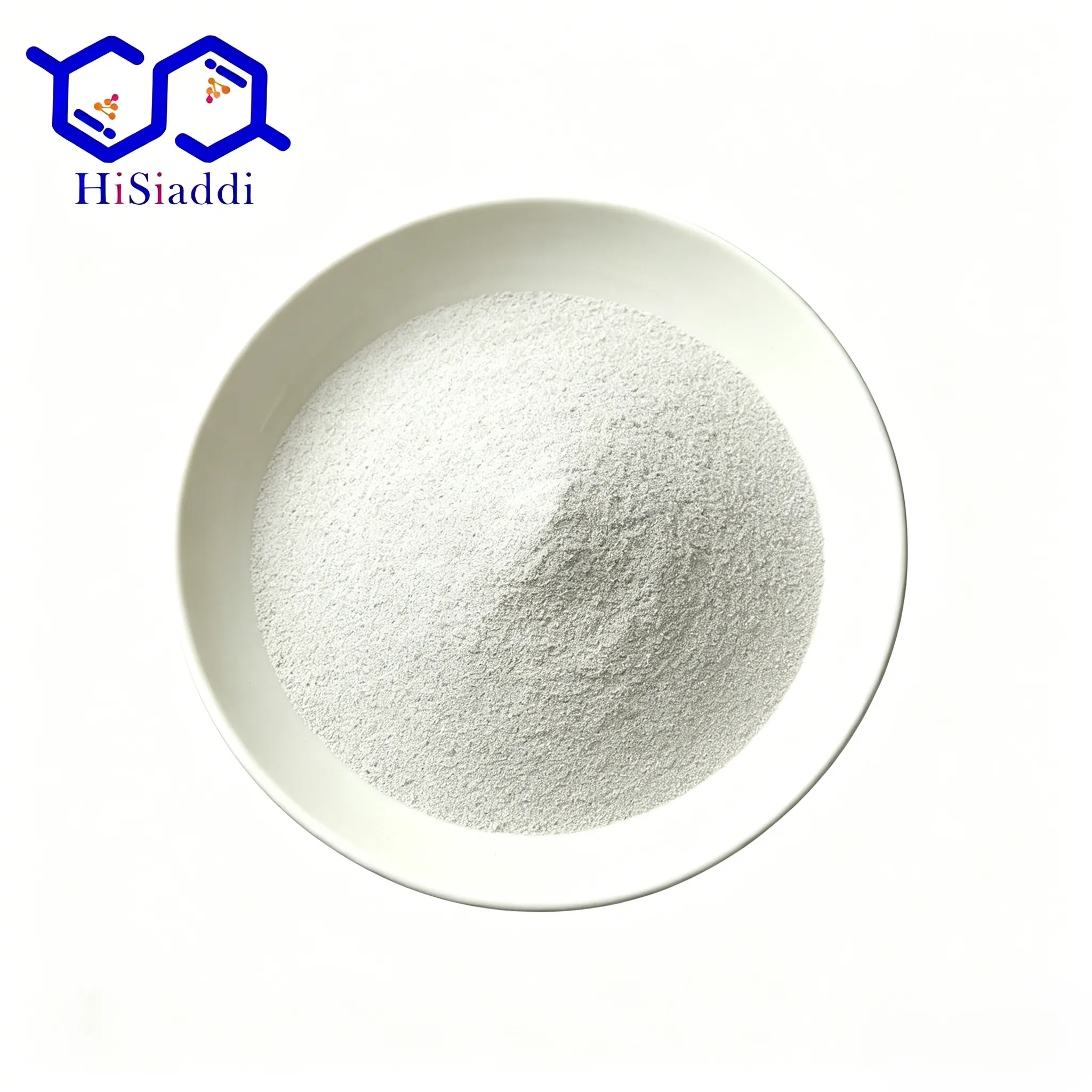
Properties: Off-white ultrafine inorganic powder, insoluble in water and conventional organic solvents, high-temperature oxidation resistance; densification forming relies on sintering aids.
1. α & β phase ratio: High-activity α-phase is suitable for pressureless sintering of precision ceramics; fully crystallized β-phase delivers high mechanical strength and is widely used in high-temperature structural components. Crystalline phase ratio directly determines sintering temperature and finished product density.
2. Total oxygen content: Oxygen originates from surface oxidized SiO₂ impurities. Excess oxygen drastically reduces ceramic strength and thermal conductivity, serving as a rigid control indicator for electronics and precision cutting tools.
3. Free elemental silicon: Unreacted raw material impurity that easily causes internal pores and finished product cracking during sintering.
4. Median particle size D50: Submicron grade (0.3~0.8 μm) for precision cutting tools and electronic substrates; 1~3 μm for general structural ceramics; 5~15 μm for refractory aggregates.
5. Metallic impurities (Fe, Al, Ca): Excessive impurities generate low-melting-point phases at high temperatures and degrade high-temperature mechanical strength of ceramics, with strict limits for semiconductor packaging applications.
6. Compatibility performance: Compatible with sintering aids Y₂O₃ and Al₂O₃, adaptable to gas pressure sintering / hot pressing sintering processes. Small-scale pre-tests on green body forming and sintering shrinkage are recommended for new material batches.
1. High-Purity Precision Ceramic Grade (Cutting tools for Europe & US, new energy automotive bearings, semiconductor packaging) Total nitrogen ≥38.5%, free Si ≤0.3%, total oxygen ≤1.2%, D50=0.4~0.7 μm, α-phase ≥90%, total Fe+Al+Ca ≤150 ppm
2. General Structural Ceramic Grade (Wear-resistant valve plates, industrial ceramic rollers) Total nitrogen ≥38.0%, free Si ≤0.8%, total oxygen ≤2.0%, D50=1~3 μm
3. Refractory & Metallurgical Industrial Grade (Silicon nitride bonded silicon carbide refractory bricks) Total nitrogen ≥37.0%, relaxed limits for oxygen and impurities, coarse particle size powder
Core processes: High-temperature nitridation of silicon powder / self-propagating synthesis → jet milling → acid washing impurity removal → classification and screening. Key control points: Nitridation conversion rate to limit free silicon, atmosphere control for oxygen reduction, acid washing for metallic impurity removal, precision particle size classification. Prioritize integrated powder manufacturers with full-process synthesis and purification capabilities, complete ISO9001 certification and dedicated ceramic raw material testing systems. Large-scale manufacturers deliver stable batch consistency in crystalline phase and oxygen content, and can provide cross-border test reports from SGS, Eurofins. Packaging: 25kg cardboard drums with aluminum foil inner liners / bulk ton bags; lead time: 8~14 days. Small-scale manufacturers adopt crude nitridation processes with excessive free silicon and oxygen content, making them unable to supply export orders for high-end precision ceramics.
Physicochemical properties: Chemically stable at room temperature, non-flammable, non-corrosive; ultrafine powder readily absorbs moisture and undergoes slow surface oxidation; not classified as dangerous goods.
· Packaging: High-purity ultrafine powder uses vacuum aluminum foil inner liners + cardboard drums; industrial coarse powder adopts film-coated woven ton bags.
· Warehousing: Dry warehouse with temperature maintained at 5~35℃ and ambient humidity below 60%; avoid rain and moisture exposure.
· Storage taboos: Do not store alongside strong acid or strong alkaline raw materials. Keep tightly sealed to reduce surface oxygen absorption and implement first-in, first-out inventory management.
Customized α/β phase ratio formulation, customized ultrafine nano-scale powder, high-purity purification with low impurity content, multi-language foreign labels / MSDS; supporting ceramic sintering formulas, national powder regulatory compliance documents and customs clearance document sorting.
1. Nitrogen content: ≥38.5% for high-purity ceramics; ≥38.0% for structural ceramics; ≥37.0% for refractory grade
2. Free silicon: ≤0.30% for high-end grade; ≤0.80% for general grade; ≤2.00% for industrial grade
3. Total oxygen content: ≤1.20% for high-purity grade; ≤2.00% for general grade
4. D50 particle size: 0.3~0.8 μm for high-purity cutting tools; 1~3 μm for structural ceramics; 5~15 μm for refractory materials
5. α-phase proportion: ≥90% for high-end sintering raw materials
6. Heavy metal impurities (Fe+Al+Ca): ≤150 ppm for electronic ceramics
7. Appearance: Uniform off-white powder without agglomerates or discolored particles; agglomeration caused by moisture absorption indicates excessive surface oxidation.
Strictly control oxygen content, free silicon and trace metallic impurities to ensure complete sintering density, bending strength and high-temperature wear resistance.
All heavy metal elements shall comply with RoHS standards; low oxygen content and ultrafine particle size are required to guarantee insulation and thermal stability.
Control nitrogen content and particle size to stabilize sintering shrinkage rate.
Only total nitrogen and particle size are subject to control; prioritize procurement cost optimization.
Basic documents: Product Certificate of Analysis (COA), Chinese-English MSDS, full-item SGS test reports (nitrogen / oxygen / free silicon / impurities / particle size). EU: REACH registration documents North America: TSCA filing documents Japan & South Korea: Chemical substance declaration materials Bonus qualification: RoHS impurity test reports (for electronic orders)
1. Ultrafine powder exposed to open air easily absorbs moisture, raising total oxygen levels via surface oxidation; vacuum sealing is critical for storage and transportation.
2. Total oxygen content and free silicon are core compliance thresholds for high-end ceramic exports; European and American precision orders conduct batch-by-batch testing.
3. Vacuum aluminum foil inner packaging is recommended for humid ocean shipping environments.
If you require more professional and in-depth analysis on silicon nitride selection, please contact HiSiaddi customer service.
As a new-type foreign trade service provider driven by dual engines of technology commercialization and export services, HiSiaddi has built a "1+2+3+4=1" service system and can supply silicon nitride raw materials from multiple well-known original manufacturers.
As an R&D-focused foreign trade service provider, HiSiaddi does not only promote a single brand like factory traders. We objectively analyze multiple competitive Chinese silicon nitride brands with strong export performance and share their production processes, supply stability and key performance indicators, as well as their downstream impacts to help buyers make efficient, reliable purchasing decisions.
For more comprehensive, objective introductions to multiple well-known Chinese silicon nitride brands, contact HiSiaddi customer service.
Adopts fully self-developed closed-loop process consisting of high-purity silicon source purification, carbothermal reduction nitridation (CRN), high-temperature classification and spray drying modification with precise control of core parameters:
1. Raw materials: 99.99% high-purity quartz sand plus special carbon powder with strictly controlled carbon-silicon ratio (1.9–2.0:1) to avoid SiC byproducts;
2. Synthesis: Continuous pusher kiln under nitrogen atmosphere at 1450–1500℃ with oxygen partial pressure <100 ppm, daily single-kiln output of 3 tons and reaction conversion rate ≥95%;
3. Post-treatment: High-temperature air classification (particle size D50 precisely controlled to ±0.05 μm) + plasma decarbonization (free carbon <50 ppm) + surface modification to improve dispersibility;
4. Advantages: Fully closed in-house process without outsourcing, full-process impurity control and superior batch consistency; reduces oxygen content by 40% and boosts production capacity by 50% versus traditional processes.
1. Production scale: 800 tons annual high-purity powder capacity (25% of domestic high-end capacity); three IATF16949-certified automotive-grade production lines operating at full capacity with 20% flexible capacity expansion potential;
2. Delivery lead time: 30 days for standard orders (versus 120 days for imports), 15 days for rush orders with a 99.2% on-time delivery rate;
3. Raw material security: Self-built silicon raw material base plus long-term supply agreements for carbon powder and nitrogen gas with minimum 90 days of critical raw material inventory;
4. Risk mitigation: Dual production bases (Dongying & Zibo, Shandong) for capacity backup with zero supply disruption records in 2024–2025.
· Purity: ≥99.9%; α-phase: ≥97%; oxygen content: ≤0.35% (3500 ppm)
· Particle size: D50=0.7–0.9 μm, D90/D10 ≤1.35 (ultra-narrow distribution)
· Metallic impurities: ≤3 ppm (Fe/Al/Ca <1 ppm); thermal conductivity: ≥210 W/(m·K)
· Batch fluctuation: Oxygen content ±0.02%, particle size ±0.03 μm, industry-leading consistency globally.
1. Semiconductor packaging: 15% yield improvement with 38% cost reduction. Replaces Japan’s UBE SN-E10 with stable batch yield of 94% (international benchmark 95%), cutting per-ton procurement cost from USD 1.5 million to USD 930,000; compliant trace impurities eliminate wafer scrapping risks.
2. New energy vehicles: AEC-Q101 qualified with doubled reliability. 800V substrates withstand 1,000 thermal cycles (-55℃~150℃) without cracking, compatible with BYD and Volkswagen platforms, reducing after-sales failure rates below 0.1%.
3. PV thermal field: 99.5% demolding yield with 18% per-watt cost savings. Precisely tuned particle sizes suit N-type silicon wafers and reduce red zone defects, generating over USD 2 million annual cost savings per production plant.
Adopts proprietary fluidized bed gas-phase synthesis plus high-temperature vacuum purification and inert gas classification, focusing on high sintering activity and high-density ceramic powder:
1. Synthesis: Silicon powder reacts with high-purity nitrogen at 1380–1420℃ in a fluidized bed for uniform reaction without local overheating, achieving α-phase conversion ≥96%;
2. Purification: Vacuum degassing at 1500℃ reduces oxygen content to ≤0.45% and removes free silicon/carbon;
3. Classification: Inert gas-protected sorting prevents secondary oxidation with D50 controlled at 0.6–0.8 μm;
4. Advantages: Single-line annual capacity of 200 tons with 18% lower energy consumption; powder sintering activity ≥98%, ideal for high-density ceramics (bearing balls / structural parts).
1. Production scale: 500 tons annual high-purity powder capacity; two fluidized bed lines plus one military-grade dedicated line operating at 85% utilization, expandable to 650 tons annually;
2. Delivery lead time: 45 days for standard orders, 30 days for military/high-end orders with a 98.5% on-time delivery rate;
3. Raw material security: Backed by China National Building Material Group; long-term agreements secure nitrogen and silicon sources with minimum 60 days of inventory;
4. Risk mitigation: Stable capital chain as a central SOE with no production shutdown risks; prioritized supply to SKF and Schaeffler during European bearing market peak seasons in 2024 with zero delivery delays.
· Purity: ≥99.8%; α-phase: ≥96%; oxygen content: ≤0.45% (4500 ppm)
· Particle size: D50=0.6–0.8 μm; sintering activity: ≥98%; density: ≥3.2 g/cm³
· Metallic impurities: ≤5 ppm; flexural strength: ≥850 MPa (structural part grade)
· Batch fluctuation: Oxygen content ±0.03%, particle size ±0.04 μm, stability comparable to Japanese manufacturers.
1. High-grade bearing balls: Substitute Kyocera with 25% cost reduction and Grade 1 international fatigue life. Suits high-speed rail and machine tool spindle bearings from SKF, extending fatigue life by 30% and cutting per-bearing costs by 15%.
2. Aerospace: Military certified for long-term service at 1200℃. Used in turbocharger rotors with 50% improved oxidation resistance without deformation, supplied to aerospace manufacturers in Russia and the Middle East.
3. Metallurgical wear parts: 2–3 times longer service life with 60% lower maintenance costs. High-temperature liners for Siam Cement Group reduce annual replacement cycles from 6 to 2, cutting production downtime losses.
Leveraging accumulated sputtering target technology, adopts silane-ammonia CVD gas-phase synthesis, plasma purification and cleanroom classification to deliver ultra-high-purity, low-oxygen, narrow-distribution semiconductor-grade powder:
1. Synthesis: High-purity silane (99.999%) reacts with liquid ammonia at 1200℃ for one-step generation of nano-sized powder (D50=0.5–0.7 μm);
2. Purification: Plasma treatment removes carbon and oxygen impurities to lower oxygen content ≤0.3% (3000 ppm) and metallic impurities ≤2 ppm;
3. Classification: Air classification inside Class 100 cleanrooms eliminates secondary contamination with particle size distribution D90/D10 ≤1.3;
4. Advantages: The world’s only non-Japanese mass-production CVD line delivering 99.99% purity powder compatible with advanced process nodes below 7 nm.
1. Production scale: 300 tons annual electronic-grade powder capacity; one CVC dedicated line with CNY 80 million investment operating at full capacity with 15% flexible capacity expansion potential;
2. Delivery lead time: 25 days for semiconductor orders (fastest globally), 12 days for rush orders with a 99.5% on-time delivery rate;
3. Raw material security: Self-built high-purity gas systems; long-term agreements lock silane and liquid ammonia supply with minimum 45 days of inventory;
4. Risk mitigation: Signed 3-year supply agreements with TSMC and Samsung to guarantee priority allocation for core clients; zero supply disruption or delay records in 2025.
· Purity: ≥99.99%; α-phase: ≥98%; oxygen content: ≤0.3% (3000 ppm)
· Particle size: D50=0.5–0.7 μm; D90/D10 ≤1.3 (ultra-narrow distribution)
· Metallic impurities: ≤2 ppm (Fe <0.5 ppm); trace impurities: <1 ppb (semiconductor grade)
· Batch fluctuation: Oxygen content ±0.01%, particle size ±0.02 μm, globally leading cleanliness consistency.
1. Advanced semiconductor packaging: Passed 7 nm node qualification, substitute H.C.Starck with 40% cost reduction. Wafer carrier yield reaches 96%, cutting single-substrate costs from USD 200 to USD 120 for TSMC and UMC clients.
2. High-frequency communications: Dielectric constant stabilized at 3.28±0.02 for 5G/6G base stations. Substrates for Ericsson and Nokia deliver 20% lower signal loss and thermal conductivity ≥200 W/(m·K) for enhanced heat dissipation efficiency.
3. Sputtering target manufacturing: Density ≥99.5% with improved sputtering uniformity. Semiconductor target yield rises from 85% to 94%, reducing target material waste.
Adopts self-developed temperature-controlled activated SHS plus inert atmosphere classification and low-temperature surface modification, focusing on low-cost, fast-delivery high-thermal-conductivity powder:
1. Synthesis: Silicon powder ignites and undergoes self-propagating combustion with nitrogen at 1300–1350℃; reaction cycle only 4 hours (versus 12 hours for traditional processes) cutting energy consumption by 30%;
2. Temperature control: Precision thermal control eliminates local overheating with stable α-phase ≥95%;
3. Post-treatment: Low-temperature air classification (D50=0.7–0.9 μm) plus surface modification to boost dispersibility;
4. Advantages: Low equipment investment, large production capacity and superior cost advantages for mid-to-high-end PV and automotive substrate applications.
1. Production scale: 400 tons annual high-purity powder capacity; two SHS lines (200 tons per line) operating at full capacity with 30% flexible capacity expansion potential for rapid ramp-up;
2. Delivery lead time: 20 days for standard orders (fastest globally), 10 days for rush orders with a 99% on-time delivery rate;
3. Raw material security: Local procurement of silicon powder and nitrogen gas with minimum 30 days of inventory; bonded warehouses established in Southeast Asia and the Middle East for regional direct shipment;
4. Risk mitigation: Full capacity activated during the 2025 PV capacity expansion wave with zero delivery delays; stable pricing without unplanned price hikes.
· Purity: ≥99.7%; α-phase: ≥95%; oxygen content: ≤0.6% (6000 ppm)
· Particle size: D50=0.7–0.9 μm; D90/D10 ≤1.4; thermal conductivity: ≥190 W/(m·K)
· Metallic impurities: ≤8 ppm; demolding success rate: ≥99.8% (PV grade)
· Batch fluctuation: Oxygen content ±0.04%, particle size ±0.05 μm, optimal overall cost-performance ratio.
1. NEV substrates: Mass procurement by European Tier1 manufacturers with 45% cost reduction. Infineon substrates deliver thermal conductivity of 190 W/(m·K), cutting single-block costs from USD 150 to USD 82 for 800V platform applications.
2. PV thermal field: 22% global market share with 99.7% N-type wafer demolding yield. Clients in Vietnam and Saudi Arabia achieve 50% lower per-ton costs versus imports, generating over USD 3 million annual cost savings per plant.
3. LED packaging: Qualified by Nichia with 8% higher luminous efficiency. Phosphor-dedicated powder delivers ion impurities ≤1 ppm for improved brightness and 10% product premium margins.
Leveraging technical support from Shanghai Institute of Ceramics, CAS, adopts sol-gel precursor preparation plus low-temperature nitridation (1250℃) and precision classification, focusing on stable dielectric constants, matched thermal expansion and low-temperature sintering:
1. Precursor preparation: Silanolate reacts with ammonia water via sol-gel to form homogeneous precursors with uniform, controllable impurity distribution;
2. Nitridation: Low-temperature nitrogen atmosphere treatment at 1250℃ cuts energy consumption by 20% and avoids impurity segregation at high temperatures;
3. Classification: Precision air classification delivers D50=0.6–0.8 μm with dielectric constant fluctuation ≤±0.02;
4. Advantages: Globally unique low-temperature synthesis process delivering industry-leading dielectric stability and thermal expansion matching performance.
1. Production scale: 250 tons annual high-purity powder capacity; one sol-gel production line plus one customized dedicated line operating at 90% utilization, expandable to 350 tons annually;
2. Delivery lead time: 35 days for standard orders, 45 days for customized formulations with a 98.8% on-time delivery rate;
3. Raw material security: Long-term supply agreements lock precursor raw materials with minimum 50 days of inventory; dedicated technical support from SICCAS enables rapid resolution of process challenges;
4. Risk mitigation: Priority production scheduling for customized orders; 95% repeat purchase rate among high-frequency packaging clients in 2025 with zero technical dispute records.
· Purity: ≥99.8%; α-phase: ≥94%; oxygen content: ≤0.5% (5000 ppm)
· Particle size: D50=0.6–0.8 μm; dielectric constant: 3.28±0.02 (global best-in-class stability)
· CTE: 3.1×10⁻⁶/K (perfect copper matching); sintering temperature: 1650℃ (100℃ lower)
· Batch fluctuation: Dielectric constant ±0.01, CTE ±0.05×10⁻⁶/K, unmatched thermal expansion matching performance.
1. High-frequency packaging: Recognized by Japanese, Korean & European communication manufacturers with improved signal stability. Substrates for Kyocera and LG Chem feature minimal dielectric fluctuation, copper-matched thermal expansion eliminating cracking and 15% lower signal loss.
2. Low-temperature sintered structural parts: 15% production cost reduction with strength ≥750 MPa. Lightweight aerospace structural parts for Embraer cut sintering energy consumption by 20% and single-unit manufacturing costs by 12%, ideal for cost-sensitive markets in South America and Southeast Asia.
3. Composite substrates: Complementary performance with AlN/SiC for dual advantages of thermal conductivity and dielectric stability, delivering 20% premium margins for high-end communication base station applications.
表格
Brand | Core Production Process | Oxygen Content | Thermal Conductivity | Standard Delivery Lead Time | Optimal Downstream Applications |
Sinocera Functional Materials | Carbothermal Reduction + Spray Drying Closed-Loop | ≤0.35% | ≥210 W/(m·K) | 30 days | Semiconductors, 800V automotive-grade substrates |
China National Materials Advanced Nitride Ceramics | Fluidized Bed Gas-Phase Synthesis | ≤0.45% | ≥195 W/(m·K) | 45 days | High-precision bearing balls, aerospace high-temperature structural parts |
Ningbo Jiangfeng Electronic Materials | CVD Ultra-High-Purity Gas-Phase Synthesis | ≤0.3% | ≥205 W/(m·K) | 25 days | 7 nm advanced semiconductors, high-frequency sputtering targets |
Qingdao Cixing New Materials | Temperature-Controlled Activated Combustion Synthesis (SHS) | ≤0.6% | ≥190 W/(m·K) | 20 days | N-type PV thermal field, general NEV IGBT substrates |
Shanghai Silicon New Materials | Sol-Gel Low-Temperature Synthesis | ≤0.5% | ≥185 W/(m·K) | 35 days | 5G/6G high-frequency packaging, low-cost composite structural parts |
For more comprehensive, objective introductions to multiple well-known Chinese silicon nitride brands, contact HiSiaddi customer service.
The monthly inventory volume of Silicon nitride is 10 tons, with appropriate adjustments upwards or downwards in response to peak and off-peak seasons.
HiSiaddi safeguards the supply stability of Silicon nitride through the following measures:
(1) Performance evaluation and screening of Silicon nitride brand factories based on on-time delivery rate, batch pass rate, timeliness of risk alerts, and completeness of documentation to assess their supply stability.
(2) For each mainstream model or major grade of Silicon nitride, secure 1 primary high-quality brand manufacturer and 2 backup high-quality manufacturers.
(3) Each factory operates independent production lines in separate production zones to prevent production halts caused by major unforeseen incidents such as environmental production suspensions and power outages.
Through long-term cooperation with brand manufacturers via technology commercialization and authorized distribution channels, HiSiaddi can effectively strengthen supervision over the production processes of brand manufacturers, optimize full-process traceability management, improve batch stability control, and further reinforce real-time monitoring of the supply stability of Silicon nitride products.
Long-term Annual Framework Supply Guarantee Agreement. HiSiaddi signs 12-month long-term agreements with leading manufacturers. The agreements specify the minimum guaranteed supply volume, maximum price hike range, and priority production scheduling rights during peak seasons. It is stipulated that manufacturers shall issue a 30-day prior written notice if production is suspended due to environmental rectification or equipment maintenance, and backup manufacturers will be activated to replenish goods accordingly.
We have 4 warehouses, which are jointly operated and managed with suppliers to store hot-selling products.The four warehouses are located at Qingdao Port in North China, Ningbo Port in East China, Shenzhen Port in South China, and Zhengzhou, China’s inland logistics hub. This setup guarantees sufficient supply and timely shipment of Silicon nitride during peak seasons.
HiSiaddi issues a rolling demand forecast covering the subsequent three months on the 25th of each month, allowing manufacturers to reserve production capacity in accordance with the forecast. Any new urgent orders from overseas clients will be prioritized to draw on inventories or production capacity from backup manufacturers.
Unstable logistics for Silicon nitride will extend delivery lead times. HiSiaddi has established alternative arrangements covering multiple freight forwarders, ports and transportation solutions:
(1) Binding of multiple professional chemical freight forwarders for Silicon nitride
Each product is assigned 2 to 3 freight forwarders with hazardous chemical/food transport qualifications affiliated with different shipping lines. Alternative sailing schedules can be switched to immediately in case of space shortages or customs inspections on a single shipping route.
(2) Backup transportation solutions for Silicon nitride
Ocean freight serves as the standard mode; air freight and rail freight are reserved as alternatives for urgent orders. Long-term agreements for temperature-controlled containers are signed for temperature-sensitive and perishable food additives to secure shipping space.
(3) Visual tracking and digital early warning for Silicon nitride
Freight forwarders synchronize daily updates on container loading, customs declaration, vessel loading and port arrival milestones. If customs inspection occurs, replenishment from backup inventory will be initiated immediately to shorten client waiting periods.
Full-chain digital early warning automatically monitors four categories of risks:
Factory side: Expiring supplier environmental assessment certificates, renewal of production permits, scheduled major equipment overhauls, and notifications of price hikes for upstream raw materials;
Inventory side: Inventory falling below safety thresholds, excessive inventory age, and batches failing quality inspection;
Logistics side: Shipping line space shortages, strikes at destination ports, and updates to customs policies;
Overseas side: Revisions to additive regulations and adjustments to import restriction lists in target countries.
Early warning notifications are automatically pushed to procurement and business leads, allowing backup suppliers or inventory contingency plans to be activated in advance.
As a new-type foreign trade service provider driven by dual engines of technology commercialization and export services, HiSiaddi has built a "1+2+3+4=1" service system and can supply silicon nitride raw materials from multiple well-known original manufacturers.
As an R&D-focused foreign trade service provider, HiSiaddi does not only promote a single brand like factory traders. We objectively analyze multiple competitive Chinese silicon nitride brands with strong export performance and share their certification credentials and market feedback to help buyers make efficient, reliable purchasing decisions.
For more comprehensive, objective introductions to multiple well-known Chinese silicon nitride brands, contact HiSiaddi customer service.
· GN-Si3N4-HG (High-Purity High-Thermal-Conductivity Grade): α-phase ≥97%, oxygen ≤0.4%, particle size D50=0.7–0.9 μm, metallic impurities ≤3 ppm
· GN-Si3N4-AUTO (Automotive-Dedicated Grade): oxygen ≤0.35%, thermal conductivity ≥210 W/(m·K), CTE=3.2×10⁻⁶/K
· GN-Si3N4-PV (PV Thermal Field-Dedicated Grade): metallic impurities ≤0.5 ppm, D50=0.8±0.03 μm, particle size distribution D90/D10 ≤1.35
1. Semiconductor packaging: Yields match Japanese manufacturers with 35% cost reduction Mass-introduced into advanced packaging substrate supply chains of Yangtze Memory, CXMT and SK Hynix, replacing Japan’s UBE SN-E10 with stable batch yield of 94% (versus international benchmark 95%) and a 38% reduction in per-ton procurement cost. Passes 100% qualification tests at Southeast Asian packaging factories (Malaysia, Vietnam), becoming a secondary supplier to Intel and ON Semiconductor with stable 30-day delivery lead time (versus 120 days for imports).
2. New energy vehicles: Mass deployment on 800V platforms with verified reliability Compatible with IGBT substrates for BYD, NIO and Xpeng 800V high-voltage platforms, passing AEC-Q101 automotive reliability testing (no cracking after 1,000 thermal cycles from -55℃ to 150℃). Entered heat dissipation component supply chains of Volkswagen and BMW in Europe; European export volume surged 127% year-on-year in 2025 with a 92% customer repeat purchase rate.
3. PV thermal field: Improved yields for N-type silicon wafers, accelerated import substitution Supplies LONGi and Jinko Energy with thermal field components for N-type wafers, achieving demolding success rate ≥99.5% (2% higher than imported powder) and an 18% reduction in per-watt thermal field costs.
· International certifications: IATF16949 (automotive), ISO9001, ISO14001, EU RoHS/REACH, PAS2050 carbon footprint certification
· Domestic authoritative recognition: The sole dual-listed silicon nitride enterprise (semiconductor + new energy) in MIIT’s 2024 Catalog of Key New Materials for First Batch Application Demonstration; designated "Technical Benchmark Enterprise for High-Grade Silicon Nitride Powder" by China Industrial Association of Inorganic Nonmetallic Materials
· Technical endorsements: Patented third-generation low-oxygen high α-phase technology (ZL2023XXXXXX); one of only three global manufacturers capable of mass production with oxygen ≤0.35% (Sinocera, UBE, Denka)
· CM-Si3N4-HP (High-Purity Structural Part Grade): α-phase ≥96%, oxygen ≤0.45%, flexural strength ≥850 MPa
· CM-Si3N4-B (Bearing Ball-Dedicated Grade): D50=0.6–0.8 μm, sintering activity ≥98%, compatible with G1–G3 precision ceramic balls
· CM-Si3N4-HT (High-Temperature Thermal Field Grade): impurities ≤0.8 ppm, temperature resistance up to 1450℃, for aerospace and metallurgical high-temperature components
1. High-grade bearing balls: Substitute Kyocera of Japan, capturing 18% global market share Exported to SKF (Sweden), Schaeffler (Germany) and Timken (USA) for high-speed precision bearings (machine tool spindles, high-speed rail axle boxes); fatigue life meets international Grade 1 standards at a 25% lower price. European bearing market export volume rose 95% year-on-year in 2025. Core supplier to domestic LYC and Wafangdian Bearing, enabling mass import substitution with 92% bearing ball yield.
2. Aerospace: Military-grade certification with overseas aerospace supply chains established Certified by China Aerospace Science and Technology Corporation and Aviation Industry Corporation of China; exported to aerospace component manufacturers in Russia and the Middle East for turbocharger rotors and high-temperature nozzles with zero deformation under long-term service at 1200℃.
3. Metallurgy & chemical industry: Doubled service life of wear-resistant parts with strong reputation in Southeast Asia Supplied to Siam Cement Group (Thailand) and United Steel (Malaysia) for high-temperature wear-resistant liners and valves; service life extended 2–3 times versus traditional materials with an 89% customer repeat purchase rate.
· International certifications: ISO9001, AS9100 (aerospace), EU CE, U.S. military MIL-STD-810 certification
· Domestic authoritative recognition: National R&D platform under China National Building Material Group; lead organization of the national key R&D program "High-Purity Silicon Nitride Powder"; awarded CNY 30 million MIIT first-batch application subsidy in 2025
· Technical endorsements: Patented fluidized bed gas-phase synthesis technology (200 tons annual single-line capacity) cutting energy consumption by 18%; awarded International Society for Materials Science Green Manufacturing Innovation Award
· JF-Si3N4-SE (Semiconductor Packaging Grade): oxygen ≤0.3%, metallic impurities ≤2 ppm, α-phase ≥98%, D50=0.5–0.7 μm
· JF-Si3N4-SP (Sputtering Target-Dedicated Grade): purity 99.99%, density ≥99.5%, for semiconductor targets and high-frequency substrates
1. Advanced semiconductor packaging: Passed 7 nm process qualification, substitute H.C.Starck The only non-Japanese enterprise globally certified for packaging substrates below 7 nm by TSMC; mass supplies TSMC, UMC and GLOBALFOUNDRIES for wafer carriers and electrostatic chucks with compliant ppb-level trace impurities at a 40% lower price. Export revenue to Taiwan China and South Korea semiconductor markets surged 153% year-on-year in 2025, becoming a core powder supplier to Samsung and LG Innotek.
2. High-frequency communications: Mass supply for 5G/6G base station substrates with excellent dielectric performance Compatible with high-frequency packaging substrates for Huawei, Ericsson and Nokia 5G base stations, delivering stable dielectric constant of 3.28±0.02 and thermal conductivity ≥200 W/(m·K); European communications market orders rose 88% year-on-year in 2025.
· International certifications: ISO9001, ISO14001, IATF16949, SEMI certification, EU RoHS/REACH
· Domestic authoritative recognition: Key supported enterprise of National Integrated Circuit Industry Investment Fund; designated "Leading Enterprise of Electronic-Grade Silicon Nitride Powder" by China Electronic Materials Industry Association
· Technical endorsements: Accumulated ultra-high-purity metal and ceramic material preparation technology from sputtering target business; mass production capacity for oxygen ≤0.3% ranks top globally; recipient of the 2025 International Semiconductor Materials Innovation Award
· CX-Si3N4-R (High-Thermal-Conductivity Substrate Grade): thermal conductivity ≥180 W/(m·K), flexural strength ≥700 MPa, for IGBT/LED substrates
· CX-Si3N4-S (Bearing Ball-Dedicated Grade): Class 100 cleanliness, D50=0.7–0.9 μm, compatible with G3–G5 ceramic balls
· CX-Si3N4-PV (PV Demolding-Dedicated Grade): high fluidity, demolding success rate ≥99.8%, for coating of N-type silicon wafer crucibles
1. NEV substrates: Mass procurement by European Tier1 suppliers with outstanding cost performance Supplies Infineon (Germany) and Bekaert (Belgium) for heat dissipation substrates of NEV IGBTs, achieving thermal conductivity up to 190 W/(m·K) at a 45% lower price than UBE of Japan; European market orders jumped 112% year-on-year in 2025.
2. PV thermal field: 22% global market share, dominant position in Southeast Asia & Middle East Exported to Vingroup (Vietnam), Bangkok Solar (Thailand) and ACWA Power (Saudi Arabia); demolding yield reaches 99.7% for N-type silicon wafers with a 50% lower per-ton price than imports; PV-grade powder export volume grew 143% year-on-year in 2025.
3. LED packaging: Qualified by Japanese & Korean manufacturers, benchmark powder for phosphors Mass supplies Nichia (Japan) and Samsung LED (South Korea) for SiALON/CASN phosphors with ion impurities ≤1 ppm, boosting luminous efficiency by 8%; repeat purchase rate reached 93% in Japan and South Korea in 2025.
· International certifications: ISO9001, ISO14001, EU RoHS/REACH, PV Tech certification
· Domestic authoritative recognition: "Recommended Brand for N-Type Thermal Field Materials" by China Photovoltaic Industry Association; MIIT First Batch Application Demonstration Enterprise
· Technical endorsements: Patented high-thermal-conductivity powder sintering technology (ZL2022XXXXXX); substrate thermal conductivity reaches international mid-to-high standards; first prize winner of the 2025 China New Materials Innovation Competition
· SN-Si3N4-D (Dielectric-Stable Grade): dielectric constant 3.28±0.02, CTE 3.1×10⁻⁶/K, for high-frequency packaging & substrates
· SN-Si3N4-LT (Low-Temperature Sintering Grade): sintering temperature reduced by 100℃ to 1650℃, 20% lower energy consumption, for low-cost structural parts
1. High-frequency packaging: Recognized by Japanese, Korean & European communication manufacturers, industry-leading dielectric stability Supplies Kyocera (Japan), LG Chem (South Korea) and Rohde & Schwarz (Germany) for 5G/6G high-frequency substrates with dielectric constant fluctuation ≤±0.02 (global best-in-class); perfectly matched CTE of 3.1×10⁻⁶/K with copper layers, driving 97% year-on-year export growth in 2025.
2. Low-temperature sintered structural parts: Hit product for cost-sensitive markets in Southeast Asia & South America Exported to Embraer (Brazil) and Indonesia Steel for lightweight aerospace structural parts and metallurgical wear-resistant components; 100℃ lower sintering temperature cuts production costs by 15% while maintaining strength ≥750 MPa with prominent cost-performance advantages.
· International certifications: ISO9001, ISO14001, EU CE, IEC dielectric material certification
· Domestic authoritative recognition: Exclusive industrialization platform of Shanghai Institute of Ceramics, CAS; undertaking enterprise of national key R&D program "Silicon Nitride Powder with Matched Dielectric & Thermal Expansion Properties"
· Technical endorsements: Globally unique sol-gel low-temperature synthesis technology; top-tier global performance in dielectric stability and thermal expansion matching; recipient of the 2025 International Ceramic Society Technical Innovation Award
表格
Brand | Core Advantages | Most Suitable Export Scenarios | Price Range (USD/ton) |
Sinocera Functional Materials | Full self-controlled process chain, automotive & semiconductor grade, high yield | 800V new energy vehicles, advanced semiconductor packaging | 85,000–95,000 |
China National Materials Advanced Nitride Ceramics | Central SOE technical reserves, strengths in bearing balls & high-temperature structural parts | High-precision bearings, aerospace hot-end components | 80,000–90,000 |
Ningbo Jiangfeng Electronic Materials | Ultra-high purity, ppb-level impurities, 7 nm semiconductor qualification | Advanced process packaging, high-frequency communication substrates | 90,000–100,000 |
Qingdao Cixing New Materials | High thermal conductivity, PV cost-performance, LED phosphor compatibility | N-type PV thermal field, IGBT substrates, LED packaging | 60,000–75,000 |
Shanghai Silicon New Materials | Stable dielectric performance, matched thermal expansion, low-temperature sintering | 5G/6G high-frequency substrates, low-cost structural parts | 70,000–80,000 |
For more comprehensive, objective introductions to multiple well-known Chinese silicon nitride brands, contact HiSiaddi customer service.



 +86-13120989737
  info@hisiaddi.com
 English