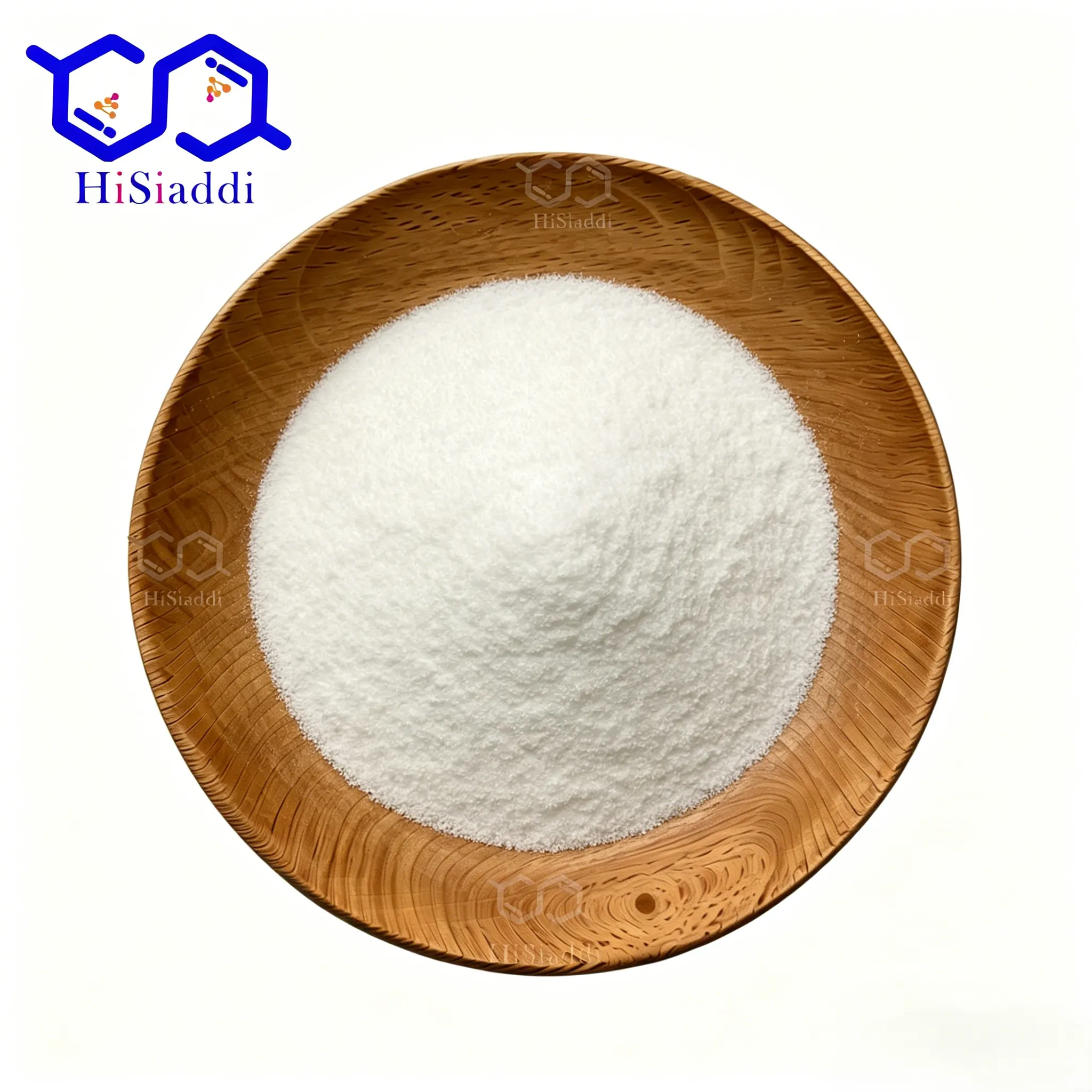
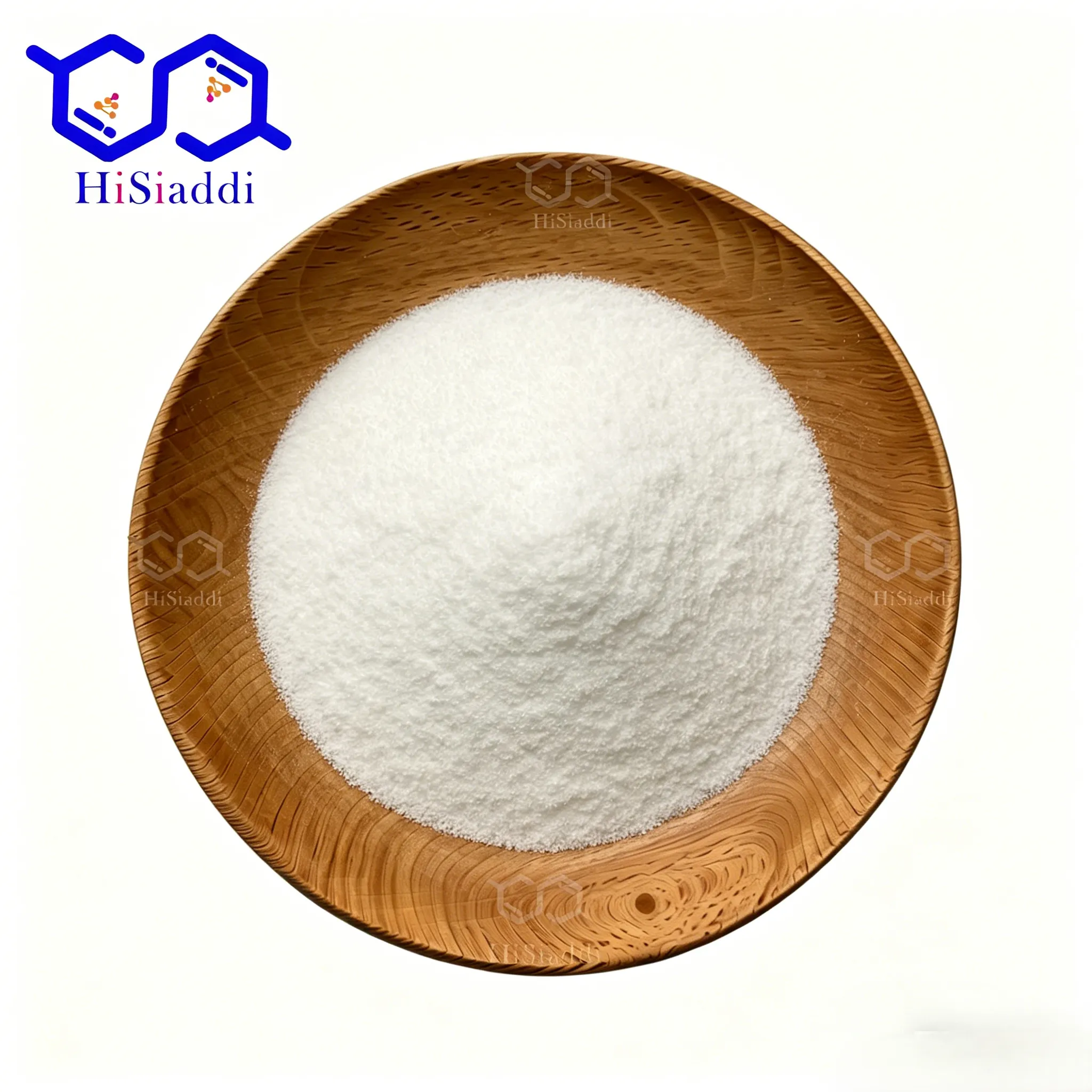
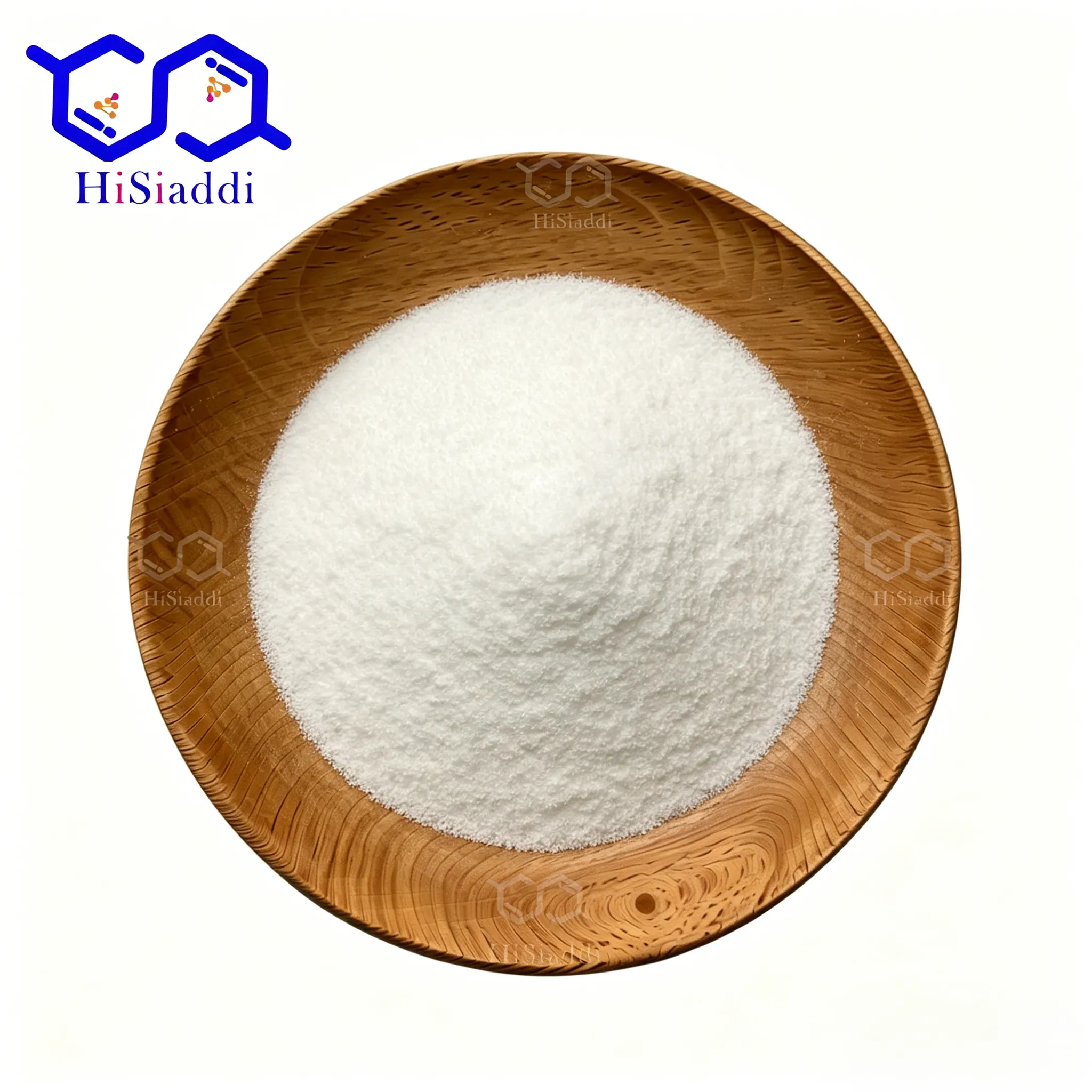
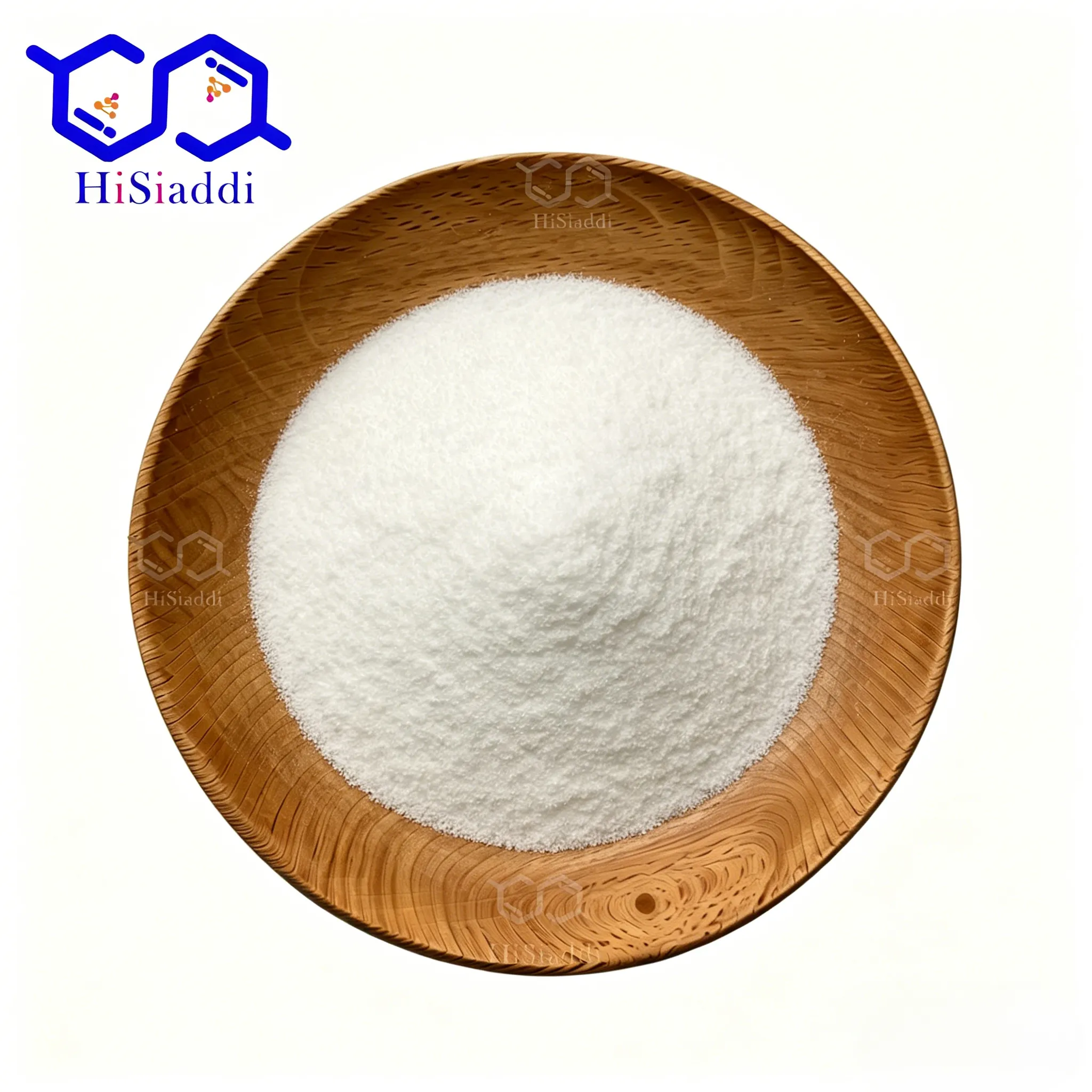
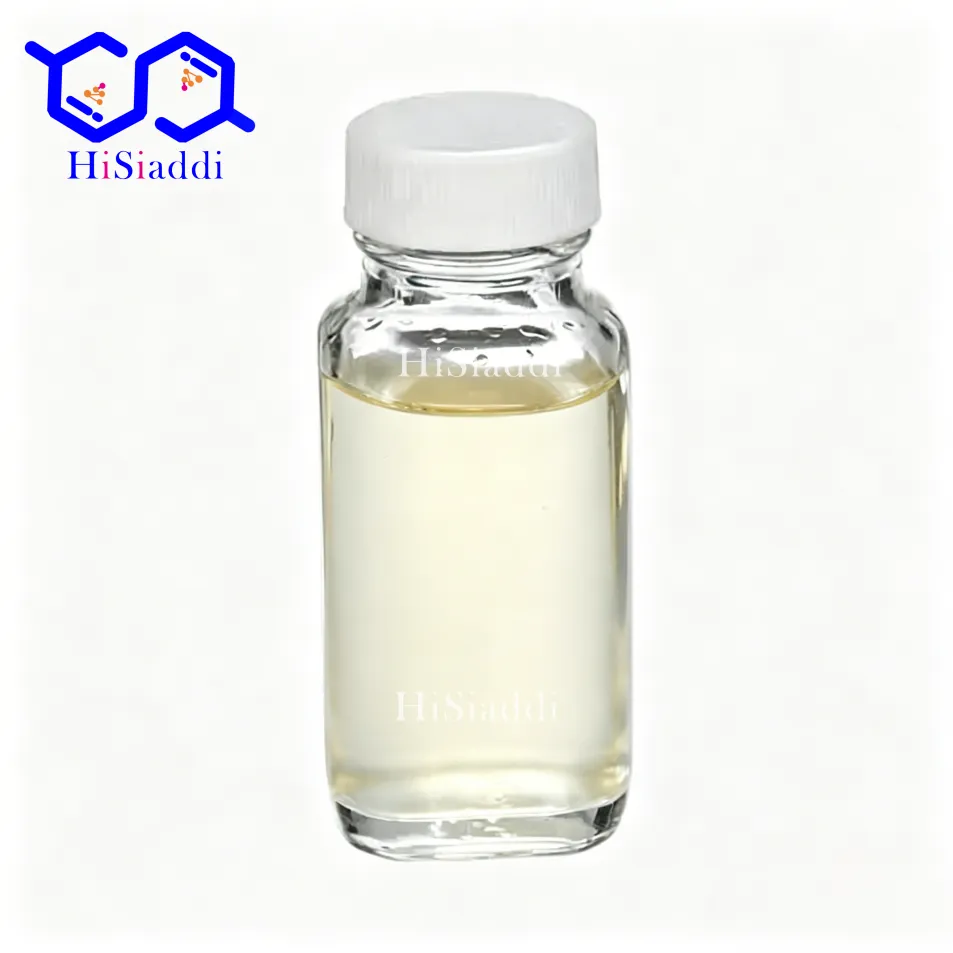
Lactic Acid is used in food acidulant, cosmetic moisturizing, pharmaceutical excipients and PLA raw materials. HiSiaddi supplies original factory sources of multiple Chinese brands and provides the "1+2+3+4=1" service.
Baolingbao: It provides 80% liquid food grade, 99% powder, pharmaceutical grade L-Lactic Acid and PLA polymerization grade with L-type optical purity ≥98% and corn fermentation technology. Its price is 40%-50% lower than Purac of the Netherlands with world-class quality, suitable for cosmetic enterprises, PLA plastic manufacturers and pharmaceutical factories.
Huakang: It offers 80% liquid food grade, feed grade, industrial grade DL-Lactic Acid and liquid lactate with purity over 80%. Its price is 10%-15% lower than Baolingbao, catering to the mass-market food and feed industry.
HiSiaddi Exclusive Service: We customize purity of 70%-99% and liquid/powder dosage form with options of L-type/DL-type, develop one-stop acid regulation raw materials by compounding Lactic Acid with Citric Acid/Malic Acid, and provide formula guidance for food pH adjustment and cosmetics as well as consultation on key indicator & cost comparison of multiple brands.
 CONTACT HiSiaddi NOW
| CAS No: | 50-21-5 | Brand Name: | Multi-brand |
| MF: | C3H6O3 | Model Number: | Multi-models |
| EINECS No: | 200-018-0 | Grade: | Food grade |
| Purity: | 99% | Place of Origin: | China |
| MOQ: | 1ton | Storage: | Please refer to the product packaging or contact the customer service. |
When purchasing L‑Lactic Acid as a buyer, you may encounter the following questions:
What are the key indicator advantages of major models from well‑known L‑Lactic Acid brands and their impacts on application performance?
What competitive services can L‑Lactic Acid suppliers provide?
What are the qualification certifications and market feedback of target L‑Lactic Acid brands?
What is the inventory level and supply stability of L‑Lactic Acid suppliers?
What factors should be considered when selecting L‑Lactic Acid?
…and many other related questions.
As a new‑type foreign trade service provider driven by dual engines of China‑based technology commercialization and international trade services, HiSiaddi has built the "1+2+3+4=1" service system to ensure competitive services for B‑end buyers.
Addressing these concerns, we will first answer your most critical and direct question: From a global competition perspective, what are the key indicator advantages of renowned Chinese L‑Lactic Acid brands and their downstream benefits?
Of course, HiSiaddi is also pleased to analyze and answer other questions about L‑Lactic Acid. You may browse the FAQ section or blog posts on our website.
For more accurate, detailed and in‑depth analysis and solutions regarding L‑Lactic Acid selection, please feel free to contact us.
L‑Lactic Acid (with L‑form lactic acid as the mainstream) is the world's most widely used natural organic acid. It is classified into food‑grade, pharmaceutical‑grade, cosmetic‑grade, industrial‑grade and feed‑grade, extensively applied in food preservation and flavoring, pH adjustment, raw materials for biodegradable plastics (PLA), medical aesthetics and skincare, feed acidification, bio‑based materials, water treatment, etc.
China is the world's largest producer and exporter of lactic acid, accounting for over 65% of global production capacity. Supported by mature corn starch sugar fermentation processes, large‑scale cost advantages, high L‑form optical purity, excellent heat resistance and stability, comprehensive customized concentration specifications, and gradually improved environmental compliance, Chinese lactic acid is rapidly replacing imported brands in Europe, America, Southeast Asia, Japan, South Korea, the Middle East, Australia, Latin America and other markets. It achieves particularly robust growth in the sectors of PLA bio‑based materials, food industry, daily chemicals and beauty care.
HiSiaddi can supply original factory sources of well‑known Chinese L‑Lactic Acid brands tailored to diverse customer groups. Based on export data, production capacity, global market share, compliance level, long‑term procurement reputation among overseas buyers, as well as HiSiaddi's investigation and long‑term cooperation experience with major Chinese lactic acid manufacturers, we have comprehensively screened out China's top 5 renowned L‑Lactic Acid brands: Jindan Technology, Fengyuan Biotech, Xingguang Biotech, Baisheng Biotech and Tongjie Biotech. Together, these five brands occupy over 81% of China's total lactic acid export volume.
Food‑grade L‑Lactic Acid LD‑88 (88% high‑purity L‑form, heat‑stable type)
High‑purity Pharmaceutical‑grade L‑Lactic Acid LD‑Pharma (≥99.5%, compliant with USP/EP/JP Pharmacopoeia, strictly controlled endotoxin content)
Polymer‑grade L‑Lactic Acid LD‑Poly (ultra‑high optical purity for PLA synthesis)
Cosmetic‑grade Lactic Acid LD‑Beauty (low irritation, low heavy metal content, stable pH value)
Top‑tier industry optical purity: Polymer‑grade and pharmaceutical‑grade products feature L‑form optical purity ≥99.8% and D‑lactic acid isomer ≤0.2%, matching top‑tier polymer‑grade specifications of Purac (Netherlands). Heavy metal lead<0.1 mg/kg, arsenic <0.05 mg/kg and endotoxin <0.03 EU/mg, fully complying with international standards including USP, EP, FCC and JECFA, suitable for high‑end pharmaceuticals and PLA biodegradable materials.
Excellent thermal stability and process resistance: 88% food‑grade lactic acid does not decompose, discolor or produce peculiar odors under high‑temperature sterilization (120–140°C), baking and canning processes, solving the pain points of easy browning and abnormal flavor of ordinary Cargill (USA) grades under high temperatures. Stable lactate ions and strong pH buffering capacity ensure long‑lasting food preservation effects.
Superior performance of polymer‑grade raw materials over Japanese and South Korean brands: High‑purity polymer‑grade lactic acid with extremely low impurities is directly used for PLA synthesis, delivering finished products with high molecular weight, good mechanical properties and controllable degradation cycles. By contrast, polymer‑grade lactic acid from Musashino Chemical (Japan) contains high impurities, leading to easy embrittlement of downstream PLA products.
Complete global compliance and bio‑based certifications: Fully certified with FDA GRAS, EU E‑number food additive approval, Kosher, Halal, Non‑GMO and bio‑based carbon footprint certifications, enabling zero compliance barriers for customs clearance in Europe and America, and eligible for high‑end labels of "natural fermentation, biodegradable and bio‑based".
Outstanding batch consistency: Continuous fermentation combined with membrane separation purification processes ensures fluctuations of optical purity, concentration and impurities between batches<0.3%, compatible with fully automatic overseas production lines for food manufacturing, PLA polymerization and daily chemical production.
Compared with high‑end polymer‑grade and pharmaceutical‑grade products from Purac (Netherlands) and Cargill (USA), our prices are 28%–36% lower, with equivalent or superior optical purity and thermal stability. Compared with food‑grade and pharmaceutical‑grade products from Musashino Chemical (Japan), prices are 32%–40% lower. Polymer‑grade lactic acid boasts unrivaled overall cost‑performance against native raw materials from Europe and America.
Large‑scale manufacturers of PLA biodegradable plastics and bio‑based materials in Europe and America
Leading food & beverage, canning, baking, dairy and condiment brands in Europe and America
Pharmaceutical enterprises, manufacturers of injections, oral preparations and API synthesis in Europe and America
Raw material suppliers for high‑end medical aesthetic skincare, sensitive‑skin personal care and intimate care in Europe and America
Ultra‑low impurities in polymer‑grade lactic acid stabilize mechanical properties of downstream PLA products, reduce defective rates and improve quality of biodegradable materials.
Heat‑stable food‑grade lactic acid adapts to high‑temperature sterilization and canning processes without adjusting process parameters, lowering formula debugging and scrappage costs.
Comprehensive bio‑based/natural fermentation certifications help end products seize global environmental protection and sustainable consumption markets, enhancing product premium value.
Food sector: Naturally fermented lactic acid ensures safe preservation with mild sourness and no gastrointestinal irritation, suitable for infant food and dairy products.
Pharmaceutical sector: High‑purity L‑lactic acid adapts to infusions and sustained‑release preparations with good human compatibility.
Daily chemical sector: Gently regulates skin pH, controls oil secretion, relieves acne and repairs skin barrier, friendly to sensitive skin.
Material sector: PLA products are fully biodegradable, reducing plastic pollution and aligning with carbon neutrality trends.
Standard Food‑grade L‑Lactic Acid FY‑80 (80% concentration, general‑purpose flavoring and preservation type)
pH‑adjustment‑specific Lactic Acid FY‑pH (buffering type with stable pH range of 2.8–4.2)
Feed‑grade Lactic Acid FY‑Feed (acidifying, bacteriostatic and intestinal‑regulating type)
Full coverage of mid‑tier specifications and strong cost control: Relying on corn starch raw material bases in Anhui Province, the company boasts massive fermentation capacity. 80% general‑purpose food‑grade lactic acid maintains stable optical purity ≥99.0% with better impurity control than domestic peers, suitable for global mass food markets.
Outstanding pH buffering performance: Buffering‑type lactic acid accurately stabilizes pH of food systems, applicable to sauces, pickles, fruit juices and fermented beverages, resisting deterioration during storage in tropical Southeast Asian environments.
Excellent bacteriostatic and growth‑promoting effects for feed‑grade products: Inhibits harmful intestinal bacteria and reduces feed mildew, suitable for tropical livestock and poultry breeding.
Comprehensive regional certifications: Fully certified with ASEAN food additive approval, Australian TGA, Brazilian ANVISA and Middle Eastern Halal certifications for smooth customs clearance.
Compared with mid‑tier food‑grade products from CJ CheilJedang (South Korea) and BASF (Germany), our prices are 30%–38% lower with negligible quality gaps. Compared with local small manufacturers in Southeast Asia, our quality is upgraded by 2 grades while prices are only 6%–10% higher, making it the preferred choice for global mass food and feed sectors.
Small‑and‑medium‑sized manufacturers of beverages, sauces, pickles, baked goods and aquatic products in Southeast Asia, Australia and Latin America
Halal food traders and bulk raw material buyers in the Middle East and North Africa
Global feed additive and livestock & aquaculture enterprises
Low‑cost standard grades enhance price competitiveness of end mass‑market food products for rapid market penetration in emerging regions.
Buffering‑type lactic acid reduces compounding of acidity regulators, simplifying formula complexity.
Excellent stability in tropical environments extends food shelf life and cuts storage losses.
Natural preservation for mass‑market food reduces use of chemical preservatives for healthier consumption.
Feed‑grade lactic acid improves intestinal health of livestock and poultry, lowering disease risks and boosting breeding profits.
Cosmetic‑grade Lactic Acid XG‑Cos (low irritation, low iron ion and heavy metal content)
Sodium Lactate Solution XG‑Na (60% moisturizing type for exclusive daily chemical use)
Lactic Acid‑Citric Acid Compound Acidity Regulator XG‑Blend
Leading refined indicators for cosmetic‑grade products: Iron ion<1 ppm, extremely controlled heavy metals and no irritating impurities deliver mild skin feel without redness, suitable for essences, toners, facial masks and intimate care products. Sodium lactate offers excellent moisturizing performance with superior water‑locking effects compared with ordinary overseas grades.
Mature compound formulas: Precisely compounded lactic acid with citric acid and malic acid delivers mild acidity, suitable for washing and cleaning products and household detergents.
Exclusive compliance for Japan and EU: Fully certified with JFAN Japanese cosmetic additive approval, EU CosIng and ECOCERT natural organic certifications, enabling barrier‑free customs clearance in Japan, South Korea and Europe.
Flexible small‑batch customization: Non‑standard concentrations from 50% to 90% can be customized for niche beauty brands.
Compared with cosmetic‑grade lactic acid from Musashino Chemical (Japan) and BASF (Germany), our prices are 29%–37% lower with superior low‑irritation performance. Moisturizing‑type sodium lactate costs over 33% less than imported overseas alternatives.
High‑end skincare, medical aesthetic washing, intimate care and maternal‑infant care brands in Japan and South Korea
Manufacturers of natural organic beauty products, household detergents and laundry detergents in Europe
Raw material suppliers for high‑end beauty and personal care products of global cross‑border e‑commerce platforms
Low‑irritation cosmetic‑grade raw materials adapt to sensitive‑skin formulas, reducing after‑sales risks of product allergies.
Sodium lactate integrates moisturizing and pH‑regulating functions, cutting raw material types and R&D costs.
Comprehensive Japanese/EU organic certifications facilitate rapid entry into high‑end organic beauty markets.
Skincare products gently exfoliate keratin and improve dull skin with zero irritation.
Natural and safe maternal‑infant care products suit delicate infant skin.
Industrial‑grade L‑Lactic Acid BS‑Ind (80%, acid‑alkali resistant, high acidity)
Lactate Esters (Ethyl Lactate, Butyl Lactate) BS‑Ester, eco‑friendly solvents
Water‑treatment‑specific Modified Lactic Acid BS‑Water
Ultimate bulk‑purchase cost advantages: A leading domestic manufacturer of industrial‑grade lactic acid with mass fermentation production delivering the lowest unit cost in the industry, ideal for thousand‑ton bulk shipments.
Excellent eco‑friendly solvent performance: Non‑toxic and biodegradable lactate esters replace petroleum‑based solvents, suitable for eco‑friendly cleaning, electronic cleaning and ink industries in Europe and America.
Strong process stability: Acid‑alkali and high‑temperature resistant industrial‑grade lactic acid adapts to metal cleaning, boiler descaling and industrial water treatment.
Year‑round stable supply: Fermentation processes are unaffected by seasons with sufficient raw material reserves, eliminating risks of supply shortages and price hikes.
Compared with imported industrial‑grade lactic acid and eco‑friendly lactate ester solvents from Europe and America, our prices are 42%–50% lower with fully compliant basic performance, representing the top cost‑performance level in industrial environmental protection sectors.
Enterprises engaged in eco‑friendly cleaning, electronic industry, ink & coatings and metal processing in Europe and America
Manufacturers of petrochemical cleaning, seawater desalination and industrial water treatment in the Middle East
Global large‑scale industrial raw material traders and bulk procurement enterprises
Ultra‑low bulk procurement costs significantly reduce raw material expenses for industrial cleaning agents and eco‑friendly solvents.
Biodegradable properties comply with EU and US VOC emission reduction and environmental regulations, avoiding compliance penalties.
Long‑term stable supply enables controllable supply chain risks.
Green and non‑toxic industrial solvents reduce environmental pollution.
Biodegradable water treatment agents cause no secondary pollution, supporting enterprises’ green production.
Ultra‑high‑purity Optical‑grade L‑Lactic Acid TJ‑Ultra (optical purity ≥99.9%)
D‑Lactic Acid (D‑form lactic acid, custom‑grade) TJ‑D
Special Polymer‑grade Lactic Acid (for high‑end modified PLA) TJ‑Special
Differentiated advantage of ultra‑high optical purity: Optical purity ≥99.9% with D‑lactic acid isomer<0.1%, suitable for high‑end scientific research, special medical‑grade PLA and chiral pharmaceutical intermediates, while ultra‑high‑purity products from international top brands are extremely expensive.
Scarcity of customized D‑Lactic Acid: Stable mass production of D‑form lactic acid, a product with scarce overseas production capacity, applicable to special biosynthesis and chiral pharmaceutical synthesis.
Flexible small‑batch high‑purity delivery: Accepts high‑purity customized orders ranging from kilograms to hundred‑kilograms for scientific research institutions and high‑end new material start‑ups.
Compared with ultra‑high‑purity optical‑grade lactic acid and customized D‑Lactic Acid products from overseas brands, our prices are 45%–55% lower with almost no direct competitors in niche high‑end sectors.
University laboratories, biological research institutions and biomedical start‑ups in Europe and America
Global manufacturers of high‑end modified PLA and medical‑grade biodegradable implant materials
Producers of chiral pharmaceuticals and fine chemical intermediates
Ultra‑high‑purity raw materials meet demands of special polymerization and chiral synthesis, cutting high‑cost overseas procurement expenses.
Scarcely customized D‑Lactic Acid solves bottlenecks of raw material supply for special formulas.
Small‑batch supply reduces trial‑and‑error costs for scientific research and new product development.
Medical‑grade biodegradable materials such as surgical sutures and bone pins deliver better human compatibility.
High‑end chiral pharmaceuticals feature higher purity with fewer side effects.

| Comparison Dimension | Jindan Technology | Fengyuan Biotech | Xingguang Biotech | Baisheng Biotech | Tongjie Biotech |
| Export Ranking | 1 | 2 | 3 | 4 | 5 |
| Core Export Regions | Europe & America: PLA bio‑based materials, high‑end food, pharmaceutical and medical aesthetic markets | Southeast Asia, Australia, Latin America & Middle East: Mass‑market food & feed markets | Japan, South Korea & Europe: High‑end beauty, washing and cleaning markets | Europe, America & Middle East: Industrial cleaning, eco‑friendly solvents and water treatment markets | Europe & America: Scientific research institutions, high‑end medical‑grade materials and chiral pharmaceutical sectors |
| Mainstream Core Grades | LD‑88 Food‑grade, LD‑Pharma Pharmaceutical‑grade, LD‑Poly Polymer‑grade, LD‑Beauty Cosmetic‑grade | FY‑80 Standard Food‑grade, FY‑pH Buffering‑type, FY‑Feed Feed‑grade | XG‑Cos Cosmetic‑grade, XG‑Na Sodium Lactate, Compound Acidity Regulator | BS‑Ind Industrial‑grade, Eco‑friendly Lactate Ester Solvents, Modified Water‑treatment Lactic Acid | TJ‑Ultra Ultra‑high‑purity Optical‑grade, TJ‑D D‑form Lactic Acid, Special Polymer‑grade |
| Core Competitive Indicator Advantages | Optical purity ≥99.8%, excellent thermal stability, ultra‑low impurities in polymer‑grade products, comprehensive EU‑US bio‑based certifications | Full mid‑tier specifications, outstanding pH buffering performance, tropical storage stability, complete regional certifications | Low iron & heavy metal content, low irritation, excellent sodium lactate moisturizing performance, complete Japan‑EU cosmetic compliance certifications | Strong bulk production capacity, biodegradable lactate esters, acid‑alkali resistance, high industrial adaptability | Ultra‑high optical purity ≥99.9%, scarce customized D‑Lactic Acid, flexible small‑batch delivery |
| Benchmarked Overseas Competitors | High‑end polymer‑grade & pharmaceutical‑grade products from Purac (Netherlands) and Cargill (USA) | Mid‑tier food‑grade products from CJ CheilJedang (South Korea) and BASF (Germany) | Cosmetic‑grade products from Musashino Chemical (Japan) and BASF (Germany) | Imported industrial‑grade lactic acid and eco‑friendly solvents from Europe and America | Overseas ultra‑high‑purity optical‑grade lactic acid and customized D‑Lactic Acid products |
| Cost‑Performance Positioning | High‑end tier benchmarking global top brands, 28%‑36% lower price | King of mid‑tier food & feed cost‑performance, 30%‑38% lower price | Outstanding cost‑performance in high‑end cosmetic sectors, 29%‑37% lower price | Ultra‑low price for bulk industrial eco‑friendly grades, 42%‑50% lower price | Ultra‑high cost‑performance in scientific research and special sectors, 45%‑55% lower price |
| Targeted B‑end Buyers | European & American PLA manufacturers, food/pharmaceutical giants, high‑end medical aesthetic raw material suppliers | Southeast Asian food processing plants, Middle Eastern Halal traders, global feed manufacturers | Japanese & South Korean medical aesthetic washing brands, European organic beauty & household detergent enterprises | European & American industrial cleaning, ink & coating manufacturers, Middle Eastern petrochemical and water treatment enterprises | European & American scientific research institutions, medical‑grade biodegradable material manufacturers, chiral pharmaceutical enterprises |
| Specific Benefits for Downstream Buyers | Polymer‑grade products improve PLA quality; heat‑stable grades adapt to high‑temperature processes; bio‑based certifications boost environmental premium value | Cost advantages capture mass markets; buffering‑type grades simplify formulas; stable storage in tropical environments | Low‑irritation grades reduce after‑sales risks; multi‑functional sodium lactate accelerates entry into Japanese‑European cosmetic markets | Low bulk procurement costs, compliance with environmental regulations avoids penalties, long‑term stable supply | Ultra‑high‑purity grades solve special raw material bottlenecks; small‑batch supply cuts R&D trial‑and‑error costs |
| Specific Benefits for End‑users | Safe natural food, good pharmaceutical compatibility, mild repairing skincare, eco‑friendly biodegradable PLA products | Healthy natural preservation for mass‑market food, improved breeding profits for feed sector | Mild skincare effects, safe maternal‑infant care products | Green industrial solvents, pollution‑free water treatment | Safer medical‑grade materials, higher‑purity high‑end pharmaceuticals |
HiSiaddi, a new-type foreign trade service provider driven by dual engines of technology transformation and foreign trade services, have formed a "1+2+3+4=1" product service system by 1 foreign trade salesperson with over 3 years of experience, 2 R&D teams, 3 high-quality suppliers, and 4 warehouses to serve 1 product demand.
Relying on this service system, HiSiaddi boasts more profound expertise in the R&D optimization and technical processes of Lactic acid products than most foreign trade companies, a better grasp of market demands and competitive advantages of various Lactic acid brands than individual factories, and a more thorough understanding of the Lactic acid foreign trade market than research institutions.
HiSiaddi only hires foreign trade sales staff with more than 3 years of working experience, who must receive over 6 months of training from the R&D team and foreign trade team before serving customers.
(1)Lactic acid Basic Guarantee Service: Supported by the foreign trade team and the company’s service system, we provide customers with one-stop full-process document handling services, including but not limited to: presentation and application of various compliance certificates for Lactic acid; provision of third-party test reports and resolution of quality warranty feedback issues.
(2)Lactic acid Exclusive Premium Service: Backed by the R&D team, we deliver customized product and technical consulting services for customers, including but not limited to: comparative analysis of core index compatibility and costs across all Lactic acid brands; regular sharing of market trends for Lactic acid products.
We conduct in-depth cooperation with source manufacturers through technology transformation and maintain close internal collaboration with the foreign trade team to deliver technical training for sales staff. This enables more professional Lactic acid customization and provides research-grade consulting services for Lactic acid brand matching recommendation and optimization of Lactic acid application solutions.
(1)Lactic acid Research-Grade Customization Service:
Driven by dual engines of technology transformation and foreign trade, we convert core domestic technologies including precise optical purity control in lactic acid fermentation, membrane separation purification, heat stability modification, low-irritation cosmetic-grade refining and lactate ester synthesis into product competitiveness for overseas purchasers, which forms our core competitive barrier. We provide customized index and modification technology empowerment services for lactic acid:
• Precise index customization: Precisely control optical purity (99.0%–99.9%), D-lactic acid isomer content and concentration (50%–90%);
• Modified customization: Heat-stability enhanced food-grade lactic acid, low-iron low-irritation cosmetic-grade lactic acid, polymerization-grade ultra-high-purity lactic acid, dextrorotatory D-lactic acid;
• Derivative customization: Sodium lactate, Ethyl lactate, Butyl lactate, compound acidity regulators;
• Downstream process matching: Index optimization of raw materials for PLA polymerization, pH adjustment schemes for food formulas, moisturizing and skin conditioning formulas for daily chemicals, proportion schemes for industrial cleaning.
We do not merely sell raw materials, but develop customized raw materials and application schemes tailored to local scenarios for customers, drastically reducing R&D costs and new product launch cycles.
(2)Lactic acid Research-Grade Consulting Service:
Specialized service for precise index matching of polymerization-grade lactic acid for PLA. For European and American degradable plastic enterprises, we provide precise control services for purity, isomers and metal ions of polymerization-grade lactic acid to match downstream polymerization processes. We also provide test data on the correlation between lactic acid and finished PLA performance, directly guaranteeing stable mechanical properties and degradation cycles of degradable materials, solving the core pain point of mismatched raw materials and processes for overseas customers.
Specialized control service for endotoxin and isomers of pharmaceutical-grade lactic acid. European and American injectables and oral preparations impose strict requirements on D-lactic acid, endotoxin and heavy metals. We specially screen levorotatory lactic acid with low isomers and low endotoxin and ultra-high purity, and provide accurate test reports for endotoxin and chiral purity. We also assist customers in completing overseas pharmaceutical raw material filing and sorting of technical documents for drug registration, greatly shortening the approval cycle.
Specialized low-irritation optimization service for cosmetic-grade lactic acid. For high-end beauty brands in Japan, South Korea and Europe, we specially reduce iron ions, heavy metals and free impurities, and customize low-irritation lactic acid and sodium lactate. We provide test reports for skin irritation and moisturizing performance, suitable for formulas of serums, masks, intimate care products and maternal and infant care products.
Specialized customized lactic acid ester and VOC compliance service for industrial environmental protection. For European and American environmental cleaning, ink and coating enterprises, we customize degradable ethyl lactate / butyl lactate, assist in completing VOC compliance and environmental certifications to replace petroleum-based solvents and meet European and American environmental emission reduction requirements.
Our foreign trade and R&D teams collaborate to conduct multi-round evaluations and cooperation including preliminary market research, on-site factory inspections, product testing, in-depth technology transformation partnerships and product procurement cooperation. We screen around 3 branded manufacturers with reliable quality, stable supply, sound reputation and strong development potential.
(1) Initiative to Secure Lower Prices: Long-term cooperation via technology transformation and exclusive distribution allows us to source factory-direct raw materials at more competitive prices.
(2) Lactic acid Long-Term Supply Chain Guarantee Service: Long-term partnerships in technology transformation and distribution effectively strengthen production process monitoring, full-lot traceability, batch stability control, and compensation guarantees for substandard third-party test results.
We have 4 warehouses, which are jointly operated and managed with suppliers to store hot-selling products.
(1)Lactic acid Fast Localized Delivery & Improved Emergency Resolution: Our four warehouses are located at Qingdao Port in North China, Ningbo Port in East China, Shenzhen Port in South China, and Zhengzhou, China’s inland logistics hub, ensuring timely shipment of Lactic acid. Meanwhile, on-site staff can promptly resolve transport accidents, packaging defects and export compliance issues involving Lactic acid.
(2) Mitigate Price Fluctuations & Support Custom Packaging: We stock up in advance to ease severe price surges during Lactic acid peak demand seasons. Our proprietary warehouses can fully accommodate personalized customer requirements for packaging, labels and other customizations.
As a new-type foreign trade service provider driven by both technology commercialization and foreign trade services, HiSiaddi has built a "1+2+3+4=1" service system and can supply genuine factory materials of multiple well-known brands for lactic acid. Endowed with R&D capabilities as a tech-driven foreign trader, HiSiaddi will systematically sort out common challenges faced by B-end buyers sourcing lactic acid from China and propose corresponding solutions.
If you require more professional and in-depth analysis on lactic acid sourcing, please contact HiSiaddi customer service.
1. FDA Compliance and Labeling Risks: Lactic acid is split into L-lactic acid and DL-lactic acid. North America explicitly restricts only L-lactic acid for food, infant supplementary food and dietary supplements, while DL-lactic acid is banned for infant formula products. Labels must accurately mark configuration, acidity, content, heavy metals and residual sugars; deviations exceeding 5% between measured values and labeled specifications lead to channel product removal and regulatory penalties. Import batches require complete FDA food additive filing documents, and incomplete paperwork risks cargo detention.
2. Risk of Misselecting Configuration and Concentration: Mainstream liquid specifications include 50%, 80% and 88%. Beverages and baking mostly adopt high-concentration 80%/88% grades, while cosmetic care products and sauces utilize low-concentration 50% variants. Mixing L-type and racemic DL-type leads to non-compliant infant formula products and abnormal overly sour food flavors, a common error among small and medium buyers.
3. Strict Safety and Physicochemical Standards: Food-grade lactic acid demands low color, ignition residue ≤0.1%, lead <1ppm, arsenic <2ppm and rigorous microbial limits. Low-end industrial-grade lactic acid contains excessive organic acid impurities and residual sugars, accelerating material spoilage and generating off-flavors when used in food, disqualifying products from supermarket chains and branded beverage channels.
4. Losses During Storage, Transportation and Feeding: Liquid lactic acid easily crystallizes under low temperatures, solidifying during long-distance cold transport and obstructing unloading and pipeline conveying. Standard plastic packaging suffers insufficient sealing, causing minor volatilization and acidity decline over long-term storage. Additionally, fragmented customer orders require frequent small-batch replenishment, yet large manufacturers impose high minimum order quantities that restrict procurement flexibility.
1. Full Compliance Documentation + Label Guidance: Provide FDA food additive filings and infant formula compliance certificates, clarify compliant usage scopes for L-type / DL-type lactic acid and supply label templates. Issue CoA reports for every batch, controlling deviations in configuration, concentration and color below 3% to support regulatory sampling inspections.
2. Full-Spec Inventory + Application Technical Support: Stock complete liquid specifications including 50%, 80%, 88% L-lactic acid and DL-lactic acid. Provide one-on-one grade recommendations based on beverage, baking, cosmetic and sauce applications to avoid misusing incorrect configurations.
3. Dual-Quality Inspection Control: Implement in-house self-inspection plus third-party testing via SGS/Intertek covering all impurities, heavy metals, microorganisms and residual sugars; all products meet North American food and cosmetic access standards.
4. Custom Packaging + Flexible MOQ: Adopt low-temperature resistant hermetic packaging with compliant anti-crystallization additives to prevent cold solidification. Support small trial orders starting at 50kg and mixed shipments of multiple specifications; rely on North American overseas warehouses for 3–7 day local direct delivery of urgent orders.
1. Dual Compliance Pressure from Additive Approval and REACH: Lactic acid is an authorized food additive in the EU; L-lactic acid used for organic food and infant formula requires additional certification audits, alongside REACH regulation control with SVHC substance limits ≤0.1%. Small and medium buyers lack professional compliance teams, resulting in 5–8 month document filing cycles that delay new product launches.
2. Formulation Compatibility and Stability Deficiencies: As an acidic liquid, lactic acid corrodes metal containers during long-term contact, introducing metal ions that cause discoloration and deterioration in beverages and skincare products. Ordinary lactic acid generates trace by-products under high-temperature sterilization and long-term storage, triggering flavor degradation that fails to meet the 24-month shelf-life requirement for end products.
3. Concentration Stratification and Transport Leakage Risks: High-concentration lactic acid features elevated viscosity and minor stratification after long ocean freight static storage, requiring extra stirring and increasing labor costs. Standard drum packaging exhibits average sealing performance, with leakage risks during rough ocean transit leading to cargo losses and safety hazards.
4. Sustainable Procurement Traceability Barriers: EU organic food and high-end cosmetics mandate fermentation raw material traceability, corn/starch source certificates and carbon footprint reports. Chemically synthesized lactic acid cannot enter organic channels, and missing biological fermentation traceability documents eliminate product premium opportunities.
1. One-Stop Compliance Package + Filing Assistance: Supply complete EU food additive permits, organic food exclusive certifications, REACH-SVHC testing reports, EU organic, KOSHER and HALAL certifications. Professional teams assist document submission and audits, shortening filing cycles to within 3 months.
2. High-Purity Fermented Grades + Compatibility Technical Support: All products adopt biologically fermented L-lactic acid to reduce by-product formation and enhance long-term stability. Provide usage guidance for different container materials and high-temperature process parameter protocols to avoid corrosion and discoloration issues.
3. Reinforced Hermetic Packaging: Utilize thickened food-grade specialized drums with double-layer sealing to eliminate ocean freight leakage. Homogenize products prior to delivery to suppress liquid stratification and eliminate secondary stirring steps for customers.
4. Green Supply Chain Document Support: Provide fermentation raw material traceability records, bio-based production certificates and full-link carbon footprint reports to help customers access core EU organic food and high-end cosmetic channels.
1. Disruptive Low-Cost Counterfeit Products: Local merchants counterfeit food-grade fermented lactic acid with industrial synthetic lactic acid and diluted blended liquids at drastically reduced prices. Higher costs for genuine biological fermented lactic acid severely squeeze profit margins for buyers operating in condiment and low-end feed markets.
2. Difficulty Verifying Product Categories and Indicators: Widespread market confusion between L-type, DL-type, industrial and food-grade lactic acid, alongside arbitrary concentration dilution. Products labeled 88% concentration often measure only 70%–80% in reality. Limited professional testing institutions in local regions prevent rapid post-arrival verification of concentration and impurities, resulting in failed preservation effects and abnormal sour flavors in sauces and aquatic products, triggering customer complaints.
3. Harsh Storage & Transport Environments with High Loss Rates: High temperature and heavy rainfall across Southeast Asia cause barrel lid leakage and liquid volatilization in standard packaging, gradually lowering concentration. Port congestion during rainy seasons extends ocean transit times by 1–3 weeks, exacerbating cargo losses with overall loss rates ranging from 7%–11%.
4. Absent After-Sales Support: Local suppliers are mostly small-scale traders and workshop manufacturers refusing returns or compensation for non-compliant concentration and packaging leakage losses, passing all damages to buyers.
1. Tiered Pricing Covering Segmented Markets: Classify products into economical DL-lactic acid (industrial/feed grade) and standard food-grade L-lactic acid, with tiered pricing for 50%, 80% and 88% concentrations. Economical grades suit low-end feed and ordinary condiments, while food-grade lactic acid matches branded food and aquatic preservation applications to balance cost and quality.
2. Authorized Testing + Batch Traceability: Provide bilingual SGS test reports for every batch clearly marking configuration, concentration, impurities and heavy metals. Traceability codes printed on every drum enable one-click production and testing record lookup to quickly identify blended and counterfeit products.
3. Reinforced Sealed Packaging + Off-Peak Logistics: Adopt thickened explosion-proof drums with triple-seal technology to prevent leakage and volatilization. Schedule shipments to avoid rainy seasons and port congestion via direct ocean routes with stable 7–10 day delivery cycles, capping overall loss rates below 2%.
4. Dedicated Localized After-Sales Service: Deploy full-time Southeast Asian account managers with 24-hour issue response. Support full-order returns and cover round-trip logistics fees for non-human-induced issues including substandard concentration and packaging leakage.
1. Mandatory HALAL Certification Barriers: Middle Eastern markets enforce strict halal control over fermentation raw materials, production auxiliary materials and pipeline equipment. Lactic acid fermentation strains and nutrient sources must meet halal standards; cargo without authoritative Malaysian JAKIM or UAE ESMA certificates faces customs detention and confiscation, with cumbersome, lengthy independent certification processes.
2. Extreme High Temperatures Accelerate Quality Degradation: Summer temperatures in the Middle East regularly exceed 40°C, accelerating lactic acid volatilization and concentration decay. High heat also triggers reactions of trace impurities, causing sauce flavor deterioration and destabilized personal care product systems.
3. Fragmented Orders Mismatch Supply Capacity: Customers are predominantly small food workshops, regional retailers and cosmetic stores requiring small-tonnage drum and bulk split shipments via frequent small-batch orders. Most suppliers impose high minimum order quantities unable to accommodate small-volume recurring purchases.
4. Flavor and Acidity Adaptation Issues: High-concentration lactic acid carries an irritating sour taste that disrupts local traditional sauce flavors and personal care sensory experience when applied directly, while buyers lack dilution and compound formulation protocols.
1. Dual Authoritative Halal Certifications + Customs Clearance Support: Factories conduct fermentation and full production per halal specifications, holding dual JAKIM and ESMA certifications with original certificates and English translations shipped with goods. Assist buyers with local customs filing to guarantee smooth clearance.
2. High-Temperature Resistant Hermetic Packaging: Utilize specialized high-temperature resistant sealed drums with light-shield outer packaging; concentration and flavor remain stable after 3 months of storage at 45°C.
3. Flexible Supply for Small-Batch Orders: Support customized small-tonnage drum and split bulk shipments with 3–5 day lead times for small orders. Leverage local Dubai warehouses for same-day/next-day urban delivery of urgent orders.
4. Application Formulation Technical Support: Provide dilution ratios and acid adjustment protocols for various product categories to mitigate irritating sourness and match flavor requirements of Middle Eastern sauces and personal care products.
1. High Production Qualification and Workshop Access Thresholds: Pharmaceutical-grade lactic acid requires suppliers to hold EU GMP certification with Class 10,000 sterile clean production workshops. Ordinary food-grade production lines fail to meet sterility, impurity removal and cross-contamination prevention standards, disqualifying them from pharmaceutical and medical food supply chains.
2. Ultra-Strict Purity and Impurity Limits: Pharmaceutical grades demand precise, stable active ingredient content with individual heavy metal limits <0.1ppm, ignition residue <0.05%, total microbial count ≤10cfu/g and non-detectable harmful organic acid by-products. Conventional food-grade lactic acid contains excessive impurities and fails medical cleaning and pharmaceutical excipient standards.
3. Lengthy Technical Documentation Review Cycles: Entry into European pharmaceutical systems requires submission of excipient DMF files, process validation reports, long-term stability tests and pharmacological-toxicological assessment documents, with EMA review cycles of 5–8 months. Non-standard documentation results in direct application rejection.
4. Cross-Contamination and Medium Risks: Pharmaceutical-grade lactic acid prohibits co-production and co-storage with industrial chemicals and general food additives. Liquid material transfer pipelines carry cross-contamination risks that lead to full batch scrapping and massive losses upon occurrence.
1. Independent GMP-Compliant Dedicated Pharmaceutical Production Lines: Operate EU GMP-certified Class 10,000 sterile clean workshops with dedicated fermentation, refining, filling, warehousing and logistics channels for pharmaceutical lactic acid, physically isolated from other product lines to comply with European pharmaceutical excipient manufacturing specifications.
2. Advanced Refining for Strict Indicator Control: Adopt multi-stage membrane filtration and rectification refining processes to fully remove by-products, heavy metals and microorganisms, with all indicators meeting pharmaceutical standards and batch concentration deviations controlled within ±0.3%. Issue dedicated pharmaceutical-grade test reports for every batch.
3. Complete Technical Documentation + Audit Support: Pre-prepare full DMF, process validation, stability and toxicological assessment documents. Professional pharmaceutical regulatory teams support full EMA audit coordination and follow-up inquiries, shortening review cycles to within 4 months.
4. Full-Link Isolation Control: Deploy sterile pharmaceutical-grade sealed packaging and dedicated transfer equipment to prevent cross-contamination throughout the supply chain. Supply documentation covering workshop zoning, pipeline disinfection and pollution prevention control to fully mitigate quality risks.
For more professional and in-depth analysis on lactic acid sourcing, please contact HiSiaddi customer service.
Custom Formula Coordination: The HiSiaddi team collaborated with the R&D laboratory of its partnered fermentation plant. After seven sample adjustments, precise control of 76.5% concentration lactic acid was achieved by optimizing temperature control processes for corn starch fermentation and multi-stage membrane filtration refining, strictly restraining the precipitation of impurity ions. Three consecutive batches of third-party SGS testing all met the required standards.
Completion of Compliance Certifications: Dedicated HiSiaddi staff coordinated the factory to complete the annual HALAL certification audit and EFSA product registration filing. Full-process traceability ledgers covering raw material incoming inspection, fermentation, concentration, and refining were compiled to satisfy traceability audits by Polish customs.
Customized Hazardous Goods Logistics: Lactic acid is classified as Class 8 corrosive hazardous goods, which regular freight forwarders are unable to handle. HiSiaddi leveraged its proprietary hazardous goods customs declaration and logistics channels, manufactured leak-proof tote tank packaging in compliance with IMDG international maritime transport regulations, and secured dedicated hazardous goods storage yards at Qingdao Port to avoid product deterioration caused by high temperatures in ordinary shipping containers. The client originally estimated a 45-day delivery cycle, which was ultimately shortened to 28 days.
Physical and Chemical Traceability Testing of Raw Materials: HiSiaddi collaborated with laboratories at its partner chemical research institute to conduct full-item testing on the stocked lactic acid. Test results confirmed compliance of raw material purity and heavy metal indicators, proving raw material purity was not the root cause of failures. The core issue was that trace residual reducing sugars in domestic lactic acid were 0.35% higher than those in European and American raw materials. Slow fermentation occurred within the skincare emulsification system, generating gas and breaking the emulsion. Meanwhile, unesterified high-activity lactic acid exhibited relatively high corrosivity.
Optimization Solution for Layer Separation Issues: HiSiaddi technical engineers assisted the client in adjusting the formula: first, sourcing customized refined modified lactic acid with controlled reducing sugars ≤0.05%; second, optimizing emulsifier ratios by replacing single glycerin emulsification with a compound buffer system of glycerin and panthenol to neutralize the instantaneous strong acidic irritation of lactic acid.
Production Line Adaptation Improvements: Two actionable solutions were provided to address pipeline corrosion: short-term pre-dilution of lactic acid to a 35% buffer solution prior to filling and feeding; long-term replacement of key feeding pipelines with PP-lined fittings. A safe lactic acid addition range of 2.2%–3.8% under Thailand’s national daily chemical standards was also specified to mitigate acid corrosion risks from overdosage.
Lead time
Quantity (ton) | 0 - 10 | 10 - 30 | > 30 |
Lead time (days) | 7 | 15 | To be negotiated |
As a new-type foreign trade service provider driven by dual engines of technology commercialization and export trading, HiSiaddi has built a "1+2+3+4=1" service system, capable of supplying original factory sources of Lactic Acid from multiple well-known brands.
As a R&D-oriented foreign trade service provider, unlike single-brand manufacturers that only promote their own products, we objectively analyze multiple export-competitive leading Chinese Lactic Acid brands and share their certification portfolios and market feedback, enabling buyers to make more efficient, reliable sourcing decisions.
Contact HiSiaddi customer service for more authentic, objective profiles of multiple leading Chinese Lactic Acid brands.
· Food-Grade L-Lactic Acid (JD-L995): Purity ≥99.5%, optical purity ≥99.8%, heavy metals ≤0.5ppm, 25kg drums, targeted for clean-label premium food and high-end beverages.
· PLA Polymer-Grade L-Lactic Acid (JD-L999): Optical purity ≥99.9%, moisture ≤0.1%, endotoxin ≤0.25EU/mg, exclusively for high-end PLA polymerization and 3D printing consumables.
· Pharmaceutical-Grade L-Lactic Acid (JD-M9995): Purity ≥99.95%, sterile grade, USP-NF compliant, applied to absorbable sutures and orthopedic implants.
· Sodium Lactate Solution (JD-N60): 60% concentration, purity ≥99.0%, for meat preservation and cosmetic moisturizing.
1. Food & Beverage Sector: Long-term purchasers including Danone, Nestlé, Mengniu and Yili select JD-L995, commenting that "consistent purity and ultra-low microbial load (≤10CFU/g) support premium clean-label products with superior performance replacing synthetic preservatives". The HALAL certification is widely recognized in Southeast Asian and Middle Eastern halal markets with an over 85% repeat purchase rate.
2. PLA Biodegradable Plastic Sector: Evonik (Germany), Kuraray (Japan) and PTT Group (Thailand) designate JD-L999 as their standard raw material, reporting 100% compliance with optical purity standards and exceptional batch consistency. PLA products manufactured with this material achieve 15%–20% higher tensile strength and heat resistance, suited for medical and food-contact PLA production.
3. Pharmaceutical & Cosmetic Sector: Johnson & Johnson (U.S.) and Amorepacific (South Korea) source JD-M9995, noting stringent control of endotoxins and heavy metals, full compliance with FDA and EU CEP standards, and clinical safety verified for medical beauty exfoliation and absorbable medical devices.
4. Pricing & Delivery: Overseas buyers widely acknowledge its cost advantage—15%–20% cheaper than European and American brands—supported by dual warehouses in China and Southeast Asia with 7–12 day lead times and stable supply even during peak seasons with minimal disruption risks.
International Certifications: FDA GRAS (food-grade), FDA DMF filing (pharmaceutical-grade), EU REACH registration, EU CEP certification (medical-grade), ISO9001, ISO22000, BRCGS, FAMI-QS, KOSHER, HALAL. Domestic Qualifications: NMPA pharmaceutical excipient filing, GMP certification, CNAS laboratory accreditation, national enterprise technology center. Industry Accolades: Participant in drafting global Lactic Acid industry standards, Second-Class National Science and Technology Progress Award (Lactic Acid fermentation technology, China Export Famous Brand.
· PLA Polymer-Grade L-Lactic Acid (FY-L999): Optical purity ≥99.9%, moisture ≤0.1%, produced from straw/bagasse non-grain feedstock, carbon footprint ≤0.4kgCO₂e/kg, available in 25kg drums and IBC totes, dedicated to PLA polymerization and biodegradable packaging.
· Food-Grade L-Lactic Acid (FY-L990): Purity ≥99.0%, optical purity ≥99.5%, non-grain fermented, 8%–10% lower cost than corn-based alternatives, for bakery, sauce and dairy applications.
· Heat-Resistant Lactic Acid (FY-HT995): Stable at 120°C with weight loss ≤0.3%, for high-temperature food processing and industrial cleaning.
1. PLA Polymerization Sector: Long-term buyers including Huhtamaki and Tetra Pak (Europe), Mitsubishi Chemical (Japan) source FY-L999, highlighting its low-carbon non-grain feedstock that meets EU CBAM carbon tariff requirements. The integrated Lactic Acid-lactide-PLA supply chain cuts raw material costs by 10%–12% with PLA finished product yield reaching 91%.
2. Food Sector: Southeast Asian and South American buyers praise FY-L990 for stable purity and competitive pricing, suited for mid-to-high-end food processing; the non-grain feedstock traceable label delivers a 5%–8% end-product price premium. EU clients recognize its FAMI-QS certification for organic food additive applications.
3. Environmental Compliance: Overseas clients highly value its PAS 2050 carbon footprint certification, noting its strong bio-based credentials that qualify manufacturers for EU green subsidies and U.S. bio-based preferential procurement programs to boost product competitiveness.
International Certifications: FDA GRAS, EU REACH, ISO9001, ISO14001, ISO22000, FAMI-QS, KOSHER, HALAL, German DIN compostability certification, U.S. BPI biodegradation certification. Domestic Qualifications: Pharmaceutical excipient filing, GMP certification, independent patents for non-grain fermentation (self-bred BR-108 high-yield strain), national green factory accreditation. Industry Recognition: Global benchmark for non-grain Lactic Acid technology, China’s integrated PLA industrial chain leader, recommended supplier under the EU SUP Directive.
· Medical-Grade L-Lactic Acid (HS-M9999): Optical purity ≥99.99%, endotoxin ≤0.125EU/mg, sterile pyrogen-free, for neural catheters, ophthalmic fillers and absorbable orthopedic pins.
· High-End PLA Polymer-Grade L-Lactic Acid (HS-L9995): Optical purity ≥99.95%, molecular weight distribution PDI ≤1.12, for premium medical PLA and 3D printing medical consumables.
· Food-Grade L-Lactic Acid (HS-L995): Purity ≥99.5%, ultra-low impurities, for high-end dairy and infant food additives.
1. Medical Sector: Medtronic (U.S.), Bayer (Germany) and Terumo (Japan) exclusively source HS-M9999, commending its world-leading 99.99% optical purity and industry-top endotoxin control, fully compliant with ISO10993 biocompatibility standards with zero adverse clinical reactions for implantable medical devices.
2. High-End PLA Sector: Global manufacturers of 3D printing medical consumables and premium food packaging report superior batch consistency of HS-L9995, delivering PLA products with enhanced transparency and heat resistance above industry averages, supporting a 25%–30% price premium for high-end applications.
3. Technical Service: Overseas buyers highlight customized purification services tailored to unique medical-grade specifications and fast-response technical teams that assist clients in securing EU and U.S. medical device certifications.
International Certifications: FDA DMF filing, EU CEP certification, ISO13485 (medical devices), ISO9001, ISO22000, EU REACH, Australian/German/U.S. compostability certifications. Domestic Qualifications: NMPA Class III medical device raw material filing, GMP cleanroom certification, special testing qualifications for medical-grade Lactic Acid. Industry Position: China’s first and world’s second fully commercialized pure PLA producer, core global supplier of medical-grade Lactic Acid, benchmark for high-end PLA technology.
· Food-Grade L-Lactic Acid (FF-L990): Purity ≥99.0%, optical purity ≥99.2%, 25kg drums, low unit price for mass-market food, regular beverages and pickled food.
· Industrial-Grade L-Lactic Acid (FF-I85): 85%–90% purity, for industrial cleaning, textile auxiliaries and feed additives.
· Calcium Lactate (FF-C98): Purity ≥98%, for food calcium fortification and feed additives.
1. Mass Food Sector: Small and medium food manufacturers and chain catering businesses across Southeast Asia, Africa and the Middle East report FF-L990’s low price and stable supply, meeting standard food acidification and preservation requirements with 10%–15% lower procurement costs versus citric acid alternatives.
2. Feed & Industrial Sector: European and South American feed producers source FF-I85 and Calcium Lactate, confirming full compliance with EU EC No1831/2003 feed standards and FAMI-QS certification, supporting livestock growth and intestinal health with superior cost performance over European and American equivalents.
3. Delivery & Service: Overseas buyers recognize its 120,000-ton annual capacity eliminating supply shortages during peak seasons, flexible packaging specifications and support for small trial orders (1–5 tons), ideal for small and medium buyers.
International Certifications: FDA GRAS, ISO9001, ISO22000, ISO14001, FAMI-QS, KOSHER, HALAL, BRCGS. Domestic Qualifications: Food production license, feed additive production license, GMP certification. Industry Accolades: Major global supplier of food-grade Lactic Acid, China’s benchmark exporter of food-grade Lactic Acid, preferred cost-effective brand.
· Food-Grade L-Lactic Acid (YF-L990): Purity ≥99.0%, optical purity ≥99.3%, corn-based fermented with self-sufficient raw materials for cost control, applied to food, beverage and daily chemicals.
· Industrial-Grade DL-Lactic Acid (YF-I80): 80%–85% purity, for industrial cleaning, leather tanning and cement retarders.
· Sodium Lactate (YF-N60): 60% concentration, purity ≥99.0%, for daily chemical moisturizing and food preservation.
1. Food & Daily Chemical Sector: Daily chemical manufacturers and small-to-medium food producers across Southeast Asia and the Middle East report compliant purity and affordable pricing for YF-L990, with stable corn-based fermentation quality ideal for cosmetic moisturizing and food preservation driving high repeat purchase rates.
2. Industrial Sector: European and South American industrial cleaning and textile manufacturers source YF-I80, noting low impurity levels and full biodegradability aligned with strict European and American wastewater discharge standards, reducing environmental compliance risks when replacing high-pollution auxiliaries.
3. Supply Chain: Overseas buyers highlight its self-owned corn starch base stabilizing raw material costs and minimizing price volatility, supporting reliable long-term fixed-price procurement agreements.
International Certifications: FDA GRAS, ISO9001, ISO22000, HALAL, KOSHER, EU REACH registration. Domestic Qualifications: Food production license, ISO14001, ISO45001. Industry Position: North China’s Lactic Acid capacity leader, corn-based Lactic Acid cost benchmark, major exporter of industrial-grade Lactic Acid.
表格
Brand | Core Strengths | Key Target Markets | Most Suitable Buyers |
Jindan Technology | Full-spectrum product portfolio, ultra-high purity, complete global certifications | Global balanced food/PLA/pharma market | Mid-to-high-end food manufacturers, PLA polymer producers, pharmaceutical & cosmetic buyers |
Fengyuan Biotech | Non-grain feedstock, integrated PLA industrial chain, low carbon footprint | EU & Southeast Asia (PLA-focused) | Biodegradable plastic manufacturers, green food enterprises, EU market exporters |
Hisun Biotech | Industry-leading medical-grade purity, premium PLA grades | Europe, U.S., Japan (medical-focused) | Medical device manufacturers, high-end 3D printing medical consumable producers |
Fufeng Biotech | Superior cost performance, large-scale stable capacity | Southeast Asia, Africa, Middle East (mass food-focused) | Small & medium food manufacturers, feed additive purchasers |
Yufeng Group | Low-cost corn-based feedstock, stable industrial-grade supply | Europe, South America (balanced industrial & food) | Industrial cleaning & textile manufacturers, daily chemical producers, small-to-medium food enterprises |
Contact HiSiaddi customer service for more authentic, objective profiles of multiple leading Chinese Lactic Acid brands.
The monthly inventory volume of Lactic acid is 10 tons, with appropriate adjustments upwards or downwards in response to peak and off-peak seasons.
HiSiaddi safeguards the supply stability of Lactic acid through the following measures:
(1) Performance evaluation and screening of Lactic acid brand factories based on on-time delivery rate, batch pass rate, timeliness of risk alerts, and completeness of documentation to assess their supply stability.
(2) For each mainstream model or major grade of Lactic acid, secure 1 primary high-quality brand manufacturer and 2 backup high-quality manufacturers.
(3) Each factory operates independent production lines in separate production zones to prevent production halts caused by major unforeseen incidents such as environmental production suspensions and power outages.
Through long-term cooperation with brand manufacturers via technology commercialization and authorized distribution channels, HiSiaddi can effectively strengthen supervision over the production processes of brand manufacturers, optimize full-process traceability management, improve batch stability control, and further reinforce real-time monitoring of the supply stability of Lactic acid products.
Long-term Annual Framework Supply Guarantee Agreement. HiSiaddi signs 12-month long-term agreements with leading manufacturers. The agreements specify the minimum guaranteed supply volume, maximum price hike range, and priority production scheduling rights during peak seasons. It is stipulated that manufacturers shall issue a 30-day prior written notice if production is suspended due to environmental rectification or equipment maintenance, and backup manufacturers will be activated to replenish goods accordingly.
We have 4 warehouses, which are jointly operated and managed with suppliers to store hot-selling products.The four warehouses are located at Qingdao Port in North China, Ningbo Port in East China, Shenzhen Port in South China, and Zhengzhou, China’s inland logistics hub. This setup guarantees sufficient supply and timely shipment of Lactic acid during peak seasons.
HiSiaddi issues a rolling demand forecast covering the subsequent three months on the 25th of each month, allowing manufacturers to reserve production capacity in accordance with the forecast. Any new urgent orders from overseas clients will be prioritized to draw on inventories or production capacity from backup manufacturers.
Unstable logistics for Lactic acid will extend delivery lead times. HiSiaddi has established alternative arrangements covering multiple freight forwarders, ports and transportation solutions:
(1) Binding of multiple professional chemical freight forwarders for Lactic acid
Each product is assigned 2 to 3 freight forwarders with hazardous chemical/food transport qualifications affiliated with different shipping lines. Alternative sailing schedules can be switched to immediately in case of space shortages or customs inspections on a single shipping route.
(2) Backup transportation solutions for Lactic acid
Ocean freight serves as the standard mode; air freight and rail freight are reserved as alternatives for urgent orders. Long-term agreements for temperature-controlled containers are signed for temperature-sensitive and perishable food additives to secure shipping space.
(3) Visual tracking and digital early warning for Lactic acid
Freight forwarders synchronize daily updates on container loading, customs declaration, vessel loading and port arrival milestones. If customs inspection occurs, replenishment from backup inventory will be initiated immediately to shorten client waiting periods.
Full-chain digital early warning automatically monitors four categories of risks:
Factory side: Expiring supplier environmental assessment certificates, renewal of production permits, scheduled major equipment overhauls, and notifications of price hikes for upstream raw materials;
Inventory side: Inventory falling below safety thresholds, excessive inventory age, and batches failing quality inspection;
Logistics side: Shipping line space shortages, strikes at destination ports, and updates to customs policies;
Overseas side: Revisions to additive regulations and adjustments to import restriction lists in target countries.
Early warning notifications are automatically pushed to procurement and business leads, allowing backup suppliers or inventory contingency plans to be activated in advance.
As a new-type foreign trade service provider driven by dual engines of technology commercialization and export trading, HiSiaddi has built a "1+2+3+4=1" service system, capable of supplying original factory sources of Lactic Acid from multiple well-known brands.
As a R&D-oriented foreign trade service provider, unlike single-brand manufacturers that only promote their own products, we objectively analyze multiple export-competitive leading Chinese Lactic Acid brands and share their production processes, supply stability and key quality indicators, alongside the downstream procurement impacts of these factors, enabling buyers to make more efficient, reliable sourcing decisions.
Contact HiSiaddi customer service for more authentic, objective profiles of multiple leading Chinese Lactic Acid brands.
Core Production Route: Corn → Starch → Glucose → High-Concentration Simultaneous Saccharification & Fermentation (500m³ large fermentation tanks) → Plate & Frame Filtration → Electrodialysis (replaces traditional calcium salt precipitation) → MVR Evaporation → Molecular Distillation → Finished Product. Technical Highlights:
1. Self-bred Bacillus coagulans strain with a 36–40 hour fermentation cycle (industry average 48–72 hours) and acid yield ≥180g/L.
2. Coupled electrodialysis and molecular distillation removes 99.9% of impurities, cutting coal consumption to 0.92 tons per ton of product with 85% wastewater recycling rate.
3. Fully closed-loop production; by-products (corn germ, fiber) are processed into feed and edible oil to achieve zero waste discharge.
Capacity Scale: Dual manufacturing bases in Zhoukou and Xinmi, Henan, with total annual capacity of 150,000 tons (world’s largest single-site capacity). Product mix: 35% food-grade, 40% PLA-grade, 25% pharmaceutical-grade. Stability Guarantees:
1. Raw Material Security: Self-owned corn starch base with 300,000-ton annual corn procurement, limiting raw material price fluctuations to ≤5%.
2. Delivery Capability: Dual warehousing in China and Southeast Asia with standard 7–12 day lead times; long-term agreement clients receive priority allocation during peak Q4 seasons with supply disruption rate <0.5%.
3. High Equipment Utilization: 92% production automation rate with only 15 days of annual maintenance, maintaining 98% full-year operation rate.
· JD-L995 (Food-Grade): Purity ≥99.5%, optical purity ≥99.8%, moisture ≤0.2%, heavy metals (Pb/As) ≤0.5ppm, microbial count ≤10CFU/g.
· JD-L999 (PLA-Grade): Optical purity ≥99.9%, moisture ≤0.1%, endotoxin ≤0.25EU/mg, ash ≤0.01%.
· JD-M9995 (Pharmaceutical-Grade): Purity ≥99.95%, sterile pyrogen-free, heavy metals ≤0.3ppm, fully USP-NF and FDA DMF compliant.
1. Food & Beverage: Exceptional batch consistency with acidity deviation <±0.05; clean-label products deliver a 15%–20% price premium, and ultra-low microbial loads extend shelf life by 30%.
2. PLA Polymerization: 100% compliance with optical purity specifications boosts PLA tensile strength and heat resistance by 15%–20%, raising finished product yield to 92% and reducing scrap losses.
3. Pharmaceutical & Cosmetic: Strict control of endotoxins and heavy metals eliminates secondary purification steps for medical beauty and implantable device production, cutting processing costs by 8%–10%.
4. Supply Chain: 12-month fixed-price long-term agreements reduce cost volatility by 50%; complete FDA/REACH certifications eliminate customs clearance barriers.
Core Production Route: Straw/Bagasse (non-grain feedstock) → Saccharification → Continuous Fermentation (self-bred BR-108 strain) → BMED Membrane Separation → Vacuum Concentration → Rectification → Finished Product; supporting integrated Lactic Acid-lactide-PLA production lines. Technical Highlights:
1. Non-grain feedstock accounts for 60% of total raw material usage, delivering a carbon footprint ≤0.4kgCO₂e/kg (30% lower than corn-based equivalents) to meet EU CBAM requirements.
2. 28-hour continuous fermentation cycle boosts production capacity by 40%; BMED membrane separation replaces calcium salt precipitation, cutting energy consumption by 30% and wastewater discharge by 50%.
3. One of only three global manufacturers with a fully integrated "sugar-to-PLA" industrial chain, self-producing Lactic Acid, lactide and PLA for significant cost advantages.
Capacity Scale: Bengbu base with total annual capacity of 200,000 tons (120,000 tons non-grain capacity), 65% of total output dedicated to PLA-grade Lactic Acid. Stability Guarantees:
1. Raw Material Independence: Straw and bagasse supply bases in Southwest China deliver 500,000 tons of annual feedstock, insulating production from corn price volatility.
2. Delivery Efficiency: Integrated production lines enable direct Lactic Acid-to-PLA supply with 5–10 day lead times; bonded warehouses in Southeast Asia prioritize EU and Southeast Asian clients during peak demand.
3. High Operation Rate: Intelligent fermentation control delivers a 97% full-year operation rate with only 20 days of annual maintenance, no seasonal production shutdowns.
· FY-L999 (Non-Grain PLA-Grade): Optical purity ≥99.9%, moisture ≤0.1%, carbon footprint ≤0.4kgCO₂e/kg, ash ≤0.01%.
· FY-L990 (Non-Grain Food-Grade): Purity ≥99.0%, optical purity ≥99.5%, heavy metals ≤0.8ppm, fully traceable non-grain feedstock certification.
· FY-HT995 (Heat-Resistant Grade): Thermally stable at 120°C with weight loss ≤0.3%, suitable for high-temperature food processing.
1. PLA Manufacturers: Non-grain low-carbon raw materials avoid CBAM carbon tariff surcharges; integrated end-to-end supply cuts Lactic Acid procurement costs by 10%–12%, lifting PLA gross margins by 8%–10%.
2. Green Food Producers: Non-grain feedstock certification delivers a 5%–8% price premium for organic food products; FAMI-QS certification enables market access to premium EU food segments.
3. Supply Chain Advantages: Raw material sourcing decoupled from corn price cycles for stable pricing; PAS 2050 carbon footprint certifications qualify manufacturers for EU green policy subsidies.
Core Production Route: Corn Starch → Glucose → High-Purity Fermentation (medical-grade specialized strains) → Three-Stage Precision Membrane Filtration (0.01μm) → Aseptic Concentration → High-Vacuum Molecular Rectification (180°C) → Sterile Finished Product. Technical Highlights:
1. Specialized medical-grade production process limits endotoxin levels to ≤0.125EU/mg (global industry minimum), with full sterile pyrogen-free control.
2. Three-stage membrane filtration paired with molecular rectification achieves 99.995% impurity removal, delivering optical purity up to 99.99%.
3. GMP Class D cleanroom full-process sterile control, fully compliant with ISO13485 and FDA DMF standards.
Capacity Scale: Taizhou base with total annual capacity of 50,000 tons, 100% dedicated to ultra-high-purity and medical-grade grades, 50% of output for medical PLA applications. Stability Guarantees:
1. Dedicated Separate Production Lines: Medical-grade manufacturing runs on independent production equipment with zero cross-contamination risk from industrial-grade batches.
2. Premium Delivery Support: Medical-grade order scheduling lead times of 15–20 days with dedicated quality inspection teams; air freight and cold-chain shipping for European and U.S. markets with damage rate <0.1%.
3. 100% Pass Rate Full Inspection: Every batch undergoes testing for over 20 indicators before shipment, with product return rate <0.05%.
· HS-M9999 (Medical-Grade): Optical purity ≥99.99%, endotoxin ≤0.125EU/mg, sterile pyrogen-free, heavy metals ≤0.2ppm, USP/CEP compliant.
· HS-L9995 (High-End PLA-Grade): Optical purity ≥99.95%, molecular weight distribution PDI ≤1.12, optimized for medical 3D printing consumables.
· HS-L995 (Infant-Grade Food-Grade): Purity ≥99.5%, microbial count <5CFU/g, heavy metals ≤0.3ppm.
1. Medical Device Manufacturers: Compliant endotoxin and sterile specifications enable direct use in absorbable sutures and orthopedic pins without secondary clinical validation, cutting certification costs by 20%–30%.
2. High-End PLA Producers: World-leading optical purity delivers superior PLA transparency and biocompatibility for medical consumables supporting a 25%–30% price premium.
3. Pharmaceutical & Cosmetic Brands: Complete GMP, FDA and CEP certifications eliminate market access barriers for premium European and American markets.
Core Production Route: Corn → Starch → Glucose → Batch Fermentation (48–72 hours) → Calcium Lactate Precipitation → Acid Hydrolysis → Concentration → Decolorization → Finished Product. Technical Highlights:
1. Mature traditional calcium salt precipitation process delivering the lowest production costs, consuming 1.2 tons of standard coal per ton of product, optimized for mass-market food and feed-grade output.
2. Large-volume 1000m³ fermentation tanks unlock significant scale economies; 120,000-ton annual capacity delivers 15% lower unit costs versus small and medium manufacturers.
Capacity Scale: Weifang, Shandong base with total annual capacity of 120,000 tons, product mix: 60% food-grade, 30% industrial-grade, 10% feed-grade. Stability Guarantees:
1. Raw Material Sourcing: Located in Shandong’s core corn production zone with 500,000-ton annual corn procurement, offering market-aligned low raw material pricing.
2. Flexible Delivery: Standard 5–8 day lead times with support for small trial orders (1–5 tons); sea freight-focused distribution for Southeast Asia and Africa minimizing logistics costs with superior cost performance.
3. High Automation Operation: 85% production automation rate with 96% full-year operation rate, running at full load during catering peak seasons.
· FF-L990 (Food-Grade): Purity ≥99.0%, optical purity ≥99.2%, moisture ≤0.3%, heavy metals ≤1.0ppm, FCC/GB compliant.
· FF-I85 (Industrial-Grade): 85%–90% purity, total acidity ≥85%, impurities ≤1.5%, suitable for cleaning and textile applications.
· FF-C98 (Calcium Lactate): Purity ≥98%, calcium content ≥12%, for food calcium fortification and feed additives.
1. Mass Food Manufacturers: 10%–15% lower pricing delivers superior cost performance versus citric acid alternatives with consistent supply for sauces, pickled food and standard beverage production.
2. Feed Industry Producers: Full FAMI-QS certification meets EU feed regulation standards; Calcium Lactate improves livestock intestinal health with 10% lower procurement costs.
3. Small & Medium Buyers: Flexible small-batch trial order support; complete FDA/HALAL certifications simplify market entry into Southeast Asian and African mass markets.
Core Production Route: Corn → Starch → Glucose → 48-Hour Fermentation → Calcium Salt Precipitation → Acid Hydrolysis → Concentration → Decolorization → Finished Product; primary focus on industrial-grade and standard food-grade output. Technical Highlights:
1. Self-sufficient corn-based raw materials stabilize cost fluctuations; simplified production processes reduce equipment maintenance expenses, ideal for large-scale industrial-grade manufacturing.
Capacity Scale: Xingtai, Hebei base with total annual capacity of 80,000 tons, product mix: 50% industrial-grade, 40% food-grade, 10% sodium lactate. Stability Guarantees:
1. Raw Material Self-Sufficiency: Self-owned starch facility achieves 80% corn raw material self-supply, stabilizing production costs.
2. Regional Delivery Advantage: 7–10 day lead times with fast domestic distribution across North and East China; bulk industrial-grade order batches (50–100 tons) unlock volume pricing discounts.
3. Consistent Operation Rate: 95% full-year operation rate with dedicated industrial-grade production lines unaffected by high-end order allocation competition.
· YF-L990 (Food-Grade): Purity ≥99.0%, optical purity ≥99.3%, heavy metals ≤1.0ppm, FDA GRAS compliant.
· YF-I80 (Industrial-Grade): 80%–85% purity, total acidity ≥80%, impurities ≤2.0%, for cleaning, leather tanning and cement retarder applications.
· YF-N60 (Sodium Lactate): 60% concentration, purity ≥99.0%, for daily chemical moisturizing and food preservation.
1. Industrial Cleaning & Textile Manufacturers: Low impurity levels and full biodegradability comply with strict European and American environmental discharge standards; replacement of high-pollution auxiliaries cuts compliance risks and procurement costs by 10%.
2. Daily Chemical & Small Food Producers: Affordable pricing and consistent supply suit cosmetic moisturizing and standard food preservation applications with high repeat purchase rates.
3. Long-Term Agreement Clients: Self-sufficient raw material base minimizes price volatility, supporting stable long-term fixed-price procurement partnerships.
表格
Brand | Core Process Advantages | Stability Strengths | Standout Quality Indicators | Most Suitable Downstream Buyers |
Jindan Technology | Electrodialysis + molecular distillation for ultra-high purity & low energy consumption | Dual production bases + fixed-volume long-term contracts, supply disruption rate <0.5% | Optical purity 99.8%–99.95%, heavy metals ≤0.5ppm | Mid-to-high-end food manufacturers, PLA polymer producers, pharmaceutical & cosmetic buyers |
Fengyuan Biotech | Non-grain continuous fermentation + BMED membrane separation for low-carbon output | Full vertical industrial chain self-sufficiency, carbon footprint ≤0.4kgCO₂e/kg | Low-carbon non-grain feedstock, PLA-grade optical purity ≥99.9% | PLA manufacturers, green food producers, EU market exporters |
Hisun Biotech | Aseptic rectification + three-stage membrane filtration for medical-grade production | Dedicated medical-grade production lines + 100% full inspection, product return rate <0.05% | Optical purity up to 99.99%, endotoxin ≤0.125EU/mg | Medical device manufacturers, premium medical 3D printing consumable producers |
Fufeng Biotech | Traditional calcium salt precipitation process for minimal production costs | 120,000-ton large-scale capacity + high automation, 5–8 day fast lead times | Food-grade purity ≥99.0%, lowest unit market price | Mass food manufacturers, feed additive purchasers, small & medium buyers |
Yufeng Group | Corn-based calcium salt precipitation optimized for industrial-grade output | Self-sufficient raw materials + dedicated industrial-grade lines for stable pricing | Industrial-grade purity 80%–85%, impurities ≤2.0% | Industrial cleaning & textile manufacturers, daily chemical producers, small-to-medium food enterprises |
Contact HiSiaddi customer service for more authentic, objective profiles of multiple leading Chinese Lactic Acid brands.
As a new-type foreign trade service provider driven by both technology commercialization and foreign trade services, HiSiaddi has built a "1+2+3+4=1" service system and can supply genuine factory materials of multiple well-known brands for Lactic acid. Endowed with R&D capabilities as a tech-driven foreign trader, HiSiaddi will analyze key purchasing considerations and critical indicators from a professional perspective to ease your sourcing concerns.
If you require more professional and in-depth analysis on lactic acid sourcing, please contact HiSiaddi customer service.
There are two mainstream global production routes for lactic acid: biological fermentation and chemical synthesis, which constitute the core divergence in product quality and application scenarios across different producing regions, and shall be first verified when comparing prices worldwide. For food, beverage, daily chemical, pharmaceutical and other applications involving ingestion or direct human contact, lactic acid is exclusively produced via biological fermentation using carbohydrate feedstocks such as corn, cassava, molasses and beet sugar. Fermentation-derived lactic acid features natural composition, low impurities and high safety. Chemically synthesized lactic acid comes at a lower cost yet carries high risks of by-products and organic residues, and is only applicable to non-edible sectors including industrial cleaning and water treatment.
The refining efficiency of fermentation processes directly determines product grades. Crude distillation lactic acid contains abundant impurities and off-flavors, while products refined via ultrafiltration, ion exchange and rectification feature light color and pure odor, suitable for high-end food and cosmetic applications. Meanwhile, attention should be paid to strain performance and process stability. Fluctuations in fermentation, concentration and refining parameters will lead to batch deviations in acidity, color and odor. For long-term procurement, suppliers with stable continuous mass production capacity are preferred. It is also necessary to verify that raw materials used for production are compliant food-grade, eliminating moldy or industrial feedstock inputs.
Lactic acid is a global staple raw material with rigid demand covering multiple downstream industrial chains and no obvious off-peak demand seasons. Uninterrupted supply directly impacts customers’ production scheduling and order delivery. First, verify manufacturers’ regular and peak production capacities to confirm their ability to fulfill full-container, tank truck and large-volume long-term orders, while also catering to small-batch consolidated order demands to match different procurement volumes. Second, assess upstream raw material reserves. Grain and sugar feedstocks for fermentation face seasonal harvest cycles and price volatility, so confirm suppliers maintain sufficient raw material inventories and price-locking schemes to avoid shortages and supply disruptions.
Additionally, compare supply chain risk resistance of suppliers from various countries. In response to energy shortages, environmental production restrictions, shifts in international trade policies and ocean freight port congestion, confirm whether suppliers operate alternative production bases and diversified logistics channels. Liquid lactic acid is temperature-sensitive and requires temperature-controlled, sealed and light-proof storage warehouses to prevent discoloration and acidity degradation. Warehouse management capacity is also a critical assessment metric.
Lactic acid is categorized into food grade, cosmetic grade, pharmaceutical grade and industrial grade, with vastly different regulatory access requirements for each application. Compliance constitutes a hard threshold for cross-border trade. For food, beverage and dietary supplement applications: products sold in the US require FDA registration and GRAS certification, complying with FCC standards; those entering the EU must be listed as approved food additives and meet limits for pesticide residues, contaminants and microorganisms; Japan, South Korea, Australia and New Zealand enforce local specifications for food raw materials. Lactic acid used as pharmaceutical excipients must comply with USP and EP pharmacopoeia standards; cosmetic-grade lactic acid must match local cosmetic ingredient access regulations. If end products market organic, halal, kosher or vegan claims, supplementary special certifications are required.
Production facilities must hold manufacturing qualifications for food additives / pharmaceutical excipients, alongside GMP, ISO22000 and HACCP management systems. Food and pharmaceutical production workshops demand far higher cleanliness standards than industrial production lines. For global sourcing, prioritize manufacturers with complete, cross-border verifiable certifications to prevent customs detention and failed product launch due to non-compliant qualifications.
Global price comparison cannot solely rely on ex-factory unit prices; full-link comprehensive costs must be calculated.
1. Distinguish specifications and grades: mainstream liquid lactic acid concentrations on the market include 50%, 80%, 85%, 88% and 90%, alongside highly purified refined grades, heat-stable variants, optically pure L-lactic acid and DL-lactic acid. Significant price gaps exist between food grade, pharmaceutical grade and industrial grade.
2. Calculate cross-border expenses: liquid products are mostly shipped in liquid tankers or sealed drums, with notable differences in ocean/land freight, tariffs, customs clearance surcharges and insurance fees across origin countries.
3. Account for hidden losses: lactic acid is corrosive and volatile; poor packaging sealing causes volatilization, leakage and acid reduction, while crystallization may occur under low temperatures, generating additional losses.
Comprehensively evaluate minimum order quantities, payment terms, credit periods, sampling policies and hazardous goods compliant transportation requirements to select the supply with optimal overall cost performance.
Overseas B-end customers operate diverse application scenarios where standard universal grades cannot satisfy all demands. Beverages and condiments prefer L-lactic acid for mild flavor; industrial cleaning sectors mostly adopt DL-lactic acid; high-temperature baking and hot-fill beverages require heat-stable lactic acid; cosmetic applications demand low-color and low-odor grades; some formulations require buffered lactic acid or lactate compound systems.
During supplier evaluation, focus on R&D capacity: whether manufacturers can customize products with variable concentrations, optical configurations and heat stability grades as requested, and formulate buffered lactic acid systems. Also assess sampling services including small-batch sample delivery lead times and formulation debugging efficiency, as well as technical support such as recommended addition ratios, acid adjustment protocols, incompatibility warnings and production temperature control guidance. China boasts a complete lactic acid industrial chain with superior segmentation and customization capabilities compared to overseas manufacturers supplying only universal standard products.
Liquid organic acids fall under strict cross-border supervision, making commercial and documentation capabilities particularly vital. On one hand, confirm teams employ multilingual customer service staff with timely response to accurately coordinate orders, grade customization, quality inspection and after-sales issues. On the other hand, verify documentation capacity: suppliers shall issue certificates of origin, sanitary certificates, batch test reports, hazardous goods transportation identification documents and full compliance files per customs and food safety authority requirements of various countries to guarantee compliant customs clearance and logistics.
Also confirm overall delivery cycles, sample shipping lead times and cooperation willingness for third-party cross-border testing and quality abnormality investigation. Mature cross-border trade services drastically reduce risks associated with liquid raw material imports and exports.
Lactic acid is divided into two major configurations: L-type and DL-type. Concentration, acidity, optical purity and impurities serve as core classification benchmarks. Below are mandatory indicators for batch acceptance, third-party testing, cross-border customs clearance and production launch.
This is the primary indicator differentiating product specifications, pricing and applicable scenarios. Concentration of mainstream liquid lactic acid is marked by mass fraction (e.g. 80%, 85%, 88%). Total acid content must be tested batch-by-batch via titration to align with labeled values.
Strictly distinguish L-lactic acid and DL-lactic acid: L-type is preferred for food, beverage and human metabolism-related products, requiring optical purity testing – higher purity delivers superior metabolic performance and flavor. DL-type is acceptable for industrial applications, with configuration standards clearly stipulated in contracts. Consistent concentration and optical purity across batches are required to avoid fluctuations in acid adjustment effects and flavor of end products.
1. Color: Low color is required for food and cosmetic grades, evaluated via platinum-cobalt color scale. High color indicates excessive impurities and insufficient refining, compromising the appearance of end products; industrial grade standards are more lenient.
2. Density: Fixed density ranges correspond to different lactic acid concentrations, acting as auxiliary parameters for concentration verification and filling measurement.
3. pH Value: pH of stock solutions and diluted solutions must meet relevant standards to ensure stable acid-base balance within formulation systems.
4. Ignition Residue: Represents inorganic mineral impurities with strict upper limits for food and pharmaceutical grades, and relaxed requirements for industrial grades.
Microbiological testing is mandatory worldwide for lactic acid used in food, beverage, pharmaceutical and cosmetic applications. Mandatory tests include total aerobic bacteria count, mold and yeast count, and Escherichia coli. High-end infant formula and pharmaceutical raw materials require additional testing for pathogenic bacteria such as Salmonella and Staphylococcus aureus. North America, Europe, Japan and South Korea enforce zero tolerance for pathogenic bacteria, requiring independent microbiology reports for every batch with no mixed-batch testing permitted.
1. Heavy Metals: Mandatory testing for lead, arsenic, mercury, cadmium and copper. Food/pharmaceutical grades impose far stricter limits than industrial grades, fully complying with FCC, USP and EU standards.
2. Process Residues: Fermentation-derived lactic acid requires testing for residual sugars, volatile acids, methanol, ethanol and other by-products; residues of bactericides and defoamers are subject to stringent control, with zero tolerance for excess levels in ingestible products.
3. Additional Screening: Testing for plasticizers and foreign contaminants as needed. Secondary contamination must be prevented during long-distance transportation of liquid products.
Genuine lactic acid appears as a colorless or pale yellow clear liquid with no turbidity, sediment or stratification, carrying a mild characteristic sour taste of lactic acid. Food-grade lactic acid contains no pungent, fermented putrid or burnt off-odors. Crude lactic acid features strong, miscellaneous odors that directly ruin the flavor of food and beverages, requiring batch-by-batch comparison against standard reference samples for acceptance.
· Heat Stability: For hot-fill beverages and high-temperature baking applications, test for discoloration, decomposition and off-odor generation under high temperatures.
· Low-Temperature Anti-Crystallization Property: For cold storage and cold chain logistics scenarios, assess crystallization precipitation under low temperatures that hinders usage.
· Buffering Performance: Buffered lactic acid products require verification of pH buffering capacity to satisfy condiment and compound formulation requirements.
Lactic acid is weakly corrosive and volatile, imposing stringent packaging and logistics requirements. Food-grade variants adopt food-grade acid-resistant plastic drums / IBC totes with hermetic sealing, while industrial grades use dedicated anti-corrosion containers to prevent leakage, volatilization and contamination. Outer packaging shall clearly mark concentration, optical configuration, batch number, production date, shelf life, storage conditions, hazard identification labels and applicable standards, complying with food regulations, customs and hazardous goods transportation codes of all countries.
Storage and transportation requirements: cool, ventilated, ambient temperature and light-proof environments, kept separate from strong alkalis and oxidants; avoid high-temperature sun exposure and extreme low temperatures. Drums shall be stacked upright to prevent tipping and leakage.
For more professional and in-depth analysis on lactic acid sourcing, please contact HiSiaddi customer service.



 +86-13120989737
  info@hisiaddi.com
 English