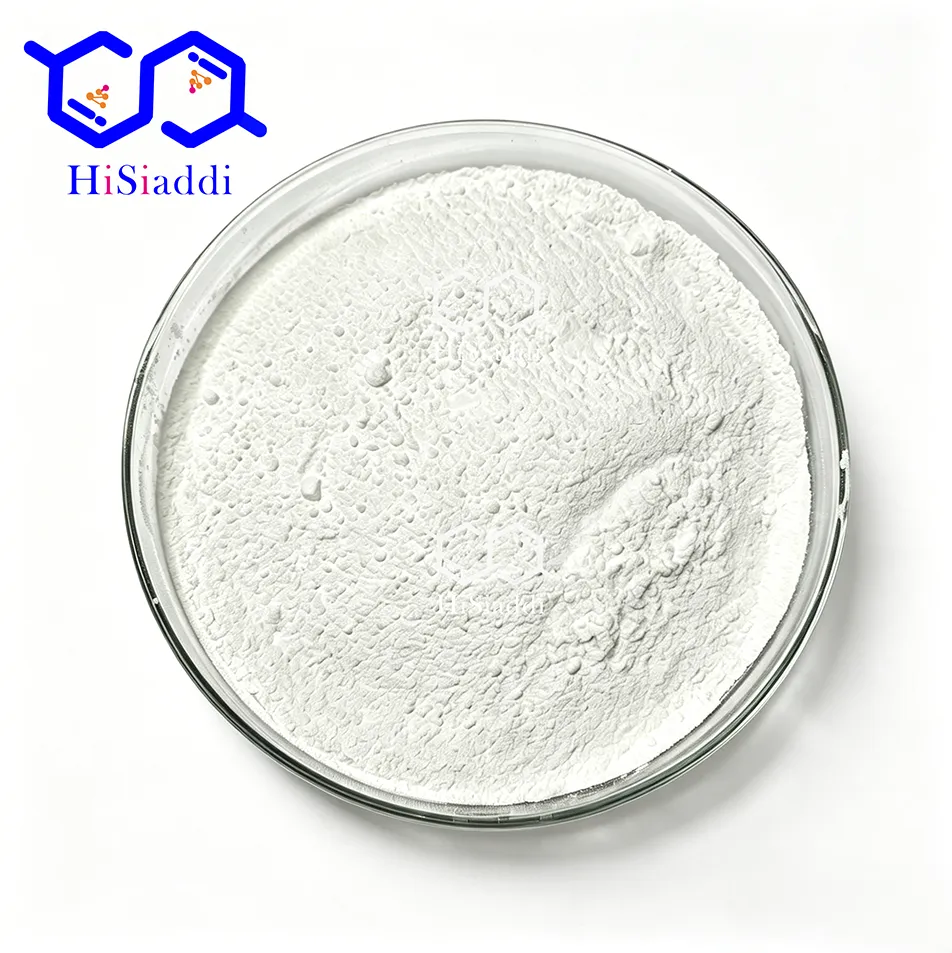
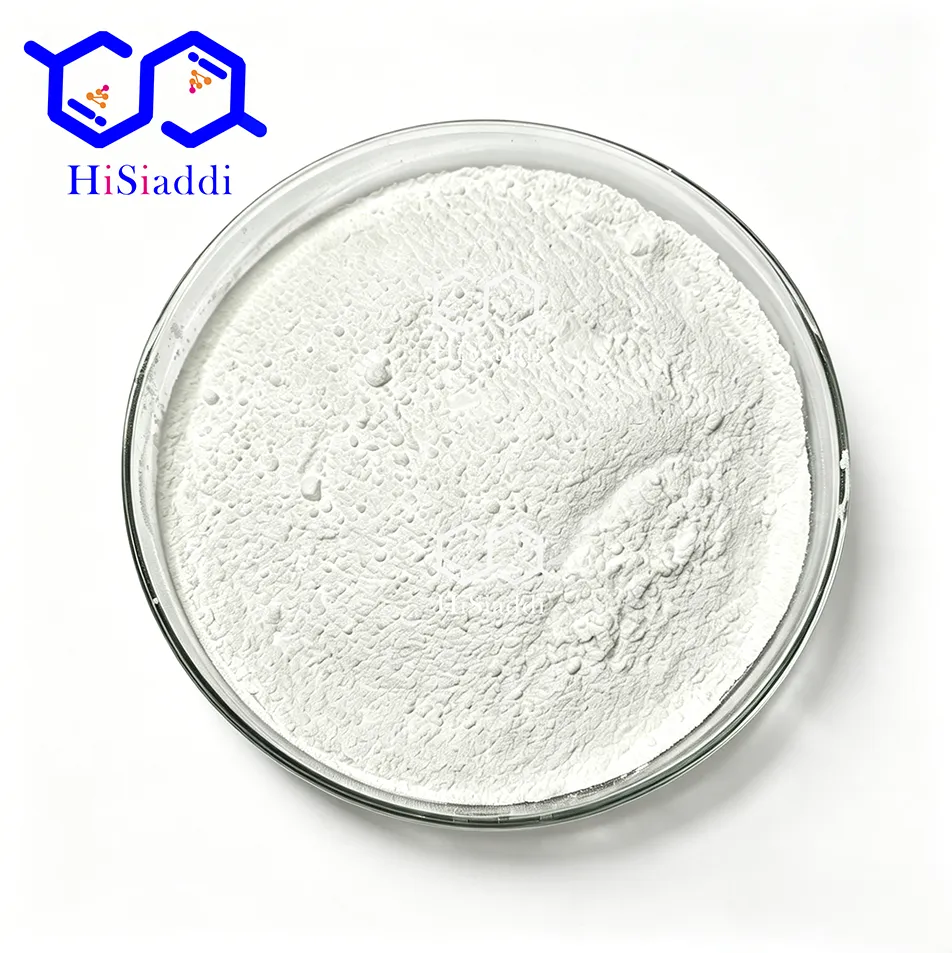
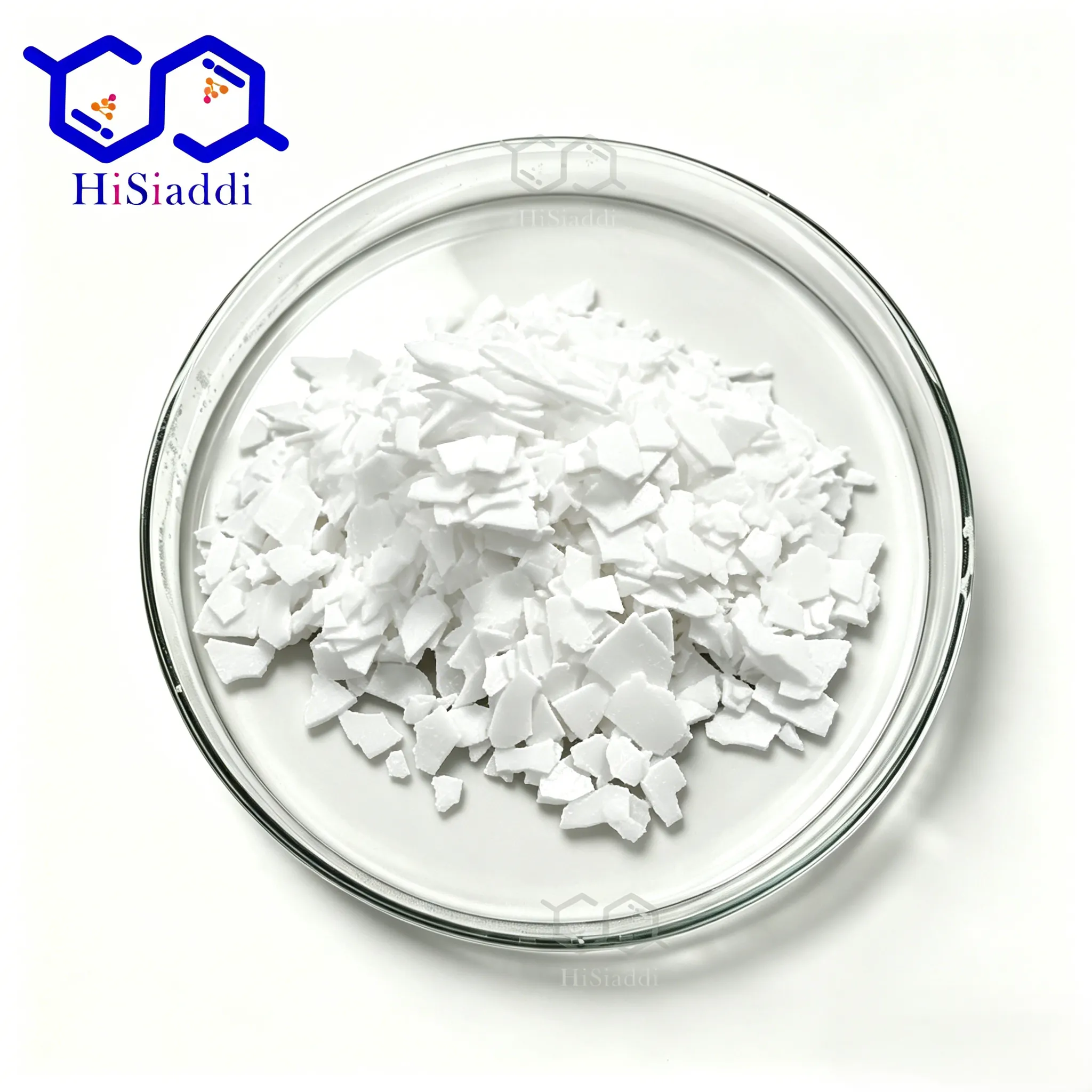
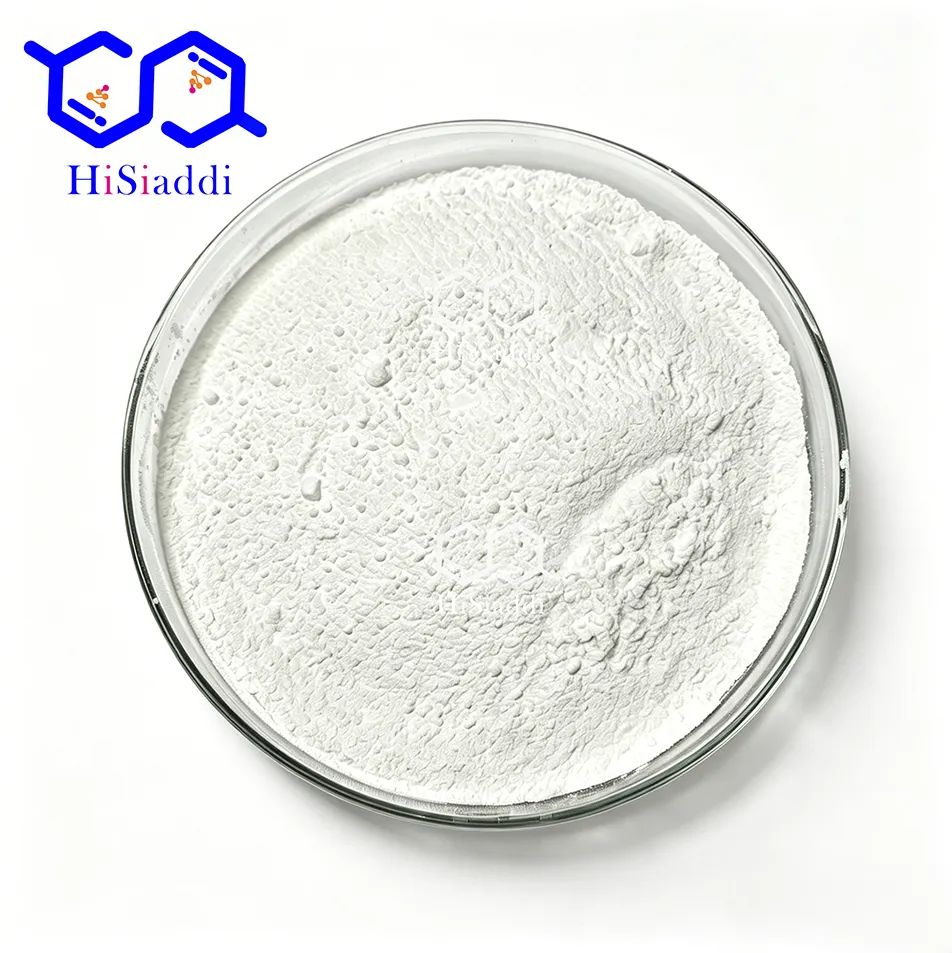
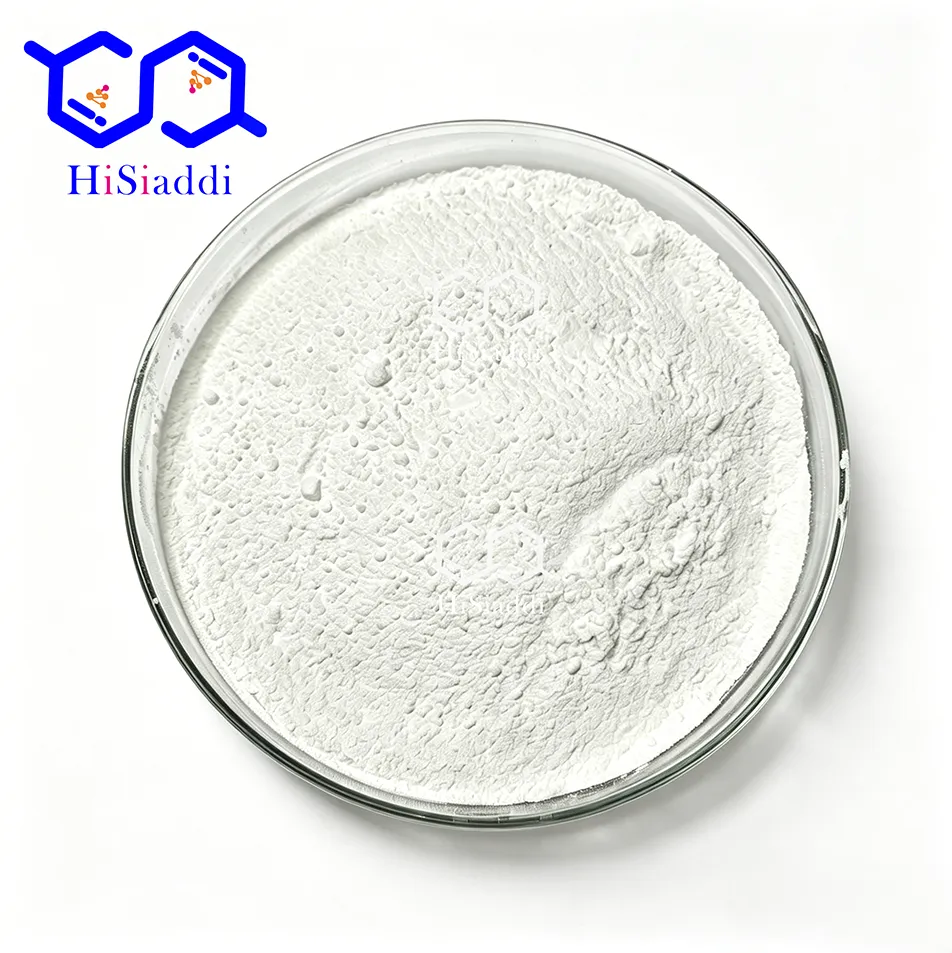
Zinc Borate CF, abbreviated as ZB-CF, is an environmentally friendly halogen-free flame retardant and smoke suppressant suitable for PVC, rubber and coatings. HiSiaddi can provide original factory supplies of multiple Chinese brands and the "1+2+3+4=1" service.
Wuwei supplies WWZB-2335CF (≥99%) and WWZB-CF (ultrafine grade, ≥99.5%) with particle size 2-5μm, whiteness ≥95%, water loss ≥290℃, excellent smoke suppression and good dispersion, benchmarking American Borax Firebrake ZB at a 20%-25% lower price. With an annual output of 10,000 tons, REACH certification and stable batch quality, it adapts to European PVC cable factories, Southeast Asian rubber product factories, North American coating factories and Middle Eastern wood-plastic processing factories.
Taixing provides TX-ZB-CF (≥98.5%) and TX-ZB-CFF (flame retardant grade, ≥99%) with particle size 3-8μm, whiteness ≥93% and thermal stability ≥280℃, cost-effective for mid-end plastic/rubber and coating applications, priced 5%-7% lower than Wuwei at the mid-end level.
HiSiaddi Exclusive Service: Offers consultation on key indicator & cost comparison of multiple brands, plastic and rubber flame retardant formula, antimony system synergy scheme and coating smoke suppression optimization; provides particle size, whiteness and thermal stability testing; supports customized particle size 2-10μm and purity 98.5%-99.5%
 CONTACT HiSiaddi NOW
| CAS No: | 1332-07-6 | Brand Name: | Multi-brand |
| MF: | BH3O3Zn | Model Number: | Multi-models |
| EINECS No: | 233-803-1 | Grade: | Industrial grade |
| Purity: | 99% | Place of Origin: | China |
| MOQ: | 1ton | Storage: | Please refer to the product packaging or contact the customer service. |
When purchasing Zinc Borate CF as a buyer, you may encounter the following questions:
What are the key indicator advantages and application impacts of mainstream grades from well‑known Zinc Borate CF brands?
What competitive services can Zinc Borate CF suppliers provide?
What are the qualification certifications and market feedback of target Zinc Borate CF brands?
How are the inventory levels and supply stability of Zinc Borate CF suppliers?
What factors should be considered when selecting Zinc Borate CF?
…and many other relevant questions.
Main Grades: ZB‑CF‑Ultra (high‑purity ultrafine anhydrous grade), ZB‑CF‑STD (standard general‑purpose export grade)
Crystal water content <0.3%, loss on ignition <1.2%. True anhydrous CF modification; no foaming or pores during high‑temperature processing above 280℃, completely eliminating precipitation issues of hydrous zinc borate at high temperatures.
Thermal decomposition temperature ≥380℃, compatible with high‑temperature extrusion processes of PC, PBT, PA, glass‑fiber‑reinforced PP, TPU, etc.
D50 particle size: 2.5–4μm, ultrafine with high dispersibility and extremely low agglomeration rate, without compromising product gloss, tensile strength or impact strength.
Whiteness ≥94%; high whiteness avoids interference with light‑colored/white plastic color matching, eliminating the need for extra titanium dioxide compensation.
Free boron ≤0.08%, low corrosiveness, no wear on screws or dies, suitable for precision electronic components.
Oil absorption value: 22–26 g/100 g, compatible with high loading in halogen‑free flame retardant masterbatches, no thickening effect and no impact on processing fluidity.
Annual capacity: 4,500 tons, 75% for export. Top choice for high‑end markets in Europe, America, Japan and South Korea with exceptional batch consistency.
Cost‑Performance: High‑end positioning, priced at 70% of US Firebrake ZB‑XF with 99% matching performance, the preferred domestic option for high‑end halogen‑free flame retardant applications.
Target B‑End Buyers: Large European and American halogen‑free modification factories, automotive plastic modification enterprises, new energy wire harness/charging pile material manufacturers, high‑end electrical and electronic masterbatch factories, TPU cable material enterprises, UL‑certified dedicated modification factories.
Direct 1:1 replacement for imported US Firebrake ZB‑XF with minimal formulation adjustments and equivalent flame retardant synergistic efficiency.
No foaming or pores during high‑temperature processing, boosting yield rate by 4%–6% and significantly reducing scrap and downtime cleaning costs.
Ultrafine particle size suitable for thin‑wall parts and precision electronic components with smooth molding and no die‑clogging risks.
High whiteness fits white/light‑colored home appliances and automotive interiors with stable color matching, lowering color masterbatch debugging costs.
Stable annual production capacity; annual framework price‑locking contracts available to mitigate raw material price hikes.
Specific End‑User Benefits: Automakers, new energy wire harness manufacturers, high‑end home appliance brands, precision connector and photovoltaic junction box enterprises achieve halogen‑free V‑0 rating, low smoke, no dripping and arc resistance, complying with strict EU ELV, REACH and automotive interior VOC regulations.
Main Grades: PD‑CF‑G (high‑heat‑resistance grade dedicated to glass fiber), PD‑CF‑2335 (standard low‑hydrate grade)
Crystal water <0.5%, loss on ignition <1.5%, thermal decomposition temperature ≥370℃, resistant to high temperatures from glass‑fiber shearing.
pH value: 7.2–7.8, neutral to weakly alkaline, compatible with hydrolysis‑prone substrates such as PA and nylon with industry‑leading hydrolysis resistance.
D50 particle size: 5–7μm, suitable for glass‑fiber compounding processes with low agglomeration tendency.
Oil absorption value: 28–32 g/100 g, suitable for high‑loading halogen‑free masterbatches.
Annual capacity: 3,800 tons, top exporter to the Middle East, Eastern Europe and Russia with highly stable supply and short lead times.
Cost‑Performance: Mid‑to‑high‑end positioning, priced at 65% of imported equivalents. Outperforms general imported grades in glass‑fiber‑reinforced scenarios with excellent cost‑effectiveness.
Target B‑End Buyers: Glass‑fiber‑reinforced PBT/PA modification factories, Middle Eastern outdoor plastic manufacturers, Eastern European auto parts modification factories, general halogen‑free flame retardant masterbatch factories, small‑to‑medium cable material enterprises.
Neutral pH avoids corrosion of nylon substrates and prevents post‑production hydrolysis cracking of finished products.
Compatible with high‑speed glass‑fiber shearing processing with stable flame retardant synergy and high formulation tolerance.
Shipped from northern ports with low logistics costs and fast delivery via China‑Europe Railway Express.
Significant unit price advantages for bulk purchases, ideal for cost reduction in mass‑produced outdoor products.
Specific End‑User Benefits: Outdoor photovoltaic accessories, automotive chassis components, outdoor charging pile housings and Eastern European home appliance housings feature stable flame retardancy, resistance to humid outdoor environments and long service life.
Main Grades: BR‑CF‑STD, BR‑CF‑Eco (economy low‑hydrate grade)
Crystal water <0.8%, loss on ignition <2.0%, thermal decomposition temperature ≥360℃, meeting processing requirements for most general‑purpose plastics.
D50 particle size: 8–12μm (over 200 mesh), stable dispersibility, compatible with PP, PE, EVA and regular ABS.
Whiteness ≥90%, sufficient for basic color matching needs.
Annual capacity: 6,000 tons, China's largest CF‑grade production capacity with strong price advantages and the lowest bulk procurement costs.
Cost‑Performance: Mid‑tier benchmark, priced at 60% of imported equivalents, meeting 90% of general halogen‑free scenarios with top bulk‑purchase cost‑effectiveness.
Target B‑End Buyers: Southeast Asian general‑purpose plastic modification factories, Vietnamese/Indonesian home appliance housing manufacturers, Indian halogen‑free masterbatch factories, African low‑voltage electrical plastic factories, small‑to‑medium cable material enterprises.
Massive production capacity ensures no supply shortages during peak seasons with 7–10‑day lead times.
Lowest procurement unit price, ideal for mass cost reduction in low‑end home appliances, daily necessities and regular cable materials.
Stable indicators compatible with ordinary extrusion equipment with no need for high‑end process adjustments.
Specific End‑User Benefits: Regular home appliance housings, socket panels, wire and cable insulation layers and daily‑use plastic products achieve halogen‑free flame retardancy and low‑smoke environmental performance, meeting basic export compliance requirements.
Main Grades: KP‑CF‑Nano (nano‑ultrafine grade), KP‑CF‑UV (weather‑resistant UV‑resistant grade)
Crystal water <0.4%, loss on ignition <1.3%.
D50 particle size: 1.8–3μm, nano‑scale ultrafine with industry‑top dispersibility and nearly zero agglomeration.
Outstanding UV and yellowing resistance, suitable for high‑temperature, high‑humidity and sun‑exposed environments in Southeast Asia.
Shipped from Eastern China port clusters (Shanghai/Ningbo) with fastest delivery to Japan, South Korea and Southeast Asia.
Customizable low‑dust and food‑contact‑grade CF‑grade zinc borate available.
Cost‑Performance: Mid‑to‑high‑end positioning, priced at 68% of imported equivalents, optimal for high‑end applications in Japan, South Korea and Southeast Asia.
Target B‑End Buyers: Japanese and South Korean precision electronic modification factories, Thai/Malaysian high‑end home appliance manufacturers, thin‑wall halogen‑free part masterbatch factories, Hong Kong, Macao and Taiwan plastic enterprises.
Nano‑ultrafine particle size enables smooth defect‑free molding of ultra‑thin electronic components, films and thin‑wall injection‑molded parts.
Weather and UV resistance prevents long‑term yellowing and chalking of products under sunlight exposure.
Fast Eastern China maritime shipping reduces inventory turnover pressure.
Specific End‑User Benefits: Japanese and South Korean precision connectors, Southeast Asian air‑conditioner housings, high‑end small home appliances and outdoor consumer electronics meet both halogen‑free environmental standards and weather‑resistant flame retardancy requirements.
Main Grades: ZX‑CF‑LowCorr (low‑corrosion grade), ZX‑CF‑Food (food‑contact‑grade CF grade)
Crystal water <0.6%, loss on ignition <1.6%.
Free boron ≤0.07%, ultra‑low corrosiveness, suitable for precision metal contact components.
Customizable special grades including food‑contact‑grade, UL94‑specific and low‑heavy‑metal variants.
Deep market penetration in South America and Australia with complete local compliance documentation and carbon footprint data.
Cost‑Performance: Mid‑tier customized grade, priced at 63% of imported equivalents with prominent cost‑effectiveness for special compliance scenarios.
Target B‑End Buyers: Latin American plastic modification factories, Australian halogen‑free flame retardant enterprises, food‑contact‑grade plastic manufacturers, medical low‑voltage electrical masterbatch factories.
Customized special indicators precisely meet strict environmental regulations in South America and Australia.
Low‑corrosion grades suit metal insert injection molding, preventing post‑production corrosion failure.
Food‑grade variants applicable to tableware and small home appliance contact components for high‑end product expansion.
Specific End‑User Benefits: South American home appliances, Australian outdoor products, food‑contact plastic parts and medical low‑voltage components achieve halogen‑free compliance and safety.

| Comparison Dimension | Shandong Wuwei ZB‑CF‑Ultra | Hebei Pengda PD‑CF‑G | Henan Borun BR‑CF‑STD | Jiangsu Kangpu KP‑CF‑Nano | Guangxi Zhongxin ZX‑CF‑LowCorr |
| Product Positioning | High‑end anhydrous high‑purity grade, benchmarked against US Firebrake original products | Mid‑to‑high‑end grade dedicated to glass‑fiber reinforcement | Mid‑tier general‑purpose economy grade, bulk‑sale leader | Mid‑to‑high‑end nano‑ultrafine weather‑resistant grade | Mid‑tier customized special compliance grade |
| Crystal Water Content | <0.3% | <0.5% | <0.8% | <0.4% | <0.6% |
| Loss on Ignition | <1.2% | <1.5% | <2.0% | <1.3% | <1.6% |
| Thermal Decomposition Temperature | ≥380℃ | ≥370℃ | ≥360℃ | ≥375℃ | ≥365℃ |
| D50 Particle Size | 2.5–4μm | 5–7μm | 8–12μm | 1.8–3μm | 5–8μm |
| Whiteness | ≥94% | ≥92% | ≥90% | ≥93% | ≥91% |
| Free Boron | ≤0.08% | ≤0.10% | ≤0.12% | ≤0.07% | ≤0.07% |
| Core Competitive Advantages | Ultra‑stable batches, ultrafine anhydrous structure, zero foaming at high temperatures, ideal for high‑end European & American markets | Glass‑fiber shear resistance, hydrolysis resistance, advantages in Eastern Europe & Middle East | Largest production capacity, lowest price, most stable supply | Nano‑ultrafine structure, UV/weather resistance, fast Eastern China logistics | Ultra‑low corrosiveness, food‑grade customization, full compliance for Latin America & Australia |
| Price vs Imported Equivalents | 70% | 65% | 60% | 68% | 63% |
| Major Export Regions | Europe, America, Japan, South Korea | Middle East, Eastern Europe, Russia | Southeast Asia, India, Africa | Japan, South Korea, Southeast Asia, Hong Kong, Macao, Taiwan | Latin America, South America, Australia |
| Core B‑End Buyers | Large automotive/new energy/high‑end electronic modification factories | Glass‑fiber‑reinforced PBT/PA factories, outdoor product manufacturers | General‑purpose PP/PE/ABS modification factories, daily‑use product manufacturers | Japanese & South Korean precision electronics, thin‑wall component enterprises | Latin American special‑purpose plastic, food‑contact‑grade manufacturers |
| Key Downstream B‑End Benefits | 1:1 import replacement, high yield rate, stable formulation, high‑end compliance | Nylon hydrolysis resistance, stable glass‑fiber processing, bulk cost reduction | Lowest cost, short lead times, massive capacity guarantee | Excellent thin‑wall molding performance, strong weather resistance, fast maritime shipping | Customized indicators, low corrosiveness, compliance with regional special regulations |
| End‑Users | Automakers, new energy wire harness manufacturers, photovoltaic accessories, high‑end home appliances | Outdoor charging piles, automotive chassis components, Eastern European home appliances | Regular home appliances, wire & cable products, daily‑use plastics | Japanese & South Korean precision connectors, Southeast Asian small home appliances | South American home appliances, Australian outdoor products, food‑contact components |
| Direct Overseas Benchmark | US Firebrake ZB‑XF | General‑purpose US Firebrake grade | Economy imported Zinc Borate‑CF | Weather‑resistant US Firebrake grade | Imported special compliance grade |
Performance: Core indicators including thermal stability, crystal water content, particle size and low corrosiveness of China's top five leading CF‑grade zinc borate brands fully match imported equivalents, with certain high‑end grades outperforming overseas original products in partial indicators.
Cost: Chinese products are priced at only 55%–70% of imported ones, achieving an overall cost reduction of 30%–45% for bulk purchases.
Production Capacity & Supply Chain: China boasts sufficient production capacity and stable continuous manufacturing, avoiding price hikes, supply shortages and long lead times of overseas brands.
Customization Capability: Chinese enterprises can rapidly customize nano‑ultrafine, low‑corrosion, food‑grade and weather‑resistant grades, while overseas brands feature long customization cycles and high minimum order quantities.
Compliance: All top five brands hold complete REACH, RoHS, SGS, UL, COA and MSDS certifications, fully satisfying customs clearance and regulatory reviews worldwide.
HiSiaddi is a new type of foreign trade service provider driven by both technology transformation and foreign trade business. It has built a "1+2+3+4=1" product service system: 1 foreign trade salesperson with over 3 years of experience, 2 R&D teams, 3 high-quality suppliers, and 4 warehouses to fulfill each product demand.
With this service system, HiSiaddi surpasses most foreign trade enterprises in R&D optimization and technical processes of zinc borate, outperforms individual manufacturers in capturing market demands and competitive edges of different zinc borate brands, and has a deeper understanding of the zinc borate foreign trade market than research institutes.
HiSiaddi only recruits foreign trade sales staff with more than 3 years of working experience. All salespeople must complete over 6 months of joint training by the R&D team and foreign trade team before serving clients.
(1)Zinc Borate Basic Support Services
Backed by the foreign team and corporate service system, we provide customers with one-stop full-process document processing services, including but not limited to the issuance and handling of all zinc borate compliance certificates, as well as the provision of third-party test reports and follow-up solutions for quality complaints.
(2)Zinc Borate Exclusive Value-Added Services
Supported by the R&D team, we deliver product customization and technical consulting services to clients, including but not limited to core index matching and cost analysis of all zinc borate brands, plus regular sharing of zinc borate market trends.
We carry out in-depth cooperation with raw material manufacturers through technology transformation, and maintain close internal collaboration with the foreign trade team to deliver technical training for sales personnel, enabling professional customization of zinc borate and offering research-level consulting for zinc borate brand matching and application optimization.
(1)Zinc Borate Research-Grade Customization Services
Customized service with ultra-low crystal water, ultra-fine particle size and low corrosion indicators: The core pain points of overseas buyers are foaming during high-temperature processing, corrosion of precision parts and agglomeration of thin-wall products. We can cooperate with manufacturers to customize high-end CF-type zinc borate with crystal water <0.2%, D50 <2μm and free boron <0.06%, specially matching strict UL standards for automotive, new energy and precision electronic products.
(2)Zinc Borate Research-Grade Consulting Services
Provide optimal addition ratios, processing temperature ranges and screw parameters for compound systems of CF zinc borate matched with aluminum hydroxide, magnesium hydroxide, red phosphorus and silicone; provide 1:1 formula comparison between domestic CF grade and American Firebrake ZB XF, accurately calculate cost reduction range with performance guaranteed to achieve zero-risk import substitution. Anti-hydrolysis and glass fiber system optimization service: Optimize pH value and oil absorption value of zinc borate for PA nylon and glass-filled plastics to avoid substrate hydrolysis and flame retardant failure; provide free sample comparison testing to screen the optimal grade matching glass fiber shearing process.
Our foreign trade team and R&D team work collaboratively. Through preliminary market research, factory site visits, product testing, in-depth technical cooperation and product procurement partnerships, we select around 3 reliable, stable, reputable manufacturers with great development potential.
(1) Initiative to Secure Lower Raw Material Prices
Long-term cooperation via technology transfer and exclusive agency enables us to obtain factory direct supplies at more competitive prices.
(2) zinc borate Long-Term Supply Chain Assurance Services
Long-term technical and agency cooperation strengthens full production supervision, full-lot traceability, stable batch quality control, and compensation guarantees for products failing third-party inspections.
We have 4 warehouses, which are jointly operated and managed with suppliers to store hot-selling products.
(1)Zinc Borate Fast Local Delivery & On-Site Problem Resolution
The four warehouses are located at Qingdao Port in North China, Ningbo Port in East China, Shenzhen Port in South China and Zhengzhou, the inland logistics hub, to ensure timely delivery of zinc borate. On-site staff can resolve transport accidents, packaging defects and export compliance issues locally once zinc borate encounters abnormal situations.
(2) Zinc Borate Price Stabilization & Custom Packaging Support
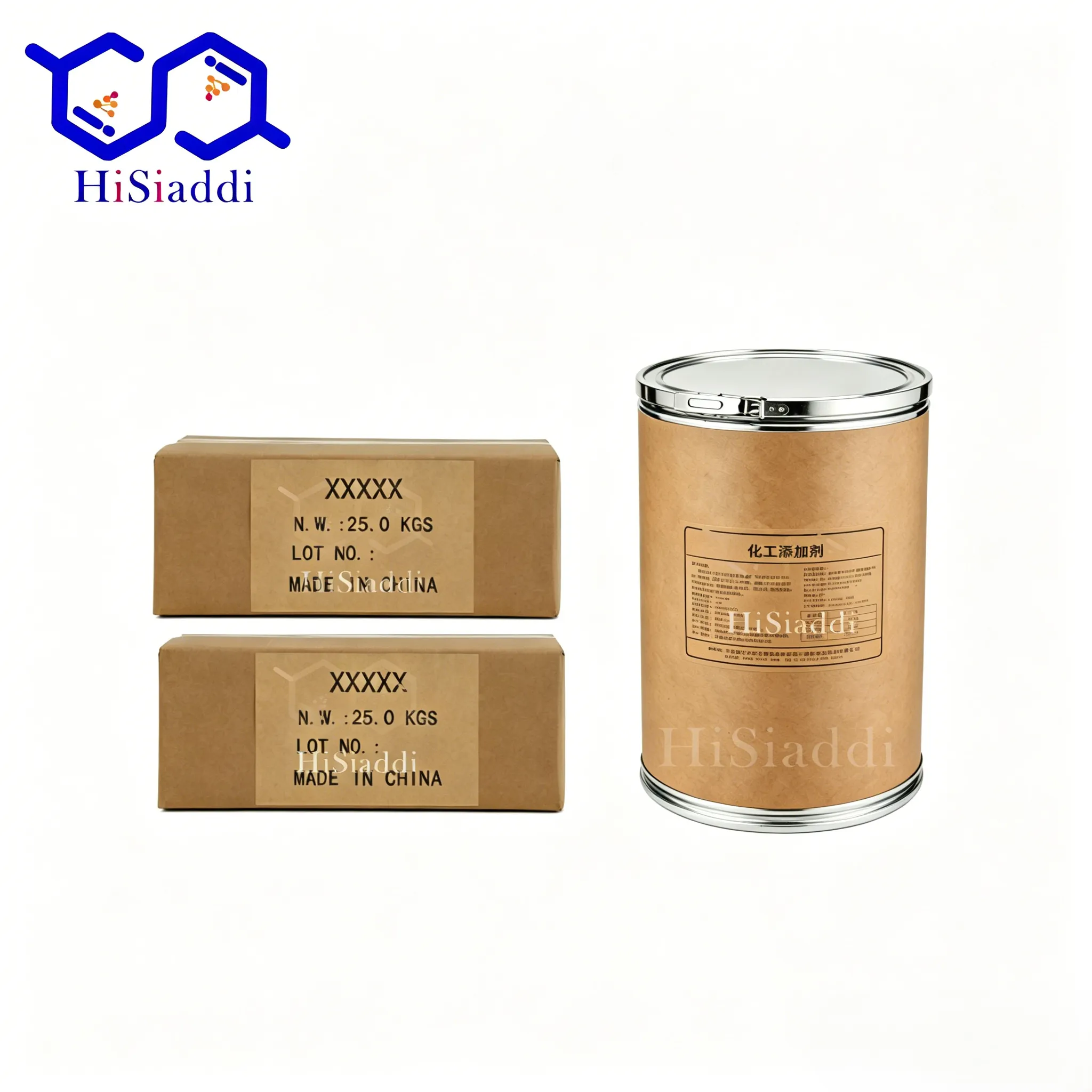
We stock goods in advance during peak seasons with drastic price fluctuations to ease price volatility. Self-operated warehouses support customized packaging and label solutions to meet personalized customer demands.
As a new-type foreign trade service provider driven by both technology commercialization and cross-border trade, HiSiaddi has built a "1+2+3+4=1" service system and can supply original factory goods of multiple well-known brands for zinc borate. As a foreign trader with independent R&D capabilities, HiSiaddi will professionally sort out common difficulties faced by B-end purchasers sourcing zinc borate in China and propose targeted solutions from HiSiaddi.
If you require more professional, in-depth analysis on zinc borate procurement, please contact HiSiaddi’s customer service team.
1. Excess chloride ions accelerate copper conductor corrosion and drastically shorten cable service life Incomplete water washing during synthesis leaves free chloride ions. Long-term contact between internal copper cores/tapes and chloride ions under electrified and humid conditions triggers electrochemical corrosion, gradually reducing conductor cross-section and increasing resistance, ultimately causing overheating and open circuits, failing European and American IEC, UL standards for cable corrosion resistance and long-term service. Chloride ions also damage the molecular structure of insulating substrates, causing premature aging and cracking of cable sheaths.
2. Insufficient thermal decomposition temperature triggers early decomposition under high-temperature extrusion, weakening insulation and arc suppression performance Cable extrusion temperatures range from 180~220℃. Conventional Zinc Borate CF with poor thermal stability decomposes in advance under high temperatures, releasing boric acid-containing substances that scale extruder dies and screws. Decomposition residues inside insulation layers reduce material tracking resistance and arc suppression capacity, creating risks of creepage and breakdown under high-voltage operating conditions.
3. Severe powder agglomeration and uneven particle size cause poor mixing dispersion, resulting in surface particles and bulges on finished cables High proportions of coarse particles and agglomerated fine powder fail to disperse uniformly during mixing with PVC and polyolefin resins, leaving protruding particles and pits on extruded cable outer sheaths that fail appearance acceptance. Air encapsulated inside agglomerated powder forms tiny bubbles and pinholes under high-temperature processing, destroying the compactness of insulation layers.
4. Excess moisture and loss on ignition trigger water vapor vaporization during high-temperature processing, causing production line material breakage and porous finished products Excess raw material moisture leads to concentrated water vapor eruption during continuous extrusion, causing melt breakage, unstable extrusion and mandatory production line shutdowns for cleaning. Dense internal pores in finished products directly fail insulation voltage withstand indicators, resulting in full batch scrappage.
5. Abnormal pH values conflict with cable stabilizer systems, accelerating yellowing and aging of finished products pH values deviating from standard ranges neutralize specialized calcium-zinc and composite thermal stabilizers for cables, weakening substrate thermal stability. Cable outer sheaths rapidly yellow and embrittle under light and long-term heating, with outdoor laid cables aging far faster than industry standards.
6. Large batch-to-batch composition fluctuations cause unstable flame retardant and smoke suppression synergistic effects Deviations in zinc oxide and boron trioxide active ingredients across batches lead to inconsistent smoke density and downgraded flame retardant ratings under fixed formulations, failing consistent compliance with European and American cable fire and low-smoke testing standards.
1. Adopt multi-stage countercurrent pure water washing and centrifugal desalination processes to strictly control chloride ions to ultra-low levels, eliminating electrochemical corrosion of copper conductors and ensuring long-term safe cable operation.
2. High-temperature purification modification technology raises thermal decomposition temperature to stably withstand processing temperatures above 220℃ without decomposition or die scaling, delivering long-term stable arc suppression and tracking resistance performance.
3. Jet milling, multi-stage classification screening and powder deagglomeration surface treatment deliver narrow particle size distribution with zero agglomeration, achieving uniform dispersion during resin mixing and smooth cable outer sheaths free of particles and pits.
4. Constant-temperature vacuum deep drying rigorously controls moisture and loss on ignition to prevent water vapor eruption during high-temperature processing, sustaining continuous extrusion and pore-free finished products with compliant insulation voltage withstand performance.
5. Precisely regulate finished product pH values for full compatibility with mainstream cable thermal stabilizer systems, avoiding interference with stabilization and inhibiting long-term cable yellowing and aging.
6. Closed-loop synthesis paired with online ingredient testing unifies zinc oxide and boron trioxide indicators with minimal batch differences, stabilizing flame retardant and smoke suppression synergistic performance to consistently meet cable fire and low-smoke standards.
1. Poor dispersibility causes white spots and stress concentration during rubber mixing, reducing tensile and wear resistance Unmodified zinc borate powder fails to wet and disperse evenly in rubber compounds, leaving white spots and color stains on finished rubber surfaces. Agglomerated particles form stress concentration points, drastically lowering rubber tensile strength, tear strength and wear resistance, leading to premature damage of sealing and shock-absorbing components.
2. Impurities and acidic substances disrupt rubber vulcanization systems, causing incomplete vulcanization and sticky rubber surfaces Trace acidic impurities remaining in raw materials retard rubber vulcanization reactions, resulting in under-vulcanized finished products with soft interiors and sticky surfaces, failing rebound performance and compression set requirements. Sealing effectiveness of gaskets and shock absorption capacity of damping parts decline significantly.
3. Weak weather resistance causes surface blooming after outdoor exposure and alternating high-low temperature cycles Conventional grades exhibit poor resistance to temperature cycling and UV radiation. Automotive chassis and outdoor rubber components exposed to long-term sunlight and temperature fluctuations experience gradual migration of zinc borate to surfaces forming white bloom, damaging appearance and gradually attenuating flame retardant and anti-mold performance.
4. Fluctuating batch whiteness creates obvious color differences in dark/colored rubber products Unstable powder whiteness disrupts color masterbatch toning effects when added to colored and black rubber formulations, leading to inconsistent shade across single and multiple batches that fail automotive OEM unified appearance acceptance standards.
5. Unstable anti-mold and bacteriostatic performance triggers mold growth on rubber in high-humidity environments Fluctuating boron-zinc active ingredient content enables mold and microbial growth on rubber surfaces in rainy southern regions and humid automotive chassis environments, accelerating rubber degradation and shortening component service life.
1. Rubber-specific surface activation modification improves powder wettability with rubber substrates for thorough mixing and dispersion without white spots or color stains, fully preserving rubber tensile, wear and tear resistance mechanical properties.
2. Deep neutralization removes acidic impurities without disrupting vulcanization accelerator systems, delivering fully vulcanized rubber with excellent rebound and low compression set for durable sealing and shock absorption performance.
3. Formulation optimization enhances weather resistance and temperature cycle tolerance; finished products show no blooming after high-low temperature and UV aging testing with sustained flame retardant and anti-mold performance.
4. Standardized whiteness control delivers highly consistent batch whiteness compatible with all color masterbatch systems for uniform coloration of colored and dark rubber parts to meet automotive OEM appearance requirements.
5. Stabilized boron-zinc active ingredient content delivers long-lasting anti-mold and bacteriostatic effects, effectively inhibiting mold growth in high-humidity operating conditions and protecting rubber substrates from degradation.
1. Rapid sedimentation and stratification in water-based coating systems with poor storage stability Conventional Zinc Borate CF delivers weak hydrophilic compatibility. When added to water-based fire-retardant coatings, powder rapidly settles and hardens at tank bottoms, causing solid-liquid stratification during long-term storage. Even prolonged stirring cannot restore uniform consistency, undermining construction effects.
2. Insufficient wettability triggers pinholes, particles and sagging on coated films Poor powder surface wettability prevents complete particle dispersion after paint mixing, creating dense particles and pinholes on formed films. Powder abnormally impacts coating viscosity, causing sagging during vertical surface construction and uneven coating flatness that compromises the integrity of fire-resistant protective layers.
3. Acidic impurities disrupt coating film formation and adhesion, triggering coating peeling and flaking Trace acidic substances damage coating emulsion structures and interfere with film-forming resin curing, reducing adhesion between fire-retardant coatings and steel/wood substrates. Peeling and flaking occur over time, eliminating fire insulation functionality.
4. Insufficient thermal stability triggers coating cracking and peeling under high-temperature exposure Steel structure fire-retardant coatings face open flames and high-temperature baking. Early decomposition of zinc borate loosens internal coating structures, leading to large-area cracking and peeling under high heat, preventing formation of intact fire-resistant char layers and losing fire insulation functions.
5. Unstable flame retardant and smoke suppression synergistic effects lead to excessive smoke density under fire conditions Fluctuating active ingredient content delivers inconsistent smoke suppression performance when compounded with other flame retardants, generating excessive smoke during fires and failing European and American building and ship coating low-smoke fire safety specifications.
1. Water-based system-specific modification improves suspension stability, preventing sedimentation, caking and stratification during long-term coating storage; simple stirring enables normal construction upon opening.
2. Ultra-fine processing paired with wetting additive compounding delivers thorough powder dispersion for smooth, particle and pinhole-free coated films, while optimizing rheological properties to eliminate sagging during vertical construction.
3. Strict control of acid value and active impurities avoids damage to emulsion and film-forming systems, delivering strong coating adhesion to all substrates with no peeling or flaking over long-term service.
4. Enhanced high-temperature thermal stability prevents premature decomposition under open flame and high-temperature conditions, maintaining intact, crack-free coatings that form dense fire-resistant char layers consistently.
5. Locked active ingredient content stabilizes flame retardant and smoke suppression synergistic performance, with smoke density indicators meeting mandatory European and American building and ship fire-retardant coating standards.
1. High pricing of premium refined grades versus low-cost crude products with insufficient active ingredients and weak flame retardant/smoke suppression performance High-purity cable and coating-grade Zinc Borate CF carries elevated procurement costs that squeeze profit margins when used for low-end products. Low-cost adulterated products contain insufficient boron-zinc content mixed with inert fillers, failing flame retardant, smoke suppression and anti-mold performance at standard dosage levels and creating end-product safety hazards.
2. High impurity and chloride ion content cause strong processing odors, finished product corrosion and mold growth Low-cost products simplify water washing and purification procedures with high residual impurities and chloride ions, generating heavy dust and odors during mixing and paint production. Finished products corrode metal fittings over time and develop mold rapidly in high-humidity environments, triggering frequent end-user returns and complaints.
3. Chaotic batch particle size, moisture and pH values force frequent production line adjustments and reduce output Lack of standardized production control creates drastic cross-batch variations in powder particle size, moisture content and pH values. Operators must repeatedly adjust mixing temperatures, additive dosages and coating viscosity, triggering frequent equipment shutdowns and cutting production efficiency by over 20%.
4. Severe moisture absorption and caking under high-temperature high-humidity storage & transportation block feeding systems and halt production lines Local ocean shipping and warehousing feature high temperature and humidity; ordinary packaging lacks moisture-proof protection, leading to severe powder caking that blocks automatic feeders and silos, halting production lines and generating cargo losses and schedule delays.
5. Incomplete compliance documents prevent local filing and sampling inspections, limiting distribution to unregulated gray market channels Missing English COA, MSDS, RoHS and heavy metal test reports block local market regulatory inspections, exposing goods to detention risks and unstable payment recovery.
6. Absence of supporting technical services hinders troubleshooting of production abnormalities and increases raw material waste Suppliers only deliver goods without technical guidance. Factories blindly adjust formulations when encountering poor dispersion, vulcanization abnormalities, coating stratification or substandard flame retardancy, further wasting raw materials.
1. Launch regional exclusive economical grades retaining core flame retardant, smoke suppression and anti-mold performance with simplified deep refining processes for premium electronic and cable grades, delivering a 23%~26% price reduction versus high-purity full-spec products to balance costs and basic quality.
2. Complete basic water washing, dechlorination and impurity removal to lower chloride ion and impurity levels, mitigating processing odors, corrosion and mold growth to meet local civil product standards.
3. Standardized fixed-parameter mass production unifies core indicators including particle size, moisture and pH for consistent batch quality, enabling fixed production parameters to reduce line adjustments and boost output.
4. Double-layer sealed packaging with thickened inner moisture-proof films and woven bags plus eco-friendly anti-caking additives withstands high temperature and humidity, preventing powder moisture absorption and caking for smooth feeder operation.
5. Supply full sets of free English compliance documents per batch to support client local filing and sampling inspections, expanding formal supply chain channels.
6. Provide basic English technical guidance with troubleshooting solutions for common issues including poor dispersion, vulcanization abnormalities and coating stratification to reduce raw material waste.
1. Rampant adulteration and filler mixing with falsely labeled active ingredients trigger mass after-sales compensation claims Unscrupulous merchants adulterate Zinc Borate CF with cheap fillers such as talc and calcium carbonate while falsely labeling zinc oxide and boron trioxide content. End factory use leads to flame retardant failure, metal corrosion and coating stratification, forcing distributors to bear heavy compensation losses and lose long-term cooperative clients.
2. Insufficient packaging strength causes bag breakage and powder leakage during ocean shipping stacking and transit, triggering logistics disputes Thin, poorly sealed standard packaging ruptures and leaks powder under container stacking and long-distance transportation, generating material losses and cross-contamination of co-loaded goods, resulting in logistics deductions and compensation disputes.
3. Lack of moisture-proof and light-shielding protection causes powder caking and performance degradation during long-term warehousing Zinc Borate CF powder readily absorbs moisture and undergoes slow compositional changes under light exposure. Simple packaging fails to provide protection, leading to caking and reduced active ingredient content during storage, resulting in full batch rejection during incoming inspections by premium cable and coating clients.
4. Missing environmental and dangerous goods documentation blocks access to premium formal European and American supply chains Absence of updated English SDS, marine dangerous goods identification certificates, RoHS, REACH and heavy metal test reports disqualifies suppliers from vendor audits by large European and American factories and brand owners, limiting sales to low-end distribution and forfeiting high-margin orders.
5. No batch traceability or third-party testing prevents cooperation with top-tier enterprises during factory audits Counterfeit and small-workshop sourced goods lack complete production ledgers, traceability records and authoritative third-party test reports, leading to automatic elimination during vendor audits by top European and American enterprises and blocking long-term large-volume order cooperation.
6. Open repackaging facilities introduce impurities and moisture absorption, degrading quality of small-specification packaged products Repackaging without closed, dust-proof and moisture-proof facilities introduces impurities and water vapor into powder, raising chloride ion levels and weakening dispersibility, leading to sustained declines in end-client repeat purchase rates.
1. Direct supply of original factory pure powder with zero filler adulteration and fully authentic labeled physical and chemical indicators; full third-party international test reports provided per batch supporting global re-inspection, eliminating quality compensation risks and stabilizing channel reputation at the source.
2. Custom thickened composite moisture-proof packaging with heat-sealed reinforced seals; compressive and leakage-proof testing conducted for every bag before shipment to eliminate ocean shipping bag breakage, powder leakage and associated logistics losses and disputes.
3. Combined light-shielding inner film and outer moisture-proof packaging prevents powder moisture absorption, caking and active ingredient degradation during long-term warehousing, ensuring passing of incoming inspections by premium clients.
4. One-stop provision of full formal English documentation covering SDS, dangerous goods certificates, RoHS, REACH and heavy metal test reports to fully unlock premium European and American additive distribution channels.
5. Establish full-link traceability systems covering production, quality inspection, packaging, warehousing and transportation with fully traceable batch information to fully support client factory audits and vendor reviews, securing long-term large-volume orders.
6. Provide standardized constant-temperature closed dust-proof repackaging specifications to guide clients on multi-specification repackaging and prevent powder impurity contamination and moisture absorption, stabilizing quality of repackaged products.
For more professional, in-depth analysis on zinc borate procurement, please contact HiSiaddi’s customer service team.
The equilibrium of aqueous synthesis tends to leave unreacted borax. A single water washing cycle only removes 54% of free boron salts, while multi-stage temperature-controlled hot water countercurrent rinsing paired with boron-selective chelating resin for deep impurity removal causes product yield loss during purification.
Soluble zinc salts are encapsulated inside powder pores and removed via gradient temperature rise soaking, with a narrow tolerance range for water temperature and pH parameters.
Precise temperature-controlled drying for crystal water regulation; fluctuations in water content directly alter heat absorption efficiency during flame retardancy, requiring a fixed full-process drying curve with real-time online crystal water monitoring.
Batch particle size control affects dispersion performance: excessively coarse particles form white spots in rubber, while ultra-fine particles lead to excessive oil absorption and uncontrolled viscosity in coatings. Airflow classification is required to limit particle size fluctuation range.
Trace impurities compromise storage stability; precision pressure filtration at the final refining stage removes ultra-fine soluble salt micro-particles.
Special CE construction fire protection testing must be conducted by local Spanish laboratories; test reports issued in China cannot be used for customs clearance and fire protection certification filing.
The powder readily absorbs moisture and agglomerates. Long-distance shipping across the Mediterranean features high temperature and humidity, requiring iron drums lined with PE film for sealed constant-temperature storage and transportation.
The 39-day delivery schedule covers a full workflow including air shipment of test samples, parallel small-scale trials for three types of products, continuous synthesis and mass production of 45 tons, full-index testing, compliance document compilation, customs declaration and loading onto vessels, with three-shift 24-hour production line quality control.
Absence of multi-stage hot water rinsing and resin impurity removal; free borax exceeded 220 ppm and water-soluble zinc exceeded 0.35%, triggering coating stratification and rubber bloom formation.
Uncontrolled crystal water drying resulting in wide fluctuations, unstable heat absorption during flame retardancy and inconsistent oxygen index values.
Low content of active ingredients leading to insufficient synergistic flame retardant effects and failure to meet fire protection grades.
Lack of airflow classification causing irregular particle sizes and abnormal dispersion performance.
Simple unpackaged bags leading to moisture absorption and agglomeration of powder under Vietnam’s hot and humid climate.
Warehouse acceptance relying solely on visual inspection without physical and chemical index sampling tests.
Continuous moisture absorption and quality deterioration due to open feeding operations.
Discontinue all stock crude zinc borate and replace it with our low-water-solubility refined Zinc Borate CF.
Store inorganic flame retardant raw materials in a closed constant-temperature warehouse with temperature controlled at 23~32℃ and humidity ≤60%.
Mandate five inspection items upon raw material incoming: active ingredient content, free borax, water-soluble zinc, crystal water and oxygen index synergistic performance test.
Optimize addition dosage and mixing/grinding processes for both rubber and coating production lines.
Adopt closed rapid feeding to shorten powder exposure time to open air.
Compile a zinc borate control manual and conduct training for all production staff.
Lead time
Quantity (ton) | 0 - 10 | 10 - 30 | > 30 |
Lead time (days) | 7 | 15 | To be negotiated |
The monthly inventory volume of zinc borate is 10 tons, with appropriate adjustments upwards or downwards in response to peak and off-peak seasons.
HiSiaddi safeguards the supply stability of zinc borate through the following measures:
(1) Performance evaluation and screening of zinc borate brand factories based on on-time delivery rate, batch pass rate, timeliness of risk alerts, and completeness of documentation to assess their supply stability.
(2) For each mainstream model or major grade of zinc borate, secure 1 primary high-quality brand manufacturer and 2 backup high-quality manufacturers.
(3) Each factory operates independent production lines in separate production zones to prevent production halts caused by major unforeseen incidents such as environmental production suspensions and power outages.
Through long-term cooperation with brand manufacturers via technology commercialization and authorized distribution channels, HiSiaddi can effectively strengthen supervision over the production processes of brand manufacturers, optimize full-process traceability management, improve batch stability control, and further reinforce real-time monitoring of the supply stability of zinc borate products.
Long-term Annual Framework Supply Guarantee Agreement. HiSiaddi signs 12-month long-term agreements with leading manufacturers. The agreements specify the minimum guaranteed supply volume, maximum price hike range, and priority production scheduling rights during peak seasons. It is stipulated that manufacturers shall issue a 30-day prior written notice if production is suspended due to environmental rectification or equipment maintenance, and backup manufacturers will be activated to replenish goods accordingly.
We have 4 warehouses, which are jointly operated and managed with suppliers to store hot-selling products.The four warehouses are located at Qingdao Port in North China, Ningbo Port in East China, Shenzhen Port in South China, and Zhengzhou, China’s inland logistics hub. This setup guarantees sufficient supply and timely shipment of zinc borate during peak seasons.
HiSiaddi issues a rolling demand forecast covering the subsequent three months on the 25th of each month, allowing manufacturers to reserve production capacity in accordance with the forecast. Any new urgent orders from overseas clients will be prioritized to draw on inventories or production capacity from backup manufacturers.
Unstable logistics for zinc borate will extend delivery lead times. HiSiaddi has established alternative arrangements covering multiple freight forwarders, ports and transportation solutions:
(1) Binding of multiple professional chemical freight forwarders for zinc borate
Each product is assigned 2 to 3 freight forwarders with hazardous chemical/food transport qualifications affiliated with different shipping lines. Alternative sailing schedules can be switched to immediately in case of space shortages or customs inspections on a single shipping route.
(2) Backup transportation solutions for zinc borate
Ocean freight serves as the standard mode; air freight and rail freight are reserved as alternatives for urgent orders. Long-term agreements for temperature-controlled containers are signed for temperature-sensitive and perishable food additives to secure shipping space.
(3) Visual tracking and digital early warning for zinc borate
Freight forwarders synchronize daily updates on container loading, customs declaration, vessel loading and port arrival milestones. If customs inspection occurs, replenishment from backup inventory will be initiated immediately to shorten client waiting periods.
Full-chain digital early warning automatically monitors four categories of risks:
Factory side: Expiring supplier environmental assessment certificates, renewal of production permits, scheduled major equipment overhauls, and notifications of price hikes for upstream raw materials;
Inventory side: Inventory falling below safety thresholds, excessive inventory age, and batches failing quality inspection;
Logistics side: Shipping line space shortages, strikes at destination ports, and updates to customs policies;
Overseas side: Revisions to additive regulations and adjustments to import restriction lists in target countries.
Early warning notifications are automatically pushed to procurement and business leads, allowing backup suppliers or inventory contingency plans to be activated in advance.
HiSiaddi is an innovative foreign trade service provider driven by dual pillars of technology commercialization and export trading. It has established a "1+2+3+4=1" service system and can supply genuine raw materials from multiple well-known original manufacturers of zinc borate.
As an R&D-focused foreign trade firm, HiSiaddi avoids biased self-promotion typical of single-brand factories. We objectively analyze multiple competitive Chinese zinc borate brands with strong export performance and share their certification portfolios and end-market feedback to help buyers streamline supplier selection.
If you require objective, in-depth profiles of multiple reputable Chinese zinc borate brands, please contact HiSiaddi customer service.
· WF-ZB2335 (3.5-hydrate zinc borate, standard CF grade): Formula 2ZnO·3B₂O₃·3.5H₂O, D50=2–3 μm, purity ≥99.0%.
· WF-ZB2335-UF (ultra-fine modified grade): Silane coupling agent surface treatment, D50≤1.5 μm, purity ≥99.5%.
· WF-ZB411 (anhydrous high heat-resistant grade): Formula 4ZnO·B₂O₃·H₂O, thermal decomposition temperature ≥410°C.
1. Engineering plastics: Specified by BASF and Covestro as dedicated flame retardant for PBT/PA66. Only 8% loading achieves UL94 V-0 while reducing smoke density by 30%, with universally recognized exceptional batch consistency worldwide.
2. Wire & cable: Long-term supplier to Europe’s Prysmian and Nexans. Passes EU CPR B₁ flame retardant certification, replaces antimony trioxide in low-smoke zero-halogen cable compounds and cuts material costs by 12%.
3. Coatings: Approved by global coating giants AkzoNobel and Jotun for combined anti-corrosion and flame retardant functionality, extending salt-spray resistance lifespan to 10 years in marine engineering coatings.
✅ EU REACH Registration (2018): One of China’s earliest zinc borate manufacturers to complete registration, granting unrestricted EU market access. ✅ ISO 9001 / 14001 / 45001 integrated management system certifications. ✅ SGS & Intertek testing: Heavy metals (Pb/Cd) ≤10 ppm, fully compliant with RoHS and REACH Annex XVII. ✅ Vice Chairman Unit of Boron Compounds Branch, China Inorganic Salts Industry Association; participated in drafting national standard ZB-2335.
· HY-ZB2335-CF (electronic high-purity grade): Purity ≥99.5%, D50=1.2–1.8 μm, Cl⁻/Na⁺ ≤30 ppm.
· HY-ZB2335-N (nano-grade, 500–800 nm): Dedicated to lithium battery separators and electronic encapsulation.
· HY-ZB365 (high smoke-suppressant grade): Formula 3ZnO·6B₂O₃·5H₂O, designed for wire & cable and architectural fireproof coatings.
1. New energy electronics: Certified by CATL and LG Energy Solution for battery pack coatings and BMS housings, with thermal stability ≥300°C and full compliance with UL 1973 battery safety standards.
2. 5G communications: Specified raw material for PBT composite enclosures of Huawei and ZTE 5G base stations, with dielectric constant ≤3.0 to avoid signal interference.
3. Premium engineering plastics: SABIC qualified, used in PC/ABS alloys delivering UL94 V-0 while retaining ≥90% impact strength.
✅ REACH Registration (2020), RoHS, UL 94 certifications. ✅ ISO 9001 / 14001 certifications, China Green Product Certification. ✅ Tesla supply chain certification, designated raw material supplier for BYD new energy systems. ✅ Featured product in China’s First Batch New Material Insurance Compensation Catalogue.
· BO-ZB2335 (standard industrial CF grade): D50=3–5 μm, purity ≥98.5%, cost-performance benchmark.
· BO-ZB2335-S (surface-modified grade): Stearic acid treatment delivering 40% improved dispersibility in PP/PE matrices.
· BO-ZB415 (high dehydration grade): Thermal decomposition ≥350°C, suited for high-temperature extrusion processes.
1. General European markets: Recommended brand by Italy PVC Cable Association and German Plastics Processing Association; superior synergistic flame retardant performance vs. Turkey’s ETI Maden equivalents in flexible PVC products.
2. Southeast Asian markets: Long-term supplier to Thailand SCG and Malaysia Petronas for flame-retardant construction panels and piping with excellent weather resistance.
3. Rubber applications: Michelin and Goodyear certified for flame-retardant rubber conveyor belts with outstanding smoke suppression performance.
✅ EU REACH Registration (2016, among the industry’s earliest batches). ✅ SGS testing, RoHS compliance, US UL 94 V-0 certification. ✅ EU CPR Class B certification, CE marking. ✅ Shandong Provincial High-Tech Enterprise, Municipal Specialized, Refined, Unique & Innovative Enterprise.
· SL-ZB2335-CF (high-purity custom grade): Purity ≥99.2%, narrow particle size distribution (CV≤4%).
· SL-ZB2335-M (synergistic composite grade): Blended with aluminum hydroxide/red phosphorus, lowering required loading to 6%–8%.
· SL-ZB2335-W (waterborne dispersion liquid): 50% solid content, formulated exclusively for waterborne coatings.
1. Premium coatings: Designated waterborne coating zinc borate by PPG, Sherwin-Williams and Hempel, with VOCs ≤10 g/L meeting EU ECO certification standards.
2. Engineering plastic modification: Qualified by South Korea’s Lotte Chemical and LG Chem for PA6 flame retardant modification with high retention of mechanical properties.
3. PV materials: Sourced by LONGi and Jinko Solar for flame retardant PV backsheet coatings with ≥25 years anti-aging service life.
✅ REACH Registration, RoHS, full REACH Annex XVII compliance. ✅ ISO 9001 / 14001 / 45001 / 45001 integrated management certifications. ✅ EU ECO Certification, China Ten-Ring Environmental Label Certification (waterborne grades). ✅ Council Member Unit, Flame Retardant Professional Committee of China Chemical Industry Society.
· SL-ZB2335 (eco-friendly halogen-free CF grade): Purity ≥99.0%, D50=2–4 μm, ultra-low heavy metal content.
· SL-ZB2335-F (smoke suppression specialty grade): 35% smoke density reduction, tailored for tunnel and metro cables.
· SL-ZB2335-G (low-carbon green grade): Carbon footprint ≤2.5 kg CO₂e/kg, carbon neutrality certified.
1. Global industrial protection coatings: Long-term partner of Jotun, AkzoNobel and KCC for steel structure anti-corrosion flame retardant coatings with ≥5,000-hour salt-spray resistance.
2. Rail transit: Certified by Siemens and Alstom for high-speed rail interior flame retardant materials, passing EN 45545-2 RHL2 fire testing standards.
3. Low-carbon sustainable markets: Qualified for IKEA and H&M supply chains, fully aligned with EU CSRD carbon disclosure requirements.
✅ REACH Registration, RoHS, full REACH Annex XVII compliance. ✅ ISO 9001 / 14001 / 45001 integrated management certifications, Jiangsu Provincial Green Factory certification. ✅ PAS 2050 carbon footprint certification, carbon neutral product certification. ✅ Member of International Zinc Association (IZA).
· Full compliance coverage: All brands hold REACH registration, RoHS and SGS testing clearance for unobstructed European and American market access.
· Consistent quality: Batch-to-batch variation ≤3% for top manufacturers, outperforming the industry average of 5%–8%.
· Mature technology: Standard ZB-2335 (CF grade) offers universal global applicability and optimal cost-performance balance.
· High-end electronics & new energy: Prioritize Zhejiang Huayou New Materials (HY-ZB2335-CF/N) for industry-leading purity and strict ion impurity control.
· General European/American markets & cost performance: Prioritize Shandong Wuwei (WF-ZB2335) and Shandong Boao (BO-ZB2335) for balanced pricing and complete certification portfolios.
· Waterborne coatings & eco-friendly premium products: Prioritize Jiangsu Suli (SL-ZB2335-W) and Jiangsu Shenlong (SL-ZB2335-G) for superior environmental performance.
If you require objective, in-depth profiles of multiple reputable Chinese zinc borate brands, please contact HiSiaddi customer service.
HiSiaddi is an innovative foreign trade service provider driven by dual pillars of technology commercialization and export trading. It has established a "1+2+3+4=1" service system and can supply genuine raw materials from multiple well-known original manufacturers of zinc borate.
As an R&D-focused foreign trade firm, HiSiaddi avoids biased self-promotion typical of single-brand factories. We objectively analyze multiple competitive Chinese zinc borate brands with strong export performance and detail their production processes, supply stability and key technical indicators, alongside the downstream procurement impacts of these factors to accelerate efficient supplier selection for buyers.
If you require objective, in-depth profiles of multiple reputable Chinese zinc borate brands, please contact HiSiaddi customer service.
· Standard WF-ZB2335 (CF grade): Adopts premium wet neutralization route using high-purity boric acid (≥99.5%) and active zinc oxide (≥99.7%). Reaction proceeds at constant 90–100°C over 5–7 hours with closed-loop mother liquor recycling (≥98% utilization, zero wastewater discharge). Post-reaction processing includes three-stage precision filtration, high-purity water washing (Cl⁻ ≤30 ppm), spray drying to prevent agglomeration, jet milling and air classification for precise particle size control.
· Ultra-fine modified WF-ZB2335-UF: Additional hydrothermal crystallization modification in sealed 150–180°C autoclaves to orient crystal growth, achieving D50≤1.5 μm with silane coupling agent surface coating delivering 40% improved lipophilicity.
· Process advantages: Two fully automated continuous production lines with total annual capacity of 20,000 MT, process parameter precision controlled to ±1.5%, batch coefficient of variation CV≤3%. Zinc-boron molar ratio strictly locked at 2:3 with heterophase impurity content ≤0.5%.
· Capacity scale: China’s largest dedicated zinc borate producer (20,000 MT annual capacity), single line peak capacity 28,000 MT, 100% operating rate in 2025 with 20% flexible temporary capacity expansion during peak demand seasons.
· Raw material security: Annual long-term price-locked supply agreements with China’s top 3 borax and zinc oxide manufacturers, maintaining minimum 3-month raw material inventory to hedge price volatility and supply disruptions.
· Delivery capability: Dedicated bonded warehouse at Qingdao Port holding permanent 5,000 MT stock, supporting EXW/CIF/FOB Incoterms. Standard orders shipped within 15 days, urgent expedited orders delivered in 7 days; 99.8% on-time delivery rate in 2025.
· Risk resistance: Fully certified ISO 9001/14001/45001, zero environmental compliance shutdown incidents and unbroken production track record.
表格
Indicator | Value | Industry Benchmark Comparison |
ZnO Content | 39.5%–40.5% (theoretical 39.8%) | Deviation ≤0.3%, industry-leading precision |
B₂O₃ Content | 47.5%–48.5% (theoretical 48.1%) | Overall purity ≥99.2%, exceeding national standard (≥98.5%) |
Average Particle Size D50 | 2–3 μm (CV≤4%) | Extremely narrow distribution, no coarse particle agglomeration |
Moisture Content | ≤0.2% (industry standard ≤0.3%) | Anti-hygroscopic, compatible with automated batching systems |
Thermal Decomposition Temperature (1% weight loss) | ≥300°C | Outperforms standard 280°C for compatibility with high-temperature extrusion |
Heavy Metals (Pb/Cd) | ≤5 ppm / ≤2 ppm | Far below RoHS limit of 100 ppm |
1. Engineering plastic modifiers: Ultra-stable batches (CV≤3%) eliminate 5%–8% yield losses from particle size/moisture inconsistencies. Ultra-fine grades (D50≤1.5 μm) deliver 30% superior dispersion in PP/PA matrices, achieving UL94 V-0 at only 8% loading while retaining ≥90% tensile strength, enabling entry into high-margin new energy vehicle modified plastics (20%–30% gross margins).
2. Wire & cable manufacturers: Ultra-low Cl⁻ ≤30 ppm prevents cable compound aging; thermal stability ≥300°C accommodates high-temperature extrusion. Composite blending with aluminum hydroxide cuts loading from 15% to 8%, lifting elongation at break by 20% to meet EU CPR B₁ certification requirements.
3. Cost control: Annual long-term agreements cap price swings at ≤5%, hedging raw material inflation risks; consolidated volume purchasing unlocks 5%–8% volume discounts for 3%–5% lower overall procurement expenditure.
· Electronic-grade HY-ZB2335-CF: Wet neutralization process utilizing ≥99.8% purity boric acid and zinc oxide feedstocks, precise pH control at 6.5–7.0 during 95–102°C reactions. Four-stage water washing paired with ion exchange removes 99.9% of chloride and sodium ions to limit Cl⁻/Na⁺ ≤30 ppm.
· Nano-grade HY-ZB2335-N: High-pressure hydrothermal synthesis at 200–220°C over 5–8 hours with nano crystal seeds to control particle size 500–800 nm and achieve ≥95% crystallinity. Silane coupling agent surface coating delivers dielectric constant ≤3.0.
· Process advantages: Backed by Huayou Cobalt’s full industrial chain with self-produced ≥99.9% purity zinc oxide for full feedstock quality control. Production housed in 100,000-class clean workshops with fully dust-free manufacturing to avoid secondary contamination.
· Capacity scale: Total zinc borate capacity 15,000 MT/year, with 60% allocated to premium electronic grades; 95% operating rate in 2025 with exclusive focus on high-value products rather than blind capacity expansion.
· Raw material security: Vertically integrated self-produced zinc oxide (≥99.9% purity), long-term imported borax supply contracts (Turkey/USA), ≥80% feedstock self-sufficiency eliminating supply disruption risks.
· Delivery capability: Dedicated bonded warehouse at Jiaxing Port holding permanent 3,000 MT electronic-grade inventory; electronic industry orders fulfilled within 7–10 days with 99.9% on-time delivery rate in 2025. Full batch traceability with SGS/Intertek test reports provided for every shipment.
· Risk resistance: Fully certified for Tesla/BYD supply chains, zero environmental compliance incidents and zero formal quality customer complaints.
表格
Indicator | Value | Industry Benchmark Comparison |
ZnO Content | 40.0%–40.8% | Overall purity ≥99.5%, highest standard for electronic applications |
B₂O₃ Content | 48.0%–48.8% | Total impurities ≤0.5%, no free zinc oxide residuals |
Average Particle Size D50 | 1.2–1.8 μm (nano variant 500–800 nm) | Gold standard for electronics, zero agglomeration during dispersion |
Moisture Content | ≤0.15% | Ultra-strict electronics specification to prevent short-circuit hazards |
Thermal Decomposition Temperature (1% weight loss) | ≥320°C | Stable long-term performance at 280°C for battery pack high-temperature coatings |
Cl⁻ / Na⁺ Ions | ≤30 ppm / ≤20 ppm | Core electronic-grade metric to prevent component corrosion and electrical leakage |
1. New energy battery material manufacturers: Ultra-low chloride ions (≤30 ppm) prevent electrode corrosion; thermal stability ≥320°C withstands harsh battery pack operating temperatures. Nano 500 nm grades for separator coatings deliver flame retardancy without inhibiting ion conduction, fully complying with UL 1973 battery safety standards and enabling access to CATL/LG Energy Solution supply chains (gross margins over 50%).
2. 5G communications manufacturers: Dielectric constant ≤3.0 eliminates signal interference; ≥99.5% high purity prevents premature aging of PBT composite base station enclosures with ≥10-year service life, validated by Huawei and ZTE certification.
3. Technical synergy potential: Joint customized grade development with shared patent filings creates proprietary technical barriers and strengthens customer lock-in, with 3–6 month re-certification costs creating high supplier switching barriers for downstream manufacturers.
· Standard industrial BO-ZB2335: Double decomposition process using borax and zinc sulfate, delivering 10%–15% lower manufacturing costs vs. neutralization routes. Reactions conducted at 60–80°C with pH controlled 7.0–8.0, two-stage filtration and water washing producing D50=3–5 μm powder with ≥98.5% purity.
· Modified BO-ZB2335-S: 3% stearic acid surface treatment raising contact angle from 30° to 90°, improving dispersibility in PP/PE matrices by 40%.
· Process advantages: Localized Shandong sourcing of borax and zinc oxide minimizes transportation costs; mature 20-year manufacturing technology with low capital equipment investment delivering superior cost competitiveness.
· Capacity scale: Total zinc borate capacity 20,000 MT/year with 90% allocated to industrial-grade products; 100% operating rate in 2025 capable of accommodating single bulk orders ≥500 MT.
· Raw material security: Local zinc oxide suppliers (Binzhou/Zibo) plus mixed domestic/imported borax inventory held for minimum 2 months consumption, limiting raw material price volatility exposure.
· Delivery capability: 1-day road transport to Qingdao Port (300 km distance), permanent 4,000 MT warehouse stock, flexible CIF shipping to Europe/North America. Standard orders delivered within 20 days, bulk consignments fulfilled within 30 days with 99.5% on-time delivery rate in 2025.
· Risk resistance: Early 2016 EU REACH registration, full SGS compliance for unobstructed European/American market access with consistent pricing and no sharp price hikes historically.
表格
Indicator | Value | Industry Benchmark Comparison |
ZnO Content | 38.5%–39.5% | Meets national industrial grade minimum threshold (≥38.5%) |
B₂O₃ Content | 46.5%–47.5% | ≥98.5% total purity sufficient for general-purpose applications |
Average Particle Size D50 | 3–5 μm (CV≤6%) | Standard industrial sizing with acceptable dispersibility |
Moisture Content | ≤0.3% | Compliant with national standards for general manufacturing processes |
Thermal Decomposition Temperature (1% weight loss) | ≥280°C | Matches typical PVC/cable compound processing temperatures of 200–250°C |
Heavy Metals (Pb/Cd) | ≤10 ppm / ≤5 ppm | Fully RoHS compliant for global general market sales |
1. PVC cable compound & general plastic manufacturers: 10%–15% lower pricing vs. Wuwei/Huayou premium grades; 12%–15% loading achieves UL94 V-0, ideal for low-end cables, flexible PVC goods and construction panels supporting low-margin high-volume production lines (8%–12% gross margins).
2. Rubber & coating manufacturers: Stearic acid modified BO-ZB2335-S delivers excellent rubber dispersion and 30% smoke density reduction; minimizes precipitation in industrial anti-corrosion coating formulations for non-premium applications.
3. Supply chain reliability: Exceptional bulk order fulfillment capacity eliminates seasonal stockouts; stable long-term pricing reduces procurement administrative overhead for continuous mass purchasing programs.
· Custom SL-ZB2335-CF: Neutralization process paired with precision crystal seed technology generating tightly controlled 1–3 μm crystals, ultra-narrow particle size distribution (CV≤4%) and ≥99.2% purity for consistent batch-to-batch performance.
· Synergistic composite SL-ZB2335-M: Post-reaction blending with aluminum hydroxide/red phosphorus reduces required loading to 6%–8% and boosts flame retardant efficiency by 20%.
· Waterborne dispersion SL-ZB2335-W: Wet bead milling with 0.5%–1% waterborne dispersant additives produces 50% solid content zero-VOC liquid dispersion exclusively for waterborne coating systems.
· Process advantages: Flexible multi-switch production lines for rapid grade changeovers; annual R&D investment equal to 5% of revenue enables fast turnaround for custom customer formulation requirements.
· Capacity scale: Total zinc borate capacity 10,000 MT/year with 80% dedicated to customized specialty grades; flexible line configuration accommodates small-batch (50 MT), multi-grade mixed orders efficiently.
· Raw material security: Long-term high-purity boric acid/zinc oxide supply contracts with dedicated raw material inventory held for minimum 3 months consumption for custom formulations.
· Delivery capability: Dual bonded warehouses at Shanghai/Ningbo Ports holding permanent 2,000 MT custom-grade stock; custom orders fulfilled within 15–20 days with complimentary on-site formulation technical support and 24-hour engineering response teams, 99.7% on-time delivery rate in 2025.
· Risk resistance: Full REACH registration, EU ECO and China Ten-Ring environmental certifications with zero environmental compliance violations; dedicated technical engineering teams resolve dispersion and blooming production issues for downstream clients.
表格
Indicator | Value | Industry Benchmark Comparison |
ZnO Content | 39.2%–40.2% | ≥99.2% total purity meeting premium customization standards |
B₂O₃ Content | 47.2%–48.2% | Total impurities ≤0.8% with no secondary by-product residuals |
Average Particle Size D50 | 1.5–2.5 μm (CV≤4%) | Industry-leading narrow particle distribution for custom high-end applications |
Moisture Content | ≤0.2% | Optimized for premium coating and engineering plastic processing |
Thermal Decomposition Temperature (1% weight loss) | ≥290°C | Compatible with high-temperature engineering plastic extrusion (250–280°C) |
VOCs (waterborne grade) | ≤10 g/L | Meets EU ECO eco-label standards for premium environmentally compliant coatings |
1. Premium waterborne coating manufacturers: Zero-VOC waterborne SL-ZB2335-W complies with EU ECO certification standards, enabling replacement of toxic lead-based pigments in high-end waterborne anti-corrosion and architectural fireproof coatings to enter PPG/Sherwin-Williams supply chains (25%–35% gross margins).
2. Premium engineering plastic modifiers: Ultra-narrow particle size (CV≤4%) delivers exceptional dispersion in PA6/PC/ABS matrices; synergistic composite grades achieve UL94 V-0 at only 6%–8% loading while retaining ≥92% mechanical impact strength, validated by Lotte Chemical and LG Chem certification.
3. End-to-end technical service: Complimentary formulation optimization and on-site engineering support resolve dispersion and blooming defects, cutting production waste from 3% to below 1.5%. Customized proprietary grades create differentiated product portfolios insulating manufacturers from brutal low-end price wars.
· Eco-friendly halogen-free SL-ZB2335: Neutralization process integrated with multi-stage environmental treatment enabling 100% mother liquor recycling and zero wastewater discharge. Heavy metal residuals (Pb/Cd) limited to ≤5 ppm to align with EU CSRD carbon disclosure regulations.
· Smoke-suppression specialty SL-ZB2335-F: Proprietary smoke-suppressant modifier additives reduce smoke density by 35%, formulated for tunnel/metro cables and architectural fire safety materials.
· Low-carbon green SL-ZB2335-G: Production powered by renewable solar and wind energy with carbon footprint ≤2.5 kg CO₂e/kg, fully PAS 2050 carbon footprint and carbon neutrality certified.
· Process advantages: Vertically integrated zinc industrial chain (self-produced zinc oxide/zinc powder) cuts manufacturing costs via full supply chain consolidation; certified Green Factory with zero-emission production fully aligned with global low-carbon regulatory trends.
· Capacity scale: Total zinc borate capacity 10,000 MT/year with 70% allocated to eco/low-carbon specialty grades; 98% operating rate in 2025 with dedicated sustainable manufacturing capacity reserves.
· Raw material security: Self-produced ≥99.7% purity zinc oxide plus long-term borax import contracts delivering ≥90% feedstock self-sufficiency eliminating supply disruption risks.
· Delivery capability: Dual bonded warehouses at Shanghai/Taicang Ports holding permanent 2,500 MT eco-grade inventory; low-carbon orders delivered within 15 days with full carbon footprint disclosure reports provided alongside shipments, 99.6% on-time delivery rate in 2025.
· Risk resistance: Full ISO 9001/14001/45001 management certifications, Jiangsu Provincial Green Factory designation and carbon neutral product certification for unobstructed access to global eco and low-carbon procurement markets.
表格
Indicator | Value | Industry Benchmark Comparison |
ZnO Content | 39.0%–40.0% | ≥99.0% total purity meeting eco-grade specifications |
B₂O₃ Content | 47.0%–48.0% | Total impurities ≤1.0% for full environmental compliance |
Average Particle Size D50 | 2–4 μm (CV≤5%) | Standard eco-grade sizing with consistent dispersibility |
Moisture Content | ≤0.25% | Optimized for eco-friendly composite manufacturing processes |
Thermal Decomposition Temperature (1% weight loss) | ≥295°C | Matches high-temperature rail transit interior material processing requirements |
Smoke Density Reduction (smoke-suppression grade) | 35% | Industry-leading performance for tunnel and metro fire safety applications |
Carbon Footprint (low-carbon grade) | ≤2.5 kg CO₂e/kg | Best-in-class carbon performance aligned with EU CSRD disclosure mandates |
1. Rail transit & green coating manufacturers: Low-smoke SL-ZB2335-F fully passes EN 45545-2 RHL2 rail fire safety testing for high-speed train interiors and tunnel cables. Full REACH/RoHS compliance secures certification with Siemens/Alstom, Jotun/AkzoNobel to unlock high-margin European eco-friendly markets (28%–38% gross margins).
2. Low-carbon sustainable brand clients: Carbon-neutral SL-ZB2335-G with ≤2.5 kg CO₂e/kg footprint satisfies EU CSRD mandatory carbon disclosure rules, qualifying finished goods for 5%–8% sustainability price premiums within IKEA/H&M responsible supply chains.
3. Long-term cost control: Vertical industrial chain integration delivers 5%–7% lower raw material pricing vs. pure trading intermediaries; zero environmental fine risk through certified green manufacturing ensures long-term consistent partnership stability.
表格
Brand | Process Positioning | Core Competitive Advantages | Optimal Downstream Application Segments |
Shandong Wuwei | Premium wet synthesis + hydrothermal modification | Exceptional batch consistency, high purity, uniform particle sizing | New energy vehicles, premium engineering plastics, high-end wire & cable |
Zhejiang Huayou | Ultra-high-purity wet synthesis + nano hydrothermal crystallization | Electronic-grade ultra-low ion impurities, superior heat resistance | Lithium batteries, 5G communications, high-end electronic hardware |
Shandong Boao | Low-cost wet double decomposition + basic surface modification | Industry-leading cost performance, large bulk capacity, fast delivery | PVC compounds, standard cables, general construction panels (mass-market general applications) |
Jiangsu Suli | High-purity wet synthesis + composite/waterborne customization | Flexible custom formulation, ultra-narrow particle distribution, eco-friendly waterborne options | Premium waterborne coatings, PA6/PC/ABS high-performance plastic modification |
Jiangsu Shenlong | Full-chain wet synthesis + green low-carbon modification | Zero-emission eco production, superior smoke suppression, minimal carbon footprint | Rail transit interiors, green anti-corrosion coatings, low-carbon sustainable consumer brands |
· High-end electronics & new energy vehicle applications: Prioritize Zhejiang Huayou New Materials for ultra-stringent battery and 5G hardware technical specifications.
· General European/American export markets with balanced cost-performance: Premium segments select Shandong Wuwei; mass-market low-cost segments select Shandong Boao for full certification portfolios and reliable delivery.
· Premium coatings & customized engineering plastic formulations: Prioritize Jiangsu Suli for specialized waterborne and composite synergistic grades.
· Eco-friendly low-carbon production & rail transit fire safety materials: Prioritize Jiangsu Shenlong Zinc Industry for green manufacturing, low-smoke performance and carbon neutral certification advantages.
If you require objective, in-depth profiles of multiple reputable Chinese zinc borate brands, please contact HiSiaddi customer service.
As a new-type foreign trade service provider driven by both technology commercialization and cross-border trade, HiSiaddi has built a "1+2+3+4=1" service system and can supply original factory goods of multiple well-known brands for zinc borate. As a foreign trader with independent R&D capabilities, HiSiaddi will analyze key purchasing considerations and critical indicators from a professional perspective to ease your selection concerns.
If you require more professional, in-depth analysis on zinc borate procurement, please contact HiSiaddi’s customer service team.
Before finalizing suppliers and product grades, it is recommended to conduct an overall evaluation from six dimensions: target market access regulations, downstream processing condition adaptability, end-product application scenarios, supplier supply chain strength, cross-border long-distance storage & transportation conditions, and customized product & supporting services. This is also the most critical pre-procedure for global cross-border procurement.
First and foremost, verify regulatory access qualifications for different countries and regions. Zinc borate is an inorganic powder additive and not a high-risk chemical, yet safety regulations for rubber & plastic, wire & cable, coatings, children’s products and electrical & electronic goods vary globally, forming the primary red line for cross-border trade. For the EU market, products must comply with the REACH Regulation and SVHC Substance of Very High Concern screening; rubber, plastic and toy products shall meet RoHS 2.0 and EN 71-3 standards. For North America, TSCA chemical inventory registration and CPSIA children’s product regulations are mandatory; materials for wires and cables also need to satisfy relevant UL specifications. Japan, South Korea and Australia enforce strict standards on heavy metals and water-soluble impurities as well as dust control. Markets in the Middle East, Southeast Asia and South America follow basic industrial standards, but goods re-exported to Europe and North America must come with a full set of international certifications. Customs authorities worldwide will inspect multi-language MSDS, batch test reports and third-party certification documents. Mismatched certificates and cargo batches or missing qualifications will lead to cargo detention and return shipments. Purchasers must confirm that suppliers’ qualifications fully comply with local regulatory requirements before placing orders.
Second, fully match downstream production processes and equipment conditions. Zinc Borate CF is an inorganic powder widely applied in extrusion granulation, injection molding, internal mixing, coating grinding, cable extrusion and other procedures. Continuous automated production lines impose strict requirements on powder particle size distribution, dispersibility, oil absorption value and flowability. Uneven particle size and poor dispersibility cause material agglomeration, resulting in white spots and inconsistent strength in finished products. For coating and adhesive systems, oil absorption value is a key metric: excessively high oil absorption will drastically increase resin dosage and raise formulation costs. High-temperature processing scenarios demand assessment of thermal stability; zinc borate with high water content will release water vapor under high temperatures, causing foaming and bulging in finished products. Closed production workshops also need to evaluate dust levels: heavy dust not only worsens working environments but also disrupts precision automated batching. All new clients are advised to request sample shipments for trial production in advance to confirm full compatibility with existing formulations and equipment.
Third, distinguish end-product positioning and service environments. High-value products such as high-voltage cables, premium electrical & electronic components and automotive rubber & plastic parts require high-purity grades with low impurities, low moisture and high heat resistance. Products for EU and North American children’s toys and infant rubber & plastic goods must strictly control migratable heavy metals and harmful impurities. Standard grades can be selected for cost balance in ordinary civil PVC, general rubber and industrial fire-resistant coatings. Products used for outdoor building materials, coastal high salt-fog and high-humidity environments need additional testing for weather resistance and anti-moisture absorption to prevent precipitation and performance degradation during long-term service. Products with different positioning feature distinct testing standards and procurement costs; targeted grade selection balances quality and profit.
Fourth, evaluate suppliers’ production capacity, raw material supporting capacity and long-term supply stability. Zinc borate is synthesized mainly from zinc oxide and boric acid via wet or dry processes, which directly determine product quality tiers. For long-term mass global procurement with multi-port split delivery, priority should be given to factories with large-scale continuous production lines and self-sufficient raw material capacity, which can sustain stable output amid raw material price fluctuations, environmental supervision and peak order seasons. Also confirm whether suppliers support shipments from domestic ports including Qingdao, Shanghai, Ningbo and Tianjin, and flexibly handle full-container, LCL and small-batch urgent orders. Additionally, inspect enterprise laboratory configurations to confirm full in-house testing capabilities and cooperation with international third-party institutions such as SGS, Intertek and BV for sampling and re-inspection.
Fifth, plan cross-border packaging, transportation and long-distance storage & transportation solutions. Zinc Borate CF is white crystalline powder and not classified as dangerous goods, with minimal restrictions on global sea, land and air transportation. However, powders are prone to moisture absorption and dusting. For ocean shipping, multi-country transit and tropical rainy routes, sealed packaging with inner moisture-proof films and thickened outer bags is mandatory. Standard specifications include 25kg bags, 500kg and 1000kg bulk bags, which can be selected according to local warehousing and handling equipment. During storage and transportation, mixing and stacking with strong acids, strong alkalis and strong oxidants are prohibited. Goods arriving in high-humidity regions shall be stored in cool, dry warehouses with full moisture-proof management to avoid caking caused by moisture absorption.
Finally, consider customized services and after-sales technical support capabilities. Formulation systems across different global regions require customized adjustments to zinc borate particle size, surface modification and index ranges. Suppliers with mature customization capabilities can adjust parameters and conduct surface activation treatment per client demands. Premium suppliers also provide formulation compounding guidance, such as optimal matching ratios and dosage optimization with antimony trioxide and brominated flame retardants to help downstream clients cut overall material costs. Such supporting services serve as key advantages for long-term cooperation.
Regardless of product grade or destination market, the following basic physical and chemical indicators are rigid standards for outgoing and incoming batch inspection. Substandard indicators will directly undermine basic performance, production efficiency and finished product quality.
1.
Active Ingredient Content (Zinc Borate Purity) This core metric determines product purity and fundamental performance. As a premium grade, Zinc Borate CF features a general standard active ingredient content ≥98.0%, while high-purity premium grades require ≥99.0%. Low active ingredient content indicates incomplete raw material reactions and high proportions of by-products and inert impurities, which directly weaken flame retardancy, smoke suppression and synergistic effects. To meet specified flame retardant ratings, higher dosage must be added, increasing downstream formulation costs. This is the primary inspection item for goods acceptance.
2.
3.
Crystal Water Content / Loss on Ignition This is the critical indicator differentiating low-water high-heat-resistant Zinc Borate CF from conventional water-containing zinc borate. The standard loss on ignition at 105℃ is ≤1.0%, with premium heat-resistant grades controlled at ≤0.5%. Excess crystal water and free moisture will vaporize rapidly during extrusion, injection molding and cable processing above 200℃, creating internal bubbles, surface bulges and pinholes in rubber & plastic products, which may lead to full batch scrappage in severe cases. This metric is extremely strict for high-temperature processing applications.
4.
5.
Average Particle Size & Particle Size Distribution Particle size directly governs powder dispersibility, flowability and compatibility with resins and coatings. Conventional Zinc Borate CF features an average particle size of 3~8μm, while narrow-distribution grades deliver more concentrated particle size ranges. Excessively large particles cause sedimentation and poor dispersion, leaving granular white spots on finished products; ultra-fine particles aggravate dusting and accelerate moisture absorption. Narrow-distribution medium-fine particle products are recommended for cables, thin-wall products and transparent coatings, while standard particle sizes apply to thick-wall rubber & plastic goods. Particle size fluctuations between batches must remain within reasonable ranges to ensure stable mass production.
6.
7.
Moisture Content (105℃ Volatiles) Distinct from crystal water, this indicator refers to free surface moisture of the product. The general standard is ≤0.3%, with premium grades ≤0.15%. Excess free moisture accelerates caking during ocean shipping, triggers stratification and flocculation in coating and adhesive systems, and causes local agglomeration during rubber & plastic mixing, disrupting continuous production. Tighter limits are required for rainy, high-humidity regions including Southeast Asia and Western European coastal areas.
8.
9.
Oil Absorption Value Primarily applicable to coating, ink and rubber filling systems, this value measures the linseed oil absorption capacity of powder. Standard Zinc Borate CF oil absorption ranges from 25~35 g/100g. Higher oil absorption values strengthen powder adsorption of resin and oil, drastically increasing raw material consumption and production costs for coatings and rubber. Overly low oil absorption leads to powder floating and poor compatibility, requiring strict control for coating and rubber manufacturers.
10.
11.
Whiteness The product exists as white powder, and whiteness directly impacts the appearance of light-colored, colored and transparent finished products. Standard grades have whiteness ≥92%, while premium grades for daily chemicals, light-colored rubber & plastic and decorative coatings require ≥94%. Low whiteness indicates colored impurities such as iron ions, causing yellowing and graying of finished products, failing appearance requirements for visible components.
12.
Zinc Borate CF is widely used across four major global application sectors, each with unique targeted testing indicators. These differentiated metrics form the core basis for grade classification, pricing and regulatory alignment, allowing purchasers to implement precise quality control based on their end products.
Cable products operate over long service lives with stringent requirements for heat resistance, smoke suppression, corrosion resistance and electrical insulation, representing the largest application field for Zinc Borate CF.
1. Thermal Stability: Cable processing temperatures range from 180~260℃; products must resist decomposition and water vapor release under processing conditions, with thermal decomposition temperature ≥280℃ (≥300℃ for heat-resistant CF grades) to avoid bubbling and cracking of insulation and sheath layers.
2. Water-Soluble Substance Content: Cable insulation layers contact metal conductors; excessive water-soluble impurities cause ion migration, reducing insulation performance and triggering leakage risks. The industry standard requires water-soluble substances ≤0.2%.
3. Chloride Ion Content: Chloride ions are highly corrosive and erode internal copper conductors and metal terminals of cables, accelerating wire and equipment aging. Premium cable-specific CF mandates chloride ions ≤50ppm as a mandatory strictly controlled metric.
4. Smoke Suppression Performance: Cables for public buildings and rail transit must meet low-smoke standards and pass smoke density rating testing. Zinc Borate CF delivers excellent smoke elimination, and smoke density after compounding must comply with local cable standards.
Widely used for home appliance housings, connectors and structural components, focusing on flame retardant synergism, anti-precipitation, low impurities and anti-aging performance.
1. Total Heavy Metal Content: Comply with RoHS 2.0 standards; heavy metals including lead, cadmium, mercury and hexavalent chromium must stay below regulatory limits. Export electronic products require batch-by-batch testing to eliminate hazardous substance non-compliance.
2. Dispersibility: Glass fiber reinforced plastic systems are prone to powder agglomeration; surface-modified products are required to disperse uniformly during twin-screw extrusion without agglomerated particles, stabilizing finished product mechanical strength.
3. Anti-Precipitation Performance: Under long-term service and alternating high-low temperature cycles, powder must not migrate, precipitate or bloom, which would damage appearance and functional performance. High-low temperature aging precipitation testing is mandatory.
Building on universal indicators, products fully align with toy safety regulations with core focuses on non-toxicity, low migration and low dust.
1. Migratable Heavy Metals: Tested under EN 71-3 and CPSIA standards simulating biting and skin contact scenarios, with far stricter limits than general industrial goods, serving as a one-vote rejection standard for EU toy market access.
2. Dust Level: Clean closed production environments are required for infant product manufacturing; surface-activated low-dust grades are prioritized to reduce workshop dust pollution and powder adhesion on toy surfaces.
3. Irritant Impurity Control: Strict screening of soluble harmful salts to eliminate skin and respiratory irritants, complying with daily safety specifications.
Prioritize basic flame retardancy, filling performance and cost control with relatively lenient indicator requirements.
1. Suspension & Sedimentation Resistance: Powder must maintain good suspension in coating systems without rapid sedimentation during short-term storage to ensure consistent batch color and performance of coatings.
2. Vulcanization Stability: High-temperature rubber vulcanization processes require zinc borate to avoid reactions with vulcanizing agents that compromise vulcanization efficiency, rubber elasticity and hardness.
3. Flame Retardant Synergistic Efficiency: Focus on compounding performance with antimony trioxide and brominated flame retardants to stably achieve specified fire resistance and flame retardant ratings at reasonable dosage levels.
Beyond physical and chemical indicators, global cross-border procurement must simultaneously evaluate qualification certifications, available customized services, supply stability and inherent product limitations, critical factors for long-term cooperation and personalized demand fulfillment.
Universal basic documents: ISO9001 quality management system certificate, multi-language MSDS safety data sheet, batch-by-batch COA certificate of analysis, basic SGS test report. EU market: REACH registration, SVHC screening, RoHS 2.0, EN 71-3 (toy products). North American market: TSCA registration, CPSIA, UL auxiliary material certification (cable & electronic products). Japan, South Korea & Australia: Local chemical inventory registration, special heavy metal test reports. All certificates must remain valid, with matching certificate issuers, production factories and shipment batches.
Leading domestic manufacturers provide personalized customization for B-end global clients:
1. Particle size customization: Adjust average particle size and particle size distribution per dispersion and processing requirements.
2. Surface modification customization: Hydrophobic moisture-proof modification, activation treatment and low-dust modification to improve dispersibility and reduce moisture absorption & dusting.
3. Precision index fine-tuning: Targeted reduction of crystal water, chloride ions and heavy metal content for premium cable and toy applications.
4. Form & packaging customization: Conventional powder and pre-mixed composite powder customization, multi-language labels, customizable bags/bulk bags of various specifications.
5. Pre-mixed compound customization: Pre-blending with antimony trioxide and synergists at client-specified ratios to simplify downstream production procedures.
Prioritize factories with self-sufficient zinc oxide and boric acid raw material supply plus continuous production lines; high raw material self-sufficiency mitigates risks of upstream price hikes and supply disruptions. Manufacturers with ten-thousand-ton annual output capacity experience minimal output fluctuations during off/peak seasons and environmental inspections, delivering consistent batch indicators. Standard full-container order lead time is 7~10 days, with direct shipments available from Qingdao, Shanghai, Ningbo and other ports and support for urgent rush orders. Small intermittent workshop production lines suffer severe batch fluctuations and unstable output, unsuitable for long-term large-volume cross-border procurement.
1. Zinc Borate CF remains inorganic powder; even low-dust modification cannot eliminate dust completely, limiting application in ultra-clean high-end production workshops requiring zero dust.
2. The product is moisture-absorbent; poor sealed packaging or humid warehousing causes caking, impairing dispersibility. Reinforced moisture-proof storage and transportation are mandatory for tropical and high-humidity regions.
3. Ultra-high-purity, ultra-low chloride and ultra-fine customized grades require complex production processes with higher selling prices, moderately increasing downstream procurement costs.
4. The product delivers limited independent flame retardant performance and must be compounded with antimony trioxide, brominated flame retardants and other synergists. New formulation clients must conduct pre-compounding trials.
5. Sustained service above 300℃ ultra-high temperature triggers minor decomposition, making it unsuitable for ultra-high-temperature special engineering plastics.
For more professional, in-depth analysis on zinc borate procurement, please contact HiSiaddi’s customer service team.



 +86-13120989737
  info@hisiaddi.com
 English