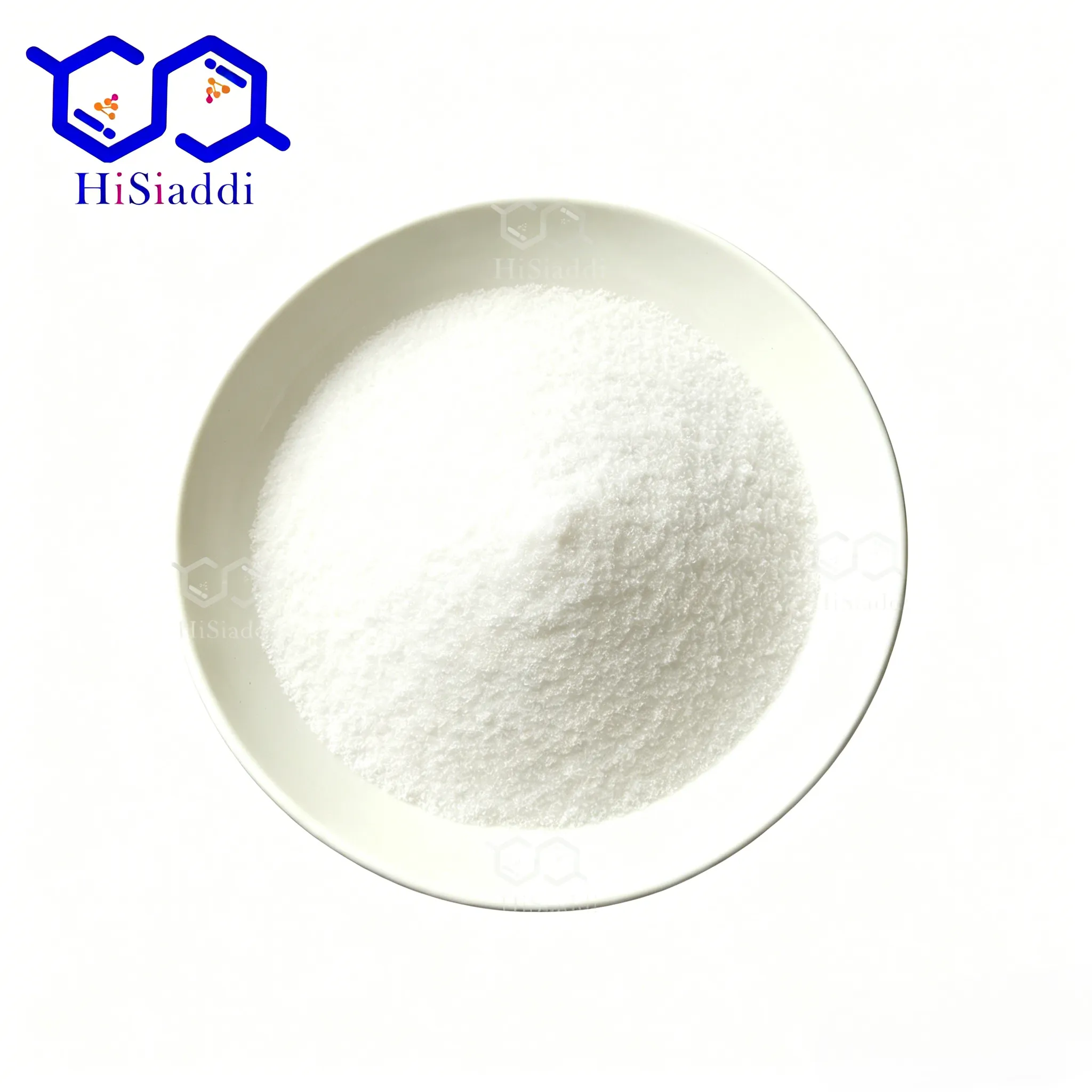
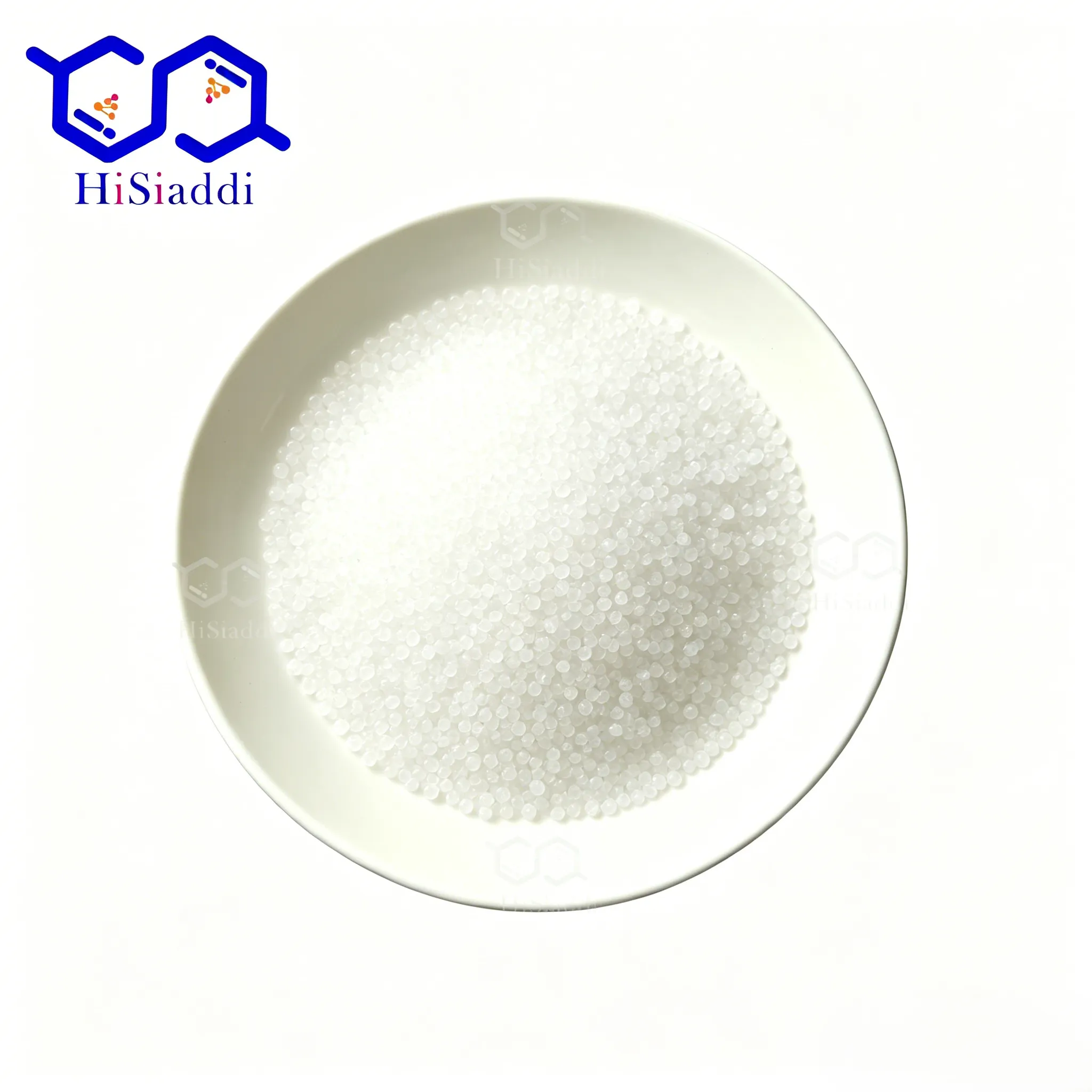
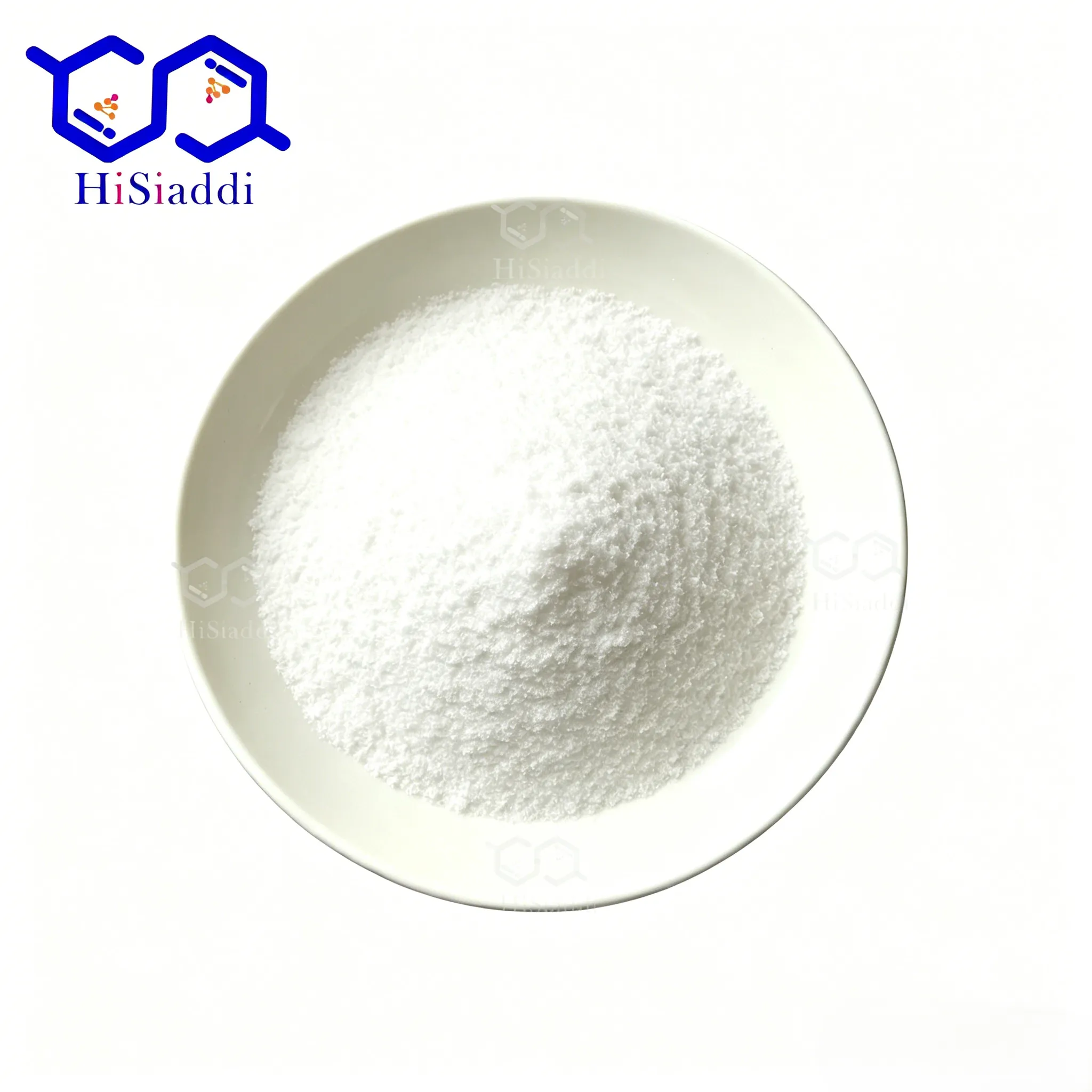
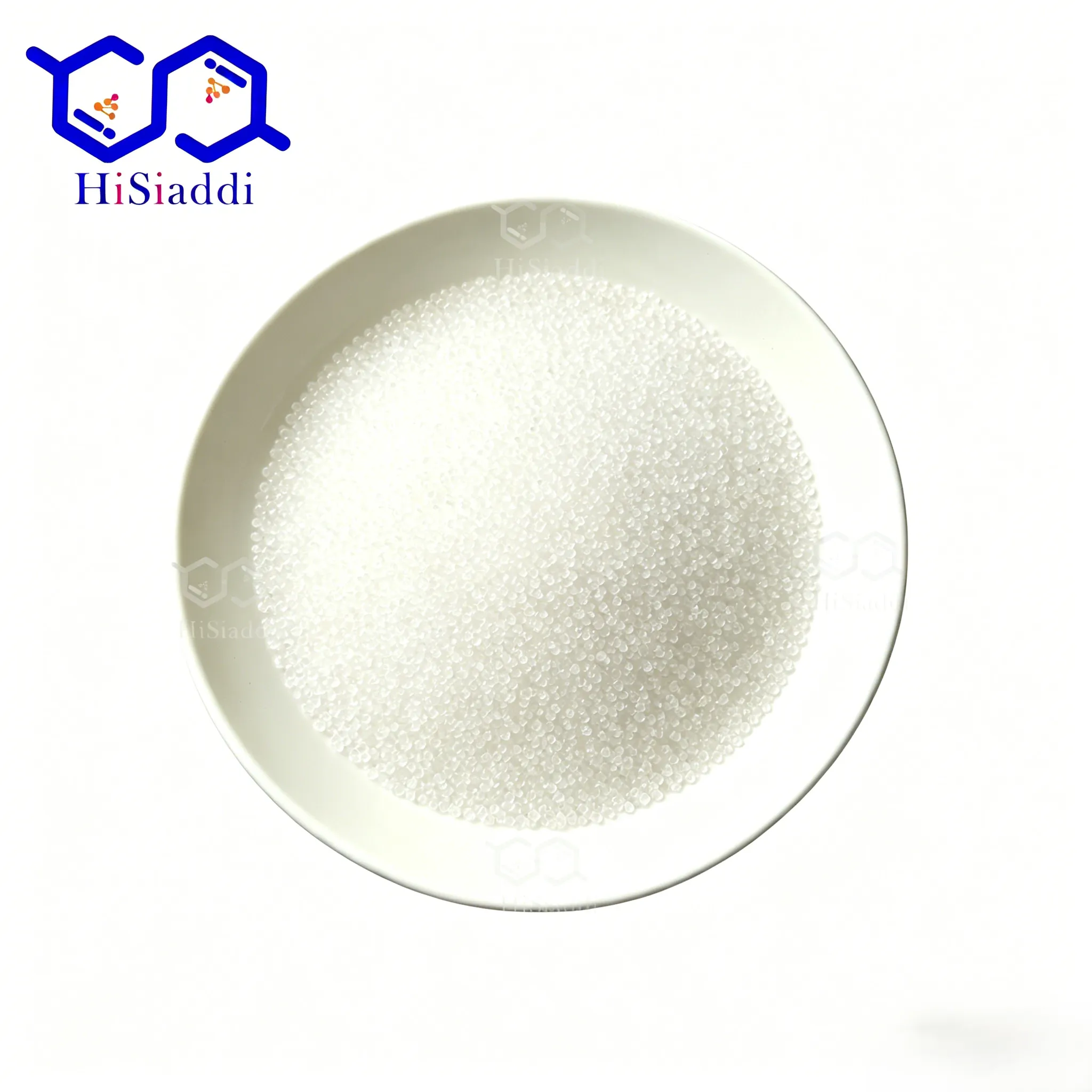
Polyimide abbreviated as PI, it is a high-temperature resistant polymer material, used in flexible circuits, semiconductor insulating layers and high-temperature structural parts. HiSiaddi can supply original factory sources of multiple Chinese brands and provide "1+2+3+4=1" services.
Junhua: JHPI-10 (thermosetting), JHPI-20 (thermoplastic), long-term temperature resistance 350℃, tensile strength ≥180MPa, thermal expansion coefficient ≤50ppm/℃, purity ≥99%, low volatility, 30%~40% lower in price than DuPont Vespel with equivalent performance, suitable for semiconductor packaging enterprises, flexible electronics manufacturers and high-temperature mold factories.
Ruitao: PI-001 (electronic grade film), PI-002 (high temperature resistant grade), dielectric constant 2.8~3.2, breakdown voltage ≥200V/μm, bending life ≥200,000 times, international grade quality, 25%~35% lower in price, suitable for mid-to-high-end electronic applications.
HiSiaddi Service: Customization of temperature resistance grade (250~380℃) and filling modification (graphite / glass fiber); flexible circuit insulation solution, technical support for replacing DuPont Vespel; testing on tensile strength, thermal expansion coefficient, dielectric constant and breakdown voltage.
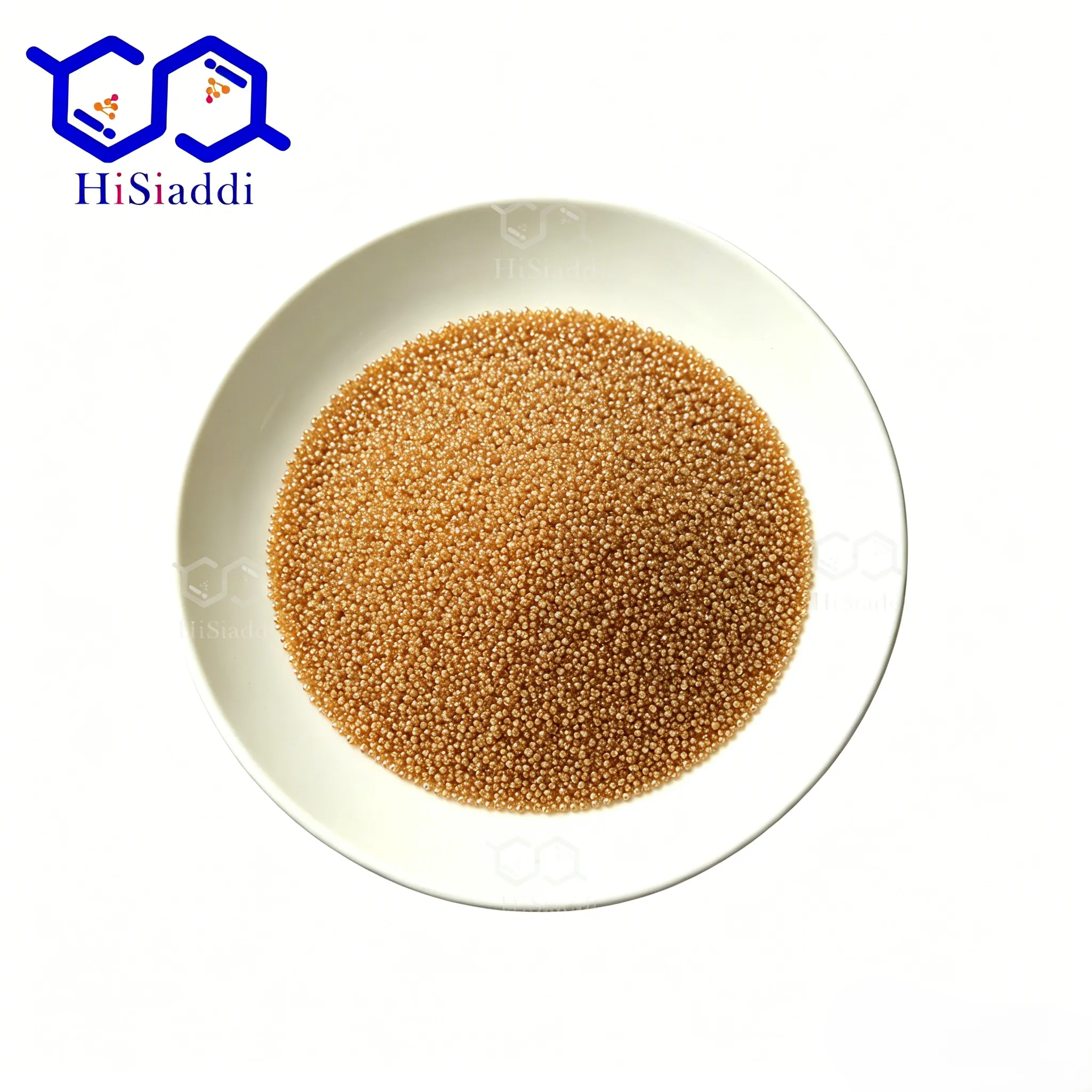
 CONTACT HiSiaddi NOW
| CAS No: | 62929-02-6 | Brand Name: | Multi-brand |
| MF: | N/A | Model Number: | Multi-models |
| EINECS No: | N/A | Grade: | N/A |
| Purity: | N/A | Place of Origin: | China |
| MOQ: | 1ton | Storage: | Please refer to the product packaging or contact the customer service. |
When purchasing polyimide (PI) as a buyer, you may face the following common questions:
What are the core performance advantages and practical application impacts of mainstream models from well-known polyimide brands?
What competitive services can polyimide suppliers offer?
What are the qualification certifications and market reputation of target polyimide brands?
How is the inventory reserve and supply stability of polyimide suppliers?
What key factors should be taken into account when selecting polyimide materials?
Ruihuatai focuses on high-end electronic-grade PI films
Guangwei specializes in industrial PI films and molding compounds
Zhengdan takes lead in thermoplastic PI powder and pellets
Dongyue develops temperature-resistant and chemical-resistant PI sheets & fibers
Aoshen is dedicated to PI fibers and specially modified polyimide materials
Main Export Grades
HN Series (Standard PI Film), SP Series (High Thermal Conductivity PI Film), FN Series (Low-expansion Ultra-thin PI Film), HT Series (High-temperature Resistant PI), CP Series (PI Film for Flexible Copper Clad Laminate)
Thermal Performance: Glass transition temperature Tg>360℃, continuous service temperature range: -269℃~260℃, minimum CTE down to 12ppm/℃, fully equivalent to DuPont Kapton
Electrical Performance: Dielectric strength>140kV/mm, dielectric constant: 2.8–3.4, volume resistivity>10¹⁶Ω·cm, ideal for high-end electronic insulation
Mechanical Performance: Tensile strength: 180–220MPa, elongation at break: 60%–85%; flatness deviation of ultra-thin films (7.5μm/12.5μm)<0.3μm, outperforming many overseas counterparts
Chemical Stability: Excellent resistance to acid, alkali, solvent and radiation; halogen-free, fully compliant with EU RoHS and REACH regulations
Process Adaptability: Supports laser drilling and hot pressing lamination, perfectly matching flexible FPC production processes
General PI Film: Tensile strength: 140–170MPa, Tg up to 340℃, low friction coefficient, ideal for industrial insulation applications
Molding Compound: Impact strength≥25kJ/m², water absorption<0.3%, applicable for injection molding and extrusion molding with good fluidity matching mainstream overseas injection equipment
PI Sheet: Shore D hardness: 88–92, better wear resistance than ordinary engineering plastics and strong resistance to organic solvent corrosion
Cost Advantage: Massive production capacity with fully qualified performance for industrial scenarios without redundant performance waste
Cost Performance
Prices are 45%–55% of overseas industrial-grade PI brands such as Kaneka, achieving top-level cost performance while meeting all general industrial application requirements.
Target Overseas B2B Buyers
Overseas industrial insulation material manufacturers, mechanical seal part factories, pump & valve component suppliers, rail transit accessory enterprises and 3D printing consumable producers.
Benefits for Downstream Buyers
Low unit price for bulk procurement, stable large-volume supply to fit overseas industrial assembly line mass production.
Benefits for End Users
Industrial mechanical accessories deliver excellent wear resistance and high-temperature resistance, cutting equipment downtime and daily operation & maintenance costs.
Main Export Grades
Z-PI-TP100 (Pure Thermoplastic PI Powder), Z-PI-TP200 (Glass Fiber Reinforced PI Pellets), Z-PI-TP300 (Carbon Fiber Reinforced Conductive PI), Z-PI-TP400 (Injection-grade PI)
Melt-processable thermoplastic property differentiates it from traditional thermosetting PI; applicable for injection molding, extrusion and 3D printing, boosting processing efficiency by 60%
Glass fiber reinforced version: tensile strength 280–320MPa; carbon fiber modified version: volume resistivity 10²–10⁴Ω·cm with uniform conductive performance
Outstanding hydrolysis resistance, property attenuation less than 5% under hot & humid conditions, suitable for marine and high-humidity regions worldwide
Uniform powder particle size (10–50μm), compatible with overseas electrostatic spraying and coating manufacturing processes
Cost Performance
Prices stand at 60%–70% of overseas thermoplastic PI products from Mitsui Chemicals, with flexible reinforced modification customization and excellent overall cost-effectiveness.
Target Overseas B2B Buyers
Overseas injection molding factories, special coating manufacturers, 3D printing service providers, electronic structural component producers and marine anti-corrosion accessory suppliers.
Benefits for Downstream Buyers
Customizable reinforced modification formulas and flexible small-batch sample trial services, well-suited for overseas niche special component orders.
Benefits for End Users
Marine and outdoor electronic parts gain enhanced corrosion resistance and anti-aging capacity; conductive PI materials perfectly meet new energy grounding and anti-static application demands.
Main Export Grades
DY-PI-S (High-temperature Resistant PI Sheet), DY-PI-FIBER (PI Fiber), DY-PI-C (Corrosion-resistant Modified PI)
PI Fiber: Breaking strength≥4.5cN/dtex, limiting oxygen index LOI>48%, flame retardant and non-dripping, resistant to acid, alkali and ultraviolet ray
PI Sheet: Continuous service temperature up to 280℃, resistant to strong acid, strong alkali and fluoride corrosion, applicable for extreme chemical working conditions
All products reach UL94 V-0 flame retardant grade, halogen-free and eco-friendly, complying with European and American chemical industry safety standards
Cost Performance
Prices are 55%–65% of overseas special chemical-resistant PI brands with equivalent industrial-grade performance and favorable cost advantages.
Target Overseas B2B Buyers
Overseas chemical equipment manufacturers, flame-retardant textile producers, fireproof protective clothing suppliers and semiconductor cleaning equipment component factories.
Benefits for Downstream Buyers
Stable performance under extreme working conditions realizes low-cost substitution of expensive imported special PI materials, reducing procurement cost of chemical equipment accessories by 30%.
Benefits for End Users
Improved safety performance of chemical and fire-fighting end products; flame-retardant fiber protective clothing provides stronger high-temperature protection effect.
Main Export Grades
AS-PI-F (Ultra-fine PI Fiber), AS-PI-MOD (Modified PI Molding Compound), AS-PI-SL (Low-dielectric PI)
Ultra-fine fiber: diameter 0.5–3μm with large specific surface area, ideal for filter materials and thermal insulation materials
Low-dielectric grade: dielectric constant<2.6, dissipation factor<0.001, perfectly adapted to 5G high-frequency electronic scenarios
Flexible modified formulas to customize anti-static, antibacterial and thermal conductive PI materials, catering to overseas segmented niche markets
Cost Performance
Customized special grades are priced at 60%–70% of overseas niche high-end PI materials; general grades feature ultra-high cost performance with prominent advantages in segmented markets.
Target Overseas B2B Buyers
Overseas air filter manufacturers, 5G high-frequency material suppliers, thermal insulation material factories and high-end electronic component customization enterprises.
Benefits for Downstream Buyers
Powerful segmented customization capability helps clients obtain high-value niche overseas orders and realize differentiated market competition.
Benefits for End Users
Optimized performance of 5G communication and filtering end products; lightweight thermal insulation materials greatly enhance overall product market competitiveness

| Comparison Items | Shenzhen Ruihuatai | Guilin Guangwei | Jiangsu Zhengdan | Shandong Dongyue | Jiangsu Aoshen |
| Export Ranking | 1 | 2 | 3 | 4 | 5 |
| Core Product Forms | High-end electronic PI film | Industrial PI film / molding compound / sheet | Thermoplastic PI powder & pellets | Chemical-resistant PI sheet & PI fiber | Ultra-fine PI fiber / low-dielectric modified PI |
| Main Export Series | HN/SP/FN/HT/CP Series | GY-PI-F/M/B/P Series | Z-PI-TP100/200/300/400 Series | DY-PI-S/FIBER/C Series | AS-PI-F/MOD/SL Series |
| Benchmarked Overseas Brands | DuPont Kapton | Kaneka Corporation (Japan) | Mitsui Chemicals (Japan) | PI Polyimide Solutions | Overseas niche special PI brands |
| Core Competitive Strengths | Superior ultra-thin flatness, high insulation, low expansion, Tg>360℃, dielectric strength>140kV/mm | Stable mass supply, good friction resistance, fit for industrial injection molding, Tg 340℃ | Melt-processable thermoplasticity, uniform conductivity, excellent hydrolysis resistance, 280-320MPa strength for glass fiber reinforced types | LOI>48% flame retardancy, strong acid & alkali resistance, fluoride corrosion resistance, UL94 V-0 certified | Ultra-fine fiber structure, dielectric constant<2.6, dissipation factor<0.001, flexible customized modification |
| Price Ratio vs Overseas Equivalents | 65%-75% | 45%-55% | 60%-70% | 55%-65% | 60%-70% |
| Cost Performance Rating | ★★★★★ | ★★★★★ | ★★★★☆ | ★★★★ | ★★★★☆ |
| Core Target Overseas B2B Buyers | FPC factories, new energy harness manufacturers, copper clad laminate producers, aerospace component suppliers | Industrial insulation producers, pump & valve seal factories, rail transit accessory suppliers, 3D printing consumable vendors | Injection molding factories, special coating manufacturers, marine anti-corrosion suppliers, 3D printing service providers | Chemical equipment manufacturers, flame-retardant textile factories, fireproof clothing suppliers, semiconductor accessory plants | Air filter producers, 5G high-frequency material suppliers, thermal insulation factories, high-end electronic customization manufacturers |
| Tangible Benefits for Downstream B2B Buyers | 1. 25%-35% procurement cost cut; 2. Stable ultra-thin film batches to lower rejection rate; 3. 40% shorter lead time; 4. Stable bulk supply for high-end electronic orders | 1. Ultra-low unit price for bulk purchase; 2. Perfect compatibility with overseas industrial production lines; 3. Sufficient inventory to avoid supply shortage; 4. Cost saving without redundant performance waste | 1. Customizable glass/carbon fiber modification; 2. Flexible small-batch sampling service; 3. 60% higher thermoplastic processing efficiency; 4. Adaptable to humid marine environments | 1. Stable performance under extreme working conditions; 2. 30% cost reduction for chemical industry import substitution; 3. Fully compliant with European & American flame retardant safety standards | 1. Diversified segmented customized formulas; 2. Access to high-value niche overseas orders; 3. Realize differentiated competition away from red ocean markets |
| Tangible Benefits for End Users | 1. Extended service life of insulation parts for new energy & consumer electronics; 2. Enhanced high-temperature and anti-aging performance of aerospace equipment; 3. Lower failure rate of electronic components | 1. Reduced maintenance frequency of industrial equipment due to superior wear resistance; 2. Improved safety and stability of rail transit accessories; 3. Prolonged service life of mechanical parts | 1. Better corrosion resistance of marine electronic components; 2. Optimized performance of new energy anti-static parts; 3. Higher structural strength of 3D printed finished products | 1. Improved safety coefficient of chemical production equipment; 2. Upgraded protection level of fireproof clothing; 3. Stronger cleaning corrosion resistance of semiconductor accessories | 1. Reduced high-frequency signal loss of 5G terminal devices; 2. Higher purification efficiency of filter materials; 3. Realize lightweight upgrading of thermal insulation products |
HiSiaddi, a technology transformation and foreign trade dual-driven innovative foreign trade service provider, has built a "1+2+3+4=1" product service system: 1 foreign trade salesperson with over 3 years of experience, supported by two chemical R&D teams, three multi-screened high-quality suppliers and four shared distribution warehouses to fulfill all polyimide product demands.
With this system, HiSiaddi possesses deeper expertise in PI R&D and process optimization than most foreign traders, clearer insights into cross-brand market demands and competitive edges than standalone plastic factories, and richer overseas trade experience in high-performance polyimide materials than academic research institutes.
HiSiaddi only hires sales specialists with minimum three years’ industry experience. All sales staff must complete a six-month joint training program run by R&D and foreign trade teams before serving overseas buyers.
(1)PI Basic Guarantee Service
Backed by our foreign trade team and standardized corporate service workflows, we deliver end-to-end one-stop document services: issuance & processing of all PI compliance certificates, supply of third-party test reports and full resolution of quality warranty disputes.
(2)PI Exclusive Advantage Service
Sino-Foreign PI Performance Benchmark & Cost Substitution Analysis Service. For clients currently purchasing DuPont, Kaneka and Mitsui PI materials, we issue one-to-one substitution analysis reports covering thermal, mechanical, electrical and chemical resistance performance comparisons, alongside raw material cost reductions, delivery cycle gaps and scrap rate calculations, delivering clear decision support for domestic material switching unavailable from ordinary foreign traders.
Specialized UL94 / Halogen-Free / LOI / EN45545 Fire Safety Certification Handling Service. PI is widely used in fire-resistant aerospace and rail transit products. We provide one-stop agency services for UL94 flame retardancy, halogen-free, LOI and EU rail transit fire certification to simplify client compliance work.
Global PI Industry Intelligence Push Service. We send regular updates covering overseas competitor pricing, demand shifts in new energy & 5G sectors and updated global environmental regulations, helping clients accurately seize market opportunities.
We establish deep partnerships with upstream polyimide manufacturers via technology transformation and provide internal technical training for sales teams to enable professional PI customization and research-level consulting for film, powder and molded part processing optimization.
(1)PI Research-Grade Customization Service
Custom Slitting & Cutting of PI Films. Small overseas manufacturers cannot purchase full-width master rolls. We cooperate with factory slitting workshops to offer customized width (5mm–1000mm) and length cutting to satisfy small-batch, multi-specification orders.
Custom Sizing & Screening of PI Powders. For 3D printing and electrostatic coating clients, we provide tailored particle size grading (5–100 μm) and impurity removal services to guarantee uniform processing performance.
PI Waste Recycling & Regeneration Solutions. To comply with strict EU WEEE and US environmental regulations, we supply complete recycling plans for PI trimmings and defective products to lower client waste disposal costs.
Joint R&D Custom Projects for Long-Term Key Clients. We cooperate with top domestic PI factories and HiSiaddi technical teams to co-develop exclusive customized PI grades, granting overseas clients priority formula usage rights to build differentiated end products and avoid homogeneous price competition.
(2)PI Research-Grade Consulting Service
Overseas Localized After-Sales Technical Matching Service. Our multilingual high-performance material technical team can remotely connect with overseas factory engineers to resolve problems arising during PI molding, laminating and coating, offering professional processing & equipment adaptation guidance unavailable from general trading companies.
PI Working Condition Simulation Testing Service. We cooperate with domestic labs to conduct acid & alkali resistance, salt spray and high-low temperature cycle tests simulating overseas marine & high-temperature industrial environments, issuing test reports to eliminate client concerns over domestic PI stability.
Our foreign trade and R&D teams jointly conduct preliminary market research, on-site factory audits, full product testing, long-term technology transformation cooperation and bulk purchasing partnerships to select approximately three manufacturers with stable quality, consistent supply, sound reputation and strong growth potential.
(1)PI Greater Initiative to Secure Lower Prices
Long-term technology transfer and authorized distribution partnerships grant us access to factory-direct preferential PI material pricing.
(2) PI Long-Term Supply Chain Guarantee Service
Continuous production supervision, full batch traceability, consistent batch quality control and formal compensation clauses for batches failing third-party testing are guaranteed via long-term factory cooperation.
We have 4 warehouses, which are jointly operated and managed with suppliers to store hot-selling products.
(1)PI Fast Shipment & Local On-Site Troubleshooting
Warehouses are distributed at Qingdao Port (North China), Ningbo Port (East China), Shenzhen Port (South China) and Zhengzhou (inland logistics hub), ensuring timely PI shipments. Local staff can immediately resolve transit damage, packaging defects and export compliance issues on location.
(2) Mitigate Seasonal Price Swings & Custom Packaging Support
We pre-stock inventory ahead of peak demand cycles to buffer excessive price volatility. Our self-operated warehouses fully support customized packaging and label printing for all client orders.
As a new-type foreign trade service provider driven by dual engines of technology commercialization and foreign trade services, HiSiaddi has established a "1+2+3+4=1" service system and can supply PI raw materials from multiple well-known original manufacturers. As an R&D-focused foreign trade service provider, HiSiaddi sorts out and analyzes common difficulties faced by B-end buyers purchasing PI in China from a professional perspective, and proposes targeted solutions from HiSiaddi.
If you require more professional and in-depth analysis regarding PI selection, please contact HiSiaddi customer service.
1. Compliance and labeling risks Polyimide (PI) is divided into high-purity electronic film grade, engineering plastic injection molding grade, powder impregnation grade and high-temperature coating grade. North America enforces TSCA registration, UL flame retardant certification and California Proposition 65 hazardous substance control. Labels must clearly mark CTE, water absorption rate, Tg glass transition temperature, volatile content, heavy metals and halogen content. Recycled mixed materials are prohibited for FPC flexible circuit boards and chip carrier tapes. Customs detention and incoming quality control (IQC) rejection by end electronics manufacturers will occur if key physical property deviation exceeds 5%; clearance and warehouse entry are impossible without UL reports and MSDS.
2. Application and selection pain points Low-CTE high-purity films are used for FPC, IC packaging and aerospace thermal insulation substrates; modified filled PI pellets for high-temperature bearings and lithium battery sealing rings. Ordinary PI tends to thermal decomposition and embrittlement under high-temperature processing; water absorption at room temperature triggers dimensional expansion and contraction, leading to circuit alignment offset. Mismatched surface polarity when compounded with epoxy and silicone resin causes delamination and blistering; unbalanced filler blending directly impairs insulation and temperature resistance.
3. Strict safety physical and chemical standards Electronic-grade PI requires volatile content <0.3%, halogen-free, Pb<1ppm, As<2ppm and strict control of monomer residues. Counterfeit products mixed with low-cost PEI or PA66 suffer sharp temperature resistance decline and cannot enter high-end consumer electronics and aerospace supply chains.
4. Storage, transportation and order pain points PI films require light-proof and moisture-proof warehousing; high temperature and humidity storage causes water absorption and deformation. New material R&D enterprises mostly place small-batch sampling orders, while raw material manufacturers set multi-ton minimum order quantities, easily leading to scrapping due to inventory moisture or production shutdown due to material shortage.
1. Complete compliance documents + labeling guidance Support TSCA filing, UL yellow card, RoHS/Prop65 reports and grade classification labels; each batch COA locks CTE, water absorption rate and Tg with batch fluctuation <3%, supporting customs and end-factory incoming inspections.
2. Multi-grade stock + processing technical support Maintain three core specifications: ultra-thin FPC film, injection modified pellets and insulating powder, categorized for flexible circuits, aerospace thermal insulation and lithium battery sealing applications. Provide drying processes, composite bonding and die-cutting temperature control schemes to mitigate water absorption deformation and delamination issues.
3. Dual quality inspection control Original factory self-inspection plus full-item third-party SGS testing (halogen, thermal performance, water absorption).
4. Moisture-proof aluminum plastic vacuum packaging + flexible MOQ Vacuum moisture-isolating packaging; mixed consolidated orders starting from 50kg; spot goods in North American bonded warehouses delivered locally within 3–7 days for urgent orders.
1. Heavy compliance pressure PI raw material monomers and additives fall under REACH-SVHC control with high-concern substance limits ≤0.1%; automotive and aerospace materials additionally comply with ELV end-of-life vehicle directive. Small and medium processing manufacturers lack compliance departments; independent REACH declaration takes 5–8 months, delaying new product certification launch.
2. Insufficient working condition adaptability Poor-quality modified PI decomposes and precipitates small molecules during high-temperature molding, causing component cracking; raw materials absorb moisture upon warehousing in high-humidity European environments, failing finished insulation parameters. Temperature fluctuations during transoceanic sea freight lead to film warpage and deformation under simple packaging.
3. Green procurement barriers EU vehicle and aerospace enterprises mandate raw material traceability, production carbon footprint and recycled material proportion certificates; untraceable PI modified with recycled mixed materials cannot enter high-end supporting channels.
1. One-stop compliance package + declaration assistance Fully equipped with REACH-SVHC, RoHS, halogen-free and ELV compliance documents; dedicated specialists assist with declaration, cutting review cycles down to 3 months.
2. Scenario-based customized process guidance Low-moisture electronic modified grades and high-temperature resistant automotive injection grades, with supporting drying parameters and extrusion / casting temperature curves.
3. Light-proof, moisture-sealed packaging Inner aluminum film moisture-proof packaging to reduce deformation losses from moisture absorption during transoceanic transportation.
4. Green supply chain document support Raw material monomer traceability sheets and carbon footprint ledgers to match EU new energy and aerospace supporting channels.
1. Disruption from low-cost inferior substitutes Small manufacturers sell counterfeit PI at low prices by mixing PET, PPS and ordinary nylon with fillers; high production costs of fully polymerized high-purity PI squeeze profit margins of formal suppliers in low-end markets.
2. Difficult physical property verification Market products falsely label continuous service temperature and CTE; local facilities lack testing equipment for thermal deformation and water absorption, leading to finished product softening, deformation and insulation breakdown under high temperature, resulting in full-batch return losses.
3. High storage and transportation losses Southeast Asia experiences year-round high temperature and heavy rainfall; PI raw materials rapidly absorb moisture, with port detention for 1–3 weeks during rainy seasons generating comprehensive scrapping losses of 8%–12%.
4. Lack of after-sales support Local intermediaries do not compensate losses from counterfeiting or moisture deterioration, with all deficits borne solely by buyers.
1. Tiered pricing and graded supply Economical composite materials mixed with modified scraps and standard high-purity fully polymerized PI; economical grades for low-end motor insulation, high-purity virgin materials for export electronics and new energy orders.
2. SGS physical testing + one-item-one-code traceability Chinese-English test reports for each batch; traceability codes for verification of raw material grades and quality inspection data to quickly identify counterfeits.
3. Double-layer moisture-proof sealing + staggered shipment scheduling Inner vacuum aluminum film plus reinforced outer cartons, controlling losses within 2%; avoid port congestion during rainy seasons with 7–10 day sea freight cycles.
4. Dedicated local after-sales service 24-hour dedicated Southeast Asian account managers; full-order return and exchange support for performance non-compliance or moisture deterioration unrelated to improper storage, with round-trip freight borne by the supplier.
1. Compliance barriers PI supporting automotive electrical appliances require full-chain JAKIM/ESMA halal certification; import commodity inspection for polymer chemical raw materials is stringent, with customs detention for uncertified goods.
2. Deterioration under extreme high temperature Long-term 40℃+ dry heat warehousing in the Middle East accelerates aging, embrittlement and cracking of inferior PI, drastically shortening service life of electric heating components.
3. Fragmented order demand Small and medium insulation processing factories mostly place 20–100kg orders, while original manufacturers generally enforce large-tonnage minimum order quantities, creating barriers to small-batch sampling procurement.
4. Localized formulation challenges Conventional PI suffers insufficient UV resistance and pulverization under open-air high-temperature working conditions in the Middle East; a lack of weather-resistant modified grades and processing solutions creates bottlenecks.
1. Dual authoritative halal certificates + customs clearance support Full-chain HALAL credentials for electrical-grade PI, original JAKIM and ESMA certificates with English translations on standby; dedicated assistance for import commodity inspection and customs clearance.
2. Customized thermal insulation and moisture-proof packaging Vacuum aluminum foil lined with thermal insulation foam; physical properties remain stable without aging for 3 months under 45℃ warehousing.
3. Flexible minimum order quantity Ultra-low 20kg MOQ; delivery within 3–5 days for orders under 100kg; spot goods in Dubai bonded warehouses available for same-day local delivery.
4. Material modification technical output UV-resistant filled modified PI grades plus molding processes tailored to open-air high-temperature working conditions in the Middle East.
1. High market access thresholds PI for medical implant auxiliary materials and semiconductor packaging requires GMP clean production lines; ordinary industrial-grade PI with excessive residual monomers and precipitated small molecules fails to meet medical and chip industry standards.
2. Stringent impurity limits Medical-grade PI imposes ppm-level control on leachable organic substances, single heavy metal <0.1ppm and sterility requirements; industrial PI cannot satisfy biocompatibility and semiconductor cleanliness standards.
3. Lengthy pharmaceutical regulatory review cycles PI for medical auxiliary materials requires DMF, biocompatibility and dissolution safety data; EMA review takes 5–8 months with entry rejection risks from incomplete documentation.
4. Severe cross-contamination risks Medical / semiconductor special PI is prohibited from co-production, slitting and warehousing with recycled mixed materials and ordinary modified PI; cross-contamination leads to full-batch scrapping.
1. Independent GMP clean exclusive production lines Class 10,000 dust-free workshops; separate physical production areas for polymerization, pelletizing and slitting of medical / semiconductor PI, isolated from industrial-grade products.
2. Multi-stage purification and devolatilization refining Deep removal of residual monomers and low-molecular volatile substances; batch CTE and water absorption deviation ≤±0.3%; dedicated medical / semiconductor COA issued per batch.
3. Pre-stored complete pharmaceutical regulatory documents Reserved DMF, biocompatibility and dissolution test full data; dedicated specialists liaise with EMA to shorten review cycles to 4 months.
4. Full-chain sterile isolation control Dust-free vacuum packaging exclusive for medical use plus constant-temperature closed dedicated logistics; supporting workshop zoning disinfection and cross-contamination prevention certificates.
For more professional and in-depth analysis on PI selection, please contact HiSiaddi customer service.
Thermal performance: Glass transition temperature (Tg) ≥ 380℃, thermal decomposition temperature ≥ 560℃, long-term service temperature ranging from -200℃ to 320℃;
Mechanical performance: Tensile strength ≥ 185MPa, flexural strength ≥ 210MPa, elongation at break ≥ 7.5%, Charpy notched impact strength ≥ 32kJ/m²;
Volatility & water absorption: Thermal weight loss (300℃, 2h) ≤ 0.2%, total volatile organic compounds (TVOC) ≤ 50ppm, water absorption ≤ 0.8%;
Electrical performance: Volume resistivity ≥ 10¹⁶ Ω·cm, dielectric strength ≥ 19kV/mm;
Molding performance: Compatible with three mainstream molding processes including compression molding, hot-press sintering and injection molding; dimensional shrinkage of finished products ≤ 0.3%, dimensional deviation between batches < 0.02mm;
Powder performance: Median particle size D50 = 25±3μm, excellent powder fluidity with no agglomeration.
Frequent cracking and insufficient toughness: Finished products were prone to cracks and fractures during assembly, transportation and low-temperature service. The damage rate in impact tests exceeded 41%, failing to meet the service requirements of electronic components.
Warpage and excessive dimensional deviation: Products suffered unilateral warpage and overall distortion after molding, with the maximum dimensional deviation of key parts reaching 0.12mm, beyond the allowable tolerance.
Dense bubbles and pinholes: Volatiles and moisture remaining inside the resin vaporized during high-temperature molding and formed bubbles and pinholes, reducing the dielectric strength by 27% and disabling insulation performance.
High water absorption and performance degradation in humid environment: After being placed in the high-humidity environment of Southeast Asia for 15 days, products absorbed obvious moisture, resulting in continuous decline of insulation resistance and potential safety hazards in long-term use.
Poor powder fluidity and local agglomeration: Bridging and agglomeration occurred during powder feeding and filling, causing uneven material distribution in molds and further exacerbating product performance inconsistency and local defects.
Large performance fluctuation between batches: Obvious differences in thermal performance and melt viscosity existed among three consecutive batches of resin, requiring repeated adjustment of process parameters and greatly reducing production efficiency.
For cracking and poor toughness: Replace the general resin with copolymerized toughened polyimide resin. Optimize the heat preservation system of compression molding by extending high-temperature holding time to fully relax resin molecular chains and release internal molding stress. After rectification, the breakage rate of products dropped below 2%.
For warpage and dimensional deviation: Adopt a segmented slow cooling curve instead of rapid water cooling to release shrinkage stress evenly. Add multiple short pressure relief and exhaust actions during molding, and standardize powder filling procedures to ensure uniform material distribution in molds. The warpage was eliminated, and the dimensional deviation of key parts was controlled within 0.02mm.
For bubbles and pinholes: Switch to resin with low volatility and low water absorption. Dry the resin in a hot air oven at 120℃ for 3.5 hours before feeding to remove adsorbed moisture thoroughly. Optimize the heating curve with a slow heating rate at the low-temperature stage to ensure full discharge of small molecular volatiles. All bubbles and pinholes were eliminated, and the dielectric strength returned to the standard level.
For moisture absorption and insulation degradation in humid conditions: Adopt modified resin with low water absorption. Conduct secondary drying and shaping for finished products, and control the humidity of the warehouse below 50% to prevent re-adsorption of moisture.
For poor powder fluidity and agglomeration: Use classified powder with anti-static and dispersion modification. Install mild stirring devices on material bins to avoid bridging and agglomeration and guarantee stable continuous feeding.
For batch performance fluctuation: Establish a full incoming inspection system for raw materials. Test thermal performance, melt viscosity and particle size for every batch and reject unqualified raw materials. Unify the benchmark process parameters of production lines to reduce frequent parameter adjustment.
Lead time
Quantity (ton) | 0 - 10 | 10 - 30 | > 30 |
Lead time (days) | 7 | 15 | To be negotiated |
As a new type of foreign trade service provider driven by dual engines of technology commercialization and export services, HiSiaddi has built a "1+2+3+4=1" service system and can supply original factory goods from multiple well-known PI brands.
As a research-driven foreign trade firm, HiSiaddi does not only promote its own brands unlike single-brand factories. We objectively analyze multiple export-competitive leading Chinese PI manufacturers and share their production processes, supply stability and core indicators, as well as the downstream impacts of these key factors to streamline buyer selection.
For more authentic, objective information on multiple leading Chinese PI brands, please contact HiSiaddi customer service.
Rayitek is China’s only fully vertically integrated (monomer synthesis → film casting → post-treatment) independent PI manufacturer with mass production capacity for both chemical imidization and thermal imidization casting & stretching processes. Equipped with Class 100–1000 cleanrooms, all production lines adopt fully automated closed-loop control.
· CPI-100 (Transparent PI for Foldable Displays): Polymerization of fluorinated monomers + low-temperature chemical imidization (180℃) + synchronous biaxial stretching. NMP solvent recovery rate ≥98%, thickness tolerance controlled at ±1μm, light transmittance precisely stabilized at 91.5% with bending lifespan ≥100,000 cycles. Full dust-free production limits particle counts below 30 pcs/cm² to meet ultra-high cleanliness requirements for flexible displays.
· PI-2000 (Ultra-Thin Semiconductor Films, 7.5–12.5μm): High-purity PMDA/ODA monomers (30% localized supply) + gradient high-temperature thermal imidization (350℃) + nano composite modification. Vertical draw ratio 1:1.2, horizontal draw ratio 1:1.1 for ultra-low CTE ≤3ppm/K. Closed-loop solvent recovery cuts energy consumption by 25% vs. industry average, with inter-batch performance deviation ≤±2%.
· PI-3000 (Corona-Resistant Films for New Energy): In-situ composite modification with nano alumina/silica + thermal imidization. Filler dispersion uniformity ≤50nm delivers corona resistance lifespan ≥10,000 hours. Automated precision coating and winding eliminate pinholes and air bubbles for 800V high-voltage insulation applications.
· Capacity Scale: Dual manufacturing bases in Shenzhen and Jiaxing with total annual capacity of 3,500 tons (500 tons CPI, 2,000 tons electronic-grade PI, 1,000 tons corona-resistant films), ranking first domestically. 2025 capacity utilization reached 85%, rising to 95% in peak Q4 seasons with no major capacity shortages.
· Supply Chain Security: Long-term binding supply agreements with Wanhua Chemical for high-purity monomers, paired with self-built NMP recovery lines achieving 98% recovery rate for independent control of key raw materials. Supplementary long-term contracts with Japanese/Korean monomer suppliers cover 15% of demand to mitigate import supply risks.
· Delivery Guarantees: Standard grades (PI-2000/3000) deliver within 15 days; high-end CPI grades require 30–45 days. Dual bases serve as mutual backups, with maintenance at one facility not disrupting overall shipments. 2025 on-time delivery rate for overseas orders hit 98.5%, with supply disruption risk below 1%.
· Quality Stability: Full inline testing for thickness, dielectric performance and heat resistance. Batch yields range from 92–95% (industry average 80%) with inter-batch performance deviation ≤±2%. SpaceX and SEMI certified with full raw material batch traceability.
表格
Grade | Core Parameters | Benchmark vs. Japan-Korea Products |
CPI-100 | Light transmittance 91.5%, bending lifespan ≥100,000 cycles, YI ≤4.0, heat resistance -40℃~280℃ | Matches Kaneka equivalent grade, priced 25% lower |
PI-2000 | Thickness 7.5–12.5μm, Dk ≤3.2, Df<0.0018@10GHz, CTE ≤3ppm/K | Matches Ube Industries with 5% higher yield rates |
PI-3000 | Corona resistance lifespan ≥10,000 hours, dielectric strength ≥350kV/mm, breakdown voltage ≥15kV | Outperforms DuPont Kapton at 30% lower cost |
1. 20–30% cost reduction: Replacing Japan-Korea CPI/semiconductor-grade PI delivers equivalent performance at 25% lower prices, directly cutting raw material costs (30–40% of total expenditure).
2. 50% shorter delivery cycles: Japan-Korea suppliers require 60–90 days vs. Rayitek’s 30–45 days, supporting fast iteration cycles for foldable devices and semiconductors while reducing inventory backlogs.
3. Technical partnership product premiums: Joint R&D for customized CPI/PSPI tailored to high-bending or low-dielectric specifications lifts downstream product premiums by 15–20%.
4. Stable quality reduces production risks: 92%+ yields with ≤±2% inter-batch deviation cut FPC and packaging scrap losses by USD 100,000–150,000 per batch.
1. Extended high-end certification cycles: CPI requires 12-month certification for Samsung Display, incurring heavy upfront testing investment.
2. Limited flexibility for small-batch orders: Kiloton-scale production lines create slow scheduling for orders below 5 tons, optimized for mass-volume manufacturers.
Focused on high-thermal-conductivity dissipation films and corona-resistant insulation films, Times New Materials adopts chemical imidization casting & stretching + in-situ functional filler composite technology, specializing in ultra-thick (230μm), high-conductivity and high-voltage resistant products.
· TPI-800 (High-Thermal-Conductivity Dissipation Film, 230μm): Oriented graphite/carbon nanotube composite + 200℃ chemical imidization + ultra-thick casting with 30% filler loading, delivering thermal conductivity of 2,000W/m·K. Automated precision coating and thermal pressing deliver thickness uniformity ±3μm with no warpage for AI server thermal dissipation applications.
· PI-500 (Corona-Resistant High-Speed Rail Films): Nano silica modification + 320℃ thermal imidization + biaxial stretching, delivering aging resistance ≥5,000 hours and dielectric strength ≥320kV/mm. High-temperature winding (180℃) ensures dimensional stability under high-frequency vibration in high-speed traction motors.
· PI-600 (800V Battery Insulation Film): Aromatic heterocyclic monomer polymerization + 190℃ low-temperature chemical imidization, limiting thermal shrinkage ≤0.5% and delivering breakdown voltage ≥20kV with zero solvent residue to meet battery thermal runaway safety standards.
· Capacity Scale: Zhuzhou Hunan manufacturing base with total annual capacity of 2,800 tons (1,000 tons high-thermal-conductivity films, 1,200 tons corona-resistant films, 600 tons battery insulation films), ranking first domestically for new energy PI. Capacity utilization hits 90%, with temporary 10% capacity expansion available in peak seasons.
· Supply Chain Security: Backed by CRRC state ownership, with 6-month long-term contracts locking PMDA/ODA monomer prices to cap price fluctuations below 5%. Self-sufficient NMP solvent recovery at 95% eliminates production suspension risks from environmental regulations.
· Delivery Guarantees: New energy and high-speed rail grades deliver within 10–15 days with priority scheduling for overseas orders. Zero delivery delays recorded for European and Southeast Asian orders in 2025 with a 99% on-time delivery rate.
· Quality Stability: Dual thermal/chemical imidization testing delivers batch yields of 90–93%, with performance attenuation ≤5% after 1,000 hours of 85℃/85% RH humid heat aging. Certified by Siemens and LG Energy Solution.
表格
Grade | Core Parameters | Benchmark vs. Japan-Korea Products |
TPI-800 | Thickness 230μm, thermal conductivity 2,000W/m·K, heat resistance -50℃~300℃ | Outperforms Ube Industries with double thermal conductivity at 20% lower cost |
PI-500 | Heat resistance 200℃, dielectric strength ≥320kV/mm, aging resistance ≥5,000 hours | Matches Toray at 28% lower cost |
PI-600 | Heat resistance 280℃, breakdown voltage ≥20kV, thermal shrinkage ≤0.5% | Equivalent to Japan-Korea equivalents, fully compatible with 800V platforms |
1. Native compatibility with 800V high-voltage platforms: PI-600 delivers 280℃ heat resistance and 20kV breakdown voltage to enable direct EV platform upgrades with 30% higher battery safety margins.
2. Doubled thermal dissipation efficiency: TPI-800 delivers four times the thermal conductivity of standard PI, cutting AI server thermal dissipation costs by 25% while lifting computing density by 15%.
3. Fast, price-stable delivery: 15-day lead times and long-term price locking cap raw material cost swings below 5%, compatible with automotive JIT production models.
4. Stable quality reduces after-sales costs: ≤5% performance attenuation under humid heat aging cuts battery pack and motor failure rates by 20%, slashing after-sales expenditure.
1. No high-end electronic-grade capacity: Lacks CPI and PSPI production lines, unable to serve semiconductor high-end segments.
2. Difficult secondary processing for ultra-thick films: 230μm dissipation films require equipment parameter adjustments for downstream die-cutting and lamination.
Anhui State-owned enterprise mastering both traditional thermal imidization and advanced chemical imidization processes, specializing in black PI films, copper-clad base films and electrical insulation films with superior cost performance.
· GB-100 (Matte Black PI Film for FPC): 330℃ thermal imidization + nano carbon black dispersion + single-sided matte treatment, limiting light transmittance ≤0.1% and gloss ≤30GU with thickness tolerance ±2μm and surface roughness Ra ≤0.3μm for precision FPC light shielding and matte applications.
· GL-200 (Yellow Copper-Clad PI Base Film for PCBs): 220℃ chemical imidization + casting stretching + copper foil thermal lamination, delivering peel strength ≥1.2N/mm and CTE ≤25ppm/℃ with zero bubbles or delamination for 5G high-frequency PCB substrates.
· PI-700 (Class H Electrical Insulation Film): 300℃ thermal imidization + standard stretching, delivering 180℃ heat resistance and dielectric strength ≥150kV/mm via low-cost mass production for industrial motors and transformers.
· Capacity Scale: Hefei Anhui manufacturing base with total annual capacity of 2,500 tons (800 tons black films, 700 tons copper-clad base films, 1,000 tons electrical films), ranking top three domestically for mid-to-high-end electronic PI. 88% capacity utilization enables rapid response to Southeast Asian and Middle Eastern orders.
· Supply Chain Security: State-owned backing prioritizes domestic procurement of PMDA/ODA monomers at 80% localization rate for stable pricing. Full ISO 14001 environmental compliance eliminates production suspension risks.
· Delivery Guarantees: Standard grades deliver within 7–15 days with priority sea freight for Southeast Asian shipments. 98% on-time delivery rate for 2025 overseas orders, priced 30–35% lower than Japan-Korea alternatives.
· Quality Stability: Separate testing lines for thermal and chemical imidization products deliver batch yields of 88–91%, with electrical film performance attenuation ≤8% after 1,000 hours of humid heat aging. Certified by Schneider Electric and BOE.
表格
Grade | Core Parameters | Benchmark vs. Japan-Korea Products |
GB-100 | Light transmittance ≤0.1%, gloss ≤30GU, heat resistance 260℃ | Matches Kaneka at 35% lower cost |
GL-200 | Thickness 25μm, peel strength ≥1.2N/mm, CTE ≤25ppm/℃ | Matches Ube Industries at 30% lower cost |
PI-700 | Heat resistance 180℃, dielectric strength ≥150kV/mm, humidity resistance ≥1,000 hours | Equivalent to Japan-Korea equivalents at 40% lower cost |
1. 30–40% procurement cost reduction: Mid-to-high-end PI alternatives match Japan-Korea performance at 35% lower prices, drastically cutting FPC and PCB raw material expenses.
2. Superior light shielding performance for black films: GB-100 limits light transmittance ≤0.1% to boost downstream FPC yields by 5–8% for precision light-shielding applications.
3. Fast delivery optimized for Southeast Asian markets: 15-day lead times with low sea freight costs for mass procurement at Vietnamese and Malaysian FPC factories.
4. Durable electrical-grade performance: PI-700 withstands 1,000 hours of humid heat aging to extend industrial motor service life by 20% and reduce maintenance costs.
1. No high-frequency or transparent high-end product lines: Lacks low-Dk (<3.0) and CPI capacity, unable to serve 6G and foldable display high-end segments.
2. Slightly weaker inter-batch consistency: 88% average yield lags Rayitek and Times New Materials, requiring increased sampling inspection frequencies for precision FPC production.
China’s sole mass producer of PSPI, Dinglong specializes in self-developed photosensitive dianhydride/diamine monomer synthesis + ≤200℃ low-temperature chemical imidization + cleanroom precision coating for OLED and semiconductor photoresist applications.
· PSPI-100 (Photosensitive PI for OLED & Semiconductors): Polymerization of monomers containing epoxy/acrylic photosensitive functional groups + 180℃ low-temperature curing + nano-grade coating, delivering 5μm resolution and photosensitivity ≥200mJ/cm². Low curing temperatures enable direct film formation on flexible PET substrates for OLED substrates and semiconductor passivation layers.
· YPI-200 (Yellow PI Slurry for OLED): Aromatic monomer polymerization + solvent dispersion + high solid-content (25%) formulation, delivering film formation uniformity ±2% and viscosity of 5,000–8,000mPa·s for bend-crack-free coating on flexible OLED substrates.
· PI-800 (Temporary Bonding Film for Advanced Packaging): Thermoplastic PI resin synthesis + precision casting, delivering adhesion ≥15MPa, 220℃ heat resistance and residue-free peel-off for 2.5D/3D packaging temporary bonding processes.
· Capacity Scale: Jingzhou Hubei manufacturing base with dedicated PSPI annual capacity of 800 tons (100% domestic market share), 500 tons YPI slurry and 300 tons bonding film. 2025 capacity expansion raised total output to 1,500 tons with 92% capacity utilization.
· Supply Chain Security: 100% self-developed photosensitive monomers eliminate import reliance; 90% NMP solvent recovery enables closed-loop production without supply disruption risks.
· Delivery Guarantees: PSPI/YPI grades deliver within 20–30 days with priority scheduling for overseas display and OSAT factories. 99% on-time delivery rate for 2025 South Korean and Taiwanese orders, the sole stable domestic PSPI supplier globally.
· Quality Stability: Thousand-class cleanroom production delivers batch yields of 89–92%, with ≤±3% inter-batch deviation in resolution and photosensitivity. Certified by Samsung Display and ASE Taiwan.
表格
Grade | Core Parameters | Benchmark vs. Japan-Korea Products |
PSPI-100 | Resolution 5μm, photosensitivity ≥200mJ/cm², curing temperature ≤200℃ | Matches Ube Industries Japan at 30% lower cost |
YPI-200 | Solid content 20–25%, film formation uniformity ±2%, heat resistance 250℃ | Matches JSR Japan at 25% lower cost |
PI-800 | Adhesion ≥15MPa, heat resistance 220℃, residue-free peel-off | Equivalent to Japan-Korea equivalents at 28% lower cost |
1. Eliminates Japanese supply monopoly: The world’s second mass PSPI producer enables Samsung/LG Display to reduce reliance on Ube Industries, cutting supply chain security risks to zero.
2. 25–30% raw material cost reduction: PSPI prices stand 30% below Japanese alternatives, lowering OLED substrate and semiconductor passivation layer costs to create end-product price reduction room.
3. Low-temperature curing cuts energy consumption: 180℃ curing eliminates high-temperature equipment requirements, reducing energy use by 40% and enabling direct PET flexible substrate deployment to cut substrate costs.
4. 50% shorter delivery cycles: Japanese suppliers require 60 days vs. Dinglong’s 20–30 days, supporting fast iteration cycles for OLED and semiconductors while reducing inventory backlogs.
1. Limited high-end resolution performance: Maximum 5μm resolution vs. 2μm from Japanese suppliers, requiring extended validation for sub-5nm advanced semiconductor processes.
2. Restricted production scale: 800-ton annual PSPI capacity prioritizes top-tier display and OSAT manufacturers, creating tight scheduling for small and medium clients.
Focused exclusively on PI tapes, battery packaging films and standard electronic films, Taimide adopts low-cost thermal imidization + precision coating + adhesive lamination technology with over 40% export market share for new energy PI tapes.
· PI-Tape 300 (High-Temperature Tape for Batteries & Wire Harnesses): 300℃ thermal imidization + silicone/acrylic adhesive coating + release paper lamination, delivering 260℃ heat resistance and peel strength ≥1.8N/mm on 25μm substrates with zero residue after high-temperature aging for battery packaging and wire harness fixation.
· PI-900 (Battery Separator PI Film): Thermal imidization + micropore forming (0.1–0.5μm pore size), delivering 40–50% porosity, 250℃ heat resistance and thermal shrinkage ≤1% for high-energy-density pouch batteries.
· PI-1000 (Standard Electronic PI Film for FPC Cover Layers): Low-cost thermal imidization + standard casting, 12.5–50μm thickness and 220℃ heat resistance for mass production of mid-to-low-end FPC cover films.
· Capacity Scale: Dongguan Guangdong manufacturing base with total annual capacity of 2,200 tons (1,000 tons tapes, 600 tons battery films, 600 tons standard electronic films), ranking first domestically for new energy PI tapes. 95% capacity utilization supports rapid small-batch order fulfillment.
· Supply Chain Security: 90% domestic raw material procurement delivers low pricing; 80% production line automation cuts labor costs and eliminates supply disruption risks.
· Delivery Guarantees: Standard tape and battery film grades deliver within 5–10 days with same-day scheduling for Southeast Asian orders. 99.5% on-time delivery rate for 2025 Southeast Asian and European orders, priced 35% lower than Nitto Japan.
· Quality Stability: Consistent thermal imidization processes deliver batch yields of 85–88%, with tapes leaving zero residue after 1,000 hours of aging. Certified by LG Energy Solution and SK On.
表格
Grade | Core Parameters | Benchmark vs. Japan-Korea Products |
PI-Tape 300 | Heat resistance 260℃, peel strength ≥1.8N/mm, thickness 25μm | Matches Nitto Japan at 35% lower cost |
PI-900 | Pore size 0.1–0.5μm, porosity 40–50%, heat resistance 250℃ | Equivalent to Japan-Korea equivalents at 30% lower cost |
PI-1000 | Thickness 12.5–50μm, heat resistance 220℃, dielectric strength ≥120kV/mm | Equivalent to Japan-Korea equivalents at 40% lower cost |
1. 35–40% procurement cost reduction: Replaces Nitto and Sekisui Japan tapes at 35% lower prices to drastically cut battery pack packaging costs for low-cost Southeast Asian EV markets.
2. Flexible small-batch fulfillment: 5–10 day lead times support orders as small as 500kg, catering to flexible procurement demands from small and medium FPC and battery manufacturers.
3. Improved battery safety: PI-900 delivers 250℃ heat resistance and thermal shrinkage ≤1% to cut battery thermal runaway risks by 40%, ideal for high-energy-density pouch cells.
4. Optimized Southeast Asian logistics: Dongguan base enables low-cost sea freight to Southeast Asia with superior price competitiveness.
1. No high-end performance product lines: Lacks CPI, PSPI and high-thermal-conductivity film capacity, limited to mid-to-low-end new energy and electronics applications.
2. Relatively low yield rates: 85% average yield lags top-tier manufacturers, requiring split shipments for bulk orders exceeding 50 tons.
表格
Brand | Core Process Advantages | Annual Capacity (tons) | Core Product Lines | Price Range (USD/kg) | Delivery Cycle | Batch Yield |
Rayitek | Dual-process fully integrated R&D | 3,500 | CPI / semiconductor-grade PI | 800–1,200 (CPI), 300–500 (electronic) | 30–45 days | 92–95% |
Times New Materials | Chemical imidization + functional modification | 2,800 | High-thermal-conductivity / corona-resistant films | 250–400 (dissipation), 200–300 (insulation) | 10–15 days | 90–93% |
Guofeng New Materials | Dual thermal/chemical imidization | 2,500 | Black films / copper-clad base films | 150–250 (electronic), 100–180 (electrical) | 7–15 days | 88–91% |
Dinglong Co., Ltd. | Photosensitive low-temperature curing process | 1,500 | PSPI/YPI photosensitive PI | 400–600 (PSPI), 200–300 (YPI) | 20–30 days | 89–92% |
Taimide Technology | Thermal imidization + adhesive coating lamination | 2,200 | PI tapes / battery separator films | 80–150 (tapes), 100–200 (battery) | 5–10 days | 85–88% |
1. High-End Electronics (Foldable Displays, Semiconductors): Prioritize Rayitek (CPI / ultra-thin films) and Dinglong Co., Ltd. (PSPI). Performance matches Japan-Korea imports with 25–30% cost savings and shortened lead times.
2. New Energy Vehicles (Three-Electric Systems, Thermal Dissipation): Prioritize Times New Materials (high-thermal-conductivity / 800V insulation films) and Taimide Technology (tapes / separators). Optimized for high-voltage platforms with stable delivery and favorable pricing.
3. Industrial Electronics (FPC, High-Frequency PCBs): Prioritize Guofeng New Materials (black films / copper-clad base films). Industry-leading cost performance compatible with mid-to-high-end applications and flexible delivery schedules.
4. Small & Medium Southeast Asian Manufacturers (Low-Cost Sourcing): Prioritize Taimide Technology for flexible small-batch fast delivery, minimum pricing and compatibility with mid-to-low-end applications.
For more authentic, objective information on multiple leading Chinese PI brands, please contact HiSiaddi customer service.
As a new type of foreign trade service provider driven by dual engines of technology commercialization and export services, HiSiaddi has built a "1+2+3+4=1" service system and can supply original factory goods from multiple well-known PI brands.
As a research-driven foreign trade firm, HiSiaddi does not only promote its own brands unlike single-brand factories. We objectively analyze multiple export-competitive leading Chinese PI manufacturers and share their qualification certifications and market feedback to streamline buyer selection.
For more authentic, objective information on multiple leading Chinese PI brands, please contact HiSiaddi customer service.
China’s only fully vertically integrated independent PI manufacturer, leading exporter of high-end electronic-grade PI (CPI / semiconductor packaging), with a global market share of approximately 6%.
· Core Parameters: Light transmittance 91.5% (520nm), bending lifespan ≥100,000 cycles, YI ≤4.0, temperature resistance -40℃ to 280℃
· Overseas Feedback: Exclusive supplier for Huawei Mate X5 and Honor Magic V2 foldable phones. 2025 South Korean market shipments reached 386,000 square meters, up 142.5% YoY. Certified by Samsung Display and LG Display, which commented: "Light transmittance and bending lifespan match Kaneka of Japan, priced 25% lower with delivery cycles shortened to under 45 days."
· Official Accreditations: The first Chinese CPI certified for SpaceX Starlink satellite solar panel substrates, meeting space radiation and extreme thermal cycling (-196℃ to 120℃) standards; fully certified by SGS, UL, REACH and RoHS.
· Core Parameters: Dk ≤3.2, Df <0.0018 @10GHz, CTE ≤3ppm/K, Class 100 cleanliness
· Overseas Feedback: Certified by SMIC, JCET and TSMC (non-core layers). 2025 export value to Southeast Asian semiconductor packaging markets rose 38% YoY. Overseas OSAT factories commented: "Dielectric performance matches Ube Industries with stable yields above 90%, eliminating supply disruption risks for high-end PI imports."
· Official Accreditations: SEMI and IEC 60243 insulation standard certification; listed in the National Catalog of Key New Materials First Batch Application Demonstrations; EU CBAM carbon footprint compliance certified.
· Core Parameters: Corona resistance lifespan ≥10,000 hours (180℃), dielectric strength ≥350kV/mm, breakdown voltage ≥15kV
· Overseas Feedback: Core supplier for BYD and NIO overseas vehicle models. 2025 export volume to European new energy vehicle markets rose 42% YoY. Passed testing by Bosch Germany and ZF Friedrichshafen, which commented: "Corona resistance outperforms DuPont Kapton at 30% lower cost, fully compatible with 800V high-voltage platforms."
· Official Accreditations: UL 94 V-0 flame retardant, ISO 14001 environmental and EU CE certification; TÜV Rheinland German safety certification for new energy materials.
Leading manufacturer of high-speed rail and new energy vehicle PI, top exporter of ultra-thick thermal dissipation films and corona-resistant insulation films, holding 19.5–25% overseas market share.
· Core Parameters: Thermal conductivity 2,000W/m·K, temperature resistance -50℃ to 300℃, tensile strength ≥120MPa
· Overseas Feedback: Exclusive global supplier of thermal dissipation films for Samsung AI servers. 2025 export value to South Korean and North American markets rose 50% YoY. Passed testing by NVIDIA and AMD, which commented: "The world’s thickest PI thermal dissipation film, with twice the thermal conductivity of Ube Industries’ products at 20% lower cost."
· Official Accreditations: Samsung SDI certification, EU RoHS & REACH; US EPA environmental compliance certified, listed in global AI thermal dissipation material recommended catalogs.
· Core Parameters: Heat resistance 200℃, dielectric strength ≥320kV/mm, aging resistance ≥5,000 hours
· Overseas Feedback: Core supplier for Siemens, ABB and CRRC overseas projects. 2025 export volume to European rail transit markets rose 35% YoY. Certified by German Federal Railways and Alstom France, which commented: "Insulation stability matches Toray Japan at 28% lower cost, ideal for high-speed traction systems."
· Official Accreditations: IEC 60085 electrical insulation and UL 1446 insulation system certification; TÜV SÜD German rail transit material certification.
· Core Parameters: Heat resistance 280℃, breakdown voltage ≥20kV, thermal shrinkage ≤0.5%
· Overseas Feedback: Core supplier for CATL and BYD overseas battery packs. 2025 export value to Southeast Asian and European new energy markets rose 45% YoY. Certified by LG Energy Solution and SK On, which commented: "Superior high-temperature performance vs. Japan-Korea alternatives, compatible with 800V high-voltage fast charging and delivering 30% higher safety margins."
· Official Accreditations: UL 94 V-0, CE, REACH; EU ECE R100 electric vehicle safety certification.
State-owned enterprise, major exporter of black PI films, QFN packaging substrates and electrical insulation films, holding 9.4% global market share.
· Core Parameters: Light transmittance ≤0.1%, gloss ≤30GU, dielectric strength ≥150kV/mm, heat resistance 260℃
· Overseas Feedback: Supplier for BOE, TCL Huaxing and Changxing Semiconductor overseas factories. 2025 export value to Southeast Asian FPC markets rose 32% YoY. South Korean FPC giant Flexcom commented: "Class-leading light shielding and matte performance, priced 35% lower than Japan-Korea imports with stable yields above 92%."
· Official Accreditations: SGS, UL, RoHS, REACH; Taiwan CQC and South Korean KC certified, listed in global FPC material preferred supplier catalogs.
· Core Parameters: CTE ≤25ppm/℃, peel strength ≥1.2N/mm, temperature resistance -40℃ to 250℃
· Overseas Feedback: Core supplier for Shennan Circuits and Shengyi Technology overseas PCB factories. 2025 export volume to North American and European high-frequency PCB markets rose 28% YoY. Certified by Qualcomm US and Intel (non-high-frequency segments), which commented: "Dimensional stability matches Kaneka at 30% lower cost, ideal for 5G base station PCBs."
· Official Accreditations: IPC-4101 electronic substrate and UL 746A certification; EU CBAM carbon footprint certified.
· Core Parameters: Heat resistance 180℃, dielectric strength ≥150kV/mm, humidity resistance ≥1,000 hours
· Overseas Feedback: Supplier for TBEA and Chint Electric overseas projects. 2025 export value to Middle Eastern and Southeast Asian electrical markets rose 25% YoY. Certified by Schneider Electric and Siemens Low Voltage Division, which commented: "Stable insulation performance with significant price advantages for industrial motors and transformers."
· Official Accreditations: IEC 60243, UL 1446; China CCC and EU CE certification.
China’s sole exporter of Photosensitive PI (PSPI) and Yellow PI slurry (YPI), breaking Japanese monopolies, with 7.3% global market share.
· Core Parameters: Resolution 5μm, photosensitivity ≥200mJ/cm², curing temperature ≤200℃, heat resistance 250℃
· Overseas Feedback: Exclusive supplier for BOE, TCL Huaxing and Visionox overseas OLED factories. 2025 export value to South Korean and Taiwanese display markets rose 55% YoY. Certified by Samsung Display and LG Display, which commented: "The world’s second mass-produced PSPI, matching Ube Industries’ performance at 30% lower cost with delivery cycles cut to under 30 days."
· Official Accreditations: SEMI, SGS, UL, REACH, RoHS full certification; listed in global semiconductor display material recommended catalogs, South Korean KS certified.
· Core Parameters: Solid content 20–25%, viscosity 5,000–8,000mPa·s, film formation uniformity ±2%
· Overseas Feedback: Core supplier for Tianma Microelectronics and Hehui Optoelectronics overseas flexible screen factories. 2025 export volume to Southeast Asian and European wearable device markets rose 40% YoY. Certified by Hyundai Display South Korea and AU Optronics Taiwan, which commented: "Film-forming and heat resistance match JSR Japan at 25% lower cost for flexible OLED substrates."
· Official Accreditations: ISO 9001, ISO 14001; EU CE and US FDA food contact certification (applicable to wearable devices).
· Core Parameters: Adhesion ≥15MPa, heat resistance 220℃, residue-free peel-off
· Overseas Feedback: Supplier for JCET and Tongfu Microelectronics overseas OSAT factories. 2025 export value to global advanced packaging markets rose 48% YoY. Certified by Amkor US and ASE Taiwan, which commented: "Bonding stability and peel-off performance meet international standards at 28% lower cost for 2.5D/3D packaging."
· Official Accreditations: SEMI, UL, REACH; US EPA environmental compliance certified.
Specializes in high-temperature PI tapes and battery packaging films, holding over 40% export market share for new energy vehicle PI tapes, a major global supplier of mid-to-low-end PI films.
· Core Parameters: Heat resistance 260℃, peel strength ≥1.8N/mm, voltage resistance ≥5kV, thickness 25μm
· Overseas Feedback: Core supplier for CATL, BYD and Gotion High-Tech overseas battery packs. 2025 export value to Southeast Asian and European new energy vehicle markets rose 50% YoY. Certified by LG Energy Solution and SK On South Korea, which commented: "Excellent high-temperature insulation performance, priced 35% lower than Nitto Japan for battery pack packaging and wire harness fixing."
· Official Accreditations: UL 94 V-0, CE, RoHS, REACH; TÜV Rheinland German safety certification for new energy materials.
· Core Parameters: Pore size 0.1–0.5μm, porosity 40–50%, heat resistance 250℃, thermal shrinkage ≤1%
· Overseas Feedback: Supplier for EVE Energy and Farasis Energy overseas pouch battery factories. 2025 global pouch battery market export volume rose 38% YoY. Certified by SAFT France and A123 US, which commented: "Superior thermal stability vs. traditional polyolefin separators with 40% higher safety margins for high-energy-density batteries."
· Official Accreditations: UL 1642 battery safety, REACH, RoHS; EU ECE R100 electric vehicle safety certification.
· Core Parameters: Thickness 12.5–50μm, heat resistance 220℃, dielectric strength ≥120kV/mm
· Overseas Feedback: Core supplier for Southeast Asian FPC manufacturers including Vingroup Vietnam and Inari Malaysia. 70% of its total 2025 export volume targeted Southeast Asia. Clients commented: "Extreme cost performance, stable quality and fast delivery for mid-to-low-end FPC applications."
· Official Accreditations: SGS, UL, RoHS, REACH; Taiwan CQC and Vietnam QA certification.
表格
Brand | Core Export Product Lines | Key Overseas Advantages | Price Range (USD/kg) |
Rayitek | CPI, semiconductor ultra-thin PI | High-end performance matching Japan-Korea; sole aerospace/foldable screen certified supplier | 800–1,200 (CPI), 300–500 (electronic grade) |
Times New Materials | High-thermal-conductivity dissipation films, corona-resistant films | World’s thickest thermal dissipation films; dedicated to new energy & high-speed rail | 250–400 (dissipation films), 200–300 (insulation films) |
Guofeng New Materials | Black PI films, electrical insulation films | Top cost performance; compatible with mid-to-high-end electronics & electrical sectors | 150–250 (electronic grade), 100–180 (electrical grade) |
Dinglong Co., Ltd. | PSPI, YPI (photosensitive/display PI) | China’s sole PSPI exporter, breaks Japanese monopoly | 400–600 (PSPI), 200–300 (YPI) |
Taimide Technology | PI tapes, battery separator films | Top new energy tape exporter; cost leader for Southeast Asian markets | 80–150 (tapes), 100–200 (battery films) |
For more authentic, objective information on multiple leading Chinese PI brands, please contact HiSiaddi customer service.
As a new-type foreign trade service provider driven by dual engines of technology commercialization and foreign trade services, HiSiaddi has established a "1+2+3+4=1" service system and can supply raw materials of PI from multiple well-known original manufacturers. As a research and development-oriented foreign trade service provider, HiSiaddi will analyze key purchasing considerations and critical indicators from a professional perspective to ease procurement concerns.
If you require more professional and in-depth analysis regarding PI selection, please contact HiSiaddi customer service.
The mainstream manufacturing process: Dianhydride and diamine monomers undergo low-temperature solution polycondensation to form polyamic acid (PAA), followed by high-temperature imidization ring closure to produce PI. Grades are classified based on monomer purity, imidization degree and post-modification processes:
1. High-purity Electronic & Semiconductor Grade (PAA precursor / casting film raw material): Adopts high-purity polymerized monomers (monomer purity ≥99.9%), polymerization in dust-free closed environments, multi-stage removal of trace residual monomers and free solvents, complete imidization, low ionic impurities (Na⁺/K⁺ <5ppm) and low volatile content. Suitable for chip carrier tapes, ultra-thin FCCL and OLED substrates, benchmarking imported raw materials from Ube Industries and Kaneka.
2. Aerospace & Military High-temperature Molding Grade: Thermoplastic homopolybenzene / biphenyl-type PI resin powder modified with graphite / glass fiber. Manufactured via continuous polymerization and high-temperature solid-phase ring closure, with heat deflection temperature over 350℃ and low-temperature resistance down to -270℃. Applied to aerospace structural parts and aerospace insulation components.
3. General Industrial Modified Grade: Polymerized with ordinary industrial-grade monomers and moderately filled with fillers at low cost, used for high-temperature pump valve gaskets, general motor insulation and high-temperature tooling fixtures.
4. Special Soluble PI Materials: Side-chain modified structures soluble in NMP/DMAC at room temperature, enabling low-temperature film forming without high-temperature imidization. Suitable for coatings and insulating impregnating liquids. Excessive residual monomers and inorganic ions will cause circuit board electric leakage, high-temperature foaming and insulation failure. Mixing with industrial-grade raw materials is strictly prohibited for electronic-grade products.
Major global production regions: DuPont (USA), Kaneka / Ube (Japan); a complete industrial chain has been localized in Jiangsu, Sichuan and Shanghai in China, with fully localized supporting upstream dianhydride and diamine monomers. Storage and transportation classification by form: ① PAA polyamic acid solution: Stored in airtight, light-proof containers at 5~25℃ low temperature; high temperature triggers premature self-imidization and gelation leading to scrapping. ② PI powder / pellets / films: Stored at normal temperature in dry warehouses away from moisture and strong light. Warehouse temperature and humidity control of suppliers is included in overseas customers’ factory audit items. Demand remains stable all year round with slight surges in new energy and semiconductor peak seasons. Long-term price-locking contracts, full-container shipments and small-batch trial combined shipments are available.
· EU: Full REACH registration, RoHS halogen-free control (restricting Pb, Cd and halogens), REACH-SVHC control;
· North America: TSCA inventory listing, FDA food contact certification (medical / food-grade PI);
· Aviation materials: AMS aviation material certification available on demand; Standard customs declaration documents include MSDS, TDS, single-batch COA and certificate of origin. Medical-grade products additionally require biocompatibility reports to avoid customs detention during chemical spot checks.
1. Price gaps between grades: High-purity electronic semiconductor PI > aerospace molding grade > soluble coating grade > general industrial modified grade; Price ranking by form: Precision PI films > ultra-fine PI powder > PI pellets > PAA precursor solution. Raw material monomer purity and filler types directly determine selling prices.
2. Hidden costs: Gelation and scrapping of PAA solutions due to insufficient packaging tightness, wrinkling losses of films during storage and transportation; liquid products require explosion-proof chemical barrels, incurring additional hazardous chemical warehousing fees for sea freight. Calculate landed prices combining minimum order quantity, credit terms and customized modification fees.
· Chips / flexible circuits: Select low-ion high-purity PAA and ultra-thin cast PI raw materials;
· Aerospace components: Choose glass fiber / graphite reinforced modified molding compounds;
· Insulating coatings: Adopt soluble liquid PI. Customization options: Low-dielectric modification, thermal conductive modification, halogen-free flame-retardant grades, PAA solutions with customized solid content, customized film thickness (12.5μm~250μm). Supporting services include film forming processes, imidization heating curves and injection molding parameter guidance; sample development cycle is 4~7 working days.
Multilingual support for grade selection, modification customization and order scheduling; batch-by-batch test reports covering GPC molecular weight, ion content and thermal performance; coordination with third-party cross-border inspections by SGS/Intertek; after-sales return and exchange support for unqualified products with gelation or poor heat resistance; separate warehouse combined shipments and phased sea freight for liquid and solid materials.
1. Molecular weight and distribution (GPC): Electronic-grade PAA features narrow molecular weight distribution with customizable molecular weight ranges; excessive molecular weight fluctuation causes film cracking during forming.
2. Imidization rate: Solid finished PI ≥98%; insufficient imidization leads to solvent release and foaming during high-temperature processing.
1. Tg glass transition temperature: Homopolybenzene-type PI >360℃, biphenyl-type PI >280℃;
2. 5% thermal decomposition temperature Td5%: All grades ≥520℃, industrial grade ≥480℃;
3. Coefficient of thermal expansion (CTE): Ultra-thin electronic films ≤20ppm/℃, high-end copper-clad laminate grade ≤12ppm/℃.
· Dielectric constant Dk (1MHz): 2.8~3.5; high-frequency low-loss grades can reach below 2.7;
· Volume resistivity ≥1×10¹⁶Ω·cm; breakdown voltage >120kV/mm.
1. Leachable metal ions Na/K/Ca <5ppm (electronic grade); industrial grade relaxed to <50ppm;
2. Residual NMP/DMAC solvent: Electronic grade <500ppm, complying with REACH limits;
3. Halogen content: Halogen-free grades Br/Cl <900ppm, meeting RoHS standards.
1. PAA solution: Pale yellow to amber viscous liquid without gel lumps or precipitation; jelly-like gelation indicates product failure.
2. PI powder: Uniform yellowish-brown fine powder without agglomerates; PI film: Amber transparent / matte film free of pinholes, scratches and crystal spots.
1. Thermal stability: No decomposition or excessive weight loss under constant 300℃ long-term temperature exposure;
2. Chemical resistance: Insoluble and crack-free in strong acids, strong alkalis and organic solvents (non-soluble PI);
3. Storage stability: Viscosity increase of PAA sealed at low temperature for 6 months ≤10%.
1. PAA precursor liquid: Light-proof HDPE explosion-proof barrels, stored and transported at constant 5~25℃; freezing is strictly forbidden.
2. PI powder / pellets: Kraft drums lined with PE bags / aluminum foil vacuum bags; PI films: Sealed moisture-proof paper rolls. All products stored in cool, dry environments away from heat sources and strong acid solvents.
For more professional and in-depth analysis on PI selection, please contact HiSiaddi customer service.
The monthly inventory volume of PI is 10 tons, with appropriate adjustments upwards or downwards in response to peak and off-peak seasons.
HiSiaddi safeguards the supply stability of PI through the following measures:
(1) Performance evaluation and screening of PI brand factories based on on-time delivery rate, batch pass rate, timeliness of risk alerts, and completeness of documentation to assess their supply stability.
(2) For each mainstream model or major grade of PI, secure 1 primary high-quality brand manufacturer and 2 backup high-quality manufacturers.
(3) Each factory operates independent production lines in separate production zones to prevent production halts caused by major unforeseen incidents such as environmental production suspensions and power outages.
Through long-term cooperation with brand manufacturers via technology commercialization and authorized distribution channels, HiSiaddi can effectively strengthen supervision over the production processes of brand manufacturers, optimize full-process traceability management, improve batch stability control, and further reinforce real-time monitoring of the supply stability of PI products.
Long-term Annual Framework Supply Guarantee Agreement. HiSiaddi signs 12-month long-term agreements with leading manufacturers. The agreements specify the minimum guaranteed supply volume, maximum price hike range, and priority production scheduling rights during peak seasons. It is stipulated that manufacturers shall issue a 30-day prior written notice if production is suspended due to environmental rectification or equipment maintenance, and backup manufacturers will be activated to replenish goods accordingly.
We have 4 warehouses, which are jointly operated and managed with suppliers to store hot-selling products.The four warehouses are located at Qingdao Port in North China, Ningbo Port in East China, Shenzhen Port in South China, and Zhengzhou, China’s inland logistics hub. This setup guarantees sufficient supply and timely shipment of PI during peak seasons.
HiSiaddi issues a rolling demand forecast covering the subsequent three months on the 25th of each month, allowing manufacturers to reserve production capacity in accordance with the forecast. Any new urgent orders from overseas clients will be prioritized to draw on inventories or production capacity from backup manufacturers.
Unstable logistics for PI will extend delivery lead times. HiSiaddi has established alternative arrangements covering multiple freight forwarders, ports and transportation solutions:
(1) Binding of multiple professional chemical freight forwarders for PI
Each product is assigned 2 to 3 freight forwarders with hazardous chemical/food transport qualifications affiliated with different shipping lines. Alternative sailing schedules can be switched to immediately in case of space shortages or customs inspections on a single shipping route.
(2) Backup transportation solutions for PI
Ocean freight serves as the standard mode; air freight and rail freight are reserved as alternatives for urgent orders. Long-term agreements for temperature-controlled containers are signed for temperature-sensitive and perishable food additives to secure shipping space.
(3) Visual tracking and digital early warning for PI
Freight forwarders synchronize daily updates on container loading, customs declaration, vessel loading and port arrival milestones. If customs inspection occurs, replenishment from backup inventory will be initiated immediately to shorten client waiting periods.
Full-chain digital early warning automatically monitors four categories of risks:
Factory side: Expiring supplier environmental assessment certificates, renewal of production permits, scheduled major equipment overhauls, and notifications of price hikes for upstream raw materials;
Inventory side: Inventory falling below safety thresholds, excessive inventory age, and batches failing quality inspection;
Logistics side: Shipping line space shortages, strikes at destination ports, and updates to customs policies;
Overseas side: Revisions to additive regulations and adjustments to import restriction lists in target countries.
Early warning notifications are automatically pushed to procurement and business leads, allowing backup suppliers or inventory contingency plans to be activated in advance.



 +86-13120989737
  info@hisiaddi.com
 English