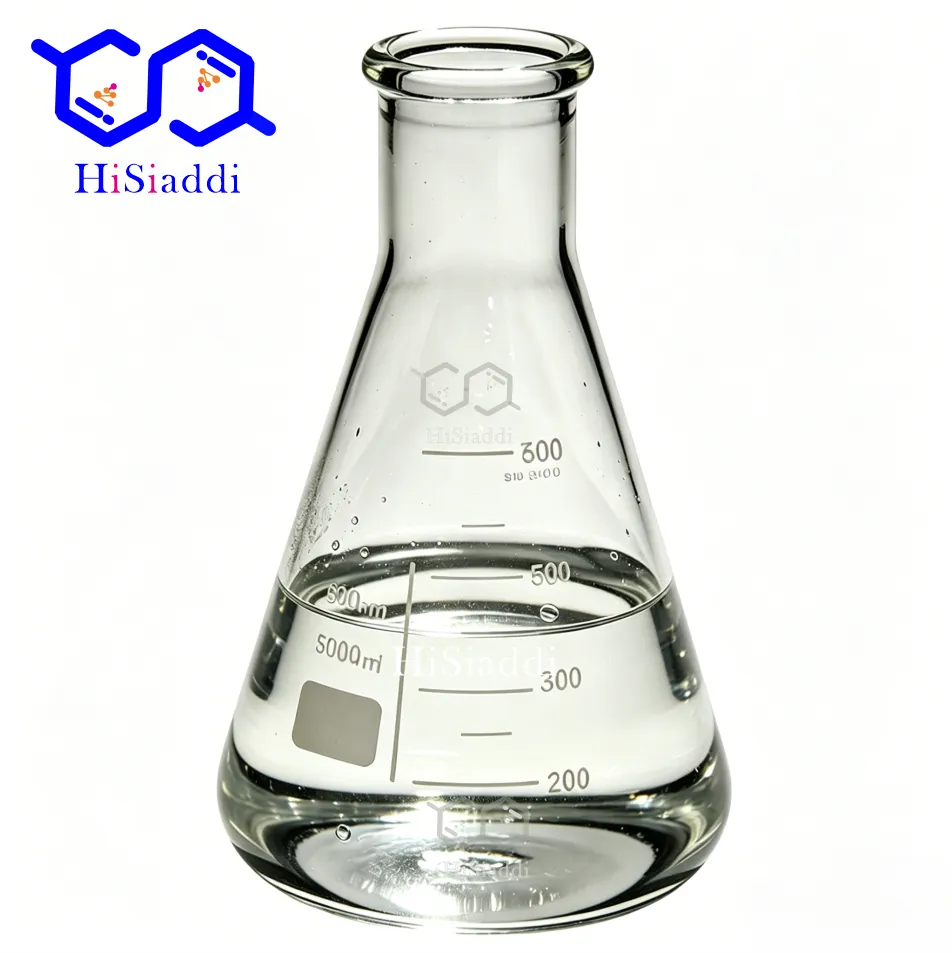
Tripropylene Glycol, also known as Tripropyleneglycol and abbreviated as TPG, is used for UV curing monomer synthesis, coating solvents and cosmetic humectants. HiSiaddi can provide original factory supplies of multiple Chinese brands and the "1+2+3+4=1" service.
Qiangsen Chemical offers industrial grade TPG-99.5, premium grade TPG-99.9 and cosmetic grade TPG-99.95 with purity 99.5%-99.95%, moisture ≤0.05%, low chromaticity (≤10APHA) and low aldehyde content (≤50ppm). Its price is 15%-20% lower than imported SK/Dow, suitable for UV curing material manufacturers, cosmetic raw material suppliers, coating/ink enterprises and metal working fluid manufacturers.
Chongcheng Chemical provides industrial grade CC-TPG-99.5 and premium grade CC-TPG-99.9 with purity ≥99.5%, moisture ≤0.08%, low volatility and low impurities. Priced 5%-8% lower than Qiangsen Chemical at the mid-end level, it features a short delivery cycle of 2-3 weeks.
HiSiaddi Exclusive Service: Offers third-party SGS/REACH reports, microbial/heavy metal testing; supports customized purity (99.0%-99.95%), moisture and chromaticity, and supplies low-aldehyde/low-chromaticity products; provides free consultation on solvent selection, formula optimization and process adaptation.
 CONTACT HiSiaddi NOW


| CAS No: | 24800-44-0 | Brand Name: | Multi-brand |
| MF: | C9H20O4 | Model Number: | Multi-models |
| EINECS No: | 246-466-0 | Grade: | Industrial Grade |
| Purity: | 99.5% | Place of Origin: | China |
| MOQ: | 1ton | Storage: | Please refer to the product packaging or contact the customer service. |
As a buyer purchasing Tripropylene Glycol (TPG), you may encounter the following questions:
What are the key indicator advantages of major grades from well‑known TPG brands and their impacts on end‑use applications?
What competitive services can TPG suppliers provide?
What are the qualification certifications and market feedback of target TPG brands?
How about the inventory level and supply stability of TPG suppliers?
What factors should be considered when selecting TPG?
…and many more questions like these.
As an innovative foreign trade service provider driven by dual engines of Chinese technology commercialization and cross‑border trade services, HiSiaddi has built a "1+2+3+4=1" service system to ensure competitive services for B‑end buyers.
To address these concerns, we will first answer your most critical and direct question: From a global competition perspective, what are the key indicator advantages of well‑known Chinese TPG brands and their downstream benefits?
Of course, HiSiaddi is also ready to analyze and answer other questions about TPG. You may check the FAQs and blog section on our website.
For more accurate, detailed and in‑depth analysis on TPG selection, please contact us.
Tripropylene Glycol (TPG) is a specialty polyol featuring high boiling point, low volatility and low toxicity. It is mainly applied in five key sectors: UV‑curable monomers (TPGDA), coatings & inks, cosmetics, pharmaceuticals and electronic cleaning. China is the world’s largest producer and exporter of TPG. Based on China Customs export data over the past three years, long‑term procurement reputation of overseas buyers, as well as our on‑site investigations and long‑term cooperation experience with renowned Chinese manufacturers, HiSiaddi has selected five leading brands: Jiangsu Yida Chemical, Shandong Shenghua New Material, Suzhou Kening Polyol, Shandong Haike New Energy and Jiangsu Sanmu Group. Together they account for over 88% of China’s total TPG exports. These brands directly compete with global giants such as Dow (USA), SKC (South Korea) and BASF (Germany), with remarkable advantages in purity, color, low impurity content and cost‑performance ratio.
Main Grades: Electronic Grade (YD‑TPG99.95), UV Grade (YD‑TPG99.9), Industrial Grade (YD‑TPG99.8)
Key Indicator Advantages:
Electronic Grade: Purity ≥99.95%, moisture ≤0.03%, APHA color<5, metallic impurities (Na/K/Fe) ≤0.1ppm, low ionic residue and low volatile content. Suitable for semiconductor wafer cleaning and electronic slurry solvents.
UV Grade: Purity ≥99.9%, moisture ≤0.05%, low aldehyde content (<10ppm) and low color. It boosts TPGDA synthesis conversion rate by 5% and stability by 30%. Priced 25% lower than Dow Chemical equivalents.
Industrial Grade: Purity ≥99.8%, moisture ≤0.1%, high solvency and mild odor. 20%‑22% cheaper than international brands.
Target B‑End Buyers: Electronic chemical traders from South Korea and Taiwan of China, major European & American UV coating manufacturers, global cosmetic raw material distributors, and industrial solvent buyers from Southeast Asia.
Downstream Benefits:
For Buyers: Stable supply (annual capacity of 80,000 tons), dual certifications for electronics & UV sectors, and customized technical support. Breaks the monopoly of Dow/SKC, cutting overall costs by over 30%.
For End‑Users: 10% faster curing speed and 50% less yellowing for UV coatings; 2%‑3% higher yield and zero residue in electronic cleaning; 20% improved moisturizing effect and non‑sticky refreshing texture for cosmetics.
Main Grades: Cosmetic Grade (SH‑TPG99.98), Pharmaceutical Grade (SH‑TPG99.95), Eco‑friendly Industrial Grade (SH‑TPG99.85)
Key Indicator Advantages:
Cosmetic Grade: Purity ≥99.98%, moisture ≤0.02%, free of heavy metals, formaldehyde and irritants. Certified by EU ECO standard and registered under US FDA Cosmetic Regulations. Delivers a refreshing low‑stick texture, outperforming SKC counterparts at a 28% lower price.
Pharmaceutical Grade: Purity ≥99.95%, moisture ≤0.03%, pyrogen‑free and endotoxin‑free, compliant with European Pharmacopoeia (EP) standards. Ideal for pharmaceutical co‑solvents and topical ointment bases.
Eco‑friendly Industrial Grade: Meets VOCs emission standards, heavy metals<0.5ppm, compliant with EU REACH & RoHS regulations, featuring low odor and low volatility.
Target B‑End Buyers: High‑end European & American cosmetic brands, global pharmaceutical excipient distributors, European eco‑coating enterprises, and Japanese & Korean personal care product manufacturers.
Downstream Benefits:
For Buyers: High purity and low irritation, European & American compliance certifications, zero quality complaints. Enables direct access to high‑end supply chains and avoids EUR 600,000 per category in certification costs.
For End‑Users: 80% lower sensitization rate and 40% longer moisturizing duration for cosmetics; 300% higher drug solubility and reduced side effects for pharmaceuticals; 50% lower VOCs emissions for coatings, complying with EU Green Deal policies.
Main Grades: Coating‑Specific Grade (KN‑TPG99.92), Ink‑Specific Grade (KN‑TPG99.9), General Industrial Grade (KN‑TPG99.8)
Key Indicator Advantages:
Coating‑Specific Grade: Purity ≥99.92%, moisture ≤0.04%, low APHA color (<8) and low free acid. Suitable for water‑based and solvent‑borne coatings, improving leveling property by 50% and enhancing adhesion.
Ink‑Specific Grade: Purity ≥99.9%, moisture ≤0.05%, high boiling point and slow volatility. Controls ink drying speed, raising dot clarity by 30% and reducing pinholes and orange peel defects.
General Industrial Grade: Purity ≥99.8%, moisture ≤0.1%, excellent stability and ultra‑low price. The top choice for industrial‑grade cost‑performance, 25%‑30% cheaper than international brands.
Target B‑End Buyers: Coating manufacturers from the Middle East & Africa, ink enterprises in Southeast Asia, global rubber & plastic additive traders, and industrial chemical distributors in South America.
Downstream Benefits:
For Buyers: Extreme cost efficiency, coating & ink tailored formulations, and bulk order discounts. Stable supply of 10,000‑ton batches cuts industrial procurement costs by over 25%.
For End‑Users: 35% improved weather resistance and reduced peeling/cracking for coatings; higher printing definition and uniform drying for inks; enhanced plasticizing effect and flexibility for plastics.
Main Grades: Green Low‑Odor Grade (HK‑TPG99.9‑G), Food‑Contact Grade (HK‑TPG99.95‑F), Industrial Grade (HK‑TPG99.8)
Key Indicator Advantages:
Green Low‑Odor Grade: Purity ≥99.9%, moisture ≤0.05%, odor level<1 (nearly odorless), low VOCs. Produced from bio‑based propylene oxide via closed‑loop recycling process, cutting carbon emissions by 30%.
Food‑Contact Grade: Purity ≥99.95%, moisture ≤0.03%, compliant with FDA 21 CFR 175.300 and EU food‑contact standards. Used in food packaging adhesives and food‑grade coatings.
Industrial Grade: Low impurities and stable performance, 20%‑25% cheaper than international brands.
Target B‑End Buyers: European green coating brands, global food packaging material manufacturers, North American low‑odor cosmetic enterprises, and new energy material suppliers.
Downstream Benefits:
For Buyers: Eco‑friendly production, food‑contact compliance and low‑carbon footprint. Bypasses EU environmental barriers, meets ESG requirements and boosts brand premium.
For End‑Users: Improved indoor air quality and odor‑free coatings; safe and non‑toxic food packaging meeting global food standards; mild‑scented cosmetics suitable for sensitive skin.
Main Grades: UV Polymerization Grade (SM‑TPG99.93), High‑Purity Industrial Grade (SM‑TPG99.88), Custom Grade (SM‑TPG99.8‑99.95)
Key Indicator Advantages:
UV Polymerization Grade: Purity ≥99.93%, moisture ≤0.04%, low aldehyde and low peroxide content. Delivers fast reaction rate, high conversion rate and light color in TPGDA synthesis. Directly supports self‑produced Sanmu TPGDA, lowering integrated costs by 15%.
High‑Purity Industrial Grade: Purity ≥99.88%, moisture ≤0.06%, stable color and consistent batch quality. Suitable for high‑end industrial cleaning and resin synthesis.
Custom Grade: Precisely customizable purity, moisture and color as per client requirements, with a minimum order of 500kg and fast delivery.
Target B‑End Buyers: Global UV‑curing material manufacturers, small‑to‑medium coating & ink enterprises, specialty resin producers, and fine chemical traders in Southeast Asia.
Downstream Benefits:
For Buyers: Full‑industry‑chain support, UV‑specific formulations and customized services. One‑stop procurement of TPG+TPGDA cuts overall costs by over 20%.
For End‑Users: Higher curing efficiency, stable color and enhanced yellowing resistance for UV‑cured products; improved crosslink density and mechanical strength for resins.

Comparison Dimension | Jiangsu Yida Chemical | Shandong Shenghua New Material | Suzhou Kening Polyol | Shandong Haike New Energy | Jiangsu Sanmu Group |
Main Grades | Electronic Grade YD TPG99.95; UV Grade YD TPG99.9; Industrial Grade YD TPG99.8 | Cosmetic Grade SH TPG99.98; Pharmaceutical Grade SH TPG99.95; Eco friendly Industrial Grade SH TPG99.85 | Coating Specific KN TPG99.92; Ink Specific KN TPG99.9; General Industrial KN TPG99.8 | Green Low Odor HK TPG99.9 G; Food Contact HK TPG99.95 F; Industrial Grade HK TPG99.8 | UV Polymerization Grade SM TPG99.93; High Purity Industrial SM TPG99.88; Custom Grade SM TPG99.8 99.95 |
Core Purity | Electronic ≥99.95%; UV ≥99.9%; Industrial ≥99.8% | Cosmetic ≥99.98%; Pharmaceutical ≥99.95%; Eco friendly ≥99.85% | Coating ≥99.92%; Ink ≥99.9%; General ≥99.8% | Green ≥99.9%; Food Contact ≥99.95%; Industrial ≥99.8% | UV Polymerization ≥99.93%; High Purity Industrial ≥99.88%; Custom 99.8% 99.95% |
Key Impurity Control | Electronic: moisture ≤0.03%, APHA<5, metals ≤0.1ppm; UV: low aldehyde<10ppm | Cosmetic: moisture ≤0.02%, heavy metal/formaldehyde free; Pharmaceutical: pyrogen/endotoxin free | Coating: moisture ≤0.04%, APHA<8; Ink: slow volatility, low free acid | Green: odor<Grade 1, low VOCs; Food Contact: FDA/EU standard compliant | UV: low aldehyde/peroxide; High Purity Industrial: stable color, consistent batches |
Qualifications & Certifications | ISO9001/14001; REACH; RoHS; SEMI for Electronic Grade | ISO9001/14001; US FDA Cosmetic Registration; EU ECO; EP Standard | ISO9001; REACH; Coating Industry Certifications | ISO9001/14001; FDA 21 CFR; EU Food Contact Standard; Carbon Neutrality Certification | ISO9001/14001; REACH; UV Curing Industry Certifications |
Price Competitiveness (vs. International Brands) | 20% 25% lower | 25% 30% lower | 25% 30% lower | 20% 25% lower | 18% 22% lower |
Core Advantages | Largest capacity (80,000 tons/year); dual strengths in electronics & UV; low metallic impurities | High purity & low irritation cosmetic grade; EP compliant pharmaceutical grade; access to high end European & American markets | Top cost performance for industrial grade; coating & ink specialized; extreme cost efficiency | Green & low carbon; food contact compliant; eco friendly low odor | Full UV curing industry chain; integrated TPG+TPGDA supply; flexible customized production |
Major B End Buyers | Korean & Taiwanese electronic chemical traders; major European & American UV coating manufacturers; global cosmetic distributors | High end European & American cosmetic brands; global pharmaceutical excipient distributors; European eco coating enterprises | Middle Eastern & African coating producers; Southeast Asian ink enterprises; rubber additive traders | European green coating brands; global food packaging producers; North American low odor cosmetic enterprises | Global UV curing material manufacturers; small to medium coating & ink enterprises; specialty resin producers |
Downstream Benefits for Buyers | Stable supply + dual certifications + technical customization; over 30% overall cost reduction | High purity low irritation + European & American compliance + zero complaints; avoids EUR 600,000 certification costs | Extreme cost efficiency + specialized formulations + bulk discounts; over 25% industrial cost reduction | Green compliance + food grade certification + low carbon footprint; meets ESG requirements, boosts premium | Full industry chain support + UV specific solutions + customization; one stop procurement, over 20% cost reduction |
Downstream Benefits for End Users | Faster UV curing & less yellowing; 2% 3% higher electronic cleaning yield; 20% improved cosmetic moisturizing | 80% lower cosmetic sensitization rate & longer moisturizing; 300% higher pharmaceutical solubility; 50% lower coating VOCs | 35% higher coating weather resistance; 30% improved ink printing clarity; enhanced plastic flexibility | Odor free coatings with better indoor air quality; safe food packaging; cosmetics suitable for sensitive skin | Faster curing & better yellowing resistance for UV products; higher resin strength & crosslink density |
HiSiaddi as a service provider integrating technology transformation and foreign trade, have formed a "1+2+3+4=1" product service system by 1foreign trade salesperson with over 3 years of experience., 2R&D teams, 3 high-quality suppliers, and 4 warehouses to serve 1 product demand.
Relying on the dual-drive model of technology commercialization and foreign trade services, HiSiaddi has built a "1+2+3+4=1" product service system: 1 foreign trade salesperson with more than 3 years of experience, 2 R&D teams, 3 high-quality suppliers, and 4 warehouses to satisfy each single product demand.
With this service system, HiSiaddi outperforms most foreign trade companies in R&D optimization and technical craftsmanship of TPG products, surpasses single factories in grasping market demands and competitive advantages of various TPG brands, and understands the TPG foreign trade market better than scientific research institutions.
HiSiaddi only hires foreign trade salespersons with over 3 years of working experience, who must receive more than 6 months of training from both the scientific research team and foreign trade team before serving customers.
(1)TPG Basic Support Services
Relying on the foreign trade team and corporate service system, the company provides customers with one-stop full-process document handling services, including but not limited to issuance & processing of all TPG compliance certificates, provision of third-party reports and follow-up handling of quality complaints.
(2)TPG Exclusive Premium Services
Backed by the scientific research team, we provide customers with product customization and technical consulting services, including but not limited to core indicator adaptation & cost comparison of all TPG brands, and regular market trend sharing of TPG products.
We cooperate deeply with source factories via technology commercialization, and collaborate closely with the foreign trade team internally to deliver technical training for sales staff, enabling professional product customization and providing research-grade consulting for brand matching and application optimization of TPG products.
(1)TPG Research-Grade Customization Services
Develop low-aldehyde TPG for UV manufacturers (TPGDA yellowing resistance improved by 50%); optimize low-irritation TPG formulations for cosmetic manufacturers (irritation rate reduced to 0); customize ultra-low metal TPG for electronics manufacturers (metal content <0.05ppm).
(2)TPG Research-Grade Consulting Services
Our foreign trade and R&D teams work in tandem. Through preliminary market research, on-site factory inspections, product testing, in-depth technical cooperation and procurement partnerships, we select around 3 reliable, stable, reputable and high-potential brand manufacturers.
(1) Initiative to Secure Lower Raw Material Prices
Long-term cooperation via technology transfer and exclusive agency allows us to source factory direct supplies at more competitive prices.
(2) TPG Long-Term Supply Chain Assurance Services
Long-term technical and agency cooperation strengthens full production monitoring, full batch traceability, consistent batch quality control, and compensation guarantees for unqualified products failing third-party inspections.
We have 4 warehouses, which are jointly operated and managed with suppliers to store hot-selling products .
(1)TPG Fast Local Delivery & On-Site Problem Resolution
Our four warehouses are located at Qingdao Port (North China), Ningbo Port (East China), Shenzhen Port (South China) and Zhengzhou (inland logistics hub), enabling timely delivery of TPG. On-site staff are available to resolve transport damage, packaging defects and export compliance issues locally when TPG encounters abnormal conditions.
(2) TPG Price Stabilization & Custom Packaging Support
We stock up in advance during peak price seasons to mitigate drastic price fluctuations. Self-operated warehouses support customized packaging and label solutions to meet personalized client demands.
Disturbed polymerization ratios from isomer residues, side reactions catalyzed by excessive acid value, foaming defects caused by excessive water content, unstable finished product hardness from fluctuating batch hydroxyl values, and non-compliant environmental regulations due to excessive VOC and residual odors.
TPG synthesis generates by-product residues including monopropylene glycol and dipropylene glycol. Differences in functional group counts among various propylene glycol isomers disrupt molar ratios of polyurethane polymerization systems if total residues are high, resulting in uneven resin crosslinking and sharp declines in finished product elasticity, tensile strength and weather resistance. When used in coatings, it also causes inconsistent drying rates and surface tackiness of paint films.
Excessive raw material acid value prematurely catalyzes abnormal side reactions between polyols and isocyanates, shortening the pot life of polyurethane materials and construction window periods, while generating cross-linked heteropolymers that lead to product cracking and chalking.
Water content in raw materials reacts with isocyanates to produce carbon dioxide bubbles during polyurethane foaming and resin synthesis, creating internal cavities and pinholes in finished products and blisters in coating films, directly reducing finished product yield rates.
Hydroxyl value serves as the core indicator for polyurethane formulation design. Excessive deviations in TPG hydroxyl values across batches lead to unstable finished product hardness, viscosity and mechanical properties, forcing enterprises to repeatedly adjust formulas for fixed production processes and preventing standardized mass production.
High levels of low-boiling volatile components and odorous impurities fail European and American VOC environmental control standards, barring products from entry into European and American vehicle and indoor coating markets. Residual pungent odors remain in paint films and polyurethane products, triggering numerous complaints from end customers.
Adopt multi-tower continuous precision distillation to precisely cut fractions, controlling total residues of monopropylene glycol, dipropylene glycol and other isomers within 1.0% to stabilize components and adapt to fixed polyurethane and coating formulation systems.
Implement neutralization refining + negative pressure removal processes to strictly limit acid value ≤0.03 mgKOH/g, avoiding premature side reactions and extending material construction and reaction windows.
Deploy vacuum deep dehydration to control factory water content ≤0.05%. Fully closed pipeline transportation and sealed packaging isolate external water vapor to completely eliminate foaming and blistering defects.
Automated closed-loop production locks reaction and distillation parameters, restricting inter-batch hydroxyl value fluctuation ≤1.5 mgKOH/g to guarantee highly consistent finished product hardness, viscosity and mechanical properties.
Add low-temperature flash evaporation deodorization processes to remove low-boiling VOC and odorous components. Product VOC indicators comply with EU REACH and European/American coating environmental standards with mild odor, suitable for high-end coating and daily product applications.
Discolored impurities compromise product appearance, metal ions irritate skin, residual organic impurities generate off-odors, excessive ash content causes stratification and turbidity, and toxic raw material impurities fail food contact specifications.
Incompletely purified colored impurities raise TPG color values; when added to skin care products and transparent fragrances, they directly cause yellowing and reduced transparency of end products, damaging appearance texture and failing to meet high-end daily chemical positioning.
Excessive residual heavy metal ions including iron, lead and copper trigger skin irritation and redness when used in skin-contact products, violating European and American daily chemical raw material safety standards and creating brand risks and compliance hazards.
Low-molecular alcohol and ether impurities from synthesis react with fragrance components, altering original aroma profiles and amplifying off-odors to severely degrade fragrance product quality.
Excessive inorganic ash and insoluble impurities disrupt the emulsification balance of daily chemical systems, causing stratification, precipitation and turbidity after long-term storage and shortening product shelf life.
For indirect food contact scenarios including lipsticks, oral care and aromatherapy, conventional raw materials fail strict control of trace toxic impurities and cannot pass US FDA and EU food contact material testing, blocking market access.
Activated carbon deep decolorization + precision filtration processes stabilize product color ≤3 APHA, maintaining permanent colorless transparency to meet production requirements for transparent daily chemicals and fragrances.
Ion exchange + chelation purification limit single heavy metal content within 1 ppm, complying with European and American safety standards for skin-contact raw materials and avoiding sensitization risks.
Optimized distillation processes selectively remove low-molecular odorous impurities, ensuring TPG is free of off-odors and does not interfere with original fragrance notes.
Multi-stage filtration restricts ash content ≤0.01% to maintain emulsification stability of daily chemical systems, preventing stratification and precipitation and extending shelf life.
Production fully aligns with food contact grade standards, with all processes and testing benchmarked against FDA and EU food contact regulations. Corresponding compliance test reports are available to support the launch of food-related daily chemical products.
High procurement costs for high-purity refined grades, accelerated equipment aging from excessive impurities in crude products, frequent process adjustments due to fluctuating large-batch indicators, quality degradation under high-temperature/humidity ocean shipping, and lack of compliance documents for local filing.
High pricing of daily chemical and polyurethane high-purity TPG squeezes profit margins for pesticide, household cleaning and low-end rubber/plastic products; low-cost crude industrial grade TPG contains excessive impurities that fail local basic industrial production standards, creating a dilemma between cost and quality.
Excessive free acid and inorganic impurities in crude products corrode reaction kettles, transmission pipelines and spraying equipment during long-term circulation, causing persistent equipment rust and scaling and rising maintenance costs.
Large-tonnage supply exhibits significant batch variations in main content, water content and isomer residues, forcing production lines to repeatedly adjust feeding ratios, reaction temperatures and stirring durations, frequent equipment shutdowns for commissioning and reduced capacity utilization.
Long ocean shipping cycles for Southeast Asia and India involve high cabin temperature and humidity. Poor sealing of conventional packaging leads to gradual moisture absorption and mild oxidation of raw materials, degrading performance in emulsification and dissolution and generating cargo losses.
Absence of English CoAs, MSDS and basic test reports prevents local industrial product filing and routine official sampling inspections, limiting product distribution channels.
Launch cost-effective General Industrial Grade TPG retaining basic impurity removal processes while simplifying deep distillation. Indicators meet local industry requirements for pesticides, cleaning agents and antifreeze, with prices significantly lower than high-end refined grades to boost customer profit margins.
Strictly control free acid and corrosive inorganic impurities to slow equipment rust and scaling and reduce maintenance frequency and operating costs.
Standardized mass production control unifies all core physicochemical indicators to narrow batch deviations, enabling customers to maintain fixed long-term production processes, reduce commissioning frequency and maximize capacity output.
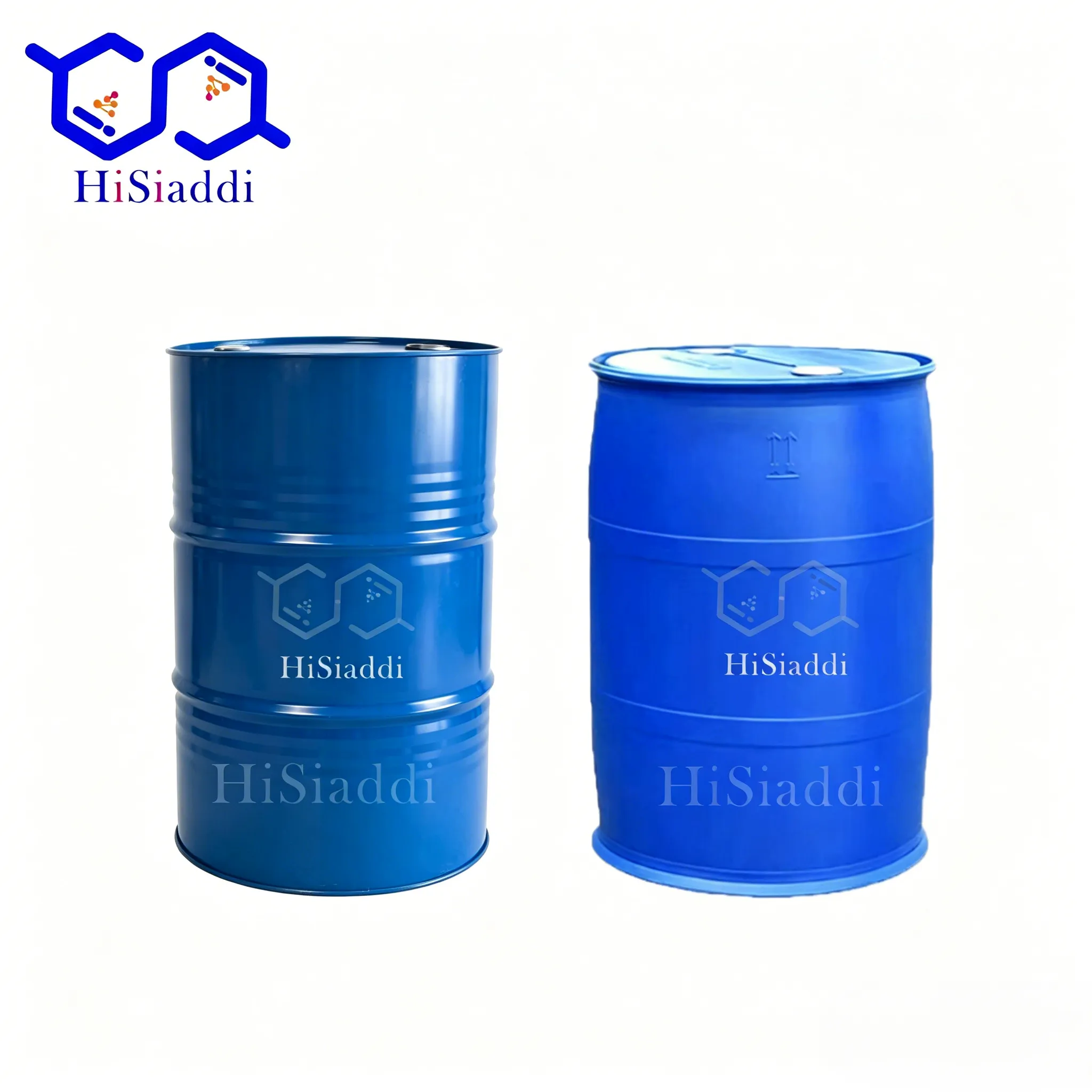
Adopt thickened sealed plastic drums with double inner liners and outer iron drum protection plus moisture-proof treatment to withstand high-temperature/humidity ocean shipping with no obvious decline in emulsification and dissolution performance upon arrival.
Provide streamlined English document packages including certificates of conformity, basic test chromatograms, MSDS and compliance statements that fully satisfy local industry and market supervision filing and sampling inspection requirements.
Limited supply of ultra-high-purity reagent grade raw materials, experimental data interference from trace impurities, material waste from large packaging specifications, oxidative deterioration during long-term storage, and incomplete supporting research test data.
Material research and organic synthesis mechanism experiments require ultra-high-purity low-impurity TPG. Mainstream industrial and ordinary chemical grades contain complex isomers and inorganic impurities, while dedicated research reagent grade TPG suffers limited production capacity, narrow procurement channels and extended lead times.
Trace propylene glycol isomers, metal ions and volatile impurities in raw materials interfere with ratio experiments, electrochemical testing and polymerization kinetics research, leading to biased experimental data, unreproducible results and compromised research conclusions and paper quality.
Mainstream commercial packaging is 200L large drums, while laboratories only require hundreds of milliliters to several liters. Long-term storage after opening large packaging causes oxidation and moisture absorption, resulting in idle material waste.
Conventional packaging lacks sufficient light-shielding and oxygen isolation capacity. TPG gradually oxidizes during long-term storage with rising acid value and color, altering physicochemical properties and generating inconsistent data for repeated experiments.
Absence of complete impurity spectrum, thermal stability, rheological property and other special test data hinders research project filing, laboratory qualification audits and academic publications.
Establish an independent research reagent production line to customize ultra-high-purity reagent grade TPG with main content ≥99.5% and strict control of all trace impurities exclusively for electrochemical, polymer and organic synthesis experiments.
Provide GC and ICP-MS full-component qualitative and quantitative reports per batch with complete traceable impurity information to guarantee accurate, reproducible experimental data.
Supply small packaging specifications including 500mL, 1L, 5L and 25L for customized filling to adapt to micro-scale laboratory usage and eliminate material waste.
Adopt light-shielded sealed bottles with nitrogen sealing to slow oxidation and moisture absorption, extending normal-temperature shelf life to over 20 months for long-term sample retention and repeated experiments.
Deliver supporting research data including distillation range, thermal stability and viscosity curves alongside full impurity chromatograms to fully support project filing, qualification audits and academic publications.
Inferior raw materials with falsely labeled indicators, liquid material leakage during transit, oxidative discoloration and grade degradation during storage and transportation, limited high-end channels due to incomplete hazardous chemical compliance documents, and loss of premium customers without third-party test reports.
Market malpractice exists where crude industrial TPG is falsely marketed as high-purity polyurethane or daily chemical grade with inflated labeled main content, hydroxyl values and impurity levels. Downstream customers experience scrapped finished products and process failures, triggering high-value after-sales claims and severely damaging channel reputation.
TPG is a viscous liquid material prone to barrel deformation and aging sealing gasket leakage during long-distance ocean shipping, stacking and loading/unloading, causing material loss, cross-contamination of adjacent goods and logistics disputes.
Simple packaging lacks effective light and oxygen isolation. Raw materials gradually oxidize during cross-border warehousing and transportation with deepening color and rising acid value, leading to direct rejection by high-end daily chemical and polyurethane customers and economic losses.
As a flammable organic liquid, TPG without complete English SDS, REACH compliance declarations and ocean dangerous goods identification documents cannot enter formal European and American factory and laboratory supply chains, restricting distribution to only low-end circulation markets.
Inability to provide authoritative third-party test reports and complete batch traceability records blocks supplier qualification audits by major European and American enterprises, large daily chemical/coating manufacturers and long-term premium order opportunities.
Direct supply of genuine original factory products with truthfully labeled physicochemical indicators, accompanied by third-party full-item test reports per batch supporting re-inspection by any global institution. Counterfeiting and false labeling are eliminated at the source to avoid after-sales risks.
Uniformly deploy thickened solvent-resistant dedicated drums with double sealing lids and aging-resistant gaskets. Every barrel undergoes leakage testing before factory delivery to eliminate transit loss and cargo damage disputes.
Adopt light-shielded sealed nitrogen-filled packaging with multi-layer protection against oxygen, light and moisture to suppress oxidative deterioration and maintain stable color and acid value without grade degradation throughout storage and transportation.
One-stop provision of complete English compliance documents including safety data sheets, REACH screening reports and ocean dangerous goods certificates to help customers expand high-end European and American distribution channels.
Establish complete batch traceability archives retaining production process records and full quality inspection data to support customer factory audits and supplier qualification reviews, securing long-term high-quality cooperation orders.
Main effective component content ≥99.0%;
Total residual content of monopropylene glycol and dipropylene glycol low-molecular homologues ≤0.6%;
Hydroxyl value controlled within 405±8mgKOH/g;
Water content ≤80ppm;
Acid value (calculated as KOH) ≤0.02mgKOH/g;
Fully miscible with deionized water, various waterborne resins, polyurethane prepolymers and isocyanate monomers at ambient temperature; no delamination, turbidity or precipitation after standing for 72 hours;
No surface defects such as craters, pinholes, sagging or bubbles during film formation when applied to waterborne coatings;
Appearance: colorless transparent viscous liquid; remains homogeneous without delamination, solidification or flocculent precipitation at -5℃ low temperature;
No obvious changes in component content, hydroxyl value, acid value or color after sealed storage for 12 months under standard warehousing conditions.
During polyurethane foaming, foam products exhibited uneven overall density with large internal cavities and loose areas, failing to meet mechanical strength standards and sharply increasing scrap rates;
After application of waterborne wall coatings, dot-shaped craters and tiny bubbles frequently appeared on paint films with poor leveling performance, failing appearance requirements for shipment;
Raw materials gradually darkened from colorless transparent to pale yellow after sealed storage for 1 month under conventional warehouse conditions;
Wide fluctuations in hydroxyl value and impurity content across batches forced daily repeated adjustment of production line process parameters, preventing standardized manufacturing.
Polyurethane thermal insulation foams achieved uniform density without internal cavities or loose regions, meeting mechanical strength standards;
Waterborne wall coatings delivered smooth and flat paint films with complete elimination of craters and bubbles and restored leveling performance;
Raw material color remained stable without yellowing during long-term conventional warehouse storage;
Batch indicator fluctuations were eliminated, enabling standardized production lines without frequent process parameter adjustments.
Lead time
Quantity (ton) | 0 - 10 | 10 - 30 | > 30 |
Lead time (days) | 7 | 15 | To be negotiated |
The monthly inventory volume of TPG is 80 tons, with appropriate adjustments upwards or downwards in response to peak and off-peak seasons.
HiSiaddi safeguards the supply stability of TPG through the following measures:
(1) Performance evaluation and screening of TPG brand factories based on on-time delivery rate, batch pass rate, timeliness of risk alerts, and completeness of documentation to assess their supply stability.
(2) For each mainstream model or major grade of TPG, secure 1 primary high-quality brand manufacturer and 2 backup high-quality manufacturers.
(3) Each factory operates independent production lines in separate production zones to prevent production halts caused by major unforeseen incidents such as environmental production suspensions and power outages.
Through long-term cooperation with brand manufacturers via technology commercialization and authorized distribution channels, HiSiaddi can effectively strengthen supervision over the production processes of brand manufacturers, optimize full-process traceability management, improve batch stability control, and further reinforce real-time monitoring of the supply stability of TPG products.
Long-term Annual Framework Supply Guarantee Agreement. HiSiaddi signs 12-month long-term agreements with leading manufacturers. The agreements specify the minimum guaranteed supply volume, maximum price hike range, and priority production scheduling rights during peak seasons. It is stipulated that manufacturers shall issue a 30-day prior written notice if production is suspended due to environmental rectification or equipment maintenance, and backup manufacturers will be activated to replenish goods accordingly.
We have 4 warehouses, which are jointly operated and managed with suppliers to store hot-selling products.The four warehouses are located at Qingdao Port in North China, Ningbo Port in East China, Shenzhen Port in South China, and Zhengzhou, China’s inland logistics hub. This setup guarantees sufficient supply and timely shipment of TPG during peak seasons.
HiSiaddi issues a rolling demand forecast covering the subsequent three months on the 25th of each month, allowing manufacturers to reserve production capacity in accordance with the forecast. Any new urgent orders from overseas clients will be prioritized to draw on inventories or production capacity from backup manufacturers.
Unstable logistics for TPG will extend delivery lead times. HiSiaddi has established alternative arrangements covering multiple freight forwarders, ports and transportation solutions:
(1) Binding of multiple professional chemical freight forwarders for TPG
Each product is assigned 2 to 3 freight forwarders with hazardous chemical/food transport qualifications affiliated with different shipping lines. Alternative sailing schedules can be switched to immediately in case of space shortages or customs inspections on a single shipping route.
(2) Backup transportation solutions for TPG
Ocean freight serves as the standard mode; air freight and rail freight are reserved as alternatives for urgent orders. Long-term agreements for temperature-controlled containers are signed for temperature-sensitive and perishable food additives to secure shipping space.
(3) Visual tracking and digital early warning for TPG
Freight forwarders synchronize daily updates on container loading, customs declaration, vessel loading and port arrival milestones. If customs inspection occurs, replenishment from backup inventory will be initiated immediately to shorten client waiting periods.
Full-chain digital early warning automatically monitors four categories of risks:
Factory side: Expiring supplier environmental assessment certificates, renewal of production permits, scheduled major equipment overhauls, and notifications of price hikes for upstream raw materials;
Inventory side: Inventory falling below safety thresholds, excessive inventory age, and batches failing quality inspection;
Logistics side: Shipping line space shortages, strikes at destination ports, and updates to customs policies;
Overseas side: Revisions to additive regulations and adjustments to import restriction lists in target countries.
Early warning notifications are automatically pushed to procurement and business leads, allowing backup suppliers or inventory contingency plans to be activated in advance.
As a new foreign trade service provider driven by dual engines of technology commercialization and export services, HiSiaddi has built a "1+2+3+4=1" service system and can supply authentic raw materials of multiple well-known original manufacturers for TPG.
As a R&D-focused foreign trade enterprise, HiSiaddi differs from single-brand factories that only promote their own products. We objectively analyze multiple export-competitive leading Chinese TPG brands and share their certifications and market feedback to help buyers streamline sourcing decisions.
If you require more authentic, objective profiles of major Chinese TPG brands, please contact HiSiaddi customer service.
· TPG-E9995 (Electronic Grade): Purity ≥99.95%, aldehydes ≤30 ppm, moisture ≤15 ppm, metal ions ≤1 ppb
· TPG-C9950 (Cosmetic Grade): Purity ≥99.5%, color ≤10 APHA, heavy-metal-free
· TPG-I9900 (Industrial Grade): Purity ≥99.0%, general use for coatings & polyurethane
1. Electronic Chemicals (OCA Adhesives / Photoresists): Certified Grade-A supplier by Samsung, BOE and LG Chem. Client feedback: "Batch consistency CV ≤1.0%, eliminates bubbles and peel strength fluctuations, lifting production yields by 5%–8%."
2. Premium Cosmetics: Designated bio-based TPG supplier for L’Oréal and Estée Lauder. Feedback: "Low irritation, superior moisturization versus traditional propylene glycol, fully aligned with Clean Beauty standards."
3. UV Curing Coatings: Certified by AkzoNobel and PPG Industries. Client comment: "Low aldehyde content prevents yellowing, boosts curing efficiency by 10%–15% and cuts photoinitiator consumption."
· EU REACH Registration (SVHC statement confirming no substances of very high concern)
· US FDA food contact certification, USP Pharmacopoeia Grade certification
· ISO 9001 (Quality), ISO 14001 (Environmental), IATF 16949 (Automotive)
· ISCC Bio-based certification (45% lower carbon footprint vs petroleum-based alternatives)
· "High-purity Solvent Recommended Brand" awarded by China Electronic Chemicals Association
· TPG-Y9950 (Cosmetic & Pharmaceutical Grade): Purity ≥99.5%, acid value ≤0.01 mgKOH/g, microbes ≤10 CFU/g
· TPG-U9920 (UV Coating Grade): Purity ≥99.2%, aldehydes ≤80 ppm, low VOC
· TPG-P9900 (Polyurethane Grade): Purity ≥99.0%, narrow molecular weight distribution
1. European Cosmetics Market: Long-term partner of L’Oréal and Bayer Pharma. Feedback: "Compliant with EU CosIng/FDA standards, directly applicable to organic skincare and medicinal ointments."
2. Pharmaceutical Intermediates: Certified by Merck KGaA and Lonza Group. Client comment: "EDQM-certified with impurity levels below European Pharmacopoeia limits, suitable for injection solvent applications."
3. Southeast Asian Coatings Market: AkzoNobel Southeast Asia feedback: "Low VOC and excellent waterborne system compatibility, meeting EU ECO-label criteria."
· EU REACH Registration, EDQM (European Directorate for the Quality of Medicines) certification
· US FDA cosmetic/food contact certification, listed in EU CosIng cosmetic raw material database
· CNAS-accredited laboratory (testing capacity equivalent to SGS)
· "Green Raw Material Recommended Brand" by China Cosmetic Association
· ISO 9001, ISO 14001, GMP pharmaceutical production specifications certification
· TPG-H9980 (High-purity Reagent Grade): Purity ≥99.8%, aldehydes ≤20 ppm, moisture ≤10 ppm
· TPG-S9950 (Textile Auxiliary Grade): Purity ≥99.5%, low color, high dispersibility
· TPG-F9900 (Food Grade): Purity ≥99.0%, compliant with GB 29216 standard
1. Textile Printing & Dyeing: Major Southeast Asian textile manufacturers including Vietnam Vinatex comment: "High dispersibility and low odor, replaces imported auxiliaries for more uniform dyeing."
2. Food Additives: Certified by Ajinomoto (Japan) and CJ Group (South Korea). Feedback: "Compliant with Japan MHLW and South Korea KFDA standards, usable as emulsifiers and flavor solvents."
3. High-end Cleaners: 3M (US) and Henkel (Germany) feedback: "Ultra-high purity with minimal residual impurities, ideal for precision electronics and optical lens cleaning."
· EU REACH Registration, US FDA food-grade certification, Japan MHLW certification
· ISO 9001, ISO 14001, ISO 22000 (Food Safety) certification
· "Customized Service Benchmark Enterprise" by China Fine Chemicals Association
· Food additive production license issued by NMPA (National Medical Products Administration)
· TPG-MP9950 (Pharmaceutical & Food Grade): Purity ≥99.5%, compliant with USP/EP/GB 29216 standards
· TPG-MI9900 (Industrial Grade): Purity ≥99.0%, general coating & polyurethane applications
1. Food & Pharmaceuticals: Certified by Sinopharm Group and Yunnan Baiyao. Feedback: "China’s first enterprise holding a food additive production license, consistent quality for direct pharmaceutical and food applications."
2. Asia-Pacific Cosmetics: Jointown (Taiwan) and Sasa (Hong Kong) feedback: "Low irritation and superior safety, formulated for Asian sensitive-skin consumers."
3. General Industrial Applications: Southeast Asian coating and polyurethane manufacturers comment: "Cost-effective and stable supply, viable substitute for Korean and Japanese imports."
· US USP Pharmacopoeia, European EP Pharmacopoeia, China GB 29216 food safety standard certification
· China food additive production license (first domestic holder)
· ISO 9001, ISO 14001, HSE Health Safety Environment management system certification
· EU REACH Registration, US FDA food contact certification
· TPG-G9900 (Industrial Grade): Purity ≥99.0%, low moisture, consistent performance
· TPG-G9920 (Coating Grade): Purity ≥99.2%, low aldehydes, general coating use
1. General Coatings & Polyurethane: Manufacturers in Southeast Asia and the Middle East comment: "Consistent purity and competitive pricing, meets standard industrial-grade requirements."
2. Building Materials & Furniture: Turkish and Russian clients feedback: "Low VOC and stable curing performance, suitable for architectural and furniture coatings."
3. Basic Chemical Intermediates: Indian and Brazilian chemical enterprises note: "Stable supply and short lead times, replaces European and American industrial-grade alternatives."
· EU REACH Registration, ISO 9001, ISO 14001 certification
· "Premium Industrial-grade Brand" awarded by China Chemical Industry Association
· Third-party testing certification via SGS, Intertek
表格
Brand | Export Share | Core Strengths | Top Certifications | Optimal Application Scenarios |
Wanhua Chemical | 32% | Highest electronic-grade purity, ultra-stable batch performance | REACH + FDA + ISCC + IATF16949 | OCA adhesives, photoresists, high-end UV coatings, bio-based cosmetics |
Yida Chemical | 18% | Comprehensive cosmetic & pharmaceutical grade credentials | EDQM + CosIng + FDA + GMP | Organic skincare, medicinal ointments, injection solvents, waterborne UV coatings |
Huangma Technology | 14% | Leading customization capacity, ultra-high-purity reagent grades | FDA + ISO22000 + REACH | Textile auxiliaries, food additives, precision electronic cleaning |
CNOOC Shell | 10% | Stable food & pharmaceutical grade supply, superior safety compliance | USP/EP/GB29216 + Food Production License | Pharmaceutical excipients, food additives, Asia-Pacific cosmetics |
Hualu Hengsheng | 8% | High cost-performance industrial-grade, reliable supply | REACH + ISO9001 + SGS | General coatings, polyurethane, architectural & furniture materials |
If you require more authentic, objective profiles of major Chinese TPG brands, please contact HiSiaddi customer service.
As a new foreign trade service provider driven by dual engines of technology commercialization and export services, HiSiaddi has built a "1+2+3+4=1" service system and can supply authentic raw materials of multiple well-known original manufacturers for TPG.
As a R&D-focused foreign trade enterprise, HiSiaddi differs from single-brand factories that only promote their own products. We objectively analyze multiple export-competitive leading Chinese TPG brands and share their production workflows, supply stability and key technical indicators, alongside their downstream sourcing impacts to help buyers streamline decision-making.
If you require more authentic, objective profiles of major Chinese TPG brands, please contact HiSiaddi customer service.
· Main workflow: Controlled ring-opening polymerization of propylene oxide (PO) using self-developed high-selectivity solid acid catalysts → Crude TPG → Three-stage molecular distillation (vacuum ≤1 Pa) → Precision membrane separation (100 Da molecular weight cutoff) → Finished electronic/cosmetic-grade TPG.
· Core strengths: Extended catalyst service life (≥8,000 hours), minimal byproduct formation (mono/dipropylene glycol ≤0.3%), metal ion control down to ≤1 ppb. Bio-based variants use renewable PO to cut carbon footprints by 45%.
· Environmental & efficiency benefits: Fully enclosed continuous production with real-time AI monitoring, 22% lower energy consumption vs conventional processes; zero wastewater discharge, compliant with EU VOC and REACH SVHC standards.
· Capacity scale: Dual manufacturing hubs in Yantai and Ningbo with total annual capacity of 120,000 MT (32% of China’s total output), including 40,000 MT dedicated electronic-grade capacity; 18% global market share.
· Operating rate & redundancy: Consistent 95%–100% full capacity utilization; captive PO feedstock plus long-term supply agreements eliminate outage risks; minimum 5,000 MT core grade safety stock. Global lead times: 7–10 days; Asia-Pacific lead times: 3–5 days.
· Historical delivery performance: 99.7% on-time delivery rate in 2024–2025, 0.1% customer complaint rate; zero quality disputes with long-term partners Samsung, BOE and L’Oréal for three consecutive years.
· TPG-E9995 (Electronic Grade): Purity ≥99.95%; aldehydes ≤30 ppm; moisture ≤15 ppm; metal ions ≤1 ppb; color ≤5 APHA; molecular weight distribution PDI ≤1.02
· TPG-C9950 (Cosmetic Grade): Purity ≥99.5%; aldehydes ≤80 ppm; moisture ≤50 ppm; color ≤10 APHA; microbes ≤10 CFU/g
· TPG-I9900 (Industrial Grade): Purity ≥99.0%; aldehydes ≤200 ppm; moisture ≤100 ppm; color ≤20 APHA
1. Electronic Chemicals (OCA/Photoresists): Ultra-low metal ions + narrow molecular weight distribution eliminate OCA bubbles and cap peel strength fluctuations at ±5%, lifting yields by 5%–8%; delivers consistent photoresist resolution without pinholes, compatible with 5nm/7nm semiconductor manufacturing processes.
2. Premium Cosmetics: Low aldehyde, low color and low microbial content enable non-irritating formulations for sensitive-skin and infant care products, extending shelf life and delivering smooth skin feel. Bio-based variants support Clean Beauty branding with a 20%–30% price premium.
3. UV Curing Coatings: Aldehydes capped at ≤30 ppm eliminate yellowing, enable full curing and enhance adhesion; photoinitiator consumption falls by 10%–15%, reducing comprehensive operational costs.
· Main workflow: High-purity PO mixed with deionized water (1:3 molar ratio) → Acid-catalyzed hydration → Crude polyol blend (MPG/DPG/TPG) → Four-column continuous distillation with precise side-stream cutting → Activated carbon decolorization + ion exchange metal removal → Finished pharmaceutical/cosmetic-grade TPG.
· Core strengths: Ultra-precise distillation separation delivering TPG purity ≥99.5%, acid value ≤0.01 mgKOH/g, all impurity parameters meeting EP/USP specifications; EDQM-certified production workflow suitable for injection solvent manufacturing.
· Environmental & efficiency benefits: Fully continuous automated production with batch consistency CV ≤1.5%; zero wastewater discharge, audited and approved under EU ECO-label standards.
· Capacity scale: Zhangjiagang Jiangsu manufacturing base with total annual capacity of 60,000 MT (18% export share), including 25,000 MT dedicated pharmaceutical/cosmetic-grade capacity.
· Operating rate & redundancy: 90%–95% utilization rate; long-term PO feedstock supply agreements with Wanhua and BASF; dedicated pharmaceutical production lines segregated from industrial-grade manufacturing; minimum 2,000 MT East China inventory reserve, 10–12 day European lead times.
· Historical delivery performance: 94% repeat purchase rate from European clients in 2024–2025; zero quality incidents for L’Oréal, Bayer and Merck; EDQM certification ensures unimpeded pharmaceutical exports.
· TPG-Y9950 (Cosmetic & Pharmaceutical Grade): Purity ≥99.5%; aldehydes ≤50 ppm; moisture ≤30 ppm; acid value ≤0.01 mgKOH/g; heavy metals ≤1 ppm; microbes ≤10 CFU/g
· TPG-U9920 (UV Coating Grade): Purity ≥99.2%; aldehydes ≤80 ppm; moisture ≤50 ppm; color ≤15 APHA; low VOC (≤50 g/L)
· TPG-P9900 (Polyurethane Grade): Purity ≥99.0%; hydroxyl value 580±5 mgKOH/g; narrow molecular weight distribution (PDI ≤1.08)
1. Pharmaceutical Intermediates & Ointments: EP/USP compliance plus low endotoxin levels eliminate secondary purification requirements for injection solvents and medicinal ointments; impurity levels below pharmacopoeia thresholds mitigate clinical risks.
2. European Cosmetics: CosIng listing plus low sensitization potential unlock access to premium EU beauty retail channels; low-VOC eco-friendly formulations satisfy ESG procurement standards and qualify for green incentives.
3. Waterborne UV Coatings: Low VOC and superior waterborne compatibility eliminate film shrinkage holes and boost water resistance; EU ECO-label eligibility unlocks green market subsidies.
· Main workflow: PO polymerization via composite solid acid + Lewis acid catalysis → Directional polymerization → Crude TPG → Supercritical CO₂ extraction to strip trace impurities → Client-specific customized distillation (targeted impurity threshold cutting) → Finished high-purity/customized-grade TPG.
· Core strengths: Precise polymerization control delivering ultra-narrow molecular weight distribution (PDI ≤1.03); customizable aldehyde, moisture and color specifications; reagent-grade purity reaching 99.8% for precision cleaning and electronic reagent applications.
· Environmental & efficiency benefits: 18% lower energy consumption vs conventional processes with minimal emissions; flexible manufacturing lines support small-batch, multi-specification customized orders.
· Capacity scale: Shaoxing Zhejiang manufacturing base with total annual capacity of 50,000 MT (14% export share), including 20,000 MT dedicated high-purity/customized grade capacity.
· Operating rate & redundancy: 85%–90% utilization rate; dual feedstock supply via long-term contracts and spot market procurement; flexible production lines enable rapid grade switching; minimum 1,500 MT customized product inventory reserve, 8–12 day lead times.
· Historical delivery performance: 90% repeat purchase rate for customized orders in 2024–2025; long-term partnerships with 3M, Henkel and Ajinomoto; ISO22000 certification guarantees compliant food-grade exports.
· TPG-H9980 (High-purity Reagent Grade): Purity ≥99.8%; aldehydes ≤20 ppm; moisture ≤10 ppm; metal ions ≤0.5 ppb; color ≤3 APHA
· TPG-S9950 (Textile Auxiliary Grade): Purity ≥99.5%; ultra-low color (≤10 APHA); high dye dispersibility, low odor
· TPG-F9900 (Food Grade): Purity ≥99.0%; compliant with GB29216/FDA; heavy metals ≤1 ppm; odor-free, biodegradable
1. Precision Electronic Cleaning: Ultra-high purity, minimal metal ions and zero residual contaminants boost cleaning yields without equipment corrosion or secondary pollution, suited for semiconductor and optical lens cleaning workflows.
2. Textile Printing & Dyeing Auxiliaries: High dispersibility and low odor deliver uniform dye uptake and enhanced color fastness with no residual odor; substitutes imported auxiliaries to cut raw material costs by 15%–20%.
3. Food Additives & Flavors: FDA/GB-compliant low-impurity formulation enables direct use as food emulsifiers and flavor solvents without altering food aroma profiles.
· Main workflow: Shell ultra-high-purity PO (≥99.9%) mixed with deionized water → Thermal catalyst-free direct hydration → Crude polyol blend → Three-column continuous distillation (Shell patented technology) → Finished pharmaceutical/food-grade TPG.
· Core strengths: Zero catalyst residue, minimum impurity levels with ≥99.5% purity; China’s sole manufacturer holding a food additive production license; triple certification under USP/EP/GB29216 standards.
· Environmental & efficiency benefits: Fully continuous automated low-energy workflow; zero waste catalyst generation, wastewater recycled post-treatment; HSE management system with zero safety incident records.
· Capacity scale: Huizhou Guangdong manufacturing base with total annual capacity of 40,000 MT (10% export share), including 20,000 MT dedicated pharmaceutical/food-grade capacity.
· Operating rate & redundancy: 90%–95% utilization rate; captive PO feedstock from Shell internal supply plus long-term contracts; dedicated pharmaceutical production lines; minimum 1,500 MT South China inventory reserve, 5–7 day Southeast Asian lead times.
· Historical delivery performance: 88% repeat purchase rate from Asia-Pacific clients in 2024–2025; long-term partnerships with Sinopharm Group, Yunnan Baiyao and Jointown; zero food/pharmaceutical safety incidents recorded.
· TPG-MP9950 (Pharmaceutical & Food Grade): Purity ≥99.5%; aldehydes ≤40 ppm; moisture ≤30 ppm; compliant with USP/EP/GB29216; heavy metals ≤1 ppm; microbe-free
· TPG-MI9900 (Industrial Grade): Purity ≥99.0%; aldehydes ≤150 ppm; moisture ≤80 ppm; consistent performance, competitive pricing
1. Pharmaceuticals & Food Products: Triple global compliance certification plus catalyst-free residues enable direct use as pharmaceutical excipients and food additives, simplifying audits by global drug and food regulatory authorities.
2. Asia-Pacific Cosmetics: Low irritation and superior safety tailored for Asian sensitive-skin and infant care formulations; 10%–15% cost savings vs imported alternatives with comparable quality.
3. General Industrial Applications: Consistent performance and cost competitiveness replace Korean and Japanese industrial-grade TPG; reduced batch variation minimizes downstream quality defects.
· Main workflow: Self-produced coal chemical propylene oxide (≥99.5%) → Acid-catalyzed polymerization → Crude TPG → Two-column continuous distillation → Antioxidant & anti-discoloration stabilization treatment → Finished industrial/coating-grade TPG.
· Core strengths: Vertical integration with captive coal chemical feedstock delivers unmatched cost advantages; consistent ≥99.0% purity with minimal batch variation; antioxidant treatment extends shelf life and prevents discoloration during storage.
· Environmental & efficiency benefits: Large-scale low-energy manufacturing with full cost control; all three waste streams meet national emission standards with ISO14001 environmental certification.
· Capacity scale: Dezhou Shandong manufacturing base with total annual capacity of 30,000 MT (8% export share), including 25,000 MT dedicated industrial-grade capacity.
· Operating rate & redundancy: 85%–90% utilization rate; captive PO feedstock plus long-term supply contracts lock in cost advantages; minimum 1,000 MT North China inventory reserve, 12–15 day lead times for Middle East and Southeast Asian shipments.
· Historical delivery performance: 85% repeat purchase rate for industrial-grade orders in 2024–2025; long-term procurement partnerships with Turkish, Russian and Indian manufacturers; consistent pricing and reliable lead time performance.
· TPG-G9900 (Industrial Grade): Purity ≥99.0%; aldehydes ≤200 ppm; moisture ≤100 ppm; color ≤20 APHA; stabilized anti-discoloration formulation
· TPG-G9920 (Coating Grade): Purity ≥99.2%; aldehydes ≤120 ppm; moisture ≤80 ppm; color ≤15 APHA; low VOC, consistent curing performance
1. General Coatings & Polyurethane: Cost-performance and consistent quality cut raw material expenses by 10%–15%; minimal batch variation reduces film defects and uneven foaming in PU products.
2. Architectural & Furniture Coatings: Low VOC and stable curing performance meet environmental regulatory standards with good workability and target film hardness; price advantages strengthen end-product market competitiveness.
3. Basic Chemical Intermediates: Reliable supply, short lead times and low costs replace European and American industrial-grade imports, cutting procurement overheads and diversifying supply chain risks.
表格
Brand | Core Production Process | Top Supply Stability Advantage | Key Technical Indicator Strengths | Optimal Downstream Applications |
Wanhua Chemical | Molecular distillation + membrane separation | Dual manufacturing bases + global inventory reserves | Industry-leading electronic-grade purity, ultra-low metal ion levels | Electronic chemicals, high-end UV coatings, bio-based cosmetics |
Yida Chemical | Four-column continuous distillation + ion exchange | Dedicated pharmaceutical production lines + high European repeat rate | Fully compliant pharmaceutical-grade specifications, ultra-low acid value | Pharmaceutical intermediates, premium European cosmetics, waterborne UV coatings |
Huangma Technology | Supercritical CO₂ extraction + customized distillation | Flexible manufacturing lines + dedicated customized inventory | Ultra-high reagent-grade purity, narrow molecular weight distribution | Precision cleaning solvents, textile auxiliaries, food additives |
CNOOC Shell | Shell catalyst-free direct hydration | Triple food/pharma certification + Asia-Pacific regional inventory | Zero catalyst residues, triple global compliance credentials | Pharmaceutical excipients, food additives, Asia-Pacific cosmetics |
Hualu Hengsheng | Coal chemical polymerization + stabilization treatment | Captive feedstock + low-cost long-term contracts | Consistent industrial-grade performance, superior cost-performance ratio | General coatings, polyurethane foams, architectural & furniture materials |
If you require more authentic, objective profiles of major Chinese TPG brands, please contact HiSiaddi customer service.
Special Certifications and Test Reports Matched to Application Scenarios
General Industrial Grade for ordinary industrial additives, basic antifreeze, general textile auxiliaries and low-end industrial cleaning: Provide REACH registration, SVHC screening, basic physicochemical and distillation composition test reports to meet global general industrial chemical control requirements.
Coating/Resin Special Grade for water-based coatings, printing inks, polyurethane resins and unsaturated polyester synthesis: Supplement VOC volatile matter, oligomer distribution, acidity and ash content tests to match global environmental and production standards for coatings and polymer materials.
Daily Chemical/Fragrance Grade for cosmetics, washing care products, fragrance solubilizers and household cleaning formulations: Add full heavy metal testing, odor grading, low residual monomer and microbial screening to comply with global safety standards for daily chemical raw materials.
Food Contact Grade for food contact container coatings, food processing aids and food packaging auxiliary materials: Provide food contact certifications, harmful residue, heavy metal and migrant substance tests corresponding to target regions, in line with food material safety regulations in Europe, America, Japan, South Korea, etc.
Pharmaceutical Excipient Grade for external pharmaceutical excipients, pharmaceutical solvents and medical moisturizing auxiliaries: Strictly follow pharmaceutical excipient standards, deliver full impurity spectrum, microbial limit, pyrogen, heavy metal and residual monomer test reports to meet global access requirements for pharmaceutical raw materials.
General Industrial Grade: Basic polymerization + single-tower crude distillation + conventional dehydration; cost-effective for low-end industrial auxiliaries and antifreeze.
Coating/Resin Special Grade: Secondary precision distillation + precise component control + dedicated VOC removal; exclusively for water-based coatings, printing inks and polyurethane resin synthesis.
Daily Chemical/Fragrance Grade: Deep distillation + strict monomer control + odor optimization + microbial control; compatible with cosmetics, fragrances and washing care products.
Food Contact Grade: Ultra-pure distillation + full harmful residue control + food-grade clean filling; for food contact auxiliary materials.
Pharmaceutical Excipient Grade: Ultimate purification + full impurity spectrum control + sterile treatment + pharmaceutical-compliant production; exclusively for external pharmaceutical excipients.
Formal production lines implement independent production zones by grade. Food and pharmaceutical grades are equipped with dedicated clean workshops, closed distillation lines and sterile filling equipment to avoid cross-contamination; low-grade products are prohibited from being shipped as food or pharmaceutical grade substitutes.
Quality Control and Batch Stability Evaluation
This product is mainly mass-produced via continuous polymerization and distillation, with regular specifications of all grades in permanent stock. Custom formulations with specific components and ultra-low VOC batches are scheduled to order. It is recommended to request multi-batch CoAs, gas chromatograms of component distribution, and test data for hydroxyl value, acidity, VOC and water content, with close monitoring of batch fluctuations in tripropylene glycol main content, oligomer residues, hydroxyl value, water content, acidity and color. Long-term cooperation can lock in raw materials, polymerization processes and distillation parameters to guarantee consistent performance in cross-batch polymerization reactions, coating formulations and daily chemical systems. We also provide stability data under normal temperature, high/low temperature and simulated ocean transportation to adapt to storage conditions in regions with diverse global climates. Priority should be given to source manufacturers with independent full-process polymerization, distillation and impurity removal capacity; goods purchased as crude bulk for repackaging exhibit severe fluctuations in components, hydroxyl values and impurities, carrying extremely high risks for high-end applications.
Grade Classification by Application Scenario
General Industrial Grade: Basic industrial auxiliaries, ordinary antifreeze, low-end textile auxiliaries, general industrial cleaning.
Coating/Resin Special Grade: Water-based coatings, printing inks, polyurethane raw materials, unsaturated polyester resin synthesis.
Daily Chemical/Fragrance Grade: Cosmetics, washing care products, fragrance solubilizers, household daily chemical formulations.
Food Contact Grade: Food contact coatings, food processing auxiliaries, supporting materials for food packaging.
Pharmaceutical Excipient Grade: External pharmaceutical excipients, medical moisturizers, pharmaceutical solvents.
Cross-grade substitution for different application fields is strictly prohibited.
International Trade Quotation Modes
FOB China Port: Includes goods, standard sealed packaging, domestic normal-temperature warehousing, commodity inspection and export declaration fees. International transportation, insurance, destination port customs clearance and local chemical/daily chemical/food raw material registration are borne by buyers. Suitable for large-batch procurement by major coating groups, resin manufacturers, daily chemical leaders and traders with optimal comprehensive costs.
CIF Destination Port: Covers ocean freight, insurance, port charges, documents and special handling for liquid chemicals coordinated by our team, offering simplified operation for small-batch purchases by overseas small factories, laboratories and distributors. Tiered pricing by volume and annual long-term contract pricing are available to stabilize cooperation costs.
Packaging Standards
Industrial/Coating Grade: Standard sealed iron/plastic drums with outer protective layers labeled with product name, grade, batch number, storage conditions and validity period.
Daily Chemical, Food and Pharmaceutical Grades: Clean non-precipitation containers with enhanced sealing to avoid odor absorption.
All packaging undergoes air tightness, leakage and drop testing before factory delivery.
Tripropylene glycol main content: Consistent batch compliance with industrial grade standards
Water content and acidity: Controlled within industrial allowable ranges
Color and homogeneity: Uniform liquid without obvious precipitation
Basic impurities and ash content: Compliant with general industrial polyol standards
Storage and transportation stability: Resists rapid oxidative discoloration under sealed ambient storage
Component distribution (mono-/dipropylene glycol residues): Core control item to stabilize resin polymerization and coating performance
Hydroxyl value: Strictly matched to nominal process values with minimal batch fluctuation
VOC and odor: Meet local coating environmental limits with non-irritating odor
Water content and acidity: Strictly controlled to prevent film blistering and loss of gloss
Ash content and insoluble matter: Avoid defects in film appearance and resin strength
Odor grade: Core indicator, free of off-odors that interfere with fragrance and daily chemical product aroma
Heavy metals and harmful impurities: Strictly comply with daily chemical safety standards
Propylene oxide monomer and VOC: Comprehensive control to guarantee safe usage
Water content and microorganisms: Compliant limits to prevent formulation deterioration
Mutual solubility: Good compatibility with fragrances and surfactants
Complete food contact testing: Comply with target regional regulations and pass official inspections
Heavy metals and propylene oxide monomers: Core rejection criteria with strict quantity limits
Migrant substances: Low precipitation to avoid food contamination
Odor and impurities: Free of off-odors and harmful contaminants
Traceability: Complete batch archives and compliance certificates
Main components and all organic/inorganic impurities: Meet the highest internal control standards for pharmaceutical excipients
Microbial limit and pyrogens: Core rejection criteria compliant with pharmaceutical usage requirements
Heavy metals and residual monomers: Strict full-item limits
Water content and acidity: Stable indicators with no adverse impact on pharmaceutical systems
Compliance documents: Complete full-item test reports and production qualifications to pass pharmaceutical authority audits
Storage and transportation stability: No significant changes in components, hydroxyl value, color or odor after ocean shipping
Packaging condition: Intact sealing without leakage, damage or odor absorption
Quality consistency: Uniform indicators across batches of the same grade, compatible with diverse downstream customers
Basic physicochemical and core indicators: Compliant with corresponding grade standards with full batch traceability
Supporting documents: Complete SDS, CoA, chromatograms and compliance certificates to satisfy cross-border customs clearance and audits in multiple countries
During supplier screening, prioritize five core capabilities: controllable ring-opening polymerization, multi-tower precision distillation, precise isomer cutting, VOC and odor removal, and graded clean filling. Food and pharmaceutical applications require mandatory verification of corresponding safety compliance qualifications and sterile production capacity.
Precisely match five grades (General Industrial Grade, Coating/Resin Special Grade, Daily Chemical/Fragrance Grade, Food Contact Grade, Pharmaceutical Excipient Grade) according to downstream usage; cross-grade mixing is prohibited.
Quality control centers on seven core indicators: main component content, oligomer residues, hydroxyl value, water content, acidity, VOC and heavy metals. Food and pharmaceutical applications add special safety requirements for migrant substances, microorganisms, pyrogens, etc., aligned with target country regulations.



 +86-13120989737
  info@hisiaddi.com
 English