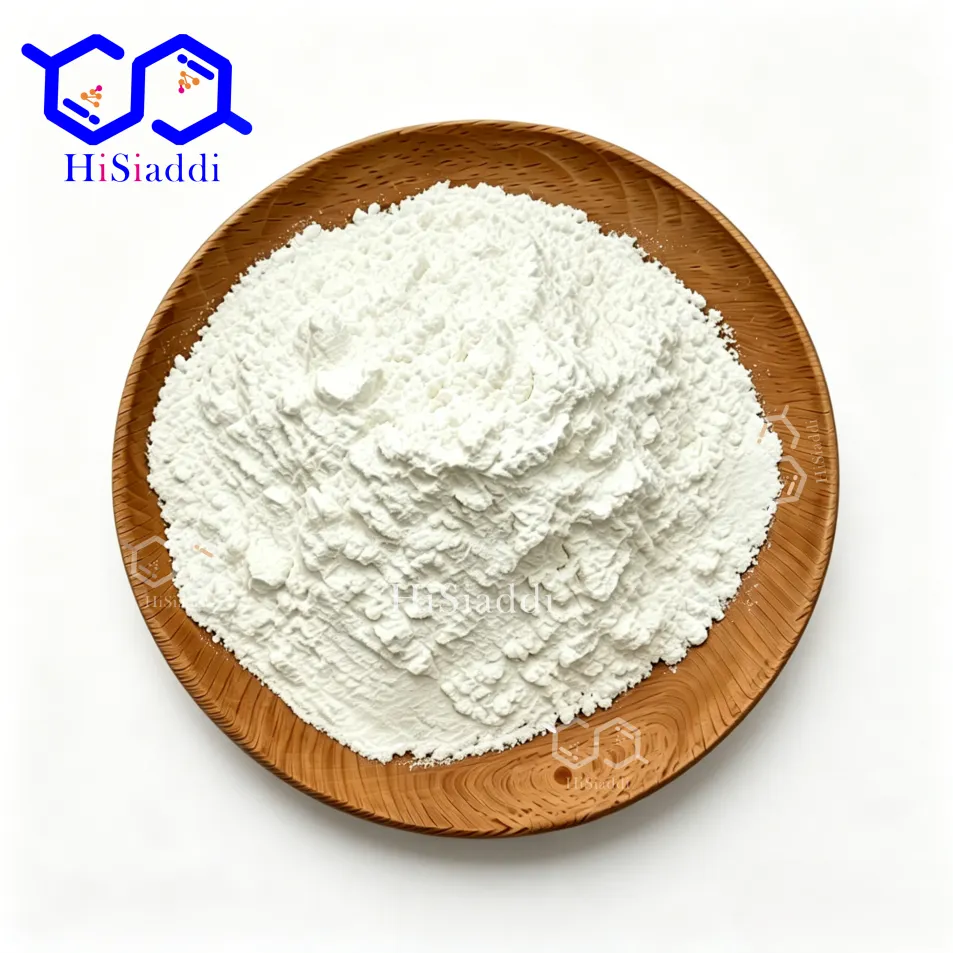
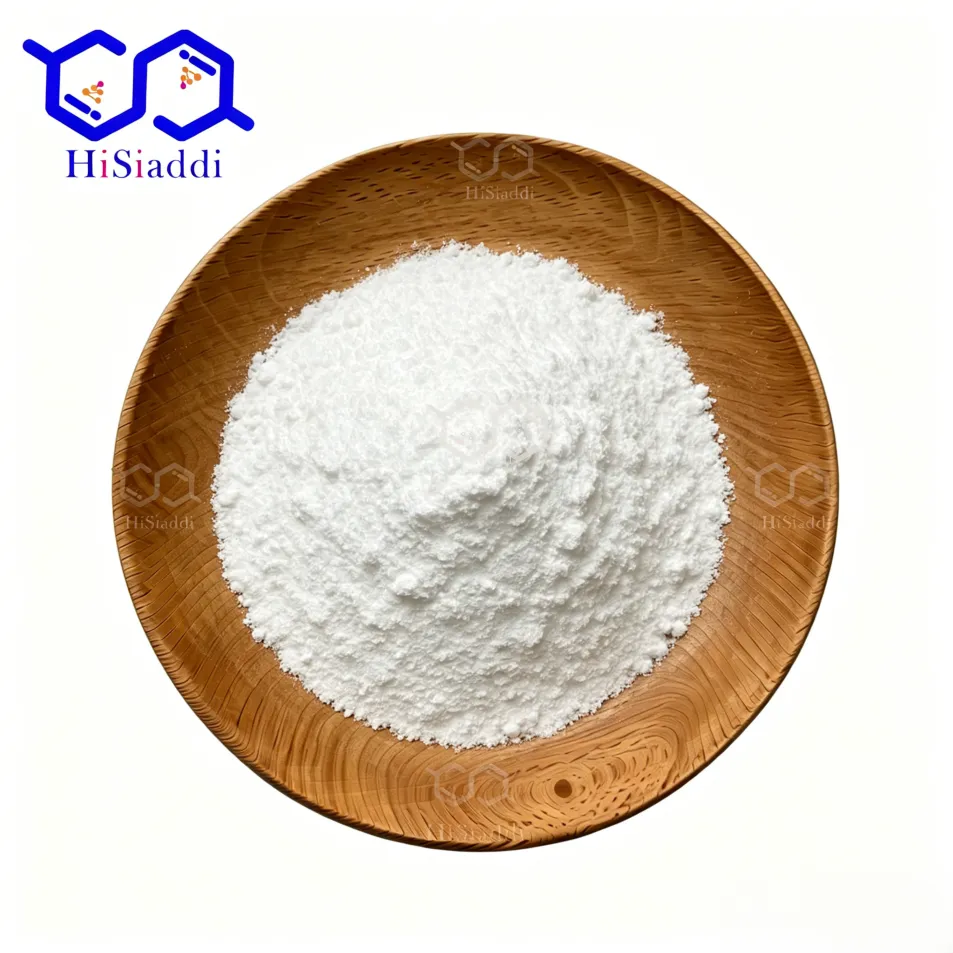
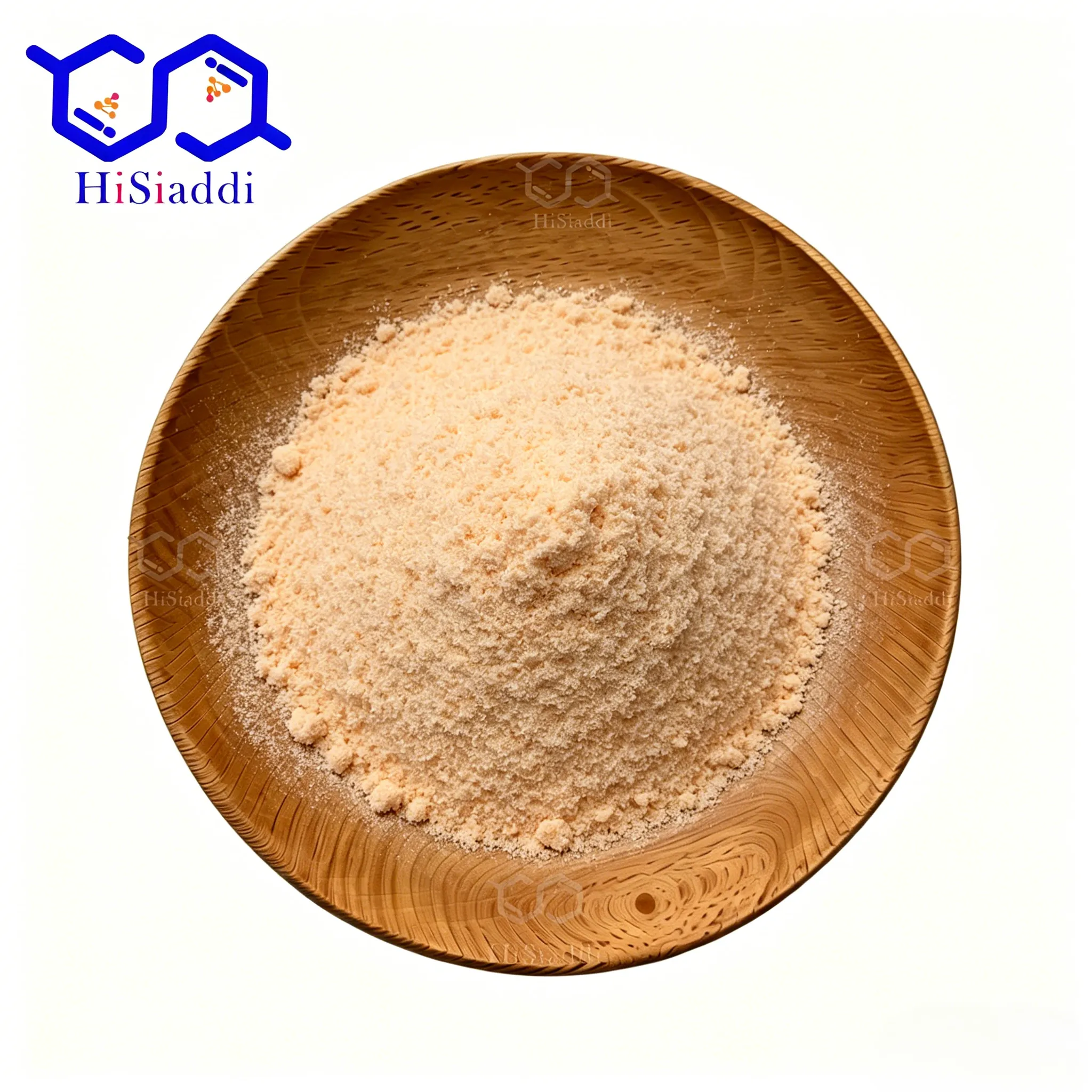
Sucrose Fatty Acid Esters, abbreviated as SE / Sucrose Esters, are non-ionic emulsifiers, stabilizers and thickeners, used in food and cosmetics. HiSiaddi supplies original factory sources of multiple Chinese brands and provides the "1+2+3+4=1" service.
Jinheng: It provides SE-11 (HLB11), SE-15 (HLB15), 99% food grade, beverage special SE-B and baking special SE-F with purity ≥99%, acid value ≤3mgKOH/g and accurate HLB value. Its price is 40%-50% lower than Mitsubishi of Japan with world-class quality, high emulsification efficiency and high cost performance, suitable for food & beverage factories, baking enterprises and cosmetic manufacturers.
Caiwei: It offers SE-8 (HLB8), SE-10 (HLB10), 98% food grade and compound emulsifier compounded with Monoglyceride with purity ≥98% and good water solubility. Its price is 10%-15% lower than Jinheng.
HiSiaddi Exclusive Service: We provide consultation on key indicator & cost comparison of multiple brands as well as formula consultation for beverage emulsification and baking anti-aging, offer full set of compliance documents including FDA GRAS/E473/ISO/HALAL/KOSHER, and provide test reports of acid value, heavy metal and HLB value.
 CONTACT HiSiaddi NOW
| CAS No: | 37318-31-3 | Brand Name: | Multi-brand |
| MF: | C30H56O12 | Model Number: | Multi-models |
| EINECS No: | 253-459-6 | Grade: | Food grade |
| Purity: | 99% | Place of Origin: | China |
| MOQ: | 1ton | Storage: | Please refer to the product packaging or contact the customer service. |
As a purchaser, you may encounter the following issues when buying sucrose fatty acid esters (SE):
What are the key indicator advantages and application impacts of mainstream grades from renowned sucrose fatty acid ester brands?
What competitive services can sucrose fatty acid ester suppliers offer?
What are the qualification certifications and market feedback of your targeted sucrose fatty acid ester brands?
What about the inventory level and supply stability of sucrose fatty acid ester suppliers?
What factors should be taken into consideration when purchasing sucrose fatty acid esters?
...and many other relevant questions.
As an innovative foreign trade service provider driven by technological transformation and international trade services in China, HiSiaddi has developed the "1+2+3+4=1" service system to deliver competitive solutions for B2B purchasers.
To address the above concerns, we will first answer your most pressing question from a global competition perspective: What are the key strengths of well-known Chinese sucrose fatty acid ester brands and the benefits they bring to downstream industries?
We are also ready to analyze and resolve any other questions regarding sucrose fatty acid esters. You may refer to the FAQ section and blog posts on our website.
Feel free to contact us if you require more precise, detailed and in-depth professional analysis for your purchasing decisions.
The global high-end sucrose fatty acid ester market has long been monopolized by four international giants: Mitsubishi Chemical (Japan), Riken (Japan), Croda (Spain) and Palsgaard (UK). Leveraging early synthesis patents, precise HLB value control, high-purity monoester technology and a globally mature application database, Japanese brands dominate the high-end food, pharmaceutical and daily chemical markets. However, they suffer from chronic pain points: exorbitant prices, high minimum order quantities, 45–90 day lead times, long customization cycles, no dedicated services for small and medium-sized clients, lack of regional technical support, and poor adaptability to emerging markets.
China is the world’s largest producer and second-largest exporter of sucrose fatty acid esters. Benefiting from the mature domestic industrial chain of sucrose and vegetable oil fatty acids, China’s export volume of sucrose fatty acid esters exceeded 21,000 tons in 2024, accounting for 39% of global trade volume. Technological breakthroughs have been achieved in the full HLB 1–19 range, monoester type, high-purity type, food grade, cosmetic grade, pharmaceutical grade, high-temperature resistant type, acid and alkali resistant type, as well as specialized emulsifying, foaming, foam-stabilizing and anti-aging grades.
Core competitive indicators of greatest concern to overseas buyers: HLB (Hydrophilic-Lipophilic Balance) value, monoester content, saponification value, acid value, free sucrose, free fatty acids, heavy metals (lead/arsenic/cadmium), total microbial count, high-temperature resistance, shear resistance, emulsification efficiency, anti-starch aging capacity, foam stability and compliance certifications (E473, FCC, FDA GRAS, REACH, HALAL, KOSHER).
The core performance of domestic sucrose fatty acid esters fully matches international leading brands, with terminal prices only 47%–68% of those of international giants. They offer core advantages including 7–15 day fast delivery, flexible 25kg minimum orders, in-depth HLB value customization and comprehensive localized technical support. This makes them the optimal domestic alternative for overseas buyers seeking supply chain diversification, significant cost reduction and efficiency improvement, avoidance of supply shortages and price hikes by international brands, and rapid new product launches.
HiSiaddi supplies original products from reputable Chinese sucrose fatty acid ester brands tailored for diverse client groups. Based on export statistics, production capacity, global market share, compliance credentials, long-term reputation among overseas buyers, as well as our field research and extensive cooperation experience, we have selected five leading domestic brands: Guangdong Dixin Bio, Shandong Jinbaihe Bio, Zhejiang Ruikang Bio, Jiangsu Aokang Bio and Henan Kangyuan Bio.
These five brands have highly differentiated market focuses, targeting high-end European & American baking/pharmaceuticals, Southeast Asian confectionery & beverages, Middle Eastern halal food, Japanese & Korean dairy & ice cream, and Latin American daily chemicals & health products respectively. They precisely meet the B2B purchasing needs of overseas clients at different levels and across various application scenarios worldwide.
In-depth Brand Analysis (Grade → Indicator Advantages → Cost Performance → Target B2B Buyers → Concrete Upstream/Downstream Benefits, No Generalized Statements)
(Absolute domestic leader in sucrose fatty acid esters, benchmark against Mitsubishi Chemical’s full high-end range)
Main Export Grades
SE-15 (HLB15, highly hydrophilic, specialized for emulsification & foam stabilization in beverages/dairy/protein drinks)
SE-11 (HLB11, general food grade, flagship export grade for anti-aging in baked bread/cakes)
SE-5 (HLB5, lipophilic, specialized for fat emulsification & bloom resistance in chocolate/confectionery)
SE-Ultra-90 (high monoester ≥90%, pharmaceutical grade / premium health product grade)
SE-Cos-HLB8 (cosmetic grade, specialized for emulsification in lotions/creams/serums)
Core Competitive Indicators & Exclusive Advantages
(Content truncated in original text)
(No.3 in exports, leading brand for halal meat products & baking, top exporter to the Middle East & Africa)
Main Export Grades
SE-RK-10 (HLB10, specialized for high-temperature resistant halal baking/meat products)
SE-RK-4 (HLB4, specialized for water retention & emulsification in meat products)
Mix-RK (pre-blended compound of sucrose fatty acid ester + monoglyceride, specialized for meatballs/prepared dishes)
Core Competitive Indicators & Advantages
SE-RK-10: Produced in independent halal production lines with no cross-contamination; stable performance under 121°C high-temperature sterilization and 200°C baking, ideal for Middle Eastern beef/mutton products, halal bread and naan.
SE-RK-4: Strong water retention in meat products, reducing water loss during cooking; meatballs and sausages maintain firmness and springiness.
Mix-RK pre-blended type: Directly compounded with monoglyceride, eliminating the need for overseas clients to conduct in-house blending; emulsification and foam stabilization achieved in one step.
Cost Performance
Halal-specific grade priced at 54% of international brands; pre-blended compound grade as low as 49%, delivering unrivaled cost efficiency for centralized procurement in the Middle East and Africa.
Precision Target B2B Buyers
Halal bakeries and meat processors in Saudi Arabia and the UAE (Middle East), canned food factories in Africa, overseas prepared dish/meatball processing plants, regional halal ingredient traders.
Direct Benefits for B2B Buyers
Independent halal batches ensure 100% smooth customs clearance in the Middle East with no risk of certification invalidation.
High-temperature resistance adapts to the Middle East’s high-temperature production environment, driving high repurchase rates.
Pre-blended compound formulation eliminates R&D needs and simplifies production processes.
Direct Benefits for End Consumers
Halal bread remains soft and fresh; beef/mutton meatballs stay intact after prolonged boiling; sausages are juicy and firm; halal food maintains authentic flavor.
(No.4 in exports, specialized enterprise in daily chemicals & health products, benchmark for niche high-end markets in Japan, South Korea, Europe and America)
Main Export Grades
SE-AK-17 (HLB17, specialized for high-end plant-based beverages/meal replacement shakes)
SE-AK-7 (HLB7, specialized for emulsification in high-end creams/sunscreens)
SE-AK-Pharma (low-irritation pharmaceutical grade, specialized for suppository/gel excipients)
Core Competitive Indicators & Advantages
SE-AK-17: Gentle emulsification that does not disrupt plant protein structure; no beany or off-notes, ideal for high-end Japanese & Korean meal replacements and plant-based yogurt.
SE-AK-7: Fragrance-free residue, low irritation, neutral pH, suitable for overseas high-end sunscreens and anti-aging serums; lightweight and non-greasy texture.
Pharmaceutical grade: Extremely low heavy metal content and pyrogen-free, complying with European & American pharmacopoeia excipient standards.
Cost Performance
Plant-based specialized grade priced at 61% of international brands; daily chemical/pharmaceutical grade at 56% of imported sucrose fatty acid esters; highly competitive in high-end niche segments.
Precision Target B2B Buyers
Japanese & Korean meal replacement shake manufacturers, high-end European & American skincare brands, overseas health product raw material suppliers, small-to-medium pharmaceutical excipient processing plants.
Direct Benefits for B2B Buyers
Neutral flavor profile does not affect sensory attributes of end products, suitable for high-end niche brands.
Low-irritation formulation passes European & American cosmetic safety tests.
Complete set of high-end compliance documentation supports market access for premium segments.
Direct Benefits for End Consumers
Meal replacement shakes offer a smooth texture; skincare products feel lightweight and gentle; pharmaceutical excipients are safe and non-irritating.
(No.5 in exports, leading brand for small-batch customization, serving global niche brands & industrial markets)
Main Export Grades
SE-KY-9 (economical general food grade)
Custom-KY (custom HLB value/monoester content exclusive grades)
SE-KY-IND (industrial grade, specialized for emulsification in coatings/textile auxiliaries)
Core Competitive Indicators & Advantages
Full-range precise customization of HLB values (1–19) and adjustable monoester content (60%–90%); exclusive customization available for minimum 500kg orders, ideal for niche brands’ proprietary formulations.
Industrial grade: Strong emulsification and dispersion capabilities, suitable for overseas coatings, textile oils and leather auxiliaries.
Fast delivery for small, multiple batches with no large inventory pressure; flexible for new product trial production.
Cost Performance
Average price of custom grades only 50% of international custom sucrose fatty acid esters; unrivaled cost advantage for small-batch procurement.
Precision Target B2B Buyers
Niche European & American food brands, overseas industrial coating/textile factories, small-to-medium new product R&D laboratories, regional daily chemical ingredient suppliers.
Direct Benefits for B2B Buyers
Proprietary customized formulation creates barriers, differentiating from generic overseas products.
Flexible small-batch trial orders enable new product launches with zero inventory risk.
Cost-effective industrial grade supports large-scale production.
Direct Benefits for End Consumers
Niche desserts deliver unique textures; coating emulsions remain stable; textile fabrics feel soft; industrial products exhibit consistent performance.

| Comparison Dimension | Guangdong Dixin Biological | Shandong Jinbaihe Biological | Zhejiang Ruikang Biological | Jiangsu Aokang Biological | Henan Kangyuan Biological |
| Export Ranking | 1 | 2 | 3 | 4 | 5 |
| Core Export Models | SE-15, SE-11, SE-5, SE-Ultra-90, SE-Cos-HLB8 | SE-8, SE-16, SE-6 | SE-RK-10, SE-RK-4, Mix-RK (compound) | SE-AK-17, SE-AK-7, SE-AK-Pharma | SE-KY-9, customized HLB, SE-KY-IND (industrial) |
| Core Indicator Advantages | High monoester content, strong anti-starch aging, stable HLB, high pharmaceutical purity (low impurities), ultra-low heavy metals | Excellent low-temperature emulsification, freeze-thaw resistance, acid stability & foam retention, tropical high-temperature stability | Dedicated halal production lines, high-temperature sterilization resistance, strong water retention, pre-blended compounds | High protein compatibility, low irritation, high purity, pharmaceutical compliance | Full HLB/monoester customization, ultra-low MOQs, strong industrial emulsification |
| Benchmarked International Giants | Mitsui Chemicals, Riken High-End Line | Palsgaard Ice Cream & Beverage Line | Croda Halal Food Line | Mitsui Personal Care & Pharmaceutical Line | Niche international specialty sucrose esters |
| Cost-Effectiveness Position | Best for high-end baking/pharmaceuticals (53%–60% of international) | Best for ice cream/beverages (48%–52% of international) | Extreme value for halal meat products (49%–54% of international) | Best for high-end personal care/meal replacements (56%–61% of international) | Top choice for small-batch customization (~50% of international) |
| Target Overseas Markets | Europe/North America, global high-end baking, pharmaceuticals & personal care | Southeast Asia, Australia, Africa (ice cream, confectionery, beverages) | Middle East, Africa (halal meat, baked goods, ready meals) | Japan/Korea, niche European/American high-end meal replacements, skincare & pharmaceuticals | Global niche food, industrial coatings/textiles, R&D |
| Target B-End Buyers | Large bakeries, chocolate manufacturers, pharmaceutical/health product firms, top ingredient traders | Ice cream plants, soft candy/jelly factories, tropical beverage producers | Halal meat processors, ready-made food manufacturers, Middle Eastern food brands | Meal replacement shake producers, high-end skincare brands, pharmaceutical excipient suppliers | Niche brands, industrial coating/textile factories, R&D laboratories |
| B-End Implementation Benefits | Seamless import substitution, anti-aging quality improvement, long-term price lock, zero pharmaceutical compliance risk | Stable low-temperature supply, anti-ice crystal quality upgrade, flexible MOQs, tropical adaptation | Dedicated halal batches, high-temperature resistance for long shelf life, pre-blended formulations save R&D costs | Flavor-friendly, low-irritation compliance, high-end customization differentiation | Exclusive formulation barriers, flexible small orders, industrial scale cost reduction |
| End Consumer Benefits | Soft, fresh bread; smooth chocolate; gentle skincare | Creamy ice cream, long-lasting beverage foam, non-sticky candy | Juicy, firm halal meat; stable baked goods | Smooth meal replacements, lightweight skincare, pharmaceutical safety | Unique niche food, stable & consistent industrial products |
Performance: Dixin leads with full indicators matching and partially exceeding Mitsui/Riken. Specialized grades (anti-starch aging, low-temperature emulsification, high monoester purification) outperform international generic products. China leads in HLB precision and batch stability.
Cost: Domestic prices are 47%–68% of global giants, reducing overseas buyers’ raw material costs by 32%–53% and overall production costs by 8%–16%.
Supply Chain: 7–15 day fast delivery (vs. 45–90 days for international brands); 25kg flexible MOQs (vs. 500kg typical for international); in-depth HLB/monoester customization (vs. >3 months for international).
Compliance & Improvement: Full certification coverage (E473, FCC, FDA, REACH). Historical gaps (low monoester content, high impurities) are fully resolved. Except for top-tier injectable pharmaceutical excipients, domestic alternatives cover 95%+ of global food, industrial, personal care, and health product markets.
HiSiaddi, a new type of foreign trade service provider driven by dual engines of technology commercialization and foreign trade services, has built a "1+2+3+4=1" product service system: 1 foreign trade salesperson with over 3 years of experience, 2 R&D teams, 3 high-quality suppliers, and 4 warehouses to fulfill one-stop product demand.
With this service system, HiSiaddi possesses deeper expertise in Sucrose Fatty Acid Esters R&D and technical processes than most foreign trade companies, better insight into market demands and competitive advantages of various Sucrose Fatty Acid Esters brands than single factories, and richer experience in Sucrose Fatty Acid Esters foreign trade markets than research institutions.
HiSiaddi only recruits foreign trade sales staff with more than 3 years of working experience, who must complete over 6 months of training organized by both R&D and foreign trade teams before serving clients.
(1)Sucrose Fatty Acid Esters Basic Support Service
Backed by the company’s foreign trade team and service system, we provide clients with full-process one-stop order follow-up services, including but not limited to issuance and application of various compliance certificates for Sucrose Fatty Acid Esters, provision of third-party test reports, and resolution of quality warranty complaints.
(2)Sucrose Fatty Acid Esters Exclusive Premium Service
Supported by our R&D team, we deliver customized product and technical consulting services for clients, including but not limited to core indicator adaptation and cost comparison analysis of various Sucrose Fatty Acid Esters brands, and regular sharing of Sucrose Fatty Acid Esters market trends.
Import brand substitution cost calculation report: For clients currently using Mitsubishi, Riken and Palsgaard products from Japan, we generate full comparison sheets covering HLB value, monoester content, emulsification efficiency, stability and dosage, with quantified single-ton cost savings, annual profit growth and payback period to visualize procurement benefits.
We conduct in-depth cooperation with source factories through technology commercialization, and maintain close internal collaboration with the foreign trade team to deliver technical training for sales staff. This enables professional Sucrose Fatty Acid Esters customization and provides research-grade consulting for Sucrose Fatty Acid Esters brand matching and application scheme optimization.
(1)Sucrose Fatty Acid Esters Research-Grade Customization Service
We co-develop exclusive sucrose fatty acid ester grades with factories, featuring customized HLB value, monoester content, high temperature resistance, acid resistance and low irritation parameters for exclusive overseas supply unavailable to competitors, helping clients build technical barriers and seize regional market share.
Customize indicators targeted at national regulatory requirements: strict control of heavy metals and free sucrose for EU markets, irritant limits for US daily chemical products, halal compliance for the Middle East, high-temperature storage adaptability for Southeast Asia, and impurity limits for pharmaceutical applications. Batch indicators are adjusted directly during production to meet local import standards upon delivery for smooth customs clearance.
Anti-staling baking solution: exclusive high-monoester SE 11 grades plus baking process optimization to eliminate the common industry issue of hard, crumbly bread and cakes with short shelf life.
Low-temperature emulsification technology for ice cream: match Jinbaihe SE 8 grades and optimize freezing emulsification processes to eliminate coarse ice crystals and rapid melting.
Foam stabilization service for beverages: supply SE 15/SE 16 grades with matched shearing and sterilization parameters to maintain long-term stability for acidic and carbonated drinks.
Isolated batch production for Halal/KOSHER markets: dedicated independent production lines, packaging and testing for Middle Eastern and Jewish markets to eliminate cross-contamination and sustain permanent religious certification validity.
(2)Sucrose Fatty Acid Esters Research-Grade Consulting Service
Optimize sucrose fatty acid ester dosage, HLB selection, oil compounding and baking/freezing process parameters for clients’ existing production formulas.
We provide 24-hour remote guidance for production defects including poor emulsification, hard bread, coarse ice crystals, beverage defoaming and water separation in meat products.
Our foreign trade and R&D teams jointly conduct multi-stage evaluations including preliminary market research, on-site factory inspections, product testing, in-depth technology commercialization cooperation and product procurement cooperation to select around 3 reliable, stable, reputable and high-potential brand suppliers.
(1)Sucrose Fatty Acid Esters Advantage of Lower Sourcing Prices
Long-term cooperation via technology commercialization and authorized agency grants us priority access to factory-origin goods at lower prices.
(2) Sucrose Fatty Acid Esters Long-Term Supply Chain Guarantee Service
Long-term technology commercialization and agency cooperation strengthen full production monitoring, full traceability, batch stability control, and compensation guarantees for products failing third-party testing.
We have 4 warehouses jointly operated and managed with suppliers to store hot-selling products.
(1)Sucrose Fatty Acid Esters Fast Delivery & On-Site Issue Resolution
Our four warehouses are located at Qingdao Port (North China), Ningbo Port (East China), Shenzhen Port (South China), and Zhengzhou (inland logistics hub), ensuring timely delivery of Sucrose Fatty Acid Esters. On-site staff are available to resolve transport damage, packaging defects and export compliance issues nearby.
(2) Sucrose Fatty Acid Esters Price Stabilization & Custom Packaging Support
We stock up in advance when sharp seasonal price fluctuations are forecasted to mitigate cost volatility. Our warehouses support highly customized packaging and label requirements for clients.
As a new-type foreign trade service provider driven by technological transformation and export services, HiSiaddi has built a "1+2+3+4=1" service system and can supply authentic raw materials from many well-known original manufacturers of Sucrose Fatty Acid Esters. As a foreign trade enterprise with R&D capabilities, we systematically sort out common challenges encountered by B-end buyers sourcing Sucrose Fatty Acid Esters in China and propose targeted solutions from HiSiaddi.
If you require more professional and in-depth analysis regarding the sourcing of Sucrose Fatty Acid Esters, please contact HiSiaddi customer service.
1. FDA Compliance & Labeling Risks: Sucrose fatty acid esters are strictly regulated food emulsifiers in North America, with defined usage scenarios and maximum dosage limits for each HLB value and esterification degree. Infant formula and functional beverages impose special requirements. Labels must display HLB value, monoester content, free sucrose and heavy metal indicators; deviations exceeding 5% between labeled and tested values result in channel removal and regulatory penalties. Imported goods require complete FDA food additive filing documents – incomplete paperwork leads to customs detention, and industrial-grade materials are banned from food applications.
2. Prone to Incorrect Model Selection: Products are segmented into multiple specifications by HLB value (1~18), esterification degree and form (powder/flakes/paste). Low HLB (3~6) suits water-in-oil systems and baking shortening; medium-high HLB (8~16) fits oil-in-water systems for beverages and dairy. Misselection causes emulsification failure, delamination, oil floating, excessive foaming and sticky mouthfeel. Improper compound ratios with other emulsifiers and thickeners further destabilize systems.
3. Stringent Safety Physicochemical Standards: Food-grade specifications mandate tight control of free sucrose, free fatty acids and ash, with heavy metal limits (Lead <1ppm, Arsenic <2ppm), total plate count ≤1000cfu/g and non-detectable solvent residues. Low-cost inferior products contain excessive byproducts and solvent residuals, generating off-flavors, shortening shelf life and disqualifying products from supermarket chains and premium dairy channels.
4. Logistics & Order Pain Points: Powders absorb moisture and cake easily, while flakes stick under compression, disrupting automated batching and blending. Clients are primarily small-to-medium food and daily chemical manufacturers requiring small trial and replenishment orders, yet large factories enforce high minimum order quantities that limit procurement flexibility, leading to overstock or material shortages.
1. Full Compliance Documents + Label Guidance: Provide FDA food additive filings, compliant usage lists for all product categories and label templates. Issue full CoA test reports per batch, controlling core indicators such as HLB and monoester content with batch deviations below 3% to support regulatory sampling inspections.
2. Full-Spec Inventory + Formulation Technical Support: Maintain stock of all gradient HLB values and product forms, offering one-on-one specification matching for baking, beverage and daily chemical scenarios. Supply emulsifier compounding and process parameter solutions to resolve delamination and oil floating issues.
3. Dual-Quality Inspection Control: Implement in-house self-inspection plus third-party testing via SGS/Intertek covering solvent residues, heavy metals, microorganisms and free sugars to meet North American food and cosmetic import standards.
4. Anti-Caking & Moisture-Proof Packaging + Flexible MOQ: Adopt composite sealed packaging, add compliant anti-caking agents to powders and anti-adhesion treatments for flakes. Support small trial orders starting at 50kg and mixed loads of multiple specifications. Leverage North American overseas warehouses for local delivery within 3–7 days for urgent orders.
1. Dual Compliance Pressure from Additive Approval & REACH: Sucrose fatty acid esters are authorized food additives in the EU, with additional certification audits for organic food, special medical food and infant formula. They are also subject to REACH regulations limiting SVHC high-concern substances to ≤0.1%. Small and medium buyers lack dedicated compliance teams, with independent declaration cycles spanning 5–8 months and delayed new product launches.
2. Operating Condition Adaptation Deficiencies: Conventional sucrose esters readily hydrolyze under high-temperature sterilization and strong acid-alkali environments, reducing emulsifying capacity and causing system delamination. Powders generate dust and agglomerate in high-humidity production environments, while flakes deform under pressure and increase production losses. For cosmetic applications, certain specifications turn cloudy and impair skin feel when incompatible with fragrances and surfactants.
3. Insufficient Long-Distance Logistics Stability: Extended sea freight and warehouse storage cycles in the EU lead to moisture absorption and adhesion with standard packaging, requiring manual sorting of broken material upon unpacking and raising labor costs.
4. Sustainable Procurement Barriers: EU organic brands and high-end cosmetics demand full traceability of sucrose and vegetable oil raw materials, production process records and carbon footprint reports. Products with untraceable raw materials are barred from premium channels and cannot command premium pricing.
1. One-Stop Compliance Package + Declaration Assistance: Supply EU food additive permits, organic specialized certifications, REACH-SVHC testing, EU organic, KOSHER and HALAL certifications. Professional teams assist with document submission, cutting declaration cycles to within 3 months.
2. Scenario-Specific Customization + Process Guidance: Launch dedicated high-temperature and hydrolysis-resistant food grades and low-irritation cosmetic grades, providing process solutions for sterilization and acid-alkali operating conditions. Optimize material forms to reduce dust and adhesion.
3. Reinforced Light-Blocking & Moisture-Proof Vacuum Packaging: Enhance long-distance logistics stability and slow hydrolysis and moisture absorption.
4. Supporting Green Supply Chain Documentation: Provide raw material traceability, production records and carbon footprint reports to enable access to EU organic and premium channels.
1. Market Disruption from Low-Cost Inferior Products: Local workshops blend cheap emulsifiers such as monoglycerides, Span and Tween to counterfeit pure sucrose fatty acid esters, suppressing market prices. Genuine sucrose esters carry higher raw material costs, squeezing profit margins of formal suppliers in low-end markets.
2. Difficult Indicator & Specification Verification: HLB values and monoester content are arbitrarily overstated on the market, with mixed high/low specification shipments. Local professional testing institutions are scarce, preventing rapid quality screening upon arrival. Post-application issues including emulsification failure, product delamination and abnormal taste trigger end-user complaints and returns.
3. Elevated Logistics Wastage Rates: Year-round high temperature and humidity across Southeast Asia exacerbate powder caking and flake adhesion. Combined with port congestion during rainy seasons extending sea transit by 1–3 weeks, overall wastage rates reach 8%–12%.
4. Lack of After-Sales Protection: Local buyers are mostly small traders and workshop manufacturers, with most upstream suppliers refusing returns for underperformance, severe caking and deterioration, shifting all losses to purchasers.
1. Tiered Pricing for Segmented Markets: Segregate product lines into economical compound emulsifiers and standard pure sucrose fatty acid esters with tiered pricing by HLB value and form. Select economical grades for low-end snacks and ordinary daily chemicals, and pure grades for branded food and export orders to balance cost and quality.
2. Authorized Testing + Anti-Counterfeit Traceability: Issue bilingual SGS test reports per batch clearly stating HLB value, monoester content and free sugar. Assign batch traceability QR codes for instant production and testing record lookup to quickly identify counterfeit goods.
3. Reinforced Double-Layer Waterproof Sealed Packaging + Off-Peak Logistics: Apply double waterproof sealed packaging with reinforced outer cartons to cap transportation wastage below 2%. Avoid rainy seasons and port peak periods via direct sea freight with stable 7–10 day delivery cycles.
4. Dedicated Local After-Sales Support: Assign full-time Southeast Asia account managers with 24-hour response service. Accept full-order returns and cover round-trip logistics costs for quality deviations and severe caking unrelated to improper customer handling.
1. Mandatory HALAL Certification Barrier: Middle Eastern markets enforce full-process halal control over sucrose, vegetable oil raw materials, synthetic additives and production equipment. Shipments without authoritative Malaysian JAKIM or UAE ESMA certificates face customs detention and confiscation. Independent certification procedures are cumbersome and time-consuming.
2. Extreme High-Temperature Quality Degradation: Summer temperatures persist above 40°C across the Middle East, accelerating sucrose ester hydrolysis, declining emulsification performance and worsening powder caking and flake adhesion, directly destabilizing food and personal care end products.
3. Fragmented Order Mismatch: Clients are primarily small food workshops, regional retailers and personal care stores with 20–100kg frequent repeat orders, while most suppliers enforce a 200kg minimum order quantity unable to accommodate small multi-batch demands.
4. Unsuitable Sensory Performance: High-monoester grades create sticky mouthfeel incompatible with Middle Eastern dessert and personal care experience standards, with buyers lacking compound formulation optimization solutions.
1. Dual Authoritative Halal Certifications + Customs Clearance Support: Full-process halal-compliant factory production holding both JAKIM and ESMA certifications, supplying original certificates with English translations alongside shipments. Assist clients with customs filing for smooth clearance.
2. High-Temperature Resistant Custom Insulated Packaging: Adopt thickened heat-insulating aluminum foil + foam box packaging and optimize formulations to boost high-temperature hydrolysis resistance. Emulsification performance and material state remain stable after 3 months of storage at 45°C.
3. Flexible Production for Small Orders: Production lines support ultra-low 20kg minimum order quantities with 3–5 day lead times for orders under 100kg. Stock goods in Dubai overseas warehouses for same/next-day local delivery of urgent orders.
4. Compound Formulation Technical Support: Provide sucrose ester blending schemes with other emulsifiers to reduce sticky mouthfeel and match Middle Eastern dessert and personal care requirements.
1. High Production Qualification & Workshop Access Thresholds: Sucrose esters for pharmaceutical, special medical food and medicinal cream applications require EU GMP certification and Class 10,000 sterile clean workshops. Conventional food-grade production lines fail to meet deep purification, sterilization and cross-contamination prevention standards and are excluded from pharmaceutical supply chains.
2. Extremely Strict Purity & Impurity Limits: Pharmaceutical grades demand precise and stable monoester content, heavy metal single limits <0.1ppm, total microbial count ≤10cfu/g and non-detectable free sugars, solvent residues and sensitizing impurities. Standard food-grade products cannot meet pharmaceutical safety benchmarks.
3. Extended Technical Documentation Review Cycles: Entering European pharmaceutical and special medical food systems requires submission of excipient DMF files, process validation reports, long-term stability trials and toxicology & sensitization assessments. EMA review cycles last 5–8 months, with rejected submissions for non-standard documentation.
4. Severe Cross-Contamination Risks: Pharmaceutical sucrose esters must avoid shared production lines and warehouses with general emulsifiers and industrial raw materials. Cross-contamination or microbial 超标 results in full batch scrapping and substantial economic losses.
1. Independent GMP-Dedicated Pharmaceutical Production Lines: Operate EU GMP-certified Class 10,000 sterile clean workshops with dedicated, physically separated synthesis, refining, packaging and storage/logistics channels for pharmaceutical-grade sucrose esters, complying with European pharmaceutical excipient manufacturing specifications.
2. Deep Purification for Rigorous Indicator Control: Adopt multi-stage purification, desolvation and sterilization processes with all impurity and microbial indicators fully compliant. Batch deviations for core performance metrics are limited to ±0.3%. Supply specialized pharmaceutical-grade test reports per batch.
3. Full Technical Documentation + Audit Support: Pre-prepare complete DMF, process validation, stability, toxicology and sensitization assessment documents. Professional teams provide full support for EMA audit inquiries, shortening review cycles to 4 months.
4. Full-Link Sterile Isolation Control: Deploy sterile sealed packaging and dedicated conveying equipment with end-to-end cross-contamination prevention protocols. Supply production zone partitioning and disinfection records to comprehensively mitigate quality risks.
If you require more professional and in-depth analysis regarding the sourcing of Sucrose Fatty Acid Esters, please contact HiSiaddi customer service.
Formulation Customization Limitation: Standard single-grade sucrose esters only feature a fixed HLB value. The client required a blended product with a scientifically balanced combination of stearate and palmitate esters, delivering a composite HLB range of 4.8–14.5 to balance oil emulsification and dough gas retention—an outcome unachievable with mass-produced single-grade commercial products.
Compliance Customization Barriers: The finished product required an EU food additive registration number and Kosher certification. While raw material manufacturers could provide supporting certificates, they declined orders for custom blended products.
Strict Index Control: Mandatory internal control standards exceeding national baseline specifications: monoester content ≥72% (national standard baseline: 65%), free sucrose ≤2.5%, acid value ≤5 mgKOH/g.
Packaging & Delivery Specifications: EU-compliant 20kg kraft paper bags lined with PE film; outer cartons printed with product specifications in Spanish. A separate dedicated production run for the 5-ton small batch, with ocean freight shipped to the Port of Barcelona.
Joint Formulation R&D: HiSiaddi collaborated with the R&D center of a domestic solvent-free sucrose ester manufacturer. Using the full SE series raw materials (SE3/SE9/SE15), 27 formulation trial groups were conducted, and the optimal blending ratio was finalized at 62% sucrose stearate + 38% sucrose palmitate, satisfying the composite HLB range and monoester index requirements.
Compliance Certification Administration: HiSiaddi coordinated EU-authorized third-party testing laboratories to conduct full toxicological and physical-chemical testing in accordance with EC 1333 regulations, processed E-number certification and Kosher certification, and issued Spanish-language COA quality inspection reports.
Flexible Production Quality Control: The factory’s pilot production line was deployed with precise process control: vacuum pressure maintained at 8 Pa during transesterification, reaction temperature stabilized at 182°C ±0.5°C to strictly limit free sucrose residues. Batch sampling and full inspection were completed before packaging with custom packaging materials.
End-to-End Logistics Coordination by HiSiaddi: Consolidated full-container and less-than-container sea freight arrangements. Pre-customs clearance documentation for Spanish customs was prepared in advance to avoid inspection delays for food imports into the EU.
Excessive protein sedimentation at the bottom of homogenized, filled soy milk after 7 days of ambient storage, resulting in a 16% terminal product return rate;
Severe foaming during ultra-high temperature (UHT) instantaneous sterilization at 135°C, causing tank overflow and significant raw material wastage.
The client suspended payment for a 25-ton in-transit shipment and requested on-site technical support from HiSiaddi to identify and resolve the defects.
Misguided Formulation Dosage: The client retained the 0.32% addition rate specified for Dutch sucrose esters. The domestically produced SE15 exhibited stronger emulsifying activity; over-dosage destabilized the protein colloidal system, triggering protein flocculation and sedimentation under high-temperature sterilization.
Improper Feeding Process: Dry sucrose ester powder was directly poured into the soy milk liquid feedstock. Poor wettability caused agglomeration, and undissolved particle clumps acted as nucleation sites for protein flocculation, accelerating phase separation and sedimentation.
Mismatched Sterilization Process Parameters: The production line was calibrated for low-activity Dutch sucrose esters. The high surface activity of the domestic grade sharply reduced system surface tension during UHT heating, generating excessive foam and tank overflow.
Gradient Formulation Optimization: Six on-site dosage trial groups were conducted. The SE15 addition rate was reduced from 0.32% to 0.18%, supplemented with 0.08% sodium tripolyphosphate buffer salt to stabilize the soy milk protein system and suppress protein aggregation under high temperatures.
Revised Feeding Process: An oil-phase pre-dissolution workflow was implemented. Sucrose esters were fully dissolved at 60°C in soybean oil (accounting for 15% of the total oil content in the formula), then slowly dispersed into the aqueous soy milk base under continuous stirring to eliminate powder agglomeration.
Fine-Tuned Sterilization Line Parameters: Segmented temperature control was introduced for the UHT heating stage: low-speed pre-stirring at 65°C for defoaming, and a 2-second reduction in holding time at the 135°C sterilization stage. A minor dosage (0.03%) of low-foam blended SE5 sucrose ester was added to suppress foaming.
Long-Term Supporting Service: A dedicated Sucrose Ester Application Manual for Soy Milk was developed tailored to the client’s 12% total solids soy milk formula, locking in fixed product grades and standardized addition ratios for future production.
Lead time
Quantity (ton) | 0 - 10 | 10 - 30 | > 30 |
Lead time (days) | 7 | 15 | To be negotiated |
The monthly inventory volume of Sucrose Fatty Acid Esters is 15 tons, with appropriate adjustments upwards or downwards in response to peak and off-peak seasons.
HiSiaddi safeguards the supply stability of Sucrose Fatty Acid Esters through the following measures:
(1) Performance evaluation and screening of Sucrose Fatty Acid Esters brand factories based on on-time delivery rate, batch pass rate, timeliness of risk alerts, and completeness of documentation to assess their supply stability.
(2) For each mainstream model or major grade of Sucrose Fatty Acid Esters, secure 1 primary high-quality brand manufacturer and 2 backup high-quality manufacturers.
(3) Each factory operates independent production lines in separate production zones to prevent production halts caused by major unforeseen incidents such as environmental production suspensions and power outages.
Through long-term cooperation with brand manufacturers via technology commercialization and authorized distribution channels, HiSiaddi can effectively strengthen supervision over the production processes of brand manufacturers, optimize full-process traceability management, improve batch stability control, and further reinforce real-time monitoring of the supply stability of Sucrose Fatty Acid Esters products.
Long-term Annual Framework Supply Guarantee Agreement. HiSiaddi signs 12-month long-term agreements with leading manufacturers. The agreements specify the minimum guaranteed supply volume, maximum price hike range, and priority production scheduling rights during peak seasons. It is stipulated that manufacturers shall issue a 30-day prior written notice if production is suspended due to environmental rectification or equipment maintenance, and backup manufacturers will be activated to replenish goods accordingly.
We have 4 warehouses, which are jointly operated and managed with suppliers to store hot-selling products.The four warehouses are located at Qingdao Port in North China, Ningbo Port in East China, Shenzhen Port in South China, and Zhengzhou, China’s inland logistics hub. This setup guarantees sufficient supply and timely shipment of Sucrose Fatty Acid Esters during peak seasons.
HiSiaddi issues a rolling demand forecast covering the subsequent three months on the 25th of each month, allowing manufacturers to reserve production capacity in accordance with the forecast. Any new urgent orders from overseas clients will be prioritized to draw on inventories or production capacity from backup manufacturers.
Unstable logistics for Sucrose Fatty Acid Esters will extend delivery lead times. HiSiaddi has established alternative arrangements covering multiple freight forwarders, ports and transportation solutions:
(1) Binding of multiple professional chemical freight forwarders for Sucrose Fatty Acid Esters
Each product is assigned 2 to 3 freight forwarders with hazardous chemical/food transport qualifications affiliated with different shipping lines. Alternative sailing schedules can be switched to immediately in case of space shortages or customs inspections on a single shipping route.
(2) Backup transportation solutions for Sucrose Fatty Acid Esters
Ocean freight serves as the standard mode; air freight and rail freight are reserved as alternatives for urgent orders. Long-term agreements for temperature-controlled containers are signed for temperature-sensitive and perishable food additives to secure shipping space.
(3) Visual tracking and digital early warning for Sucrose Fatty Acid Esters
Freight forwarders synchronize daily updates on container loading, customs declaration, vessel loading and port arrival milestones. If customs inspection occurs, replenishment from backup inventory will be initiated immediately to shorten client waiting periods.
Full-chain digital early warning automatically monitors four categories of risks:
Factory side: Expiring supplier environmental assessment certificates, renewal of production permits, scheduled major equipment overhauls, and notifications of price hikes for upstream raw materials;
Inventory side: Inventory falling below safety thresholds, excessive inventory age, and batches failing quality inspection;
Logistics side: Shipping line space shortages, strikes at destination ports, and updates to customs policies;
Overseas side: Revisions to additive regulations and adjustments to import restriction lists in target countries.
Early warning notifications are automatically pushed to procurement and business leads, allowing backup suppliers or inventory contingency plans to be activated in advance.
As a new foreign trade service provider driven by both technology transformation and export business, HiSiaddi has built a "1+2+3+4=1" service system and can supply raw materials from multiple well-known original manufacturers of Sucrose Fatty Acid Esters.
As a technology R&D-focused foreign trade service provider, HiSiaddi does not only promote its own brand like single-factory suppliers. We objectively analyze multiple competitive leading Chinese export brands and share their certification credentials and market feedback to streamline buyers’ sourcing decisions.
If you require more authentic, objective introductions to multiple well-known Chinese Sucrose Fatty Acid Ester brands, please contact HiSiaddi customer service.
· Food-grade: SE-11 (HLB11, monoester ≥90%, enzymatic), SE-15 (HLB15, monoester ≥92%, enzymatic)
· Pharmaceutical-grade: SE-M8 (HLB8, monoester ≥95%, sterile & pyrogen-free), SE-M10 (HLB10, EP9.0/USP43 compliant)
· Cosmetic-grade: SE-C9 (HLB9, low odor, high purity, sensitive skin compatible)
1. Premium food segment (EU/North America): SE-11/15 deliver zero solvent residues, 30% improved anti-staling performance and 50% extended shelf life, making them the primary clean label formulation choice for leading enterprises including Danone, Nestlé and PepsiCo. Replacing Polysorbate delivers an 18%–25% product premium. Western European baking repurchase rate hit 92% in 2025, while penetration in North American plant-based dairy drinks rose to 41%.
2. Pharmaceutical excipient segment (Europe/America/Japan/South Korea): SE-M8/M10 feature batch-to-batch variation ≤±0.5% and impurities ≤0.08%, with FDA DMF filings and EU CEP certification. They are used by Pfizer, Takeda and others in oral solid preparations and nanoemulsion drug delivery. Pharmaceutical-grade exports rose 15.3% year-on-year in 2025 with zero customer complaints.
3. High-end cosmetic segment (Southeast Asia/Middle East): SE-C9 matches pH 5–8 and achieves 100% compatibility with active ingredients, serving as a core raw material for L’Oréal and Shiseido’s infant care & sensitive skin lines. Cosmetic-grade export volume reached 3,820 tons in 2025, accounting for 22.7% of China’s total cosmetic-grade SE sales.
· Food-grade: FDA GRAS (21CFR172.859), EU E number E473, JECFA ADI 0–30mg/kg, China GB 2760/GB 8272, WHO standards.
· Pharmaceutical-grade: EP9.0, USP43, GMP, FDA DMF filings, Chinese Pharmacopoeia 2025 Edition.
· System certifications: ISO9001, ISO22000, FSSC22000, Halal, Kosher, Non-GMO, carbon footprint certification.
· Food-grade (pellet/powder): SE-7 (HLB7, monoester ≥85%), SE-9 (HLB9, monoester ≥88%), SE-13 (HLB13, instant soluble)
· Specialized grades: SE-B8 (baking-specific, HLB8), SE-I7 (ice cream-specific, HLB7)
1. Baking & ice cream (Southeast Asia/Latin America/Eastern Europe): SE-7/9/13 cost 20%–25% less than imported equivalents with equivalent emulsification efficiency, adopted by General Mills, Mengniu, Yili and more. SE-B8 boosts bread volume by 15% and delays staling by 7 days; SE-I7 reduces ice crystals by 80% and raises ice cream overrun by 12%. Market share in plant meat emulsification hit 37.4% in 2025.
2. Beverages & dairy (Japan/South Korea/Australia/New Zealand): SE-13 dissolves instantly in cold water and prevents layering for 6 months, ideal for bottled dairy and plant protein drinks. Japanese & South Korean beverage client repurchase rate reached 89% in 2025, with Australian & New Zealand dairy orders up 9.7% year-on-year.
3. Confectionery & chocolate (Middle East/Africa): SE-7 cuts viscosity and inhibits bloom, lifting chocolate surface gloss by 40% and delivering 100% demolding efficiency for candy pressing. Middle Eastern confectionery export volume rose 12.5% year-on-year in 2025.
· Food-grade: FDA GRAS, EU E473, JECFA, China GB 2760/GB 8272 (national standard drafting enterprise).
· System certifications: ISO9001, ISO22000, FSSC22000, Halal, Kosher, BRCGS.
· Industry honors: "High-Quality Product" award from China Food Additives Association, Zhejiang Famous Brand, export inspection exemption qualification.
· General food-grade: SE-5 (HLB5, monoester ≥75%), SE-8 (HLB8, monoester ≥80%), SE-10 (HLB10, monoester ≥82%)
· Industrial/cleaner-grade: SE-3 (HLB3, low purity, hard surface cleaning compatible)
· Blended grades: SE-G8 (blended with polyglycerol ester, superior cost performance)
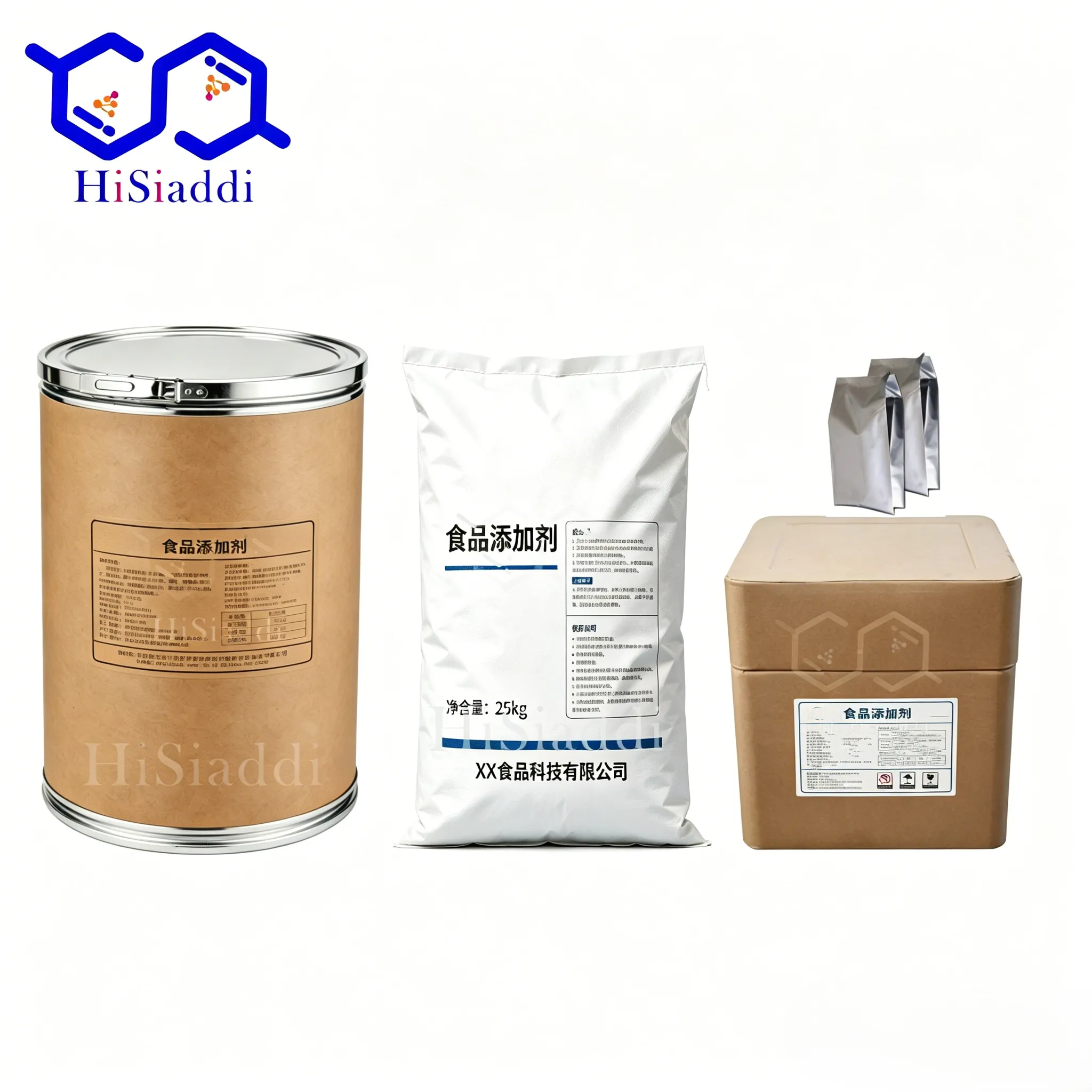
Here is the 25kg bag packaging of SE-11 sucrose fatty acid ester food additive:

Fiber drum packaging for bulk industrial supply:
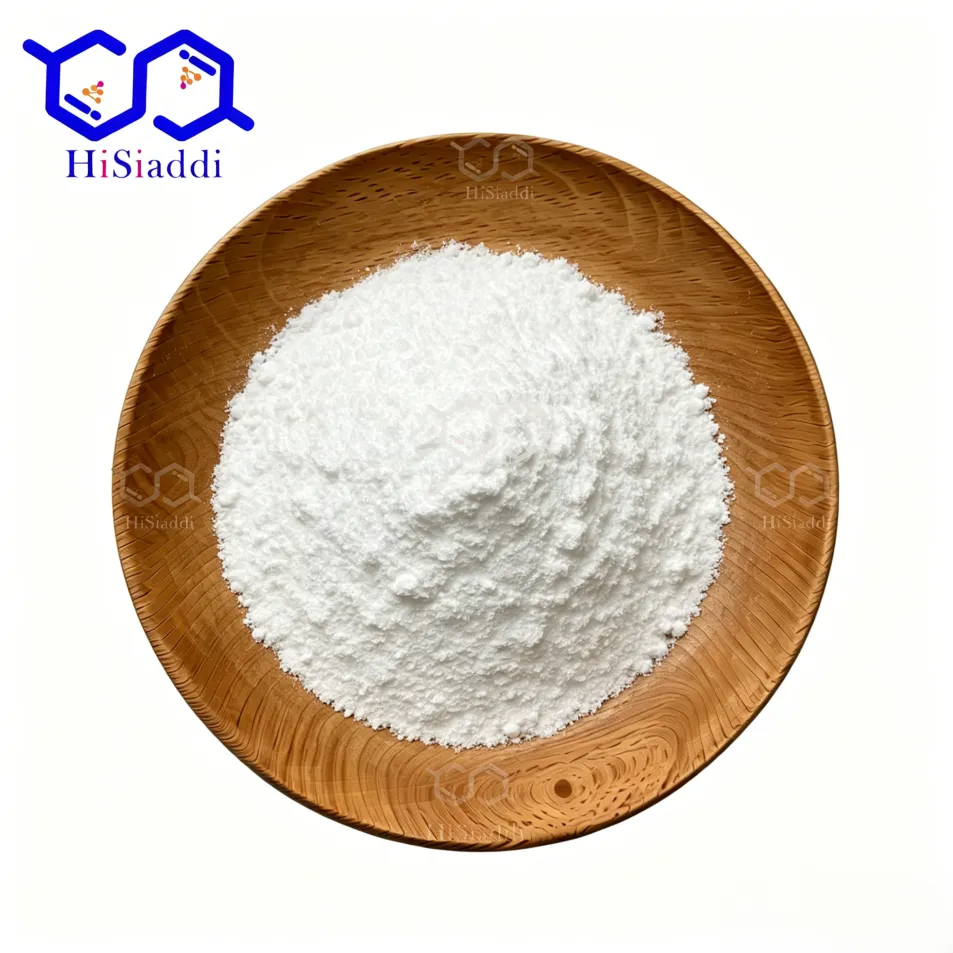
Powder raw material appearance under observation dish:
1. Low-to-mid tier food (Southeast Asia/Africa/South America): SE-5/8/10 cost 10%–15% below industry average with compliant basic emulsification performance, suitable for small food factories, instant noodles, sauces and low-end ice cream. Southeast Asian export share reached 45% in 2025, with African orders rising 18.2% year-on-year.
2. Cleaners & low-end cosmetic lines (Middle East/Eastern Europe): SE-3 is biodegradable, low-irritant and low-cost for dishwashing liquid, laundry detergent and industrial cleaning. Industrial-grade export volume jumped 22.4% year-on-year in 2025, establishing Gaotong as a core supplier for Middle Eastern detergent brands.
3. Feed & agricultural materials (Australia/South America): SE-8 delivers emulsification, dispersion and antibacterial preservation for feed oil emulsification and fruit & vegetable fresh-keeping. Australian agricultural material orders rose 10.8% year-on-year in 2025.
· Food-grade: FDA GRAS, EU E473, China GB 2760, GB 8272.
· System certifications: ISO9001, ISO22000, FSSC22000, Halal, Kosher, Guangxi Famous Brand (2018).
· Regional certifications: ASEAN food certification, Brazil ANVISA, India FSSAI.
· Pharmaceutical-grade: RYOTO™ SUGAR ESTER M-10 (HLB10, monoester ≥98%), M-16 (HLB16, water-soluble)
· High-end cosmetic-grade: RYOTO™ C-12 (HLB12, high purity, low irritation)
· Specialized food-grade: RYOTO™ S-11 (HLB11, high temperature resistance, baking compatible)
1. Premium pharmaceuticals (Europe/America/Japan/South Korea): M-10/M-16 deliver globally recognized maximum purity, sterility, pyrogen-free status and zero batch fluctuation for injections, targeted formulations and premium health supplements. 60% of pharmaceutical-grade exports targeted Europe/America/Japan/South Korea in 2025, serving clients including Johnson & Johnson, Roche and Daiichi Sankyo with a 100% repurchase rate.
2. Luxury high-end cosmetics (global premium brands): C-12 offers exceptional compatibility with active ingredients and superior skin feel for La Mer, Helena Rubinstein and other luxury cream & essence lines. High-end cosmetic-grade exports rose 8.9% year-on-year in 2025 with a 35% global market share.
3. Specialized premium food (Japan/European high-end baking): S-11 withstands 180°C high temperatures and delivers extreme anti-staling performance for Japanese premium bread and French pastries. Japanese market export volume rose 7.3% year-on-year in 2025.
· Pharmaceutical-grade: EP9.0, USP43, JP18, FDA DMF, EU CEP, GMP.
· Food-grade: FDA GRAS, EU E473, JECFA, Japanese Ministry of Health, Labour and Welfare approval.
· System certifications: ISO9001, ISO13485 (pharmaceutical), ISO22000, FSSC22000, Halal, Kosher, Non-GMO.
· Cosmetic-grade: DK-SE9 (HLB9, high purity, low odor, color cosmetic compatible), DK-SE14 (HLB14, water-soluble, essence & lotion compatible)
· Special industrial-grade: DK-SE6 (HLB6, high dispersibility, coating & plastic modification compatible)
· Food-grade: DK-SE8 (HLB8, general-purpose)
1. Premium beauty (Europe/America/Japan/South Korea): DK-SE9/14 deliver uniform powder dispersion, non-pore-clogging properties and strong stability for lipsticks, foundations and essences. Market share in premium color cosmetics hit 33% in 2025, with clients including Estée Lauder, Kao and Kose and a 95% repurchase rate.
2. Special industrial applications (Europe/America/Southeast Asia): DK-SE6 boosts pigment dispersion and prevents sedimentation for water-based coatings and plastic modification. Industrial-grade exports rose 16.7% year-on-year in 2025.
3. Food (Japan/South Korea/Southeast Asia): DK-SE8 delivers pleasant taste and stable performance for dairy and baking products. Japanese & South Korean food exports rose 8.5% year-on-year in 2025.
· Cosmetic-grade: EU ECOCERT organic certification, USDA organic certification, cruelty-free certification, EU CosIng registration.
· Food-grade: FDA GRAS, EU E473, JECFA, China GB 2760.
· System certifications: ISO9001, ISO22716 (cosmetic GMP), ISO22000, Halal, Kosher.
· Zhejiang Synose Tech: Enzymatic high-purity production, full grade coverage, optimal overall cost performance; ideal for premium food/pharmaceutical/cosmetic applications and global clients.
· Hangzhou Ruilin Chemical: Specialized food-grade pellet/powder, mid-to-high tier cost performance, baking & ice cream expertise; ideal for Southeast Asian/Latin American/Eastern European food markets.
· Guangxi Gaotong Food: Raw material resource cost advantage, general & industrial-grade focus, lowest price point; ideal for low-to-mid tier food, cleaners & feed, Southeast Asia/Africa markets.
· Mitsubishi Chemical (China): World-leading pharmaceutical & cosmetic purity, global benchmark, premium pricing; ideal for ultra-high-end pharmaceuticals and luxury beauty in Europe/America/Japan/South Korea.
· DKS (China: Specialist cosmetic & special industrial grades, color cosmetic compatibility strength; ideal for premium color cosmetics and special industrial sectors, Europe/America/Japan/South Korea.
All mainstream grades of the five brands fully pass core food compliance standards including FDA GRAS, EU E473, JECFA and China GB 2760. Over 90% hold Halal, Kosher and ISO system certifications. Premium pharmaceutical/cosmetic grades carry full EP/USP, organic and GMP certifications, recognized across 150+ countries and regions for direct export products, aligned with WHO standards.
If you require more authentic, objective introductions to multiple well-known Chinese Sucrose Fatty Acid Ester brands, please contact HiSiaddi customer service.
As a new foreign trade service provider driven by both technology transformation and export business, HiSiaddi has built a "1+2+3+4=1" service system and can supply raw materials from multiple well-known original manufacturers of Sucrose Fatty Acid Esters.
As a technology R&D-focused foreign trade service provider, HiSiaddi does not only promote its own brand like single-factory suppliers. We objectively analyze multiple competitive leading Chinese export brands and share their production processes, supply stability and key quality indicators, alongside the downstream procurement impacts of these core factors, to streamline buyers’ sourcing decisions.
If you require more authentic, objective introductions to multiple well-known Chinese Sucrose Fatty Acid Ester brands, please contact HiSiaddi customer service.
Mainstream grades (SE-11/15 food-grade, SE-M8/M10 pharmaceutical-grade, SE-C9 cosmetic-grade) adopt solvent-free enzymatic esterification paired with supercritical CO₂ extraction purification, distinguishing from traditional chemical synthesis:
1. Synthesis stage: Catalyzed by immobilized lipase (Novozym435) at 60–80°C (60°C lower than chemical synthesis). No organic solvent residues, with glycerol as the sole byproduct, cutting carbon footprint by 30%.
2. Purification stage: Supercritical CO₂ extraction + multi-stage short-path distillation enables precise monoester content control (90%–98%), with 99.5% removal efficiency for impurities (free sugar, heavy metals).
3. Flexible production: A single production line accommodates food/pharmaceutical/cosmetic grades with customizable HLB 3–16; grade changeover cycles ≤4 hours.
1. Production capacity: Intelligent manufacturing plant in Huzhou, Zhejiang with annual output of 8,000 tons, 24-hour continuous production at 92% automation rate. Monthly export volume averages 650 tons (28% of China’s premium SE exports).
2. Raw material security: Long-term supply agreements for sucrose from Guangxi sugarcane bases and fatty acids from Indonesian palm oil plantations, with minimum 90-day raw material inventory to hedge price volatility and supply disruptions.
3. Delivery performance: Standard grades (SE-11/15) shipped within 7 days, custom pharmaceutical grades within 15 days, with 30% spare capacity during peak seasons. 99.7% on-time delivery rate in 2025.
4. Quality consistency: Real-time online monitoring (temperature, vacuum, HLB value) ensures batch-to-batch variation ≤±0.5%, with zero customer complaints for 36 consecutive months.
表格
Test Item | National Standard GB1886.27 | Synose Internal Control Standard | International EP/USP Standard | |||||
Monoester Content | ≥85% | Food-grade ≥90%, Pharmaceutical-grade ≥95% | ≥95% (Pharmaceutical) | |||||
Acid Value (mgKOH/g) | ≤6.0 | ≤5.0 | ≤3.0 (Pharmaceutical) | |||||
Free Sugar (%) | ≤10.0 | ≤3.0 | ≤1.0 (Pharmaceutical) | |||||
Moisture (%) | ≤4.0 | ≤2.0 | ≤1.0 (Pharmaceutical) | Lead Heavy Metal (mg/kg) | ≤2.0 | ≤0.5 | ≤0.1 (Pharmaceutical) | |
Solvent Residue | No specified limit | Not Detected (ND) | Not Detected (ND) |
1. Food processors: Enzymatic SE delivers zero solvent residues to align with clean label trends, supporting an 18%–25% product premium after replacing synthetic emulsifiers. Consistent batches deliver 30% improved anti-staling for baking and ice crystal inhibition for ice cream, reducing formulation failure risks.
2. Pharmaceutical & cosmetic buyers: Pharmaceutical-grade SE with monoester ≥95%, sterility and pyrogen-free status meets EP/USP standards for direct use in oral solid preparations and sensitive skincare, eliminating EU/American product removal compliance risks. Low-odor, high-compatibility cosmetic-grade variants resolve layering/precipitation issues and cut R&D cycles by 50%.
3. Distributors: Full-grade supply shortens inventory turnover cycles to ≤45 days with no slow-moving stock risks. Complete certifications (FDA GRAS, EP, Halal) enable rapid global client onboarding, with value-added technical services (5%–10% fee) boosting customer stickiness.
Mainstream grades (SE-7/9/13 food-grade, SE-B8 baking-specialized, SE-I7 ice cream-specialized) adopt solvent-free melt esterification paired with gradient crystallization purification, focused on efficient food-grade manufacturing:
1. Synthesis stage: Sucrose reacts with fatty acid methyl ester at 1:3 molar ratio, 120–140°C and vacuum ≤10mmHg for direct esterification with no organic solvents and ≥92% conversion rate, 20% lower production cost than enzymatic synthesis.
2. Purification stage: Gradient cooling crystallization (50°C → 25°C) + centrifugal separation delivers monoester content 85%–88% to meet food-grade requirements without excessive purification cost increases.
3. Specialized formulation tuning: Baking/ice cream grades optimize fatty acid carbon chains (stearic acid dominant) to targeted boost anti-staling and emulsification efficiency.
1. Production capacity: GMP-standard plant in Tonglu, Hangzhou with annual output of 5,000 tons across 3 dedicated food-grade production lines. Monthly export volume averages 420 tons (18% of China’s food-grade SE exports).
2. Raw material security: Domestic sucrose from Guangxi and locally sourced palmitic acid in Zhejiang, with minimum 60-day raw material inventory for stable price control and consistent lead times.
3. Delivery performance: Minimum 300 tons spot inventory of pellet/powder grades for 3–5 day expedited delivery, priority allocation for Southeast Asian/Latin American/Eastern European clients. 99.2% on-time delivery rate in 2025.
4. Quality consistency: Batch-to-batch variation ≤±1.0%, with 100% compliance for core food-grade metrics (emulsification efficiency, stability) suitable for large-scale mid-tier food production.
表格
Test Item | National Standard GB1886.27 | Ruilin Internal Control Standard | International Food-Grade E473 Standard |
Monoester Content | ≥85% | ≥88% (specialized grades ≥90%) | ≥85% |
Acid Value (mgKOH/g) | ≤6.0 | ≤5.5 | ≤6.0 |
Free Sugar (%) | ≤10.0 | ≤5.0 | ≤10.0 |
Moisture (%) | ≤4.0 | ≤3.0 | ≤4.0 |
Lead Heavy Metal (mg/kg) | ≤2.0 | ≤1.0 | ≤2.0 |
1. Food processors (Southeast Asia/Latin America): 20%–25% lower pricing than imported equivalents with equivalent core emulsification performance for large-scale baking, ice cream and beverage manufacturing. Specialized SE-B8/I7 deliver targeted performance gains (15% larger bread volume, 12% higher ice cream overrun) for maximum cost performance.
2. Beverage & dairy buyers: Instant-soluble SE-13 dissolves in cold water and prevents layering for 6 months for bottled plant-based dairy drinks, simplifying production workflows. 89% client repurchase rate guarantees stable supply without peak-season stockouts.
3. Distributors: Food-grade focused inventory with turnover ≤30 days, strong Southeast Asian demand supporting stable 12%–15% profit margins, with complete FDA GRAS & Halal certifications eliminating extra compliance investment.
Mainstream grades (SE-5/8/10 general food-grade, SE-3 industrial-grade, SE-G8 blended grade) adopt solvent-free esterification paired with spray cooling granulation for low-cost mass production:
1. Synthesis stage: Sucrose from local Guangxi sugarcane paired with palm oil fatty acids undergoes melt esterification at 130–150°C, with optimized catalyst dosage (reduced from 2% to 1.5%) cutting production costs by 10%.
2. Purification stage: Simplified neutralization, water washing and drying deliver monoester content 75%–82% to meet low-to-mid tier food and industrial standards. Spray cooling granulation produces uniform free-flowing pellets with low moisture absorption, eliminating crushing steps and reducing dust pollution.
3. Blending capability: Custom blends with polyglycerol esters and monoglycerides deliver an additional 5%–8% formulation cost reduction for low-end recipes.
1. Production capacity: Liuzhou plant in Guangxi with annual output of 5,500 tons across 2 dedicated general/industrial-grade production lines. Monthly export volume averages 380 tons (16% of China’s low-to-mid tier SE exports).
2. Raw material security: Locally sourced Guangxi sugarcane cuts sucrose costs by 15% versus external suppliers, paired with Southeast Asian palm oil feedstock and minimum 45-day raw material inventory for consistent price advantages and supply continuity.
3. Delivery performance: Minimum 200 tons spot inventory for 5–7 day delivery, primary client base in Southeast Asia/Africa/South America. 98.5% on-time delivery rate in 2025.
4. Quality consistency: Batch-to-batch variation ≤±1.5%, with 98% compliance for core basic metrics (emulsification efficiency, stability) suitable for large-scale low-to-mid tier food and cleaner manufacturing.
表格
Test Item | National Standard GB1886.27 | Gaotong Internal Control Standard | Industrial-Grade Enterprise Standard |
Monoester Content | ≥85% | ≥75% (general grade) | ≥60% |
Acid Value (mgKOH/g) | ≤6.0 | ≤6.0 | ≤8.0 |
Free Sugar (%) | ≤10.0 | ≤8.0 | ≤12.0 |
Moisture (%) | ≤4.0 | ≤4.0 | ≤5.0 |
Lead Heavy Metal (mg/kg) | ≤2.0 | ≤2.0 | ≤5.0 |
1. Low-to-mid tier food processors (Southeast Asia/Africa): 10%–15% below average market pricing with compliant basic emulsification performance for instant noodles, sauces and low-end ice cream, controlling production costs for 5%–8% profit margins with consistent supply and no stockout risks.
2. Cleaner & low-end cosmetic buyers: Biodegradable, low-irritant, low-cost industrial SE-3 for dishwashing liquid and laundry detergent enables lower product pricing and stronger market competitiveness. Industrial-grade exports rose 22.4% year-on-year in 2025 amid surging demand.
3. Feed & agricultural material buyers: SE-8 delivers emulsification, dispersion and antibacterial preservation for feed oil emulsification and fruit & vegetable fresh-keeping, balancing cost and stable performance for Australian/South American market applications.
Mainstream grades (RYOTO™ M-10/M-16 pharmaceutical-grade, C-12 high-end cosmetic-grade, S-11 specialized food-grade) adopt Japanese proprietary immobilized enzymatic synthesis paired with multi-stage molecular distillation and sterile purification, the global gold standard for technical performance:
1. Synthesis stage: Proprietary Amano lipase catalysis at 55–65°C delivers ≥98% conversion rate with naturally ≥95% monoester content, zero solvents and minimal byproducts.
2. Purification stage: Triple molecular distillation + 0.22μm sterile filtration delivers monoester ≥98%, impurities ≤0.05%, sterility and pyrogen-free status meeting the strictest EP/USP/JP standards.
3. Customization capability: Exclusive HLB value tuning (e.g., HLB8.5 injectable grade), particle size and sterility specifications tailored for ultra-high-end pharmaceuticals and luxury cosmetics.
1. Production capacity: Dual manufacturing hubs in Japan’s Tokai (10,000 tons/year) and Kyushu (2,000 tons/year), with Shanghai distribution center supplying ≥3,000 tons annually to the Chinese market. Monthly export volume averages 250 tons (11% of China’s premium SE exports).
2. Raw material security: Global premium sucrose feedstock (Brazil/Thailand) paired with high-purity Malaysian fatty acids, minimum 120-day raw material inventory and comprehensive BCP emergency response protocols eliminating supply interruptions.
3. Delivery performance: Minimum 150 tons spot inventory at Shanghai distribution center for 7–10 day delivery, priority allocation for European/American/Japanese/South Korean clients. 100% on-time delivery rate in 2025.
4. Quality consistency: Zero batch-to-batch deviation, full-panel testing of 120+ indicators per batch, 100% compliance for sterility/pyrogen-free pharmaceutical-grade specifications with a 100% global client repurchase rate.
表格
Test Item | EP9.0/USP43 Standard | Mitsubishi Internal Control Standard | Japanese JP18 Standard |
Monoester Content | ≥95% | ≥98% | ≥95% |
Acid Value (mgKOH/g) | ≤3.0 | ≤2.0 | ≤3.0 |
Free Sugar (%) | ≤1.0 | ≤0.5 | ≤1.0 |
Moisture (%) | ≤1.0 | ≤0.5 | ≤1.0 |
Lead Heavy Metal (mg/kg) | ≤0.1 | ≤0.05 | ≤0.1 |
Sterility & Pyrogens | Sterile, Pyrogen-Free | Sterile, Pyrogen-Free (Endotoxin ≤0.25EU/mg) | Sterile, Pyrogen-Free |
1. Premium pharmaceutical buyers (Europe/America/Japan/South Korea): Industry-leading purity, sterility, pyrogen-free status and zero batch fluctuation enable application in injectables, targeted formulations and premium health supplements, eliminating pharmaceutical safety risks and passing FDA/EU audits with ease. 50%–100% product premiums deliver substantial profit margins.
2. Luxury cosmetic buyers: C-12 delivers exceptional active ingredient compatibility and superior skin feel for La Mer, Helena Rubinstein and other luxury cream & essence lines, supporting differentiated product positioning and 30%–50% price premiums with a 35% global market share and unmatched brand recognition.
3. Specialized premium food buyers: High-temperature resistant S-11 (180°C tolerance) and superior anti-staling performance elevate Japanese premium bread and French pastry quality to capture high-end consumer segments.
Mainstream grades (DK-SE9/14 cosmetic-grade, DK-SE6 special industrial-grade, DK-SE8 food-grade) adopt Japanese transferred solvent-free enzymatic synthesis paired with precision distillation and low-odor treatment, focused on premium color cosmetic and special industrial applications:
1. Synthesis stage: Proprietary enzymatic catalysis at 60–70°C delivers monoester ≥92% with low odor and minimal impurities, compatible with sensitive cosmetic formulations.
2. Purification stage: Dual-stage precision distillation + activated carbon deodorization delivers odor value ≤1.0 (virtually odorless) and monoester content 92%–95%, with exceptional powder dispersion for lipsticks, foundations and other color cosmetics.
3. Specialized formulation tuning: DK-SE6 optimized for superior dispersion lifts pigment dispersion efficiency by 40% and prevents sedimentation for water-based coatings and plastic modification.
1. Production capacity: Joint manufacturing base in Japan headquarters and Jiangsu custom factory in China with annual output of 3,000 tons across 2 dedicated cosmetic-grade production lines. Monthly export volume averages 210 tons (9% of China’s beauty-grade SE exports).
2. Raw material security: Premium Southeast Asian sucrose and high-purity fatty acids with minimum 90-day raw material inventory for consistent supply and price control.
3. Delivery performance: Minimum 120 tons spot inventory at Jiangsu facility for 7–12 day delivery, priority allocation for European/American/Japanese/South Korean beauty clients. 99.5% on-time delivery rate in 2025.
4. Quality consistency: Batch-to-batch variation ≤±0.8%, with 100% compliance for cosmetic-grade odor, dispersion and stability metrics meeting stringent premium color cosmetic requirements.
表格
Test Item | Cosmetic-Grade Industry Standard | DKS Internal Control Standard | EU CosIng Standard |
Monoester Content | ≥90% | ≥92% (color cosmetic grades ≥94%) | ≥90% |
Acid Value (mgKOH/g) | ≤4.0 | ≤3.5 | ≤4.0 |
Free Sugar (%) | ≤2.0 | ≤1.5 | ≤2.0 |
Moisture (%) | ≤2.0 | ≤1.5 | ≤2.0 |
Odor | Mild fatty odor | Virtually odorless (odor value ≤1.0) | No off-odors |
Dispersion Performance | Good | Excellent (powder dispersion rate ≥98%) | Good |
1. Premium color cosmetic buyers (Europe/America/Japan/South Korea): DK-SE9/14 deliver uniform powder dispersion, non-pore-clogging properties and exceptional stability for lipsticks, foundations and essences, improving product texture and reducing return rates with a 95% client repurchase rate as a core supplier to Estée Lauder, Kao and Kose.
2. Special industrial buyers: DK-SE6 delivers superior dispersion and anti-sedimentation performance for water-based coatings and plastic modification, boosting product stability and extending shelf life with 16.7% year-on-year industrial-grade export growth and steady demand.
3. Food buyers: DK-SE8 delivers pleasant taste and consistent stability for dairy and baking products, supporting a 10%–15% product premium with reliable quality.
表格
Brand | Core Production Process | Annual Capacity (tons) | Core Competitive Advantages | Target Downstream Segments |
Zhejiang Synose Tech | Enzymatic synthesis + supercritical purification | 8,000 | Full grade coverage, green high purity, optimal overall cost performance | Premium food/pharmaceutical/cosmetic, global clients |
Hangzhou Ruilin Chemical | Solvent-free melt esterification | 5,000 | Specialized food-grade pellet/powder, fast delivery | Mid-to-high tier baking/ice cream/beverages, Southeast Asia/Latin America |
Guangxi Gaotong Food | Solvent-free esterification + spray cooling granulation | 5,500 | Raw material cost advantage, strong industrial-grade offering, lowest price point | Low-to-mid tier food/cleaners/feed, Southeast Asia/Africa |
Mitsubishi Chemical (China) | Japanese enzymatic synthesis + sterile multi-stage purification | 12,000 (global total) | World-leading purity, pharmaceutical-grade industry benchmark | Ultra-premium pharmaceuticals/luxury beauty, Europe/America/Japan/South Korea |
DKS (China) | Japanese enzymatic synthesis + deodorization precision purification | 3,000 | Color cosmetic specialization, low odor, high dispersion performance | Premium color cosmetics/special industrial applications, Europe/America/Japan/South Korea |
1. Quality Tiering: Mitsubishi (ultra-premium) > Synose (premium) > DKS (specialized beauty) > Ruilin (mid-to-high tier food) > Gaotong (low-to-mid tier). Buyers can precisely match quality levels to product positioning to avoid over-specification or insufficient performance.
2. Cost Hierarchy: Gaotong (lowest) < Ruilin (mid-low) < Synose (mid) < DKS (mid-high) < Mitsubishi (highest), enabling balanced cost-quality tradeoffs to maximize profit margins.
3. Compliance Risk Profile: Mitsubishi/Synose/DKS hold the most comprehensive certifications (EP/USP/organic), eliminating European/American market compliance risks; Ruilin/Gaotong carry complete base food certifications suitable for Southeast Asian/African markets.
4. Delivery Efficiency Ranking: Ruilin (fastest) > Synose > Gaotong > DKS > Mitsubishi, enabling rapid response to peak seasonal demand and shortened production lead times.
5. Technical Support Capacity: Synose/Mitsubishi/DKS deliver full-spectrum formulation consulting, HLB matching and on-site technical guidance to accelerate downstream product upgrading; Ruilin/Gaotong provide basic formulation support only.
If you require more authentic, objective introductions to multiple well-known Chinese Sucrose Fatty Acid Ester brands, please contact HiSiaddi customer service.
As a new-type foreign trade service provider driven by technological transformation and export services, HiSiaddi has built a "1+2+3+4=1" service system and can supply authentic raw materials from many well-known original manufacturers of Sucrose Fatty Acid Esters. As a foreign trade enterprise with R&D capabilities, we will analyze key purchasing considerations and critical technical indicators from a professional perspective to ease buyers’ selection confusion.
If you require more professional and in-depth analysis regarding the sourcing of Sucrose Fatty Acid Esters, please contact HiSiaddi customer service.
Sucrose fatty acid esters are mainly produced from food-grade sucrose and plant-derived fatty acids via solvent-free, solvent-based and transesterification processes. Raw material purity, esterification technology and post-refining standards directly determine product grade, HLB value, odor and application safety, making them the primary screening criteria for global price comparison.
Food-grade products predominantly adopt plant-based fatty acids such as palmitic acid, stearic acid and oleic acid combined with refined sucrose, delivering faint odor and low impurity levels. Industrial-grade or low-end products may utilize animal-derived fatty acids and crude raw materials, resulting in strong off-odors and elevated safety risks. Different degrees of esterification correspond to distinct HLB values: higher monoester content strengthens hydrophilicity and raises HLB values, while increased polyester proportion enhances lipophilicity. Unstable manufacturing processes lead to batch-to-batch fluctuations in HLB value, emulsifying capacity and color. For long-term procurement, manufacturers with continuous esterification lines, deep decolorization and deodorization treatments and stable quality control are preferred. Industrial raw materials are strictly prohibited for food applications.
Sucrose fatty acid esters are essential bulk emulsifiers for the food industry, serving downstream sectors including baking, beverages and fats with steady demand year-round. Supply capacity directly affects continuous operation of downstream production lines.
First, verify manufacturers’ regular and peak production capacities to assess their ability to fulfill long-term full-container orders, split shipments and small trial batches matching different procurement volumes. Second, examine upstream reserves of sucrose and plant fatty acids to avoid supply disruptions caused by raw material price volatility and shortages. Meanwhile, compare risk resistance across suppliers from various countries to address environmental regulations, energy fluctuations, international trade policies and ocean freight port congestion. Confirm whether backup production lines and diversified logistics channels are available.
Powder and granular sucrose esters are hygroscopic, prone to caking and odor absorption. Finished product warehouses must maintain cool, dry, sealed and odor-isolated conditions, making warehouse management a vital assessment metric.
Food emulsifiers are strictly regulated worldwide with divergent access rules across application scenarios.
· For food, beverage, dairy and dietary supplement applications: US market requires FDA filing and GRAS certification compliant with FCC standards; EU includes sucrose esters in its food additive list with strict limits on heavy metals, residues, microorganisms and solvent residuals; Japan, South Korea, Australia and New Zealand enforce local food additive specifications.
· Pharmaceutical excipient and cosmetic applications demand industry-specific access standards. If end products target organic, halal, kosher or vegan positioning, corresponding specialized certifications are mandatory.
Manufacturers must hold food additive production permits, GMP, ISO22000 and HACCP certifications, with strict cleanliness requirements for food-grade workshops. For global sourcing, prioritize manufacturers with complete, cross-border verifiable certifications to prevent customs detention and product launch failures.
Global price comparison cannot rely solely on ex-factory unit prices; full-process comprehensive costs must be calculated.
1. Distinguish product specifications: Grades are classified by fatty acid type, esterification degree and HLB value, with forms including powder, granule and paste, as well as general food-grade and high-purity refined grades. Significant price gaps exist between different grades, forms and specifications.
2. Calculate cross-border freight, tariffs, customs clearance surcharges and insurance fees, which vary greatly by port of origin.
3. Account for hidden losses: Hygroscopic caking of powder, paste leakage and odor adsorption degrade product quality and generate losses, with packaging tightness directly impacting transportation wastage rates.
Combine minimum order quantity, payment terms, credit periods and sample policies to evaluate cost performance based on purchasing frequency and capital turnover.
Overseas B-end formulation systems vary widely, and standard single specifications cannot meet all demands.
· High-HLB products suit aqueous systems for beverages and protein drink emulsification & dispersion;
· Low-HLB products fit oil-based systems for baking, chocolate and margarine;
· Certain scenarios require compound sucrose esters or dedicated composite emulsification systems.
During supplier evaluation, focus on R&D capacity: ability to customize proprietary grades with tailored fatty acid compositions, HLB values and mono/diester ratios, adjust powder particle size and paste concentration, and optimize anti-caking and temperature resistance. Also assess sample testing efficiency, formulation debugging support, and provision of technical guidance on addition ratios, emulsification processes, compatibility schemes, anti-aging and anti-delamination solutions. Domestic sucrose ester industrial chains are complete, offering superior specification segmentation and application technical support compared to overseas single-output manufacturers.
For long-term cross-border partnerships, business communication, document processing and logistics lead times are critical. The service team should employ multilingual specialists to rapidly respond to orders, customized specifications, quality inspection and after-sales inquiries. They must provide certificates of origin, sanitary certificates, batch test reports and full compliance documents as required by customs and food safety authorities of various countries to guarantee smooth customs clearance.
Additionally, confirm delivery cycles, sample dispatch lead times and willingness to cooperate with third-party cross-border testing and quality abnormality investigations. Standardized services effectively mitigate trade risks.
HLB value, ester composition, main content, physicochemical and safety indicators form the grading and acceptance criteria for sucrose esters, mandatory for batch inspection, third-party testing, cross-border customs clearance and production launch.
1. HLB Value: The core selection indicator. Strictly verify nominal HLB against formulation requirements and conduct batch-by-batch actual testing; excessive deviation causes emulsification failure and system delamination.
2. Monoester/Diester/Polyester Content: Monoester proportion determines hydrophilicity, acting as the key differentiator for specifications and matching application systems, requiring strict batch-to-batch proportional stability testing.
3. Total Ester Content: Food-grade products must meet specified total sucrose ester thresholds with controlled free sucrose and free fatty acids. Excess free substances impair flavor and reduce emulsification performance, with clear limit standards established globally.
1. Moisture: Powders and granules are highly hygroscopic. Excessive moisture triggers caking, poor fluidity and microbial growth. General food-grade powder requirement: moisture ≤5%; paste products control solid-to-water ratios.
2. Particle Size: Fine powder dissolves rapidly for liquid beverages and liquid ingredients; medium-coarse granules suit solid premixes and baking materials. Uneven particle size creates undissolved lumps and uneven mixing.
3. Acid Value & Saponification Value: Characteristic physicochemical metrics reflecting esterification degree and free fatty acid levels, which must comply with FCC and national standard limits.
4. Ignition Residue: Represents inorganic mineral impurities with strict upper limits for food-grade and refined grades.
As food-contact emulsifiers, microbial testing is mandatory worldwide. Mandatory tests include total plate count, mold & yeast and Escherichia coli. Products for infant food, high-end dairy and pharmaceutical excipients require additional testing for pathogenic bacteria such as Salmonella and Staphylococcus aureus.
North America, Europe and Japan enforce zero tolerance for pathogenic bacteria. Independent microbial test reports must accompany every batch; combined batch testing is prohibited.
1. Heavy Metals: Mandatory testing for lead, arsenic, mercury, cadmium and copper, adhering strictly to limit standards for food additives in target markets.
2. Solvent Residues: Solvent-processed products require rigorous inspection of organic solvent residuals generated during esterification – a frequent focus of cross-border sampling inspections that must fully comply with regulations.
3. Other Residues: Control catalyst and decolorizing auxiliary residuals, with targeted screening for sulfur dioxide, plasticizers and other exogenous contaminants to fully eliminate compliance risks.
Qualified sucrose esters:
· Powders/granules: uniform white to off-white solids without discoloration, black specks or visible foreign matter;
· Pastes: uniform milky white cream;
· Mild natural raw material odor only, no rancid oil, burnt, pungent, fermented or putrid odors.
Rancid oil odor is a typical disqualification defect that contaminates end food flavors. Each batch must be cross-referenced against standard reference samples.
1. Emulsifying Performance: Test emulsification capacity and static stability for target oil-water systems to observe delamination and oil floating.
2. Thermal Stability: For baking and high-temperature sterilized beverages, test retention of emulsifying performance under high heat to prevent decomposition, discoloration and off-odor generation.
3. Acid & Alkali Resistance Stability: For acidic beverages and condiments, verify performance stability across varying pH ranges.
4. Anti-Aging & Anti-Crystallization Properties: Test starch anti-retrogradation and crystallization inhibition for bread, pastries and chocolate applications.
5. Anti-Caking Performance: Evaluate long-term warehouse storage stability of powders to ensure uninterrupted automated production line feeding.
Given hygroscopicity and odor absorption risks, packaging adopts food-grade inner film + aluminum foil composite layers + thick fiber drums/woven sealed bags for powders; food-grade sealed plastic pails for pastes to prevent leakage, moisture ingress and odor cross-contamination.
Outer packaging must clearly label product name, HLB value, fatty acid type, monoester content, particle size/form, batch number, production date, shelf life and storage conditions, complying with food labeling regulations and customs inspection requirements across all countries.
Storage and transportation require cool, dry, ventilated environments away from humidity, oils, acids, alkalis and odor sources, avoiding direct sunlight and high-temperature stacking.
If you require more professional and in-depth analysis regarding the sourcing of Sucrose Fatty Acid Esters, please contact HiSiaddi customer service.



 +86-13120989737
  info@hisiaddi.com
 English