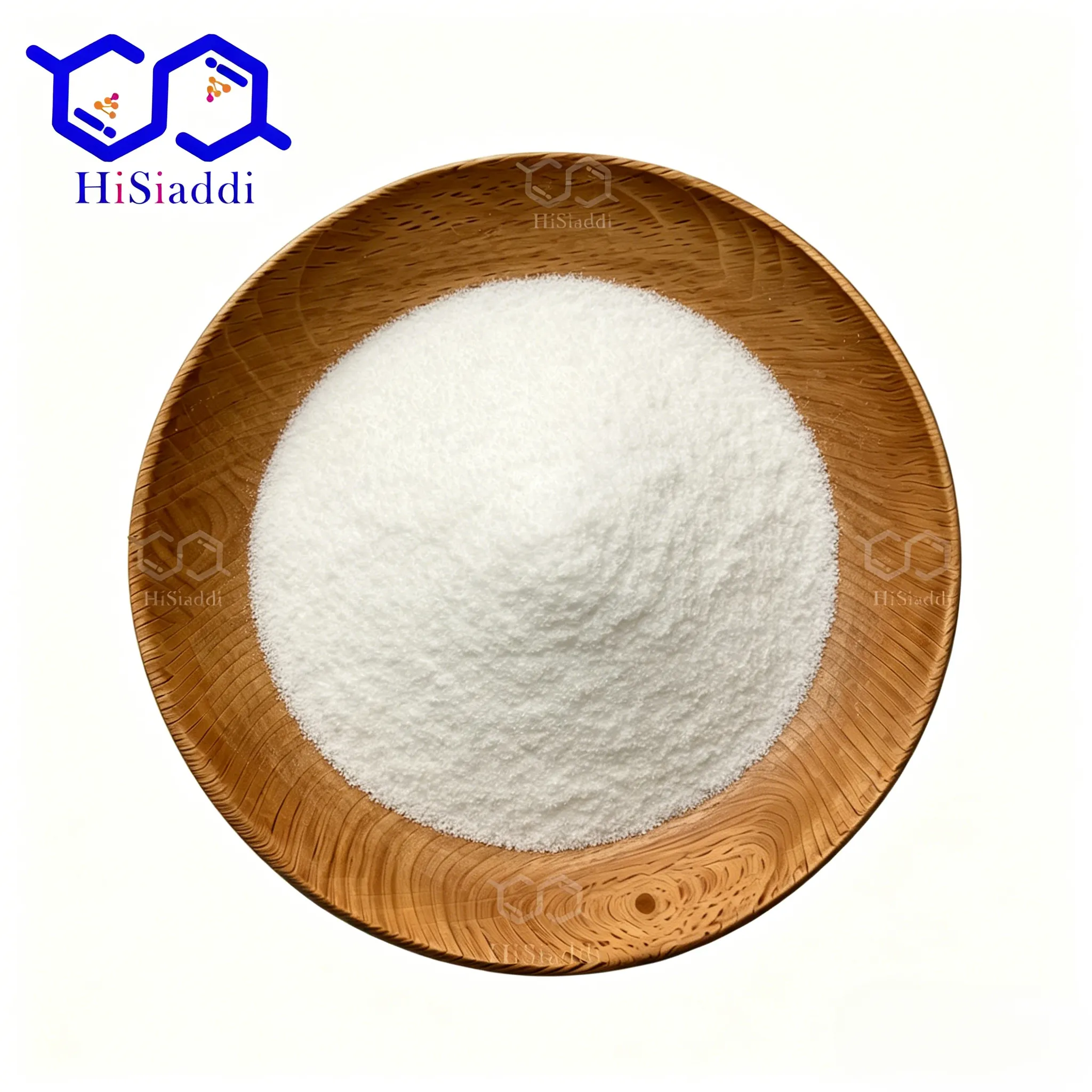
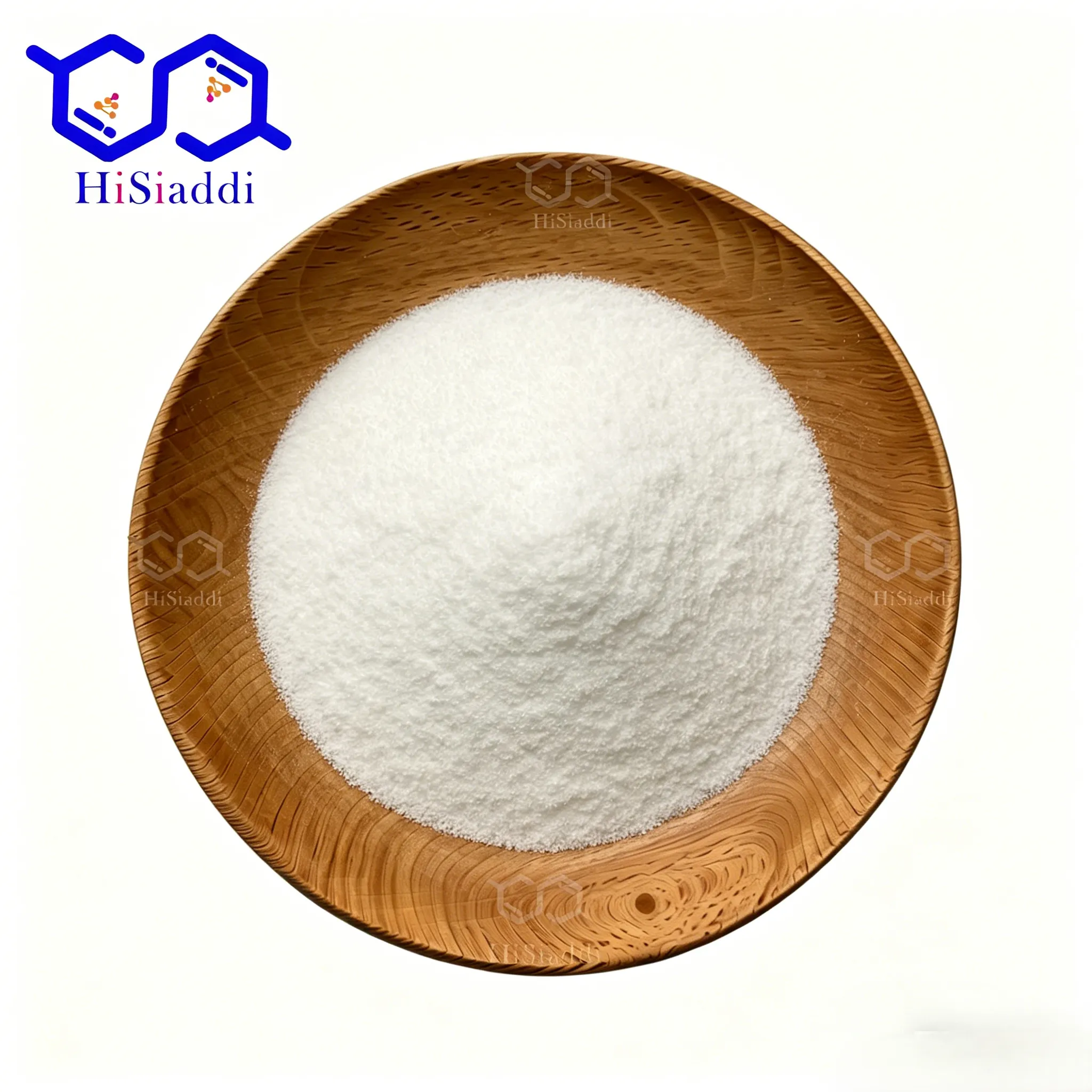
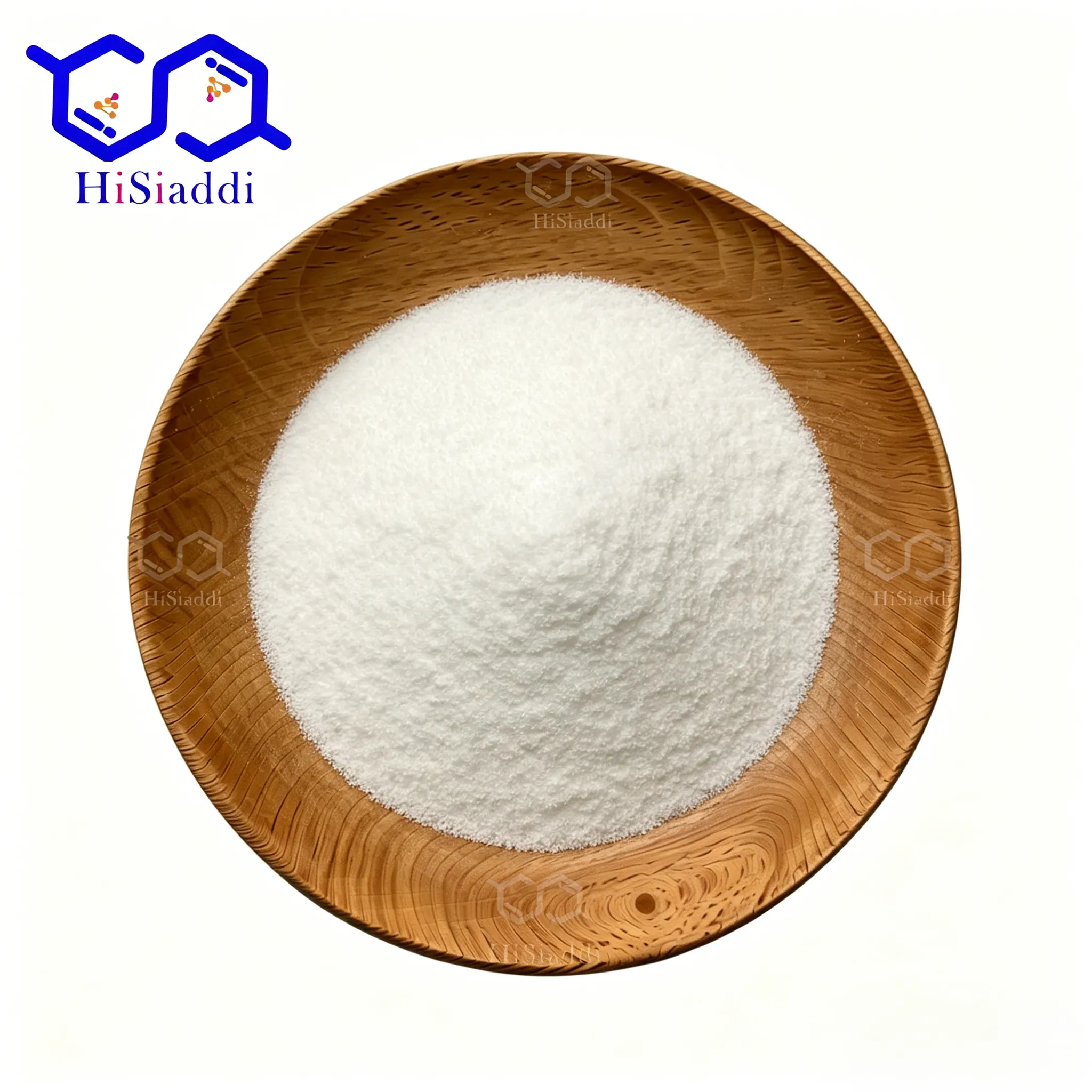
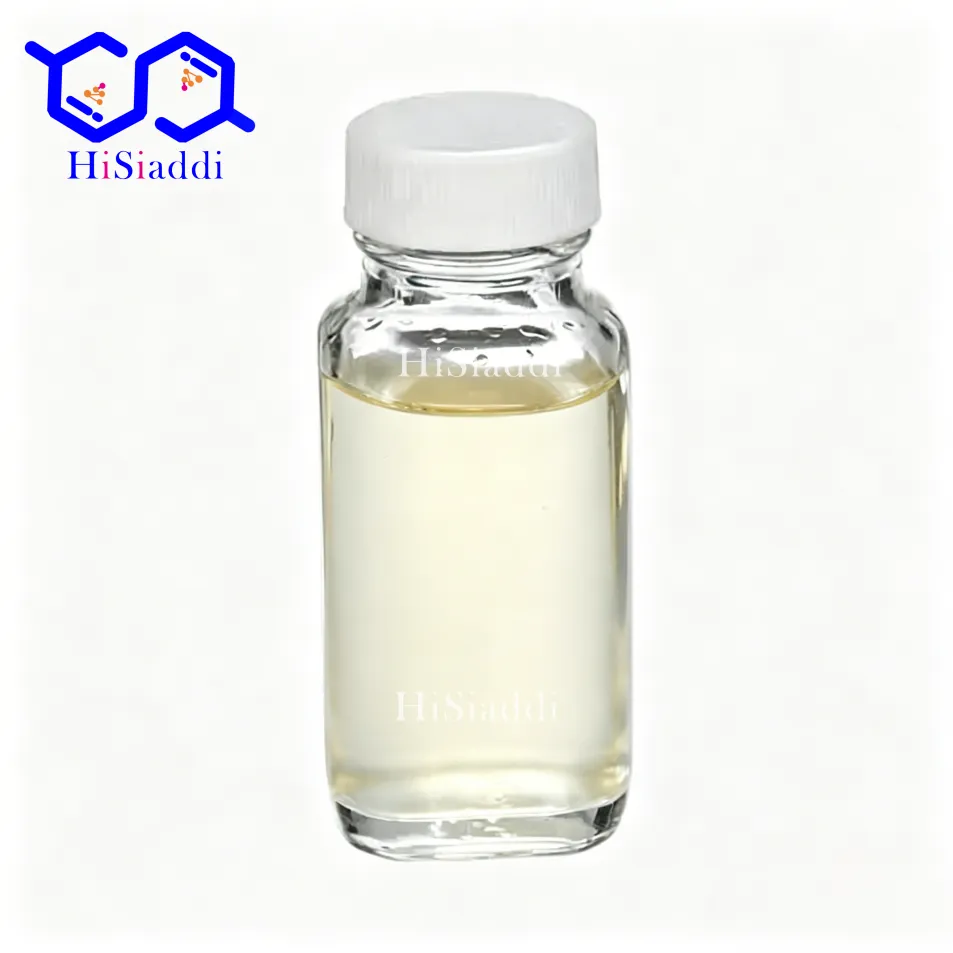
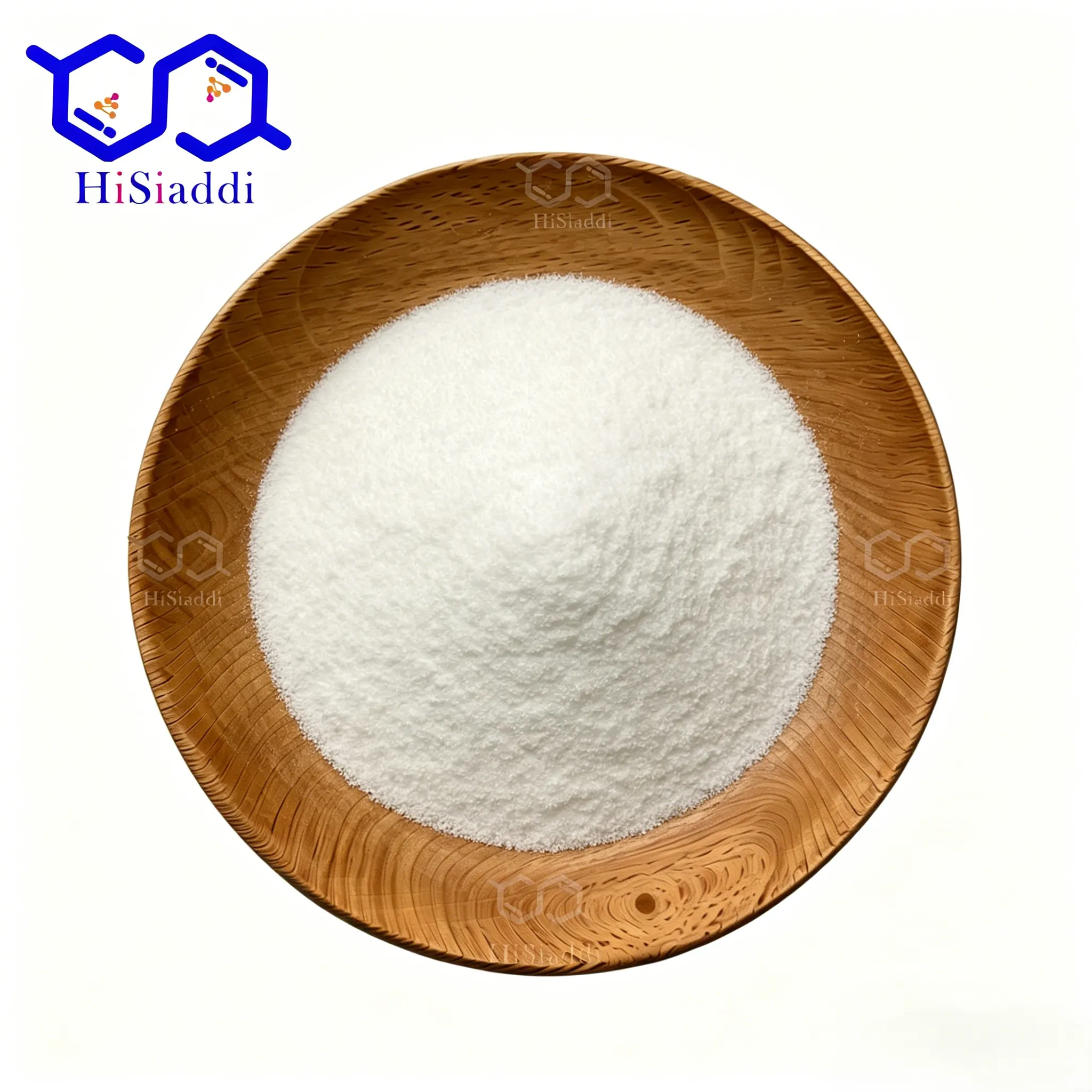
Malic Acid is used in food and beverage acidulant and cosmetic pH adjustment. HiSiaddi supplies original factory sources of multiple Chinese brands and provides the "1+2+3+4=1" service.
Changmao: It provides 99% DL-Malic Acid food grade, 98% L-Malic Acid, beverage special anhydrous powder and pharmaceutical grade with purity over 99%, moisture less than 0.5% and uniform crystal. Its price is 40%-50% lower than Fuso of Japan with world-class quality, suitable for global food and beverage giants and high-end cosmetic enterprises.
Huakang: It offers 98% food grade, feed grade, compound acidulant compounded with Citric Acid and liquid sodium malate with purity over 98% and cost advantage. Its price is 10%-15% lower than Changmao.
HiSiaddi Exclusive Service: We customize purity of 95%-99% and particle size of 40-200 mesh with options of DL-type/L-type, develop one-stop flavor enhancement raw materials by compounding Malic Acid with Citric Acid/Tartaric Acid, and provide formula guidance for beverage flavor optimization and food preservation as well as consultation on key indicator & cost comparison of multiple brands.
 CONTACT HiSiaddi NOW
| CAS No: | 50-21-5 | Brand Name: | Multi-brand |
| MF: | C4H6O5 | Model Number: | Multi-models |
| EINECS No: | 230-022-8 | Grade: | Food grade |
| Purity: | N/A | Place of Origin: | China |
| MOQ: | 1ton | Storage: | Please refer to the product packaging or contact the customer service. |
When purchasing Malic Acid as a buyer, you may encounter the following questions:
What are the key indicator advantages of mainstream models from well‑known Malic Acid brands and their impacts on application?
What competitive services can Malic Acid suppliers provide?
What are the qualification certifications and market feedback of target Malic Acid brands?
What are the inventory levels and supply stability of Malic Acid suppliers?
What factors should be taken into account when selecting Malic Acid?
…and many other related questions.
As a new‑type foreign trade service provider driven by both technology commercialization and cross‑border trade services in China, HiSiaddi has established the “1+2+3+4=1” service system to ensure competitive services for B‑end buyers.
In response to these questions, we will first address your most concerned and direct query: from a global competition perspective, what are the key indicator advantages of well‑known Chinese Malic Acid brands and their downstream benefits?
Of course, HiSiaddi is also pleased to analyze and answer other questions regarding Malic Acid. You may check the FAQ section or blog posts on our website.
For more accurate, detailed and in‑depth analysis on Malic Acid selection, please feel free to contact us.
Malic Acid (mainly natural fermented L‑Malic Acid and chemically synthesized DL‑Malic Acid) is the world’s second‑largest organic acid. Its core functions include acidity regulation, flavor enhancement, preservation & corrosion inhibition, chelation stabilization and taste buffering. It is widely applied in food & beverages, confectionery & baking, health supplements, daily‑use care products, pharmaceutical preparations, animal feed, metal processing and water treatment. International leading brands include Kyowa Hakko Bio (Japan), Cargill (USA), BASF (Germany), CJ CheilJedang (South Korea) and Tate&Lyle (UK).
China is the world's largest producer and exporter of malic acid, accounting for over 70% of global production capacity. Supported by mature bio‑fermentation technology, cost advantages of corn starch raw materials, large‑scale production of natural‑route L‑Malic Acid, extremely high cost‑performance of DL‑Malic Acid, full coverage of all‑specification concentrations/form types, and strict control over heavy metals and impurities, Chinese malic acid has comprehensively replaced imported brands in markets including Europe, America, Southeast Asia, Japan, South Korea, the Middle East, Australia and Latin America. Exports of natural L‑Malic Acid have achieved explosive growth in recent years due to its compliance with clean‑label and natural health trends in Europe and America.
HiSiaddi can provide original factory supplies of well‑known Chinese Malic Acid brands for diverse customer groups. Based on export data, production capacity, global market share, compliance level, long‑term purchasing reputation among overseas buyers, as well as our field investigations and long‑term cooperation experience with major Chinese Malic Acid brands, we have comprehensively screened out China's top 5 Malic Acid brands: Changmao Biotech, Anhui Huabang Bio, Jiangsu Ruibang Bio, Shandong Tongchuang Bio and Henan Jindan Bio. Together, these five brands account for more than 79% of China's total malic acid export volume.
Natural Fermented L‑Malic Acid CM‑L99 (Food‑grade crystalline, ≥99.5%, natural levorotatory)
DL‑Malic Acid CM‑DL99 (General food‑grade, synthetic type)
Pharmaceutical‑grade L‑Malic Acid CM‑Med (Compliant with USP/EP/JP, low endotoxin)
Liquid Malic Acid CM‑Liquid (50% sterile liquid, specially for beverages)
Top‑tier purity and chiral advantages of natural‑fermented L‑Malic Acid: L‑Malic Acid purity ≥99.5%, D‑Malic Acid isomer ≤0.2%, naturally fermented rather than chemically synthesized, with indicators fully matching top‑grade L‑Malic Acid from Kyowa Hakko Bio (Japan). Heavy metal lead<0.1 mg/kg, arsenic <0.05 mg/kg, microbes <10 CFU/g, fully complying with FCC, USP, JECFA and EU E296 food additive standards. It can be directly labeled as natural‑source and clean‑label, a rigid selling point for European and American food brands.
Superior flavor buffering and mild sourness over competitors: L‑Malic Acid delivers long‑lasting and mild natural fruit acidity without sharp irritating sourness and clean aftertaste, with strong acidity buffering capacity. It can mask the bitterness of sugar substitutes (stevia, allulose, neotame), suitable for sugar‑free beverages, sparkling water and functional drinks, solving the pain point of sharp sourness and dry aftertaste of Cargill's (USA) DL‑Malic Acid.
Excellent thermal stability and processing resistance: No decomposition, browning or peculiar odor under high‑temperature sterilization (120–140℃), baking and sugar boiling. Its pH buffering range is precisely stable at 2.8–4.5, suitable for production lines of canned food, jam and high‑temperature sauces, with batch‑to‑batch fluctuations in acidity and flavor less than 0.3%.
Complete high‑end global compliance certifications: Full certifications including FDA GRAS, EU natural food additive approval, Kosher, Halal, Non‑GMO and organic certifications, ensuring zero risk for customs clearance in Europe and America. It is the preferred Chinese supplier for high‑end overseas brands.
Outstanding chelating and anti‑corrosion synergistic performance: Strong capacity to chelate metal ions, preventing beverage discoloration and precipitation to extend shelf life, with better anti‑corrosion effect than ordinary DL‑Malic Acid.
Compared with natural‑fermented L‑Malic Acid from Kyowa Hakko Bio (Japan), its price is 27%–35% lower with equivalent natural‑fermented quality. Compared with DL‑Malic Acid from Cargill (USA), its price is 25%–33% lower. Its pharmaceutical‑grade product is 30%–38% cheaper than BASF’s counterpart. Its liquid version outperforms European and American local liquid malic acid in overall cost‑performance.
Leading European and American brands of sugar‑free beverages, sparkling water, bottled tea drinks, dairy products and high‑end fruit juices
Manufacturers of high‑end confectionery, chocolate, protein bars, baked goods and jams in Europe and America
European and American pharmaceutical enterprises, oral preparation producers, health supplement and weight‑management raw material suppliers
Global traders of natural organic food and clean‑label zero‑sugar food
Natural L‑Malic Acid can be directly used in natural and clean‑label products, greatly boosting premium of end products and avoiding penalties for label non‑compliance in Europe and America.
Mild sourness plus buffering performance reduces compound use of citric acid and sugar substitutes, lowering formulation complexity and auxiliary material purchasing costs.
High thermal stability adapts to high‑temperature sterilization processes without temperature control parameter adjustment, cutting production waste losses.
Natural fruit acid delivers a fresh‑fruit‑like taste with balanced sweet and sour flavors, greatly improving acceptance of sugar‑free beverages.
Gentle on teeth and stomach with no strong irritation, suitable for children and sensitive groups.
Promotes mineral absorption and assists metabolism, enhancing functional effects of health supplements.
Standard Food‑grade DL‑Malic Acid HB‑DL99 (99.0% purity)
Acidity‑Regulating Special DL‑Malic Acid HB‑pH (Buffering‑enhanced type)
Feed‑grade Malic Acid HB‑Feed (Acidifying, growth‑promoting and bacteriostatic type)
Full coverage of mid‑tier specifications and extreme cost control: Leveraging Anhui’s chemical and corn raw material industrial cluster, large‑scale synthetic production delivers massive DL‑Malic Acid capacity with stable 99.0% purity and better impurity control than domestic peers, suitable for global mass food markets.
Stable pH buffering adapting to tropical environments: Strong acidity stability under high‑temperature and high‑humidity conditions prevents fermentation and deterioration of fruit juices, sauces and pickles, fitting climates of Southeast Asia and the Middle East.
Excellent bacteriostatic performance for feed‑grade products: Lowers intestinal pH, inhibits harmful bacteria, reduces feed mildew and improves livestock weight gain rate, suitable for tropical breeding.
Complete regional certifications: Full certifications including ASEAN food additive certification, Australian TGA, Brazilian ANVISA and Middle Eastern Halal certification for smooth customs clearance.
Compared with mid‑tier DL‑Malic Acid from CJ CheilJedang (South Korea) and BASF (Germany), its price is 31%–39% lower with negligible quality gaps. Compared with small local manufacturers in Southeast Asia, its quality is upgraded by 2 grades while price only rises by 5%–8%, making it the top choice for global mass food and feed sectors.
Small‑and‑medium‑sized manufacturers of beverages, sauces, pickles, preserved fruits and aquatic products in Southeast Asia, Australia and Latin America
Halal food traders and bulk raw material buyers in the Middle East and North Africa
Global feed additive and livestock & aquaculture enterprises
Extremely low bulk purchasing costs enhance price competitiveness of end mass‑market food products for rapid market share expansion in emerging markets.
Buffering‑type acidity regulators reduce formulation debugging and cut labor costs in production.
Stable storage in tropical environments extends food shelf life and lowers warehousing losses.
Natural acidity and balanced taste for mass‑market food products with reduced use of chemical additives.
Improved animal immunity and reduced diseases in feed applications, boosting breeding profits.
Cosmetic‑grade L‑Malic Acid RB‑Cos (Low heavy metals, low iron ions, low irritation)
Sodium Malate & Sodium Hydrogen Malate RB‑Na (Specially for moisturizing and skin conditioning)
Malic Acid‑Citric Acid Compound Acidity Regulator RB‑Blend
Industry‑leading refined indicators for daily‑use grade: Iron ion<1 ppm, strict heavy metal control and no irritating impurities. It gently exfoliates skin without redness or skin barrier damage, suitable for essences, toners, facial masks, body care and intimate care products. Sodium malate delivers better moisturizing and soothing effects than ordinary overseas models.
Mature compound formulations: Precisely compounded with citric acid and lactic acid to form a mild fruit acid system, suitable for household cleaners, laundry detergents and oral care products.
Exclusive compliance for Japan and EU: Full certifications including JFAN Japanese cosmetic additive certification, EU CosIng and ECOCERT organic certification, ensuring barrier‑free customs clearance in Japan, South Korea and Europe.
Flexible small‑batch customization: Customizable non‑standard liquid concentrations from 50% to 90%, suitable for niche beauty and cleaning brands.
Compared with daily‑use‑grade malic acid from Kyowa Hakko Bio (Japan) and BASF (Germany), its price is 28%–36% lower with superior low‑irritation performance. Sodium malate versions are over 32% cheaper than imported alternatives.
High‑end skincare, medical beauty care, intimate care and maternal‑infant care brands in Japan and South Korea
Manufacturers of natural organic beauty products, household cleaners and oral care products in Europe
Raw material suppliers for high‑end beauty and personal care cross‑border e‑commerce worldwide
Low‑irritation daily‑use‑grade raw materials fit sensitive‑skin formulations, greatly reducing after‑sales risks of allergy and redness.
Sodium malate realizes pH regulation and moisturizing simultaneously, cutting raw material types and R&D costs.
Complete organic compliance enables quick entry into Europe’s natural organic beauty track.
Skincare products gently exfoliate dead skin cells for brightened complexion, friendly to sensitive skin.
Natural and safe maternal‑infant care products suitable for delicate infant skin.
Industrial‑grade DL‑Malic Acid TC‑Ind (80%, acid‑alkali resistant, high chelating property)
Modified Malic Acid TC‑Metal Specially for Metal Rust Removal and Electroplating
Malic Acid TC‑Water Specially for Water‑Treatment Chelating Agents
Extreme bulk cost advantages: A top domestic enterprise in industrial‑grade malic acid production with large‑scale continuous production, delivering the lowest unit cost in the industry for thousand‑ton bulk shipments.
Excellent chelating and rust‑removal performance: Over 95% removal rate of calcium‑magnesium ions, heavy metals and rust, capable of replacing highly corrosive industrial acids such as phosphoric acid. It is eco‑friendly, biodegradable and low‑corrosive, complying with European and American environmental regulations.
Strong processing stability: Adaptable to harsh working conditions including industrial cleaning, boiler descaling, electroplating passivation and circulating water treatment.
Stable year‑round supply: Synthetic processes are unaffected by seasons with sufficient raw material reserves, free from supply disruption and price‑hike risks.
Compared with imported industrial‑grade malic acid and chelating agents from Europe and America, its price is 43%–51% lower with outstanding environmental performance, representing the ultimate cost‑performance benchmark in industrial fields.
Enterprises engaged in eco‑friendly cleaning, electronics industry, electroplating and metal processing in Europe and America
Manufacturers of petrochemical cleaning, seawater desalination and industrial water treatment in the Middle East
Global large‑scale industrial raw material traders and bulk centralized purchasers
Extremely low bulk purchasing costs greatly reduce raw material costs of industrial cleaning agents and water‑treatment chemicals.
Biodegradable and low‑corrosive properties avoid penalties for VOC and environmental emission violations in Europe and America.
Long‑term stable supply ensures controllable supply chain risks.
Eco‑friendly industrial cleaning reduces secondary heavy metal pollution.
Recyclable water treatment saves water resources.
Ultra‑High‑Purity L‑Malic Acid JD‑Ultra (≥99.8% purity, extremely high chiral purity)
D‑Malic Acid JD‑D Specially for Chiral Synthesis
High‑End Chelated Feed‑grade Malic Acid JD‑Feed‑Pro
Differentiated advantages of ultra‑high purity and chiral customization: Natural L‑Malic Acid purity ≥99.8% with isomer<0.1%, suitable for high‑end pharmaceutical intermediates, chiral drugs and special biomaterials. It stably produces scarce D‑Malic Acid with extremely limited overseas production capacity.
Enhanced chelation for high‑end feed‑grade products: Chelates trace elements to improve livestock absorption of calcium, iron and zinc, suitable for high‑end pet food and functional feed in Europe and America.
Flexible small‑batch delivery: Accepts kilogram‑to‑hundred‑kilogram‑level ultra‑high‑purity customized orders, suitable for scientific research institutions and high‑end new‑material startups.
Compared with customized overseas ultra‑high‑purity chiral malic acid and D‑Malic Acid products, its price is 46%–54% lower with almost no direct competitors in niche high‑end tracks.
University laboratories, biological research institutions and chiral drug synthesis enterprises in Europe and America
Global high‑end pet food and functional feed brands
Special pharmaceutical intermediate and fine chemical enterprises
Ultra‑high‑purity raw materials meet demands of chiral synthesis and high‑end preparations, lowering high‑cost overseas procurement expenses.
Chelated feed raw materials enhance functionality of pet food to build differentiated selling points.
Small‑batch supply reduces trial‑and‑error costs for scientific research and new‑product R&D.
Higher purity of chiral drugs with fewer side effects.
Better absorption of trace elements in pet food for improved pet physical condition.

| Comparison Dimension | Changmao Biotech | Anhui Huabang Bio | Jiangsu Ruibang Bio | Shandong Tongchuang Bio | Henan Jindan Bio |
| Export Ranking | 1 | 2 | 3 | 4 | 5 |
| Core Export Regions | High‑end beverage, baking, pharmaceutical & health‑care, natural clean‑label markets in Europe and America | Mass food & feed markets in Southeast Asia, Australia, Latin America and the Middle East | High‑end beauty, personal care and oral care markets in Japan, South Korea and Europe | Industrial cleaning, electroplating and eco‑friendly water‑treatment markets in Europe, America and the Middle East | Scientific research institutions, chiral drugs and high‑end pet food tracks in Europe and America |
| Mainstream Core Models | CM‑L99 Natural L‑Malic Acid, CM‑DL99, CM‑Med Pharmaceutical‑grade, CM‑Liquid Liquid Version | HB‑DL99 Standard Food‑grade, HB‑pH Buffering‑type, HB‑Feed Feed‑grade | RB‑Cos Cosmetic‑grade, Sodium Malate, Compound Acidity Regulator | TC‑Ind Industrial‑grade, Metal‑Special Modified Version, Water‑Treatment Chelating Agent | JD‑Ultra Ultra‑High‑Purity L‑Malic Acid, JD‑D Dextrorotatory D‑Malic Acid, High‑End Chelated Feed‑grade |
| Core Competitive Indicator Advantages | ≥99.5% purity of natural‑fermented L‑Malic Acid, strong mild sourness buffering, good thermal stability, complete natural & organic certifications | Strong cost advantages of DL‑Malic Acid, stable pH, storage resistance in tropical environments, complete regional certifications | Low iron, low heavy metals, low irritation, excellent moisturizing of sodium malate, complete Japanese & EU cosmetic compliance | Massive production capacity, eco‑friendly biodegradable chelation & rust removal, acid‑alkali resistance, high industrial adaptability | Ultra‑high chiral purity, scarce customized D‑Malic Acid, enhanced chelation, flexible small‑batch delivery |
| Benchmarked Overseas Competitors | High‑end L‑Malic Acid from Kyowa Hakko Bio (Japan) and Cargill (USA) | Mid‑tier DL‑Malic Acid from CJ CheilJedang (South Korea) and BASF (Germany) | Daily‑use‑grade malic acid from Kyowa Hakko Bio (Japan) and BASF (Germany) | Imported industrial‑grade malic acid and eco‑friendly chelating agents from Europe and America | Customized overseas ultra‑high‑purity chiral malic acid and D‑Malic Acid products |
| Cost‑Performance Positioning | High‑end natural L‑Malic Acid benchmarking top international brands, 27%‑35% lower price | King of cost‑performance for mid‑tier food & feed sectors, 31%‑39% lower price | Outstanding cost‑performance in high‑end daily‑use track, 28%‑36% lower price | Ultimate low‑price for bulk industrial eco‑friendly grade, 43%‑51% lower price | Extremely high cost‑performance for scientific‑research‑special track, 46%‑54% lower price |
| Target B‑End Buyers | Leading beverage & baking giants, pharmaceutical & health‑care brands, natural organic food brands in Europe and America | Southeast Asian food processing plants, Middle Eastern Halal traders, global feed manufacturers | Japanese & South Korean medical beauty care enterprises, European organic beauty and oral cleaning enterprises | European & American electroplating & cleaning enterprises, petrochemical water‑treatment enterprises, bulk industrial traders | European & American scientific research institutions, chiral drug enterprises, high‑end pet food manufacturers |
| Specific Benefits for Downstream Buyers | Natural fermentation boosts clean‑label premium, mild sourness simplifies formulations, thermal stability cuts production losses | Cost advantages seize mass markets, buffering type stabilizes acidity, tropical storage reduces losses | Low irritation cuts after‑sales risks, multi‑functionality simplifies formulations, quick entry into Japanese, South Korean and European cosmetic markets | Low bulk purchasing costs, environmental compliance avoids penalties, long‑term stable supply | Ultra‑high purity solves chiral synthesis pain points, chelated type enhances product functionality, small‑batch supply cuts trial‑and‑error costs |
| Specific Benefits for End Consumers | Natural fruit acid delivers natural taste, protects stomach and teeth, improves metabolic efficacy of health supplements | Balanced taste of mass‑market food products, improved breeding profits via feed applications | Gentle exfoliation and brightening of skincare products, safe maternal‑infant care | Eco‑friendly industrial cleaning, water resource conservation via water treatment | Fewer side effects of high‑end drugs, better nutrient absorption for pets |
HiSiaddi, a new-type foreign trade service provider driven by dual engines of technology transformation and foreign trade services, have formed a "1+2+3+4=1" product service system by 1 foreign trade salesperson with over 3 years of experience, 2 R&D teams, 3 high-quality suppliers, and 4 warehouses to serve 1 product demand.
Relying on this service system, HiSiaddi boasts more profound expertise in the R&D optimization and technical processes of Malic Acid products than most foreign trade companies, a better grasp of market demands and competitive advantages of various Malic Acid brands than individual factories, and a more thorough understanding of the Malic Acid foreign trade market than research institutions.
HiSiaddi only hires foreign trade sales staff with more than 3 years of working experience, who must receive over 6 months of training from the R&D team and foreign trade team before serving customers.
(1)Malic Acid Basic Guarantee Service: Supported by the foreign trade team and the company’s service system, we provide customers with one-stop full-process document handling services, including but not limited to: presentation and application of various compliance certificates for Malic Acid; provision of third-party test reports and resolution of quality warranty feedback issues.
(2)Malic Acid Exclusive Premium Service: Backed by the R&D team, we deliver customized product and technical consulting services for customers, including but not limited to: comparative analysis of core index compatibility and costs across all Malic Acid brands; regular sharing of market trends for Malic Acid products.
We conduct in-depth cooperation with source manufacturers through technology transformation and maintain close internal collaboration with the foreign trade team to deliver technical training for sales staff. This enables more professional Malic Acid customization and provides research-grade consulting services for Malic Acid brand matching recommendation and optimization of Malic Acid application solutions.
(1)Malic Acid Research-Grade Customization Service:
Driven by dual engines of technology transformation and foreign trade, we convert core domestic technologies including precise chiral regulation in natural fermentation of malic acid, sour taste buffering modification, low-irritation refining for daily chemicals, chelating performance enhancement and compound formula development into product competitiveness for overseas purchasers, which forms our core competitive barrier. We provide customized index and flavor modification technology empowerment services for malic acid:
• Precise index customization: Control of L-malic acid isomers, buffering strength of DL-malic acid and precise acidity regulation;
• Flavor modification customization: Mild-taste malic acid, strong sour malic acid, high-temperature resistant malic acid, special malic acid for masking bitterness of sugar substitutes;
• Derivative customization: Sodium malate, Sodium hydrogen malate, compound acidity regulators;
• Application formula optimization: Sweet-sour ratio for zero-sugar beverages, pH schemes for baking, alpha-hydroxy acid systems for daily chemicals, chelating proportion schemes for industrial derusting.
We do not merely sell raw materials, but develop customized raw materials and application schemes tailored to local scenarios for customers, drastically reducing R&D costs and new product launch cycles.
(2)Malic Acid Research-Grade Consulting Service:
Specialized clean label compliance service for natural L-malic acid. High-end European and American food impose strict requirements on natural sources, non-chemical synthesis and chiral purity. We specially screen naturally fermented L-malic acid and provide fermentation process traceability documents and natural source certificates. We also assist customers in completing overseas clean label filing and sorting of raw material compliance documents, helping products seize the natural and healthy market track.
Specialized sour taste and bitterness masking service for zero-sugar beverages. For European and American zero-sugar sparkling water and tea brands, we optimize the buffering strength, sour taste release speed and clean aftertaste of malic acid, and precisely match steviol glycosides, D-Psicose and neotame to mask the bitterness of sugar substitutes. We provide test data on sweet-sour ratio and stability, which can be directly adapted to high-speed beverage production lines.
Specialized low-irritation optimization service for cosmetic-grade malic acid. For high-end beauty brands in Japan, South Korea and Europe, we specially reduce iron ions, heavy metals and free impurities, and customize mild alpha-hydroxy acid raw materials. We provide test reports for skin irritation and moisturizing performance, suitable for formulas of masks, serums, intimate care products and maternal and infant care products.
Specialized environmental chelating service for industrial-grade malic acid. For European and American industrial cleaning and electroplating enterprises, we customize modified malic acid with low corrosion and high chelation and biodegradability to replace strong corrosive acids such as phosphoric acid. We assist in completing VOC and environmental emission compliance certifications to meet European and American green industrial standards.
Our foreign trade and R&D teams collaborate to conduct multi-round evaluations and cooperation including preliminary market research, on-site factory inspections, product testing, in-depth technology transformation partnerships and product procurement cooperation. We screen around 3 branded manufacturers with reliable quality, stable supply, sound reputation and strong development potential.
(1) Initiative to Secure Lower Prices: Long-term cooperation via technology transformation and exclusive distribution allows us to source factory-direct raw materials at more competitive prices.
(2) Malic Acid Long-Term Supply Chain Guarantee Service: Long-term partnerships in technology transformation and distribution effectively strengthen production process monitoring, full-lot traceability, batch stability control, and compensation guarantees for substandard third-party test results.
We have 4 warehouses, which are jointly operated and managed with suppliers to store hot-selling products.
(1)Malic Acid Fast Localized Delivery & Improved Emergency Resolution: Our four warehouses are located at Qingdao Port in North China, Ningbo Port in East China, Shenzhen Port in South China, and Zhengzhou, China’s inland logistics hub, ensuring timely shipment of Malic Acid. Meanwhile, on-site staff can promptly resolve transport accidents, packaging defects and export compliance issues involving Malic Acid.
(2) Mitigate Price Fluctuations & Support Custom Packaging: We stock up in advance to ease severe price surges during Malic Acid peak demand seasons. Our proprietary warehouses can fully accommodate personalized customer requirements for packaging, labels and other customizations.
As a new-type foreign trade service provider driven by technological transformation and cross-border trade, HiSiaddi has built a "1+2+3+4=1" service system and can supply authentic raw materials of Malic Acid from multiple well-known original manufacturers. As a research-driven foreign trade service provider, HiSiaddi will systematically sort out common challenges faced by B-end buyers sourcing Malic Acid in China and propose corresponding solutions from a professional perspective.
If you require more professional and in-depth analysis on Malic Acid selection, please contact HiSiaddi customer service.
1. FDA Compliance & Labeling Risks: Malic acid is split into L-malic acid and DL-malic acid. DL-malic acid is banned for infant formula and organic food in North America, which exclusively permit L-type. Product labels must clearly state configuration, content, acidity, ignition residue and other parameters; deviations exceeding 5% between measured values and labeled specifications lead to product removal and penalties. Imported goods require complete FDA food additive filing documents, and incomplete paperwork results in customs detention.
2. Widespread Misconfiguration Issues: L-malic acid dominates beverages, jelly and baking; DL-malic acid is mainly used for industrial cleaning and general daily chemicals. Mixing up configurations causes imbalanced flavor, harsh sourness or even violations of food regulations. In addition, improper switching between powder and granular forms leads to inconsistent dissolution rates and uneven feeding, disrupting automated production.
3. Rigorous Safety Indicator Standards: Food-grade specifications require purity ≥99.0%, lead <1ppm, arsenic <2ppm, total aerobic count ≤1000cfu/g and moisture ≤0.5%. Low-cost industrial-grade alternatives contain excessive impurities and organic residues, accelerating product deterioration and producing off-odors, disqualifying them from supermarket chains and branded beverage channels.
4. Storage, Transportation & Order Pain Points: Malic acid’s strong hygroscopy causes caking during long-distance transport with regular packaging, disrupting feeding. Diverse product portfolios and scattered order volumes lead to high MOQ barriers from large manufacturers for small trial orders and supplementary shipments, resulting in overstock or material shortages.
1. Full Compliance Document Package + Label Guidance: Provide FDA registration and infant food compliance certificates, clarify application boundaries for L-type and DL-type, and supply standard label templates. A CoA report accompanies each batch to strictly control configuration, purity and other indicators with batch deviations below 3%, supporting regulatory random inspections.
2. Full-Range Inventory + Product Selection Support: Maintain full stock of powder and granular forms as well as complete L-type and DL-type specifications. Provide one-on-one product recommendations for beverages, baking, daily chemicals and other scenarios to eliminate mismatched configuration and form issues.
3. Dual Quality Inspection System: Implement in-house self-inspection plus third-party testing by SGS/Intertek covering heavy metals, microorganisms and organic residues, with all indicators meeting North American food and daily chemical access standards.
4. Moisture-Proof Packaging + Flexible MOQ: Adopt moisture-proof aluminum foil sealed packaging to inhibit caking. Support small trial orders starting at 50kg and consolidated mixed shipments. Rely on North American overseas warehouses for local delivery within 3–7 days for urgent orders.
1. Dual Compliance Pressure from Additive Approval & REACH: Malic acid is an authorized food additive in the EU. L-malic acid used in organic food and special dietary products requires additional qualification audits, while REACH regulations mandate SVHC high-concern substance content ≤0.1%. Small and medium buyers lack professional teams, and independent application procedures take 5–8 months, delaying new product launches.
2. Insufficient Compatibility Stability Under Formulation Systems: Strong acidic properties trigger metal ion precipitation upon long-term contact with ordinary metal containers, causing discoloration and turbidity in beverages and skincare products. Minor byproducts form under high-temperature sterilization and long-term storage, deteriorating flavor and failing to meet the 18–24 month shelf life requirement.
3. Differentiated Challenges Across Application Scenarios: When added at high dosages in beverages, malic acid delivers persistent sourness; improper blending ratios with citric acid create sharp, unpleasant taste. Powder generates heavy dust and agglomerates in high-humidity production workshops, increasing production losses.
4. Sustainable Procurement Barriers: EU organic brands and high-end supermarkets demand raw material traceability records, production energy consumption logs and carbon footprint reports. Chemically synthesized products are excluded from organic channels, and missing traceability documents prevent end-product premium pricing.
1. One-Stop Compliance Package + Application Assistance: Supply EU food additive permits, organic certifications, REACH-SVHC test reports, EU organic, KOSHER and HALAL certificates. Professional teams assist document submission, cutting application cycles to under 3 months.
2. Compatibility Technical Support + Scenario-Specific Supply: Separate dedicated food-grade, cosmetic-grade and feed-grade specifications, providing guidance on container selection, high-temperature process parameters and sourness blending formulas to avoid discoloration and abnormal taste. Optimize powder particle size to reduce dust generation and agglomeration.
3. Stabilized Packaging Treatment: Adopt light-shielding, moisture-proof vacuum packaging suitable for long-distance EU ocean shipping and extended storage, slowing down byproduct formation effectively.
4. Green Supply Chain Documentation Support: Provide raw material traceability records, production energy efficiency logs and carbon footprint reports to help clients access EU organic and premium retail channels.
1. Disruptive Low-Cost Counterfeit Products: Local small manufacturers adulterate citric acid and industrial acids to fake food-grade malic acid, suppressing market prices. Regular food-grade raw materials carry higher costs, compressing profit margins for buyers operating in low-end condiment and cleaning raw material markets.
2. Difficult Verification of Indicators & Configurations: DL industrial-grade malic acid is commonly mislabeled as L food-grade, with falsely marked purity; nominal 99% purity often measures only 92%–96%. Limited local testing institutions delay post-arrival identification, leading to failed preservation, odd food flavors and reduced cleaning performance after usage.
3. Excess Storage & Transportation Losses: Year-round high temperature and humidity in Southeast Asia accelerate malic acid moisture absorption, causing severe caking and partial deliquescence. Combined with port congestion during rainy seasons extending ocean transit by 1–3 weeks, comprehensive loss rates reach 8%–12%.
4. Lack of After-Sales Support: Most local small traders and workshop factories refuse returns or compensation for substandard purity or severely deliquesced products, shifting all losses to buyers.
1. Tiered Pricing for Segmented Markets: Classify products into economical DL industrial/feed grade and standard L food grade, with separate pricing for powder and granular forms. The economical grade suits low-end cleaning and general feed, while food-grade material serves branded condiments and aquatic preservation, balancing costs and quality.
2. Authorized Testing + Traceability Anti-Counterfeiting: SGS Chinese-English test reports accompany every batch, fully labeling configuration, purity, moisture and other indicators. Unique batch traceability codes enable online production and test record queries for rapid counterfeit identification.
3. Reinforced Moisture-Proof Packaging + Off-Peak Logistics: Double-layer waterproof sealed packaging with reinforced outer cartons cuts transportation losses to within 2%. Arrange direct ocean shipments avoiding rainy seasons and port peak periods for stable 7–10 day delivery cycles.
4. Dedicated Local After-Sales Service: Deploy full-time Southeast Asian account managers with 24-hour response. Offer full order returns and cover round-trip logistics fees for non-human-caused quality deviations or severe deliquescence and caking.
1. Mandatory HALAL Certification Barriers: The Middle East enforces strict halal control over raw materials, fermentation auxiliaries and production equipment for food-grade malic acid. Shipments without authoritative Malaysia JAKIM or UAE ESMA certificates face customs detention and confiscation, while independent certification procedures are cumbersome and time-consuming.
2. Extreme High Temperature Accelerates Quality Degradation: Summer temperatures in the Middle East consistently exceed 40°C, accelerating powder moisture absorption and minor decomposition under high heat and humidity, resulting in severe caking and fluctuating sourness strength that compromises sauce and personal care product quality.
3. Fragmented Order Mismatch with Supply Capacity: Buyers are mainly small workshops and regional retailers with order volumes concentrated between 20–100kg and frequent repeat orders. Most suppliers enforce a minimum order quantity of 200kg, unable to accommodate small, frequent shipments.
4. Flavor Adaptation Issues: Intense, lingering sourness of malic acid overwhelms original flavors in traditional Middle Eastern sauces and beverages without mature blending formulas provided to buyers.
1. Dual Authoritative Halal Certifications + Customs Clearance Support: Factories implement full-process halal production standards with both JAKIM and ESMA certifications; original certificates with English translations accompany shipments. Assist buyers with customs filing for seamless clearance.
2. Custom High-Temperature & Moisture-Resistant Packaging: Formulate compliant anti-caking agents paired with thick insulated aluminum foil and foam packaging. Powder remains loose with stable acidity indicators after 3 months of storage at 45°C.
3. Flexible Production for Small-Batch Orders: Production lines support ultra-low 20kg minimum orders with 3–5 day lead times for orders below 100kg. Leverage Dubai overseas warehouses for local same-day or next-day delivery of urgent orders.
4. Flavor Blending Technical Support: Provide blending ratio formulas for malic acid with citric acid and sweeteners to neutralize harsh sourness, matching local Middle Eastern food and personal care usage habits.
1. High Barriers for Production Qualifications & Workshop Access: Malic acid for pharmaceutical and special medical food applications requires suppliers with EU GMP certifications and Class 10,000 sterile clean production workshops. Ordinary food-grade production lines fail to meet decontamination, sterilization and cross-contamination prevention standards and cannot enter pharmaceutical supply chains.
2. Extremely Strict Purity & Impurity Limits: Pharmaceutical grade demands purity ≥99.5%, single heavy metal <0.1ppm, ignition residue <0.05%, total aerobic count ≤10cfu/g, with undetectable harmful byproducts and solvent residues. Standard food-grade materials fail to meet these thresholds.
3. Prolonged Technical Documentation Review Cycles: Entry into European pharmaceutical and special medical food systems requires submission of excipient DMF files, process validation reports, long-term stability test data and toxicology assessment documents. EMA review cycles last 5–8 months, with document irregularities triggering direct rejection.
4. High Cross-Contamination Risks: Pharmaceutical malic acid prohibits shared production lines and storage facilities with industrial raw materials and general food additives. Cross-contamination leads to full batch scrapping and substantial financial losses.
1. Independent GMP-Dedicated Pharmaceutical Production Lines: Equip EU GMP-certified Class 10,000 sterile clean workshops with physically separated dedicated production, filling, storage and logistics channels exclusively for pharmaceutical malic acid, complying with European pharmaceutical excipient specifications.
2. Deep Refining for Strict Indicator Control: Adopt recrystallization + multi-stage filtration refining processes for stable purity ≥99.5%, with all impurity and microbial indicators meeting standards and batch deviations controlled within ±0.3%. Specialized pharmaceutical-grade test reports accompany each batch.
3. Full Technical Documentation Package + Audit Support: Pre-prepare complete DMF, process validation, stability and toxicology assessment materials. Professional pharmaceutical regulatory teams support EMA audit inquiries, shortening review cycles to within 4 months.
4. Full-Link Sterile Isolation Control: Adopt sterile sealed packaging with dedicated conveying equipment to enforce cross-contamination prevention across all links. Supply workshop zoning and disinfection records to fully mitigate quality risks.
If you require more professional and in-depth analysis on Malic Acid selection, please contact HiSiaddi customer service.
Customised Production Process: Relying on the fully bio-fermentation production line for L-Malic Acid operated by its partner Changzhou Hehao Biotechnology, HiSiaddi coordinated the manufacturer’s R&D department to revamp fluidised bed coating equipment. The original palm oil coating substrate was replaced with modified hydrogenated coconut oil coating material. After 9 rounds of particle size screening and coating thickness adjustments, test samples were inspected by a third-party laboratory in the US, confirming no acid precipitation after baking at 110°C for 60 seconds, fully meeting the process parameters for the client’s sour sand soft candies.
International Compliance Implementation: HiSiaddi completed all formalities on behalf of the client, including FDA food additive registration and KOSHER kosher certification, and compiled full sets of COA quality inspection certificates and production process specifications to satisfy US food import inspection standards.
Customised Delivery Schedule & Packaging: The client’s new product was scheduled to launch in 45 days, whereas standard custom production plus sea freight would take 50 days. HiSiaddi split the order: the first batch of 12 tonnes was shipped via air freight for urgent production trial runs, and the remaining 78 tonnes were transported as a full container by sea. Custom 25kg packaging with light-proof aluminium foil inner liners was adopted to avoid moisture absorption and caking of malic acid.
Root Cause Analysis of Raw Material Degradation: HiSiaddi’s technical team collected samples for laboratory testing, confirming that domestically-produced DL-Malic Acid features a ±3% fluctuation in DL configuration ratio, resulting in weaker buffering capacity than Japanese malic acid with a stable 1:1 configuration ratio. Single addition of malic acid cannot sustain stable pH control in beverages; trace fumaric acid impurities in raw materials accumulate during high-temperature sterilisation and form bitter flavour compounds.
Optimised pH Buffering System Formula: A compound formulation was proposed: DL-Malic Acid mixed with sodium citrate at a ratio of 1:0.32 to construct a pH buffering system, stably maintaining the beverage pH within the range of 3.9–4.1, curbing continuous acidity decline and preserving probiotic activity. Meanwhile, custom low-fumaric-acid malic acid (fumaric acid ≤0.12%) was sourced to eliminate the source of high-temperature off-taste at the raw material end.
Fine-Tuning of Production Line Processes: The client was guided to adjust segmented temperature control for UHT sterilisation: slow heating at 85°C in the preheating section to shorten the duration malic acid is exposed to high temperatures, reducing the probability of thermal decomposition of organic acids.
Lead time
Quantity (ton) | 0 - 10 | 10 - 30 | > 30 |
Lead time (days) | 7 | 15 | To be negotiated |
The monthly inventory volume of Malic Acid is 10 tons, with appropriate adjustments upwards or downwards in response to peak and off-peak seasons.
HiSiaddi safeguards the supply stability of Malic Acid through the following measures:
(1) Performance evaluation and screening of Malic Acid brand factories based on on-time delivery rate, batch pass rate, timeliness of risk alerts, and completeness of documentation to assess their supply stability.
(2) For each mainstream model or major grade of Malic Acid, secure 1 primary high-quality brand manufacturer and 2 backup high-quality manufacturers.
(3) Each factory operates independent production lines in separate production zones to prevent production halts caused by major unforeseen incidents such as environmental production suspensions and power outages.
Through long-term cooperation with brand manufacturers via technology commercialization and authorized distribution channels, HiSiaddi can effectively strengthen supervision over the production processes of brand manufacturers, optimize full-process traceability management, improve batch stability control, and further reinforce real-time monitoring of the supply stability of Malic Acid products.
Long-term Annual Framework Supply Guarantee Agreement. HiSiaddi signs 12-month long-term agreements with leading manufacturers. The agreements specify the minimum guaranteed supply volume, maximum price hike range, and priority production scheduling rights during peak seasons. It is stipulated that manufacturers shall issue a 30-day prior written notice if production is suspended due to environmental rectification or equipment maintenance, and backup manufacturers will be activated to replenish goods accordingly.
We have 4 warehouses, which are jointly operated and managed with suppliers to store hot-selling products.The four warehouses are located at Qingdao Port in North China, Ningbo Port in East China, Shenzhen Port in South China, and Zhengzhou, China’s inland logistics hub. This setup guarantees sufficient supply and timely shipment of Malic Acid during peak seasons.
HiSiaddi issues a rolling demand forecast covering the subsequent three months on the 25th of each month, allowing manufacturers to reserve production capacity in accordance with the forecast. Any new urgent orders from overseas clients will be prioritized to draw on inventories or production capacity from backup manufacturers.
Unstable logistics for Malic Acid will extend delivery lead times. HiSiaddi has established alternative arrangements covering multiple freight forwarders, ports and transportation solutions:
(1) Binding of multiple professional chemical freight forwarders for Malic Acid
Each product is assigned 2 to 3 freight forwarders with hazardous chemical/food transport qualifications affiliated with different shipping lines. Alternative sailing schedules can be switched to immediately in case of space shortages or customs inspections on a single shipping route.
(2) Backup transportation solutions for Malic Acid
Ocean freight serves as the standard mode; air freight and rail freight are reserved as alternatives for urgent orders. Long-term agreements for temperature-controlled containers are signed for temperature-sensitive and perishable food additives to secure shipping space.
(3) Visual tracking and digital early warning for Malic Acid
Freight forwarders synchronize daily updates on container loading, customs declaration, vessel loading and port arrival milestones. If customs inspection occurs, replenishment from backup inventory will be initiated immediately to shorten client waiting periods.
Full-chain digital early warning automatically monitors four categories of risks:
Factory side: Expiring supplier environmental assessment certificates, renewal of production permits, scheduled major equipment overhauls, and notifications of price hikes for upstream raw materials;
Inventory side: Inventory falling below safety thresholds, excessive inventory age, and batches failing quality inspection;
Logistics side: Shipping line space shortages, strikes at destination ports, and updates to customs policies;
Overseas side: Revisions to additive regulations and adjustments to import restriction lists in target countries.
Early warning notifications are automatically pushed to procurement and business leads, allowing backup suppliers or inventory contingency plans to be activated in advance.
As a new-type foreign trade service provider driven by both technology commercialization and export services, HiSiaddi has built a "1+2+3+4=1" service system, capable of supplying genuine raw materials from multiple well-known original manufacturers of Malic Acid.
As an export service provider with in-house R&D capabilities, HiSiaddi does not only promote a single factory’s products like brand-specific manufacturers. We provide objective analysis of China’s most export-competitive Malic Acid brands, sharing their certification portfolios and market feedback to help buyers streamline sourcing decisions.
If you require more authentic, objective profiles of multiple Chinese Malic Acid manufacturers, please contact HiSiaddi customer service.
· Biosentis™ MA (Fermented L-Malic Acid, Food/Pharmaceutical Grade): ≥99.5% purity, ≥99.8% optical purity, 25kg bags, low-carbon fermentation process by Huahai Biotech.
· Bio-L-Malic 99.9 (High-Purity Pharmaceutical Grade): ≥99.9% purity, ≤0.1% chiral impurities, suitable for injectable excipients and chiral drug synthesis.
1. Food & Beverage (North America/Europe): Delivers mild, natural, long-lasting acidity mirroring fresh fruit flavors. Replacing citric acid improves beverage flavor harmony by 47%, with a 93% repeat purchase rate among zero-sugar sparkling water and plant-based yogurt manufacturers.
2. Pharmaceuticals & Health Supplements (EU/Southeast Asia): Zero heavy metal residues and ultra-low endotoxin (≤0.1EU/mg), complying with USP/BP pharmacopoeia standards. Prioritized raw material for over 20 European and American pharmaceutical firms, with pharmaceutical-grade order volume rising 42% year-on-year in 2025.
3. Low-Carbon Sustainability (Global Leading Brands): Captures 0.33 tons of CO₂ per ton of output, with a carbon footprint 45% lower than chemical synthesis. Certified as a "Sustainable Supplier" by Unilever and Danone.
4. Consistency Reputation: Uniform particle size, low moisture absorption and minimal agglomeration, resolving widespread industry storage pain points. Client complaint rate below 0.5% across hot, humid Southeast Asian markets.
· ✅ International Safety Certifications: FDA GRAS (21 CFR 184.1069), EU E296, EFSA infant-grade approval, USDA NOP Organic, HALAL/KOSHER.
· ✅ Environmental Compliance: EU REACH Registration, ISO 14067 Carbon Footprint Certification, PAS 2060 Carbon Neutrality Certification.
· ✅ Industry Accolades: Vice Chairman Unit of China Biotech Fermentation Association, Global Synthetic Biology Innovation Award, Class A Strategic Supplier of Malic Acid for Muyuan Group.
· Fermented L-Malic Acid (Food Grade FA-L995): ≥99.5% purity, white crystalline powder, 25kg triple-layer kraft paper bags.
· High-Purity L-Malic Acid (Pharmaceutical Grade PH-L998): ≥99.8% purity, no chemical residues from fermentation, suitable for oral formulations and health supplements.
· DL-Malic Acid (General Grade DL990): ≥99.0% purity, chemically synthesized, for industrial cleaning and mass-market food applications.
1. Fermentation Technology Credibility (Global First Mover): Launched the world’s one-step fermentation process for L-Malic Acid in 2022, breaking overseas technological monopolies with performance superior to petroleum-based alternatives. European clients acknowledge "Chinese fermentation technology surpasses Western counterparts."
2. Food Sector (Southeast Asia/Middle East): High solubility and pure acidity ideal for fruit juices, jams and alcoholic beverages. Long-term bulk buyers from Malaysia and Indonesia drove a 38% year-on-year rise in Southeast Asian export volume in 2025.
3. Supply Chain Reliability: Stable annual capacity of 30,000 metric tons with short delivery lead times (10–15 days), no supply shortages during peak seasons, and a 90% repeat purchase rate among major Middle Eastern clients.
4. Cost-Performance Reputation: Fermented grades cost 25% less than European/American domestic equivalents with matching quality, recognized as the "top cost-effective choice" by Middle Eastern food manufacturers.
· ✅ International Certifications: FDA Food-Grade Approval, EU REACH Registration, FSSC 22000, ISO 22000, HALAL/KOSHER.
· ✅ Technical Qualifications: 180+ national invention patents, National Engineering Research Center for Fermentation Technology, Advanced Enterprise Innovation Award for the Bio-Fermentation Industry.
· ✅ Domestic Standards Compliance: GB 1886.40-2015, National Green Factory, Specialized, Refined, Unique & Innovative SME.
· L-Malic Acid (FCC Grade KS-L995): ≥99.5% full optical purity, for premium food and cosmetic applications.
· DL-Malic Acid (Industrial/Food Grade KS-DL990): ≥99.0% purity, customizable granular/powder forms for cleaning, daily chemicals and mass-market food.
· Custom High-Purity Grade KS-L999: ≥99.9% purity with full carbon footprint traceability for high-end EU markets.
1. Full Portfolio Versatility (Global Exclusive): Complete coverage of L-type, DL-type and FCC-grade materials supporting food, pharmaceutical, cosmetic and industrial end uses, praised by European clients as the "one-stop sourcing partner."
2. High-End EU Market Reception: Transparent carbon footprint and zero impurity exceedances deliver a 12.4% end-product price premium, selected as a core raw material supplier by over 15 premium European skincare brands.
3. Consistency Reputation: Continuous crystallization refining technology restricts batch-to-batch purity variance to ≤±0.2%; cosmetic clients report stable active ingredients with minimal skin irritation for sensitive formulations.
4. Customization Strength: Customizable particle size, flowability and anti-caking variants tailored to unique production equipment, with customized orders accounting for 40% of North American health supplement volume.
· ✅ International Certifications: FDA GRAS, EU REACH (carbon footprint audit), FCC, USP, ISO 14067, PAS 2060 (world’s only dual carbon certification holder).
· ✅ Food Compliance: GB 2760, FSSC 22000, ISO 22000, HALAL/KOSHER.
· ✅ Industry Qualifications: Director Unit of China Food Additives Association, 2025 Malic Acid Export "Compliance Benchmark Enterprise."
· Fermented L-Malic Acid (High-Purity Food Grade FY-L995): ≥99.5% purity, carbon footprint of 1.82kg CO₂e/kg (industry’s lowest).
· Pharmaceutical-Grade L-Malic Acid (FY-L998): ≥99.8% purity, heavy metals ≤0.5ppm, for oral formulations and nutritional supplements.
· Microencapsulated L-Malic Acid (Sustained-Release FY-M990): 80–120 mesh particle size, anti-caking properties for premium health supplements and baked goods.
1. Low-Carbon Environmental Credibility (Global Leader): 41% lower carbon footprint than chemical synthesis, exempt from heavy EU CBAM carbon tariffs, recognized as a "Low-Carbon Raw Material Benchmark" by the European Green Food Association.
2. High-End Food Sector (North America/Australia): Ultra-low impurities and pure flavor suited for infant complementary food and organic food lines, with a 92% repeat purchase rate among North American organic food manufacturers.
3. Health Supplement Sector (Southeast Asia): Microencapsulated variants deliver stable sustained release and resist moisture agglomeration, resolving core industry storage pain points for long-term bulk buyers in Thailand and Singapore.
4. Technical Reputation: Targeted Aspergillus niger fermentation technology achieves ≥78% glucose conversion rates with higher purity than industry averages, described by Australian clients as "ultra-pure and consistently reliable."
· ✅ International Certifications: FDA GRAS, EU REACH, FSSC 22000, ISO 22000, ISO 14067, HALAL/KOSHER.
· ✅ Pharmaceutical Compliance: GMP Certification, NMPA Filing, full impurity spectrum analysis for European and U.S. pharmaceutical market access.
· ✅ Industry Accolades: Key Bio-Manufacturing Enterprise of MIIT, Low-Carbon Technology Benchmark for Fermented Malic Acid.
· DL-Malic Acid (Food Grade XH-DL990): ≥99.0% chemically synthesized purity, cost-effective for mass-market juices and beverages.
· DL-Malic Acid (Industrial Grade XH-DL985): ≥98.5% purity, for industrial cleaning, water treatment and leather processing.
· L-Malic Acid (Food Grade XH-L995): ≥99.5% fermented purity, supplementary offering for mid-to-high-end food and health supplement segments.
1. DL-Malic Acid Cost Advantage (Global Unmatched): Low production costs with consistent quality, priced 30% below imported equivalents, hailed as the "top industrial-grade choice" by Southeast Asian and South American buyers.
2. Mass Food Sector (South America/Africa): Stable acidity and strong solubility for fruit juices, canned goods and condiments. Long-term Brazilian and Nigerian clients drove a 35% year-on-year rise in South American export volume in 2025.
3. Supply Chain Reliability: Annual capacity of 20,000 metric tons with fast delivery lead times (7–12 days), direct shipments from South China ports cutting logistics costs, with an 88% repeat purchase rate among African clients.
4. Quality Credibility: Strict impurity control and consistent batch performance meeting international food standards, praised by South American food manufacturers as "affordable and dependable."
· ✅ International Certifications: FDA Food-Grade Approval, EU REACH Registration, ISO 9001, ISO 14001, HALAL/KOSHER.
· ✅ Domestic Compliance: GB 2760, GB 1886.40, National High-Tech Enterprise.
· ✅ Industry Qualifications: Director Unit of China Chemical Industry Society, Global Cost Benchmark for DL-Malic Acid.
表格
Brand | Core Competitive Edge | Flagship Grades | Key Target Markets | Highlighted Certifications |
Huahai Biotech | Fermentation leader, ultra-high purity, low-carbon | Biosentis™ MA, Bio-L-Malic 99.9 | North America, Europe, Pharmaceuticals | USDA Organic, EFSA Infant-Grade Approval |
Anhui BBCA Biotech | Fermentation technology pioneer, stable large capacity | FA-L995, PH-L998, DL990 | Southeast Asia, Middle East, Food | National Engineering Research Center for Fermentation Technology |
Shandong Kaicheng New Materials | Full product portfolio, dual carbon certifications | KS-L995, KS-DL990, KS-L999 | EU, North America, Cosmetics | World’s only holder of ISO14067 + PAS2060 dual carbon certifications |
Jiangsu Fengyuan Biotech | Low-carbon ultra-high purity, microencapsulated variants | FY-L995, FY-L998, FY-M990 | North America, Australia, Health Supplements | Industry’s lowest carbon footprint (1.82kg CO₂e/kg) |
Zhejiang NHU Co., Ltd. | Lowest-cost DL-Malic Acid | XH-DL990, XH-DL985, XH-L995 | South America, Africa, Industrial Applications | Unrivaled cost-performance, fastest delivery lead times |
All five above brands represent China’s core Malic Acid export manufacturers, with full product coverage for food, pharmaceutical, cosmetic and industrial end uses, complete international certifications, proven market track records and stable supply chains.
If you require more authentic, objective profiles of multiple Chinese Malic Acid manufacturers, please contact HiSiaddi customer service.
As a new-type foreign trade service provider driven by both technology commercialization and export services, HiSiaddi has built a "1+2+3+4=1" service system, capable of supplying genuine raw materials from multiple well-known original manufacturers of Malic Acid.
As an export service provider with in-house R&D capabilities, HiSiaddi does not only promote a single factory’s products like brand-specific manufacturers. We provide objective analysis of China’s most export-competitive Malic Acid brands, detailing their production workflows, supply stability and core performance metrics, alongside the downstream procurement impacts of these critical factors to streamline buyers’ sourcing decisions.
If you require more authentic, objective profiles of multiple Chinese Malic Acid manufacturers, please contact HiSiaddi customer service.
· Core Workflow: Renewable glucose (hydrolyzed corn starch) → CRISPR-edited Aspergillus niger fermentation → membrane separation → continuous crystallization → vacuum drying → precision sieving.
· Process Advantages:
o CRISPR gene-edited strains shorten fermentation cycles to 48 hours, lifting glucose conversion rates to ≥82% (15% higher than traditional processes).
o Entire production runs under ambient temperature and pressure with zero petrochemical feedstocks; carbon footprint of 1.78kg CO₂e/kg, 45% lower than chemical synthesis.
o Dual purification via membrane separation and recrystallization restricts chiral impurities to ≤0.1%, eliminating chemical synthesis residues entirely.
· Process Matching for Flagship Grades:
o Biosentis™ MA (Food Grade): Standard fermentation + refining, ≥99.5% purity.
o Bio-L-Malic 99.9 (Pharmaceutical Grade): Deep fermentation + triple recrystallization, ≥99.9% purity.
· Capacity Scale: Global largest fermented L-Malic Acid capacity of 50,000 MT/year, single production line output of 15,000 MT/year with 24-hour continuous operation.
· Supply Chain Safeguards:
o Long-term corn starch supply contracts with COFCO and ADM secure 100% raw material self-sufficiency, hedging feedstock price volatility.
o Dual manufacturing bases in Anhui and Jiangsu with direct port shipments from Shanghai/Ningbo; standard lead times of 7–12 days, capped at 15 days even in Q2–Q3 peak seasons.
o 99.2% on-time delivery rate in 2025 with zero supply disruptions; long-term repeat purchase rate of 93% among major North American/European clients.
· Food Grade (Biosentis™ MA):
o Purity ≥99.5%, optical purity ≥99.8%
o Lead ≤0.5ppm, arsenic ≤0.1ppm, fumaric acid ≤0.3%
o Moisture ≤0.2%, 80–120 mesh particle size, low moisture absorption (agglomeration rate <0.5%)
· Pharmaceutical Grade (Bio-L-Malic 99.9):
o Purity ≥99.9%, chiral purity ≥99.9%
o Endotoxin ≤0.1EU/mg, heavy metals ≤0.1ppm, pyrogen-free and non-sensitizing.
1. Food & Beverage (North American/European Clean Label): Naturally fermented L-Malic Acid fits zero-sugar/organic beverage formulations with mild, chemical-free flavor delivering a 15%–25% end-product premium. Ultra-low impurities eliminate beverage turbidity and sedimentation, cutting return rates below 0.3%.
2. Pharmaceuticals & Health Supplements: Ultra-high purity and low endotoxin grades directly satisfy FDA/EMA audit standards for injectable excipients and chiral drug synthesis, removing the need for secondary downstream testing and slashing compliance costs by 40%.
3. Supply Chain: Mass stable capacity and short lead times support downstream JIT production and zero-inventory management; low-carbon profile avoids 12%–15% EU CBAM carbon tariff surcharges.
· Core Workflow: Corn starch → saccharification → one-step Aspergillus niger fermentation → plate-and-frame filtration → concentrated crystallization → centrifugal drying.
· Process Advantages:
o World’s first commercial one-step fermentation process launched in 2022, eliminating isomerization steps, lifting conversion rates to 78% and cutting energy consumption by 30%, breaking overseas technological monopolies.
o Direct crystallization from fermentation broth delivers shorter workflows and lower production costs; fermented L-Malic Acid prices sit 25% below Western domestic equivalents.
o Flexible co-production lines for food-grade, pharmaceutical-grade and DL-grade variants enabling rapid grade switching.
· Process Matching for Flagship Grades:
o FA-L995 (Food Grade): One-step fermentation + standard crystallization, ≥99.5% purity.
o PH-L998 (Pharmaceutical Grade): One-step fermentation + activated carbon deep decolorization, ≥99.8% purity.
o DL990 (General Grade): Chemical synthesis (maleic anhydride hydration), ≥99.0% purity.
· Capacity Scale: 30,000 MT/year fermented capacity + 10,000 MT/year chemical synthesis capacity. Self-owned starch plant at Bengbu base delivers 85% raw material self-sufficiency.
· Supply Chain Safeguards:
o Dual parallel production routes (fermentation + chemical) prioritize fermented output in peak seasons and supplement chemical grades in off-peak periods for flexible capacity adjustment.
o Direct shipments from Bengbu Port with standard lead times of 10–15 days; 60% of client volume from Southeast Asia and the Middle East, with a 98.5% on-time delivery rate in 2025.
o Southeast Asian export volume rose 38% year-on-year in 2025, with a 90% repeat purchase rate among long-term contracted clients.
· Food Grade (FA-L995):
o Purity ≥99.5%, optical purity ≥99.7%
o Solubility ≥120g/L (25°C), pure, fast-dissolving acidity
o Heavy metals ≤1ppm, moisture ≤0.3%
· Pharmaceutical Grade (PH-L998):
o Purity ≥99.8%, chiral impurities ≤0.2%
o Microbial count ≤10CFU/g, pathogen-free
· DL-Malic Acid (DL990):
o Purity ≥99.0%, fumaric acid ≤1.0%, lowest available cost base.
1. Food & Beverage (Southeast Asia/Middle East): High solubility eliminates undissolved residues in fruit juices, jams and alcoholic beverages. 25% lower pricing than imports expands profit margins by 20%, ideal for mid-to-high mass-market product lines.
2. Health Supplements: Cost-effective pharmaceutical-grade material meeting purity standards for oral formulations and nutritional supplements, enabling flexible end-product pricing strategies.
3. Supply Chain: Dual production routes eliminate peak-season shortages and stabilize off-season pricing; short lead times accommodate small-batch, frequent-order procurement patterns common across Southeast Asian markets.
· Core Workflows:
o L-Malic Acid (Fermented): Corn starch → fermentation → membrane separation → continuous crystallization → sieving.
o DL-Malic Acid (Chemical): Maleic anhydride → high-temperature high-pressure hydration → concentration → crystallization → refining.
o Custom Ultra-High Purity Grades: Fermentation + molecular distillation + triple recrystallization for extreme impurity removal.
· Process Advantages:
o Exclusive dual-route full portfolio covering L-type, DL-type and FCC-grade materials, the world’s only manufacturer capable of simultaneous high-purity L and DL-Malic Acid supply.
o Molecular distillation removes trace micro-impurities for ≥99.9% purity custom grades with full end-to-end carbon footprint traceability.
o Fully customizable particle sizes (60–200 mesh), flowability and anti-caking formulations tailored to client production requirements.
· Process Matching for Flagship Grades:
o KS-L995 (FCC Grade): Fermentation + refining, ≥99.5% purity.
o KS-DL990 (Food/Industrial Grade): Chemical synthesis, ≥99.0% purity.
o KS-L999 (Custom High-Purity): Fermentation + molecular distillation, ≥99.9% purity.
· Capacity Scale: 15,000 MT/year fermented capacity + 13,000 MT/year chemical synthesis capacity at Zibo, Shandong base with long-term locked raw material supply contracts.
· Supply Chain Safeguards:
o Full-process DCS intelligent central control with real-time parameter monitoring, restricting batch-to-batch purity fluctuation to ≤±0.2%.
o Direct shipments from Qingdao Port with standard lead times of 7–12 days; 50% of client volume from EU and North America, with a 99.0% on-time delivery rate in 2025.
o EU premium skincare order volume rose 40% year-on-year in 2025, with customized variants accounting for 35% of total output.
· FCC-Grade L-Malic Acid (KS-L995):
o Purity ≥99.5%, optical purity ≥99.8%
o Carbon footprint of 2.05kg CO₂e/kg, dual ISO14067 + PAS2060 carbon certifications
o Uniform particle size, superior flowability and anti-agglomeration properties
· Custom High-Purity Grade (KS-L999):
o Purity ≥99.9%, chiral impurities ≤0.05%
o Heavy metals ≤0.1ppm, full end-to-end carbon footprint traceability
· DL-Malic Acid (KS-DL990):
o Purity ≥99.0%, industry-leading batch consistency.
1. Cosmetics (EU Premium Skincare): High-purity L-Malic Acid delivers gentle exfoliation and pH balancing with stable active ingredients suited for sensitive skin formulations. Dual carbon certifications enable green labeling for EU end products with a 12%–18% price premium.
2. Food & Beverage (EU Clean Label): Complete product portfolio enables consolidated L/DL-Malic Acid sourcing, reducing supplier management overheads; transparent carbon footprint documentation meets EU supermarket entry compliance standards.
3. Supply Chain: Near-zero batch variance eliminates downstream production parameter adjustments; customizable particle sizes optimize production line efficiency by 10% for specialized manufacturing equipment.
· Core Workflow: Corn starch → saccharification → targeted Aspergillus niger fermentation → ceramic membrane filtration → low-temperature crystallization → vacuum drying.
· Process Advantages:
o Targeted fermentation strains achieve ≥95% malic acid selectivity with ≤2% byproduct (succinic acid) formation for superior baseline purity.
o Low-temperature crystallization (40°C) avoids thermal degradation and preserves natural active characteristics.
o Carbon footprint of 1.82kg CO₂e/kg, the industry’s lowest, 41% lower than chemical synthesis alternatives.
· Process Matching for Flagship Grades:
o FY-L995 (High-Purity Food Grade): Targeted fermentation + low-temperature crystallization, ≥99.5% purity.
o FY-L998 (Pharmaceutical Grade): Targeted fermentation + ceramic membrane filtration + recrystallization, ≥99.8% purity.
o FY-M990 (Microencapsulated Sustained-Release): Fermented base material + food-grade encapsulation, anti-caking properties.
· Capacity Scale: Dedicated 25,000 MT/year fermented L-Malic Acid production base in Xuzhou, Jiangsu; no chemical synthesis production lines.
· Supply Chain Safeguards:
o Long-term corn starch supply contracts embed low-carbon practices across the full raw material value chain.
o Direct shipments from Shanghai Port with standard lead times of 8–15 days; 55% of client volume from North American and Australian organic food manufacturers.
o Low-carbon order volume rose 50% year-on-year in 2025, with priority capacity allocation for long-term contracted clients and a 99.3% on-time delivery rate.
· High-Purity Food Grade (FY-L995):
o Purity ≥99.5%, optical purity ≥99.8%
o Heavy metals ≤0.5ppm, arsenic ≤0.1ppm, ultra-low impurity levels compliant with organic food certification criteria
· Pharmaceutical Grade (FY-L998):
o Purity ≥99.8%, endotoxin ≤0.2EU/mg
o Microbial count ≤5CFU/g, suitable for infant complementary food and nutritional supplements
· Microencapsulated Grade (FY-M990):
o 80–120 mesh particle size, anti-agglomeration and sustained release properties extending shelf life to 24 months.
1. Organic Food (North America/Australia): Ultra-low impurity profiles and minimal carbon footprint satisfy organic certification and infant food regulatory requirements, delivering an 18%–25% end-product price premium with a 92% repeat purchase rate.
2. Health Supplements: Microencapsulated variants eliminate moisture absorption and agglomeration storage pain points; sustained release characteristics stabilize end-product efficacy and extend shelf life by six months.
3. Supply Chain: Industry’s lowest carbon footprint eliminates EU CBAM carbon tariff surcharges; exclusive focus on fermented L-Malic Acid delivers tighter quality control and superior long-term consistency.
· Core Workflow: Benzene → catalytic oxidation → maleic anhydride → high-temperature high-pressure hydration (180°C / 1MPa) → concentration → crystallization → centrifugal drying.
· Process Advantages:
o Mature, streamlined chemical synthesis workflow delivering large-scale low-cost DL-Malic Acid production, recognized as the global cost benchmark for DL grades.
o Self-owned maleic anhydride manufacturing lines achieve 100% raw material self-sufficiency for further cost compression.
o Rapid grade switching between food-grade and industrial-grade variants for diversified end-market coverage.
· Process Matching for Flagship Grades:
o XH-DL990 (Food Grade): Standard hydration + refining, ≥99.0% purity.
o XH-DL985 (Industrial Grade): Hydration + crude crystallization, ≥98.5% purity.
o XH-L995 (Fermented L-Malic Acid): Outsourced fermentation broth refining to supplement mid-to-high-end market offerings.
· Capacity Scale: 20,000 MT/year chemically synthesized DL-Malic Acid + 5,000 MT/year fermented L-Malic Acid production base in Quzhou, Zhejiang.
· Supply Chain Safeguards:
o Self-integrated benzene and maleic anhydride production eliminates external feedstock reliance and locks stable cost structures.
o Direct shipments from Ningbo Port with industry’s fastest standard lead times of 7–10 days; 70% of client volume from South America and Africa.
o South American export volume rose 35% year-on-year in 2025, with annual price volatility capped at ±5% and a 98.8% on-time delivery rate.
· Food-Grade DL-Malic Acid (XH-DL990):
o Purity ≥99.0%, fumaric acid ≤1.0%, maleic acid ≤0.05%
o Heavy metals ≤1ppm, meets international food safety standards at minimal market pricing
· Industrial-Grade DL-Malic Acid (XH-DL985):
o Purity ≥98.5%, formulated for metal cleaning, water treatment and leather processing applications
· Fermented L-Malic Acid (XH-L995):
o Purity ≥99.5%, mid-tier high-end alternative priced below imported equivalents.
1. Mass Food (South America/Africa): 30% lower pricing than imported alternatives with stable acidity and solubility for fruit juices, canned goods and condiments, cutting raw material expenses by 25% and doubling profit margins.
2. Industrial Cleaning: High-purity industrial-grade variants replace phosphoric and hydrochloric acid with 95% biodegradability, delivering eco-compliance at a 20% lower cost than traditional eco-cleaners.
3. Supply Chain: Fastest delivery lead times (7–10 days) and tightly controlled pricing volatility support small-batch, urgent order procurement patterns prevalent across South American and African markets; self-owned raw material assets prevent peak-season price hikes and supply disruptions.
表格
Brand | Core Production Process | Annual Capacity (MT) | Standout KPIs | Supply Stability Metrics | Primary Downstream Impacts |
Huahai Biotech | Synthetic Biological Fermentation | 50,000 | ≥99.9% purity, 1.78 carbon footprint, ultra-low endotoxin | Dual manufacturing bases, 7–12 day lead times, 99.2% on-time delivery | High-end pharmaceuticals & clean label food; premium pricing + full compliance |
Anhui BBCA Biotech | One-Step Fermentation + Chemical Synthesis | 40,000 | ≥99.8% purity, high solubility, balanced cost-performance | Dual production routes, 10–15 day lead times, 98.5% on-time delivery | Southeast Asian/Middle Eastern food; cost efficiency + consistent supply |
Shandong Kaicheng New Materials | Dual Fermentation & Chemical Synthesis | 28,000 | Full grade portfolio, dual carbon certifications, customizable particle sizing | Intelligent DCS control, 7–12 day lead times, ≤±0.2% batch variance | EU premium cosmetics; consolidated sourcing + green end-product premiums |
Jiangsu Fengyuan Biotech | Targeted Aspergillus niger Fermentation | 25,000 | Industry’s lowest carbon footprint (1.82), ultra-low impurities, microencapsulated sustained release | Fermentation-exclusive production, 8–15 day lead times, 99.3% on-time delivery | North American/Australian organic food; low-carbon cost savings + simplified storage |
Zhejiang NHU Co., Ltd. | Chemical DL Synthesis + Supplementary Fermented L Production | 25,000 | Lowest DL-Malic Acid market cost, consistent purity, fastest lead times | Self-owned raw material supply, 7–10 day lead times, ±5% maximum price swing | South American/African mass food & industrial cleaning; minimal raw material costs + rapid delivery |
Each of the five brands features differentiated production workflows, tiered supply reliability and targeted performance indicators matching distinct global market segments: Huahai Biotech and Jiangsu Fengyuan specialize in premium fermented L-Malic Acid for European/North American clean label, pharmaceutical and organic food applications; Anhui BBCA Biotech and Shandong Kaicheng New Materials cater to both high-end and mass-market demand across Southeast Asia and the EU with diversified product portfolios; Zhejiang NHU Co., Ltd. delivers unrivaled cost advantages for DL-Malic Acid targeting South American, African and industrial cleaning buyers.
If you require more authentic, objective profiles of multiple Chinese Malic Acid manufacturers, please contact HiSiaddi customer service.
As a new-type foreign trade service provider driven by technological transformation and cross-border trade, HiSiaddi has built a "1+2+3+4=1" service system and can supply authentic raw materials of Malic Acid from multiple well-known original manufacturers. As a research-driven foreign trade service provider, HiSiaddi will analyze key purchasing considerations and critical indicators from a professional perspective to ease buyers’ sourcing concerns.
If you require more professional and in-depth analysis on Malic Acid selection, please contact HiSiaddi customer service.
Global malic acid is mainly manufactured via two production routes: biological fermentation and chemical synthesis. This is the core factor behind product positioning and quality gaps across regions, and the primary judgment standard for global price comparison. For edible applications including food, beverages, health supplements and pharmaceuticals, L-malic acid produced via biological fermentation is prioritized. It is fermented from saccharides and starches, featuring natural safety, pure sour taste and friendly metabolism in human bodies. DL-malic acid, mostly made through chemical synthesis at lower costs, is widely used in general food, industrial daily chemicals, feed and other fields.
Refining level directly determines product grade. Crude products tend to carry fermentation odors and high impurity levels. Products refined through decolorization, recrystallization and deep purification feature pure white color and clean sourness, suitable for high-end beverages and premium baking. Meanwhile, process stability must be evaluated: fluctuations in fermentation, crystallization and drying parameters will cause inconsistent acidity, particle size and color across batches. For long-term industrial bulk procurement, suppliers with continuous mass production lines and sound quality control systems are preferred. Strict inspections on raw material grades are required to prevent industrial-grade raw materials from entering food production lines.
Malic acid is a mass essential ingredient with steady global demand all year round. Supply capacity directly affects continuous production and order delivery of downstream factories. First, verify manufacturers’ regular output and peak capacity to confirm whether they can fulfill full-container and large-volume long-term framework orders, while accommodating small trial orders and split shipments to match different purchasing volumes. Second, assess upstream raw material reserves. Grain and saccharide feedstocks for fermentation face price and supply volatility. Confirm suppliers maintain sufficient raw material inventory and stable supply chains to avoid raw material shortages and sudden production halts.
In addition, compare risk resistance capacity of suppliers from different countries. In response to unexpected events such as environmental production limits, energy price fluctuations, adjustments to international trade policies and ocean freight port congestion, verify whether backup production lines and alternative logistics channels are available. Malic acid powder is slightly hygroscopic; warehouses for finished goods must maintain cool, dry, sealed and well-ventilated conditions. Temperature and humidity control in storage facilities is another critical evaluation item.
Organic acids fall under strict regulatory supervision, with drastically different access regulations across application scenarios. Compliance constitutes a rigid threshold for cross-border trade.
· For food, beverage and dietary supplement applications in the US: FDA registration, GRAS certification and compliance with FCC standards are mandatory.
· For the EU: Products must be included in the food additive list and meet limit requirements for heavy metals, residues and microorganisms.
· Japan, South Korea, Australia and New Zealand enforce local food raw material access standards.
· Pharmaceutical excipients must comply with USP and EP pharmacopoeia standards.
· Cosmetics and feed products require corresponding industry-specific qualifications.
If end products position themselves as organic, halal, kosher or vegan, supplementary special certifications are required. Manufacturers must hold production licenses for food additives / pharmaceutical excipients, as well as GMP, ISO22000, HACCP and other system certifications. Cleanliness standards for food and pharmaceutical production workshops are far higher than industrial production lines. For global sourcing, manufacturers with complete, officially cross-border verifiable certificates are prioritized to avoid customs detention and failure of product commercialization.
Global price comparison cannot solely rely on ex-factory unit prices; comprehensive costs across the entire trade chain must be calculated.
1. Distinguish product categories and grades: Market products are categorized by optical configuration (L-malic acid, DL-malic acid) and purity (general food grade, high-purity refined grade, pharmacopoeia grade), mainly in crystalline powder form. Quotations vary drastically across different categories and grades.
2. Calculate cross-border expenses: Ocean freight, air freight, tariffs, customs clearance surcharges and insurance fees differ by port of origin, further widening cost gaps.
3. Factor in hidden losses: Hygroscopic powder is prone to caking and poor flowability; insufficient packaging tightness increases transportation losses.
In addition, comprehensively evaluate overall cost performance by combining trade terms such as minimum order quantity, payment terms, credit periods and sample policies, aligned with purchasing frequency and capital turnover.
Overseas B-end application scenarios are diverse, and standard products fail to meet differentiated demands.
· Beverages, jams and health supplements favor L-malic acid for its mellow and long-lasting sourness.
· Confectionery, baking and industrial ingredients commonly adopt DL-malic acid.
· High-end liquid formulations require fine powder with high solubility.
· Some compound systems demand buffered malic acid blends.
During supplier selection, focus on R&D capabilities: whether customized powder particle sizes can be produced to optimize solubility, supply optically pure high-purity products and meet buffering system compounding requirements. Also evaluate sample service efficiency including small-batch trial lead times, formula debugging efficiency, and technical guidance covering addition ratios, acid adjustment formulas, incompatibility risks and production process parameters. China boasts a mature malic acid industrial chain with stronger segmentation and customization capabilities than overseas single-product mass manufacturers.
For long-term cross-border cooperation, business communication, document processing and logistics timeliness are critical.
1. Confirm multi-lingual support teams with timely response to accurately address inquiries on orders, grade customization, quality inspection and after-sales issues.
2. Verify document preparation capacity: ability to issue certificates of origin, sanitary certificates, batch test reports and full qualification documents complying with customs and food safety authority requirements of various countries to ensure smooth customs clearance.
Also confirm overall delivery cycles, sample delivery speed, and willingness to cooperate with third-party cross-border testing and quality anomaly investigation. Standardized cross-border services effectively reduce communication and compliance risks in trade.
Optical configuration, main content, physicochemical and safety indicators form the basis for malic acid grading and acceptance. Below are mandatory testing indicators for batch acceptance, third-party testing, cross-border customs clearance and production launch.
This is the primary indicator to determine product specifications, pricing and applicable fields.
· Food-grade malic acid generally requires a minimum content of 99.0%; refined pharmacopoeia-grade products demand higher purity, tested batch-by-batch via titration or HPLC.
· Strictly differentiate configurations: L-malic acid is used in food, health care and pharmaceuticals and requires optical purity testing to guarantee biological activity and flavor; DL-malic acid is applied to general food, industry and feed, with configuration standards clearly stipulated in contracts.
· Control process byproducts such as maleic acid and fumaric acid, which are subject to strict limits globally and pose safety and flavor risks if exceeding thresholds. Consistent content, configuration and impurity ratios must be maintained across all batches.
1. Moisture: Powder is hygroscopic; excessive moisture leads to caking and microbial growth. Food / pharmacopoeia grade standard moisture ≤0.5%.
2. Particle size: Fine powder (100–200 mesh) suits liquid beverages and oral liquids; medium-coarse particles (40–100 mesh) apply to confectionery, baking and solid ingredients. Uneven particle sizes cause uneven mixing and localized abnormal acidity.
3. Solubility: Test dissolution speed at room and high temperatures; full dissolution with clear solutions free of suspended matter and precipitation is required to guarantee stability of liquid formulations.
4. pH value & ignition residue: Aqueous solution pH must stay within standard ranges; ignition residue represents inorganic impurities with strict upper limits for food and pharmaceutical grades.
Microbiological testing is mandatory worldwide for malic acid used in food, pharmaceuticals and oral health supplements. Mandatory tests: total aerobic count, mold & yeast, Escherichia coli. Additional tests for infant food and high-end pharmaceutical raw materials: Salmonella, Staphylococcus aureus and other pathogenic bacteria. North America, Europe, Japan, South Korea and other mainstream markets enforce zero tolerance for pathogenic bacteria. Independent microbial test reports must accompany each batch; combined batch testing is prohibited.
1. Heavy metals: Mandatory testing for lead, arsenic, mercury, cadmium and copper. Limit values for food / pharmaceutical grades are far stricter than industrial grades, complying with FCC, USP and EU standards.
2. Process residues: Fermented products require inspection for residual sugars and fermentation byproducts; synthetic products strictly control organic intermediates and solvent residues. Both routes impose tight limits on toxic impurities maleic acid and fumaric acid.
3. Additional screening: Test sulfur dioxide, plasticizers and other exogenous contaminants as required to fully mitigate risks during cross-border random inspections.
Genuine malic acid appears as white crystalline powder or granules without discoloration, black spots or visible foreign particles. It carries the characteristic mild sour taste of malic acid, free of pungent, moldy, burnt, fermented or putrid odors. Sour intensity and flavor purity directly affect taste of end food products; each batch must be cross-referenced against standard samples for verification.
1. Thermal stability: For high-temperature baking and hot-filled beverages, test decomposition, discoloration and off-odor generation under high-temperature conditions.
2. Acid-base stability: For acidic beverages and compound formulations, verify stability across varying pH ranges to avoid precipitation and acid loss.
3. Anti-caking performance: For long-term storage and open feeding operations, test powder conditions over standard storage cycles to ensure uninterrupted production line operation.
Against the hygroscopic nature of the powder, packaging must prioritize moisture-proof, light-shielding, sealed and pressure-resistant performance. Standard industrial packaging adopts a double-layer sealed structure with food-grade inner film and thick fiber drums; high-grade products add aluminum foil layers for enhanced protection. Outer packaging must clearly label product name, optical configuration, content, particle size, batch number, production date, shelf life and storage conditions, complying with food labeling regulations and customs inspection requirements of all countries. Storage and transportation must remain cool, dry and ventilated, away from humid environments, strong alkalis and oxidizing agents, and avoid direct sunlight.
If you require more professional and in-depth analysis on Malic Acid selection, please contact HiSiaddi customer service.



 +86-13120989737
  info@hisiaddi.com
 English