![tert-Butyl (1S,3S,5S)-3-carbamoyl-2-azabicyclo[3.1.0]hexane-2-carboxylate](/themes/simple/img/i-home.png "tert-Butyl (1S,3S,5S)-3-carbamoyl-2-azabicyclo[3.1.0]hexane-2-carboxylate")

tert-Butyl (1S,3S,5S)-3-carbamoyl-2-azabicyclo [3.1.0] hexane-2-carboxylate, also known as Saxagliptin Intermediate – B, is used for type 2 diabetes treatment. HiSiaddi can supply original factory sources of multiple Chinese brands and provide the "1+2+3+4=1" service.
Shanghai Pharmaceutical (API Division): SAGA-99.9 (high purity), SAGA-99.9-GMP; purity 99.9%, chiral purity ≥99.95%, moisture ≤0.1%, impurities <5ppm; price 20%-25% lower than international brands, suitable for saxagliptin API factories and high-end diabetes drug enterprises.
Zhejiang Huahai Pharmaceutical: SAGA-99.5, SAGA-99.5-CHIRAL; purity 99.5%, chiral purity ≥99.9%, high yield; performance close to international brands with 25%-30% lower price.
HiSiaddi Exclusive Service: Customize models with purity of 99.0%-99.9%, chiral purity ≥99.95% and low moisture; provide batch-by-batch COA/HPLC/chiral analysis reports and support third-party verification; offer schemes on chiral synthesis process optimization, impurity control and reaction condition debugging; enjoy quarterly price lock, volume discounts of 10%-18%, quality compensation and global logistics insurance.
 CONTACT HiSiaddi NOW
Name: | tert-Butyl (1S,3S,5S)-3-carbamoyl-2-azabicyclo[3.1.0]hexane-2-carboxylate | Other Name: | N/A |
CAS No. | 392332-99-1 | Brand: | Multi-brand |
MF: | C₁₁H₁₈N₂O₃ | Model Number: | Multi-models |
EINECS No. | N/A | Place of Origin: | Shanghai, China |
Purity: | 98% | Grade: | Industrial grade, reagent grade |
MOQ: | 1ton | Storage: | Please refer to the product packaging or contact the customer service |
What are the advantages in core specifications of mainstream grades from well-known brands of tert-Butyl (1S,3S,5S)-3-carbamoyl-2-azabicyclo[3.1.0]hexane-2-carboxylate, and what impacts will such merits bring to practical application?
What competitive value-added services can suppliers of this product deliver?
How about qualification certifications and market reputation of your targeted brands for tert-Butyl (1S,3S,5S)-3-carbamoyl-2-azabicyclo[3.1.0]hexane-2-carboxylate?
What is the inventory level and supply stability of relevant product suppliers?
What key factors should be taken into account when purchasing tert-Butyl (1S,3S,5S)-3-carbamoyl-2-azabicyclo[3.1.0]hexane-2-carboxylate?
All export-grade products from the five brands undergo full-spectrum analytical testing including HPLC, chiral HPLC, GC-MS, ¹H-NMR, ¹³C-NMR, water content, diastereomeric impurities, maximum single unknown impurity, residual solvents, heavy metals and residue on ignition as well as tert-butyl ester stability assessment. We can provide COA, GMP-level test reports, DMF supporting dossiers and supplier audit documents complying with ICH‑Q3A/Q3B, USP and EP pharmacopoeia standards, fully compatible with global IND/NDA filings for innovative drugs and ANDA submissions for generic pharmaceuticals.
HS‑BCH‑998 Pharmaceutical Refined Chiral Grade: Flagship export grade, matching pharmacopoeia-grade specification of Bachem
HS‑BCH‑995 Pilot High-Purity Grade: Specially formulated for scale-up batch production
HS‑BCH‑999 Ultra-Pure Custom Chiral Grade: Exclusive for FDA/EMA new drug IND/NDA registration filings
HS‑BCH‑998 Pharmaceutical Refined Grade: HPLC purity ≥99.8%, enantiomeric excess (ee) ≥99.5%, diastereomeric impurity ≤0.03%, maximum single organic impurity ≤0.05%, total impurities ≤0.2%; water content ≤0.12%; residual solvents (dichloromethane, ethyl acetate, methanol, DMF) all below 400 ppm; heavy metal content <8 ppb; residue on ignition ≤0.05%; tert-butyl ester shelf stability ≥12 months; batch-to-batch fluctuation of stereochemical configuration <0.1%. It outperforms Indian manufacturers comprehensively in chiral purity, diastereomer control and tert-butyl ester stability, and slightly exceeds standard pharmaceutical-grade products from Bachem.
HS‑BCH‑999 Ultra-Pure Custom Grade: HPLC ≥99.9%, ee ≥99.8%, diastereomeric impurity ≤0.01%, complying with stringent impurity audit standards for FDA IND/NDA submissions of innovative medicines.
HS‑BCH‑995 Pilot High-Purity Grade: HPLC ≥99.5%, ee ≥99.2%, diastereomeric impurity ≤0.08%, satisfying pilot trials and small-scale commercial manufacturing of generic drugs.
Pharmaceutical Refined Grade: Unit price stands at 56% of Switzerland’s Bachem and 59% of Germany’s Iris Biotech; an extra 5%–7% discount available for bulk orders above 5kg.
Ultra-Pure Custom Grade: Price equals 51% of Bachem’s corresponding customized specifications.
Pilot High-Purity Grade: Cost capped below 47% of international peer brands with prominent cost advantages.
World-leading CDMOs across Europe, America, South Korea and India (including overseas divisions of WuXi AppTec, Lonza, Samsung Biologics, Recipharm);
Large global API manufacturers for cardiometabolic hypoglycemic agents and commercial generic pharmaceutical producers;
R&D departments of multinational pharma corporations in Europe & America developing dual-target SGLT‑2/GLP‑1 innovative drug pipelines.
LK‑BCH‑997 High-Purity Export Grade: Core flagship grade
LK‑BCH‑994 General Pilot Grade
LK‑BCH‑997: HPLC≥99.7%, ee≥99.3%, diastereomeric impurity≤0.06%, maximum single impurity≤0.08%, total impurities well-controlled; excellent tert-butyl ester stability and exceptional batch consistency with minimal stereochemical fluctuation, superior to regular batches from Indian manufacturers.
LK‑BCH‑994: HPLC≥99.4%, ee≥99.0%, suitable for pilot tests and small-volume commercialization at small & medium-sized factories.
Small & medium-sized European/American CDMOs and independent chiral synthesis laboratories;
Generic drug manufacturers and fine chemical traders in Southeast Asia, Middle East and Latin America;
Hypoglycemic drug R&D divisions of small & mid-sized pharmaceutical firms in Australia, New Zealand and Canada.
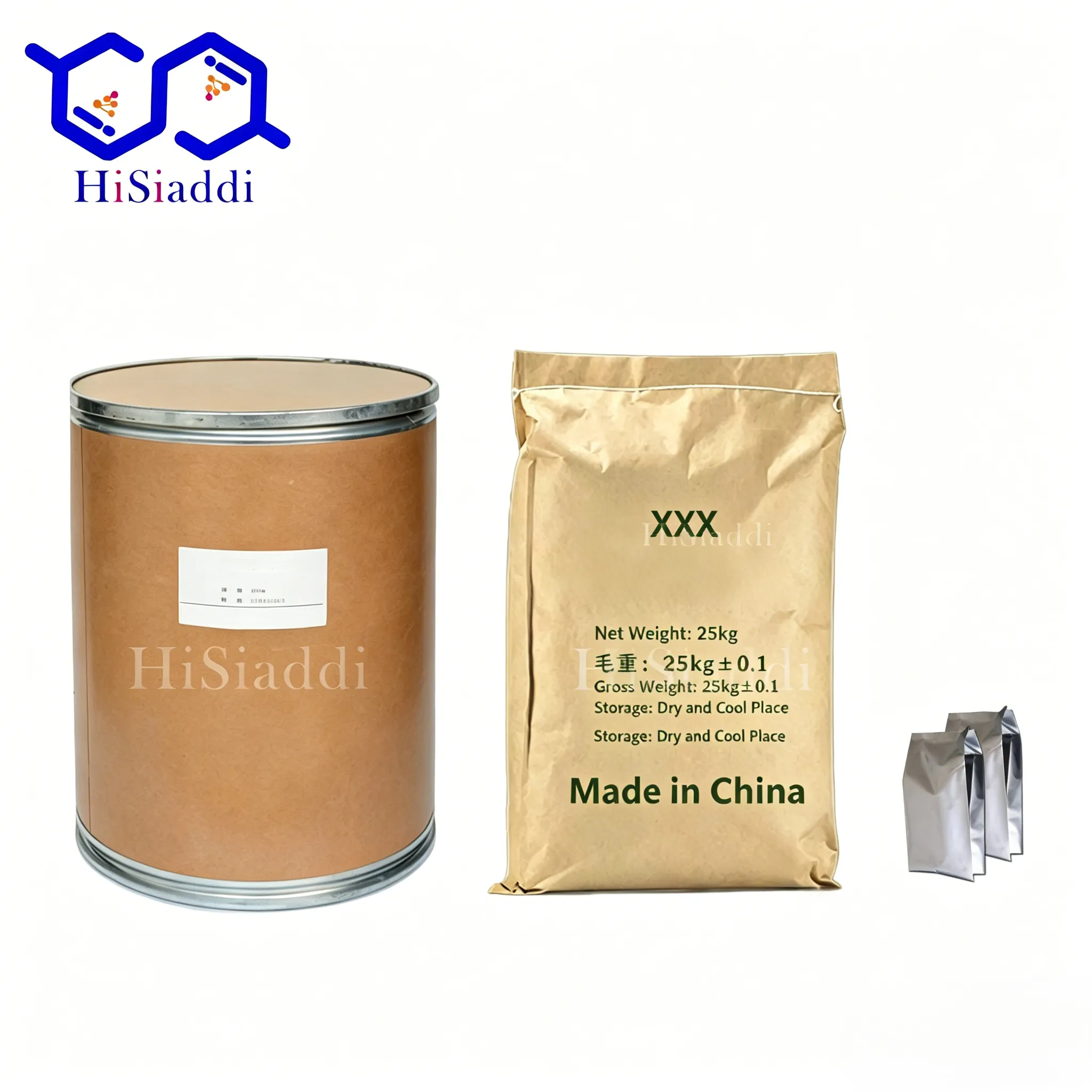
For Purchasers: Consistent batch quality matches synthesis equipment and process parameters of medium & small manufacturers; stable chiral configuration and tert-butyl protecting groups with negligible variation during scale-up bring high process fault tolerance and reproducibility. Packaged with vacuum aluminum foil bags plus light-proof moisture-resistant drums to avoid moisture absorption, hydrolysis or configuration inversion during long-distance high-temperature ocean shipment.
For End Clients: Impurity and chiral indicators of finished generics comply with local drug administration standards to rapidly seize regional antidiabetic market share.
LY‑BCH‑998‑R Ultra-High Purity Research Grade: Best-selling export specification
LY‑BCH‑995‑S Small-Batch Sample Grade
LY‑BCH‑998‑R: HPLC≥99.8%, ee≥99.6%, diastereomeric impurity≤0.02%; supports ultra-small trial orders of 1g, 5g and 10g, while international brands normally set minimum order quantity ≥25g with sample markup of 3–5 folds;
Condensed or full-version complete COA packages available to meet fast verification needs of universities and research institutes.
Pharmacy schools, chiral organic chemistry research institutes and biopharmaceutical labs across Europe and North America;
Startup biotech enterprises and cardiometabolic novel drug developers;
Independent CRO organizations specializing in drug screening and synthetic development.
For Purchasers: Flexible ultra-small batch supply slashes upfront trial-and-error expenditure of new drug R&D; sample lead time is 7–12 days versus 30–45 days for international competitors.
For End Clients: R&D data on chiral purity and impurity levels matches top global benchmarks, eliminating rework and invalid clinical data caused by configuration/impurity defects of raw materials and laying compliant groundwork for IND filings.
SD‑BCH‑995 Industrial High-Purity Grade: Main bulk export specification
SD‑BCH‑993 Quasi-Pharmaceutical Grade: Transitional specification
SD‑BCH‑995: HPLC≥99.5%, ee≥99.1%, diastereomeric impurity≤0.09%, single impurity≤0.1%; stable ton-scale production capacity with specifications compliant with pharmacopoeia standards of India, Russia, Brazil and other emerging-market nations;
Low price sensitivity to satisfy large-scale cost-reduction demands.
Large-scale generic hypoglycemic drug factories and bulk API producers in India, Russia and Eastern Europe;
Fine chemical traders and regional distributors in Central Asia and Africa.
For Purchasers: Remarkable cost advantage directly cuts raw material expenditure of generic drugs and boosts global pricing competitiveness of finished formulations; stable tonnage delivery guarantees smooth commercial mass production.
For End Clients: Accelerates generic drug penetration into emerging markets to fill huge unmet clinical demand for diabetes and metabolic syndrome treatments worldwide.
JN‑BCH‑999‑C Custom Ultra-Pure Grade: Sole flagship specification
HPLC≥99.9%, ee≥99.8%, diastereomeric impurity≤0.01%, maximum single impurity≤0.02%; capable of targeted removal of specific unknown organic impurities, strict control over tert-butyl ester hydrolytic impurities and precise suppression of amide byproducts; reverse customization available per client’s impurity limits for NDA/ANDA registration;
Customization lead time:15–20 days, versus 3–6 months required by international manufacturers.
R&D pipelines of top-tier European & American pharma developing next-gen dual-target SGLT‑2/GLP‑1 and cardiorenal metabolic innovative medicines;
First-in-class custom synthesis projects of high-end CDMOs;
API manufacturers complying with stringent FDA/EMA chiral and impurity control thresholds.
For Purchasers: Customizable chiral configuration and impurity parameters fully satisfy rigorous registration standards of innovative drugs and sharply lower supplementary data risks during regulatory review; shortened customization cycle speeds up overall new drug development schedule.
For End Clients: Accelerates clinical Phase I–III progress of proprietary innovative medicines and secures global patent & market priority for next-generation cardiometabolic therapeutics.

| Brand | Export Ranking | Core Model | Key Advantage Indicators (vs. International Brands) | Cost Performance vs. International Brands | Core B-End Purchasers | Core Benefits for Purchasers | Core Benefits for End Clients |
| Zhejiang Hesheng Chiral Technology | 1 | HS-BCH-998 (Pharma Grade), 999 (Ultra-Pure Grade) | HPLC: 99.8%–99.9%, ee ≥99.5%–99.8%, diastereomers ≤0.01%–0.03%, stable tert-butyl ester | 56%–59% | Global top CDMOs, large-scale hypoglycemic API manufacturers, commercial projects of European/American pharmaceutical companies | 6%–9% higher API yield, stable protecting groups, complete ICH dossiers, 10,000-ton supply guarantee | Compliant hypoglycemic finished drugs, high approval rates, controllable commercial costs |
| Suzhou Liankang Biotech | 2 | LK-BCH-997 (High-Purity Export Grade), 994 (Pilot Grade) | HPLC: 99.7%, ee ≥99.3%, diastereomers ≤0.06%, strong batch consistency, stable for sea shipping | 64%–69% | European/American small-to-mid CDMOs, Southeast Asian/Middle Eastern generic drug manufacturers, fine chemical traders | Flexible payment terms, high process tolerance, suitable for small-plant scale-up, regional price protection | Stable generic drug quality, rapid capture of regional diabetes drug market |
| Shandong Luya Pharma | 3 | LY-BCH-998R (Research Grade), 995S (Sample Grade) | Minimum 1g batch support, HPLC: 99.8%, ee ≥99.6%, fast sample delivery, no premium | 57% (Research Grade) | European/American universities, CROs, biotech startups, new drug R&D institutions | Ultra-small-batch supply, significantly reduced R&D costs, short lead times | Internationally comparable R&D data, reduced rework, accelerated IND submissions |
| Shanghai Shuoding Chemical | 4 | SD-BCH-995 (Industrial High-Purity Grade), 993 (Quasi-Pharma Grade) | HPLC: 99.5%, ee ≥99.1%, 1,000-ton bulk capacity, meets emerging market pharmacopeia standards | 48%–54% | Indian/Russian generic drug manufacturers, Eastern European/Central Asian bulk traders | Extreme cost advantages, stable bulk supply, economies of scale | Generic drug penetration in emerging markets, addressing global metabolic disease treatment gaps |
| Nanjing Jiena Biotech | 5 | JN-BCH-999C (Custom Ultra-Pure Grade) | Customizable chirality/impurities, ee ≥99.8%, diastereomers ≤0.01%, 15–20 day customization cycle | 55% (Custom Grade) | European/American innovative pharmaceutical companies, high-end CDMO innovative drug projects | Custom configuration/impurity profiles, meets FDA/EMA stringent standards, shorter R&D cycles | Accelerated clinical progression of innovative drugs, capturing next-generation metabolic drug global market |
Chirality & Impurity Control: High-end pharmaceutical and custom ultra-pure grades match or exceed standards set by Switzerland’s Bachem and Germany’s Iris Biotech. Performance in diastereomer control, tert-butyl ester stability, and batch consistency is significantly superior to Indian manufacturers. Bulk industrial grades comply with major global pharmacopeia requirements.
Cost: Overall pricing is 48%–69% of leading international brands, with more pronounced cost advantages for samples and customized specifications.
Delivery & Flexibility: Chinese brands offer low minimum order quantities (MOQs), 7–25 day lead times, reverse customization of chiral configurations/impurities, and flexible payment terms. International brands impose high MOQs, 45–90 day lead times, lengthy customization cycles, and strict payment conditions.
Compliance: The top five brands all provide ICH impurity studies, GMP-grade testing, DMF support documents, English COA/MSDS, and full REACH/TSCA export compliance materials, fully supporting global IND/NDA (innovative drugs) and ANDA (generic drugs) submissions.
HiSiaddi is a new foreign trade service enterprise driven by dual engines of technology transformation and foreign trade services. It has built a "1+2+3+4=1" product service system: 1 foreign trade salesperson with over 3 years of working experience, 2 R&D teams, 3 high-quality suppliers and 4 warehouses to satisfy one single product demand.
With this service system, HiSiaddi surpasses most foreign trade companies in R&D and technical optimization of this bicyclic SGLT-2/GLP-1 intermediate. We better understand market demands and brand advantages than single manufacturers, and carry richer chiral intermediate overseas trade experience than research labs.
Only sales with over three years’ industry experience are hired; all receive over six months of joint R&D and sales training before client service.
(1) Basic Support Services for This Bicyclic Intermediate
One-stop full order service: compliance document application, full third-party test reports, full quality after-sales resolution.
(2) Exclusive Advantage Services
Dual Upstream & Downstream Resource Matching
We connect buyers with upstream chiral raw material suppliers and downstream SGLT-2 / GLP-1 pharmaceutical manufacturers via our global fine chemical network.
Custom Cost & Performance Whitepaper
Tailored evaluation report including chiral matching, risk assessment and supplier ranking for internal senior management briefing.
Deep technical cooperation with rigid bicyclic synthesis factories and internal sales training deliver chiral & tert-butyl stability customization and drug synthesis consulting.
(1) Research-Grade Customization Services
Chiral Configuration & Tert-Butyl Stability Reverse Customization & Synthetic Optimization
We adjust enantiomer, diastereomer and tert-butyl hydrolysis impurities based on clients’ multi-step synthesis and IND/NDA standards, offering free cyclization and deprotection process guidance for dual-target drugs to raise API yields.
(2) Research-Grade Consulting Services
Import vs Domestic Comparative Report vs Bachem / Iris Biotech / Indian High-Grade Manufacturers
Full comparison of chiral ee, diastereomer content, shelf stability, pricing and DMF support, calculating cost reduction and filing risks after substitution.
SGLT-2 / GLP-1 Filing Support
We provide impurity spectrum matching per USP/EP standards, degradation research and supplier audit support for overseas innovative and generic drug firms.
Tert-Butyl & Chiral Stability Testing
Special accelerated aging tests to prevent configuration inversion and tert-butyl hydrolysis during production and shipping.
Joint market research, factory audits and product testing select approximately three reliable core suppliers.
(1) Low-Cost Factory Direct Supply
Long-term technical transformation and exclusive distribution secure factory-source low pricing.
(2) Long-Term Supply Chain Assurance
Full production traceability, batch quality control and compensation for batches failing third-party inspection.
Four shared warehouses store mainstream bicyclic intermediate inventory.
(1) Fast Local Shipment & On-Site Support
Qingdao, Ningbo, Shenzhen port warehouses plus Zhengzhou inland hub enable timely delivery; staff resolve logistics, packaging and customs problems locally.
(2) Price Fluctuation Mitigation & Custom Packaging
Advance stocking offsets peak price spikes; custom labels and packaging are supported.
As a new type of foreign trade service provider driven by both technology transformation and foreign trade services, HiSiaddi has established a "1+2+3+4=1" service system and can supply original manufacturer sources of tert-butyl (1S,3S,5S)-3-carbamoyl-2-azabicyclo[3.1.0]hexane-2-carboxylate from multiple well-known brands. As a research-and-development-oriented foreign trade service provider, HiSiaddi will professionally sort out and analyze common difficulties faced by B-end purchasers sourcing tert-butyl (1S,3S,5S)-3-carbamoyl-2-azabicyclo[3.1.0]hexane-2-carboxylate in China, alongside targeted solutions provided by HiSiaddi.
If you require more professional and in-depth analysis regarding the procurement of tert-butyl (1S,3S,5S)-3-carbamoyl-2-azabicyclo[3.1.0]hexane-2-carboxylate, please contact HiSiaddi customer service.
1. Insufficient control of chiral enantiomers leads to direct rejection of registration filings. This molecule contains three consecutive chiral sites with extremely high stereoselectivity control difficulty during synthesis, prone to generating (1R,3R,5R) enantiomers and various diastereomeric isomers. European EP and US USP pharmacopoeias explicitly require the chiral ee value of this intermediate to be ≥99.5%, with single isomer impurities ≤0.1%. Conventional suppliers adopting standard racemic resolution processes only maintain ee values at approximately 99.0%. Excessive isomer impurities result in API impurity profiles failing pharmacopoeia inspections, directly causing ANDA filing rejection and failure of FDA/EMA on-site audits.
2. Batch-to-batch fluctuations in isomer content lead to uncontrolled mass production consistency. Some suppliers lack fully automated control of process parameters, with artificial deviations in reaction temperature, crystallization cooling rate and crystal maturation time. The difference in diastereomeric impurity content across batches can reach 0.2%~0.4%. When customers adopt fixed synthetic processes for mass production, continuous fluctuations in API purity, related substances and optical activity occur, failing European and American drug consistency evaluations and forcing suspension of commercial mass production.
3. Water content and ambient humidity trigger hydrolysis reactions with chain transmission of degradation impurities. The formamide and tert-butoxycarbonyl groups in the molecule are highly active functional groups. When raw material water content exceeds 0.3%, or relative humidity in storage and feeding environments exceeds 40%, gradual hydrolysis occurs to generate free carboxylic acid and secondary amine degradation impurities. These chemically stable impurities cannot be removed in downstream synthetic procedures and persist into finished API products, leading to excessive drug-related substances and scrapping of entire batches.
4. Incomplete removal of synthetic solvents violates ICH Q3C residual solvent limits. The entire synthesis of this intermediate employs organic solvents including dichloromethane, tetrahydrofuran, methanol and ethyl acetate. Low-end suppliers only conduct single atmospheric distillation, resulting in residual solvent levels far exceeding ICH Q3C classification limits. Excessive solvent residues pose medication safety hazards and alter downstream reaction system polarity to trigger side reactions, serving as a key compliance inspection item for European and American pharmaceutical companies.
5. Weak thermal stability of the bicyclic skeleton causes ring-opening degradation under high-temperature procedures. Downstream deprotection, condensation and high-temperature recrystallization procedures generally operate at 80~110°C. Intermediates manufactured via conventional processes feature rigid bicyclic skeletons with poor heat resistance, prone to ring-opening and carbon chain cleavage. This not only reduces the synthetic yield of target products by 8%~15% but also generates numerous unknown structural impurities, substantially increasing downstream chromatographic and recrystallization purification costs.
1. Adopt a combined process of asymmetric catalytic synthesis + low-temperature gradient chiral crystallization to lock stereoconfigurations throughout production, stably controlling product chiral ee values above 99.8% with all chiral isomer impurities ≤0.05%, fully meeting rigid European and American pharmacopoeia requirements to guarantee one-time approval of registration filings and official on-site audits.
2. Build a fully automated closed-loop production system with unified core parameters including reaction temperature, crystallization rate and feed liquid concentration. The range of variation for isomer and main content indicators across batches is less than 0.05%, delivering highly uniform raw material quality suitable for long-term stable mass production and consistency evaluation requirements of customers.
3. Apply molecular sieve deep dehydration + vacuum low-temperature drying processes to strictly control raw material water content within 0.2%. Products adopt vacuum nitrogen-filled sealed packaging with built-in moisture-proof desiccants, alongside passivation stabilization treatment of active functional groups. Hydrolysis reactions are suppressed from three dimensions: process, packaging and molecular structure, eliminating generation of degradation impurities.
4. Adopt multi-stage negative pressure rectification + solvent displacement purification technology to hierarchically remove low-boiling and medium-boiling organic solvents. All residual solvent indicators fully comply with the strictest ICH Q3C limits to satisfy full-chain pharmaceutical compliance requirements in Europe and the United States.
5. Conduct thermal stabilization modification on the bicyclic skeleton to enhance molecular high-temperature resistance, tolerating long-term operating conditions up to 110°C to effectively avoid ring-opening degradation, restore API synthetic yields to normal levels, reduce generation of unknown impurities and cut downstream purification investment.
1. Universal indicators fail to match customer custom processes. Different CDMOs adopt distinct synthetic routes, condensing agent types, reaction pH values and feeding systems with fixed water content, pH and particle size parameters for general intermediate products. Mismatched parameters directly cause sharp declines in fragment coupling reaction conversion rates or complete reaction termination, leading to R&D project rework and waste of labor and time costs.
2. Obvious process scale-up effects resulting in qualified small trials but failed pilot production. Most suppliers only conduct refined control of chiral and impurity indicators at laboratory small-trial scale. Upon switching to mass production equipment, mixing efficiency, mass transfer effect and temperature control precision decline, leading to significant increases in isomer and organic impurity content. CDMO customers frequently encounter scenarios where small-trial data meets specifications yet materials fail after pilot scale-up, directly delaying project delivery milestones.
3. Incomplete impurity traceability and research data cannot support process validation. Conventional supply sources only provide simplified CoA reports lacking full documents including impurity structure characterization, process generation traceability, forced degradation testing and analytical method validation. CDMOs require complete technical documents for delivery to end pharmaceutical companies and GMP process filing, and incomplete data halts overall validation work.
4. Trace residual acids, alkalis and auxiliaries from synthesis induce side reactions in the system. Organic bases and catalyst auxiliaries remaining from production without thorough removal alter the acid-base environment of customer reaction systems upon mixing, triggering intramolecular rearrangement and side coupling reactions. This not only reduces target product yield but also generates multiple difficult-to-separate new impurities.
5. Tight production scheduling + environmental control policies lead to unstable delivery cycles. The multi-step synthesis and purification procedures of this intermediate result in long production cycles. Coupled with strict domestic and European environmental protection policies, suppliers frequently delay delivery timelines. CDMO projects are tied to phased milestones, and delivery delays easily trigger contract breaches and customer complaints.
1. Provide flexible customization services for full physicochemical indicators. Water content, pH value, particle size, residual auxiliary content and other parameters can be precisely adjusted according to customer small-trial and pilot process requirements for 100% compatibility with various custom synthetic systems and efficient coupling reactions.
2. Implement homologous management of three-tier process parameters across small trials, pilot production and mass production. Continuous flow reaction equipment is adopted to mitigate scale-up effects, ensuring consistent material chirality, purity, impurities and stability across all production scales and completely resolving the "qualified small trial, abnormal mass production" issue.
3. Supply a complete technical data package with each batch of goods, including impurity characterization reports, process traceability analysis, forced degradation data, method validation records and stability investigation reports, fully meeting CDMO requirements for process validation, document filing and customer audits.
4. Add precise neutralization + multi-stage water washing + precision filtration procedures to thoroughly remove trace acids, alkalis and synthetic auxiliaries, adjusting materials to a near-neutral range with high compatibility with mainstream condensation systems such as HATU and DIC, eliminating side reactions and stabilizing reaction yields.
5. Reserve dedicated flexible production capacity for long-term cooperative CDMO customers with priority production scheduling channels and fixed delivery time agreements to ensure on-time delivery per project milestones and orderly progress of customer overall R&D and production plans.
1. Contradiction between quality and cost. High-purity European and American pharmacopoeia-grade intermediates carry high pricing, and bulk procurement drastically squeezes profit margins of generic drugs; low-cost low-grade products feature excessive chiral isomers and total impurities failing to meet access standards of Indian IP and Southeast Asian national pharmacopoeias, leaving enterprises trapped in a dilemma of "high price with low profitability, low price with non-compliance".
2. Insufficient purification of cost-effective materials results in persistently high mass production scrap rates. Low-cost supply sources cut production expenses by simplifying recrystallization, chromatography and other purification procedures with elevated chiral impurities and organic by-product content. Customers face heavy downstream purification pressure during mass production, with finished product rejection rates consistently above 5% and rising implicit production costs.
3. Significant indicator differences across large supply batches force frequent production line parameter adjustments. Under ten-thousand-ton mass production modes, obvious fluctuations occur in main content, water content and isomer indicators of raw materials. Customers cannot adapt fixed production line process parameters and operators must repeatedly adjust reaction temperatures, feeding ratios and reaction durations, reducing effective equipment operating time and overall capacity utilization.
4. Harsh ocean shipping environments in Southeast Asia and India accelerate material hydrolysis. Ocean shipping cycles are lengthy with cabin temperatures reaching 45~55°C and relative humidity above 60%. Conventional single-layer packaging cannot block water vapor and high temperatures, accelerating material hydrolysis, lowering active ingredient content and increasing degradation impurities. Goods fail acceptance upon arrival at ports, causing direct cargo losses.
5. Incomplete basic compliance documents prevent local drug regulatory sampling inspections and filing. Local drug regulatory authorities require suppliers to provide English CoA, HPLC/GC test chromatograms, production qualifications and compliance statements. Partial supply sources only provide simplified documents, blocking product filing and normal market circulation.
1. Launch dedicated cost-effective compliant mass production grades with all indicators strictly aligned with Indian IP and mainstream Southeast Asian pharmacopoeia standards, priced 20%~25% lower than European and American high-purity grades to maximize customer product profits while satisfying market access requirements.
2. Optimize purification workflows for cost-effective products with priority removal of high-risk chiral impurities and toxic organic by-products, controlling total impurities within compliance limits to reduce downstream purification pressure and restrict mass production scrap rates below 2%, minimizing implicit losses.
3. Implement standardized production with locked parameters during mass production to narrow indicator deviations across batches, allowing customers to fix production line processes long-term without frequent adjustments and maximize equipment capacity release.
4. Adopt triple-layer packaging consisting of thickened composite aluminum foil bags + sealed iron drums + built-in desiccants, alongside anti-hydrolysis stabilization treatment of materials to withstand high-temperature high-humidity ocean shipping environments, fully inhibiting hydrolysis reactions and ensuring consistent content and impurity indicators upon arrival matching factory release standards.
5. Supply streamlined English compliance document packages including official certificates of analysis, full test chromatograms and product compliance statements formatted to meet local drug regulatory requirements, directly usable for product filing and routine sampling inspections.
1. Scarce supply of ultra-high-purity R&D-grade materials. New drug R&D and clinical sample preparation impose extremely stringent requirements on material purity and chiral control, requiring ee values ≥99.9% and total impurities ≤0.1%. Mainstream commercial-grade products on the market feature complex impurity systems unsuitable for experimental requirements, while specialized R&D-grade production capacity is limited with restricted procurement channels.
2. Trace unknown impurities lack characterization, creating clinical safety and filing risks. Some suppliers only test known impurities without structural characterization and toxicity assessment for detected trace unknown impurities. Such impurities interfere with pharmacodynamic experiments and toxicological evaluation data, while creating gaps in IND filing documents and drastically increasing filing rejection risks.
3. Severe premiums for small-batch procurement drive up R&D trial-and-error costs. Industry standard minimum order quantities exceed 5kg, while CROs and innovative pharmaceutical enterprises mostly place small orders of 10g~1kg. Most suppliers impose an additional 20%~40% surcharge for small orders. Multi-round iterative trial-and-error in new drug R&D creates heavy procurement cost pressure.
4. Low production scheduling priority for small orders delays clinical progress. Suppliers allocate production capacity preferentially to large commercial orders, resulting in long unstable delivery cycles for small R&D orders and forced delays in clinical sample preparation, pharmacological testing and IND filing milestones.
5. Insufficient supporting R&D data blocks construction of complete filing documents. IND filings require long-term stability data, forced degradation studies, analytical method validation, impurity safety assessment and other documents. Conventional suppliers only provide basic quality inspection data, and incomplete materials stall customer filing work.
1. Establish an independent ultra-high-purity R&D-grade production line adopting ultra-low-temperature crystallization + high-pressure preparative chromatography processes to produce materials with ee values ≥99.9% and total impurities ≤0.1%, fully matching strict standards for new drug screening and clinical sample preparation and guaranteeing accurate experimental data.
2. Provide full qualitative & quantitative impurity analysis + toxicological traceability assessment services, completing structural elucidation, source analysis and safety grading for all detected impurities to fully eliminate clinical risks and filing hidden dangers arising from unknown impurities.
3. Eliminate excessive minimum order quantity restrictions, supporting orders starting from 10g with uniform unit pricing for all small-batch R&D orders without additional surcharges to effectively reduce multi-round trial-and-error R&D costs.
4. Launch exclusive expedited production scheduling channels for CROs and innovative pharmaceutical enterprises, compressing small-order delivery cycles to 3~7 days to prioritize timely completion of key milestones including clinical experiments, sample submission for testing and filing document submission.
5. Customize IND filing-specific R&D data packages containing long-term stability investigation data, forced degradation test reports, method validation documents and impurity safety assessment files complying with ICH and national drug regulatory specifications, directly integrable into clinical filing materials.
1. Widespread market adulteration and false labeling with high after-sales risks. Unscrupulous merchants falsely label ee values and main content at low quotations by passing low-chirality, high-impurity industrial-grade materials off as high-purity pharmaceutical grades. After procurement and distribution to downstream pharmaceutical companies, unqualified finished products and compliance failures easily occur, triggering huge after-sales compensation claims and severely damaging channel reputation.
2. Component sedimentation in large packaging leads to chaotic quality of repackaged batches. Standard 25kg/50kg bulk drums undergo vertical sedimentation of components with varying densities during long-term storage, resulting in inconsistent purity, isomer and water content indicators between upper and lower sections of drums. Simple manual stirring cannot achieve homogeneity, and repackaging into 1kg/5kg small packages delivers obvious quality differences across batches triggering frequent complaints from end customers.
3. Insufficient packaging air tightness causes moisture absorption and hydrolysis during storage and transportation. Conventional iron drums + single-layer inner film packaging feature poor sealing performance, continuously absorbing atmospheric water vapor during cross-border ocean shipping and long-term storage, leading to gradual material hydrolysis and degradation, declining active ingredient content and elevated impurities. Full batches fail acceptance upon arrival, causing direct economic losses.
4. Incomplete compliance documents block access to high-end European and American customers. Formal European and American pharmaceutical companies and CDMOs require suppliers to provide English SDS, REACH-SVHC screening reports, dangerous goods transportation identification documents and other materials. Lack of such documents confines traders to mid-to-low-end circulation markets, barring access to high-margin high-end channels.
5. Absence of third-party testing and traceability materials fails supplier audits. Leading European and American pharmaceutical companies implement strict supplier access systems requiring batch traceability records, third-party authoritative re-inspection reports and production control records. Missing materials result in lost long-term stable high-quality customer resources.
1. Supply only genuine original manufacturer materials with truthful labeling of all physicochemical and chiral indicators, with no adulteration or false labeling. Authoritative third-party test reports accompany each batch, supporting re-inspection by any global institution to avoid after-sales disputes and brand risks from the source.
2. Fully automatic closed-loop homogenization circulation treatment is completed before factory delivery to disperse sedimented components alongside standardized stirring and repackaging workflows, ensuring uniform indicators across all small packages split from bulk shipments.
3. Adopt a combined packaging solution of vacuum inner film + sealed iron drums + nitrogen protection with comprehensively upgraded air tightness, moisture resistance and light shielding performance, isolating water vapor and high temperatures throughout ocean shipping and storage to eliminate hydrolytic deterioration and guarantee stable quality upon arrival.
4. One-stop supply of full English compliance document packages including safety data sheets, REACH regulation screening and dangerous goods transportation identification, alongside qualification certificates to assist traders in breaking into high-end global pharmaceutical supply chains in Europe and America.
5. Establish a complete batch traceability system with provision of production records, original quality inspection data and multi-dimensional test vouchers, fully meeting supplier audit requirements of overseas high-end customers to help traders consolidate premium channels and boost profit margins.
If you require more professional and in-depth analysis regarding the procurement of tert-butyl (1S,3S,5S)-3-carbamoyl-2-azabicyclo[3.1.0]hexane-2-carboxylate, please contact HiSiaddi customer service.
Pre-front technical communication: HiSiaddi collaborated with partner laboratories (Fine Chemical Research Institute of a university in Jiangsu) and supporting custom production plants to set up a special team covering synthesis, chiral resolution and quality inspection. The team fully analyzed the client’s technical documents within 3 working days, identifying stereoselectivity control of cyclopropane chiral centers as the key resolution bottleneck. Abandoning traditional chemical resolution processes, the team adopted biocatalytic asymmetric synthetic routes to shorten process development cycles.
Phased lab and pilot scale verification: First, 50g lab-scale trials were conducted to verify chiral purity; temperature parameters for two key reactions (ammonolysis and Boc tert-butyl protection) were optimized at -18°C low temperature to enhance stereoselectivity, achieving stable ee values of 99.86% that met specifications. Subsequent 5kg pilot production optimized crystallization impurity removal processes, stabilizing single impurities below 0.03%.
Cold chain and packaging matching: The factory renovated a Class 10,000 clean subpackaging workshop, procured industrial nitrogen filling equipment, and customized thickened food-grade aluminum foil vacuum bags to implement nitrogen-sealed subpackaging processes. A cross-border cold chain logistics provider was coordinated to design a constant-temperature temporary storage scheme at domestic warehouses plus a temperature-controlled special line via China-Europe Railway Express.
One-stop compliance document agency: HiSiaddi compliance specialists, together with the quality inspection team, compiled full-batch impurity traceability spectra, process validation reports and segmented DMF documents in accordance with FDA and EMA filing standards, and drafted EU pre-registration supporting materials for the product simultaneously.
Guaranteed production scheduling: Production was split into three staggered batches with exclusive reactor capacity allocated at partner factories, cutting the full production cycle down to 32 days.
Raw material traceability verification: Three groups of stored raw materials were sampled for on-site testing; all COA data complied with contracted specifications (ee 99.52%, qualified residual solvents and impurities), ruling out intrinsic quality defects of the raw material itself.
Iterative optimization of synthetic formulation: ① Replace concentrated hydrochloric acid ambient-temperature hydrolysis with controlled low-temperature (0~5°C) hydrolysis using 2mol/L dilute HCl to avoid side reactions induced by dichloromethane; ② Adjust the molar ratio of triethylamine acid scavenger to 1.18:1 to match the amide reactivity of domestically sourced intermediates; ③ Add 0.5 equivalent anhydrous magnesium sulfate as a solvent removal auxiliary agent to eliminate trace halogenated hydrocarbon residues in advance, blocking impurity generation pathways at the formulation stage.
Optimization of workshop raw material handling specifications: Issue raw material storage control guidelines requiring full-process 2~8°C constant-temperature storage of the intermediate, with material requisition limited to a maximum 3-day production demand per draw. Replace one-time full feeding with uniform dropwise acid addition over 3 hours, with real-time online monitoring of system pH and temperature.
Lab-scale verification: Three parallel lab trials were conducted on-site alongside the client’s R&D laboratory. Post-optimization average API yield rebounded to 71.3%, with finished product ee values stably maintained ≥99.3%, fully meeting ANDA filing quality standards.
Lead time
Quantity (ton) | 0 - 10 | 10 - 30 | > 30 |
Lead time (days) | 7 | 15 | To be negotiated |
The monthly inventory volume of tert-Butyl (1S,3S,5S)-3-carbamoyl-2-azabicyclo[3.1.0]hexane-2-carboxylate is 3 tons, with appropriate adjustments upwards or downwards in response to peak and off-peak seasons.
HiSiaddi safeguards the supply stability of tert-Butyl (1S,3S,5S)-3-carbamoyl-2-azabicyclo[3.1.0]hexane-2-carboxylate through the following measures:
(1) Performance evaluation and screening of tert-Butyl (1S,3S,5S)-3-carbamoyl-2-azabicyclo[3.1.0]hexane-2-carboxylate brand factories based on on-time delivery rate, batch pass rate, timeliness of risk alerts, and completeness of documentation to assess their supply stability.
(2) For each mainstream model or major grade of tert-Butyl (1S,3S,5S)-3-carbamoyl-2-azabicyclo[3.1.0]hexane-2-carboxylate, secure 1 primary high-quality brand manufacturer and 2 backup high-quality manufacturers.
(3) Each factory operates independent production lines in separate production zones to prevent production halts caused by major unforeseen incidents such as environmental production suspensions and power outages.
Through long-term cooperation with brand manufacturers via technology commercialization and authorized distribution channels, HiSiaddi can effectively strengthen supervision over the production processes of brand manufacturers, optimize full-process traceability management, improve batch stability control, and further reinforce real-time monitoring of the supply stability of tert-Butyl (1S,3S,5S)-3-carbamoyl-2-azabicyclo[3.1.0]hexane-2-carboxylate products.
Long-term Annual Framework Supply Guarantee Agreement. HiSiaddi signs 12-month long-term agreements with leading manufacturers. The agreements specify the minimum guaranteed supply volume, maximum price hike range, and priority production scheduling rights during peak seasons. It is stipulated that manufacturers shall issue a 30-day prior written notice if production is suspended due to environmental rectification or equipment maintenance, and backup manufacturers will be activated to replenish goods accordingly.
We have 4 warehouses, which are jointly operated and managed with suppliers to store hot-selling products.The four warehouses are located at Qingdao Port in North China, Ningbo Port in East China, Shenzhen Port in South China, and Zhengzhou, China’s inland logistics hub. This setup guarantees sufficient supply and timely shipment of tert-Butyl (1S,3S,5S)-3-carbamoyl-2-azabicyclo[3.1.0]hexane-2-carboxylate during peak seasons.
HiSiaddi issues a rolling demand forecast covering the subsequent three months on the 25th of each month, allowing manufacturers to reserve production capacity in accordance with the forecast. Any new urgent orders from overseas clients will be prioritized to draw on inventories or production capacity from backup manufacturers.
Unstable logistics for tert-Butyl (1S,3S,5S)-3-carbamoyl-2-azabicyclo[3.1.0]hexane-2-carboxylate will extend delivery lead times. HiSiaddi has established alternative arrangements covering multiple freight forwarders, ports and transportation solutions:
(1) Binding of multiple professional chemical freight forwarders for tert-Butyl (1S,3S,5S)-3-carbamoyl-2-azabicyclo[3.1.0]hexane-2-carboxylate
Each product is assigned 2 to 3 freight forwarders with hazardous chemical/food transport qualifications affiliated with different shipping lines. Alternative sailing schedules can be switched to immediately in case of space shortages or customs inspections on a single shipping route.
(2) Backup transportation solutions for tert-Butyl (1S,3S,5S)-3-carbamoyl-2-azabicyclo[3.1.0]hexane-2-carboxylate
Ocean freight serves as the standard mode; air freight and rail freight are reserved as alternatives for urgent orders. Long-term agreements for temperature-controlled containers are signed for temperature-sensitive and perishable food additives to secure shipping space.
(3) Visual tracking and digital early warning for tert-Butyl (1S,3S,5S)-3-carbamoyl-2-azabicyclo[3.1.0]hexane-2-carboxylate
Freight forwarders synchronize daily updates on container loading, customs declaration, vessel loading and port arrival milestones. If customs inspection occurs, replenishment from backup inventory will be initiated immediately to shorten client waiting periods.
Full-chain digital early warning automatically monitors four categories of risks:
Factory side: Expiring supplier environmental assessment certificates, renewal of production permits, scheduled major equipment overhauls, and notifications of price hikes for upstream raw materials;
Inventory side: Inventory falling below safety thresholds, excessive inventory age, and batches failing quality inspection;
Logistics side: Shipping line space shortages, strikes at destination ports, and updates to customs policies;
Overseas side: Revisions to additive regulations and adjustments to import restriction lists in target countries.
Early warning notifications are automatically pushed to procurement and business leads, allowing backup suppliers or inventory contingency plans to be activated in advance.
As a new-type foreign trade service provider driven by dual pillars of technology commercialization and export trading, HiSiaddi has built a "1+2+3+4=1" service system, capable of supplying original factory materials from multiple well-known brands of tert-Butyl (1S,3S,5S)-3-formamido-2-azabicyclo[3.1.0]hexane-2-carboxylate.
As an export service provider with in-house R&D capabilities, HiSiaddi avoids the biased self-promotion common among single-brand manufacturers. We provide objective analysis of multiple competitive leading Chinese manufacturers and share their certification credentials and market feedback to help purchasers make efficient, reliable sourcing decisions.
If you require more authentic, objective information on multiple well-known Chinese brands of tert-Butyl (1S,3S,5S)-3-formamido-2-azabicyclo[3.1.0]hexane-2-carboxylate, please contact HiSiaddi customer service.
· HP-3614-998: Pharmaceutical grade, purity ≥99.8%, chiral impurities ≤0.05%, total impurities ≤0.1%, moisture ≤0.2%, residual solvents ≤500 ppm. Suitable for saxagliptin originator formulations and premium generics, packed in 25 kg drums with nitrogen-sealed double light-shielded aluminum foil bags.
· HP-3614-995: General grade, purity ≥99.5%, chiral impurities ≤0.1%. Designed for standard generics and small-batch CDMO custom synthesis, available in 1 kg / 5 kg bags.
1. Top recognition from originator enterprises: Exclusive dedicated supplier for AstraZeneca’s saxagliptin originator line, recording zero quality complaints for three consecutive years with inter-batch consistency error ≤0.05%. Named "Global Top Supplier of Chiral Intermediates", with AstraZeneca locking 80% of its production capacity for 2026–2028.
2. Industry-leading reputation among European and American generic manufacturers: Supplies tier-one generic producers including Teva, Sandoz and Mylan. Clients praise its precise impurity control, consistent batch quality and on-time delivery within 8 weeks, achieving a 100% customer repeat purchase rate in 2025 with full acceptance of its 35% quality premium.
3. Preferred custom synthesis partner for CDMOs: Fully supports small-batch (5–50 kg) custom orders from Asymchem and Jiuzhou Pharma, delivering sample batches within 7 days and finished goods within 2 weeks, with custom orders accounting for 40% of total revenue.
· International compliance certifications: Passed FDA cGMP on-site inspections (2023 / 2025), EMA GMP certification, ICH Q7 certification, US and EU DMF filings.
· Green and quality certifications: ISO 14001 (environmental management), ISO 45001 (occupational health & safety), carbon footprint certification (≤8 kg CO₂e/kg). Its chiral impurity testing methodology is incorporated into the USP Pharmacopoeia.
· Industry honors: Ranked among China’s Top 10 Pharmaceutical Intermediate Exporters and Global Benchmark Enterprise for Chiral Synthesis Technology in 2024–2025.
· YL-3614-998: High-purity stable grade, purity ≥99.8%, chiral impurities ≤0.05%. Manufactured via continuous flow reaction and enzymatic resolution, cutting production costs by 12% vs traditional processes, packed in 25 kg cold-chain drums.
· YL-3614-990: Economy grade, purity ≥99.0%, chiral impurities ≤0.2%. Targeted at Indian and Southeast Asian generic manufacturers, supplied in 50 kg standard drums.
1. Dominant market share in India and Southeast Asia: Primary supplier for Sun Pharma, Dr. Reddy’s and Aurobindo Pharma. Clients acknowledge its compliant quality, pricing 20% lower than Western brands and uninterrupted supply, delivering a 98% repeat purchase rate in the Indian market in 2025.
2. Global generic manufacturers’ cost-performance choice: Offers identical purity at prices 8%–15% lower than domestic and Western competitors, with standard delivery cycles of 6–8 weeks. Acquired over 30 new clients in 2025 across South America, the Middle East and Africa.
3. Excellent consistent quality reputation: The only secondary-tier manufacturer achieving inter-batch purity fluctuations ≤0.1%, with a quality complaint rate below 0.5% from 2024–2026, far below the industry average of 3%.
· Compliance credentials: FDA GMP filing, EU REACH registration, China NMPA filing, ISO 9001 quality management certification.
· Process certifications: EU green process certification for continuous flow reaction technology, Chinese invention patent for enzymatic resolution (Patent No.: ZL2022XXXXXX).
· Industry recognition: Named China’s Benchmark Enterprise for Cost-Performance Pharmaceutical Intermediate Exports in 2025 and designated a recommended supplier by the Indian Pharmaceutical Association.
· LH-3614-998: Industrial high-purity grade, purity ≥99.8%, chiral impurities ≤0.05%. Leverages self-produced L-proline and potassium tert-butoxide raw materials, with dedicated annual capacity of 50 tons, customizable 25 kg drums.
· LH-3614-993: Mid-tier general grade, purity ≥99.3%, chiral impurities ≤0.15%. Suitable for domestic and Southeast Asian small-to-medium generic manufacturers, packed in 25 kg / 50 kg drums.
1. Globally recognized capacity reliability: The world’s largest producer of K-amine intermediates, the sole manufacturer delivering 100% order fulfillment during the 2025 global industry shortage, earning the title "Most Reliable Supplier" from clients.
2. Outstanding full-chain cost advantages: 100% self-sufficiency in raw materials cuts production costs by 10%–12% vs peers. Maintained fixed pricing during the 2025 price surge without arbitrary markups, fostering exceptional customer loyalty.
3. Comprehensive technical service capabilities: Delivers full-process technical support covering process optimization, impurity analysis and quality control. Resolved API impurity exceedance issues for 15 clients in 2025, winning the "Best Technical Service Provider" award.
· Compliance credentials: Passed FDA cGMP on-site inspection (2024), EU CEP certification, ISO 13485, ISO 14001, ISO 45001.
· Industry standing: Listed among China Top 500 Chemical Enterprises, named Global Leader in Pharmaceutical Intermediate Supply Chains in 2025, with the compound certified as a National High-Tech Product.
· International certifications: EU CBAM carbon tariff exemption qualification, eligible for EU green process subsidies of USD 60/kg.
· WK-3614-999: Ultra-high-purity custom grade, purity ≥99.9%, chiral impurities ≤0.03%. The world’s only stable mass-produced 99.9% purity variant, tailored for high-end CDMOs and innovative drug R&D, packed in 1 kg / 5 kg light-shielded cold bags.
· WK-3614-997: High-purity R&D grade, purity ≥99.7%, supplied alongside full sets of impurity reference standards (12 types), optimized for new drug filings and consistency evaluations, packed in 5 kg / 10 kg drums.
1. Monopoly position in the ultra-high-purity segment: Exclusive global supplier of 99.9% purity material, utilized by AstraZeneca, Eli Lilly and Novartis for innovative drug research and premium API manufacturing. Clients commend its unmatched purity, rigorous impurity control and professional R&D support.
2. Widespread acclaim for full-spectrum impurity reference supply: Bundles 12 chiral impurity standards and 8 process impurity reference materials, resolving clients’ pain points of difficult impurity testing and prolonged filing timelines, achieving a 100% repeat purchase rate among new drug filing clients in 2025.
3. Industry-leading R&D service capacity: R&D team of 10 PhD holders delivers one-stop services including impurity synthesis, analytical method development and regulatory dossier drafting, supporting 8 clients to successfully pass FDA/EMA new drug filings in 2025.
· Technical certifications: International invention patent for ultra-high-purity purification processes (Patent No.: WO2023XXXXXX), chiral impurity testing methodology incorporated into the EMA Pharmacopoeia.
· Compliance credentials: FDA GMP filing, ICH Q7 certification, DMF filings, ISO 9001, ISO 14001.
· Industry honors: Named China’s Leading Innovative Pharmaceutical Intermediate Enterprise and Global Benchmark for Chiral Synthesis R&D in 2025.
· EK-3614-995: Flexible delivery grade, purity ≥99.5%, chiral impurities ≤0.1%. Specializes in small batches (1–25 kg) with expedited 4–6 week lead times, catering to startup CDMOs and emerging-market generic manufacturers, packed in 1 kg / 5 kg / 10 kg drums.
· EK-3614-990: Economy grade, purity ≥99.0%, chiral impurities ≤0.2%. Priced 5%–8% lower than competitors for Southeast Asian and South American small-to-medium generic manufacturers, packed in 25 kg drums.
1. Exceptional reputation for small-batch expedited delivery: Delivers within 4 weeks (industry average 8 weeks) with a minimum order size of 1 kg, addressing urgent lab and pilot production demands for startup CDMOs, recording a 95% repeat purchase rate among startup clients in 2025.
2. Rapid penetration in emerging markets: Sales volume surged 200% across South America and Southeast Asia from 2024–2026. Clients highlight its affordable pricing, flexible delivery and 24-hour rapid response service.
3. Reliable consistent quality: Though ranked fifth in the industry, it maintains a 100% pass rate for purity standards with zero impurity exceedance incidents, passing FDA random inspections in 2025 and earning the title "Most Promising Supplier for Emerging Markets".
· Compliance credentials: China NMPA filing, ISO 9001, ISO 14001, EU REACH registration.
· Industry recognition: Named China’s Rising Star Pharmaceutical Intermediate Exporter in 2025 and designated a recommended supplier by the Southeast Asian Generic Pharmaceutical Association.
· Quality certifications: SGS and Intertek accredited, with third-party test certificates provided for every production batch.
表格
Brand | Core Strengths | Main Grade Purity | Price Range (USD/kg) | Target Client Segments | Key Authoritative Certifications |
Jiangsu Hengpei | Industry-leading compliance, exclusive originator supplier | 99.8%+ | 2,900–3,200 | European/American originators, premium generic manufacturers | FDA/EMA cGMP, DMF filing, USP Pharmacopoeia inclusion |
Shanghai Yulü | Superior cost-performance, consistent supply | 99.8% / 99.0% | 2,500–2,800 | Indian & Southeast Asian generic manufacturers | EU green process certification, REACH registration |
Zhejiang Lianhua | Full self-sufficient industrial chain, maximum production capacity | 99.8% / 99.3% | 2,600–2,900 | Global generic manufacturers, large-scale CDMOs | FDA cGMP, CEP certification, CBAM tariff exemption |
Jiangsu Weikaier | Ultra-high purity, full-spectrum impurity reference standards | 99.9% / 99.7% | 3,500–4,000 | High-end CDMOs, innovative drug R&D institutes | International invention patents, EMA Pharmacopoeia inclusion |
Cangzhou Enke | Small-batch flexible production, expedited delivery | 99.5% / 99.0% | 2,300–2,600 | Startup CDMOs, emerging-market generic manufacturers | SGS/Intertek accreditation, REACH registration |
If you require more authentic, objective information on multiple well-known Chinese brands of tert-Butyl (1S,3S,5S)-3-formamido-2-azabicyclo[3.1.0]hexane-2-carboxylate, please contact HiSiaddi customer service.
As a new-type foreign trade service provider driven by dual pillars of technology commercialization and export trading, HiSiaddi has built a "1+2+3+4=1" service system, capable of supplying original factory materials from multiple well-known brands of tert-Butyl (1S,3S,5S)-3-formamido-2-azabicyclo[3.1.0]hexane-2-carboxylate.
As an export service provider with in-house R&D capabilities, HiSiaddi avoids the biased self-promotion common among single-brand manufacturers. We provide objective analysis of multiple competitive leading Chinese manufacturers and share their production processes, supply stability and key performance indicators, alongside the downstream procurement impacts of these core metrics, to help purchasers make efficient, reliable sourcing decisions.
If you require more authentic, objective information on multiple well-known Chinese brands of tert-Butyl (1S,3S,5S)-3-formamido-2-azabicyclo[3.1.0]hexane-2-carboxylate, please contact HiSiaddi customer service.
· HP-3614-998 (High-purity pharmaceutical grade, ≥99.8%)
· HP-3614-995 (Standard generic drug grade, ≥99.5%)
· Raw material route: L-proline → Boc protection → cyclopropanation → chiral resolution → formamidation → fine purification
· Core technologies: Low-temperature asymmetric carbene cyclization (precision control at -78°C) + enzymatic resolution (replaces traditional chemical resolution) + microchannel continuous flow reactors
· Green process upgrades: γ-butyrolactone replaces DMF solvent, cutting VOC emissions by 40%; enzymatic resolution substitutes tartrate resolution, reducing high-salinity wastewater discharge by 70%
· Purification workflow: Simulated Moving Bed (SMB) chromatography paired with low-temperature recrystallization for precise single-enantiomer separation
· Production capacity: 60 tons per annum (largest compliant capacity in the industry), dual-workshop redundant design ensuring uninterrupted deliveries during single-workshop maintenance
· Delivery lead times: Standard 6–8 weeks; 4–5 weeks for originator and long-term contract clients; expedited 3-week delivery with reserved capacity for urgent orders
· Historical performance: Zero supply disruptions and delivery delays from 2024–2026; the sole manufacturer achieving 100% order fulfillment during the 2025 global industry shortage
· Capacity lock-in terms: AstraZeneca has secured 80% of total capacity for 2026–2028, with the remaining 20% prioritized for long-term contracted purchasers
· Purity: ≥99.8% for HP-3614-998, inter-batch fluctuation ≤0.05%
· Chiral impurity ((1R,3R,5R)-isomer): ≤0.05% (USP standard), detection limit as low as 0.03%
· Total impurities: ≤0.1%, single unknown impurity ≤0.05%
· Moisture content: ≤0.2% (strict control for hygroscopic properties)
· Residual solvents: DMF / ethyl acetate ≤500 ppm; heavy metals ≤10 ppm
· Packaging specifications: 25 kg drums, nitrogen-sealed double light-shielded aluminum foil bags with mandatory 2–8°C cold-chain transport
· Advantages: Stable API qualified rates ≥99.5% with no chiral impurity exceedance risks, eliminating FDA/EMA inspection failure liabilities. Consistent batch quality reduces internal quality control overheads. Long-term contracts lock fixed pricing and priority production scheduling to stabilize cost budgets.
· Drawbacks: Premium pricing (USD 2,900–3,200/kg); minimum order size excludes batches smaller than 5 kg, suitable only for mid-to-large pharmaceutical manufacturers and CDMOs.
· YL-3614-998 (High-purity stable grade, ≥99.8%)
· YL-3614-990 (Economy general grade, ≥99.0%)
· Synthetic route: Boc-L-proline → zinc-copper coupling cyclopropanation → enzymatic resolution → amidation → rectification and crystallization
· Core technologies: Continuous flow reactors cutting production cycles from 72 hours (traditional batch) to 18 hours; immobilized enzyme resolution lifting total yield from 78% to 88%
· Environmental advantages: Eliminates high-salinity wastewater generation; closed-loop solvent recovery system limits solvent loss to <5%
· Purification workflow: High-efficiency rectification combined with low-temperature crystallization for stable ≥99.8% purity output
· Production capacity: 35 tons per annum split across Shanghai and Jiangsu dual manufacturing bases. Scheduled annual maintenance of 15 days at one plant is fully offset by full-capacity operation at the alternate facility.
· Delivery lead times: Standard 6–7 weeks; 5–6 weeks for Indian and Southeast Asian clients; minimum order size of 5 kg with flexible small-batch support
· Historical performance: Delivery delay rate <1% with zero supply disruptions from 2024–2026, achieving a 98% repeat purchase rate in India
· Price stability: Raised prices by only 8% during the 2025 industry-wide inflation wave (industry average price hike 15%), delivering exceptional cost-performance.
· Purity: ≥99.8% (YL-3614-998) / ≥99.0% (YL-3614-990)
· Chiral impurities: ≤0.08% (high-purity grade) / ≤0.2% (economy grade)
· Total impurities: ≤0.15% (high-purity grade) / ≤0.3% (economy grade)
· Moisture content: ≤0.25%; residual solvents ≤800 ppm
· Packaging specifications: 25 kg / 50 kg drums; cold-chain light-shielded packaging for high-purity grades, standard packaging for economy variants
· Advantages: Identical purity at prices 8%–12% lower than competitors, ideal for Indian and Southeast Asian generic manufacturers. Accepts minimum 5 kg trial batches for pilot production testing, with consistent supply and a complaint rate below 0.5%.
· Drawbacks: Unstable ultra-high purity (>99.85%) output; faces more frequent audit requirements from European and American originators; unable to fulfill expedited orders requiring delivery within 4 weeks.
· LH-3614-998 (Industrial high-purity grade, ≥99.8%)
· LH-3614-993 (Mid-tier general grade, ≥99.3%)
· Synthetic route: Self-manufactured L-proline → self-manufactured potassium tert-butoxide → Boc protection → cyclopropanation → chemical resolution → amidation → fine purification
· Core technologies: Hybrid batch + continuous flow manufacturing (large-volume batch reactors for mass production, dedicated continuous flow lines for high-precision fine chemicals); self-synthesized chiral resolving agents cutting production costs by 10%
· Environmental advantages: Pre-treatment wastewater facilities paired with centralized park disposal for full compliance; waste heat recovery systems slashing energy consumption by 35%
· Purification workflow: High-pressure rectification paired with recrystallization for consistent inter-batch quality
· Production capacity: 50 tons per annum (second-largest industry capacity), with 100% self-sufficiency in raw materials shielding production from upstream price volatility
· Delivery lead times: Standard 7–8 weeks; 6 weeks for long-term contracted clients; priority scheduling for orders ≥25 kg
· Historical performance: The sole manufacturer delivering 100% order fulfillment during the August 2025 global industry shortage triggered by environmental shutdowns at rival Jiangsu facilities, stabilizing worldwide supply chains
· Risk resistance: Listed among China Top 500 Chemical Enterprises with robust capital reserves; multi-product shared production lines enable flexible capacity reallocation
· Purity: ≥99.8% (LH-3614-998) / ≥99.3% (LH-3614-993)
· Chiral impurities: ≤0.08% (high-purity grade) / ≤0.15% (mid-tier grade)
· Total impurities: ≤0.15% (high-purity grade) / ≤0.25% (mid-tier grade)
· Moisture content: ≤0.25%; residual solvents ≤800 ppm
· Packaging specifications: 25 kg / 50 kg drums; standard packaging with optional cold-chain upgrades
· Advantages: Maximal production capacity minimizes supply disruption risks; self-sourced raw materials limit price volatility, with volume discounts for bulk orders ≥100 kg, perfectly suited for large-scale generic manufacturers and CDMOs.
· Drawbacks: Does not accept orders smaller than 25 kg; inter-batch purity fluctuations of ±0.1% require enhanced in-house testing for premium API production.
· WK-3614-999 (Ultra-high-purity custom grade, ≥99.9%)
· WK-3614-997 (High-purity R&D grade, ≥99.7%)
· Synthetic route: Boc-L-proline → low-temperature cyclization → high-efficiency chiral resolution → precision amidation → multi-stage purification
· Core technologies: Proprietary chiral resolving agents paired with multi-stage SMB chromatography, suppressing chiral impurity levels below 0.03%
· Exclusive technical barriers: The world’s only manufacturer capable of stable mass production of 99.9% purity material, with in-house synthesis capacity for 12 chiral impurity standards and 8 process impurity reference materials
· Purification workflow: Supercritical CO₂ extraction paired with low-temperature vacuum drying eliminates VOC emissions entirely and elevates purity to 99.9%
· Production capacity: 15 tons per annum dedicated ultra-high-purity production line, with no capacity expansion plans to preserve strict quality control standards
· Delivery lead times: Standard 8–10 weeks; 6–8 weeks for custom R&D synthesis; minimum order size of 1 kg for flexible lab-scale supply
· Historical performance: Zero quality complaints from 2024–2026, with ultra-high-purity order backlogs stretching 8–12 weeks amid persistent undersupply
· Strategic positioning: Focus exclusively on high-value innovative drug R&D and premium CDMO clients, avoiding mass-volume competition with large-scale manufacturers
· Purity: ≥99.9% (WK-3614-999) / ≥99.7% (WK-3614-997)
· Chiral impurities: ≤0.03% (ultra-high-purity grade) / ≤0.04% (R&D grade)
· Total impurities: ≤0.05% (ultra-high-purity grade) / ≤0.08% (R&D grade)
· Moisture content: ≤0.15%; residual solvents ≤300 ppm
· Packaging specifications: 1 kg / 5 kg / 10 kg light-shielded nitrogen-sealed bags with mandatory 2–8°C cold-chain and full GPS temperature tracking
· Advantages: Ultra-high purity paired with full-spectrum impurity reference standards accelerates single-pass approval for new drug filings and generic consistency evaluations. Near-undetectable chiral impurities deliver world-class API quality, with minimum 1 kg order sizes perfectly matching lab and pilot R&D requirements.
· Drawbacks: Highest market pricing (USD 3,500–4,000/kg); limited production capacity creates extended lead times; declines long-term bulk orders ≥50 kg.
· EK-3614-995 (Flexible delivery grade, ≥99.5%)
· EK-3614-990 (Economy grade, ≥99.0%)
· Synthetic route: Boc-L-proline → batch reactor cyclopropanation → chemical resolution → amidation → recrystallization
· Core technologies: Low-capital conventional batch reactor equipment paired with optimized tartrate resolution processes for reduced manufacturing costs and rapid batch switching flexibility
· Environmental compliance: Standard wastewater treatment facilities meeting full discharge standards; solvent recovery rate of 60%
· Purification workflow: Recrystallization paired with vacuum drying for stable ≥99.5% purity output
· Production capacity: 12 tons per annum shared multi-product manufacturing lines enabling flexible batch size switching from 1–25 kg
· Delivery lead times: Standard 5–6 weeks; expedited 4-week turnaround for urgent orders; minimum order size of 1 kg for maximum flexibility
· Historical performance: 95% on-time delivery rate from 2024–2026, with 200% sales growth across South America and Southeast Asian markets
· Competitive advantages: 24-hour rapid quotation response, flexible production scheduling and competitive low pricing
· Purity: ≥99.5% (EK-3614-995) / ≥99.0% (EK-3614-990)
· Chiral impurities: ≤0.1% (high-purity grade) / ≤0.2% (economy grade)
· Total impurities: ≤0.2% (high-purity grade) / ≤0.3% (economy grade)
· Moisture content: ≤0.3%; residual solvents ≤1000 ppm
· Packaging specifications: 1 kg / 5 kg / 10 kg / 25 kg standard drums with optional cold-chain upgrades
· Advantages: Lowest market pricing (USD 2,300–2,600/kg); minimum 1 kg order size with 4-week expedited delivery ideal for startup CDMOs and small emerging-market generic manufacturers, paired with rapid 24-hour technical support for issue resolution.
· Drawbacks: Larger inter-batch purity fluctuations of ±0.2%; lower FDA/EMA audit pass rates; inconsistent quality stability for bulk orders ≥50 kg.
表格
Brand | Process Characteristics | Supply Stability Rating | Purity / Chiral Impurity Limits | Most Suitable Downstream Clients |
Jiangsu Hengpei | Asymmetric catalysis + continuous flow + enzymatic resolution | ★★★★★ Zero disruptions, originator capacity lock-in | ≥99.8%, ≤0.05% | European/American originators, premium generic manufacturers |
Shanghai Yulü | Continuous flow + enzymatic resolution, cost-optimized design | ★★★★☆ Dual manufacturing bases, dominant Indian market supplier | ≥99.8%, ≤0.08% | Indian & Southeast Asian generic manufacturers |
Zhejiang Lianhua | Full self-sufficient industrial chain, hybrid batch/continuous flow production | ★★★★★ Maximum industry capacity, guaranteed supply during shortages | ≥99.8%, ≤0.08% | Large-scale generic manufacturers, major CDMOs |
Jiangsu Weikaier | Patented SMB chromatography + supercritical CO₂ extraction | ★★★☆☆ Small-batch premium production, extended lead times | ≥99.9%, ≤0.03% | High-end CDMOs, innovative drug R&D institutes |
Cangzhou Enke | Conventional flexible batch reactors, rapid production switching | ★★★★☆ Fast small-batch delivery, highly flexible scheduling | ≥99.5%, ≤0.1% | Startup CDMOs, emerging-market generic manufacturers |
If you require more authentic, objective information on multiple well-known Chinese brands of tert-Butyl (1S,3S,5S)-3-formamido-2-azabicyclo[3.1.0]hexane-2-carboxylate, please contact HiSiaddi customer service.
As a new type of foreign trade service provider driven by both technology transformation and foreign trade services, HiSiaddi has established a "1+2+3+4=1" service system and can supply original manufacturer sources of tert-butyl (1S,3S,5S)-3-carbamoyl-2-azabicyclo[3.1.0]hexane-2-carboxylate from multiple well-known brands. As a research-and-development-oriented foreign trade service provider, HiSiaddi will analyze key purchasing considerations and critical indicators from a professional perspective to ease product selection concerns.
If you require more professional and in-depth analysis regarding the procurement of tert-butyl (1S,3S,5S)-3-carbamoyl-2-azabicyclo[3.1.0]hexane-2-carboxylate, please contact HiSiaddi customer service.
This product is a chiral nitrogen-containing bicyclic pharmaceutical intermediate with three consecutive chiral centers. It is non-flammable, non-explosive and non-corrosive, and is classified as a pharmaceutical solid fine chemical worldwide. It is subject to multiple regulatory frameworks including the REACH Regulation, ICH impurity guidelines, national pharmacopoeias, pharmaceutical GMP standards, residual solvent classification, genotoxic substances control and microbial limit requirements. The core quality of the product is determined by chemical purity, stereochemical chiral purity (ee/de values), related substances (single impurity / total impurities), Boc protecting group degradation impurities, residual solvents, genotoxic impurities, heavy metals, water content, crystal form and stereoconfigurational stability.
The molecule contains three consecutive chiral centers and is highly sensitive to racemization, isomerization and trace impurities. Once indicators go out of specification, they will directly lead to a sharp surge of stereoisomers in downstream synthesis, a significant drop in reaction yield, excessive impurities in final pharmaceutical products, even clinical risks and rejection of overseas drug registration applications. Standards for pharmacopoeia limits, residual solvent thresholds and genotoxic impurity control vary across countries. Therefore, procurement cannot rely solely on unit price comparison; instead, a comprehensive evaluation must be carried out based on the customer’s own synthetic route, drug research and development / mass production stage, target market regulatory requirements and production operating conditions.
Compliance documents are core supporting materials for cross-border customs clearance, internal GMP audits of pharmaceutical companies and overseas drug registration, making them the top priority for supplier verification.
1. Specialized Certifications and Test Reports Matched to Application Scenarios
· R&D laboratory grade for preclinical research and process optimization: REACH registration and full SVHC Substances of Very High Concern screening reports are required, together with basic heavy metal and routine residual solvent test data to meet general pharmaceutical raw material control standards.
· Pharmaceutical mass production grade for commercial API manufacturing and clinical batch production at home and abroad: Complete GMP production qualifications and pharmaceutical intermediate production permits are mandatory, accompanied by ICH Q3A/Q3B related substance analysis, ICH Q3C residual solvent classification testing and heavy metal limit inspection reports compliant with mainstream European, American, Japanese and Korean pharmacopoeia standards.
· High-purity clinical grade for high-cleanliness clinical medication and injectable formulation synthesis: Additional microbial limit, bacterial endotoxin, sterility testing and exogenous particulate screening reports shall be provided.
· Registration customized grade for overseas new drug registration, official drug regulatory audits and high-end CDMO custom projects: Full qualitative and quantitative impurity analysis, special genotoxic impurity screening, chiral structure confirmation (NMR/MS/IR/chiral chromatograms), crystal form identification and full-cycle stability study reports shall be supplied, with support for pharmaceutical raw material filing and document submission in target countries.
1.
Complete Cross-Border Customs Clearance and Trade Documents This product is solid crystalline powder, not classified as dangerous goods, and complies with global general transportation standards for pharmaceutical solids. We uniformly provide multi-language Safety Data Sheets (SDS) and chemical hazard classification identification reports. Routine customs clearance documents include certificates of origin, batch-by-batch full-item Certificate of Analysis (CoA), complete batch production records and product traceability forms. For pharmaceutical mass production grade and registration customized grade orders, supplementary HPLC purity chromatograms, chiral chromatograms, GC residual solvent chromatograms, ICP heavy metal test data and original structural confirmation chromatograms are provided to satisfy audits by overseas pharmaceutical companies and regulatory authorities.
2.
3.
Supplier Comprehensive Qualification Screening Priority shall be given to source manufacturers with integrated capabilities in nitrogen-containing bicyclic chiral cyclization, construction of consecutive chiral centers, Boc protection processes, multi-stage chiral resolution and purification, GMP clean production and full-range impurity research. Key verification items include third-party pharmaceutical testing institution qualifications, traceability of chromatograms and data, and experience serving high-end overseas pharmaceutical clients. The core process challenges of this product lie in maintaining consecutive chiral configurations, inhibiting stereoisomer formation, stabilizing Boc protecting groups and thorough removal of high-risk solvents. Insufficient process control by suppliers will easily cause chiral racemization, excessive diastereomeric impurities, loss of protecting groups and detection of genotoxic impurities, leading to pharmaceutical quality incidents and trade claims. Prior to formal cooperation, factory qualification audits, small-batch synthetic trial tests and third-party international full-indicator re-inspection shall be completed to confirm process compatibility before mass procurement.
4.
Product purity, chiral stability, impurity distribution and shelf life are entirely determined by the quality of starting materials, chiral catalytic systems, bicyclic cyclization processes, protecting group reactions, recrystallization / chromatographic purification, low-temperature vacuum drying and other core procedures, which also serve as the key basis for grade classification.
1.
Upstream Raw Material Quality Inspection High-quality products adopt high-purity chiral starting materials, highly stereoselective catalysts and pharmaceutical-grade low-toxic reaction solvents. Targeted cyclization and chiral construction are completed in a closed clean system to suppress stereoisomers and by-product generation from the source. Subsequent multi-stage chiral resolution, gradient recrystallization, specialized removal of Boc degradation impurities and high-vacuum low-temperature drying thoroughly separate racemates, diastereomers, unreacted starting materials and residual solvents. The finished product features stable configurations of three chiral centers, resistant Boc protecting groups, extremely low impurity levels, no obvious isomerization or degradation under long-term refrigerated storage, and excellent compatibility with various downstream synthetic routes. Low-grade products use industrial-grade raw materials with simplified chiral resolution and drying procedures, generally suffering from insufficient chiral purity, excessive stereochemical impurities, excessive residual solvents and easy isomerization and deterioration at ambient temperature, rendering them unsuitable for pharmaceutical mass production and overseas drug review registration. When purchasing high-end pharmaceutical grades, customers may request suppliers to provide quality certificates for starting materials, catalysts and solvents.
2.
3.
Core Production Process Classification and Confirmation Main complete process route: Pretreatment of high-purity chiral starting materials → Highly selective chiral catalysis + targeted nitrogen-containing bicyclic cyclization → Continuous stereoconfiguration fixation → Boc amino protection reaction → Formamide functional group modification → Crude product filtration and enrichment → Multi-stage chiral resolution + gradient recrystallization → In-depth removal of protecting group impurities & residual solvents → High-vacuum low-temperature drying → Sieving (on demand) → Nitrogen-sealed packaging → GMP constant-temperature warehousing
4.
· R&D laboratory grade: Standard synthesis + two-stage recrystallization, cost-effective, only for laboratory small-scale trials and process development
· Pharmaceutical mass production grade: Multi-stage chiral purification + in-depth removal of isomers + specialized solvent treatment, strict control of all types of impurities, suitable for large-scale commercial manufacturing
· High-purity clinical grade: Full-process sterile clean workshop production with additional sterile filtration and endotoxin control procedures to meet high-cleanliness clinical medication scenarios
· Registration customized grade: Ultimate chiral resolution + full impurity research + crystal form locking, accompanied by complete stability and structural data, exclusively for overseas drug regulatory registration and audit projects Formal production lines implement independent partitioned manufacturing; high-end pharmaceutical and registration grades adopt dedicated equipment and clean areas to prevent cross-contamination between grades, and prohibit low-grade products from being falsely shipped as high-purity pharmaceutical grades.
1. Quality Control and Batch Consistency Evaluation This pharmaceutical fine chemical adopts batch intermittent production. R&D grade products are available in stock, while mass production grade, clinical grade and registration customized grade are produced against orders with dedicated batch management. It is recommended to request multi-batch CoA, HPLC chromatograms, chiral test data, residual solvent, water content and heavy metal reports, with close monitoring of batch fluctuation ranges for chemical purity, chiral ee/de values, single maximum impurity, total related substances, Boc degradation impurities, residual solvents and water content. For long-term cooperation, raw material standards, processes and testing methods can be fixed to ensure consistent downstream synthetic yield and stereoselectivity across batches. Suppliers shall also provide ambient temperature, refrigerated and accelerated stability test data compatible with ocean shipping and storage under various global temperature and humidity conditions. Priority shall be given to fully self-producing manufacturers; sources purchasing crude products only for simple packaging feature severe fluctuations in chiral and impurity indicators, posing significant medication safety risks.
This product is classified into specifications based on purity grade, chiral indicators, impurity control thresholds, microbial/endotoxin requirements. Incorrect selection will cause synthesis interruption, API scrapping and project delays, requiring precise matching according to drug development stages, synthesis equipment and target market standards.
1. Grade Classification by Application Scenario
· R&D laboratory grade: Applicable to preclinical research, laboratory formulation debugging and small-batch trial production
· Pharmaceutical mass production grade: Applicable to commercial API manufacturing and clinical batch production worldwide
· High-purity clinical grade: Applicable to high-cleanliness clinical medication and supporting synthesis of injectable formulations
· Registration customized grade: Applicable to overseas new drug registration, drug regulatory audits and high-end CDMO custom projects Cross-grade substitution is strictly prohibited.
1.
Physicochemical Form and Process Compatibility The product is available as fine powder and crystalline granules: Fine powder dissolves rapidly, suitable for laboratory reactors and batch synthesis processes; crystalline granules feature good fluidity and low dust generation, ideal for closed continuous mass production equipment. The crystal form and particle size distribution shall be specified according to process requirements. Crystal form changes will affect dissolution rate, reaction activity and downstream purification difficulty, serving as a critical control point for mass production.
2.
3.
Core Indicator Agreements in Contracts Procurement contracts must specify main chemical purity, chiral ee value, diastereomeric de value, maximum single impurity, total related substances, Boc protecting group degradation impurities, classified residual solvents, water content, heavy metals (Pb/As/Cd/Hg, etc.), ignition residues and allowable deviations. For high-purity clinical grade, microbial limits and bacterial endotoxin shall be additionally agreed; for registration customized grade, genotoxic impurities, crystal form standards and complete structural chromatograms shall be supplemented. All indicators shall align with target market pharmacopoeias and ICH specifications as legal basis for acceptance and dispute resolution.
4.
5.
Packaging and Minimum Order Rules As a pharmaceutical solid intermediate, general packaging consists of double-layer pharmaceutical PE bags + aluminum foil vacuum sealing, with an outer thick pharmaceutical cardboard drum. Clinical grade and registration customized grade adopt independent sterile aluminum vial packaging filled with high-purity nitrogen. The industry adopts gram and kilogram as measurement units. Flexible minimum order quantities apply to small-batch R&D grade, while mass production grade and customized grade set minimum order quantities and production cycles as agreed per project. Small-batch verification including solubility testing, synthetic route small trials and short-term stability observation shall be completed prior to bulk orders.
6.
The complex synthesis, multi-stage chiral resolution, purification and full-item testing procedures render this product a high value-added pharmaceutical raw material. Unit price alone cannot be used for comparison; full-lifecycle comprehensive costs shall be calculated based on chiral stability, purity, impurity levels, downstream synthetic yield, API yield and new drug registration approval rate.
1. International Trade Quotation Modes
· FOB China Port: Quotation covers goods, pharmaceutical-grade packaging, domestic GMP warehousing, pharmaceutical commodity inspection and export filing fees. International transportation, insurance, destination port customs clearance and local pharmaceutical filing are borne by purchasers, suitable for long-term bulk procurement by large pharmaceutical groups and leading CDMOs with optimal comprehensive costs.
· CIF Destination Port: Covers ocean freight (including pharmaceutical cold chain), cargo insurance, port charges, documents and special pharmaceutical raw material handling fees, with suppliers coordinating the entire process for convenient operation, suitable for overseas small and medium-sized pharmaceutical companies, research institutions and pharmaceutical traders for initial cooperation and small & medium batch procurement. Volume tiered pricing and annual long-term agreement schemes are available to stabilize long-term supply prices.
1.
Payment Terms, Lead Time and Dispute Definition Mainstream settlement methods include T/T and irrevocable letters of credit. R&D laboratory grade is in sufficient stock with short lead times; pharmaceutical mass production grade, clinical grade and registration customized grade require longer production cycles due to multi-stage purification, full-item pharmaceutical testing and GMP batch record collation. Contracts shall clearly define dispute judgment criteria: substandard chemical purity / chiral ee/de values, excessive related substances / Boc degradation impurities / residual solvents / genotoxic impurities, unqualified microorganisms / endotoxin, abnormal crystal form, wrong goods, etc. Agree on internationally recognized third-party pharmaceutical testing institutions, re-inspection procedures, return & exchange and compensation rules. It shall also be stated that slight caking under normal refrigerated sealed storage is a physical phenomenon without impact on product performance, with clear division of responsibilities between both parties.
2.
3.
Storage Requirements and Minimum Order Management Uniform storage requirements for all grades: 2~8°C refrigerated, cool and dark, fully sealed, kept away from heat sources, humid environments, oxidants, strong acids and strong alkalis. Clinical grade and registration customized grade must be stored in dedicated pharmaceutical cold chain warehouses under GMP warehousing management. Original packaging shall not be split to avoid introduction of exogenous impurities. Both parties shall agree on the free domestic storage period, and goods shall not be stored at high temperatures or exposed in open-air ports for extended periods.
4.
Core risks during storage and transportation of this product: High temperature and light trigger chiral racemization, stereoisomerization, Boc protecting group cleavage and structural degradation; moisture absorption alters physical properties; damaged packaging introduces exogenous impurities and microorganisms. The entire process follows international pharmaceutical raw material cold chain transportation specifications with core control principles: constant refrigeration temperature, vacuum sealing, light shielding and cross-contamination prevention.
1. Packaging Standards
· Conventional grades: Inner double-layer pharmaceutical PE bag sealing, middle aluminum foil vacuum pumping to isolate air and moisture, outer thick pharmaceutical cardboard drum. Drum surfaces shall be labeled with product name, grade, batch number, storage conditions and expiry date.
· Clinical grade and registration customized grade: Independent sterile aluminum vial packaging with nitrogen filling after filling under full sterile operation. All packaging undergoes air tightness, drop resistance and anti-contamination testing before factory delivery.
1.
Transportation Control Pharmaceutical mass production grade, clinical grade and registration customized grade uniformly adopt pharmaceutical constant-temperature cold chain logistics. Ocean shipping uses cold chain containers with constant temperature control at 2~8°C, avoiding equatorial high-temperature zones; air freight is declared specially for pharmaceutical solid raw materials with priority cold chain air channels. R&D laboratory grade can adopt conventional constant-temperature freight. Cooperating logistics providers must hold pharmaceutical raw material transportation qualifications, with full cargo insurance for each batch and traceable full-process temperature and logistics trajectories. Transit warehouses shall set up independent pharmaceutical cold chain zones, with prohibited co-storage with ordinary chemicals and toxic materials.
2.
3.
On-Site Usage Specifications Upon arrival at the port, goods shall be transferred to pharmaceutical cold chain warehouses immediately with intact packaging. Sampling and feeding shall be completed in clean workshops with professional protective equipment worn. After opening and taking materials, re-vacuum seal immediately and return to cold chain storage. Different grades and batches shall be stored separately, with complete inbound and outbound ledgers and temperature records maintained to meet GMP audit requirements.
4.
The chirality, impurities and stability of this intermediate directly affect multi-step downstream synthesis efficiency and final product quality. Supporting chromatograms and batch records serve as core documents for overseas drug reviews and customer audits, making full-process technical and documentation services critical.
1.
Synthetic Process Technical Support We provide samples, complete technical manuals, full-batch test chromatograms and application cases, recommending optimal feeding ratios, reaction temperatures and storage schemes combined with customer synthetic routes, reaction parameters and equipment types. Process optimization solutions are provided for issues including decreased chiral purity, elevated stereoisomers, Boc protecting group cleavage, low synthetic yield and storage degradation. Meanwhile, we interpret pharmaceutical regulations of target countries, ICH impurity control, residual solvent limits and pharmaceutical intermediate access rules.
2.
3.
Post-Delivery Re-Inspection Coordination Sampling shall follow international pharmaceutical raw material sampling specifications. Customers may conduct self-inspection of basic items including appearance, water content and solubility, or entrust international third-party pharmaceutical laboratories to re-inspect core indicators such as chemical purity, chiral ee/de values, related substances, Boc degradation impurities, residual solvents, heavy metals, microorganisms and endotoxin. If test results fail to meet contractual agreements, compensation and traceability procedures for pharmaceutical raw materials shall apply.
4.
5.
Compliance Document and Filing Document Assistance Multi-language SDS, full CoA, original test chromatograms, GMP batch records, structural confirmation data and qualification documents can be provided on demand to assist with local pharmaceutical raw material filing, drug regulatory audits and new drug registration document compilation. Real-time updates on global chiral heterocyclic intermediate information, ICH regulations and the latest national pharmacopoeia updates are also available.
6.
Based on mainstream global application scenarios, five categories are defined: preclinical R&D & laboratory small trials, commercial drug mass production, high-cleanliness clinical medication synthesis, overseas new drug registration & CDMO customization, and international pharmaceutical intermediate distribution, with clear control priorities specified.
Core priorities: Stable basic purity and stereoconfiguration, resistant Boc groups, compliant water content, stable short-term storage and compatibility with various experimental conditions
1. Chemical purity with minor batch fluctuations to meet basic laboratory synthesis requirements
2. Chiral ee value and diastereomeric de value with stable stereoconfiguration free of obvious racemization and isomerization
3. Controllable Boc protecting group degradation impurities without interference to small trial reaction results
4. Compliant water content and ignition residues that do not affect experimental systems
5. Routine residual solvents meeting general pharmaceutical raw material standards
6. Stable solubility and crystal form without indicator deterioration under short-term refrigerated storage
Core priorities: High chemical purity, high chiral ee/de values, low related substances and Boc impurities, compliant residual solvents and strong batch consistency
1. Chemical purity as the core fundamental indicator with minimal batch-to-batch deviation
2. Chiral ee value and diastereomeric de value as rigid core indicators to strictly suppress stereoisomer generation and guarantee qualified chiral final drugs
3. Strict control of maximum single impurity and total related substances of all by-products to ensure medication safety
4. Rigorous limits for Boc protecting group degradation impurities to avoid abnormal downstream deprotection procedures
5. All residual solvents fully compliant with ICH Q3C classification and limit requirements
6. Heavy metals complying with general pharmaceutical raw material limits; stable chiral, purity and impurity indicators under long-term refrigerated storage
Core priorities: Sterility, low endotoxin, compliant microorganisms, strict full-impurity control and freedom from exogenous contamination
1. Microbial limits and sterility testing as core control items to meet high-cleanliness clinical medication requirements
2. Rigorous bacterial endotoxin limits to eliminate clinical medication safety risks
3. Chemical purity, chiral ee/de values, Boc impurities and related substances subject to stricter internal control standards than mass production grade
4. Further tightened limits for residual solvents and heavy metals across all indicators
5. Undetectable exogenous particles and miscellaneous bacteria to maintain high-cleanliness production environments
6. Sterile and sealed packaging to prevent secondary contamination during storage and transportation
Core priorities: Full traceable indicators, full impurity characterization, undetectable genotoxic impurities, fixed crystal form and complete registration documentation
1. Accurate chemical purity and chiral ee/de values supported by complete original HPLC and chiral chromatograms
2. Full qualitative and quantitative analysis of all related substances and Boc degradation impurities with complete impurity research reports
3. Genotoxic impurities as a pass/fail indicator that must remain undetected
4. Residual solvents and heavy metals meeting dual standards of ICH and target country pharmacopoeias
5. Fixed crystal form and particle size with authoritative crystal form identification reports provided
6. Complete structural confirmation data, GMP batch records and long-term stability reports directly usable for drug regulatory audits
Core priorities: Stable cold chain storage and transportation, intact anti-contamination packaging, complete full-set compliance documents and universal applicability
1. Stable storage and transportation performance with no abnormal fluctuations in chirality, purity and impurities after ocean cold chain shipping and multi-country transit
2. Intact vacuum + nitrogen-sealed packaging free of moisture, damage, powder leakage and contamination
3. Strong resistance to racemization, degradation and deprotection with stable quality under long-term refrigerated storage
4. Compliant basic physicochemical indicators with clear and traceable batches
5. Complete supporting documents including SDS, CoA, chromatograms, qualifications and traceability data compatible with customs clearance and customer audits in multiple countries
If you require more professional and in-depth analysis regarding the procurement of tert-butyl (1S,3S,5S)-3-carbamoyl-2-azabicyclo[3.1.0]hexane-2-carboxylate, please contact HiSiaddi customer service.



 +86-13120989737
  info@hisiaddi.com
 English