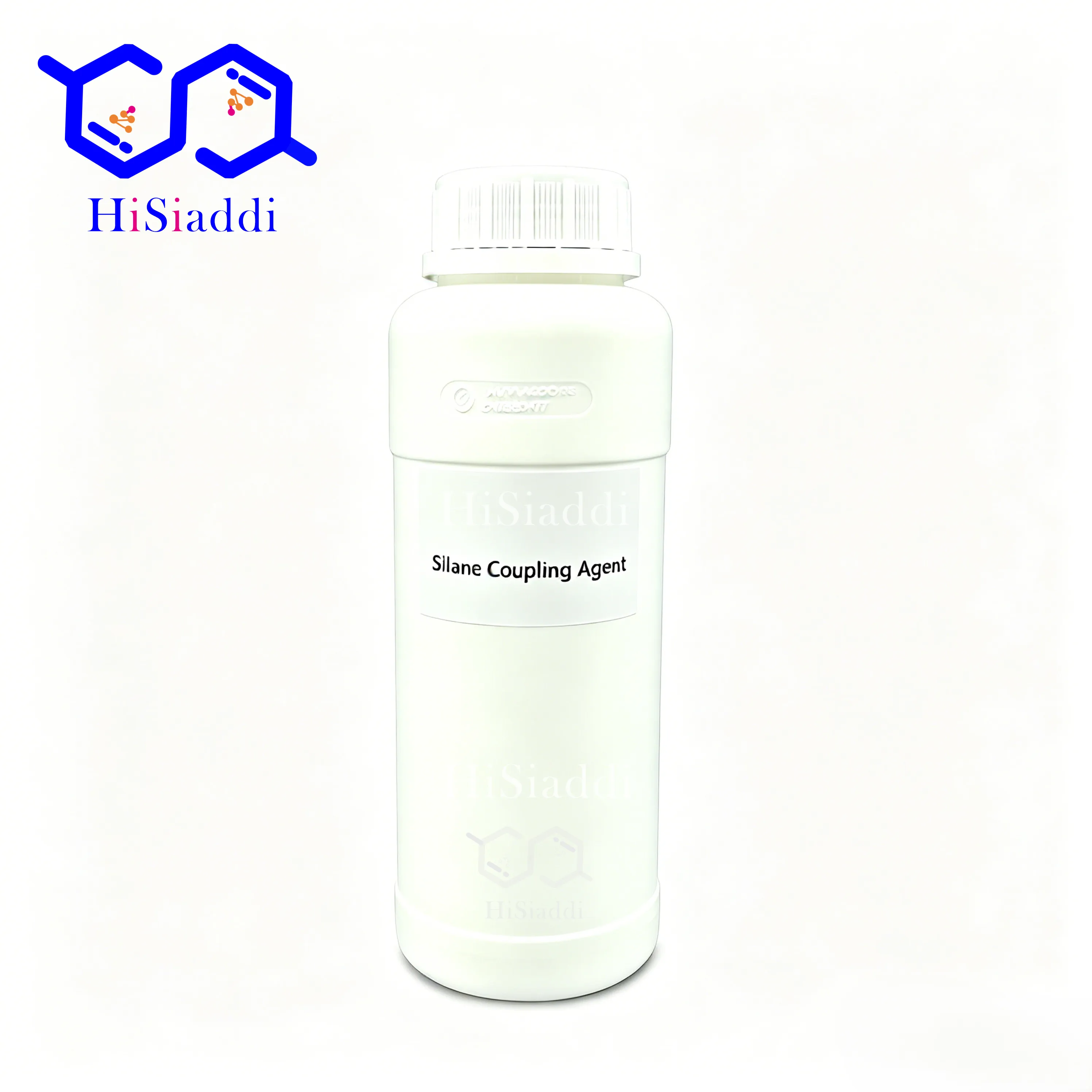
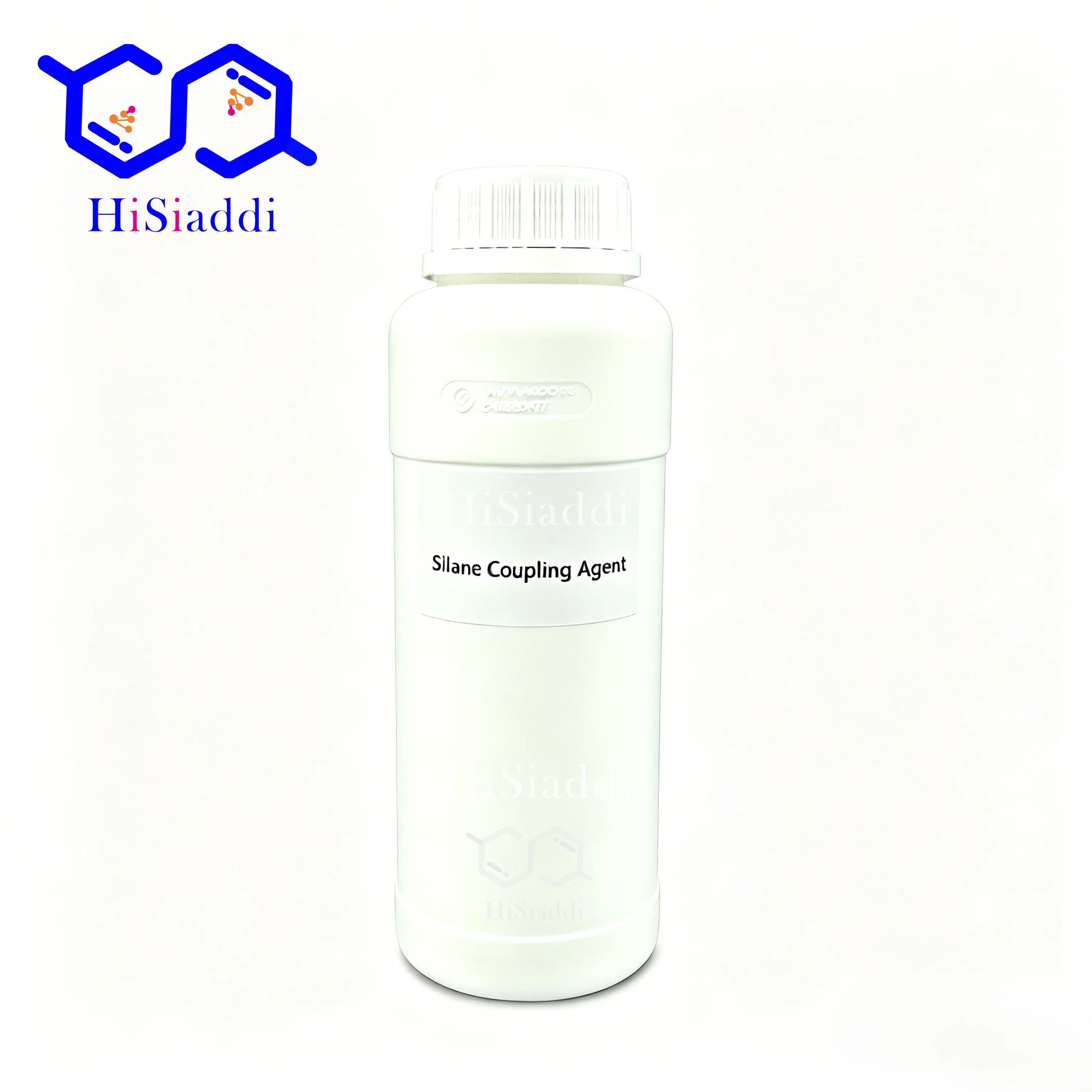
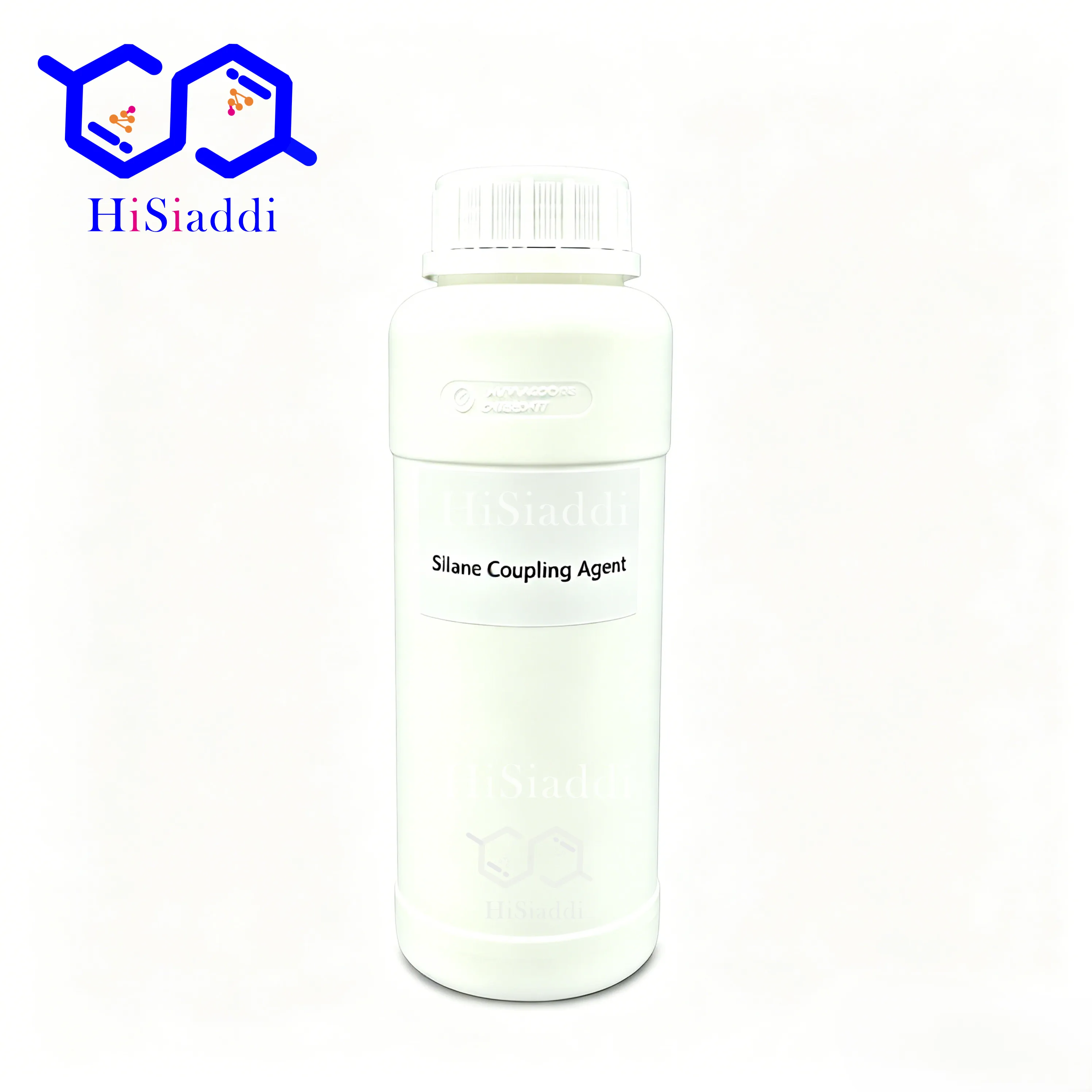
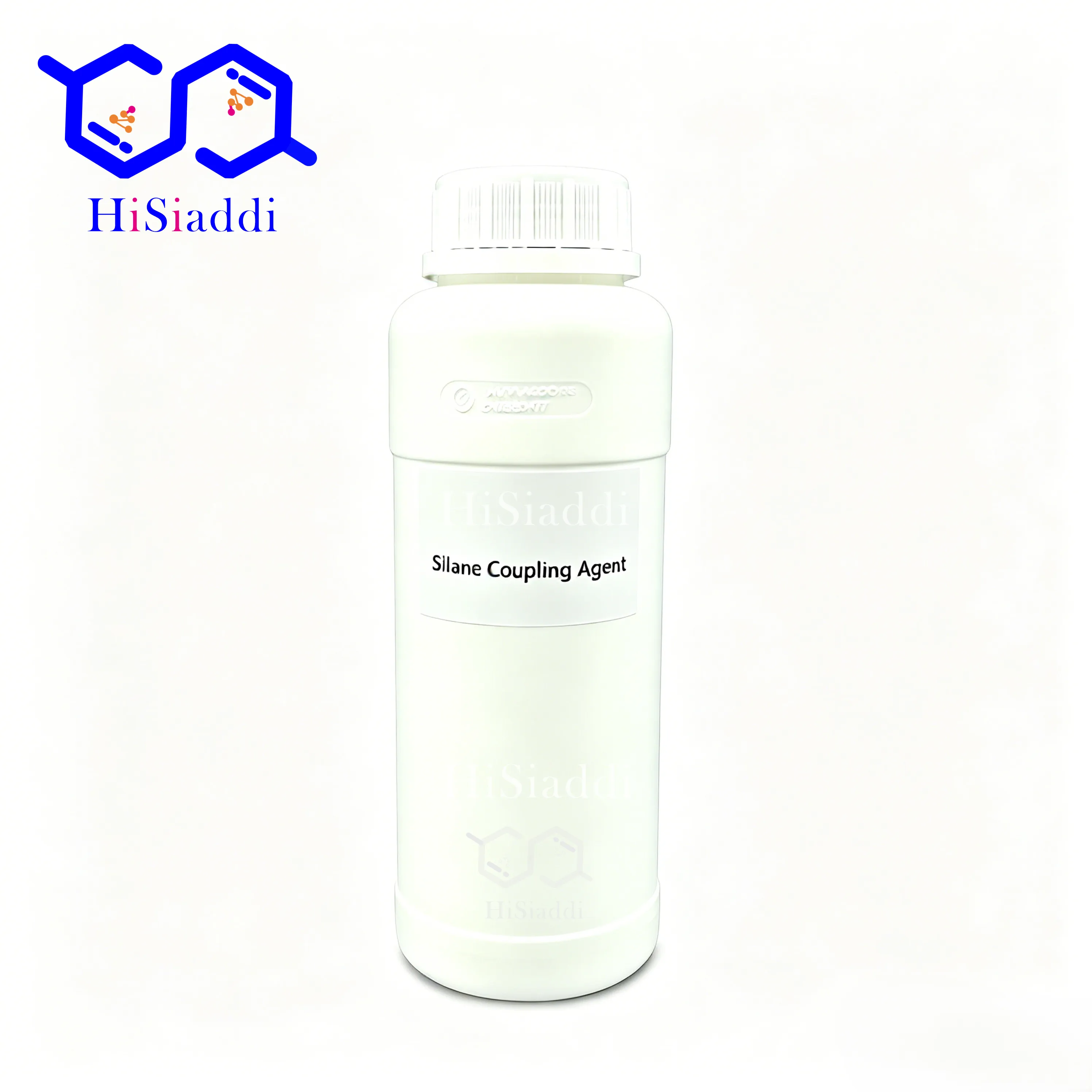
Polydimethylsiloxane abbreviated as PDMS, it is used as release agent, defoamer, insulating oil and cosmetic additive. HiSiaddi can supply original factory sources of multiple Chinese brands and provide "1+2+3+4=1" services.
Santechnol: STN-201 (10cs~100000cs), viscosity stability (deviation ≤±3%), low volatile content (≤0.5%), low moisture (≤100ppm), temperature resistance from -50℃ to 200℃, some specifications up to 300℃. Its price is 20%~30% lower than Dow Corning / Xinyue with comparable performance, suitable for daily chemical manufacturers, electronic insulation material factories, food defoamer factories, rubber and plastic release agent enterprises.
Guotai: GT-201 (5cs~50000cs), food-grade GT-F201, high purity (≥99.9%), low ionic impurities, international grade quality, 15%~25% lower in price than imported products.
HiSiaddi Service: Customization of viscosity (5~100000cs), purity, volatile content, emulsification/modification (such as amino/epoxy modification); formula optimization, design of defoaming, release and lubrication solutions; compliance testing on viscosity, volatile content, moisture, flash point, refractive index, heavy metals, ROHS/REACH.
 CONTACT HiSiaddi NOW


| CAS No: | 9006-65-9 | Brand Name: | Multi-brand |
| MF: | C6H18OSi2 | Model Number: | Multi-models |
| EINECS No: | 613-156-5 | Grade: | N/A |
| Purity: | 99% | Place of Origin: | China |
| MOQ: | 1ton | Storage: | Please refer to the product packaging or contact the customer service. |
When purchasing dimethyl silicone oil as a buyer, you may encounter the following questions:
What are the core index advantages and application impacts of mainstream models from well-known dimethyl silicone oil brands?
What competitive services can dimethyl silicone oil suppliers provide?
How about the qualification certifications and market reputation of target dimethyl silicone oil brands?
What is the inventory level and supply stability of dimethyl silicone oil suppliers?
What factors need to be considered when selecting dimethyl silicone oil?
...and many other related questions.
201, 201-50cs, 201-100cs, 201-350cs, 201-500cs, 201-1000cs, 201-5000cs, 201-12500cs (full range from low to medium-high viscosity; core export models: 201-100cs, 201-350cs, 201-500cs)
Volatile content: ≤0.5%, far better than ≤1.0% of small domestic manufacturers, nearly equivalent to imported Dow Corning DC200 series (≤0.4%)
Viscosity stability: kinematic viscosity deviation within ±5%, excellent batch consistency; superior shear stability for high-viscosity grades
Impurity control: chloride ion ≤5ppm, heavy metal ≤1ppm with strict heavy metal restriction
Temperature resistance: flash point ≥300℃, thermal decomposition temperature >220℃, no precipitation or yellowing under high-temperature working conditions
Food & medical grade compliance: available with FDA, Kosher, Halal certificates, compliant with EU REACH & RoHS; medical grades meet ISO10993 standards
Cost Performance
Top cost-performance choice for mid-to-high-end markets. Prices are 28%-35% lower than imported equivalents with nearly identical premium quality. It boasts the world’s largest supply volume with sufficient stock even in peak seasons and stable negotiation space for long-term cooperation.
Industrial sector: overseas lubricant blending plants, defoamer manufacturers, rubber & plastic additive producers, textile printing and dyeing additive traders
Daily chemical sector: cosmetic raw material importers and personal care product factories in Southeast Asia and the Middle East
Compliance-oriented sector: food processing auxiliary and medical device accessory raw material importers in Europe and America
Highly stable batch viscosity and volatile content reduce formula adjustment frequency, raise production tolerance and lower defective product rate by 15%-20%
Complete viscosity range enables one-stop procurement and cuts supplier management costs
Massive production capacity ensures stable delivery for bulk orders and avoids overseas supply shortage risks
Industrial use: lasting defoaming effect, uniform lubrication and stable performance at high temperatures to extend equipment service life
Personal care use: smooth non-sticky texture, skin-friendly and suitable for skin care and hair care formulas
Food & medical use: non-toxic and fully certified for smooth customs clearance and sales of finished products
XM-201, XM-201-100cs, XM-201-350cs, XM-201-1000cs, XM-201-60000cs (focus on ultra-high viscosity products; hot sellers: XM-201-350cs, XM-201-60000cs)
Uniform molecular weight for ultra-high viscosity silicone oil: narrow molecular weight distribution with dispersity coefficient <1.2, leading level in domestic industry
Aging resistance: excellent anti-yellowing and anti-oxidation performance, no stratification or turbidity during long-term storage
Low odor grade: ≤Grade 1, free of silanol peculiar smell, ideal for high-end daily chemicals and precision electronics
Electrical insulation: breakdown voltage >15kV/mm, volume resistivity ≥1×10¹⁴Ω·cm, outstanding performance for electronic applications
Customized solutions: low volatility, low-ion and ammonia-free silicone oil available for premium special scenarios
Best cost-performance in high-end segmented markets. Ultra-high viscosity grades are 40% cheaper than imported goods, and regular viscosity types are 30% lower in price. Its premium technical indicators outperform most domestic mid-tier manufacturers and match imported standards.
High-end industrial sector: overseas electronic component manufacturers, transformer insulating oil producers, advanced thermal conduction & lubrication enterprises
Rubber & plastic industry: high-end silicone product and plastic release agent importers in Europe and America
Premium daily chemical sector: high-end skin and hair care raw material importers in Japan, South Korea and Europe
Stable performance of ultra-high viscosity silicone oil supports high-end formula development and boosts product premium space
Low odor and superior insulation eliminate end-product quality complaints caused by peculiar smell and insufficient insulation
Customized services meet niche high-end demands to help buyers capture segmented markets
Electronic products: outstanding insulation, moisture-proof and heat dissipation effects greatly reduce equipment failure rate
High-end personal care products: premium skin feel and zero odor suitable for luxury personal care lines
Rubber & plastic products: uniform demoulding effect ensures smooth and flawless finished surfaces to upgrade product grade
Strong cost control capability: integrated full industrial chain with self-produced monomers to achieve the lowest raw material cost
Qualified basic indicators: viscosity deviation ±8%, volatile content ≤0.8%, fully meeting general industrial standards
Massive supply capacity: world’s largest single-unit production capacity with more favorable prices for bulk orders and shortest lead time
Basic compliance: complete REACH and RoHS certifications for ordinary industrial applications
Excellent hydrophobic property, perfect for waterproof auxiliary applications
Ultimate cost-effective choice for bulk purchasing. Prices are 45%-50% lower than imported products and 8%-12% cheaper than other top domestic brands. Basic properties satisfy 90% of industrial scenarios with no extra premium cost.
Bulk commodity traders: industrial raw material importers in Southeast Asia, Africa and the Middle East
General industrial manufacturers: producers of defoamers, common release agents and low-grade lubricants
Textile auxiliary buyers: printing and dyeing raw material purchasers in India and Pakistan
Minimum procurement cost enhances price competitiveness of finished products to seize mass markets
Instant bulk supply supports inventory stockpiling and long-term low-cost procurement
Stable basic performance without critical defects adapts to extensive production modes
Qualified defoaming, lubrication and demoulding effects fulfill basic production requirements
Affordable raw material cost cuts down finished product pricing
Good hydrophobic effect applicable to textile waterproofing and general equipment lubrication
DY-201, DY-201-100cs, DY-201-500cs, DY-201-1000cs, DY-201-3000cs (core export grades: 100cs, 500cs; mainly industrial grade & general daily chemical grade)
Superior low-temperature performance: pour point ≤-60℃ with excellent fluidity for frigid regions
High purity: siloxane purity ≥99.5%, low impurity content avoiding contamination of downstream products
Outstanding storage stability: no stratification or precipitation within 18 months, stable quality during long-distance ocean shipping
Eco-friendly performance: extremely low VOC content compliant with the latest EU environmental regulations
Flexible packaging: customizable IBC tanks and iron drums suitable for sea and land transportation
Balanced cost-performance brand. Prices are 32%-38% lower than imported goods and slightly cheaper than Bluestar. Its core strengths lie in excellent low-temperature resistance and shipping stability, ideal for cold-region markets and long-distance ocean trade.
Cold-region market buyers: industrial raw material importers in Russia, Northern Europe and Canada
General daily chemical purchasers: cosmetic raw material buyers in Latin America and Australia
Cross-border bulk silicone oil traders worldwide
Excellent low-temperature fluidity prevents solidification during application in cold areas and expands northern market coverage
Stable quality after long-distance shipping reduces transportation loss
Up-to-standard environmental indicators avoid compliance risks in European and American markets
Normal lubrication and defoaming performance maintained under low-temperature environments without equipment malfunction
High purity eliminates impurity pollution and raises finished product qualification rate
Eco-friendly and safe properties facilitate market access in Europe and America
SY-201, SY-201-100cs, SY-201-350cs, SY-201-2000cs (focus on medium-viscosity silicone oil, specially formulated for industrial defoaming and textile auxiliaries)
High defoaming efficiency: low surface tension enables fast defoaming speed and long foam inhibition duration
Good emulsifiability: easy to emulsify, suitable for water-based defoamers and textile emulsion auxiliaries
Stable batch performance: continuous production ensures tiny fluctuation in viscosity, density and refractive index among batches
Ultra-low heavy metal content: lead, cadmium and mercury content <0.1ppm, meeting strict environmental protection requirements
Wide acid & alkali resistance range with stable performance in acidic and alkaline environments
Remarkable cost advantages in segmented fields. Defoamer-specialized grades are 38% cheaper than imported counterparts and 10% lower than ordinary domestic products with superior defoaming efficiency.
Defoamer manufacturers: global producers of water-based and oil-based defoamers
Textile industry clients: printing and dyeing auxiliary importers in Turkey and Vietnam
Water treatment sector: overseas purchasers of sewage treatment defoaming raw materials
Higher defoaming efficiency reduces raw material dosage and lowers formula costs for defoamer production
Easy emulsification simplifies production procedures and improves operational efficiency
Acid & alkali resistance expands applicable scenarios of downstream finished products
Rapid industrial defoaming boosts production efficiency and reduces overflow waste
Soft texture and perfect waterproof effect upgrade textile fabric quality
Efficient foam inhibition cuts down sewage treatment costs

| Comparison Items | Bluestar Silicones | Xinan Silicone | Hesheng Silicon Industry | Dongyue Silicon Materials | Sanyou Silicon Industry |
| Core Export Models | 201-100cs, 201-350cs, 201-500cs | XM-201-350cs, XM-201-60000cs | HS-201-100cs, HS-201-350cs | DY-201-100cs, DY-201-500cs | SY-201-100cs, SY-201-350cs |
| Core Competitive Strengths | Volatile ≤0.5%, stable viscosity, low heavy metal content, full compliance certificates | Uniform ultra-high viscosity molecular weight, low odor, high insulation, customizable products | Full industrial chain lowest cost, largest supply scale, stable basic indicators | Pour point ≤-60℃, excellent shipping stability, superior environmental performance | High defoaming efficiency, easy emulsification, acid & alkali resistance, stable batch quality |
| Gap vs Imported Brands | Minimal gap, slightly inferior only in high-end medical grades | Equal to imported products in high-end indicators | Qualified basic performance, weaker premium indicators | Better low-temperature performance than partial imported brands | Surpass general imported grades in dedicated defoaming performance |
| Cost-performance Positioning | King of mid-to-high-end cost performance | Optimal choice for high-end segmented markets | Ultimate bulk-purchase cost performance | Balanced comprehensive cost performance | Outstanding advantages in segmented fields |
| Core Target B2B Buyers | Lubricant & defoamer factories, European & American food/medical raw material importers, daily chemical purchasers | Electronic insulation manufacturers, high-end rubber & plastic importers, Japan & South Korea premium cosmetic buyers | Southeast Asia/Africa bulk traders, general industrial factories, Indian textile purchasers | Cold-region buyers in Russia/Northern Europe, Latin American cosmetic buyers, ocean shipping traders | Global defoamer producers, Turkish/Vietnamese textile clients, water treatment raw material buyers |
| Core Advantages for Downstream Buyers | Stable formula, one-stop procurement, sufficient supply guarantee | High-end formula premium profit, customized service for niche markets, fewer after-sales issues | Lowest procurement cost, sufficient stock for stocking, fit extensive production modes | Cold-region market expansion, low shipping loss, worry-free compliance | Less raw material dosage, simplified production process, wider application scope |
| Core Advantages for End Users | Durable industrial performance, safe daily chemical application, food & medical compliance | Strong electronic insulation, premium cosmetic skin feel, smooth rubber & plastic finished goods | Qualified basic functions, low price, good hydrophobic effect | Stable operation at low temperature, impurity-free finished products, eco-friendly safety | Efficient defoaming, upgraded textile quality, low water treatment cost |
HiSiaddi, a new type of foreign trade service provider driven by both technology transformation and foreign trade business, has built a "1+2+3+4=1" product service system, which consists of 1 foreign trade salesperson with over 3 years of experience, 2 R&D teams and 3 high-quality suppliers supported by 4 warehouses to fulfill one-stop product demand.
With this service system, HiSiaddi boasts deeper expertise in R&D optimization and technical processes of PDMS than most foreign trade companies, a clearer grasp of market demands and competitive advantages of various PDMS brands than single factories, and a more thorough understanding of the PDMS foreign trade market than research institutions.
HiSiaddi only recruits foreign trade sales staff with over 3 years of working experience, who must receive more than 6 months of training from both the R&D team and foreign trade team before serving customers.
(1)PDMS Basic Support Service
Backed by the foreign trade team and corporate service system, we provide customers with full-process one-stop document handling services, including but not limited to issuance and processing of all types of compliance certificates for PDMS, provision of third-party test reports and resolution of quality warranty issues.
(2)PDMS Exclusive Premium Service
Supported by the R&D team, we deliver customized product and technical consulting services, including but not limited to compatibility and cost comparison of various PDMS brands, and regular sharing of PDMS market trends.
Cross-Border Organic Silicon Industry Community Empowerment Service. We build exclusive communities for overseas purchasers with regular sharing of global silicone oil market trends, formula tips, overseas regulation interpretations and downstream market updates, alongside live sharing sessions with domestic organic silicon experts and overseas industry leaders; clients exchange information and resources to build a global silicone oil procurement network.
Through in-depth cooperation with source factories via technology transformation and internal collaboration with the foreign trade team, we deliver technical training to sales staff, enabling professional PDMS customization and providing research-grade consulting for PDMS brand matching and application solution optimization.
(1)PDMS Research-Grade Customization Service
Domestic Substitution Technology Transfer for Imported Silicone Oils. We cooperate deeply with R&D teams of leading domestic manufacturers to replicate imported silicone oils from Dow Corning, Wacker, Shin-Etsu and Momentive with identical viscosity, volatile content, molecular weight, impurity content and temperature resistance, cutting procurement costs by 25%–50%. We issue import substitution feasibility reports including formula compatibility testing, performance comparison and cost calculations to support safe switching to domestic raw materials.
Differentiated Modified PDMS Customization. We co-develop exclusive modified silicone oils with manufacturers: low volatility non-migratory grades, low odor premium cosmetic grades, high temperature resistant industrial grades, hydrophilic silicone oils, ammonia-free grades and high insulation electronic grades. We also customize low heavy metal, low VOC silicone oils compliant with regional regulations to help clients avoid homogeneous price competition via exclusive raw material differentiation.
(2)PDMS Research-Grade Consulting Service
Application Formula & Process Optimization Consulting covering defoamers, cosmetic care, textile auxiliaries, plastic demolding, electronic insulation and lubricants. We resolve common pain points including slow defoaming, uneven demolding, poor skin feel and insufficient electronic insulation, and arrange remote online production debugging guidance with domestic organic silicon engineers.
Visualized PDMS Performance Comparison Service. We produce short videos and high-definition test charts with intuitive comparative experiments (droplet tests, foam tests, low-temperature freezing) to visually demonstrate differences in defoaming speed, low-temperature fluidity, heat resistance and transparency between domestic and imported silicone oils, replacing dry textual data.
Our foreign trade and R&D teams jointly conduct preliminary market surveys, on-site inspections, product testing, in-depth technology transformation cooperation and bulk procurement cooperation to select around 3 reliable, stable, reputable and promising brand manufacturers.
(1)PDMS Greater Initiative to Secure Lower Prices
Long-term cooperation through technology transformation and authorized distribution enables us to source original factory goods at preferential prices.
(2) PDMS Long-Term Supply Chain Guarantee Service
Long-term partnership in technology transfer and distribution strengthens production monitoring, full-lot traceability, batch stability control and compensation guarantees for unqualified third-party inspection results.
We have 4 warehouses, which are jointly operated and managed with suppliers to store hot-selling products.
(1)PDMS Fast Delivery & On-Site Resolution of Emergencies
The four warehouses are located at Qingdao Port (North China), Ningbo Port (East China), Shenzhen Port (South China) and Zhengzhou (inland logistics hub), ensuring timely delivery of PDMS. On-site staff are available to resolve transport damage, packaging defects and export compliance issues locally.
(2) PDMS Price Stabilization & Custom Packaging Support
We stock up in advance to mitigate sharp price hikes during peak seasons. Self-operated warehouses support highly customized packaging and label solutions for clients.
As a new-type foreign trade service provider driven by both technology transformation and foreign trade business, HiSiaddi has built a "1+2+3+4=1" service system and can supply original factory materials of multiple well-known brands for PDMS. As a research-driven foreign trade enterprise, we will systematically sort out common difficulties faced by B-end purchasers sourcing PDMS in China and propose targeted solutions from HiSiaddi’s professional perspective.
If you require more professional and in-depth analysis on PDMS selection, please contact HiSiaddi customer service.
1. Batch-to-batch viscosity drift: Measured viscosity inconsistent with labeled values, leading to inconsistent oily/dry skin feel in skincare products, mold sticking during tablet pressing and residual oil after baking demolding.
2. Excessive D4/D5 cyclic siloxane residues: Strict control of cyclic siloxane levels under EU cosmetic regulations and FDA food raw material standards, resulting in customs detention during REACH sampling testing and failed product filings.
3. High volatile matter: Smoking and odor generation during high-temperature sterilization or baking, causing off-odors in food products and oil precipitation during skincare product storage.
4. Excessive trace heavy metal and catalyst residues, leading to direct rejection for infant skincare and oral pharmaceutical raw materials.
1. Balanced polymerization process with precise molecular weight control; viscosity fluctuation within ±3% for identical grades to enable fixed formulation dosages.
2. Multi-stage thin-film vacuum low-boiling removal process, reducing D4/D5 levels to less than 50% of EU limits to meet dual compliance standards for cosmetics and food.
3. Deep removal of small-molecule components; volatile matter ≤0.3% with low smoke emission under short-term 200℃ processing.
4. Raw material refining and chelation impurity removal; heavy metal levels far below safety limits set by European and American pharmacopoeias and cosmetic regulations, suitable for infant and oral applications.
1. Poor compatibility with defoaming systems; shrinkage cavities, haze and loss of gloss on paint films after addition.
2. Significant viscosity variation under high and low temperatures; coagulation and delamination in cold winter conditions, defoaming failure at high summer temperatures.
3. High small-molecule impurity content leading to floating oil precipitation after long-term storage and demulsification in compound formulations.
1. Supporting modified grades with adjusted side-chain polarity, delivering excellent compatibility with water-based emulsions and rubber & plastic resins without shrinkage cavities or gloss loss.
2. Narrow-fraction refined formulations with high and low temperature resistance; no coagulation at -20℃ and minimal viscosity change at 80℃ for stable year-round production.
3. Distillation to remove light and heavy impurities; no delamination or floating oil precipitation after 18 months of ambient storage.
1. Cyclic siloxane and heavy metal levels close to control thresholds set by the Ministry of Health, Labour and Welfare; failed sampling tests blocking domestic market launch.
2. Lack of Japanese cosmetic/food raw material filing documents; unable to label slip and demolding efficacy, limiting premium pricing for end products.
3. Turbidity and precipitation of stock solutions under low-temperature storage, leading to scrapped cosmetic batches.
1. Secondary devolatilization refining; cyclic siloxane and heavy metal levels controlled below 40% of Japanese national standards to pass official Japanese testing smoothly.
2. Supporting Japanese specification sheets and test reports; assistance with Japanese raw material filings to enable compliant labeling of product selling points.
3. Narrow-distribution polymerized raw materials remaining clear without precipitation after 72 hours of refrigeration at -5℃, compatible with Japanese low-temperature formulation systems.
1. Low-cost supplies adulterated with white oil/mineral oil, with insufficient pure dimethyl silicone oil content causing severe degradation of slip, defoaming and demolding performance.
2. Excessive volatile matter leading to barrel bulging, oil seepage and deterioration under tropical high-temperature conditions; lack of COA and MSDS documents causing customs detention.
1. Economical pure silicone oil without mineral oil adulteration, stable viscosity, priced 22%~27% lower than high-purity cosmetic grades.
2. Thickened HDPE sealed pails with light-shield packaging, resisting barrel bulging and oil seepage after 6 months of storage under 45℃ hot-humid conditions.
3. Batch-by-batch provision of COA, MSDS and Halal certificates; customs clearance support to reduce port detention risks.
1. Counterfeit dimethyl silicone oil adulterated with mineral oil, falsely labeled viscosity causing formulation failure, compensation claims and customer churn.
2. Poor packaging sealing leading to heat-induced leakage and water emulsification deterioration during ocean shipping; full-batch rejection by high-end brands; incomplete qualifications preventing access to European and American premium brand supply chains.
3. Water vapor absorption during open repackaging causing emulsification, whitening and performance degradation of small-packaged products during storage.
1. Direct supply from original polymerization factories with full-item COA (viscosity, volatile matter, cyclic siloxanes) per batch; support for third-party SGS re-inspection to guarantee zero adulteration.
2. Double-layer sealed iron drums lined with PE, pressure-resistant and leak-proof for long-distance ocean transportation.
3. Closed dust-free repackaging; stable physicochemical indicators after 12 months of cool storage at 25℃; one-stop provision of full compliance qualifications including REACH, FDA, Kosher and Halal.
For more professional and in-depth analysis on PDMS selection, please contact HiSiaddi customer service.
Severe and uneven coating cratering: Pinhole craters with a diameter of 0.5–2 mm appeared 1 to 2 minutes after spraying, especially concentrated on edges and corners of workpieces, damaging appearance and protective performance. Reducing PDMS dosage (0.1%–0.5%) alleviated cratering but led to film hazing and decreased gloss.
Uneven defoaming and residual microbubbles: Foams generated during stirring and spraying could not be eliminated efficiently. Tiny bubbles (diameter < 0.1 mm) remained after 30 minutes of standing, which ruptured during baking and formed pinholes and pits, resulting in rough and uneven coating surfaces.
Coating hazing and unstable gloss: The transparency of clear coatings decreased after PDMS addition, with 90° gloss dropping to 75°. The gloss value fluctuated by ±5° between batches, failing to meet the gloss consistency requirements for high-end wood coatings.
Reduced coating adhesion and peeling: Poor compatibility between PDMS and coating resin caused the coating adhesion grade to drop from Grade 1 to Grade 3, with large-area peeling observed in cross-cut tests and shortened service life of the coating.
Lead time
Quantity (ton) | 0 - 10 | 10 - 30 | > 30 |
Lead time (days) | 7 | 15 | To be negotiated |
As a new-type foreign trade service provider driven by dual pillars of technology commercialization and export services, HiSiaddi has built a "1+2+3+4=1" service system, offering access to original factory supplies of PDMS from multiple well-known brands.
As an R&D-enabled export service provider, HiSiaddi avoids the biased brand promotion typical of single-factory vendors. We provide objective analysis of China’s most export-competitive PDMS manufacturers, sharing their certification portfolios and market feedback to streamline buyer sourcing decisions.
If you require more authentic, objective insights into major Chinese PDMS brands, please contact HiSiaddi customer service.
· HS-201 Series (10–100,000 cSt): General industrial-grade with full viscosity coverage, 99.9% purity for mid-tier industrial, textile, and defoamer applications.
· HS-MED Series (500–5,000 cSt): Medical-grade, metal ion content <0.5 ppb, volatile content <50 ppm for aesthetic fillers and pharmaceutical excipients.
· HS-ELEC Series (50–500 cSt): Electronic-grade compliant with SEMI C12 standards, particulate count <10 particles/mL for semiconductor packaging and new energy thermal management.
· HS-BIO Series (100–1,000 cSt): Bio-based silicone oil manufactured from renewable feedstocks with 40% lower carbon emissions, targeted at EU clean beauty markets.
1. Deep partnerships with global beauty conglomerates: Certified core supplier to L’Oréal, P&G, and Estée Lauder, supplying 1,200 tons of beauty-grade silicone oil in 2025. Client feedback highlights superior batch consistency versus imported competitors, uniform non-odorous texture, low-VOC formulations aligned with EU clean beauty standards, 25% price discounts versus Dow, and shortened 7-day delivery lead times.
2. Flawless performance in electronics & new energy: Qualified supplier to Huawei, CATL, and LONGi Green Energy. HS-ELEC grades deployed for 5G base station heat dissipation and battery thermal management deliver stable performance across -60°C to 250°C, high insulation, zero precipitation, and unaltered viscosity after 400 hours of continuous operation.
3. Breaking import monopolies in medical markets: HS-MED holds EU CE MDR Class III certification, exporting 800 tons to European aesthetic medicine markets in 2025. Clients report full biocompatibility, zero irritation, compatibility with 134°C sterilization, and 30% cost reduction versus imported alternatives.
4. Cost-performance benchmark for industrial markets: Southeast Asian and Middle Eastern industrial buyers confirm HS-201 viscosity tolerance ≤±2%, 15% higher defoaming/release efficiency than peer products, and 20% lower pricing versus Japanese/Korean brands.
· International certifications: FDA food contact certification, EU REACH (D4/D5/D6-free), RoHS, CE MDR medical certification, SEMI C12 electronic-grade certification.
· Domestic certifications: NMPA pharmaceutical excipient certification, ISO 9001, ISO 14001, GMP certification, "High-End Silicone Benchmark Enterprise" honor from China Fluorosilicone Industry Association.
· Standard-setting credentials: Lead drafter of the national standard for Industrial-Grade PDMS; EU ECOCERT organic certification for bio-based silicone oil lines.
· STARSIL® 201 Series (50–50,000 cSt): General mid-to-high tier industrial/beauty grade with 99.92% purity.
· FLD-MDM Series (1,000–12,500 cSt): Medical-grade (including ophthalmic formulations) with physiological inertness for ophthalmic surgery and aesthetic fillers.
· EC-1065 Series (50–1,000 cSt): Electronic insulation grade with high dielectric strength for wire/cable and electronic potting.
· EMUL Series (6516/6518): Beauty emulsion-grade with micro-droplet formulation to enhance wet/dry hair combability.
1. Top-rated supplier for European medical markets: FLD-MDM12500 ophthalmic silicone oil shipped 500,000 bottles to German and French ophthalmic hospitals in 2025. Clinicians cite precise viscosity tolerance (<±1%), 99.9% light transmittance, zero post-surgical complications, and 50% shorter delivery lead times versus Dow Corning.
2. Reliable supply for Southeast Asian electronics: EC-1065 grades deployed for electronic assembly in Vietnam and Malaysia deliver stable insulation performance across -50°C to 220°C with breakdown voltage ≥35 kV/mm and consistent batch quality.
3. Premium positioning recognized across beauty markets: EMUL 6516 emulsion silicone oil supplied to high-end Thai and Indonesian hair care brands delivers silky texture without foam suppression, requiring only 2%-5% loading to elevate product sensory properties.
4. Preferred import substitute for industrial European buyers: Middle Eastern industrial clients confirm STARSIL® 201 volatile content ≤0.3%, zero sludge formation at high temperatures, and 30% longer service life than standard domestic silicone oils.
· International certifications: FDA, EU REACH, RoHS, full ISO 10993 biocompatibility testing, CE medical certification, European Pharmacopoeia (EP) certification.
· Domestic certifications: NMPA Class III medical device certification, ISO 9001, ISO 13485, First-Class Industry Standard Innovation Award (vinyl-terminated silicone oil standards) from China Fluorosilicone Association.
· Industry honors: Backed by Elkem’s global R&D network, recognized as "Medical-Grade Silicone Quality Benchmark", lead contributor to 2 international association standards.
· XHG-201 Series (100–60,000 cSt): General industrial-grade with full viscosity coverage, 99.8% purity for textile, coating, and mass beauty applications.
· XHG-COS Series (50–500 cSt): Beauty-grade low-odor, low-VOC formulation for mass-market skincare and color cosmetics.
· XHG-IND Series (500–5,000 cSt): Industrial defoamer/release agent grade with acid/alkali resistance for chemical, rubber, and plastic manufacturing.
1. Top cost-performance option for mass beauty brands: Suppliers to Brazilian, Indonesian, and Egyptian mass cosmetic brands confirm XHG-COS colorless, odorless formulation with excellent cosmetic ingredient compatibility, EU-compliant low-VOC profiles, 30% pricing discount versus imports, and broad formula adaptability.
2. Consistent reputation in textile auxiliary markets: Southeast Asian textile manufacturers validate XHG-201’s superior smoothness, 2,000-hour weather resistance, and significant improvements in fabric wrinkle recovery and waterproof performance with stable batch output.
3. Zero-complaint industrial defoamer/release agent performance: African chemical and plastic manufacturers report XHG-IND defoams in under 10 seconds with persistent foam suppression, delivers flawless post-demolding surface finish free of residues, and tolerates complex acidic/alkaline operating environments.
4. High customer satisfaction for delivery and technical service: Small overseas buyers highlight flexible minimum order quantities (1–5 tons), 5–10 day lead times, rapid technical support response, and custom viscosity formulation capabilities.
· International certifications: FDA food contact certification, EU REACH, RoHS, SGS certification, SCCS cosmetic safety assessment reports.
· Domestic certifications: ISO 9001, ISO 14001, GMP (pharmaceutical excipient), "Premium Manufacturer" award from China Organosilicon Industry Association, third-party accelerated weathering resistance certification.
· Industrial chain credentials: Fully self-sufficient vertical integration from silica ore to monomer to silicone oil with 99.9% raw material purity; awarded "Green Supply Chain Enterprise" by China Chemical Industry Association.
· DY-201 Series (100–10,000 cSt): General mid-tier industrial-grade with 99.85% purity.
· DY-MED Series (1,000–5,000 cSt): Ophthalmic/aesthetic grade holding NMPA Class III certification for retinal surgery and aesthetic fillers.
· DY-ELEC Series (50–500 cSt): Semiconductor/photovoltaic grade with high insulation and low ion content for wafer packaging and photovoltaic thermal conduction.
1. China’s sole export-grade ophthalmic silicone oil brand: DY-MED5000 ophthalmic silicone oil shipped 300,000 bottles to Italian, Spanish, and South Korean ophthalmic hospitals in 2025. Medical institutions confirm it holds China’s exclusive NMPA Class III certification, precise viscosity control, full biocompatibility, high post-operative retinal reattachment rates, and pricing at 60% of imported alternatives.
2. Breaking Japanese/Taiwanese semiconductor monopolies: DY-ELEC grades qualified by TSMC and LONGi Green Energy shipped 600 tons to Taiwanese and South Korean semiconductor manufacturers in 2025, delivering metal ion levels <1 ppb, compliant particulate control, insulation performance matching Shin-Etsu, and 20% lower pricing.
3. Strong import substitution potential for high-end industrial applications: European machinery manufacturers confirm DY-201 stable high-temperature performance (-55°C to 230°C), consistent lubrication, and capacity to replace select Wacker grades with superior cost-performance.
· International certifications: FDA, EU REACH, RoHS, CE medical certification, SEMI C12 (electronic-grade), South Korea KFDA certification.
· Domestic certifications: Exclusive NMPA Class III medical device certification for ophthalmic silicone oil in China, ISO 9001, ISO 13485, "High-End Medical Silicone Innovation Enterprise" honor from China Fluorosilicone Industry Association.
· Industry validation: Semiconductor packaging silicone oil fully qualified by leading wafer foundries; photovoltaic thermal conductive silicone oil certified by LONGi Green Energy.
· HD-201 Series (50–5,000 cSt): Industrial-grade for rubber/plastic release agents and textile finishing with 99.7% purity.
· HD-DEM Series (100–1,000 cSt): Specialized release agent grade with high release force for ABS, PVC, and rubber molded goods.
· HD-ANTI Series (50–500 cSt): Specialized defoamer grade with high temperature and alkali resistance for coatings, water treatment, and papermaking.
1. Industry-leading release agent performance for rubber & plastics: Suppliers to Vietnamese, Turkish, and Polish rubber/plastic manufacturers confirm HD-DEM’s powerful release force, residue-free molded surfaces compatible with secondary processing, suitability for complex molds, stable batch quality, and 25% pricing discount versus Japanese/Korean competitors.
2. Top cost-performance textile finishing silicone oil: Southeast Asian textile producers validate HD-201’s exceptional fabric smoothness and softness with strong wash resistance, delivering noticeable improvements to textile hand feel across all fiber types.
3. Reliable industrial defoamer performance: Middle Eastern coating and water treatment facilities cite HD-ANTI’s rapid defoaming, persistent foam suppression, stable operation between 80–180°C, acid/alkali tolerance, and zero cross-contamination risk.
4. High repeat purchase rate among long-term industrial clients: Overseas manufacturers highlight consistent production capacity, on-time delivery, zero supply disruptions, professional technical support, and custom viscosity formulation tailored to mold and operating conditions.
· International certifications: FDA indirect food contact certification, EU REACH, RoHS, SGS certification, German TUV certification.
· Domestic certifications: ISO 9001, ISO 14001, "Premium Industrial Silicone Supplier" award from China Organosilicon Industry Association, recommended product certification by China Rubber Industry Association.
· Industry validation: Release agent silicone oil certified by European Rubber Industry Association; defoamer formulations certified by China Coatings Industry Association.
表格
Brand | Core Competitive Edge | Primary Export Markets | Ideal Buyer Profiles |
Hoshine Silicon | Full-spectrum product portfolio, complete high-end certifications, superior cost-performance | EU/US beauty & electronics, global industrial | International beauty conglomerates, new energy manufacturers, large/mid-sized industrial buyers |
Bluestar Silicones | Comprehensive medical certifications, top EU market recognition | European medical, Southeast Asian electronics | Ophthalmic hospitals, aesthetic clinics, premium electronic assembly factories |
Wynca Chemical | Vertical full-chain cost advantage, flexible small-batch support | Southeast Asia/Africa/South America beauty & industrial | Mass-market beauty brands, small/mid-sized textile/chemical manufacturers |
Dongyue Silicon | Domestic monopoly on ophthalmic silicone oil, breakthrough high-end electronic grades | EU/Japan/South Korea medical & semiconductors | Ophthalmic medical institutions, semiconductor packaging manufacturers |
Jiangsu Hongda | Industrial-grade niche specialization, release agent market benchmark | Southeast Asia/Middle East/Eastern Europe industrial | Rubber/plastic molding factories, textile mills, coating manufacturers |
1. Import-matching quality with 20%-30% cost reduction: High-end grades (medical/electronic) from all five brands meet Dow, Wacker, and Shin-Etsu quality benchmarks, while mid-tier formulations outperform Japanese/Korean alternatives at substantially lower price points.
2. Shortened lead times and consistent supply: Major domestic manufacturers maintain ample production capacity with 5–10 day delivery windows, far faster than the 30–60 day lead times for imported silicone oils; long-term framework agreements lock in capacity to eliminate stockout risks.
3. Robust customization capabilities and rapid technical support: Custom viscosity, purity, and functional modification available to match regional application requirements with 24-hour technical response for global clients.
4. Globally accepted full compliance certifications: All brands hold FDA, REACH, and RoHS accreditations, with dedicated medical/electronic certifications for premium grades to satisfy EU and US market entry requirements.
If you require more authentic, objective insights into major Chinese PDMS brands, please contact HiSiaddi customer service.
As a new-type foreign trade service provider driven by both technology transformation and foreign trade business, HiSiaddi has built a "1+2+3+4=1" service system and can supply original factory materials of multiple well-known brands for PDMS. As a research-driven foreign trade enterprise, we will analyze key purchasing considerations and core indicators from a professional perspective to ease procurement concerns.
If you require more professional and in-depth analysis on PDMS selection, please contact HiSiaddi customer service.
Classification: Cosmetic raw materials, pharmaceutical excipients, food processing aids, industrial organosilicon additives Core controlled indicators: Kinematic viscosity, volatile matter, residual low-molecular cyclic siloxanes D4/D5/D6, heavy metals, flash point, water-soluble volatiles
· EU: REACH registration, CPNP notification for cosmetic raw materials; strict limits on D4/D5 residues for leave-on cosmetics; food additives comply with EU 10/2011; pharmaceutical grades align with EP Pharmacopoeia
· North America: FDA CIR filing for cosmetics; 21CFR compliance for food-grade materials; pharmaceutical excipients meet USP standards
· Japan & South Korea: Separate filings for cosmetics, food and pharmaceuticals administered by the Ministry of Health, Labour and Welfare; mandatory sampling tests for cyclic siloxane residues and heavy metals
· Southeast Asia / Middle East / South America: Local general chemical and food regulations. For transshipment to EU, Japan, South Korea and North America, full-test COA and SGS reports plus raw material traceability documents are required per batch. Customs authorities inspect MSDS and quality inspection reports; shipments with excessive cyclic siloxane residues or incomplete qualifications will be detained directly.
Properties: Colorless, transparent viscous oily liquid; insoluble in water and low-grade alcohols, soluble in aromatic hydrocarbons and ester solvents; chemically inert, resistant to high and low temperatures
1. Kinematic viscosity at 25℃ (cst): 5cst, 10cst, 50cst, 350cst commonly used in cosmetics; 350~1000cst for pharmaceutical ointments; 100~500cst for food demolding; 50~1000cst for industrial defoaming. Deviations in viscosity directly affect lubrication, film-forming and defoaming performance.
2. Low-molecular cyclic siloxanes D4/D5/D6: Mandatory control indicator for cosmetics exported to Europe and America; excessive residues may cause skin irritation and oil bleeding in formulations.
3. Volatile matter: High-purity low-volatility grades for pharmaceutical applications and high-temperature processes; high-volatility industrial grades for low-end defoaming.
4. Flash point: Higher viscosity grades have higher flash points for safer storage and transportation.
5. Temperature stability and compatibility: Stable under normal-temperature acid and alkaline conditions; gradual chain scission and degradation under long-term exposure to concentrated strong acids/alkalis at high temperatures. Compatible with oils and nonionic surfactants; complete cold-heat cycle stability tests in advance for new formulations.
1. Refined Grade for Pharmaceuticals & High-End Cosmetics: Viscosity tolerance ±5%, volatile matter ≤0.3%, total D4+D5+D6 ≤10ppm, heavy metals within compliance limits; dedicated to essence skincare, medical ointments and infant & child care products.
2. Food Contact Grade: Volatile matter ≤0.5%, compliant cyclic siloxane migration limits; used for bread demolding, anti-sticking for candies and defoaming in brewing.
3. General Cosmetic Grade: Volatile matter ≤1.0%, D4/D5 residues within regulatory limits; applied to hair conditioners and body lotion raw materials.
4. General Industrial Grade: Relaxed standards for volatile matter and cyclic siloxanes; used for rubber & plastic lubrication, industrial defoaming and mechanical rust prevention.
Core production process: Ring-opening polymerization of DMC cyclics → low-molecular cyclic siloxane removal under negative pressure and high temperature → filtration and viscosity adjustment Key control points: Precise viscosity regulation, deep removal of low-molecular cyclic siloxanes, volatile matter control Preferred suppliers: Integrated organosilicon manufacturers with self-owned monomer synthesis, polymerization and low-boiling removal workshops, holding ISO22716 (cosmetics) and ISO22000 (food) certifications. Large factories deliver stable batch-to-batch viscosity and cyclic siloxane indicators and support cross-border testing via SGS and Eurofins. Available packaging: 25kg small pails, 200kg iron drums, IBC totes; standard lead time 7–10 days. Small manufacturers lack negative-pressure low-boiling removal equipment, resulting in excessive cyclic siloxane and volatile matter content, disqualifying products for export to EU, US, Japanese and South Korean cosmetic & food markets.
Physicochemical properties: Non-hazardous chemical, non-flammable, does not solidify at low temperatures, slightly prone to dust absorption when exposed to open air, non-corrosive
· Packaging: 25kg plastic pails, 200kg galvanized iron drums, 1000L IBC totes; food/pharmaceutical grades lined with PE for full sealing
· Storage & transport conditions: Cool indoor storage at 5~40℃, away from open flames and heat sources, avoid direct sunlight
· Restrictions: Do not store together with strong oxidants, strong acids and strong alkalis; keep sealed to prevent impurity ingress; implement first-in, first-out inventory management
Custom non-standard viscosity, ultra-low cyclic siloxane refined silicone oil, compound emulsified silicone oil, multi-language foreign labels; supporting skincare & food defoaming formulas, regulatory interpretation for various countries, customs clearance document sorting.
1. Kinematic viscosity (25℃, mm²/s): Tolerance per ordered grade; ±5% for pharmaceutical & cosmetic grades, ±10% for industrial grades
2. Volatile matter (105℃ / 3h): ≤0.3% for pharmaceutical & cosmetic grades; ≤0.5% for food grades; ≤1.0% for general cosmetic grades; ≤2.0% for industrial grades
3. Total residual D4+D5+D6: ≤10ppm for export cosmetics; ≤50ppm for food grades; flexible limits for industrial use
4. Flash point: ≥150℃ for all grades
5. Specific gravity (25℃): 0.96~0.97
6. Sensory properties: Clear, impurity-free, odorless oily liquid; turbidity or delamination indicates deterioration
7. Heavy metals: Pb, As, Cd within regulatory limits for cosmetic and food grades
Comply with USP/EP standards; strict control of cyclic siloxane residues, volatile matter and heavy metals; formulations must remain non-delaminating and free of small-molecule oil precipitation under high-low temperature cycles.
All migration indicators comply with FDA and EU food additive specifications.
Compliant cyclic siloxane levels; smooth skin feel without oily precipitation.
Only viscosity and volatile matter are controlled; procurement cost prioritized.
Basic documents: Production qualification certificate, MSDS, batch-by-batch COA, full-item SGS test report (viscosity, volatile matter, cyclic siloxanes, heavy metals) EU: REACH registration + CPNP (cosmetics) North America: FDA filing Japan & South Korea: Raw material filing with Ministry of Health, Labour and Welfare Bonus certifications: HALAL, KOSHER
1. D4/D5 cyclic siloxane residues are the core compliance bottleneck for cosmetic exports; EU regulations continue to tighten, requiring batch-by-batch testing for high-end orders.
2. Impurity ingress during open storage causes grain formation and turbidity in formulations; full sealing is required throughout storage and transport.
3. Concentrated strong acids/alkalis and high temperatures break siloxane bonds; neutral formulations are preferred.
For more professional and in-depth analysis on PDMS selection, please contact HiSiaddi customer service.
As a new-type foreign trade service provider driven by dual pillars of technology commercialization and export services, HiSiaddi has built a "1+2+3+4=1" service system, offering access to original factory supplies of PDMS from multiple well-known brands.
As an R&D-enabled export service provider, HiSiaddi avoids biased self-promotion typical of single-manufacturer vendors. We deliver objective analysis of China’s top export-competitive PDMS producers, detailing their manufacturing workflows, supply reliability, core technical specifications, and downstream procurement impacts to streamline buyer sourcing decisions.
If you require more authentic, objective insights into major Chinese PDMS brands, please contact HiSiaddi customer service.
· Core production workflow: Silica ore → Metallic silicon → Dimethyldichlorosilane (DMDCS) → Hydrolysis & rectification → D4/D5 cyclic siloxane monomers → Continuous tubular ring-opening polymerization (acid catalysis, trimethylchlorosilane end-capping) → Multi-stage molecular distillation refining → Finished product.
· Key process strengths:
1. Closed continuous production: Single-line annual capacity of 100,000 tons, replacing traditional batch reactors with 95%+ capacity utilization, 25% lower energy consumption, and 98% hydrochloric acid by-product recovery rate.
2. Molecular distillation purification: Electronic/medical grades undergo three-stage high-vacuum molecular distillation to control metal ions (Fe/Al) <0.5 ppb, volatile content <50 ppm, and residual D4/D5 <10 ppm.
3. Bio-based process innovation: HS-BIO series replaces fossil feedstocks with biomethanol for polymerization, cutting carbon emissions by 40% with EU ECOCERT certification.
· Grade-specific dedicated workflows:
1. HS-201 (Industrial-grade): Standard continuous polymerization + single-stage distillation, 99.9% purity, viscosity tolerance ≤±2%.
2. HS-ELEC (Electronic-grade): ISO 14644-7 cleanroom production, metal-free catalysis, three-stage distillation, particulate count <10 particles/mL.
3. HS-MED (Medical-grade): Sterile polymerization, pharmaceutical-grade end-capping agents, terminal sterile filtration, compliant with USP/EP pharmacopoeia standards.
1. Capacity scale: Total silicone oil capacity of 485,000 tons/year (global No.1, accounting for 25.3% of China’s total capacity), split into 80,000 tons/year high-end (electronic/medical), 300,000 tons/year mid-tier, and 105,000 tons/year industrial-grade capacity.
2. Inventory & delivery performance:
1. Five global warehousing hubs (Shanghai, Guangzhou, Xinjiang, Germany, Southeast Asia) with minimum 5,000 tons permanent stock for standard viscosity grades (10–100,000 cSt).
2. Lead times: 3–5 days domestic China, 7–10 days overseas (EU/Southeast Asia), 48-hour express shipment for emergency orders.
3. Risk resistance: Fully self-sufficient vertical integration (silica ore to monomer to silicone oil) eliminates exposure to upstream monomer price volatility; maintained full production output during the 2025 industry-wide supply crunch with zero delivery delays.
4. Long-term partnership safeguards: 3+ year fixed-price framework agreements with L’Oréal and CATL, capping price fluctuations at ≤±5%.
表格
Grade | Viscosity (cSt) | Appearance | Volatile Content (150°C / 24h) | Metal Ion Content | Residual D4/D5 | Primary Applications |
HS-201 (General Industrial) | 10–100,000 | Colorless transparent liquid | ≤0.5% | ≤5 ppm | ≤50 ppm | Industrial processing, textiles, mass-market beauty |
HS-ELEC (Electronic-Grade) | 50–500 | Colorless transparent liquid | ≤0.1% | ≤0.5 ppb | ≤10 ppm | Semiconductor packaging, new energy thermal management |
HS-MED (Medical-Grade) | 500–5,000 | Colorless transparent liquid | ≤0.05% | ≤0.1 ppb | ≤5 ppm | Aesthetic fillers, pharmaceutical excipients |
HS-BIO (Bio-Based) | 100–1,000 | Colorless transparent liquid | ≤0.3% | ≤1 ppm | ≤20 ppm | Clean beauty formulations, eco-friendly industrial applications |
1. Positive impacts:
1. Zero batch quality deviation: Viscosity tolerance ≤±2% delivers uniform cosmetic sensory texture, stable electronic insulation performance, and non-irritant medical formulations, cutting downstream finished product defect rates by 30%+.
2. Supply chain flexibility via ample inventory and short lead times: Enables just-in-time zero-inventory production for buyers, slashing capital occupation by 50% and accommodating small-batch multi-SKU order models.
3. Significant raw material cost savings: 25%-30% pricing discount versus Dow/Wacker; high-end buyers reduce raw material expenditure by 20%+, mid-tier buyers by 30%+.
2. Minor tradeoff: High-end electronic/medical grades require capacity reservation 3 months in advance; long-term fixed-price contracts offer superior pricing but limited order flexibility.
· Core production workflow: DMDCS hydrolysis → D4 cyclic monomer → European imported continuous tubular reactor (low-temperature ring-opening polymerization with catalyst recovery) → Two-stage molecular distillation + activated carbon adsorption → Finished product.
· Key process strengths:
1. Exclusive medical-grade production workflow: FLD-MDM series manufactured in fully enclosed metal-free reaction systems (316L stainless steel lined with PTFE) under sterile conditions, metal ion content <0.1 ppb, thermal stability up to 250°C.
2. Low-VOC refining: STARSIL® grades undergo high-vacuum low-molecular stripping + nitrogen sparging to hit VOC <50 g/L and residual D4/D5 <10 ppm, fully compliant with EU REACH.
3. Flexible manufacturing lines: Single production line switches viscosity ranges from 50–50,000 cSt with <2 hour changeover time, ideal for small-batch custom formulations.
· Grade-specific dedicated workflows:
o STARSIL®201 (General): Continuous polymerization + single-stage distillation, 99.92% purity, acid value ≤0.02 mgKOH/g.
o FLD-MDM (Medical): Sterile polymerization + terminal 0.22 μm filtration, compliant with ISO 10993 and EP pharmacopoeia standards.
o EC-1065 (Electronic): Cleanroom low-ion catalysis, breakdown voltage ≥35 kV/mm.
1. Capacity layout: Total annual silicone oil capacity of 362,000 tons (China’s second-largest), split into 50,000 tons/year medical-grade and 40,000 tons/year electronic-grade capacity across Chengdu (China) and Norway manufacturing hubs.
2. Inventory & delivery performance:
o Warehousing hubs in Germany (EU) and Vietnam (Southeast Asia) with minimum 2,000 tons permanent medical-grade stock and 3,000 tons general-grade stock.
o Lead times: 3–5 days EU, 5–7 days Southeast Asia, 7–10 days domestic China; medical-grade orders receive top production scheduling priority.
3. Risk resistance: Cross-regional Elkem global supply chain diversifies raw material sourcing; maintained stable delivery during the 2025 European energy crisis with price fluctuations capped at ≤8%.
表格
Grade | Viscosity (cSt) | Appearance | Volatile Content | Metal Ion Content | Biocompatibility Compliance | Primary Applications |
STARSIL®201 | 50–50,000 | Colorless transparent liquid | ≤0.4% | ≤3 ppm | Passed | Premium industrial, beauty formulations |
FLD-MDM (Ophthalmic Medical) | 1,000–12,500 | Colorless transparent liquid | ≤0.05% | ≤0.1 ppb | Full ISO 10993 panel | Retinal surgery, aesthetic soft tissue fillers |
EC-1065 (Electronic Insulation) | 50–1,000 | Colorless transparent liquid | ≤0.1% | ≤1 ppb | N/A | Wire/cable insulation, electronic potting compounds |
1. Positive impacts:
o Unrestricted EU medical market entry: FLD-MDM holds CE MDR and EP certification, enabling direct procurement by European hospitals without secondary third-party testing, cutting market entry timelines by 60%.
o Near-zero medical liability risk: Viscosity tolerance ≤±1%, superior thermal stability eliminates post-surgical complications for ophthalmic products and delivers long-term safety for aesthetic fillers, reducing medical litigation risk by 90%.
o Fully EU REACH/SCCS compliant low-VOC, D4/D5-free formulations: Top choice for European clean beauty brands.
2. Minor tradeoff: Medical-grade pricing premium (USD 4,000–5,000 per ton), raising downstream raw material costs by 15%-20%, offset by higher end-product market pricing premiums.
· Core production workflow: Silica ore → Silicone monomer → D4 cyclic siloxane → Proprietary catalyst flexible continuous polymerization (98% monomer conversion rate) → Single-stage molecular distillation + filtration → Finished product.
· Key process strengths:
1. Vertical integration cost reduction: End-to-end self-sufficiency from silica ore to finished silicone oil cuts raw material costs by 35%+, with 18.7% lower energy consumption versus traditional batch reactors.
2. Flexible production lines: 30,000-ton annual flexible production line upgraded in 2025 delivers viscosity precision ±3%, reducing batch volatility from 1.8% to 0.7% with exceptional compatibility for small 1–5 ton custom orders.
3. Eco-friendly low-VOC refining: XHG-COS beauty grades undergo low-molecular stripping + activated carbon adsorption to hit VOC <80 g/L, fully meeting EU regulatory thresholds.
· Grade-specific dedicated workflows:
o XHG-201 (Industrial): Standard continuous polymerization + filtration, 99.8% purity, cost-optimized formulation.
o XHG-COS (Beauty): Low-temperature polymerization + deodorizing adsorption, low-odor, low-VOC tailored for cosmetic formulations.
1. Capacity scale: Total annual silicone oil capacity of 270,000 tons (China’s third-largest), split into 180,000 tons/year industrial-grade, 60,000 tons/year beauty-grade, and 30,000 tons/year general-purpose capacity.
2. Inventory & delivery performance:
o Warehousing hubs in Zhejiang (East China) and Guangdong (South China) with minimum 2,000 tons permanent standard-grade stock; 48-hour expedited shipment for 1–5 ton small-batch orders.
o Lead times: 5–7 days Southeast Asia, 7–10 days Africa; no volume surcharges for custom viscosity small orders with rapid technical response.
3. Risk resistance: Diversified capacity allocation prioritizes oversupplied industrial-grade inventory; maintained consistent shipments amid the 2025 industry price war with zero stockouts.
表格
Grade | Viscosity (cSt) | Appearance | Volatile Content | Acid Value | Residual D4 | Primary Applications |
XHG-201 (General Industrial) | 100–60,000 | Colorless transparent liquid | ≤1.0% | ≤0.05 mgKOH/g | ≤100 ppm | Textile finishing, coatings, general industrial processing |
XHG-COS (Beauty-Grade) | 50–500 | Colorless transparent liquid | ≤0.6% | ≤0.03 mgKOH/g | ≤50 ppm | Mass-market skincare, color cosmetics |
XHG-IND (Defoamer Industrial) | 500–5,000 | Colorless transparent liquid | ≤0.8% | ≤0.04 mgKOH/g | ≤80 ppm | Chemical manufacturing, rubber defoaming |
1. Positive impacts:
1. Industry-leading cost efficiency: 30% pricing discount versus imported silicone oils, 10%-15% lower than Hoshine/Bluestar, cutting raw material expenditure by 25%+ for small/mid-sized beauty and industrial manufacturers.
2. Small-order accessibility: 1-ton minimum order quantity with free custom viscosity formulation and fast lead times, ideal for brand trial production and new product development cycles.
3. Reliable consistent quality: Viscosity tolerance ≤±3% delivers satisfactory textile softness, cosmetic sensory texture, and industrial defoaming efficiency for all mid-tier end-market requirements.
2. Minor tradeoff: Slightly inferior ultra-high-end metrics (metal ion limits, volatile residue control) versus Hoshine/Bluestar, rendering grades unsuitable for strict electronic or medical-grade applications.
· Core production workflow: DMDCS hydrolysis → Ultra-pure D4 cyclic monomer (99.99% rectified purity) → Precision low-temperature low-moisture metal-free continuous polymerization → Four-stage molecular distillation + sterile terminal filtration → Finished product.
· Key process strengths:
1. Exclusive ophthalmic silicone oil workflow: DY-MED series manufactured in fully enclosed clean production systems with polymerization temperature controlled to ±0.5°C, metal ion content <0.1 ppb, 99.9% light transmittance; China’s sole manufacturer holding NMPA Class III certification for ophthalmic silicone oil.
2. High-purity electronic-grade manufacturing: DY-ELEC grades produced with deionized water in ISO Class cleanrooms, metal ion content <1 ppb, particulate count <5 particles/mL, performance matching Shin-Etsu imports.
3. Stringent impurity control: Full inline real-time quality monitoring caps residual D4/D5 <5 ppm to satisfy strict EU/US high-end market standards.
· Grade-specific dedicated workflows:
o DY-201 (Industrial): Precision polymerization + two-stage distillation, 99.85% purity with enhanced high-temperature stability.
o DY-MED (Ophthalmic Medical): Sterile polymerization + 0.22 μm terminal filtration, fully NMPA/CE certified.
1. Capacity scale: Total annual silicone oil capacity of 220,000 tons (China’s fourth-largest), split into 30,000 tons/year medical-grade, 50,000 tons/year electronic-grade, and 140,000 tons/year industrial-grade capacity.
2. Inventory & delivery performance:
o Warehousing hubs at Shandong manufacturing base + East China distribution center with minimum 1,000 tons permanent ophthalmic silicone oil stock, 1,500 tons electronic-grade stock, and 2,000 tons general industrial-grade stock.
o Lead times: 7–10 days EU, 5–7 days Japan/South Korea; ophthalmic and electronic-grade orders receive top production scheduling priority with fixed-price long-term framework agreements available.
3. Risk resistance: Scarce high-end production capacity creates dominant domestic market positioning for ophthalmic silicone oil; maintained priority supply to medical clients during the 2025 industry supply crunch with stable pricing.
表格
Grade | Viscosity (cSt) | Appearance | Volatile Content | Metal Ion Content | Light Transmittance | Primary Applications |
DY-201 (General Industrial) | 100–10,000 | Colorless transparent liquid | ≤0.6% | ≤2 ppm | N/A | Premium industrial machinery lubrication |
DY-MED (Ophthalmic Medical) | 1,000–5,000 | Colorless transparent liquid | ≤0.05% | ≤0.1 ppb | ≥99.9% | Retinal detachment surgery, aesthetic soft tissue fillers |
DY-ELEC (Electronic-Grade) | 50–500 | Colorless transparent liquid | ≤0.1% | ≤1 ppb | N/A | Semiconductor wafer packaging, photovoltaic thermal conduction |
1. Positive impacts:
1. Unique domestic ophthalmic silicone oil import substitute: 40% raw material cost reduction versus imported equivalents with full NMPA/CE certification enabling direct procurement by European ophthalmic clinics.
2. Cost-effective electronic-grade alternative: Performance matching Shin-Etsu with 20% lower pricing and metal ion/particulate compliance for semiconductor and photovoltaic manufacturers, cutting downstream electronic raw material costs by 25%.
3. Consistent premium quality: Viscosity tolerance ≤±1.5% delivers high retinal reattachment success rates for ophthalmic formulations and stable insulation performance for electronic applications with zero field failures in high-end use cases.
2. Minor tradeoff: Limited high-end production capacity requires capacity reservation 6 months in advance for electronic-grade orders with slightly elevated price volatility.
· Core production workflow: DMDCS hydrolysis → D4 cyclic siloxane → Hybrid batch + continuous polymerization (acid catalysis for cost minimization) → Single-stage distillation + filtration + proprietary release-agent modification → Finished product.
· Key process strengths:
1. Industry-leading industrial-grade cost efficiency: Hybrid polymerization workflows deliver 90%+ production yield with low energy consumption, 25% pricing discount versus Japanese/Korean industrial silicone oil suppliers.
2. Proprietary release-agent modification: HD-DEM series blended with silicone resin modifiers boost release force by 30%, with release force variance capped at ≤20% over 20 consecutive molding cycles.
3. High-temperature acid/alkali resistant optimization: HD-ANTI defoamer grades incorporate high-temperature stabilizers for stable operation between 80–180°C under acidic and alkaline operating environments.
· Grade-specific dedicated workflows:
o HD-201 (Industrial): Hybrid polymerization + filtration, 99.7% purity, cost-optimized general industrial formulation.
o HD-DEM (Release Agent): Modified polymerization + precision refining engineered for high release force performance.
1. Capacity scale: Total annual silicone oil capacity of 180,000 tons (China’s fifth-largest), split into 150,000 tons/year general industrial-grade, 20,000 tons/year specialized release agent, and 10,000 tons/year specialized defoamer capacity.
2. Inventory & delivery performance:
o Warehousing hub at Jiangsu manufacturing base + East China distribution center with minimum 3,000 tons permanent general industrial-grade stock and 1,000 tons specialized release/defoamer stock.
o Lead times: 5–7 days Southeast Asia, 7–10 days Middle East/Eastern Europe; volume pricing discounts for orders exceeding 100 tons with fixed preferential pricing for long-term partners.
3. Risk resistance: Exclusive focus on industrial-grade silicone oils delivers 90%+ capacity utilization; maintained full production output during the 2025 industry price war with zero excess inventory backlog.
表格
Grade | Viscosity (cSt) | Appearance | Volatile Content | Release Force | Operating Temperature Range | Primary Applications |
HD-201 (General Industrial) | 50–5,000 | Colorless transparent liquid | ≤1.2% | N/A | -50 ~ 180°C | Rubber, plastic molding, textile finishing |
HD-DEM (Specialized Release Agent) | 100–1,000 | Colorless transparent liquid | ≤0.8% | ≥8 N/cm | -50 ~ 200°C | Precision rubber/plastic molded component release |
HD-ANTI (Specialized Defoamer) | 50–500 | Colorless transparent liquid | ≤1.0% | N/A | 80 ~ 180°C | Coatings manufacturing, industrial water treatment, papermaking |
1. Positive impacts:
1. Superior release agent performance: HD-DEM delivers high release force with residue-free molded surfaces compatible with secondary painting/adhesion processes, cutting rubber/plastic manufacturing defect rates by 25% and boosting molding throughput by 30%.
2. Industry-low raw material pricing: 25% discount versus Japanese/Korean competitors and 5%-10% lower than other domestic manufacturers, slashing industrial raw material expenditure by 30%+.
3. Exceptionally stable supply chain: Mass permanent industrial-grade inventory ensures zero production disruptions for long-term manufacturing clients with consistent on-time delivery tailored to large-scale industrial production schedules.
2. Minor tradeoff: Slightly lower purity and higher volatile residue limits render grades unsuitable for strict beauty, electronic, or medical-grade applications.
表格
Brand | Core Manufacturing Workflow | Supply Stability Rating | Standout Technical Strengths | Ideal Downstream Buyer Segments |
Hoshine Silicon | Full vertical continuous polymerization + multi-stage molecular distillation | ★★★★★ (Global warehousing, 7-day maximum lead time) | Metal ion <0.5 ppb, volatile content <0.1% | International beauty conglomerates, new energy manufacturers, large/mid-sized industrial buyers |
Bluestar Silicones | European proprietary technology + sterile medical-grade polymerization | ★★★★☆ (EU regional warehousing, priority medical scheduling) | Full ISO 10993 biocompatibility, 99.9% light transmittance | Ophthalmic hospitals, aesthetic clinics, premium electronic assembly factories |
Wynca Chemical | Vertical integrated flexible continuous polymerization | ★★★★☆ (Agile small-batch support, lowest mid-tier pricing) | Viscosity tolerance ≤±3%, low-VOC mass-market formulations | Mass-market beauty brands, small/mid-sized textile/chemical manufacturers |
Dongyue Silicon | Precision low-ion polymerization + sterile high-purity refining | ★★★★ (High-end capacity constraints, exclusive ophthalmic supply) | 99.9% light transmittance ophthalmic grades, electronic-grade metal ion <1 ppb | Ophthalmic medical institutions, semiconductor/photovoltaic manufacturers |
Jiangsu Hongda | Hybrid batch/continuous industrial polymerization + release-agent modification | ★★★★★ (Mass industrial inventory, lowest industrial pricing) | Release force ≥8 N/cm, broad acid/alkali high-temperature tolerance | Rubber/plastic molding factories, textile mills, coating manufacturers |
1. Beauty & Personal Care Buyers: Premium clean beauty formulations select Hoshine HS-BIO or Bluestar STARSIL® (low-VOC, cyclic siloxane-free); mass-market cost-sensitive brands opt for Wynca XHG-COS (superior cost-performance, flexible small-batch orders).
2. Electronics & New Energy Buyers: High-purity thermal management/semiconductor applications select Hoshine HS-ELEC or Dongyue DY-ELEC (ultra-low metal ion and particulate control); general electronic insulation uses Bluestar EC-1065 (stable dielectric performance).
3. Medical & Pharmaceutical Buyers: Ophthalmic silicone oil exclusively sourced from Dongyue DY-MED (China’s sole NMPA certified domestic supplier); aesthetic filler formulations select Bluestar FLD-MDM or Hoshine HS-MED (full biocompatibility compliance).
4. Industrial & Molding Buyers: Rubber/plastic release agent manufacturing prioritizes Jiangsu Hongda HD-DEM (industry-leading release performance, minimal pricing); general industrial textile/defoamer applications select Wynca XHG-201 or Hoshine HS-201 (balanced stability and cost-performance).
If you require more authentic, objective insights into major Chinese PDMS brands, please contact HiSiaddi customer service.
The monthly inventory volume of Pdms is 8 tons, with appropriate adjustments upwards or downwards in response to peak and off-peak seasons.
HiSiaddi safeguards the supply stability of Pdms through the following measures:
(1) Performance evaluation and screening of Pdms brand factories based on on-time delivery rate, batch pass rate, timeliness of risk alerts, and completeness of documentation to assess their supply stability.
(2) For each mainstream model or major grade of Pdms, secure 1 primary high-quality brand manufacturer and 2 backup high-quality manufacturers.
(3) Each factory operates independent production lines in separate production zones to prevent production halts caused by major unforeseen incidents such as environmental production suspensions and power outages.
Through long-term cooperation with brand manufacturers via technology commercialization and authorized distribution channels, HiSiaddi can effectively strengthen supervision over the production processes of brand manufacturers, optimize full-process traceability management, improve batch stability control, and further reinforce real-time monitoring of the supply stability of Pdms products.
Long-term Annual Framework Supply Guarantee Agreement. HiSiaddi signs 12-month long-term agreements with leading manufacturers. The agreements specify the minimum guaranteed supply volume, maximum price hike range, and priority production scheduling rights during peak seasons. It is stipulated that manufacturers shall issue a 30-day prior written notice if production is suspended due to environmental rectification or equipment maintenance, and backup manufacturers will be activated to replenish goods accordingly.
We have 4 warehouses, which are jointly operated and managed with suppliers to store hot-selling products.The four warehouses are located at Qingdao Port in North China, Ningbo Port in East China, Shenzhen Port in South China, and Zhengzhou, China’s inland logistics hub. This setup guarantees sufficient supply and timely shipment of Pdms during peak seasons.
HiSiaddi issues a rolling demand forecast covering the subsequent three months on the 25th of each month, allowing manufacturers to reserve production capacity in accordance with the forecast. Any new urgent orders from overseas clients will be prioritized to draw on inventories or production capacity from backup manufacturers.
Unstable logistics for Pdms will extend delivery lead times. HiSiaddi has established alternative arrangements covering multiple freight forwarders, ports and transportation solutions:
(1) Binding of multiple professional chemical freight forwarders for Pdms
Each product is assigned 2 to 3 freight forwarders with hazardous chemical/food transport qualifications affiliated with different shipping lines. Alternative sailing schedules can be switched to immediately in case of space shortages or customs inspections on a single shipping route.
(2) Backup transportation solutions for Pdms
Ocean freight serves as the standard mode; air freight and rail freight are reserved as alternatives for urgent orders. Long-term agreements for temperature-controlled containers are signed for temperature-sensitive and perishable food additives to secure shipping space.
(3) Visual tracking and digital early warning for Pdms
Freight forwarders synchronize daily updates on container loading, customs declaration, vessel loading and port arrival milestones. If customs inspection occurs, replenishment from backup inventory will be initiated immediately to shorten client waiting periods.
Full-chain digital early warning automatically monitors four categories of risks:
Factory side: Expiring supplier environmental assessment certificates, renewal of production permits, scheduled major equipment overhauls, and notifications of price hikes for upstream raw materials;
Inventory side: Inventory falling below safety thresholds, excessive inventory age, and batches failing quality inspection;
Logistics side: Shipping line space shortages, strikes at destination ports, and updates to customs policies;
Overseas side: Revisions to additive regulations and adjustments to import restriction lists in target countries.
Early warning notifications are automatically pushed to procurement and business leads, allowing backup suppliers or inventory contingency plans to be activated in advance.



 +86-13120989737
  info@hisiaddi.com
 English