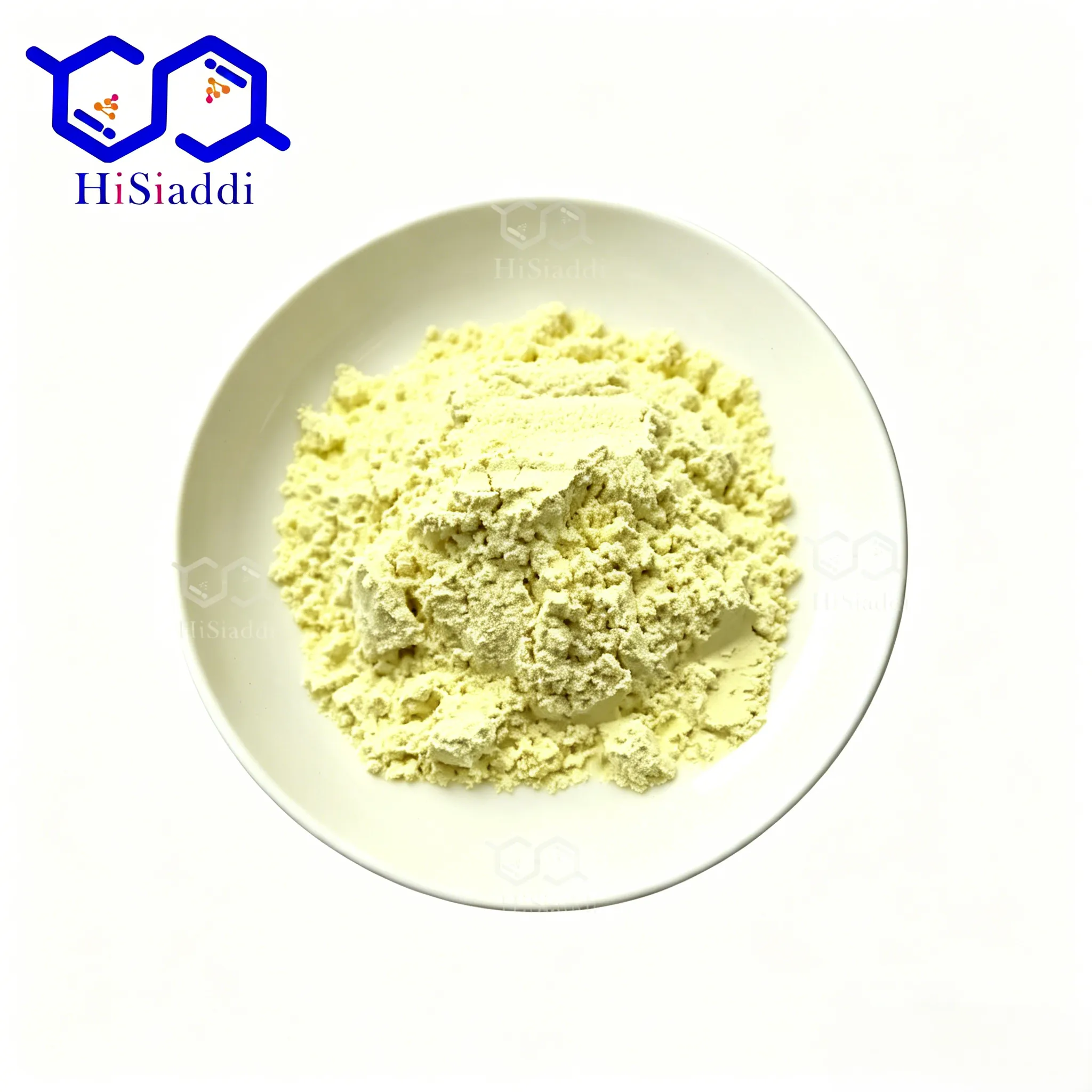
Titanium Boride is used as conductive ceramic and wear-resistant material, for manufacturing vacuum coating evaporation boats, aluminum electrolytic cell cathodes, high-temperature PTC heating materials, etc. HiSiaddi can supply original factory sources of multiple Chinese brands.
Jintian: JT-TiB2-1 (purity ≥99.5%, D50=1~2μm), high-purity nano grade JT-TiB2-N, high purity, high crystallinity, uniform particle size, excellent electrical and thermal conductivity, high temperature resistance and oxidation resistance, 30%~40% lower in price than imported products such as Germany H.C.Starck, suitable for aluminum electrolytic cell material suppliers and vacuum coating equipment manufacturers.
NIMR: NB-TiB2-3 (purity ≥99%, D50=3~5μm), industrial grade NB-TiB2-5, good sintering activity, high density, 25%~35% lower in price, suitable for mid-to-high-end conductive ceramic formulas.
HiSiaddi Service: Customization of TiB₂ composite powder (compounded with titanium carbide / titanium nitride); aluminum electrolytic cell cathode coating solution, performance improvement of high-temperature wear-resistant parts, technical support for replacing Germany H.C.Starck; testing on crystallinity, conductivity, thermal conductivity and oxidation resistance temperature.
 CONTACT HiSiaddi NOW
| CAS No: | 12045-63-5 | Brand Name: | Multi-brand |
| MF: | TiB2 | Model Number: | Multi-models |
| EINECS No: | N/A | Grade: | N/A |
| Purity: | 99.5% | Place of Origin: | Henan, China |
| MOQ: | 1ton | Storage: | Please refer to the product packaging or contact the customer service. |
When you purchase titanium diboride as a buyer, you may encounter the following questions:
What are the key indicator advantages and application impacts of mainstream models from well-known titanium diboride brands?
What competitive services can titanium diboride suppliers provide?
What are the qualification certifications and market feedback of target titanium diboride brands?
How about the inventory level and supply stability of titanium diboride suppliers?
What factors need to be considered when selecting titanium diboride?
...and many other relevant questions.
(Leader in aluminum electrolysis grade products, largest domestic production capacity)
TB 99A (High-purity special for aluminum electrolysis), TB 98C (General industrial wear-resistant grade), TB Nano 800 (Ultrafine nano grade), TB 99E (For conductive ceramics & armor materials)
Purity: 99.0%-99.9%, main phase TiB₂ content of TB 99A ≥99.5%
Impurity Control: Free Ti ≤0.3%, Free B ≤0.2%, C ≤0.15%, Fe ≤80ppm, O ≤0.8%; oxygen content stably ≤0.4% for aluminum electrolysis grade
Particle Size: Conventional D50: 1.0-8μm; nano grade reaches 200-800nm with narrow particle size distribution and low agglomeration
Crystallinity: 92%-96%, complete crystal structure, high conductivity and strong resistance to molten aluminum corrosion
Production Technology: Self-propagating synthesis plus acid washing purification, suitable for mass production; certified by ISO9001 and global industry access certification for aluminum electrolysis
High-end aluminum electrolysis grade price accounts for 45%-52% of Kemet products; general industrial grade only 38%-42%. Annual output reaches 1200 tons, ranking No.1 worldwide. Lead time: 7-12 days, far shorter than 4-8 weeks of foreign brands. Batch deviation ≤2.5%, achieving international leading stability.
Global large-scale aluminum group cathode manufacturers, non-ferrous metal smelting refractory enterprises, conductive ceramic substrate producers, supporting suppliers for aluminum smelting plants in the Middle East and Southeast Asia.
Downstream Manufacturers (Refractory & Cathode Factories): TiB₂ cathode coating boasts enhanced molten aluminum corrosion resistance, extending the service life of cathode carbon blocks by 30%-45%; cell voltage reduces by 0.08-0.12V, saving 300-450 kWh power per ton of aluminum. Stable powder purity avoids bubbling and peeling during coating sintering, raising yield rate by 5%-8% and greatly cutting rework costs.
End Users (Overseas Aluminum Plants): Lower energy consumption and carbon emission meet EU Carbon Border Adjustment Mechanism requirements; prolonged cathode replacement cycle reduces downtime maintenance and overall operating costs significantly.
(Leading enterprise of carbothermal reduction method, dedicated for military industry, armor protection and thermal spraying)
QX TiB₂ H (High-purity military grade), QX TiB₂ M (Special for thermal spraying), QX TiB₂ U (Ultra-high purity low-oxygen grade)
Purity: 99.3%-99.95%, purity of QX TiB₂ H ≥99.8%
Impurity: Free Ti ≤0.2%, O ≤0.5%, total metallic impurities ≤30ppm, ultra-low impurity design for military and high-end coating applications
Particle Size: 0.5-5μm with high sphericity and good fluidity, ensuring high thermal spraying deposition efficiency
Electrical & Mechanical Properties: Volume resistivity ≤15μΩ·cm, hardness ≥3200HV, excellent impact resistance, wear and corrosion resistance
Certifications: IATF16949, military confidential supporting qualification and access certification for European & American defense supply chains
Price of high-end military and thermal spraying grades is 48%-58% of H.C.Starck products. Custom ultra-high purity low-oxygen ultrafine powder available, while same-spec foreign products have over 100% premium. Minimum order quantity is only 5kg, much lower than 50kg required by mainstream foreign brands.
European & American military protection material manufacturers, marine anti-corrosion thermal spraying enterprises, high-end armor ceramic composite material factories, aerospace wear-resistant structural component producers.
Downstream Manufacturers: Thermal spraying coating density ≥96% with low porosity, greatly improved seawater corrosion resistance and wear resistance; enhanced ballistic performance and obvious lightweight effect of armor composites; stable batch quality avoids frequent parameter adjustment in thermal spraying processes.
End Users: Service life of marine equipment in marine environments extends 2-3 times; upgraded protection level and reduced weight of military armors; improved high-temperature resistance and erosion resistance of aerospace parts for higher operational reliability.
(Top supplier of ultrafine & nano titanium diboride, ideal for composite materials)
NK TiB₂ S (Submicron grade), NK TiB₂ N (200-500nm nano grade), NK TiB₂ G (General industrial grade)
Purity: 98.8%-99.7%, nano grade purity ≥99.2%
Particle Size: Full coverage of D50 0.3-2μm; excellent dispersion property without hard agglomeration for nano powder
Specific Surface Area: 15-40 m²/g with strong sintering activity enabling low-temperature sintering
Technical Advantages: Wet purification + airflow crushing technology, leading domestic output of ultrafine powder, customizable special particle size ranges
Price of submicron and nano grades is 40%-48% of Ceramtec products; general grade 35%-40%. Support small-batch sample supply, perfectly matching new material R&D enterprises.
Overseas new material research institutions, metal matrix composite manufacturers, wear-resistant ceramic tool enterprises, electroplating conductive additive suppliers, new energy conductive slurry producers.
Downstream Manufacturers: Nano TiB₂ as reinforcing phase effectively improves hardness, wear resistance, electrical and thermal conductivity of aluminum/copper matrix composites; fast small-batch delivery shortens R&D cycle; sintering temperature drops by 80-120℃ to cut energy consumption.
End Users: Better heat dissipation and longer service life of new energy conductive components; higher cutting speed and lower wear of high-end cutting tools; lightweight and high-strength composite materials widely applied in automobile and engineering machinery industries.
(Magnesiothermic reduction process, high-purity low-impurity grade for semiconductors & precision ceramics)
TR 999 (Ultra-high purity semiconductor grade), TR 995 (Precision ceramic grade), TR 980 (Refractory wear-resistant grade)
Purity: 99.5%-99.99%, maximum purity of TR 999 reaches 99.99%
Impurity Control: O ≤0.3%, Free Ti ≤0.15%, heavy metal impurities ≤10ppm, leading domestic capability in trace impurity control
Particle Size: 1-6μm with extremely high purity consistency
Application Optimization: Specially optimized for semiconductor electrostatic chucks, precision conductive ceramics and vacuum coating target powder
Price of ultra-high purity grades is 50%-60% of Denka products, the preferred domestic alternative for high-end precision fields; stable delivery with priority production capacity guaranteed in peak seasons.
European & American semiconductor precision ceramic manufacturers, vacuum coating target producers, electrostatic chuck/wafer carrier component factories, laboratory high-purity powder purchasers.
Downstream Manufacturers: Heavy-metal-free high-purity TiB₂ fully complies with semiconductor manufacturing standards; uniform resistivity of conductive ceramics boosts product yield rate; powder can be directly used for target sintering without secondary purification.
End Users: No electric discharge or impurity contamination in semiconductor components ensures stable chip production; vacuum coating targets deliver superior film forming quality.
(Cost-performance leader, mass-selling products for metallurgical refractory & general wear-resistant fields worldwide)
KR TiB₂ A (Metallurgical refractory grade), KR TiB₂ B (Wear-resistant coating grade), KR TiB₂ C (Low-cost general grade)
Purity: 98.0%-99.0%, fully meeting large-scale industrial application demands
Impurity Index: Free Ti ≤0.5%, O ≤1.2%, optimal cost control
Particle Size: 2-10μm, suitable for refractory materials, wear-resistant floor materials and anti-corrosion fillers
Production Edge: Large-scale carbothermal reduction production with the lowest global production cost
Full product line price is only 35%-42% of Boron Specialties, ranking top in cost performance for global mid-end markets, ideal for long-term bulk procurement.
Metallurgical refractory factories in Southeast Asia & the Middle East, wear-resistant floor material enterprises, anti-corrosion coating additive manufacturers, ordinary mechanical wear-resistant part producers.
Downstream Manufacturers: Raw material procurement cost greatly reduced; improved high-temperature resistance and erosion resistance of refractory materials; extended service life of wear-resistant coatings.
End Users: Longer maintenance cycle of metallurgical kilns; wear and impact resistant industrial floors reduce renovation frequency; lower failure rate of mechanical parts.

| Brand | Core Export Models | Core Competitive Indicators (vs Overseas Brands) | Benchmark International Brand | Price Ratio (Domestic/Overseas) | Target Overseas B-end Buyers | Benefits for Downstream Buyers | Benefits for End Users |
| Hunan Valin Ceramic | TB 99A, TB 98C, TB Nano 800 | TiB₂≥99.5%, Free Ti≤0.3%, O≤0.4%, stable aluminum electrolysis grade, world’s largest capacity | Kemet (Finland) | 45%-52% | Global aluminum cathode factories, non-ferrous metal refractory enterprises | Coating yield rate +5%~8%, save 300-450kWh per ton aluminum | Lower energy consumption & carbon emission, less production downtime |
| Zibo Qixin Special Ceramics | QX TiB₂ H, QX TiB₂ M, QX TiB₂ U | Purity≥99.8%, O≤0.5%, high sphericity, high thermal spraying efficiency, military-grade low impurity | H.C.Starck (Germany) | 48%-58% | Military protection factories, marine thermal spraying, aerospace wear-resistant parts | Coating density≥96%, enhanced ballistic performance, stable production process | Extended marine anti-corrosion life, lightweight armor, more durable aerospace parts |
| Nantong Nake New Materials | NK TiB₂ S, NK TiB₂ N, NK TiB₂ G | Full submicron/nano coverage, good dispersion, strong sintering activity, flexible particle size customization | Ceramtec (USA) | 40%-48% | New material R&D institutions, metal matrix composite factories, tool factories | Sintering temperature reduced by 80-120℃, enhanced material hardness & wear resistance, shorter R&D cycle | Better heat dissipation for new energy parts, higher cutting efficiency, lightweight composites |
| Xi’an Tianrui New Materials | TR 999, TR 995, TR 980 | 99.99% ultra-high purity, O≤0.3%, heavy metal ≤10ppm, top-tier semiconductor-grade trace impurity control | Denka (Japan) | 50%-60% | Semiconductor precision ceramic factories, vacuum target factories, electrostatic chuck factories | Zero impurity pollution, uniform resistivity, no need for secondary target purification | Stable chip manufacturing process, improved vacuum coating film quality |
| Luoyang Kerui New Materials | KR TiB₂ A, KR TiB₂ B, KR TiB₂ C | Purity 98-99%, particle size 2-10μm, ultra-low mass production cost for industrial use | Boron Specialties (UK) | 35%-42% | Metallurgical refractory plants, wear-resistant floor & anti-corrosion coating factories | Sharply reduced raw material cost, improved refractory erosion resistance | Longer kiln maintenance cycle, impact-resistant industrial floors, lower mechanical failure rate |
High-end Market (Aluminum Electrolysis, Military Thermal Spraying, Semiconductors): Products from Hunan Valin, Zibo Qixin and Xi’an Tianrui achieve nearly equivalent performance to international top brands with 40%-50% lower price and 70% shorter lead time, becoming the optimal alternative for global leading enterprises to diversify supply chains and cut costs.
Mid-end Market (Composite Materials, Cutting Tools, Wear-resistant Coatings): Nantong Nake takes full advantages in ultrafine/nano powder customization, minimum order quantity and delivery lead time over European and American brands.
Bulk Industrial Market (Metallurgical Refractory, General Wear Resistance): Luoyang Kerui holds absolute cost-performance superiority over foreign products, perfectly suitable for long-term large-volume procurement.
General Outlook: China owns the world's largest titanium diboride production capacity, powerful customization capability, rapid technological iteration and continuously upgraded purification technology with fast-improved international certifications. It is estimated that Chinese TiB₂ powder will capture over 40% share of global mid-to-high-end market within the next three years.
HiSiaddi, a dual-engine foreign trade service provider integrating technology transformation and foreign trade operations, has built a "1+2+3+4=1" integrated product service system: 1 foreign trade salesperson with over 3 years of experience, supported by two R&D teams, three multi-screened premium suppliers and four shared logistics warehouses to fulfill all product procurement demands.
This system allows HiSiaddi to outperform most foreign traders in TiB₂ R&D and process optimization, outperform standalone powder factories in cross-brand market demand & competitive analysis, and outperform academic institutes in overseas trade layout of titanium diboride.
HiSiaddi only recruits sales staff with minimum three years’ industry experience. All sales personnel must complete a six-month cross-training program jointly delivered by R&D and foreign trade teams before serving overseas clients.
Supported by our internal foreign trade workflow and corporate service system, we deliver full-cycle one-stop document solutions: issuance & processing of all TiB₂ compliance certificates, supply of third-party test reports and complete resolution of quality warranty complaints.
Domestic Substitution Cost & Performance Benchmark Calculation Service. For clients currently purchasing Kemet Finland, H.C.Starck Germany and Denka Japan TiB₂ powder, we issue detailed benchmark calculation tables quantifying raw material cost reductions, electrolytic power savings, coating service life improvements and finished product yield gains after switching to domestic equivalents, eliminating client doubts about domestic material performance via objective data.
Global TiB₂ Industry Intelligence Push Service. We send regular updates covering global TiB₂ price trends, domestic capacity changes, overseas competitor price adjustments and demand shifts in aluminum electrolysis, military thermal spray and semiconductor sectors, alongside analysis of carbon tariff impacts, helping clients predict market cycles and lock in optimal procurement prices.
We establish deep partnerships with upstream manufacturers via technology transformation and provide internal technical training for sales teams to enable professional TiB₂ customization and research-level technical consulting for coating & sintering formula optimization.
(1)TiB₂ Research-Grade Customization Service
Targeted Impurity Customization for Different Industries:
Aluminum Electrolysis: Ultra-low oxygen & free titanium variants;
Military Thermal Spray: High sphericity, low agglomeration powder;
Semiconductors: Ultra-high purity with minimal heavy metal impurities;
Refractory & Wear Materials: Cost-effective uniform particle grades.
Ultra-Fine & Nano TiB₂ Customization. Partnering with leading manufacturers such as Nantong Nake, we develop powder ranging from 200 nm to 2 μm with optimized dispersibility and specific surface area for wear-resistant coatings and conductive slurries.
(2)TiB₂ Research-Grade Consulting Service
Technology Transfer & Deep TiB₂ Technical Matching Service. We link domestic TiB₂ R&D teams and university material labs to provide full technical support for overseas clients: precise tuning of free titanium & oxygen content, particle size and sphericity; optimization of aluminum electrolysis cathode coating & thermal spray processes; solutions for coating peeling, sinter cracking and unstable resistivity. We provide free English technical documents and arrange remote engineer guidance for client production debugging.
Exclusive Aluminum Electrolysis Support for Global Aluminum Groups. We deliver complete technical packages including TiB₂ coating formulas, cathode pretreatment and cell operation parameter tuning, helping clients comply with EU carbon reduction policies and boost green production competitiveness.
Our foreign trade and R&D teams jointly conduct preliminary market research, on-site factory audits, full product testing, long-term technology transformation cooperation and bulk purchasing agreements to select roughly three manufacturers with stable quality, consistent supply, good reputation and strong development potential.
(1)TiB₂ Greater Initiative to Secure Lower Prices
Long-term technology transfer and authorized distribution partnerships grant us access to factory-direct preferential pricing.
(2) TiB₂ Long-Term Supply Chain Guarantee Service
Continuous production monitoring, full batch traceability, consistent quality control and formal compensation provisions for batches failing third-party inspection are guaranteed via long-term factory partnerships.
We have 4 warehouses, which are jointly operated and managed with suppliers to store hot-selling products.
(1)TiB₂ Fast Shipment & Local On-Site Troubleshooting
Warehouses are situated at Qingdao Port (North China), Ningbo Port (East China), Shenzhen Port (South China) and Zhengzhou (inland logistics hub), guaranteeing timely delivery of Titanium Diboride. Local staff can immediately resolve transit damage, packaging defects and export compliance issues on location.
(2) Mitigate Seasonal Price Swings & Custom Packaging Support
We pre-stock inventory ahead of peak demand cycles to buffer excessive price volatility. Our self-managed warehouses fully support customized packaging, label printing and personalized packing specifications for all clients.
As a new-type foreign trade service provider driven by both technology transformation and foreign trade services, HiSiaddi has established a "1+2+3+4=1" service system and can supply titanium diboride sourced directly from multiple well-known original manufacturers. As a research and development-oriented foreign trade enterprise, HiSiaddi systematically sorts out the common challenges faced by B-end buyers sourcing titanium diboride in China and proposes targeted solutions from a professional perspective.
If you require more professional and in-depth analysis regarding titanium diboride procurement, please contact HiSiaddi customer service.
1. Imbalanced Ti/B ratio and excessive free elements: Excess free Ti/B causes localized erosion and spalling under molten aluminum, drastically shortening electrolysis cell service life. Deviation from the theoretical stoichiometric ratio results in loose sintered ceramics and substandard bending strength.
2. Excessive oxygen generates TiO₂ and B₂O₃ impurity phases, which bubble and peel upon contact with high-temperature molten aluminum, leading to large-scale liner failure and scrapping.
3. Over-limit Fe, Si heavy metal impurities cause unstable resistivity of conductive ceramics, inconsistent current flow in electronic components, and non-compliance with RoHS market access requirements.
4. Widely varying particle sizes and agglomerated powder create pores and delamination in dry-pressed green bodies, reducing cutting tool yield rates.
1. Adopt self-propagating high-temperature synthesis combined with carbothermal reduction for precise feedstock control, delivering stable Ti/B ratios and limiting free impurities to below 50% of regulatory limits.
2. Refine via inert-atmosphere high-temperature deoxidation to reduce total oxygen far below high-end refractory standards, stabilizing resistance to molten aluminum scour.
3. Multi-stage magnetic separation and acid pickling remove harmful metallic impurities to meet European and American environmental standards for electronics and metallurgy.
4. Air-flow classification breaks agglomerates and delivers narrow particle size distribution, yielding dense, pore-free molded green bodies.
1. Large batch-to-batch variation in sintering activity causes inconsistent coating porosity, unstable wear and corrosion resistance performance.
2. Moisture absorption and agglomeration during storage hinder dispersion during batching, leading to coating gun clogging and increased production waste.
3. Powder absorbs water and oxidizes at low temperatures, driving continuous oxygen content elevation during storage.
1. Temperature-controlled synthesis stabilizes specific surface area with batch activity fluctuation ≤0.4%, producing dense, wear-resistant coatings.
2. Inert surface coating of powder paired with high-barrier sealed packaging minimizes moisture absorption and agglomeration under conventional storage conditions.
3. Vacuum dehydration treatment prevents oxidation and oxygen elevation under low-temperature enclosed storage.
1. Soluble impurities and heavy metals approach Japan’s Ministry of Health, Labour and Safety chemical control limits; failed customs inspection prevents domestic production.
2. Lack of Japanese-language raw material filing documents blocks entry into Japanese top smelting and electronics supply chains, limiting product premium potential.
3. Fluctuating oxygen content causes resistance drift in electrothermal components, triggering mass returns from terminal electrical manufacturers.
1. Secondary high-temperature purification reduces restricted impurities to below 40% of Japanese national standards, enabling smooth customs clearance in Japan.
2. Provide Japanese MSDS and full-item COA, and assist with Japanese chemical raw material import registration filings.
3. Strict total oxygen control stabilizes resistance of PTC components, matching Japanese precision electrothermal formulations.
1. Low-cost counterfeit products adulterated with graphite, SiC and titanium white powder deliver low effective TiB₂ content, leading to liner failure from poor aluminum corrosion resistance and premature cell leakage.
2. High temperature and humidity in tropical regions accelerate moisture absorption and oxidation; simple woven bag packaging tears easily and causes agglomeration; incomplete documentation leads to customs detention and fines.
1. Economy industrial grade without inert filler adulteration, stable physicochemical indicators, priced 22%–27% lower than high-purity premium ceramic grade.
2. Double-layer PE inner film + woven bag moisture-proof sealing resists agglomeration and oxidation for 3 months under 45°C high-humidity conditions.
3. Batch-specific COA, MSDS and Halal certificates provided to support import declarations and reduce detention risks.
1. Counterfeit titanium diboride blended with graphite and SiC carries falsely labeled purity, causing mass scrapping and compensation claims for downstream coating and aluminum electrolysis projects.
2. Permeable packaging accelerates moisture-induced oxidation, leading to full order rejection by high-end metallurgical buyers; incomplete compliance credentials block access to top European and American procurement chains.
3. Open bulk packaging absorbs moisture, raising oxygen content and degrading performance during small-pack storage.
1. Direct supply from original synthesis manufacturers with batch-specific full-item COA covering elemental ratios, oxygen content and impurities; third-party SGS re-inspection supported, zero adulteration guarantee.
2. Aluminum plastic vacuum inner bags + thickened fiber drums for moisture and oxygen barrier, suitable for long-distance ocean shipping.
3. Closed inert-atmosphere packaging; physicochemical indicators remain stable for 12 months under cool 25°C storage. One-stop provision of full compliance credentials including REACH, RoHS and Japan/South Korea import filings.
For more professional and in-depth analysis on titanium diboride procurement, please contact HiSiaddi customer service.
Lead time
Quantity (ton) | 0 - 10 | 10 - 30 | > 30 |
Lead time (days) | 7 | 15 | To be negotiated |
The monthly inventory volume of Titanium diboride is 10 tons, with appropriate adjustments upwards or downwards in response to peak and off-peak seasons.
HiSiaddi safeguards the supply stability of Titanium diboride through the following measures:
(1) Performance evaluation and screening of Titanium diboride brand factories based on on-time delivery rate, batch pass rate, timeliness of risk alerts, and completeness of documentation to assess their supply stability.
(2) For each mainstream model or major grade of Titanium diboride, secure 1 primary high-quality brand manufacturer and 2 backup high-quality manufacturers.
(3) Each factory operates independent production lines in separate production zones to prevent production halts caused by major unforeseen incidents such as environmental production suspensions and power outages.
Through long-term cooperation with brand manufacturers via technology commercialization and authorized distribution channels, HiSiaddi can effectively strengthen supervision over the production processes of brand manufacturers, optimize full-process traceability management, improve batch stability control, and further reinforce real-time monitoring of the supply stability of Titanium diboride products.
Long-term Annual Framework Supply Guarantee Agreement. HiSiaddi signs 12-month long-term agreements with leading manufacturers. The agreements specify the minimum guaranteed supply volume, maximum price hike range, and priority production scheduling rights during peak seasons. It is stipulated that manufacturers shall issue a 30-day prior written notice if production is suspended due to environmental rectification or equipment maintenance, and backup manufacturers will be activated to replenish goods accordingly.
We have 4 warehouses, which are jointly operated and managed with suppliers to store hot-selling products.The four warehouses are located at Qingdao Port in North China, Ningbo Port in East China, Shenzhen Port in South China, and Zhengzhou, China’s inland logistics hub. This setup guarantees sufficient supply and timely shipment of Titanium diboride during peak seasons.
HiSiaddi issues a rolling demand forecast covering the subsequent three months on the 25th of each month, allowing manufacturers to reserve production capacity in accordance with the forecast. Any new urgent orders from overseas clients will be prioritized to draw on inventories or production capacity from backup manufacturers.
Unstable logistics for Titanium diboride will extend delivery lead times. HiSiaddi has established alternative arrangements covering multiple freight forwarders, ports and transportation solutions:
(1) Binding of multiple professional chemical freight forwarders for Titanium diboride
Each product is assigned 2 to 3 freight forwarders with hazardous chemical/food transport qualifications affiliated with different shipping lines. Alternative sailing schedules can be switched to immediately in case of space shortages or customs inspections on a single shipping route.
(2) Backup transportation solutions for Titanium diboride
Ocean freight serves as the standard mode; air freight and rail freight are reserved as alternatives for urgent orders. Long-term agreements for temperature-controlled containers are signed for temperature-sensitive and perishable food additives to secure shipping space.
(3) Visual tracking and digital early warning for Titanium diboride
Freight forwarders synchronize daily updates on container loading, customs declaration, vessel loading and port arrival milestones. If customs inspection occurs, replenishment from backup inventory will be initiated immediately to shorten client waiting periods.
Full-chain digital early warning automatically monitors four categories of risks:
Factory side: Expiring supplier environmental assessment certificates, renewal of production permits, scheduled major equipment overhauls, and notifications of price hikes for upstream raw materials;
Inventory side: Inventory falling below safety thresholds, excessive inventory age, and batches failing quality inspection;
Logistics side: Shipping line space shortages, strikes at destination ports, and updates to customs policies;
Overseas side: Revisions to additive regulations and adjustments to import restriction lists in target countries.
Early warning notifications are automatically pushed to procurement and business leads, allowing backup suppliers or inventory contingency plans to be activated in advance.
As a new-type foreign trade service provider driven by both technology commercialization and export business, HiSiaddi has built a "1+2+3+4=1" service system and can supply original factory goods of many well-known brands for Titanium diboride.
As an R&D-focused foreign trade enterprise, HiSiaddi does not only promote its own brand like single factory vendors. We objectively analyze multiple highly competitive Chinese export brands of Titanium diboride and share their qualification certifications and market feedback transparently, enabling buyers to make efficient, reliable purchasing decisions.
If you require more authentic, objective information on multiple well-known Chinese Titanium diboride brands, please contact HiSiaddi customer service.
· TiB₂-H999 (Ultra-High-Purity Ultrafine Grade): Purity ≥99.9%, D50≤1.0μm, oxygen ≤0.2%, iron impurities ≤5ppm, dedicated to military and aerospace applications
· TiB₂-H995 (General Ultra-High-Purity Grade): Purity 99.5%-99.8%, D50=1-2μm, oxygen ≤0.3%, dedicated to new energy and semiconductor heat dissipation
· TiB₂-I99 (Industrial Grade): Purity 98.5%-99.2%, D50=3-5μm, dedicated to aluminum electrolysis cathodes and general wear-resistant components
1. Aerospace & Defense Military Buyers (European, American & Russian Purchasers)
o Key feedback keywords: Zero failure, high-temperature resistance, 100% batch consistency. Used for thermal protection coatings on hypersonic vehicles and engine blade wear-resistant layers; no oxidation or cracking at 1200℃. Costs 25% lower than equivalent European/American products with a 40% shorter lead time.
o Flagship clients: Airbus, Boeing secondary suppliers, United Aircraft Corporation of Russia; 100% contract renewal rate for 3 consecutive years with annual procurement volume exceeding 150 tons.
2. New Energy Buyers (European & Japanese/Korean Battery Manufacturers)
o Key feedback keywords: High thermal & electrical conductivity, compatible with 4680 batteries. TiB₂-H995 deployed in solid-state battery thermal management components delivers thermal conductivity of 325W/m·K, boosting heat dissipation efficiency by 12% and extending battery cycle life by 20% versus Japanese/Korean alternatives.
3. Aluminum Electrolysis Buyers (Middle Eastern & Southeast Asian Aluminum Giants)
o Key feedback keywords: 8%-10% power savings, 3-year extended cell service life. TiB₂-I99 cathode coatings resist molten aluminum erosion; Middle Eastern aluminum producers have fully replaced European/American imports, cutting procurement costs by 20%.
· International: NASA material certification, European Union Aviation Safety Agency (EASA) aerospace-grade material certification, International Aluminum Institute (IAI) recommended brand
· Domestic: Supervised by National Engineering Laboratory for Boride Materials, full three military certifications (confidentiality, quality, production), MIIT Green Manufacturing Product Certification
· TiB₂-W998 (Cutting Tool Grade): Purity 99.8%, D50=1.5-2.5μm, specialized additive for ultra-fine grain cemented carbides
· TiB₂-E999 (Electronic Target Grade): Purity ≥99.9%, D50=0.8-1.2μm, low oxygen (≤0.25%), precursor for semiconductor sputtering targets
· TiB₂-C995 (Composite Wear-Resistant Grade): Purity 99.5%, D50=2-3μm, dedicated to ceramic cutting tools and wear-resistant coatings
1. Cemented Carbide Cutting Tool Buyers (German, Swiss & American Tool Giants)
o Key feedback keywords: 30% extended service life, strong red hardness, compatible with high-speed cutting. TiB₂-W998 added to Ti(C,N)-based cermet tools enables machining of HRC60+ hard materials without edge chipping. Mass purchased by Walter AG (Germany) and Sandvik (Sweden), cutting tool costs down 18% post import substitution.
2. Semiconductor Target Buyers (South Korean & Taiwanese Target Manufacturers)
o Key feedback keywords: Stable purity, controllable impurities, target density of 99.3%. TiB₂-E999 used for semiconductor heat dissipation targets has passed TSMC’s 12-inch wafer supply chain certification, lifting target yield rates to 98%. Samsung SDI (South Korea) purchases over 80 tons annually.
3. Wear-Resistant Coating Buyers (European Construction Machinery Manufacturers)
o Key feedback keywords: 40% extended wear life, acid & alkali resistance. TiB₂-C995 coatings for mining and cement equipment deliver 35% longer service life than tungsten carbide coatings with outstanding cost performance.
· International: TÜV Rheinland quality certification, EU CE certification, TSMC semiconductor material certification, recommended brand by International Cemented Carbide Association
· Domestic: MIIT Green Manufacturing Demonstration Project, key recommended brand by China Machine Tool & Tool Builders’ Association, National High-Tech Product Certification
· TiB₂-N9995 (Nuclear-Grade Ultra-High-Purity): Purity ≥99.95%, D50≤0.8μm, dedicated to high-temperature coatings for nuclear reactors
· TiB₂-S999 (Aerospace Thermal Protection Grade): Purity ≥99.9%, D50=1-1.5μm, dedicated to spacecraft thermal insulation and hot-end components
· TiB₂-M995 (Metallurgical Crucible Grade): Purity 99.5%, D50=2-4μm, dedicated to high-temperature metal melting crucibles
1. Nuclear Industry Buyers (European Organization for Nuclear Research, Russia Rosatom)
o Key feedback keywords: Resists 1600℃ high temperatures, anti-neutron radiation, zero corrosion. TiB₂-N9995 deployed in nuclear reactor main pump sealing rings and thermal insulation coatings is sourced by CERN, delivering over 5 years of maintenance-free service life. Only 3 global suppliers can maintain stable mass production.
2. Aerospace Thermal Protection Buyers (Airbus, Roscosmos)
o Key feedback keywords: Lightweight design, 25% higher thermal insulation efficiency, thermal shock resistance. TiB₂-S999 spacecraft thermal insulation reduces component weight by 20% versus traditional ceramics, designated as a core material for Airbus SpaceNeo projects with 40% order growth in 2024.
3. High-Temperature Metallurgy Buyers (German & American Special Metallurgy Enterprises)
o Key feedback keywords: 50% extended crucible service life, molten metal erosion resistance. TiB₂-M995 crucibles for titanium and superalloy melting are mass purchased by Siemens Metallurgy (Germany), extending service life from 3 months to 6 months.
· International: International Atomic Energy Agency (IAEA) nuclear-grade material certification, European Space Agency (ESA) aerospace material certification, Roscosmos certification
· Domestic: Qualified supplier of China National Nuclear Corporation, certified by China Aerospace Science and Technology Corporation, Class 2 military confidentiality qualification, National Key New Material Certification
· TiB₂-B999 (Electrode Grade): Purity ≥99.9%, D50=1-3μm, dedicated to aluminum electrolysis electrodes and conductive ceramics
· TiB₂-T995 (Special Ceramic Grade): Purity 99.5%, D50=2-5μm, dedicated to ceramic cutting nozzles, sandblasting nozzles and sealing components
· TiB₂-N99 (Nano Grade): Purity 99.0%, D50=80-200nm, dedicated to conductive additives for new energy batteries
1. Aluminum Electrolysis Electrodes Buyers (North American & Australian Aluminum Corporations)
o Key feedback keywords: High electrical conductivity, 40% extended electrode service life, 10%-12% power savings. TiB₂-B999 aluminum electrolysis anodes are mass sourced by Alcoa (North America), extending replacement cycles from 6 months to 8.5 months and cutting electrolysis energy consumption by 11%.
2. Special Ceramic Buyers (Japanese & Korean Precision Ceramic Manufacturers)
o Key feedback keywords: High hardness (HV34GPa), superior wear resistance, stable batch performance. TiB₂-T995 sandblasting nozzles and sealing components are purchased by Kyocera (Japan) and Samsung Precision (Korea), delivering 3x longer service life than alumina alternatives with a defect rate below 0.5%.
3. New Energy Conductive Additive Buyers (European & Southeast Asian Battery Manufacturers)
o Key feedback keywords: Excellent dispersibility, 15% higher conductive efficiency, compatible with fast charging. TiB₂-N99 lithium battery positive electrode conductive agents boost fast-charging performance by 20% and extend battery cycle life by 15%, per European battery manufacturer feedback.
· International: ISO 9001 quality management system certification, IATF 16949 automotive industry certification, EU REACH certification, Japanese JIS material certification
· Domestic: Supervised by Liaoning Engineering Laboratory for Boron-Containing New Materials, National High-Tech Enterprise, National Specialized, Refined & Innovative "Little Giant" Enterprise, recommended brand by China Inorganic Salts Industry Association
· TiB₂-H998 (Ultra-High-Purity Fine Particle Grade): Purity 99.8%, D50=0.5-1μm, magnetic foreign matter ≤5ppm, dedicated to semiconductor targets and new energy applications
· TiB₂-F995 (Wear-Resistant Coating Grade): Purity 99.5%, D50=1.5-3μm, dedicated to high-end wear-resistant coatings and cutting tools
· TiB₂-G99 (General Industrial Grade): Purity 98.8%-99.3%, D50=3-6μm, dedicated to aluminum electrolysis and general wear-resistant components
1. Semiconductor Target Buyers (South Korean & Taiwanese Target Manufacturers)
o Key feedback keywords: Uniform particle size, ultra-low impurities, 99% target yield rate. TiB₂-H998 semiconductor heat dissipation targets sourced by LG Chem (South Korea) and Hantec Technology (Taiwan) exhibit zero cracking or porosity during processing, with batch consistency deviation below 5%.
2. New Energy Buyers (European & Japanese/Korean Solid-State Battery Manufacturers)
o Key feedback keywords: High thermal conductivity, ultra-high purity, compatible with solid-state batteries. TiB₂-H998 composite anode powder delivers thermal conductivity of 315W/m·K, reducing battery thermal runaway risk by 60% per European manufacturer testing.
3. High-End Wear-Resistant Coating Buyers (German & Italian High-End Equipment Manufacturers)
o Key feedback keywords: Superior wear & corrosion resistance, strong coating adhesion, 35% extended service life. TiB₂-F995 coatings for high-end machine tool guide rails and hydraulic components are purchased by TRUMPF (Germany) and Fiat (Italy), delivering 30% longer service life than chromium carbide coatings.
· International: ISO 14001 environmental management certification, ISO 45001 occupational health & safety certification, EU CE certification, South Korean KC material certification
· Domestic: Shandong Provincial Specialized, Refined & Innovative Enterprise, Digital Economy Morning Star Factory Certification, holder of 12 boron material patents, member of China Nonferrous Metals Industry Association
表格
Brand | Core Advantages | Primary Application Fields | Price Range (USD/kg) | Global Overseas Recognition |
Chalco Zhengzhou Research Institute | Military-grade ultra-high purity, ultrafine particle size, stable performance under extreme environments | Aerospace, defense military, high-end new energy | 90-140 | NASA & EASA certified, long-term supplier for European and American military clients |
Xiamen Tungsten | Integrated cemented carbide industrial chain, superior compatibility with cutting tools | Cemented carbide cutting tools, semiconductor targets | 80-120 | TÜV Rheinland certified, supplier to global top cutting tool manufacturers |
Orient Tantalum | Nuclear-grade ultra-high purity, 1600℃+ high-temperature resistance, anti-radiation performance | Nuclear industry, aerospace thermal protection, high-temperature metallurgy | 100-150 | IAEA & ESA certified, core global supplier for nuclear and aerospace sectors |
Baode Boride | Superior electrode performance, ideal for special ceramics, outstanding cost performance | Aluminum electrolysis electrodes, special ceramics, new energy conductive additives | 70-100 | IATF 16949 certified, long-term supplier for Japanese and Korean precision ceramic manufacturers |
Shandong Huanyuan | Ultra-fine uniform particle size, ultra-low magnetic foreign matter, excellent target compatibility | Semiconductor targets, solid-state batteries, high-end wear-resistant coatings | 75-110 | Morning Star Factory certified, mass supplier for South Korean and Taiwanese target manufacturers |
If you require more authentic, objective information on multiple well-known Chinese Titanium diboride brands, please contact HiSiaddi customer service.
As a new-type foreign trade service provider driven by both technology commercialization and export business, HiSiaddi has built a "1+2+3+4=1" service system and can supply original factory goods of many well-known brands for Titanium diboride.
As an R&D-focused foreign trade enterprise, HiSiaddi does not only promote its own brand like single factory vendors. We objectively analyze multiple highly competitive Chinese export brands of Titanium diboride and share their production processes, supply stability and key performance indicators, alongside the downstream impacts of these core factors, enabling buyers to make efficient, reliable purchasing decisions.
If you require more authentic, objective information on multiple well-known Chinese Titanium diboride brands, please contact HiSiaddi customer service.
Adopts a fully closed-loop production workflow: High-purity raw material pretreatment → Self-Propagating High-Temperature Synthesis (SHS) → Plasma deep purification → Jet milling + precision grading → Vacuum packaging. It operates China’s only large-scale production line combining SHS and plasma purification for Titanium diboride.
· Raw material stage: 99.99% ultra-high-purity titanium powder and 99.99% ultra-high-purity boron powder eliminate impurity contamination.
· Synthesis stage: SHS reactions run at 2500-3000℃ with self-sustaining exothermic heat, cutting energy consumption by 20%-25% versus carbothermal reduction, delivering an initial purity of 99.7%.
· Purification stage: High-temperature plasma purification at 1800℃ removes free carbon and oxygen impurities, elevating purity to 99.9%-99.95%.
· Classification stage: Imported German jet mills paired with online laser particle size sorting control particle size deviation below 0.1μm for full batch consistency.
· Compatible grades: TiB₂-H999 (ultra-high-purity ultrafine) and TiB₂-H995 (general ultra-high-purity). Industrial-grade TiB₂-I99 uses carbothermal reduction (TiO₂+B₄C feedstock, 1800℃ reaction) for low-cost mass production.
· Production capacity: China’s largest Titanium diboride output at 1,200 tons/year, with 60% dedicated to ultra-high-purity grades. Isolated independent production lines exclusively serve military and aerospace orders with priority allocation.
· Raw material supply security: Long-term supply agreements with central state-owned enterprises lock in titanium feedstock, while stable import channels (U.S./Germany) secure ultra-high-purity boron powder with a minimum 3-month raw material inventory buffer against geopolitical volatility.
· Delivery capacity: Automated production paired with digital production scheduling delivers standard orders in 7-10 days and customized orders in 10-12 days. A 20% capacity reserve during peak Q4 demand has maintained zero delivery delays for 3 consecutive years.
· Supply assurance qualifications: Full three military certifications plus aerospace qualified supplier status, enabling 3-5 year exclusive supply contracts locking in 70% of total production capacity.
· TiB₂-H999 (Aerospace/Military): Purity ≥99.9%, D50≤1.0μm, oxygen ≤0.2%, iron ≤5ppm, lattice defects ≤1%
· TiB₂-H995 (New Energy/Semiconductors): Purity 99.5%-99.8%, D50=1-2μm, oxygen ≤0.3%, metallic impurities ≤10ppm
· TiB₂-I99 (Aluminum Electrolysis): Purity 98.5%-99.2%, D50=3-5μm, oxygen ≤1.0%
· Core competitive advantage: Batch-to-batch purity fluctuation ≤0.05%, particle size fluctuation ≤0.2%, no impurity phases detected via GDMS analysis.
1. Aerospace & Military Buyers
o Advantages: No oxidation or cracking at 1200℃, 40% extended thermal protection service life; 25% lower material costs versus European/American alternatives with 40% shorter lead times.
o Risk mitigation: Rigorous impurity control and consistent batch performance eliminate thermal protection failure and component fracture risks. NASA/EASA certification cuts military material certification cycles by 50%.
2. New Energy (Solid-State Battery) Buyers
o Advantages: Thermal conductivity of 325W/m·K and electrical resistivity ≤8μΩ·cm boost battery heat dissipation efficiency by 12% and extend cycle life by 20%.
o Risk mitigation: Oxygen content capped at ≤0.3% prevents electrolyte side reactions and reduces thermal runaway hazards.
3. Aluminum Electrolysis Buyers
o Advantages: Stable purity delivers strong molten aluminum erosion resistance, extending cathode coating service life by 3 years while cutting power consumption by 8%-10%.
o Risk mitigation: Uniform batch performance stabilizes electrolytic cell operation and reduces maintenance costs by 15%.
Operates dual production workflows centered on carbothermal reduction (mainstream) and supplemented by magnesiothermic reduction, leveraging vertical Titanium diboride-tungsten industrial integration to cater to cutting tool and target material demand.
· Carbothermal reduction (70% of total capacity, mainstream process): TiO₂+B₄C + carbon black feedstock reacted at 1600-1800℃ under inert atmosphere to produce 98.5%-99.2% purity material with low costs and scalable output. Supporting acid washing and magnetic separation remove free carbon and iron impurities for industrial and cutting tool grades.
· Magnesiothermic reduction (30% of total capacity, high-end process): KBF₄+TiCl₄ precursors reduced at 800-1000℃ via magnesium, with water washing to eliminate byproducts. Delivers purity ≥99.5%, D50=0.5-2μm and oxygen ≤0.5% for semiconductor targets and premium cutting tools.
· Compatible grades: TiB₂-W998 (cutting tool), TiB₂-E999 (target), TiB₂-C995 (wear-resistant coating).
· Production capacity: 1,000 tons/year split 50% cutting tool grade, 30% target grade and 20% industrial grade. Vertical tungsten industrial integration delivers flexible capacity adjustment.
· Raw material supply security: Domestic self-sufficiency for TiO₂ and borax feedstock with long-term magnesium ingot procurement agreements, maintaining a minimum 2-month raw material inventory.
· Delivery capacity: Standardized production lines deliver standard orders in 10-12 days and customized orders in 12-15 days. A 15% capacity reserve during peak demand prioritizes cutting tool orders, sustaining a 99.5% delivery completion rate for 2 consecutive years.
· Collaboration models: 2-year framework supply agreements with Walter AG (Germany) and Sandvik (Sweden) guarantee stable material allocation.
· TiB₂-W998 (Cutting Tool): Purity 99.8%, D50=1.5-2.5μm, oxygen ≤0.6%, hardness HV34GPa
· TiB₂-E999 (Target): Purity ≥99.9%, D50=0.8-1.2μm, oxygen ≤0.25%, magnetic foreign matter ≤5ppm
· TiB₂-C995 (Wear-Resistant Coating): Purity 99.5%, D50=2-3μm, oxygen ≤0.4%
· Core competitive advantage: Excellent compatibility with tungsten carbide and high sintering activity, lifting red hardness of cutting tools by 20% post-addition.
1. Cemented Carbide Cutting Tool Buyers
o Advantages: TiB₂-W998 additive extends tool service life by 30%-50% and enables high-speed machining of HRC60+ hard materials; import substitution cuts raw material costs by 18%.
o Risk mitigation: Low impurity levels and uniform particle size eliminate edge chipping and uneven wear, boosting machining pass rates by 15%.
2. Semiconductor Target Buyers
o Advantages: 99.9% purity and ultra-low magnetic foreign matter deliver target density of 99.3% and 98% yield rates.
o Risk mitigation: Consistent batch performance prevents target cracking and porosity, eliminating semiconductor production line shutdown risks, with full TSMC certification compliance.
3. Wear-Resistant Coating Buyers
o Advantages: High hardness and acid/alkali resistance extend coating service life by 40%, ideal for mining and construction machinery applications.
o Risk mitigation: Controllable oxygen content strengthens coating adhesion to prevent delamination.
Operates dual workflows combining molten salt electrolysis (nuclear-grade) and SHS (aerospace-grade), specializing in nuclear and aerospace thermal protection materials with industry-leading high-temperature coating technology.
· Molten salt electrolysis (40% of total capacity, nuclear-grade): Titanium oxide + borate + fluorate feedstock fused and electrolyzed at 1200℃ to produce ≥99.95% purity material resistant to 1600℃ temperatures and neutron radiation, a proprietary technology mastered by only 3 global manufacturers.
· SHS synthesis (60% of total capacity, aerospace-grade): High-purity titanium and boron powder synthesis followed by plasma purification delivers purity ≥99.9% and D50=1-1.5μm lightweight powder for spacecraft thermal insulation layers.
· Compatible grades: TiB₂-N9995 (nuclear-grade), TiB₂-S999 (aerospace-grade), TiB₂-M995 (metallurgical crucible).
· Production capacity: 800 tons/year split 40% nuclear-grade, 40% aerospace-grade and 20% metallurgical grade. Dedicated isolated nuclear-grade production lines form a high technical barrier.
· Raw material supply security: Ultra-high-purity titanium and boron feedstock imported from Russia and Germany with a minimum 3-month inventory buffer; exclusive import channels for strictly regulated nuclear-grade raw materials.
· Delivery capacity: Small-batch high-precision production delivers customized orders in 12-18 days, with nuclear and aerospace orders prioritized for scheduling. 5-year long-term supply contracts are available to lock in 80% of total production capacity.
· Supply assurance qualifications: IAEA nuclear-grade material certification and EASA aerospace qualified supplier status, with global scarcity of certified nuclear-grade material capacity.
· TiB₂-N9995 (Nuclear-Grade): Purity ≥99.95%, D50≤0.8μm, oxygen ≤0.15%, neutron absorption rate ≥90%
· TiB₂-S999 (Aerospace-Grade): Purity ≥99.9%, D50=1-1.5μm, oxygen ≤0.2%, thermal insulation efficiency ≥85%
· TiB₂-M995 (Metallurgical Grade): Purity 99.5%, D50=2-4μm, oxygen ≤0.5%, strong molten metal erosion resistance
· Core competitive advantage: Extreme temperature resistance up to 1600℃, superior thermal shock and radiation resistance, industry-leading performance for extreme environment deployment.
1. Nuclear Industry Buyers
o Advantages: Withstands 1600℃ temperatures and neutron radiation with zero corrosion, delivering over 5 years of maintenance-free service for nuclear reactor sealing rings and thermal insulation coatings.
o Risk mitigation: Nuclear-grade ultra-low impurity standards eliminate nuclear leakage hazards, with IAEA certification guaranteeing scarce global supply capacity.
2. Aerospace Thermal Protection Buyers
o Advantages: Lightweight design cuts component weight by 20% and boosts thermal insulation efficiency by 25%, ideal for reusable spacecraft platforms.
o Risk mitigation: Superior thermal shock resistance prevents cracking under extreme space temperature fluctuations, designated core material for Airbus SpaceNeo projects.
3. High-Temperature Metallurgy Buyers
o Advantages: 50% extended crucible service life and strong resistance to molten titanium alloy erosion improve molten metal purity during smelting.
o Risk mitigation: Zero impurity migration at high temperatures prevents superalloy contamination, with long-term procurement by Siemens Metallurgy (Germany).
Adopts a mature workflow: Electric arc furnace synthesis → high-temperature purification → jet milling → magnetic separation grading, operating as a specialized boride enterprise with industry-leading electrode performance.
· Synthesis stage: Titanium concentrate + borax + carbon black reacted in an electric arc furnace at 1900℃ to produce 98.5%-99.2% purity material with high electrical conductivity and low production costs.
· Purification stage: Acid washing impurity removal paired with 1200℃ high-temperature calcination cuts oxygen content to ≤0.8%.
· Classification stage: Jet milling and magnetic separation produce D50=1-5μm uniform powder with consistent electrical conductivity for aluminum electrolysis electrodes and special ceramics.
· Compatible grades: TiB₂-B999 (electrode), TiB₂-T995 (special ceramic), TiB₂-N99 (nano-grade).
· Production capacity: 600 tons/year split 50% electrode grade, 30% ceramic grade and 20% nano-grade. Vertical local boride industrial chains deliver prominent cost advantages.
· Raw material supply security: Local Liaoning borate and titanium ore self-sufficiency cuts raw material procurement costs, with a minimum 1-month raw material inventory buffer.
· Delivery capacity: Standardized mass production delivers standard orders in 8-10 days and customized orders in 10-12 days, prioritizing electrode orders with a sustained 99% delivery completion rate over 3 consecutive years.
· Collaboration models: 1-2 year framework supply agreements with Alcoa (North America) and Kyocera (Japan) guarantee consistent material allocation.
· TiB₂-B999 (Electrode Grade): Purity ≥99.0%, D50=1-3μm, oxygen ≤0.8%, electrical conductivity ≥15S/cm
· TiB₂-T995 (Ceramic Grade): Purity 99.5%, D50=2-5μm, oxygen ≤0.5%, hardness HV32GPa
· TiB₂-N99 (Nano-Grade): Purity 99.0%, D50=80-200nm, oxygen ≤0.6%, excellent dispersibility
· Core competitive advantage: Superior electrical conductivity extends electrode service life, delivering top cost performance and market reputation in the aluminum electrolysis electrode sector.
1. Aluminum Electrolysis Electrode Buyers
o Advantages: High electrical conductivity extends electrode service life by 40% and cuts power consumption by 10%-12%. Mass purchased by Alcoa, extending electrode replacement cycles from 6 months to 8.5 months.
o Risk mitigation: Uniform electrical conductivity and low impurities eliminate localized electrode overheating and stabilize electrolysis energy consumption.
2. Special Ceramic Buyers
o Advantages: High hardness and wear resistance deliver 3x longer service life for sandblasting nozzles, sourced by Kyocera (Japan) with a defect rate below 0.5%.
o Risk mitigation: Uniform particle size stabilizes sintering processes to prevent ceramic component cracking and deformation.
3. New Energy Conductive Additive Buyers
o Advantages: Nano-grade powder with excellent dispersibility boosts conductive efficiency by 15% and lifts battery fast-charging performance by 20%.
o Risk mitigation: Zero agglomeration and low impurity levels eliminate internal short-circuit hazards within batteries.
Adopts a closed-loop workflow: Vacuum carbothermal reduction → proprietary acid washing purification → jet milling + laser grading → vacuum nitrogen-filled packaging, with standout mass production capacity for D50≤1μm ultra-high-purity fine particle powder.
· Synthesis stage: TiO₂+B₄C feedstock reduced in a vacuum furnace at 1700℃; vacuum atmosphere lowers oxygen content to produce 99.0%-99.5% purity material.
· Purification stage: Self-developed acid washing and magnetic separation cut metallic impurities to ≤8ppm and magnetic foreign matter to ≤5ppm.
· Classification stage: Imported German equipment delivers D50=0.5-1μm powder with particle size span ≤0.3μm, optimized for semiconductor targets and solid-state batteries.
· Compatible grades: TiB₂-H998 (ultra-high-purity fine particle), TiB₂-F995 (wear-resistant coating), TiB₂-G99 (general industrial grade).
· Production capacity: 500 tons/year split 40% ultra-high-purity fine particle grade, 30% wear-resistant grade and 30% industrial grade. Digital flexible production lines support rapid small-batch customization.
· Raw material supply security: Local Shandong borate self-sufficiency plus domestic titanium dioxide procurement stabilize raw material costs with a minimum 1-month inventory buffer.
· Delivery capacity: Flexible production scheduling delivers standard orders in 9-11 days and customized orders in 11-13 days, prioritizing semiconductor target and new energy battery orders with fast kilogram-scale custom sample response.
· Collaboration models: Annual framework supply agreements with LG Chem (South Korea) and Hantec Technology (Taiwan) drive rapid market expansion.
· TiB₂-H998 (Ultra-High-Purity Fine Particle Grade): Purity 99.8%, D50=0.5-1μm, oxygen ≤0.3%, magnetic foreign matter ≤5ppm
· TiB₂-F995 (Wear-Resistant Coating Grade): Purity 99.5%, D50=1.5-3μm, oxygen ≤0.4%, coating adhesion ≥90MPa
· TiB₂-G99 (General Industrial Grade): Purity 98.8%-99.3%, D50=3-6μm, oxygen ≤1.0%
· Core competitive advantage: Uniform ultra-fine particle size, ultra-low magnetic foreign matter, superior compatibility with semiconductor target manufacturing, rapidly gaining market recognition in target material segments.
1. Semiconductor Target Buyers
o Advantages: Uniform particle size and ultra-low magnetic foreign matter deliver a 99% target yield rate with zero cracking or porosity, mass sourced by LG Chem (South Korea).
o Risk mitigation: Batch consistency deviation below 5% eliminates production line disruptions caused by inconsistent target material batches.
2. Solid-State Battery Buyers
o Advantages: High thermal conductivity (315W/m·K) and ultra-high purity reduce battery thermal runaway risk by 60%, optimized for solid-state battery composite anode powder applications.
o Risk mitigation: Low oxygen content and minimal impurities prevent side reactions at solid-state electrolyte interfaces and improve long-term battery stability.
3. High-End Wear-Resistant Coating Buyers
o Advantages: Superior wear and corrosion resistance paired with strong coating adhesion extend service life by 35%, sourced by TRUMPF (Germany) for high-end machine tool guide rail coatings.
o Risk mitigation: Precise particle size control delivers uniform coating layers to prevent delamination and uneven wear.
表格
Brand | Core Production Technology | Annual Capacity (Tons) | Lead Time | Standout Key Performance Indicators | Core Value Delivered to Downstream Buyers |
Chalco Zhengzhou Research Institute | SHS + Plasma Purification | 1200 | 7-12 days | 99.9%-99.95% purity, oxygen ≤0.2% | Zero failure risk for aerospace/military applications, high thermal conductivity for new energy |
Xiamen Tungsten | Carbothermal Reduction + Magnesiothermic Reduction | 1000 | 10-15 days | 99.8% cutting tool grade, ultra-low magnetic foreign matter for target grades | Doubled cutting tool service life, elevated semiconductor target yield rates |
Orient Tantalum | Molten Salt Electrolysis + SHS | 800 | 12-18 days | 99.95% nuclear-grade purity, 1600℃ temperature resistance | Zero material failure in nuclear/aerospace extreme environments |
Baode Boride | Electric Arc Furnace Synthesis + Jet Milling | 600 | 8-12 days | High electrical conductivity electrode grade, outstanding cost performance | Aluminum electrolysis power savings & cost reduction, enhanced ceramic wear resistance |
Shandong Huanyuan | Vacuum Carbothermal Reduction + Independent Purification | 500 | 9-13 days | 0.5-1μm ultra-fine particle size, ultra-low magnetic foreign matter | High semiconductor target yield rates, improved thermal safety for solid-state batteries |
If you require more authentic, objective information on multiple well-known Chinese Titanium diboride brands, please contact HiSiaddi customer service.
As a new-type foreign trade service provider driven by both technology transformation and foreign trade services, HiSiaddi has established a "1+2+3+4=1" service system and can supply titanium diboride sourced directly from multiple well-known original manufacturers. As a research and development-oriented foreign trade enterprise, HiSiaddi will analyze key purchasing considerations and critical indicators from a professional perspective to ease customers’ procurement concerns.
If you require more professional and in-depth analysis regarding titanium diboride procurement, please contact HiSiaddi customer service.
Classification: Fine inorganic ceramic powder, conductive metallurgical additive, hard coating raw material Core controlled indicators: Ti/B element ratio, free boron, free titanium, total oxygen, carbon impurities, metallic impurities including Fe/Si/Ca, particle size distribution
· EU: REACH substance registration; electronic target materials subject to RoHS heavy metal control; coating raw materials restricted by REACH impurity limit standards
· North America: Listed under TSCA; aluminum electrolysis materials comply with ASTM powder standards; military wear-resistant materials follow North American powder access specifications
· Japan & South Korea: Chemical Substance Control Act filing and registration; oxygen and free elemental impurities are mandatorily controlled for aluminum electrolysis cathodes and semiconductor targets
· Southeast Asia / Middle East / South America: General metallurgical refractory standards. For orders exported to Europe and America, batch-specific COA, full-item SGS test reports and raw material traceability documents are required. Customs will inspect impurity test reports; shipments with excessive heavy metals or free elemental impurities risk detention and inspection.
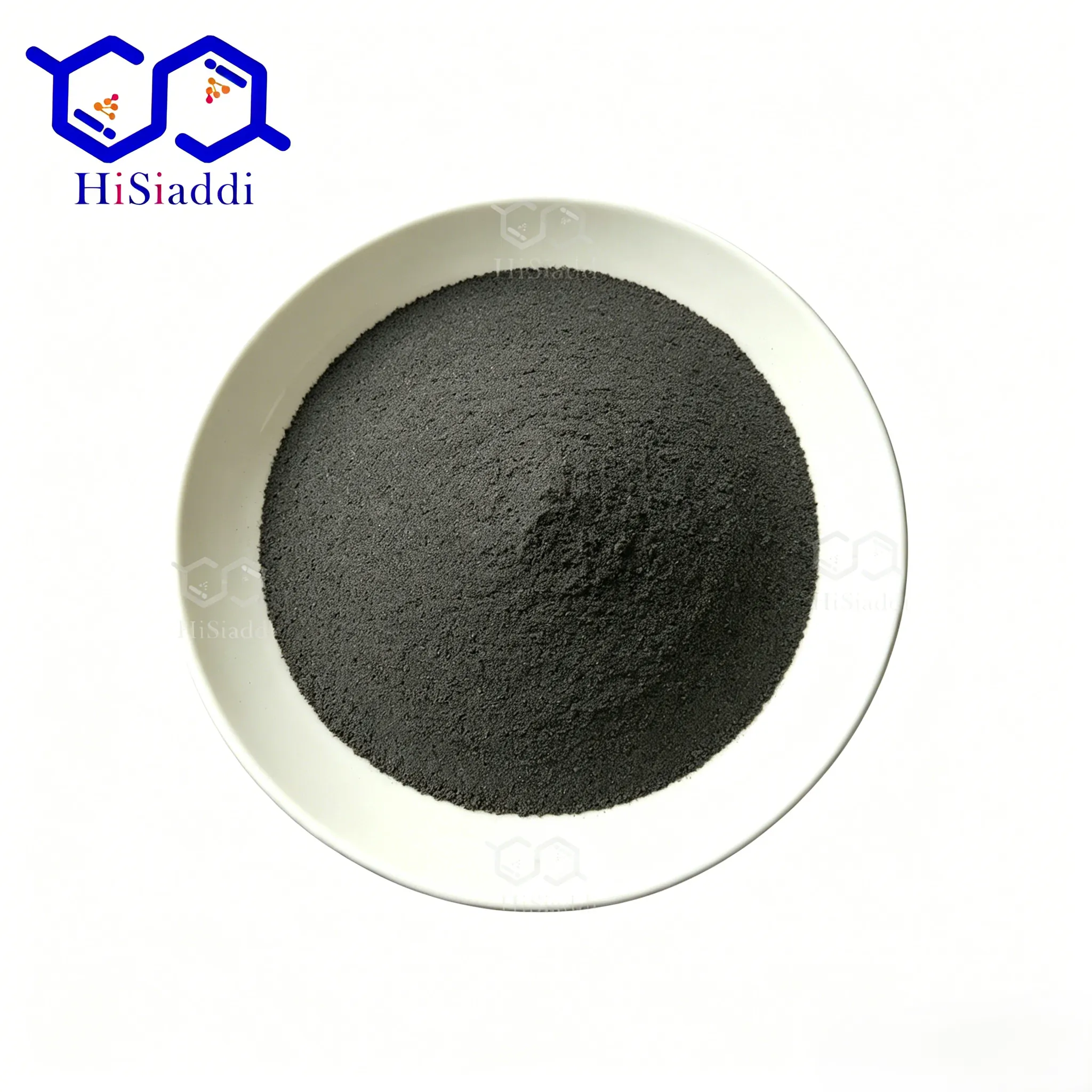
Properties: Gray-black ultrafine powder with metallic luster, insoluble in water and dilute acids, resistant to molten aluminum erosion, with excellent electrical conductivity
1. Titanium-boron stoichiometric ratio (Ti:B≈1:2): Unbalanced ratio leads to excessive free Ti or free B, reducing sintered density, deteriorating electrical conductivity; a core indicator for aluminum electrolysis materials
2. Total oxygen content: Oxidized impurities such as surface TiO₂ and B₂O₃. Excess oxygen generates glass phases at high temperatures, drastically weakening cathodes’ resistance to molten aluminum erosion
3. Free titanium + free boron: Elemental impurities that cause pores and cracking during sintering; strictly controlled for target materials and high-end cutting tools
4. Residual carbon (C): By-product impurity from synthesis; excess carbon creates ceramic pores and unstable electrical conductivity
5. D50 median particle size: 0.8–2 μm for target materials; 3–8 μm for aluminum cathodes; 10–30 μm for wear-resistant coatings. Particle size directly affects sintering activity and coating compactness
6. Compatibility performance: Compound with TiC, WC, BN, alumina for composite ceramics; aluminum cathodes mixed with pitch and carbon aggregates for forming. Small-scale pre-tests of sintering and aluminum corrosion resistance are recommended for new material batches
1. High-purity target / high-end cermet grade (sputtering targets and precision cutting tools for Europe and America): TiB₂≥99.0%, total oxygen ≤0.8%, free Ti ≤0.3%, free B ≤0.2%, residual carbon ≤0.25%, D50=1.0–2.0 μm, total Fe+Si+Ca ≤120 ppm
2. Special grade for aluminum electrolysis cathodes: TiB₂≥98.0%, total oxygen ≤1.5%, total free elements ≤0.8%, D50=3–7 μm
3. Wear-resistant coating / general industrial metallurgical grade: TiB₂≥95.0%, relaxed limits for oxygen and impurities, coarse-grained powder
Core technological process: High-temperature carbothermal reduction / self-propagating synthesis of TiO₂ + boron source + carbon source → mechanical crushing → acid pickling impurity removal → inert atmosphere drying → air-flow particle size classification Key control points: Ratio control to limit free elements, atmosphere control to reduce total oxygen, acid pickling to remove metallic impurities, precision classification to stabilize particle size Prioritize integrated powder manufacturers with full in-house synthesis and purification processes and ISO9001 quality inspection systems. Large manufacturers deliver stable batch-to-batch composition and oxygen content, and can issue cross-border test reports from SGS and Eurofins. Packaging: 25kg aluminum foil vacuum inner bags inside fiber drums, bulk ton bags; standard lead time 8–14 days. Small manufacturers with crude synthesis processes suffer from excessive free elements and oxygen, making their products ineligible for high-end target and aluminum electrolysis export orders.
Physicochemical properties: Stable at ambient temperature, non-flammable and non-corrosive; ultrafine powder prone to slight surface oxidation upon moisture absorption; not classified as hazardous chemicals
· Packaging: High-purity target grade – vacuum-sealed aluminum foil bags + fiber drums; coarse industrial powder – film-laminated woven ton bags
· Storage: Dry warehouses with temperature 5–38°C and relative humidity <62%; protect from rain and moisture-induced oxidation
· Storage taboos: Do not store alongside strong acids or alkalis; maintain vacuum sealing; implement first-in, first-out inventory management
Custom ultrafine nano TiB₂, precise particle size classification, ultra-low oxygen refined powder, multilingual MSDS and labels; supporting aluminum cathode formulations, cermet sintering processes, regulatory compliance support for all countries, and customs clearance document sorting
1. Main titanium diboride content: ≥99.0% for high-purity target grade; ≥98.0% for aluminum electrolysis grade; ≥95.0% for industrial coating grade
2. Total oxygen content: ≤0.80% for target grade; ≤1.50% for electrolysis grade; ≤3.00% for industrial grade
3. Free titanium: ≤0.30% for high-purity grade; ≤0.60% for electrolysis grade; ≤1.50% for industrial grade
4. Free boron: ≤0.20% for high-purity grade; ≤0.50% for electrolysis grade; ≤1.20% for industrial grade
5. Residual carbon: ≤0.25% for target grade; ≤0.60% for electrolysis grade; ≤1.50% for industrial grade
6. Median D50: 1–2 μm for target grade; 3–7 μm for electrolysis grade; 10–30 μm for coating grade
7. Appearance: Uniform gray-black powder without agglomerates or discolored particles; caking indicates elevated surface oxidation from moisture absorption
Stringent control of total oxygen, free elemental impurities and trace metallic impurities to comply with RoHS standards, ensuring target density and uniform coating deposition.
Control main content, total oxygen, free titanium and free boron to improve cathodes’ resistance to molten aluminum erosion and penetration.
Prioritize particle size distribution and carbon content control to enhance coating compactness and wear resistance.
Only verify main content and particle size to reduce procurement costs.
Basic documents: Batch-specific COA, Chinese-English MSDS, full-item SGS test reports (purity, oxygen, free elements, impurities, particle size)
· EU: REACH registration documents
· North America: TSCA filing certificates
· Japan & South Korea: Chemical substance registration filings Value-added documents: RoHS test reports (required for electronic target orders)
1. Moisture absorption leads to surface oxidation and elevated total oxygen; vacuum sealing is the top priority for ocean shipping
2. Excessive total oxygen and free Ti/B are core compliance barriers for high-end target and aluminum electrolysis export orders; full batch testing is mandatory for premium contracts
3. Prioritize vacuum inner bag packaging for containers exposed to high temperature and humidity during transit
For more professional and in-depth analysis on titanium diboride procurement, please contact HiSiaddi customer service.



 +86-13120989737
  info@hisiaddi.com
 English