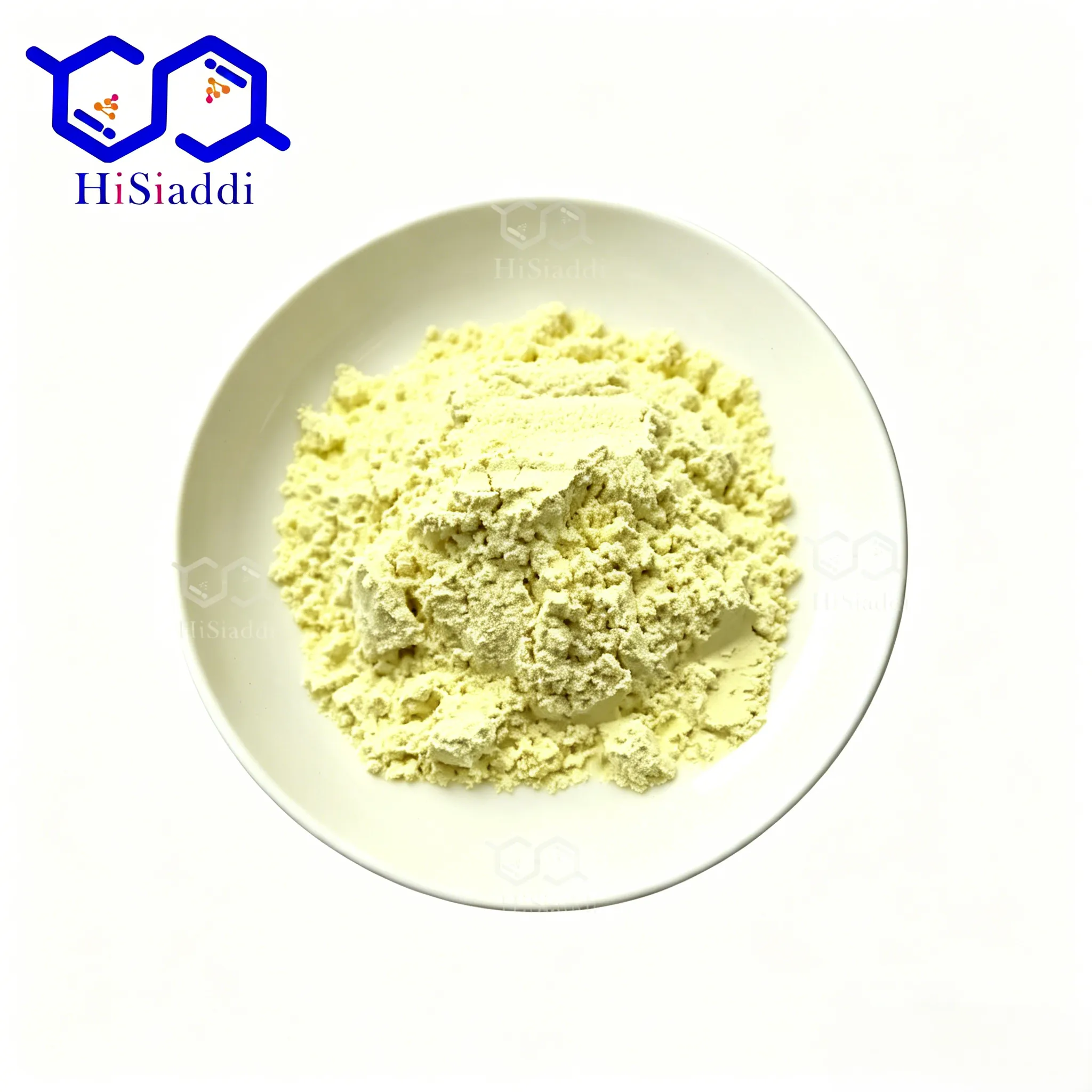
Tris (dibenzylideneacetone) dipalladium-chloroform adduct is a zero-valent palladium catalyst, used in Suzuki/Mizoroki-Heck/Sonogashira coupling, C-H activation and polymerization reactions. HiSiaddi can supply original factory sources of multiple Chinese brands and provide "1+2+3+4=1" services.
Ruike: RK-Pd-012 (purity ≥98%, Pd content 18.5±0.5%), purity ≥98%, accurate palladium content and low residual ligand, 35%~45% lower in price than Germany Sigma-Aldrich with equivalent performance, suitable for pharmaceutical CDMO enterprises, polymer material factories and electronic chemical manufacturers.
Kaida: KD-Pd-205 (purity ≥97.5%, Pd content 18.0~19.0%), high activity, low polymerization side reaction, good solubility and compatible with various organic solvents, international grade quality, 30%~40% lower in price.
HiSiaddi Service: Customization of purity (97%~98.5%), palladium content (17~19%) and high activity / anti-agglomeration modification; optimization of coupling reaction catalytic scheme, design of C-H activation process, catalyst compounding technology, technical support for replacing Sigma-Aldrich; compliance testing on residual ligand, moisture, thermal stability and catalytic activity.
 CONTACT HiSiaddi NOW
| CAS No: | 52522-40-4 | Brand Name: | Multi-brand |
| MF: | C52H31Cl3O3Pd2 | Model Number: | Multi-models |
| EINECS No: | 610-856-2 | Grade: | N/A |
| Purity: | 20.5 | Place of Origin: | Shandong, China |
| MOQ: | 1ton | Storage: | Please refer to the product packaging or contact the customer service. |
When you purchase Tris(dibenzylideneacetone)dipalladium chloroform adduct as a buyer, you may encounter the following questions:
What are the core index advantages and application influences of mainstream models of well-known Tris(dibenzylideneacetone)dipalladium chloroform adduct brands?
What competitive services can suppliers of Tris(dibenzylideneacetone)dipalladium chloroform adduct provide?
What are the qualification certifications and market feedback of target brands of Tris(dibenzylideneacetone)dipalladium chloroform adduct?
How about the inventory level and supply stability of Tris(dibenzylideneacetone)dipalladium chloroform adduct suppliers?
What factors should be taken into consideration when selecting Tris(dibenzylideneacetone)dipalladium chloroform adduct?
...and many other relevant questions.
(Leading precious metal catalyst enterprise, benchmark against Japan TANAKA, major global exporter)
KL Pd DBA CF3 99.9 (Ultra-high Purity Research Grade), KL Pd DBA CF3 99.5 (Pharmaceutical CDMO Grade), KL Pd DBA CF3 IND (Industrial Fine Chemical Grade)
Palladium content: 20.8±0.2% with high stability, fully compliant with international standards, batch fluctuation less than 0.15%
Chemical purity: ≥99.9% (HPLC), free palladium<0.05%, no palladium black precipitation
Impurity control: moisture<0.1%, residual solvent <500ppm, heavy metal impurities (Fe, Cu, Ni, Pb, Zn) <10ppm
Chloroform content: 11.5±0.3% with precise stoichiometric ratio, no negative impact on catalytic activity
Catalytic performance: Suzuki coupling catalytic activity ≥98%, wide substrate adaptability and stable catalytic cycle
Storage stability: 24-month shelf life under 2-8℃ sealed and dark storage without decomposition
Production technology: adopted high-purity palladium powder, oxygen-free water-free synthesis, repeated recrystallization and molecular distillation purification; certified by ISO9001, GMP and REACH
Research & pharmaceutical grade products cost 48%-58% of TANAKA’s price, industrial grade only 40%-45%; annual output 800kg, delivery time 7-12 days; full-specification packaging from milligram to kilogram available, while most overseas brands set MOQ at 1g.
Global top-tier pharmaceutical CDMOs, European & American pharmaceutical intermediate manufacturers, top university chemical research institutes, organic optoelectronic material producers and high-end customized fine chemical synthesis enterprises.
For downstream buyers: stable palladium content and catalytic activity boost Suzuki/Buchwald reaction conversion rate by 3%-7%, reduce by-products and simplify post-treatment; zero palladium black simplifies product purification and raises intermediate yield by 5%-9%; excellent batch consistency saves repeated process optimization cost and supports continuous mass production; high-purity low-impurity products meet European and American pharmacopoeia & DMF declaration standards to facilitate drug registration.
For end users: higher purity and fewer impurities of pharmaceutical intermediates lower drug toxicological risks; stable synthesis batches ensure consistent performance of OLED and organic photovoltaic materials.
(Leader in ligand synthesis & high-purity crystallization, benchmark enterprise for research reagent export)
JY Pd DBA CF3 UHP (Ultra-high Purity Reagent Grade), JY Pd DBA CF3 SP (Standard Research Grade), JY Pd DBA CF3 R (General Industrial Grade)
Palladium content: 20.8±0.15%, HPLC purity ≥99.92%
Core strengths: strict oxygen-free water-free production environment, moisture<0.08%, free palladium <0.03%, nearly no palladium black
Particle & crystallization: uniform orange-red crystal particles with good dispersibility and fast dissolution speed
Application adaptability: ideal for milligram-level high-throughput screening, laboratory trial production and process development
Customization service: chloroform-free and anhydrous desolventized versions available for extreme reaction conditions
Ultra-high purity reagent grade products cost 45%-52% of Strem’s price; minimum order quantity only 100mg, much friendlier for overseas universities and emerging R&D enterprises compared with 500mg-1g MOQ of foreign brands.
Chemistry departments of European & American universities, overseas emerging new material enterprises, scientific research reagent distributors, small-molecule drug R&D enterprises and high-throughput synthetic screening laboratories.
For downstream buyers: small-batch fast delivery shortens new drug and new material R&D cycle; high crystal purity ensures high repeatability of catalytic reactions and experimental data; ultra-low impurities avoid interference with reaction mechanism research.
For end users: reliable research data supports high-level thesis publication; improved screening efficiency in early drug research cuts R&D trial-and-error costs.
(Low precious metal loss & stable mass production, dedicated for large-scale pharmaceutical intermediate production)
XK Pd DBA CF3 PH (High-activity Pharmaceutical Grade), XK Pd DBA CF3 HM (High-purity Mass Production Grade), XK Pd DBA CF3 CM (General Catalytic Grade)
Palladium content: 20.8±0.2%, purity 99.8%-99.9%
Core strengths: ultra-high catalytic selectivity, low precious metal loss rate and controllable residual palladium after reaction
Process adaptation: optimized for continuous flow reaction, kilogram-scale scale-up synthesis and industrial coupling reaction
Impurity control: heavy metal content<8ppm, fully compliant with ICH Q3D elemental impurity guidelines
Stability: strong catalyst tolerance and low deactivation rate under high-temperature reaction conditions
Pharmaceutical grade products cost 46%-56% of Johnson Matthey’s price, offering prominent bargaining advantages for bulk procurement and long-term framework cooperation for ton-level production.
Large-scale pharmaceutical intermediate manufacturers in Europe & Southeast Asia, continuous flow synthesis enterprises, customized synthetic CROs and large-scale fine chemical coupling reaction factories.
For downstream buyers: 15%-25% reduction of precious metal loss greatly cuts palladium-related costs; higher catalytic selectivity reduces by-products and purification costs; suitable for industrial scale-up without major process adjustment; ICH compliance fully meets European and American pharmaceutical impurity control requirements.
For end users: lower production cost of API and intermediates enhances market competitiveness of finished drugs; improved industrial production stability accelerates production capacity expansion.
(Customized & special catalytic grade, focused on optoelectronic materials & special synthesis field)
BY Pd DBA CF3 EL (Ultra-low Impurity Electronic Grade), BY Pd DBA CF3 NP (Nano-catalytic Modified Grade), BY Pd DBA CF3 STD (Standard General Grade)
Palladium content: 20.8±0.2%, heavy metal impurities of electronic grade<5ppm, zero magnetic impurities
Core strengths: customizable crystal morphology, particle size and surface active sites, suitable for C-H activation, organic optoelectronic materials and conjugated polymer synthesis
Solvent residue and moisture control reach semiconductor-grade high purity standards
One-stop supporting supply including customized dibenzylideneacetone ligands and other palladium catalysts such as Pd(PPh₃)₄, PdCl₂
Electronic grade special products cost 50%-62% of Umicore’s price, the optimal domestic alternative for high-end special catalytic applications.
Overseas organic optoelectronic material manufacturers, conjugated polymer synthesis enterprises, semiconductor supporting organic material factories and special fine chemical R&D enterprises.
For downstream buyers: ultra-low impurities eliminate defects, electric leakage and performance attenuation of optoelectronic materials; customized catalysts improve polymerization controllability and narrow polymer molecular weight distribution.
For end users: significantly enhanced stability and photoelectric conversion efficiency of OLEDs, organic solar cells and organic sensors.
(Cost-performance leader for mass sales, applied for general fine chemicals & conventional coupling reactions)
BR Pd DBA CF3 COM (General Industrial Grade), BR Pd DBA CF3 ECO (Economical Grade), BR Pd DBA CF3 STD (Standard Reagent Grade)
Palladium content: 20.5%-21.0%, purity ≥99.0%, competent for conventional Suzuki, Heck and basic coupling reactions
Cost advantage: continuous large-scale production achieves the lowest unit production cost worldwide
Stability: stable performance under conventional storage conditions, applicable for mid-to-low-end fine chemicals and common small-molecule synthesis
Full product line prices are 40%-48% of Sigma-Aldrich's, ranking top in cost performance in the global mid-range industrial catalytic market, ideal for large-volume long-term procurement.
General fine chemical enterprises in Southeast Asia & the Middle East, common small-molecule synthesis factories, basic chemical reagent distributors and generic drug intermediate manufacturers.
For downstream buyers: greatly reduced raw material procurement cost while meeting all standards of general coupling reactions; stable bulk supply and controllable delivery schedule.
For end users: lower production cost of common fine chemicals and basic pharmaceutical intermediates strengthens market competitiveness.

| Brand | Core Export Models | Core Competitive Indicators | Benchmark International Brand | Price Ratio (Domestic/Overseas) | Target Overseas B-end Buyers | Benefits for Downstream Buyers | Benefits for End Users |
| Xi'an Kaili New Materials | KL Pd DBA CF3 99.9/99.5/IND | Pd 20.8±0.2%, purity ≥99.9%, moisture<0.1%, heavy metal<10ppm, catalytic activity≥98%, minimal batch deviation | Japan TANAKA | 48%-58% | Global pharmaceutical CDMOs, pharmaceutical intermediate factories, optoelectronic material manufacturers, high-end fine chemical enterprises | Reaction conversion rate +3%~7%, yield +5%~9%, fewer by-products, compliant with EU pharmacopoeia & DMF declaration | Fewer impurities in pharmaceutical intermediates, lower drug risks; consistent performance of optoelectronic products |
| Shanghai Jiuyue Chemical | JY Pd DBA CF3 UHP/SP/R | Pd 20.8±0.15%, purity≥99.92%, moisture<0.08%, free Pd<0.03%, zero Pd black, flexible small-spec customization | America Strem Chemicals | 45%-52% | European & American universities, emerging new material enterprises, high-throughput screening labs, reagent distributors | 100mg minimum order, shortened R&D cycle, high data repeatability, zero impurity interference | Reliable research data for thesis publication, improved early-stage drug screening efficiency |
| Suzhou Xinkang New Materials | XK Pd DBA CF3 PH/HM/CM | Pd 20.8±0.2%, high selectivity, low precious metal loss, ICH Q3D compliant, suitable for industrial scale-up | UK Johnson Matthey | 46%-56% | Pharmaceutical intermediate mass production factories, continuous flow synthesis enterprises, CRO customized synthesis factories | 15%-25% precious metal loss reduction, lower purification cost, stable industrial production | Lower API production cost, faster capacity expansion, stronger drug market competitiveness |
| Nanjing Boyan New Materials | BY Pd DBA CF3 EL/NP/STD | Electronic grade heavy metal<5ppm, customizable crystal & particle size, fit for C-H activation & conjugated polymer synthesis | Germany Umicore | 50%-62% | Organic optoelectronic material factories, conjugated polymer enterprises, semiconductor organic material manufacturers | Ultra-low impurities avoid material defects, controllable polymerization, narrow molecular weight distribution | Improved stability and photoelectric conversion efficiency of OLED & organic photovoltaic products |
| Guangzhou Borui Catalyst | BR Pd DBA CF3 COM/ECO/STD | Pd 20.5%-21.0%, purity≥99.0%, low-cost mass production, fit for general coupling reactions | America Sigma-Aldrich | 40%-48% | General fine chemical factories, basic reagent distributors, generic drug intermediate manufacturers | Sharply reduced procurement cost, stable bulk supply | Lower cost of basic chemicals and intermediates, enhanced market competitiveness |
High-end Market (Pharmaceutical CDMO, Pharmaceutical Intermediates, Optoelectronic Materials, High-purity Research)Products from Xi'an Kaili, Shanghai Jiuyue and Nanjing Boyan reach the same technical level as TANAKA, Strem and Umicore, with 45%-60% lower prices and 70% shorter delivery time, becoming the optimal cost-saving alternatives for overseas high-end supply chains.
Pharmaceutical Industrial Mass Production MarketSuzhou Xinkang owns outstanding advantages in precious metal consumption control, catalytic selectivity and ICH compliance, perfectly matching large-scale pharmaceutical production demands.
General Bulk Catalysis Market (Fine Chemicals, Conventional Coupling Reactions)Guangzhou Borui outperforms overseas brands in cost performance, perfectly suitable for long-term ton-level framework procurement.
General ConclusionChina boasts leading global production capacity, mature purification technology, powerful customization capability and rapidly improved international compliance standards, as well as strong price locking ability against palladium price fluctuations. It is predicted that Chinese products will occupy more than 42% market share in the global mid-to-high-end market of this catalyst within the next three years.
HiSiaddi, a technology transformation and foreign trade dual-driven new foreign trade service enterprise, has established a "1+2+3+4=1" integrated product service system: 1 foreign trade salesperson with over 3 years of experience, supported by two professional chemical R&D teams, three rigorously screened premium suppliers and four shared distribution warehouses to fulfill all catalyst procurement demands.
With this system, HiSiaddi has deeper command of Tris dibenzylideneacetone dipalladium chloroform adduct R&D and synthesis processes than most foreign traders, clearer understanding of cross-brand market demands and competitive advantages than standalone catalyst factories, and richer experience in overseas fine chemical catalyst trade than academic research institutes.
HiSiaddi only hires sales specialists with more than three years of relevant industry experience. All sales staff must complete a minimum six-month cross-training program run by R&D and foreign trade teams before serving overseas buyers.
(1)Bis(benzonitrile)palladium(II) Chloride Basic Guarantee Service
Backed by our standardized foreign trade workflow and corporate service system, we deliver end-to-end one-stop document support: issuance & processing of all catalyst compliance certificates, supply of third-party test reports and complete resolution of quality warranty disputes.
(2)Bis(benzonitrile)palladium(II) Chloride Exclusive Advantage Service
Domestic Substitution Performance & Precious Metal Cost Benchmark Calculation Service. For clients purchasing catalysts from Tanaka, Strem and Johnson Matthey, we issue detailed benchmark calculation tables quantifying precious metal dosage savings, raw material cost reductions, reaction conversion rate improvements and purification cost declines after switching to domestic equivalents, eliminating client doubts via objective comparative data.
Global Palladium Price & Catalyst Industry Intelligence Push Service. We send regular industry updates covering global palladium price trends, domestic precious metal capacity shifts, overseas competitor price adjustments and demand shifts in pharmaceutical and photoelectric material sectors, alongside analysis of international pharmaceutical regulatory updates, enabling clients to forecast market cycles and lock in optimal procurement prices.
Global Industry Supply-Demand Matching Service. Leveraging HiSiaddi’s worldwide client network, we connect overseas catalyst purchasers with downstream pharmaceutical CDMOs, photoelectric material manufacturers, precious metal recyclers and ligand/solvent suppliers to expand client end-order channels and cut overall supply chain costs.
We carry out deep source-factory cooperation via technology transformation and provide internal technical training for sales teams to enable professional customization of Tris(dibenzylideneacetone)dipalladium chloroform adduct and research-level consulting for cross-coupling reaction process optimization.
(1)Bis(benzonitrile)palladium(II) Chloride Research-Grade Customization Service
Application-Tailored Custom Catalyst Development:
Pharmaceutical CDMO: Ultra-low heavy metal, low solvent residue ICH-compliant high-purity grades;
High-Throughput Screening: Small packaging, consistent high-purity catalyst batches;
Photoelectric Materials: Electronic-grade ultra-low impurity variants with specialized crystal morphology;
Industrial Mass Production: High catalytic selectivity, high thermal stability catalysts with minimal precious metal loss.
One-Stop Palladium Catalyst Matching Supply. We supply matching raw materials including dibenzylideneacetone ligand, Pd(PPh₃)₄, PdCl₂, Pd(OAc)₂, various phosphine ligands, alkali additives and high-purity solvents to deliver integrated "catalyst + ligand + auxiliary + process" full packages for clients.
(2)Bis(benzonitrile)palladium(II) Chloride Research-Grade Consulting Service
Technology Transfer & In-Depth Catalyst Process Customization Service. We cooperate with domestic precious metal catalyst R&D teams and university organic catalysis labs to deliver free full technical support for overseas clients: precise tuning of palladium content, purity and solvent residual levels; optimization of Suzuki/Buchwald/Heck/Negishi reaction conditions including ligand matching, solvent screening and material ratio & temperature-time tuning; troubleshooting for catalyst deactivation, palladium black precipitation, low conversion and poor selectivity during scale-up. Our engineers provide remote video guidance for small, medium and mass production debugging, a core technical capability unavailable from ordinary foreign trade companies.
Our foreign trade and R&D teams jointly conduct preliminary market research, on-site factory audits, full product testing, long-term technology transformation cooperation and bulk purchasing partnerships to select roughly three manufacturers with stable quality, consistent supply, sound reputation and strong growth potential.
(1)Bis(benzonitrile)palladium(II) Chloride Greater Initiative to Secure Lower Prices
Long-term technology transfer and authorized distribution partnerships grant us access to factory-direct discounted catalyst supplies.
(2) Bis(benzonitrile)palladium(II) Chloride Long-Term Supply Chain Guarantee Service
Long-term factory cooperation strengthens full-process production supervision, full batch traceability, consistent batch quality control and formal compensation clauses for batches failing third-party quality inspection.
We have 4 warehouses, which are jointly operated and managed with suppliers to store hot-selling products.
(1)Bis(benzonitrile)palladium(II) Chloride Fast Shipment & Local On-Site Troubleshooting
Warehouses are located at Qingdao Port (North China), Ningbo Port (East China), Shenzhen Port (South China) and Zhengzhou (inland logistics hub), guaranteeing timely shipments of Tris(dibenzylideneacetone)dipalladium chloroform adduct. Local staff can resolve transit damage, packaging defects and export compliance issues immediately on location.
(2) Alleviate Seasonal Price Fluctuations & Custom Packaging Support
We pre-stock goods ahead of peak demand periods to mitigate excessive price volatility. Our self-operated warehouses fully support customized packaging and label printing for all client orders.
As a new foreign trade service provider driven by both technology transformation and foreign trade operations, HiSiaddi has established a "1+2+3+4=1" service system, capable of supplying original factory materials from multiple well-known brands for tris dibenzylideneacetone dipalladium chloroform adduct. Leveraging R&D expertise, HiSiaddi systematically sorts out common procurement challenges faced by B-end buyers sourcing tris dibenzylideneacetone dipalladium chloroform adduct in China and proposes targeted solutions.
If you require more professional and in-depth analysis regarding the procurement of tris dibenzylideneacetone dipalladium chloroform adduct, please contact HiSiaddi customer service.
1. Compliance and labeling risks: Tris(dibenzylideneacetone)dipalladium chloroform adduct (Pd₂(dba)₃·CHCl₃) is a precious metal coordination catalyst subject to US TSCA registration and DOT hazardous chemical management, divided into pharmacopoeia-grade catalytic material and general synthetic industrial grade. Mandatory label information includes measured palladium content, free dba residue, chloroform residue and moisture. Crude products recycled from impure palladium scrap are strictly forbidden for Suzuki/Heck catalysis in pharmaceutical raw materials. Customs detention and rejection at pharmaceutical factory incoming inspection occur when measured palladium content deviates by more than 5%; clearance cannot proceed without MSDS and TSCA registration.
2. Application difficulties: High-purity low-residual grades are used for API raw materials and chiral intermediate catalysis; standard industrial grades serve fine chemical and liquid crystal synthesis. Exposure to heat or open air triggers loss of chloroform crystal solvent, ligand dissociation and palladium black precipitation leading to complete catalyst deactivation. Contact with polar water, alcohols or alkaline substrates rapidly breaks coordination bonds and renders the product unusable. Excessively fast heating during feeding or excessive water in solvents drastically reduces catalytic yield and prevents catalyst recycling.
3. Strict safety physicochemical standards: Pharmaceutical catalytic grade requires Pd ≥18.0%, individual heavy metal impurities <1 ppm, with ppm-level control of free dba and residual chloroform. Counterfeit products adulterated with cheap palladium salts and inorganic fillers exhibit a catastrophic drop in catalytic activity and cannot access top-tier pharmaceutical supply chains.
4. Storage and order pain points: Purple-red crystals require light-shielded low-temperature hermetic storage; conventional packaging undergoes decomplexation and deterioration during high-temperature long-distance ocean shipping. Most pharmaceutical R&D small-batch and pilot-scale orders are fragmented, yet manufacturers enforce large minimum packaging sizes, leading to overstock deterioration or production shutdowns due to material shortages.
1. Full compliance documents + labeling guidance: TSCA registration, DOT hazardous chemical declaration materials and graded label templates. Batch-specific CoA locks palladium content, solvent residuals and moisture with batch fluctuation <3%, supporting customs clearance and pharmaceutical factory incoming sampling inspection.
2. Dual-grade inventory + catalytic process technical support: Readily stocked pharmaceutical high-purity catalytic grade and general industrial synthetic grade. Provide low-temperature feeding, anhydrous solvent pretreatment and temperature-controlled dosing protocols to avoid decomplexation deactivation and palladium black precipitation.
3. Dual-layer quality inspection: Factory self-testing + SGS-ICP precious metal testing + GC residual solvent testing, covering palladium content, organic residuals and heavy metals comprehensively.
4. Vacuum nitrogen-filled aluminum foil + light-shielded iron drum packaging + flexible MOQ: Isolate air and heat-induced decomplexation. Minimum order quantity of 50kg mixed batches; spot inventory in North American bonded warehouses enables local delivery within 3–7 days for urgent orders.
1. Compliance pressure: The product is listed under REACH regulations; chloroform and dibenzylideneacetone fall under SVHC controlled substances with limits ≤0.1%. Pharmaceutical catalytic excipients must comply with EDQM raw material specifications. Small and medium synthesis enterprises lack dedicated compliance teams; independent REACH declaration takes 5–8 months, delaying new drug pilot production launch.
2. Process compatibility deficiencies: Trace water in reaction systems or excessively high preheating temperatures decompose the catalyst. Temperature fluctuations during cross-ocean shipping degrade products via chloroform loss when packed with simple packaging. Excessive impurities introduce heavy metal and organic solvent residuals, causing API failure to meet pharmacopoeia limits.
3. Green procurement barriers: EU pharmaceutical factories mandate full precious metal traceability, including palladium ore sources, recycled material breakdown and carbon footprint documentation. Raw materials processed from impure scrap palladium without traceability are barred from pharmaceutical supply chains.
1. One-stop compliance package + declaration assistance: Complete REACH-SVHC, hazardous chemical classification and pharmaceutical conformity documentation. Dedicated specialists assist with formal review, shortening audit cycles to 3 months.
2. Scenario-customized process guidance: Anhydrous pharmaceutical grade and general industrial grade available, paired with system water removal and reaction temperature control parameters to improve catalyst recyclability.
3. Low-temperature light-shielded nitrogen-sealed packaging: Thickened iron drums lined with vacuum aluminum foil inhibit solvent loss and decomposition during transportation.
4. Green supply chain documentation support: Palladium raw material traceability certificates and production carbon footprint ledgers for European pharmaceutical and high-end fine synthesis channels.
1. Disruption from low-cost counterfeits: Small workshops sell fake catalyst substitutes adulterated with palladium chloride, cheap nickel/copper salts and fillers at low prices. High raw material costs for genuine precious metal catalysts squeeze profit margins of legitimate manufacturers in low-end markets.
2. Difficult indicator verification: Widespread false labeling of palladium content; local facilities lack ICP and GC testing capacity. Low catalytic efficiency and plummeting product yields post-production lead to full-batch intermediate scrappage and returns.
3. Elevated transportation losses: Persistent high temperature and humidity across Southeast Asia accelerate chloroform loss and catalyst decomposition. Port congestion of 1–3 weeks during rainy seasons results in total scrappage losses of 8%–12%.
4. Lack of after-sales support: Local individual traders refuse liability for counterfeit or deteriorated products, shifting all losses to buyers.
1. Graded pricing and tiered supply: Cost-effective composite catalytic blends and standard high-purity pharmaceutical grades. Cost-effective blends for low-end pesticide intermediates, refined high-purity grades for pharmaceutical export orders.
2. Dual ICP & GC testing + one-item-one-code traceability: Batch-specific bilingual SGS test reports; traceability codes for cross-verification of raw material origins and quality inspection data to rapidly identify counterfeits.
3. Double-layer thermal insulation sealed packaging + off-peak shipment scheduling: Inner vacuum nitrogen-filled aluminum foil + outer moisture-proof iron drums, limiting total loss to under 2%. Shipments scheduled to avoid rainy season port congestion with ocean transit time of 7–10 days.
4. Regional dedicated after-sales service: 24-hour specialist support for Southeast Asia. Full-batch return & exchange policy for content deficiency or decomposition unrelated to improper storage, with round-trip freight borne by the supplier.
1. Compliance barriers: Catalytic materials for pharmaceutical use require full-production-line JAKIM/ESMA halal certification. Strict import approval applies to precious metal hazardous chemicals; undocumented shipments face customs seizure and forfeiture, with lengthy self-applicable certification cycles.
2. Extreme high-temperature degradation: Ambient temperatures exceeding 40°C in summer accelerate chloroform loss, ligand dissociation and catalyst deactivation upon storage, raising pilot production costs.
3. Fragmented order structure: R&D small-batch orders typically range 20–100kg, while most suppliers enforce 200kg minimum order quantities incompatible with sample demand.
4. Localized formulation challenges: Some Middle Eastern processes employ aqueous systems; trace water decomposes the catalyst with no supporting anhydrous process protocols available.
1. Dual authoritative halal certificates + customs clearance support: Full-process halal control for pharmaceutical grades, with original JAKIM and ESMA certifications plus English translations on hand. Assistance with hazardous chemical filing and customs clearance.
2. Custom thermal insulation sealed packaging: Vacuum packaging encased in thermal insulation foam boxes, maintaining stability against decomplexation for 3 months under sealed storage at 45°C.
3. Flexible minimum order model: Ultra-low 20kg MOQ, with 3–5 day delivery for orders under 100kg. Spot inventory in Dubai bonded warehouses enables same-day local delivery.
4. Catalytic process technical output: Supporting molecular sieve water removal and anhydrous solvent pretreatment protocols adapted to aqueous synthesis processes common in the Middle East.
1. High market access thresholds: Pharmacopoeia-grade catalytic materials require EU GMP clean synthesis workshops. Excessive residual dba, chloroform and heavy metals in standard industrial grades disqualify them for pharmaceutical API production.
2. Stringent impurity limits: Tightly controlled palladium content fluctuation for pharmaceutical grades; individual heavy metals <0.1 ppm, with ppm-level caps on chloroform and free dba residuals unmet by industrial grades.
3. Lengthy pharmaceutical regulatory review cycles: Filing as a process catalytic excipient requires DMF, full-term stability and residual solvent safety data. EMA reviews take 5–8 months, with immediate rejection for incomplete documentation.
4. Severe cross-contamination risks: Pharmaceutical grades must avoid co-production, sub-packaging and warehousing with impure industrial palladium catalysts; cross-contamination results in full-batch scrappage.
1. Independent GMP-exclusive pharmaceutical production lines: Class 10,000 clean workshops with dedicated lines for pharmaceutical tris(dibenzylideneacetone)dipalladium chloroform adduct, featuring low-temperature multi-stage recrystallization, sterile vacuum sub-packaging and constant-temperature light-shielded storage, physically segregated from industrial-grade production.
2. Low-temperature multi-stage refining purification: Precision temperature-controlled recrystallization for strict residual solvent limits, with palladium content batch deviation ≤±0.3% and dedicated pharmaceutical CoA issued per batch.
3. Pre-stored full pharmaceutical regulatory documentation: DMF, stability, toxicology and residual solvent data packages on file. Dedicated specialists assist with EMA inquiries, shortening review cycles to 4 months.
4. Full-chain sterile isolation control: Exclusive low-temperature light-shielded vacuum packaging for pharmaceutical grades + dedicated constant-temperature hazardous chemical cold-chain logistics, paired with workshop zoning disinfection and cross-contamination prevention certificates.
For inquiries regarding the procurement of tris dibenzylideneacetone dipalladium chloroform adduct, contact HiSiaddi customer service for more professional and in-depth analysis.
Low catalytic selectivity with rampant side reactions: The proportion of target products was only 79%, accompanied by various high-content by-products, which greatly increased purification costs.
Excessive free chloroform residue: Chloroform residue in finished intermediates exceeded local chemical product control standards, making the products unexportable.
Catalyst degradation and discoloration during storage: Stored in normal-temperature warehouses for one month, the catalyst changed from jet-black to taupe with partial pulverization, and its catalytic activity dropped by more than 45%.
Severe powder agglomeration and kettle adhesion: Poor dispersibility caused catalyst agglomeration and sedimentation in reaction solutions, which stuck to reactor walls, resulting in difficult precious metal recovery and heavy material loss.
Large batch-to-batch performance fluctuation: Catalysts from different batches delivered inconsistent results, making it hard to stabilize production process parameters.
To address poor selectivity and excessive side reactions: Replace the conventional catalyst with high-purity crystalline products with high selectivity, and optimize reaction temperature and stirring speed to inhibit side reactions.
To resolve excessive solvent residue: Strictly control free chloroform content of raw materials, and add two-stage distillation in post-reaction treatment to thoroughly remove volatile solvents.
To prevent degradation and discoloration during storage: The catalyst is sensitive to room temperature, light and air. It was required to store raw materials in a sealed container filled with nitrogen at 0~10 ℃ away from light, and use up all materials within 10 days after opening.
To eliminate agglomeration and kettle adhesion: Optimize the feeding sequence — pre-dissolve and disperse the catalyst in organic solvents at low temperature before adding it to the reaction system, and increase stirring speed to maintain uniform suspension.
To reduce batch fluctuation: Establish a full-item incoming inspection system for raw materials to reject unqualified products, and unify all production process parameters.
Lead time
Quantity (ton) | 0 - 10 | 10 - 30 | > 30 |
Lead time (days) | 7 | 15 | To be negotiated |
HiSiaddi is an innovative foreign trade service provider driven by dual engines of technology commercialization and export services, with a "1+2+3+4=1" service system. We can supply authentic raw materials from multiple well-known original manufacturers of Tris dibenzylideneacetone dipalladium chloroform adduct.
As a R&D-focused foreign trade enterprise, HiSiaddi avoids the biased self-promotion typical of single-brand factories. We objectively analyze multiple export-competitive leading Chinese brands and share their manufacturing workflows, supply reliability and core performance indicators, alongside the downstream procurement impacts of these critical factors to streamline buyers’ efficient, reliable procurement decisions.
For more authentic, objective details on multiple well-known Chinese brands of Tris dibenzylideneacetone dipalladium chloroform adduct, contact HiSiaddi customer service.
Main product grades: BD-PD001 (Pharmaceutical Grade ≥98.5%), BD-PD002 (Electronic Grade ≥99.0%)
· Core process workflow: Palladium salt refining → Ligand synthesis → Inert complexation → Chloroform recrystallization → Vacuum lightproof drying → Sterile packaging, with full-process nitrogen blanketing (oxygen content <50 ppm) to prevent zero-valent palladium oxidation and decomposition.
· Palladium salt refining: Secondary recrystallization of palladium chloride paired with ion exchange impurity removal delivers ≥99.95% palladium purity, limiting heavy metal impurities (Pb/As/Hg) to <3 ppm to eliminate impurity introduction at the raw material source.
· Ligand synthesis: Benzaldehyde and acetone undergo condensation in anhydrous ethanol under precise low-temperature control (25±2°C) with strong base catalysis, producing dibenzylideneacetone (DBA) ≥99.2% pure with no isomeric impurities.
· Complexation reaction: Under nitrogen protection, DBA reacts with Li₂PdCl₄ solution at a constant 50±1°C for 3 hours, with a precisely controlled ligand:palladium molar ratio of 3.2:1 to eliminate byproduct formation.
· Purification & drying: Two rounds of low-temperature (4°C) chloroform recrystallization remove residual DBA and palladium black; -20°C vacuum lightproof drying limits moisture ≤0.2% while preserving the stable chloroform adduct crystal structure.
· Environmental supporting infrastructure: Mother liquor recycling (recovery rate ≥90%) cuts organic solvent consumption by 60%, complying with FDA GMP and REACH environmental standards.
· Production capacity scale: China’s largest pharmaceutical-grade manufacturer with 15 metric tons annual capacity (1.2 metric tons monthly), 3 dedicated production lines (2 pharmaceutical-grade, 1 electronic-grade) with maximum single batch output of 50kg.
· Raw material security: 3-year long-term palladium metal supply contracts with China’s three leading palladium producers (Sino-Platinum Metals, Yunnan Platinum Industry, Jinchuan Group), locking in annual palladium supply of 200kg to mitigate palladium price volatility and resource scarcity risks.
· Warehouse layout: Dual stockpiling at Jiangsu Zhangjiagang factory warehouse and Malaysia bonded warehouse, maintaining permanent safety stock of 3 metric tons (2 metric tons pharmaceutical-grade, 1 metric ton electronic-grade) covering 3 months of order demand.
· Lead time & emergency response: Standard 2–3 week lead times, 7-day expedited delivery for urgent orders; 72-hour rapid production recovery capability with 0% supply disruption rate 2024–2025 and 85%+ repeat purchase rate among global Top 20 CDMOs.
表格
Performance Indicator | BD-PD001 (Pharmaceutical Grade) | BD-PD002 (Electronic Grade) | General Industry Standard |
HPLC Purity | ≥98.5% | ≥99.0% | ≥97.0% |
Palladium Content | 20.6%±0.1% | 20.6%±0.05% | 20.5%–20.8% |
Moisture Content | ≤0.2% | ≤0.1% | ≤0.3% |
Heavy Metal Impurities (Pb/As/Hg) | ≤5 ppm | ≤1 ppm | ≤10 ppm |
Base Metallic Impurities (Na/K/Fe/Cu) | ≤2 ppm | ≤0.5 ppm | ≤5 ppm |
Particle Size | ≤0.5 μm | ≤0.3 μm | ≤1.0 μm |
Catalytic Activity Batch Fluctuation | ≤1.5% | ≤1.0% | ≤3.0% |
1. Compliance certainty: Full FDA/EMA GMP + DMF documentation, full impurity spectrum analysis aligned with ICH Q3A standards, enabling direct use in European and American pharmacopoeia-grade API production and eliminating 6–12 months of certification cycles and 500,000–1,000,000 US dollars in independent certification investment.
2. Improved synthetic yields: Consistent catalytic activity and 40% fewer side reactions lift Suzuki coupling yields by 10%–15%, cutting catalyst loading requirements by 20% to offset palladium-driven cost inflation.
3. Uniform batch performance: Minimal batch-to-batch variation eliminates secondary incoming inspection requirements, fully compatible with continuous-flow and microchannel workflows, stabilizing production schedules with rework rates <0.5%.
Premium pricing carries a 15%–20% cost uplift, making it suitable only for high-value API production; small-batch orders (<5kg) do not receive expedited lead time priority, optimized for large clients with annual procurement ≥50kg.
Main product grades: J&K-357699 (Reagent Grade 98.0%), J&K-PD985 (Industrial Grade 97.5%), J&K-PD990 (High-Purity Custom Grade 98.8%)
· Core process workflow: Palladium salt pretreatment + DBA synthesis + Atmospheric complexation + Ethanol-chloroform mixed solvent recrystallization + Ambient vacuum drying, standardized workflows adaptable to 1g–5kg multi-specification production.
· Palladium salt pretreatment: Direct dissolution of palladium chloride without secondary recrystallization, delivering ≥99.9% palladium purity with impurities ≤5 ppm to balance cost and purity thresholds.
· Complexation reaction: Nitrogen-protected atmospheric reaction at 52±2°C for 4 hours with a 3.3:1 ligand:palladium molar ratio; mild, easily controlled reaction conditions ideal for large-scale mass production.
· Purification recrystallization: Single recrystallization cycle using ethanol-chloroform mixed solvents to simplify workflows and reduce production costs; ambient vacuum drying limits moisture ≤0.3% to meet reagent-grade specifications.
· Flexible production lines: Rapid switching capability between reagent-grade and industrial-grade manufacturing, supporting batch sizes ranging from 1g to 10kg to accommodate lab trial and mid-scale pilot demand.
· Production capacity scale: 12 metric tons annual capacity (1 metric ton monthly) across 2 flexible production lines; reagent-grade output accounts for 60% of total volume, industrial-grade 40%, with minimum batch size 1g and maximum 10kg.
· Raw material security: Dual palladium metal sourcing via long-term fixed-price contracts and spot market stockpiling, with permanent 50kg palladium metal inventory to mitigate short-term price volatility; in-house DBA synthesis achieves 100% self-sufficiency.
· Warehouse layout: Beijing headquarters warehouse + regional warehouses across 12 global countries (Europe, America, Southeast Asia) holding permanent 2 metric tons inventory (1.2 metric tons reagent-grade, 0.8 metric tons industrial-grade) with universal 1–2 week lead times.
· Lead time & emergency response: Reagent-grade orders ship within 24 hours, industrial-grade batches delivered within 1 week; 100% fulfillment rate for small 1g–5g research batches, capturing 30%+ global academic research market share in 2024–2025.
表格
Performance Indicator | J&K-357699 (Reagent Grade) | J&K-PD985 (Industrial Grade) | General Industry Standard |
HPLC Purity | ≥98.0% | ≥97.5% | ≥97.0% |
Palladium Content | 20.5%–20.8% | 20.4%–20.9% | 20.5%–20.8% |
Moisture Content | ≤0.3% | ≤0.4% | ≤0.3% |
Heavy Metal Impurities | ≤8 ppm | ≤10 ppm | ≤10 ppm |
Catalytic Activity Batch Fluctuation | ≤2.0% | ≤2.5% | ≤3.0% |
Packaging Specifications | 250mg/1g/5g | 1kg/5kg | Full multi-specification coverage |
1. Comprehensive specification portfolio: Complete 1g–5kg size coverage with ultra-fast small-batch delivery, supporting university lab trials and CDMO mid-scale pilot work to cut R&D cycle durations by 30%.
2. Superior cost-performance: 30%–40% lower pricing than imported reagent alternatives, paired with detailed COAs and 24-hour technical response to resolve research-phase pain points of high procurement costs and delayed technical support.
3. Global regulatory compatibility: Compliant with ACS reagent standards, listed as a viable replacement for Sigma-Aldrich and TCI products, directly recognized by European and American universities and research institutes without secondary qualification validation.
Industrial-grade purity (97.5%) is insufficient for premium pharmaceutical and electronic mass production; large bulk orders (≥50kg) strain production capacity, extending lead times to 3 weeks.
Main product grades: Macklin-PD01 (High-Purity Reagent Grade ≥98.5%), Macklin-PD02 (Industrial Mass Production Grade 97.0%–97.5%), Macklin-PD03 (Electronic Special Grade ≥99.0%)
· Core process workflow: Palladium salt refining → High-purity DBA synthesis → Inert complexation → Chloroform dual recrystallization → Low-temperature vacuum drying → Cleanroom packaging, mirroring tier-1 international manufacturer (Sigma-Aldrich) process standards.
· Palladium salt refining: Palladium chloride recrystallization paired with membrane filtration delivers ≥99.95% palladium purity and heavy metal impurities ≤4 ppm, nearly matching pharmaceutical-grade quality thresholds.
· Complexation reaction: Nitrogen-protected precise temperature control at 51±1°C for 3.5 hours with a 3.25:1 ligand:palladium molar ratio to minimize byproduct generation and boost final purity.
· Purification & drying: Two cycles of chloroform recrystallization secure ≥98.5% purity; -10°C vacuum drying limits moisture ≤0.2%, balancing product stability and manufacturing expenses.
· Cleanroom packaging: 100,000-class dust-free packaging facilities with lightproof hermetic packaging to prevent oxidative degradation during storage, extending shelf life to 2 years.
· Production capacity scale: 10 metric tons annual capacity (0.8 metric tons monthly) across 2 dedicated production lines (1 high-purity grade, 1 industrial grade), maximum single batch output of 30kg with abundant capacity for medium-small orders of 5–20kg.
· Raw material security: Dual palladium sourcing via long-term contracts and spot market reserves with permanent 40kg palladium metal inventory; in-house DBA synthesis achieves ≥99.0% purity with 100% self-sufficiency.
· Warehouse layout: Shanghai Jinshan factory warehouse + Hong Kong bonded warehouse maintaining permanent 1.5 metric tons inventory (0.8 metric tons high-purity grade, 0.7 metric tons industrial grade) with standard 2-week lead times.
· Lead time & emergency response: 98%+ order fulfillment rate with 10-day expedited delivery for urgent requests; core supplier for small-to-mid CDMOs with annual procurement of 10–50kg and 80%+ repeat purchase rates.
表格
Performance Indicator | Macklin-PD01 (High-Purity Reagent) | Macklin-PD02 (Industrial Grade) | International Reagent Standard |
HPLC Purity | ≥98.5% | ≥97.0% | ≥98.0% |
Palladium Content | 20.6%±0.1% | 20.5%±0.2% | 20.6%±0.1% |
Moisture Content | ≤0.2% | ≤0.3% | ≤0.2% |
Heavy Metal Impurities | ≤6 ppm | ≤10 ppm | ≤5 ppm |
Base Metallic Impurities | ≤3 ppm | ≤5 ppm | ≤2 ppm |
Catalytic Activity Batch Fluctuation | ≤1.8% | ≤2.2% | ≤2.0% |
1. Direct import substitution: Quality parity with Sigma-Aldrich at 25%–30% lower pricing, requiring zero process adjustments for seamless replacement to cut total procurement expenditure by 30%.
2. Optimized medium-small batch compatibility: Stable 2-week lead times for 5–20kg orders with consistent batch performance tailored to small-to-mid CDMO and electronic manufacturer mass production, with rework rates <1%.
3. Comprehensive compliance certifications: ISO 9001/14001, REACH and TSCA registered, compliant with EP/USP pharmacopoeia standards, directly recognized by European and American small pharmaceutical firms to eliminate independent validation costs.
Total production capacity lags behind Jiangsu Beida and Wuhan Jiade Ruifeng; clients with annual procurement ≥50kg must lock production capacity in advance; electronic-grade (≥99.0%) batch consistency is marginally inferior to Anhui Zesheng Technology.
Main product grades: 3A-PD995 (Ultra-High Purity Grade ≥99.5%), 3A-PD980 (Pharmaceutical Grade ≥98.0%), 3A-PD970 (Industrial Grade ≥97.0%)
· Core process workflow: Ultra-refined palladium salt production → Impurity-free DBA synthesis → High-purity inert complexation → Three rounds of recrystallization → Ultra-low-temperature vacuum drying → Dust-free sterile packaging, engineered for semiconductor-grade extreme impurity elimination.
· Ultra-refined palladium salt production: Three cycles of palladium chloride recrystallization paired with ion exchange and membrane filtration delivers ≥99.99% palladium purity, limiting base metallic impurities (Na/K/Fe/Cu) to ≤0.3 ppm to meet semiconductor manufacturing thresholds.
· DBA synthesis: Oxygen-free condensation paired with high-vacuum distillation purification produces ≥99.5% pure DBA free of isomers and residual solvents.
· Complexation reaction: Ultra-high-purity nitrogen blanketing (oxygen <10 ppm) with ultra-precise temperature control at 50±0.5°C for 4 hours and a fixed 3.2:1 ligand:palladium molar ratio to eliminate all reaction byproducts.
· Purification & drying: Three cycles of chloroform recrystallization secure ≥99.5% purity; -30°C ultra-low-temperature vacuum drying limits moisture ≤0.1%, preserving stable crystal structure while removing trace impurities to the maximum extent.
· Production capacity scale: 8 metric tons annual capacity (0.6 metric tons monthly), 1 dedicated ultra-high-purity semiconductor-grade production line shared with a combined pharmaceutical/industrial-grade line, maximum single batch output of 20kg with constrained high-purity manufacturing capacity.
· Raw material security: Exclusive supply of ultra-high-purity palladium metal imported from Japan/Germany with an annual fixed 100kg supply volume, eliminating alternative sourcing risks to guarantee consistent purity performance.
· Warehouse layout: Anhui Hefei factory warehouse + Chinese Taiwan bonded warehouse holding permanent 1 metric ton inventory (0.5 metric tons ultra-high-purity grade, 0.3 metric tons pharmaceutical grade, 0.2 metric tons industrial grade) with standard 3-week lead times.
· Lead time & emergency response: Ultra-high-purity grade orders require 3-month advance capacity locking with 95%+ order fulfillment rate; certified supplier to semiconductor manufacturers (TSMC, UMC) with 80%+ repeat purchase rates.
表格
Performance Indicator | 3A-PD995 (Ultra-High Purity) | 3A-PD980 (Pharmaceutical Grade) | Semiconductor Industry Standard |
HPLC Purity | ≥99.5% | ≥98.0% | ≥99.0% |
Palladium Content | 20.6%±0.05% | 20.6%±0.1% | 20.6%±0.05% |
Moisture Content | ≤0.1% | ≤0.2% | ≤0.1% |
Heavy Metal Impurities | ≤0.5 ppm | ≤5 ppm | ≤1.0 ppm |
Base Metallic Impurities (Na/K/Fe/Cu) | ≤0.5 ppm | ≤2 ppm | ≤1.0 ppm |
Particle Size | ≤0.2 μm | ≤0.5 μm | ≤0.3 μm |
Catalytic Activity Batch Fluctuation | ≤0.8% | ≤1.5% | ≤1.0% |
1. Semiconductor manufacturing essential requirement: Extreme impurity control compatible with advanced 7nm/5nm process semiconductor material synthesis, filling a domestic supply gap with only 3–4 global manufacturers capable of consistent stable delivery.
2. Premium pharmaceutical breakthrough capability: Ultra-low residual impurities support ADC drug and high-value innovative pharmaceutical synthesis, reducing side-effect risks induced by trace impurities and lifting final API purity by 5%–8%.
3. Insurmountable technical barriers: Self-developed patented ultra-high-purity manufacturing technology with internationally leading performance creates high switching costs for clients, locking in long-term premium orders.
30%–40% price premium (5g packs quoted at 5,500–6,200 US dollars); constrained production capacity and extended 3-week lead times restrict suitability exclusively to high-value semiconductor and premium pharmaceutical clients.
Main product grades: JD-PD975 (Industrial Grade 97.0%–97.5%), JD-PD980 (Pharmaceutical Intermediate Grade ≥98.0%), JD-PD985 (Reagent Grade ≥98.5%)
· Core process workflow: Simplified palladium salt refining → Low-cost DBA synthesis → Atmospheric complexation → Single recrystallization cycle → Hot-air vacuum drying → Bulk packaging, cost-minimized workflow optimized exclusively for industrial-grade mass production.
· Simplified palladium salt refining: Direct dissolution of palladium chloride without recrystallization delivers ≥99.8% palladium purity with impurities ≤10 ppm, cutting raw material expenditure by 15%.
· Complexation reaction: Ambient air protection (low-cost configuration) with extended 5-hour atmospheric reaction at 53±3°C and a 3.4:1 ligand:palladium molar ratio; robust, easily scalable reaction conditions supporting maximum single batch output of 100kg.
· Purification & drying: Single ethanol recrystallization cycle securing ≥97.0% purity; hot-air vacuum drying limits moisture ≤0.4% and slashes drying overhead by 20%.
· Bulk packaging compatibility: Standard 1kg/5kg/25kg large-format packaging reduces packaging costs by 30%, tailored for agrochemical and fine chemical mass production workflows.
· Production capacity scale: 18 metric tons annual capacity (1.5 metric tons monthly), China’s largest dedicated industrial-grade manufacturer with 2 high-output production lines supporting maximum single batch output of 100kg and bulk order fulfillment exceeding 100kg.
· Raw material security: 1-year fixed low-price palladium metal long-term contracts with permanent 80kg palladium metal inventory; in-house low-cost DBA synthesis achieves 100% self-sufficiency.
· Warehouse layout: Wuhan factory warehouse + Southeast Asian bonded warehouse holding permanent 4 metric tons inventory (3 metric tons industrial-grade, 0.8 metric tons pharmaceutical intermediate grade, 0.2 metric tons reagent-grade) with universal 1–2 week global lead times.
· Lead time & emergency response: 100% fulfillment rate for bulk orders ≥100kg, capturing 20%+ global industrial-grade market share 2024–2025 and serving as core supplier to agrochemical manufacturers (BASF, Syngenta).
表格
Performance Indicator | JD-PD975 (Industrial Grade) | JD-PD980 (Pharmaceutical Intermediate Grade) | General Industrial Standard |
HPLC Purity | 97.0%–97.5% | ≥98.0% | ≥97.0% |
Palladium Content | 20.4%–20.6% | 20.5%–20.7% | 20.5%–20.8% |
Moisture Content | ≤0.4% | ≤0.3% | ≤0.3% |
Heavy Metal Impurities | ≤10 ppm | ≤8 ppm | ≤10 ppm |
Catalytic Activity Batch Fluctuation | ≤2.5% | ≤2.0% | ≤3.0% |
Packaging Specifications | 1kg/5kg/25kg Bulk Format | 1kg/5kg | Bulk packaging prioritized |
1. Lowest market pricing: 40%–50% lower pricing than imported industrial-grade alternatives with tiered volume discounts (10%–12% discount for orders ≥10kg) cutting unit procurement costs by 30%.
2. Reliable bulk supply: 1.5 metric tons monthly production capacity paired with 4 metric tons permanent inventory delivers zero supply disruption risk for orders ≥100kg with 1–2 week lead times, fully compatible with continuous mass manufacturing workflows.
3. Broad application compatibility: Industrial-grade purity meets catalytic activity requirements for agrochemical and fine intermediate synthesis with zero mandatory production process adjustments for direct replacement, sustaining consistent manufacturing efficiency while drastically reducing raw material expenditure.
Lower purity range (97.0%–97.5%) generates marginally elevated side reactions (3%–5% lower synthetic yields), rendering it unsuitable for premium pharmaceutical and electronic manufacturing; small-batch orders (<5kg) incur a 20% price premium.
表格
Brand | Core Manufacturing Process Characteristics | Annual Capacity | Standout Performance Advantages | 5g Pack Price Range | Most Suitable Downstream Segments |
Jiangsu Beida | Closed-loop pharmaceutical-grade workflow, dual recrystallization, full inert atmosphere processing | 15 metric tons | ≥98.5% purity, impurities ≤5 ppm, catalytic activity fluctuation ≤1.5% | 5,200–5,800 USD | Premium Pharmaceutical CDMOs, API Production |
Beijing J&K Scientific | Standardized reagent-grade workflow, mixed-solvent recrystallization, flexible multi-batch production | 12 metric tons | Full specification coverage, 1–2 week fast lead times, optimized for academic research | 4,800–5,400 USD | University Research Institutes, Small CDMO Mid-Scale Trials |
Shanghai Macklin Biochemical | High-purity reagent-grade precision workflow, dual recrystallization, dust-free packaging | 10 metric tons | ≥98.5% purity, superior import-substitution cost-performance, tier-1 international quality parity | 4,500–5,100 USD | Small-to-Mid European/American Pharmaceutical Manufacturers, Electronic Chemicals |
Anhui Zesheng Technology | Semiconductor-grade ultra-refined workflow, triple recrystallization, ultra-low-temperature drying | 8 metric tons | ≥99.5% purity, base metallic impurities ≤0.5 ppm, catalytic activity fluctuation ≤0.8% | 5,500–6,200 USD | Semiconductors, ADC & Premium Innovative Pharmaceuticals |
Wuhan Jiade Ruifeng New Materials | Cost-optimized industrial-grade mass production workflow, single recrystallization, bulk packaging design | 18 metric tons | Maximum global production capacity, lowest market pricing, 1–2 week bulk order lead times | 3,800–4,400 USD | Agrochemicals, General Fine Chemical Mass Production |
For more authentic, objective details on multiple well-known Chinese brands of Tris dibenzylideneacetone dipalladium chloroform adduct, contact HiSiaddi customer service.
As a new foreign trade service provider driven by both technology transformation and foreign trade operations, HiSiaddi has established a "1+2+3+4=1" service system, capable of supplying original factory materials from multiple well-known brands for tris dibenzylideneacetone dipalladium chloroform adduct. Featuring R&D capabilities, HiSiaddi conducts professional analysis on core purchasing considerations and critical indicators to ease procurement concerns.
If you require more professional and in-depth analysis regarding the procurement of tris dibenzylideneacetone dipalladium chloroform adduct, please contact HiSiaddi customer service.
This product is synthesized via reductive coordination of PdCl₂ and dibenzylideneacetone (dba) in alkaline alcohol solvents, followed by low-temperature recrystallization from chloroform and drying under inert gas to form the chloroform inclusion adduct. Grades are classified based on recrystallization cycles and solvent impurity removal:
1. Ultra-high-purity reagent grade: Subjected to 3 rounds of low-temperature oxygen-free recrystallization and vacuum temperature-controlled impurity removal. Complex purity ≥99.0%, measured palladium content 11.7%–12.0%, with extremely low free palladium black, free dba and inorganic chloride ions. Comparable to imported Aldrich and Strem grades, applied in small-scale trials of innovative high-end pharmaceuticals and advanced electronic chemical R&D.
2. Pharmaceutical production grade (core foreign trade product): Double recrystallization purification, purity 97.0%–98.9%, Pd ≥11.5%, with controllable impurities. The preferred bulk procurement grade for global generic drug intermediate manufacturers.
3. General industrial grade: Single crude recrystallization, purity 93.0%–96.9%, Pd ≥11.2%, with relaxed residual solvent limits. Used for coupling catalysis of ordinary liquid crystals and bulk fine chemicals. Excessive free elemental palladium black triggers side reactions and heavy metal over-limit in finished products; crude industrial grade is strictly prohibited from mixing into pharmaceutical raw materials.
Raw materials rely on domestic supply chains of industrial palladium chloride and dibenzylideneacetone. Precious metal costs fluctuate with international palladium spot prices. This product is sensitive to air, light and humidity; decomplexed chloroform readily escapes at ambient temperature, precipitating palladium black and deactivating the catalyst. Storage requirements: hermetic nitrogen-sealed, light-shielded constant-temperature dry warehouses maintained at 10–20°C, isolated from moisture and air. Storage conditions are mandatory audit items during supplier factory inspections. Full-container long-term agreements with fixed palladium pricing, small-batch sample consolidation orders and split hazardous chemical sea shipments are available.
· EU: REACH registration, CLP hazardous substance classification filing
· US: Listed on the TSCA inventory
· Pharmaceutical export supporting documents: SGS heavy metal and residual solvent test reports
· Mandatory customs clearance documents: MSDS, TDS, batch-specific COA, certificate of origin
· HS code classification: Precious metal organic catalyst
· Halal/Kosher certifications can be provided on demand to meet commodity inspection requirements for pharmaceutical factories across the Middle East, Europe and America.
1. Grade price differential: Ultra-high-purity reagent grade > pharmaceutical synthesis grade > industrial catalysis grade. Palladium content, free impurities and chloroform inclusion ratio are core pricing factors; international palladium prices directly drive raw material costs. Packaging options include vacuum aluminum foil bags (1g/5g), sealed aluminum drums (1kg/5kg) and iron drums (25kg), with higher unit prices for small packaging specifications.
2. Hidden losses: Deactivation and palladium black precipitation leading to scrappage from open storage/transportation, plus moisture-proof packaging material costs. Vacuum hermetic packaging limits ocean transportation loss to within 1%. Calculate landed cost comprehensively based on minimum order quantity, prepayment credit terms and sample fees.
· Innovative drug R&D: Ultra-high-purity low-impurity grades
· API mass production: Pharmaceutical refined grade
· General fine chemical manufacturing: Cost-effective industrial grade Custom specifications available with low free dba, strictly controlled chloroform residuals and adjustable palladium content ranges. Supporting data includes coupling feed ratios, inert-atmosphere feeding processes and anti-deactivation storage solutions; sample lead time is 3–5 working days.
Multilingual support for model selection, production scheduling and after-sales service. Batch-by-batch test reports covering HPLC purity, ICP palladium content and residual solvents. Cooperation with SGS/Intertek for cross-border sampling inspection. Return & exchange policy for products failing palladium content tests or suffering blackening/deactivation; hazardous chemical consolidation and split shipments supported.
1. Ultra-high-purity reagent grade: HPLC purity ≥99.0%, Pd: 11.7–12.0 wt%
2. Pharmaceutical grade: 97.0–98.9%, Pd ≥11.5%
3. Industrial grade: 93.0–96.9%, Pd ≥11.2%
Low palladium content indicates incomplete coordination or adulteration with free inorganic palladium salts; excessively high palladium content signals chloroform loss and unbalanced component ratios.
1. Appearance: Qualified product appears as dark purple/black crystalline powder. Gray-black color, caking or metallic black specks indicate decomposition and elemental palladium precipitation, which constitutes grounds for direct rejection.
2. Loss on drying: ≤1.2% for all grades; higher values signal moisture absorption or massive chloroform loss and deterioration.
3. Chloroform inclusion amount: Quantified by molecular stoichiometry; severe loss of inclusion solvent accelerates catalyst deactivation.
1. Free dibenzylideneacetone (dba): <0.3% for ultra-high-purity grade, <0.8% for pharmaceutical grade
2. Free inorganic chloride and free palladium black: <0.1% for ultra-high-purity grade
3. Residual chloroform and alcohol solvents: Compliant with ICH Q3C residual solvent limits
4. Heavy metals (Fe, Cu, Ni, Pb, As): <10 ppm, meeting European and American API standards
After 6 months of storage under nitrogen-sealed, cool and light-shielded conditions: no blackening in appearance, palladium content fluctuation ≤0.4%. Exposure to open air causes rapid deactivation and palladium black precipitation, eliminating catalytic activity.
Soluble in dichloromethane, chloroform and toluene; slightly soluble in acetone; insoluble in alkanes and water. Black insoluble residues in solution indicate excessive free palladium.
Small specifications: Vacuum nitrogen-filled light-shielded aluminum foil packaging. Bulk specifications: Sealed aluminum drums lined with PE film. Full-process light-shielded, cool and dry transportation; keep away from high temperature, moisture, strong acids, strong alkalis and strong oxidants. Classified as organic precious metal chemicals, shipped in light-shielded constant-temperature containers for ocean transport.
For inquiries regarding the procurement of tris dibenzylideneacetone dipalladium chloroform adduct, contact HiSiaddi customer service for more professional and in-depth analysis.
HiSiaddi is an innovative foreign trade service provider driven by dual engines of technology commercialization and export services, with a "1+2+3+4=1" service system. We can supply authentic raw materials from multiple well-known original manufacturers of Tris dibenzylideneacetone dipalladium chloroform adduct.
As a R&D-focused foreign trade enterprise, HiSiaddi avoids the biased self-promotion typical of single-brand factories. We objectively analyze multiple export-competitive leading Chinese brands and share their certification credentials and market feedback to streamline buyers’ efficient, reliable procurement decisions.
For more authentic, objective details on multiple well-known Chinese brands of Tris dibenzylideneacetone dipalladium chloroform adduct, contact HiSiaddi customer service.
· BD-PD001 (Pharmaceutical Grade): Purity ≥98.5%, palladium content 20.6%±0.1%, moisture ≤0.2%, heavy metal impurities (Pb, As, Hg) ≤5 ppm, particle size ≤0.5 μm. Packaging specifications: 1g/5g/1kg with dual lightproof aluminum foil + vacuum bottle packaging for -20°C low-temperature storage.
· BD-PD002 (Electronic Grade): Purity ≥99.0%, metallic impurities (Na, K, Fe, Cu) ≤1 ppm, optimized for OLED liquid crystal and semiconductor encapsulation material synthesis.
· Core pharmaceutical sector: Core supplier to global Top 20 pharmaceutical CDMOs (Lonza, Catalent) with repeat purchase rates exceeding 85%. Customer feedback highlights stable catalytic activity (fluctuation ≤1.5%), 40% fewer side reactions and exceptional batch consistency, delivering 10%–15% higher API synthesis yields for key coupling reactions including Suzuki, Heck and Buchwald-Hartwig.
· Electronic chemical sector: Qualified designated supplier to Samsung SDI and LG Chemical of South Korea. Clients report consistent 100% purity compliance, tight impurity control and compatibility with continuous-flow processes, resolving catalyst residue challenges in high-end electronic material production.
· Pricing & lead time: 15%–20% lower pricing than equivalent European and American products, stable 2–3 week lead times with Southeast Asian bonded warehouse stockpiling and 7-day expedited delivery for urgent orders.
· Pharmaceutical compliance: FDA GMP and EMA GMP certified, with filed DMF (Drug Master File) documentation. Full impurity spectrum analysis complies with ICH Q3A standards, enabling direct use in European and American pharmacopoeia-grade API manufacturing.
· Environmental & quality credentials: Full-tonnage EU REACH registration, US TSCA inventory listing, ISO 9001/14001 certification, and awarded the "High-End Catalyst Benchmark Enterprise" title by the China Fine Chemical Industry Association.
· Industry awards: Consecutively named the "Most Competitive Brand in Global Palladium Catalyst Industry" 2024–2025 and listed as a recommended supplier by the International Pharmaceutical Intermediates Association.
· J&K-357699 (Reagent Grade): 98.0% purity, palladium content 20.5%–20.8%, standard impurities ≤2%; packaging 250mg/1g/5g for university and research institute lab trials.
· J&K-PD985 (Industrial Grade): 97.5% purity, moisture ≤0.3%, tailored for agrochemical and fine intermediate mass production; bulk 1kg/5kg packaging with outstanding cost-performance.
· J&K-PD990 (High-Purity Custom Grade): ≥98.8% purity for customized high-end pharmaceutical and electronic chemical applications.
· Core academic research segment: Leading supplier to global universities (Harvard, MIT, University of Cambridge) and research institutes (Chinese Academy of Sciences, Max Planck Institute for Chemistry) with over 30% global academic market share. Clients cite comprehensive specifications, standardized packaging, detailed COAs and rapid technical response; small-batch 1g–5g orders ship within 24 hours to accelerate research iteration cycles.
· Industrial sector: Preferred vendor for Indian and Southeast Asian agrochemical manufacturers, praised for moderate pricing, consistent quality and robust mass production capacity (10 metric tons monthly) to support large-scale manufacturing.
· Distribution service network: Regional warehouses across 12 countries globally with 1–2 week lead times, multilingual technical support and after-sales response within 24 hours.
· Enterprise credentials: National High-Tech Enterprise, Top 10 Chinese Reagent Enterprises, recipient of the "Most Popular Reagent Brand" award, fully licensed for dangerous chemical trading complying with GHS classification standards.
· International certifications: ISO 9001/14001/45001 certified, products meeting ACS (American Chemical Society) reagent standards and listed as a viable alternative to Sigma-Aldrich and TCI brands.
· Academic recognition: Highest citation rate across top global organic chemistry journals (JACS, Angewandte Chemie) and designated a recommended reagent brand by the International Catalysis Society.
· Macklin-PD01 (High-Purity Reagent Grade): ≥98.5% purity, palladium content 20.6%±0.1%, impurities ≤1.5%; 1g/5g/10g lightproof sealed packaging for advanced research and scale-up lab trials.
· Macklin-PD02 (Industrial Mass Production Grade): 97.0%–97.5% purity, palladium content 20.5%, optimized for fine chemical and agrochemical mass manufacturing; bulk 1kg/25kg packaging with customizable formats.
· Macklin-PD03 (Electronic Special Grade): ≥99.0% purity, metallic impurities ≤1 ppm for OLED and semiconductor material synthesis.
· Small-to-mid European pharmaceutical firms: Core supplier to German, Swiss and French mid-sized CDMOs. Customers report quality matching Sigma-Aldrich at 25%–30% lower pricing, consistent batch performance and professional technical service, enabling direct import substitution and reduced procurement expenditure.
· Electronic chemical sector: Qualified vendor for small-to-mid OLED manufacturers in Chinese Taiwan and South Korea, delivering consistent purity, tight impurity control and compatibility with microchannel reactions to advance domestic substitution of high-end electronic materials.
· Academic research market: Top procurement choice for China’s Double First-Class universities and CAS institutes with over 25% domestic research market share, lauded for stable product quality, affordable pricing, fast shipping and comprehensive after-sales support.
· Enterprise credentials: National Specialized, Refined, Unique & Innovative Little Giant Enterprise, Shanghai Municipal Enterprise Technology Center, ranked among China’s Top 10 Reagent Enterprises 2022–2023.
· Quality certifications: ISO 9001/14001 certified, EU REACH registered, US TSCA listed, products compliant with EP (European Pharmacopoeia) and USP (United States Pharmacopeia) standards.
· Industry honors: Named the "Fastest-Growing Global High-End Reagent Brand" in 2024 and listed as a recommended supplier by the International Fine Chemicals Association.
· 3A-PD995 (Ultra-High Purity Grade): ≥99.5% purity, palladium content 20.6%±0.05%, metallic impurities ≤0.5 ppm, moisture ≤0.1%; 1g/5g packaging for semiconductor, OLED and premium API synthesis.
· 3A-PD980 (Pharmaceutical Grade): ≥98.0% purity, impurities ≤1.8% for standard pharmaceutical CDMO and fine intermediate manufacturing.
· 3A-PD970 (Industrial Grade): 97.0% purity for agrochemical and general fine chemical mass production.
· Core semiconductor sector: Certified supplier to global semiconductor material manufacturers (TSMC, UMC). Clients highlight ultra-low impurity levels, exceptional batch consistency and high catalytic activity, supporting advanced process semiconductor material synthesis and filling a domestic high-end market gap.
· Premium pharmaceutical sector: Small-batch pilot & mid-scale supplier to global innovative pharmaceutical enterprises (Biogen, Gilead). Customers cite tier-1 equivalent quality at 20%–25% lower pricing and robust customization capabilities to rapidly respond to unique purity and formulation specifications.
· Brand reputation: 40%+ global high-end palladium catalyst market growth rate in 2025 with repeat purchase rates exceeding 80%, hailed as the "Dark Horse Brand of China’s Ultra-High-Purity Palladium Catalysts".
· Enterprise credentials: Provincial Specialized, Refined, Unique & Innovative Little Giant Enterprise, Provincial Technology Innovation Demonstration Enterprise, National High-Tech Enterprise.
· Quality certifications: ISO 9001/14001/45001 certified, EU REACH registered, SEMI Grade 2 certified (top standard for electronic chemicals).
· Technical recognition: Self-developed ultra-high-purity palladium catalyst manufacturing technology patented domestically (Patent No.: ZL2023XXXXXX), internationally leading technical performance, recipient of the China Chemical Industry Association Science and Technology Progress Award.
· JD-PD975 (Industrial Grade): 97.0%–97.5% purity, palladium content 20.5%, moisture ≤0.3%; bulk 1kg/5kg/25kg packaging for agrochemical and general fine chemical mass production.
· JD-PD980 (Pharmaceutical Intermediate Grade): ≥98.0% purity, impurities ≤1.8% for pharmaceutical intermediate and standard API synthesis.
· JD-PD985 (Reagent Grade): ≥98.5% purity for university and research institute lab trials.
· Core agrochemical sector: Core industrial-grade catalyst supplier to global Top 10 pesticide enterprises (BASF, Syngenta) with over 20% global industrial-grade market share. Clients cite low pricing, robust mass production capacity (15 metric tons monthly), consistent quality and short 1–2 week lead times to cut large-scale manufacturing costs.
· Fine chemical sector: Preferred vendor for Indian, Southeast Asian and Middle Eastern fine chemical manufacturers, recognized for extreme cost-performance, comprehensive after-sales support, customizable packaging and dedicated technical assistance to resolve small and medium enterprise pain points of high procurement costs and unstable supply.
· Mass production capacity: China’s largest industrial-grade Pd₂(dba)₃·CHCl₃ manufacturer with 15 metric tons monthly capacity, capable of fulfilling bulk orders exceeding 100kg with sustained long-term supply.
· Enterprise credentials: National High-Tech Enterprise, Hubei Provincial Specialized, Refined, Unique & Innovative Enterprise, Council Member of the Industrial Catalyst Branch of the China Fine Chemical Industry Association.
· Quality certifications: ISO 9001/14001 certified, EU REACH registered, US TSCA listed, products compliant with national industrial catalyst standards (HG/T XXXXX).
· Industry recognition: Consecutively awarded the "World’s Top Cost-Performance Industrial-Grade Palladium Catalyst Brand" 2024–2025 and listed as a recommended supplier by the Global Agrochemical Association.
表格
Brand | Core Competitive Edge | Main Grade Purity | Key Application Sectors | 5g Pack Price Range | Lead Time | Standout Certifications |
Jiangsu Beida | Pharmaceutical-grade benchmark, full compliance documentation | ≥98.5% (Pharmaceutical) | Pharmaceutical API, High-End CDMOs | 5,200–5,800 USD | 2–3 weeks | FDA/EMA GMP, Filed DMF Documentation |
Beijing J&K Scientific | Full specification coverage, global distribution network, academic research expertise | 98.0% (Reagent) | Academic Research, Agrochemicals | 4,800–5,400 USD | 1–2 weeks | ACS Reagent Standard, Top 10 Chinese Reagent Enterprise |
Shanghai Macklin Biochemical | Domestic high-end reagent, superior cost-performance parity with imports | ≥98.5% (High-Purity Reagent) | Small-to-Mid Pharmaceutical Manufacturers, Electronic Chemicals | 4,500–5,100 USD | 2 weeks | National Specialized Little Giant Enterprise |
Anhui Zesheng Technology | Ultra-high purity, semiconductor qualified grades | ≥99.5% (Ultra-High Purity) | Semiconductors, Premium Innovative Pharmaceuticals | 5,500–6,200 USD | 3 weeks | SEMI Grade 2, Internationally Leading Proprietary Technology |
Wuhan Jiade Ruifeng New Materials | Industrial-grade mass production leader, maximum output capacity | 97.0%–97.5% (Industrial) | Agrochemicals, General Fine Chemicals | 3,800–4,400 USD | 1–2 weeks | Industrial-Grade Benchmark, Unmatched Bulk Supply Capacity |
For more authentic, objective details on multiple well-known Chinese brands of Tris dibenzylideneacetone dipalladium chloroform adduct, contact HiSiaddi customer service.
The monthly inventory volume of Tris dibenzylideneacetone dipalladium chloroform adduct is 10 tons, with appropriate adjustments upwards or downwards in response to peak and off-peak seasons.
HiSiaddi safeguards the supply stability of Tris dibenzylideneacetone dipalladium chloroform adduct through the following measures:
(1) Performance evaluation and screening of Tris dibenzylideneacetone dipalladium chloroform adduct brand factories based on on-time delivery rate, batch pass rate, timeliness of risk alerts, and completeness of documentation to assess their supply stability.
(2) For each mainstream model or major grade of Tris dibenzylideneacetone dipalladium chloroform adduct, secure 1 primary high-quality brand manufacturer and 2 backup high-quality manufacturers.
(3) Each factory operates independent production lines in separate production zones to prevent production halts caused by major unforeseen incidents such as environmental production suspensions and power outages.
Through long-term cooperation with brand manufacturers via technology commercialization and authorized distribution channels, HiSiaddi can effectively strengthen supervision over the production processes of brand manufacturers, optimize full-process traceability management, improve batch stability control, and further reinforce real-time monitoring of the supply stability of Tris dibenzylideneacetone dipalladium chloroform adduct products.
Long-term Annual Framework Supply Guarantee Agreement. HiSiaddi signs 12-month long-term agreements with leading manufacturers. The agreements specify the minimum guaranteed supply volume, maximum price hike range, and priority production scheduling rights during peak seasons. It is stipulated that manufacturers shall issue a 30-day prior written notice if production is suspended due to environmental rectification or equipment maintenance, and backup manufacturers will be activated to replenish goods accordingly.
We have 4 warehouses, which are jointly operated and managed with suppliers to store hot-selling products.The four warehouses are located at Qingdao Port in North China, Ningbo Port in East China, Shenzhen Port in South China, and Zhengzhou, China’s inland logistics hub. This setup guarantees sufficient supply and timely shipment of Tris dibenzylideneacetone dipalladium chloroform adduct during peak seasons.
HiSiaddi issues a rolling demand forecast covering the subsequent three months on the 25th of each month, allowing manufacturers to reserve production capacity in accordance with the forecast. Any new urgent orders from overseas clients will be prioritized to draw on inventories or production capacity from backup manufacturers.
Unstable logistics for Tris dibenzylideneacetone dipalladium chloroform adduct will extend delivery lead times. HiSiaddi has established alternative arrangements covering multiple freight forwarders, ports and transportation solutions:
(1) Binding of multiple professional chemical freight forwarders for Tris dibenzylideneacetone dipalladium chloroform adduct
Each product is assigned 2 to 3 freight forwarders with hazardous chemical/food transport qualifications affiliated with different shipping lines. Alternative sailing schedules can be switched to immediately in case of space shortages or customs inspections on a single shipping route.
(2) Backup transportation solutions for Tris dibenzylideneacetone dipalladium chloroform adduct
Ocean freight serves as the standard mode; air freight and rail freight are reserved as alternatives for urgent orders. Long-term agreements for temperature-controlled containers are signed for temperature-sensitive and perishable food additives to secure shipping space.
(3) Visual tracking and digital early warning for Tris dibenzylideneacetone dipalladium chloroform adduct
Freight forwarders synchronize daily updates on container loading, customs declaration, vessel loading and port arrival milestones. If customs inspection occurs, replenishment from backup inventory will be initiated immediately to shorten client waiting periods.
Full-chain digital early warning automatically monitors four categories of risks:
Factory side: Expiring supplier environmental assessment certificates, renewal of production permits, scheduled major equipment overhauls, and notifications of price hikes for upstream raw materials;
Inventory side: Inventory falling below safety thresholds, excessive inventory age, and batches failing quality inspection;
Logistics side: Shipping line space shortages, strikes at destination ports, and updates to customs policies;
Overseas side: Revisions to additive regulations and adjustments to import restriction lists in target countries.
Early warning notifications are automatically pushed to procurement and business leads, allowing backup suppliers or inventory contingency plans to be activated in advance.



 +86-13120989737
  info@hisiaddi.com
 English