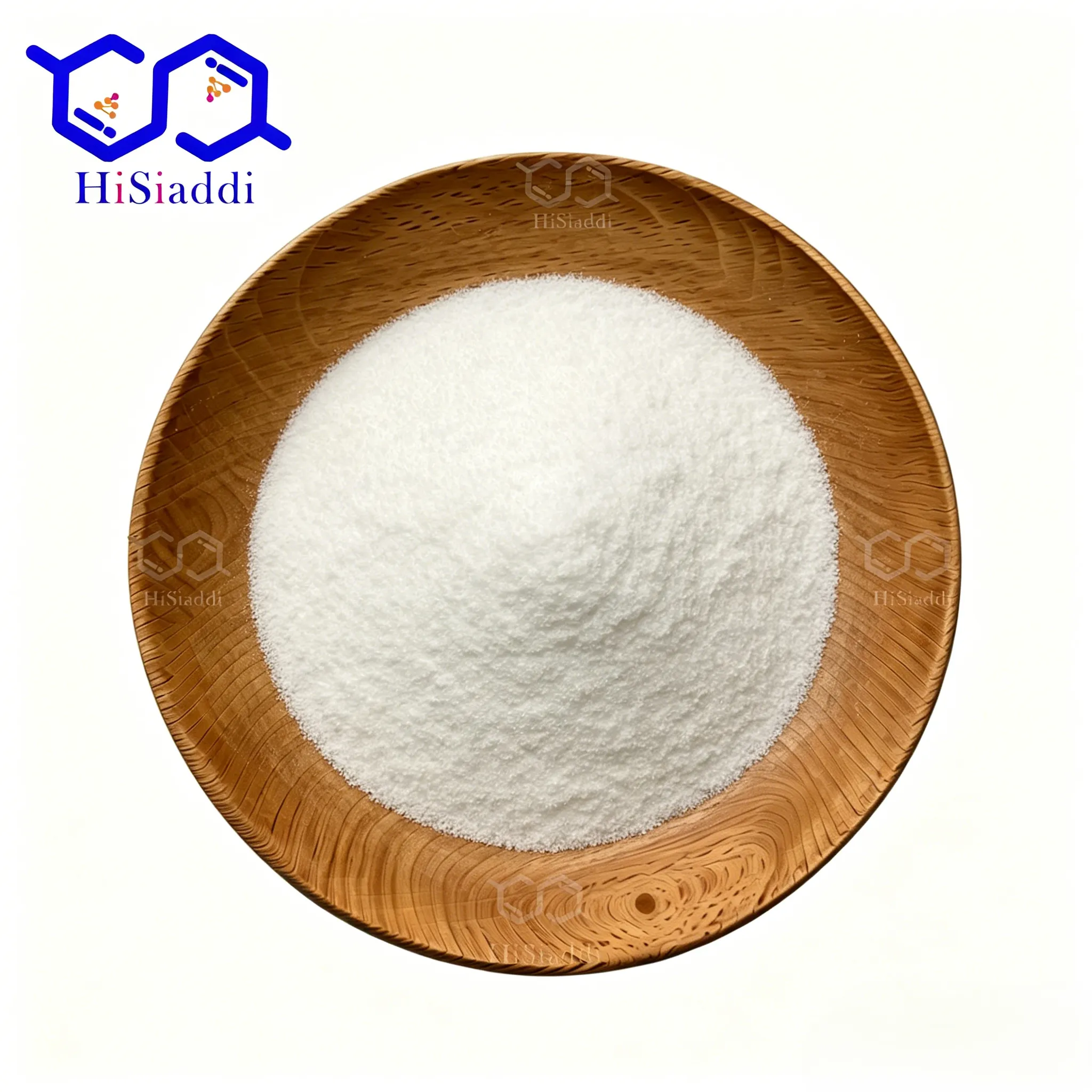
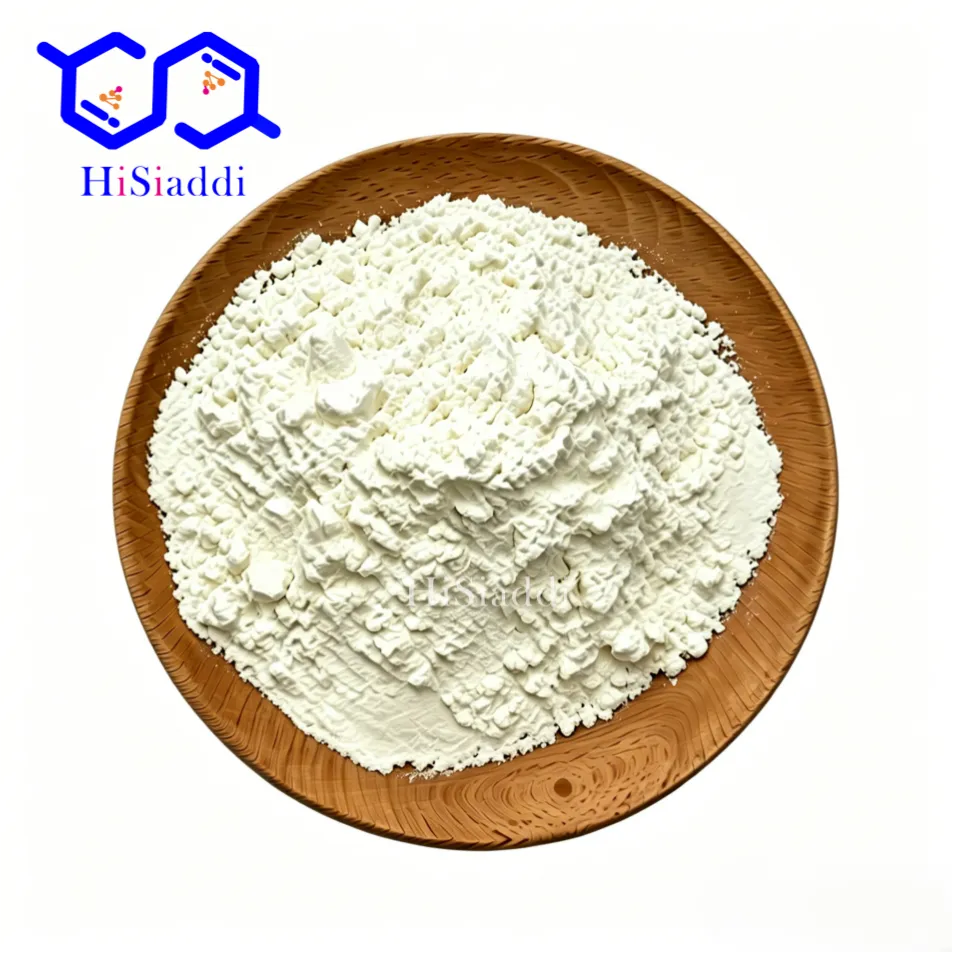
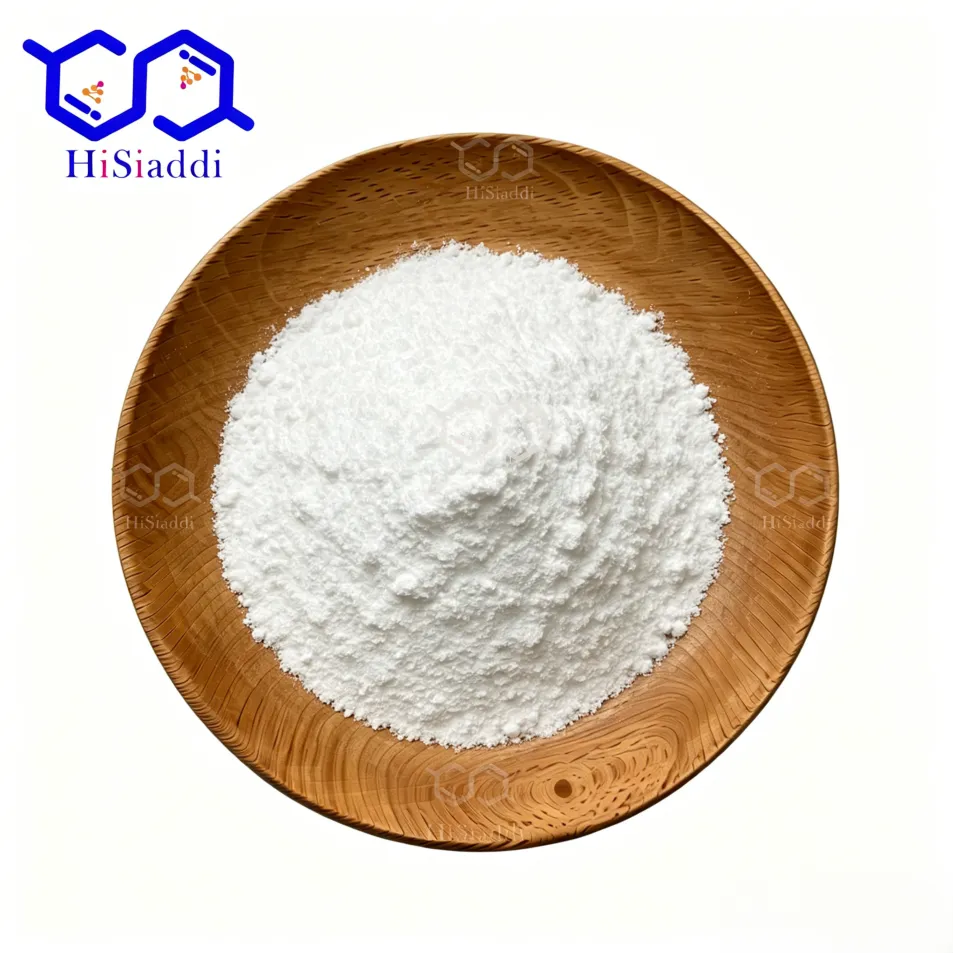
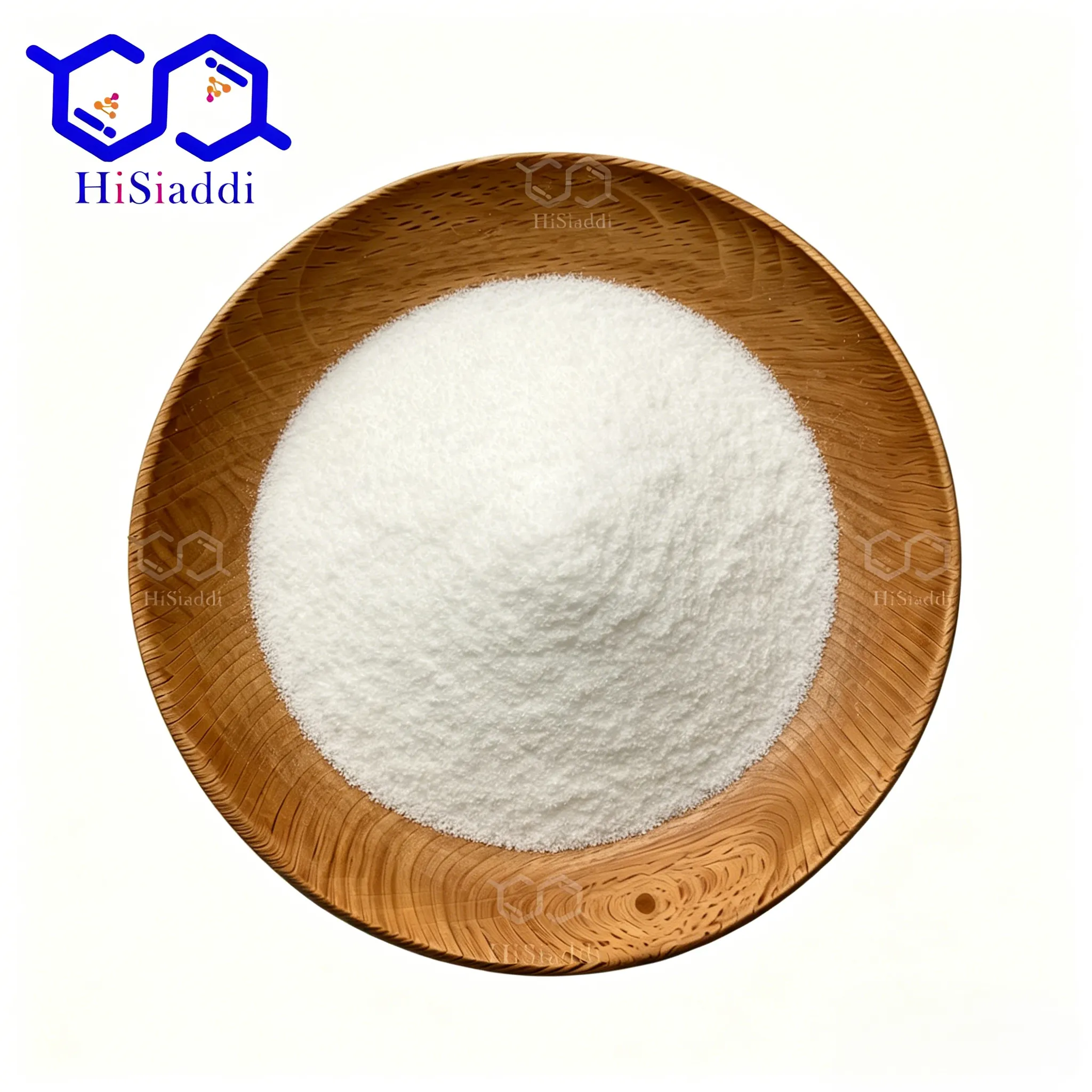
Butylated Hydroxytoluene, abbreviated as BHT / Antioxidant 264, is an oil-soluble phenolic antioxidant used in fried food, plastic rubber and food packaging. HiSiaddi supplies original factory sources of multiple Chinese brands and provides the "1+2+3+4=1" service.
Maida: It provides food grade BHT-264 (purity ≥99.8%), feed grade T501 and high-purity pharmaceutical grade with purity ≥99.8%, melting point of 69-70℃, moisture ≤0.05%, heavy metal ≤4ppm, ISO/GMP/FDA GRAS certification and global market share over 25%. Its price is 40%-50% lower than Lanxess of Germany with quality benchmarking international top-tier products, excellent thermal stability and high cost performance, suitable for fried food factories, food packaging material suppliers and cosmetic manufacturers.
Dingxin: It offers food grade BHT-264 with purity ≥99.5% at a price 10%-15% lower than Maida, fitting the mass-market food and feed industry.
HiSiaddi Exclusive Service: We customize purity of 99.0%-99.8% and particle size of 40-200 mesh, provide dosage form optimization scheme consultation, formula consultation for oil anti-oxidation and feed fresh-keeping, as well as key indicator & cost comparison consultation of multiple brands.
 CONTACT HiSiaddi NOW
| CAS No: | 128-37-0 | Brand Name: | Multi-brand |
| MF: | C15H24O | Model Number: | Multi-models |
| EINECS No: | 204-881-4 | Grade: | Food grade |
| Purity: | ≥99% | Place of Origin: | China |
| MOQ: | 1ton | Storage: | Please refer to the product packaging or contact the customer service. |
You may encounter the following questions when purchasing 2,6-Di-tert-butyl-4-methylphenol as a buyer:
What are the key indicator advantages and application impacts of mainstream models of well-known 2,6-Di-tert-butyl-4-methylphenol brands?
What competitive services can suppliers of 2,6-Di-tert-butyl-4-methylphenol provide?
What are the qualification certifications and market feedback of target brands of 2,6-Di-tert-butyl-4-methylphenol?
How about the inventory level and supply stability of 2,6-Di-tert-butyl-4-methylphenol suppliers?
What factors need to be taken into consideration when selecting 2,6-Di-tert-butyl-4-methylphenol?
...and many other related questions.
Lark-BHT-F (Food & Feed Grade): Mainly exported to leading food oil and feed enterprises in Southeast Asia, the Middle East, Africa and Latin America
Lark-BHT-I (Industrial Grade T501): Universal type for rubber & plastic, lubricating oil and fuel oil
Lark-BHT-PH (High-purity Pharmaceutical Grade): Applied in pharmaceutical intermediates, cosmetics and high-end daily chemicals
Purity: 99.7%-99.9% (HPLC), higher than the national standard of 99.5%, fully equivalent to products of BASF and Lanxess
Melting point: 69.8-70.5℃ with tiny fluctuation, uniform crystallization and no caking, highly favored by overseas food-grade buyers
Free phenol content: ≤0.012% (far below the strictest international standard of 0.02%); Lead ≤2ppm, Arsenic ≤0.5ppm, fully meeting European and American access standards for food additives
Ash content ≤0.008%, moisture ≤0.03%, sulfate ≤0.001%; odorless, impurity-free, no precipitation or discoloration in grease
Certifications: ISO22000, FSSC22000, Kosher, Halal, FDA, EU REACH, GMP; full certifications support smooth customs clearance in Europe, America and Halal countries in the Middle East
Food industry: Palm oil giants in Southeast Asia, edible oil importers in the Middle East, grain and oil groups in Africa, snack food additive importers in Latin America
Feed industry: Large global feed premix manufacturers, aquatic feed groups, pet food raw material importers
High-end daily chemical & pharmaceutical industry: Cosmetic raw material traders in Japan and South Korea, pharmaceutical intermediate importers in Europe and America
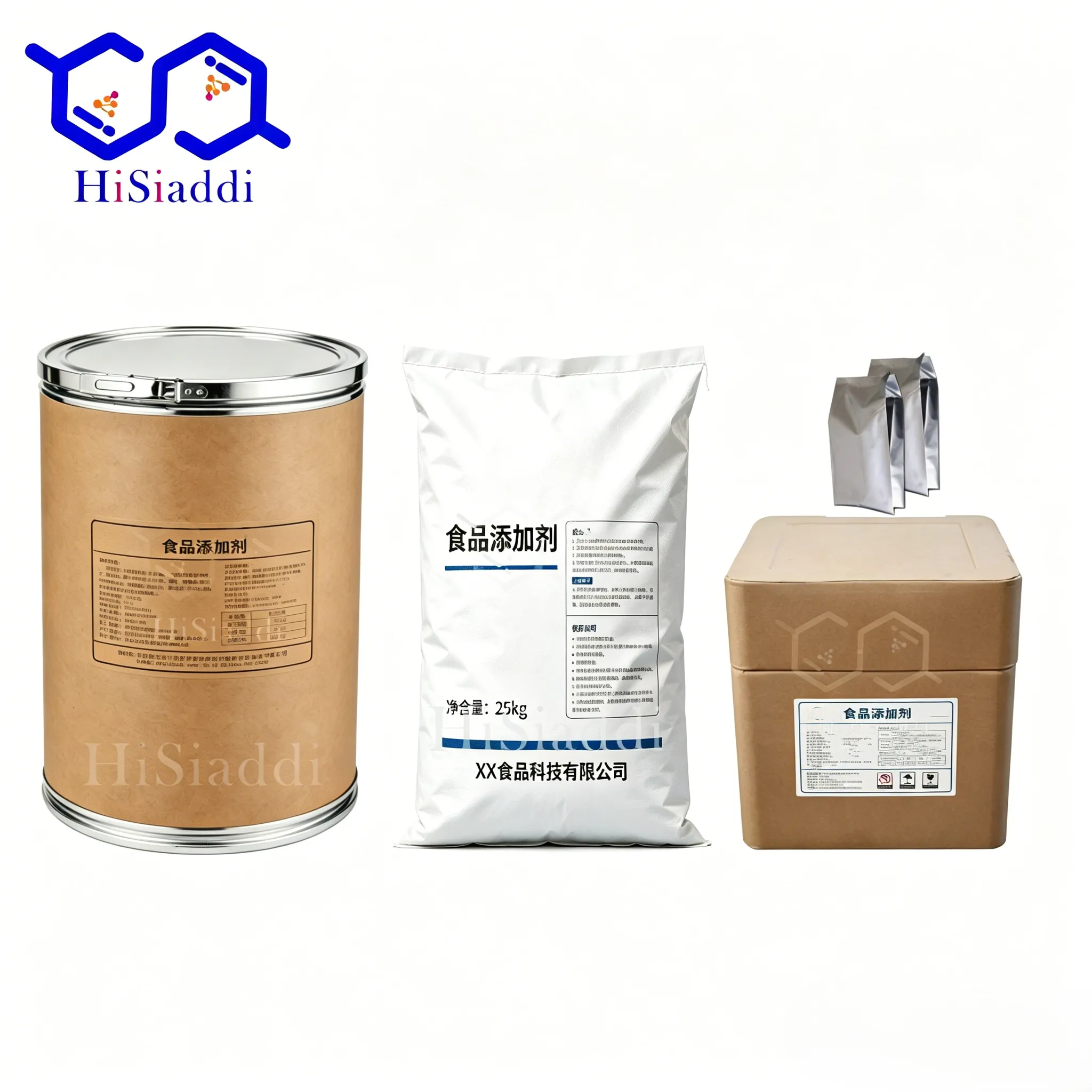
For buyers: Complete certifications ensure zero customs clearance obstacles; highly stable batch quality of food-grade products all year round; customizable packaging including 25kg bags, 500kg bulk bags and 1000kg IBC tanks; available assistance for local compliance registration for overseas clients
For end users: Extend the antioxidant shelf life of edible oil, nuts, baked goods and meat products by 3-6 months without peculiar smell or taste change; inhibit oxidation of fish oil and meat meal in feed, reducing feed rancidity loss by 15%-20%; color-stable and non-irritating in daily chemicals and pharmaceuticals, suitable for high-end skin care products and oral health supplements
JL-BHT-FG (Food Grade): Bulk food additive export
JL-BHT-IG (General Industrial Grade): Main antioxidant for rubber, plastic and rubber products
JL-BHT-HG (High-purity Industrial Grade): Stabilizer for lubricating oil, heat conduction oil and fuel oil
Raw material advantage: Self-built integrated phenol-isobutylene industrial chain ensures self-sufficient raw materials, lowest production cost and optimal batch consistency
Purity: 99.5%-99.8%, stable above 99.5% for industrial grade and up to 99.8% for food grade
Melting point: 69.2-70.2℃, free phenol ≤0.015%, heavy metal ≤3ppm, complete REACH registration
Uniform particle size and good dispersibility, better compatibility in polyolefin and rubber than ordinary domestic BHT, with performance close to Lanxess industrial-grade products
Annual production capacity: 32,000 tons, capable of undertaking ten-thousand-ton annual framework orders with excellent supply stability
Rubber & plastic chemical industry: Plastic masterbatch factories in Southeast Asia, rubber product groups in the Middle East, engineering plastic importers in Eastern Europe
Energy chemical industry: Lubricating oil enterprises in Russia and Central Asia, fuel oil additive importers
Bulk food industry: Grain and oil importers in Australia and New Zealand, large-scale food traders in Southeast Asia
For buyers: Integrated production capacity minimizes price fluctuation and resists international raw material price hikes; flexible minimum order quantity for bulk goods, supporting annual long-term agreements with fixed pricing and guaranteed supply; excellent impurity control of industrial-grade products adapts to harsh rubber and plastic processing conditions
For end users: Effectively resist thermal and oxygen aging of rubber and plastic products, doubling their service life; inhibit colloid formation in lubricating oil and hydraulic oil, raising oil service life by 40%; greatly cut down raw material costs of bulk food products
Uvinul BHT 264 (Industrial Grade, equivalent to BASF Uvinul series): Specialized for high-end rubber & plastic, polyurethane and new energy materials
R-BHT-F (Food Grade): Raw materials for high-end food, pet food and infant food
R-BHT-E (High-purity Electronic Grade): Applied in lithium battery separators, organosilicon and precision electronic chemicals
Purity: 99.8%-99.95%, ranking first in China for electronic-grade purity, matching high-end products of Eastman and Lanxess
Impurity control: Free phenol ≤0.01%, heavy metal ≤1ppm, no polycyclic aromatic hydrocarbons detected, fully compliant with high-end electronic and pharmaceutical standards in Europe and America
Superior thermal stability with higher thermal decomposition temperature, suitable for new energy industry and high-temperature rubber & plastic processing; no yellowing or precipitation under high temperature, outperforming ordinary domestic BHT
Certifications: FDA, REACH, ISO, TSCA, IECQ with full high-end compliance qualifications, the preferred choice for new energy material clients
High-end material industry: New energy battery material traders in Europe and America, high-end rubber & plastic modification enterprises in Southeast Asia
Pet food industry: Importers of high-end pet food raw materials worldwide (Europe, America, Japan and South Korea)
Electronic chemical industry: Electronic chemical importers in South Korea and Chinese Taiwan
For buyers: Strict high-end quality control with zero quality complaints; complete COA, MSDS, test reports and compliance documents available; customized development of new energy dedicated formulas to match special downstream formulations
For end users: Improve energy storage safety via antioxidant treatment on lithium battery separators and encapsulating adhesives; ensure safety and compliance of high-end pet food and infant food with no harmful substance precipitation; guarantee stable performance of polyurethane and organosilicon during high-temperature processing and upgrade finished product quality
XY-BHT-T (General Industrial Grade T501): Dominant model for bulk rubber & plastic and lubricating oil in the Middle East and Eastern Europe
XY-BHT-FS (Food & Feed Grade): Exclusive for Halal food and feed export in the Middle East
Purity: 99.4%-99.7%, cost-effective type with core impurities (heavy metals, free phenol) strictly up to standard
Strong customization capability: Adjustable particle size and melting point range to adapt to high-temperature storage environment in the Middle East
In-depth layout of Halal certification with the strongest certification adaptability for the Middle East market
High-temperature resistant and moisture-proof packaging suitable for transportation under extreme climates in the Middle East and Africa
Middle East & North Africa: Rubber & plastic, lubricating oil and food trading groups
Eastern Europe & Central Asia: Industrial raw material importers and feed additive traders
For buyers: Extreme price advantages and complete Halal certifications ensure hassle-free customs clearance in the Middle East; low minimum order quantity supports small-batch trial orders and flexible replenishment
For end users: Fully meet basic antioxidant demands in industrial fields; compliant application in Halal food and feed in the Middle East in line with local religious and food safety standards
FX-BHT-MP (Pharmaceutical Grade, complying with USP/BP Pharmacopoeia): Dedicated for pharmaceutical intermediates, oral health supplements and high-end cosmetics in Europe and America
FX-BHT-F (Food Grade): High-end food additives exported to the EU, Australia and New Zealand
Purity: 99.85%-99.92%, strictly conforming to USP, BP and EP pharmacopoeia standards; the only stable Chinese BHT brand exporting to the European and American pharmaceutical markets
Impurity control: Free phenol ≤0.008%, heavy metal ≤1ppm, no microorganisms detected with aseptic-level production control
Complete GMP and FDA pharmaceutical-grade certifications, directly applicable as raw materials for oral medicines
Traceable batches and full-process aseptic production, equivalent to Evonik (Germany) pharmaceutical-grade products
European & American pharmaceutical industry: Pharmaceutical raw material importers in the EU, health supplement raw material traders in the USA
High-end daily chemical industry: High-end cosmetic raw material enterprises in Switzerland and France
For buyers: Complete pharmacopoeia-level certifications ensure smooth customs clearance for pharmaceutical products in Europe and America; aseptic production and traceable batches effectively avoid compliance risks
For end users: Achieve safe antioxidant effect in oral health supplements and pharmaceutical intermediates without toxic and side effects; deliver anti-oxidation and anti-aging effects in high-end skin care products with non-allergenic and non-irritating properties

| Comparison Dimension | Jiangsu Maida Lark (TOP1) | Shandong Jinling (TOP2) | Rianlon (TOP3) | Anhui Xinyuan (TOP4) | Jiangsu Feixiang (TOP5) |
| Core Export Models | Lark-BHT-F/I/PH | JL-BHT-FG/IG/HG | Uvinul BHT264 / R-BHT-F/E | XY-BHT-T/FS | FX-BHT-MP/F |
| Core Purity Range | 99.7%-99.9% | 99.5%-99.8% | 99.8%-99.95% | 99.4%-99.7% | 99.85%-99.92% |
| Core Superior Indicators | Full certifications, most stable food-grade quality, odorless | Integrated raw material chain, lowest cost, stable supply | High-purity electronic grade, excellent thermal stability, full high-end compliance | Lowest price, Halal certification, extreme climate resistance | Pharmacopoeia standard, GMP, aseptic production, EU & US pharmaceutical access qualification |
| Benchmarked Overseas Brands | Lanxess (Germany) | Eastman (USA) | BASF, Sumitomo (Japan) | Local Russian BHT, Southeast Asian generic brands | Evonik (Germany) |
| Price Reduction vs Overseas Brands | 38%-42% | 32%-36% | 28%-33% | 40%-45% | 30%-35% |
| Cost Performance Positioning | No.1 global food-grade BHT | King of bulk industrial-grade products | Preferred alternative for high-end imported products | Best choice for bulk low-cost procurement | Domestic benchmark for pharmaceutical-grade BHT |
| Core B-end Buyers | Southeast Asian grain & oil enterprises, Middle Eastern feed merchants, Japanese & South Korean daily chemical traders | Eastern European rubber & plastic manufacturers, Central Asian lubricating oil enterprises, Australian grain & oil importers | European & American new energy enterprises, South Korean electronic factories, high-end pet food suppliers | Middle Eastern Halal commodity traders, Eastern European industrial raw material importers | European & American pharmaceutical enterprises, high-end daily chemical brands in Switzerland & France |
| Core Downstream Benefits | Extend shelf life of food and feed without peculiar smell | Cut costs for rubber & plastic and lubricating oil, double product service life | Ensure safe anti-oxidation for new energy products, meet high-end pet food safety standards | Stable application under extreme conditions in the Middle East, greatly reduce bulk procurement cost | Safe anti-oxidation for medicines and health supplements, mild and non-irritating for high-end skin care products |
| Most Suitable Export Regions | Southeast Asia, Middle East, Africa, Latin America | Eastern Europe, Central Asia, Australia, New Zealand | Europe, America, Japan, South Korea, Chinese Taiwan | Middle East, North Africa, Central Asia | EU, USA, Switzerland, France |
HiSiaddi, a new type of foreign trade service provider driven by dual engines of technology commercialization and foreign trade services, has built a "1+2+3+4=1" product service system: 1 foreign trade salesperson with over 3 years of experience, 2 R&D teams, 3 high-quality suppliers, and 4 warehouses to fulfill one-stop product demand.
With this service system, HiSiaddi possesses deeper expertise in BHT R&D and technical processes than most foreign trade companies, better insight into market demands and competitive advantages of various BHT brands than single factories, and richer experience in BHT foreign trade markets than research institutions.
HiSiaddi only recruits foreign trade sales staff with more than 3 years of working experience, who must complete over 6 months of training organized by both R&D and foreign trade teams before serving clients.
(1)BHT Basic Support Service
Backed by the company’s foreign trade team and service system, we provide clients with full-process one-stop order follow-up services, including but not limited to issuance and application of various compliance certificates for BHT, provision of third-party test reports, and resolution of quality warranty complaints.
(2)BHT Exclusive Premium Service
Supported by our R&D team, we deliver customized product and technical consulting services for clients, including but not limited to core indicator adaptation and cost comparison analysis of various BHT brands, and regular sharing of BHT market trends.
Global competitor price & supply intelligence service: We monitor real-time quotations, production capacity and delivery schedules of overseas brands including Lanxess, BASF, Eastman and Sumitomo (Japan), as well as Russian BHT. We regularly release price gaps, cost performance and optimal procurement windows between top 5 Chinese brands and overseas competitors, helping clients avoid price hikes and seize low-price purchasing opportunities. We exclusively track price trends of upstream phenol and isobutylene raw materials to forecast BHT price fluctuations.
We conduct in-depth cooperation with source factories through technology commercialization, and maintain close internal collaboration with the foreign trade team to deliver technical training for sales staff. This enables professional BHT customization and provides research-grade consulting for BHT brand matching and application scheme optimization.
(1)BHT Research-Grade Customization Service
Custom BHT indicators benchmarked against overseas brands (core technology commercialization service): We cooperate with top 5 domestic factories’ R&D teams to adjust key indicators such as free phenol content, precise melting point range, particle size and thermal stability per client requirements. Test reports matching Lanxess and BASF specifications are issued to deliver international quality at Chinese prices.
(2)BHT Research-Grade Consulting Service
Downstream formula technical support for BHT: We provide optimized antioxidant compound formulas covering five application sectors: food oil & fat, feed, rubber & plastic, lubricants and pharmaceuticals & daily chemicals. We offer BHT compound systems with TBHQ and propyl gallate (PG) to boost efficiency and lower dosage; anti-oxidant blends of BHT with 1010 and 168 for rubber & plastic; and BHT compound formulas to reduce colloid formation in lubricants, directly improving end-product performance for clients.
Our foreign trade and R&D teams jointly conduct multi-stage evaluations including preliminary market research, on-site factory inspections, product testing, in-depth technology commercialization cooperation and product procurement cooperation to select around 3 reliable, stable, reputable and high-potential brand suppliers.
(1)BHT Advantage of Lower Sourcing Prices
Long-term cooperation via technology commercialization and authorized agency grants us priority access to factory-origin goods at lower prices.
(2) BHT Long-Term Supply Chain Guarantee Service
Long-term technology commercialization and agency cooperation strengthen full production monitoring, full traceability, batch stability control, and compensation guarantees for products failing third-party testing.
We have 4 warehouses jointly operated and managed with suppliers to store hot-selling products.
(1)BHT Fast Delivery & On-Site Issue Resolution
Our four warehouses are located at Qingdao Port (North China), Ningbo Port (East China), Shenzhen Port (South China), and Zhengzhou (inland logistics hub), ensuring timely delivery of BHT. On-site staff are available to resolve transport damage, packaging defects and export compliance issues nearby.
(2) BHT Price Stabilization & Custom Packaging Support
We stock up in advance when sharp seasonal price fluctuations are forecasted to mitigate cost volatility. Our warehouses support highly customized packaging and label requirements for clients.
Driven by dual engines of technological transformation and foreign trade services, HiSiaddi is an innovative foreign trade service provider that has built a "1+2+3+4=1" integrated service system, capable of supplying authentic factory-sourced BHT from multiple renowned brands. As a tech-enabled foreign trade enterprise with independent research and development strengths, we systematically sort out common difficulties faced by B-end purchasers sourcing BHT from China and propose targeted solutions from a professional perspective.
Should you need more professional and in-depth analysis regarding BHT procurement, please reach out to HiSiaddi customer service.
1.
Complex cross-regional compliance systems with stringent certification and batch document review BHT is split into two major application tracks: food grade and industrial grade, subject to vastly different compliance requirements. Food grade must comply with EU food additive standards, US FDA 21 CFR and EFSA limit specifications, together with HALAL and KOSHER certifications. Industrial grade for plastic, rubber and oil applications must satisfy EU REACH and RoHS hazardous substance control requirements, while some regions impose explicit mandatory restrictions on BHT application scope and addition ratios. English COA, purity, melting point, moisture, heavy metal and residual solvent test reports, as well as certificates of origin must be provided for every batch. Downstream brands also audit factory GMP and ISO system qualifications. Incomplete documentation or substandard indicators result in customs detention and termination of cooperation. Europe and America set migration limits for BHT in food contact materials, making non-standard products ineligible for market access.
2.
3.
Significant inter-batch fluctuations in purity, melting point and volatility, directly impairing finished product shelf life and performance In the edible oil sector, insufficient purity and high impurities in BHT accelerate oil rancidity and fail to deliver expected antioxidant effects. During plastic and rubber production, unstable melting point and volatile fractions cause precipitation, smoking, blooming on product surfaces and reduced anti-aging performance. In lubricant systems, uneven dispersion of BHT triggers delamination and inconsistent antioxidant duration. High temperature and humidity during long-distance ocean shipping further exacerbate product volatilization and caking, worsening application performance and causing high losses from batch production scrapping and customer complaints.
4.
5.
Year-round continuous production, long ocean shipping cycles, tight supply and drastic price hikes during peak seasons Europe and America have limited local production capacity and rely heavily on Asian imports, with regular ocean shipping plus customs clearance cycles spanning 5–7 weeks. Demand surges during edible oil processing and rubber-plastic sales peaks, as well as centralized chemical raw material procurement windows, driving BHT price increases of 25%–35% at a time. Coupled with port congestion, tight shipping routes and upgraded chemical transportation controls, frequent order delays lead to production line shutdowns and capacity shortages.
6.
1.
Tiered supporting qualifications + standardized documents to complete compliance review in one stop We strictly separate food grade and industrial grade product lines, fully equipped with FDA, EU food additive certification, REACH, RoHS, HALAL and other complete credentials. Factory system materials can be provided to support customer factory audits on-site. Custom English test documents covering all mandatory test items (purity, melting point, volatility, heavy metals, migration volume, etc.) are issued for each batch, formatted to fit customs and end-user review standards in Europe and America without supplementary document submission.
2.
3.
Refined production on dedicated production lines + third-party re-inspection to lock core indicators Food grade and industrial grade are produced on separated lines with tightly controlled synthesis and rectification procedures. All finished goods undergo full testing by SGS/Intertek, with a guaranteed purity deviation ≤0.3% and stable melting point, volatility and other indicators. Sealed, light-proof and moisture-resistant packaging is adopted to resist high temperature and humidity during ocean shipping and prevent volatilization and caking. Full batch traceability is available, tracking back to raw materials and production batches.
4.
5.
Long-term price-locking agreements + overseas bonded warehouse stockpiling to guarantee continuous supply 6–12 month long-term supply contracts are available to lock benchmark prices with annual price fluctuations capped within 5%. Constant-temperature chemical dedicated bonded warehouses are set up at core logistics hubs in Europe with safety stock equivalent to 2–3 months of consumption. Local delivery takes only 3–5 working days upon customer order placement. Air freight dedicated lines for chemical products are activated for urgent orders to achieve 48-hour fast delivery.
6.
1.
High price sensitivity and premium costs for small-batch procurement Small and medium manufacturers operate on thin profit margins and impose strict controls over raw material unit prices. Their single procurement volume mostly ranges from 100kg to 300kg, while most factories set a minimum order quantity of 500kg, leading to a 10%–20% surcharge for small orders. Multi-level regional middlemen mark up prices layer by layer, substantially raising terminal procurement costs and squeezing profit margins amid raw material price hikes.
2.
3.
Insufficient application expertise, improper addition ratios and processes leading to poor antioxidant effects and high consumption Lacking professional technical staff, manufacturers cannot adjust dosage, feeding temperature and mixing methods according to different edible oil, plastic and lubricant scenarios. Insufficient addition ratios fail to deliver antioxidant effects, while excessive dosages raise costs and may violate local regulatory limits. Improper feeding timing under high temperatures causes severe BHT volatilization loss, pushing overall consumption loss above 10%. Confusion between BHT and other antioxidants also drastically reduces efficacy after mixing.
4.
5.
Extended supply chains flooded with adulterated counterfeit products, heavy capital turnover pressure The market abounds with counterfeit BHT blended with cheap phenolic auxiliaries, inorganic salts and low-grade fillers, featuring insufficient active ingredient content and drastically weakened antioxidant capacity. Small and medium manufacturers without in-house testing capabilities face high counterfeit risks. Cross-border import cycles last 45–60 days, with small orders assigned low priority and delivery delays of 2–3 weeks commonplace. Full advance payment requirements create long capital occupation cycles and severe cash flow pressure for SMEs.
6.
1.
Flexible minimum order quantities + tiered pricing to cut intermediate costs via direct factory supply Orders starting from 100kg are accepted without extra surcharges. Tiered pricing is implemented: bulk discounts for orders above 500kg and an additional 4% unit price reduction for orders ≥1 ton. Direct factory supply eliminates regional middlemen, cutting overall procurement costs by over 20%. Universal BHT grades compatible with edible oil, rubber-plastic and lubricant scenarios reduce costs from purchasing multiple product categories.
2.
3.
Free technical empowerment and standardized operation guidance to lower consumption losses Free trial samples of 1–2kg are provided, accompanied by full English application manuals and operation videos specifying addition ratios, feeding temperatures and mixing processes for different products. Remote support distinguishes applicable scenarios of BHT and other antioxidants to avoid incompatible mixing, limiting overall consumption loss within 3%.
4.
5.
Regional consolidated container shipping + flexible settlement + genuine product traceability for multi-risk prevention Scattered regional orders are consolidated into full containers to shorten delivery cycles to 30–35 days. Third-party full test reports and traceability codes are attached to every batch to eliminate adulteration and insufficient active ingredient issues. Settlement terms of 30% advance payment + 70% against copy of bill of lading extend payment periods to ease capital turnover pressure.
6.
1.
Stringent high-end compliance restrictions and strict low-residue, high-purity requirements Organic food and high-end fresh edible oil sectors impose tight controls over synthetic antioxidants, requiring BHT with low impurities, low residues and no peculiar odors. Food contact packaging materials must pass comprehensive migration tests, while standard industrial and food grade BHT fail residue and migration standards to enter high-end supply chains. Some clients demand fully non-GMO raw materials and zero harmful by-product generation.
2.
3.
Difficulties stabilizing antioxidant performance under low-addition formulations High-end products widely adopt low-addition formulas with extremely low BHT dosage. Tiny fluctuations in product purity undermine uniform long-term antioxidant capacity, triggering premature oxidation and deterioration of edible oils and packaging materials.
4.
5.
Rapid new product iteration requiring frequent small-batch trial production and customized indicator adjustments Continuous formula ratio and production process optimization for new products demand customized exclusive grades with low odor, low volatility and low migration. Single trial batches range only from 5kg to 20kg with multiple rounds of debugging, which are hard to accommodate under regular mass production scheduling.
6.
1.
High-purity low-residue exclusive grades meeting high-end compliance requirements Highly refined food grade high-purity BHT is launched with deep rectification purification, featuring impurity, odor and residual solvent levels far below general standards to smoothly pass food migration tests. Supporting organic food compliance documents and non-GMO certificates are provided to satisfy high-end brand market access requirements.
2.
3.
Optimized dispersion performance compatible with low-addition formulas Specialized optimization of particle size and fluidity enables rapid uniform dispersion even under ultra-low addition ratios, ensuring sustained long-term antioxidant effects and preventing localized oxidative deterioration.
4.
5.
Small-batch trial production + dedicated R&D liaison to support new product iteration Custom trial orders starting from 5kg are available with adjustable volatility, odor, migration and other indicators. A dedicated R&D channel prioritizes scheduling customized orders, with full support for formula debugging and overseas institutional testing.
6.
1.
Severe volatilization and precipitation under high-temperature processing conditions Plastic extrusion, rubber vulcanization and lubricant refining all operate under high-temperature working conditions. Conventional BHT with high volatile fractions generates smoke during processing, causing blooming and white spots on finished product surfaces and impairing mechanical properties, alongside rapid attenuation of anti-aging service life under prolonged high-temperature exposure.
2.
3.
Insufficient compatibility with other additives and base oils leading to system delamination and efficacy loss Most manufacturers adopt composite systems blending antioxidants, light stabilizers and lubricants. Conventional BHT exhibits poor miscibility with certain chemical additives, triggering system delamination and precipitation that render entire batches of composite additives unusable.
4.
5.
Massive procurement volume with high priority on cost control and stable supply for continuous production Single procurement volumes can reach dozens of tons, and thin overall industry profit margins cannot absorb sharp raw material price hikes. Non-stop annual production lines incur massive capacity losses upon supply disruptions, demanding stringent standards for supply continuity and packaging compatibility.
6.
1.
Low-volatility high-temperature-resistant exclusive grades for high-temperature working conditions Rubber-plastic/lubricant dedicated low-volatility BHT is developed with optimized molecular stability to drastically reduce volatilization during high-temperature processing, effectively eliminating smoke and product blooming while extending finished product anti-aging lifespan.
2.
3.
Optimized compatibility matching composite additive systems Compatibility debugging is conducted with mainstream rubber-plastic additives and lubricant base oils to guarantee stable mixed systems free of delamination and precipitation, suitable for industrial composite production.
4.
5.
Tiered preferential pricing for bulk centralized procurement + annual supply guarantee + industrial bulk packaging Special tiered discounts apply to ton-level large orders with further reduced unit costs for full-container shipments. Annual supply guarantee agreements lock in full-year production capacity and pricing. Ton bags and standard industrial drums are offered to match automated feeding and warehouse transit.
6.
1.
Restrictions on mixed procurement of multiple specifications and high inventory backlog risks Distributors need to circulate food grade and industrial grade BHT of various specifications simultaneously, yet high minimum order quantities per single product force inventory stockpiling, tying up working capital and increasing unsold inventory risks.
2.
3.
Lack of professional testing capacity and high risk of purchasing adulterated inferior goods Distributors cannot independently test core indicators such as purity, melting point and volatility. Counterfeit blended products with falsely labeled content flood the market, triggering customer complaints and returns once delivered to end users and damaging channel reputation.
4.
5.
High logistics costs for scattered chemical shipments and high storage & transportation deterioration risks As chemical powder products, small-batch BHT shipments incur expensive freight fees. The product is prone to moisture absorption and compaction caking during transit and warehousing, impairing usability. Meanwhile, chemical freight is subject to complex regulatory controls and cumbersome formalities.
6.
1.
Mixed consolidated orders for multiple grades, supporting third-party sub-packaging and drop-shipping Single-product minimum order limits are lifted to allow mixed orders of food grade and industrial grade. Overseas third-party sub-packaging and drop-shipping services enable distributors to operate with zero inventory and place orders on demand.
2.
3.
Full test reports + after-sales quality guarantee to safeguard genuine product quality Third-party authoritative full test reports attached to every order clearly state core data including purity and melting point, alongside simple product inspection guidance. Free return and exchange policies for defective goods cover round-trip logistics expenses.
4.
5.
Dedicated cross-border chemical bulk shipping lines + reinforced packaging to cut costs and reduce losses Cooperation with compliant dedicated cross-border chemical shipping lines simplifies freight formalities and lowers logistics costs. Thickened compression-resistant sealed packaging prevents compaction caking and moisture absorption deterioration, with full logistics tracking available throughout transit.
6.
For more professional and in-depth analysis on BHT procurement, please contact HiSiaddi customer service.
Import access requirements for petrochemical raw materials in Thailand demanded REACH extended registration documents and FDA indirect food contact certifications (some lubricants are applied to food processing machinery). The client lacked channels to complete domestic document formalities.
Standard national standard BHT featured a wide melting point range and high free phenol impurities, leading to incomplete dissolution in Group API mineral oils and crystalline precipitation during low-temperature storage.
The client’s initial customized order stood at 15 tons, which required refined process adjustments and ash content control below 0.003%. Most major BHT manufacturers were reluctant to adjust their regular production lines for small-batch customized orders due to limited flexible production capacity.
At the 215°C edge-sealing temperature during injection molding, BHT volatilized and lost efficacy under heat. After three months of service, finished connectors suffered molecular aging, brittle cracking and shell whitening.
Warehouse temperatures remain above 36°C year-round in summer. After two months of storage, carbonyl values of finished products exceeded standards, pushing the defective rate up to 23%.
The client initially blindly raised the BHT dosage from 0.28 phr to 0.46 phr, which not only increased costs but also aggravated blooming and precipitation of additives, forcing the production line to suspend operation. The factory turned to its Chinese partner HiSiaddi for technical rectification support.
Lead time
Quantity (ton) | 0 - 10 | 10 - 30 | > 30 |
Lead time (days) | 7 | 15 | To be negotiated |
Driven by dual engines of technological transformation and foreign trade services, HiSiaddi is an innovative foreign trade service provider that has built a "1+2+3+4=1" integrated service system, capable of supplying authentic factory-sourced BHT from multiple renowned brands. As a tech-enabled foreign trade enterprise with independent research and development strengths, we will analyze key purchasing considerations and critical technical indicators from a professional standpoint to resolve your confusion over product selection.
Should you need more professional and in-depth analysis regarding BHT procurement, please reach out to HiSiaddi customer service.
Your procurement layout covers the globe rather than being limited to a single origin. In the preliminary stage, you need to weigh suppliers from different production regions across supply chain stability, regulatory compliance, customized service capacity and commercial supporting facilities, which serves as the foundation for screening long-term partners.
First of all, focus on raw material supply and the stability of the full industrial supply chain. Synthesized via alkylation reaction with p-cresol and isobutene as core raw materials, BHT is a fine chemical whose production relies on a complete petrochemical supporting industrial chain. Some overseas production bases only operate small-scale production units and rely heavily on external raw material supplies. Once petrochemical raw material prices fluctuate or supplies tighten, production cuts and stockouts are highly likely. China boasts a sound petrochemical industrial chain with self-sufficient upstream raw materials, concentrated large-scale BHT production facilities and massive overall production capacity. Therefore, it can deliver more stable supply amid raw material price hikes, energy consumption controls and bulk orders during peak seasons. Meanwhile, comprehensively assess ocean shipping routes, transit time and customs clearance efficiency from production locations to your destination ports, and prioritize regions with mature logistics, fewer transshipments and low port detention risks to guarantee continuous restocking.
Secondly, strictly verify industry compliance and entry-exit qualifications. BHT is divided into three major application grades: food grade, industrial grade and feed grade, each subject to differentiated regulations, certifications and market access standards worldwide. Food/feed grade BHT must meet US FDA, EU EFSA and FCC standards, accompanied by HALAL and KOSHER certifications; some countries also require food additive registration certificates. Industrial grade BHT for rubber, plastic and lubricant applications shall comply with local chemical safety standards, REACH regulations and dangerous goods transportation specifications. Leading domestic manufacturers hold complete full-grade qualifications and can simultaneously provide batch-wise Certificates of Analysis (COA), Material Safety Data Sheets (MSDS) and entry-exit inspection and quarantine reports, compatible with customs clearance and end-use requirements in multiple countries. In contrast, many small overseas factories lack complete certifications, which may lead to customs detention and market sales bans when exported to Europe, America, Southeast Asia and other regions. All credentials must be verified item by item.
Thirdly, evaluate product specification classification, customization capacity and production flexibility. Based on differences in purity, melting point, particle size and formulation form, BHT is categorized into high-purity food grade, general industrial grade, as well as powder, pellet and flake variants. Some clients also require customized special grades with low impurities and low volatile content. Most established overseas factories carry out mass production with fixed specifications, leading to long adjustment cycles for product form and technical parameters. Domestic production lines feature stronger flexibility: they can produce powder, pellet and flake products on demand, and develop high-purity, low-impurity customized grades for high-end food and edible oil customers. They can fulfill both full-container bulk standard orders and small-batch trial orders with rapid sample delivery. If your downstream application scenarios are diverse and specification demands vary widely, domestic suppliers offer higher compatibility. If you only purchase a single general specification long-term, further price comparison is recommended.
Finally, assess commercial terms and technical after-sales support. The dosage, compatibility and storage conditions of BHT directly affect its antioxidant performance, especially with strict process requirements for food and edible oil systems. Most domestic foreign trade teams employ chemical application technicians to assist you in evaluating formulation addition ratios, storage protection schemes and troubleshooting abnormal issues. Many overseas manufacturers lack dedicated foreign trade and technical service teams, resulting in low communication efficiency when problems arise during product use or storage. Meanwhile, calculate tariffs and chemical trade barriers based on bilateral trade policies, confirm trade terms such as FOB/CIF/EXW, settlement currencies and payment term rules, and select cooperation modes matching your capital turnover status.
Regardless of the supply origin, purity, physicochemical parameters, impurity content, application performance and safety indicators serve as core criteria for batch acceptance, product grade differentiation and global price comparison.
The effective component content of BHT is the primary critical indicator, which directly differentiates food grade, feed grade and industrial grade tiers and forms the core basis for procurement pricing. High-purity food grade imposes the strictest content requirements, while standards for general industrial grade are relatively lenient. For products of the same grade, actual measured content may deviate due to divergent synthesis and rectification processes across production regions. You shall not only check whether the measured content matches the labeled value, but also monitor inter-batch content stability. Excessive batch fluctuations will cause inconsistent antioxidant efficacy, forcing downstream manufacturers to frequently adjust addition ratios and increasing production control costs.
1. Melting point and solidification point testing: These are signature physicochemical parameters of BHT. Higher purity corresponds to a narrower and more stable melting point range. Substandard melting point or excessively wide range indicates high impurity levels, which will trigger premature melting and excessive volatilization during high-temperature processing of edible oils, rubber and plastics, shortening antioxidant service life.
2. Appearance, particle size/formulation and fluidity inspection: Premium BHT appears as white crystalline powder, pellets or flakes without yellowing, blackening, discoloration or caking. Powder BHT disperses rapidly, suitable for liquid edible oil and daily chemical systems; pellet/flake BHT generates less dust and resists moisture absorption, ideal for automated feeding in rubber, plastic and feed production. Caking resistance shall also be assessed: BHT is prone to adhesion under variable temperature and humidity, and its anti-caking performance directly impacts normal feeding during long-distance ocean shipping and warehouse storage.
3. Moisture and volatile matter testing: Excessive moisture and volatile fractions reduce the proportion of active ingredients. Moreover, they easily generate bubbles and peculiar odors during high-temperature processing, contaminating finished edible oil and plastic products. Food grade and high-end industrial grade impose extremely strict limits on these two indicators, making them mandatory testing items.
Impurity content is the key factor separating high-end and low-end products, with zero tolerance in food, feed and high-end lubricant sectors.
1. Ignition residue (ash content): Represents inorganic impurity residues. High ash content impairs edible oil transparency, causes speckles on rubber and plastic products and degrades lubricant cleanliness.
2. Phenolic impurities and organic residues: Excessive synthetic by-product residues lead to strange odors and discoloration in edible oils and food, while accelerating finished product deterioration. Food grade BHT enforces stringent control over this metric.
3. Heavy metal residues: Food and feed grade BHT must undergo rigorous testing for lead, arsenic, cadmium and other heavy metals to comply with global food contact material standards; exceeding limits crosses safety red lines.
These are the most concerning metrics for downstream manufacturers and core criteria to verify supply practicality.
1. Antioxidant efficiency: Conduct accelerated aging tests in simulated edible oil, rubber and plastic systems to compare the capacity of different supplies to delay oxidation, rancidity and aging. Insufficient efficiency shortens the shelf life and service life of finished products.
2. Thermal stability: For edible oil, plastic and rubber requiring high-temperature processing, test the decomposition and volatilization degree of BHT under high-temperature conditions. Poor thermal stability leads to rapid failure and potential hazardous substance generation.
3. Compatibility: Test miscibility with edible oils, emulsifiers, rubber additives and feed raw materials to avoid precipitation, delamination and efficacy loss.
BHT is a general chemical product, with certain grades regulated by dangerous goods and food safety laws.
· Food/feed grade: Must strictly follow national food additive standards, accompanied by complete toxicological filing documents and batch-wise hygiene test reports to eliminate prohibited residues.
· Industrial grade: Must provide standard MSDS clarifying flash point, corrosivity and hazard classification, complying with international ocean and land dangerous goods transportation rules to prevent cargo detention due to non-compliant transport qualifications. Meanwhile, odor and irritation shall be controlled to meet local workshop occupational health requirements.
For more professional and in-depth analysis on BHT procurement, please contact HiSiaddi customer service.
HiSiaddi, a new-type foreign trade service provider driven by dual wheels of technology transformation and foreign trade export, has built a "1+2+3+4=1" service system and can supply original factory goods of many well-known antioxidant BHT brands.
As a research-oriented foreign trade enterprise, HiSiaddi does not only promote its own brands like single factories. We objectively analyze multiple competitive Chinese export brands and share their production processes, supply stability and key indicators, as well as the impact of these core factors on buyers, to help buyers select products efficiently and reliably.
If you require more genuine and objective information on multiple well-known Chinese antioxidant brands, please contact HiSiaddi customer service.
The company adopts a tandem main and auxiliary tower alkylation process using p-cresol and isobutylene, with self-built integrated phenol-isobutylene facilities to realize self-supply of raw materials and cost control. A 20,000 t/a continuous micro-reaction plant will be commissioned in Q3 2026, utilizing solid superacid catalysts to replace traditional concentrated sulfuric acid processes.
· Reaction workflow: Stepwise alkylation of p-cresol and isobutylene (molar ratio 1:1.1) in main tower (65-80℃) and auxiliary tower (50-70℃) → neutralization & water washing → vacuum distillation → ethanol recrystallization → vacuum drying.
· Process strengths: Product yield reaches 95.3% (industry average: 92%), waste acid output cut by 40%, energy consumption reduced by 37%. Precise temperature and pressure control via micro-reaction technology slashes impurity content by 50% compared with traditional processes.
· Main grades: BHT-264 (Industrial Grade), BHT-264H (High-Purity Heat-Resistant Grade)
· Capacity scale: Total annual capacity of 85,000 tons (ranking first nationwide), with dual production bases in Jiangsu and Shandong. Single production line capacity reaches 25,000 tons, enabling flexible switching between industrial-grade and high-purity grade production.
· Delivery capacity: 11,200 tons exported in 2025 with a 100% order fulfillment rate during peak seasons. Standard delivery cycle lasts 7-12 days (vs. 30-45 days for imports). Permanent safety stock of 5,000 tons supports urgent orders above 1,000 tons.
· Supply chain resilience: Long-term supply agreements with leading manufacturers including Wanhua Chemical and Kingfa Sci & Tech. Long-term raw material contracts for phenol and isobutylene cap price fluctuations within 5%.
表格
Indicator | BHT-264 (Industrial Grade) | BHT-264H (High-Purity Heat-Resistant Grade) | Industry Standard |
Purity | ≥99.5% | ≥99.8% | ≥99.0% |
Volatility (150℃/2h) | ≤0.2% | ≤0.15% | ≤0.3% |
Ash Content | ≤0.02% | ≤0.01% | ≤0.02% |
Melting Point | 69.5-70.5℃ | 70.0-70.5℃ | 69.0-70.5℃ |
Batch Purity Fluctuation | ≤0.1% | ≤0.05% | ≤0.2% |
1. New energy / wind power clients: BHT-264H withstands processing temperatures above 150℃ with thermal aging resistance ≥1000h, cutting composite formulation dosage by 20% and reducing comprehensive costs by 10%-15%. Stable batch quality eliminates risks of end-product yellowing and precipitation.
2. General plastics clients: Cost-effective industrial-grade products with fast delivery support small-batch, multi-batch orders. Integrated production delivers a 5%-8% price advantage to boost profit margins.
3. Risk reminder: High-purity grades cost 12%-15% more than industrial grades; buyers for low-end scenarios must balance cost and performance.
The p-cresol-isobutylene alkylation continuous flow process paired with microchannel reaction technology operates under fully enclosed automatic control to avoid cross-contamination between batches. High-end food and medical grades undergo triple purification: secondary distillation, ion exchange and sterile recrystallization for deep impurity removal.
· Reaction workflow: Continuous alkylation of p-cresol and isobutylene (65-70℃) → neutralization & water washing → precision vacuum distillation (15 theoretical plates) → ethanol recrystallization → sterile vacuum drying.
· Process strengths: High-purity products (≥99.95%) account for 68% of total output, with single impurity peak <0.1% and heavy metals ≤1ppm. Continuous flow technology cuts energy consumption by 30% and meets all waste discharge standards, earning EU ECOLABEL certification.
· Main grades: BHT-264F (Food Grade), BHT-264M (Medical Grade)
· Capacity scale: Total annual capacity of 60,000 tons across two GMP-standard production bases in Taizhou and Yancheng, with a dedicated 40,000 t/a production line exclusively for food and medical high-purity grades.
· Delivery capacity: 7,800 tons exported in 2025, with 65% shipped to high-end European and American markets. Food-grade orders are delivered within 10-15 days without delays. Permanent safety stock of 3,000 tons of high-purity products meets urgent FDA/EU orders.
· Supply chain resilience: Raw material prices locked via long-term contracts. A dedicated quality inspection team provides SGS migration test reports for every batch. 210 batches shipped to Europe and the US in 2025 with zero returns and zero compliance complaints.
表格
Indicator | BHT-264F (Food Grade) | BHT-264M (Medical Grade) | FDA/EU Standard |
Purity | ≥99.95% | ≥99.98% | ≥99.9% |
Volatility (180℃/2h) | ≤0.1% | ≤0.08% | ≤0.15% |
Heavy Metal (Pb) | ≤1ppm | ≤0.5ppm | ≤2ppm |
Phenol Migration Volume | <0.05mg/dm² | <0.03mg/dm² | ≤0.1mg/dm² |
Sterile / Pyrogen-Free | Compliant with ISO2205:2019 | Compliant with USP/EP Pharmacopoeia | Mandatory requirement |
1. Food / medical packaging clients: Ultra-high purity, low impurity and full compliance certifications eliminate export return risks. Migration levels far below EU limits support premium food contact and single-use medical products with a 40%-60% price premium.
2. European and American export clients: COA, TDS and migration test reports provided for every batch simplify customs clearance procedures. Eco-friendly products aligned with clean-label trends help capture high-end supermarket market share.
3. Risk reminder: Premium pricing (40%-50% higher than industrial grades); small and medium buyers should adjust purchasing volume based on order scale. Production capacity prioritizes long-term contract clients, potentially extending delivery cycles for small short-term orders.
Supported by self-owned chlor-alkali industrial chains with self-produced p-tert-butylphenol intermediates, the company adopts a p-cresol-isobutylene alkylation co-production process with tandem main and auxiliary towers and continuous recrystallization optimized for rubber-specific grades.
· Reaction workflow: Self-produced p-tert-butylphenol → alkylation with isobutylene (70-80℃) → neutralization & water washing → distillation → recrystallization → drying; co-produces 6-tert-butyl-m-cresol to boost raw material utilization efficiency.
· Process strengths: Overall manufacturing cost is 11.6% lower than industry average. Rubber-specific grades feature low ash content, excellent rubber compatibility and stable anti-aging performance.
· Main grades: BHT-264T (Tire Special Grade), BHT-264S (General Industrial Grade)
· Capacity scale: Total annual capacity of 50,000 tons at a single production base in Yanggu, Shandong, with a dedicated 30,000 t/a production line for tire and rubber products.
· Delivery capacity: 5,600 tons exported in 2025, with core markets in Southeast Asia (55%) and Africa (20%). Delivery cycles last only 7-10 days with low logistics costs, achieving a 98% order fulfillment rate during peak seasons at full capacity.
· Supply chain resilience: Self-sufficient chlorine and caustic soda eliminate intermediate procurement costs, minimizing raw material price volatility. It ranked first in price stability across the industry in 2025.
表格
Indicator | BHT-264T (Tire Special Grade) | BHT-264S (General Industrial Grade) | Rubber Industry Standard |
Purity | ≥99.3% | ≥99.0% | ≥99.0% |
Ash Content | ≤0.02% | ≤0.03% | ≤0.05% |
Volatility (120℃/2h) | ≤0.25% | ≤0.3% | ≤0.4% |
Rubber Compatibility | Excellent (no precipitation) | Good (minor precipitation) | No precipitation, no delamination |
Anti-Aging Duration | ≥800h | ≥600h | ≥500h |
1. Tire / rubber product clients: Blended with RD and 4020 anti-aging agents, BHT-264T extends tire service life by 15%. Low ash content prevents discoloration and cracking of rubber goods, ideal for premium tire white sidewall compounds.
2. Southeast Asian / African clients: Prices 25% lower than imported equivalents with fast delivery, delivering industry-leading cost performance. General-grade products meet demand for low-end rubber and recycled plastics in mid-to-low-end markets.
3. Risk reminder: Insufficient high-purity production capacity prohibits use in food and medical scenarios. High volatility at temperatures above 130℃ restricts application in high-end modified plastics.
The p-cresol-isobutylene alkylation process adopts solid acid catalysts to replace traditional concentrated sulfuric acid, reducing residual impurities. Lubricant-grade products incorporate proprietary modifiers to optimize oil solubility and low-temperature stability.
· Reaction workflow: p-cresol mixed with isobutylene (molar ratio 1:1.2) → alkylation catalyzed by solid acid (60-70℃) → neutralization & water washing → vacuum distillation → oil solubility modification → recrystallization & drying.
· Process strengths: Oil solubility reaches ≥10% (industry average: 8%), with no crystallization or precipitation at -20℃. Anti-oxidation service life extends to 18 months, 50% longer than ordinary BHT.
· Main grades: BHT-264L (Lubricant Grade), BHT-264G (General Grade)
· Capacity scale: Total annual capacity of 40,000 tons at a production base in Binzhou, Shandong, with a dedicated 25,000 t/a production line for lubricant grades supporting customized oil solubility and low-temperature stability indicators.
· Delivery capacity: 4,100 tons exported in 2025, with core markets in Central and Eastern Europe (35%) and the Middle East (28%). Delivery cycles last 10-14 days, with permanent safety stock of 2,000 tons of lubricant-grade products to meet urgent orders from low-temperature regions.
· Supply chain resilience: A joint masterbatch laboratory with Kingfa Sci & Tech enables technical synergy. Long-term raw material contracts stabilize price fluctuations, achieving an 80% client repeat purchase rate in 2025.
表格
Indicator | BHT-264L (Lubricant Grade) | BHT-264G (General Grade) | Lubricant Industry Standard |
Purity | ≥99.5% | ≥99.2% | ≥99.0% |
Oil Solubility (25℃) | ≥10% | ≥8% | ≥7% |
Volatility (150℃/2h) | ≤0.18% | ≤0.25% | ≤0.2% |
Low-Temperature Stability (-20℃) | No crystallization or precipitation | Minor crystallization | No crystallization, no delamination |
Anti-Oxidation Service Life | ≥18 months | ≥12 months | ≥12 months |
1. Lubricant / industrial grease clients: BHT-264L delivers strong synergistic effects with ZDDP additives, extending gear oil anti-oxidation service life by 50%. Excellent low-temperature performance prevents pipeline blockage from crystallization in Nordic and Russian low-temperature regions.
2. Middle Eastern / fuel oil clients: Superior gum formation inhibition boosts gasoline and diesel storage stability by 40%. High oil solubility without precipitation suits premium transparent oils and hydraulic fluids.
3. Risk reminder: Prices are 10%-12% higher than general grades; compatibility with polar solvents is limited, requiring caution for water-based systems.
Adopting a traditional p-cresol-isobutylene batch reactor alkylation process with concentrated sulfuric acid catalysis and simplified purification steps, production focuses on large-scale low-cost output tailored to mid-to-low-end industrial-grade demand.
· Reaction workflow: p-cresol mixed with isobutylene → alkylation catalyzed by concentrated sulfuric acid (65-75℃, 4-5h) → neutralization & water washing → basic distillation → recrystallization & drying. Mature and easy-to-operate process suitable for mass production.
· Process strengths: Large production capacity delivers the lowest market prices, 15%-20% below industry average. Ideal for low-end plastics, rubber and coating scenarios with outstanding cost performance.
· Main grades: BHT-264C (General Industrial Grade), BHT-264D (Economical Grade)
· Capacity scale: Total annual capacity of 50,000 tons at a single production base in Cangzhou, Hebei, with single line capacity of 15,000 tons supporting bulk orders above 500 tons.
· Delivery capacity: 3,900 tons exported in 2025, with core markets in Southeast Asia (48%) and Africa (25%). Delivery cycles last 7-10 days with permanent safety stock of 8,000 tons. Monthly output reaches 4,000 tons during peak seasons to fulfill large orders.
· Supply chain resilience: Diversified raw material procurement channels enable rapid response to low-price orders, achieving an 85% repeat purchase rate among Southeast Asian clients in 2025.
表格
Indicator | BHT-264C (General Industrial Grade) | BHT-264D (Economical Grade) | Minimum Industry Standard |
Purity | ≥99.0% | ≥98.5% | ≥98.5% |
Ash Content | ≤0.03% | ≤0.05% | ≤0.05% |
Volatility (120℃/2h) | ≤0.3% | ≤0.4% | ≤0.4% |
Melting Point | 69.0-70.0℃ | 68.5-70.0℃ | ≥68.5℃ |
Free Phenol | ≤0.02% | ≤0.05% | ≤0.05% |
1. Mid-to-low-end plastics / rubber / coating clients: Ultra-low prices with strong cost performance. A 0.3%-0.5% dosage of BHT-264C delivers stable anti-aging and anti-yellowing performance for recycled plastics and low-end rubber goods.
2. Southeast Asian / African bulk order clients: Ample production capacity accepts orders above 500 tons with fast delivery and low logistics costs, ideal for large-scale stockpiling.
3. Risk reminder: Low purity and high impurity content prohibit use in high-end scenarios including food, medical and new energy sectors. Fluctuating batch stability may cause minor color difference and precipitation issues.
· Jiangsu Kaimao: Advanced production technology, stable supply and superior heat resistance; suitable for high-end new energy and wind power engineering plastics, medium-high price range.
· Zhejiang Liansheng: Ultra-high purity, full compliance, low migration and sterility; targeted at European and American food and medical packaging sectors, highest price range.
· Shandong Yanggu Huatai: Low manufacturing costs, excellent rubber compatibility and fast delivery; optimized for tires and rubber products, medium-low price range.
· Shandong Binnong: Outstanding oil solubility, low-temperature stability and extended anti-oxidation service life; designed for premium lubricants and industrial greases, medium price range.
· Hebei Chengxin: Massive production capacity and ultra-low prices with top-tier cost performance; suitable for mid-to-low-end plastics, rubber and coatings, lowest price range.
· Food / medical packaging: Prioritize Zhejiang Liansheng for ultra-high purity and full compliance to eliminate export return risks for European and American markets.
· New energy / wind power engineering plastics: Select Jiangsu Kaimao for heat-resistant high-purity products and composite formulation efficiency, matching high-temperature processing above 150℃.
· Tire / rubber products: Recommend Shandong Yanggu Huatai for cost advantages and stable anti-aging performance with strong rubber compatibility.
· Lubricants / industrial greases: Choose Shandong Binnong for superior oil solubility, low-temperature stability and long anti-oxidation service life.
· Mid-to-low-end plastics / rubber / coatings: Partner with Hebei Chengxin for ample capacity and ultra-low prices delivering optimal cost performance.
If you require more genuine and objective information on multiple well-known Chinese antioxidant brands, please contact HiSiaddi customer service.
HiSiaddi, a new-type foreign trade service provider driven by dual wheels of technology transformation and foreign trade export, has built a "1+2+3+4=1" service system and can supply original factory goods of many well-known antioxidant brands.
As a research-oriented foreign trade enterprise, HiSiaddi does not only promote its own brands like single factories. We objectively analyze multiple competitive Chinese export brands and share their certifications and market feedback to help buyers select products efficiently and reliably.
If you require more genuine and objective information on multiple well-known Chinese antioxidant brands, please contact HiSiaddi customer service.
· BHT-264 (Industrial Grade): Purity ≥99.5%, volatility ≤0.2%, suitable for general plastics, rubber and lubricants
· BHT-264H (High-Purity Heat-Resistant Grade): Purity ≥99.8%, volatility ≤0.15% under 150℃, tailor-made for new energy vehicle engineering plastics and wind gear oils
1. Export performance: 11,200 tons exported in 2025, accounting for 34.3% of China’s total BHT exports, ranking first for two consecutive years. Core markets: Southeast Asia (42%), Central and Eastern Europe (28%), South America (15%).
2. Customer reputation: Major Southeast Asian rubber manufacturers (e.g., Thai Sri Trang Rubber) report excellent compatibility of BHT-264 with rubber, with thermal aging performance 8% better than imported equivalents and no white bloom precipitation. European wind power lubricant clients state that BHT-264H achieves an Oxidation Induction Time (OIT) of 45min in 1,200h high-temperature aging tests, 30% above industry standards.
3. Composite formulation compatibility: When blended with Antioxidant 1010/168, it delivers 35% better anti-yellowing performance in modified plastics, securing long-term procurement certification from global modified plastic leaders including Wanhua Chemical and Kingfa Sci & Tech.
· EU REACH registration (full-batch compliance, no SVHC impurity excess records)
· German DIN51517-3 (wind power lubricants), IATF16949 (automotive components) certifications
· China GB/T 18825-2002, US ASTM D2668 standard certifications
· Carbon footprint certification verified by third-party SGS, with carbon footprint 28% lower than industry average
· BHT-264F (Food Grade): Purity ≥99.95%, single impurity peak <0.1%, heavy metals ≤1ppm, suitable for food contact materials and pharmaceutical packaging
· BHT-264M (Medical Grade): Purity ≥99.98%, sterile and pyrogen-free, complying with USP/EP pharmacopoeia standards for medical catheters and IV bags
1. Export performance: 7,800 tons exported in 2025, accounting for 23.9% of China’s total BHT exports, ranking second. High-end European and American markets account for 65% of exports, making it China’s top food-grade BHT exporter.
2. Customer reputation: Long-term buyer German ALPLA, a leading EU food packaging enterprise, reports phenol migration <0.05mg/dm², far below EU 10/2011 limits. US pharmaceutical packaging manufacturers praise BHT-264M for strong compatibility with PP/PE resins, zero odor migration and non-cytotoxicity, ideal for single-use medical supplies.
3. Compliance stability: 210 batches shipped to Europe and the US in 2025 with zero returns and zero compliance complaints, establishing it as a core supplier of food-grade BHT for European and American supermarkets.
· US FDA 21 CFR 178.2010 (food contact), FDA GRAS (Generally Recognized As Safe) certifications
· EU Regulation 10/2011 (food contact plastics), ISO2205:2019 standard certifications
· China GB 2760 (food additives), USP 43-NF 38 (pharmacopoeia) certifications
· EU ECOLABEL, clean-label certifications
· BHT-264T (Tire Special Grade): Purity ≥99.3%, ash ≤0.02%, suitable for tires and rubber products
· BHT-264S (General Industrial Grade): Purity ≥99.0%, cost-effective for low-end plastics, rubber and greases
1. Export performance: 5,600 tons exported in 2025, accounting for 17.2% of China’s total BHT exports, ranking third. Core markets: Southeast Asia (55%), Africa (20%), Middle East (12%).
2. Customer reputation: Southeast Asian tire manufacturers (e.g., Singapore GITI Tire) report stable anti-aging and anti-discoloration performance of BHT-264T in tire white sidewall compounds. Blended with RD and 4020 anti-aging agents, it extends tire service life by 15%. African rubber product manufacturers note that BHT-264S costs 25% less than imported alternatives while meeting performance requirements for low-end rubber goods, ranking first in cost performance across the industry.
3. Supply chain advantages: Supported by self-owned chlor-alkali industrial chains, delivery cycles last only 7-10 days (vs. 30-45 days for imports), with a 100% order fulfillment rate during peak seasons in 2025.
· EU REACH registration, RoHS environmental certification
· US ASTM D3156 (rubber anti-aging agents), ISO 7630:2016 standard certifications
· China GB/T 18825-2002, Rubber Industry Association certification
· Recommended supplier certification from Thailand Rubber Association and Singapore Tire Manufacturers Association
· BHT-264L (Lubricant Grade): Purity ≥99.5%, oil solubility ≥10%, no precipitation or turbidity, suitable for industrial lubricants and fuel oils
· BHT-264G (General Grade): Purity ≥99.2%, suitable for plastics, rubber and coatings
1. Export performance: 4,100 tons exported in 2025, accounting for 12.6% of China’s total BHT exports, ranking fourth. Core markets: Central and Eastern Europe (35%), Middle East (28%), Southeast Asia (22%).
2. Customer reputation: Central and Eastern European industrial lubricant manufacturers (e.g., Poland ORLEN) state that BHT-264L delivers 18 months of anti-oxidation durability in gear oils, 50% longer than ordinary BHT, with strong synergistic effects with ZDDP additives. Middle Eastern fuel oil manufacturers highlight its excellent inhibition of gum formation, lifting gasoline and diesel storage stability by 40%.
3. Low-temperature adaptability: No crystallization or precipitation at -20℃, securing long-term procurement from lubricant clients in Nordic countries and Russia.
· EU REACH registration, DIN51517-3 (lubricants) certification
· US API (American Petroleum Institute), ASTM D2668 standard certifications
· China GB/T 18825-2002, Lubricant Industry Association certification
· Qualified supplier certification from global lubricant giants including Poland ORLEN and Russia Lukoil
· BHT-264C (General Industrial Grade): Purity ≥99.0%, cost-effective for mid-to-low-end plastics, rubber, greases and coatings
· BHT-264D (Economical Grade): Purity ≥98.5%, low-cost for low-end rubber and recycled plastics
1. Export performance: 3,900 tons exported in 2025, accounting for 11.9% of China’s total BHT exports, ranking fifth. Core markets: Southeast Asia (48%), Africa (25%), South America (18%).
2. Customer reputation: Southeast Asian recycled plastic manufacturers report stable anti-aging and anti-yellowing performance of BHT-264C, with a 0.3%-0.5% dosage meeting recycled plastic requirements. African coating manufacturers note BHT-264D costs 30% less than imported equivalents, with strong compatibility with coating systems without delamination or precipitation, fitting low-end coating market demands.
3. Bulk supply capacity: Annual capacity of 50,000 tons enables acceptance of bulk orders above 500 tons. 12 bulk shipments supplied to Southeast Asian clients in 2025 with zero quality complaints.
· EU REACH registration, RoHS environmental certification
· China GB/T 18825-2002, ISO 9001 quality management system certification
· Recognized supplier certification from Southeast Asia Plastics Industry Association and African Rubber Manufacturers Association
· Benchmark brand for cost performance in global mid-to-low-end markets, with an 85% repeat purchase rate among Southeast Asian clients in 2025.
表格
Brand | Core Advantages | High-End Certifications | Core Markets |
Jiangsu Kaimao | Large scale, superior heat resistance, strong composite formulation compatibility | REACH, DIN51517-3, IATF16949 | Southeast Asia, Central & Eastern Europe, South America |
Zhejiang Liansheng | Ultra-high purity food grade, zero compliance complaints, European & American recognition | FDA, EU 10/2011, USP/EP | Europe, America, high-end food & medical sectors |
Shandong Yanggu Huatai | Cost-effective, tire-specific performance, fast delivery | ASTM D3156, Rubber Industry Association recommendation | Southeast Asia, Africa, Middle East |
Shandong Binnong | Lubricant-specialized, excellent oil solubility, low-temperature stability | API, DIN51517-3, ORLEN supplier certification | Central & Eastern Europe, Middle East, Southeast Asia |
Hebei Chengxin | Ample capacity, ultra-low price, suitable for mid-to-low-end applications | REACH, ISO9001, Southeast Asian industry association recognition | Southeast Asia, Africa, South America |
· Food / medical packaging sectors: Prioritize Zhejiang Liansheng for ultra-high purity, full compliance and zero return risks for European and American exports.
· New energy / wind power engineering plastics: Prefer Jiangsu Kaimao for heat-resistant high-purity products and composite formulation efficiency, matching high-temperature processing scenarios above 150℃.
· Tire / rubber products: Recommend Shandong Yanggu Huatai for cost advantages, superior rubber compatibility and stable anti-aging performance.
· Lubricants / industrial greases: Select Shandong Binnong for outstanding oil solubility, low-temperature stability and extended anti-oxidation service life.
· Mid-to-low-end plastics / rubber / coatings: Partner with Hebei Chengxin for ample capacity and ultra-low prices, delivering top-tier cost performance.
If you require more genuine and objective information on multiple well-known Chinese antioxidant brands, please contact HiSiaddi customer service.
The monthly inventory volume of BHT is 10 tons, with appropriate adjustments upwards or downwards in response to peak and off-peak seasons.
HiSiaddi safeguards the supply stability of BHT through the following measures:
(1) Performance evaluation and screening of BHT brand factories based on on-time delivery rate, batch pass rate, timeliness of risk alerts, and completeness of documentation to assess their supply stability.
(2) For each mainstream model or major grade of BHT, secure 1 primary high-quality brand manufacturer and 2 backup high-quality manufacturers.
(3) Each factory operates independent production lines in separate production zones to prevent production halts caused by major unforeseen incidents such as environmental production suspensions and power outages.
Through long-term cooperation with brand manufacturers via technology commercialization and authorized distribution channels, HiSiaddi can effectively strengthen supervision over the production processes of brand manufacturers, optimize full-process traceability management, improve batch stability control, and further reinforce real-time monitoring of the supply stability of BHT products.
Long-term Annual Framework Supply Guarantee Agreement. HiSiaddi signs 12-month long-term agreements with leading manufacturers. The agreements specify the minimum guaranteed supply volume, maximum price hike range, and priority production scheduling rights during peak seasons. It is stipulated that manufacturers shall issue a 30-day prior written notice if production is suspended due to environmental rectification or equipment maintenance, and backup manufacturers will be activated to replenish goods accordingly.
We have 4 warehouses, which are jointly operated and managed with suppliers to store hot-selling products.The four warehouses are located at Qingdao Port in North China, Ningbo Port in East China, Shenzhen Port in South China, and Zhengzhou, China’s inland logistics hub. This setup guarantees sufficient supply and timely shipment of BHT during peak seasons.
HiSiaddi issues a rolling demand forecast covering the subsequent three months on the 25th of each month, allowing manufacturers to reserve production capacity in accordance with the forecast. Any new urgent orders from overseas clients will be prioritized to draw on inventories or production capacity from backup manufacturers.
Unstable logistics for BHT will extend delivery lead times. HiSiaddi has established alternative arrangements covering multiple freight forwarders, ports and transportation solutions:
(1) Binding of multiple professional chemical freight forwarders for BHT
Each product is assigned 2 to 3 freight forwarders with hazardous chemical/food transport qualifications affiliated with different shipping lines. Alternative sailing schedules can be switched to immediately in case of space shortages or customs inspections on a single shipping route.
(2) Backup transportation solutions for BHT
Ocean freight serves as the standard mode; air freight and rail freight are reserved as alternatives for urgent orders. Long-term agreements for temperature-controlled containers are signed for temperature-sensitive and perishable food additives to secure shipping space.
(3) Visual tracking and digital early warning for BHT
Freight forwarders synchronize daily updates on container loading, customs declaration, vessel loading and port arrival milestones. If customs inspection occurs, replenishment from backup inventory will be initiated immediately to shorten client waiting periods.
Full-chain digital early warning automatically monitors four categories of risks:
Factory side: Expiring supplier environmental assessment certificates, renewal of production permits, scheduled major equipment overhauls, and notifications of price hikes for upstream raw materials;
Inventory side: Inventory falling below safety thresholds, excessive inventory age, and batches failing quality inspection;
Logistics side: Shipping line space shortages, strikes at destination ports, and updates to customs policies;
Overseas side: Revisions to additive regulations and adjustments to import restriction lists in target countries.
Early warning notifications are automatically pushed to procurement and business leads, allowing backup suppliers or inventory contingency plans to be activated in advance.



 +86-13120989737
  info@hisiaddi.com
 English