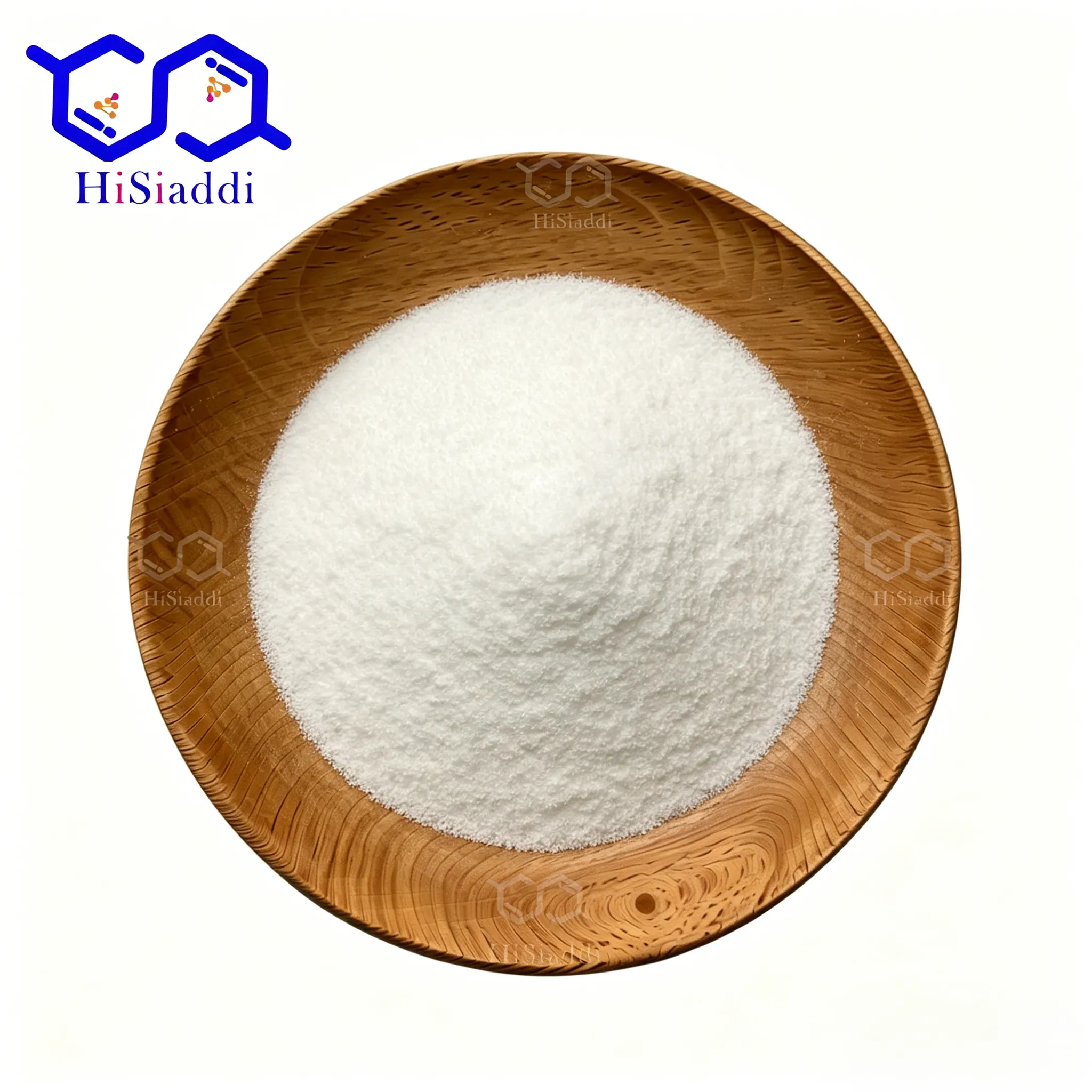
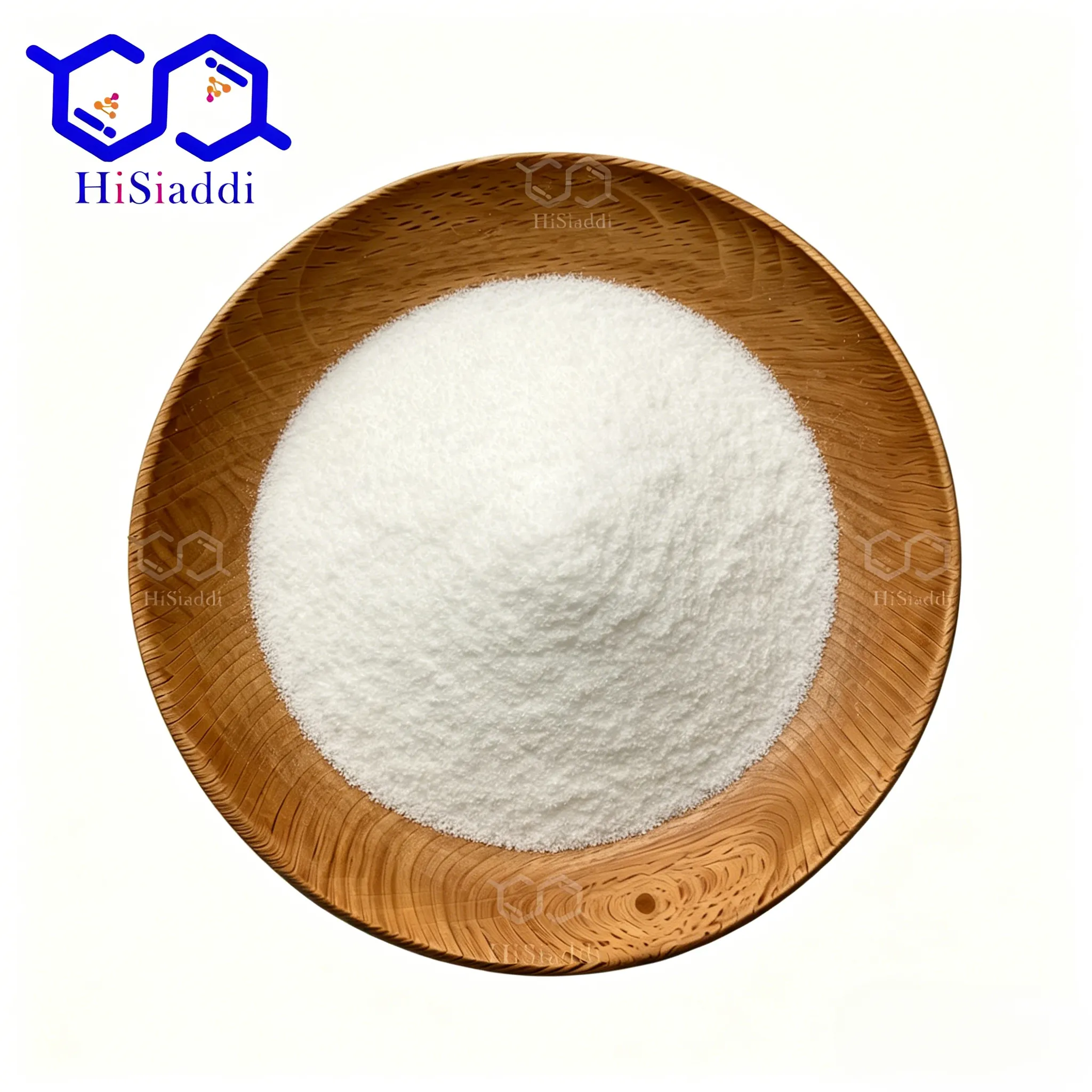
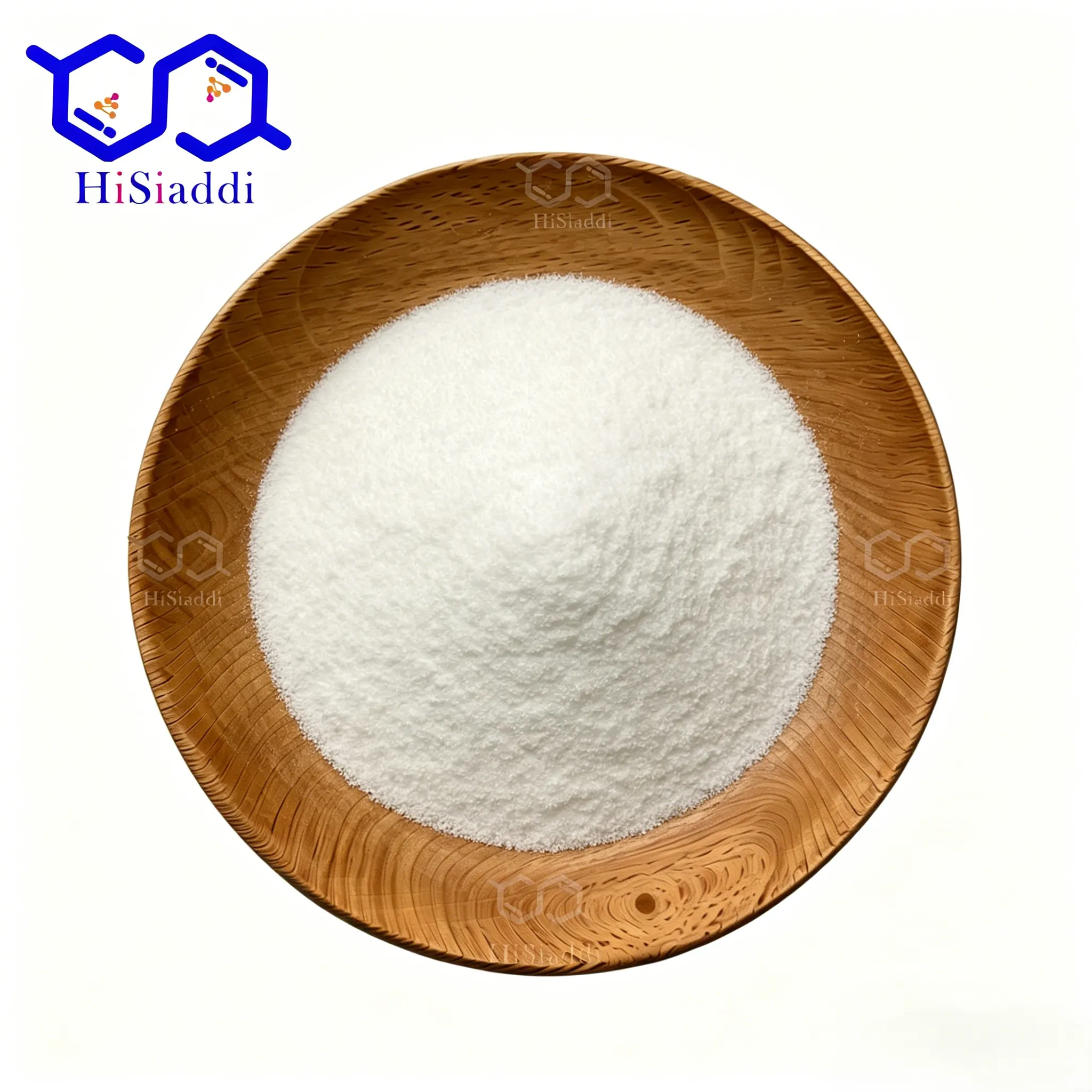
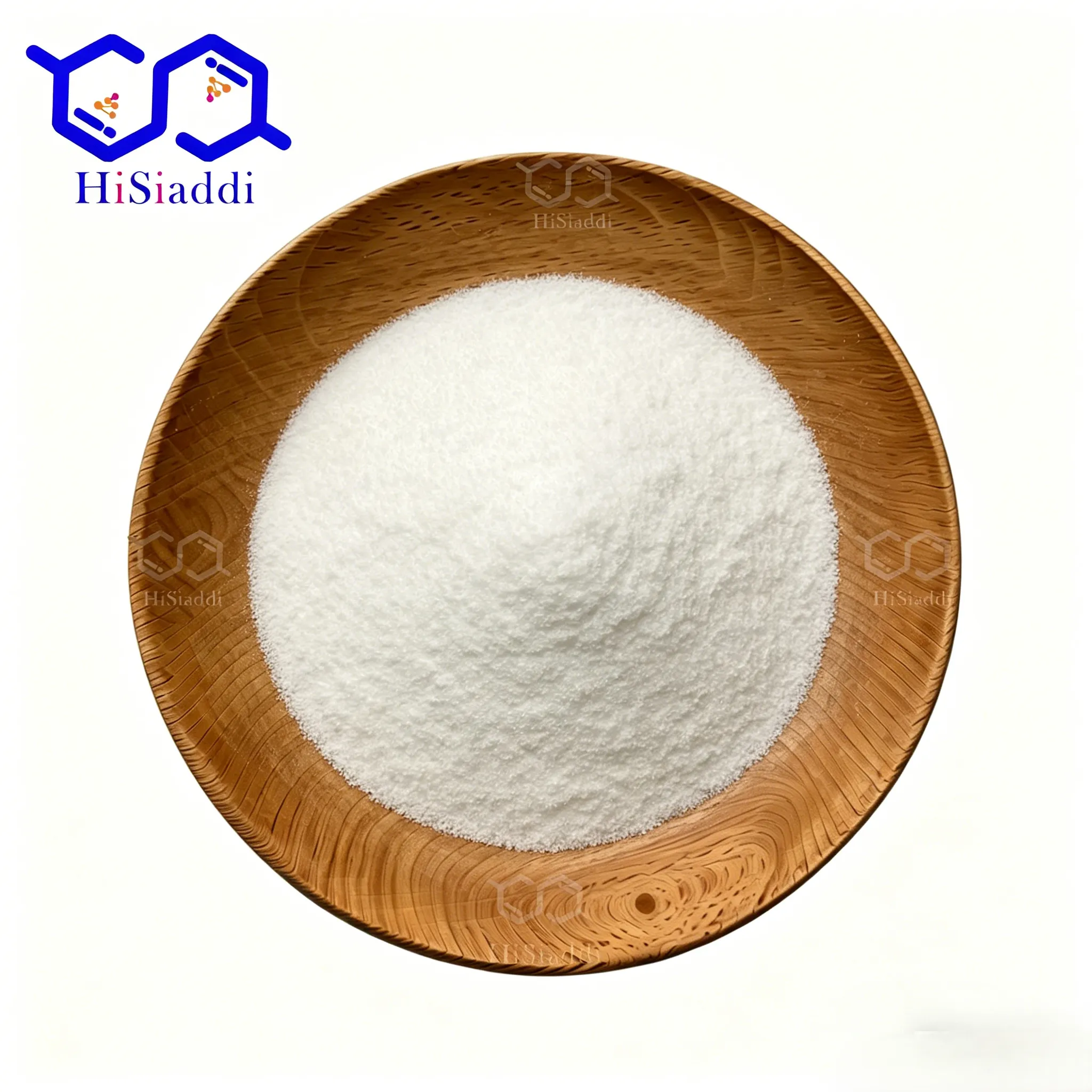
Bio-based Succinic Acid, Abbreviation: Bio-SA. It serves as food acidulant, pharmaceutical intermediate and chemical chelating agent. HiSiaddi supplies original factory goods of multiple Chinese brands with top-tier quality, priced over 20% lower than international brands.
Relying on ten years of research-grade consulting service experience, HiSiaddi recommends well-known brands and mainstream models of this product to you.
Huaheng: H Synova® SA 99.9%, Bio-SA 99.5%. Heavy metals ≤0.5ppm, 100% bio-based carbon content, fermentation carbon footprint 40% lower than petroleum-based products. Priced 25%-30% lower than Netherlands DSM, suitable for mid-to-high-end degradable plastic (PBS) giants, food and pharmaceutical enterprises.
Meite: Bio-SA 99.8%/99.5%. Stable total acid content, moisture ≤0.1%, high crystallinity and good fluidity with stable mass supply. Its price is only 60%-70% of international brands, suitable for chemical intermediates and printing & dyeing auxiliary processing factories.
HiSiaddi Exclusive Services: Customized purity and particle size (99%-99.9% purity, 80-200 mesh); consulting on degradable plastic synthesis, formula and dosage ratio optimization; third-party testing for heavy metals, carbon content and microorganisms.
 CONTACT HiSiaddi NOW
Name: | Mogroside V | Other Name: | Luohanguo Sweetener |
CAS No. | 88901-36-4 | Brand: | Multi-brand |
MF: | C₆₀H₁₀₂O₂₉ | Model Number: | Multi-models |
EINECS No. | N/A | Place of Origin: | Guangxi, China |
Purity: | 50% / 90% | Grade: | Food grade |
MOQ: | 1ton | Storage: | Please refer to the product packaging or contact the customer service |
When you purchase Bio Succinic Acid as a buyer, you may encounter the following issues:
What are the core indicator advantages and application impacts of mainstream models from well-known Bio Succinic Acid brands?
What competitive services can Bio Succinic Acid suppliers provide?
How about qualification certifications and market reputation of target Bio Succinic Acid brands?
What is the inventory level and supply stability of Bio Succinic Acid suppliers?
What factors should be taken into consideration when selecting Bio Succinic Acid?
...and many other relevant questions.
Feel free to contact us if you need more accurate, detailed and in-depth professional analysis and purchasing guidance for Bio Succinic Acid.
BS 99.5 Pro: Industrial high-purity grade, purity ≥99.5%, dedicated for PBAT & biodegradable plastics (top-selling export model worldwide)
BS 99.0 Food: Food-grade high-purity grade, for acidity adjustment and food preservation
BS 98.5 Feed: Special feed grade, for antibiotic replacement acidification and intestinal health care
BS Low Color: Low-chroma grade for high-end resins & TPU
BS Carbon Neutral: Carbon-neutral certified grade for ESG-oriented brands
Purity: Industrial grade stable at 99.5%-99.8% with batch RSD<0.2%; Food grade ≥99.0%; Feed grade ≥98.5%
Bio-based carbon content: 100% bio-based compliant with ASTM D6866, no petroleum-based adulteration
APHA chroma: High-purity grade ≤10, low-chroma grade ≤5, iron ion content <1 ppm
Ash content ≤0.05%; Heavy metals: Pb<0.5 ppm, As<0.2 ppm, Cd<0.1 ppm
Melting point: 184-187℃, excellent thermal stability suitable for high-temperature polymerization processes
Strain: Independently screened Actinobacillus succinogenes, GMO-free, fermentation conversion rate>92%
Shelf stability: 24 months sealed storage at 25℃ with purity attenuation <0.3%
Compliance Certifications: FSSC22000, ISO22000, GMP, EU REACH registration, Halal, Kosher, PAS2050 carbon footprint, carbon neutrality certification, FCC, EFSA and FDA registration. It is the only Chinese enterprise with full-set compliance standards matching Mitsui Chemicals and BASF.
Annual production capacity: 45,000 MT, ranking first globally with stable year-round supply
Europe & America: Biodegradable plastic groups, PBAT manufacturers, leading food additive enterprises and high-end TPU resin factories in Germany, Netherlands and Italy
Japan & South Korea: Bio-based new material enterprises and food acidity regulator producers
Global market: ESG brands, carbon-neutral enterprises and top imported feed additive suppliers
Full ASTM-certified 100% bio-based property enables direct access to EU CBAM carbon tariff exemption and green supply chain preference
Ultra-high purity and ultra-low iron ion content ensure uniform color and stable mechanical properties of biodegradable plastics with strong compatibility with polymerization processes
Mild acidity regulation effect for food grade ensures safe preservation and clean label compliance; feed grade products replace antibiotics to reduce livestock diarrhea
Complete sets of REACH, carbon footprint, carbon neutrality and EFSA compliance documents accelerate supply chain access to European and American brands, shortening factory audit cycle by 4-6 months
Full product coverage of industrial, food, feed and resin grades realizes one-stop stable procurement
Biodegradable plastics: PBAT mulch films, packaging materials and disposable products achieve complete biodegradability with prominent carbon-neutral attributes
Food industry: Ideal for acidity adjustment in beverages, bakery and meat products with natural residue-free features and clean label premium
Feed industry: Improve intestinal health of livestock and aquatic products, cut down antibiotic usage and support antibiotic-free breeding
Resin & TPU: Enhance stability of high-end polyurethane and coatings with eco-friendly low-carbon advantages
Fully compliant with global carbon neutrality policies, greatly boosting end-brand ESG scores and facilitating access to high-end sales channels
BS 99.0 Standard: 99.0% standard industrial bio-based succinic acid (second largest export volume)
BS 98.5 Feed Multi: Universal feed grade for livestock and aquatic farming
BS Resin General: Special grade for general resins and coatings
BS Multi Blend: Compound pre-mix feed additive blended with succinic acid and organic acids for antibiotic replacement
Purity: 98.8%-99.2%, bio-based content ≥99%
APHA chroma ≤20, iron ion content <2 ppm, suitable for conventional polymerization processes
Self-sufficient fermentation raw materials and large-scale corn starch procurement bring prominent cost advantages
Strictly compliant with REACH and FAMI QS standards
Certifications: ISO22000, Halal, Kosher, 100% smooth customs clearance in Southeast Asia, Middle East and South America
Annual capacity: 36,000 MT, stable bulk supply with great price negotiation space for full-container orders
Southeast Asia: Biodegradable material processing plants and large feed groups in Vietnam, Thailand and Indonesia
Middle East & North Africa: New material traders and livestock breeding groups in Saudi Arabia, Egypt and UAE
South America: Comprehensive chemical and feed raw material importers in Brazil and Argentina
Eastern Europe: Regional distributors in Poland and Romania
Sufficient annual production capacity ensures stable bulk supply without raw material shortage and production halt risks
Standard specifications fit well with conventional PBAT, resin and feed production processes
One-stop supply of compound antibiotic-replacing pre-mixes cuts procurement and multi-batch inspection costs
Remarkable price advantages raise gross profit margin of finished products by 14%-20% for mass production
Bio-based attributes meet regional low-carbon policies and upgrade green supply chain ratings
Reduce production cost of general biodegradable products to accelerate market popularization
Acidification and bacteriostasis effect improve livestock survival rate and reduce antibiotic application in breeding industry
Low-carbon compliant products enhance overall export competitiveness
BS 99.0 USP: 99.0% standard food & industrial grade
BS Low Color Ultra: Ultra-low chroma exclusive grade for high-end resins
BS Micro Granule: Fast-dissolving micro-particle grade for feed and liquid additives
BS Russia Plastic: Custom grade tailored for Russian biodegradable plastic industry
Ultra-low chroma grade: APHA ≤4, iron ion content <0.8 ppm, perfectly applicable for high-end transparent TPU and optical resins
Micro-particle size: 20-40 mesh, dust-free and fast dissolving with high compatibility for liquid feed additives
Exclusive certifications: Complete RZN (Russia), GOST (Kazakhstan) and Uzbekistan certifications, holding top market share in Central Asia and Eastern Europe
Logistics advantage: Stable sea freight delivery to Russia and Central Asia via Ningbo Port
Moisture-proof performance: Moisture absorption rate <1.0%, suitable for long-term storage in high-humidity and cold regions
Russia & Central Asia: Biodegradable plastic manufacturers, high-end polyurethane resin enterprises and feed additive factories
Eastern Europe: New material and high-end food enterprises in Poland and Hungary
Middle East: High-end aquatic breeding and functional feed producers
Ultra-low chroma formula solves yellowing issue of high-end resins and greatly improves appearance of transparent finished products
Fast-dissolving micro-particles adapt to liquid acidifiers and cold processing production systems
Russia-tailored purity meets local polymerization standards and ensures hassle-free customs clearance in Central Asia
Flexible customized specifications and adjustable bio-based certification documents in line with local regulations
Higher transparency of high-end TPU and optical resins brings obvious product premium
Stable storage performance in cold areas guarantees stable properties of biodegradable materials against climate changes
Even dispersion in liquid feed additives strengthens bacteriostatic effect
BS All Grade: Universal full-spec bio-based succinic acid
BS Feed Pet Blend: High-purity compound grade specially for pet feed
BS Custom Ultra Low Metal: Ultra-low heavy metal customized grade for pharmaceutical and organic food industries
BS Carbon Neutral ESG: High-end carbon-neutral customized grade for ESG branding
Stable balanced performance in purity, chroma and bio-based content
One-stop supply advantage: Synchronized production of L-malic acid, fumaric acid, citric acid, bio-based polyols and other bio-based fine chemicals to support consolidated container shipment
Exclusive certifications: TGA (Australia), RMP (New Zealand), ANVISA (Brazil), COFEPRIS (Mexico), zero customs clearance risks in Oceania and Latin America
Customization service: Customizable low-moisture, special particle size, exclusive chroma and liquid-type products
Carbon footprint advantage: Green fermentation process with low carbon emission and complete carbon neutrality certifications meeting EU CBAM requirements
Australia & New Zealand: New material groups, leading pet food manufacturers and organic food enterprises
Latin America: Comprehensive chemical and feed raw material importers in Brazil and Mexico
Small and medium-sized general raw material distributors and cross-border ESG brands in Europe and America
Access to full-series bio-based raw materials from one single supplier, drastically cutting supplier management, factory audit and product inspection costs
Consolidated shipment effectively reduces unit ocean freight and boosts overall profit margin
Ultra-low heavy metal customized products comply with strict organic and pharmaceutical-grade regulations in Oceania and Latin America
Carbon neutrality certifications help clients upgrade ESG ratings and gain access to high-end global supply chains
Synergistic effect of compound bio-based additives enhances antibiotic replacement effect in feed and stability of new materials
Low-carbon and carbon-neutral properties facilitate entry into high-end supermarkets and international brand supply chains in Oceania and Latin America
Improved ESG scores bring brand premium and favorable policy subsidies
BS 99.5 High Pure: High-purity industrial & food grade, 100% bio-based
BS Halal: Exclusive Halal-certified bio-based succinic acid with full-process Halal-compliant fermentation and production
BS Custom Low Ash: High-end low-ash customized grade
Natural corn starch fermentation, free of petroleum-based ingredients, GMO components and harmful impurities
Core strengths: Top-grade global Halal and Kosher certifications with full production traceability
Flexible supply: Low MOQ supporting orders ranging from 500kg to 10MT, breaking high MOQ barriers of large manufacturers
Complete testing service: Batch-wise SGS full-item test reports covering purity, chroma and bio-based content, multi-language COA documents and ASTM bio-based certificates
Port advantage: Convenient consolidated shipment, air freight and express delivery via Guangdong ports, ideal for client trial orders
Middle East & North Africa: Small and medium-sized new material factories, Halal food enterprises and livestock breeding groups in Saudi Arabia, UAE and Iran
Southeast Asia: Muslim chemical and feed raw material importers in Malaysia and Indonesia
Global emerging ESG brands and niche special breeding raw material traders
In-built top religious certifications eliminate secondary application procedures for quick access to global Halal food and livestock consumption markets
Low-risk small-batch trial orders avoid inventory overstock and accelerate formula verification of new materials and feed additives
Low-ash and high-purity formulas fit differentiated formulations of high-end organic food and pharmaceutical intermediates
Highly flexible customization supports development of niche low-carbon products
Fully compliant with Islamic dietary laws to ensure safety and qualification of food and feed products for Muslim consumers
100% bio-based carbon-neutral features build strong brand differentiation to capture niche market dividends
Low raw material entry threshold accelerates the rise of regional localized low-carbon brands

| Brand | Core Export Models | Core Competitive Indicators | Cost Positioning | Target B-end Buyers | Downstream Buyer Benefits | End Consumer Benefits |
| Shandong Fufeng Bio | BS 99.5 Industrial, BS 99.0 Food, BS 98.5 Feed, Low-chroma Resin Grade, Carbon-neutral Grade | Purity 99.5-99.8%, 100% ASTM bio-based, Chroma≤10, Fe<1ppm, Full REACH/Carbon Footprint/EFSA compliance, Batch RSD<0.2% | High-end cost-effective, 92%-138% cheaper than BASF, zero after-sales risks | Large European & American biodegradable plastic groups, PBAT manufacturers, high-end food/resin giants | Ultra-high purity & low chroma fit polymerization processes; CBAM exemption eligible; full high-end certifications shorten overseas audit cycle by 4-6 months | Stable performance & carbon-neutral property for biodegradables; natural food acid regulation; antibiotic-free feed application; strong end-brand ESG premium |
| Anhui Huaheng Bio | BS 99.0 Standard Industrial, BS 98.5 Feed, General Resin Grade, Compound Antibiotic-replacing Pre-mix | Purity 98.8-99.2%, Bio-based≥99%, Chroma≤20, Stable bulk supply, complete ISO22000 | Ultra cost-effective for bulk industrial & feed grades, 80%-115% cheaper than Arkema | Southeast Asia/Middle East/Africa new material factories, breeding groups, regional traders | Compatible with regular PBAT & feed processes; one-stop compound additive supply cuts multi-supplier costs | Lower cost for mass-produced low-carbon materials; improved livestock intestinal health; enhanced export compliance |
| Zhejiang Tianxin Bio | BS 99.0 Standard, Ultra-low Chroma Resin Grade, Micro-particle Grade, Russia Custom Grade | APHA≤4 ultra-low chroma, 20-40 mesh micro-particles, complete Russian RZN certifications, stable Central Asia logistics, Moisture absorption<1.0% | Preferred mid-range customized supplier, prominent low-chroma & regional tailored advantages | Russia/Central Asia/Eastern Europe biodegradable factories, high-end resin & liquid feed producers | Solve resin yellowing problem; fit cold processing systems; local-tailored purity; smooth Central Asia customs clearance | Improved transparency of high-end TPU; stable storage in cold regions; enhanced bacteriostasis of liquid feed |
| Shandong Youerkang Bio | Full-range Universal Grade, Pet Special Compound Grade, Ultra-low Heavy Metal Pharmaceutical Grade, Carbon-neutral ESG Grade | One-stop full bio-based fine chemical supply, complete Oceania & Latin America certifications, carbon footprint compliance, consolidated shipment cost advantage | Best one-stop integrated procurement choice, prominent multi-category combined cost advantage | Oceania/Latin America new material groups, pet/organic food enterprises, comprehensive importers | Single-supplier full raw material access; lower ocean freight via consolidated shipment; customized products meet strict regional regulations | Synergized bio-based additives; carbon-neutral access to high-end channels; remarkable ESG green premium |
| Guangdong Hesheng Bio | BS 99.5 High-purity Grade, Exclusive Halal Grade, Low-ash Custom Grade | Top-tier Halal/Kosher certifications, 500kg flexible MOQ, full ASTM bio-based traceability, complete multi-language test reports | Top cost-effective for small-batch & Halal markets, no minimum order premium | Middle East/North Africa/Southeast Asia Halal food/breeding enterprises, emerging ESG brands | Direct Halal market access; zero inventory trial orders; highly flexible customization | Fully compliant with religious regulations; strong natural bio-based differentiation; easy access to niche market dividends |
HiSiaddi is an innovative foreign trade service provider driven by integrated technology transformation and foreign trade businesses. We have built a "1+2+3+4=1" product service system: 1 foreign trade salesperson with over 3 years of experience, 2 chemical R&D teams, 3 multi-screened high-quality suppliers, and 4 shared warehouses to satisfy all demands for one single product.
With this complete service system, HiSiaddi gains deeper insight into Succinic Acid R&D and production optimization than ordinary trading companies, better understanding of differentiated market demands and competitive advantages of various Succinic Acid brands than single factories, and richer experience in Succinic Acid overseas export business than professional research institutes.
HiSiaddi only recruits foreign trade sales staff with more than 3 years of industry experience. All sales must receive combined training organized by R&D and foreign trade teams for over 6 months before providing services to clients.
(1) Basic Support Services for Succinic Acid
Backed by our complete foreign trade operation system, we provide full-cycle one-stop document follow-up services, including issuance and agency application of all compliance certificates of Succinic Acid, provision of third-party test reports, and follow-up & settlement of all quality guarantee problems.
(2) Exclusive Premium Services for Succinic Acid
One-stop compliance pre-review, translation and agency service covering REACH, FSSC22000, ASTM D6866 bio-based and PAS2050 carbon footprint certificates to help clients deduct CBAM carbon tariffs.
Monthly market report comparing domestic bio-succinic acid vs BASF and Mitsui, calculating carbon emission reduction and cost savings after import substitution.
We carry out in-depth joint development with source manufacturers via technology transfer, while maintaining close internal coordination with foreign trade teams to deliver regular technical training for sales teams. This enables us to provide highly professional Succinic Acid customization and research-level consulting on brand selection and formula optimization.
(1) Research-Grade Customization Services for Succinic Acid
Custom low iron polymer grade, stable food grade and feed micro-particle succinic acid; Optimize PBAT polymerization formulas to reduce yellowing of finished biodegradable plastics.
(2) Research-Grade Consulting Services for Succinic Acid
Global bio-based material purchaser community matching service; Free polymerization stability comparison test between domestic and imported succinic acid.
Our foreign trade and R&D teams cooperate closely. We conduct market research, on-site factory audits, full product testing, in-depth technical cooperation and bulk purchase cooperation in multiple rounds, and select around 3 reliable suppliers with stable supply, good reputation and great development potential.
(1) Initiative to Secure Lower Succinic Acid Prices
Long-term cooperation via technology transfer and authorized distribution allows us to obtain factory-direct source at more competitive prices.
(2) Long-Term Supply Chain Assurance for Succinic Acid
Our long-term cooperative model strengthens real-time production monitoring, full-process traceability, batch stability control, and compensation mechanisms for goods failing third-party inspection standards.
We operate 4 warehouses jointly with our suppliers to stock hot-selling bulk products.
(1) Fast Local Delivery & On-Site Problem Resolution for Succinic Acid
Our four warehouses are located at Qingdao Port (North China), Ningbo Port (East China), Shenzhen Port (South China), and Zhengzhou inland logistics hub. We can deliver Succinic Acid in a timely manner. If transportation damage, packaging defects or export compliance issues occur, our on-site staff stationed near each warehouse can solve problems on the spot immediately.
(2) Mitigate Price Volatility & Support Custom Packaging for Succinic Acid
We stock goods in advance before peak demand seasons to ease sharp price fluctuations. Our self-operated warehouses fully support clients’ personalized packaging and labeling demands.
Custom carbon neutral labeling packaging printed with client LOGO and bio-based identification marks.
As a new foreign trade service provider driven by both technology commercialization and foreign trade services, HiSiaddi has built a "1+2+3+4=1" service system and can supply genuine products of multiple well-known brands of Succinic Acid. As a technology R&D-oriented foreign trade enterprise, HiSiaddi will analyze key purchasing considerations and critical indicators from a professional perspective to ease procurement concerns.
If you require more professional and in-depth analysis on Succinic Acid purchasing, please contact HiSiaddi customer service.
Bio-based succinic acid is produced via microbial fermentation of biomass feedstocks. Global manufacturers adopt two major raw material routes: first-generation food-based (corn, glucose, sugarcane) and second-generation non-food-based (straw, lignocellulose, industrial by-product glycerol), with drastic raw material supply disparities across production regions.
Leading Chinese manufacturers (Huheng, Landian, Fengyuan) mainly use corn starch and glucose as substrates, boasting sufficient domestic grain supply and stable year-round raw material inventory. Thailand’s Corbion plant is built relying on Southeast Asian sugarcane resources; the sugarcane crushing season runs from November to April of the following year, leading to surging raw material costs and capacity contraction during off-seasons. Spain’s Succinity and France’s METEX mostly utilize non-food glycerol and agricultural/forest waste, featuring scattered raw material sources and low single-plant capacity with weak long-term order supply assurance.
Key global price comparison points: For high-end materials requiring bio-based content ≥95%, prioritize large manufacturers adopting non-food routes. For general industrial PBS materials, food-based feedstocks deliver higher cost performance. Meanwhile, verify in advance whether factories sign long-term fixed-price contracts with raw material bases or source raw materials from scattered individual suppliers. Bulk purchasing from scattered farmers is highly vulnerable to agricultural market fluctuations and extreme weather, causing batch-to-batch quality variations. Additionally, watch out for counterfeit bio-based products blended with petrochemical succinic acid; raw material traceability documents serve as the first line of risk control.
Chemical, food and pharmaceutical access regulations vary widely across countries, representing the highest risk of cargo detention losses in cross-border procurement.
1. Export to EU: Products require REACH registration and SVHC Substance of Very High Concern testing. Food-grade materials additionally demand EFSA food additive approvals, while industrial-grade products shall be accompanied by EU Ecolabel bio-based environmental certifications.
2. Export to US: Food-grade products must comply with FDA 21CFR184.1091 filing; bio-based products need USDA BioPreferred certification (official verification of bio-based content); pharmaceutical-grade products require DMF filing.
3. Domestic suppliers can provide national standard QB/T 8214-2026, SC food production qualifications, HALAL and KOSHER certifications. Local European and American factories carry regional drug regulatory certifications by default but offer higher quotations than Chinese suppliers. Many small factories meet physical and chemical purity standards yet lack registration documents required by target countries, resulting in customs clearance failures upon cargo arrival. Such suppliers shall be excluded from candidate lists despite low unit prices.
Global capacity landscape: China accounts for over 90% of the world’s commercial bio-based succinic acid capacity, with leading enterprises operating ten-thousand-ton continuous production lines featuring minimal seasonal capacity fluctuations. Most European and American established factories have shut down facilities or only conduct small-batch trial production. Thailand’s Corbion is Southeast Asia’s top large-scale manufacturer, yet it faces tight capacity every first half of the year due to sugarcane production cycles.
Customized demand classification: High-purity pharmaceutical-grade materials (≥99.95%) require multi-stage crystallization and nanofiltration purification production lines, stably mass-produced only by top-tier large manufacturers. Conventional industrial-grade products (99.5%) are manufacturable by most factories. If customized crystal particle size or anhydrous modified specifications are needed, verify the factory’s technical transformation capacity for deep processing in advance.
Simultaneously calculate cross-border logistics costs: Coastal ports in China are fully equipped with containers, offering flexible delivery solutions including full containers, bulk cargo and liquid bags. Inland European factories incur high short-distance inland transportation fees, while Southeast Asian ports face higher inspection frequencies and more hidden logistics losses.
Global procurement must avoid only comparing ex-factory unit prices. Bio-based succinic acid incurs more hidden costs than petrochemical alternatives:
1. Seasonal raw material premiums: Raw material prices decline during corn and sugarcane harvest seasons and rise in off-seasons, driving up finished product costs.
2. Third-party bio-based testing fees: ¹⁴C liquid scintillation testing for bio-based content is a mandatory test for downstream brands, and some overseas manufacturers shift testing expenses to buyers.
3. National export carbon taxes and EU CBAM Carbon Border Adjustment Mechanism tariffs: Products with lower bio-based carbon footprints incur lower import tariff costs.
Petrochemical succinic acid has lower unit prices yet fails to meet carbon neutrality procurement standards of EU and US brands. Large-scale Chinese manufacturers dilute fermentation and purification costs through mass production, delivering superior overall landing prices compared to local European and American factories. Before signing contracts, clarify that suppliers shall bear all round-trip logistics costs for returns and exchanges if products fail to meet content standards or contain adulterated petrochemical feedstocks.
Benchmarked against national standard QB/T8214, ASTM and USP Pharmacopoeia, acceptance focuses on four dimensions: bio-based proportion, purity and impurities.
1. Main succinic acid content: Industrial grade ≥99.5%, food grade ≥99.6%, pharmaceutical grade ≥99.95%, tested via HPLC High-Performance Liquid Chromatography. Inferior products adulterated with maleic acid and fumaric acid by-products inflate apparent content values, leading to insufficient active ingredients and direct failures in downstream PBS polymerization and food acidulant formulations.
2. Bio-based carbon content: Industry-standard ¹⁴C isotope liquid scintillation testing (per GB/T29649). Commercial products fall into two mainstream tiers: ≥90% and ≥95%. This is the sole legal indicator to distinguish pure bio-based products from petrochemical-blended counterfeits. EU and US end customers mandate official test reports. Purchasers must specify measured values in contracts and reserve the right to unconditional rejection if readings fall below agreed standards.
3. Fermentation by-products: Strictly limit lactic acid, acetic acid, maleic acid and fumaric acid. Food-grade maleic acid shall not exceed 0.005%; excess by-products compromise food taste and pharmaceutical formulation stability.
1. Heavy metals (lead, arsenic, cadmium, mercury): Total heavy metals ≤10ppm for food grade, ≤5ppm for pharmaceutical grade, ≤20ppm for industrial grade.
2. Ignition residues: ≤0.1% for food and pharmaceutical grades, ≤0.2% for industrial grade. Excessive residues indicate inorganic mineral impurities introduced during production.
3. Anionic impurities: Chlorides ≤0.002%, sulfates ≤0.01%, iron salts ≤0.001%. High impurity levels corrode downstream polymerization equipment and reduce finished product transparency.
4. Fermentation solvent residues: Bio-based production primarily adopts aqueous fermentation with small amounts of ethanol for purification. Verify compliance with ICH Q3C solvent residue limits to eliminate excessive methanol and acetone.
1. Moisture content: Conventional crystalline grade ≤0.4%. Excess moisture causes warehouse caking and hydrolysis during high-temperature polymerization. High-purity pharmaceutical grade is strictly controlled ≤0.2%.
2. Melting point: 184~186℃. Melting point deviation indicates adulteration with other organic acids, disrupting high-temperature PBS polymerization processing.
3. Water solubility: Comply with national standard solubility in room-temperature water. Cold-water fast-dissolving specifications are preferred for liquid beverages and oral solutions; solid tablets and plastic polymerization impose looser solubility requirements.
Industrial grade (for PBS plastics) only controls total bacterial count. Food grade additionally tests for mold, yeast, Salmonella and E. coli. Injectable pharmaceutical grade further adds endotoxin testing (<0.05EU/mg) and sterility inspection. Small Southeast Asian manufacturers exhibit weak microbial control, so food and pharmaceutical orders shall avoid minor regional suppliers.
For professional, in-depth analysis on Succinic Acid purchasing, please contact HiSiaddi customer service.
Commercially available regular bio-based succinic acid in China suffered unstable color (APHA: 15~25), failing to meet the standards for high-end film polymerization.
The EU CBAM mandates carbon traceability for raw materials, while most domestic manufacturers were unable to issue compliant LCA carbon footprint reports.
The client’s production line required uniform 80-mesh crystalline particles for feeding, but conventional granular products failed the sieving test and could not be directly used for mass production.
The hydroxyl value of finished polyester polyols fluctuated by ±12mgKOH/g, exceeding the internal control standard of ±3mgKOH/g, resulting in brittle coating films and poor boiling resistance.
Abnormal temperature rise and heat release in polymerization reactors caused local overheating and resin yellowing.
The raw material was prone to moisture absorption and caking during storage, leading to feeding blockages and disrupting continuous production.
Fault detection and root cause analysis
Jointly with professional chemical laboratories, we conducted a full range of physical and chemical tests. The root causes were identified as follows:
The regular raw material contained 0.38% fumaric acid and excessive volatile organic acids, triggering side reactions during polymerization and causing unstable hydroxyl values.
The free moisture content of raw materials was as high as 0.35%; water vaporized at high polymerization temperature and led to instant excessive heat release and product yellowing.
Irregular crystal forms with large porosity accelerated moisture absorption and caking during storage.
Lead time
Quantity (ton) | 0 - 10 | 10 - 30 | > 30 |
Lead time (days) | 7 | 15 | To be negotiated |
The monthly inventory volume of Succinic Acid is 150 tons, with appropriate adjustments upwards or downwards in response to peak and off-peak seasons.
HiSiaddi safeguards the supply stability of Succinic Acid through the following measures:
(1) Performance evaluation and screening of Succinic Acid brand factories based on on-time delivery rate, batch pass rate, timeliness of risk alerts, and completeness of documentation to assess their supply stability.
(2) For each mainstream model or major grade of Succinic Acid, secure 1 primary high-quality brand manufacturer and 2 backup high-quality manufacturers.
(3) Each factory operates independent production lines in separate production zones to prevent production halts caused by major unforeseen incidents such as environmental production suspensions and power outages.
Through long-term cooperation with brand manufacturers via technology commercialization and authorized distribution channels, HiSiaddi can effectively strengthen supervision over the production processes of brand manufacturers, optimize full-process traceability management, improve batch stability control, and further reinforce real-time monitoring of the supply stability of Succinic Acid products.
Long-term Annual Framework Supply Guarantee Agreement. HiSiaddi signs 12-month long-term agreements with leading manufacturers. The agreements specify the minimum guaranteed supply volume, maximum price hike range, and priority production scheduling rights during peak seasons. It is stipulated that manufacturers shall issue a 30-day prior written notice if production is suspended due to environmental rectification or equipment maintenance, and backup manufacturers will be activated to replenish goods accordingly.
We have 4 warehouses, which are jointly operated and managed with suppliers to store hot-selling products.The four warehouses are located at Qingdao Port in North China, Ningbo Port in East China, Shenzhen Port in South China, and Zhengzhou, China’s inland logistics hub. This setup guarantees sufficient supply and timely shipment of Succinic Acid during peak seasons.
HiSiaddi issues a rolling demand forecast covering the subsequent three months on the 25th of each month, allowing manufacturers to reserve production capacity in accordance with the forecast. Any new urgent orders from overseas clients will be prioritized to draw on inventories or production capacity from backup manufacturers.
Unstable logistics for Succinic Acid will extend delivery lead times. HiSiaddi has established alternative arrangements covering multiple freight forwarders, ports and transportation solutions:
(1) Binding of multiple professional chemical freight forwarders for Succinic Acid
Each product is assigned 2 to 3 freight forwarders with hazardous chemical/food transport qualifications affiliated with different shipping lines. Alternative sailing schedules can be switched to immediately in case of space shortages or customs inspections on a single shipping route.
(2) Backup transportation solutions for Succinic Acid
Ocean freight serves as the standard mode; air freight and rail freight are reserved as alternatives for urgent orders. Long-term agreements for temperature-controlled containers are signed for temperature-sensitive and perishable food additives to secure shipping space.
(3) Visual tracking and digital early warning for Succinic Acid
Freight forwarders synchronize daily updates on container loading, customs declaration, vessel loading and port arrival milestones. If customs inspection occurs, replenishment from backup inventory will be initiated immediately to shorten client waiting periods.
Full-chain digital early warning automatically monitors four categories of risks:
Factory side: Expiring supplier environmental assessment certificates, renewal of production permits, scheduled major equipment overhauls, and notifications of price hikes for upstream raw materials;
Inventory side: Inventory falling below safety thresholds, excessive inventory age, and batches failing quality inspection;
Logistics side: Shipping line space shortages, strikes at destination ports, and updates to customs policies;
Overseas side: Revisions to additive regulations and adjustments to import restriction lists in target countries.
Early warning notifications are automatically pushed to procurement and business leads, allowing backup suppliers or inventory contingency plans to be activated in advance.
As a new-type foreign trade service provider driven by both technology commercialization and export business, HiSiaddi has built a "1+2+3+4=1" service system and can supply original factory goods of multiple well-known brands of Succinic Acid.
As a technology-driven foreign trade enterprise, HiSiaddi does not only promote a single factory’s own products. Instead, we objectively analyze multiple competitive Chinese export brands of Succinic Acid and share their production processes, supply stability and key indicators, as well as the impact of these core factors on purchasers, enabling purchasers to make efficient and reliable sourcing decisions.
If you require more authentic and objective introductions to major Chinese Succinic Acid brands, please contact HiSiaddi customer service.
· KSSA98 (Industrial Grade): General-purpose for PBS/PBAT and polyurethane
· KSSA995 (Food Grade): Food additives and feed applications
· KSSA998 (Pharmaceutical Grade): Pharmaceutical intermediates and high-end PU
· Strains: Self-developed thermophilic anaerobic strain T. succinogenes T310 optimized via gene editing.
· Carbon source: Primarily corn glucose, partially mixed sugars (xylose/glucose).
· Process flow: Saccharification → Anaerobic fermentation (42℃, acid titer 110–120 g/L) → Continuous ion exchange → Concentration & crystallization → Drying & packaging.
· Core strengths: Fermentation conversion rate of 85–90%, energy consumption 12.7% lower than industry average; single production line maximum capacity of 28,000 tons/year, the world’s largest single line for Succinic Acid.
· Total capacity: 120,000 tons/year at Shandong base (2025), actual capacity utilization rate of 91.3%.
· Delivery lead times: 14–18 days for Europe/America, 7–10 days for Southeast Asia; seasonal fluctuation ≤3 days during peak periods.
· Continuous operation: Scheduled annual shutdown ≤15 days, unscheduled shutdown rate <0.5%.
· Safety inventory buffer: Permanent finished goods stock of 5,000–8,000 tons to cope with sudden order surges and logistics congestion.
· Export fulfillment: 98.7% delivery rate for export orders in 2025, 89% repeat purchase rate among European clients.
· KSSA98 (Industrial Grade): Purity ≥98.5%; moisture ≤0.3%; ash ≤0.1%; color ≤20 APHA; heavy metals ≤10 ppm; batch purity fluctuation ≤0.2%.
· KSSA995 (Food Grade): Purity ≥99.5%; moisture ≤0.2%; heavy metals ≤5 ppm; microbial negative; ISCC/USDA 100% bio-based certification.
· KSSA998 (Pharmaceutical Grade): Purity ≥99.8%; single impurity ≤3 ppm; heavy metals ≤2 ppm; compliant with USP/EP standards.
· PBS manufacturers: Consistent batch quality stabilizes polymerization conversion rate at 88–90% with defective rates <0.3%, perfectly suited for high-speed production lines; priced 12–15% lower than European bio-based alternatives.
· Food/feed clients: Zero quality complaints for food grade, direct replacement of petrochemical succinic acid without additional testing, lowering compliance costs.
· High-end PU/pharmaceutical clients: Stable supply of pharmaceutical grade with full certifications, cutting client audit cycles by 6–12 months.
· FYSA98L (Industrial Grade, Straw-based): Low-carbon PBS and water treatment agents
· FYSA995G (Food Grade, Glycerol-based): Food/feed and Halal markets
· FYSA997P (Pharmaceutical Grade): Antibiotic intermediates and medical PU
· Strains: Self-developed engineered strains optimized for mixed sugar utilization (modified Mannheimia).
· Carbon source: Corn cob/straw hydrolysate (pentose + hexose), partially biodiesel by-product glycerol.
· Process flow: Straw pretreatment → Cellulase saccharification → Mixed sugar anaerobic fermentation → Membrane filtration → Electrodialysis → Crystallization & drying.
· Core strengths: Non-food feedstock with no competition for food crops; carbon footprint of 0.82 kgCO₂/kg, 18% lower than corn-based alternatives; straw utilization rate >85%.
· Total capacity: 80,000 tons/year at Anhui base (2025), capacity utilization rate of 88%.
· Continuous operation: 365-day uninterrupted production (industry-leading); single fermentation batch cycle of 38.6 hours (19.2% faster than industry average).
· Feedstock guarantee: Annual straw procurement reserve of 200,000 tons, supplemented by glycerol sourcing to hedge price fluctuations via dual feedstock channels.
· Delivery & fulfillment: 15–20 days lead time for Europe; European order volume surged 37% in 2025 with an 85% repeat purchase rate.
· FYSA98L (Straw-based Industrial Grade): Purity ≥98.0%; moisture ≤0.3%; ash ≤0.08%; carbon footprint 0.82 kgCO₂/kg; ISCC PLUS straw-based certification.
· FYSA995G (Food Grade): Purity ≥99.5%; heavy metals ≤5 ppm; Halal certification; 99% bio-based content.
· FYSA997P (Pharmaceutical Grade): Purity ≥99.7%; impurities ≤5 ppm; compliant with EP Pharmacopoeia standards.
· European ESG/PBS clients: Eligible for carbon tax deductions and a 10–12% green premium with prominent CBAM compliance advantages.
· Middle Eastern/Halal markets: Glycerol-based feedstock plus Halal certification enables direct entry into food/feed sectors with high premium acceptance.
· High-end PU/automotive material manufacturers: Low ash and low heavy metal content lift PU hydrolysis resistance by 20%, meeting low-odor requirements for automotive interiors.
· ASSA998M (Pharmaceutical Grade): Prescription drug intermediates and sterile PU
· ASSA996U (High-end PU Grade): Automotive interiors and medical dressings
· ASSA98I (Industrial Grade): Electronic chemicals and electroplating complexing agents
· Strains: Genetically engineered E. coli with fermentation titer of 100–110 g/L.
· Carbon source: High-purity non-GMO food-grade glucose.
· Process flow: Anaerobic fermentation → Crude product filtration → Chemical decolorization + deep ion exchange → Triple recrystallization → Aseptic drying → Dust-free packaging.
· Core strengths: Unmatched purity ceiling, extreme impurity control, full-process GMP compliance, stable mass production of ≥99.8% pharmaceutical-grade products.
· Total capacity: 50,000 tons/year at Jiangsu base, including a dedicated 20,000 tons/year pharmaceutical grade production line.
· Dedicated line guarantee: Independent workshops, equipment and quality control for pharmaceutical grade, no co-production with industrial grade products.
· Delivery & quality control: 20–25 days lead time for Western pharmaceutical clients; zero quality complaints in 2025; batch purity fluctuation ≤0.05% (industry average: 0.2%).
· Certification audit: 100% one-time pass rate for FDA/EP/GMP audits.
· ASSA998M (Pharmaceutical Grade): Purity ≥99.8%; single impurity ≤3 ppm; heavy metals ≤1 ppm; microbial sterility; endotoxin ≤0.25 EU/mg; USP/EP/GMP compliant.
· ASSA996U (High-end PU Grade): Purity ≥99.6%; color ≤10 APHA; moisture ≤0.15%; low odor and low precipitation.
· Western pharmaceutical companies: Direct market compliance without costly in-house deep refining; shared certifications save 6–12 months and EUR 500,000–800,000 in certification expenses.
· Medical dressing/high-end PU manufacturers: Low endotoxin and heavy metal content significantly reduce sensitization rates of medical PU; 100% compliance with EU automotive interior VOC and odor standards.
· Electronic chemical manufacturers: Low ionic impurities improve yield by 5–8% for high-end electroplating and electronic etching applications.
· GFSA98P (PBS Special Grade): Preferred raw material for PBS/PBAT polymerization
· GFSA995F (Food Grade): Food packaging and single-use tableware
· GFSA990T (General Grade): Polyurethane, coatings and adhesives
· Strains: Self-produced engineered strains optimized for PBS polymerization requirements.
· Carbon source: Corn glucose, partially mixed straw sugar at Liaoning base.
· Process flow: Fermentation (self-produced sugar liquor) → Refining → Melt conveying (direct feed to polymerization without drying) → PBS polymerization → Pelletizing.
· Core strengths: Integrated production cuts costs by eliminating drying, packaging and intermediate transportation steps; PBS polymerization conversion rate of 92% (industry average: 85%); 8% lower energy consumption.
· Total capacity: 100,000 tons/year at Panjin, Liaoning base (2025), planned expansion to 150,000 tons/year in 2026.
· Integrated delivery: Lead time of 7–10 days for integrated succinic acid-to-PBS supply (industry average: 20 days); parallel supply of finished PBS and raw succinic acid for export.
· Capacity utilization & fulfillment: 85% capacity utilization rate; 88% global repeat purchase rate among biodegradable plastic clients in 2025; full BPI/EN 13432 certification coverage.
· GFSA98P (PBS Special Grade): Purity ≥98.5%; moisture ≤0.25%; low free acid and impurities; 92% polymerization conversion rate; supporting BPI/EN 13432 certifications.
· GFSA995F (Food Grade): Purity ≥99.5%; USDA 100% bio-based certification; food contact compliant.
· PBS/PBAT manufacturers: High conversion rates reduce defective rates; integrated delivery cuts lead times by 50%; one-time pass rate for compostability certifications enables entry into IKEA/Starbucks/McDonald’s supply chains.
· Single-use packaging clients: Compliant food grade directly applicable for food contact materials, capturing a 10–15% green premium.
· Small and medium PBS manufacturers: Bundled raw material supply and OEM processing services mitigate risks of self-built production capacity.
· PWSA98S (Straw-based Industrial Grade): Low-carbon PBS and sustainable materials
· PWSA995N (Food Grade, Non-GMO): Organic food and high-end feed
· PWSA992C (Carbon Footprint Optimized Grade): ESG brands and carbon-neutral products
· Strains: Self-developed non-GMO engineered strains with R&D support from Tsinghua University and MIT.
· Carbon source: 100% agricultural straw (rice/wheat/corn cob), zero food crop consumption.
· Process flow: Straw crushing → Pretreatment → Compound enzyme saccharification → Mixed sugar fermentation → Membrane separation → Low-temperature crystallization → Vacuum drying.
· Core strengths: World’s first 10,000-ton scale straw-based succinic acid production line; carbon footprint of 0.78 kgCO₂/kg (world’s lowest); zero-waste circular economy model with straw residue co-production of organic fertilizer.
· Total capacity: 30,000 tons/year at Suzhou base (2025), capacity utilization rate of 80%; expansion to 60,000 tons/year planned for 2026.
· Feedstock guarantee: Annual straw procurement reserve of 150,000 tons in Jiangsu and Anhui for stable raw material supply.
· Delivery & market reputation: 18–22 days lead time for Europe; scored 4.9/5 for "feedstock sustainability" in 2025 European client surveys with an 82% repeat purchase rate.
· PWSA98S (Straw-based Industrial Grade): Purity ≥98.0%; carbon footprint 0.78 kgCO₂/kg; full straw-chain ISCC PLUS certification; EU Green Deal recommended product.
· PWSA995N (Food Grade): Purity ≥99.5%; Non-GMO Project certification; heavy metals ≤5 ppm.
· European sustainable/zero-waste brands: Ultra-low carbon footprint plus high-value agricultural waste utilization delivers a 15% price premium, with pre-approved carbon/carbon-neutral labeling credentials.
· Organic food/high-end feed manufacturers: Non-GMO and straw-based feedstock match natural/organic labeling requirements with high market premium acceptance.
· ESG investment-focused enterprises: Significant Scope 3 emission reductions boost ESG reporting scores, enhancing financing access and brand value.
1. Cathay Biotech: Process = Anaerobic fermentation + continuous refining; Supply Stability = ★★★★★ (91.3% capacity utilization); Core Indicator = Consistent purity, minimal batch fluctuation; Best Fit = Medium & large PBS manufacturers, food additive producers
2. Anhui BBCA Group: Process = Straw hydrolysis + mixed sugar fermentation; Supply Stability = ★★★★☆ (365-day continuous operation); Core Indicator = 0.82 carbon footprint, low ash content; Best Fit = ESG-focused European enterprises, Middle Eastern feed manufacturers
3. Bluestar Adisseo: Process = Bio-chemical coupling + deep refining; Supply Stability = ★★★★★ (zero complaints for dedicated pharmaceutical lines); Core Indicator = ≥99.8% purity, ppb-level impurity control; Best Fit = Western pharmaceutical companies, medical PU manufacturers
4. Kingfa Sci. & Tech.: Process = Integrated fermentation & polymerization; Supply Stability = ★★★★ (fast delivery); Core Indicator = 92% PBS polymerization conversion rate; Best Fit = Biodegradable packaging & single-use tableware manufacturers
5. Polyviro Innovation: Process = Full straw utilization + low-carbon fermentation; Supply Stability = ★★★★ (ongoing new capacity release); Core Indicator = 0.78 carbon footprint, non-GMO feedstock; Best Fit = European sustainable niche brands, carbon-neutral product manufacturers
China’s top 5 export brands of Succinic Acid have formed clear differentiated positioning:
· Cathay Biotech: Large-scale stable output and superior cost performance
· Anhui BBCA Group: Non-food low-carbon feedstock and ESG premium advantages
· Bluestar Adisseo: Ultra-high pharmaceutical-grade purity and full compliance credentials
· Kingfa Sci. & Tech.: Integrated PBS-succinic acid production and shortest delivery cycles
· Polyviro Innovation: World’s lowest carbon footprint and full sustainability credentials
For overseas purchasers, the five brands deliver five core benefits:
1. Mature mass-production processes: All operate at 10,000-ton scale, exiting lab-scale trial production stage
2. Predictable stable supply: 80–91.3% capacity utilization, backed by long-term contracts and safety inventory buffers
3. Customizable precise indicators: Three purity tiers (industrial/food/pharmaceutical) with carbon footprints ranging from 0.78–1.2 kgCO₂/kg
4. Tangible downstream value: Five layers of benefits including cost reduction, efficiency improvement, compliance assurance, green premium capture and carbon emission cuts
As your foreign trade partner, we provide one-stop services including factory audit accompaniment, third-party testing coordination, customized specification sample production, long-term price locking, international logistics and customs clearance support, helping you avoid supply risks, stabilize raw material supply, boost gross profit margins and strengthen compliance capabilities.
If you require more authentic and objective introductions to major Chinese Succinic Acid brands, please contact HiSiaddi customer service.
As a new-type foreign trade service provider driven by both technology commercialization and export business, HiSiaddi has built a "1+2+3+4=1" service system and can supply original factory goods of multiple well-known brands of Succinic Acid.
As a technology-driven foreign trade enterprise, HiSiaddi does not only promote a single factory’s own products. Instead, we objectively analyze multiple competitive Chinese export brands of Succinic Acid and share their production processes, supply stability and key indicators, as well as the impact of these core factors on purchasers, enabling purchasers to make efficient and reliable sourcing decisions.
If you require more authentic and objective introductions to major Chinese Succinic Acid brands, please contact HiSiaddi customer service.
· KSSA98 (Industrial Grade): General-purpose for PBS/PBAT and polyurethane
· KSSA995 (Food Grade): Food additives and feed applications
· KSSA998 (Pharmaceutical Grade): Pharmaceutical intermediates and high-end PU
· Strains: Self-developed thermophilic anaerobic strain T. succinogenes T310 optimized via gene editing.
· Carbon source: Primarily corn glucose, partially mixed sugars (xylose/glucose).
· Process flow: Saccharification → Anaerobic fermentation (42℃, acid titer 110–120 g/L) → Continuous ion exchange → Concentration & crystallization → Drying & packaging.
· Core strengths: Fermentation conversion rate of 85–90%, energy consumption 12.7% lower than industry average; single production line maximum capacity of 28,000 tons/year, the world’s largest single line for Succinic Acid.
· Total capacity: 120,000 tons/year at Shandong base (2025), actual capacity utilization rate of 91.3%.
· Delivery lead times: 14–18 days for Europe/America, 7–10 days for Southeast Asia; seasonal fluctuation ≤3 days during peak periods.
· Continuous operation: Scheduled annual shutdown ≤15 days, unscheduled shutdown rate <0.5%.
· Safety inventory buffer: Permanent finished goods stock of 5,000–8,000 tons to cope with sudden order surges and logistics congestion.
· Export fulfillment: 98.7% delivery rate for export orders in 2025, 89% repeat purchase rate among European clients.
· KSSA98 (Industrial Grade): Purity ≥98.5%; moisture ≤0.3%; ash ≤0.1%; color ≤20 APHA; heavy metals ≤10 ppm; batch purity fluctuation ≤0.2%.
· KSSA995 (Food Grade): Purity ≥99.5%; moisture ≤0.2%; heavy metals ≤5 ppm; microbial negative; ISCC/USDA 100% bio-based certification.
· KSSA998 (Pharmaceutical Grade): Purity ≥99.8%; single impurity ≤3 ppm; heavy metals ≤2 ppm; compliant with USP/EP standards.
· PBS manufacturers: Consistent batch quality stabilizes polymerization conversion rate at 88–90% with defective rates <0.3%, perfectly suited for high-speed production lines; priced 12–15% lower than European bio-based alternatives.
· Food/feed clients: Zero quality complaints for food grade, direct replacement of petrochemical succinic acid without additional testing, lowering compliance costs.
· High-end PU/pharmaceutical clients: Stable supply of pharmaceutical grade with full certifications, cutting client audit cycles by 6–12 months.
· FYSA98L (Industrial Grade, Straw-based): Low-carbon PBS and water treatment agents
· FYSA995G (Food Grade, Glycerol-based): Food/feed and Halal markets
· FYSA997P (Pharmaceutical Grade): Antibiotic intermediates and medical PU
· Strains: Self-developed engineered strains optimized for mixed sugar utilization (modified Mannheimia).
· Carbon source: Corn cob/straw hydrolysate (pentose + hexose), partially biodiesel by-product glycerol.
· Process flow: Straw pretreatment → Cellulase saccharification → Mixed sugar anaerobic fermentation → Membrane filtration → Electrodialysis → Crystallization & drying.
· Core strengths: Non-food feedstock with no competition for food crops; carbon footprint of 0.82 kgCO₂/kg, 18% lower than corn-based alternatives; straw utilization rate >85%.
· Total capacity: 80,000 tons/year at Anhui base (2025), capacity utilization rate of 88%.
· Continuous operation: 365-day uninterrupted production (industry-leading); single fermentation batch cycle of 38.6 hours (19.2% faster than industry average).
· Feedstock guarantee: Annual straw procurement reserve of 200,000 tons, supplemented by glycerol sourcing to hedge price fluctuations via dual feedstock channels.
· Delivery & fulfillment: 15–20 days lead time for Europe; European order volume surged 37% in 2025 with an 85% repeat purchase rate.
· FYSA98L (Straw-based Industrial Grade): Purity ≥98.0%; moisture ≤0.3%; ash ≤0.08%; carbon footprint 0.82 kgCO₂/kg; ISCC PLUS straw-based certification.
· FYSA995G (Food Grade): Purity ≥99.5%; heavy metals ≤5 ppm; Halal certification; 99% bio-based content.
· FYSA997P (Pharmaceutical Grade): Purity ≥99.7%; impurities ≤5 ppm; compliant with EP Pharmacopoeia standards.
· European ESG/PBS clients: Eligible for carbon tax deductions and a 10–12% green premium with prominent CBAM compliance advantages.
· Middle Eastern/Halal markets: Glycerol-based feedstock plus Halal certification enables direct entry into food/feed sectors with high premium acceptance.
· High-end PU/automotive material manufacturers: Low ash and low heavy metal content lift PU hydrolysis resistance by 20%, meeting low-odor requirements for automotive interiors.
· ASSA998M (Pharmaceutical Grade): Prescription drug intermediates and sterile PU
· ASSA996U (High-end PU Grade): Automotive interiors and medical dressings
· ASSA98I (Industrial Grade): Electronic chemicals and electroplating complexing agents
· Strains: Genetically engineered E. coli with fermentation titer of 100–110 g/L.
· Carbon source: High-purity non-GMO food-grade glucose.
· Process flow: Anaerobic fermentation → Crude product filtration → Chemical decolorization + deep ion exchange → Triple recrystallization → Aseptic drying → Dust-free packaging.
· Core strengths: Unmatched purity ceiling, extreme impurity control, full-process GMP compliance, stable mass production of ≥99.8% pharmaceutical-grade products.
· Total capacity: 50,000 tons/year at Jiangsu base, including a dedicated 20,000 tons/year pharmaceutical grade production line.
· Dedicated line guarantee: Independent workshops, equipment and quality control for pharmaceutical grade, no co-production with industrial grade products.
· Delivery & quality control: 20–25 days lead time for Western pharmaceutical clients; zero quality complaints in 2025; batch purity fluctuation ≤0.05% (industry average: 0.2%).
· Certification audit: 100% one-time pass rate for FDA/EP/GMP audits.
· ASSA998M (Pharmaceutical Grade): Purity ≥99.8%; single impurity ≤3 ppm; heavy metals ≤1 ppm; microbial sterility; endotoxin ≤0.25 EU/mg; USP/EP/GMP compliant.
· ASSA996U (High-end PU Grade): Purity ≥99.6%; color ≤10 APHA; moisture ≤0.15%; low odor and low precipitation.
· Western pharmaceutical companies: Direct market compliance without costly in-house deep refining; shared certifications save 6–12 months and EUR 500,000–800,000 in certification expenses.
· Medical dressing/high-end PU manufacturers: Low endotoxin and heavy metal content significantly reduce sensitization rates of medical PU; 100% compliance with EU automotive interior VOC and odor standards.
· Electronic chemical manufacturers: Low ionic impurities improve yield by 5–8% for high-end electroplating and electronic etching applications.
· GFSA98P (PBS Special Grade): Preferred raw material for PBS/PBAT polymerization
· GFSA995F (Food Grade): Food packaging and single-use tableware
· GFSA990T (General Grade): Polyurethane, coatings and adhesives
· Strains: Self-produced engineered strains optimized for PBS polymerization requirements.
· Carbon source: Corn glucose, partially mixed straw sugar at Liaoning base.
· Process flow: Fermentation (self-produced sugar liquor) → Refining → Melt conveying (direct feed to polymerization without drying) → PBS polymerization → Pelletizing.
· Core strengths: Integrated production cuts costs by eliminating drying, packaging and intermediate transportation steps; PBS polymerization conversion rate of 92% (industry average: 85%); 8% lower energy consumption.
· Total capacity: 100,000 tons/year at Panjin, Liaoning base (2025), planned expansion to 150,000 tons/year in 2026.
· Integrated delivery: Lead time of 7–10 days for integrated succinic acid-to-PBS supply (industry average: 20 days); parallel supply of finished PBS and raw succinic acid for export.
· Capacity utilization & fulfillment: 85% capacity utilization rate; 88% global repeat purchase rate among biodegradable plastic clients in 2025; full BPI/EN 13432 certification coverage.
· GFSA98P (PBS Special Grade): Purity ≥98.5%; moisture ≤0.25%; low free acid and impurities; 92% polymerization conversion rate; supporting BPI/EN 13432 certifications.
· GFSA995F (Food Grade): Purity ≥99.5%; USDA 100% bio-based certification; food contact compliant.
· PBS/PBAT manufacturers: High conversion rates reduce defective rates; integrated delivery cuts lead times by 50%; one-time pass rate for compostability certifications enables entry into IKEA/Starbucks/McDonald’s supply chains.
· Single-use packaging clients: Compliant food grade directly applicable for food contact materials, capturing a 10–15% green premium.
· Small and medium PBS manufacturers: Bundled raw material supply and OEM processing services mitigate risks of self-built production capacity.
· PWSA98S (Straw-based Industrial Grade): Low-carbon PBS and sustainable materials
· PWSA995N (Food Grade, Non-GMO): Organic food and high-end feed
· PWSA992C (Carbon Footprint Optimized Grade): ESG brands and carbon-neutral products
· Strains: Self-developed non-GMO engineered strains with R&D support from Tsinghua University and MIT.
· Carbon source: 100% agricultural straw (rice/wheat/corn cob), zero food crop consumption.
· Process flow: Straw crushing → Pretreatment → Compound enzyme saccharification → Mixed sugar fermentation → Membrane separation → Low-temperature crystallization → Vacuum drying.
· Core strengths: World’s first 10,000-ton scale straw-based succinic acid production line; carbon footprint of 0.78 kgCO₂/kg (world’s lowest); zero-waste circular economy model with straw residue co-production of organic fertilizer.
· Total capacity: 30,000 tons/year at Suzhou base (2025), capacity utilization rate of 80%; expansion to 60,000 tons/year planned for 2026.
· Feedstock guarantee: Annual straw procurement reserve of 150,000 tons in Jiangsu and Anhui for stable raw material supply.
· Delivery & market reputation: 18–22 days lead time for Europe; scored 4.9/5 for "feedstock sustainability" in 2025 European client surveys with an 82% repeat purchase rate.
· PWSA98S (Straw-based Industrial Grade): Purity ≥98.0%; carbon footprint 0.78 kgCO₂/kg; full straw-chain ISCC PLUS certification; EU Green Deal recommended product.
· PWSA995N (Food Grade): Purity ≥99.5%; Non-GMO Project certification; heavy metals ≤5 ppm.
· European sustainable/zero-waste brands: Ultra-low carbon footprint plus high-value agricultural waste utilization delivers a 15% price premium, with pre-approved carbon/carbon-neutral labeling credentials.
· Organic food/high-end feed manufacturers: Non-GMO and straw-based feedstock match natural/organic labeling requirements with high market premium acceptance.
· ESG investment-focused enterprises: Significant Scope 3 emission reductions boost ESG reporting scores, enhancing financing access and brand value.
1. Cathay Biotech: Process = Anaerobic fermentation + continuous refining; Supply Stability = ★★★★★ (91.3% capacity utilization); Core Indicator = Consistent purity, minimal batch fluctuation; Best Fit = Medium & large PBS manufacturers, food additive producers
2. Anhui BBCA Group: Process = Straw hydrolysis + mixed sugar fermentation; Supply Stability = ★★★★☆ (365-day continuous operation); Core Indicator = 0.82 carbon footprint, low ash content; Best Fit = ESG-focused European enterprises, Middle Eastern feed manufacturers
3. Bluestar Adisseo: Process = Bio-chemical coupling + deep refining; Supply Stability = ★★★★★ (zero complaints for dedicated pharmaceutical lines); Core Indicator = ≥99.8% purity, ppb-level impurity control; Best Fit = Western pharmaceutical companies, medical PU manufacturers
4. Kingfa Sci. & Tech.: Process = Integrated fermentation & polymerization; Supply Stability = ★★★★ (fast delivery); Core Indicator = 92% PBS polymerization conversion rate; Best Fit = Biodegradable packaging & single-use tableware manufacturers
5. Polyviro Innovation: Process = Full straw utilization + low-carbon fermentation; Supply Stability = ★★★★ (ongoing new capacity release); Core Indicator = 0.78 carbon footprint, non-GMO feedstock; Best Fit = European sustainable niche brands, carbon-neutral product manufacturers
China’s top 5 export brands of Succinic Acid have formed clear differentiated positioning:
· Cathay Biotech: Large-scale stable output and superior cost performance
· Anhui BBCA Group: Non-food low-carbon feedstock and ESG premium advantages
· Bluestar Adisseo: Ultra-high pharmaceutical-grade purity and full compliance credentials
· Kingfa Sci. & Tech.: Integrated PBS-succinic acid production and shortest delivery cycles
· Polyviro Innovation: World’s lowest carbon footprint and full sustainability credentials
For overseas purchasers, the five brands deliver five core benefits:
1. Mature mass-production processes: All operate at 10,000-ton scale, exiting lab-scale trial production stage
2. Predictable stable supply: 80–91.3% capacity utilization, backed by long-term contracts and safety inventory buffers
3. Customizable precise indicators: Three purity tiers (industrial/food/pharmaceutical) with carbon footprints ranging from 0.78–1.2 kgCO₂/kg
4. Tangible downstream value: Five layers of benefits including cost reduction, efficiency improvement, compliance assurance, green premium capture and carbon emission cuts
As your foreign trade partner, we provide one-stop services including factory audit accompaniment, third-party testing coordination, customized specification sample production, long-term price locking, international logistics and customs clearance support, helping you avoid supply risks, stabilize raw material supply, boost gross profit margins and strengthen compliance capabilities.
If you require more authentic and objective introductions to major Chinese Succinic Acid brands, please contact HiSiaddi customer service.
As a new foreign trade service provider driven by both technology commercialization and foreign trade services, HiSiaddi has built a "1+2+3+4=1" service system and can supply genuine products of multiple well-known brands of Succinic Acid. As a technology R&D-oriented foreign trade enterprise, HiSiaddi will systematically sort out common procurement challenges for B-end buyers sourcing Succinic Acid in China and propose targeted solutions.
If you require more professional and in-depth analysis on Succinic Acid purchasing, please contact HiSiaddi customer service.
1. Falsified & adulterated bio-based carbon content: Low-cost supplies blend petrochemical succinic acid with bio-based variants, labeling 100% bio-based content while actual readings range only 40%~70%. Downstream clients fail EU bio-based environmental certification testing, resulting in mass order cancellations and wasted formula debugging efforts.
2. High minimum order quantities & heavy multi-grade inventory pressure: Large manufacturers set a minimum order of 500kg per specification for polymer, food and cosmetic grades. Small compound factories require small-batch procurement of multiple variants, facing a 17%~30% unit price premium for scattered small orders and tied-up working capital from bulk stockpiling.
3. Excessive ash and fermentation residual impurities: Crude fermented feedstocks retain microbial residues and calcium/magnesium metal ions. When applied to biodegradable plastics and food acid regulators, finished products suffer reduced transparency, brittle plastic films, and customs detention overseas due to excessive heavy metal batches.
4. Lack of full bio-based traceability compliance documents for small orders: Intermediaries only provide simple delivery slips without ISCC bio-based carbon traceability certificates, FDA or EU food additive qualifications, preventing environmental certification declarations and import customs clearance for small shipments.
1. Contractual guarantee for bio-based content control: Contracts explicitly stipulate bio-based carbon content ≥98%. Each batch is accompanied by third-party ISCC carbon test reports. Suppliers bear all round-trip international logistics and re-inspection fees for unconditional returns if bio-based indicators fail to meet agreed standards.
2. Consolidated batch splitting for small-volume supply: Consolidate orders from multiple regional small material factories for full-container centralized procurement. Original manufacturers repack into 25kg waterproof PE-lined paper bags. All grades (polymer, food, cosmetic) accept a minimum order of 25kg, shipped in 1~3 split batches aligned with client production schedules to avoid inventory deterioration from overstocking.
3. Tiered refined impurity-controlled supply: Polymer-specific environmental grade limits ash ≤0.05% and total heavy metals <5ppm; food grade strictly controls fermentation by-products, with separate ash and metal ion test reports attached to each shipment, compatible with biodegradable material and food formula production.
4. Free full-set compliance documents with all shipments: Regardless of order tonnage, provide ISCC bio-based traceability records, EU E-number food additive filings and food contact material safety reports to satisfy environmental certification, import customs clearance and downstream brand factory audit requirements.
1. Price hikes and supply disruptions driven by corn/sugarcane glucose fermentation raw material fluctuations: Bio-based succinic acid relies on saccharide fermentation of agricultural crops. Corn and molasses commodity prices fluctuate 13%~29% annually. Raw material price surges trigger factory production cuts and price hikes. Downstream PBAT and PBS polyester production lines operate 24/7, with delivery delays causing full-line shutdowns and scrapped semi-finished goods.
2. Batch-to-batch chroma and purity fluctuations: Variations in fermentation cycles and purification processes create inconsistent chroma and purity across batches. Mixed batches for polyester synthesis lead to yellowed plastic pellets, unstable tensile strength and mass returns/claims for end-use films and disposable tableware.
3. Mismatch between long-cycle polyester orders and short-term price lock mechanisms: Downstream packaging brands sign 6~12 month fixed-price long-term orders, yet most suppliers only offer price locks valid for 15~30 days. Buyers bear all cost losses arising from agricultural raw material price hikes.
4. Insufficient supply of high-purity premium grades for polymer synthesis: High-molecular polymerization requires 99.95% ultra-high-purity low-chroma bio-based succinic acid. Conventional industrial grade lacks adequate purity, forcing buyers to add secondary rectification and purification processes that increase equipment energy consumption and raw material loss.
1. Annual long-term framework agreements with upstream raw material supply locks: Sign full-year framework supply contracts. We pre-secure upstream inventory of sugarcane molasses and corn glucose with balanced quarterly delivery schedules. Contracts specify daily liquidated damages of 0.2% of order value for delayed shipments to mitigate seasonal agricultural raw material shortages.
2. Homogenized batch blending + dual factory testing: Uniformly homogenize raw materials from single fermentation and purification batches before packaging. In-house self-inspection plus full SGS purity and chroma testing controls batch-to-batch purity and chroma deviations to stabilize continuous polyester synthesis production properties.
3. 3~12 month tiered price lock service: Large annual purchasers pay a small deposit to lock long-term procurement unit prices on demand, hedging cyclical grain raw material price inflation risks.
4. Custom rectification production of ultra-high-purity polymer-grade material: Dedicated rectification workshops produce 99.95% low-chroma ultra-high-purity bio-based succinic acid, meeting direct PBAT/PBS polymerization feed standards and eliminating secondary purification costs for buyers.
1. Divergent environmental and food regulatory standards across countries: Goods distributed to EU, North America, Japan, South Korea and Southeast Asia face disparate rules: EU mandates ISCC bio-based traceability, the US enforces heavy metal residue limits, and Japan/South Korea set thresholds for fermentation additives. A single grade cannot satisfy all markets. Separate country-specific procurement inflates combined shipping and customs costs by over 29%.
2. Moisture absorption and caking losses during ocean shipping: Bio-based succinic acid powder readily absorbs moisture. Ocean containers endure 30~45 days of high-temperature, high-humidity transit. Damaged packaging leads to caking that renders material unfit for uniform feeding, resulting in factory rejection and total losses of 4.2%~9%.
3. Excessive premiums for small restock orders after full-container stockpiling: Small supplementary orders after large full-container purchases incur a 12%~24% unit price markup, squeezing multi-tier distribution profit margins.
4. Lack of localized multi-language declaration documents: Customs and environmental agencies in each country require native-language SDS and bio-based certification filing materials. Manufacturers only provide Chinese-language documents, and self-prepared filings by buyers risk long-term cargo detention due to errors.
1. Multi-grade mixed loading in a single shipment: Classify three product tiers – EU ISCC high-compliance polymer grade, Japan/South Korea food grade and Southeast Asian economy grade – consolidated into one mixed container shipment to avoid separate orders and customs declarations.
2. Multi-layer moisture-proof sealed packaging + optional constant-temperature containers: Inner thick PE film + vacuum aluminum foil wrapping + waterproof outer bags with built-in desiccants. Constant-temperature containers are available for long-distance high-temperature shipping routes. We provide free replacements and cover all round-trip logistics fees if goods arrive caked or with degraded purity/bio-based content.
3. Overseas bonded warehouse storage & restock mechanism: Large full-container shipments are stored at partner overseas bonded warehouses. Subsequent small supplementary restocks retain the original bulk purchase unit price without small-order surcharges for regional last-mile delivery to downstream factories.
4. Complimentary multi-language full-set compliance documents: Free English, Japanese, Spanish and ASEAN minor-language SDS, bio-based carbon traceability templates and country-specific food/chemical raw material access filing materials, directly printable for customs clearance and environmental certification declarations.
1. Skin/gastrointestinal irritation from residual fermented microbial proteins and heavy metals: Conventional industrial fermentation grades retain heteroproteins and trace heavy metals, triggering gastrointestinal irritation and skin redness/allergies when formulated into oral granules and facial serums, failing product safety testing and delaying market launch.
2. Excessive microbial and pyrogen indicators: Pharmaceutical and cosmetic raw materials impose far stricter limits on total bacterial count and pyrogens than industrial polymer grades. Excess microorganisms in standard feedstocks cause spoilage of liquid medicines and cosmetic formulations during storage.
3. Residual fermented sour odor from crude extraction: Crude bio-based succinic acid carries fermentation acid odors that permeate oral liquids and skincare products, failing end-user sensory acceptance standards.
1. Dual nanofiltration + recrystallization refining for impurity removal: Membrane filtration eliminates microbial proteins and heavy metal ions, while recrystallization purification reduces irritating impurities. Corresponding skin and gastrointestinal irritation test reports are provided alongside shipments for oral and topical formulation compatibility.
2. Aseptic refining production in Class 100,000 clean workshops with special testing: Dedicated pharmaceutical and cosmetic high-purity grades are manufactured under full aseptic conditions, with additional factory testing for pyrogens, total bacterial count, mold and yeast to meet EU cosmetic and oral excipient access regulations.
3. Low-temperature vacuum deodorization refining: Low-temperature vacuum treatment removes residual fermented sour odors, delivering colorless, odorless finished material ideal for mild acid adjustment in oral liquids and facial serums.
For professional, in-depth analysis on Succinic Acid purchasing, please contact HiSiaddi customer service.



 +86-13120989737
  info@hisiaddi.com
 English