Xylitol is used in sugar-free food and special food for diabetics. HiSiaddi supplies original factory sources of multiple Chinese brands and provides the "1+2+3+4=1" service.
Futian: It provides 99.9% food grade (80-200 mesh) and pharmaceutical grade with purity over 99.9% and heavy metal content less than 0.5ppm, made from corn cob/birch raw materials with ISO/GMP/FDA GRAS certification, annual output of 30,000 tons and global market share over 30%. Its price is 40%-50% lower than Danisco of Denmark with world-class quality, suitable for diabetic food enterprises.
Yusweet: It offers CS/C30/C300 crystal powder and DC tableting grade with purity of 99.5%-99.9% higher than international general standards and extremely low heavy metal content. Made from corn cob/wood raw materials, it features uniform crystal, good fluidity, anti-caking property and pure cool taste. Its price is 30%-40% lower than top European and American brands, suitable for sugar-controlled food and maternal & infant food enterprises.
HiSiaddi Exclusive Service: We customize purity of 99%-99.9%, particle size of 40-200 mesh and particle/powder dosage form, and provide formula guidance for sugar-free food and chewing gum as well as consultation on key indicator & cost comparison of multiple brands.
 CONTACT HiSiaddi NOW
| CAS No: | 87-99-0 | Brand Name: | Multi-brand |
| MF: | C5H12O5 | Model Number: | Multi-models |
| EINECS No: | 201-788-0 | Grade: | Food grade |
| Purity: | 100% | Place of Origin: | China |
| MOQ: | 1ton | Storage: | Please refer to the product packaging or contact the customer service. |
The aqueous solution of xylitol has good thermal stability and is an ideal sweetener for making health drinks suitable for diabetics. It is a food sweetener permitted for use in China as stipulated in GB2760—1996. It can replace glucose and fructose as the body's energy source and is also an important substance for synthesizing nucleic acids and detoxification in the body. Because diabetics have insufficient insulin secretion, glucose cannot be converted into 6-phosphogluconic acid, while the metabolism of xylitol is unrelated to insulin, so it will not increase the blood sugar level of diabetic patients. Xylitol also has a special function of inhibiting ketone body production, which can reduce transaminase in patients with liver diseases, enhance liver function, and promote fat metabolism. The oral absorption of this product varies greatly among individuals, possibly related to intestinal bacteria, contents, and genetic factors. This product is almost completely metabolized in the body and rarely excreted in the urine in its original form. Clinically, it is used to supplement calories and body fluids when insulin is insufficient in the body, to improve sugar metabolism, and to eliminate ketosis. It is an effective regulator for metabolic abnormalities in diabetes. At normal doses, it has no significant effect on the liver and kidneys, but when consumed in large quantities, it can cause osmotic diarrhea and imbalance in water balance. The daily intake of xylitol should be less than 50-70 grams. Xylitol can be used in the processing of seasonings, beverages, jams, candies, pastries, etc. Because yeast and bacteria cannot utilize it, it can be used as a sweetener to prevent tooth decay and has a preservative effect.
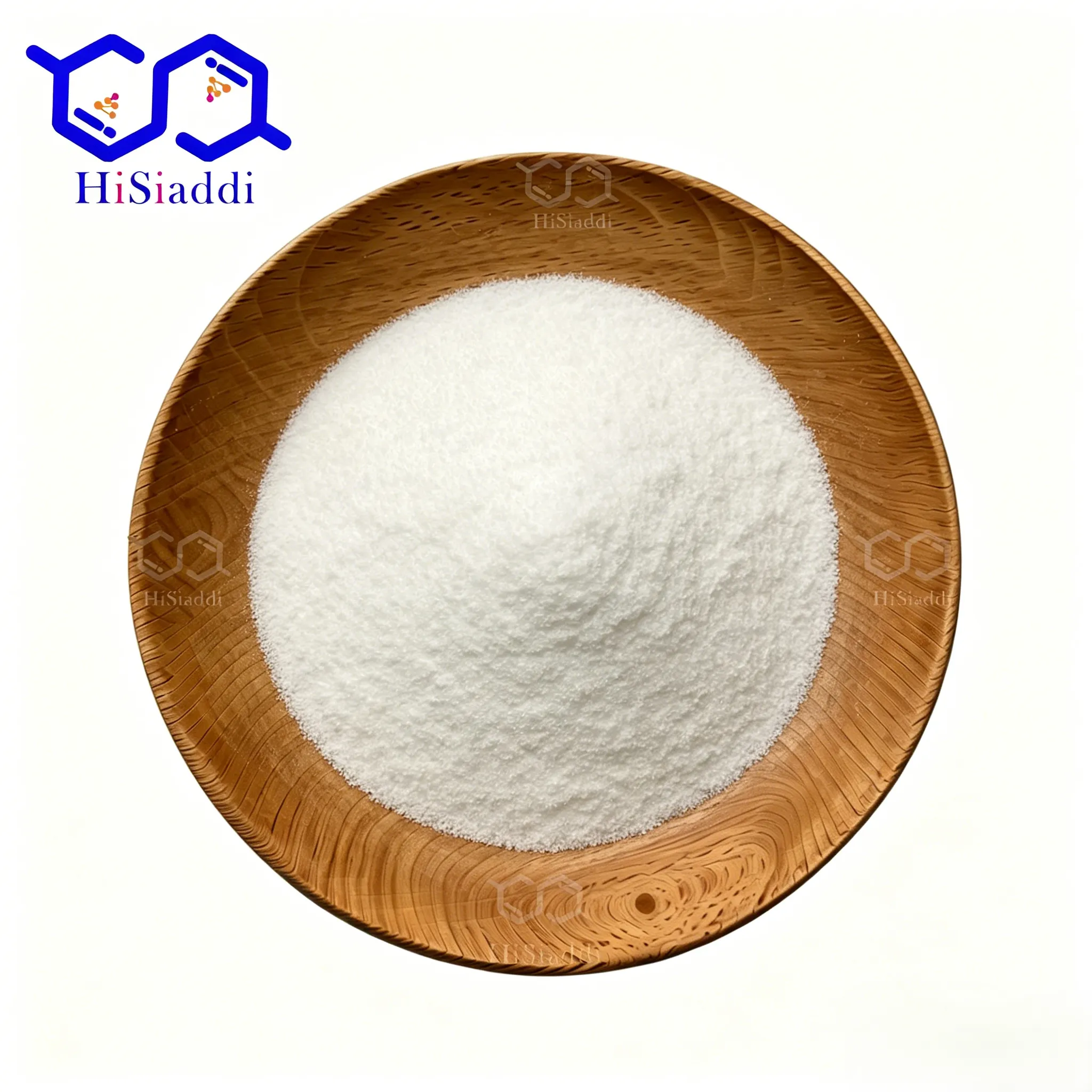
Xylitol is a popular sweetener, with an appearance and taste similar to sugar.
As it is a sugar alcohol, the digestible carbohydrate content in xylitol is very low. Therefore, it is often found in sugar-free products and is one of the most popular commercial sweeteners.
The main ingredients for manufacturing pure xylitol are mainly from natural sources such as birch bark or corn husks.
Although 1 gram of xylitol contains 2.4 calories and approximately 0.6 grams of carbohydrates, these carbohydrates are not as easily digestible as ordinary carbohydrates. It can be said that xylitol has "zero carbohydrates".
Using xylitol can have some positive effects on our health, most of which are related to the fact that xylitol is not sugar.
Regular sugar consumption has a significant impact on our dental health, but xylitol seems to have a protective effect.
This protective effect is one of the reasons why xylitol can be found in various toothpaste, mouthwash, and chewing gum products.
Various harmful bacteria in our mouths can feed on sugar, and then they produce various acids, which are highly likely to damage our teeth and eventually lead to tooth decay.
However, these bacteria cannot break down and digest xylitol in the same way as they do sugar. Habitual daily consumption of 5-7 grams of xylitol can reduce the concentration of these harmful bacteria in the mouth.
And interestingly, when bacterial strains try to digest xylitol, xylitol will destroy their ability to produce energy and cause cell death.
Unlike regular sugar, xylitol has little effect on blood sugar and insulin levels.
For example, several studies investigating the effects of xylitol on human subjects have shown that the intake of xylitol does not increase the blood sugar index or have any effect on insulin levels.
Therefore, replacing regular sugar with xylitol helps to lower fasting blood sugar and insulin levels, thereby reducing our risk of serious diseases.
Due to the benefits of xylitol in regulating blood sugar levels, many diabetic patients use it as their main food.
Candida albicans is a type of yeast that exists in the gastrointestinal tract of most adults. In certain cases, Candida albicans overgrows in the intestines and leads to the development of candidiasis.
Oral candidiasis has also been proven to produce carcinogenic substances, which increase the risk of cancer, and Candida albicans seems to have several tumor-promoting effects.
Although the link between Candida albicans and cancer has not been confirmed, the excessive growth of Candida is not what we want, and xylitol seems to be beneficial in this regard.
A study pointed out that xylitol has significant antimicrobial effects and shows the ability to reduce the concentration of Candida albicans.
In addition to having the least effect on blood sugar and insulin, xylitol is also a low-calorie sweetener.
1 gram of regular sugar contains 4 calories, while xylitol only has 2.4 calories. And since these calories come from the indigestible carbohydrates within xylitol, they cannot be counted as calories for the calculation.
In other words, although xylitol does contain carbohydrates and calories, our bodies do not digest them.
Because of this, some people replace regular sugar with xylitol to reduce their calorie intake and achieve weight loss.
There are various sweeteners on the market. Xylitol, like sugar, is a crystalline white powder. To use it as a substitute for sugar, it simply needs to be replaced at a 1:1 ratio with sugar.
For example, 50 grams of sugar equals 50 grams of xylitol, and 85 grams of sugar is 85 grams of xylitol.
For those who prefer low-carbohydrate baking and sweet recipes, this makes the use of xylitol both convenient and comfortable.
Of course, xylitol not only has positive effects, but it also has several problems and potential side effects.
Every year, many pets die from accidental ingestion of xylitol. Although xylitol has no measurable effect on human insulin levels, it has an effect on animals.
When dogs or cats consume xylitol, their bodies mistakenly identify xylitol as a source of glucose and produce insulin.
Unfortunately, this can lead to hypoglycemia (low blood sugar), and depending on the dosage, it may cause liver damage, and even be fatal.
The dangerous dosage is merely 100 milligrams per kilogram of body weight, meaning just 1 gram of xylitol can pose a significant threat to a 10-kilogram dog.
Xylitol is also a problem for cats. Fortunately, cats are more selective in their food choices, while dogs are more likely to consume xylitol.
Higher doses of xylitol may cause digestive side effects for some people. For most, xylitol has good tolerance at a daily dose of up to 90 grams.
However, for some, higher doses can lead to digestive side effects and discomfort. Typical symptoms may include abdominal pain, bloating, gas, and defecation.
If there are still digestive problems even at low doses (20-50 grams) of xylitol during consumption, it is best to look for alternatives.
It seems that children consuming xylitol do not have major problems. First of all, xylitol is a common component in a series of products used by children.
For example, sweeteners can be found in chewing gum, jellies, gummy candies/candies, toothpaste and mouthwash, and children can use these products.
Additionally, some studies have shown that it can help reduce the risk of tooth decay in children.
Although there are no specific concerns about xylitol and children, it is worth noting that it may have potential side effects or symptoms of gastrointestinal discomfort.
Some people do not tolerate sugar alcohols well - whether they are adults or children.
Foods containing xylitol
There are many foods that may contain xylitol:
Fresh breath mint candies and tablets
Some baked goods Chewing gum
Jelly and other seasonings
Mouthwash
Peanut butter
Protein bars and sugar-free exercise foods
Sugar-free chocolate and candy options
Vitamin tablets
In summary, the use of xylitol may offer several potential benefits. For those who can tolerate xylitol, all evidence indicates that it is a healthy alternative to sugar.
However, for anyone who is sensitive to xylitol or sugar alcohols, it is best to look at alternatives such as arabinose.
Xylitol is a sugar alcohol with a sweetness similar to sugar.
Xylitol is beneficial for dental health, including reducing the risk of tooth decay and cavities.
Furthermore, studies have shown that xylitol can increase the levels of several compounds in the digestive tract, helping to support your gut microbiome.
Xylitol does not raise blood sugar or insulin levels. However, like other sugar alcohols, it can cause digestive system side effects, including bloating or diarrhea.
Keep this in mind and use xylitol in moderation.
Finally, if you have a dog at home, please keep xylitol out of its reach, as xylitol is highly toxic to dogs.
When purchasing Xylitol as a buyer, you may encounter the following questions:
What are the key indicator advantages of mainstream models from well‑known xylitol brands and their impacts on application?
What competitive services can xylitol suppliers provide?
How about qualification certifications and market feedback of target xylitol brands?
What is the inventory level and supply stability of xylitol suppliers?
What factors should be taken into account when selecting xylitol?
…and many more questions.
As an innovative foreign trade service provider driven by both technology commercialization and cross‑border trading services in China, HiSiaddi has established a “1+2+3+4=1” service system to ensure competitive services for B‑end buyers.
In response to these questions, we will first address your most concerned and direct inquiry: from a global competition perspective, what are the key indicator advantages of well‑known Chinese xylitol brands and their benefits for downstream industries?
Of course, HiSiaddi is also pleased to analyze and answer other questions about xylitol. You may check the FAQs and blogs on our website.
For more accurate, detailed and in‑depth analysis on xylitol selection, please feel free to contact us.
HiSiaddi can provide original factory supplies of well‑known Chinese xylitol brands for different customer groups. Based on export data, production capacity, global market share, compliance level, long‑term procurement reputation among overseas buyers, as well as our investigation and long‑term cooperation experience with leading Chinese xylitol manufacturers, we have comprehensively screened out the top 5 domestic xylitol brands: Shandong Futian Pharmaceutical, Shandong Huaren Pharmaceutical, Zhejiang Huakang Pharmaceutical, Shandong Baolingbao Biology and Anhui Fengyuan Biology. Together, these five brands account for over 75% of China’s total xylitol exports, forming the core supplier tier for overseas B‑end buyers. They compete against international xylitol brands from Europe, Southeast Asia, Japan and South Korea (e.g., Cargill from Germany, Mitsui from Japan, CJ CheilJedang from South Korea).
Below is a detailed breakdown of mainstream models, core competitive indicators, cost‑effectiveness, targeted B‑end buyers, and specific downstream & end‑user benefits of each brand, followed by a summary comparison table.
Food‑Grade Xylitol Granules Xylitol F99 (8–16 mesh, 20–40 mesh)
Food‑Grade Xylitol Powder Xylitol P99 (80 mesh, 100 mesh, 200 mesh)
Pharmaceutical‑Grade Xylitol F‑Med99 (Pharmacopoeia‑Grade, compliant with USP/EP/BP)
Liquid Xylitol Xylitol Liquid 70%
Purity: Dry‑basis purity ≥99.5%, far exceeding the national standard threshold of 99.0% and on par with Cargill (Germany) and Mitsui (Japan). Heavy metal content (Lead ≤0.5 mg/kg, Arsenic ≤0.3 mg/kg) strictly complies with European and American certifications including FSSC22000, Kosher and Halal. Gluten‑free and non‑GMO, suitable for high‑end global compliance markets.
Physicochemical Stability: Moisture ≤0.2%, caking rate <0.3%, much lower than domestic peers (0.8%–1.2%). Excellent heat resistance with no coking or off‑flavors under high‑temperature baking at 160 ℃, solving pain points of high‑temperature processing for overseas baking brands. Sweetness stability fluctuation ≤1% with exceptional batch‑to‑batch consistency, fitting standardized overseas production lines.
Impurities & Flavor: Reducing sugar ≤0.15%, free of malt and bitter notes with pure, mild cooling sensation and no irritation. Total microbial count <10 CFU/g, mold and yeast count <1 CFU/g, suitable for high‑hygiene applications such as infant products and oral care goods.
Compliance Certifications: Complete set of mainstream European and American certifications plus USP/EP pharmacopoeia qualifications. One of the few domestic brands authorized for direct export of pharmaceutical‑grade xylitol to Europe and America with zero compliance risks for overseas customs clearance.
Premium grade matches top overseas brands in performance while priced 18%–25% lower than Cargill (Germany) and Mitsui (Japan), and 12%–15% lower than CJ CheilJedang (South Korea). Mid‑tier models outperform small local Southeast Asian manufacturers in cost‑effectiveness, cutting per‑ton procurement costs by over 30% without quality degradation.
Targeted B‑End Buyers
Large European and American oral care enterprises (toothpaste, chewing gum and mouthwash brands, e.g., Dentaid (Europe), Tom’s (USA))
Top high‑end European and American baking and sugar‑free confectionery brands
European and American pharmaceutical and health‑care ingredient buyers
Major Halal food traders and brand OEMs in the Middle East and Southeast Asia
High batch‑to‑batch consistency enables direct compatibility with overseas automated production lines without formula adjustment, reducing formula debugging costs.
Complete compliance certifications support direct high‑end labeling in Europe and America (sugar‑free, sugar substitute, non‑GMO), cutting compliance audit expenses.
Qualified pharmaceutical‑grade purity allows direct application for overseas pharmacopoeia ingredient qualifications, shortening new product launch cycles.
Oral Care Products: Stable inhibition of Streptococcus mutans with superior anti‑caries effects compared with regular xylitol; mild cooling sensation with no gum irritation.
Food Products: Free of after‑bitterness, uniform color after baking; sugar‑free foods taste similar to sucrose, ideal for diabetics and sugar‑controlled consumers.
Pharmaceuticals & Health‑Care Products: High purity with zero impurities, safer for oral rehydration solutions and health‑care product carriers.
Food‑Grade Xylitol Granules HK99 (10–20 mesh, 20–60 mesh)
Fine Xylitol Powder HK‑P99 (120 mesh)
Feed‑Grade Xylitol HK‑Feed
Blended Polyols (Xylitol + Erythritol) HK‑Blend
Production Capacity & Supply Stability: Annual capacity of 80,000 tons with continuous supply free from disruption risks. Stable sea delivery cycles for Southeast Asia and Australia with large‑volume batch supplies.
Balance of Purity & Cost: Dry‑basis purity of 99.0%–99.3% meeting international food‑grade standards; reducing sugar ≤0.2% with pure flavor.
Customizable Particle Size: Non‑standard particle sizes (10–80 mesh) available to meet customized demands of hand‑made confectioneries and small‑to‑medium toothpaste manufacturers in Southeast Asia.
Cost Advantage: Self‑sufficient corn‑cob raw material bases reduce production costs by 5%–8% versus peers.
Regional Certifications: Complete TGA (Australia) and ASEAN food certifications for barrier‑free customs clearance in Southeast Asia.
King of mid‑tier cost‑effectiveness. Priced 10%–13% lower than mid‑tier models of CJ CheilJedang (South Korea) with negligible quality gaps. Quality improved by two grades versus local Southeast Asian sugar substitute manufacturers at only 5% higher price. Blended polyol models drastically cut formula R&D costs for small‑to‑medium overseas brands with ultra‑high cost‑effectiveness.
Small‑to‑medium food, confectionery and beverage manufacturers in Southeast Asia and Australia
Major food traders in Latin America and the Middle East
Raw material suppliers for cross‑border e‑commerce sugar‑free food brands
High raw material self‑sufficiency insulates procurement prices from global corn‑cob price fluctuations, avoiding dual risks of exchange rates and raw material volatility.
Customizable particle sizes and blended formulas eliminate the need for buyer‑side blending, lowering production and processing costs.
Complete Southeast Asian certifications ensure compliance with local food regulations, facilitating rapid market entry in Southeast Asia.
Resistant to moisture absorption and caking under tropical Southeast Asian climates, extending shelf life of confectioneries and beverages.
Blended polyols feature sweetness tailored to local dietary habits for better consumer palatability.
Feed‑grade xylitol improves livestock intestinal health and reduces mortality rates, suiting overseas breeding enterprises.
Ultra‑High‑Purity Pharmaceutical‑Grade Xylitol HR‑Med99.8 (compliant with JP/USP/EP)
Injection‑Grade Xylitol HR‑Inj (Sterile Grade, Endotoxin <0.03 EU/mg)
Food‑Grade Xylitol HR‑Food99.2
Top‑Tier Purity: Pharmaceutical‑grade purity ≥99.8%. Strict sterile treatment and endotoxin control for injection‑grade products. The only domestic brand capable of bulk exports of injection‑grade xylitol to Russia and Japan with higher purity than injection‑grade models of Mitsui (Japan).
Sterility & Safety: Heavy metal, microbial and endotoxin indicators far exceed international standards, suitable for pharmaceutical injections and high‑end health‑care products.
Regional Adaptability: Complete JP (Japan Pharmacopoeia) and GOST (Russia) certifications for smooth customs clearance in Japan, South Korea and Russia.
Low‑Temperature Stability: Non‑crystallizing at −20 ℃, fitting pharmaceutical and food production in cold Russian regions.
Unmatched cost‑effectiveness for high‑end pharmaceutical‑grade products versus overseas brands. Injection‑grade products priced over 30% lower than Mitsui (Japan) with higher purity. Food‑grade models 20% cheaper than local Japanese and South Korean brands with equivalent quality.
Pharmaceutical enterprises and injection ingredient buyers in Japan and Russia
High‑end health‑care and functional food brands in Japan and South Korea
Major oral care enterprises in Northern Europe and Russia
Global high‑end medical food ingredient suppliers
Injection‑grade xylitol requires no secondary sterilization and can be directly used for injection production, reducing sterilization processing costs.
Exclusive certifications for Japan, South Korea and Russia support direct local drug registration, shortening approval cycles.
Low‑temperature stability suits production in cold regions without process adjustments.
Injection‑grade xylitol for infusions offers higher safety for diabetic and post‑operative patients.
Impurity‑free raw materials for high‑end health‑care products ensure better absorption by high‑end overseas consumers.
Oral care products resist caking in low‑temperature environments for improved user experience in winter in Russia and Northern Europe.
Food‑Grade Xylitol Granules BLB99 (20–40 mesh)
Liquid Xylitol BLB‑L70 (70% Content)
Sports‑Nutrition‑Specific Xylitol BLB‑Sport (Low GI, Rapid Dissolution)
Dissolution Performance: Sports‑nutrition‑specific models dissolve in <10 seconds with no sediment, suiting overseas sports drink and protein powder production lines.
Liquid Polyol Advantages: Aseptically filled 70% liquid xylitol for direct application in beverage and sauce production, eliminating dissolution steps and cutting buyer energy consumption.
Low GI Indicator: GI value ≤7, far lower than sucrose, fitting overseas sugar‑control and sports nutrition sectors.
European & American Market Compatibility: Complete FDA and FSSC22000 certifications with high recognition among North American sports nutrition brands.
Liquid xylitol models priced 28%–32% lower than local European and American liquid polyol brands, eliminating concentration processing costs for overseas manufacturers. Solid models 20% cheaper than mid‑tier Cargill products with superior dissolution performance.
Sports nutrition brands, protein powder and sugar‑free beverage manufacturers in North America and Europe
Sauce, baking sauce and syrup producers in Europe and America
Raw material buyers of major global beverage groups
Cross‑border e‑commerce functional food brands
Direct feeding of liquid xylitol removes dissolution and sterilization steps, lowering labor and energy costs in production.
Rapid‑dissolution models adapt to high‑speed beverage production lines for improved efficiency.
Low‑GI properties align with overseas health consumption trends, helping buyers develop differentiated products.
Rapidly dissolves in sports drinks with refreshing taste and no granularity for sports consumers.
Low‑GI property avoids blood‑sugar spikes, ideal for fitness, sugar‑control and weight‑loss groups.
Stable sweetness and longer shelf life for sauces and baked goods.
General Food‑Grade Xylitol FY99 (20–60 mesh)
Coarse‑Granule Xylitol FY‑Coarse
Feed‑Grade & Industrial‑Grade Xylitol FY‑Industrial
Ultimate Cost Control: Large‑scale corn‑cob raw material bases in Anhui deliver the lowest domestic production costs with export prices 8%–10% lower than peers.
Large‑Volume Supply: Annual capacity of 70,000 tons for bulk shipments, suiting mass procurement in the Middle East and Africa.
Qualified Basic Indicators: Purity ≥99.0% meeting general international food standards with compliant basic microbial and heavy metal indicators.
Rough‑Handling Resistance: High‑hardness granules resist breakage and pulverization during long‑haul sea transportation, lowering loss rates.
Ultimate cost‑effectiveness. Matches prices of local unbranded substitutes in the Middle East and Africa with upgraded quality; priced 35%–40% lower than European and American brands, the top choice for mass‑market sugar‑free foods and feed additives.
Major food traders and bulk raw material buyers in the Middle East and Africa
Small‑to‑medium confectionery, beverage and baking manufacturers in Southeast Asia
Global feed additive and industrial auxiliary buyers
Basic sugar substitute suppliers for cross‑border e‑commerce in developing countries
Ultra‑low bulk procurement costs enhance price competitiveness of end products to capture mass markets.
Transport‑resistant granules keep sea freight loss rates below 1%, cutting logistics costs.
Qualified basic compliance adapts to lenient food regulations in the Middle East and Africa for rapid production rollout.
Affordable pricing popularizes sugar‑free foods and healthy sugar substitutes among low‑income consumers.
High‑hardness granules improve confectionery moldability and breakage resistance for mass‑market food scenarios.

| Comparison Dimension | Shandong Futian Pharmaceutical | Zhejiang Huakang Pharmaceutical | Shandong Huaren Pharmaceutical | Shandong Baolingbao Biology | Anhui Fengyuan Biology |
| Export Ranking | 1 | 2 | 3 | 4 | 5 |
| Core Export Regions | High‑end markets in Europe, America, Japan & South Korea | Southeast Asia, Australia & Latin America | Japan, South Korea, Russia & Northern Europe | Sports nutrition markets in North America & Europe | Mass markets in the Middle East, Africa & Southeast Asia |
| Mainstream Core Models | F99 Granules, P99 Powder, F‑Med99 Pharmaceutical‑Grade, 70% Liquid | HK99 Granules, HK‑P99 Fine Powder, Blended Polyols, Feed‑Grade | HR‑Med99.8 Ultra‑High‑Purity, HR‑Inj Injection‑Grade, HR‑Food99.2 | BLB99 Granules, BLB‑L70 Liquid, BLB‑Sport Sports‑Nutrition‑Specific | FY99 General Food‑Grade, FY‑Coarse Coarse Granules, Industrial/Feed‑Grade |
| Core Competitive Advantages | Purity ≥99.5%, caking rate <0.3%, full European & American certifications, strong pharmaceutical‑grade compliance | High raw material self‑sufficiency, customizable particle size/formula, complete Southeast Asian certifications, stable supply | Purity ≥99.8%, sterile injection‑grade, ultra‑low endotoxin, Japan‑Russia pharmacopoeia certifications | Dissolution speed <10 s, 70% liquid polyols, low GI, high‑speed production line compatibility | Lowest production costs, low long‑haul sea freight loss, strong bulk supply capacity |
| Competing Overseas Counterparts | Top premium brands: Cargill (Germany), Mitsui (Japan) | Mid‑tier mainstream brand: CJ CheilJedang (South Korea) | Mitsui’s injection‑grade products, local Russian pharmaceutical raw materials | Local European & American liquid polyols & sports nutrition raw materials | Local unbranded sugar substitutes in the Middle East & Africa |
| Cost‑Effectiveness Positioning | Premium grade matching top overseas brands, 18%–25% lower price | King of mid‑tier cost‑effectiveness, 10%–13% lower price | Ultimate cost‑effectiveness for high‑end pharmaceuticals, injection‑grade 30%+ lower | Liquid polyols outperform local European & American brands, 28%–32% lower | Ultra‑low price for mass markets, 35%–40% lower |
| Targeted B‑End Buyers | European & American oral care, high‑end baking & pharmaceutical raw material suppliers, Middle Eastern Halal brand owners | Small‑to‑medium Southeast Asian food manufacturers, Latin American traders, feed buyers | Japanese‑Russian pharmaceutical enterprises, high‑end health‑care brands, Northern European oral care enterprises | European & American sports nutrition brands, beverage/sauce manufacturers | Middle Eastern‑African bulk traders, Southeast Asian mass‑market food manufacturers, feed auxiliary suppliers |
| Specific Benefits for Downstream Buyers | Strong formula adaptability, low compliance audit costs, shortened new product launch cycles | Avoid raw material price volatility, lower processing costs via customization, rapid Southeast Asian market entry | No secondary sterilization required, shortened local drug registration cycles, cold‑region production compatibility | No dissolution steps needed, improved production efficiency, low‑GI differentiated product development | Low bulk procurement costs, low sea freight loss, rapid rollout under lenient regulations |
| Specific Benefits for End‑Users | Stable anti‑caries effects, pure taste, high pharmaceutical‑grade safety | Tropical‑climate adaptability, long shelf life, tailored local taste | Injection‑grade suitability for post‑operative/diabetic patients, better health‑care product absorption | Sediment‑free beverages for sports consumers, low‑GI weight‑loss friendliness | Affordable pricing for sugar substitute popularization, good confectionery moldability |
HiSiaddi, a new-type foreign trade service provider driven by dual engines of technology transformation and foreign trade services, have formed a "1+2+3+4=1" product service system by 1 foreign trade salesperson with over 3 years of experience, 2 R&D teams, 3 high-quality suppliers, and 4 warehouses to serve 1 product demand.
Relying on this service system, HiSiaddi has deeper mastery in R&D optimization and technical craftsmanship of Xylitol products than most foreign trade firms, a clearer grasp of market demands and competitive edges of different Xylitol brands than single factories, and a more comprehensive understanding of the Xylitol foreign trade market than research institutes.
HiSiaddi only recruits foreign trade sales staff with over 3 years of working experience, who must complete more than 6 months of training delivered by the R&D team and foreign trade team before providing services to clients.
(1)Xylitol Basic Guarantee Service: Backed by the foreign trade team and the company’s service framework, we deliver one-stop full-process document handling services for clients, including but not limited to: presentation and application of all compliance certificates for Xylitol; provision of third-party test reports and resolution of quality warranty feedback issues.
(2)Xylitol Exclusive Premium Service: Supported by the R&D team, we provide customized product and technical consulting services to clients, including but not limited to: comparative analysis of core index compatibility and cost for all Xylitol brands; regular sharing of market trends related to Xylitol products.
We carry out in-depth technical transformation cooperation with source manufacturers and maintain tight internal collaboration with the foreign trade team to deliver professional technical training for sales personnel. This enables more customized and professional Xylitol solutions, and offers research-level consulting services for Xylitol brand matching recommendation and optimization of Xylitol application formulas.
(1)Xylitol Research-Grade Customization Service:
① Particle size customization: Customized non-standard mesh granules and powder (5–200 mesh);
② Flavor customization: Adjustable cooling intensity, sweetness intensity and bitterness-free formulas;
③ Compound polyol customization: Xylitol blended with Erythritol/Maltitol, finished compound raw materials provided directly without clients’ secondary blending;
④ Function-enhanced customization: High anti-cavity grade, low GI enhanced grade, low-temperature stable grade xylitol.
We not only supply raw materials, but also develop formulas adapted to local markets for clients, cutting their R&D costs and shortening new product launch cycles.
(2)Xylitol Research-Grade Consulting Service:
Global market intelligence and competitor benchmarking service. We track real-time price fluctuations, model updates, index upgrades, certification changes and regional distribution of xylitol brands including Cargill (Germany), Mitsui (Japan), CJ (South Korea) and local Southeast Asian manufacturers, and deliver competitor benchmark reports for purchasers. We analyze sugar substitute policies, zero-sugar food consumption trends and xylitol specifications adopted by end competitors in target markets, helping clients adjust raw material selection to seize differentiated market advantages. We also track price trends of Chinese xylitol raw materials (corn cob) to predict cost fluctuations in advance and offer procurement suggestions for stock-up or batch purchasing.
Our foreign trade team and R&D team cooperate closely. Through multiple rounds of research and cooperation including preliminary market surveys, on-site factory audits, product testing, in-depth technology transformation partnerships and product procurement collaboration, we screen roughly 3 branded manufacturers featuring reliable quality, stable supply, sound reputation and great development potential.
(1) Initiative to Secure Lower Purchase Prices: Long-term cooperation based on technology transformation and authorized distribution enables us to source factory-original raw materials at more competitive prices.
(2) Xylitol Long-Term Supply Chain Guarantee Service: Long-term partnerships in technology transformation and distribution effectively strengthen supervision over the whole production process, thus improving full-lot traceability, batch stability control, and compensation guarantee mechanisms for unqualified third-party inspection results.
We have 4 warehouses, which are jointly operated and managed with suppliers to store hot-selling products.
(1)Xylitol Fast Nearby Shipment & Stronger Ability to Resolve Emergencies: Our four warehouses are located at Qingdao Port in North China, Ningbo Port in East China, Shenzhen Port in South China, and Zhengzhou, China’s inland logistics hub, guaranteeing timely delivery of Xylitol. Meanwhile, on-site staff can settle transport accidents, packaging defects and export compliance issues related to Xylitol on the spot in a timely manner.
(2) Alleviate Price Fluctuations & Support Custom Packaging: We stock goods in advance to ease drastic price swings during Xylitol peak sales seasons; our self-owned warehouses can better satisfy clients’ personalized demands for packaging, labels and other custom items.
As a new foreign trade service provider driven by both technology commercialization and foreign trade services, HiSiaddi has established a "1+2+3+4=1" service system and can supply xylitol from multiple well-known original manufacturers. As a foreign trade enterprise with R&D capabilities, HiSiaddi will professionally sort out common challenges faced by B-end buyers sourcing xylitol from China and propose corresponding solutions.
If you require more professional and in-depth analysis on xylitol procurement, please contact HiSiaddi customer service.
1. FDA Compliance and Labeling Risks: As a mainstream functional sugar alcohol, North America defines clear permitted addition ranges and labeling rules for xylitol in food and oral care products. Claims for dental protection and low glycemic index are permitted, while medical benefits such as blood sugar reduction or disease treatment are prohibited. Labels must clearly state purity, moisture content, particle size and calorie values; deviations exceeding 5% between measured raw material indicators and label specifications trigger inspection penalties. Meanwhile, imported raw materials require FDA food contact registration; incomplete registration documentation leads to cargo detention and product removal from sales channels.
2. Diverse Particle Size Grades with High Mismatch Risk: The North American market features 80-mesh, 100-mesh, 200-mesh crystalline xylitol and powdered xylitol. Large particles are used for hard candies and chewing gum, while fine powder/ultrafine powder serves solid beverages, lozenges and toothpaste. Small and medium buyers lack selection experience, leading to poor chewing texture, powder stratification and abnormal toothpaste abrasion from mismatched particle sizes.
3. Strict Physicochemical and Safety Standards: Food-grade xylitol requires ≥99.0% purity, reducing sugar ≤0.2%, lead <1ppm, total aerobic bacteria ≤1000cfu/g and moisture ≤0.5%. Low-grade raw materials often suffer from over-limit reducing sugars and falsely labeled purity, causing finished sugar-free products to absorb moisture and deteriorate in sweetness, disqualifying them from mainstream supermarket and oral care brand channels.
4. Scattered Orders Conflicting with MOQ and Inventory Needs: Clients include food manufacturers, toothpaste factories and health supplement producers with frequent small-batch sampling and partial replenishment orders. Most large manufacturers impose high minimum order quantities and reject small orders, resulting in inventory overstock or production line material shortages.
1. Full Compliance Documentation + Label Guidance: Provide FDA food registration documents, compliant label templates and standardized marketing claim specifications; issue full-item CoA test reports for each batch with batch indicator deviations controlled below 3%, fully supporting regulatory inspections.
2. Full Particle Size Inventory + Technical Selection Support: Maintain stock of mainstream crystal and powder mesh sizes, and provide one-on-one particle size recommendations per end-use scenarios including chewing gum, beverages and oral care to eliminate selection errors.
3. Dual Quality Inspection for Quality Assurance: Implement internal self-inspection plus third-party testing by SGS/Intertek covering reducing sugars, heavy metals, microorganisms and solvent residues, with all indicators meeting North American food and cosmetic import standards.
4. Flexible MOQ + Overseas Warehouse Inventory: Support small trial orders starting at 50kg and mixed shipments of multiple specifications; stock goods in North American overseas warehouses for local delivery within 3–7 days for urgent orders to reduce inventory and stockout risks.
1. Dual Compliance Pressure from Food Additive Approval and REACH: Xylitol is an authorized EU food additive requiring toxicology reports and stability data for qualification review, while REACH regulations mandate SVHC high-concern substance content ≤0.1%. Small and medium buyers lack dedicated compliance teams, leading to 5–8 month document sorting and declaration cycles that delay new product launches.
2. Poor Temperature & Humidity Tolerance: Xylitol is highly hygroscopic. Long-distance sea freight and variable long-term warehouse storage across the EU cause caking in standard packaging, disrupting feeding and finished product morphology. Conventional raw materials exhibit subpar heat resistance for high-temperature baking, with slight decomposition during prolonged heating leading to abnormal color and flavor in baked goods.
3. Low-Temperature Freezing Point Limitations for Formulations: Xylitol releases significant heat upon dissolution, creating excessive cooling sensation in cold drinks and refrigerated beverages without formulation adjustments; high addition ratios risk precipitation at low temperatures.
4. Mandatory Sustainable Sourcing Barriers: Major EU supermarkets and organic brands enforce raw material traceability for xylitol, sustainable forestry certificates and carbon footprint reports. Xylitol derived from corn cobs or birch wood cannot enter high-end channels without such ecological documentation, eliminating premium pricing opportunities.
1. One-Stop Compliance Package + Declaration Support: Supply EU food additive approval documents, REACH-SVHC test reports, EU organic, KOSHER and HALAL certifications; a professional compliance team assists with document submission and review, shortening declaration cycles to within 3 months.
2. Anti-Caking, Moisture-Proof & Heat-Resistant Customized Products: Add food-grade permitted anti-caking agents, paired with nitrogen-filled light-shielded vacuum aluminum foil packaging and moisture-proof compression outer cartons to prevent significant caking over 24 months of storage. Launch high-temperature resistant special grades for baking production lines, alongside cold drink formulation adjustment guidelines to avoid excessive cooling sensation and low-temperature precipitation.
3. Category-Specific Product Supply: Separate baking-specific, beverage-specific and cosmetic-specific grades matched to physicochemical requirements under different production conditions.
4. Green Supply Chain Documentation Support: Provide birch wood/corn cob raw material traceability records, sustainable forestry/agriculture certificates and full-chain carbon footprint reports to help clients access premium EU sales channels.
1. Market Disruption by Low-Cost Adulterated Raw Materials: Local workshops adulterate xylitol with glucose, maltodextrin and white granulated sugar to cut prices. Pure xylitol carries higher production costs, squeezing profit margins for legitimate suppliers supplying low-end snacks and cosmetics.
2. Falsely Labeled Indicators & Difficult Authenticity Verification: Purity is widely misrepresented on the market; products labeled 99% xylitol often test at only 88%–95% with severely over-limit reducing sugars. Local professional testing institutions are scarce, preventing rapid verification upon delivery. Production launch with substandard materials causes moisture absorption and distorted sweetness in sugar-free food, triggering end-user complaints and product returns.
3. Severe Product Losses Under Harsh Storage & Transportation Conditions: Southeast Asia maintains year-round high temperature and humidity, accelerating xylitol moisture absorption, agglomeration and partial melting during transit and warehousing. Combined with port congestion during rainy seasons, sea freight delays of 1–3 weeks worsen quality degradation, creating comprehensive loss rates of 8%–12%.
4. Lack of After-Sales Protection: Local suppliers are mostly small traders and workshop manufacturers refusing returns or exchanges for quality issues such as substandard purity and severe caking, shifting all losses to buyers.
1. Tiered Pricing for Segmented Markets: Two product tiers – economy grade (90% purity) and standard grade (99% purity) – with tiered pricing. Economy grade suits low-end leisure snacks and ordinary cosmetics, while standard grade serves branded sugar-free food and export orders, balancing cost and quality.
2. Authoritative Testing + Traceability Anti-Counterfeiting: Provide bilingual SGS test reports for each batch detailing full indicators including purity and reducing sugar; assign exclusive batch traceability QR codes to view production and testing records upon scanning for rapid adulteration identification.
3. Reinforced Moisture-Proof Packaging + Staggered Logistics: Double-layer waterproof aluminum foil sealed packaging with waterproof reinforced outer cartons limits transportation losses to below 2%; schedule shipments to avoid rainy seasons and port peak periods with direct sea routes stabilizing delivery cycles at 7–10 days.
4. Dedicated Local After-Sales Service: Deploy full-time Southeast Asian account managers with 24-hour issue response; support full-order returns and exchanges for non-human-induced quality defects such as substandard purity and severe caking, covering round-trip logistics costs.
1. Halal Certification Access Barriers: The Middle East enforces strict halal standards requiring xylitol raw materials, fermentation/refining auxiliary materials and production pipelines to comply with halal specifications. Goods without authoritative Malaysian JAKIM or UAE ESMA certificates face customs detention and confiscation, while independent certification procedures are lengthy and complex.
2. Accelerated Quality Degradation Under Extreme Heat: Summer temperatures exceed 40°C across the Middle East, with high heat and humidity accelerating xylitol moisture absorption, softening and agglomeration, impairing powder flowability and disrupting candy and toothpaste production and finished product quality.
3. Fragmented Orders Mismatched to Supply Models: Clients consist primarily of small food workshops, regional retailers and local cosmetic shops with orders concentrated between 20–100kg and high ordering frequency. Most suppliers enforce a 200kg minimum order quantity, unable to accommodate frequent small batches.
4. Taste Adaptation Issues: Xylitol’s endothermic cooling sensation creates flavor conflicts in traditional hot desserts and preserved fruits, with buyers lacking compound formulation solutions that reduce market acceptance of finished products.
1. Dual Authoritative Halal Certifications + Customs Clearance Support: Full-process halal production control at manufacturing facilities with dual JAKIM and ESMA certifications; provide original certificates with English translations attached to shipments and assist clients with customs filing for smooth clearance.
2. High-Temperature Resistant Moisture-Proof Custom Packaging: Pair permitted anti-caking agents with thick insulated aluminum foil + thermal foam packaging, maintaining loose powder and stable physicochemical indicators after 3 months of storage at 45°C.
3. Flexible Production for Ultra-Small Orders: Production lines support minimum orders starting at 20kg with delivery within 3–5 days for orders under 100kg; stock goods in Dubai overseas warehouses for local same-day/next-day delivery for urgent orders.
4. Flavor Compound Technical Support: Provide blending ratio formulas for xylitol with sucrose and high-fructose corn syrup to mitigate cooling sensation and match flavor profiles of traditional Middle Eastern desserts and preserved fruits.
1. High Production Qualification and Workshop Thresholds: For pharmaceutical excipients, special medical food and medicinal oral preparation raw materials, suppliers must hold EU GMP certification with Class 10,000 clean sterile production workshops. Conventional food-grade production lines fail to meet sterilization, dust removal and impurity control requirements, disqualifying suppliers from bidding.
2. Ultra-Strict Purity and Impurity Limits: Pharmaceutical/special medical grades require xylitol purity ≥99.5%, reducing sugar ≤0.1%, individual heavy metal <0.1ppm, total aerobic bacteria ≤10cfu/g, zero organic solvent residues and no allergenic impurities; standard food-grade raw materials cannot satisfy these thresholds.
3. Lengthy Technical Documentation Review Cycles: Entry into European pharmaceutical, special medical food and medicinal cosmetic systems requires submission of excipient DMF files, process validation reports, long-term stability tests and pharmacological toxicology assessments, with EMA review cycles of 5–8 months and direct rejection for non-standard documentation.
4. High Cross-Contamination Risks: Pharmaceutical-grade xylitol prohibits shared production lines and warehouses with ordinary food additives and chemical raw materials; cross-contamination results in full-batch scrapping and substantial economic losses.
1. Independent GMP Medical-Grade Production Lines: Equipped with EU GMP-certified Class 10,000 clean sterile workshops featuring dedicated physical isolation production lines, warehouses and logistics channels for pharmaceutical, special medical and medicinal cosmetic grades, fully complying with European pharmaceutical raw material production specifications.
2. Deep Refining for Rigorous Indicator Control: Multi-stage recrystallization + ion exchange refining processes deliver stable purity ≥99.5%, with reducing sugar, heavy metal and microbial indicators fully compliant and batch purity deviation controlled within ±0.3%; dedicated pharmaceutical-grade test reports issued per batch.
3. Full Technical Documentation + Audit Support: Pre-compile complete DMF, process validation, stability and toxicology assessment materials; a dedicated pharmaceutical regulatory team addresses EMA audit inquiries throughout the review process, shortening cycles to within 4 months.
4. Full-Chain Sterile Isolation Control: Raw materials undergo sterile airtight packaging and sterilization with dedicated sealed logistics transportation; supply workshop zoning and cross-contamination prevention control records to eliminate quality risks end-to-end.
For more professional and in-depth analysis on xylitol procurement, please contact HiSiaddi customer service.
Lead time
Quantity (ton) | 0 - 10 | 10 - 30 | > 30 |
Lead time (days) | 7 | 15 | To be negotiated |
As a new-type foreign trade service provider driven by dual engines of technology commercialization and export services, HiSiaddi has built a "1+2+3+4=1" service system and can supply xylitol from multiple well-known original manufacturers.
As a research-driven foreign trade enterprise, unlike single-brand factories that only promote their own products, HiSiaddi objectively analyzes multiple competitive Chinese export brands of xylitol and shares their certification credentials and market feedback to help buyers make efficient, reliable purchasing decisions.
If you need more authentic and objective introductions to multiple well-known Chinese xylitol brands, please contact HiSiaddi customer service.
1. Food-grade Xylitol (Hegan XG-995): Purity ≥99.5%, particle size 80–200 mesh, low hygroscopicity, suitable for sugar-free beverages, baking and chewing gum;
2. Pharmaceutical-grade Xylitol (HK-YL-998): Purity ≥99.8%, heavy metals <0.1ppm, compliant with USP/EP standards, used for pharmaceutical excipients and diabetic special medical foods;
3. Organic Xylitol (HK-ORG-997): Dual EU ECOCERT + U.S. NOP certifications, purity ≥99.7%, targeting premium oral care and infant food;
4. Liquid Xylitol (HK-LIQ-70): 70% concentration, high solubility, suited for Southeast Asian daily chemical and liquid beverage applications.
· European & American markets: Core supplier to Mars Wrigley, Mondelēz and Ferrero. Clients comment on stable batch consistency (CV≤0.6%), sucrose-like taste and effective anti-cavity performance; European and American orders rose 18% year-on-year in 2025;
· Asia-Pacific markets: Specified ingredient supplier for Unilever, P&G and Colgate. Southeast Asian clients praise liquid xylitol for fitting local low-concentration beverage formulas with stable 2–3 week delivery cycles;
· Brand reputation: The "Hegan" brand enjoys high global recognition with end-client repeat purchase rate exceeding 95%. It was awarded "Most Competitive Global Xylitol Brand" in 2025.
· Domestic accreditations: MIIT "Manufacturing Single Champion Product", national high-tech enterprise, ISO9001/ISO22000/FSSC22000 certifications, customs export green channel enterprise (100% sampling pass rate);
· International certifications: FDA GRAS, triple USP/EP/BP pharmacopoeia certifications, EU REACH registration, KOSHER/HALAL certifications; organic products hold dual ECOCERT/NOP certifications;
· Technical credentials: Over 300 domestic and international patents including 47 international patents; participant in drafting national xylitol industry standards.
1. Pharmaceutical-grade Xylitol (FT-YL-999): Purity ≥99.9%, moisture ≤0.4%, compliant with USP/EP/Chinese Pharmacopoeia, used for injectable excipients and high-end special medical foods;
2. Food-grade Xylitol (FT-996): Purity ≥99.6%, uniform particle size, heat-resistant (no decomposition at 120°C), suitable for chewing gum and hard candy;
3. Sustained-release Xylitol (FT-SR-995): Patented sustained-release technology extending release duration by 30%, applied in oral care lozenges and sugar-free chewable tablets.
· Pharmaceutical market: Long-term supplier to Pfizer, Bayer and By-health. Clients acknowledge ultra-high purity, zero microbial detection and superior batch consistency versus European competitors; pharmaceutical-grade orders grew 22% year-on-year in 2025;
· Oral care: Core ingredient supplier for Colgate and Darlie. Sustained-release products extend oral retention time and boost anti-cavity efficacy by 20%;
· Cost reputation: Corn cob clean production process cuts costs by 15%, clients note comparable quality to Western brands at lower prices.
· Domestic accreditations: National high-tech enterprise, national certified enterprise technology center, postdoctoral workstation, customs export green channel enterprise;
· International certifications: FDA DMF filing, EDQM CEP certification, triple USP/EP/BP pharmacopoeia certifications, FSSC22000, BRC, KOSHER/HALAL;
· Industry standing: Domestic independent breakthrough in "corn cob clean xylitol production" technology; 159 invention patents and 25 provincial and above science & technology progress awards.
1. Food-grade Xylitol (BLB-995): Purity ≥99.5%, moisture ≤0.42% (better than industry average 0.5%), excellent fluidity, suitable for beverages, baking and candy;
2. Pharmaceutical-grade Xylitol (BLB-YL-998): Purity ≥99.8%, U.S. cGMP certified, for oral preparations and nutritional supplements;
3. Compound Xylitol (BLB-MIX): Xylitol + erythritol + stevia blend eliminating aftertaste and lowering costs for mass-market sugar-free food.
· Beverage market: Supplier to Coca-Cola, Nestlé and Master Kong. Clients highlight excellent solubility with no precipitation, compatible with carbonated and tea beverage formulas; beverage orders rose 16% year-on-year in 2025;
· Baking market: Long-term partner of Mondelēz and Orion. Heat resistance prevents coking and extends product shelf life;
· Service reputation: <2-hour technical response, strong customized formulation capability with high adaptability for small and medium clients.
· Domestic accreditations: National high-tech enterprise, ISO9001/ISO22000/FSSC22000, HACCP certifications, customs export green channel enterprise;
· International certifications: FDA GRAS, USP/EP certifications, U.S. cGMP certification, KOSHER/HALAL, EU REACH registration;
· Technical credentials: Participant in drafting polyol industry standards, over 30 patents, extensive industry-university-research collaboration.
1. Food-grade Xylitol (LZ-995): Purity ≥99.5%, particle size 100–200 mesh, prominent price advantage for mass-market sugar-free food and candy;
2. Industrial-grade Xylitol (LZ-985): Purity ≥98.5%, used for biodegradable materials, electroplating and coatings at low cost;
3. High-purity Micronized Xylitol (LZ-998-F): D90≤125μm, anti-hygroscopic, suitable for premium toothpaste and powdered beverages.
· Southeast Asia & Africa: Preferred raw material for local food manufacturers, priced 20% lower than Western brands with compliant quality and stable supply; exports to Southeast Asia jumped 25% year-on-year in 2025;
· Industrial applications: Supplier to European biodegradable material manufacturers, recognized for stable purity compatible with polymerization reactions and controllable costs;
· Capacity reputation: Annual output of 48,000 tons with robust peak-season supply capacity, 3–4 week delivery cycles with zero stockout records.
· Domestic accreditations: ISO9001/ISO22000, HACCP certifications, high-tech enterprise, drafting unit of industry standards;
· International certifications: FDA GRAS, USP/EP certifications, EU REACH registration, KOSHER/HALAL;
· Capacity standing: 48,000 tons annual output in 2025 accounting for 22.1% of national total; large-scale production delivers significant cost advantages.
1. High-purity Xylitol (THS-997): Purity ≥99.7%, impurities <0.05%, for premium chewing gum and oral care;
2. Pharmaceutical-grade Xylitol (THS-YL-998): Purity ≥99.8%, compliant with BP/FCC/USP standards, for pharmaceutical excipients and health supplements;
3. Custom Particle-Size Xylitol (THS-CUST): Adjustable D50/D90 particle size, anti-hygroscopic and highly soluble, tailored for exclusive formulas of Coca-Cola and Mars.
· Multinational giants: Core supplier to Kraft Heinz, Mars, Coca-Cola and Nestlé with over 12 years of cooperation; clients praise strong customization capability, stable batches and zero quality complaints;
· Premium oral care: Supplier to top European and American toothpaste brands, noted for high purity free of off-odors enhancing product flavor and anti-cavity efficacy;
· Brand reputation: 98% client satisfaction rate and 93% repeat purchase rate in 2025 with strong premium pricing power in high-end segments.
· Domestic accreditations: ISO9001/ISO14001/ISO45001/FSSC22000, HACCP certifications, high-tech enterprise;
· International certifications: FDA GRAS, triple USP/EP/BP pharmacopoeia certifications, KOSHER/HALAL, EU REACH registration, EDQM certification;
· Traceability capability: Full-chain blockchain traceability covering raw materials to finished goods, meeting traceability requirements of Mars, Nestlé and other major clients.
表格
Brand | Core Advantages | Mainstream Grades | Target Markets | Price Range (USD/MT) |
Huakang Pharmaceutical | Strong global brand leadership, leading organic & liquid xylitol | Hegan XG-995, HK-ORG-997 | European & American premium markets, Asia-Pacific daily chemicals | 3,800–4,500 |
Futian Pharmaceutical | Pharmaceutical-grade benchmark, highest purity | FT-YL-999, FT-SR-995 | European & American pharmaceuticals, oral care | 4,000–4,800 |
Baolingbao | Optimized for beverages & baking, strong compound formulation capacity | BLB-995, BLB-MIX | Global mass-market food & beverages | 3,500–4,200 |
Luzhou Biology | Unmatched cost-performance, massive capacity | LZ-995, LZ-985 | Southeast Asia, Africa, industrial applications | 3,200–3,800 |
Taiheshun | Industry-leading customization, exclusive supplier to multinational giants | THS-997, THS-CUST | Multinational conglomerates, premium oral care | 3,900–4,600 |
If you need more authentic and objective introductions to multiple well-known Chinese xylitol brands, please contact HiSiaddi customer service.
The monthly inventory volume of Xylitol is 60 tons, with appropriate adjustments upwards or downwards in response to peak and off-peak seasons.
HiSiaddi safeguards the supply stability of Xylitol through the following measures:
(1) Performance evaluation and screening of Xylitol brand factories based on on-time delivery rate, batch pass rate, timeliness of risk alerts, and completeness of documentation to assess their supply stability.
(2) For each mainstream model or major grade of Xylitol, secure 1 primary high-quality brand manufacturer and 2 backup high-quality manufacturers.
(3) Each factory operates independent production lines in separate production zones to prevent production halts caused by major unforeseen incidents such as environmental production suspensions and power outages.
Through long-term cooperation with brand manufacturers via technology commercialization and authorized distribution channels, HiSiaddi can effectively strengthen supervision over the production processes of brand manufacturers, optimize full-process traceability management, improve batch stability control, and further reinforce real-time monitoring of the supply stability of Xylitol products.
Long-term Annual Framework Supply Guarantee Agreement. HiSiaddi signs 12-month long-term agreements with leading manufacturers. The agreements specify the minimum guaranteed supply volume, maximum price hike range, and priority production scheduling rights during peak seasons. It is stipulated that manufacturers shall issue a 30-day prior written notice if production is suspended due to environmental rectification or equipment maintenance, and backup manufacturers will be activated to replenish goods accordingly.
We have 4 warehouses, which are jointly operated and managed with suppliers to store hot-selling products.The four warehouses are located at Qingdao Port in North China, Ningbo Port in East China, Shenzhen Port in South China, and Zhengzhou, China’s inland logistics hub. This setup guarantees sufficient supply and timely shipment of Xylitol during peak seasons.
HiSiaddi issues a rolling demand forecast covering the subsequent three months on the 25th of each month, allowing manufacturers to reserve production capacity in accordance with the forecast. Any new urgent orders from overseas clients will be prioritized to draw on inventories or production capacity from backup manufacturers.
Unstable logistics for Xylitol will extend delivery lead times. HiSiaddi has established alternative arrangements covering multiple freight forwarders, ports and transportation solutions:
(1) Binding of multiple professional chemical freight forwarders for Xylitol
Each product is assigned 2 to 3 freight forwarders with hazardous chemical/food transport qualifications affiliated with different shipping lines. Alternative sailing schedules can be switched to immediately in case of space shortages or customs inspections on a single shipping route.
(2) Backup transportation solutions for Xylitol
Ocean freight serves as the standard mode; air freight and rail freight are reserved as alternatives for urgent orders. Long-term agreements for temperature-controlled containers are signed for temperature-sensitive and perishable food additives to secure shipping space.
(3) Visual tracking and digital early warning for Xylitol
Freight forwarders synchronize daily updates on container loading, customs declaration, vessel loading and port arrival milestones. If customs inspection occurs, replenishment from backup inventory will be initiated immediately to shorten client waiting periods.
Full-chain digital early warning automatically monitors four categories of risks:
Factory side: Expiring supplier environmental assessment certificates, renewal of production permits, scheduled major equipment overhauls, and notifications of price hikes for upstream raw materials;
Inventory side: Inventory falling below safety thresholds, excessive inventory age, and batches failing quality inspection;
Logistics side: Shipping line space shortages, strikes at destination ports, and updates to customs policies;
Overseas side: Revisions to additive regulations and adjustments to import restriction lists in target countries.
Early warning notifications are automatically pushed to procurement and business leads, allowing backup suppliers or inventory contingency plans to be activated in advance.
As a new-type foreign trade service provider driven by dual engines of technology commercialization and export services, HiSiaddi has built a "1+2+3+4=1" service system and can supply xylitol from multiple well-known original manufacturers.
As a research-driven foreign trade enterprise, unlike single-brand factories that only promote their own products, HiSiaddi objectively analyzes multiple competitive Chinese export brands of xylitol and shares their production processes, supply stability and key indicators, as well as their impacts on buyers, to help buyers make efficient, reliable purchasing decisions.
If you need more authentic and objective introductions to multiple well-known Chinese xylitol brands, please contact HiSiaddi customer service.
· Raw material side: Fully integrated corn cob → xylose → xylitol supply chain with two major raw material bases in Jiaozuo and Yahua; self-sufficiency rate of xylose reaches 86.4%.
· Core process: Continuous ion exchange purification + biological enzymatic hydrogenation + AI energy consumption optimization + MVR evaporation + gradient cooling crystallization.
· Technical highlights:
o Biological enzymatic conversion rate hits 92%, 15 percentage points higher than traditional chemical processes, cutting water consumption per ton by 35%;
o AI real-time regulation of pH, temperature and crystallization rate delivers batch coefficient of variation CV≤0.6%, far better than pharmacopoeia standard (≤1.2%);
o Crystallization mother liquor recovery system lifts overall yield to 91.7%.
· Process adaptation for mainstream grades:
o Hegan XG-995 (Food-grade): Continuous crystallization + micronization treatment, particle size 80–200 mesh, low hygroscopicity;
o HK-YL-998 (Pharmaceutical-grade): Ruthenium-based catalysis + precision membrane filtration + sterile crystallization, heavy metals <0.1ppm;
o HK-ORG-997 (Organic-grade): Organically certified corn cob feedstock, enzymatic process without chemical additives, low-temperature crystallization.
· Production capacity: 85,000 tons of xylitol annual capacity in 2025, ranking first domestically; the 2 million-ton corn deep processing project in Zhoushan further expands output.
· Supply guarantees:
o Raw material lock-in: 3-year long-term agreements with corn cob cooperatives in Shandong and Hebei, limiting raw material price fluctuations to ≤5%;
o Inventory strategy: 5,000 tons safety stock permanently stored in bonded warehouses of Shanghai and Qingdao to cover urgent orders from Europe, America and Southeast Asia;
o Delivery capacity: Standard orders delivered in 2–3 weeks, peak season (Q4) 3–4 weeks, 98.5% on-time delivery rate with zero stockout records;
o Client repeat purchase rate: 95%, long-term partnerships with Mars, Wrigley, Unilever and other multinationals.
· Hegan XG-995 (Food-grade):
o Purity ≥99.5%, moisture ≤0.4%, melting point 92–96°C;
o Heavy metals (Pb) ≤0.5ppm, arsenic ≤0.2ppm, nickel ≤0.1ppm;
o Uniform particle size distribution, good fluidity, hygroscopicity ≤0.3% (25°C, RH75%).
· HK-YL-998 (Pharmaceutical-grade):
o Purity ≥99.8%, moisture ≤0.3%, ignition residue ≤0.1%;
o Microorganisms: Total bacteria <10CFU/g, mold/yeast <1CFU/g;
o Compliant with triple USP/EP/BP pharmacopoeia standards, batch CV≤0.4%.
· HK-ORG-997 (Organic-grade):
o Purity ≥99.7%, no pesticide residues or chemical additives;
o Dual EU ECOCERT + U.S. NOP organic certifications.
· Positive impacts:
o Zero quality fluctuation: Consistent batch performance eliminates formula re-calibration for downstream manufacturers, cutting production waste by 5%–8%;
o Full-spectrum certifications: FDA GRAS, USP/EP, ECOCERT and other credentials enable direct entry into European and American premium markets without extra certification costs;
o Superior flavor: Low hygroscopicity and no aftertaste suit sugar-free beverages and premium oral care products, supporting 30%–50% end-product premiums;
o Reliable supply: No stockouts during peak seasons, guaranteeing production for holiday and promotional cycles.
· Potential drawbacks:
o Premium pricing: Food-grade priced 3,800–4,200 USD/MT, pharmaceutical-grade 4,300–4,800 USD/MT, creating cost pressure for small and medium buyers;
o High minimum order quantity: Standard MOQ of 20 tons with limited flexibility for small-batch purchases.
· Raw material side: Corn cob clean hydrolysis via high-temperature steam explosion technology, raw material utilization rate reaches 95%.
· Core process: High-temperature steam explosion hydrolysis → bioconversion (xylose to xylitol) → ultrafiltration membrane + electrodialysis + simulated moving bed chromatography separation → continuous DTB crystallization → MVR evaporation → vacuum drying.
· Technical highlights:
o Bioconversion replaces chemical hydrogenation, cutting per-ton costs by CNY 2,900, water consumption by 50% and COD emissions by 60%;
o DTB (Draft Tube Baffle) crystallization delivers uniform crystal particle size with purity up to 99.9%;
o National Sugar Engineering Technology Center with 320 patents, over 70% invention patents.
· Process adaptation for mainstream grades:
o FT-YL-999 (Pharmaceutical-grade): Sterile crystallization + deep heavy metal removal, purity ≥99.9% for injectable excipients;
o FT-996 (Food-grade): Heat-resistant crystallization process with no decomposition at 120°C for baking and hard candy;
o FT-SR-995 (Sustained-release): Patented sustained-release crystallization technology extending oral residence time by 30%.
· Production capacity: 72,000 tons crystallized xylitol annual capacity in 2025, ranking second domestically; pharmaceutical-grade accounts for 40% of total capacity, the highest globally.
· Supply guarantees:
o Full industrial chain: Co-production of corn cob → xylose → xylitol → L-arabinose, strong resilience against raw material price swings;
o Priority for pharmaceutical orders: 100,000-class GMP clean workshops prioritize pharmaceutical-grade production with 3–4 week delivery cycles;
o Client structure: Pharmaceutical orders account for 60% of total volume with long-term partners Pfizer, Bayer, By-health and Colgate, 93% repeat purchase rate.
· FT-YL-999 (Pharmaceutical-grade):
o Purity ≥99.9%, moisture ≤0.3%, ignition residue ≤0.05%;
o Heavy metals (Pb) ≤0.1ppm, arsenic ≤0.1ppm, nickel ≤0.05ppm;
o Sterile (zero bacteria, mold, yeast), compliant with USP/EP injectable standards.
· FT-996 (Food-grade):
o Purity ≥99.6%, moisture ≤0.4%, heat-resistant (no decomposition after 30 mins at 120°C);
o Reducing sugar ≤0.1%, clean sweet taste free of off-odors.
· FT-SR-995 (Sustained-release):
o Purity ≥99.5%, sustained release duration ≥8 hours, 20% improved anti-cavity efficacy.
· Positive impacts:
o Exclusive option for pharmaceutical use: 99.9%+ sterile purity fits injectables and high-end special medical foods, supporting 50%–80% end-product premiums;
o Superior baking stability: Heat resistance prevents coking and extends shelf life, reducing baking enterprise rejection rates by 3%–5%;
o Differentiated sustained-release products: Boost anti-cavity performance of oral care goods and strengthen market competitiveness;
o Zero compliance risks: EDQM CEP and FDA DMF filings enable direct access to European and American pharmaceutical markets.
· Potential drawbacks:
o High pharmaceutical-grade pricing: 4,200–4,800 USD/MT, only viable for high-end pharmaceutical and special medical scenarios;
o Average cost-performance for food-grade: 10%–15% pricier than Luzhou, weak competitiveness in mass-market food segments.
· Raw material side: Corn starch hydrolysis, partially self-supplied xylose supplemented by external procurement for stable raw material supply.
· Core process: Enzymatic hydrolysis → chemical hydrogenation (nickel-based catalyst) → decolorization → ion exchange → Oslo crystallization + FBRM online monitoring → centrifugation → drying.
· Technical highlights:
o Oslo crystallization produces large, free-flowing crystals with 10% higher solubility;
o FBRM (Focused Beam Reflectance Measurement) real-time crystal particle monitoring delivers batch CV≤0.8%;
o Fully automated DCS control minimizes human error to near zero.
· Process adaptation for mainstream grades:
o BLB-995 (Food-grade): High-fluidity crystallization, moisture ≤0.42% (better than industry 0.5% standard), for beverages and baking;
o BLB-YL-998 (Pharmaceutical-grade): cGMP-certified workshops for oral formulations;
o BLB-MIX (Compound-grade): Xylitol + erythritol + stevia blending process eliminating aftertaste.
· Production capacity: 61,000 tons crystallized xylitol annual capacity in 2025, ranking third domestically; beverage-grade accounts for 50% of total capacity.
· Supply guarantees:
o Client structure: Long-term partners Coca-Cola, Nestlé, Master Kong and Orion; beverage orders make up 55% of volume;
o Responsiveness: Technical feedback within 2 hours, customized formula sample delivery within 7 days;
o Delivery cycles: Standard 2–3 weeks, priority scheduling for summer beverage peak seasons with low stockout risks.
· BLB-995 (Food-grade):
o Purity ≥99.5%, moisture ≤0.42%, solubility ≥99.9% (25°C in water);
o Uniform particle size (100–180 mesh), free-flowing, no precipitation or caking;
o Heat-resistant up to 110°C, suitable for carbonated drinks, tea beverages and baked goods.
· BLB-YL-998 (Pharmaceutical-grade):
o Purity ≥99.8%, moisture ≤0.35%, U.S. cGMP certified.
· BLB-MIX (Compound-grade):
o 65% xylitol + 25% erythritol + 10% stevia blend drastically reduces aftertaste with sucrose-like sweetness.
· Positive impacts:
o Best fit for beverage production: High solubility without precipitation and heat resistance cut filtration costs for beverage manufacturers, compatible with carbonated, tea and functional drink formulas;
o Stable baking performance: Good fluidity prevents coking, improving product appearance and extending shelf life;
o Cost-saving blending: BLB-MIX reduces composite costs by 15%–20% versus pure xylitol while delivering superior flavor;
o Efficient customer service: Fast response and customized formulation adapt well to flexible demands of small and medium buyers.
· Potential drawbacks:
o Limited pharmaceutical certification scope: No EDQM CEP certification, blocking access to European and American injectable pharmaceutical markets;
o No organic-grade portfolio: Absence of ECOCERT certification excludes entry into premium organic product segments.
· Raw material side: Self-operated corn cob bases plus peripheral sourcing, raw material costs 10%–15% lower than industry peers.
· Core process: Acid hydrolysis → chemical hydrogenation (nickel-based catalyst) → decolorization → ion exchange → continuous crystallization → MVR evaporation → drying.
· Technical highlights:
o Large-scale continuous production with single line capacity of 20,000 tons delivering prominent cost advantages;
o Membrane separation removes 99.9% of impurities to stabilize purity ≥99.5%;
o DCS automatic control cuts energy consumption by 20% versus traditional processes.
· Process adaptation for mainstream grades:
o LZ-995 (Food-grade): Standard crystallization process with purity ≥99.5% for mass-market sugar-free food and candy;
o LZ-985 (Industrial-grade): Simplified purification with purity ≥98.5% for biodegradable materials, electroplating and coatings at low cost;
o LZ-998-F (Micronized): Ultra-fine grinding + anti-hygroscopic treatment, D90≤125μm for premium toothpaste and powdered beverages.
· Production capacity: 128,000 tons xylitol annual capacity in 2025, ranking first domestically and globally; food-grade accounts for 70% of total output.
· Supply guarantees:
o Cost advantage: Large-scale production plus self-owned raw materials set food-grade prices at 3,200–3,800 USD/MT, the lowest globally;
o Client structure: Primary supplier to Southeast Asian and African food manufacturers, Mengniu and Yuanqi Forest; Southeast Asian orders account for 60% of volume;
o Delivery cycles: 3–4 weeks, abundant capacity with stable pricing and zero stockouts during peak seasons.
· LZ-995 (Food-grade):
o Purity ≥99.5%, moisture ≤0.45%, melting point 92–96°C;
o Heavy metals (Pb) ≤1ppm, arsenic ≤0.5ppm, compliant with national food safety standards;
o Particle size 100–200 mesh, free-flowing, globally leading cost-performance ratio.
· LZ-985 (Industrial-grade):
o Purity ≥98.5%, moisture ≤0.5%, 20% lower cost than food-grade variants.
· LZ-998-F (Micronized):
o Purity ≥99.8%, D90≤125μm, anti-hygroscopic and highly soluble for toothpaste and powdered beverages.
· Positive impacts:
o Extreme cost-performance: 20%–25% cheaper than Western brands and 10%–15% below domestic competitors, significantly easing cost burdens for small and medium buyers;
o Ideal for mass markets: Compliant purity and acceptable flavor fit sugar-free food, candy and baking products sold in Southeast Asia and Africa with high market penetration;
o Top choice for industrial applications: Stable purity and low cost of LZ-985 reduce raw material expenses for biodegradable material, electroplating and coating manufacturers;
o Unlimited supply: World-leading capacity ensures year-round stable supply with no stockouts or price surges.
· Potential drawbacks:
o Subpar premium-grade indicators: Looser control over heavy metals and microorganisms compared to Huakang and Futian, limiting entry into European and American premium food and pharmaceutical markets;
o Average batch consistency: CV≤1.0%, requiring extra internal quality inspection for high-end clients.
· Raw material side: Corn and corn cob full industrial chain with local sourcing in Yucheng for fresh feedstock with minimal impurities.
· Core process: Enzymatic hydrolysis → hydrogenation (ruthenium-based catalyst) → precision filtration → ion exchange → customized crystallization (adjustable particle size/crystal form) → 100,000-class clean drying → sterile packaging.
· Technical highlights:
o 100,000-class clean workshops with full-process sterile control delivering zero microbial detection;
o Custom crystallization technology enabling precise tuning of D50/D90 particle size (50–500μm);
o Fully automated production lines eliminating manual contact, strong batch consistency (CV≤0.7%).
· Process adaptation for mainstream grades:
o THS-997 (High-purity): Precision crystallization + deep impurity removal, purity ≥99.7% for premium chewing gum and oral care;
o THS-YL-998 (Pharmaceutical-grade): Sterile crystallization + strict heavy metal control, purity ≥99.8%, compliant with BP/FCC/USP standards;
o THS-CUST (Custom Particle-Size): Precisely tailored particle size matching exclusive formulas of Coca-Cola and Mars.
· Production capacity: 20,000 tons xylitol annual capacity in 2025, focused on premium customization; pharmaceutical and high-purity grades account for 80% of total output.
· Supply guarantees:
o Client structure: Long-term partners Kraft Heinz, Mars, Coca-Cola, Nestlé and Orion with over 12 years of cooperation, 93% repeat purchase rate;
o Customization response: Technical proposals within 24 hours, sample delivery within 7 days, mass production within 15 days;
o Delivery cycles: 2–3 weeks with priority scheduling for premium orders and zero quality complaints.
· THS-997 (High-purity):
o Purity ≥99.7%, moisture ≤0.35%, no off-odors or lingering aftertaste;
o Heavy metals (Pb) ≤0.3ppm, arsenic ≤0.1ppm, zero microbial detection.
· THS-YL-998 (Pharmaceutical-grade):
o Purity ≥99.8%, moisture ≤0.3%, compliant with triple BP/FCC/USP standards.
· THS-CUST (Custom Particle-Size):
o Customizable D50=100±5μm, D90=200±10μm, fluidity and solubility precisely calibrated to client formulas.
· Positive impacts:
o Industry-leading customization: Fully adjustable particle size, purity, crystal form and packaging support exclusive formulas for multinational giants, boosting differentiated product competitiveness;
o Zero quality complaints: 100,000-class clean production and full automation eliminate microbial risks and deliver consistent batches, removing extra quality inspection burdens for downstream manufacturers;
o Top-tier brand endorsement: Service to Mars, Coca-Cola and other multinationals validates product quality and supports premium pricing for downstream brands;
o Comprehensive technical support: Formula optimization, flavor adjustment and compliance consulting delivered as one-stop solutions.
· Potential drawbacks:
o Premium pricing: 3,900–4,600 USD/MT, only viable for high-end customized scenarios;
o Limited capacity: 20,000 tons annual output restricts acceptance of extra-large orders (≥50 tons).
表格
Brand | Core Process | Technical Features | Maximum Purity Achievable |
Huakang Pharmaceutical | Continuous ion exchange + biological enzymatic method + AI control | Full closed industrial chain, 91.7% yield, CV≤0.6% | 99.8% |
Futian Pharmaceutical | High-temperature steam explosion + bioconversion + DTB crystallization | Clean production, sterile pharmaceutical-grade, CV≤0.5% | 99.9% |
Baolingbao Biology | Oslo crystallization + FBRM monitoring | High solubility, optimized for blending, CV≤0.8% | 99.8% |
Luzhou Biology | Continuous crystallization + membrane separation | Large-scale low-cost manufacturing, top cost-performance, CV≤1.0% | 99.5% |
Taiheshun Sugar Industry | Customized crystallization + 100,000-class clean workshops | Precise particle customization, sterile production, CV≤0.7% | 99.8% |
表格
Brand | Annual Capacity (10,000 MT) | Delivery Cycle | On-Time Delivery Rate | Core Clients |
Huakang Pharmaceutical | 8.5 | 2–3 weeks | 98.5% | Mars, Wrigley, Unilever |
Futian Pharmaceutical | 7.2 | 3–4 weeks | 97.8% | Pfizer, Bayer, Colgate |
Baolingbao Biology | 6.1 | 2–3 weeks | 98.0% | Coca-Cola, Nestlé, Orion |
Luzhou Biology | 12.8 | 3–4 weeks | 99.0% | Southeast Asian food manufacturers, Yuanqi Forest |
Taiheshun Sugar Industry | 2.0 | 2–3 weeks | 98.5% | Mars, Coca-Cola, Nestlé |
表格
Brand | Purity | Moisture Content | Lead (Pb) Heavy Metal | Particle Size |
Huakang Pharmaceutical | ≥99.5% | ≤0.4% | ≤0.5ppm | 80–200 mesh |
Futian Pharmaceutical | ≥99.6% | ≤0.4% | ≤0.3ppm | 100–180 mesh |
Baolingbao Biology | ≥99.5% | ≤0.42% | ≤0.5ppm | 100–180 mesh |
Luzhou Biology | ≥99.5% | ≤0.45% | ≤1.0ppm | 100–200 mesh |
Taiheshun Sugar Industry | ≥99.7% | ≤0.35% | ≤0.3ppm | Fully customizable |
· High-end pharmaceuticals / injectable formulations: Futian Pharmaceutical (FT-YL-999)
· European & American premium food / organic products: Huakang Pharmaceutical (HK-ORG-997)
· Sugar-free beverages / baked goods: Baolingbao Biology (BLB-995)
· Mass-market food & industrial applications for Southeast Asia & Africa: Luzhou Biology (LZ-995/LZ-985)
· Customized formulations for multinationals / premium oral care: Taiheshun Sugar Industry (THS-CUST)
If you need more authentic and objective introductions to multiple well-known Chinese xylitol brands, please contact HiSiaddi customer service.
As a new foreign trade service provider driven by both technology commercialization and foreign trade services, HiSiaddi has established a "1+2+3+4=1" service system and can supply xylitol from multiple well-known original manufacturers. As a foreign trade enterprise with R&D capabilities, we will analyze key purchasing considerations and critical indicators from a professional perspective to ease buyers’ selection concerns.
If you require more professional and in-depth analysis on xylitol procurement, please contact HiSiaddi customer service.
Global xylitol is mainly produced from agricultural and forestry by-products including corn cobs, birch wood and bagasse via hydrolysis, hydrogenation and refined crystallization. Different raw materials and production routes directly affect finished product purity, flavor and impurity levels, making this the primary factor for comparing global supplies. Birch-based xylitol features purer flavor with minimal off-notes, widely used in high-end oral care and premium snacks; corn cob-based xylitol boasts higher production capacity and cost advantages, serving as the mainstream choice for the food industry. Meanwhile, refining grades must be distinguished: crude products contain excessive impurities and carry raw material odors, while products processed through deep hydrogenation and repeated recrystallization deliver high purity and sucrose-like taste, suitable for all application categories. Stable process control is critical; fluctuations in parameters during hydrogenation, decolorization and crystallization will cause inconsistent sweetness, particle size and hygroscopicity across batches. Industrial buyers should prioritize suppliers with mature continuous mass production processes. Additionally, raw material cleanliness must be verified to eliminate moldy feedstock and industrial-grade auxiliary materials from production.
Xylitol is a rigid-demand food ingredient with no obvious seasonal fluctuations in market demand, so consistent supply directly determines downstream production line operation and order fulfillment. First, verify manufacturers’ regular and peak production capacities to confirm their ability to accommodate full-container long-term orders, partial replenishments and flexible small & bulk order allocation matching your procurement volume. Second, evaluate raw material reserve capacity: corn cobs, birch wood and other feedstocks are harvested seasonally, so suppliers must maintain large warehouses for raw materials and intermediates to enable non-stop year-round production and avoid raw material shortages. Meanwhile, compare supply chain risk resistance among suppliers worldwide. In response to unexpected events such as agricultural raw material yield reductions, tightened environmental policies, international logistics congestion and trade policy changes, confirm the availability of alternative raw material bases, spare production lines and logistics solutions. Xylitol crystals exhibit variable hygroscopicity with ambient temperature and humidity, so finished product warehouses must be cool, dry, airtight and well-ventilated – warehouse management capacity is another key assessment metric.
Sugar alcohol food additives are subject to strict supervision worldwide, with compliance certifications serving as hard thresholds for cross-border trade. For the US market, FDA registration, GRAS certification and compliance with FCC Food Chemicals Codex standards are mandatory; to enter the EU market, xylitol must be included in the EU food additive list and meet limits for pesticide residues, heavy metals and contaminants. Japan, South Korea, Australia, New Zealand and other regions have corresponding food ingredient access regulations. If end products are positioned as organic, halal, kosher, vegetarian or infant formula, additional specialized certifications must be provided. Production facilities must hold food additive production licenses, GMP, ISO22000, HACCP and other system certifications; pharmaceutical-grade excipients must comply with corresponding pharmacopoeia production specifications. For global sourcing, prioritize manufacturers with complete, cross-border verifiable certifications to prevent customs detention and failed product launch due to non-compliant documentation.
Global price comparison cannot rely solely on ex-factory prices; total cross-border costs across the entire supply chain must be calculated. First, distinguish product specifications and forms: crystal xylitol and liquid xylitol are available on the market, further categorized into general food grade, refined grade and pharmacopoeia grade by purity and particle size, with significant price gaps across categories and grades. Second, calculate cross-border expenses including sea freight, air freight, tariffs, customs clearance fees and insurance premiums varying by port of loading and destination, which further widen cost disparities. Third, account for hidden losses: crystalline xylitol easily absorbs moisture and agglomerates in high-humidity environments, while liquid products face leakage and deterioration risks; substandard packaging increases transportation losses. Combined with minimum order quantities, payment terms, credit periods and sampling rules, evaluate overall cost performance based on your procurement frequency and capital turnover cycle.
Overseas B-end customers have diverse application scenarios, and standard products fail to meet differentiated production demands. Chewing gum and hard candies require crystals with specific particle sizes and high hardness; beverages and oral liquids prefer highly soluble, low-turbidity liquids or fine powders; baked goods demand excellent heat resistance and anti-hygroscopicity; oral care products impose strict requirements on purity and odor control. During supplier selection, focus on R&D capacity: whether custom crystal particle sizes, variable-concentration liquid xylitol can be manufactured on demand, crystal morphology optimized to improve anti-caking performance, and taste adjusted for special formulations. Sampling services are also critical, including small-batch sample lead time, debugging efficiency, and provision of dosage reference ratios, compatibility formulas and production process optimization guidance. China boasts a complete xylitol industrial chain with superior customization and application technical service capabilities compared to overseas single-output manufacturers.
For long-term cross-border cooperation, business communication, document processing and logistics timeliness are vital. First, confirm multilingual customer service teams with timely response to accurately address inquiries regarding orders, customization, quality inspection and after-sales support. Second, verify document preparation capabilities: ability to issue certificates of origin, health certificates, batch test reports and full qualification documents per customs and industry requirements globally to guarantee smooth customs clearance. Meanwhile, confirm overall delivery cycles, sample delivery lead times and cooperation levels for third-party cross-border testing and quality issue troubleshooting. Standardized cross-border services effectively reduce communication and compliance risks.
A mature system governs xylitol purity, physicochemical and safety indicators. Below are mandatory metrics for batch acceptance, third-party testing, cross-border customs clearance and production launch.
This is the primary metric for determining product grade, pricing and compliance labeling. Food-grade xylitol generally requires a minimum xylitol content of 98.5%, while refined and pharmacopoeia grades demand ≥99.0%, tested batch-by-batch via High Performance Liquid Chromatography (HPLC). Strict control of accompanying sugar and polyol impurities such as arabitol, sorbitol and mannitol with defined limits for each impurity; different raw materials and processes create variable impurity ratios, which must be agreed upon per downstream application scenarios. Consistent component ratios across batches are required to stabilize sweetness, flavor and physicochemical performance of end products.
1. Moisture: Crystalline xylitol exhibits strong hygroscopicity; excessive moisture causes agglomeration and poor flowability. Standard requirement for food-grade crystals is moisture ≤0.5%, while liquid products must maintain strict control of solid content.
2. Particle Size / Crystal Form: Large crystals are used for chewing gum and hard candies; medium-fine particles suit baked goods and solid beverages; fine powder applies to tableting and compound ingredients. Uneven particle sizes lead to uneven mixing and inconsistent taste. Crystal form directly impacts hardness and anti-caking properties, which must be specified per demand.
3. Solubility & Transparency: Critical for liquid beverages and oral solutions; materials must dissolve completely to form clear solutions free of suspended solids and sediment.
4. pH Value & Residue on Ignition: A neutral aqueous pH range is required; residue on ignition represents inorganic impurities and must adhere to limits defined by FCC and global pharmacopoeia standards.
As a direct food ingredient and oral care raw material, microbiological testing is mandatory globally. Mandatory tests include total aerobic bacteria, mold and yeast, and Escherichia coli. Products intended for infant food and pharmaceutical excipients require additional testing for pathogenic bacteria such as Salmonella and Staphylococcus aureus. North America, Europe, Japan, South Korea and other mainstream markets enforce zero tolerance for pathogenic bacteria, requiring independent microbial test reports for each batch with no combined batch testing permitted.
1. Heavy Metals: Mandatory testing for lead, arsenic, mercury, cadmium and copper, complying with limits specified by food additive or pharmacopoeia standards of target markets.
2. Process Residues: Focus on hydrogenation catalyst residues, organic solvent residues and pesticide residues introduced by raw materials. Broad-spectrum multi-pesticide screening is required for agricultural and forestry feedstock-derived products to eliminate banned/restricted pesticides worldwide.
3. Additional Screening: Sulfur dioxide, plasticizers and other exogenous contaminants are tested as needed to fully mitigate cross-border inspection risks.
Genuine crystalline xylitol appears as white crystalline particles or powder; liquid xylitol is a colorless transparent liquid, free of discoloration, black specks and visible foreign matter. No off-odors, with a clean sweet taste and natural cooling sensation, free of bitterness, musty odors or raw material smells. The cooling sensation is a characteristic property of xylitol; each batch must be benchmarked against standard samples, with abnormal cooling intensity or off-notes deemed non-conforming.
1. Thermal Stability: For baked goods and high-temperature sterilized beverages, test component retention rate, discoloration risk and flavor degradation under high-temperature conditions.
2. Acid-Base Stability: For acidic beverages and compound formulations, verify stability across pH ranges to avoid decomposition and precipitation.
3. Anti-Caking Performance: For warehouse storage and open feeding scenarios, test particle/powder state over standard storage cycles to ensure uninterrupted production line operation.
Given its hygroscopic nature, packaging must prioritize moisture resistance, light shielding, airtight sealing and compression resistance. Industrial-grade crystalline xylitol uses food-grade inner film + aluminum foil composite layers + thick cardboard drums; liquid xylitol is packed in food-grade sealed IBC tanks/plastic drums with anti-leakage treatment. Outer packaging must clearly label product name, purity, particle size, batch number, production date, shelf life, storage conditions, origin and applicable standards, fully complying with global food labeling regulations and customs inspection requirements. Storage and transportation must be cool, dry and ventilated, away from humid environments, acids, alkalis and odor sources.
For more professional and in-depth analysis on xylitol procurement, please contact HiSiaddi customer service.



 +86-13120989737
  info@hisiaddi.com
 English