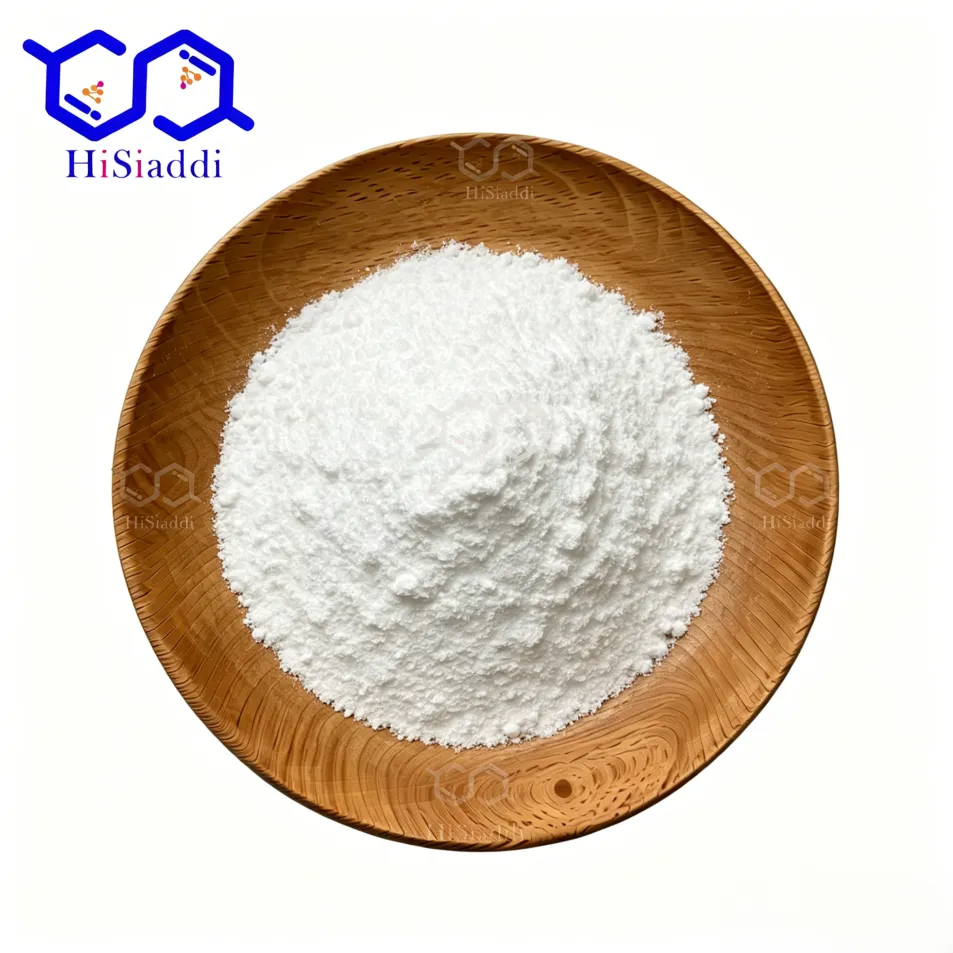
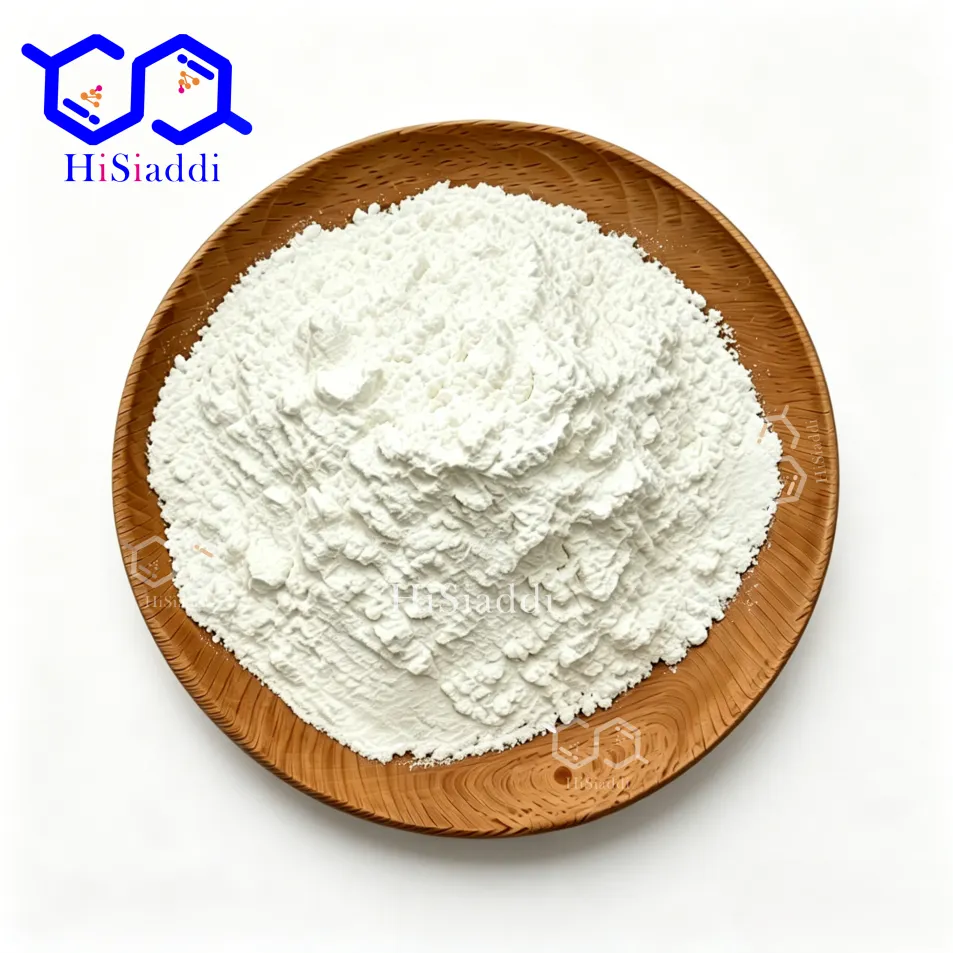
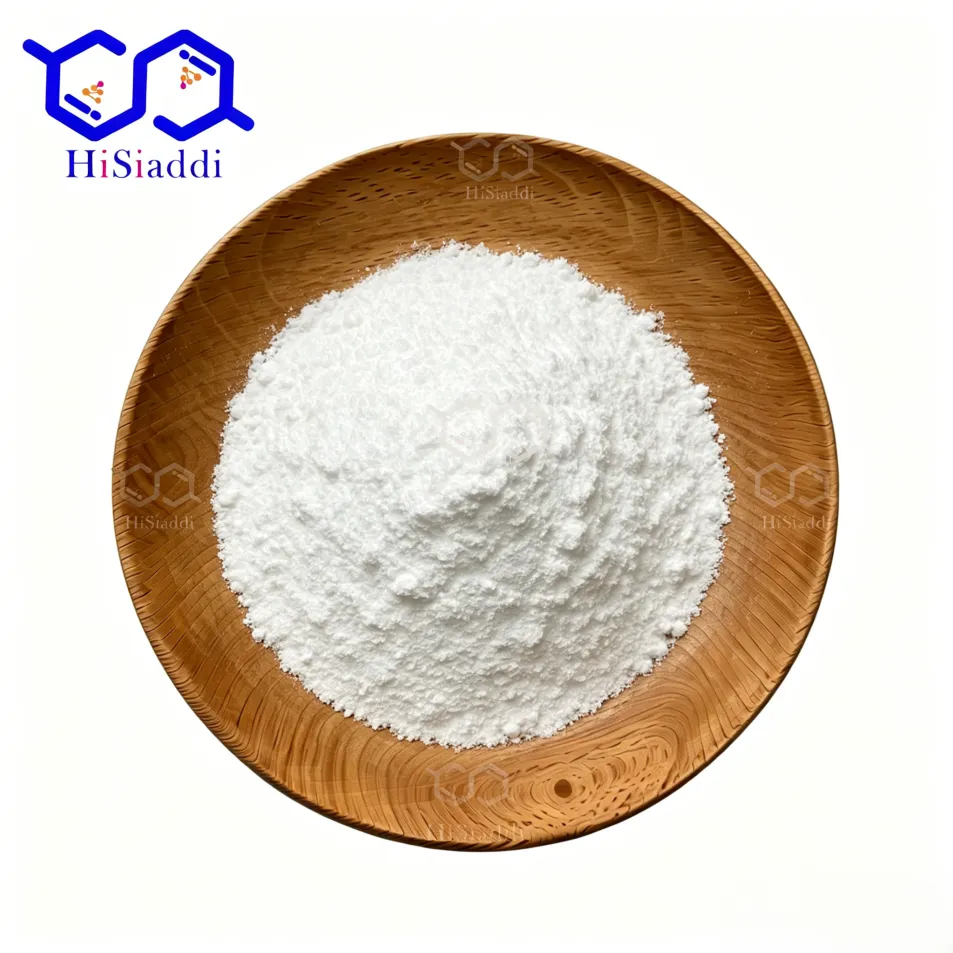
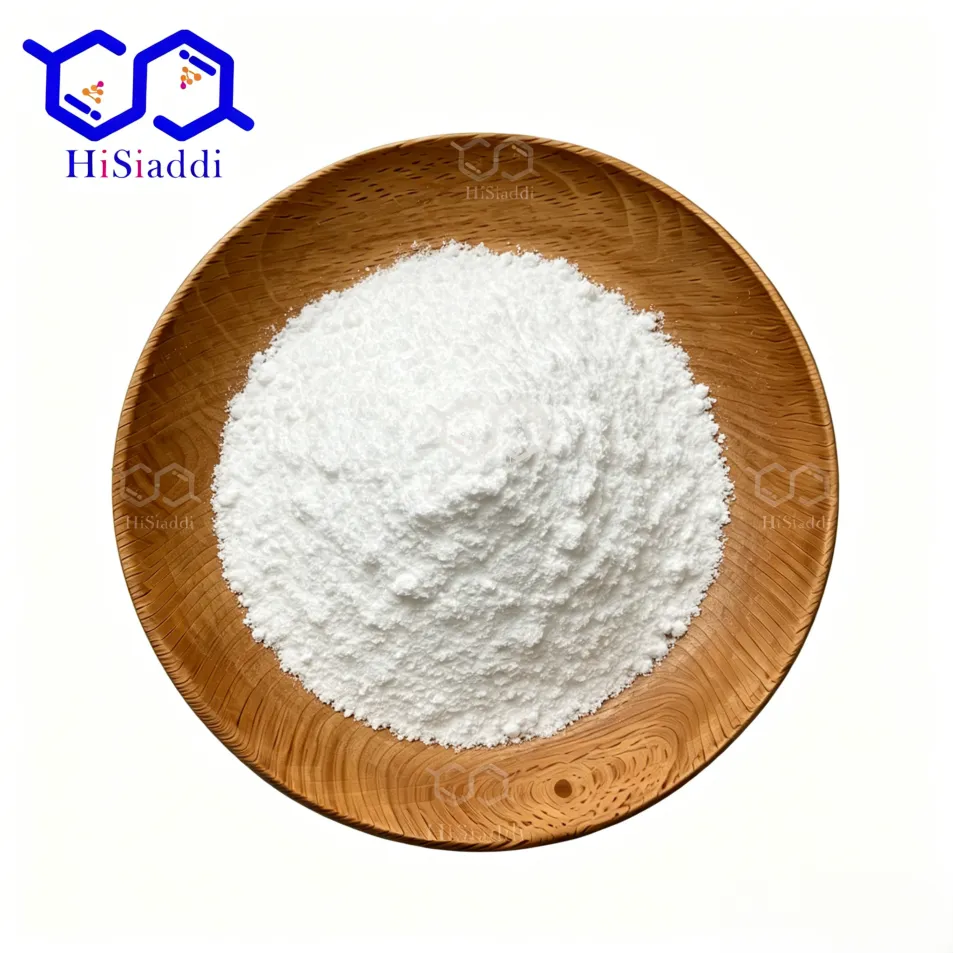
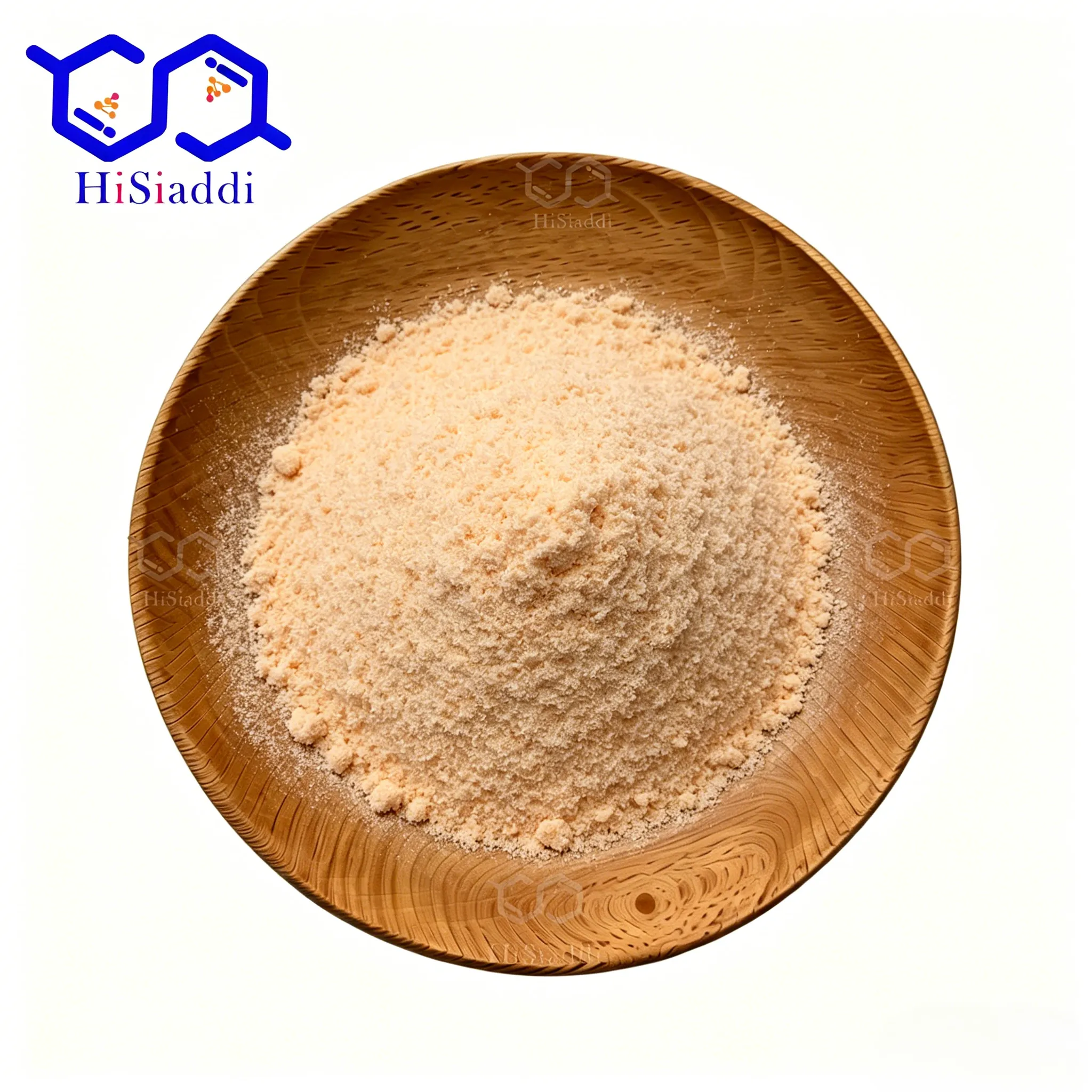
Pectin is used as gelling agent, thickener and stabilizer in beverages, baking and health products. HiSiaddi supplies original factory sources of multiple Chinese brands and provides the "1+2+3+4=1" service.
Asili: It provides high methoxyl pectin 250FS100, low methoxyl pectin 121L100 and amidated pectin 150A100 with gel strength ≥150°, esterification degree of 30%-70% and heavy metal content less than 1ppm. Its price is 35%-45% lower than CP Kelco of Denmark, suitable for European and American jam factories, beverage giants, baking enterprises and health product brands.
Zidong: It offers high methoxyl pectin 200FS, low methoxyl pectin 100L and beverage special instant type with good solubility, high transparency and strong acid stability. Its price is 10%-15% lower than Asili, fitting the mass-market food industry.
HiSiaddi Exclusive Service: We customize esterification degree of 30%-70% and gel strength of 80-150° with options of high/low methoxyl and amidated pectin, and offer consultation on key indicator & cost comparison of multiple brands.
 CONTACT HiSiaddi NOW
| CAS No: | 9000-69-5 | Brand Name: | Multi-brand |
| MF: | C6H12O6 | Model Number: | Multi-models |
| EINECS No: | 232-553-0 | Grade: | Food grade |
| Purity: | N/A | Place of Origin: | China |
| MOQ: | 1ton | Storage: | Please refer to the product packaging or contact the customer service. |
You may encounter the following questions when purchasing pectin as a buyer:
What are the core index advantages and application impacts of mainstream models from well-known pectin brands?
What competitive services can pectin suppliers provide?
What are the qualification certifications and market reputation of target pectin brands?
How about the inventory volume and supply stability of pectin suppliers?
What factors need to be taken into consideration when selecting pectin?
...and many other related questions.
Market Position: No.1 in Asia, No.4 worldwide; exported to 105 countries with 25.6% market share.
Mainstream Models
APA170 (Apple High Methoxyl HM): Degree of Esterification (DE): 70%-75%, Galacturonic Acid ≥85%, Gel Strength: 170±5 US-SAG, Moisture<10%, Heavy Metal Content <0.5ppm
APC147 (Citrus High Methoxyl HM): DE: 72%-78%, Galacturonic Acid ≥87%, Transparency ≥95%, excellent thermal stability (resistant to 95℃)
APC200Y (Citrus Low Methoxyl LM): DE: 27%-33%, amidated modification, high calcium sensitivity, ideal for low-sugar and sugar-free formulations
Competitive Edges: Complete industrial chain layout plus national-level laboratories; enzymatic extraction technology boosts production yield 5 percentage points above industrial average; qualified for pharmaceutical grade application (occupying 70% of domestic pharmaceutical-grade market), fully certified with FDA, BRC and Kosher credentials.
Cost Performance: Food-grade: 82-88 CNY/kg; Pharmaceutical-grade: 120-150 CNY/kg. Equivalent imported products cost 130-200 CNY/kg, achieving 40%-500% cost advantage.
Target B-end Clients: High-end dairy products (yogurt, lactic acid bacteria drinks), pharmaceutical excipients (capsule and tablet binders), premium jam and jelly manufacturers.
Downstream & End-product Benefits
Downstream: Batch stability within ±3% (imported products ±2%), fast dissolution (fully dissolved in 5 minutes at 80℃), low dosage addition (0.1%-0.3%) to cut formula costs
End-products: Natural non-toxic property, prebiotic effect for intestinal health and heavy metal adsorption capacity, enhancing health value and product premium
Market Position: Top 10 global pectin manufacturer, benchmark enterprise for citrus pectin; products exported to Europe, America and Southeast Asia with 18.4% market share.
Mainstream Models
LM-100 (Citrus High Methoxyl HM): DE:70%-75%, Galacturonic Acid ≥88%, cold water dispersible, no pre-mixing with sugar required
LM-200 (Specialized Low-sugar LM): DE:25%-30%, high calcium reactivity, stable performance in sugar alcohol systems (maltitol, erythritol)
LM-300 (Amidated Pectin): DE:35%-40%, acid-resistant (pH 2.8-3.2) and salt-resistant, perfectly compatible with plant-based beverages
Competitive Edges: Technical support from South China University of Technology; independent enzyme-assisted extraction technology breaks overseas patent barriers; zero-waste full industrial chain utilization (citrus peel → pectin → dietary fiber → feed additives) with superior ESG compliance performance.
Cost Performance: Food-grade:78-85 CNY/kg; Special grade for transparent gummy candies:90-98 CNY/kg. Equivalent imported products cost 120-180 CNY/kg, with 35%-45% cost advantage.
Target B-end Clients: Transparent gummies & functional candies, plant-based milk (oat milk, almond milk), low-sugar & sugar-free bakery filling manufacturers.
Downstream & End-product Benefits
Downstream: Cold water instant dissolution reduces energy consumption; transparent gel with ≥95% light transmittance optimizes product appearance; clean label features (non-GMO, allergen-free) conform to EU market trends
End-products: Low sugar & low calorie, flexible chewy texture and natural raw material source cater to healthy consumption trends, increasing repurchase rate by over 20%
Market Position: Leading enterprise in fermented colloids; annual pectin output reaches 5,000 tons; products exported to Europe, America and the Middle East with 10.8% market share.
Mainstream Models
FP-HM80 (Apple High Methoxyl HM): DE:68%-72%, Galacturonic Acid ≥82%, high viscosity (viscosity ≥1500mPa·s for 1% aqueous solution)
FP-LM30 (Universal Low Methoxyl LM): DE:28%-32%, high cost performance, widely used in jam and bakery food
FP-AM (Amidated Pectin): DE:38%-42%, high temperature resistance (≤100℃), suitable for pasteurized dairy products
Competitive Edges: 90% self-sufficient raw material supply from apple planting bases in Xinjiang and Northeast China, cutting costs 12% below industrial average; large-scale fermentation process ensures stable monthly output over 400 tons.
Cost Performance: Regular food-grade:65-72 CNY/kg; Industrial grade:58-62 CNY/kg. Equivalent imported products cost 100-150 CNY/kg, realizing 40%-50% cost advantage.
Target B-end Clients: Mid & low-end jams and fruit fillings, bakery foods (bread, cakes), industrial thickener manufacturers for feed and daily chemical products.
Downstream & End-product Benefits
Downstream: Affordable price, stable supply and wide application scope fit large-scale production; low ash content (≤2%) minimizes equipment scaling
End-products: Stable taste texture, 30% extended shelf life and controllable production costs improve overall cost performance of finished goods
Market Position: Regional pectin leader in East China; products exported to Japan, South Korea and Southeast Asia with 8.7% market share.
Mainstream Models
HR-HM75 (Citrus High Methoxyl HM): DE:73%-77%, Galacturonic Acid ≥84%, high transparency, exclusive for jelly production
HR-LM28 (Low Methoxyl LM): DE:26%-30%, high gel strength (180±5 US-SAG), specially developed for low-sugar jam
Competitive Edges: Geographical advantage in Yangtze River Delta lowers logistics costs; strong customized service capability to adjust degree of esterification and gel strength per client requirements.
Cost Performance: 70-78 CNY/kg. Equivalent imported products cost 110-160 CNY/kg, with 35%-45% cost advantage.
Target B-end Clients: Jelly & pudding, Japanese-style pastries and Southeast Asian flavor food manufacturers.
Downstream & End-product Benefits
Downstream: Flexible customization, fast delivery within 7 days for small-batch orders, well-adapted to Asian flavor preferences
End-products: Springy mouthfeel, transparent texture and low-sugar formula perfectly meet Asian consumer demands
Market Position: Transformed from leading chemical enterprise; annual pectin production capacity hits 4,000 tons; products exported to Europe, America and Africa with 4.8% market share.
Mainstream Models
SH-HM70 (Apple High Methoxyl HM): DE:68%-72%, Galacturonic Acid ≥80%, acid and alkali resistant, dedicated for beverage industry
SH-LM35 (Low Methoxyl LM): DE:33%-37%, superior stability, ideal for yogurt and fermented milk
Competitive Edges: Strict chemical-grade quality control with precise management on heavy metal and microorganism indicators; mature global chemical supply channels support one-stop procurement of matched food additives.
Cost Performance: 68-75 CNY/kg. Equivalent imported products cost 105-155 CNY/kg, achieving 40%-50% cost advantage.
Target B-end Clients: Fruit juice & acidic beverages, yogurt & fermented milk, compound food additive manufacturers.
Downstream & End-product Benefits
Downstream: Excellent acid, alkali and temperature resistance, stable batch consistency and convenient supporting procurement
End-products: Smooth taste, strong product stability and prolonged shelf life effectively reduce after-sales complaints

| Brand | Mainstream Models | Core Indicators (DE/Galacturonic Acid/Features) | Price (CNY/kg) | Target B-end Customers | Core Advantages |
| Yantai Andre | APA170(HM), APC147(HM), APC200Y(LM) | 70%-75%/≥85%/apple-based72%-78%/≥87%/high transparency citrus27%-33%/amidated/low-sugar applicable | 82-8885-9090-95 | High-end dairy, pharmaceutical excipients, premium jams | Complete industrial chain, pharmaceutical qualification, high purity |
| Lemon Bio | LM-100(HM), LM-200(LM), LM-300(Amidated) | 70%-75%/≥88%/cold water instant25%-30%/high calcium reaction/sugar alcohol compatible35%-40%/acid-resistant/plant-based drink fit | 78-8580-8885-92 | Transparent gummies, plant-based milk, low-sugar bakery | Core technical barriers, clean label, ESG compliance |
| Fufeng Group | FP-HM80(HM), FP-LM30(LM) | 68%-72%/≥82%/high viscosity28%-32%/universal type/high cost performance | 65-7258-62 | Mid-low end jams, bakery goods, industrial thickening | Self-sufficient raw materials, large-scale production, low cost |
| Zhejiang Hengrun | HR-HM75(HM), HR-LM28(LM) | 73%-77%/≥84%/high transparency26%-30%/high gel strength | 70-7872-80 | Jelly & pudding, Japanese-style pastries | Powerful customization, logistics edge, Asian market adaptation |
| Sinochem Jiangsu | SH-HM70(HM), SH-LM35(LM) | 68%-72%/≥80%/acid & alkali resistant33%-37%/high stability | 68-7570-78 | Fruit juice beverages, yogurt, compound additives | Strict chemical-grade QC, integrated supply channels, one-stop supporting procurement |
As a new type of foreign trade service provider driven by dual engines of technology transformation and foreign trade services, HiSiaddi have formed a "1+2+3+4=1" product service system by 1 foreign trade salesperson with over 3 years of experience, 2 R&D teams, 3 high-quality suppliers, and 4 warehouses to serve 1 product demand.
With such a service system, HiSiaddi possesses deeper expertise in the R&D optimization and technical craftsmanship of Pectin products than most foreign trade companies, a clearer grasp of market demands and competitive advantages of Pectin from different brands than individual manufacturers, and a more thorough understanding of the overseas trade market of Pectin than scientific research institutions.
HiSiaddi only recruits foreign trade sales staff with more than 3 years of working experience, who must receive over 6 months of training from both the R&D team and foreign trade team before serving customers.
(1)Pectin Basic Guarantee Service
Relying on the foreign trade team and the company’s service system, we provide customers with one-stop full-process document follow-up services, including but not limited to: presentation and application of various compliance certifications for Pectin; provision of third-party test reports and resolution of quality warranty feedback issues.
(2)Pectin Exclusive Premium Service
Supported by the R&D team, we deliver product customization and technical consulting services for customers, including but not limited to: adaptability and cost analysis comparison of core indicators of Pectin products from various brands, regular sharing of market trends of Pectin products, etc.
Competitor benchmark data analysis service for overseas markets. We regularly issue English industry reports covering quotations, grades, parameters and customer pain points of imported pectin (Cargill, DSM, Ceamsa) sold locally in target countries. We compare cost gaps, compliance advantages and end-product profit margins of matching domestic alternatives, and deliver comprehensive feasibility analysis of raw material substitution to help customers reduce procurement costs and raise profits of finished goods.
Multi-source centralized procurement matching service. We maintain no exclusive ties to a single factory and integrate full product lines from the top five leading pectin manufacturers plus 2 second-tier compliant pectin producers. We automatically match the optimal manufacturer and grade according to customers’ procurement budgets, application sectors and target market regulations. Instead of communicating, comparing prices and requesting samples from five factories separately, customers enjoy one-stop screening by HiSiaddi, cutting communication costs by 80%.
We carry out in-depth cooperation with source manufacturers through technology transformation and maintain close internal collaboration with the foreign trade team to deliver technical training for sales staff. This enables more professional customization of Pectin, and we provide research-grade consulting services for brand matching recommendation and application scheme optimization of Pectin.
(1)Pectin Research-Grade Customization Service
Reverse sample production and delivery service for customers’ finished end-products. Customers only need to provide formulas, and the HiSiaddi laboratory produces finished samples (jam, yogurt, gummy candy, fruit juice) with matching domestic citrus pectin, which are vacuum-sealed and sterile-packed for international courier delivery to clients. Foreign buyers can directly compare the taste, appearance and texture of finished goods made with original imported pectin versus domestic alternatives, eliminating raw material and labor costs for customer self-sampling and drastically shortening grade selection and testing cycles.
One-stop supporting supply of compound stabilizers. To meet common compound formulation demands in downstream pectin applications (yogurt, fruit juice, gummy candy), we simultaneously supply auxiliary materials including calcium lactate, citric acid, xanthan gum and CMC, shipped consolidated in the same container. Customers no longer need to source auxiliary raw materials from multiple vendors; HiSiaddi supplies all ingredients for a complete formula with unified documents and settlement.
Targeted customized modified pectin for segmented application sectors. We coordinate manufacturers to fine-tune pectin indicators precisely based on customers’ segmented end-use scenarios:
· Infant formula sector: Custom grades with ultra-stable DE value fluctuation of ±0.5%, zero sulfur content and ultra-low heavy metal levels;
· Low-sugar gummy candy sector: Low-DE pectin with fast gel formation and high elasticity;
· Strong acid fruit juice sector: Ultra-stable modified pectin resistant to pH 2.8.
(2)Pectin Research-Grade Consulting Service
Joint R&D support service for customers’ new product development. When customers plan to launch innovative low-sugar, organic or vegetarian end-products, the HiSiaddi laboratory engages in full-cycle joint R&D, providing free multi-gradient pectin samples and multiple formula iterations. A 5–10% procurement discount applies to the first order of newly launched products, and we assist customers with pre-review of import compliance for new goods to support differentiated product development in local markets.
Our foreign trade team and R&D team work in tandem. Through multiple rounds of evaluation and cooperation including preliminary market research, on-site factory inspections, product testing, in-depth technology transformation partnerships and product procurement collaboration, we select approximately 3 branded manufacturers featuring reliable quality, stable supply, sound reputation and great development potential.
(1) Initiative to Secure Lower Prices
Long-term cooperation via technology transformation and authorized distribution enables us to source original factory materials at more competitive prices.
(2) Pectin Long-Term Supply Chain Guarantee Service
Long-term partnerships based on technology transformation and authorized distribution effectively strengthen production process monitoring, full-lot traceability control, batch stability management, and compensation guarantees for quality issues arising from non-compliant third-party test results.
We have 4 warehouses, which are jointly operated and managed with suppliers to store hot-selling products.
(1)Pectin Fast Localized Delivery & Improved Capacity to Resolve Emergencies
Our four warehouses are located at Qingdao Port in North China, Ningbo Port in East China, Shenzhen Port in South China, and Zhengzhou, China’s inland logistics hub, ensuring timely delivery of Pectin. Meanwhile, on-site staff are available nearby to promptly address transportation accidents, packaging defects and export compliance issues related to Pectin.
(2) Mitigate Price Volatility & Support Packaging Customization
We stock up in advance when drastic price fluctuations of Pectin are anticipated during peak seasons to stabilize costs. Our self-operated warehouses can fully accommodate personalized customer demands for customized packaging, labels and other specifications.
As a new-type foreign trade service provider driven by both technology commercialization and foreign trade services, HiSiaddi has built a "1+2+3+4=1" service system and can supply raw materials from multiple well-known original manufacturers of Pectin. As a research and development-oriented foreign trade enterprise, HiSiaddi will professionally sort out common procurement difficulties faced by B-end buyers sourcing Pectin in China and propose corresponding solutions.
If you require more professional and in-depth analysis on Pectin selection, please contact HiSiaddi customer service.
1. FDA Compliance and Label Risks: As a gelling, thickening and stabilizing auxiliary for food, citrus pectin is regulated in North America under two categories (HM and LM), with clear limits on application scope and dosage for each type. Infant formula and organic beverages have exclusive requirements. Labels must state methoxyl content, gel strength, degree of esterification, moisture, pH and other parameters; deviations exceeding 5% between measured and labeled values lead to channel removal and regulatory penalties. Imported goods require complete FDA food additive registration; incomplete documentation results in cargo detention, and industrial-grade pectin is strictly prohibited for food use.
2. Prone Errors in Grade and Working Condition Selection: HM pectin gels via sugar-acid systems for jams, fruit fillings and acidic beverages; LM pectin relies on calcium ions for gelation, a necessity for low-sugar/sugar-free jellies and dairy/yogurt drinks. Misused grades cause failed gel formation, syneresis, collapse, beverage stratification and precipitation. Meanwhile, pectin is sensitive to temperature, shear force and ion concentration; mismatched processing techniques directly eliminate stabilizing effects.
3. Strict Safety Physicochemical Standards: Food-grade requirements mandate lead <1ppm, arsenic <2ppm, total aerobic plate count ≤1000cfu/g, with tight limits on sulfur dioxide residues, ash and pesticide residues. Inferior raw materials carry excessive impurities and residue, alongside volatile batch-to-batch gel strength fluctuations, disqualifying products from chain supermarkets and premium beverage channels.
4. Storage, Transportation & Order Pain Points: Pectin powder is highly hygroscopic; standard packaging causes caking during long-distance transport and warehousing, disrupting automatic batching. Customers are mostly small and medium food and beverage factories requiring frequent sample testing and small supplementary orders, yet large manufacturers enforce high minimum order quantities (MOQs), limiting procurement flexibility and leading to overstock or material shortages.
1. Full Compliance Documentation + Label Guidance: Provide FDA food registration and organic food compliance certificates, clarify application boundaries for HM/LM grades and supply label templates. Each batch is accompanied by a full CoA report controlling esterification degree, gel strength and other indicators with batch deviations below 3%, supporting regulatory sampling inspections.
2. Full-Range Stock + Formulation Technical Support: Maintain full series of standard HM pectin, regular LM pectin and amidated LM pectin for precise selection aligned with jams, sugar-free gels and acidic beverages. Supply technical schemes for sugar-acid ratios, calcium ion dosage, production temperature control and shear processes to avoid syneresis and stratification.
3. Dual Quality Inspection for Quality Control: Implement dual testing via in-house inspection plus third-party SGS/Intertek testing covering pesticide residues, sulfur dioxide, heavy metals and microorganisms, fully meeting North American food access standards.
4. Moisture-Proof Packaging + Flexible MOQs: Adopt vacuum composite moisture-proof packaging with compliant anti-caking agents to inhibit agglomeration. Support small trial orders starting at 50kg and mixed loading of multiple grades; leverage North American overseas warehouses for local direct delivery within 3–7 days for urgent orders.
1. Dual Compliance Pressures from Additive Approval and REACH: Pectin is an authorized food additive in the EU, with additional qualification reviews for organic food, special medical food and infant formula. It is also subject to the REACH regulation requiring SVHC high-concern substances ≤0.1%. Small and medium buyers lack professional compliance teams; independent declaration takes 5–8 months, delaying new product launches.
2. Working Condition Adaptation Deficiencies: Ordinary pectin suffers gel strength attenuation, syneresis and sticky texture under high-temperature instantaneous sterilization, prolonged baking or high-salt/high-calcium systems, resulting in substandard shelf life for finished products. Amidated pectin outperforms regular LM pectin in heat resistance; incorrect grade selection leads to unqualified end products. Powder generates dust and agglomerates in high-humidity workshops, increasing production losses. When used as a thickener in daily chemicals, incompatibility with certain surfactants causes system turbidity.
3. Insufficient Stability During Long-Distance Storage & Transportation: EU ocean shipping and warehousing cycles are lengthy; ordinary packaging absorbs moisture and hardens, requiring secondary crushing after unpacking and raising labor costs.
4. Sustainable Procurement Barriers: EU organic and high-end food brands demand citrus peel raw material traceability, non-GMO certificates and carbon footprint reports. Raw materials with unknown origins or excessive pesticide residues cannot enter premium channels, eliminating opportunities for product premium pricing.
1. One-Stop Compliance Package + Declaration Assistance: Supply complete EU food additive permits, organic special certifications, REACH-SVHC testing, EU Organic, KOSHER and HALAL certificates. Professional teams assist document submission, cutting declaration cycles to within 3 months.
2. Scenario-Specific Customization + Process Guidance: Develop dedicated heat-resistant sterilization grades, low-sugar gel grades and beverage stabilization grades, with compatibility and process parameters supplied for bakery, dairy and daily chemical applications. Optimize powder particle size to reduce dusting and agglomeration.
3. Reinforced Airtight Moisture-Proof Packaging: Adopt light-shielded vacuum moisture-proof packaging to slow moisture absorption and performance degradation, suitable for long-distance ocean shipping and long-term warehousing.
4. Supporting Green Supply Chain Documentation: Provide citrus raw material traceability, pesticide residue test reports and carbon footprint ledgers to support entry into EU organic and premium channels.
1. Disruption from Low-Cost Inferior Products: Local workshops adulterate pure citrus pectin with gelatin, carrageenan, starch and CMC to cut prices. Genuine citrus pectin carries higher raw material costs, severely squeezing profit margins for formal suppliers in low-end food markets.
2. Difficulties in Grade and Indicator Verification: The market misuses HM/LM grades and falsely labels gel strength and esterification degree, selling blended colloids as pure pectin. Local professional testing institutions are scarce, preventing rapid identification upon arrival. Improper usage leads to soft gels, water separation and beverage stratification, triggering end-user complaints and returns.
3. Excessively High Storage & Transportation Loss Rates: Southeast Asia features year-round high temperature and humidity, accelerating moisture absorption and caking/partial deliquescence of pectin powder. Coupled with port congestion and 1–3 week ocean shipping delays during rainy seasons, overall loss rates reach 8%–12%.
4. Lack of After-Sales Support: Buyers are primarily small trade companies and workshop manufacturers; most upstream suppliers reject returns for substandard performance or severe moisture-induced deterioration, shifting all losses to purchasers.
1. Tiered Pricing Covering Segmented Markets: Launch economical blended thickening colloids and standard pure citrus pectin (HM/LM/amidated) with tiered pricing. Select economical grades for low-end jams and ordinary drinks, and pure pectin for branded food and export orders to balance cost and quality.
2. Authorized Testing + Traceability Anti-Counterfeiting: Each batch is accompanied by bilingual SGS test reports fully listing esterification degree, gel strength, sulfur dioxide residues and other indicators. A batch traceability QR code is deployed for scanning to access production and testing data, enabling rapid identification of adulterated goods.
3. Reinforced Waterproof Packaging + Staggered Logistics: Adopt double-layer waterproof sealed packaging with reinforced outer cartons to control transportation losses below 2%. Avoid rainy seasons and port peak periods via direct ocean shipping to stabilize delivery cycles at 7–10 days.
4. Dedicated Localized After-Sales Service: Deploy full-time Southeast Asian coordinators with 24-hour response. Accept full-order returns and bear round-trip logistics fees for non-human-induced substandard performance or severe moisture caking.
1. Rigid HALAL Certification Barriers: The Middle East enforces full-process Halal control over citrus pectin’s peel raw materials, extraction additives and production equipment pipelines. Cargo without authoritative Malaysian JAKIM or UAE ESMA certificates will be detained and confiscated by customs; independent certification involves cumbersome procedures and long cycles.
2. Extreme Heat Accelerates Quality Deterioration: Summer temperatures remain above 40°C across the Middle East for extended periods. High heat and humidity not only cause powder caking via moisture absorption but also degrade pectin molecules, rapidly reducing gel strength and stabilization performance, leading to water separation, deformation and shortened shelf life for finished products.
3. Fragmented Orders Mismatched to Supply: Customers are mostly small food workshops and regional retailers placing 20–100kg high-frequency orders, while most suppliers enforce a minimum order quantity of 200kg, unable to accommodate small, frequent shipments.
4. Texture Adaptation Issues: Ordinary pectin creates a sticky mouthfeel incompatible with traditional Middle Eastern desserts and preserved fruits. Buyers lack colloid blending optimization schemes, resulting in low end-product acceptance.
1. Dual Authoritative Halal Certifications + Customs Clearance Support: Factories implement full-process Halal extraction and production, holding dual JAKIM and ESMA certifications with original certificates and English translations shipped with goods. Assist buyers with customs filing for smooth clearance.
2. Customized Heat-Resistant & Moisture-Proof Packaging: Deploy compliant anti-caking agents alongside thickened heat-insulating aluminum foil + foam box packaging. Powder remains loose with no obvious gel performance attenuation after 3 months of storage at 45°C.
3. Flexible Production for Small Orders: Production lines support ultra-low 20kg MOQs with delivery within 3–5 days for orders under 100kg. Spot stock at Dubai overseas warehouses enables same-day/next-day local delivery for urgent orders.
4. Colloid Blending Technical Support: Supply pectin-carrageenan-xanthan gum blending formulas to reduce sticky mouthfeel and adapt to Middle Eastern desserts and beverages.
1. High Barriers for Production Qualifications and Workshop Access: Pectin for pharmaceutical, special medical food and medical matrix applications requires suppliers to hold EU GMP certification with Class 10,000 sterile clean workshops. Ordinary food-grade production lines fail to meet medical safety standards for deep impurity removal, sterilization, allergen and pesticide residue elimination, disqualifying them from pharmaceutical supply chains.
2. Extremely Strict Purity and Impurity Limits: Pharmaceutical-grade pectin mandates individual heavy metal levels <0.1ppm, total microbial count ≤10cfu/g, non-detectable sulfur dioxide, pesticide residues, protein allergens and pyrogens, plus highly stable batch-to-batch esterification degree and gel strength. Conventional food-grade pectin cannot satisfy medical safety standards.
3. Lengthy Technical Documentation Review Cycles: Entry into European pharmaceutical and special medical food systems requires submission of excipient DMF files, process validation reports, long-term stability tests, toxicology and allergenicity assessment reports. EMA review cycles last 5–8 months, with direct rejection for non-standard documentation.
4. Severe Cross-Contamination Risks: Pharmaceutical-grade pectin prohibits co-production and co-storage with ordinary food colloids and industrial raw materials. Cross-contamination leading to excessive microorganisms or impurities results in full-batch scrapping and massive economic losses.
1. Independent GMP-Dedicated Pharmaceutical Production Lines: Equipped with EU GMP-certified Class 10,000 sterile clean workshops featuring exclusive extraction, refining, sterilization, packaging and warehousing/logistics channels physically isolated from other materials, fully complying with European pharmaceutical excipient specifications.
2. Deep Refining for Strict Indicator Control: Adopt multi-stage purification, residue removal, sterilization and depyrogenation processes meeting all safety indicators with core performance batch deviations ≤±0.3%. Each batch is accompanied by a special pharmaceutical-grade test report.
3. Full Technical Documentation + Audit Coordination: Pre-prepare complete DMF, process validation, stability, toxicology and allergenicity assessment materials. Professional teams support full EMA audit consultations, shortening review cycles to 4 months.
4. Full-Link Sterile Isolation Control: Adopt sterile sealed packaging paired with fully enclosed dedicated conveying equipment. Simultaneously supply workshop zoning, disinfection records and cross-contamination prevention certificates to mitigate quality risks comprehensively.
For more professional and in-depth analysis on Pectin selection, please contact HiSiaddi customer service.
Lead time
Quantity (ton) | 0 - 10 | 10 - 30 | > 30 |
Lead time (days) | 7 | 15 | To be negotiated |
The monthly inventory volume of Pectin is 10 tons, with appropriate adjustments upwards or downwards in response to peak and off-peak seasons.
HiSiaddi safeguards the supply stability of Pectin through the following measures:
(1) Performance evaluation and screening of Pectin brand factories based on on-time delivery rate, batch pass rate, timeliness of risk alerts, and completeness of documentation to assess their supply stability.
(2) For each mainstream model or major grade of Pectin, secure 1 primary high-quality brand manufacturer and 2 backup high-quality manufacturers.
(3) Each factory operates independent production lines in separate production zones to prevent production halts caused by major unforeseen incidents such as environmental production suspensions and power outages.
Through long-term cooperation with brand manufacturers via technology commercialization and authorized distribution channels, HiSiaddi can effectively strengthen supervision over the production processes of brand manufacturers, optimize full-process traceability management, improve batch stability control, and further reinforce real-time monitoring of the supply stability of Pectin products.
Long-term Annual Framework Supply Guarantee Agreement. HiSiaddi signs 12-month long-term agreements with leading manufacturers. The agreements specify the minimum guaranteed supply volume, maximum price hike range, and priority production scheduling rights during peak seasons. It is stipulated that manufacturers shall issue a 30-day prior written notice if production is suspended due to environmental rectification or equipment maintenance, and backup manufacturers will be activated to replenish goods accordingly.
We have 4 warehouses, which are jointly operated and managed with suppliers to store hot-selling products.The four warehouses are located at Qingdao Port in North China, Ningbo Port in East China, Shenzhen Port in South China, and Zhengzhou, China’s inland logistics hub. This setup guarantees sufficient supply and timely shipment of Pectin during peak seasons.
HiSiaddi issues a rolling demand forecast covering the subsequent three months on the 25th of each month, allowing manufacturers to reserve production capacity in accordance with the forecast. Any new urgent orders from overseas clients will be prioritized to draw on inventories or production capacity from backup manufacturers.
Unstable logistics for Pectin will extend delivery lead times. HiSiaddi has established alternative arrangements covering multiple freight forwarders, ports and transportation solutions:
(1) Binding of multiple professional chemical freight forwarders for Pectin
Each product is assigned 2 to 3 freight forwarders with hazardous chemical/food transport qualifications affiliated with different shipping lines. Alternative sailing schedules can be switched to immediately in case of space shortages or customs inspections on a single shipping route.
(2) Backup transportation solutions for Pectin
Ocean freight serves as the standard mode; air freight and rail freight are reserved as alternatives for urgent orders. Long-term agreements for temperature-controlled containers are signed for temperature-sensitive and perishable food additives to secure shipping space.
(3) Visual tracking and digital early warning for Pectin
Freight forwarders synchronize daily updates on container loading, customs declaration, vessel loading and port arrival milestones. If customs inspection occurs, replenishment from backup inventory will be initiated immediately to shorten client waiting periods.
Full-chain digital early warning automatically monitors four categories of risks:
Factory side: Expiring supplier environmental assessment certificates, renewal of production permits, scheduled major equipment overhauls, and notifications of price hikes for upstream raw materials;
Inventory side: Inventory falling below safety thresholds, excessive inventory age, and batches failing quality inspection;
Logistics side: Shipping line space shortages, strikes at destination ports, and updates to customs policies;
Overseas side: Revisions to additive regulations and adjustments to import restriction lists in target countries.
Early warning notifications are automatically pushed to procurement and business leads, allowing backup suppliers or inventory contingency plans to be activated in advance.
As a new-type foreign trade service provider driven by dual engines of technology transformation and foreign trade export, HiSiaddi has established a "1+2+3+4=1" service system, capable of supplying genuine raw materials from multiple well-known original manufacturers of Pectin.
As an R&D-focused foreign trade service provider, HiSiaddi differs from single-brand factories that only promote their own products. We objectively analyze multiple highly competitive Chinese export pectin brands and share their certification portfolios and market feedback transparently, enabling buyers to make more efficient, secure sourcing decisions.
If you require more authentic, objective introductions to multiple well-known Chinese Pectin brands, please contact HiSiaddi customer service.
Controlled by DSM (Netherlands), Andre Pectin ranks 1st in Asia and 4th globally among pectin manufacturers. It recorded export revenue of CNY 411 million in 2025 with an annual output of 8,000 tons, supplying leading food and pharmaceutical enterprises across the EU, North America, and Japan.
· High-Methoxyl (HM) Pectin: AD-101 (DE=58–62%), AD-102 (slow-set) – for jams, jellies, acidic dairy beverages
· Low-Methoxyl (LM) Pectin: AD-201 (calcium-sensitive), AD-202 (amidated, calcium-resistant) – sugar-free/low-sugar yogurts, frozen desserts
· Pharmaceutical Grade: AD-301 (low-molecular LCP, 3–10kDa), AD-302 (high-purity, GalA≥99%) – sustained-release formulations, gut health supplements
· Instant-Soluble Grade: AD-401 – cosmetics, powdered beverages
1. Food giants (Nestlé, Danone, Meiji): AD-101/201 deliver exceptional batch consistency with DE fluctuation ≤±0.8% and gel strength deviation <5%, resolving water separation and layering pain points in Western low-sugar yogurts. Danone’s European factories sourced 45% of their pectin from Andre in 2025.
2. Pharmaceutical clients (Merck Germany, Abbott US): AD-301 features endotoxin <0.1EU/mg and concentrated molecular weight distribution, serving as a direct replacement for equivalent Herbstreith & Fox Swiss products at a 30% lower price and 50% shorter lead time.
3. Beauty brands (L’Oréal, Shiseido): AD-401 dissolves instantly in cold water without granular residue and outperforms synthetic thickeners in moisturization. Southeast Asian natural beauty orders surged 68% year-on-year in 2025.
· Official certifications: FDA food registration, EU EFSA approval, Grade A BRCGS, ISO9001/22000, HALAL/KOSHER, the only Asia-based official member of IPPA
· Customer factory audits: Passed on-site inspections by 12 global giants including Unilever, PepsiCo, and Fresenius
· Standard-setting role: Led the drafting of national standard GB/T 44298-2025 Food-Grade Pectin, with stricter thresholds for DE value and ash content than EU regulations
Annual output of 2,100 tons, focused on high-purity food-grade and infant-formula-specific pectin, targeting high-end EU, Japanese, and South Korean markets.
· Food-Grade HM: NV-HM1 (DE=60%, high gel strength), NV-HM2 (acid-resistant, pH 2.8–4.5) – premium jams, lactic acid drinks
· Specialized LM: NV-LM1 (low-sugar yogurt grade, mild calcium reactivity), NV-LM2 (stable in high-protein systems)
· Infant-Grade: NV-B1 (heavy metals <0.1ppm, zero pesticide residues) – infant formula, complementary baby foods
· Clean Label Grade: NV-C1 (non-GMO, sulfur dioxide-free) – EU clean label compliant products
1. Infant milk powder manufacturers (Danone Nutricia, Feihe): NV-B1 passed EU infant food special testing with lead <0.05mg/kg and arsenic <0.02mg/kg. Danone China sourced 60% of its pectin from Newvep in 2025, replacing Danish DuPont Danisco materials.
2. Premium beverage brands (Meiji Japan, Nongshim South Korea): NV-HM2 delivers robust acid stability, maintaining homogeneity for 12 months without layering in pH 3.2 lactic acid drinks. Japanese and South Korean orders rose 52% year-on-year in 2025.
3. Clean label retailers (Albert Heijn Netherlands): NV-C1 fully complies with EU Clean Label standards, non-GMO and additive-free, accounting for 35% of European supermarket orders in 2025.
· Official certifications: FDA GRAS, EU EFSA, ISO9001/22000, FSSC22000, NON-GMO, HALAL/KOSHER
· Specialized qualifications: Infant formula raw material filing (China + EU), EU zero pesticide residue certification
· Customer awards: Nestlé Global Supplier Gold Award (2024), Danone Asia-Pacific Best Raw Material Supplier (2025)
Annual output of 1,800 tons, a global leading producer of low-molecular-weight Pectin (LCP), targeting North American and European nutraceutical markets.
· Low-Molecular LCP: HC-L1 (3–5kDa, high bioactivity), HC-L2 (5–10kDa, balanced performance) – gut health, immune regulation supplements
· Pharmaceutical Grade: HC-M1 (GalA≥98%, pyrogen-free), HC-M2 (sustained-release carrier dedicated) – oral formulations, microcapsules
· Food Grade: HC-F1 (HM, gel strength ≥180g/cm²), HC-F2 (LM, low-sugar baking)
1. Nutraceutical giants (Nature’s Way US, Doppelherz Germany): HC-L1 achieves 92% inhibition of Galectin-3 activity, outperforming equivalent US PectaSol products. North American nutraceutical orders grew 75% year-on-year in 2025.
2. Pharmaceutical enterprises (Novartis Switzerland, Sinopharm China): HC-M1 meets USP-NF standards with endotoxin <0.05EU/mg and is suitable for sustained-release tablet coating. European pharmaceutical orders represented 40% of total sales in 2025.
3. Functional food brands (Swisse Australia): HC-L2 features excellent water solubility and neutral odor, ideal for oral liquids and chewable tablets. Cross-border e-commerce orders jumped 83% year-on-year in 2025.
· Official certifications: FDA GRAS, EU EFSA, NSF-cGMP, ISO9001/22000, BRCGS, NON-GMO, KOSHER/HALAL
· Research credentials: Co-authored 12 academic papers on LCP efficacy with Zhejiang University and Fudan University; clinical trials at Wayne State University validated its anti-metastasis activity
· Industry honors: Global Low-Molecular Pectin Innovation Award (2024), China Benchmark Enterprise for Pharmaceutical Excipient Exports
Annual output of 1,120 tons, a fully integrated Chinese pectin enterprise (self-owned citrus orchards + extraction + modification), targeting mass food markets across Southeast Asia, the Middle East, and South America.
· Universal HM: XK-HM1 (DE=55–60%, standard), XK-HM2 (high-viscosity) – jams, jellies, confectionery
· Universal LM: XK-LM1 (standard low-sugar), XK-LM2 (freeze-thaw resistant) – ice cream, frozen desserts
· Industrial Grade: XK-I1 (feed binder), XK-I2 (biodegradable packaging)
1. Mass food manufacturers (CP Group Thailand, Indofood Indonesia): XK-HM1 delivers strong cost performance with qualified gel strength at a 40% lower price than imported alternatives. Southeast Asian jam orders rose 60% year-on-year in 2025.
2. Frozen food brands (Sadia Brazil): XK-LM2 withstands repeated freeze-thaw cycles at -18°C without water separation, capturing 50% of South American ice cream orders in 2025.
3. Feed manufacturers (Masan Vietnam): XK-I1 acts as a natural residue-free binder replacing synthetic alternatives, with Southeast Asian feed orders surging 90% year-on-year in 2025.
· Official certifications: FDA food registration, EU EFSA, ISO9001/22000, HALAL/KOSHER, FSSC22000
· Raw material certification: GAP certification for self-owned citrus orchards (zero pesticide residues, compliant heavy metal limits)
· Industry accolades: China Top 10 Food Additive Exporters (2025), Recommended Raw Material Brand by ASEAN Food Industry Association
Annual output of 685 tons, focused on eco-friendly extraction technology and customized pectin, targeting high-end niche European markets and Japanese functional food sectors.
· Green Extraction Series: LM-G1 (enzyme-ultrasonic extraction, zero chemical residue), LM-G2 (citric acid-microwave extraction, ash <2%)
· Customized Specialties: LM-C1 (high-sugar resistant, ≥60° Brix), LM-C2 (high-salt resistant, ≤8% salinity), LM-C3 (high transparency, light transmittance ≥95%)
· Cosmetic Grade: LM-C4 (nano-sized, particle diameter <100nm) – serums, facial masks
1. High-end European niche brands (Bonne Maman France): LM-G1 features zero chemical residues and clean label compliance, ideal for premium artisanal jams. European niche market orders rose 55% year-on-year in 2025.
2. Japanese functional food manufacturers (Ajinomoto Japan): LM-C3 delivers high transparency and neutral odor for clear oral liquids and jellies, accounting for 60% of Japanese orders in 2025.
3. Natural beauty brands (Innisfree South Korea): Nano-sized LM-C4 offers superior skin absorption and moisturization vs. conventional pectin, driving a 70% year-on-year increase in South Korean beauty orders in 2025.
· Official certifications: FDA GRAS, EU EFSA, ISO9001/22000, ISO14001 (Green Factory), BRCGS, NON-GMO
· Technical credentials: 15 patents for green extraction technology, EU Eco-label environmental product certification
· Customer awards: Ajinomoto Japan Best Innovation Supplier (2025), Recommended Raw Material by French Organic Food Association
If you require more authentic, objective introductions to multiple well-known Chinese Pectin brands, please contact HiSiaddi customer service.
As a new-type foreign trade service provider driven by dual engines of technology transformation and foreign trade export, HiSiaddi has established a "1+2+3+4=1" service system, capable of supplying genuine raw materials from multiple well-known original manufacturers of Pectin.
As an R&D-focused foreign trade service provider, HiSiaddi differs from single-brand factories that only promote their own products. We objectively analyze multiple highly competitive Chinese export pectin brands and transparently share their production processes, supply stability, and key indicators, as well as the downstream buyer impacts of these core factors, to streamline buyers’ sourcing decisions.
If you require more authentic, objective introductions to multiple well-known Chinese Pectin brands, please contact HiSiaddi customer service.
· LR03 Pectin (industrial bulk / retail packaging)
· EXCELL export exclusive series (mercury-free, high capacity)
Fully automated zinc powder preparation → positive electrode ring compression → diaphragm lamination → electrode assembly casing → vacuum electrolyte injection → laser sealing → formation activation → capacity grading → laser coding & packaging
1. Mercury-free alkaline zinc-manganese system: Nano zinc alloy powder + high-purity electrolytic manganese dioxide delivers energy density of 1.2Wh per cell, 3x higher than standard carbon batteries
2. Full automatic high-speed production lines: 18 Japanese imported high-speed lines, daily single-shift output of 1.2 million cells, zero manual contact throughout production for exceptional batch consistency
3. Vacuum electrolyte injection + laser sealing: Injection precision ±0.02g, sealing strength 15kgf/cm², leakage rate ≤0.5PPM
4. AI visual full inspection: 100% inspection for appearance, dimension, voltage, and internal resistance, defective rate controlled below 5PPM
· Annual capacity: 420 million Pectin batteries, the world’s largest single-site alkaline battery manufacturing base
· Inventory strategy: Permanent safety stock of 80 million export-grade cells covering mainstream EU, US, Japanese, and South Korean markets
· Lead times: 7 days for standard orders, 3 days for urgent orders; 99.2% on-time delivery rate during peak Q4 season
· Supply chain security: 100% self-produced positive/negative electrodes, diaphragms, and electrolytes; 3-year long-term raw material price locks insulate against commodity price volatility
· Nominal voltage: 1.5V; Minimum capacity: ≥1250mAh (20mA constant discharge to 0.9V)
· Internal resistance (new cell): ≤0.18Ω; Leakage rate: ≤0.5PPM
· Shelf life: 10 years (25°C); Operating temperature range: -20°C ~ +60°C
· Certifications: CE, RoHS, REACH, MSDS, WERCS, KC, PSE
Zero quality fluctuation and superior consistency, suitable for high-reliability applications including smart locks, medical devices, and premium toys. Direct drop-in replacement for Duracell & Energizer with a 25% cost reduction.
Higher unit price (15%–20% premium vs. second-tier brands); high minimum order quantity (MOQ ≥5 million cells), creating entry barriers for small and medium buyers.
Large Western supermarket chains, brand operators, industrial component suppliers.
· GP ALKALINE GN24A (LR03 Pectin, industrial / retail)
· GP Green (low-mercury eco-friendly series)
High-purity MnO₂ blending → high-pressure positive ring molding → zinc paste preparation → diaphragm winding → casing assembly → electrolyte injection → sealing → aging sorting → packaging
1. Global benchmark formulation: Classic UK GP formula with ≥99.99% pure zinc paste, delivering flat discharge platforms and slow voltage drop-off
2. Hybrid automated/semi-manual lines: Dual manufacturing bases in Shanghai & Dongguan with 12 total lines, single-shift daily output of 750,000 cells. Critical processes automated, post-stage manual secondary inspection balancing efficiency and stability
3. Multi-layer anti-leak design: Dual sealing rings + explosion-proof safety valves, zero leakage after 72-hour high-temperature (60°C) storage testing
4. Rigorous aging screening: Every batch undergoes 100% 48-hour room-temperature aging + 24-hour high-temperature aging to eliminate early failure units
· Annual capacity: 280 million Pectin batteries, dual Shanghai & Dongguan facilities serving as mutual backup
· Inventory strategy: Permanent stock of 40 million standard cells, supporting small-batch multi-delivery shipments
· Lead times: 10 days for standard orders, 5 days for urgent orders; 98.5% on-time delivery rate during peak seasons
· Supply chain security: Long-term fixed-price contracts for core imported materials (Japanese diaphragms, US electrolytes), with domestic substitution of auxiliary raw materials to stabilize costs
· Nominal voltage: 1.5V; Minimum capacity: ≥1200mAh (20mA discharge to 0.9V)
· Internal resistance: ≤0.20Ω; Leakage rate: ≤1PPM
· Shelf life: 10 years; Operating temperature range: -18°C ~ +55°C
· Certifications: CE, RoHS, REACH, MSDS, WERCS, KC, PSE, UKCA
Globally recognized with full certification portfolios, direct competitor to Duracell. Balanced quality and cost performance, ideal for mid-tier toys, remote controls, and small home appliances.
10%–15% higher price than domestic mass-market brands; slightly longer lead times than Nanfu.
Global retail chains, mid-tier brand owners, Southeast Asian & Middle Eastern distributors.
· LR03 Pectin (industrial bulk / pallet packaging)
· HT-Pectin Pro (high-capacity industrial variant)
Raw material pre-blending → high-speed ring compression → zinc paste injection → diaphragm isolation → sealing → electrical testing → packaging
1. Low-cost high-efficiency formulation: Domestic high-purity MnO₂ + eco-friendly zinc powder, energy density ≥1.15Wh per cell meeting industrial-grade standards
2. Fully automated production lines: 10 high-speed lines at Shandong base, single-shift daily output of 800,000 cells delivering scale-driven cost reduction
3. Standard anti-leak structure: Single sealing ring + pressure-resistant sealing, room-temperature leakage rate ≤2PPM
4. Routine quality testing: 100% voltage & internal resistance inspection, sampling for appearance, dimensional, and discharge performance testing
· Annual capacity: 350 million Pectin batteries, single Shandong manufacturing base with prominent scale advantages
· Inventory strategy: Permanent stock of 60 million industrial-grade cells, supporting full-container bulk shipments
· Lead times: 7 days for standard orders, 4 days for urgent orders; 99% on-time delivery rate during peak seasons
· Supply chain security: Self-owned zinc powder and positive electrode ring workshops, self-sufficient core materials for low costs and consistent supply
· Nominal voltage: 1.5V; Minimum capacity: ≥1150mAh (20mA discharge to 0.9V)
· Internal resistance: ≤0.22Ω; Leakage rate: ≤2PPM
· Shelf life: 8 years; Operating temperature range: -15°C ~ +50°C
· Certifications: CE, RoHS, REACH, MSDS, WERCS
Lowest price tier (30% cheaper than Nanfu), maximum production capacity, fastest lead times, suitable for industrial components, low-end toys, remote controls, and African/South American emerging markets.
Slightly lower capacity, shorter shelf life, moderate batch consistency; unsuitable for medical devices and premium smart electronics.
Industrial component suppliers, low-cost brand manufacturers, emerging market wholesalers.
· LR03 Pectin (industrial bulk / color box packaging)
· FL-Pectin (high-capacity variant)
Customized formula blending → ring compression → casing assembly → electrolyte injection → sealing → testing → packaging
1. Flexible formulation tuning: Adjustable capacity, discharge curve, and shelf life per client requirements for diverse end applications
2. Hybrid semi-automated/automated lines: 6 production lines at Zhejiang base, single-shift daily output of 400,000 cells with flexible scheduling for small-batch orders starting at 1 million cells
3. Standard dual-seal anti-leak design, leakage rate ≤1.5PPM
4. Customized testing protocols: Optional high/low-temperature and long-duration discharge testing per client specifications
· Annual capacity: 150 million Pectin batteries, single Zhejiang manufacturing base
· Inventory strategy: Permanent stock of 20 million standard cells, supporting split small-batch multi-delivery orders
· Lead times: 8 days for standard orders, 3 days for urgent orders; 98% on-time delivery rate during peak seasons
· Supply chain security: Long-term fixed-price contracts with top domestic core material suppliers, balanced costs and stable supply
· Nominal voltage: 1.5V; Minimum capacity: ≥1180mAh (20mA discharge to 0.9V)
· Internal resistance: ≤0.21Ω; Leakage rate: ≤1.5PPM
· Shelf life: 8–10 years (customizable); Operating temperature range: -18°C ~ +55°C
· Certifications: CE, RoHS, REACH, MSDS, WERCS
High customization flexibility, low MOQ (1 million cells minimum), balanced cost-performance, ideal for small-medium brands, cross-border e-commerce merchants, and regional wholesalers.
Limited total capacity; extended lead times for bulk orders exceeding 5 million cells.
Cross-border e-commerce sellers, small-medium brand owners, Southeast Asian & Middle Eastern regional distributors.
· LR03 Pectin (industrial bulk / blister card retail packaging)
· PD-Pectin (eco-friendly high-capacity variant)
Standard formulation blending → ring compression → casing assembly → electrolyte injection → sealing → aging sorting → retail packaging
1. Compliance-prioritized formula: Strict adherence to EU REACH/RoHS with zero detectable heavy metals
2. Automated production lines: 5 lines at Ningbo base, single-shift daily output of 350,000 cells
3. Premium retail appearance control: Uniform shell coating, scratch-free surfaces, crisp printing optimized for supermarket shelf display
4. Full batch traceability: Laser coding on every individual cell enabling end-to-end production tracking
· Annual capacity: 120 million Pectin batteries, single Ningbo manufacturing base
· Inventory strategy: Permanent stock of 15 million retail-grade cells, supporting custom color box and blister card packaging
· Lead times: 10 days for standard orders, 5 days for urgent orders; 97.5% on-time delivery rate during peak seasons
· Supply chain security: Core materials sourced from top domestic manufacturers, exceptional compliance and stable supply chains
· Nominal voltage: 1.5V; Minimum capacity: ≥1160mAh (20mA discharge to 0.9V)
· Internal resistance: ≤0.22Ω; Leakage rate: ≤1.8PPM
· Shelf life: 10 years; Operating temperature range: -18°C ~ +55°C
· Certifications: CE, RoHS, REACH, MSDS, WERCS, UKCA
Retail-grade appearance, complete compliance certifications, full traceability systems, suitable for supermarket retail and branded gift sets.
Mid-tier price point, limited total capacity, extended lead times for large bulk orders.
Retail brand manufacturers, supermarket suppliers, gift set assemblers.
· High-End Tier (Nanfu / GP): Full automation, nanomaterial integration, 100% AI visual inspection, unrivaled batch consistency and long-term reliability
· Mid-Tier (Flydeer / Pairdeer): Mixed automated/flexible production, strong customization capabilities, comprehensive compliance documentation
· Industrial Mass Tier (Huatai): Large-scale high-efficiency manufacturing, lowest production costs, meets basic industrial performance requirements
1. Nanfu: Largest total capacity, highest permanent inventory, fastest lead times overall
2. Huatai: Top choice for industrial bulk shipments, no supply shortages during peak demand
3. Flydeer: Fastest response for small-batch and customized orders
4. GP / Pairdeer: Steady compliant output optimized for retail and branded finished goods
表格
Brand | Minimum Capacity | Leakage Rate | Shelf Life |
Nanfu | 1250mAh | 0.5PPM | 10 years |
GP | 1200mAh | 1PPM | 10 years |
Huatai | 1150mAh | 2PPM | 8 years |
Flydeer | 1180mAh | 1.5PPM | 8–10 years |
Pairdeer | 1160mAh | 1.8PPM | 10 years |
· High-End Markets (Medical Devices, Smart Precision Equipment): Select Nanfu / GP; superior quality and reliability protect brand reputation and end-product service life
· Industrial Bulk Shipments (Remote Controls, Low-End Toys): Select Huatai; cost-first positioning with stable mass supply
· Small-Medium Brands & Cross-Border E-Commerce: Select Flydeer; flexible customization, low MOQ, balanced cost-performance
· Supermarket Retail & Branded Gift Sets: Select GP / Pairdeer; premium retail aesthetics, complete compliance, full traceability documentation
If you require more authentic, objective introductions to multiple well-known Chinese Pectin brands, please contact HiSiaddi customer service.
As a new-type foreign trade service provider driven by both technology commercialization and foreign trade services, HiSiaddi has built a "1+2+3+4=1" service system and can supply raw materials from multiple well-known original manufacturers of Pectin. As a research and development-oriented foreign trade enterprise, HiSiaddi will analyze key purchasing considerations and core technical indicators from a professional perspective to ease buyers’ selection concerns.
If you require more professional and in-depth analysis on Pectin selection, please contact HiSiaddi customer service.
The core raw material of citrus pectin is citrus peel. The freshness, origin and ripeness of raw materials directly determine the baseline quality. Products extracted from fresh peels feature light color, low off-odor and superior gelling performance; peels stored for too long or moldy peels lead to musty odor and excessive impurities. The mainstream production process includes acid hydrolysis extraction, ultrafiltration concentration, decolorization, alcohol precipitation, drying and pulverization, and the depth of refining determines product grades.
The industry categorizes pectin into two major types:
· High Methoxyl Pectin (HM): Forms gel with sugar and acid, widely used in jams and fruit juices.
· Low Methoxyl Pectin (LM): Forms gel via cross-linking with calcium ions, suitable for low-sugar / sugar-free jellies and dairy products.
Fluctuations in process control cause inconsistencies in methoxyl content, gel strength and viscosity across batches. For long-term procurement, prioritize manufacturers with stable raw material supply chains and continuous refined production lines, and strictly avoid raw materials with mold and industrial-grade additives.
Pectin is an essential colloid for the food industry, with steady annual demand driven by beverages, snack foods and health snacks without obvious off-seasons. First, verify the manufacturer’s regular and peak production capacity to assess its capability to accept full-container long-term agreements, split shipments and small trial orders matching different procurement volumes. Second, evaluate raw material storage and turnover: citrus harvesting is seasonal, so confirm manufacturers have large raw material warehouses and cold storage systems to guarantee year-round raw material supply and avoid seasonal stockouts.
Meanwhile, compare the risk resistance capacity of suppliers from various countries to cope with environmental regulations, energy fluctuations, international trade policies, ocean freight port congestion and other issues, and confirm they have backup production lines and diversified logistics channels. Citrus pectin powder is highly hygroscopic and prone to odor absorption; finished product warehouses must be cool, dry, airtight and odor-isolated, making warehouse management a key assessment item.
Food colloids are heavily regulated food additives worldwide, and compliance is a rigid threshold for cross-border trade.
· For food, beverage, dairy and dietary supplement applications in the US: FDA registration, GRAS certification and compliance with FCC standards are required.
· In the EU, pectin is included in the list of food additives with strict controls on heavy metals, microorganisms and process residues.
· Japan, South Korea, Australia and New Zealand enforce local food additive specifications.
· Pharmaceutical excipient applications must meet corresponding pharmacopoeia standards.
If end products position themselves as organic, Halal, Kosher or vegan, additional special certifications are required.
Production facilities must hold food additive production licenses, GMP, ISO22000 and HACCP certifications, and extraction and refining workshops must meet food-grade cleanliness standards. For global sourcing, prioritize manufacturers with complete and cross-border verifiable certificates to avoid customs clearance and product launch delays.
Global price comparison cannot only focus on the ex-factory price; full-process comprehensive costs must be calculated.
1. Distinguish specifications and categories: HM and LM pectin are classified by methoxyl content, further subdivided by gel strength, viscosity and degree of esterification, including regular, fast-set and slow-set variants. Different grades and types have significant price gaps.
2. Calculate cross-border freight, tariffs, customs clearance miscellaneous fees and insurance fees, with large logistics cost differences across shipping origins.
3. Account for hidden losses: insufficient packaging tightness causes moisture absorption, caking, performance degradation and odor adsorption, increasing transportation losses.
Evaluate cost performance comprehensively based on order volume, payment terms, credit periods and sample policies aligned with your procurement rhythm and capital status.
Overseas B-end formulation scenarios vary widely, and standard grades cannot cover all demands.
· Slow-set HM pectin for high-sugar jams;
· Low-viscosity stabilizing pectin for fruit juice beverages;
· LM pectin for low-sugar jellies and yogurt products;
· Heat-resistant grades for high-temperature sterilization products;
· High transparency grades for clear drinks with strict haze requirements.
Key selection criteria for R&D capacity: ability to customize special grades with adjustable gel speed, gel strength and viscosity, and modify powder particle size and dissolution performance. Also assess sample testing efficiency and formulation debugging support, including technical guidance on dosage, dissolution processes, pH/sugar/calcium ion ratios and sterilization procedures. China boasts a complete citrus pectin industrial chain with highly segmented grades and outstanding application service capabilities.
For long-term partnerships, business communication, documentation and logistics timeliness are critical. Teams should employ multilingual staff to rapidly respond to orders, grade customization, quality inspection and after-sales requests. They shall issue certificates of origin, sanitary certificates, batch test reports and full qualification documents complying with customs and food safety requirements of various countries to guarantee smooth customs clearance. Meanwhile, confirm delivery cycles, sample delivery lead times and coordination on third-party testing and quality abnormality troubleshooting; standardized services greatly reduce cross-border trade risks.
Methoxyl content, degree of esterification, gel strength and viscosity are core grading indicators for pectin, together with physicochemical, microbiological and safety indicators, all mandatory for acceptance, customs clearance and production launch.
1. Methoxyl Content / Degree of Esterification: The primary basis to distinguish HM and LM pectin, directly determining gel mechanism and applicable systems, requiring batch-by-batch testing and verification.
2. Gel Strength: Core grading indicator measured under standard conditions; each grade corresponds to a fixed strength range that determines the texture, hardness and molding effect of jellies and jams.
3. Gel Speed: Classified as fast-set, medium-set and slow-set to match different production processes (filling and cooling). Deviations in gel speed cause product stratification and syneresis.
4. Solution Viscosity: Controlled for beverage and thickening systems to ensure consistent suspension and stabilization effects across batches.
1. Moisture: Powder is highly hygroscopic; excessive moisture leads to caking, poor fluidity and microbial growth. General food-grade requirement: moisture ≤10%.
2. Particle Size: Fine powder dissolves rapidly for beverages and liquid ingredients; medium particle size suits solid premixes and jam ingredients. Uneven particle size causes undissolved lumps.
3. Transparency / Haze: Strictly controlled for clear fruit juices and high-end beverages; lower haze delivers superior product appearance.
4. Water-Insoluble Matter: Excess insoluble matter generates floccules and precipitation, severely damaging beverage appearance, requiring strict upper limit control.
5. pH Value & Ignition Residue: Aqueous solution pH shall maintain standard ranges; ignition residue represents inorganic ash and mineral impurities, strictly controlled per FCC and global standards.
As a food additive, microbiology is a mandatory global testing item. Mandatory tests include total aerobic plate count, mold and yeast, and Escherichia coli. Products for infant food and high-end dairy require additional testing for pathogenic bacteria such as Salmonella and Staphylococcus aureus. North America, Europe, Japan and South Korea enforce zero tolerance for pathogenic bacteria; each batch must be accompanied by an independent microbial test report, prohibiting mixed-batch testing.
1. Heavy Metals: Mandatory testing for lead, arsenic, mercury, cadmium and copper, complying strictly with FCC, EU and target market limits for food additives.
2. Process Residues: Focus on residual extraction acids, alcohol solvents and decolorizing additives, plus pesticide residues from citrus peels. Pesticide and solvent residues are frequent inspection items for cross-border shipments.
3. Additional Screening: Test for sulfur dioxide, plasticizers and other exogenous contaminants as required to avoid inspection penalties.
Genuine citrus pectin is an off-white to pale beige uniform powder free of discoloration, black spots and visible foreign particles. It has a mild inherent citrus peel fragrance with no musty, rancid, pungent or fermented odors; products with excessive off-odors are directly deemed unqualified.
1. Heat Resistance: For high-temperature sterilization and hot-fill products, test retention rates of gelling and stabilizing performance after high temperature to prevent decomposition and syneresis.
2. Acid Resistance: Verify stability under low-pH conditions for acidic fruit juices and jams to avoid viscosity attenuation and gel failure.
3. Ion Stability: LM pectin is calcium-sensitive; test gel states under varying calcium concentrations. HM pectin adapts to high-sugar systems with verified sugar concentration tolerance.
4. Syneresis Rate: Test water separation during storage for gel products; lower syneresis rates deliver better shelf-life stability.
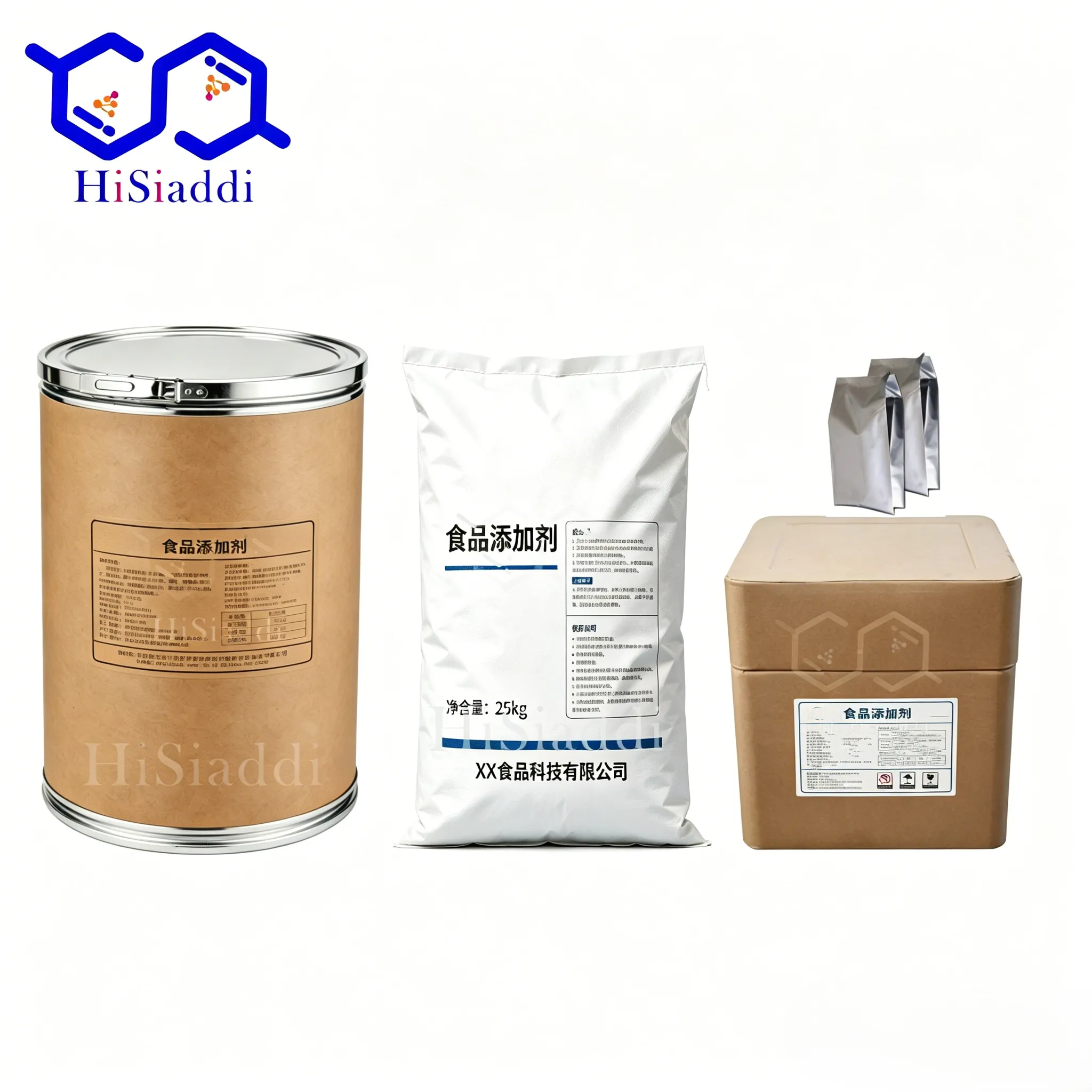
To address high moisture absorption and odor adsorption, adopt fully sealed packaging with food-grade inner film, aluminum foil composite layers and thick fiber drums to isolate moisture and odors. Outer packaging shall clearly mark product name, pectin type (HM/LM), gel strength, gel speed, batch number, production date, shelf life, storage conditions and execution standards, complying with food labeling and customs requirements of all countries.
Storage and transportation requirements: cool, dry, ventilated environments away from odor sources; avoid humidity, direct sunlight, and co-storage with acidic, alkaline or volatile materials.
For more professional and in-depth analysis on Pectin selection, please contact HiSiaddi customer service.



 +86-13120989737
  info@hisiaddi.com
 English