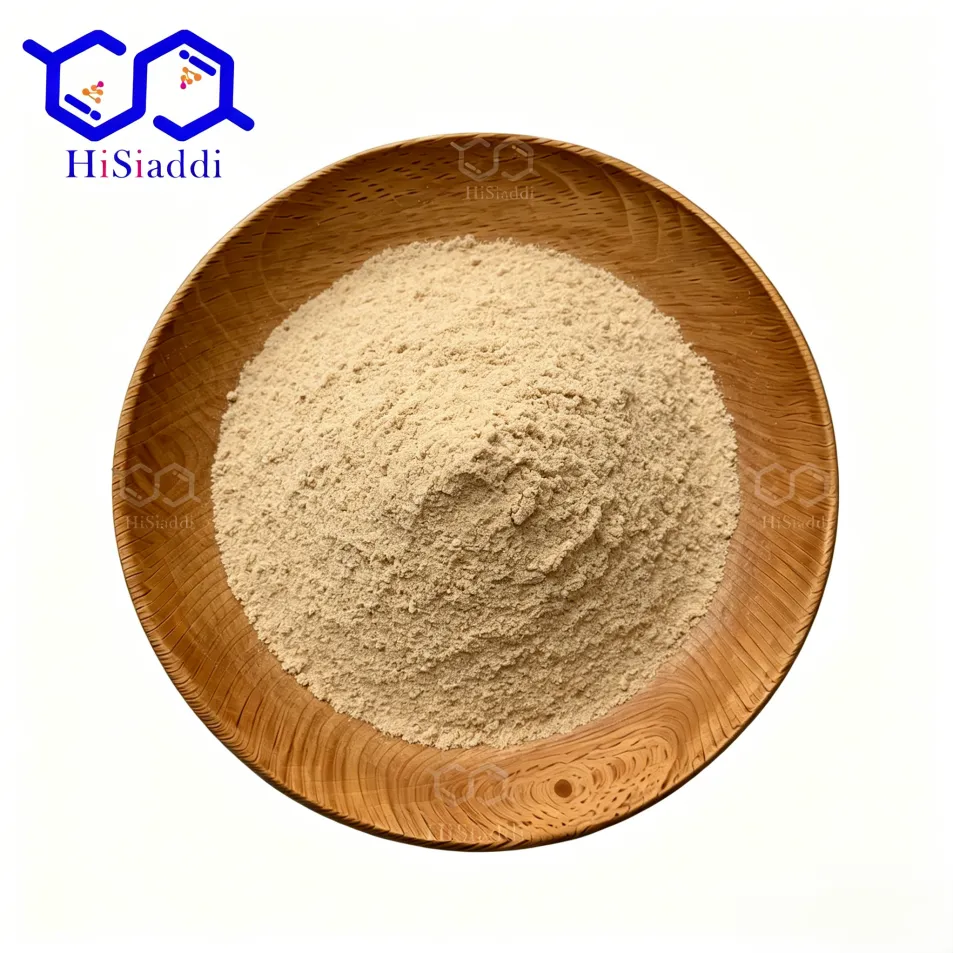
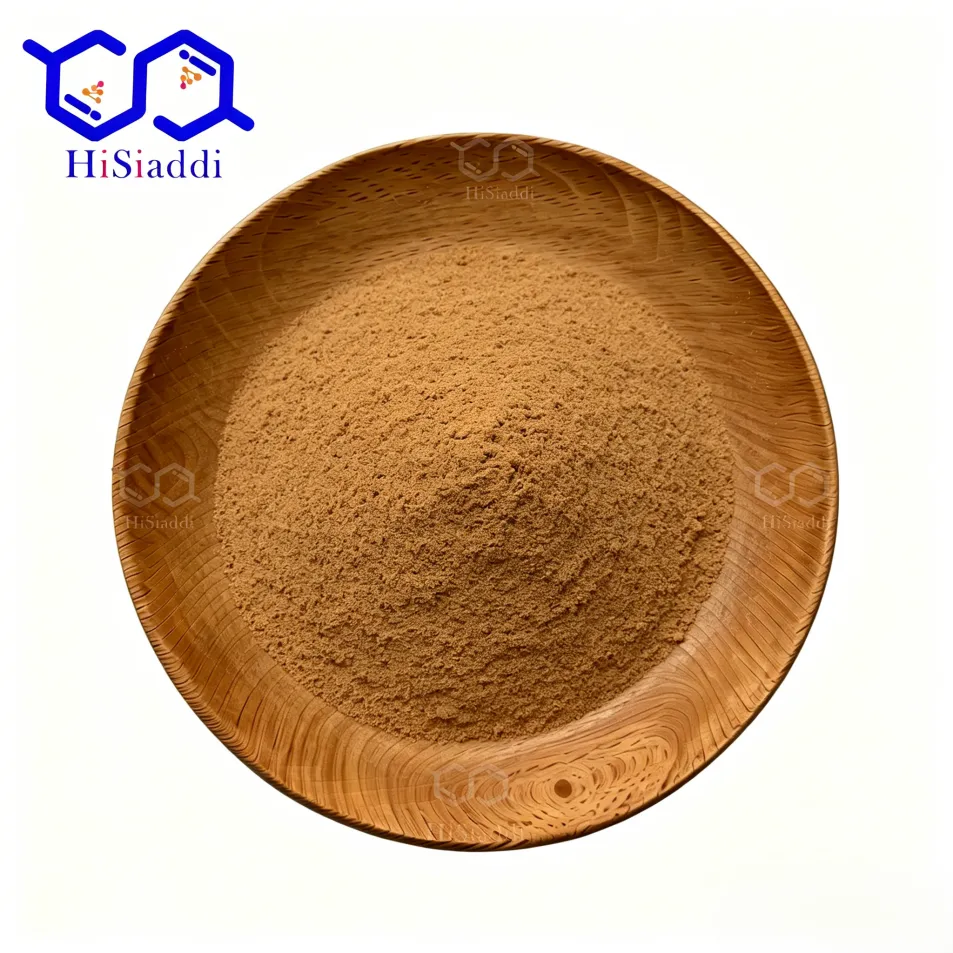
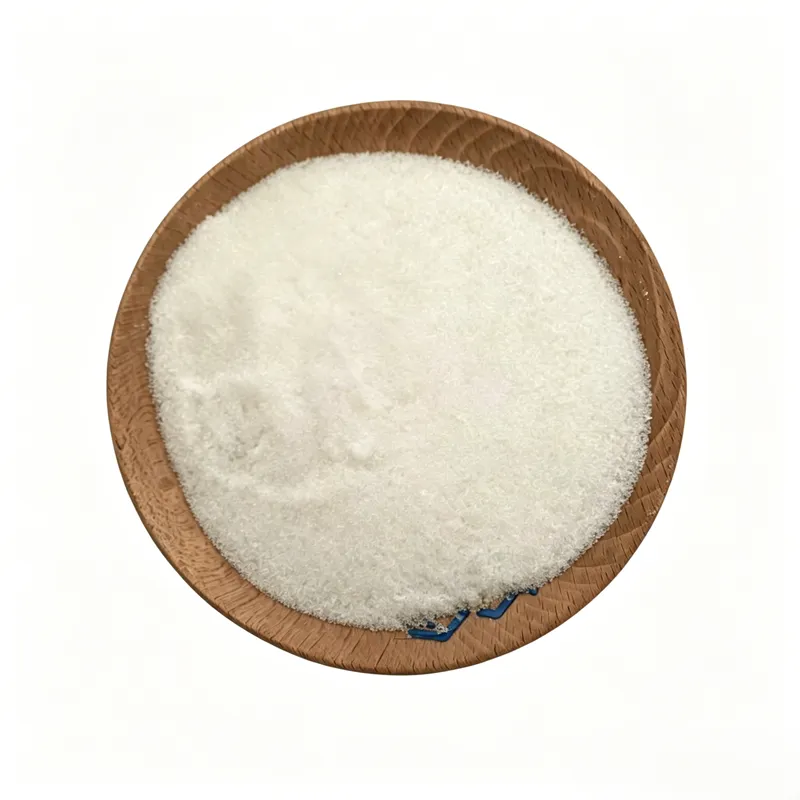
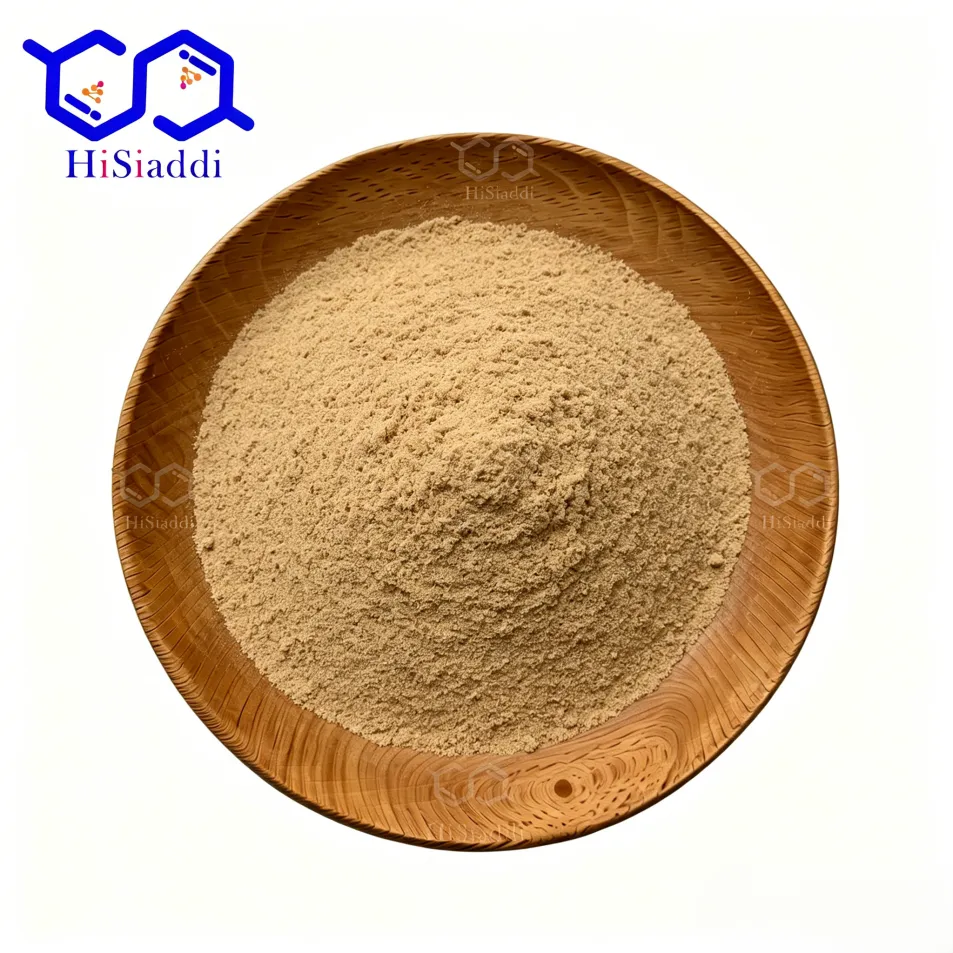
Milk Thistle Extract, abbreviated as Silymarin, contains silymarin, used in liver-protecting health products and antioxidant skin care raw materials. HiSiaddi supplies original factory sources of multiple Chinese brands in China.
Sumt: It provides 80% silymarin containing 30% silybin, acetone extraction high-purity type and water-soluble silymarin with silymarin ≥80% and silybin ≥30%. Its price is 40%-50% lower than Indena of Italy with international top-tier quality, suitable for liver-protecting health product suppliers and skin care raw material manufacturers.
TINVEUN: It offers 70% food grade silymarin and ethyl acetate extraction low-residue type with residual solvent less than 50ppm and EU organic dual certification. Its price is 10%-15% lower than peers, fitting the mass-market liver protection and ordinary health product industry.
HiSiaddi Exclusive Service: We customize silymarin content of 60%-80% and adjustable silybin content of 20%-30%, select three processes including acetone high-purity extraction, ethyl acetate low-residue extraction and water-soluble modification for easy absorption, and develop one-stop liver-protecting compound raw materials by compounding Turmeric, Dandelion and Pueraria.
 CONTACT HiSiaddi NOW
| CAS No: | 65666-07-1 | Brand Name: | Multi-brand |
| MF: | C25H22O10 | Model Number: | Multi-models |
| EINECS No: | 613-830-9 | Grade: | Food grade |
| Purity: | N/A | Place of Origin: | China |
| MOQ: | 1ton | Storage: | Please refer to the product packaging or contact the customer service. |
You may encounter the following questions when purchasing Milk Thistle Extract as a buyer:
What are the key indicator advantages and application impacts of mainstream models from well‑known Milk Thistle Extract brands?
What competitive services can Milk Thistle Extract suppliers provide?
What are the qualification certifications and market feedback of target Milk Thistle Extract brands?
What is the inventory level and supply stability of Milk Thistle Extract suppliers?
What factors should be considered when selecting Milk Thistle Extract?
...and many other questions.
Main Export Models: TF‑SJ‑80 (80% Silymarin, global mainstream staple for health‑care grade), TF‑SJ‑90 (90% Silymarin, high‑end liver‑health supplements), TF‑SJ‑SB‑98‑PH (98% Silybin, high‑purity pharmaceutical‑grade monomer)
Core Competitive Indicator Advantages (Benchmarked against overseas competitors and domestic peers):
Raw Material Origin Monopoly: Self‑owned large‑scale milk thistle plantations in Shaanxi, Gansu and Xinjiang with sufficient sunlight; natural Silymarin content in seeds is 10%–15% higher than imported raw materials. Heavy metals (Pb<0.2ppm, As<0.1ppm) and pesticide residues strictly comply with EU Regulation EC1881/2006 and US FDA GRAS standards. Batch‑to‑batch fluctuation of Silymarin/Silybin content is less than 1.2%, ranking top globally in activity stability.
Core Monomer Enrichment Technology: Self‑developed ultrasound‑assisted extraction + multi‑stage macroporous resin purification + recrystallization purification. Silybin accounts for ≥40% of total Silymarin (industry standard ≥30%); total impurities of 98% Silybin monomer are less than 0.3%, fully complying with USP‑NF and EP standards for direct synthesis of liver‑protecting pharmaceutical raw materials.
Extraction Yield: Low‑temperature continuous countercurrent extraction delivers a total active ingredient extraction rate of over 87%, far higher than the conventional industry range of 75%–82%, bringing significant cost and yield advantages.
Compliance Certifications: Complete qualifications including GMP, ISO22000, KOSHER, HALAL, USDA Organic and DMF document support, enabling direct access to intermediate filings for European and American pharmaceutical enterprises and registrations of high‑end liver‑health supplements.
Production Capacity: Annual output of 1,300 tons of Milk Thistle Extract, ranking No.1 worldwide. Capable of undertaking annual ten‑thousand‑ton framework orders with zero supply disruption risks.
Cost‑Performance: Top‑tier all‑round supplier for all specifications. FOB Shanghai prices: TF‑SJ‑80: USD 36–42/kg; TF‑SJ‑90: USD 78–84/kg; TF‑SJ‑SB‑98‑PH: USD 540–565/kg. Prices are 40%–55% lower than Germany’s Euromed and over 50% lower than America’s Indena for equivalent specifications, with unrivaled cost‑performance for high‑purity pharmaceutical‑grade Silybin monomers.
Target B‑End Buyers: Global major liver‑health dietary supplement groups, large European and American manufacturers of supplements for alcoholic/non‑alcoholic fatty liver regulation, international pharmaceutical intermediate traders, top DTC liver‑health brands, and European & American liver‑health pharmaceutical enterprises. Typical clients: Nature’s Bounty (USA), Doppelherz liver‑health line (Germany), Holland & Barrett (UK), Swisse liver‑health series (Australia).
Specific Benefits for Downstream B‑End Buyers:
Fully self‑supplied raw materials, unaffected by import tariffs, yield reductions in origins and global supply chain fluctuations; annual long‑term contract prices can be locked in.
High Silybin content delivers stronger core liver‑protective activity, consistent efficacy of end products, high repurchase rates and extremely low customer complaint rates.
Complete pharmacopoeia‑grade testing reports, DMF supporting documents and monomer spectrum reports directly support overseas pharmaceutical registration and efficacy claim filings for supplements, shortening approval cycles.
Customizable Silymarin purity, Silybin‑to‑Silymarin ratio, particle size and water‑solubility modification for capsules, tablets, oral liquids and gummies.
Large‑scale origin plantations with a comprehensive traceability system to build differentiated selling points of "premium Chinese liver‑protecting raw materials".
Specific Benefits for Overseas End‑Users: Silybin effectively protects hepatocytes, repairs liver damage, exerts antioxidant and anti‑inflammatory effects, and assists in improving fatty liver, alcoholic liver and drug‑induced liver injury. Derived from natural plants with no side effects of synthetic drugs, it suits overseas drinkers, people under high work pressure with irregular sleep, middle‑aged and elderly liver‑health seekers, and those with drug‑induced liver injury. Liver health is a rigid global demand with extremely high consumer recognition.
Main Export Models: RB‑SJ‑30‑FOOD (30% Silymarin, basic food‑grade), RB‑SJ‑80‑STD (80% Silymarin, staple bulk export for health‑care grade), RB‑SJ‑SB‑40 (high‑Silybin grade with 40% Silybin content)
Core Competitive Indicator Advantages:
Large‑Scale Cost Control: Continuous countercurrent extraction + membrane separation and concentration technology reduces unit energy consumption by 23% compared with traditional processes, placing its 80% specification among China’s lowest‑cost bulk suppliers.
Sensory and Impurity Control: Targeted removal of grease, crude fiber and pigment impurities yields pale yellow, fine powder free of rancid odor with good fluidity, suitable for high‑speed tableting of tablets and hard capsules.
Stable Silybin Content: Strict control of Silybin ≥30% to meet global universal health‑care standards.
Multi‑Origin Linkage: Supplies from multiple bases in Shaanxi, Gansu and Xinjiang, with strong resistance to raw material shortages and climate risks.
Cost‑Performance: Optimal choice for bulk health‑care‑grade procurement. FOB price of RB‑SJ‑80‑STD: USD 32–38/kg, USD 4–5/kg lower than Tianfu's equivalent specification, with prominent price advantages for bulk orders.
Target B‑End Buyers: Small and medium‑sized European and American OEM manufacturers of liver‑health supplements, dietary supplement brands, raw material traders for health food in Southeast Asia & the Middle East, cross‑border e‑commerce private‑label raw material suppliers, and basic functional food manufacturers.
Specific Benefits for Downstream B‑End Buyers:
Lowest bulk procurement cost, enabling substantial price reduction of end liver‑health products to capture the mass liver‑health supplement market.
Good fluidity and odor‑free properties adapt to automated production lines, reducing production losses for customers.
High‑Silybin grades help build differentiated selling points of "high‑activity liver protection" to avoid homogeneous price wars.
Stable 7–10‑day delivery cycle with fast emergency replenishment response.
Specific Benefits for Overseas End‑Users: Gentle liver protection for daily liver care and relief of liver burden caused by staying up late, suitable for ordinary office workers, drinkers and sub‑healthy people for daily liver maintenance, with massive demand in the mass consumer market.
Main Export Models: QZ‑SJ‑SB‑80‑HP (80% high‑purity customized Silybin), QZ‑SJ‑MICRO (micro‑encapsulated Milk Thistle Extract for enhanced gastrointestinal absorption), QZ‑SJ‑WS (water‑soluble Silymarin for oral liquids)
Core Competitive Indicator Advantages:
Precision Customization Capability: Accurately adjustable Silymarin purity (30%–90%) and Silybin purity (30%–98%) with targeted Silybin monomer enrichment, suited for pharmaceutical enterprise R&D and high‑end liver‑health formulations.
Absorption Modification: Micro‑encapsulation prevents gastric acid degradation, boosting oral bioavailability of lipophilic Silymarin by 45%. Water‑solubility modification addresses the poor water‑solubility pain point of traditional raw materials for oral liquids and functional beverages.
Flexible Small‑Batch Supply: Minimum order quantity as low as 5kg with 3–5‑day sample delivery, ideal for emerging brands and laboratory R&D.
Dosage Form Innovation: Full range of powder, instant granules, nano‑dispersions and water‑soluble grades.
Cost‑Performance: Optimal for small‑batch high‑purity customization. FOB price of QZ‑SJ‑SB‑80‑HP: USD 215–228/kg, over 50% lower than customized Silybin monomers imported from Europe and America, delivering ultra‑low R&D sampling costs.
Target B‑End Buyers: Emerging European and American DTC liver‑health brands, small and medium‑sized pharmaceutical R&D enterprises, laboratory research institutions, functional oral liquid/gummy brands, and raw material suppliers for pet liver‑health supplements.
Specific Benefits for Downstream B‑End Buyers:
Fast small‑batch supply matching the rapid new‑product launch and formula iteration pace of emerging brands.
Water‑soluble and micro‑encapsulated modifications expand markets including oral liquids and pet health care to build differentiated selling points.
Customized Silybin content precisely matches high‑end liver‑health formulas, reducing customers' trial‑and‑error costs.
Specific Benefits for Overseas End‑Users: Higher absorption efficiency delivers faster liver‑protective effects; water‑soluble formulas offer good palatability for young consumer groups; pet‑liver‑health grades expand household health consumption scenarios.
Main Export Models: SN‑SJ‑80‑JP (80% Silymarin for Japan, complying with Japanese Ministry of Health standards), SN‑SJ‑90‑AU (90% Silymarin for Australia complying with TGA standards), SN‑SJ‑80‑KO (80% Silymarin for South Korea complying with KFDA standards)
Core Competitive Indicator Advantages:
Ultra‑adaptable Testing Standards: Customized full testing packages tailored to Japanese, South Korean and Australian regulations, including precise quantification of Silymarin/Silybin, multi‑pesticide residue screening, strict internal heavy‑metal control and microbial indicators aligned with local pharmacopoeias, achieving over 99% customs clearance and filing approval rates.
Strict Internal Control Standards: Total bacterial count<50cfu/g, mold and yeast<5cfu/g, far exceeding national standards and general export requirements, suited for high‑end health food and cosmeceutical‑grade raw materials in Japan and South Korea.
Full‑Process Traceability: Each batch traceable to planting plots, harvest dates and extraction batches, meeting stringent traceability regulations in Japan and South Korea.
Mature Market Channels in Japan and South Korea with high recognition among local liver‑health enterprises.
Cost‑Performance: Optimal compliance‑oriented supplier for Japan, South Korea, Australia and New Zealand. FOB price of SN‑SJ‑80‑JP: USD 40–46/kg, over 43% lower than locally imported raw materials in Japan.
Target B‑End Buyers: Japanese liver‑health food enterprises, South Korean liver‑health supplement groups, Australian TGA‑certified supplement manufacturers, New Zealand natural health brands, and Japanese & South Korean pharmaceutical raw material traders.
Specific Benefits for Downstream B‑End Buyers:
Direct compliance with local testing standards without secondary inspections, shortening pharmaceutical regulatory filing cycles.
Ultra‑low microbial and heavy‑metal content avoids regulatory penalties and product removal risks.
Comprehensive origin traceability builds trust endorsement among high‑end market consumers.
Specific Benefits for Overseas End‑Users: Ultra‑high safety matching liver‑health demands from drinking culture and high‑pressure lifestyles in Japan and South Korea; the natural plant‑based liver‑protection concept enjoys extremely high acceptance in East Asian health markets.
Main Export Models: PH‑SJ‑30‑STD (30% Silymarin, basic economy grade), PH‑SJ‑80‑BASIC (80% Silymarin, economy standard grade)
Core Competitive Indicator Advantages:
Extreme Cost Control: Simplified purification steps for high‑purity Silybin monomers; high‑cost purification processes are eliminated while ensuring qualified Silymarin content, cutting costs by 18%–22% compared with top brands.
Complete Basic Compliance: ISO and HACCP certifications with food‑grade qualifications, meeting market requirements of Southeast Asia, the Middle East, Latin America and Africa.
Ocean‑Shipping‑Adaptable Packaging: Moisture‑proof sealed iron drums resisting moisture absorption and high temperatures for long‑distance ocean transportation.
Strong capacity for ultra‑large‑volume orders, suited for low‑price bulk‑sales markets.
Cost‑Performance: King of cost‑performance for bulk procurement in developing countries. FOB price of PH‑SJ‑80‑BASIC: USD 29–35/kg, 1/3–1/2 the price of overseas brands.
Target B‑End Buyers: Ordinary supplement manufacturers in Southeast Asia, the Middle East, Latin America and Africa, basic liver‑health dietary supplement brands, local raw material wholesale traders, and economy‑grade health food brands.
Specific Benefits for Downstream B‑End Buyers:
Ultra‑low prices help customers capture the mass low‑end liver‑health supplement market.
Basic compliance meets customs clearance thresholds of emerging markets with large supply volume and stable pricing.
Suited for long‑term bulk sales to rapidly penetrate liver‑health consumption markets in emerging regions.
Specific Benefits for Overseas End‑Users: Affordable natural liver‑protecting raw materials make daily liver‑care products accessible to ordinary consumers, boosting the popularity of regional health food.

| Comparison Dimension | Shaanxi Tianfu Bio‑Tech | Xi’an Ruibo Bio‑Tech | Gansu Qizheng Bio‑Tech | Shaanxi Sinuote Bio‑Tech | Henan Puhua Bio‑Tech |
| Export Ranking | No.1 | No.2 | No.3 | No.4 | No.5 |
| Core Mainstream Models | TF‑SJ‑80/90/SB‑98‑PH | RB‑SJ‑30‑FOOD/80‑STD/SB‑40 | QZ‑SJ‑SB‑80‑HP/MICRO/WS | SN‑SJ‑80‑JP/90‑AU/80‑KO | PH‑SJ‑30‑STD/80‑BASIC |
| Core Key Competitive Indicators | Self‑owned large‑scale plantations; Silybin ≥40%; 98% Silybin meets EP/USP standards; DMF support; global No.1 production capacity | Large‑scale continuous processes; lowest bulk costs; good fluidity; stable multi‑origin supply; high‑Silybin basic grades | Precision customized Silybin purity; micro‑encapsulation for enhanced absorption; water‑solubility modification; flexible small‑batch supply; strong oral liquid adaptability | Compliant with local pharmacopoeia standards of Japan, South Korea, Australia and New Zealand; strict internal microbial control; full‑process traceability; high customs clearance rate | Extreme cost control; complete basic compliance; moisture‑proof ocean‑shipping packaging; suited for bulk sales in emerging markets |
| FOB Shanghai Price (USD/kg) | 36‑42 (80%); 78‑84 (90%); 540‑565 (98% Silybin) | 32‑38 (80%) | 215‑228 (80% Silybin) | 40‑46 (80% Japan grade) | 29‑35 (80%) |
| Cost‑Performance Positioning | All‑round supplier for all specifications, full coverage of pharmaceutical & health‑care grades, top choice for benchmarking European premium brands | Optimal bulk health‑care‑grade supplier, top choice for large‑volume procurement | Optimal for small‑batch high‑purity customization, top choice for pharmaceutical R&D and emerging brands | Optimal compliance‑oriented supplier for Japan, South Korea, Australia and New Zealand | King of economy‑grade cost‑performance for emerging markets |
| Target B‑End Buyers | Global major liver‑health supplement groups, large European & American liver‑health manufacturers, international pharmaceutical intermediate traders, DTC liver‑health brands | Small & medium‑sized European & American liver‑health OEM manufacturers, high‑Silybin liver‑health brands, Southeast Asian & Middle Eastern traders, cross‑border e‑commerce brands | Small & medium‑sized pharmaceutical R&D enterprises, emerging DTC liver‑health brands, oral liquid/pet liver‑health raw material suppliers, laboratory institutions | Liver‑health manufacturers in Japan, South Korea, Australia and New Zealand, local pharmaceutical traders, TGA/KFDA‑compliant factories | Supplement manufacturers in Southeast Asia, the Middle East, Latin America and Africa, economy‑grade liver‑health brands, bulk wholesalers |
| Core Benefits for B‑End Buyers | Stable self‑supplied raw materials; high Silybin content; complete pharmacopoeia & DMF documents; strong batch stability | Lowest bulk procurement costs; fluidity adapted to automated production; high‑Silybin grades build differentiation; fast delivery | Fast small‑batch sampling; water‑solubility & absorption modifications expand market segments; customized Silybin content reduces trial‑and‑error costs | Compliance with local standards; no secondary inspections; comprehensive traceability; low compliance risks | Ultra‑low prices; qualified basic compliance; suited for long‑term bulk sales in low‑end markets |
| Core Benefits for Overseas End‑Users | Potent liver injury repair; improvement of fatty and alcoholic liver; high‑end liver‑health rigid demand; high global recognition | Gentle daily liver care; suited for people who stay up late or drink alcohol; massive demand in mass markets | Fast absorption; good palatability of water‑soluble grades; suited for young groups & pet liver health; multi‑scenario consumption | Ultra‑high safety; aligned with East Asian drinking‑related liver‑health culture; strong trust in high‑end markets | Affordable natural liver care; popularizes liver‑health consumption in emerging markets |
| Overseas Benchmark Competitors | Euromed (Germany), Indena (USA) | Bulk raw materials from Extrasynthese (Spain) | High‑end customized monomers from Selleck (Italy) | Local South Korean liver‑health raw material suppliers, Japanese plant extract manufacturers | Local Southeast Asian plant extract manufacturers |
| Core Export Markets | Global mainstream markets: Europe, America, Japan, South Korea, Australia, New Zealand, Southeast Asia | Global bulk health‑care market, daily liver‑health channels | Small & medium‑sized European & American pharmaceutical enterprises, DTC liver‑health brands, pet health‑care market | Japan, South Korea, Australia, New Zealand | Southeast Asia, the Middle East, Latin America, Africa |
HiSiaddi, a new-type foreign trade service provider driven by dual engines of technology transformation and foreign trade services, have formed a "1+2+3+4=1" product service system by 1 foreign trade salesperson with over 3 years of experience, 2 R&D teams, 3 high-quality suppliers, and 4 warehouses to serve 1 product demand.
Relying on this service system, HiSiaddi has deeper mastery in R&D optimization and technical craftsmanship of Silymarin products than most foreign trade firms, a clearer grasp of market demands and competitive edges of different Silymarin brands than single factories, and a more comprehensive understanding of the Silymarin foreign trade market than research institutes.
HiSiaddi only recruits foreign trade sales staff with over 3 years of working experience, who must complete more than 6 months of training delivered by the R&D team and foreign trade team before providing services to clients.
(1)Silymarin Basic Guarantee Service: Backed by the foreign trade team and the company’s service framework, we deliver one-stop full-process document handling services for clients, including but not limited to: presentation and application of all compliance certificates for Silymarin; provision of third-party test reports and resolution of quality warranty feedback issues.
(2)Silymarin Exclusive Premium Service: Supported by the R&D team, we provide customized product and technical consulting services to clients, including but not limited to: comparative analysis of core index compatibility and cost for all Silymarin brands; regular sharing of market trends related to Silymarin products.
We carry out in-depth technical transformation cooperation with source manufacturers and maintain tight internal collaboration with the foreign trade team to deliver professional technical training for sales personnel. This enables more customized and professional Silymarin solutions, and offers research-level consulting services for Silymarin brand matching recommendation and optimization of Silymarin application formulas.
(1)Silymarin Research-Grade Customization Service:
Specialized optimization solution for silybin content and solubility. We customize raw materials with varying silybin ratios and water solubility grades for high-end liver protection, daily health supplements, oral liquids and pet healthcare scenarios: high-silybin pharmaceutical-grade for premium medicinal use, standard grade for daily healthcare, fully water-soluble grade exclusively for oral liquids, precisely matching differentiated efficacy requirements.
Precise gradient customization service for silymarin and silybin purity: any specifications of silymarin (30%–90%) and silybin (30%–98%) can be customized as requested, with controlled levels of grease, crude fiber and heavy metals to fully meet formulation requirements for oral preparations, solid beverages, pet food and skincare products.
(2)Silymarin Research-Grade Consulting Service:
Targeting the biggest pain points of the silymarin industry — poor absorption of liposoluble components, low water solubility, insufficient silybin proportion, single liver-protecting efficacy and easy oxidation, we provide the following technical services:
Targeted enrichment of silybin monomers to steadily lift the silybin proportion above 40%, with liver-protecting activity comparable to high-end European raw materials;
Microencapsulation and cyclodextrin inclusion modification to greatly boost water solubility and oral absorption rate, suitable for oral liquids and functional beverages;
Anti-oxidation stabilization process to extend raw material shelf life, adapting to high-temperature storage environments overseas;
Custom compound formulas: Silymarin + Turmeric + Dandelion + Artichoke to develop hit overseas compound liver-protecting raw material packs.
Our foreign trade team and R&D team cooperate closely. Through multiple rounds of research and cooperation including preliminary market surveys, on-site factory audits, product testing, in-depth technology transformation partnerships and product procurement collaboration, we screen roughly 3 branded manufacturers featuring reliable quality, stable supply, sound reputation and great development potential.
(1) Initiative to Secure Lower Purchase Prices: Long-term cooperation based on technology transformation and authorized distribution enables us to source factory-original raw materials at more competitive prices.
(2) Silymarin Long-Term Supply Chain Guarantee Service: Long-term partnerships in technology transformation and distribution effectively strengthen supervision over the whole production process, thus improving full-lot traceability, batch stability control, and compensation guarantee mechanisms for unqualified third-party inspection results.
We have 4 warehouses, which are jointly operated and managed with suppliers to store hot-selling products.
(1)Silymarin Fast Nearby Shipment & Stronger Ability to Resolve Emergencies: Our four warehouses are located at Qingdao Port in North China, Ningbo Port in East China, Shenzhen Port in South China, and Zhengzhou, China’s inland logistics hub, guaranteeing timely delivery of Silymarin. Meanwhile, on-site staff can settle transport accidents, packaging defects and export compliance issues related to Silymarin on the spot in a timely manner.
(2) Alleviate Price Fluctuations & Support Custom Packaging: We stock goods in advance to ease drastic price swings during Silymarin peak sales seasons; our self-owned warehouses can better satisfy clients’ personalized demands for packaging, labels and other custom items.
As an innovative foreign trade service provider driven by both technology commercialization and cross-border trade, HiSiaddi has built a "1+2+3+4=1" service system and can supply raw materials from multiple well-known original manufacturers of Silymarin. As a research & development-oriented foreign trade enterprise, HiSiaddi systematically sorts out common challenges faced by B-end buyers sourcing Silymarin from China and proposes targeted solutions from a professional perspective.
For more professional and in-depth analysis regarding Silymarin sourcing, please contact HiSiaddi customer service.
1. FDA regulatory and ingredient labeling risks: Silymarin and silybin are the core active ingredients of milk thistle extract. U.S. dietary supplement regulations mandate precise ingredient labeling; products with measured values deviating over 10% from label claims face mandatory removal from shelves and heavy fines. Medical efficacy claims such as "liver disease treatment" or "liver damage repair" are prohibited — only traditional herbal dietary usage descriptions are permitted. Many buyers face regulatory penalties due to upstream raw material ingredient fluctuations or improper copywriting control.
2. Extensive testing indicators and high quality control standards: Compliance with USP dietary supplement monographs requires lead <1ppm, arsenic <2ppm for heavy metals, pesticide residues meeting EPA standards, and mold & yeast <100cfu/g. Low-cost raw materials widely available on the market often feature overstated total silymarin content and insufficient silybin ratios. After formulation by buyers, terminal consumer complaints and channel returns arise.
3. Difficulty matching fixed specification demands: Three mainstream specifications dominate North American end products: 80% silymarin, 70% silymarin and high-purity silybin (30%/40%). Small and medium buyers place scattered individual orders, yet most large manufacturers enforce high minimum order quantities, leaving buyers with either excess inventory or stockouts.
4. Organic and Non-GMO traceability requirements: Offline supermarkets and chain pharmacies mandate USDA Organic and Non-GMO certifications alongside complete planting, harvesting and processing traceability documents. Many upstream suppliers only provide basic quality inspection reports lacking full traceability files, blocking access to mainstream sales channels.
1. Complete compliance document packages + labeling guidance: Supply FDA dietary supplement registration materials and compliant ingredient labeling templates to fully avoid medical efficacy claims. Each shipment includes a full-item CoA specifying fractional contents of total silymarin, silybin and isosilybin, ensuring deviation between measured and labeled values remains below 5%.
2. Tiered quality control + dual testing: Raw materials manufactured per USP standards undergo internal inspection plus third-party SGS/Intertek dual testing covering heavy metals, pesticide residues, microbes and solvent residues. Separate standard and high-purity grades eliminate ingredient overstatement risks at the source.
3. Flexible MOQ + multi-specification inventory stocking: Four mainstream specifications (80% silymarin, 70% silymarin, 30%/40% silybin) are permanently stocked, supporting 50kg minimum trial orders and mixed-spec consolidated shipments. Local North American overseas warehouses maintain inventory to complete replenishment within 3–7 days upon order placement, resolving inventory and stockout conflicts.
4. Full-set certifications + digital traceability: Standard USDA Organic and Non-GMO certificates are provided, alongside planting base archives, production processing logs and batch traceability QR codes for one-click document retrieval during channel audits, satisfying supermarket and pharmacy access requirements.
1. Complex regulatory review workflows: The EU classifies plant extracts under Novel Food regulations, requiring toxicology tests, stability trials and process documentation for milk thistle extract filings. Products are also subject to REACH regulations, with SVHC substances capped at 0.1%. Small and medium buyers lack professional documentation teams, leading to 4–8 month filing cycles that delay product launches.
2. Prominent solubility and application limitations: Silymarin is highly lipophilic with extremely poor water solubility. When incorporated into water-based products including oral liquids, solid beverages and ready-to-eat meal replacements, stratification, precipitation and separation readily occur. Conventional powder exhibits poor fluidity, causing punch sticking during tableting and granulation and increasing production wastage.
3. Stability and shelf-life challenges: Raw materials oxidize and discolor upon exposure to light and oxygen, with gradual degradation of active ingredients. EU end products generally require shelf lives exceeding 24 months. Raw materials packaged conventionally experience 8%–12% silymarin content decline after 3–6 months of ocean shipping and warehousing, resulting in substandard finished product quality.
4. Carbon footprint and sustainable procurement pressure: EU supermarkets and brands implement sustainable procurement policies requiring suppliers to submit carbon footprint reports and ecological planting certificates. Raw materials lacking these documents face restricted purchasing and cannot command product premiums.
1. One-stop compliance document package + filing assistance: Full EFSA Novel Food filing technical documents, REACH-SVHC test reports, EU Organic, Halal and Kosher certifications are provided. A dedicated professional team assists clients with document submission and review, compressing the overall filing cycle to within 3 months.
2. Modified processes for multi-formulation compatibility: Water-soluble inclusion complex milk thistle extracts and granulated powders are offered. Water-soluble modified variants dissolve without precipitation at room temperature for beverages and oral liquids; granulated grades improve powder fluidity to resolve tableting punch sticking, compatible with tablet, capsule and granule production lines.
3. Light-blocking oxygen-resistant packaging + stability guarantees: Light-proof aluminum foil vacuum bags filled with nitrogen isolate light and air. Raw materials pass accelerated stability testing, with total silymarin content decline limited to <3% over standard 24-month storage periods. Constant-temperature moisture-proof outer packaging is used for ocean shipping to accommodate long-distance European logistics.
4. Supporting sustainable documentation: Ecological planting certifications, pesticide and fertilizer reduction records and full-chain product carbon footprint calculation reports are provided to help clients access high-end EU channels and boost product market premiums.
1. Intense price competition and cost control challenges: Small local workshops in Southeast Asia seize market share with low-cost blended raw materials diluted with fruit pomace and excipients. Standard high-purity milk thistle extracts carry higher pricing, forcing buyers to balance low-cost markets and quality while squeezing profit margins of end products.
2. Difficulty distinguishing adulterated low-quality raw materials: Numerous counterfeit products circulate on the market, labeled as 80% silymarin yet testing only 30%–50% with excessive heavy metals and pesticide residues. Local professional testing laboratories are scarce, preventing buyers from rapid verification upon receipt, leading to consumer complaints after market launch.
3. High quality loss due to climate and logistics: Southeast Asia features year-round high temperature and humidity. Milk thistle powder is highly hygroscopic, prone to caking and deterioration during transit. Port congestion during shipping peak seasons extends lead times by 1–3 weeks, with prolonged cargo detention further exacerbating quality degradation and overall wastage rates reaching 6%–10%.
4. Imperfect after-sales systems: Most Southeast Asian buyers are small and medium traders, and upstream suppliers generally refuse returns for quality issues. All losses stemming from substandard ingredients or moisture-induced caking are borne solely by buyers.
1. Tiered pricing matching diverse market segments: Three graded product lines (Economical: 60% silymarin, Standard: 70% silymarin, High-Purity: 80% silymarin) are offered with tiered pricing. Economical grades suit low-end mass-market distribution, while standard grades target mid-tier brands, balancing cost and quality.
2. Defined testing standards + anti-counterfeit traceability: Each shipment includes bilingual SGS test reports clearly listing all ingredient indicators. Exclusive batch anti-counterfeit traceability QR codes enable one-click access to test data and production records for buyers to quickly identify counterfeit raw materials.
3. Moisture-proof packaging + staggered logistics scheduling: Double-layer moisture-resistant aluminum foil packaging paired with waterproof corrugated outer cartons limits transit wastage to under 2%. Shipments are scheduled to avoid rainy seasons and port congestion peaks via direct ocean routes for stable 7–10 day standard lead times.
4. Comprehensive after-sales guarantees: A dedicated Southeast Asian account team provides 24-hour issue response. Full order returns and free round-trip logistics coverage are guaranteed for non-human-induced issues including substandard tested ingredients and moisture caking upon delivery.
1. Mandatory Halal certification barrier: The entire Middle East enforces strict HALAL standards. If milk thistle extract production contacts non-Halal excipients or equipment lacks partitioned production zones, certification cannot be obtained. Shipments lacking official Malaysian JAKIM or UAE ESMA Halal certificates face customs detention and confiscation, with lengthy, cumbersome certification application workflows.
2. Odor and color impacts on end finished products: Native milk thistle extract carries a strong bitter herbal scent and dark yellow-green color, compromising palatability for oral dietary supplements and altering ointment base color for topical herbal preparations, conflicting with local consumer aesthetic and usage preferences.
3. Order characteristics mismatched with supply capacity: Local small and medium brands and offline retail merchants primarily place 20–100kg small orders with high ordering frequency, while most suppliers enforce 200kg minimum order quantities, failing to meet low-volume, frequent procurement demands.
4. Raw material deterioration accelerated by high temperatures: Summer temperatures across the Middle East regularly exceed 40°C. Raw materials undergo oxidation and color darkening during open-air storage and transit, with rapid decomposition of active ingredients leading to substantial quality decline within short periods.
1. Standard authoritative Halal certifications: Factories implement full Halal standardized partitioned production, holding dual Malaysian JAKIM and UAE ESMA certifications, with original certificates and English translations accompanying each shipment. Support is provided for client local customs certification filing to enable clearance without obstacles.
2. Process optimization for odor and color improvement: Low-temperature refining and deodorization processes reduce intense herbal bitterness and odor for a mild herbal aroma. Purification process adjustments optimize color, offering pale yellow-green premium grades compatible with oral formulations and topical herbal ointment formulas.
3. Flexible production supporting small frequent batches: Production lines accept ultra-low 20kg minimum orders, with 3–5 day delivery for orders under 100kg. Stock maintained in Dubai overseas warehouses enables same/next-day local direct delivery for urgent client orders.
4. Custom high-temperature resistant packaging: Packaging incorporates food-grade natural antioxidants paired with thickened insulated aluminum foil and thermal foam cartons. Ingredient and color stability is preserved for 3 months under 45°C storage conditions, compatible with local high-temperature storage and transit environments.
1. High thresholds for production qualifications and workshop standards: Pharmaceutical-grade milk thistle extract suppliers must hold EU GMP certifications with Class 10,000 clean sterile production workshops under full aseptic control. Standard food/health supplement production lines fail to meet these stringent access requirements.
2. Extreme control of impurities and ingredient precision: As liver-protective pharmaceutical raw materials, heavy metal single-item limits fall below 0.1ppm, organic solvent residues must be undetected, and total microbial count <10cfu/g. Silybin monomer content and isomer ratios require rigid fixation, yet conventional extracts exhibit large batch fluctuations unsuitable for pharmaceutical use.
3. Extended Drug Master File (DMF) review cycles: European pharmaceutical manufacturers mandate suppliers to submit DMF documents, process validation reports, long-term stability data and pharmacology-toxicology reports. EMA official review cycles span 5–8 months, with filing applications rejected outright for incomplete or non-standard documentation.
4. Cross-contamination control risks: Pharmaceutical raw materials prohibit shared production lines and warehouses with food and cosmetic raw materials. Cross-contamination leads to full batch scrappage and severe production losses for pharmaceutical manufacturers, requiring buyers to rigorously audit supplier production line partitioning capabilities.
1. EU GMP-certified exclusive pharmaceutical production lines: Dedicated Class 10,000 sterile clean workshops with EU GMP certification operate independent production lines, warehouses and logistics for pharmaceutical-grade milk thistle extract, fully segregated from non-pharmaceutical products to comply with European pharmaceutical production regulations.
2. Precision purification & strict batch stability control: Directional chromatographic purification technology precisely locks all silymarin and silybin indicators, limiting cross-batch ingredient deviation to ±0.3%. Full aseptic and impurity testing for solvent residues is completed per batch with pharmaceutical-grade test reports issued.
3. Complete pharmaceutical technical documentation + audit support: Pre-prepared full DMF files, process validation, stability studies and toxicology trial reports are available. A dedicated pharmaceutical regulatory team provides full support for EMA review inquiries, shortening audit cycles to within 4 months.
4. Full-chain segregation contamination prevention control: Pharmaceutical raw materials use sterile sealed packaging treated with ethylene oxide sterilization and dedicated sealed logistics vehicles for transport. Production line partitioning and cross-contamination prevention control certificates are issued to eliminate pollution risks across production to delivery.
For more professional and in-depth analysis regarding Silymarin sourcing, please contact HiSiaddi customer service.
Barriers in customized indicator standards: To comply with Australia’s TGA access requirements, the raw material must contain total silymarin ≥80% and silybin monomer ≥32%, while holding both USDA Organic and Australian vegetarian certifications. Standard off-the-shelf extracts fail to meet the dual certification and indicator requirements simultaneously.
Formulation compatibility issues: The customer produces hard capsules. Conventional powder fails to meet bulk density and flowability standards, resulting in powder stratification and excessive fill weight variation during automatic capsule filling.
Compliance packaging and supply chain bottlenecks: Australia mandates degradable plant-fiber inner packaging for local sales. The customer lacks domestic packaging suppliers. Three cross-border sample shipments are required for third-party testing, involving cumbersome coordination of cross-border logistics and SGS testing, and the customer has no capacity to integrate Chinese factory resources.
Conflicts between small-batch trial production and mass production: Only 5kg of sample material is needed for preliminary R&D, while mass production requires a minimum of 2.3 tons. Most manufacturers refuse small-batch trial orders, leaving the customer frustrated after multiple inquiries.
Source control and customized raw material production: Raw materials are sourced from compliant domestic organic cultivation bases. Supercritical CO₂ low-temperature extraction replaces ethanol extraction. Strict monitoring of pesticide residues and heavy metals is implemented throughout production. USDA organic certification filing and vegetarian test reports are completed within 30 days. Final indicators are stabilized at total silymarin 82.3% and silybin 33.1%. Full COA and SGS test reports are issued to support Australian import customs clearance.
Physical property modification of powder: Dry granulation is adopted to adjust powder bulk density to 0.62g/mL with an angle of repose of 38°, perfectly matching the customer’s automatic capsule filling machines. Three consecutive trial batches achieve fill weight variation ≤±2.5%, eliminating powder stratification during filling.
One-stop full-chain supporting services: Cooperation with compliant domestic packaging manufacturers to produce Australia-standard degradable inner packaging. HiSiaddi takes full charge of international sample delivery, customs document pre-review, and pre-declaration for Australian imports. Three batches of cross-border sample testing are processed free of charge on behalf of the customer, eliminating cross-border inspection coordination costs.
Flexible production scheduling for trial and mass manufacturing: A dedicated laboratory trial production line prioritizes the 5kg sample order. After sample validation passes, the GMP workshop arranges an urgent production run of 2.3 tons. The full production cycle is controlled within 18 working days, with the full container shipped 3 days ahead of schedule.
Abnormal dissolution caused by formula incompatibility: When mixed with self-developed soybean phospholipid formula, conventional silymarin powder agglomerates and clumps, leading to separation of soft capsule contents. The in vitro dissolution rate only reaches 42%, far below the German Pharmacopoeia standard of ≥75%.
Poor water solubility of raw materials: The enterprise simultaneously develops oral liquid drops. Conventional milk thistle powder has cold water solubility below 0.8%, unable to disperse evenly in aqueous systems and generating massive precipitation after standing.
Excessive active ingredient loss under high-temperature granulation: The customer adopts 82°C wet granulation for solid tablets. Heat exposure causes over 18% degradation of active silymarin, resulting in high effective ingredient loss and unstable batch content, with finished product qualification rate only 72%.
Impurity risks: Trace plant colloids remain in raw materials, forming flocculent suspensions after sterilization, which fail full impurity and microbial testing required by the German Pharmacopoeia.
Molecular modification of raw materials to resolve formulation stratification: Custom silymarin extract modified via cyclodextrin inclusion technology. β-cyclodextrin encapsulates lipophilic groups of silymarin, greatly improving compatibility with phospholipids without agglomeration in mixed systems. The in vitro dissolution rate of soft capsules rises to 89.6%, meeting German Pharmacopoeia limits.
Upgraded water-soluble customization: Combined low-temperature enzymatic hydrolysis and micronization produce water-soluble milk thistle powder with cold water solubility increased to 12.7%. The material uniformly disperses in oral liquid formulas with no precipitation after 72 hours of static storage.
Heat-resistant coating process improvement: Tablet-grade raw materials are coated with hydrogenated vegetable oil in a fluidized bed. Under 85°C granulation conditions, the retention rate of active silymarin is ≥91%, with active ingredient loss controlled within 6% and finished product qualification rate boosted to 98.7%.
Purification and impurity removal process adjustment: Ceramic membrane ultrafiltration is applied for room-temperature refining to remove macromolecular colloids and heteroproteins from raw materials. The finished product achieves qualified clarity with no flocculent matter after sterilization, and all batches pass full-item testing per German Pharmacopoeia standards.
Lead time
Quantity (ton) | 0 - 10 | 10 - 30 | > 30 |
Lead time (days) | 7 | 15 | To be negotiated |
The monthly inventory volume of Silymarin is 10 tons, with appropriate adjustments upwards or downwards in response to peak and off-peak seasons.
HiSiaddi safeguards the supply stability of Silymarin through the following measures:
(1) Performance evaluation and screening of Silymarin brand factories based on on-time delivery rate, batch pass rate, timeliness of risk alerts, and completeness of documentation to assess their supply stability.
(2) For each mainstream model or major grade of Silymarin, secure 1 primary high-quality brand manufacturer and 2 backup high-quality manufacturers.
(3) Each factory operates independent production lines in separate production zones to prevent production halts caused by major unforeseen incidents such as environmental production suspensions and power outages.
Through long-term cooperation with brand manufacturers via technology commercialization and authorized distribution channels, HiSiaddi can effectively strengthen supervision over the production processes of brand manufacturers, optimize full-process traceability management, improve batch stability control, and further reinforce real-time monitoring of the supply stability of Silymarin products.
Long-term Annual Framework Supply Guarantee Agreement. HiSiaddi signs 12-month long-term agreements with leading manufacturers. The agreements specify the minimum guaranteed supply volume, maximum price hike range, and priority production scheduling rights during peak seasons. It is stipulated that manufacturers shall issue a 30-day prior written notice if production is suspended due to environmental rectification or equipment maintenance, and backup manufacturers will be activated to replenish goods accordingly.
We have 4 warehouses, which are jointly operated and managed with suppliers to store hot-selling products.The four warehouses are located at Qingdao Port in North China, Ningbo Port in East China, Shenzhen Port in South China, and Zhengzhou, China’s inland logistics hub. This setup guarantees sufficient supply and timely shipment of Silymarin during peak seasons.
HiSiaddi issues a rolling demand forecast covering the subsequent three months on the 25th of each month, allowing manufacturers to reserve production capacity in accordance with the forecast. Any new urgent orders from overseas clients will be prioritized to draw on inventories or production capacity from backup manufacturers.
Unstable logistics for Silymarin will extend delivery lead times. HiSiaddi has established alternative arrangements covering multiple freight forwarders, ports and transportation solutions:
(1) Binding of multiple professional chemical freight forwarders for Silymarin
Each product is assigned 2 to 3 freight forwarders with hazardous chemical/food transport qualifications affiliated with different shipping lines. Alternative sailing schedules can be switched to immediately in case of space shortages or customs inspections on a single shipping route.
(2) Backup transportation solutions for Silymarin
Ocean freight serves as the standard mode; air freight and rail freight are reserved as alternatives for urgent orders. Long-term agreements for temperature-controlled containers are signed for temperature-sensitive and perishable food additives to secure shipping space.
(3) Visual tracking and digital early warning for Silymarin
Freight forwarders synchronize daily updates on container loading, customs declaration, vessel loading and port arrival milestones. If customs inspection occurs, replenishment from backup inventory will be initiated immediately to shorten client waiting periods.
Full-chain digital early warning automatically monitors four categories of risks:
Factory side: Expiring supplier environmental assessment certificates, renewal of production permits, scheduled major equipment overhauls, and notifications of price hikes for upstream raw materials;
Inventory side: Inventory falling below safety thresholds, excessive inventory age, and batches failing quality inspection;
Logistics side: Shipping line space shortages, strikes at destination ports, and updates to customs policies;
Overseas side: Revisions to additive regulations and adjustments to import restriction lists in target countries.
Early warning notifications are automatically pushed to procurement and business leads, allowing backup suppliers or inventory contingency plans to be activated in advance.
As an innovative foreign trade service provider driven by both technology commercialization and export services, HiSiaddi has built a "1+2+3+4=1" service system and can supply raw materials of Silymarin from multiple well-known original manufacturers.
As a research-driven foreign trade service provider, HiSiaddi avoids biased self-promotion limited to a single factory’s products. We objectively analyze China’s top export-competitive Silymarin brands and share their certification portfolios and global market feedback to help buyers streamline supplier selection.
If you require more genuine, objective information on multiple well-known Chinese Silymarin brands, please contact HiSiaddi customer service.
· 70% Silymarin (acetone/ethyl acetate extraction): Standard base grade, Silybin ≥30%, solvent residue <500ppm
· Water-soluble Silymarin (patented grade): Solubility ≥10g/L, bioavailability boosted to 50%, formulated exclusively for beverages and oral liquids
· 98% Silybin Meglumine: Pharmaceutical-grade water-soluble monomer for injections and premium formulations
· Low-solvent-residue 70%/80% Silymarin: Solvent residue <100ppm, dedicated to EU dietary supplement clients
1.
European Market (Germany, France, Spain) Serves as the core supplier for Germany’s Bionorica AG and Spain’s Pharmamar for 8 consecutive years, with annual supply volume exceeding 120 tons and a 98% customer repurchase rate. Clients praise its "industry-leading batch consistency, with Silybin A/B ratio fixed at 1:1.2, fully compliant with European Pharmacopoeia standards".
2.
3.
North American Market (U.S., Canada) Supplies Nature’s Way and Puritan’s Pride, with a 22% year-on-year export growth to North America in 2025. Clients highlight its patented water-soluble grade solving inherent lipophilic limitations of native Silymarin, enabling new product formats including soft candies and oral liquids with a 40% product premium.
4.
5.
Asia-Pacific Market (Japan, South Korea, Australia) Long-term supplier to Japan’s Tsumura and South Korea’s Chong Kun Dang. Clients cite complete organic certification, heavy metal levels (lead <0.5ppm) and zero microbial contamination, fully meeting Japan’s Ministry of Health, Labour and Welfare standards.
6.
· EU ECOCERT Dual Organic Certification (Planting + Processing): Exclusive industry credential covering 30,000 mu of organic farmland, eligible to issue official EU organic certificates
· U.S. FDA GRAS Certification: Water-soluble grade approved as food-safe for direct food formulation
· EDQM European Pharmacopoeia Certification: Validated for 70%/80% Silymarin, allowing direct formulation manufacturing across all EU member states
· ISO9001/ISO22000/HALAL/KOSHER: Full certification portfolio covering all global regional markets
· Dual registration under Chinese Pharmacopoeia and European Pharmacopoeia; lead drafter of national Silymarin export industry standards, holding 29 national patents including core water-solubility technology
· 80% Silymarin (Silybin + Isosilybin ≥35%): Premium dietary supplement grade
· 98% Silybin Monomer: Pharmaceutical-grade raw material for NASH adjuvant therapies and high-end health supplements
· Gluten-Free 70% Silymarin: Formulated for consumers with allergies, complete gluten-free certification
· 50% Microencapsulated Silymarin: Free-flowing powder optimized for tableting and capsule filling
1.
U.S. Market Core supplier to Nature’s Bounty and GNC, with 40% of 2025 export volume directed to the U.S. Clients note it operates China’s only fully FDA GRAS standardized production line with 98.6% self-sourced raw materials and inter-batch RSD <3%, far exceeding industry averages.
2.
3.
High-End European Market (Switzerland, Sweden, Denmark) Supplies Switzerland’s Phytopharma and Sweden’s Oriflame, specializing in high-purity monomer raw materials. Clients confirm its 98% Silybin monomer delivers consistent purity with HPLC chromatograms fully matching European Pharmacopoeia standards, capable of direct substitution for European domestic raw materials.
4.
5.
Southeast Asian Market (Indonesia, Malaysia) Gluten-free grade is a top-selling product with a 92% repurchase rate. Clients highlight gluten-free certification and low-allergen properties aligned with regional halal market requirements for sensitive-skin formulations.
6.
· Full-series U.S. FDA GRAS Certification: Unique in China, approved for food, health supplement and pharmaceutical applications
· EU EDQM Certification: Validated for 80% and 98% grades, a priority procurement credential for European formulation manufacturers
· ISO9001/ISO22000/BRCGS: British Retail Consortium certification, mandatory for shelf entry in European and American supermarkets
· China GAP Planting Certification + GMP Production Certification: Self-owned bases with annual processing capacity of 4,200 tons ensuring stable supply
· 70% Microencapsulated Silymarin (patented starch encapsulant): Superior flowability and oxidation resistance
· 80% Microencapsulated Silymarin: Softgel-exclusive grade with 3x improved bioavailability
· 50% Silybin Phospholipid Complex: Fast oral absorption via soybean phospholipid compounding
· Low-solvent-residue 70% Silymarin: Customized for EU softgel export standards
1.
European Softgel Market (Germany, Australia) Recorded export volume of 3.27 million bottles in 2025, a 23.6% year-on-year increase. Long-term supplier to Germany’s Ratiopharm and Australia’s Blackmores. Clients confirm microencapsulation technology prevents Silymarin oxidation, extending softgel shelf life to 24 months with disintegration time <15 minutes.
2.
3.
Taiwan & Hong Kong Market Captures 35% regional market share with an 89% repurchase rate. Clients highlight starch encapsulant with zero heavy metal migration and mild formulation compatible with Chinese gastrointestinal physiology, eliminating bloating and diarrhea side effects.
4.
5.
South American Market (Brazil, Argentina) Delivers distinct cost advantages, priced 15%–20% lower than European domestic raw materials. Clients cite cost-effective microencapsulated grades ideal for mass production of mid-tier health supplements.
6.
· U.S. FDA DMF Filing (Microencapsulation Process): Patented production technology registered with the FDA, eligible for U.S. prescription drug excipient applications
· EU EFSA Safety Assessment Certification: Validates microencapsulated products as non-allergenic and non-toxic
· ISO9001/ISO22000/HALAL: Halal certification covering Middle Eastern and Southeast Asian markets
· China GMP + Pharmaceutical Manufacturing License: China’s sole enterprise holding dual production qualifications for raw material extracts and finished softgels
· 70% Pharmacopoeia-Grade Silymarin: Dual compliance with Chinese and European Pharmacopoeia standards, optimized for OTC liver-protective tablets
· 85% Silybin Complex: Formulated for liver-protective capsules compounded with pueraria and schisandra extracts
· 60% Food-Grade Silymarin: Cost-effective grade for functional foods and beverages
· High-Dissolution 70% Silymarin: Dissolution rate ≥85% for rapid absorption in tablets and capsules
1.
European OTC Market (Italy, Spain) Supplies Italy’s Menarini and Spain’s Almirall, with 18% year-on-year export growth in 2025. Clients confirm pharmacopoeia-grade raw materials deliver consistent batches with zero heavy metal/microbial violations, enabling direct OTC drug production without secondary testing.
2.
3.
North American Mass-Market Health Supplement Segment Approved supplier for Walmart and Costco private-label brands, specializing in cost-effective formulations. Clients note the 60% food-grade grade delivers 30% cost savings versus European raw materials with compliant quality for mass retail distribution.
4.
5.
Middle Eastern Market (Saudi Arabia, UAE) Compound blended grades are top sellers. Clients highlight TCM herbal combinations (Silymarin + pueraria) aligned with regional wellness preferences, delivering mild non-irritating effects with an 85% repurchase rate.
6.
· EU EDQM Certification (70% Grade): Core procurement credential for European OTC formulation manufacturers
· U.S. FDA GRAS Certification (Food-Grade Grades): Approved for functional food and beverage applications in the U.S.
· ISO9001/ISO22000 + China Blue Hat Certification: Mandatory certification for domestic health food filings with controlled quality assurance
· China GAP Planting Certification: Self-owned farmland with annual raw material output of 1,680 tons and 100% self-supply ratio
· 80% Silymarin (Supercritical CO₂ Extraction): Zero solvent residues, Silybin ≥35%
· 90% High-Purity Silybin Monomer: Formulated for premium health supplements and skincare products
· 80% Water-Soluble Silymarin: Beverage/oral liquid grade with solubility ≥15g/L
· 60% Microencapsulated Silymarin: Fine free-flowing powder optimized for tableting
1.
High-End European Dietary Supplement Market (Switzerland, Germany) Supplies Switzerland’s Solgar and Germany’s Klosterfrau, with 25% year-on-year export growth in 2025. Clients confirm supercritical CO₂ extraction eliminates chemical solvent residues, retaining ≥95% active ingredients with a Silybin yield of 1.82% (industry average: 1.57%) and superior antioxidant activity.
2.
3.
North American Skincare Market Certified raw material supplier to Estée Lauder and Kiehl’s for antioxidant and skin-repair skincare lines. Clients confirm 90% high-purity monomer contains minimal impurities for mild sensitive-skin formulations, boosting skincare antioxidant efficacy by 3x.
4.
5.
Japanese & South Korean Market Water-soluble grade is a top-selling product. Clients highlight high solubility with transparent residue-free formulations aligned with Japanese Ministry of Health standards for clear beverages and oral liquids.
6.
· EU ECOCERT Organic Certification (Extraction Process): Supercritical CO₂ manufacturing validated as organic with zero chemical solvent residues
· Full-series U.S. FDA GRAS Certification: Approved for food and health supplement applications across all grades
· ISO9001/ISO22000/COSMOS Organic Certification: Mandatory credential for entry into European and American premium skincare markets
· China GMP Production Certification: Class 100,000 clean workshops delivering stable production and consistent batch quality
表格
Brand | Core Technology | Key Target Markets | Highlighted Authoritative Certifications | Suitable Procurement Scenarios |
Panjin Tianyuan | Patented water-solubility technology, dual-solvent extraction | Europe, North America | Dual EU Organic Certification, FDA GRAS | Foods, beverages, premium health supplements, pharmaceuticals |
Xi’an Tianzheng | Full-series FDA GRAS compliance, high-purity monomer purification | U.S., high-end Europe | Full-series FDA GRAS, EDQM | Pharmaceuticals, premium health supplements, gluten-free formulations |
Hunan Erkang | Patented starch microencapsulation, integrated softgel production | Europe, Taiwan & Hong Kong | FDA DMF Filing, EFSA Safety Assessment | Softgels, tablets, hard capsules, mid-tier health supplements |
Zhejiang Conba | Pharmacopoeia-standard extraction, herbal compound blending | European OTC, North American mass market | EDQM, China Blue Hat Certification | OTC pharmaceuticals, mass-market health supplements, herbal formulations for the Middle East |
Shaanxi Huike | Supercritical CO₂ extraction, nano-emulsification water-solubility | High-end Europe, North American skincare | ECOCERT Organic, COSMOS Organic | Premium health supplements, skincare, transparent beverages for Japan & South Korea |
If you require more genuine, objective information on multiple well-known Chinese Silymarin brands, please contact HiSiaddi customer service.
Raw Material Side: Self-owned 30,000 mu EU organic certified planting base producing 4,500 tons of dried fruits annually with 100% raw material self-supply. 3-year price-lock long-term contracts signed with 5 surrounding organic farms to guarantee minimum supply volumes amid extreme weather events.
Production Capacity Side: Dual manufacturing bases in Panjin (Liaoning) and Chifeng (Inner Mongolia) with 12 extraction lines delivering total annual capacity of 1,800 tons. Standard grades maintain 200 tons of permanent finished goods inventory; emergency orders shipped within 72 hours.
Delivery Performance: Adopts "order-based + pre-stock" operation model with 3-month advance inventory preparation for peak Q4 demand. Zero supply disruption records over the past 3 years with a 98.5% on-time delivery rate.
Risk Mitigation Mechanism: Three-tier inventory reserve covering raw materials, semi-finished goods and finished extracts; 30-day reserve stock of core extraction solvents (acetone) to mitigate supply chain volatility.
Active Ingredients: 70% grade Silybin ≥30%, Silybin A/B ratio 1:1.2±0.1; 80% grade Silybin ≥35%; water-soluble grade total Silymarin ≥70%, solubility ≥10g/L
Impurity Control: Heavy metals (lead ≤0.5ppm, mercury ≤0.1ppm, cadmium ≤0.3ppm); solvent residues (acetone ≤500ppm, water-soluble grade ≤100ppm); microbiology (total aerobic count ≤100cfu/g, zero pathogenic bacteria)
Batch Consistency: Inter-batch total Silymarin content RSD ≤2%, monomer ratio RSD ≤3%, far better than the industry average cap of ≤5%
Compliance Credentials: EU ECOCERT Dual Organic Certification, U.S. FDA GRAS, EDQM Pharmacopoeia Certification; full-item COA testing + blockchain traceability for all batches
Food & Beverage Manufacturers
Patented water-soluble grades eliminate beverage precipitation, cutting processing losses from 30% to below 5% without additional process modification and lowering production costs. Organic certification supports "clean label" marketing claims, delivering a 30%–40% product premium.
Premium Health Supplement Brands
Exceptional batch consistency and precise monomer ratios eliminate the need for secondary factory testing, shortening production cycles by 7–10 days. Suitable for premium capsules and sublingual tablets, enabling clinical efficacy marketing claims with a 40%–60% profit premium.
Pharmaceutical Preparation Enterprises
98% Silybin Meglumine meets EP standards for direct use in injections and sustained-release formulations, eliminating regulatory approval risks. Long-term fixed-price contracts stabilize raw material costs, sustaining gross profit margins above 50%.
Raw Material Side: Self-operated GAP farms with annual processing capacity of 4,200 tons delivering 98.6% raw material self-supply. Long-term procurement contracts signed with Gansu and Ningxia producing regions to lock premium dried fruit supplies with price volatility controlled below 8%.
Production Capacity Side: 6 fully automated extraction lines in Xi’an High-Tech Zone with total annual capacity of 1,200 tons. Permanent finished goods inventory of 150 tons across all grades; ERP intelligent production scheduling enables fast response to small-batch (50kg) customized orders.
Delivery Performance: Standard EU/U.S. orders delivered within 7–10 days; urgent orders shipped within 5 days. 97.8% on-time delivery rate over the past 3 years with quality complaint rates below 0.3%.
Risk Mitigation Mechanism: Annual fixed-price supply contracts signed with leading ethanol suppliers to stabilize auxiliary material pricing and avoid raw material cost surges.
Active Ingredients: 80% grade combined Silybin + Isosilybin ≥35%; 98% monomer Silybin ≥98%, Isosilybin ≤1.5%; gluten-free grade total Silymarin ≥70%, gluten residue <20ppm
Impurity Control: Heavy metals (lead ≤0.3ppm, stricter than EU standards); solvent residues (ethanol ≤300ppm); microbiology (sterile-grade compliant with USP specifications)
Batch Consistency: Inter-batch total content RSD ≤1.5%, industry-leading performance; 98% monomer inter-batch purity RSD ≤0.8%
Compliance Credentials: Full-series U.S. FDA GRAS Certification, EDQM Certification, ISO9001/BRCGS; every batch supplied with FDA-recognized COA test reports.
U.S. Health Supplement Giants (GNC, Nature’s Bounty)
Full-series FDA GRAS certification eliminates additional FDA filing requirements for U.S. dietary supplement launches, shortening product time-to-market. Ultra-consistent batch quality supports mass production runs of 1 million bottles monthly with stable cost structures.
Pharmaceutical R&D Enterprises
98% ultra-pure monomer features minimal impurities for direct clinical trial use with widely recognized test data aligned with USP standards, supporting U.S. ANDA drug filing and lowering R&D regulatory risks.
Gluten-Free / Sensitive Consumer Brands
Gluten residue <20ppm enables official "gluten-free" labeling aligned with European and American consumer trends, delivering a 50% premium within niche allergy-targeted market segments.
Raw Material Side: Self-owned Yueyang planting base in Hunan producing 2,000 tons of dried fruits annually with 100% raw material self-supply. Collaborative breeding program with Hunan Agricultural University delivers high-content dried fruits with native Silymarin ≥2.5%.
Production Capacity Side: Liuyang manufacturing base in Changsha operates 8 extraction lines + 4 dedicated softgel production lines, with annual extract capacity of 1,500 tons and softgel output of 500 million capsules. Permanent finished goods inventory of 180 tons for microencapsulated grades and 50 million softgel capsules.
Delivery Performance: Standard extract orders delivered within 7–10 days; softgel finished goods orders require 15–20 days. Ranked China’s top softgel exporter for 3 consecutive years with a 98% on-time delivery rate.
Risk Mitigation Mechanism: Separated extraction and softgel production capacity enabling independent supply of raw extracts or finished capsules. Long-term fixed-price procurement contracts for core auxiliary materials (gelatin, starch) guarantee stable supply.
Active Ingredients: 70% microencapsulated grade total Silymarin ≥70%, Silybin ≥30%; 80% microencapsulated grade total Silymarin ≥80%, Silybin ≥35%; phospholipid complex Silybin ≥50%
Impurity Control: Heavy metals (lead ≤0.5ppm); solvent residues (ethanol ≤400ppm); microbiology (total aerobic count ≤100cfu/g)
Formulation-Specific Performance Metrics: Microencapsulated powder flowability (angle of repose ≤35°); softgel disintegration time <15 minutes; accelerated stability testing (40℃ / RH75%, 6 months active ingredient retention ≥90%)
Compliance Credentials: U.S. FDA DMF Filing (Microencapsulation Process), EU EFSA Safety Assessment, ISO9001/HALAL, China GMP + Pharmaceutical Manufacturing License
Softgel Brands (Blackmores, Ratiopharm)
Superior oxidation resistance extends softgel shelf life from 18 to 24 months, reducing product return rates. Free-flowing microencapsulated powder is compatible with high-speed filling machines (100,000 capsules/hour), lifting production efficiency by 20%.
Tablet & Hard Capsule Manufacturers
Microencapsulated powder eliminates the need for extra glidants, delivering ≥99.5% tableting yield and cutting production costs. Exceptional long-term stability maintains ≥90% active ingredient retention after 2 years of storage.
Small & Mid-Size Health Supplement Brands
Flexible dual procurement options: raw extracts or pre-manufactured finished softgels eliminate the requirement for in-house production facilities, lowering market entry barriers.
Raw Material Side: Self-owned planting bases in Jinhua and Lishui, Zhejiang producing 1,680 tons of dried fruits annually with 100% raw material self-supply. Long-term fixed-price procurement contracts signed with Zhejiang and Jiangxi farmers to guarantee low-cost stable raw material supply.
Production Capacity Side: Lanxi manufacturing base in Jinhua operates 10 extraction lines with total annual capacity of 2,000 tons. Permanent finished goods inventory of 300 tons for 60% food-grade grade and 120 tons for 70% pharmacopoeia-grade grade.
Delivery Performance: Mass-market food-grade orders delivered within 5–8 days; OTC pharmacopoeia-grade orders delivered within 7–10 days. 97.5% on-time delivery rate over the past 3 years with price volatility controlled below 5%.
Risk Mitigation Mechanism: Mass production economies of scale reduce unit costs. Full-capacity pre-production during low-demand Q1–Q2 builds inventory reserves to guarantee supply during peak seasons with sustained price advantages.
Active Ingredients: 70% pharmacopoeia-grade total Silymarin ≥70%, Silybin ≥28%; 85% herbal complex Silybin ≥85%; 60% food-grade total Silymarin ≥60%
Impurity Control: Heavy metals (lead ≤1ppm, fully compliant with pharmacopoeia limits); solvent residues (ethyl acetate ≤800ppm); microbiology (total aerobic count ≤500cfu/g)
Pharmacopoeia Compliance Metrics: 70% grade meets dual Chinese and European Pharmacopoeia standards, enabling direct OTC drug manufacturing without secondary factory testing
Compliance Credentials: EU EDQM Certification (70% grade), U.S. FDA GRAS (food-grade grades), ISO9001 + China Blue Hat Certification, China GAP Planting Certification
European OTC Pharmaceutical Manufacturers (Menarini, Almirall)
70% pharmacopoeia-grade raw materials fully comply with EP standards for direct OTC liver tablet production, eliminating secondary testing and shortening production cycles. Consistent low-impurity batches deliver a 100% regulatory approval pass rate for pharmaceutical filings.
North American Mass-Market Health Supplement Brands (Walmart, Costco Private Labels)
60% food-grade raw materials deliver 30% cost savings with compliant quality standards, ideal for mass retail distribution sustaining gross profit margins of 25%–30%.
Middle Eastern & Southeast Asian Herbal Wellness Brands
85% herbal compound blends align with regional TCM-influenced wellness preferences, delivering mild non-irritating effects with an 85% customer repurchase rate matching local consumer demand.
Raw Material Side: Self-owned northern Shaanxi high-altitude organic planting base producing 1,500 tons of dried fruits annually with 100% raw material self-supply. High-altitude cultivation minimizes pest pressure, delivering dried fruits with native Silymarin ≥2.8%.
Production Capacity Side: Xi’an Xianyang manufacturing base operates 4 domestic-leading supercritical CO₂ extraction lines alongside 6 conventional extraction lines with total annual capacity of 1,000 tons. Permanent finished goods inventory of 80 tons for supercritical grades and 30 tons for high-purity monomer skincare grades.
Delivery Performance: Premium grade orders delivered within 10–12 days; skincare-exclusive high-purity monomer orders require 12–15 days. 98% on-time delivery rate over the past 3 years; limited supercritical production capacity prioritizes long-term contracted clients.
Risk Mitigation Mechanism: 24-hour continuous operation of supercritical equipment with scheduled routine maintenance; conventional solvent extraction lines serve as backup production capacity to guarantee supply during equipment downtime.
Active Ingredients: 80% supercritical grade total Silymarin ≥80%, Silybin ≥35%; 90% high-purity monomer Silybin ≥90%; water-soluble grade total Silymarin ≥80%, solubility ≥15g/L
Impurity Control: Heavy metals (lead ≤0.1ppm, cosmetic-grade standard); solvent residues = 0 (supercritical extraction process); sterile-grade microbiology fully compliant with cosmetic safety specifications
Active Retention Performance: Supercritical-process extracts retain ≥95% active ingredients, 10%–15% higher than conventional solvent extraction; DPPH free radical scavenging antioxidant activity ≥90%
Compliance Credentials: EU ECOCERT Organic Certification (extraction process), U.S. FDA GRAS, ISO9001/COSMOS Organic Certification (skincare exclusive), China GMP Production Certification
High-End European Dietary Supplement Brands (Solgar, Klosterfrau)
Zero-solvent supercritical extracts with maximum active ingredient retention support premium "natural organic" marketing claims with a 50%–70% product premium. Higher active retention delivers stronger clinical efficacy indicators, lifting customer repurchase rates by 30%.
North American Luxury Skincare Manufacturers (Estée Lauder, Kiehl’s)
90% ultra-pure monomer features ultra-low impurity levels for mild non-irritating sensitive skin formulations. Superior antioxidant activity boosts skincare efficacy by 3x, supporting luxury pricing with retail unit prices exceeding USD 200.
Japanese & South Korean Transparent Beverage Manufacturers
Water-soluble grade delivers ≥15g/L solubility with crystal-clear residue-free formulations, eliminating additional filtration production steps to cut manufacturing costs and capture a 40% product premium.
| Brand | Core Production Technology | Supply Stability (Annual Capacity / Permanent Inventory) | Standout Quality Control Indicators | Target Downstream Application Scenarios |
|---|---|---|---|---|
| Panjin Tianyuan | Patented water-solubility technology, dual-solvent extraction | 1,800 tons/year, 200 tons permanent inventory, 98.5% on-time delivery | Dual EU Organic Certification, water solubility ≥10g/L, inter-batch content RSD ≤2% | Foods & beverages, premium health supplements, pharmaceuticals |
| Xi’an Tianzheng | Thermal reflux resin purification, counter-current monomer extraction | 1,200 tons/year, 150 tons permanent inventory, 97.8% on-time delivery | Full-series FDA GRAS, combined Silybin + Isosilybin ≥35%, inter-batch RSD ≤1.5% | U.S. health supplements, pharmaceutical R&D, gluten-free specialty formulations |
| Hunan Erkang | Patented starch microencapsulation spray congealing, phospholipid complex technology | 1,500 tons/year extract capacity, 180 tons microencapsulated inventory, 500 million softgel annual output | Microencapsulated shelf life 24 months, softgel disintegration <15 minutes | Softgels, tablets, hard capsules, small & mid-tier health supplement brands |
| Zhejiang Conba | Ethanol extraction water precipitation, TCM herbal compound blending | 2,000 tons/year, 300 tons permanent food-grade inventory, 97.5% on-time delivery | Dual pharmacopoeia compliance, cost-effective 60% food-grade grade | OTC pharmaceuticals, North American mass-market health supplements, Middle Eastern herbal wellness brands |
| Shaanxi Huike | Supercritical CO₂ zero-solvent extraction, nano-emulsification water-solubility technology | 1,000 tons/year, 80 tons supercritical inventory, 98% on-time delivery | Zero solvent residues, ≥95% active retention, cosmetic-grade ultra-low heavy metals | Premium health supplements, luxury skincare, transparent beverages for Japan & South Korea |
As an innovative foreign trade service provider driven by both technology commercialization and cross-border trade, HiSiaddi has built a "1+2+3+4=1" service system and can supply raw materials from multiple well-known original manufacturers of Silymarin. As a research & development-oriented foreign trade enterprise, HiSiaddi analyzes key purchasing considerations and critical technical indicators from a professional perspective to ease buyers’ selection concerns.
For more professional and in-depth analysis regarding Silymarin sourcing, please contact HiSiaddi customer service.
The major producing regions of milk thistle include Europe, Central Asia, India, and multiple areas in northern China. Differences in planting environments and varieties across regions directly lead to inconsistent baseline silymarin contents in raw materials, which is the primary comparison point prior to procurement. First, buyers must distinguish large-scale cultivated raw materials from wild-harvested batches; industrial procurement mainly relies on standardized artificial cultivation, while wild raw materials feature severe component fluctuations and excessive impurities, only suitable for low-end applications. Second, verify planting management standards, including unified control of water, fertilizer and pesticide usage, as well as harvest timing confirmation — the ripeness of milk thistle seeds directly affects the accumulation of active ingredients, and premature or delayed harvesting will reduce overall content levels. Additionally, check complete traceability systems that enable full tracking from planting plots, harvesting, primary processing to factory warehousing. End brands in mainstream markets such as Europe, the U.S. and Australia all require cross-border verifiable traceability documents. Meanwhile, compare transportation distances from different origins to processing plants. Although milk thistle seeds are not prone to spoilage, long-distance transit may introduce sediment and cause mildew, so on-site processing near the origin better preserves initial raw material quality.
As a year-round essential raw material, supply stability directly determines production schedules for downstream pharmaceutical and health supplement factories. First, verify annual production capacity and order undertaking capacity, differentiating regular output from peak maximum capacity, and assess whether suppliers can stably accept full-container or split orders based on your purchasing volume. Second, focus on raw material reserve models: milk thistle has a fixed harvest season, so confirm whether suppliers operate large constant-temperature warehouses for seed storage to deliver uninterrupted supply all year round and avoid seasonal stockouts. Third, evaluate supply chain risk resilience by comparing alternative raw material channels of suppliers from China, India and Europe to address unexpected events including regional yield reductions, extreme weather, international logistics delays and trade policy adjustments. Besides, inspect warehouse conditions: milk thistle seeds and extracts easily absorb moisture and are sensitive to high temperatures, so formal warehouses must implement temperature and humidity control to prevent raw material deterioration.
Compliance is a mandatory threshold for cross-border trade, and standards for food-grade and pharmaceutical-grade milk thistle extracts vary drastically across countries and regions, serving as a core screening criterion for global suppliers. If goods are sold to the North American dietary supplement market, verify FDA registration and GRAS certification; for EU market entry, compliance with EU food raw material standards and pesticide residue & pollutant control specifications is required. For pharmaceutical raw materials, adherence to national pharmacopoeia standards such as USP (United States Pharmacopeia) and EP (European Pharmacopoeia) is mandatory. Special certifications including organic, Halal and Kosher must also be checked in accordance with downstream end-market demands. Beyond product certifications, production qualifications are equally critical: GMP, ISO22000, HACCP and other system certifications confirm that factory production environments and quality control procedures meet international standards. When comparing suppliers across multiple countries, prioritize verifying that qualification documents are authentic, valid and officially verifiable, rather than only regional certificates — this is a major competitive advantage of leading Chinese extract manufacturers in the global market.
Global price comparison cannot solely rely on ex-factory unit prices; full costs from sourcing to delivery must be calculated. First, differentiate product grades: silymarin is available in multiple content specifications and split into food/pharmaceutical grades, with widely varying quotations across countries for different grades. Second, calculate cross-border comprehensive expenses, including ocean/air freight, tariffs and customs clearance surcharges from each port of loading to the destination port. Third, account for hidden loss costs: poorly packaged extracts absorb moisture and oxidize during transit, leading to active ingredient degradation and additional wastage expenditures. Furthermore, review trade terms such as minimum order quantity (MOQ), payment terms, credit periods and sample fees, and comprehensively evaluate cost performance based on your purchasing frequency and capital planning, rather than simply selecting the lowest-priced raw materials.
Most overseas B-end clients have differentiated application requirements and do not only purchase standard generic raw materials. Milk thistle extracts are used in tablets, capsules, oral liquids, compound formula health supplements and other formulations, each with distinct requirements for powder mesh size, dissolution rate, fluidity and formulation compatibility. During global sourcing, buyers will heavily evaluate factory R&D capabilities: whether customized silymarin contents and extraction processes can be provided upon request, and whether powder particle size can be adjusted or fluidity improved to fit tableting and granulation processes. Also assess sample services, including flexible small-batch sample cycles and fees, and support for downstream factory formula adjustment and process optimization. Post-sales technical support is another key factor, such as application guidance, ingredient specification interpretation and collaborative troubleshooting for quality abnormalities. Compared with suppliers from some regions that only offer basic raw materials, Chinese extract enterprises feature more complete customization and technical service systems.
For long-term cross-border partnerships, business communication, documentation and logistics lead times directly impact cooperation experience. On one hand, evaluate business communication capacity: whether multilingual sales teams are available and response speeds meet overseas client demands. On the other hand, assess documentation proficiency: the ability to prepare full sets of documents including certificates of origin, sanitary certificates and batch test reports per customs requirements of various countries to ensure smooth customs clearance. Simultaneously confirm overall delivery lead times covering order placement, production, stock preparation and shipment, as well as coordination for sample delivery and third-party joint testing. Many suppliers from overseas regions suffer from non-standard documentation and delayed communication, while Chinese foreign trade and factory teams adopt higher standardized cross-border workflows for more hassle-free collaboration.
Silymarin is primarily used for liver protection in pharmaceuticals and dietary supplements, subject to strict control of all indicators. The following critical items must be verified for each batch acceptance, third-party testing and market access, and serve as key differentiators between high and low-quality products.
This is the most vital indicator of the product, directly determining efficacy, pricing and compliance with pharmacopoeia or client standards.
1. Total silymarin content: mainstream market specifications include 80%, 85% and 90%. Content standards must be clearly stipulated in contracts and Certificates of Analysis (CoA), with HPLC (High Performance Liquid Chromatography) testing required for every batch; crude visual inspection or simplified testing methods are prohibited.
2. Characteristic component proportion: industry and pharmacopoeia standards prioritize silybin A+B content, the most potent active fraction within silymarin. Extraction processes and origin differences cause deviations in component ratios, with pharmaceutical-grade raw materials enforcing strict limits requiring separate test data provision.
3. Ingredient stability: define the allowable degradation range of active ingredients within the shelf life under standard storage and transportation conditions to avoid substandard content after long-distance ocean shipping or warehousing.
These indicators determine powder physical properties and directly affect downstream tableting, capsule filling, dissolution and other production processes.
1. Moisture content: milk thistle extracts exhibit strong hygroscopicity; excessive moisture causes caking, microbial growth and accelerated ingredient oxidation. Food/pharmaceutical grades generally require moisture ≤5%.
2. Particle size (mesh count): 80–120 mesh is commonly used for capsules and tablets, while oral liquids and solid beverages demand finer particle sizes. Uneven mesh leads to stratification, incomplete dissolution and filling jams.
3. Bulk density & fluidity: for solid formulation clients, powder fluidity, loose density and tapped density are key parameters that directly impact production line efficiency.
4. Total ash & acid-insoluble ash: ash content represents impurities such as sediment and inorganic salts. Excess ash indicates incomplete raw material purification and excessive contaminants, requiring strict limit control.
Microbial testing constitutes a one-veto criterion for customs clearance and end-product quality inspection for all food and pharmaceutical market applications. Key tests include total aerobic bacteria, mold & yeast, Escherichia coli, Salmonella and Staphylococcus aureus. The EU, U.S. and national pharmacopoeias enforce zero tolerance for pathogenic bacteria. Agree on applicable testing standards prior to procurement and require complete microbial test reports accompanying each shipment.
Plant extracts are heavily regulated worldwide and represent the highest-risk segment in cross-border procurement.
1. Heavy metals: mandatory testing for lead, arsenic, mercury, cadmium and copper, with limits aligned to target market pharmacopoeia (USP/EP) or food standards; pharmaceutical raw materials feature far stricter control thresholds than ordinary food.
2. Pesticide residues: multi-item screening reports covering insecticides, herbicides and fungicides used during milk thistle cultivation are required, distinguishing banned and restricted pesticides. Raw materials sourced from standardized large-scale cultivation carry lower pesticide residue risks.
3. Other contaminants: testing for mycotoxins, sulfur dioxide residues, plasticizers and other substances as needed. Long ocean transit and raw material mildew easily generate mycotoxins, so large-batch procurement must incorporate these tests into routine inspection.
Many low-cost market products are adulterated with starch, maltodextrin or other plant extracts for weight gain, severely compromising efficacy. If purchasing pure milk thistle extract, confirm no additional fillers, artificial colors or artificial flavors are added. For compound formulations, fully disclose all excipient names and addition ratios, with ingredient labeling compliant with target country labeling regulations. Retain standard reference samples for comparative testing upon delivery to guard against adulteration risks.
Verification varies by downstream use case: for oral liquids, beverages and effervescent tablets, prioritize cold/hot water solubility standards requiring rapid dissolution with minimal sediment. For pharmaceuticals and sustained-release formulations, in-vitro dissolution rate is a mandatory pharmacopoeia indicator directly linked to human absorption efficiency and must meet pharmacopoeia testing criteria.
Sensory inspection serves as the initial acceptance baseline: genuine milk thistle extract is a pale yellow to brown fine powder with a characteristic milk thistle herbal odor, free of off-odors, rancidity, burnt smells, visible foreign matter or caking. Consistent color, scent and powder texture across production batches must be maintained to avoid inconsistent end-product quality.
Packaging specifications are clearly defined to accommodate ocean shipping and multi-country transit scenarios: food/pharmaceutical grade double-layer packaging with inner moisture-proof sealed bags and outer standard fiber drums, featuring light blocking, moisture resistance, anti-oxidation and compression resistance suitable for ocean stack storage. Outer packaging must clearly label product name, active ingredient content, batch number, production date, shelf life, storage conditions and origin, complying with labeling regulations and customs inspection requirements of all countries.
For more professional and in-depth analysis regarding Silymarin sourcing, please contact HiSiaddi customer service.



 +86-13120989737
  info@hisiaddi.com
 English