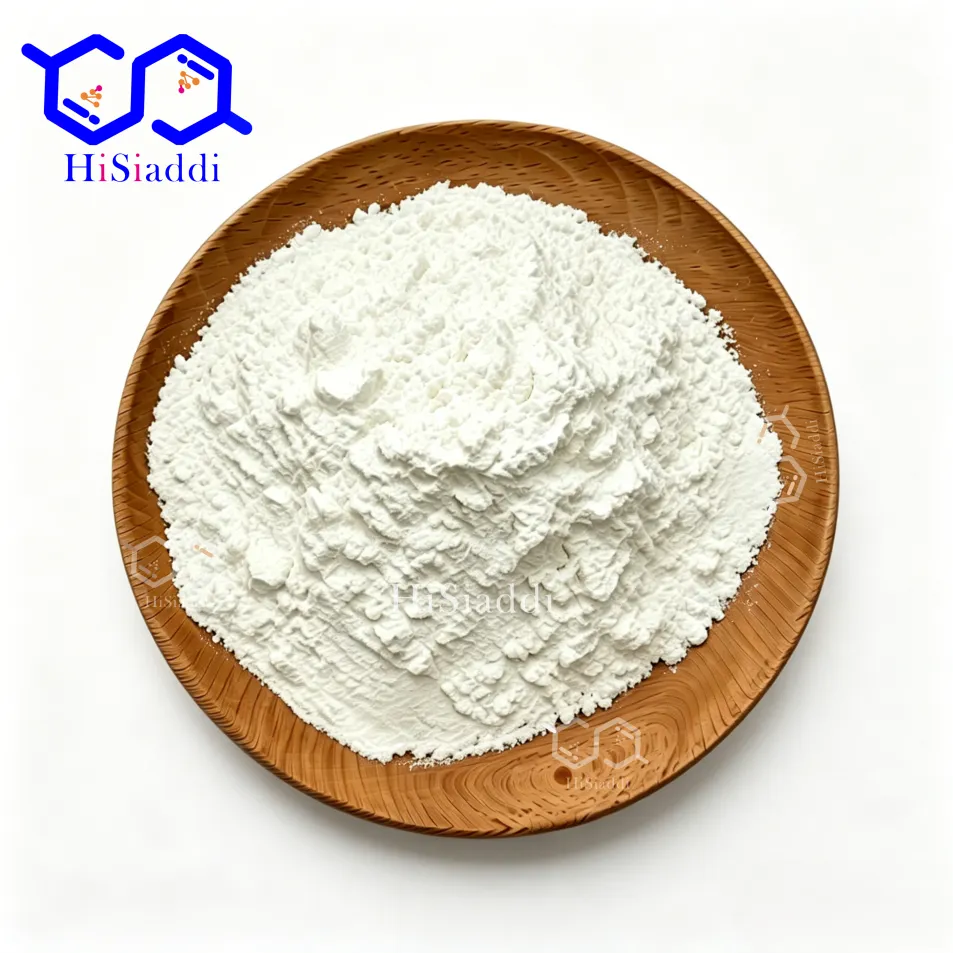
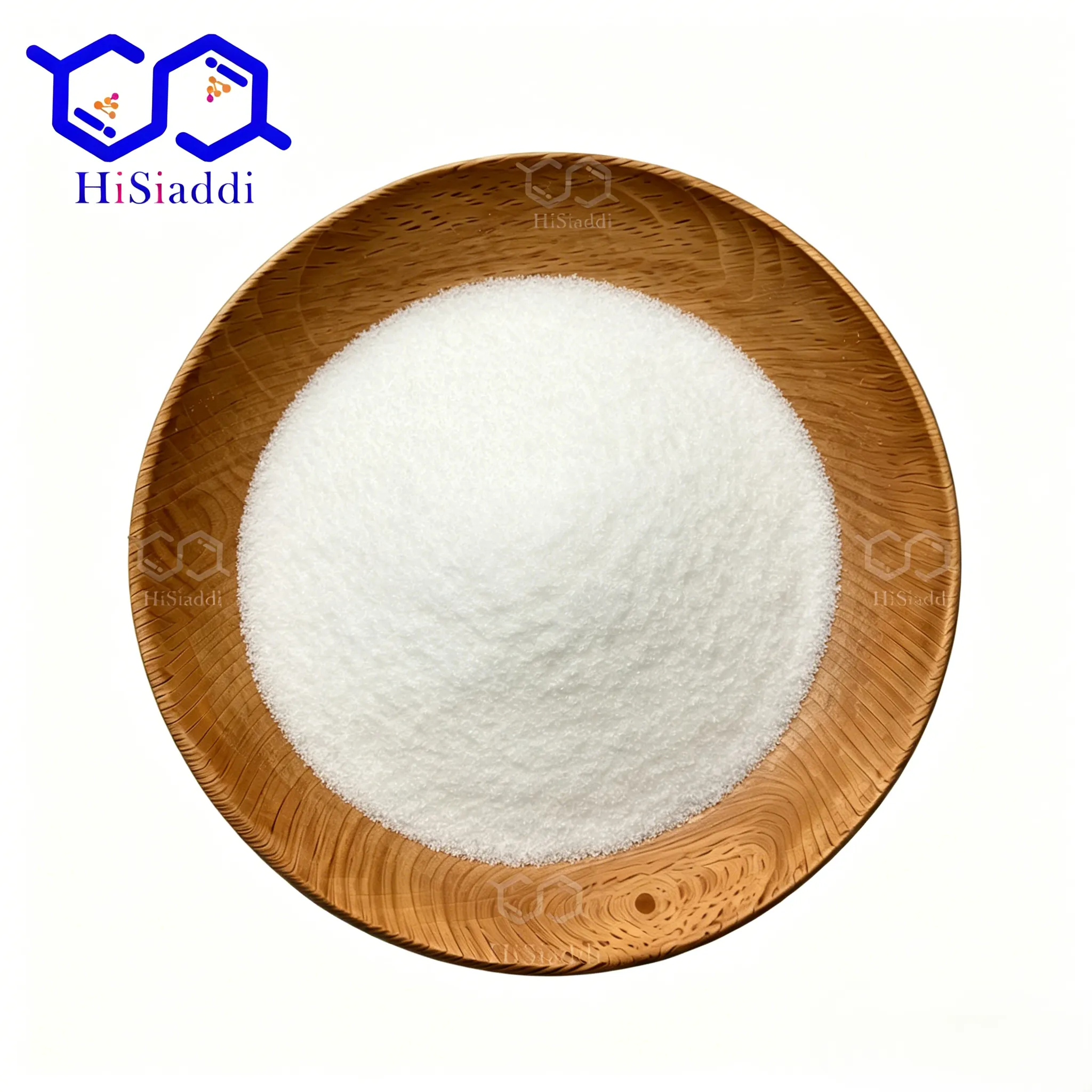
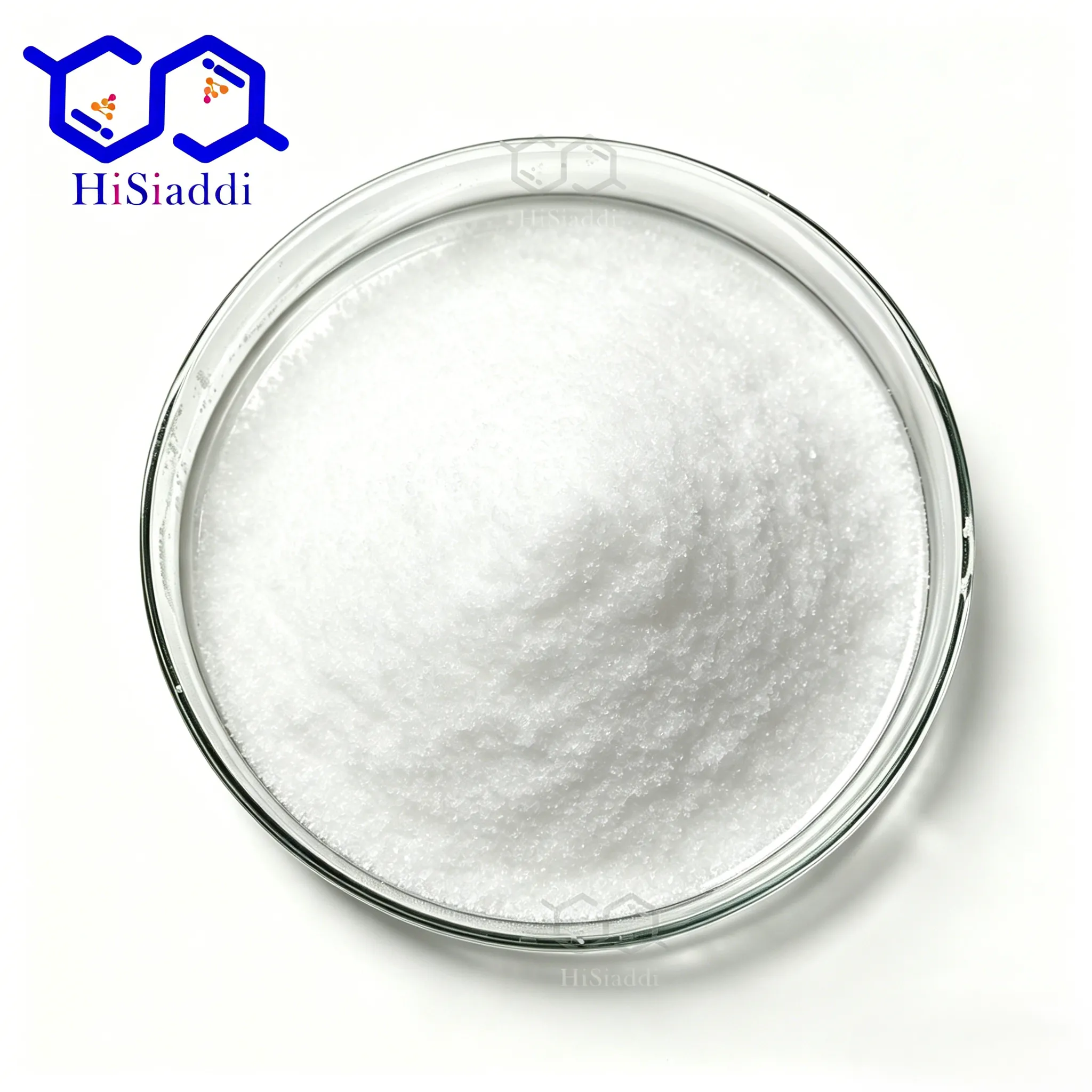
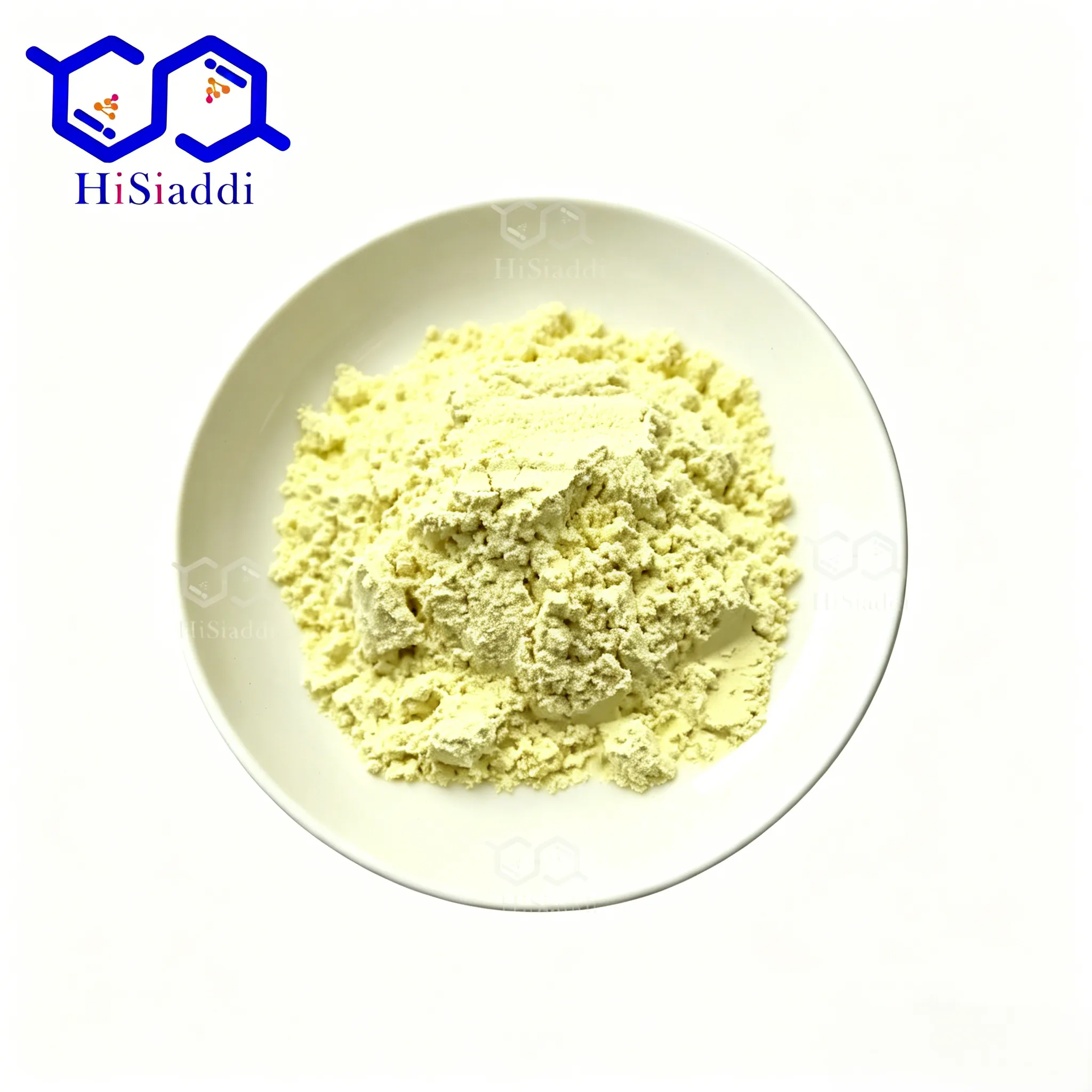
HiSiaddi is an innovative foreign trade service provider driven by both technology commercialization and export business, with a "1+2+3+4=1" service system and access to original DTDM supplies from multiple well-known brands.
As a tech-enabled foreign trader with over a decade of market experience, HiSiaddi leverages technical cooperation with manufacturers and possesses extensive experience resolving product compliance issues. Below is a case detailing HiSiaddi’s resolution of DTDM cross-border compliance challenges.
Please contact HiSiaddi customer service to consult further DTDM product compliance issues.
The cooperating buyer in this project is SRT Rubber AG based in Zurich, Switzerland – a long-established Western European mid-to-high-end rubber manufacturing group with over 40 years of production history. Its three core high-end product lines include EPDM sealing assemblies for new energy vehicle power batteries, food-grade rubber gaskets for drinking water pipelines, and precision oil seals for rail transit shock absorption, mass-supplied to Bosch Automotive, ABB Electrical, and local Swiss drinking water pipeline projects. All production lines comply with IATF16949 automotive component standards, the latest EU REACH regulations, German LFGB food contact standards, Swiss VOC environmental control, and EU CLP chemical labeling regulations. All finished goods require dual compliance audits by Swiss SGS and German TÜV, representing an ultra-high-entry-barrier end client with zero tolerance for compliance deviations, distinct from small low-end rubber processing factories.
The enterprise has long adopted imported refined DTDM vulcanizing agents manufactured in Italy. In 2025, European domestic chemical raw material capacity contracted, import unit prices rose by 37%, and sea freight lead times extended to 85 days, continuously deteriorating supply chain stability. The group’s procurement center formally launched a tender project for localized domestic DTDM substitution with an annual total demand of 212 tons split into two categories: 92 tons of food-contact high-purity DTDM powder and 120 tons of pre-dispersed DTDM-70 pellets dedicated to automotive sealing applications.
The client independently contacted three leading domestic DTDM manufacturers in the preliminary stage; all samples passed physical & chemical indicator testing, yet four critical compliance hard blocks emerged during formal order signing and export preparation. Manufacturers could only provide domestic factory COA test certificates, lacking complete EU market access compliance documentation, failing to satisfy Swiss customs clearance and downstream OEM warehouse acceptance requirements. An initial 5-ton trial production batch was stranded at Shanghai Port, facing high detention fees, rework losses, and project delay liquidated damages if returned overdue. The client urgently entrusted foreign trade service provider HiSiaddi with full authority to resolve full-chain compliance rectification work.
After client collation and on-site verification by HiSiaddi, four universal cross-border compliance pain points concentrated in domestic DTDM products were identified, representing common weaknesses among domestic auxiliary manufacturers:
1.
REACH compliance gaps lacking complete formal registration and SVHC screening documentation As an individual chemical substance (CAS: 103-34-4) exported to the EU, DTDM mandates full official EU substance registration for annual shipments exceeding 1 ton under REACH regulations, alongside annual full-item screening aligned with ECHA’s updated SVHC list of Substances of Very High Concern, with single SVHC item content capped at 0.1%. The three domestic suppliers only completed simplified pre-registration without formal REACH registration dossiers or CSR chemical safety reports. They also retained outdated SVHC 240-item testing standards without supplementary screening against the latest EU 251-item list, creating risk of trace polycyclic aromatic hydrocarbons and residual aniline derivatives exceeding limits in product by-products. No SCIP database product notification could be completed for EU entry, and Swiss customs explicitly prohibited goods lacking SCIP registration records from entering national territory.
2.
3.
Missing German LFGB food-contact compliance documentation for food-grade product lines The client’s 92 tons of DTDM are deployed in drinking water pipeline sealing rubber, subject to mandatory compliance with German LFGB §30/§31 regulations requiring auxiliary manufacturer provision of migration test reports, heavy metal special testing, nitrosamine residue testing reports, and LFGB compliance statements issued by EU-recognized laboratories, with German regulatory summaries attached to all documentation. Domestic manufacturers could only supply generic physical & chemical reports without food-contact specialized testing, and nitrosamine residual levels in partial product by-products failed EU DGCCRF limit values, disqualifying them from food-grade rubber production. Downstream Swiss drinking water projects rejected incoming materials lacking full documentation.
4.
5.
CLP regulatory labeling & SDS safety data sheets failing EU specifications EU CLP regulations mandate dual German + English labeling of GHS hazard pictograms, signal words, and hazard statements on chemical outer packaging, with SDS safety data sheets compiled per the latest 9th edition of REACH standards, fully detailing impurity components, toxicological data, storage & transportation risks, and waste disposal protocols. Domestic manufacturers retained national standard MSDS documents with only Chinese packaging labels, outdated SDS content without updated SVHC controlled substance information, failing Swiss local warehousing and workplace safety regulations, leading to rejection of non-compliant packaged goods by the client’s European storage park.
6.
7.
Missing full-chain supply chain compliance traceability documentation blocking OEM audits End brands including Bosch and ABB require upstream auxiliary suppliers to provide full-chain raw material traceability ledgers covering DTDM monomer procurement, synthetic processing, refined manufacturing, and batch quality inspection records retained for a minimum of five years. Domestic manufacturers lack standardized traceability systems and cannot supply upstream raw material supplier qualification documents or production environmental emission compliance certification, exposing the client to failure during downstream brand supply chain audits and risking cancellation of the localization substitution project.
8.
The three contracted manufacturing enterprises focus exclusively on chemical synthesis production and physical indicator control, generally lacking capacity to interpret multi-dimensional EU regulations, access third-party compliance testing resources, and independently complete cross-border compliance rectification – the primary bottleneck hindering client localization rollout.
Distinct from generic sourcing-focused foreign trade companies, HiSiaddi operates an independent chemical compliance division staffed by dedicated EU regulatory engineers and compliance testing specialists with over a decade of experience supporting auxiliary export compliance. We maintain synchronized partnerships with EU GLP-accredited third-party testing laboratories, ECHA registration agents, and compliance departments of leading domestic auxiliary manufacturers, staying updated on evolving regulations including REACH, LFGB, CLP, SCIP, and EU nitrosamine control. We deliver one-stop integrated services covering supplementary documentation, product re-testing, registration filing, label rectification, and traceability archive construction. For this project, HiSiaddi established a phased implementation principle: prioritize compliance rectification of the stranded 5-ton trial batch for rapid shipment, while separately completing compliance documentation for the full-year 212-ton order split into powder and pre-dispersed pellet specifications across food-grade and automotive-grade product lines, alongside supporting manufacturers to improve internal compliance control systems and eliminate batch compliance risks long-term.
1. Registration & Documentation Completion: HiSiaddi coordinated contracted EU licensed agency institutions to retrieve full toxicological and physical property data of DTDM from original manufacturers, supplement formal REACH registration supplementary dossiers and CSR chemical safety reports, and complete SIEF substance information exchange filing records. Three alternative domestic DTDM grades were uniformly submitted to EU-accredited SGS laboratories for full-item screening against the latest 251 SVHC list, eliminating two industrial-grade raw materials with trace impurity exceedances and locking two high-purity refined grades. Bilingual Chinese-English compliance screening reports were issued with all single-product SVHC detection levels below 0.08%, satisfying EU limit specifications.
2. Unified SCIP Database Declaration: HiSiaddi compliance specialists created product archives and completed official notifications within ECHA’s EU SCIP system based on product test data and formulation components, generating unique SCIP product codes printed on packing lists and commercial invoices for expedited customs clearance in Switzerland, fully resolving entry filing barriers.
For the 92 tons of food-grade DTDM materials, HiSiaddi selected German authorized third-party laboratories to conduct three core tests per LFGB food contact standards: total migration testing, specific migration of lead, cadmium, and other heavy metals, and nitrosamine residual migration testing post-high-temperature vulcanization. 24-hour immersion simulations under cold water, warm water, and acidic drinking water operating conditions delivered full compliance with EU limit values for rubber auxiliary access in German drinking water applications. Formal LFGB test reports with German explanatory summaries and original manufacturer compliance statements were obtained. Simultaneously, HiSiaddi assisted manufacturers in optimizing refining processes to reduce trace product by-product residues, locking dedicated finalized food-grade DTDM grades for consistent compliance across subsequent mass production batches.
1. SDS Revision: HiSiaddi regulatory engineers re-compiled bilingual English-German SDS safety data sheets aligned with the 9th edition of REACH and latest CLP classification rules, fully supplementing product impurity details, toxicological data, storage & transportation precautions, and EU waste disposal clauses to replace outdated national standard MSDS documents supplied by manufacturers.
2. Outer Packaging Standard Rectification: Custom GHS-compliant bilingual outer packaging labels were uniformly designed, marking product names, CAS numbers, hazard pictograms, precautionary statements, production batch numbers, and SCIP codes. All subsequent mass production by manufacturers adopted standardized compliant labels to satisfy Swiss local warehousing and workplace safety regulatory requirements and enable normal inbound storage at the client’s European warehouses.
HiSiaddi assisted supplying manufacturers in developing standardized compliance traceability ledger templates, standardizing filing formats for raw material receiving documents, intermediate production records, finished batch quality inspection reports, and environmental emission testing certificates. A complete traceability archive set accompanies every DTDM shipment. Simultaneously, manufacturer ISO certification, environmental acceptance inspection, and full product compliance qualification documents were consolidated into a bilingual Chinese-English supplier compliance handbook delivered to the client for annual supply chain audits by Bosch and ABB, completing all documentation required for brand-side traceability reviews.
1.
Smooth Customs Clearance for Stranded Goods: Following full compliance documentation delivery, the stranded 5-ton trial batch passed customs review within seven working days and shipped to Switzerland without detention fines or product return losses. The client’s initial small-batch lab trials fully passed TÜV and SGS testing, with zero nitrosamine precipitation or hazardous substance migration in rubber compounds and performance fully benchmarking original Italian imported DTDM.
2.
3.
Stable Performance of Annual 212-Ton Framework Order: The client formally finalized the full-year procurement framework, with 92 tons of food-grade high-purity DTDM powder shipped in eight monthly batches and 120 tons of automotive DTDM-70 pre-dispersed pellets delivered across ten batches. Complete documentation accompanied all shipments throughout the year with zero customs clearance obstacles. Comprehensive procurement costs for localized substitution dropped by 31.5% versus Italian imports, and delivery lead times compressed to 27 days, significantly optimizing the client’s global supply chain layout.
4.
5.
Long-Term Binding Compliance System Cooperation & New Product Expansion Based on successful full-chain compliance delivery in this project, the SRT Group entrusted HiSiaddi with full procurement and compliance management for TBBS accelerators, CTP anti-scorch agents, and all other rubber auxiliary products. The following year, as the client launched a new European new energy storage sealing project, HiSiaddi was again commissioned to screen compliant low-VOC modified DTDM grades, adding an annual procurement volume of 75 tons.
6.
7.
Empowering Upstream Manufacturers’ Compliance Upgrades Under HiSiaddi’s guidance, cooperating DTDM manufacturers improved internal EU compliance control systems, establishing annual routine SVHC testing and dedicated LFGB retention sample testing protocols. Product access to supply chains of multiple European mid-to-high-end rubber manufacturers was secured, driving steady growth in export orders for the factory’s high-end grades.
8.
Currently, mainstream domestic DTDM manufacturers predominantly prioritize physical performance R&D and mass production cost control, lagging behind yearly updated cross-border regulations including EU REACH, LFGB, CLP, and SCIP. They can only provide domestic factory test certificates, failing to satisfy multi-dimensional full compliance requirements of European mid-to-high-end clients – the core barrier limiting domestic auxiliary penetration into global high-end automotive and food-grade rubber supply chains. Constrained by stringent EU chemical regulations and downstream OEM supply chain audits, European leading mid-to-high-end rubber clients treat complete compliance documentation as a mandatory precondition for procurement transactions. Missing compliance documentation results in customs detention and failed mass production rollout even when raw material physical indicators meet specifications.
Breaking the superficial transaction-only service model of traditional foreign trade, HiSiaddi positions itself as a core compliance technical service provider integrating testing certification, EU registration, label rectification, and traceability archive full-chain resources. We proactively predict compliance risks arising from regulatory updates, delivering dual rectification covering documentation and product technical processes. We not only help overseas mid-to-high-end clients avoid substantial losses from customs detention and order breach penalties but also support high-quality domestic DTDM manufacturers in closing compliance gaps, enabling smooth localized substitution of European imported raw materials. HiSiaddi acts as an indispensable compliance hub connecting premium domestic chemical production capacity to global high-end rubber industrial chains.
Please contact HiSiaddi customer service to consult further DTDM product compliance issues.
 +86-13120989737
  info@hisiaddi.com
 English