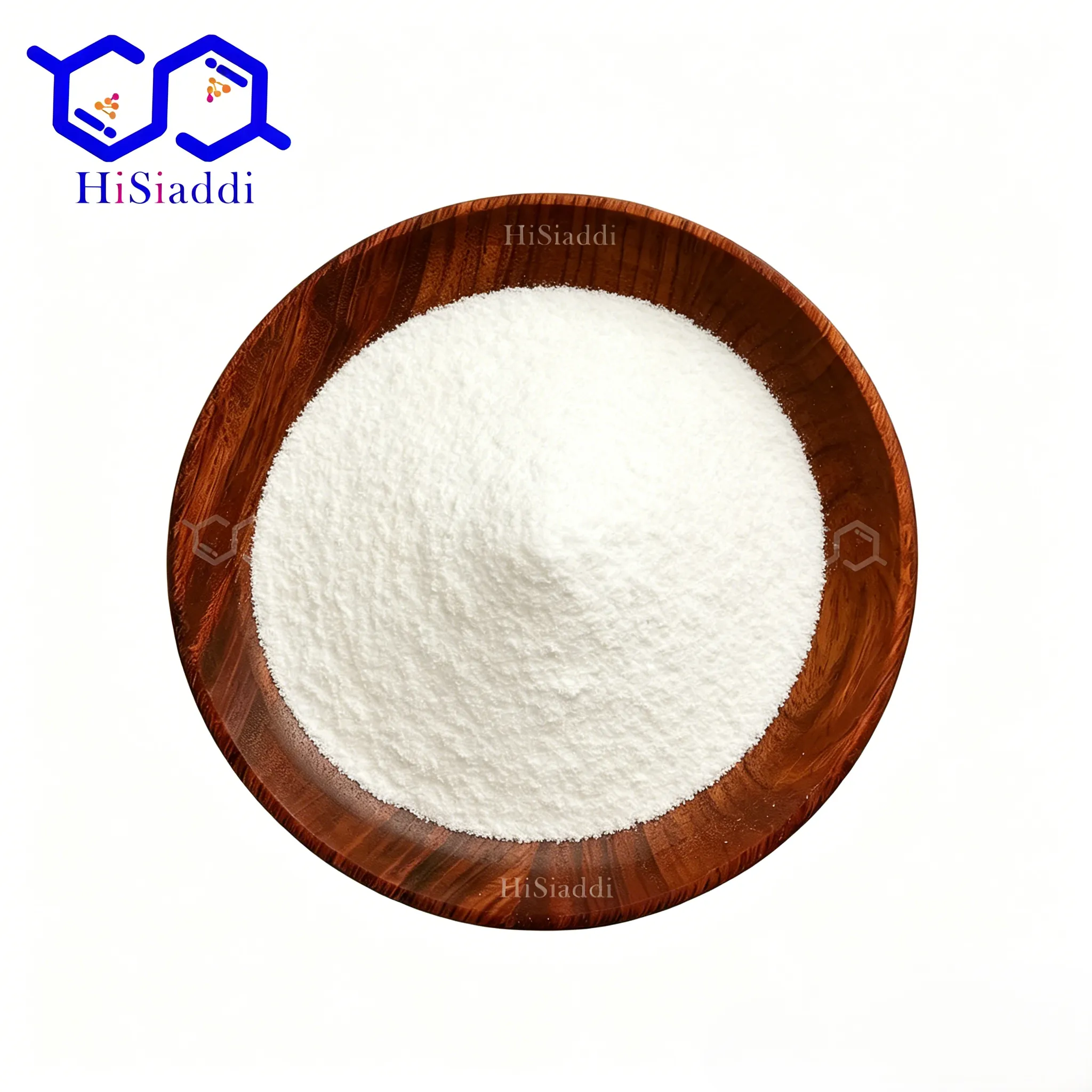
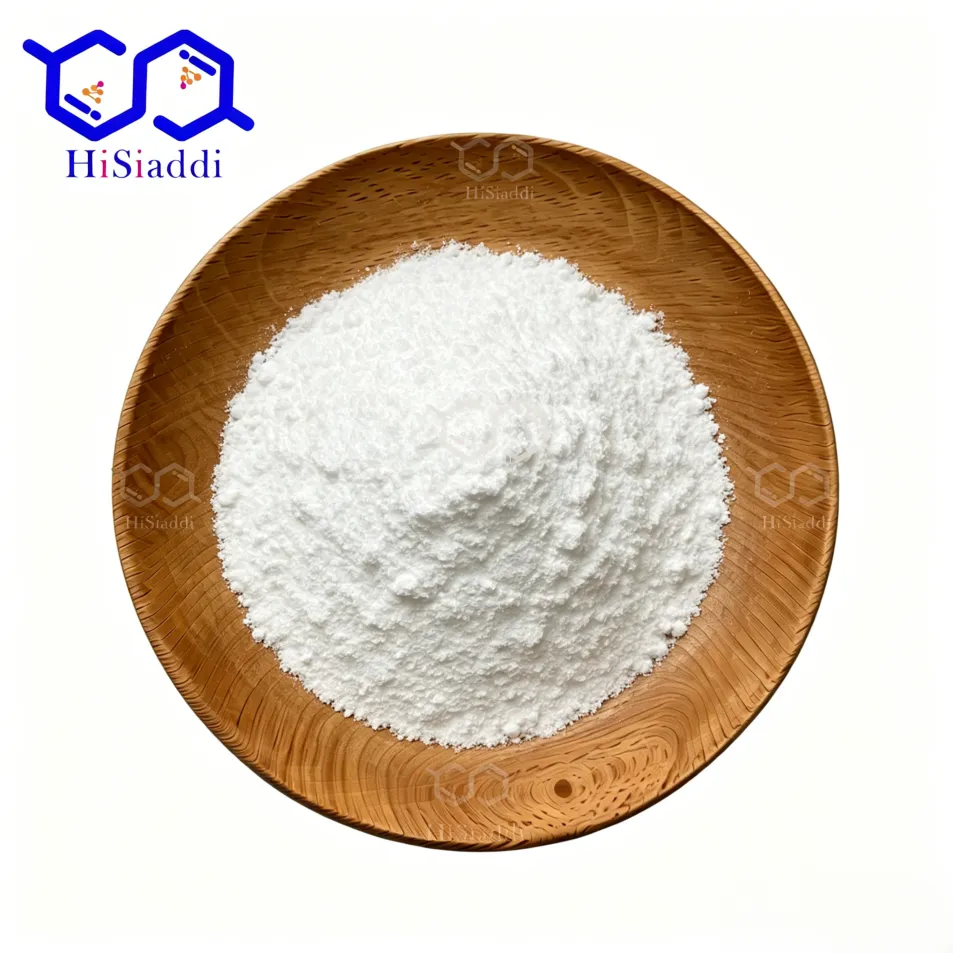
As a new foreign trade service provider driven by dual engines of technology transformation and foreign trade services, HiSiaddi has established a "1+2+3+4=1" service system and can supply original factory goods of multiple well-known brands for FR 245.
As a technology R&D-oriented new foreign trade enterprise, HiSiaddi is not limited to self-promotion of a single brand factory. We objectively analyze multiple well-known brands with high domestic and global market share and share their major technological progress and breakthroughs, enabling buyers to access authentic, effective and up-to-date market information.
If you require more comprehensive and valuable FR 245 market information, please contact HiSiaddi customer service.
1. Shandong Xurui and Shandong Haiwang launched patented full-process closed-loop continuous production technology, abandoning traditional batch reactor reactions. Closed-loop bromine recovery efficiency rose from the industry average of 62% to 86%, tribromophenol raw material loss decreased by 19%, and unit production costs fell by 12%–15%. Free monomer free bromine in finished products was optimized from the conventional ≤10ppm to ≤3ppm, crossing the EU REACH high-purity threshold for direct supply to high-end European modified plastic manufacturers.
2. Shouguang Weidong Tengguan adopted a carbon nanotube-supported organic amine selective catalytic new process, cutting by-product generation by 72% and raising HPLC effective purity from 98.0% to above 99.5%, fundamentally eliminating plastic blooming and precipitation caused by trace product impurities. Downstream benefits for overseas buyers: stable downward pricing of raw materials without additional purification costs; finished product yield of downstream modification factories increased by 3%–5%, with drastically reduced yellowing scrapping rates for light-colored ABS and PC/ABS products.
Qingdao Jidejia and Jiangsu Xinzhou implemented two-stage azeotropic deep solvent removal modification, lifting the 2% thermal weight loss temperature of products from the original 360°C to ≥378°C and 5% thermal weight loss to 395°C. This resolves core pain points of flame retardant decomposition gas generation and product foaming during high-temperature extrusion of PC/ABS (280–330°C) and PBT injection molding. Volatile matter content was tightened from national standard ≤0.2% to ≤0.08%, meeting strict EU VOC control standards for new energy automotive interior materials. Downstream benefits: End customers can raise plastic processing temperatures and boost extrusion/injection molding capacity by approximately 10% without lowering machine speeds to avoid flame retardant volatilization, supporting continuous mass production of 5G base station housings and vehicle connectors.
All domestic leading brands completed jet milling and classification technical upgrades. The median particle size D50 of FR245 was refined from 15–25μm to 3–6μm, delivering enhanced uniform dispersion in HIPS and ABS substrates. At identical flame retardant addition ratios (12%–16%), plastic impact strength increased by 2–4kJ/m², resolving the longstanding industry issue of degraded mechanical properties caused by traditional large-particle powder. Downstream benefits: Overseas modification factories can reduce antimony trioxide synergist addition ratios from 3:1 to 2.3:1, further cutting formula raw material costs.
Israel ICL (PYROGUARD SR-245) and Albemarle launched silane ultra-thin encapsulated modified FR245. Under 500h accelerated aging at 70°C, flame retardant migration precipitation rate dropped from 0.32% to <0.05%, and UV yellowing resistance rating improved from Grade 4 to Grade 8, overcoming long-term sunlight-induced yellowing of light-colored plastic for outdoor photovoltaic junction boxes and rail transit interiors. Downstream benefits: End outdoor plastic products eliminate extra UV stabilizer additives for simplified formulas, extending outdoor product warranty periods from 3 years to 8 years.
Lanxess (Germany) and Tosoh (Japan) developed special low-extraction FR245 grades. Bromine precipitation levels in pure water and oil environments meet US FDA and EU EU10/2011 food-contact material standards, creating the world’s first bromine triazine flame retardant applicable to food-grade household appliance housings (refrigerator, blender ABS shells) and opening a brand-new application track. Downstream benefits: Overseas household appliance end-users retain low-cost bromine-nitrogen synergistic FR245 instead of switching to high-cost halogen-free phosphorus-based flame retardant solutions to pass food-contact safety certifications.
Chemtura collaborated with the American Chemistry Council to develop supporting modification technology for bromine recovery via pyrolysis of FR245-containing waste plastics. After 3–5 recycling pelletizing cycles of modified FR245 in ABS recycled materials, retained flame retardant efficiency remains ≥92%, compared with over 25% attenuation of conventional standard FR245 after 3 recycling cycles. This complies with mass production requirements for recycled engineering plastics under European and American waste plastic circular economy legislation. Downstream benefits: European and American recycled plastic processing factories can mass recycle waste electronic plastics containing FR245, with recycled materials consistently meeting UL94-V0 flame retardant standards and drastically reducing recycled raw material procurement costs.
1. Compliance benefits: New grades of FR245 from both domestic and overseas manufacturers fully comply with mainstream global flame retardant regulations including REACH, RoHS 2.0, POPs and ELV. Buyers can clear customs across all regions (Europe, America, Southeast Asia, Japan and South Korea) via a single source without stocking separate grades for different territories.
2. Cost benefits: Dual price reductions from domestic process optimization and overseas formula modification lower average comprehensive end-formula costs by 8%–13%, balancing flame retardant efficiency and production expenses.
3. Application expansion benefits: Breaking traditional limitations restricted to general engineering plastics, FR245 has successfully penetrated four high-growth emerging downstream sectors: new energy vehicle lightweight components, 5G communication housings, photovoltaic accessories and food-grade household appliances, enabling buyers to expand end-customer portfolios.
If you require more comprehensive and valuable FR 245 market information, please contact HiSiaddi customer service.

 +86-13120989737
  info@hisiaddi.com
 English