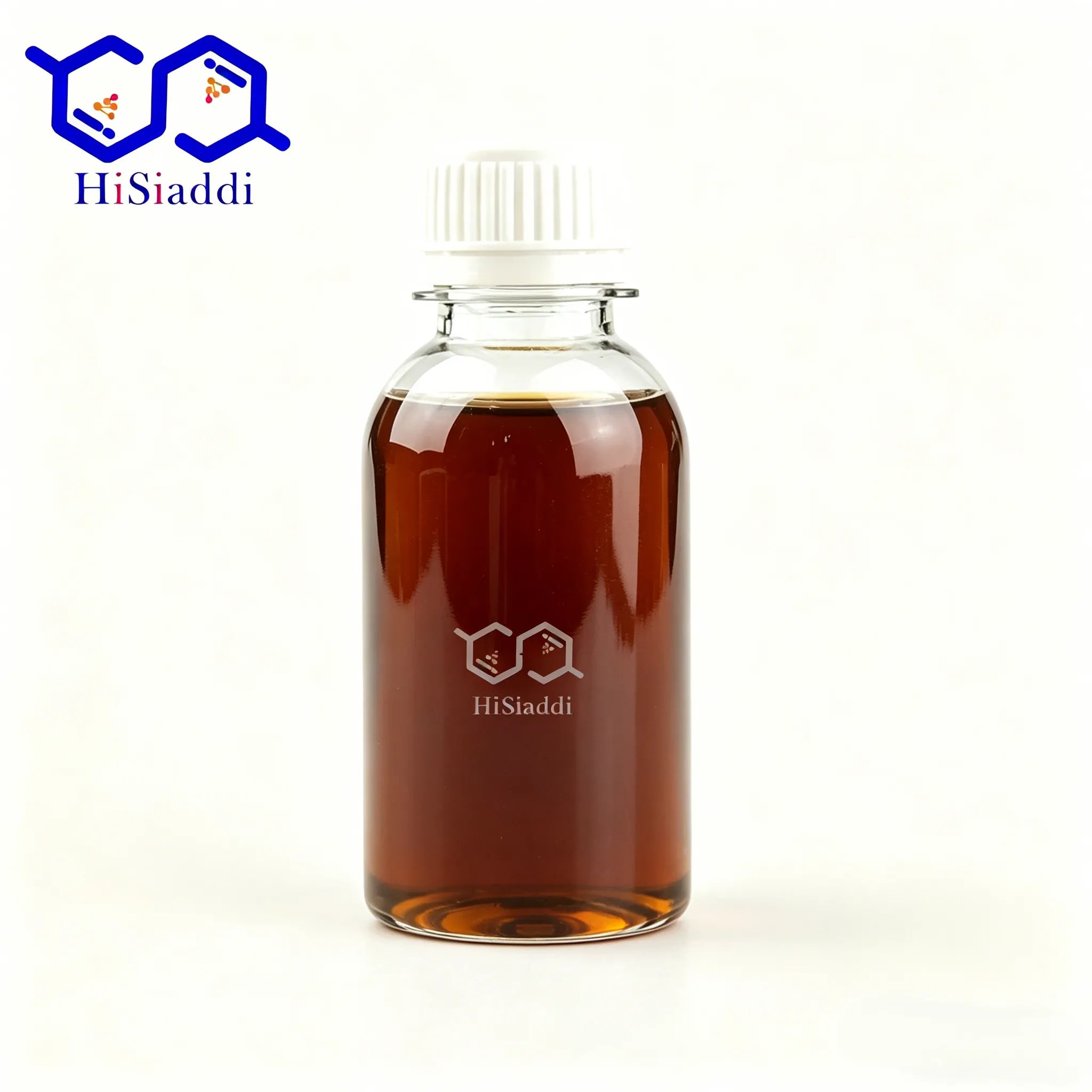
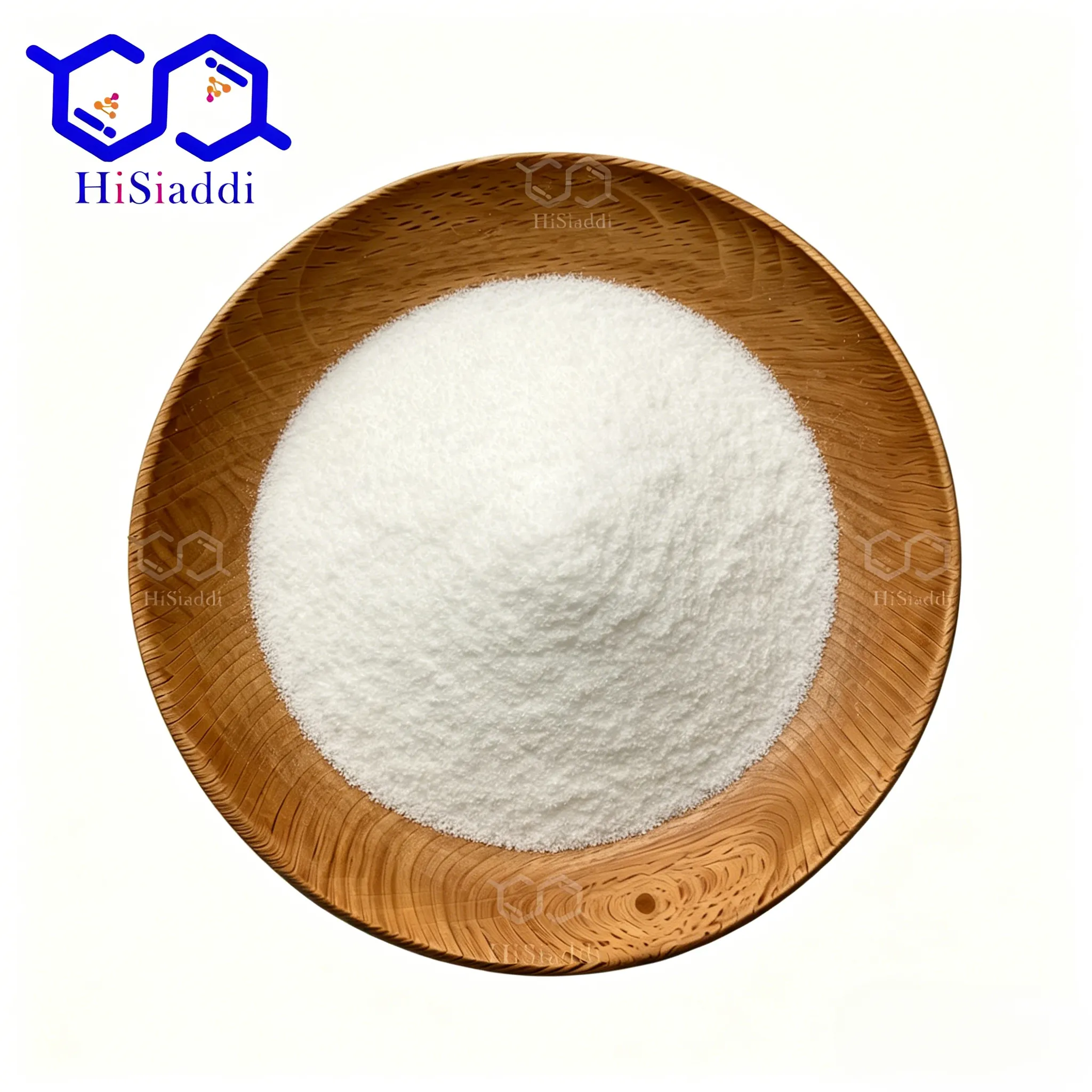
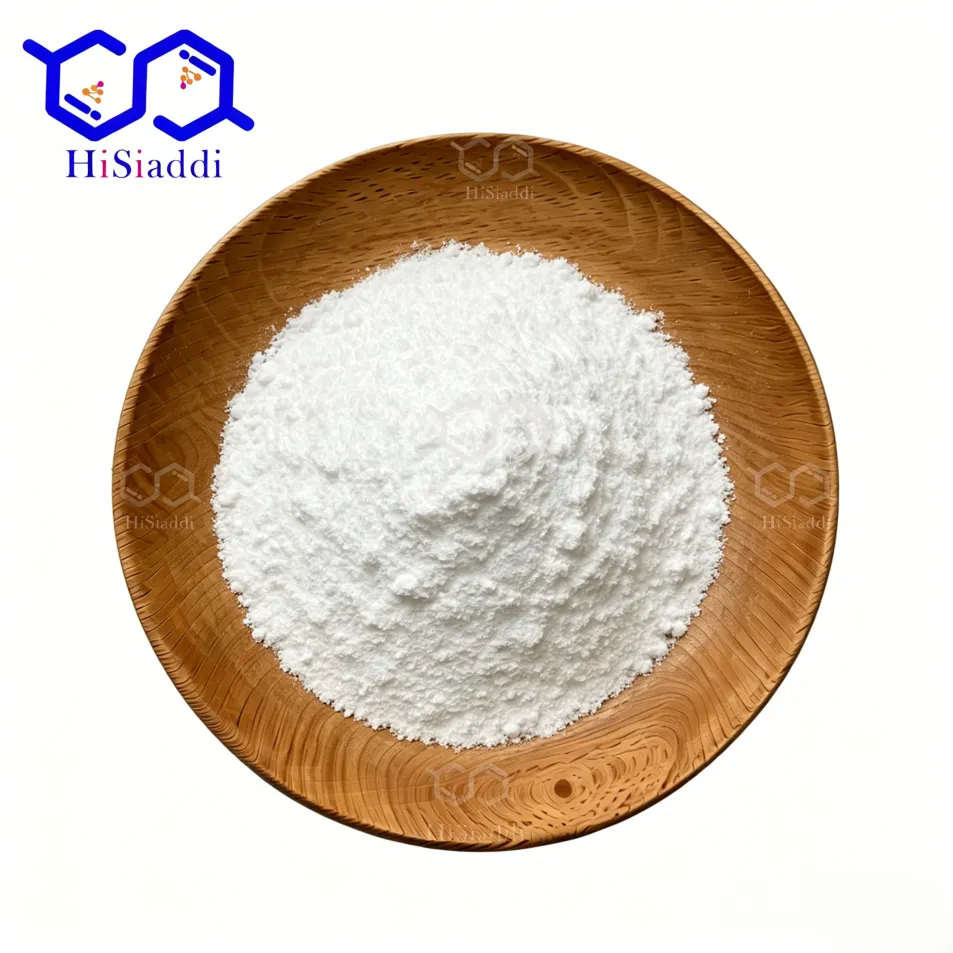
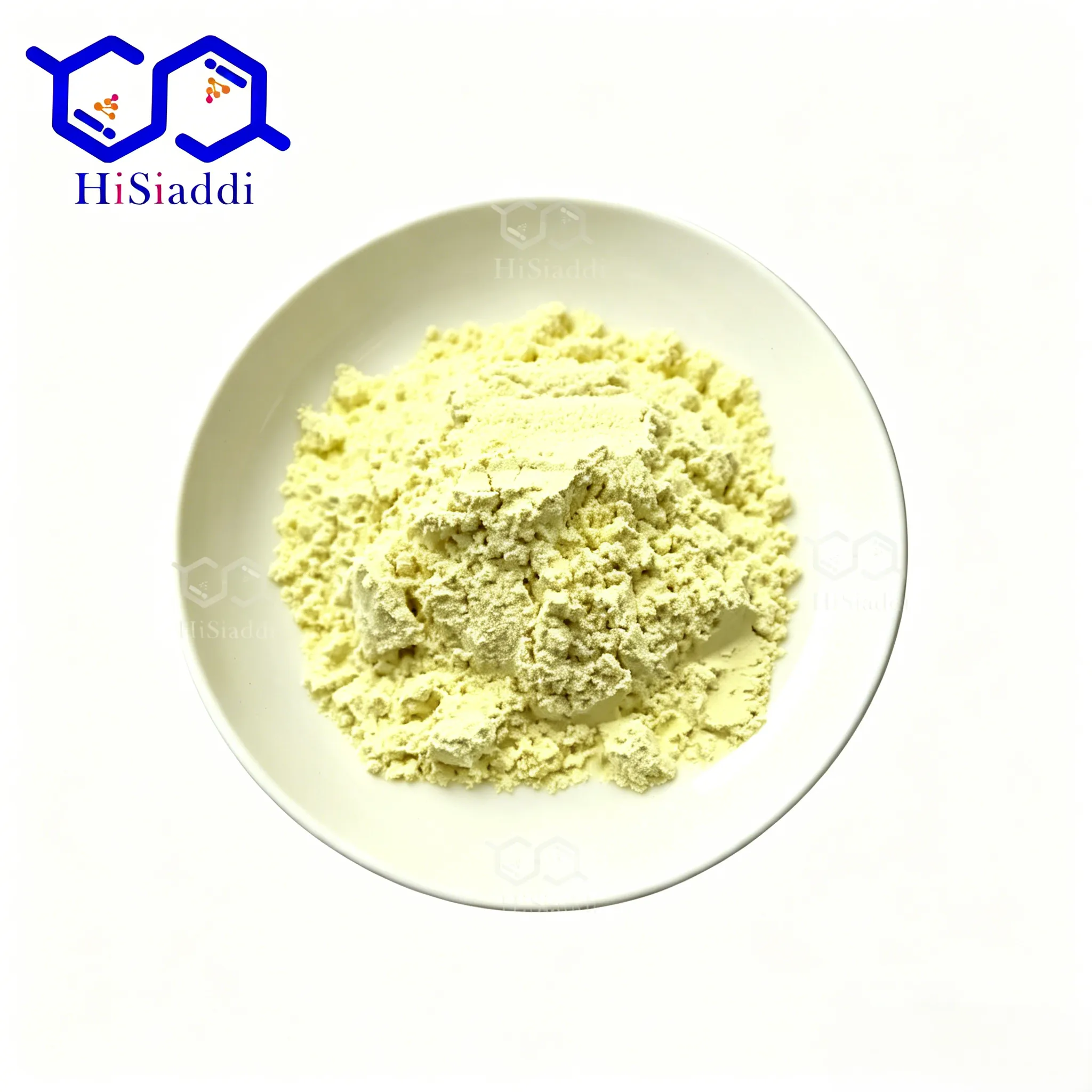
As a new type of foreign trade service provider driven by technological transformation and export business, HiSiaddi has built a "1+2+3+4=1" service system and can supply graviola extract sourced from multiple well-known original manufacturers. A foreign trader with R&D capabilities, HiSiaddi frequently proposes formulation optimization and application improvement schemes for graviola extract products through technological collaboration with manufacturers and sharp market insight. Below is a case study of HiSiaddi’s formulation optimization consulting service for graviola extract products.
If you require further formulation optimization consulting services, please contact HiSiaddi customer service.
The purchaser is NaturaCare NZ Ltd, based in Auckland, New Zealand, a mid-to-high-end local natural dietary pharmaceutical enterprise specializing in graviola soft capsules and functional oral liquids. Its products are sold across premium organic chain pharmacies, private chronic disease rehabilitation clinics nationwide in New Zealand and high-end wellness centers in Australia. Raw materials comply with Australia-New Zealand FSANZ food regulations, United States Pharmacopeia (USP), EC 396 226-item pesticide residue testing, cGMP formulation production standards, and New Zealand pesticide residue control regulations. Previously relying on refined graviola extract imported directly from Ecuador, the enterprise launched a China-based customized raw material replacement project amid unstable supply and continuous price hikes in South American producing areas. Mandatory customized standards specified by the client:
· Only whole Ecuadorian origin fruits (peel, pulp and seeds co-extracted) allowed as feedstock;
· Total annonaceous acetogenins fixed at 5.2%±0.3%, split into two raw material grades: refined dry powder for soft capsules and cold-water instant modified powder for oral liquids. Annual planned procurement volume: 16.8 tons.
The client independently sourced samples from three domestic plant extract manufacturers. After raw materials entered the New Zealand GMP formulation workshop for mass production, multiple technical failures emerged across raw material performance, formulation compatibility and terminal production, delaying the new product launch plan by 79 days with a combined loss of NZD 29,600 from sample testing, auxiliary material scrapping and production line downtime. Partner manufacturers only controlled basic extract content and lacked capabilities in downstream formulation R&D and compatibility optimization, making it impossible to implement systematic rectification covering raw material processes, powder physical properties and terminal formulas. The client entrusted HiSiaddi to assemble a professional technical team to fully identify root causes of failures and deliver systematic technical optimization solutions.
To cut procurement costs, the original suppliers mixed Ecuadorian imported fresh fruits with artificially cultivated graviola grown in South China. Domestic fruits contain only 2.0%–2.6% annonaceous acetogenins versus over 6.0% in premium Ecuadorian fruits. Random mixing of the two feedstocks leads to finished total acetogenin fluctuations ranging from 3.9% to 5.7%, failing to stably hit the 5.2% internal control target. Chaotic impurity profiles and excessive miscellaneous HPLC peaks prevent the client from calculating fixed feed ratios for formulations, triggering frequent errors in formulation dosing. Inconsistent fruit ripeness and waterlogged post-rain harvest fruits introduce exogenous colloidal impurities, further destabilizing finished product impurity levels.
Annonaceous acetogenins are heat-labile active substances. Original suppliers adopted conventional ethanol reflux extraction at 88°C with continuous high-temperature processing during extraction and concentration, causing over 33% oxidative thermal decomposition of active ingredients. Even with qualified imported fresh fruit feedstock, acetogenin yields failed to meet standards. High-temperature extraction simultaneously generates large volumes of water-soluble byproducts and colloidal impurities, lowering active ingredient content and creating root causes for subsequent formulation compatibility anomalies.
Post-extraction processing only included standard spray drying without differentiated post-treatment, producing powder with uniform particle size of 70–90 mesh for both applications:
· Soft capsule filling: Powder angle of repose >46°, severe electrostatic agglomeration causes bridging and blockages in automatic feeding bins, requiring equipment shutdown for cleaning over 3 times hourly; maximum single capsule fill weight error reaches 7.8% with finished product rejection rate of 27%.
· Oral liquid dosing: Poor powder dispersibility results in cloudy solutions at room temperature, with yellowish-brown flocculent precipitates forming after 7 days of refrigeration at 4°C, disrupting beverage colloidal systems and failing to meet oral liquid shelf-life storage requirements.
The client’s mature formula combines graviola extract with vitamin C and zinc citrate for granulation and capsule filling. Residual macromolecular pectin, free organic acids and trace heavy metal ions in the extract catalyze vitamin C oxidation. Accelerated stability testing under dark room-temperature storage for 45 days shows contents darkening from pale yellow to deep brown, with over 15% loss of active ingredients, failing the mandatory 24-month shelf-life standard. Multiple adjustments to auxiliary material ratios failed to eliminate discoloration at the source.
Primitive drying processes at original suppliers result in finished powder moisture content generally exceeding 1.4%. With average ambient humidity above 52% in New Zealand warehouses, raw materials absorb moisture and cake within 2–3 days after unpacking, blocking filter screens during filling and causing mold adhesion during capsule pressing, further elevating defective product rates.
HiSiaddi assembled a cross-functional team including plant extraction engineers, Australia-New Zealand dietary formulation consultants, powder technology R&D specialists and CNAS-certified third-party testing personnel. It partnered with compliant domestic manufacturers qualified for imported fruit and vegetable raw materials and equipped with refined low-temperature extraction production lines. Optimization was implemented in five sequential phases: source raw material control, extraction process upgrading, split-specification powder modification, coordinated terminal formulation optimization and standardized warehouse operation guidelines, with repeated validation across small sample, 50kg pilot and mass production stages.
HiSiaddi signed exclusive annual targeted fresh fruit supply agreements with certified organic planting farms in Ecuador. Every batch of fresh fruits is accompanied by local Ministry of Agriculture origin certificates, field plant protection ledgers and import customs clearance documents. Sampling inspection for baseline native acetogenin content is conducted upon fruit arrival in China; entire containers with fruit acetogenin levels below 5.8% are rejected to fully block mixing with domestically cultivated fruits and stabilize the baseline active ingredient content of raw materials. Fresh fruits are processed within 48 hours of arrival to remove rotten, overripe and waterlogged post-rain fruits, reducing exogenous impurity introduction in upstream processing.
Abandoning high-temperature reflux extraction, a customized process combining ambient percolation, gradient low-temperature ethanol extraction, negative-pressure low-temperature concentration and macroporous resin staged impurity removal is deployed:
· Active acetogenins are extracted via percolation at 37°C with three-stage gradient ethanol extraction to minimize thermal loss under fully sealed light-proof production, limiting acetogenin degradation rate within 5%.
· Multi-stage resin adsorption removes pectin, organic acids and heavy metal impurities, stabilizing finished total annonaceous acetogenins between 5.18% and 5.28%, perfectly matching the client’s 5.2%±0.3% customized standard and drastically reducing finished impurity levels to address root causes of compatibility browning.
1. Refined dry powder for soft capsules: Low-temperature vacuum drying + nitrogen-protected air flow crushing, with optimized powder angle of repose at 33°±2° and moisture ≤0.5%. Greatly improved fluidity eliminates filling blockages and excessive fill weight deviation.
2. Cold-water instant powder for oral liquids: Low-temperature β-cyclodextrin inclusion modification without maltodextrin, starch or other filler additives. Modified powder instantly dissolves in cold water with no precipitates after 90 days of constant refrigeration at 4°C, matching the client’s low-temperature storage oral liquid formula.
HiSiaddi collaborated with the client’s New Zealand R&D center to optimize the formula system bilaterally:
· Raw material side: Resin refining reduces residual impurities and trace heavy metals.
· Formulation side: Auxiliary material matrix adjusted by replacing high-hygroscopic lactose with chelated calcium citrate; calcium ions chelate residual trace metal ions in raw materials to block oxidative catalytic reactions. Feeding sequence optimized via separate pre-mixing and staged dosing of extract, minerals and vitamin C to avoid direct contact between extracts and strongly reducing auxiliary materials. After optimization, finished accelerated stability samples showed no browning after 90 days, meeting shelf-life stability requirements.
Segmented vacuum low-temperature dehydration is adopted to strictly control batch moisture content ≤0.5%. HiSiaddi compiled an English Raw Material Storage & Feeding Operation Manual specifying warehouse constant temperature of 22°C and ambient humidity ≤40%, plus small-packaging on-demand unpacking feeding standards to prevent powder hygroscopic caking under New Zealand’s high-humidity climate.
After three rounds of small samples and two rounds of cross-border pilot batch delivery, full physical, pesticide residue and dissolution testing by New Zealand third-party laboratories achieved full compliance. Seven consecutive days of non-stop trial production in the client’s GMP workshop delivered capsule fill weight error controlled within ±1.7% and finished rejection rate reduced to 1.2%; oral liquid batches remained clear without precipitation during storage. The new product delayed by 79 days completed New Zealand drug regulatory filing and full-channel shelf launch. The client formally signed an annual locked-price procurement framework for 16.8 tons, including 9.9 tons of capsule-specific refined powder and 6.9 tons of oral liquid water-soluble powder, scheduled for monthly production across 11 batches throughout the year. Subsequent demand for low-impurity skincare-grade graviola extract for high-end clinic anti-aging products was added, with HiSiaddi coordinating all technical docking and sample follow-up. Compared with direct raw material sourcing from South America, comprehensive procurement costs for China-based customized production decreased by 29.7%, and ocean shipping lead time was shortened from 72 days to 23 days.
Most domestic plant extract manufacturers prioritize raw material extraction and content compliance, lacking capabilities in powder physical property R&D, downstream formulation compatibility adaptation and overseas warehouse climate research. Extraction processes remain extensive and traditional, with limited understanding of Australia-New Zealand and US Pharmacopeia standards as well as formulation incompatibility risks. Mid-to-high-end dietary pharmaceutical enterprises represented by New Zealand’s NaturaCare excel in end-product R&D and local regulatory & production line standards but lack familiarity with raw material procurement irregularities and tiered technical gaps in China’s plant extract industry. Independent direct sourcing frequently triggers a chain of losses including raw material adulteration, mass production failures, formulation instability and delayed new product launches. Leveraging cross-disciplinary technical resources, HiSiaddi forms a full technical closed loop covering traceable overseas fruit raw material control, customized low-temperature extraction refining, split-specification powder modification, coordinated terminal formulation optimization and on-site warehouse production guidance. Acting as a third-party technical service provider bridging Chinese and foreign supply and demand, it addresses full-chain technical challenges spanning raw materials to finished products from upstream process rectification to reverse raw material index optimization aligned with the client’s end formulations, supporting domestically produced refined graviola extract to steadily enter high-end dietary raw material supply chains in Oceania.
If you require further formulation optimization consulting services, please contact HiSiaddi customer service.

 +86-13120989737
  info@hisiaddi.com
 English