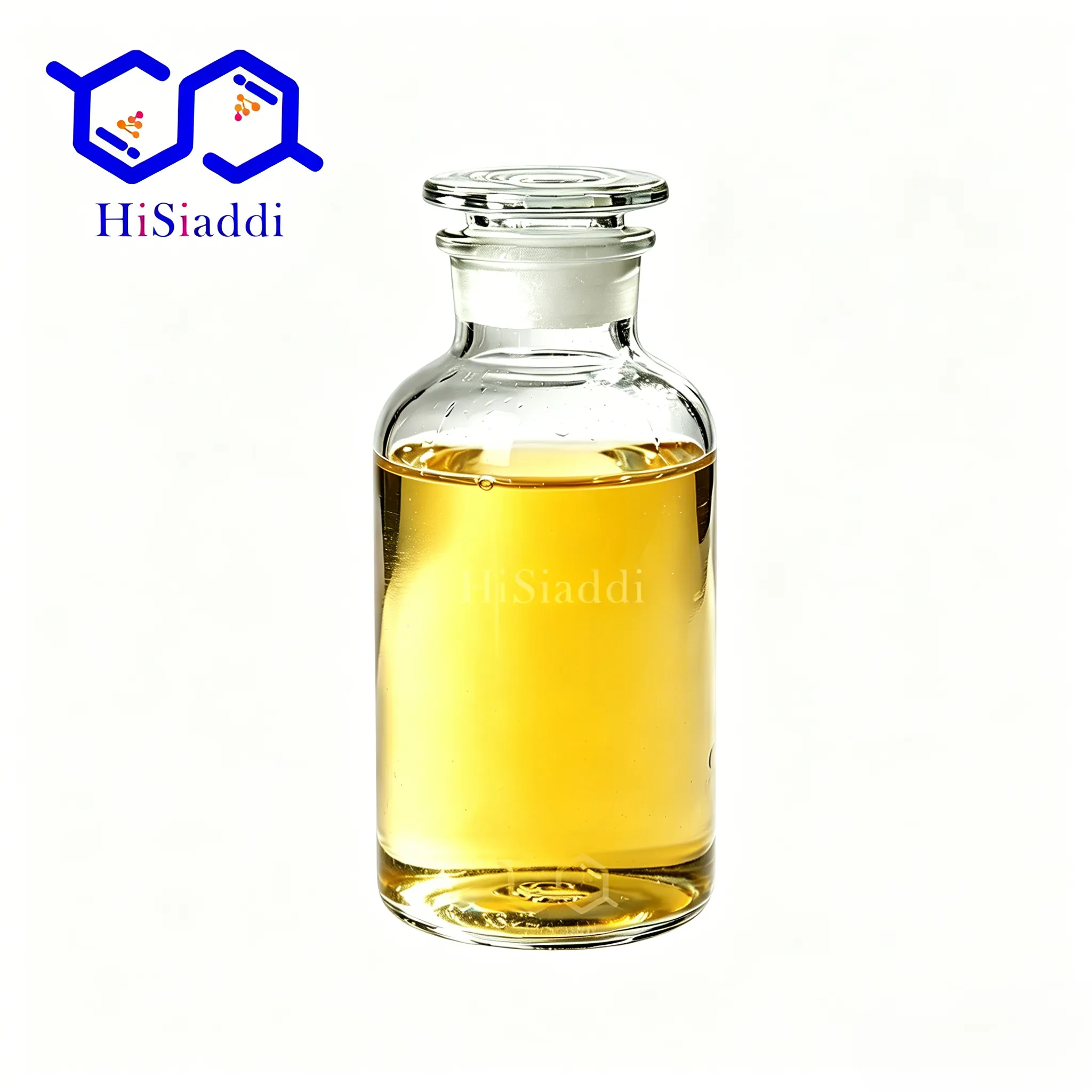
HiSiaddi is an innovative foreign trade service provider driven by dual pillars of technology transformation and export services. We have established a "1+2+3+4=1" service system and can supply hydroxypropyl sulfobetaine from multiple well-known original manufacturers. As a tech-driven foreign trade enterprise, HiSiaddi leverages technical cooperation with manufacturers and precise market insight to regularly propose formulation optimization solutions and application improvement recommendations for hydroxypropyl sulfobetaine. Below is a formulation optimization consulting case handled by HiSiaddi for hydroxypropyl sulfobetaine.
Please contact HiSiaddi customer service if you require further formulation optimization consulting support.
Our partner is HOLLAND PURE, a high-end Dutch personal care brand specializing in organic amino acid facial cleansers, luxury fragrance shower gels and sensitive skin body care products. Its goods sell well across Western Europe including the Netherlands, Belgium and Luxembourg, distributed through local premium beauty retail chains, organic lifestyle stores and high-end hotel chains. Upholding brand principles of low irritation, natural formulations and long-term product stability, the brand strictly complies with EU REACH, IFRA and organic cosmetic standards. It procures domestic hydroxypropyl sulfobetaine (CHSB) as its core amphoteric surfactant with an annual purchasing volume of 90 tons.
The brand initially used standard-grade CHSB without issues. Following product line upgrades and formula system adjustments, successive abnormalities emerged during raw material compatibility testing, foam performance evaluation, low-temperature production and finished product storage. Multiple internal trials adjusting mixing ratios and equipment parameters failed to eliminate the problems, reducing production line yield and delaying new product launches. The client immediately engaged HiSiaddi’s technical team to diagnose issues and implement corrective solutions.
Combining raw material test reports, the client’s existing formulas, workshop production conditions and finished product storage environments, HiSiaddi technical staff conducted comprehensive traceability analysis and pinpointed four typical technical issues:
1. Stratification and clouding in high-salt formula systems The brand’s new wash care products contain multiple plant extracts and moisturizing salts, resulting in high system salinity. After mixing CHSB with the formula and standing for 24 hours, slight stratification and hazy clouding appeared, ruining the premium visual texture of finished goods. The root cause was insufficient salt tolerance of the raw material’s molecular structure, coupled with unbalanced pH and surfactant mixing ratios within the system.
2. Low foam density and rapid foam collapse The brand markets rich, cream-like foam as a core selling point. Post-formula upgrade, the synergistic effect between CHSB and amino acid surfactants weakened, producing thin, fleeting foam that failed to meet the usage experience standards for premium wash care. Initial analysis indicated a mismatch between the raw material’s carbon chain distribution and the overall surfactant system.
3. Sharp viscosity surge under low temperatures hindering production conveyance Temperatures in Western European workshops and raw material warehouses drop to -4°C in winter. Under these conditions, CHSB viscosity rises drastically with poor fluidity, creating high resistance during pipeline pumping and significant metering deviations. This leads to inconsistent finished product viscosity across batches and unqualified batch stability.
4. Raw material agglomeration and wall adhesion during feeding, increasing material loss The client retained feeding sequences and stirring parameters designed for conventional surfactants. Upon addition to mixing kettles, CHSB locally agglomerates and adheres to kettle walls and mixing impellers, raising raw material wastage. During production switches between different fragrance variants, residual material also causes minor cross-contamination of scents, lowering production efficiency and finished product aroma quality.
Adhering to three core principles—no raw material model replacement, no overhaul of core formula frameworks, no production equipment substitution—HiSiaddi developed corrective solutions across four dimensions: raw material fine-tuning, formula optimization, production process adjustment and on-site management standardization. Our technical team provided remote guidance and supporting documentation, tracking full implementation progress.
We coordinated the raw material manufacturer to fine-tune the CHSB synthesis process and optimize the proportion of hydrophilic groups in the molecular structure to boost salt tolerance for compatibility with high-salt formula components. We guided the client to stabilize overall formula pH within the 5.8–6.5 range to avoid colloidal destabilization triggered by acid-base imbalance, while slightly adjusting the mixing ratio of CHSB and anionic surfactants to strengthen system compatibility. Multiple rounds of room-temperature and cyclic high-low temperature static testing were completed. Post-adjustment, finished products showed no stratification or clouding after 48 hours of standing, meeting premium product transparency standards.
Based on the client’s formula characteristics, we recalculated matching ratios for all surfactants and added a small amount of foam-boosting auxiliary ingredients to amplify synergistic foam-stabilizing effects inherent to CHSB. After dozens of simulated formulation trials, finished products formed dense, fine foam with markedly improved persistence during standing and rinsing, fully aligning with the brand’s design specifications.
We recommended the client install simple thermal insulation tracing on raw material storage tanks and conveying pipelines to maintain storage temperature above 8°C, eliminating low-temperature thickening at the source. Standardized workshop feeding temperature protocols were established, requiring initial mixing temperatures to stay between 18–25°C. Within parameters that do not damage active ingredients, this preserves CHSB fluidity, resolving pumping difficulties and inaccurate metering to unify finished product viscosity across batches.
A standardized feeding sequence was redefined: first inject pure water and basic auxiliary agents under low-speed stirring, then slowly add CHSB in batches, and finally introduce plant essential oils and functional extracts to prevent local high raw material concentration and agglomeration. Stirring speeds were adjusted in segmented phases to minimize material wall adhesion. Equipment cleaning standards were formulated: warm water paired with neutral cleaning agents circulate through mixing kettles and conveying pipelines during production switches between fragrance variants to fully remove residual material and completely eliminate scent cross-contamination. Post-adjustment, raw material wall adhesion wastage dropped significantly and production line switching efficiency improved.
HiSiaddi compiled bilingual Chinese-English operation guides and a troubleshooting handbook for common abnormalities. Online technical training sessions were delivered to R&D, quality control and production teams covering CHSB physicochemical properties, key parameter control and early abnormality prediction methods. A monthly follow-up mechanism was established to regularly track product usage and production status, proactively mitigating potential risks.
Small-batch trial production: 15 consecutive rounds of pilot manufacturing were conducted. All finished product indicators including appearance, foam, aroma and stability passed inspection, with no abnormalities observed in high-low temperature cycle simulation tests. Full production line resumption: The client fully adopted revised formula parameters and production workflows. Stable line operation eliminated all recurring technical issues, restoring production yield to original levels. End-market feedback: Post-launch, end consumers and partner hotels reported excellent product usage experience, with skin feel, aroma and foam performance consistent with premium brand positioning and positive market reputation.
The technical issues in this case stemmed from mismatches between raw material performance, composite formulation systems and production operating conditions following formula upgrades—a frequent pain point for overseas mid-to-high-end wash care brands using hydroxypropyl sulfobetaine. Drawing on extensive surfactant expertise and field service experience, HiSiaddi resolved the client’s production crisis efficiently and cost-effectively via a combined solution of "raw material fine-tuning + formula optimization + process standardization".
The client highly recognized HiSiaddi’s professional technical capacity and full-cycle service, sustaining stable CHSB procurement and designating HiSiaddi as a long-term technical partner. All new product R&D and formula iteration projects now involve pre-emptive raw material compatibility assessments with HiSiaddi.
This case also demonstrates that foreign trade services for overseas mid-to-high-end clients extend far beyond simple raw material supply. Deep client loyalty and core competitive advantages in a homogenized market are built through supplementary technical services including formulation optimization, production guidance and fault diagnosis tailored to real application scenarios.
Please contact HiSiaddi customer service if you require further formulation optimization consulting support.

 +86-13120989737
  info@hisiaddi.com
 English