As a new-type foreign trade service provider driven by both technology transformation and foreign trade services, HiSiaddi has established a "1+2+3+4=1" service system and can supply raw materials of Ectoine from multiple well-known original manufacturers. Having engaged in the Ectoine foreign trade market for over a decade, HiSiaddi has sorted out global supply and demand market data for your reference.
If you have inquiries about Ectoine supply & demand market conditions or product consultation, please contact HiSiaddi customer service or visit our official website: www.hisiaddi.com.
This report focuses on Ectoine (also known as tetrahydropyrimidine, haloprotectin), integrating global production & sales, import & export, capacity & demand, competitive landscape and price trend data from 2024 to 2026, with medium-to-long-term forecasts. It covers four core downstream sectors: cosmetics & personal care, pharmaceuticals, food additives and agriculture, distinguishes product specifications, production processes and application scenarios, and fully analyzes industrial chain supply-demand contradictions, industry risks and enterprise response strategies in full text without charts.
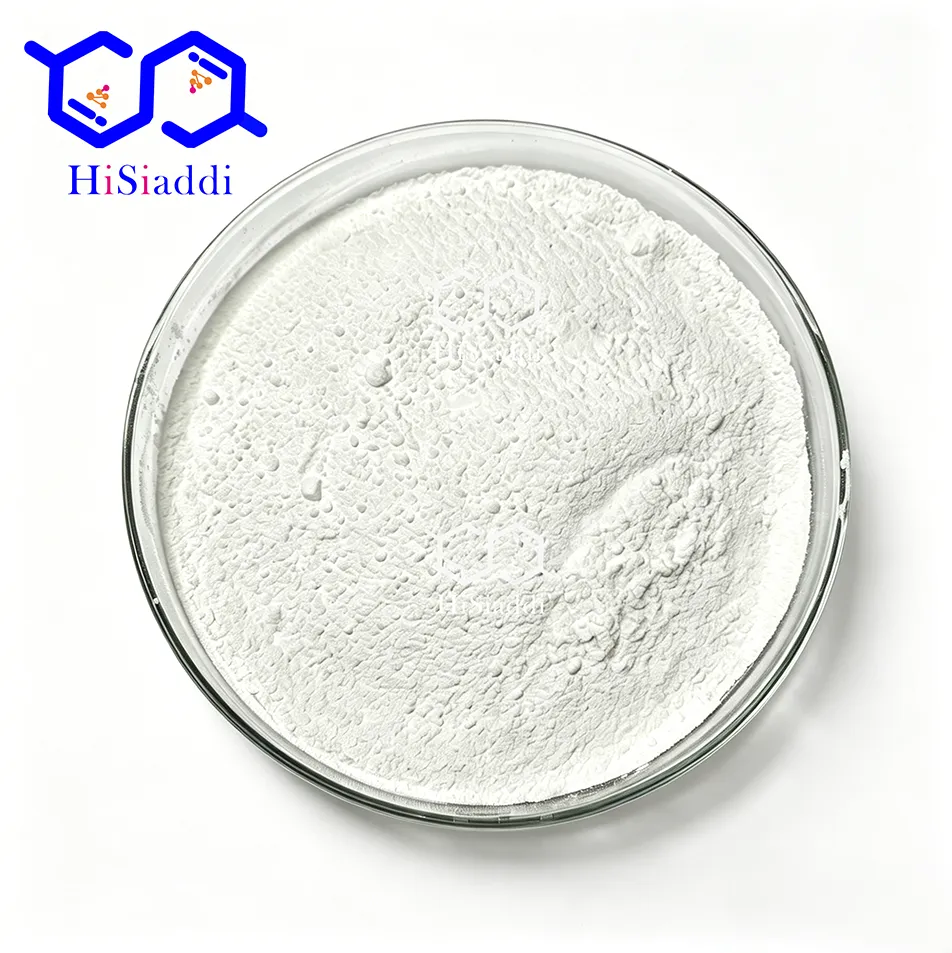
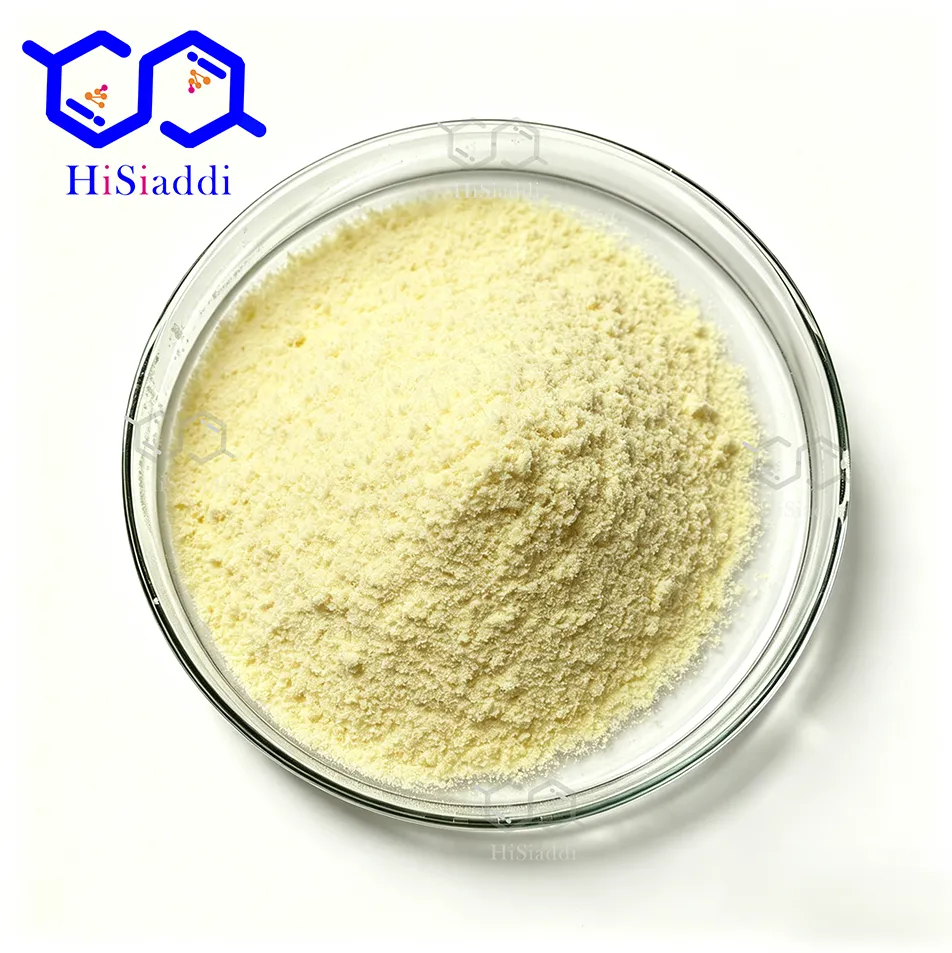
Ectoine is a natural compatible solute (extreme protectant) synthesized by halophilic microorganisms under extreme environments of high salinity, high temperature and ultraviolet radiation. It appears as white crystalline powder, odorless and highly soluble in water, with superior moisturizing, anti-UV, anti-inflammatory & skin-repairing effects, and the ability to protect biomacromolecules (proteins, DNA) and enhance crop stress resistance. Approved for use as cosmetic raw material, pharmaceutical excipient, food additive and agricultural auxiliary agent in most countries worldwide, it ranks among the world’s top popular natural functional raw materials. Classified by application fields, cosmetic grade accounts for over 60% of total volume and serves as the core product category.
The global Ectoine market size reached USD 4.79 billion in 2025 with a year-on-year growth of 5.6%, maintaining a compound annual growth rate (CAGR) above 5.5%. Global annual production capacity stands at approximately 1,200 tons with annual demand of 1,080 tons, delivering an overall balanced supply-demand structure; high-end pharmaceutical grade and high-purity cosmetic grade (purity ≥99.5%) Ectoine face tight supply. China, Germany, France and the United States act as core producing countries; Europe, North America and Asia-Pacific (China, Japan, South Korea) represent core consumption regions. The cosmetics & personal care sector accounts for over 60% of total demand as the primary application scenario. The global Ectoine market will maintain stable 5.6% growth from 2025 to 2033, with projected market size reaching USD 7.42 billion by 2033; high-end pharmaceutical grade, functional food grade and agricultural stress-resistance auxiliary grade products will serve as core growth tracks.
Ectoine’s core advantages stem from natural origin, multi-functional protective efficacy and high safety performance, enabling diversified applications in beauty skincare, clinical pharmaceuticals, food preservation and agricultural planting. Core classifications and characteristics are as follows:
1. Cosmetic Grade Ectoine: 62% market share, purity ≥99.0%, heavy metals ≤10ppm, compliant with EU ECOCERT, US FDA and national cosmetic raw material standards. Applied in skincare products (serums, creams, sunscreens, repair lotions), color cosmetics and hair care products, delivering long-lasting moisturization, UV resistance, anti-inflammatory repair and sensitive skin improvement. Aligned with global consumer trends for natural, mild and efficacy-driven beauty products, it serves as a core raw material for high-end skincare lines.
2. Pharmaceutical Grade Ectoine: 18% market share, purity ≥99.5%, heavy metals ≤5ppm, compliant with US USP and EU EP standards. Used as pharmaceutical excipients, oral preparations, topical drugs and medical devices for alleviating dermatitis, eczema, sunburn, dry eye syndrome and auxiliary treatment of respiratory inflammation and gastric ulcers, protecting cells from external irritants with the highest technical barriers and premium added value.
3. Food Grade Ectoine: 12% market share, purity ≥99.0%, compliant with food additive standards. Applied in functional foods, dietary supplements and food preservatives for antioxidant effects, intestinal mucosal protection and immunity enhancement, extending food shelf life and catering to consumer demand for health-focused functional dietary supplements.
4. Agricultural Grade Ectoine: 8% market share, purity ≥98.0%. Used as agricultural stress-resistance auxiliaries, foliar fertilizers and seed coating agents to boost drought, salt and high-temperature tolerance of crops (wheat, rice, fruits & vegetables), promote growth and improve yield & quality, matching global green agriculture and precision planting trends.
1. High-Purity Grade (≥99.5%): ~25% market share, primarily used in pharmaceutical and high-end cosmetic products with high technical barriers and price premiums, representing core high-end market products
2. Standard Purity Grade (98.0%–99.0%): ~75% market share, mainstream for general cosmetics, food and agricultural products with large output and low costs, dominating global industrial production
3. Solid Ectoine: ~95% market share, crystalline powder with stable properties, convenient storage and low transportation costs for all sectors; liquid products account for ~5%, featuring high solubility and easy addition for cosmetic and pharmaceutical topical formulations at slightly higher prices than solid equivalents
With natural protective efficacy and excellent safety, Ectoine is widely deployed across four sectors, with cosmetics & personal care representing the dominant application at over 60% of total demand:
1. Cosmetics & Personal Care (62%): Core applications include high-end skincare serums, creams, sunscreens, repair masks, eye creams and liquid foundations targeting sensitive skin, dry skin and post-sun repair consumer groups to deliver long-lasting hydration, UV defense, anti-inflammatory soothing, damaged skin barrier repair and anti-aging effects. Consistent with global "natural, mild, efficacy-driven" beauty trends, it is a regular raw material in premium lines from Lancôme, Estée Lauder, Shiseido and L’Oréal. Europe forms the largest market while China records the fastest growth (7.0% YoY).
2. Pharmaceuticals (18%): Core applications cover topical dermatological drugs, ophthalmic formulations and pharmaceutical excipients. Topical products treat allergic dermatitis, eczema, sunburn and skin ulcers to relieve inflammation and itching; ophthalmic formulations alleviate dry eye and conjunctivitis to protect ocular surface cells; oral preparations assist treatment of respiratory inflammation and gastric ulcers to shield gastrointestinal mucosa. Europe and North America represent the largest markets with strong growth potential.
3. Food Sector (12%): Applied in functional dietary supplements, sports nutrition and middle-aged & elderly nutritional foods for antioxidant, intestinal protection and immunity-boosting effects targeting sub-health populations, seniors and athletes; also used as natural food preservatives for meat, fruits, vegetables and baked goods to extend shelf life and reduce synthetic preservative usage. North America forms the largest market with steady growth.
4. Agriculture (8%): Deployed as stress-resistance foliar auxiliaries and seed coatings for wheat, rice, corn, fruits, vegetables and flowers to enhance drought, salt, high-temperature and cold resistance, boost root growth and photosynthesis, raise crop yield and quality, and cut chemical fertilizer & pesticide usage. Europe and Asia-Pacific represent the largest markets with steady demand growth.
Microbial fermentation dominates global production (over 90% market share), utilizing halophilic microorganisms (Halomonas elongata, Guyparkeria halophila) as strains to biosynthesize Ectoine, delivering natural, eco-friendly production with high product purity as the most mature and widely adopted technology. Core workflow:
1. Strain Screening & Cultivation: Select high-yield halophilic microbial strains for seed culture to expand strain quantity and guarantee activity & stability
2. Fermentation Medium Preparation: Prepare medium with glucose, corn steep liquor and sodium chloride to simulate extreme growth environments for halophilic bacteria
3. Fermentation Reaction: Inoculate seed liquid into fermenters, control temperature (28–35℃), pH (7.0–8.0), salinity and dissolved oxygen for aerobic fermentation over 48–72 hours, enabling microbial synthesis and accumulation of Ectoine
4. Extraction & Purification: Centrifuge and filter fermentation broth to remove bacterial cells and impurities for crude Ectoine liquid; subject crude liquid to ion exchange, concentration, crystallization, filtration and washing to obtain high-purity crude Ectoine
5. Refining & Drying: Recrystallize and purify crude Ectoine to eliminate residual impurities and meet specified purity standards, followed by drying and crushing to produce finished Ectoine
6. Grading & Packaging: Classify finished products into cosmetic, pharmaceutical, food and agricultural grades by purity & specifications; conduct quality inspection before hermetic packaging and light-proof storage
Process Upgrade Directions: Develop high-yield, salt-tolerant strains to boost fermentation efficiency and product yield while lowering production costs; optimize fermentation conditions to reduce byproduct generation and enhance product purity (especially purification technology for pharmaceutical grade); develop green extraction processes to cut three-waste discharge and mitigate environmental pressure; research compound Ectoine formulations (Ectoine + Sodium Hyaluronate, Ectoine + Vitamin C) to raise product added value.
Upstream: Core raw materials include glucose, corn steep liquor, sodium chloride and fermentation strains, primarily supplied by China, the United States, Brazil and Germany. China stands as the world’s largest producer of agricultural and chemical raw materials with sufficient, low-cost supply; Germany and the United States supply premium high-yield fermentation strains mainly for high-end pharmaceutical and cosmetic grade products. Midstream: Production capacity concentrated in Asia, Europe and North America with core producing countries China, Germany, France and the United States. High technical barriers include high-yield strain cultivation, high-purity purification technology and national pharmaceutical/cosmetic/food certifications with 1–2 year certification cycles inaccessible to small and medium-sized enterprises (SMEs). Downstream: Cosmetic manufacturers, pharmaceutical enterprises, food processors, agricultural technology companies, health supplement brands, cross-border e-commerce platforms and raw material distributors.
Global Ectoine market size reached USD 4.54 billion in 2024 (YoY +5.4%) and USD 4.79 billion in 2025 (YoY +5.6%), outpacing the average growth rate (5.0%) of the global natural functional raw material industry.
2025 Regional Market Share Breakdown:
· Europe: USD 1.96 billion, 40.9% share, global largest consumer market (YoY +5.2%). Core consuming countries: Germany, France, UK. Mature beauty industry, high consumer acceptance of natural efficacy raw materials, strong demand for high-end cosmetic and pharmaceutical grade Ectoine
· North America: USD 1.40 billion, 29.2% share (YoY +5.5%). Core consuming country: United States. Developed pharmaceutical industry, large sports nutrition & health food market, prominent demand for pharmaceutical and food grade Ectoine
· Asia-Pacific: USD 1.25 billion, 26.1% share (YoY +6.5%). Core consuming countries: China, Japan, South Korea. Upgraded beauty market, rising health awareness and developing green agriculture drive growth across all Ectoine grades
· Other Regions: USD 0.18 billion, 3.8% share, market in incubation stage with steady demand growth from developing beauty and agriculture sectors in South America and Africa
Core Growth Drivers:
1. Global beauty skincare market shifts toward "natural, mild, efficacy-driven" products; rising demand for sensitive skin care and anti-aging skincare expands demand for cosmetic grade Ectoine, particularly high-end skincare lines
2. Growing global consumer health awareness fuels demand for natural, safe pharmaceutical excipients and functional foods, driving uptake of pharmaceutical and food grade Ectoine
3. Rising global green and sustainable agriculture trends reduce chemical fertilizer & pesticide usage; Ectoine as a natural agricultural stress-resistance auxiliary gains increasing market penetration
4. Global population aging expands patient groups with chronic conditions including dermatitis, dry eye and gastrointestinal disorders, boosting demand for pharmaceutical grade Ectoine
5. Capacity upgrades in core producing countries China and Germany, adoption of high-yield strain cultivation and high-purity purification technologies raise output and product quality while lowering production costs to stabilize global supply
6. Gradual improvement of national regulations clarifies usage standards for Ectoine in cosmetics, pharmaceuticals, food and agriculture, standardizing industry development and further propelling market growth
Total global Ectoine annual capacity: 1,200 tons
· China: 540 tons/year (45.0%)
· Germany: 240 tons/year (20.0%)
· France: 180 tons/year (15.0%)
· United States: 120 tons/year (10.0%)
· Other Countries (Japan, South Korea, India): 120 tons/year (10.0%)
Product Capacity Mix:
· Cosmetic Grade: 744 tons/year (62%)
· Pharmaceutical Grade: 216 tons/year (18%)
· Food Grade: 144 tons/year (12%)
· Agricultural Grade: 96 tons/year (8%)
Global production capacity is highly concentrated in Asia, Europe and North America, aligned with upstream raw material supply and downstream beauty & pharmaceutical industrial layout:
· Asia: 600 tons/year total capacity (50.0%). China contributes 540 tons, Japan 40 tons, South Korea 20 tons. Leveraging abundant upstream agricultural and chemical raw materials and mature microbial fermentation technology, China serves as the world’s core Ectoine producer covering all product grades with over 40% of output exported. Shandong, Jiangsu and Zhejiang form core production provinces concentrated in fermentation industry clusters with strong demand for beauty raw materials. Japan specializes in high-end cosmetic and pharmaceutical grade products with proprietary high-yield strain cultivation technology and superior product quality; South Korea focuses on cosmetic grade output to meet domestic beauty market demand with steady capacity expansion.
· Europe: 420 tons/year total capacity (35.0%). Germany contributes 240 tons, France 180 tons. Europe represents the global core production base for high-end Ectoine; German and French enterprises master proprietary fermentation and purification technologies focusing on pharmaceutical and high-end cosmetic grade products exported worldwide to satisfy European beauty and pharmaceutical R&D demand.
· North America: 120 tons/year total capacity (10.0%), entirely from the United States. Specializes in high-end pharmaceutical and food grade production with proprietary high-purity purification technology, primarily serving domestic pharmaceutical, food and beauty enterprises with ~30% of output exported.
· Other Regions: 60 tons/year total capacity (5.0%), mainly India and Brazil with small-scale output limited to agricultural and general cosmetic grade products for local consumption.
China’s Core Supply Advantages:
1. Sufficient, low-cost upstream raw materials (glucose, corn steep liquor, sodium chloride) costing only 30%–40% of equivalent European and American raw material prices
2. Mature microbial fermentation technology with full-category production capacity and prominent large-scale production advantages
3. Equivalent-grade factory prices stand at only 50%–60% of European and American manufacturers
4. Stable export channels covering core markets Europe, North America and Asia-Pacific with over 45% of global Ectoine produced domestically
The global Ectoine market features high concentration with the top five enterprises (CR5) capturing over 85% of total market share, split into three competitive tiers dominated by European and Chinese leading manufacturers:
1. Bitop AG (Germany): Global Ectoine market leader with 200 tons/year capacity and ~16.7% global market share. Owns proprietary high-yield halophilic microbial strain cultivation and high-purity purification technology covering full product specifications; core supplier to international beauty giants (Lancôme, Estée Lauder) and pharmaceutical leaders (Bayer, Pfizer) with the world’s largest market share.
2. Silab SA (France): 180 tons/year capacity with ~15.0% global market share. Specializes in natural functional raw materials focusing on cosmetic and pharmaceutical grade Ectoine with strong product compliance and natural ingredient positioning aligned with European beauty and pharmaceutical market requirements, ranking among core suppliers of global high-end cosmetic grade Ectoine.
3. Bloomage Biotech (China): 150 tons/year capacity with ~12.5% global market share, China’s leading Ectoine manufacturer covering full product grades focusing on cosmetic and pharmaceutical grade products certified under EU ECOCERT and US FDA with global export coverage, holding top domestic market share in beauty and pharmaceutical sectors and ranking among the world’s large-scale Ectoine producers.
1. Frida Biotech (China): 120 tons/year capacity with ~10.0% global market share. Specializes in cosmetic and pharmaceutical grade Ectoine with advanced fermentation technology, deep cooperation with domestic beauty and pharmaceutical enterprises and exports to Europe and North America.
2. KLNT Cologne Chemical (China): 100 tons/year capacity with ~8.3% global market share. Focuses on cosmetic and food grade Ectoine leveraging raw material and fermentation technology advantages for cost-effective products exported to Southeast Asia and Africa with leading domestic mid-to-low-end market share.
3. Puri Pharm (China): 80 tons/year capacity with ~6.7% global market share. Specializes in pharmaceutical and food grade Ectoine with high purity and full compliance standards catering to pharmaceutical and food sector demand, ranking among top domestic suppliers in the pharmaceutical segment.
Regional enterprises including Ajinomoto (Japan), Kolmar Korea and Godrej Agrovet (India) with combined total capacity ~150 tons/year, primarily producing general cosmetic and agricultural grade products relying on regional market advantages with weak overall competitiveness. Additionally, small-scale fermentation enterprises in China and India manufacture low-end cosmetic and agricultural grade products with thin profit margins and inconsistent product purity & compliance standards.
Total global annual Ectoine demand: 1,080 tons (YoY +5.4%) with balanced overall supply-demand and tight supply for high-end pharmaceutical grade and high-purity cosmetic grade (≥99.5%) Ectoine.
Product Demand Mix:
· Cosmetic Grade: 670 tons/year (62%)
· Pharmaceutical Grade: 194 tons/year (18%)
· Food Grade: 130 tons/year (12%)
· Agricultural Grade: 86 tons/year (8%)
Application Demand Mix:
· Cosmetics & Personal Care: 670 tons/year (62.0%)
· Pharmaceuticals: 194 tons/year (18.0%)
· Food Sector: 130 tons/year (12.0%)
· Agriculture: 86 tons/year (8.0%)
Global demand features high regional concentration centered on Europe, North America and Asia-Pacific with detailed distribution and characteristics as follows:
· Europe: 442 tons/year (40.9%), world’s largest consumer market (YoY +5.2%). Core consuming countries: Germany, France, UK. Dominant demand for high-end cosmetic and pharmaceutical grade products for beauty skincare and clinical pharmaceuticals; local capacity only covers 50% of consumption with 50% reliant on imports from EU member states, China and the United States.
· North America: 316 tons/year (29.2%) (YoY +5.5%). Core consuming country: United States. Dominant demand for pharmaceutical, food and high-end cosmetic grade products for clinical pharmaceuticals, health foods and beauty skincare; local capacity only meets 38% of demand with 62% imported from the US, Germany and China.
· Asia-Pacific: 282 tons/year (26.1%) (YoY +6.5%). Core consuming countries: China, Japan, South Korea. Full-category demand for beauty, pharmaceuticals, food and agriculture with self-sufficiency rate exceeding 90% and annual exports over 216 tons.
· Other Regions: 40 tons/year (3.8%). Core consuming countries: Brazil, Mexico, South Africa. Dominant demand for agricultural and general cosmetic grade products with market in incubation stage and ~6.0% annual demand growth rate, heavily reliant on imports from China and Germany.
1. Cosmetics & Personal Care: 670 tons/year (62.0%, YoY +5.5%). Core applications in high-end skincare, sunscreens and repair products dominated by cosmetic grade material; major buyers include global beauty enterprises Lancôme, Estée Lauder, Shiseido and L’Oréal. Europe forms the largest market while China records the fastest growth rate (7.0% YoY).
2. Pharmaceuticals: 194 tons/year (18.0%, YoY +6.0%). Core applications in topical dermatological drugs, ophthalmic formulations and pharmaceutical excipients dominated by pharmaceutical grade material; major buyers include global pharmaceutical enterprises Bayer, Pfizer and Novartis. Europe and North America represent the largest markets with strong growth potential.
3. Food Sector: 130 tons/year (12.0%, YoY +5.8%). Core applications in functional dietary supplements and food preservatives dominated by food grade material with natural, safe and side-effect-free characteristics; major buyers include global food processors Nestlé, Danone and Mead Johnson. North America forms the largest market with steady growth.
4. Agriculture: 86 tons/year (8.0%, YoY +5.0%). Core applications in agricultural stress-resistance foliar auxiliaries and seed coatings dominated by cost-effective agricultural grade material compatible with green agriculture; major buyers include global agricultural technology enterprises Monsanto and Syngenta plus agricultural chemical distributors. Europe and Asia-Pacific form the largest markets with steady growth.
Total global capacity 1,200 tons/year, total global demand 1,080 tons/year with overall capacity utilization rate 90.0% and broadly balanced supply-demand, with structural tightness in specific product categories:
1. Overall Supply-Demand: Slightly excess capacity of 120 tons/year primarily consisting of general cosmetic and agricultural grade products
2. Structural Supply Gap: Shortage of approximately 40 tons/year for high-end pharmaceutical grade (≥99.5% purity) and high-purity cosmetic grade (≥99.5% purity) products, primarily supplied by Bitop AG (Germany), Silab SA (France) and Bloomage Biotech (China)
3. Regional Supply Gaps: Europe faces a 221 tons/year gap, North America a 196 tons/year gap; China maintains sufficient capacity with annual exports over 216 tons as the world’s core supplier; Germany and France operate slightly tight capacity focusing on high-end product output with ~40% of production exported.
As the world’s core exporter, China’s ex-factory prices sit far below European and American manufacturers with distinct price gaps across product grades and purity levels (industry average reference prices, 2025):
· Agricultural Grade (98.0% purity): 80,000–90,000 RMB/ton
· General Cosmetic Grade (99.0% purity): 120,000–140,000 RMB/ton
· High-End Cosmetic Grade (99.5% purity): 180,000–200,000 RMB/ton
· Pharmaceutical Grade (99.5% purity, USP/EP compliant): 250,000–280,000 RMB/ton
Regional Price Differentials: China’s ex-factory prices equal 50%–60% of equivalent European and American manufacturers. German pharmaceutical grade Ectoine prices range from 450,000–500,000 RMB/ton; French high-end cosmetic grade products cost 350,000–400,000 RMB/ton, delivering prominent cost advantages for Chinese products dominating mid-to-low-end and emerging markets.
2024–2025 witnessed an overall 5%–8% global price increase driven by 5%–7% upstream glucose and corn steep liquor raw material price fluctuations plus rising demand for high-end products; high-end product prices rose 7%–9% while mid-to-low-end products increased 5%–6%. The 2025–2033 global price trend will feature "overall stability with steady upward movement for high-end grades":
1. Mid-to-Low-End Products (Agricultural, General Cosmetic Grade): Steady pricing with ±3% annual fluctuation as Chinese and Indian capacity expands continuously, upstream raw material supply stabilizes and fermentation process upgrades cut production costs
2. High-End Products (Pharmaceutical, High-End Cosmetic Grade): Steady price growth of 4%–6% annually amid sustained demand growth, high technical barriers for high-yield strain cultivation and high-purity purification, and high raw material cost ratios
3. Domestic & Overseas Price Gap Narrowing: As China’s high-end fermentation process and compliance certification systems mature, the price gap between domestic and overseas high-end products will shrink from the current 1.8–2.2x to 1.3–1.5x by 2033
The global Ectoine market follows a pattern of "Europe & America dominating high-end segments, China dominating mid-to-low-end segments with regional consumption differentiation" featuring clear tiered competition:
1. High-End Track: Monopolized by Bitop AG (Germany) and Silab SA (France) with combined market share exceeding 30%. Competition centers on high-yield strain cultivation, high-purity purification technology, European & American pharmaceutical/cosmetic certifications and global high-end client resources; primarily supplying pharmaceutical and high-end cosmetic grade products with strong pricing power and gross profit margins above 65%.
2. Mid-to-High-End Track: Dominated by Chinese leading manufacturers Bloomage Biotech, Frida and Puri Pharm with combined market share ~40%. Leveraging raw material and large-scale production advantages to manufacture high-end cosmetic, pharmaceutical and food grade products certified under European and American standards for entry into global mid-to-high-end markets; competition focuses on production capacity scale, product purity and compliance with gross profit margins ranging 40%–50%.
3. Mid-to-Low-End Track: Dominated by small-scale manufacturers in India, Brazil and China with combined market share ~30%. Primarily producing general cosmetic and agricultural grade products relying on price competition with thin gross profit margins below 30% and emerging overcapacity trends.
4. Regional Competition: China dominates mid-to-low-end product exports while Europe and America control high-end product exports; European and American local manufacturers retain only high-end brand channels with mid-tier raw materials heavily reliant on Chinese imports; emerging markets Asia-Pacific and South America record growing demand representing core export targets for Chinese enterprises.
1. Product Premiumization & Specialization: Enterprises accelerate R&D of pharmaceutical, high-end cosmetic and functional food grade products focusing on improving product purity and efficacy stability; develop specialized cosmetic grade products for sensitive skin repair, anti-aging and eye care plus specialized food grade products for intestinal health and immune regulation matching downstream segmented demand to raise product added value; develop compound Ectoine formulations to expand beauty and pharmaceutical application scenarios.
2. Process Upgrading & Green Production: Develop high-yield, salt-tolerant halophilic microbial strains to boost fermentation efficiency and product yield while cutting production costs; optimize fermentation and purification processes to reduce three-waste discharge and mitigate environmental pressure; promote green extraction processes to enhance natural product attributes aligned with global green chemical and natural raw material trends.
3. Continuous Capacity Shift to Asia: China and India leverage upstream raw material advantages and process upgrades to raise the proportion of high-end deep processing capacity; Asian Ectoine capacity share projected to rise to 55% by 2033 with pharmaceutical and high-end cosmetic grade capacity share climbing to 25%; European and American enterprises will focus on high-end product R&D and brand operation while gradually scaling back mid-to-low-end production capacity.
4.
expansion of application boundaries and standardized compliance: Ectoine will penetrate emerging sectors including pet care, oral care, medical device coatings and eco-friendly materials to generate new demand growth. Governments worldwide are tightening compliance standards and safety certifications for cosmetics, pharmaceuticals, food and agricultural additives, driving industry standardization. Non-compliant low-end production capacity will be phased out gradually, further elevating overall industrial concentration.
1. Technical Risk: Core technologies including high-yield halophilic strain cultivation and high-purity purification are still monopolized by European and American enterprises. Domestic manufacturers face barriers to independent technological breakthroughs, which may lead to insufficient market share in high-end segments and persistently high production costs.
2. Raw Material Price Risk: Upstream agricultural raw materials such as glucose and corn steep liquor experience frequent annual price fluctuations of 5%–7%, directly impacting production costs. Raw material supply is highly dependent on agricultural harvests; natural disasters may trigger raw material shortages and disrupt normal production capacity.
3. Market Competition Risk: Severe overcapacity in mid-to-low-end segments triggers brutal price wars, squeezing profit margins of small and medium manufacturers to the brink of elimination. Fierce competition exists in high-end segments, centered on strain R&D, compliance certification and premium client resources.
4. Policy & Compliance Risk: Regulatory standards and safety certification requirements for cosmetics, pharmaceuticals, food and agricultural additives are continuously tightened globally, especially strict supervision over pharmaceutical and high-end cosmetic grades. Many small and medium manufacturers lose market access due to failure to meet compliance benchmarks. Meanwhile, stricter domestic environmental policies force higher waste treatment costs for fermentation manufacturers, risking shutdowns of substandard small-scale capacity.
5. Substitution Risk: Ectoine faces competitive pressure from alternative natural functional raw materials (sodium hyaluronate, ceramide, squalane), new pharmaceutical excipients and agricultural stress-resistant additives, with prominent substitution threats in mid-to-low-end cosmetics and agricultural sectors. R&D and launch of new moisturizing and anti-aging beauty raw materials will erode its existing market share.
1. Break through core proprietary technologies: Increase R&D investment in high-yield strain breeding, high-purity purification and efficacy optimization. Establish industry-university-research cooperation with universities and research institutions to develop independent intellectual property processes, upgrade product purity and quality, deploy high-margin pharmaceutical and high-end cosmetic grade products, and reduce reliance on European and American proprietary technologies.
2. Stabilize upstream supply chains: Sign long-term supply contracts with agricultural raw material manufacturers to lock in procurement prices and mitigate raw material price volatility risks. Diversify raw material sourcing regions to hedge supply disruptions caused by natural disasters and market swings. Build raw material reserve systems to guarantee stable production capacity.
3. Optimize product portfolio: Scale down low-margin mid-to-low-end production capacity, expand layouts of pharmaceutical, high-end cosmetic and functional food grade products to capture high-value demand. Tap into emerging application sectors to reduce revenue reliance on the single cosmetics market.
4. Expand global sales channels: Domestic manufacturers leverage cost advantages to penetrate high-end European and North American markets, accelerate completion of international certifications (ECOCERT, FDA, USP, EP) to enter supply chains of global top beauty and pharmaceutical brands. Deepen layout in emerging markets including Southeast Asia, South America and Africa to expand export scale.
5. Strengthen full-process compliance management: Track updates to national and international regulatory standards in real time, adjust production processes and product specifications proactively to meet compliance requirements. Increase environmental protection investment to upgrade three-waste treatment systems, satisfy environmental policies and avoid forced capacity shutdowns.
The global Ectoine market reached USD 4.79 billion in 2025, with a projected CAGR of 5.6% from 2025 to 2033, hitting a total market size of USD 7.42 billion by 2033. Regional growth and scale forecasts are as follows:
· Europe: CAGR 5.2%, market size USD 2.98 billion by 2033, accounting for 40.2% of global total
· North America: CAGR 5.5%, market size USD 2.13 billion by 2033, accounting for 28.7% of global total
· Asia-Pacific: CAGR 6.5%, market size USD 2.01 billion by 2033, accounting for 27.1% of global total
· Other regions: CAGR 6.0%, market size USD 0.30 billion by 2033, accounting for 4.0% of global total
Global annual capacity stood at 1,200 tons and total demand at 1,080 tons in 2025. From 2025 to 2033, capacity CAGR is projected at 5.3% and demand CAGR at 5.6%, reaching 1,850 tons of annual capacity and 1,700 tons of annual demand by 2033:
· Cosmetic Grade: Capacity 1,147 tons/year (62%), Demand 1,054 tons/year (62%)
· Pharmaceutical Grade: Capacity 333 tons/year (18%), Demand 306 tons/year (18%)
· Food Grade: Capacity 222 tons/year (12%), Demand 204 tons/year (12%)
· Agricultural Grade: Capacity 148 tons/year (8%), Demand 136 tons/year (8%)
· Structural supply gap for high-end products will widen to 60 tons/year, concentrated in pharmaceutical and high-purity cosmetic grades.
· Cosmetics & Personal Care: 1,054 tons/year, 62% share
· Pharmaceuticals: 306 tons/year, 18% share
· Food Industry: 204 tons/year, 12% share
· Agriculture: 136 tons/year, 8% share
The global Ectoine market registered a scale of USD 4.79 billion in 2025, with total annual capacity of 1,200 tons and total demand of 1,080 tons, showing an overall balanced supply-demand landscape yet tight supply of high-end grades. Core production capacity is concentrated in China, Germany, France and the United States; European and American enterprises dominate the high-end market, while China takes the lead in mid-to-low-end segments by virtue of raw material and large-scale manufacturing advantages. Europe remains the world’s largest consumer market, with North America and Asia-Pacific as core growth regions. European and American manufacturers rely heavily on imports from Europe and China for mid-tier raw materials.
Over the next eight years, the global Ectoine market will maintain steady growth. Product premiumization, green process transformation, capacity shift to Asia and diversified application scenarios will constitute core industrial trends. High-end pharmaceuticals, premium cosmetics, functional foods and green agriculture will act as primary growth drivers. The industry faces core challenges including technical barriers, raw material price volatility and policy compliance risks. Leading enterprises can effectively hedge risks and lift core competitiveness by breaking through core technologies, optimizing product mix and reinforcing compliance control.
Investment & Industrial Layout Recommendations: Prioritize leading manufacturers with proprietary high-yield strain cultivation technology, large-scale production capacity and complete European & American compliance certifications (Bitop AG of Germany, Silab SA of France, Bloomage Biotech, Frida). Capture growth opportunities in high-end pharmaceutical grade, premium cosmetic grade and functional food grade segments. Avoid mid-to-low-end market price wars, focus on R&D of high-value products and industrial chain extension, and establish long-term cooperation with global downstream leading brands to achieve high-quality development.
For inquiries about Ectoine supply and demand market conditions or product consultation, please contact HiSiaddi customer service or visit our official website: www.hisiaddi.com.

 +86-13120989737
  info@hisiaddi.com
 English