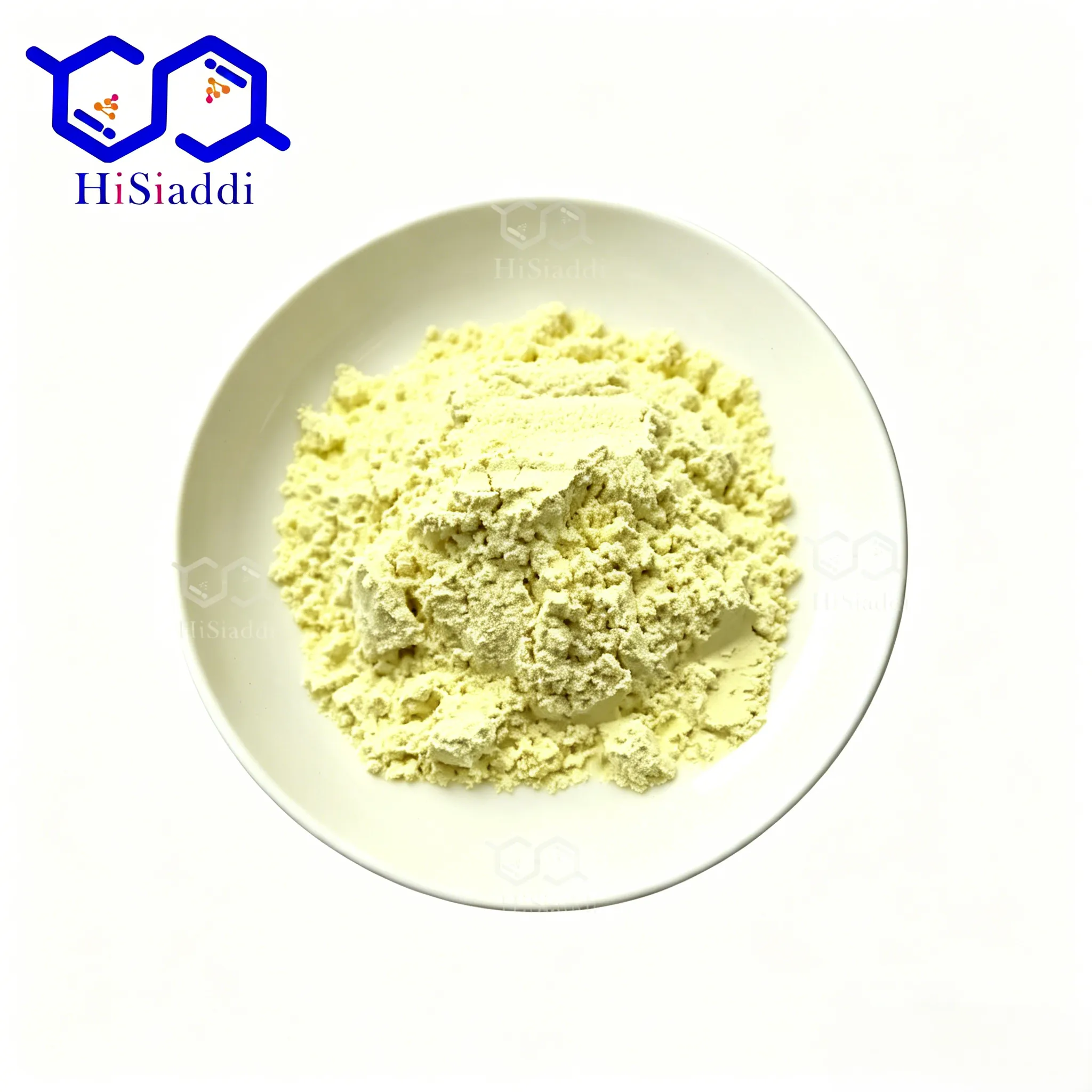
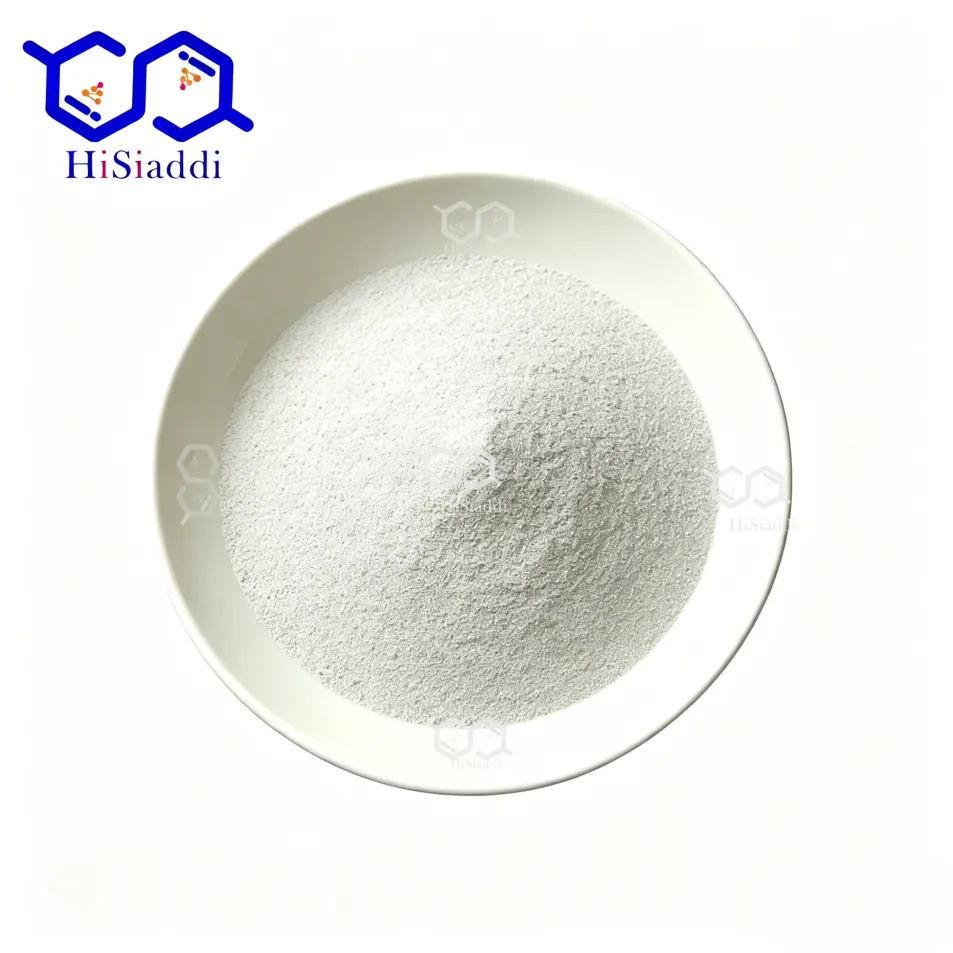
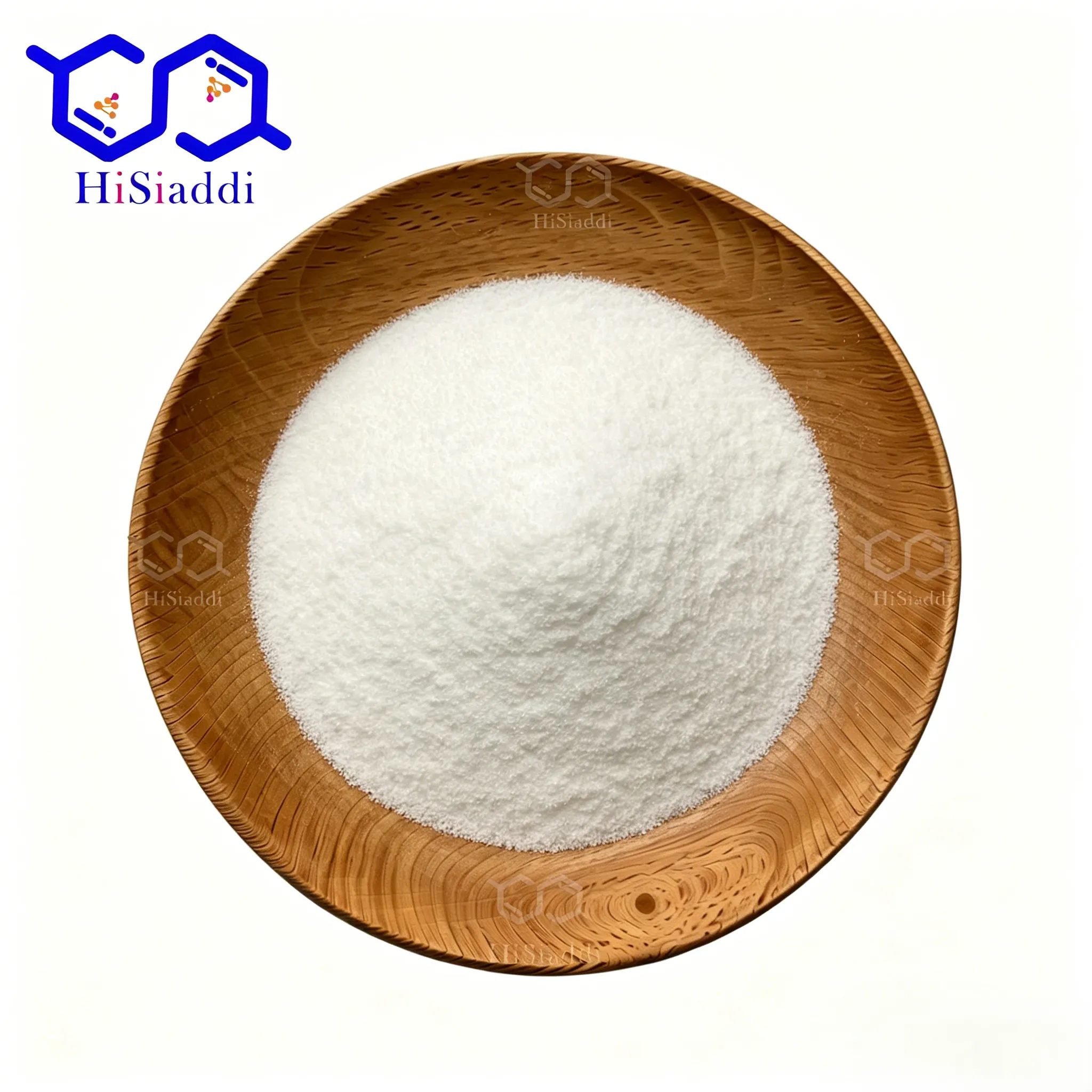
As a new-type foreign trade service provider driven by both technology commercialization and foreign trade services, HiSiaddi has established the "1+2+3+4=1" service system and can supply original factory sources of PASP from multiple well-known brands.
As a foreign trade enterprise with independent R&D capabilities, HiSiaddi differs from single-brand manufacturers that only promote their own products. We objectively analyze multiple well-known brands with high market share in China and worldwide, and share their major process advancements and breakthroughs, enabling buyers to access authentic, up-to-date and valuable market information.
For more comprehensive and valuable PASP market intelligence, please contact HiSiaddi customer service.
1.
Improvement & Breakthrough Details All five leading manufacturers have eliminated traditional batch high-temperature thermal polycondensation production lines and deployed new microchannel continuous polymerization processes. Synthesis temperature is reduced from 180–220°C to 140–160°C. Comprehensive energy consumption per unit product falls by 37%, tar by-products are cut by 62% and production wastewater discharge is reduced by 45%. Leveraging integrated upstream maleic anhydride industrial chain centralized procurement, overall raw material costs drop by 32%. Wanhua has supplemented a bio-based fermentation precursor route producing L-aspartic acid from agricultural and forestry straw, cutting raw material costs by 18% compared with petrochemical pathways.
2.
3.
Benefits for Buyers & End Users (1) Procurement side: Spot delivery lead times for domestic major manufacturers are shortened from 15–20 days to 3–7 days. Unit prices for large-volume long-term contracts decline by 12%–18% year-on-year with enhanced price locking stability to hedge raw material price fluctuation risks. (2) End-user side: Batch-to-batch fluctuations in product color difference and solid content are drastically narrowed, with incoming inspection failure rates falling from 8.7% to 1.3%, lowering downstream customer quality inspection costs.
4.
1.
Improvement & Breakthrough Details Taihe and Yuanlian independently developed gradient polymerization-controlled depolymerization technology. Molecular weight tolerance for all PASP grades (5,000–30,000 Da) is ±500 Da with molecular weight distribution coefficient PDI ≤1.2 (conventional industry products reach PDI ≥1.8). Low-molecular-weight (<10,000 Da) water treatment-specialized PASP delivers stable calcium carbonate scale inhibition rate ≥99.2%; high-molecular-weight (20,000–100,000 Da) flocculating PASP achieves heavy metal removal efficiency of 99.5%. Fumiao and Huangma optimized chelating group grafting rates to boost product calcium ion chelating capacity by 21%.
2.
3.
Benefits for Buyers & End Users (1) Water treatment buyers: PASP dosing rates are reduced by 15%–22% under identical water quality working conditions. It can replace traditional phosphorus-containing scale inhibitors, eliminating supporting chemical input for wastewater dephosphorization and cutting overall system chemical costs by over 25%. (2) Fertilizer manufacturers: Fertilizer nitrogen utilization rises from 32% to 43% after PASP addition, with fertilizer formulation ratios reduced by 12%–15%, lowering end-farmer fertilization costs and delivering 8%–20% crop yield growth.
4.
1.
Improvement & Breakthrough Details All five leading domestic manufacturers optimized hydrolysis and refining procedures, limiting total heavy metal content (lead, arsenic, cadmium) in finished products to ≤3 ppm, exceeding national standard GB/T35106-2023 (≤3 ppm) and ASTM international limit of 5 ppm, satisfying EU and North America REACH and EPA import access thresholds. Solid content of food/daily chemical refined PASP is upgraded from 92% to 96.5%.
2.
3.
Benefits for Buyers & End Users European and American buyers avoid extra third-party heavy metal re-inspection, shortening customs clearance cycles by 5–8 days and eliminating customs detention risks. End manufacturers of daily chemicals and sustained-release pharmaceutical carriers can directly launch compliant production without additional impurity removal modification procedures.
4.
1.
Improvement & Breakthrough Details Fourth-generation cross-link modified PASP ester products entered mass production in 2026 with optimized molecular cross-link structures. Acid and alkali hydrolysis stability rises by 40%, outdoor coating weather resistance service life extends from 5 years to 8 years, and scale inhibition retention rate under high-temperature (120°C) working conditions increases by 33%.
2.
3.
Benefits for Buyers & End Users Floor and marine anti-corrosion coating buyers reduce coating rework frequency, cutting end-user maintenance costs for steel structures and offshore platforms by 30%. Chemical replacement cycles for high-temperature industrial circulating water end users double.
4.
1.
Improvement & Breakthrough Details Both enterprises realized in-situ copolymerization modification of PASP with acrylic monomers for coating-specific modified PASP. Complete curing is achievable at low temperatures (5°C), with surface drying time shortened from 4 hours to 45 minutes. Paint film adhesion improves by 18%, and film-forming auxiliary dosage in coating formulas falls by 27%.
2.
3.
Benefits for Buyers & End Users Coating manufacturers lower auxiliary procurement costs and maintain uninterrupted production in cold winter environments, shortening end-project construction cycles and cutting labor expenses.
4.
1.
Improvement & Breakthrough Details Leveraging microbial full-biosynthesis processes, bio-based PASP products deliver bio-carbon content ≥92% with complete biodegradation within 180 days in natural environments (conventional petrochemical-based products require a 270-day degradation cycle). Concrete admixture-specialized grades achieve a 15% boost in coagulation enhancement efficiency.
2.
3.
Benefits for Buyers & End Users Purchases for European and American green infrastructure projects qualify for LEED environmental certification credits. End concrete products gain enhanced strength and shortened curing cycles, lowering energy consumption for building material manufacturers during curing.
4.
1.
Improvement & Breakthrough Details Leading domestic and international manufacturers simultaneously launched three custom modified PASP variants: crop-specific fertilizer grade, oilfield fracturing dispersant grade and paper pulp chelating grade. Agricultural grades feature directional grafted trace element groups for a 26% rise in root-promoting activity. Oilfield salt-resistant PASP maintains over 95% scale inhibition efficiency in 300,000 ppm high-salinity water. Paper-making chelating grades reduce metal ion interference in pulp, lifting paper whiteness by 3–5 color units.
2.
3.
Benefits for Buyers & End Users Buyers can source segmented specialized raw materials in one-stop without independent self-compounding and modification, eliminating formula R&D investment. End agricultural, oilfield and paper-making products see improved quality and 10%–22% lower comprehensive raw material operating costs.
4.
For more comprehensive and valuable PASP market intelligence, please contact HiSiaddi customer service.

 +86-13120989737
  info@hisiaddi.com
 English