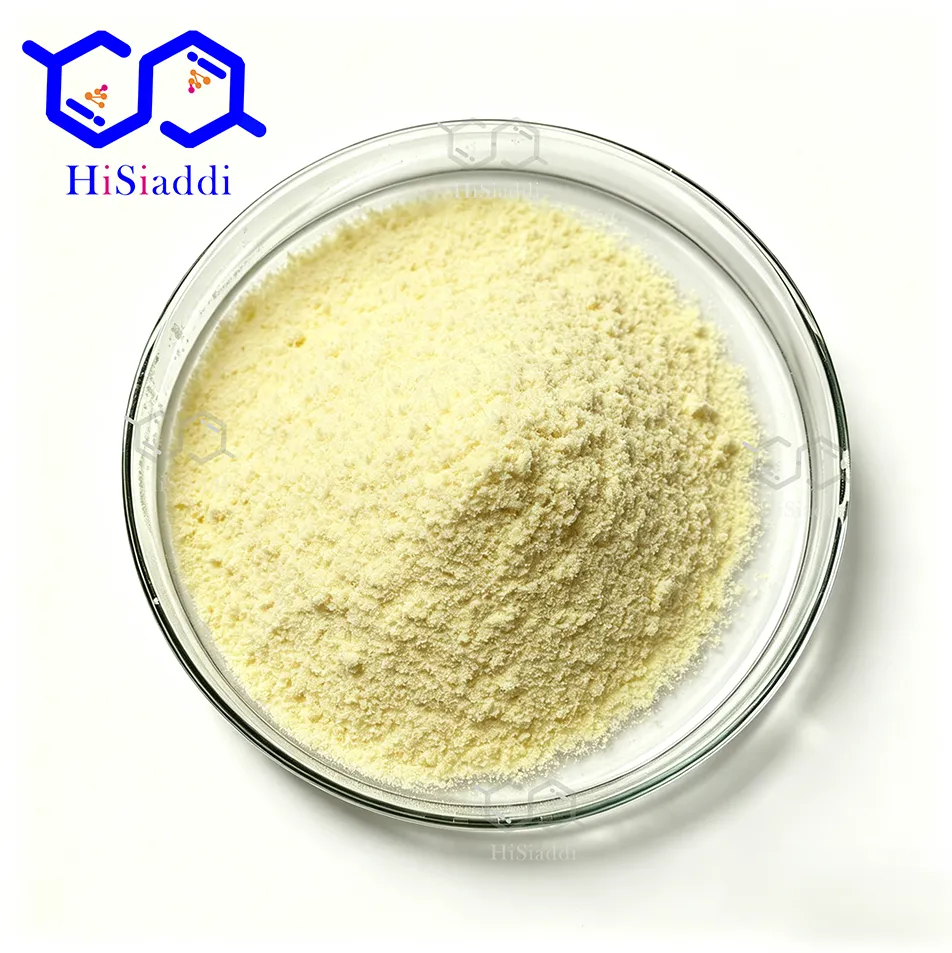
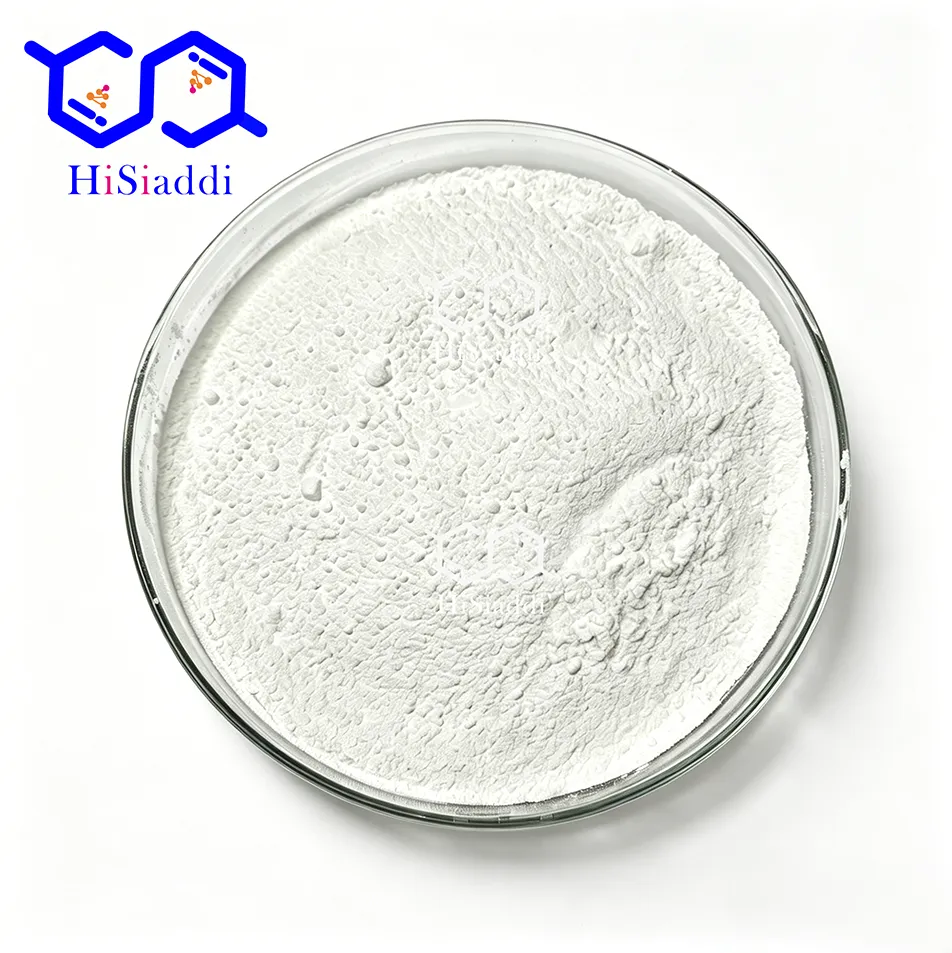
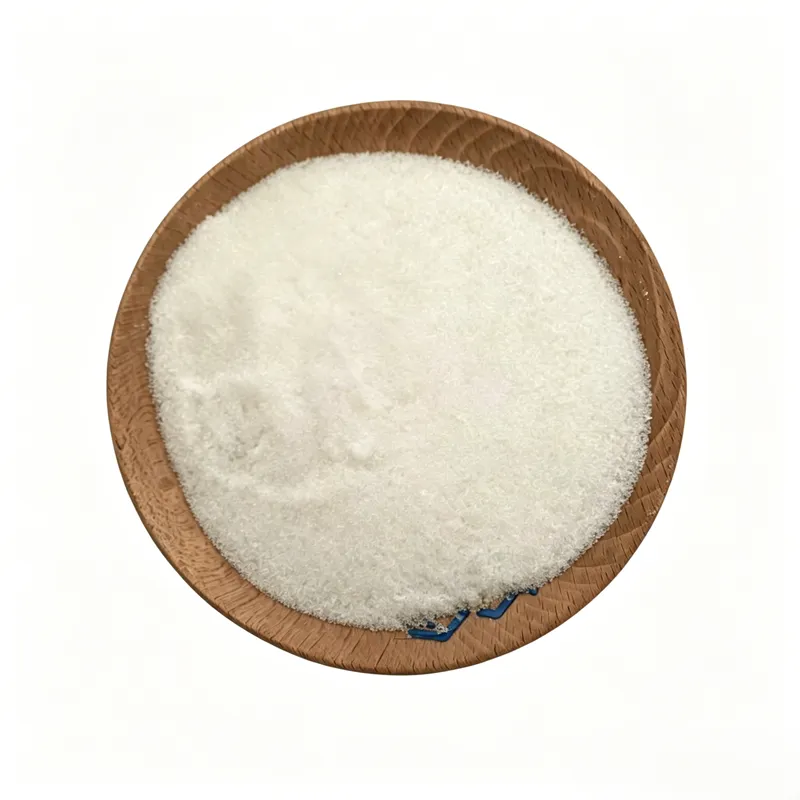
As a new type of foreign trade service provider driven by both technological transformation and foreign trade services, HiSiaddi has established a "1+2+3+4=1" service system and can supply raw materials from well-known original manufacturers of polygonum cuspidatum extract.
As a foreign trade service provider with R&D capabilities, HiSiaddi has repeatedly delivered formulation optimization schemes and application improvement suggestions for polygonum cuspidatum extract products through technological transformation cooperation with factories and accurate insight into market demands. The following is a case of HiSiaddi’s formulation optimization consulting service for polygonum cuspidatum extract products.
For more formulation optimization consulting services, please contact HiSiaddi customer service.
The purchaser is PharmaNature, a premium pharmaceutical company headquartered in Amsterdam, the Netherlands. With over 20 years of R&D and production experience in EU prescription drug excipients, hospital-grade natural antioxidant dietary formulations and medical topical repair gels, its products are distributed to private hospital pharmacies and premium organic health supermarket chains across the Netherlands, Belgium and Luxembourg. All products comply with strict access standards: European Pharmacopoeia EP, EU Pesticide Residue Regulation EC396, REACH chemical control, Dutch NVWA food and drug administration standards, alongside dual Kosher and NON-GMO certifications. The enterprise operates two core finished product production lines: sustained-release hard capsules compounded with resveratrol and polydatin, and botanical topical repair gels, with customized polygonum cuspidatum extract serving as the core functional raw material for both product lines. For over a decade, the client exclusively sourced pharmaceutical-grade customized polygonum cuspidatum extract from German manufacturers, qualifying as a typical refined mid-to-high-end buyer with raw material standards far exceeding conventional domestic health supplement raw materials, refusing bulk untested extracts from small-scale manufacturers.
Driven by continuous cost inflation for native European plant extracts and extended lead times exceeding 90 days at overseas manufacturers, the client’s procurement division launched a localized Chinese raw material replacement project, independently selecting three mid-sized domestic plant extract enterprises and placing an initial 3.8-ton order of national standard polygonum cuspidatum extract. After sea freight delivery to the client’s GMP production facility in the Netherlands, four severe production failures emerged upon raw material input: poor powder flowability causing blockages during capsule filling, accelerated degradation of active ingredients during compounded storage, gel system stratification with precipitate formation, and unqualified finished product internal control standards due to excessive emodin. Both finished product production lines were fully shut down, with cumulative losses exceeding EUR 136,000 in wasted auxiliary materials, packaging and labor. The scheduled autumn and winter new product launch across Europe was delayed by 66 days. The three domestic raw material suppliers only guaranteed factory testing compliance with China’s national standards, specializing exclusively in mass production of standardized extracts without R&D capacity for formulation compatibility, rendering them unable to implement two-way rectification and optimization covering raw material processing and end-product formulations. After extensive industry research and comparison, the client formally commissioned HiSiaddi, a foreign trade service provider with professional plant extract technical teams, to comprehensively identify technical root causes and deliver systematic optimization solutions across three dimensions: upstream raw material process improvement, midstream end-product formulation fine-tuning, and downstream on-site workshop production parameter adjustment.
The client’s internal rigid technical indicators for finished products served as core references for HiSiaddi’s rectification work:
1. Capsule compound extract: repose angle controlled at 37°±3; no caking after 4 hours of open exposure under 52% constant high humidity; total trans-resveratrol and polydatin degradation ≤3% after 24 months of sealed storage when compounded with grape seed extract and microcrystalline cellulose.
2. Topical gel raw material: rapid cold water solubility; no flocculent precipitate after 90 days of static ambient storage; pH compatible with gel matrix; active ingredient loss <4% under 80°C high-temperature emulsification conditions.
3. All raw material batches: emodin ≤0.3%, ethanol residual solvent <500ppm, heavy metals and 234 pesticide residues meeting EP pharmacopoeia limits, passing Dutch NVWA pre-entry raw material filing testing.
HiSiaddi technical engineers received unqualified raw material batches and scrapped semi-finished products sent by the client, conducting bidirectional physicochemical testing alongside CNAS-accredited third-party laboratories and the client’s Dutch R&D center to identify root causes. All production failures stemmed from crude manufacturing processes for conventional domestic polygonum cuspidatum extract lacking physical property modification tailored to end-formulation requirements, divided into four distinct technical deficiencies below.
Domestic manufacturers adopt traditional high-temperature reflux extraction of whole polygonum cuspidatum rhizomes and hot air oven drying, mixing rhizome epidermis and woody core materials for feeding, leading to uneven distribution of active ingredients. High-temperature drying creates porous loose structures inside extracts with excessive specific surface area, resulting in rapid moisture absorption upon unpacking within 2 hours under the client’s consistent 48%–55% workshop humidity. Automatic capsule filling machines suffer frequent material bridging and blockages at feed inlets, with material adhesion to mold inner walls requiring equipment shutdown and cleaning every 30 minutes, cutting production efficiency by 65%. Excess empty capsules and excessive fill weight deviation pushed finished product scrap rates to 27%, far exceeding the client’s internal 3% scrap threshold. Chaotic powder particle size distribution also causes stratification between fine and coarse particles within single batches, creating up to 12% variance in active ingredient content across individual capsules, risking failure in Dutch pharmacy finished product sampling inspections.
Conventional polygonum cuspidatum extract only undergoes single macroporous resin enrichment for trans-resveratrol, lacking specialized refining stages to remove anthraquinone impurities. Finished products tested 0.75% emodin, vastly exceeding the client’s 0.3% internal control limit. Lipophilic irritant emodin undergoes slow oxidation reactions when compounded with plant polyphenols in capsule formulations, causing sealed finished products to darken from tan to deep brown after 3 months of storage and accelerating active ingredient degradation. When incorporated into topical gels, trace emodin disrupts gel emulsification systems, triggering demulsification and stratification with fine tan precipitate accumulating at the bottom, leading to failed retail shelf sampling audits.
Domestic manufacturers rely solely on atmospheric distillation for ethanol recovery, producing finished extracts with measured ethanol residual levels of 1180ppm, far exceeding the 500ppm limit. Residual ethanol rapidly volatilizes during the gel’s 80°C high-temperature emulsification process, disrupting original colloidal balance, while polar ethanol molecules catalyze trans-resveratrol hydrolysis, resulting in 18.9% active ingredient loss under high-temperature processing conditions. Final finished product potency fails to meet labeled content claims, violating Dutch finished product labeling regulatory laws.
Capsule production requires low-hygroscopicity, high-flow fine powder, while gel manufacturing demands highly water-soluble, low-impurity refined aqueous raw materials, with entirely divergent requirements for powder crystal morphology, particle size and solubility. However, domestic suppliers only mass-produce uniform generic extracts without supporting graded screening or aqueous modification production lines, making it impossible to split two differentiated raw material specifications. Attempting to use a single generic raw material for both production lines inevitably triggers manufacturing failures on one line, while manufacturers refuse equipment reconstruction for dedicated modification due to fixed production line setups.
HiSiaddi formed a special task force including plant extraction process engineers, dietary and topical formulation chemists, and cross-border compliance technicians, coordinating two domestic mid-to-high-end polygonum cuspidatum extract manufacturers with flexible customized refining lines and standardized GAP raw material bases, alongside the client’s Dutch PharmaNature R&D laboratory. A three-step optimization framework was followed to resolve all four technical failures sequentially: upstream raw material production process iteration and optimization, midstream end-product formulation fine-tuning, and downstream refined on-site workshop production control. Rectification validation proceeded in three phases: lab sample testing, 50kg pilot batches and full mass production.
1.
Graded raw material feeding to stabilize component consistency from harvesting stage In coordination with standardized GAP polygonum cuspidatum planting bases, rhizome epidermis and phloem are manually sorted post-harvest, with woody core materials discarded as separate feedstock, minimizing natural component fluctuations from the source to resolve inconsistent indicator issues caused by mixed raw material sourcing.
2.
3.
Optimize segmented low-temperature extraction + tandem resin refining processes to strictly control emodin levels Abandoning traditional high-temperature full reflux extraction, low-temperature enzymatic hydrolysis and segmented percolation extraction reduce polydatin hydrolysis loss under high heat. Macroporous resin and alumina chromatography columns operate in tandem for purification: the first stage enriches trans-resveratrol and polydatin, while the second stage targets adsorption and removal of anthraquinone impurities including emodin. Multiple rounds of process adjustment stabilized emodin levels within 0.21%–0.27%, complying with European Pharmacopoeia limits.
4.
5.
Three-stage negative-pressure rectified desolventization + low-temperature freeze drying to control residual solvents and powder hygroscopy Ethanol recovery workshops were reconstructed with three-stage negative-pressure low-temperature rectification to remove residual ethanol, stabilizing finished extract ethanol residuals at 310–390ppm. Hot air drying was replaced with vacuum low-temperature freeze drying followed by closed jet milling and classification to optimize powder particle size distribution. Under identical 55% humidity conditions, moisture absorption weight gain of powder within 72 hours is ≤0.7%, fundamentally resolving caking issues during filling via improved physical properties.
6.
7.
Two differentiated raw material specifications produced on separate lines: fine powder dedicated to capsule production, and aqueous modified powder formulated with food-grade cyclodextrin inclusion modification to drastically boost cold water solubility for topical gel manufacturing.
8.
Auxiliary material ratios were fine-tuned within compliance frameworks of Dutch NVWA and EU food regulations to avoid oxidative incompatibility and gel demulsification risks.
1.
Sustained-release capsule formulation optimization High-hygroscopic lactose auxiliary materials were replaced with low-moisture absorption anhydrous microcrystalline cellulose, and food-grade citric acid chelating agents were added to sequester trace metal ions and block oxidative catalysis. A staged feeding workflow separates pre-blending of polygonum cuspidatum extract and polyphenol auxiliary materials to reduce direct oxidative contact. Accelerated stability testing confirmed compliance with all standards for discoloration and active ingredient degradation over 24 months of storage.
2.
3.
Topical gel formulation optimization Gel matrix pH was fine-tuned to a buffered range of 5.0–5.5, with trace natural antioxidant additives incorporated to isolate demulsification risks triggered by trace impurities. Emulsification feeding sequences were revised: modified polygonum cuspidatum raw materials undergo low-temperature pre-dissolution prior to mixing with gel matrices to avoid active ingredient loss from direct high-temperature feeding.
4.
1. Raw material warehouse management: Dehumidification equipment was installed in the client’s raw material warehouse to maintain constant 22°C temperature and ≤38% ambient humidity. Raw materials are packaged in vacuum aluminum foil inner liners, unpacked in small batches on demand, and immediately resealed after partial use to avoid extended open exposure and moisture absorption.
2. Capsule filling workshop: Automatic filling machine screw rotation speeds and feed air pressure were calibrated based on optimized powder flow parameters to shorten powder exposure time to ambient air.
3. Gel emulsification workshop: Segmented temperature-controlled feeding was implemented; raw materials undergo pre-dissolution at 60°C before gradual temperature elevation for emulsification, reducing active ingredient exposure to high heat and minimizing processing losses.
After four rounds of cross-border sample shipments and full physicochemical and formulation pilot acceptance testing at Dutch laboratories, both customized modified polygonum cuspidatum extract specifications passed full EP pharmacopoeia testing and Dutch drug administration pre-entry filing. The first optimized batch of 4.1 tons of raw materials, split into two specifications, was shipped via thermostatically controlled moisture-proof packaging to Amsterdam. Post-implementation, the capsule production line operated stably for 30 consecutive days without feed blockages, with fill weight deviation controlled within 2% and finished product scrap rates reduced to 2.0%. All batches of topical gel maintained uniform transparent colloids with no stratification or precipitate after 90 days of ambient storage, with only 2.9% active ingredient loss under 80°C emulsification, fully meeting internal control standards. The delayed autumn and winter new product range successfully launched across pharmacies and organic supermarkets in the Netherlands and Belgium.
The client immediately finalized a long-term framework procurement order for 15.7 tons annually, split into 9.2 tons of capsule-specific fine powder and 6.5 tons of gel-specific aqueous modified powder, delivered in 10 monthly batches throughout the year. Compared with the client’s original German imported pharmaceutical-grade raw materials, localized Chinese procurement delivered a 29.8% reduction in comprehensive costs and shortened cross-border shipping lead times from 62 days to 25 days, substantially optimizing the client’s global raw material supply chain structure.
The following year, PharmaNature expanded its premium hospital-grade market footprint into Spain and Portugal relying on stabilized customized raw materials, launching two new product categories: customized polygonum cuspidatum extract for high-end pet anti-inflammatory formulations and low-irritation cosmetic-grade polygonum cuspidatum raw materials. HiSiaddi fully coordinated all process debugging, customized production and compliance documentation for all raw material lines. Endorsed by this fixed-supply partnership with a top-tier Western European pharmaceutical brand, cooperating domestic plant extract manufacturers upgraded graded modified refining production lines and secured long-term customized orders from three equivalent high-end pharmaceutical enterprises in Spain and Luxembourg, escaping low-price homogenized domestic plant extract competition to transform from low-grade raw material producers into high-end customized extract suppliers. Building on this technical rectification case, HiSiaddi established a polygonum cuspidatum extract formulation-adapted process database, continuing to provide raw material technical optimization services for mid-to-high-end dietary and pharmaceutical brands across Europe and America.
The vast majority of domestic polygonum cuspidatum extract manufacturers prioritize mass production of national standard generic products, with manufacturing processes designed for cost reduction, only monitoring finished product active ingredient content indicators while lacking R&D capacity for powder modification, targeted impurity removal and aqueous modification tailored to overseas end-formulation requirements. Manufacturers possess limited familiarity with capsule and topical gel manufacturing operating conditions and formulation compatibility logic across European and American markets. While overseas mid-to-high-end pharmaceutical brands excel in end-product R&D with thorough expertise in domestic drug administration regulations and formulation processes, they lack understanding of process limitations within China’s plant extract industry, making independent direct procurement of generic domestic extracts prone to costly mass production scrap and delayed new product launches.
Breaking the traditional foreign trade model limited to spot commodity resale, HiSiaddi operates relying on plant extract technical reserves and full industrial chain resources to deliver an integrated technical service chain covering upstream raw material process optimization, midstream end-product formulation coordinated fine-tuning and downstream on-site production guidance. It bridges technical information gaps between Chinese raw material manufacturing and overseas end-product formulation, enabling domestic premium plant extracts to escape low-price competition and steadily penetrate mid-to-high-end Western European pharmaceutical raw material supply chains.
For more formulation optimization consulting services, please contact HiSiaddi customer service.

 +86-13120989737
  info@hisiaddi.com
 English