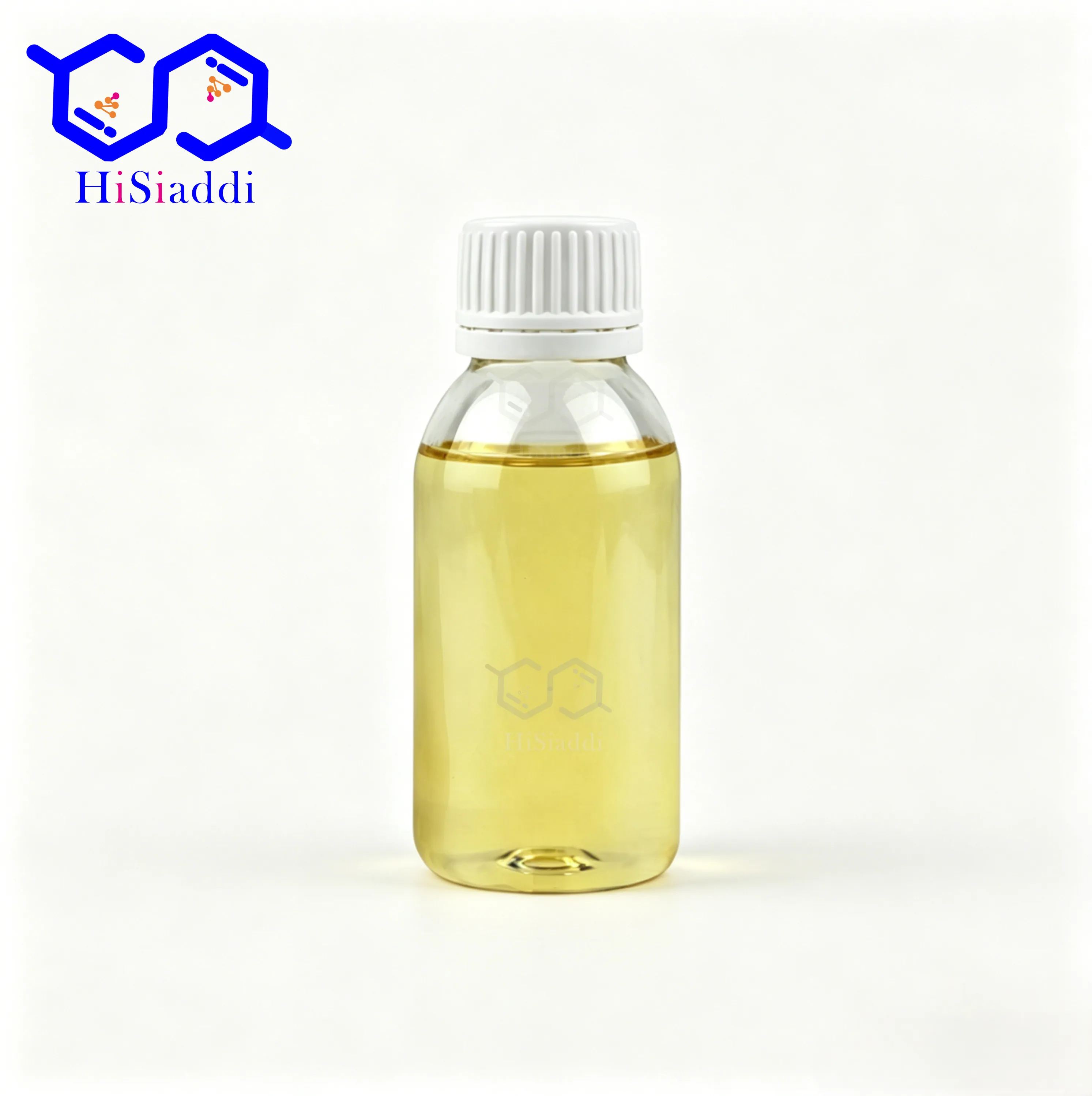
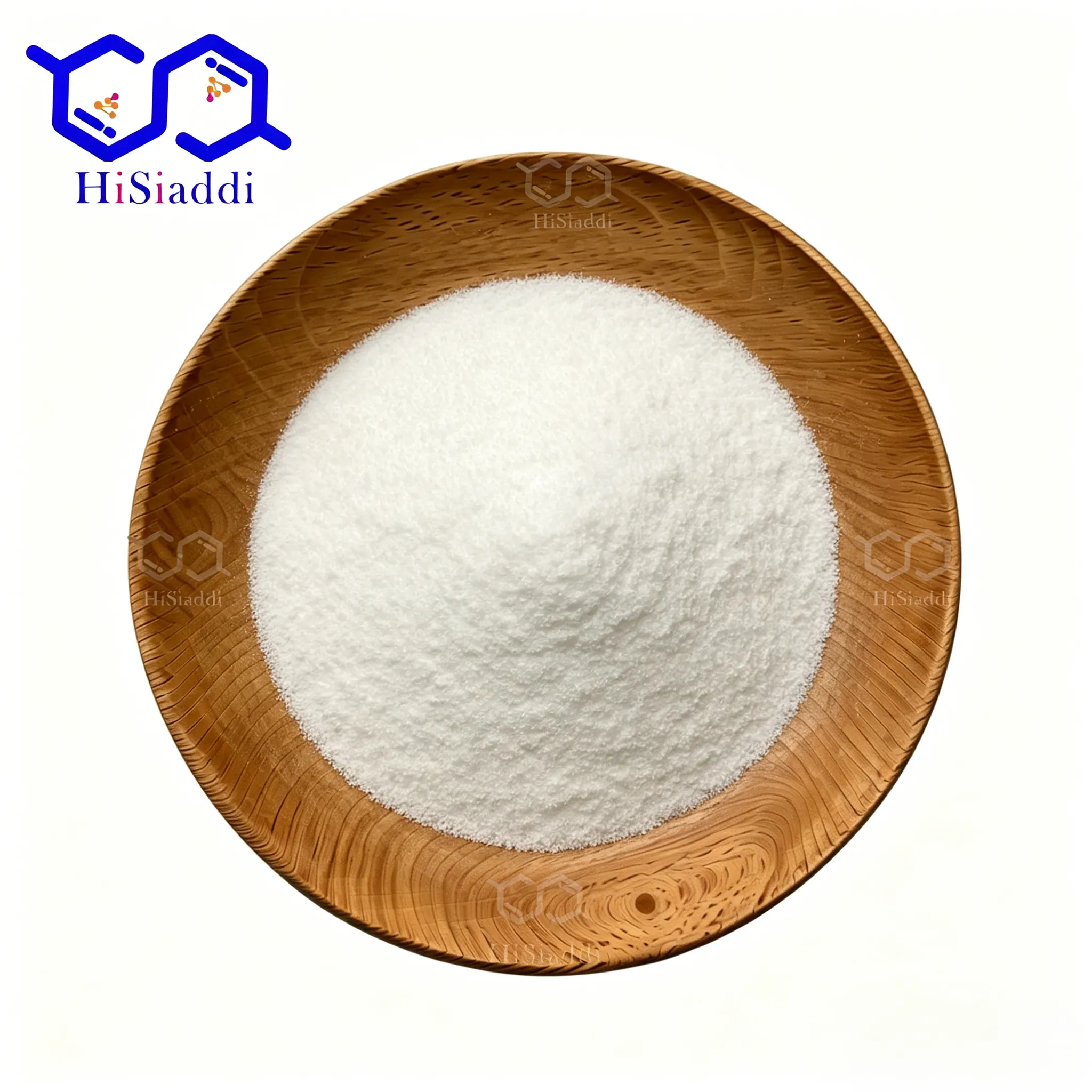
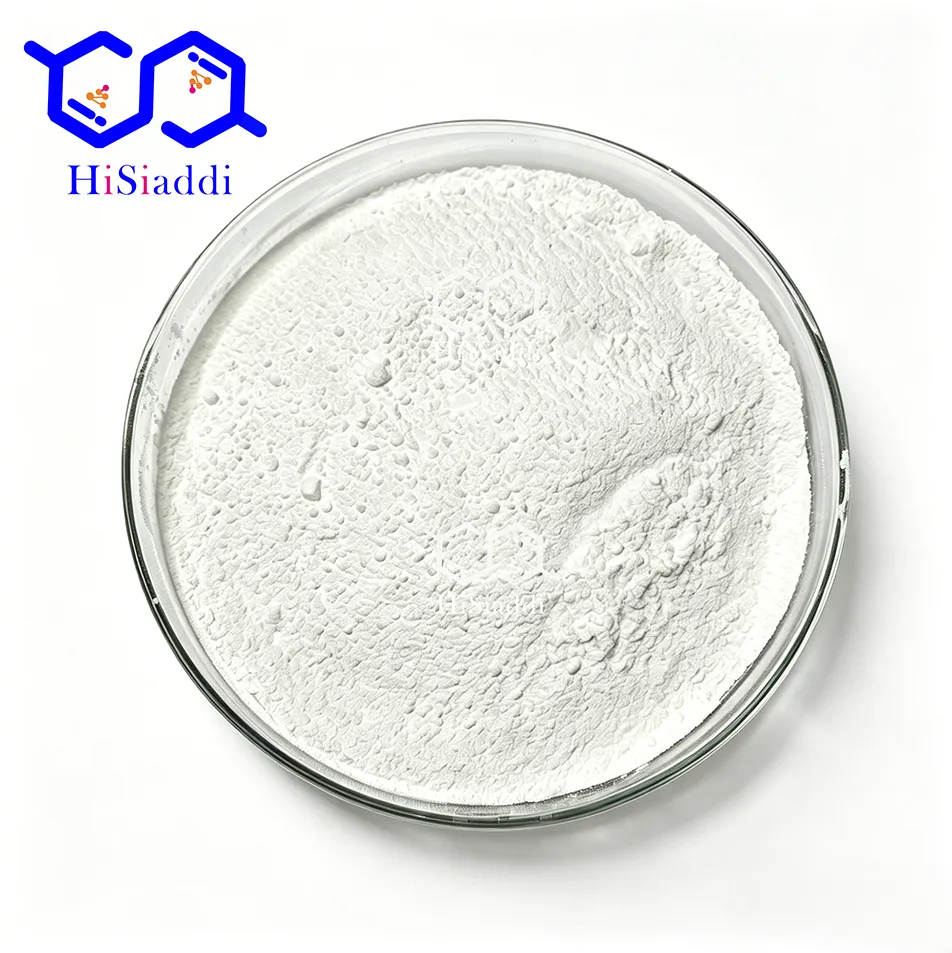
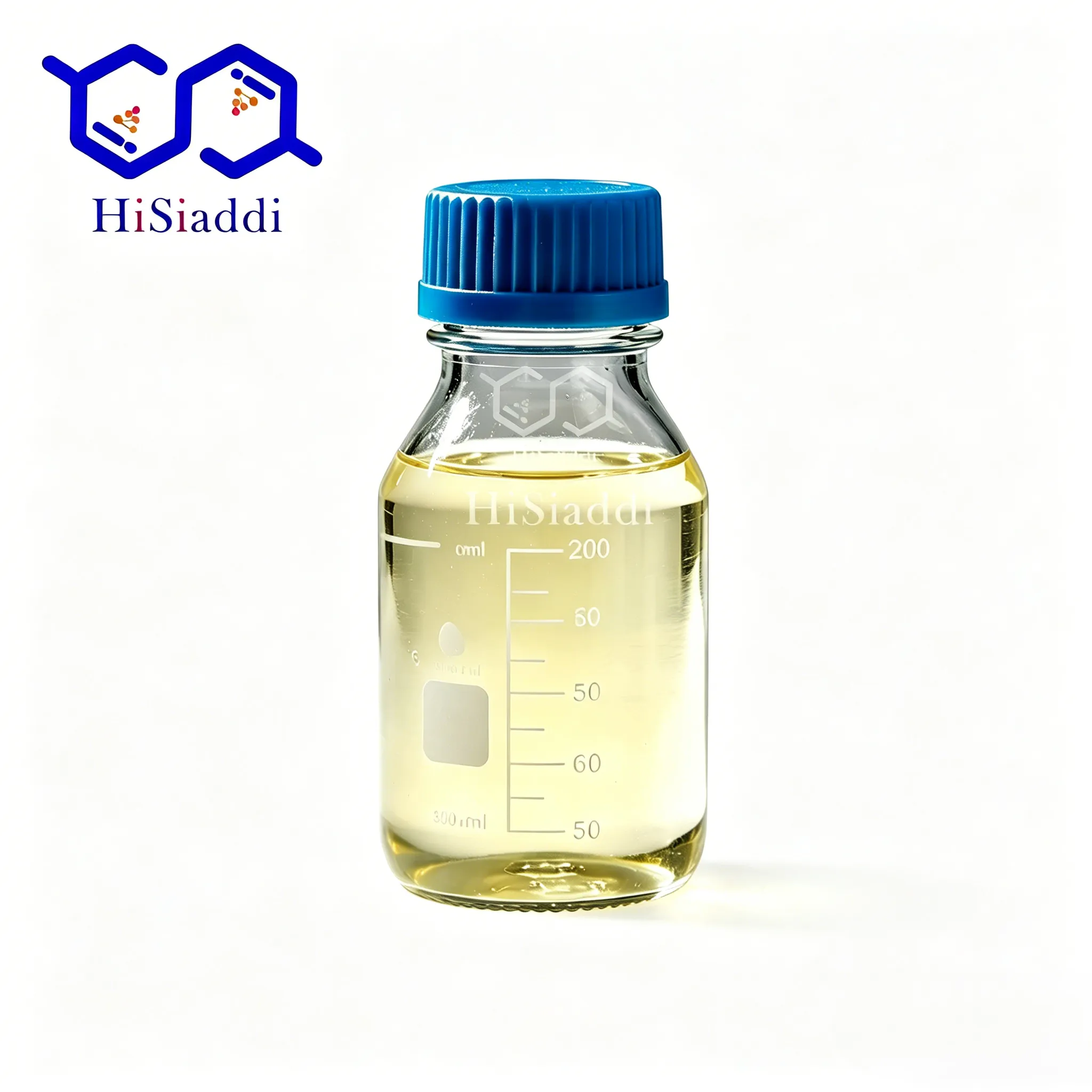
As a new-type foreign trade service provider driven by dual engines of technology transformation and export business, HiSiaddi has established a "1+2+3+4=1" service system, supplying genuine raw materials of resorcinol tetraphenyl diphosphate (RDP) from multiple well-known original manufacturers.
Adopting the "1+1>2" business model, HiSiaddi integrates technology commercialization and export-oriented trade, and consistently tracks the global market of resorcinol tetraphenyl diphosphate (RDP) from both scientific research and market perspectives. Today, we analyze the latest shifts and trends in the global RDP market from a professional standpoint.
If you require more comprehensive, valuable market intelligence on resorcinol tetraphenyl diphosphate (RDP), please contact HiSiaddi customer service.
The global flame retardant market has completed the substitution of halogen-based products with halogen-free phosphorus-based alternatives. As a core flame retardant for PC/ABS, 5G high-frequency circuit substrates and new energy vehicle structural parts, RDP stands as a primary beneficiary of the halogen-free transformation wave. Global RDP sales reached approximately 80,000 tons in 2025, with a projected CAGR of 4.5% from 2026 to 2032 — far outpacing traditional flame retardants.
· Change 1: Widening demand segmentation. Demand for electronic-grade RDP (purity ≥99.9%, metal ions ≤5 ppm) has surged. Its penetration rate hit 28% in 5G PCBs and AI server heat dissipation modules in 2025, commanding a 15%–20% unit price premium over industrial-grade RDP. Meanwhile, growth in industrial-grade RDP (purity 99.5%) has slowed amid brutal price competition.
· Change 2: Optimized downstream loading rates. For PC/ABS used in new energy vehicle battery packs, the stabilized RDP loading rate stands at 8%–10% (balancing flame retardancy and mechanical properties), a 2 percentage point drop compared to 2022. This compels iterative upgrades toward high-efficiency, low-addition formulations.
Only 5 manufacturers worldwide maintain stable kiloton-level RDP mass production capacity: 3 Chinese players (Wansheng Co., Ltd., Jiangsu Yake Technology, Shandong Tianyi Chemical) plus 2 overseas firms (Teijin, ICL), forming a CR5 ratio of 52.7% — an increase of 11.5 percentage points from 2020. Small-scale production capacities are being phased out rapidly.
· Change 1: Rigid upward raw material costs. Key feedstocks phosphorus oxychloride (downstream of yellow phosphorus) and resorcinol face tight supply due to environmental production limits and phosphorus resource controls. Phosphorus oxychloride prices rose 23.6% in 2024 versus 2021, pushing up RDP production costs by 4.2 percentage points. Global resorcinol capacity is concentrated among merely three enterprises, resulting in insufficient supply elasticity and price fluctuations of ±18%.
· Change 2: Long-term supply agreements become mainstream. Top-tier buyers (e.g., Apple, CATL) sign 1–3 year long-term contracts with major RDP manufacturers to lock in 60%–80% of total output. Less than 20% of total volume circulates on the spot market, leaving small and medium buyers struggling with supply shortages and inflated prices.
Regulations including EU REACH, RoHS, ESPR, US UL94, GWIT (≥850°C), and China’s "Dual Carbon" policies have erected compliance barriers for RDP products worldwide.
· Change 1: Carbon footprint becomes a core competitive edge. Starting in 2025, the EU mandates imported flame retardants to carry EPD (Environmental Product Declarations). Leading RDP producers achieve a unit product carbon footprint 12.4% lower than the industry average; products lacking carbon certifications are barred from EU market access.
· Change 2: Environmentally friendly processes replace traditional production routes. Microchannel reactors and ionic liquid catalysis gain widespread adoption, cutting waste acid output by 40% and energy consumption by 18%. Compliance costs have risen from CNY 800/ton to CNY 1,200/ton, forcing small manufacturers to exit due to insufficient capital for technical upgrades.
Traditional RDP applications (home appliance housings, general electronic components) dropped from 65% of total consumption in 2020 to 42% in 2025. New energy vehicles, 5G communications and energy storage equipment now represent the primary growth drivers.
· Change 1: New energy vehicles emerge as the largest downstream segment. In 2025, RDP penetration in power battery module potting adhesives and battery pack structural parts reached 31.7%, a 19.2 percentage point jump from 2022, with per-vehicle RDP consumption ranging from 0.8–1.2 kg.
· Change 2: Skyrocketing demand for 5G high-frequency materials. RDP satisfies the dual requirements of low dielectric loss and high flame retardancy for 5G PCB substrates. Global RDP demand for 5G base stations surged 40% year-on-year in 2025, making it the fastest-growing application subsegment.
Homogenized competition plagues single-component RDP products. Synergistic compound formulations and fine-tuned molecular structures create technological moats for leading manufacturers.
· Change 1: Compound systems cut costs and boost efficiency. Blending RDP with nano-LDH or zirconium phosphate enables UL94 V-0 ratings at a reduced PC thickness of 0.4 mm (down from 0.8 mm), slashing loading rates by 30% and lowering overall costs by 8%–12%.
· Change 2: Molecular modification adapts products to extreme operating conditions. Methyl-substituted RDP delivers a 15% higher char yield and thermal resistance up to 280°C, suited for high-voltage automotive connectors, vehicle display backplates and other high-temperature applications.
1. Surging cost pressure: RDP prices are highly sensitive to raw material volatility. The average RDP price hit USD 4,285/ton in 2025, a 12% increase over 2023, squeezing modifier manufacturers’ gross margins by 5%–8%.
2. Lack of high-end certifications: Small and medium modifiers without UL94, REACH or carbon footprint qualifications cannot enter premium supply chains such as Apple, Huawei and CATL.
3. Lagging formula iteration: Reliance on single RDP loading without compounding technology leads to tradeoffs between flame retardancy and mechanical performance, failing to meet thin-wall and high-strength requirements.
1. Ample room for mid-tier premium substitution: Small and medium modifiers can target mid-range electronics, home appliances and automotive component markets to avoid fierce competition among top players, capturing a 10%–15% price premium.
2. Cost reduction via compound technology: Adopting RDP-nano filler compound formulas cuts RDP dosage by 30%, enhancing product competitiveness for mid-to-high-end orders.
3. Regional market dividends: The booming new energy vehicle and electronics industries in Southeast Europe and Central Europe drive robust demand for mid-to-high-end flame-retardant modified plastics, with lower certification thresholds than European and American markets.
1. Stringent performance requirements: Products must simultaneously satisfy UL94 V-0 (0.4 mm), GWIT ≥850°C, low smoke density (Dm ≤200) and zero migration standards — ordinary RDP grades fail to meet these benchmarks.
2. Unstable supply chains: Major RDP production capacities are locked under long-term contracts, resulting in 45–60 day spot delivery lead times and high risk of production disruptions during peak seasons.
3. High carbon compliance costs: Starting in 2026, the EU will impose carbon tariffs on new energy vehicle components. Parts manufactured with non-carbon-certified RDP face an additional 10%–15% tariff burden.
1. Mandatory safety standards drive price premiums: Upgraded automotive safety regulations grant a 20%–25% premium to compliant RDP-modified components, delivering far higher gross margins than conventional auto parts.
2. Joint R&D for supply chain lock-in: Co-develop custom formulations (e.g., 280°C heat-resistant RDP for high-voltage parts) with leading RDP suppliers to build technological barriers and secure 3–5 year long-term OEM orders.
3. Global capacity layout advantages: Chinese RDP production accounts for 60% of global output, with costs 15%–20% lower than overseas alternatives. Sourcing compliant Chinese RDP drastically reduces total expenses and strengthens global competitiveness.
1. Conflicting high-frequency performance: Standard RDP exhibits excessive dielectric loss that impairs 5G signal transmission. Low-dielectric (Dk ≤3.0), high-flame-retardant specialty RDP is scarce globally.
2. Extreme purity requirements: PCB substrate-grade RDP demands purity ≥99.95% and metal ion content ≤3 ppm, with stable supply limited to only three manufacturers worldwide, leaving buyers with weak bargaining power and elevated procurement costs.
3. Tight delivery schedules: 5G construction cycles require order fulfillment within 30 days, yet high-purity RDP production takes 25 days, creating major supply chain coordination hurdles.
1. Technological barrier dividends: Mastery of low-dielectric RDP modification technology enables monopolization of niche high-frequency material markets, delivering gross margins of 35%–40% — far above standard electronic components.
2. Accelerated domestic substitution: Chinese RDP manufacturers have mastered low-dielectric, ultra-high-purity technology, delivering performance matching overseas brands (Teijin, ICL) at a 10%–15% price discount, unlocking massive substitution potential.
3. Forward-looking 6G layout: Early-stage R&D into RDP applications for 6G materials (higher thermal resistance, lower dielectric constant) secures first-mover advantage in next-generation communications materials.
1. Cutthroat price competition: Intense price wars across the home appliance sector create extreme cost sensitivity to RDP. Price competition in industrial-grade RDP compresses gross margins below 5%.
2. Environmental compliance risks: New REACH restrictions on RDP in the EU expose small manufacturers to product recalls and fines for using non-compliant RDP grades.
3. Severe product homogenization: Lack of differentiated flame retardant solutions eliminates brand pricing power.
1. Halogen-free upgrade dividends: Global home appliance halogen-free transition is irreversible. Replacing halogenated flame retardants with RDP raises product added value by an 8%–12% premium.
2. Cost-effective bulk procurement options: Chinese industrial-grade RDP boasts abundant capacity at prices 20%–25% lower than foreign equivalents. Consolidated purchasing via foreign trade service providers can cut expenses by an additional 5%–8%.
3. Customization for segmented scenarios: Develop low-volatility, anti-yellowing RDP formulas specifically for white goods (refrigerators, air conditioners) to create differentiation and escape price competition.
1. Formula Upgrade: Replace single RDP loading with compound RDP systems
o Specific actions: Collaborate with RDP technical service providers to adopt a compound formula of 6%–8% RDP + 2%–3% nano SiO₂, replacing 10%–12% standalone RDP. The blend maintains UL94 V-0 ratings with ≥90% tensile strength retention, cutting RDP consumption by 30% and reducing costs by USD 800–1,000 per ton.
o Implementation timeline: Complete formula tuning within 1–2 months, full mass production within 3 months.
2. Fill Compliance Certification Gaps: Prioritize core regulatory credentials
o Specific actions: Allocate capital to obtain UL94 V-0, REACH and RoHS certifications within 6 months. Partner with leading RDP suppliers to share carbon footprint certification data, slashing certification costs by 50%.
o Core value: Gain access to mid-tier electronics and automotive component supply chains, lifting unit prices by 10%–15% and boosting gross margins from 5% to 12%–15%.
3. Market Segmentation Strategy: Avoid top-tier competition, focus on regional mid-tier markets
o Specific actions: Exit competition for premium supply chains (Apple, Huawei) and target mid-range home appliances and auto parts in Southeast Asia, Central Europe and South America. Deliver cost-balanced products with balanced flame retardancy and mechanical performance to capture an 8%–10% price premium.
1. Supply Chain Upgrade: Dual sourcing via long-term contracts + spot inventory to lock capacity
o Specific actions: Sign a 1-year long-term contract with one top RDP manufacturer (Wansheng / Yake) to secure 50% of required capacity for premium orders. Partner with a qualified foreign trade service provider to build a backup spot supply channel with delivery lead times ≤30 days to offset peak demand surges.
o Core value: Cut supply disruption risk from 30% to below 5%, shorten delivery cycles by 20 days and lift customer satisfaction by 25%.
2. Technical Partnership: Co-develop application-specific RDP formulas
o Specific actions: Establish joint material laboratories with RDP suppliers to engineer specialized RDP grades for high-voltage components (280°C heat-resistant) and battery packs (zero migration). Customized products command a 20%–25% premium and secure 3–5 year long-term OEM contracts.
3. Preemptive Carbon Compliance: Secure carbon footprint certifications in advance
o Specific actions: Complete EPD carbon footprint certification for RDP feedstocks before 2026. Select RDP suppliers with carbon emissions 10% below industry averages to evade EU carbon tariffs, saving USD 400–600 per ton of finished goods.
1. Secure High-End Capacity: Exclusive long-term agreements for ultra-high-purity RDP output
o Specific actions: Sign 2–3 year exclusive supply contracts with leading Chinese RDP manufacturers to reserve high-purity capacity (≥99.95%, metal ions ≤3 ppm) with priority delivery lead times ≤25 days. Only three global suppliers can deliver this grade, creating an unrivaled supply chain barrier.
2. Technical Iteration: Develop low-dielectric RDP modification technology
o Specific actions: Allocate R&D funding to co-develop low-dielectric RDP (Dk ≤3.0) compounding technology with RDP suppliers. Formulations tailored for 5G high-frequency PCB substrates deliver a 35%–40% product premium and dominate niche market segments.
3. Domestic Substitution: Transition from overseas to Chinese high-end RDP for cost savings
o Specific actions: Gradually replace imported RDP from Teijin, ICL and other foreign brands with premium grades from Wansheng and Yake Technology. Products match foreign performance benchmarks at a 10%–15% price discount, cutting raw material expenses by USD 500–700 per ton.
1. Compliance Upgrade: Full transition to REACH-compliant RDP
o Specific actions: Phase out non-compliant industrial-grade RDP within 3 months, switching to dual REACH/RoHS certified Chinese RDP. Eliminate export recall risks while capitalizing on global halogen-free trends to capture an 8%–12% product premium.
2. Consolidated Bulk Procurement: Leverage foreign trade service providers to cut unit costs
o Specific actions: Collaborate with 3–5 regional home appliance manufacturers to consolidate RDP procurement via foreign trade service partners. Annual orders exceeding 500 tons qualify for long-term contract pricing and volume discounts, reducing per-ton costs by USD 600–800 and lifting gross margins by 5%–8%.
3. Differentiated Customization: Develop scenario-specific specialty formulas
o Specific actions: Engineer low-volatility, anti-yellowing RDP blends exclusively for white goods (refrigerators, air conditioners) to resolve migration and yellowing defects common to standard RDP. Distinct product performance avoids price competition and delivers an 8%–10% premium.
If you require more authentic, objective information on multiple well-known Chinese brands of resorcinol tetraphenyl diphosphate (RDP), please contact HiSiaddi customer service.
 +86-13120989737
  info@hisiaddi.com
 English