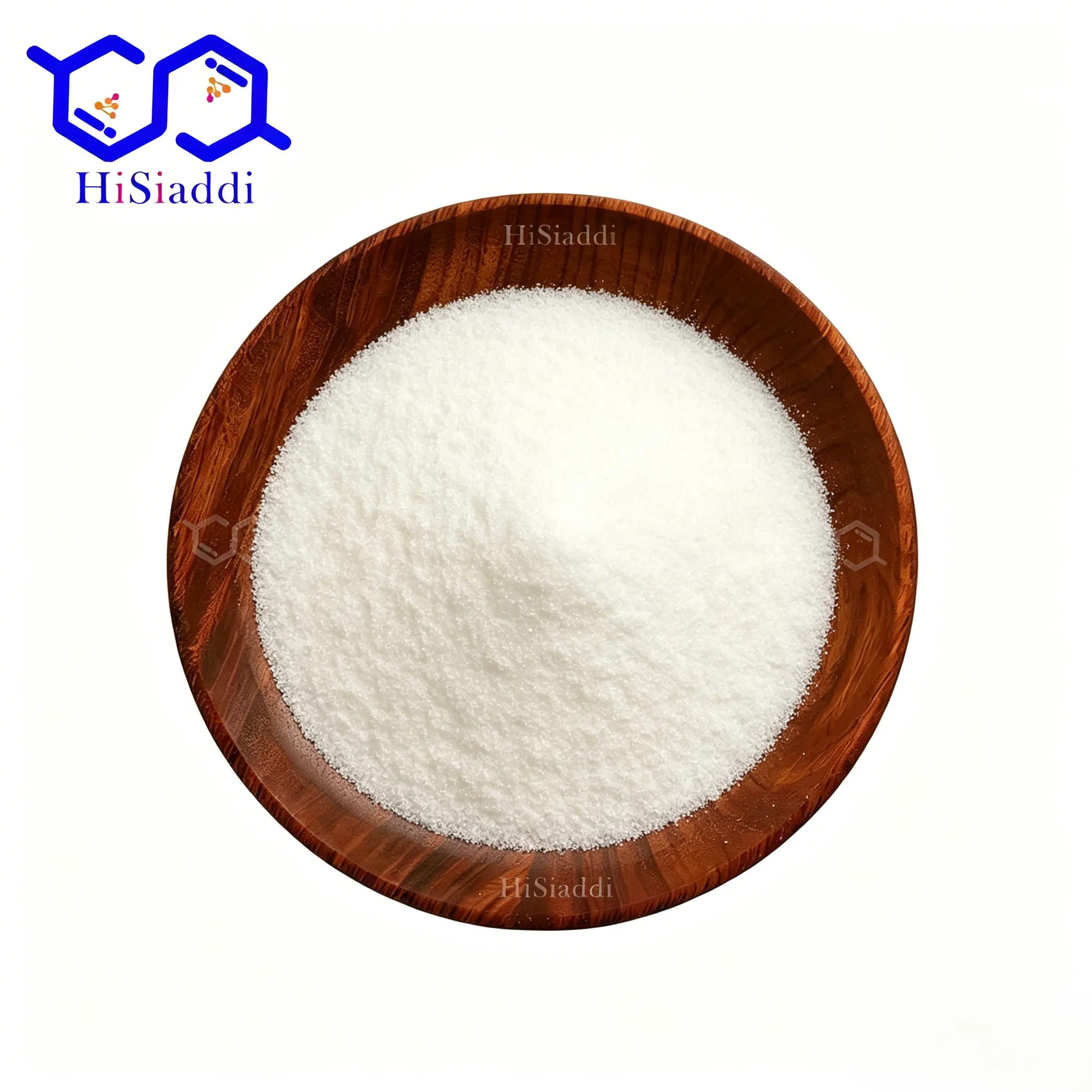
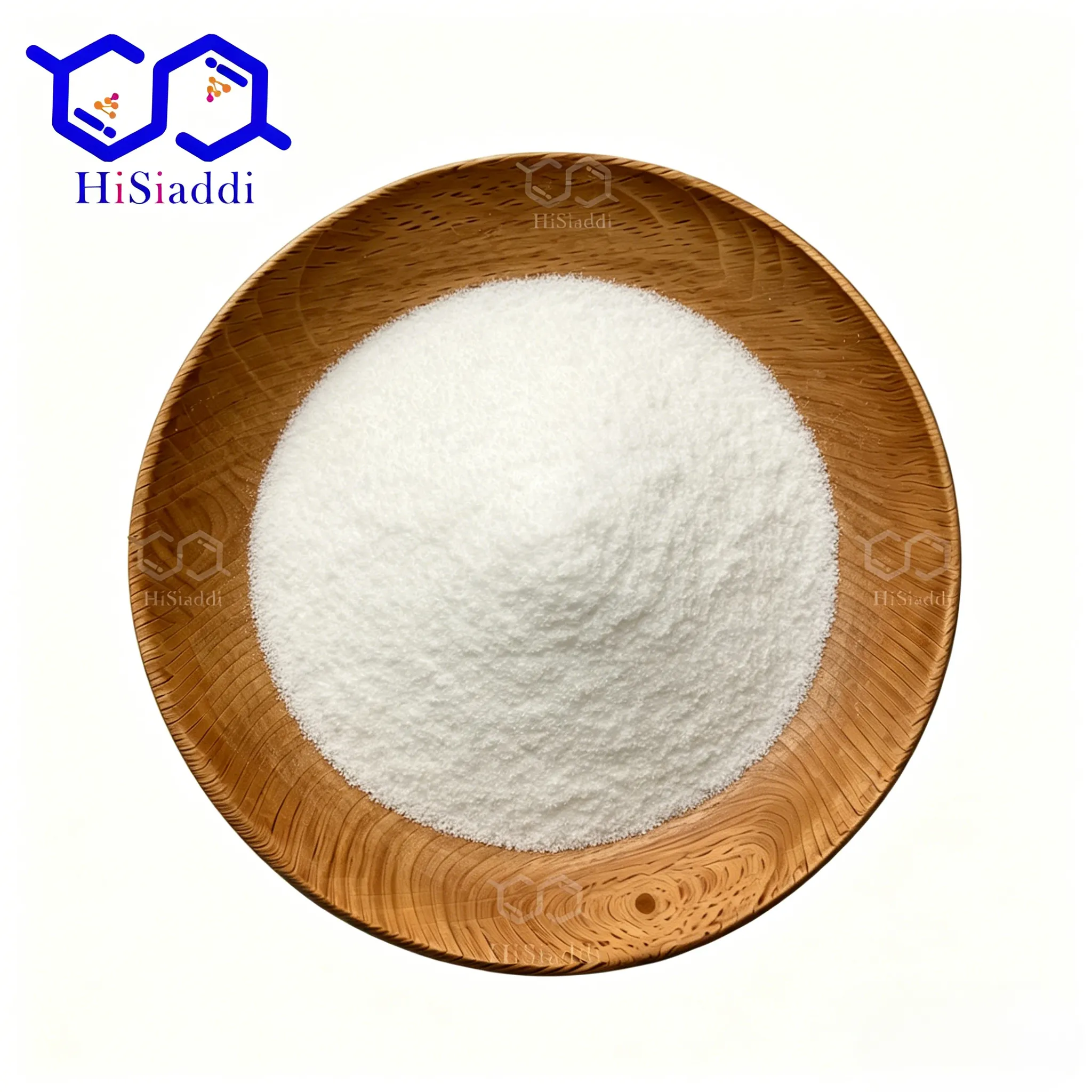
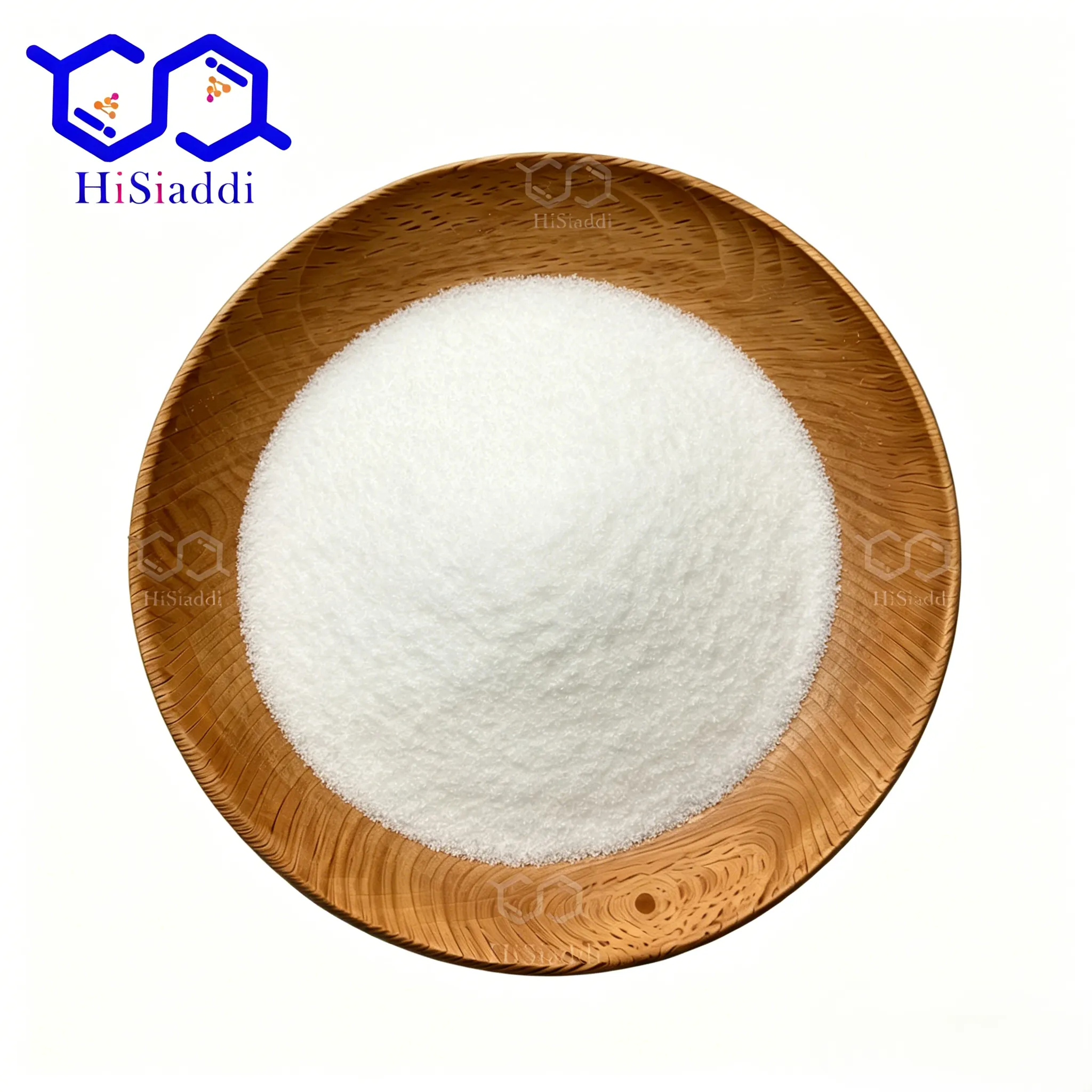
HiSiaddi is an innovative foreign trade service provider driven by both technology transformation and export business. We have established a "1+2+3+4=1" service system and can supply alpha lipoic acid sourced directly from multiple well-known original manufacturers. As a foreign trade enterprise with R&D capabilities, HiSiaddi has repeatedly resolved customized product demands for alpha lipoic acid through technological cooperation with manufacturers and precise market insight. Below is a case demonstrating how we delivered customized alpha lipoic acid solutions for clients.
Contact HiSiaddi customer service for inquiries about customized services.
The buyer is SANOVA PHARMA, a leading high-end pharmaceutical group headquartered in California, USA. With 31 years of expertise in premium prescription raw materials, hospital-specific medical dietary supplement raw materials and anti-aging cosmetic active ingredients across North America, its products are supplied to Walgreens national pharmacy chains, nutrition departments of private California hospitals, and supply chains of high-end organic beauty brands in North America. All its products comply with the US USP Pharmacopoeia, FDA dietary ingredient access standards, California Prop65 heavy metal control regulations, REACH and KOSHER/HALAL multi-country access requirements. Its three core end products include raw materials for diabetic nerve repair prescription drugs, premium oral anti-aging soft capsules, and liposome essence stock solutions for medical beauty clinics. The enterprise ranks among top-tier mid-to-high-end raw material purchasers in North America, with an annual regular global procurement volume of 28 tons of alpha-lipoic acid. For a decade prior, it consistently sourced pharmacopoeia-grade alpha-lipoic acid from BASF (Germany) and Kyowa Chemical (Japan).
Driven by continuous price hikes of local chemical raw materials in Europe and America, extended lead times of over 90 days from overseas manufacturers, and high minimum order quantities of 5 tons for customized sample adjustments, the pharmaceutical group launched a localization substitution plan for Chinese raw materials in 2025. It independently contacted four leading domestic alpha-lipoic acid manufacturers for customized sample testing, yet encountered persistent obstacles: manufacturers were rigidly focused on standardized mass production, unwilling to implement refined customized indicators, reluctant to adjust production processes, and only able to supply generic racemic DL alpha-lipoic acid available on the market. All three rounds of small-batch samples failed to meet the customized parameters specified by the US R&D laboratory, halting the project for nearly four months. The client ultimately entrusted HiSiaddi, a foreign trade service provider, to fully oversee the entire customized service chain: indicator decomposition, factory screening, targeted process modification, multiple rounds of pilot sample production, compliance customization and mass production delivery. A long-term annual customized alpha-lipoic acid order of 28 tons was successfully finalized.
The client’s original customized requirements differ from industrial-grade and ordinary food-grade alpha-lipoic acid circulating in the market, featuring five rigid customized indicators that exceed the standard mass production specifications of domestic manufacturers:
1. Isomer Customization: High-activity R-enriched alpha-lipoic acid with chiral purity of R-isomer ≥97.5%, total HPLC content ≥99.2%. Generic racemic DL raw materials (50% R + 50% S) are rejected, with residual S-isomer limited to ≤2.3%. Conventional generic domestic products contain nearly 50% S-isomer, leading to 40% lower bioavailability.
2. Powder Physical Property Customization: Low-temperature inert gas ultrafine jet milling, D90 particle size ≤18μm, angle of repose ≤28°, no caking or coarse crystals. This adapts to fully automatic soft capsule direct powder filling lines and eliminates mesh clogging and layered feeding issues. Conventional off-the-shelf domestic alpha-lipoic acid has a particle size range of 60–150μm, with poor powder flowability incompatible with US automatic filling equipment.
3. Stability Customization: Surface microencapsulation modification with β-cyclodextrin. After 6 months of accelerated testing under 40℃/RH75%, content attenuation ≤3%; no sulfide odor, and no browning or discoloration after 24 months of room-temperature storage. Unmodified generic domestic alpha-lipoic acid yellows and emits pungent sulfur odor after just 3 months of high-temperature storage, making it unsuitable for high-end soft capsules and essence compounding.
4. Impurity Limit Customization: Single residual organic solvents (toluene, dichloromethane) <0.5ppm; lead <0.3ppm, arsenic <0.2ppm – far stricter than national standards and basic USP limits, to meet California Prop65 stringent control requirements.
5. Packaging & Compliance Customization: Two-tier packaging system: 1kg aluminum foil vacuum nitrogen-filled bags for samples; 25kg food-grade HDPE drums lined with double-layer vacuum aluminum foil bags for mass production. Each batch is accompanied by USP-standard English COA, bilingual English-Spanish GHS SDS, supporting DMF filing documents, and full export certificates for KOSHER & HALAL compliance.
The R&D team of SANOVA PHARMA contacted four large-scale domestic alpha-lipoic acid manufacturers in Jiangsu, Shandong and Hubei, all operating standardized mass production lines focused on generic products. Factories prioritized large-volume standardized shipments and refused to adjust production lines for individual clients, resulting in repeated customization failures:
1. Fixed product lines limited to generic racemic DL alpha-lipoic acid, lacking chiral separation and purification workshops. Most large domestic alpha-lipoic acid manufacturers mass-produce low-cost racemic DL raw materials. Chiral separation equipment involves high investment and significant production losses, so all four factories declined to launch separate R-isomer separation processes. For customized high-R-type products, manufacturers imposed a minimum order of 8 tons, while the client only required 50kg for R&D trial production – the threshold was unaffordable and drastically inflated R&D sampling costs.
2. Fixed milling processes using conventional water-cooled hammer mills cannot achieve ultrafine particle size customization. Conventional hammer water-cooled mills produce materials with D90 over 50μm. Achieving D90 ≤18μm requires replacement with low-temperature inert nitrogen closed jet milling units, alongside separate adjustments to temperature control and air pressure parameters across the entire milling section. Factories refused equipment debugging to cut modification costs, and two rounds of powder flowability testing failed. Pilot filling tests on US equipment caused material clogging and excessive capsule filling weight deviation.
3. No supporting microencapsulation workshops, failing to meet raw material stability standards. All four manufacturers directly packed crystallized products without cyclodextrin coating modification workshops. Exposed alpha-lipoic acid crystals oxidize rapidly during storage. Samples lost 12.7% of active content, turned light brown, and exceeded odor limits after only 45 days of accelerated stability testing by US labs, failing storage requirements for essence compounding.
4. Loose control over synthetic catalysts and extraction solvents leading to excessive residual impurities and heavy metals. Generic mass-produced raw materials adopt low-cost industrial-grade catalysts and simplified solvent recovery processes. Tested samples contained 3.7ppm toluene and 1.9ppm lead, violating California Prop65 thresholds and resulting in direct rejection by US labs for North American dietary ingredient market access.
5. Compliance documentation aligned only with domestic national standards, unable to issue foreign-language documents compliant with US FDA and USP standards. Factory inspection reports were written entirely in Chinese, with COA testing items covering only basic national standard indicators, lacking USP-specified isomer breakdowns, SVHC screening and segmented solvent residual data. Factories could not compile bilingual SDS per GHS Revision 6 and held no KOSHER certifications or DMF supporting documents. Even if product indicators met requirements, the goods could not clear US customs or complete domestic pharmaceutical raw material filing in the US.
After four consecutive failed sampling rounds, the client suspended independent domestic supplier selection and appointed HiSiaddi as a third-party overall customization coordinator, fully responsible for screening compatible manufacturers, implementing full-process targeted process modifications, following up pilot and mass production, and providing full-chain export compliance documentation.
With comprehensive industrial chain technology and export compliance reserves for alpha-lipoic acid, HiSiaddi discarded the four generic mass-production manufacturers previously contacted by the client. We screened Jiangsu Caiwei Bio from seven mid-to-high-end manufacturers equipped with chiral separation, microencapsulation modification and GMP pharmaceutical-grade production lines. This enterprise features USP-compliant pharmaceutical workshops, chiral chromatographic separation workshops, closed low-temperature milling sections and independent clean coating modification workshops, enabling flexible small-batch technical adjustments. Custom modification and sample verification were implemented across five core segments:
1. Collaborating with factory R&D engineers, HiSiaddi adjusted the ratio of starting synthetic raw materials and adopted bioenzymatic asymmetric synthesis instead of traditional racemic chemical synthesis, lifting the initial R-isomer proportion to 82% at the synthesis stage. Subsequent medium-pressure chiral column fractional purification removed most low-efficiency S-isomers, followed by two-stage recrystallization refining. Final finished products recorded chiral purity of R-alpha-lipoic acid at 97.82%, total HPLC content at 99.41%, and residual S-isomer controlled at 1.97% – all indicators exceeding the client’s minimum customized thresholds.
2. Optimized crystallization temperature control parameters with full nitrogen-sealed low-temperature crystallization, precisely regulating cooling rate at 0.5℃/h to prevent product racemization during crystallization and stabilize isomer indicators via process control. Each batch undergoes dedicated chiral HPLC testing for isomer breakdown data, which is incorporated into English COA reports.
Conventional hammer mills were fully replaced with liquid nitrogen low-temperature inert closed jet milling units. HiSiaddi coordinated factory equipment teams to adjust three core parameters: inlet air pressure, classifier wheel speed and feed rate through seven rounds of small-batch parameter fine-tuning. Final parameters: feed rate 12kg/h, classifier wheel speed 3200r/min, nitrogen protection temperature -12℃. Post-milling powder recorded D90 of 15.7μm and angle of repose of 26.3°, with loose powder free of fine agglomerates or coarse crystals. US laboratory filling trials on fully automatic capsule fillers achieved filling weight RSD ≤1.2%, perfectly matching the client’s imported filling lines and eliminating mesh clogging and unstable filling weight issues.
Leveraging the factory’s existing clean spray-drying workshop, a composite surface coating process using USP-grade β-cyclodextrin plus food-grade vitamin E was added. Low-temperature spray curing encapsulation formed a dense protective film on alpha-lipoic acid crystal surfaces to isolate oxidation triggered by air and light. Continuous 6-month accelerated stability testing (40℃/RH75%) tracked raw material content: initial 99.41% dropped to 96.97%, with total attenuation of only 2.44%. No discoloration or sulfide odor occurred throughout the test period, and 24-month room-temperature retention samples also met stability standards. The modified material is suitable for long-term storage of soft capsules and direct compounding into weakly acidic cosmetic essences without precipitation or discoloration.
1. The raw material refining section switched to high-purity pharmaceutical-grade organic solvents and added three-stage negative-pressure solvent recovery rectification equipment to remove toluene and dichloromethane in stages. Final finished products contained 0.31ppm toluene and undetectable dichloromethane, with all single residual solvents below the customized limit of 0.5ppm.
2. Synthetic catalysts were replaced with heavy-metal-free high-purity organic catalytic systems. An activated carbon deep adsorption impurity removal step was added prior to raw material feeding. Final heavy metal levels were lead 0.21ppm and arsenic 0.12ppm, fully complying with California Prop65 stringent limits and passing full third-party SGS screening recognized by US labs.
1. Two-tier exclusive customized packaging: 1kg aluminum foil vacuum nitrogen-sealed bags with desiccants for R&D samples; 25kg batches packed in FDA-certified food-grade HDPE drums lined with double-layer vacuum nitrogen-filled aluminum foil bags. Outer cartons are printed with English product information, CAS numbers, storage conditions, batch numbers and expiry dates to align with US warehousing standards.
2. HiSiaddi’s compliance team compiled full export documentation per USP and FDA regulations for each batch: full English USP-standard COA (covering isomers, solvents and heavy metal breakdowns), bilingual English-Spanish GHS SDS safety data sheets, certified copies of KOSHER & HALAL dual certifications, notarized factory GMP qualification documents, supporting DMF filing materials, plus CCPIT certificates of free sale and US consular authentication – satisfying dual requirements of US customs clearance and domestic pharmaceutical raw material filing in the US.
A 50kg trial batch was produced following the full customized process, split into five portions and shipped to SANOVA’s R&D center in California, USA. The client conducted three parallel tests: full-formula soft capsule filling trials, essence compounding stability tests and 6-month accelerated stability retention trials. All three tests passed in one round, and the US side issued a written sample qualification confirmation letter to finalize subsequent pilot production plans.
All optimized process parameters were locked for pilot production of 1.2 tons of customized R-alpha-lipoic acid. HiSiaddi stationed on-site staff to oversee full production workflows, with random sampling for SGS US-recognized laboratory testing every 300kg to verify consistent compliance across all indicators. The full pilot cargo was shipped as a full container from Shanghai Port to Los Angeles Port. HiSiaddi pre-reviewed and filed clearance documents in advance, enabling customs clearance and warehousing within 3 working days upon arrival. The client launched small-batch production across three production lines, with soft capsule, prescription raw material and cosmetic essence finished goods all launched to North American end markets. End-product sampling confirmed full compliance of raw material content and stability.
After zero quality abnormalities in pilot-produced goods, SANOVA signed an annual locked-price customized procurement framework contract for 28 tons with the domestic factory, delivered in six split shipments throughout the year. As the exclusive foreign trade service provider, HiSiaddi coordinated pre-production parameter review, third-party pre-shipment testing, document preparation, customs declaration and sea freight for each batch. A pre-shipment review of indicators and compliance documents was mandated for every shipment to eliminate batch deviations.
1. The client fully phased out German and Japanese imported alpha-lipoic acid sources, shifting the entire 28-ton annual customized order to Chinese sourcing. Compared with original import channels, procurement costs decreased by 22%, lead times shortened from over 90 days to 28–35 days, and the minimum order quantity for customized sample adjustments fell from 5 tons overseas to just 50kg domestically.
2. Building on this successful customization project, the client added raw material procurement demand for high-end health sub-brands in Canada in 2026, entrusting HiSiaddi to coordinate the full delivery of customized liquid liposome-coated alpha-lipoic acid.
3. Supported by HiSiaddi’s compliance resources, the client expanded into two additional North American markets – Mexico and Canada – generating an incremental annual procurement volume of 11 tons.
Most domestic alpha-lipoic acid manufacturers focus on mass production of generic racemic DL raw materials. Restricted by equipment investment and production costs, they generally lack supporting capacity for chiral separation, microencapsulation modification and ultrafine powder customization. Faced with refined customized demands from mid-to-high-end European and American pharmaceutical enterprises, rigid mass-production mindsets hinder rapid technical renovation. Overseas mid-to-high-end pharmaceutical companies that source factories independently frequently encounter stalled customization and scrapped trial samples.
Drawing on technical reserves for alpha-lipoic acid raw materials and cross-country regulatory compliance experience for Europe and America, HiSiaddi breaks free from the single-factory sales model. Anchored to clients’ end-product formulations and multi-country market access regulations, we decompose customized indicators across the full industrial chain – synthesis source → purification → powder processing → post-treatment modification → packaging compliance. We target-screen compatible manufacturers to implement targeted production line technical renovations and deliver products safely via three-stage small-batch → pilot → mass production rollout. Our services help overseas mid-to-high-end clients achieve localized raw material cost reduction and efficiency improvement, while assisting premium domestic fine chemical manufacturers to tap into the high-end customized raw material market in Europe and America, securing long-term, repeat large-volume purchase orders through specialized customized services.
Contact HiSiaddi customer service for inquiries about customized service solutions.

 +86-13120989737
  info@hisiaddi.com
 English