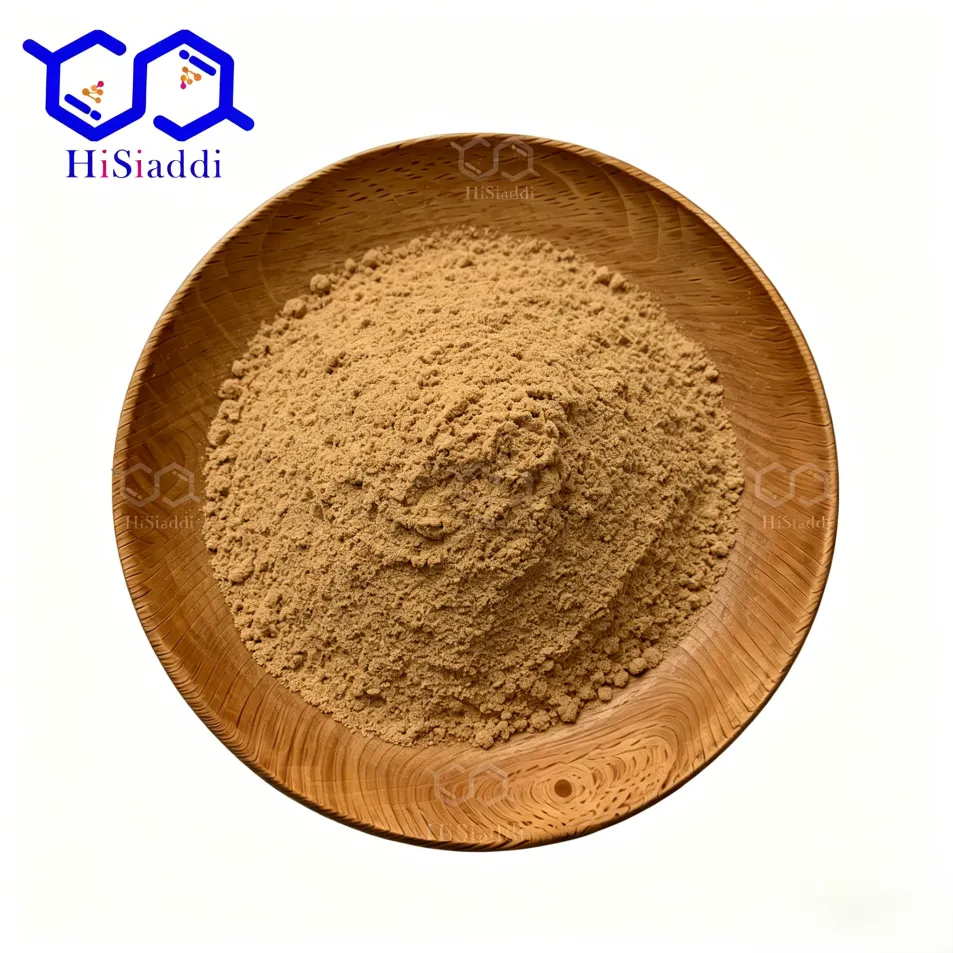
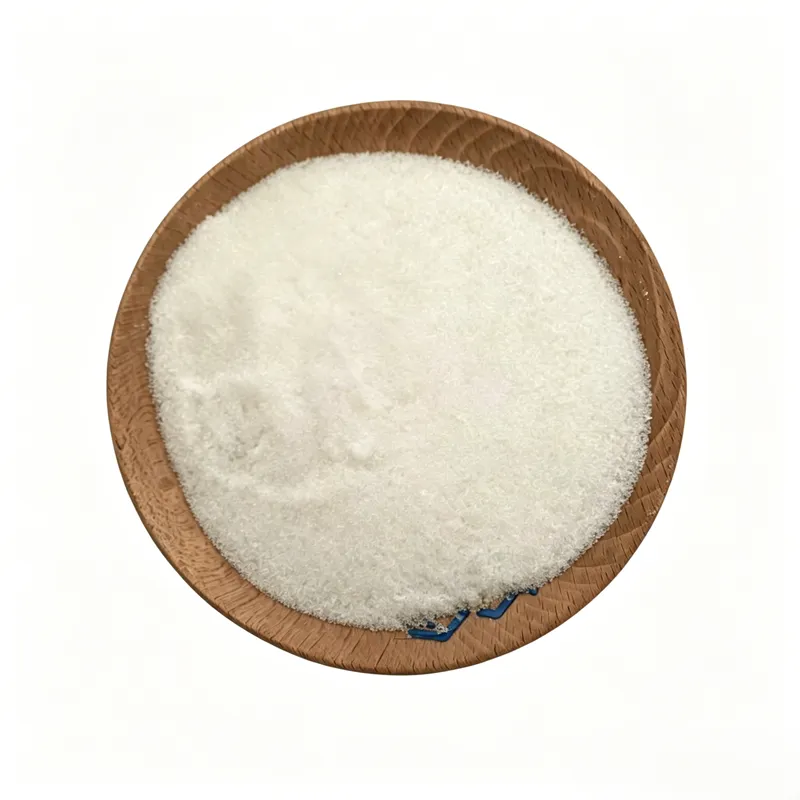
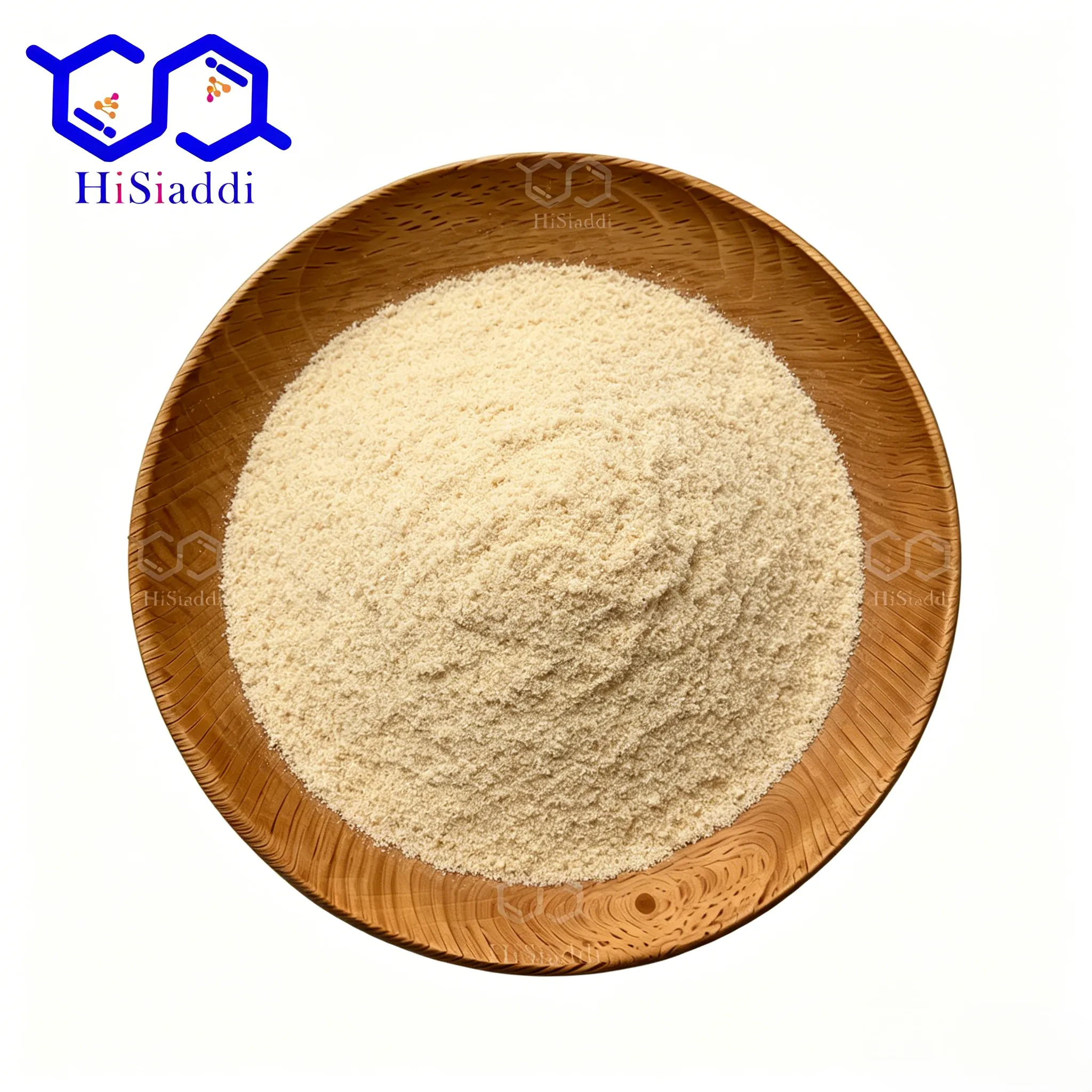
HiSiaddi is an innovative foreign trade service provider driven by dual pillars of technology commercialization and export services. We have established a "1+2+3+4=1" service system and can supply rhodium(II) octanoate sourced from multiple well-known original manufacturers. With over a decade of market experience as a research-driven foreign trade enterprise partnering with manufacturers on technology commercialization, HiSiaddi possesses extensive expertise resolving product compliance issues. Below is a case addressing rhodium(II) octanoate export compliance challenges delivered by HiSiaddi.
Contact HiSiaddi customer service for further inquiries regarding rhodium(II) octanoate product compliance.
Farmax Srl of Milan, Italy, is a mid-to-high-end European CDMO specializing in anti-infective API and chiral new drug R&D, with products certified under Italy’s AIFA drug regulatory authority and EU EMA registration. The enterprise focuses on industrial production of carbapenem antibiotics and chiral cyclopropane intermediates, with rhodium(II) octanoate dimer (CAS: 73482-96-9) acting as the core precious metal catalyst for chiral C-H bond synthesis. The company previously maintained stable annual procurement of 62 kg pharmaceutical-grade rhodium(II) octanoate originally imported from Johnson Matthey, UK.
Driven by surging European precious metal raw material prices, extended overseas manufacturer lead times of up to 95 days, and unstable geopolitical logistics, the client launched localized Chinese sourcing for domestic substitution in late 2025. After passing preliminary small and medium-scale sample trials, the client finalized a 42 kg pharmacopoeia-grade rhodium(II) octanoate order sourced from a leading domestic precious metal manufacturer, fully entrusting HiSiaddi with overall export process coordination.
Shortly after order confirmation and raw material stocking, four major compliance bottlenecks emerged prior to shipment – typical compliance pain points for mid-to-high-end European pharmaceutical chemical procurement:
1. SDS safety data sheets supplied by the domestic original manufacturer adopted outdated national standard formatting, failing to comply with the latest EU REACH Regulation (EU 2020/878) and CLP hazard classification standards. No Italian-language versions were provided; mandatory UFI toxic substance notification codes were missing; SVHC substance disclosure was incomplete, preventing EU customs clearance and internal pharmaceutical drug regulatory filing.
2. The product lacked full SVHC screening testing and SCIP supply chain notifications. Under new 2026 EU customs enforcement rules, precious metal catalysts are subject to intensive inspections; shipments missing notification filing records face direct detention, full-container return, and substantial port detention fines.
3. Domestic manufacturer hazardous goods documentation and classification identification reports only meet China export customs standards. Outer packaging labels failed to comply with EU GHS labeling specifications, and inconsistencies existed in HS code classification between manufacturer declarations and Italian import customs determinations. This risked inspection delays during domestic export clearance, abnormal tariff calculations at the destination port, and additional penalty payments for the importer. Meanwhile, IATA air dangerous goods regulations required supporting air transport identification documents unavailable from the original manufacturer, blocking freight forwarder booking and threatening missed sea shipment deadlines aligned with the client’s production feeding window.
4. Constrained by local Italian environmental and pharmaceutical supply chain regulations, the client required full traceability quality control documents, heavy metal limit compliance reports, and country-of-origin compliance declarations for internal warehouse approval procedures. Domestic manufacturers only provided basic factory inspection slips lacking comprehensive supporting compliance evidence recognized by Italian drug regulatory authorities, halting the client’s internal procurement approval workflow.
As a mid-to-high-end pharmaceutical enterprise with production processes tied to EMA registration files and end products distributed across European pharmaceutical markets, cargo detention or return would result in direct losses of over RMB 1.28 million for the 42 kg high-value rhodium(II) octanoate shipment, production line shutdowns for core raw material drugs, breach of contract compensation liabilities, and damage to the enterprise’s compliance rating within the EU drug regulatory system. Domestic manufacturers focus solely on product manufacturing without dedicated EU export compliance teams and lack systematic knowledge of dual European chemical and pharmaceutical regulatory rules, making independent rectification of compliance documentation impossible. The client urgently entrusted HiSiaddi with systematic resolution of full compliance barriers across five dimensions: document rectification, supplementary testing & certification, official filing & notification, customs classification coordination, and traceability document compilation.
The domestic manufacturer’s supporting SDS followed the outdated 2016 national standard MSDS format with only 12 sections, failing to adopt the standardized 16-chapter structure mandated under REACH Annex II. Documentation was limited to Chinese and English versions, lacking the Italian-language official edition required for destination port clearance. Mandatory 16-digit UFI unique formula identification codes, enforced across the EU from 2023, were absent, preventing toxic substance reporting to Italy’s national poison center. Trace auxiliary additives and free organic acids in product components lacked full SVHC screening disclosure, with only general labeling of primary rhodium(II) octanoate content and no disclosure of trace impurity components – violating EU statutory requirements for information transmission within chemical supply chains.
New Italian customs regulations stipulate that pharmaceutical-grade catalyst SDS missing country-specific language versions, UFI codes, or complete SVHC statements will be denied entry clearance. Simultaneously, the client’s pharmaceutical quality department filing archives must adhere to AIFA drug regulatory specifications; non-compliant SDS cannot complete warehouse storage filing, rendering delivered goods unusable for production even after port arrival.
As of 2026, the EU SVHC candidate list of Substances of Very High Concern has expanded to 253 entries. EU customs implement random physical inspection mechanisms for precious metal API catalysts; any SVHC substance detected at ≥0.1% content triggers violation rulings, resulting in cargo detention, return, or even destruction. Domestic manufacturers only conduct basic physical and chemical indicator testing without full SVHC list screening via CNAS-accredited third-party laboratories, with no authoritative official test reports available.
Per the EU SCIP Notification Regulation, all solid chemical products containing SVHC components placed on the EU market must complete official filing via the ECHA website to generate a unique SCIP registration number; goods without valid registration numbers are prohibited from circulation within EU territory. The client’s previously imported Johnson Matthey products included complete SCIP filing documentation, while domestically sourced materials lacked this mandatory certification for terminal warehouse compliance filing.
Rhodium(II) octanoate is classified as an irritant hazardous chemical under GHS (GHS07, hazard statements H315/H319/H335). Hazardous goods packaging certificates and hazard characteristic classification identification reports issued by domestic manufacturers only satisfy China export customs declaration standards. Outer packaging labels exclusively feature Chinese warning markings without Italian-language hazard pictograms, signal words, and precautionary statements mandated under EU CLP regulations.
Discrepancies existed in HS tariff code classification: the manufacturer self-declared HS code 28439000, while Italian import customs recognized divergent sub-classification standards for refined pharmaceutical-grade rhodium(II) octanoate. Incorrect tariff coding risks elevated tariff rates, customs inspection detention, and supplementary penalty payments for the importer. Additionally, IATA air dangerous goods shipping rules require supporting air transport condition identification reports unavailable from the original manufacturer, blocking freight forwarder space reservations and threatening missed sea shipment schedules aligned with the client’s production feeding timeline.
Mid-to-high-end European pharmaceutical enterprises sourcing pharmaceutical-grade precious metal catalysts require supplementary documentation beyond standard customs filings, including full-item COA analysis certificates complying with USP pharmacopoeia standards, full production chain traceability declarations, heavy metal (lead, cadmium, arsenic, mercury) limit testing reports, and country-of-origin compliance DoC self-declaration documents for archiving with Italy’s AIFA drug regulatory authority. Domestic manufacturers issue simplified factory inspection slips limited to rhodium content and moisture testing, lacking full impurity screening and segmented heavy metal data. Factory certification documents are not recognized by Italian drug regulatory bodies, blocking the client’s quality compliance department from completing procurement approval workflows.
HiSiaddi partnered with a domestic compliance laboratory holding EU regulatory qualification to rebuild fully compliant 16-chapter SDS in Chinese, English, and Italian per REACH Regulation (EU 2020/878) Annex II standards, supported by full-product component testing data:
1. Complete all 16 core SDS sections with detailed physical and chemical product parameters, hazard classification, storage & transportation specifications, emergency response protocols, and REACH compliance statements.
2. Collaborate with compliance institutions to submit full formula data to the European Poison Center for issuance of a unique 16-digit UFI code, prominently displayed on the SDS front page to complete mandatory toxic substance notification for Italy.
3. Leverage third-party SVHC testing data to fully disclose all detected substances and corresponding content levels in SDS Chapter 3, with an explicit statement confirming no SVHC components exceeding regulatory thresholds. A supporting compliance declaration is issued concurrently.
The full SDS package was reviewed and verified by EU regulatory lawyers, satisfying dual requirements for domestic export customs declaration, Italian port clearance, and AIFA drug regulatory filing archiving.
1. Full SVHC Candidate List Screening Testing HiSiaddi coordinated CNAS-accredited third-party testing laboratories to conduct full 253-item SVHC screening on the 42kg finished rhodium(II) octanoate batch, production intermediates, and packaging extractables, with strict control over high-concern substances including lead, cadmium, and phthalates. Final test reports confirmed all SVHC component levels <0.05%, far below the EU 0.1% regulatory threshold. Bilingual Chinese-English and Italian authoritative third-party test reports were issued.
2. Official SCIP System Registration & Filing Using the client’s Italian enterprise as the EU Importer of Record (EC REP), HiSiaddi compiled full supporting data including product component breakdown, annual output volume, packaging specifications, and testing results to complete online SCIP notification filing via the European Chemicals Agency (ECHA) official website. An official SCIP registration number was obtained within 5 working days, with filing certificates appended to the full export documentation package to fulfill statutory certification requirements for EU market circulation.
1. Redesign GHS-Compliant Packaging Labels Revised outer carton labels fully aligned with EU CLP regulations, incorporating Italian-language hazard pictograms, signal words, precautionary statements, manufacturer information, and EU Responsible Person details. Corresponding small-format labels were printed for vacuum argon-sealed aluminum foil inner bags. The factory was assisted in switching to UN-certified compliant packaging and updated hazardous goods packaging use appraisal certificates to guarantee smooth domestic commodity inspection clearance.
2. HS Code Pre-Ruling Confirmation HiSiaddi reviewed China-EU customs tariff schedules and EU tariff catalogs, coordinated with China Customs classification consultation windows for official pre-rulings, and aligned classification standards with the client’s Italian customs broker to finalize compliant HS code 28439000. Uniform coding was applied across commercial invoices, packing lists, and customs declaration forms to eliminate tariff and inspection risks.
3. Expedite Dual Air & Sea Transport Condition Identification Certificates Certificates meeting freight forwarder booking and port commodity inspection requirements were processed urgently to secure the original scheduled sea shipment space without delays.
Collaborating with manufacturing factories and third-party pharmaceutical testing laboratories, HiSiaddi re-conducted full physical-chemical, impurity, and heavy metal testing referencing USP and European EP pharmacopoeia standards to issue full-version COA quality inspection reports recognized by Italy’s AIFA drug regulatory authority. Full-chain supporting vouchers were sorted covering rhodium raw material procurement, synthetic production, purification & crystallization, and sub-packaging workflows, including raw material traceability slips and batch production quality control logs. Tri-lingual Chinese-English-Italian country-of-origin compliance DoC self-declarations and full supply chain traceability reports were compiled to complete all traceability documentation required for the client’s pharmaceutical warehouse storage and drug regulatory archiving.
HiSiaddi integrated SDS, SVHC test reports, SCIP filing certificates, hazardous goods documentation, COA, country-of-origin declarations, and commercial documents into a unified compliance archive split into two versions: one for domestic export customs declaration and one for Italian destination port clearance. The full compliance document set was pre-submitted to the client’s Italian partner customs broker for pre-clearance review to identify potential inspection risks in advance, eliminating cargo detention hazards upon port arrival.
1. Smooth Export & Destination Port Clearance Delivery All compliance rectification work was completed within 11 working days. The full document package passed domestic customs commodity inspection and declaration reviews, enabling on-schedule vessel loading and shipment. Upon arrival at Italy’s Port of Genoa, the complete compliant documentation package facilitated rapid customs inspection and release without port detention, fines, or return shipments. The 42kg rhodium(II) octanoate shipment was successfully delivered to the client’s pharmaceutical warehouse. Post-delivery quality review by the client’s quality department confirmed all compliance documentation passed AIFA drug regulatory filing audits, and the material was promptly deployed to core raw material drug production lines. Catalytic performance matched original Johnson Matthey imported catalysts, delivering stable intermediate yields of 94.9%–95.4%, fully resolving the client’s production shutdown risk.
2. Annual Framework Procurement Agreement Executed Following successful delivery of the initial 42kg order, the client finalized a 62kg annual rhodium(II) octanoate framework procurement contract. The remaining 20kg is shipped in three quarterly batches, with HiSiaddi retaining full authority to coordinate compliance and export procedures for all shipments. Localized procurement comprehensive costs dropped by 34.2% versus original imported brands, and sea freight lead times were shortened from 95 days to 27 days.
3. Business Expansion & European Client Resource Development Supported by the successful compliance resolution case, the client referred two additional mid-to-high-end Italian API CDMO enterprises to HiSiaddi, generating subsequent procurement orders for rhodium(II) octanoate, rhodium(II) acetate, and other precious metal catalysts. HiSiaddi simultaneously established a standardized compliance service system for rhodium(II) octanoate exports to the EU, including standardized document templates covering testing, official filing, document drafting, customs clearance, and port release workflows.
Most domestic precious metal catalyst manufacturers focus on production processes and mass production without systematic expertise in EU REACH, CLP, SCIP, and country-specific pharmaceutical regulatory rules, limited to issuing basic factory delivery documentation unable to meet the dual stringent compliance standards of mid-to-high-end European pharmaceutical enterprises. For European pharmaceutical clients bound by national drug regulatory, environmental, and customs multi-layered regulations, missing compliance documentation directly blocks procurement execution – product quality compliance does not guarantee successful cross-border trade delivery.
Leveraging specialized chemical compliance expertise, HiSiaddi built a full closed-loop compliance service chain covering regulatory interpretation, third-party testing, document drafting, EU official filing, customs pre-inspection coordination, and terminal pharmaceutical regulatory supporting documentation, bridging compliance information gaps between domestic manufacturers and high-end overseas clients. One-stop integrated compliance services eliminate cross-border trade barriers and form core competitive advantages to secure long-term repeat orders from high-end overseas clients. This case also verifies that proactive pre-shipment compliance audits, advance regulatory filing, and multi-lingual customized documentation are critical measures to avoid cargo detention, return shipments, and guarantee successful order delivery for export of pharmaceutical-grade fine precious metal chemicals.
Contact HiSiaddi customer service for further inquiries regarding rhodium(II) octanoate product compliance.

 +86-13120989737
  info@hisiaddi.com
 English