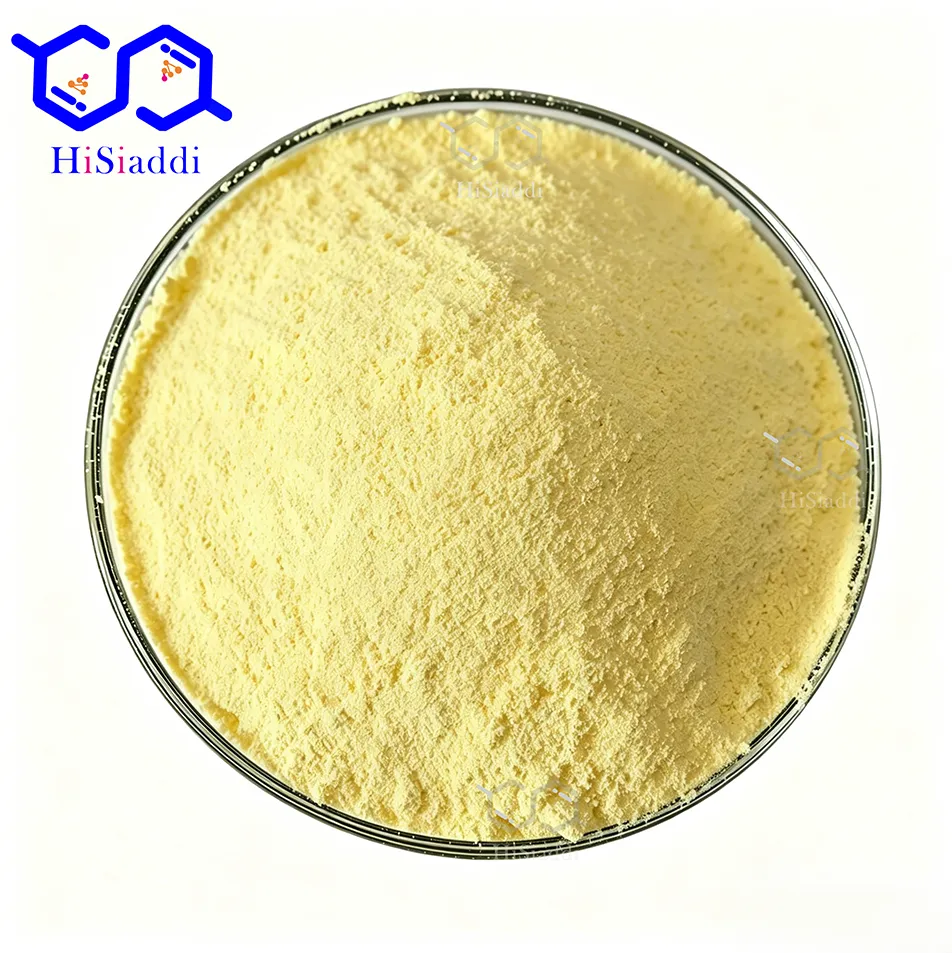
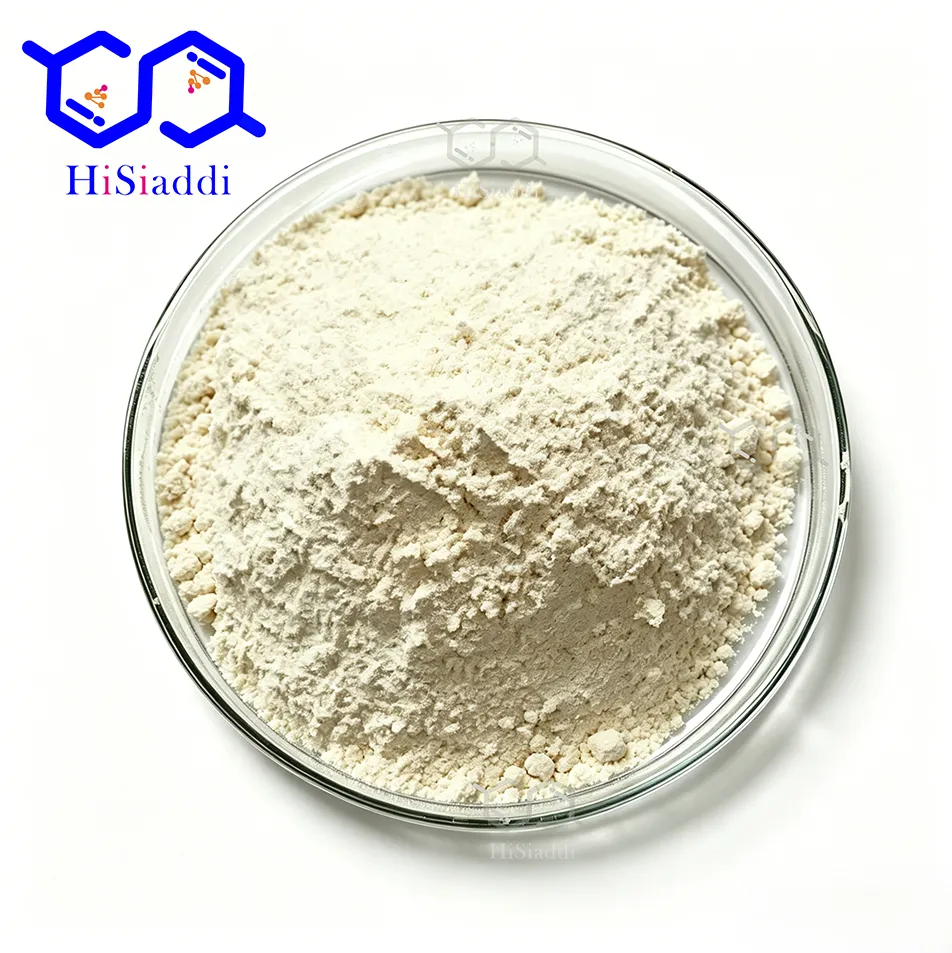
HiSiaddi is an innovative foreign trade service provider driven by dual engines of technology transformation and foreign trade services, with a "1+2+3+4=1" service system and direct access to silymarin extract raw materials from multiple well-known original manufacturers.
As a technology R&D-focused foreign trade enterprise, HiSiaddi frequently proposes formulation optimization schemes and application improvement suggestions for silymarin extract products through technological transformation cooperation with manufacturers and sharp market insight. Below is a technical consulting case of HiSiaddi on silymarin extract formulation optimization.
If you require further formulation optimization consulting services, please contact HiSiaddi customer service.
The partner is PharmaNord Oy based in Helsinki, Finland, a mid-to-high-end pharmaceutical enterprise specializing in liver specialist preparations in Northern Europe. Its flagship silymarin soft capsules and oral liquids are covered by Finland’s public medical insurance auxiliary drug catalogue and sold nationwide at Finnish chain pharmacies, liver disease specialist medical institutions, as well as premium organic dietary markets in Sweden and Norway. Raw materials must meet four mandatory thresholds: EU EC396 standard covering 226 pesticide residue items, USP Pharmacopoeia, LFGB food contact regulation, and REACH chemical access specification.
For over a decade, the enterprise has sourced refined silymarin extract from Hungary. In 2025, facing multiple headwinds including European extreme weather-induced output cuts, a 38% surge in raw material prices, and rising cross-border quarantine inspection costs, it launched a localized customized procurement project in China with an annual planned purchase volume of 19.6 tons, split into two customized raw material grades:
1. Medicinal capsule-grade silymarin extract (silymarin ≥80%, silybin ≥30%, zero organic solvent residue);
2. Cold-water instant modified powder for oral liquids (no fillers such as starch or maltodextrin, no precipitation after 90 days of storage at 4°C).
At the initial stage, the client independently selected three conventional domestic plant extract manufacturers for sampling procurement. A total of 8 batches of raw materials were delivered to the Finnish GMP preparation workshop for mass production, triggering five systematic technical failures: unstable active ingredient content, capsule filling clogging, precipitation in oral liquids under low-temperature storage, oxidative discoloration upon formulation compatibility, and moisture absorption & agglomeration of raw materials. The new product launch plan was delayed by 82 days, with equivalent losses of EUR 22,800 from third-party testing fees, scrapped excipients, and production line downtime.
Domestic cooperating manufacturers only mass-produce generic national standard-grade silymarin crude powder via traditional high-temperature ethanol reflux extraction and single-process spray drying, lacking technical reserves including designated GAP raw material control, low-temperature staged refining, targeted powder modification, and formulation compatibility optimization. They cannot fundamentally resolve technical defects spanning raw material quality, extraction processes, powder physical and chemical properties, and end-product formulation. Upon recommendation by the Nordic Medicinal Plant Raw Materials Association, the Finnish pharmaceutical enterprise formally entrusted HiSiaddi to lead a three-party technical team of plant extraction engineers, formulation chemists, and EU compliance specialists to conduct on-site troubleshooting and implement full-process technical optimization solutions, eliminating mass production and formulation adaptation pain points at the source.
Original domestic suppliers lacked a designated raw material procurement system, randomly blending high-quality standardized GAP seeds from Inner Mongolia’s Hetao area, aged fallen seeds from Northeast China, and moldy defective seeds as feedstock at will based on cost. The native silymarin base content of standardized Hetao GAP seeds ranges from 23% to 25%, while inferior aged seeds only reach 12%–15%. Blending ratios are adjusted arbitrarily without control, resulting in finished silymarin content fluctuating between 72.6% and 81.3%, with silybin consistently below 26% — failing to steadily hit the mandatory ≥30% silybin target. HPLC chromatograms show dense impurity peaks with unstable impurity components, preventing the Finnish pharmaceutical factory from calculating fixed capsule feeding dosages based on active ingredient content. A single production line experienced two quality incidents consecutively: excessive and insufficient active ingredient content in individual capsules, and partial finished batches were detained by Finnish drug authorities after sampling inspection and barred from market launch. Meanwhile, fallen seeds carry excessive soil heavy metals and pesticide residues that cannot be removed via conventional water washing, pushing finished heavy metal indicators close to EU EC396 limit thresholds.
Silybin is a typical thermosensitive active substance that undergoes oxidation and isomerization degradation above 65°C. Original manufacturers adopted prolonged closed ethanol reflux extraction at 79–85°C for over 4 hours, causing silybin degradation losses exceeding 31% under high-temperature working conditions. Even with 100% high-quality Hetao seed feedstock, finished silybin content still fails to meet standards. High-temperature extraction simultaneously precipitates excessive plant crude fiber, free plant oils, and organic acid by-products, which not only reduce the proportion of active ingredients but also lay the groundwork for discoloration risks during formulation compatibility. Additionally, conventional extraction lacks closed solvent recovery systems, leaving ethanol residues in finished products generally above 6,200 ppm — far exceeding Finland’s internal medicinal raw material limit of ≤3,000 ppm, leading to gelatin shell softening and liquid leakage in soft capsule production with a batch scrap rate surpassing 28%.
After extraction and concentration, original manufacturers uniformly produced crude powder via standard spray drying without differentiated powder modification production lines, supplying the same crude powder to both capsule and oral liquid production lines, resulting in two categories of mass production faults stemming from powder defects:
1. Capsule filling issues: Irregular powder particle shapes and excessive fine powder ratios lead to electrostatic agglomeration and bridging inside silos, clogging automatic feeding hoppers every 45 minutes on average with frequent equipment shutdowns for cleaning. Single capsule filling weight errors peak at 7.9%, failing Finland’s internal control standard of ±2% specified in the Pharmacopoeia.
2. Oral liquid production issues: Silymarin boasts extremely low water solubility (ambient solubility below 50μg/mL). Unmodified crude powder fails to dissolve fully at ambient temperature and precipitates yellowish-brown floccules after 7 days of storage at 4°C, disrupting the colloidal system of oral liquids and rendering entire batches unfit for warehousing and retention testing.
The mature formulation of the Finnish pharmaceutical factory blends silymarin extract with vitamin C, zinc citrate, and lecithin for capsule filling. Original crude extracts retain excessive free organic acids, plant colloids, and trace heavy metal ions. Metal ions catalyze oxidative reactions of vitamin C, turning the pale yellow powder inside capsules dark brown after 48 days of ambient light-protected accelerated stability testing, with active ingredient losses exceeding 16% — failing the mandatory EU 24-month shelf-life standard. The factory adjusted vitamin C addition ratios and switched excipient suppliers three times, only slightly delaying discoloration without eliminating pro-oxidant impurities at the raw material source, trapping formulation optimization in a bottleneck.
Conventional spray-dried finished powder generally has a moisture content above 1.5%. The annual ambient humidity in Finnish local warehouses hovers around 53%, leading to moisture absorption and agglomeration of raw materials within 2–3 days after unpacking. Clogged screening filters and sticky capsule stamping molds increase finished product reject rates, forcing the factory to add manual crushing procedures and driving production costs sharply upward.
HiSiaddi’s technical team conducted on-site visits to silymarin production areas in Bayannur, Inner Mongolia, and cooperating domestic refining factories, implementing rectification in five steps: locking designated raw material sources → upgrading low-temperature extraction processes → multi-stage resin deep impurity removal → special differentiated powder modification for each formulation → coordinated formulation fine-tuning. Verification was conducted in three phases: 100g lab samples, 75kg pilot production, and full-scale mass production with repeated sampling validation, alongside optimized warehouse management protocols.
HiSiaddi connected with 3 certified large-scale GAP silymarin planting cooperatives in Bayannur and signed annual exclusive directional seed harvesting agreements. Mechanical centralized harvesting is scheduled after full seed ripening each autumn, with manual screening to remove shriveled, moldy fallen, and pest-damaged defective seeds. Each batch of seeds is accompanied by field pesticide usage logs, origin planting registration certificates, and pre-entry batch quality inspection reports. Raw materials are tested for native silymarin base content upon warehousing; entire batches with a base below 22% are rejected, completely eliminating mixed inferior seeds and stabilizing the baseline of raw material active ingredients to eradicate random fluctuations in finished product content from the source.
The high-temperature full reflux extraction route was fully eliminated and replaced with customized ambient percolation + gradient low-temperature ethanol extraction + negative-pressure low-temperature concentration + multi-stage macroporous resin refining. Extraction temperature is strictly controlled below 42°C with three-stage gradient ethanol extraction under fully closed and light-shielded production conditions, compressing silybin degradation rates to within 6%. Subsequent tandem refining via AB-8 and D101 macroporous resins removes plant oils, crude fiber, free organic acids, and other impurities stepwise, delivering finished silymarin at a stable range of 79.9%–80.6% and silybin at 30.2%–31.1%, precisely meeting the client’s dual content indicators. A three-stage closed ethanol rectification recovery system controls solvent residues strictly below 2,750 ppm, under Finland’s medicinal raw material limit, completely resolving gelatin shell softening and liquid leakage in capsule production.
Two specialized powder production lines were added at the factory: nitrogen-sealed air-flow crushing and low-temperature cyclodextrin inclusion modification, splitting two dedicated powder grades:
1. Refined medicinal powder for capsules: After low-temperature vacuum drying, nitrogen-protected air-flow crushing optimizes powder repose angle to 33°±2°, producing near-spherical particles with controlled fine powder ratios and drastically improved fluidity, compatible with automatic capsule filling without extra anti-caking excipients.
2. Water-soluble modified powder for oral liquids: Low-temperature β-cyclodextrin inclusion technology without added starch or maltodextrin fillers boosts active ingredient water solubility by over a hundred times. The powder dissolves instantly in cold water and remains transparent with zero precipitation after 90 days of sealed storage at 4°C, perfectly matching low-temperature storage requirements for oral liquid formulations.
Multi-stage resin refining deeply removes heavy metals and pro-oxidant organic acid impurities from raw materials to reduce the pro-oxidant activity of extracts. On the formulation side, HiSiaddi coordinated with the Finnish pharmaceutical factory’s R&D department to optimize feeding sequences: silymarin extract, trace elements, and vitamin C excipients are pre-mixed independently and added to mixing equipment in batches to avoid direct contact between metal ions and vitamin C that triggers catalytic oxidation. Post-optimization, 90-day accelerated sample storage testing shows zero discoloration with active ingredient losses controlled within 3%, successfully passing EU shelf-life stability testing.
Finished products undergo segmented gradient vacuum low-temperature dehydration to stabilize moisture content of all batches between 0.4% and 0.5%. HiSiaddi compiled a Chinese-English bilingual Raw Material Warehousing & Feeding Operation Manual, standardizing raw material warehouse conditions at the Finnish factory: constant temperature 22°C, ambient humidity ≤40%, and vacuum nitrogen-filled aluminum foil small packaging for raw materials to be unpacked on demand for feeding, completely resolving moisture absorption and agglomeration of powder under high-humidity Nordic storage environments.
After 5 rounds of cross-border sample delivery, full testing by Finland’s authoritative third-party laboratory, and 7 consecutive days of pilot mass production in the factory’s GMP workshop, both customized raw material grades passed pre-inspection for Finnish customs entry. The first batch of 5.2 tons of finished products was vacuum-packed with nitrogen and shipped from Shanghai Port to Helsinki, passing random Finnish customs inspection for one-time clearance and warehousing.
After raw material launch, the capsule production line operated uninterruptedly for 35 consecutive days with single capsule filling weight errors controlled within ±1.8%, and the product scrap rate dropped from the original 28.3% to 1.05%. All batches of oral liquid retained under low-temperature storage showed no precipitation at any stage. The new product whose launch had been delayed by 82 days successfully completed Finnish drug filing and full-market distribution across Finnish chain pharmacies and specialist clinics.
PharmaNord of Finland formally signed a long-term fixed-price procurement framework order for an annual volume of 19.6 tons: 11.9 tons of dedicated refined powder for capsules and 7.7 tons of water-soluble modified powder for oral liquids, with monthly production scheduling split into 12 batches throughout the year. After stable cooperation, the client added customized medicinal-grade silymarin for pet liver care in the following year, with all process debugging, sample follow-up, and technical optimization fully coordinated by HiSiaddi.
Compared with raw materials imported from Hungary, comprehensive customized procurement costs decreased by 30.5%, and cross-border sea freight lead time was shortened from 78 days to 21 days, drastically cutting the client’s raw material stocking cycle and capital occupation in warehousing. Backed by this reference case of a mid-to-high-end Nordic pharmaceutical brand, cooperating domestic manufacturers perfected standardized production lines for customized silymarin and subsequently secured annual raw material orders from three equivalent pharmaceutical enterprises in Sweden and Denmark, escaping the low-price homogenized competition of low-end crude powder products in China.
This project clearly reveals structural shortcomings in China’s domestic plant extract industry: most small and medium-sized manufacturers focus on mass production of low-cost generic crude extracts without designated raw material control systems and with fixed outdated production processes. They lack refined customization capabilities tailored to EU Pharmacopoeia and end-formulation demands, and hold insufficient systematic research on the thermosensitive properties of silybin, powder technology, and excipient compatibility taboos. In contrast, mid-to-high-end European pharmaceutical enterprises represented by Finland’s PharmaNord specialize in end-formulation R&D and are well-versed in strict local drug regulatory and mass production standards, yet lack familiarity with tiered quality differentiation of domestic raw material producing areas and uneven process capabilities among domestic manufacturers. Blind independent sourcing easily leads to unqualified raw materials, frequent mass production failures, delayed new product launches, and substantial economic losses.
Relying on upstream origin resources, compound technical reserves covering extraction and formulation, and accumulated expertise in multi-country food and pharmaceutical regulations, HiSiaddi forms a closed-loop full-chain technical service system covering GAP designated raw material control, customized low-temperature extraction and refining, differentiated powder modification by formulation, coordinated end-formulation optimization, and standardized cross-border warehouse guidance. As a neutral third-party technical service provider, it bridges technical gaps between overseas customized demand and domestic production capacity, helping overseas mid-to-high-end pharmaceutical enterprises avoid technical risks in raw material procurement and mass production while supporting high-quality domestic plant extract manufacturers to break free from low-price homogenized competition and steadily enter the Nordic pharmaceutical-grade raw material supply chain. This delivers a replicable implementation template for Chinese plant extract products to export to high-end European and American pharmaceutical markets.
If you require further formulation optimization consulting services, please contact HiSiaddi customer service.
 +86-13120989737
  info@hisiaddi.com
 English