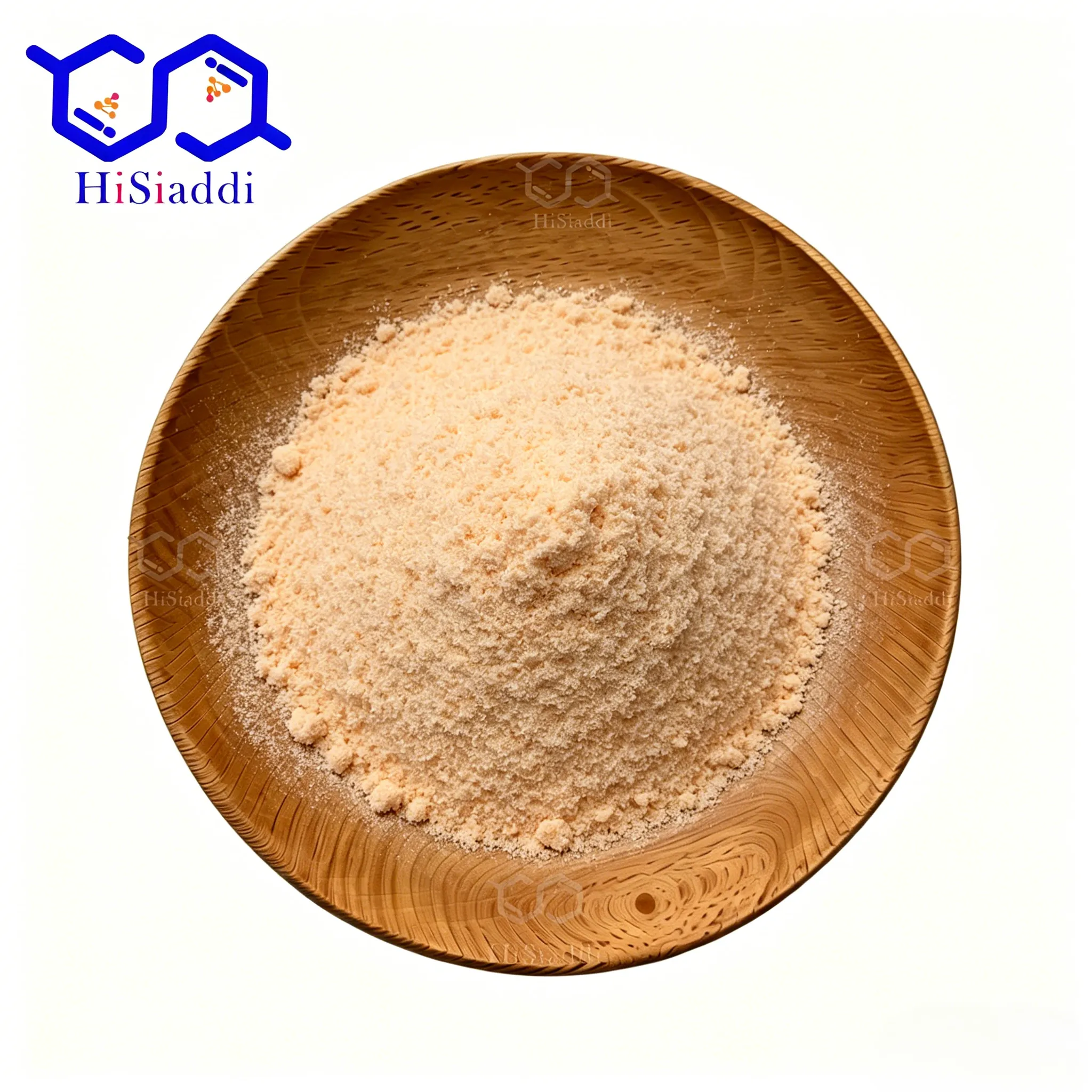
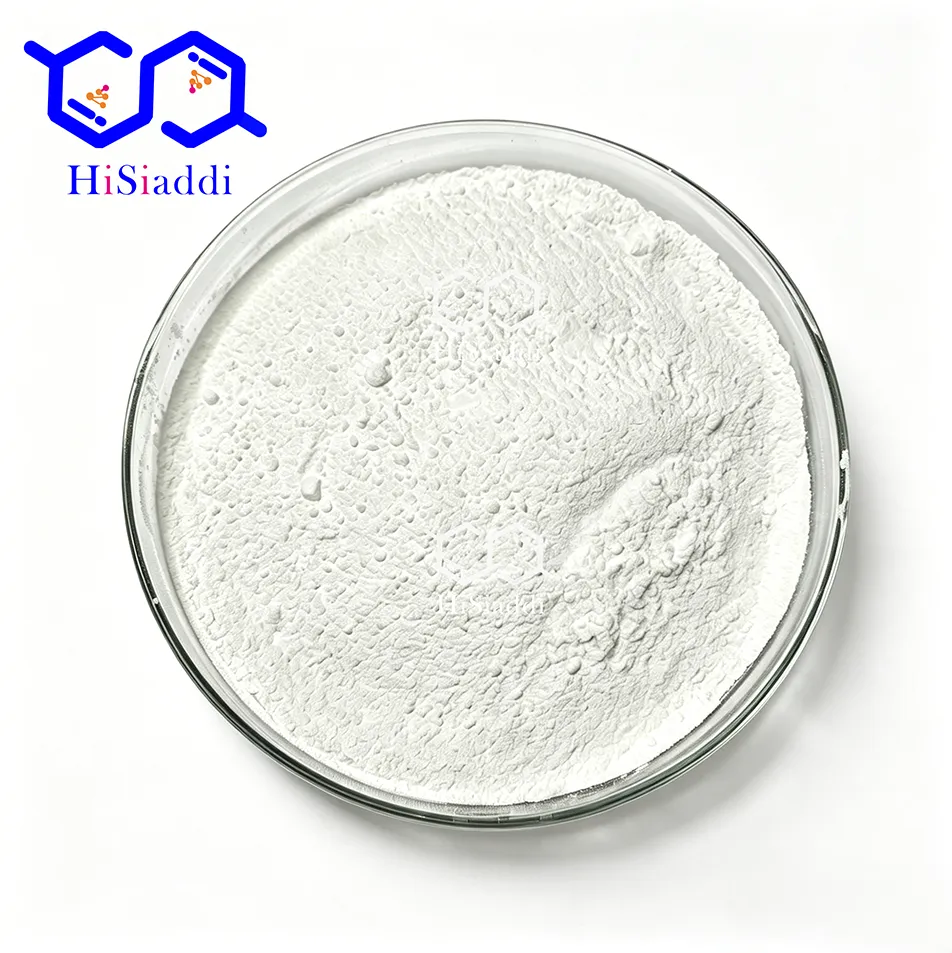
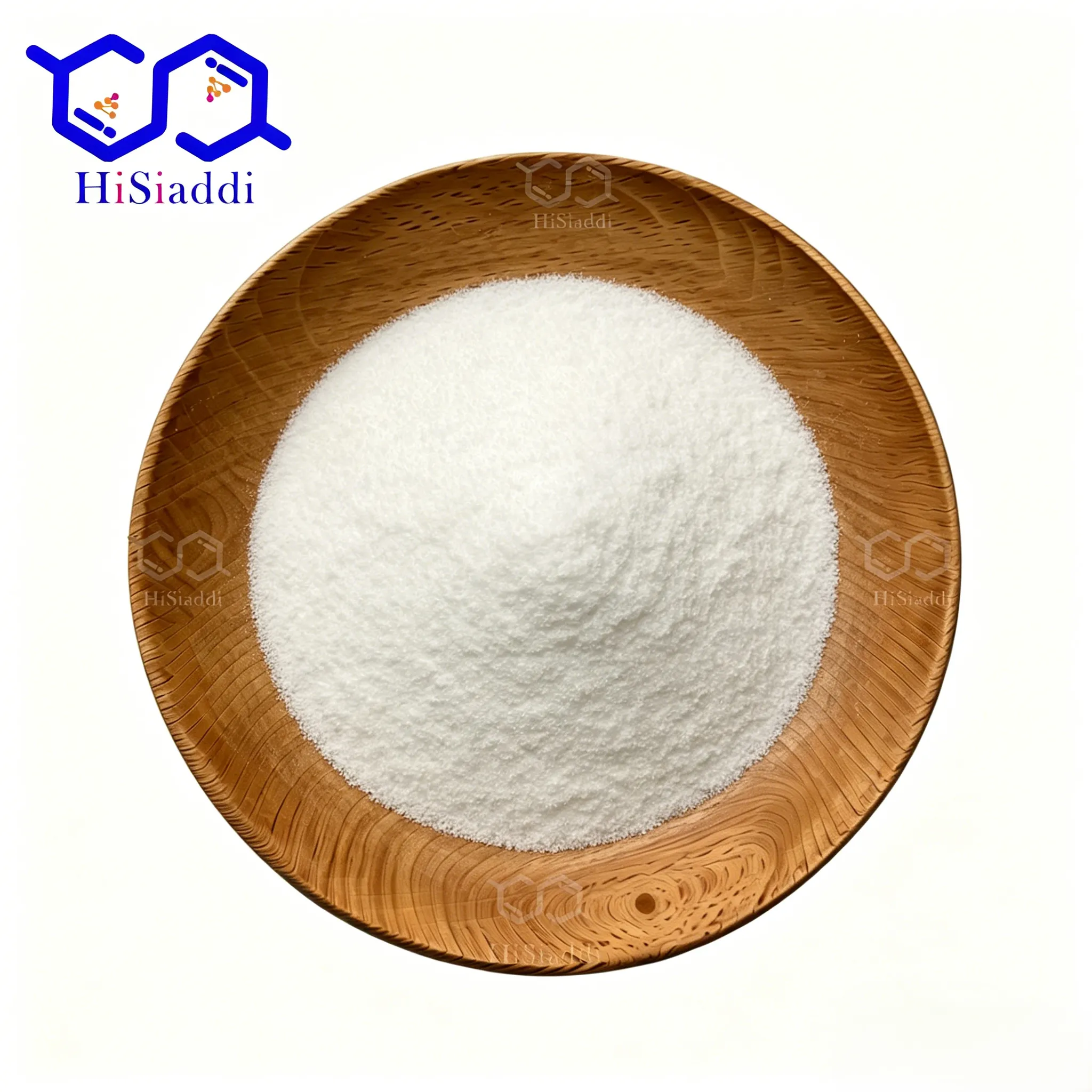
HiSiaddi is an innovative foreign trade service provider driven by dual engines of technology transformation and foreign trade. It has established a "1+2+3+4=1" service system and can supply UV 1577 sourced from multiple well-known original manufacturers. As a technology R&D-oriented foreign trade service provider, HiSiaddi has repeatedly resolved customized demand issues for UV 1577 by leveraging technology transformation cooperation with manufacturers and precise market demand insights. Below is a case of HiSiaddi addressing customized UV 1577 requirements.
For more customized service inquiries, please contact HiSiaddi customer service.
Purchaser: FRANCE OPTITECH SAS, located in Lyon, France. For 29 years, the company has specialized in high-end PC/PMMA optical lenses, precision instrument transparent housings, and high-transmittance encapsulation sheets for new energy photovoltaic applications. Its products are supplied to Schneider Electric’s precision instrument division and leading European photovoltaic groups, complying with stringent full-range standards including EU REACH, ISO4892 xenon lamp weather resistance, DIN optical transmittance, EU food contact Regulation EC 1935/2004, and automotive interior VOC control. The company’s annual total procurement volume of triazine-based UV 1577 stands at 62 tons, with long-term original sourcing of high-grade UV 1577 from Clariant.
Driven by surging European chemical raw material prices, extended overseas original manufacturer customized production lead times of up to 95 days, and unstable international logistics, the client launched a domestic dedicated modified UV 1577 localization substitution project. The client refused to purchase standard mass-produced domestic UV 1577 compliant with national standards and put forward six non-standard customized indicators, none of which could be met by conventional mass-produced domestic UV 1577 products:
1. Appearance & Hue: Near-white ultrafine powder; conventional industrial grades are generally pale to light yellow, which causes yellowing of sheet substrates when incorporated into high-transmittance PC materials.
2. High-Temperature Thermal Stability: No decomposition or volatilization under short-term extrusion at 310°C, matching the client’s 290–305°C high-temperature twin-screw extrusion process (conventional commercial UV 1577 undergoes slight decomposition and fuming above 280°C).
3. Particle Size Control: D50 particle size ≤4μm ultrafine powder to eliminate crystal spot defects caused by additive agglomeration in transparent optical sheets.
4. Strict Impurity Control: Synthetic residual phenolic intermediates <20ppm, chloride ions ≤3ppm to meet EU environmental limits for high-end optical materials.
5. Optical Transmittance: Transmittance ≥95.3% at 460nm; most national standard general grades only achieve 92%–93.5%, failing to meet optical lens standards.
6. Low Precipitation & Low Fogging: Fogging value ≤0.3mg in high-temperature closed fogging tests to satisfy low-fog requirements for precision instrument interiors and prevent blooming or fogging on product inner walls.
The client independently contacted four major domestic UV 1577 manufacturers, all of which operate fixed production lines for standard grades. Customized production requires adjustments to synthetic ratios, recrystallization solvents, and complete airflow crushing equipment, resulting in high technical transformation costs per batch and minimal manufacturer willingness to customize. All manufacturers recommended off-the-shelf standard grades. Three rounds of trial production resulted in five consecutive defects: yellowed sheets, lens crystal spots, fuming at die heads during high-temperature processing, precipitation and fogging after sealed storage, and premature yellowing under accelerated aging. The client invested over EUR 38,000 in R&D trials, halting the customization project. Upon referral by the French Plastics Industry Association, the client fully entrusted HiSiaddi with full-chain customized delivery services covering formula modification, production line technical transformation, lab-scale trials, pilot trials, and mass production.
HiSiaddi’s technical team collected samples of mainstream industrial domestic UV 1577 for full physical and chemical testing, accurately identifying defects in standard products:
1. Hue & Transmittance Deficiency: Standard products adopt simple single-solvent recrystallization, retaining high levels of colored by-products that turn powder yellow. Transmittance at 460nm is generally below 93.5%, leading to yellowed substrates when blended with high-transparency PC and failing optical lens transmittance standards.
2. Heat Resistance Defect: Standard products only undergo single-stage negative pressure devolatilization, leaving high levels of low-boiling residual impurities. Small-molecule substances volatilize under 290°C processing temperatures, causing carbon buildup and fuming at extrusion heads as well as additive migration and blooming.
3. Undisciplined Powder Particle Size: Conventional mechanical crushing yields D50 of 15–32μm. Large particles cannot disperse uniformly in transparent resins, forming visible micro crystal spots post-molding and rendering optical products unusable.
4. Excessive Inorganic Impurities: Chloride ions introduced by catalysts and raw materials range from 22–55ppm, far exceeding the client’s internal control limit of 3ppm, accelerating substrate aging and cracking during long-term outdoor exposure.
5. High Intermediate Residues: Synthetic by-product phenolic intermediates range from 220–600ppm, the primary source of yellowing and high-temperature fogging/precipitation, failing EU low-fogging tests.
Pain points of domestic manufacturers: Standard production lines prioritize mass-volume low-cost off-the-shelf goods. Non-standard customization requires separate adjustments to synthesis, purification, and post-processing crushing procedures, with slim profit margins for small-batch custom orders, resulting in low manufacturer motivation for technical transformation.
HiSiaddi assembled a special task force consisting of triazine synthesis engineers, fine powder engineers, polymer application engineers, and EU compliance specialists. The team screened leading domestic additive manufacturers with flexible customized production lines and carried out targeted optimization across four segments: raw material selection, synthetic processes, purification and refining, and deep powder processing.
1. Adopt ultra-high-purity monomer raw materials and chlorine-free eco-friendly catalytic systems to control chloride ion generation at the synthesis source.
2. Implement segmented gradient temperature-controlled closed-loop synthesis to precisely regulate reaction rates, drastically reducing side reactions and phenolic intermediate by-product formation.
3. Add secondary ultra-high vacuum negative pressure distillation on top of original single-stage devolatilization to deeply remove residual solvents and small-molecule impurities. Final test results show intermediates at 18.6ppm and chloride ions at 2.7ppm, both below client specified limits.
Abandoning the industry’s universal single ethanol solvent recrystallization process, HiSiaddi collaborated with manufacturers to deploy multi-component high-purity composite solvents for stepwise purification, stratifying and removing colored impurities. Powder color was upgraded from conventional pale yellow to near-white, with measured transmittance of 95.7% at 460nm – exceeding the client’s customized threshold of ≥95.3% and completely eliminating yellowing in transparent sheets.
Discontinue traditional hammer mechanical crushing and coordinate manufacturers to deploy dedicated low-temperature airflow crushing with precision classification screening equipment. Repeated debugging of air pressure and classifier wheel rotational speed stabilized finished D50 at 3.6–3.9μm, meeting the ≤4μm customization requirement and eliminating crystal spots via improved dispersion.
Targeting the client’s short-term high-temperature operating condition of 305°C, deeply remove low-boiling volatile components inside the product. TGA thermal weight loss testing recorded ≤0.28% weight loss at 310°C. Purification depth was simultaneously optimized to reduce precipitatable small molecules, delivering a fogging test result of 0.25mg that successfully passed the client’s stringent low-fogging inspection for precision instrument sealed interior materials.
Custom samples were shipped to the client’s French laboratory and blended into PC optical substrates at the original loading rate of 0.28%. Injection-molded lenses exhibited no yellowing, no crystal spots, and no fuming during high-temperature processing, passing initial R&D performance screening.
Pilot-scale production was completed at the manufacturer’s pilot line. HiSiaddi simultaneously issued bilingual (Chinese, English, French) COAs, full SGS test reports, GHS-compliant MSDS, and specialized fogging test certificates. The client conducted continuous 10-hour industrial extrusion production, with finished products recording a xenon lamp accelerated aging color difference ΔE=1.68 after 1200 hours – superior to the client’s internal control standard of ΔE≤1.9. All customized indicators passed acceptance.
The client confirmed an initial customized UV 1577 order of 16 tons. HiSiaddi coordinated exclusive neutral export packaging, customized multilingual GHS labels, domestic commodity inspection and customs clearance, and full-container sea freight to Le Havre Port.
1. Optimized Procurement Costs: The customized domestic UV 1577 delivered a 32% reduction in comprehensive unit procurement price compared to original Clariant material, with lead times shortened from 95 days to 30 days, significantly cutting the client’s capital tied up in raw material inventory.
2. Annual Framework Agreement Signed: Following successful delivery of the first order, the client signed an annual customized procurement framework for 62 tons, scheduled for monthly production and delivery across six batches.
3. Extended Customization for New Products: When developing a new high-transparency PET photovoltaic backsheet project, the client re-entrusted HiSiaddi to customize a new low-precipitation modified UV 1577 grade, alongside matched hindered amine light stabilizer compound additives.
4. Production Line Upgrade for Partner Manufacturer: Leveraging technical transformation data from this customization project, the partner manufacturer built a standardized dedicated production line for optical-grade UV 1577, expanded its catalog of high-end customized products, and subsequently secured three additional mid-to-high-end European optical plastic clients in Spain and Belgium via HiSiaddi.
1. Most domestic UV 1577 manufacturers focus on standard national-standard mass-produced grades with fixed production lines and cost-oriented operations, lacking technical transformation motivation and downstream formulation application expertise for fine non-standard customization demanded by mid-to-high-end European clients. Standard off-the-shelf products fail to meet stringent European high-end optical plastic specifications in hue, heat resistance, particle size, impurity control, and low fogging – the primary barrier preventing domestic UV 1577 from entering high-end European supply chains.
2. Core Value of HiSiaddi’s Foreign Trade Services: Drawing on full industrial chain resources and application technical reserves of domestic fine chemicals, HiSiaddi connects client customized indicators to synthetic process technical transformation, refined post-processing, and end-user machine verification, coordinating production facilities to implement production line upgrades and bridging the customization R&D gap between additive manufacturers and overseas high-end end users.
3. Beyond basic product performance, mid-to-high-end European optical and precision instrument plastic clients impose strict requirements on refined internal control indicators for additives and supporting technical services. Customized full-chain technical services outweigh price advantages, constituting the core competitiveness of foreign trade service providers securing high-end additive export orders.
For more customized service inquiries, please contact HiSiaddi customer service.

 +86-13120989737
  info@hisiaddi.com
 English