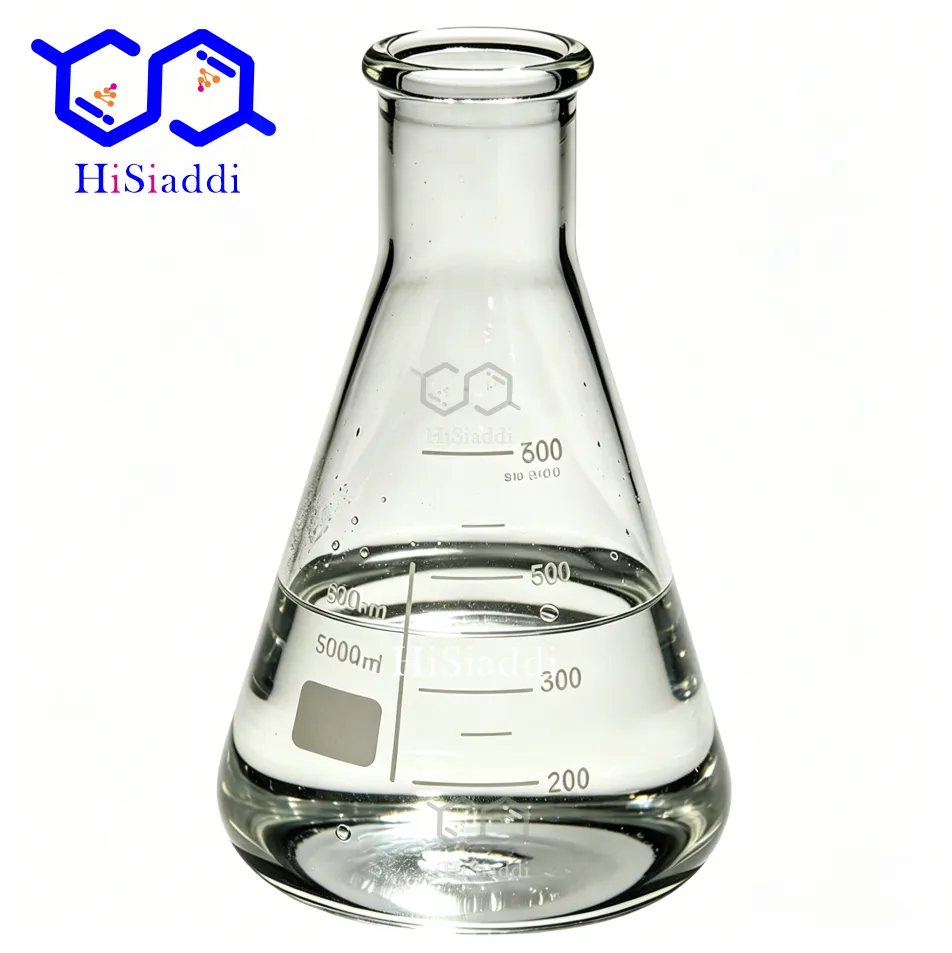
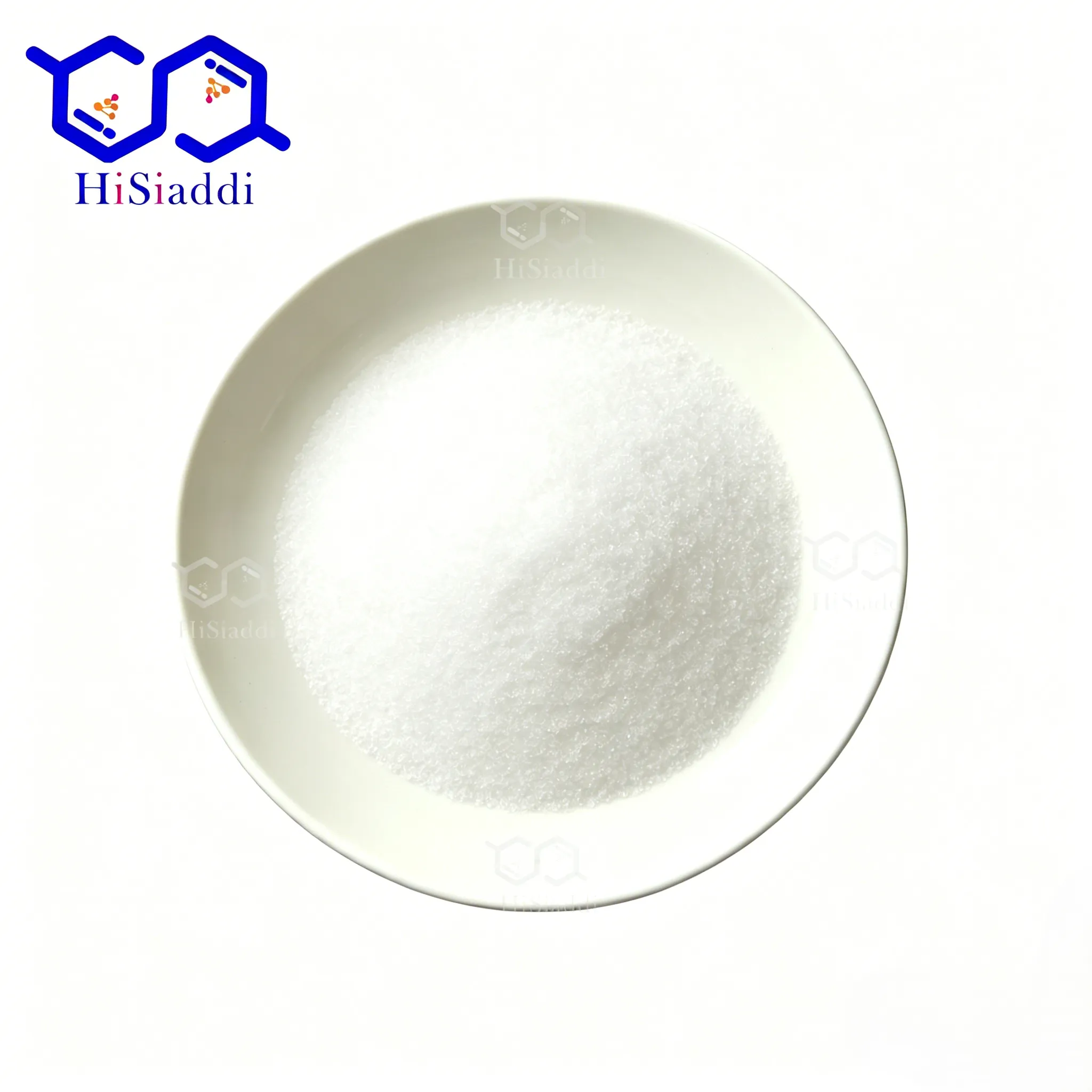
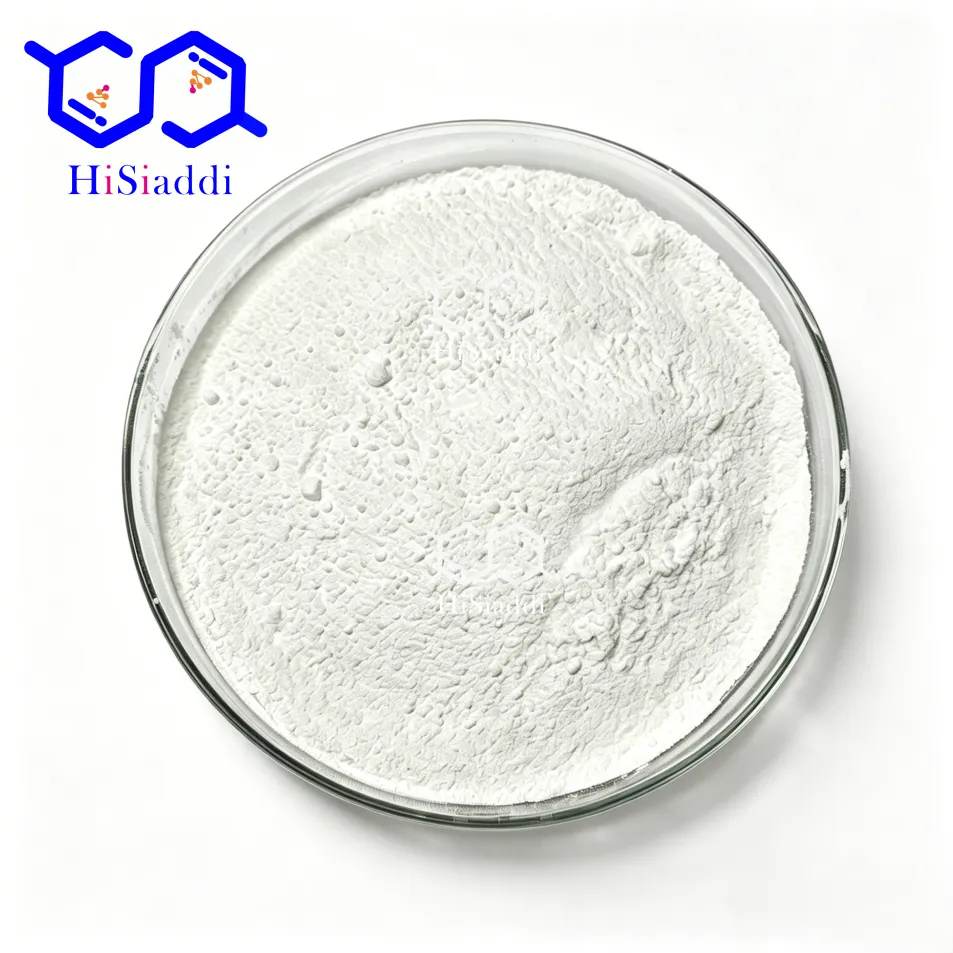
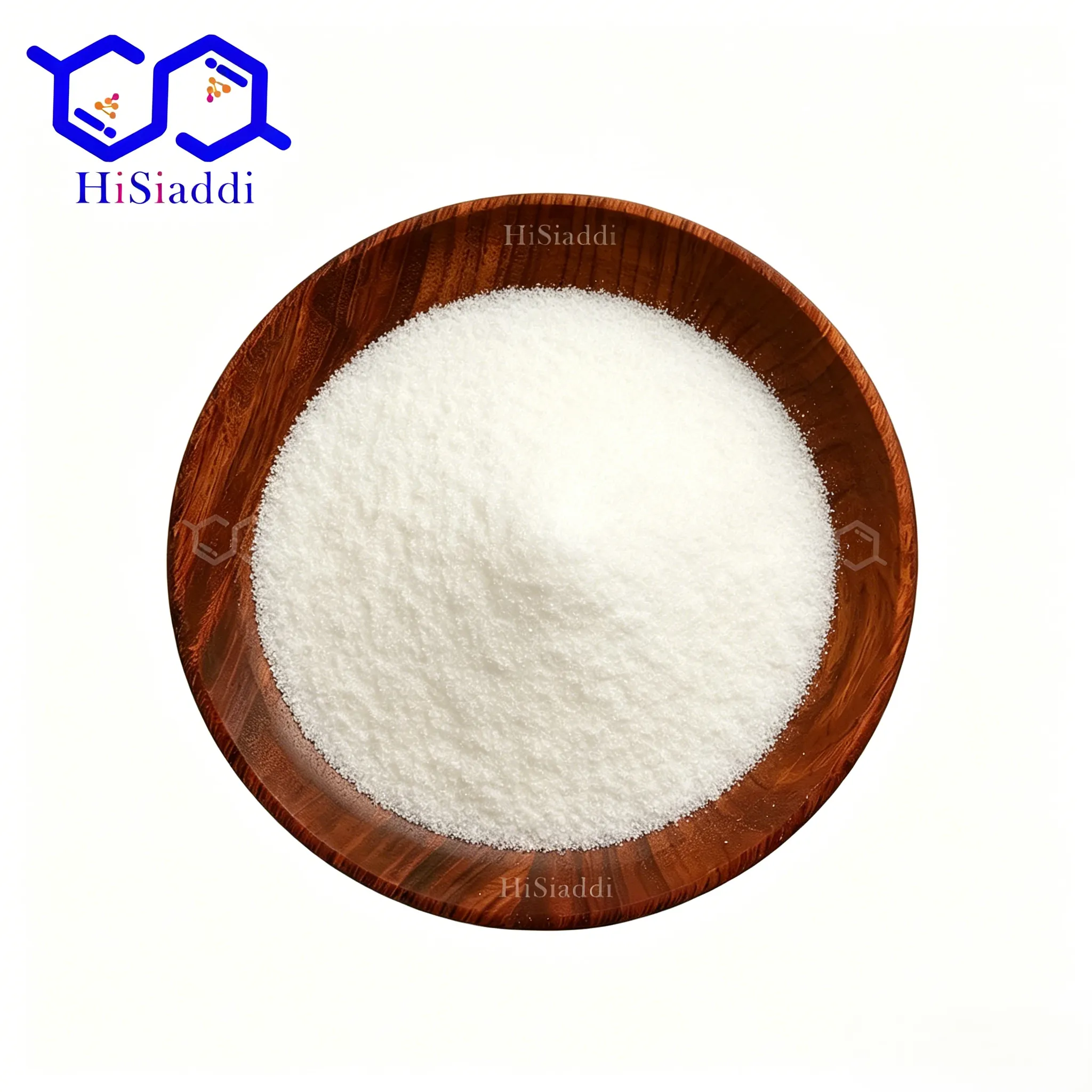
As a new-type foreign trade service provider driven by dual engines of technology transformation and foreign trade export, HiSiaddi has established a "1+2+3+4=1" service system and can supply original factory goods of multiple well-known brands of UV 184.
Adopting the "1+1>2" business model, HiSiaddi focuses on the integrated development of technology transformation and foreign trade exports, and consistently tracks the global market of UV 184 from both scientific research and market perspectives. Today, we will analyze new shifts and trends in the global UV 184 market from a professional standpoint.
If you need more comprehensive and valuable market information about UV 184, please contact HiSiaddi customer service.
Global UV 184 production capacity is concentrated in China (accounting for over 70%). The CR5 concentration ratio of leading enterprises (Rihua Chemical, Yangfan New Materials, Qiangli New Materials, etc.) reaches 58%, yet the overall industry capacity utilization rate stands at only 65%–70%, with small and medium-sized manufacturers operating at less than 50% capacity. From 2025 to early 2026, prices of general-grade 184 dropped by 12.5% year-on-year, compressing industry gross profit margins to 18% and trapping the low-end market in a red ocean of price wars. In contrast, modified 184 grades featuring low migration (<0.5 ppm), high purity (≥99.9%), and UV-LED compatibility face capacity shortages, commanding prices 30%–50% higher than general grades with unmet demand. Customized orders from European, American, Japanese and Korean buyers carry lead times exceeding 3 months.
The EU REACH Regulation introduced three mandatory new limits starting June 2026: migration substance limit (≤0.5 ppm), VOC emissions (<5%), and non-detectable heavy metals. Products failing to meet standards will be banned from the EU market. The US FDA imposes requirements for biocompatibility, low odor and low extraction on food-contact and medical-grade 184. Driven by China’s "Dual Carbon" policy, domestic production enforces strict energy consumption and carbon emission controls, phasing out environmentally unfriendly 184 capacity. The global market is rapidly phasing out traditional high-VOC, high-migration 184, with low-VOC, low-migration, solvent-free modified 184 emerging as the mainstream. Environmentally friendly 184 accounted for 40% of total volume in 2025, and the figure is projected to surpass 70% by 2028.
Conventional 184 is designed for high-pressure mercury lamps (365 nm), which consume high energy and generate excessive heat. Current technological R&D focuses on UV-LED compatibility (395 nm/405 nm). Modified 184 enables low-temperature curing below 80°C with 30% lower energy consumption, suitable for precision applications including electronics and 3D printing. Meanwhile, three R&D priorities prevail: high efficiency (20%–30% lower dosage requirement, 50% faster curing speed), low migration (meeting food/medical contact standards), and customization (matching special resins/substrates). Leading enterprises increased annual R&D investment by 15%, and relevant patent filings in 2023 rose 67% compared with 2020.
The global UV 184 market size reached approximately USD 16 million in 2024, and is forecast to hit USD 30 million by 2033, with a CAGR of 6.5% from 2026 to 2033. Traditional sectors (UV coatings, UV inks, UV adhesives) maintain stable growth: penetration of wood coatings rose from 35% to 45%, and PCB ink consumption grew 9.2% year-on-year in 2025 amid recovering demand for AI servers. Emerging scenarios witness explosive growth: 3D printing resin demand surged 22.9% year-on-year, while consumer electronic optical adhesives, flexible display coatings and medical-grade UV adhesives constitute core growth drivers. Emerging sectors accounted for 25% of total demand in 2025, expected to exceed 40% by 2028.
Leading Chinese manufacturers such as Rihua Chemical have achieved end-to-end industrial chain integration spanning raw toluene → cyclohexanecarboxylic acid → H4 ketone → finished 184, eliminating reliance on outsourced intermediates. This cuts per-ton production costs by 12%–15% and drastically improves quality stability. Production capacity is heavily concentrated in the Yangtze River Delta (Jiangsu and Zhejiang account for 70% of national capacity), forming an integrated cluster covering raw materials, intermediates, finished products and downstream applications, slashing logistics costs by 10%–18% versus scattered capacity layouts. Meanwhile, foreign enterprises (Covestro, BASF) accelerated local capacity expansion in China, adding over 50,000 tons of new capacity between 2025 and 2026. The global supply chain now follows a core pattern of "Manufactured in China, Consumed Worldwide".
Small and medium-sized buyers rely heavily on general-grade 184. The 12.5% price drop in 2025 reduced product gross margins by 5%–8%, pushing some enterprises into losses. High-end low-migration and UV-LED-compatible 184 carry a 30%–50% price premium alongside long procurement cycles (3–6 months), imposing heavy capital burdens and weak bargaining power on small and mid-sized purchasers.
Three overlapping compliance barriers – EU REACH, US FDA, and China’s Dual Carbon policy – will block non-compliant goods from European and American markets starting 2026. Violators face fines up to 10% of global annual revenue plus order cancellations. Small and medium buyers lack in-house compliance testing capabilities, making it difficult to control critical indicators including migration levels, VOCs and heavy metals, resulting in high compliance costs and unmanageable risks.
Downstream buyers are rapidly shifting curing systems from traditional mercury lamps to UV-LED, yet conventional 184 exhibits poor matching performance with 395 nm/405 nm LED light sources, causing low curing efficiency and severe yellowing. Additionally, food, medical and high-end electronics sectors demand ultra-low migration, low odor and high transparency from 184, which existing formulations cannot satisfy, leading to lost high-value orders and weakened product competitiveness.
Demand for high-end low-migration and UV-LED-compatible 184 in 3D printing, consumer electronics, medical supplies and food packaging surged 22.9% year-on-year in 2025, with supply unable to meet demand and product premiums reaching 30%–50%. Buyers equipped with compliance and technical capabilities can capture high-end markets, lifting gross margins to 25%–35%, far exceeding returns from traditional segments.
Chinese leading manufacturers with complete industrial chain layouts offer sufficient capacity, consistent quality and short delivery lead times (15–30 days), at prices 20%–30% lower than international brands. Buyers can establish long-term partnerships with leading producers to mitigate price fluctuation risks, cut procurement costs and secure stable supply, while accessing customized technical support.
The global photocuring industry is shifting toward UV-LED, low-energy and eco-friendly technologies. Small and medium buyers can leverage this transition window to upgrade formulations, optimize equipment and develop premium products to escape low-end price wars. Leading suppliers provide integrated services including customized formulation development, technical training and compliance testing to accelerate clients’ technical iteration cycles.
Global environmental regulations accelerate the phase-out of high-VOC, high-migration and non-compliant production capacity, driving consolidation within the industry. Buyers with robust compliance systems can expand market share, raise brand premiums and strengthen customer loyalty to build long-term competitive moats.
· General-grade 184 (wood coatings, standard inks): Prioritize leading Chinese manufacturers (Rihua Chemical, Yangfan New Materials). Bulk orders ≥50 tons per batch qualify for 5%–8% volume discounts to control costs.
· High-end grade 184 (food/medical/electronics): Partner with leading suppliers capable of low-migration and UV-LED-modified production to sign customized orders with clear specifications: migration <0.5 ppm, purity ≥99.9%, VOCs <5%, ensuring full compliance.
Execute annual price-locked framework contracts with leading manufacturers, stipulating a ±5% price fluctuation range to lock in capacity and pricing and shield profit margins from raw material volatility. Include clauses for maximum 30-day delivery lead times and quality compensation terms to mitigate supply chain risks.
· Qualification audits: Require suppliers to submit REACH registration, FDA certification, ISO 9001 and ISO 14001 documents. Prioritize fully integrated manufacturers with high R&D spending and extensive patent portfolios.
· Batch testing: Engage third-party laboratories to inspect migration, VOCs, heavy metals and purity indicators upon each delivery. Mandate unconditional returns and compensation for non-conforming batches to eliminate compliance exposure.
· Formulation upgrade: Replace conventional 184 with UV-LED-compatible modified grades tuned for 395 nm/405 nm wavelengths. This cuts required dosage by 20%–30%, accelerates curing speed by 50%, reduces energy consumption by 30%, and lowers yellowing risk by 80%.
· Equipment optimization: Gradually phase out high-pressure mercury lamps and adopt UV-LED curing equipment matching modified 184 performance, delivering a long-term energy cost reduction of 40%–50%.
· Food/medical grades: Adopt low-migration (<0.5 ppm), biocompatible modified 184 certified under FDA food contact standards and ISO 10993 biocompatibility testing, enabling product premiums of 40%–50%.
· High-end electronic grades: Select ultra-high-purity (≥99.9%), low-odor, high-transparency 184 for flexible displays and optical adhesives, lifting gross margins to 30%–35%.
Establish technical cooperation with top 184 manufacturers to jointly develop tailored formulations matching proprietary resins, substrates and performance requirements. Leverage suppliers’ R&D resources, testing laboratories and technical teams to resolve formulation challenges, cutting new product development cycles by 50% and strengthening differentiated product competitiveness.
· EU market: Ensure 184 meets migration ≤0.5 ppm, VOCs <5%, non-detectable heavy metals and full REACH registration before June 2026.
· US market: Food-contact products require FDA 21 CFR 175.105 certification; medical-grade goods must comply with ISO 10993 biocompatibility standards.
· China market: Satisfy GB 38507-2020 VOC limits and Dual Carbon energy consumption standards, and obtain relevant environmental certifications.
· Procurement stage: Audit supplier compliance credentials, conduct batch indicator testing and maintain supplier compliance archives.
· Production stage: Optimize manufacturing processes to control 184 dosage and reduce migration risks; log full production data including formulation, temperature and curing duration.
· Shipment stage: Attach full compliance test reports to every batch and implement product traceability systems to enable full recall and root-cause identification for defective goods.
· Internal setup: Assign 1–2 dedicated compliance specialists to track global regulatory updates, formulate compliance strategies and coordinate supplier/customer compliance demands.
· External collaboration: Partner with professional compliance agencies and testing labs for regular compliance training, product testing and certification applications to lower compliance costs and improve efficiency.
· Exit low-end price-war segments (generic wood coatings, low-cost inks) and prioritize high-value verticals including food packaging, medical supplies, flexible displays and consumer electronic optical adhesives.
· Launch premium product lines highlighting low migration, eco-friendliness, UV-LED compatibility and exceptional stability, priced 20%–30% above competitors with gross margins lifted to 25%–35%.
· 3D printing: Develop low-viscosity, fast-curing, high-toughness UV resins for industrial-grade 3D printing, a segment projected to maintain a 22.9% CAGR through 2028.
· Automotive interiors: Supply eco-friendly, low-odor, weather-resistant UV coatings to meet upgrading demand for new energy vehicle interiors with rapidly rising penetration.
· New energy sectors: Expand into UV coatings for photovoltaic backsheets and lithium battery adhesives to unlock new profit pools supported by robust new energy industry growth.
· Brand positioning: Build a brand identity centered on green compliance, technical leadership and reliable stability, highlighting core strengths of low migration, UV-LED compatibility and customized technical services.
· Service upgrades: Deliver integrated solutions including formulation optimization, technical training, compliance consulting and after-sales support to increase customer stickiness and reduce churn rates.
· Channel optimization: Deepen penetration into high-end European, American, Japanese and Korean markets with local service teams for rapid response; concurrently expand Southeast Asian and Middle Eastern emerging markets to diversify market risk.
If you require more objective, authentic information on multiple well-known Chinese UV 184 brands, please contact HiSiaddi customer service.

 +86-13120989737
  info@hisiaddi.com
 English