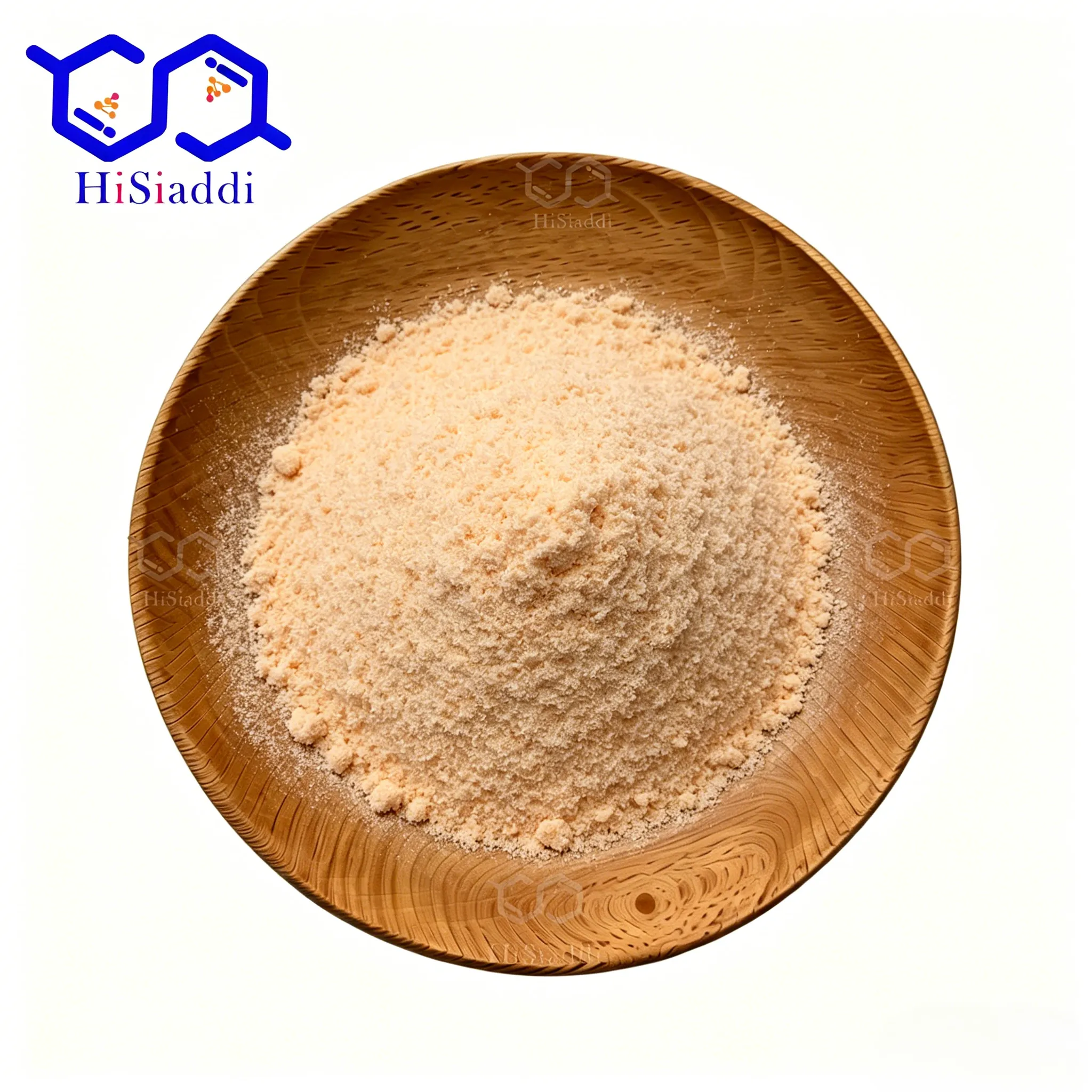
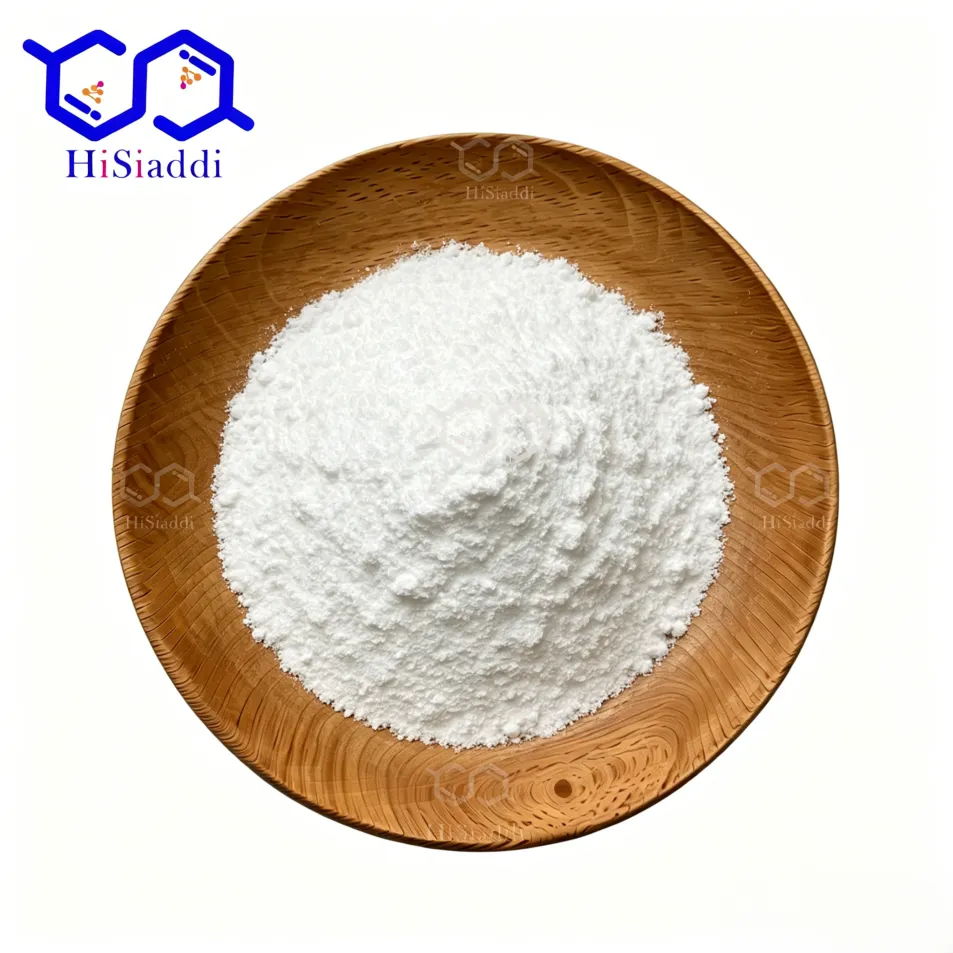
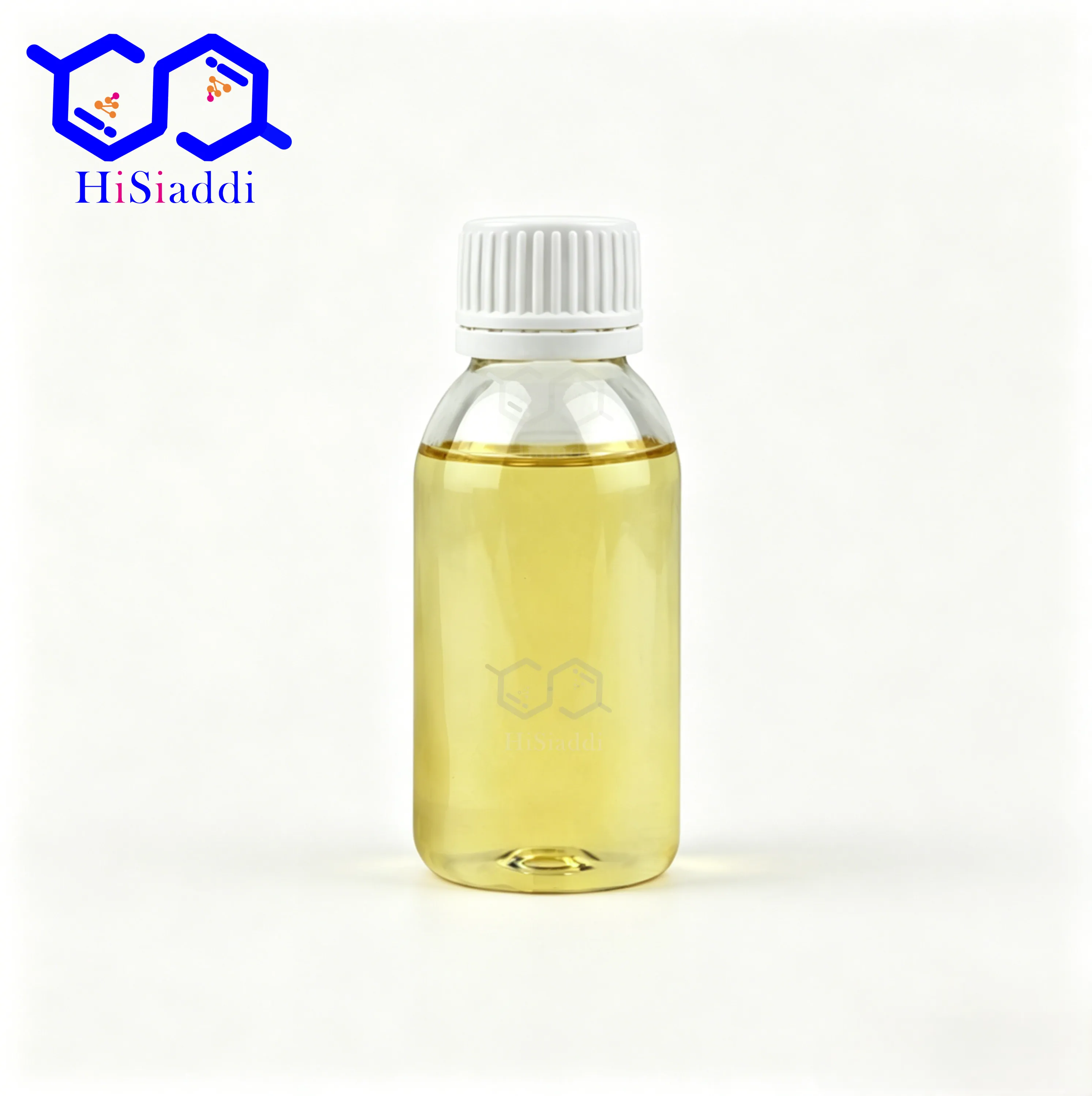
As a new foreign trade service provider driven by both technology transformation and foreign trade services, HiSiaddi has established a "1+2+3+4=1" service system and can supply UV 327 sourced directly from multiple well-known original manufacturers.
With R&D capabilities, HiSiaddi frequently proposes UV327 formulation optimization solutions and application improvement recommendations based on technological transformation cooperation with factories and accurate market insight. Below is a consultation case of UV327 formulation optimization by HiSiaddi.
Contact HiSiaddi’s customer service for more formulation optimization consultation services.
(Mid-to-high-end European end manufacturer, not a trading intermediary) Purchaser: OPTIC-GER GmbH, Germany Located in Bavaria, Germany, the company has 31 years of experience manufacturing high-end PC/PMMA optical daylighting panels, transparent protective covers for precision instruments and high-transmittance photovoltaic cover plates for new energy. Its products are supplied to Siemens industrial equipment and leading domestic German photovoltaic enterprises, complying with EU REACH, DIN50017 humidity-heat aging, ISO4892 xenon lamp weather resistance and strict optical transmittance standards. It is a top-tier mid-to-high-end manufacturer in Europe’s optical plastics segment, with an annual UV327 procurement volume of 68 tons and long-term fixed purchases of original BASF Tinuvin327.
Faced with rising European raw material prices and extended production lead times for BASF orders, the customer selected standard first-grade domestic UV327 from a leading domestic additive manufacturer as an import replacement after sample screening, placing an initial order of 15 tons of domestic UV327 for mass production.
Although physical and chemical indicators on the COA of domestic UV327 met standards and matched imported products, four critical technical failures occurred on mass production lines after goods arrived at the customer’s plant: blooming precipitation on finished panels, persistent die buildup clogging twin-screw extrusion dies, reduced light transmittance of finished products, and premature yellowing after outdoor accelerated aging. Multiple production lines were forced to suspend operation periodically. The customer’s in-house formulation engineers repeatedly adjusted additive dosage and extrusion temperatures but failed to eliminate the root causes. Technical staff from the supplying factory only interpreted product factory parameters and merely suggested increasing or decreasing UV327 dosage, lacking systematic capabilities to troubleshoot formulation and process weaknesses based on the customer’s resin system, additive compatibility and equipment operating conditions. Multiple rounds of small-scale rectification yielded no results, halting mass production and creating pressure on order delivery. Upon recommendation by the German Plastics Industry Association, the customer fully entrusted HiSiaddi with full-process technical rectification including formulation decomposition, fault tracing and systematic optimization.
1. Blooming Precipitation on Finished Products at Ambient Temperature: White powdery substances precipitate on panel surfaces after 7~10 days of ambient storage, impairing subsequent film lamination adhesion and optical appearance; the manufacturer’s internal testing confirmed product purity compliance but could not explain the root cause of precipitation;
2. Persistent Buildup on Twin-Screw Extrusion Dies: Yellowish deposits accumulate at die mouths after 8~12 hours of continuous production, requiring production shutdowns for die disassembly and cleaning. Production efficiency dropped by 40%, while frequent shutdowns drove up raw material waste rates;
3. Reduced Light Transmittance of Panels: At the same addition dosage of 0.32%, finished panels using domestic UV327 recorded 2.8~3.5% lower light transmittance than those with original BASF products, failing to meet the customer’s internal optical panel factory standards;
4. Excessive Yellowing After Xenon Lamp Accelerated Aging: Color difference ΔE>2.6 after 1,000-hour xenon lamp aging, far exceeding the customer’s acceptance limit of ΔE≤1.9, rendering the material unsuitable for outdoor photovoltaic applications.
HiSiaddi assembled a special technical team of additive synthesis engineers, polymer formulation engineers and extrusion process engineers, who conducted three-stage sampling analysis: full-component testing of domestic UV327, decomposition of all components in the customer’s existing formulation, and full-process extrusion operating condition tracking to accurately identify failure triggers:
The customer retained the original formulation developed for BASF original products and directly replaced the imported UV327 with domestic equivalent at equal dosage. The lubricants and Antioxidant 1076 matched in the original formulation showed poor compatibility with domestic UV327. Trace low-molecular impurities in domestic UV327 underwent phase separation with internal lubricants, exceeding the dissolution saturation threshold of the resin and gradually migrating to the surface to form blooming at ambient temperature. Meanwhile, incompatible additives carbonized under high temperature and accumulated to cause die buildup and clogging. Original formulation: PC substrate + 0.32% UV327 + 0.18% Antioxidant 1076 + 0.25% stearate-based lubricant.
The D50 particle size of this batch of domestic UV327 powder was 16.8μm, significantly larger than the ≤4.8μm ultrafine powder of original BASF products. Uneven dispersion during mixing led to powder agglomeration forming microscopic light-shielding spots, directly reducing panel light transmittance and triggering premature aging yellowing at local additive-enriched zones.
The customer retained processing temperatures designed for imported materials (270~275°C). Domestic UV327 contained slightly higher residual small molecules than original grades, which underwent minor thermal decomposition at high temperatures. Decomposition by-products aggravated die carbon buildup, weakened weather resistance and accelerated panel yellowing during aging.
1. Adjust UV327 dosage threshold: Abolish the fixed 0.32% addition rate. Based on measured effective UV absorption components of domestic products, lower dosage to 0.27% to reduce risks of additive saturation and precipitation in resin while maintaining full UV shielding capacity;
2. Upgrade compound additive system: Remove original conventional stearate lubricants and replace them with polyolefin-based polymer lubricants featuring high compatibility with benzotriazole UV327. Revamp the antioxidant system from single Antioxidant 1076 to a blend of primary Antioxidant 1076 + secondary Antioxidant 168 (0.12% + 0.08%) to collaboratively boost thermal stability, suppress high-temperature additive carbonization and buildup, and improve overall additive compatibility to fundamentally eliminate blooming precipitation. Optimized new formulation: 100 parts PC resin + 0.27 parts UV327 + 0.2 parts composite antioxidants + 0.16 parts polymer compatible lubricant.
HiSiaddi coordinated the domestic supplying factory to conduct secondary jet ultrafine crushing on remaining in-stock UV327, controlling finished product D50≤5μm. Meanwhile, guide the customer to optimize feeding procedures: pre-blend UV327 with a small amount of PC masterbatch to prepare high-concentration pre-dispersed masterbatch before adding to the main mixing silo, avoiding powder agglomeration, achieving uniform dispersion inside the substrate, eliminating microscopic light-shielding defects and restoring light transmittance to standard ranges.
1. Segmented temperature reduction for screw zones: Barrel front zone 245°C, middle zone 255°C, die head 262°C, an overall reduction of 8~13°C from the original process to avoid thermal decomposition of domestic additives at high temperatures;
2. Fine-tune screw rotational speed and backpressure: Slightly raise screw shear backpressure and lower main machine rotational speed to improve mixing uniformity and reduce localized overheating and carbonization, extending continuous die production cycles and cutting shutdown cleaning frequency;
3. Standardize raw material pre-treatment: Dry PC raw materials at 120°C for 4 hours to remove moisture, preventing additive hydrolysis degradation catalyzed by high-temperature water and supporting improved finished product weather resistance.
1. Lab Small-Batch Testing: Small-batch panel production using the optimized formulation delivered panels free of blooming precipitation, with light transmittance restored to the customer’s standard range and 1,000-hour xenon lamp aging color difference ΔE=1.72, all indicators compliant;
2. Workshop Pilot Mass Production (2-ton trial run): Uninterrupted extrusion for 16 hours showed no obvious die buildup, with only simple cleaning required after production completion. Full inspection of finished products confirmed compliance with all optical, weather resistance and appearance standards;
3. Full-Scale Production of Remaining 13 Tons: The customer rolled out HiSiaddi’s optimized solution across all production lines, successfully putting the entire batch of domestic UV327 into mass production and delivering orders for Siemens and photovoltaic customers on schedule.
1. Cost Optimization: Combined with reduced UV327 dosage and price gaps for domestic raw materials, the customer’s additive cost per ton of panels fell by 27%, while shutdown and scrap waste rates dropped by 38% year-on-year;
2. Annual Framework Agreement Signed: After successful delivery of the initial 15-ton batch, the customer finalized an annual procurement contract for 68 tons of domestic UV327 split into 5 monthly shipments;
3. Long-Term Supporting Technical Services: HiSiaddi established a dedicated formulation archive for the customer. When the customer developed new high-end optical PMMA panels, it once again entrusted HiSiaddi with UV327 supporting formulation debugging;
4. Supplier Product Upgrading: Drawing on data from this optimization project, the domestic UV327 factory simultaneously refined its post-treatment crushing process and launched ultrafine grades dedicated to optical panels, securing multiple new mid-to-high-end European optical plastic customers.
1. While physical and chemical indicators of most domestic UV327 products match imported equivalents at factory release, subtle gaps exist in powder particle size, trace impurities and additive compatibility with original imported grades. Mid-to-high-end overseas end customers operate production lines calibrated around imported additive formulations, and direct one-to-one replacement with domestic raw materials frequently triggers faults from incompatible formulations and mismatched processes. Additive manufacturers focus solely on product performance and lack reserves of downstream formulation and production application technology, leaving them unable to resolve practical mass production challenges for customers.
2. Core Technical Value of HiSiaddi’s Foreign Trade Services: HiSiaddi closes the full technical loop covering raw material physical properties, downstream formulation compatibility and end extrusion production processes. Moving beyond simple comparison of product parameters, it delivers targeted optimization based on the customer’s resin system and production line operating conditions, bridging the application technology gap between additive manufacturers and overseas end factories. This is critical for stable entry of domestic UV327 into mid-to-high-end European optical plastic supply chains.
3. Mid-to-high-end optical plastic manufacturers in Europe and America prioritize systematic full-process technical services including formulation optimization and production process guidance over raw material performance alone. Comprehensive technical empowerment represents the core competitive advantage that distinguishes HiSiaddi from ordinary product trading intermediaries.
Contact HiSiaddi’s customer service for more formulation optimization consultation services.

 +86-13120989737
  info@hisiaddi.com
 English