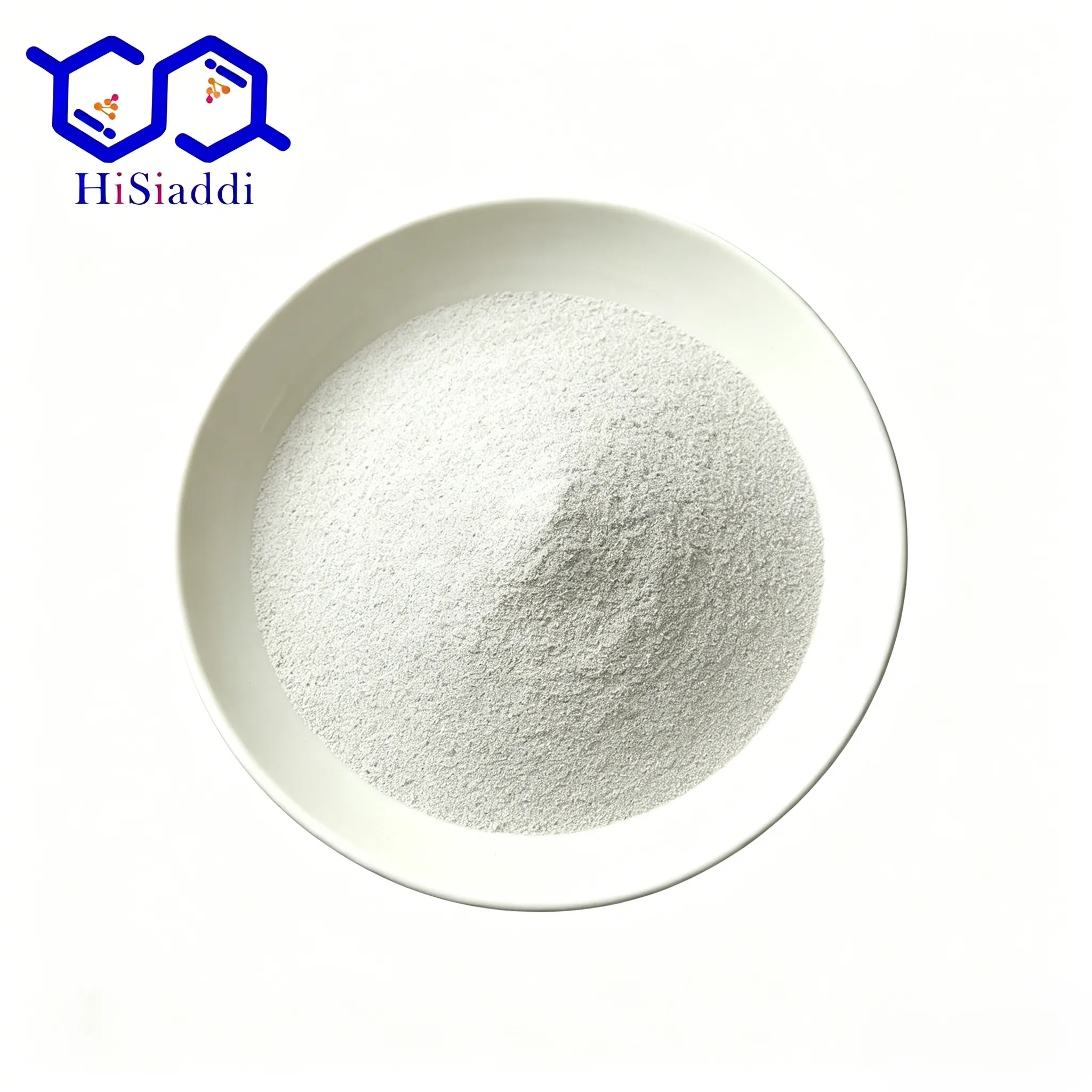
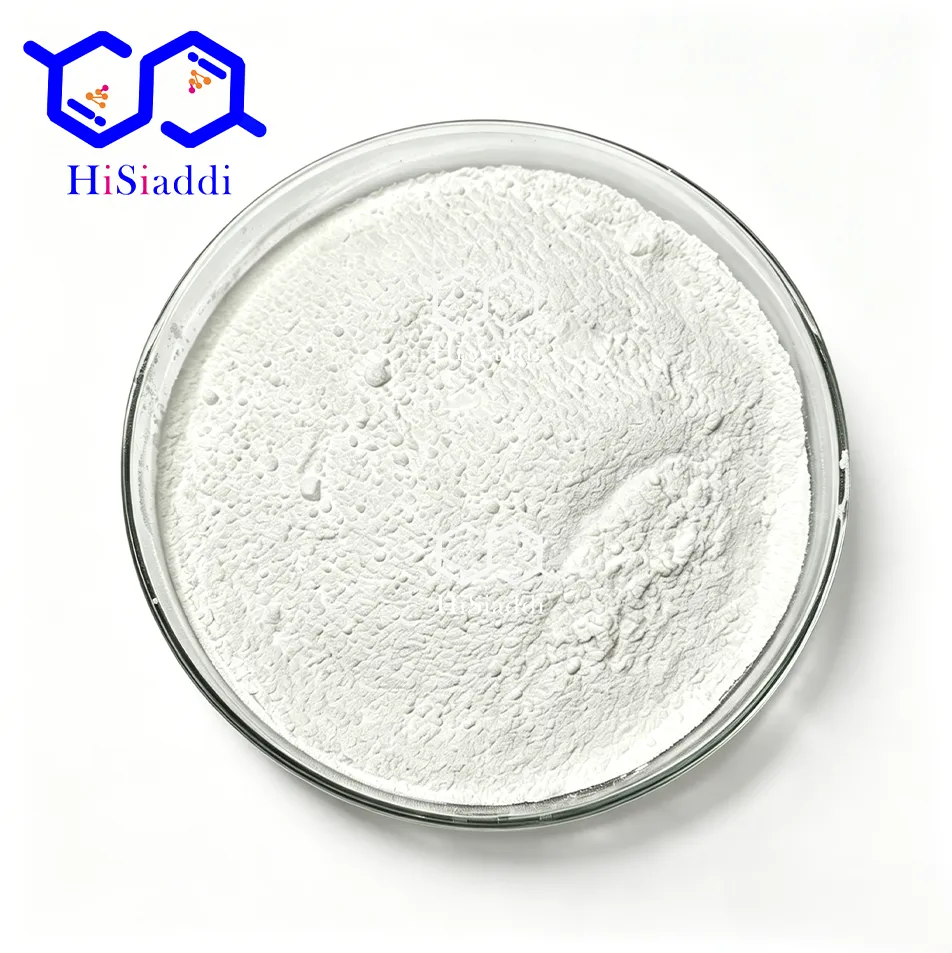
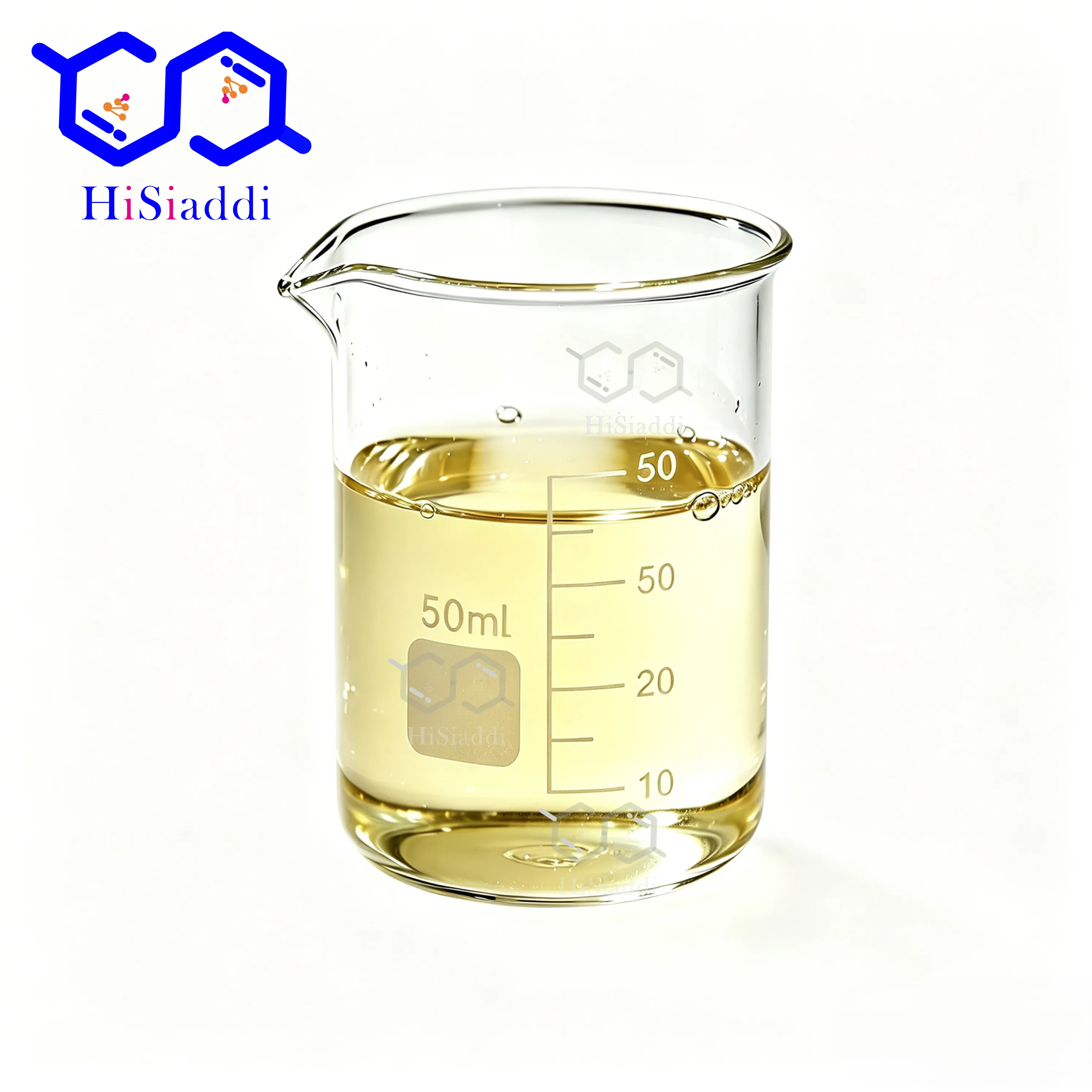
As a new-type foreign trade service provider driven by dual engines of technology transformation and foreign trade services, HiSiaddi has established a "1+2+3+4=1" service system and can supply UV 944 sourced from multiple well-known original manufacturers.
Endowed with R&D attributes, HiSiaddi repeatedly delivers UV 944 formula optimization solutions and application improvement recommendations through technological transformation cooperation with factories and precise insight into market needs. Below is a consulting case of UV 944 formula optimization delivered by HiSiaddi.
For more formula optimization consulting services, please contact HiSiaddi customer service.
Buyer: KUNSTSTOFF TECHNIK DEUTSCHLAND GmbH (German Kete Modification), a German high-tech factory specializing in new energy outdoor structural parts, photovoltaic frame PP modified pellets, and electric vehicle charging pile housing raw materials. Its products are mass-supplied to plastic parts supporting Siemens and Bosch new energy equipment, complying with four stringent access specifications: DIN German plastic weathering standards, REACH, ELV automotive environmental directives and ISO4892 xenon lamp aging standards. As a high-end benchmark enterprise in Europe’s polyolefin modification sector, it purchases 80 tons of light stabilizers annually and has long sourced original BASF Chimassorb944 as its fixed supplier.
Faced with surging European chemical raw material prices, tight BASF production capacity and delivery cycles extended to over 70 days, the client launched a localization substitution project for domestic UV944. It independently sourced industrial-grade UV944 from three leading domestic additive manufacturers, yet mass quality failures emerged after trial production of the first 12-ton raw material shipment: white bloom on finished products at room temperature, oil seepage at twin-screw extrusion die heads, severe cracking and excessive color difference after only 800h xenon lamp aging, and white fog precipitation during low-temperature warehousing. The client’s production line was forced to shut down, and all semi-finished goods already produced failed inspection and could not be delivered for Siemens orders.
The three domestic suppliers could only provide factory COA quality inspection certificates, claiming their products complied with national standards without deploying polymer formula engineers to support downstream modification troubleshooting. They failed to identify root causes of failures from substrate compatibility, additive compounding or production process perspectives, merely recommending arbitrary increases or decreases in UV944 dosage. Repeated small trials yielded no improvements. After referral from industry peers, the client fully entrusted foreign trade service provider HiSiaddi with full-spectrum technical services covering fault tracing, raw material selection optimization, complete formula adjustment, extrusion process rectification and mass production verification delivery.
The client’s original mature formula benchmarking original BASF 944 system: copolymer PP + POE toughener + calcium carbonate filler + Antioxidant 1010/168 + lubricant + UV944 (0.35wt% dosage), twin-screw extrusion temperature range 210~235°C, pellet injection molding for charging pile housings. Four concentrated failures occurred after switching to domestic standard industrial UV944:
1. White bloom on finished products at room temperature: White powdery substances precipitated on pellets and injection-molded housings after 7~15 days of room-temperature storage; bloom reoccurred shortly after wiping, rendering products visually unqualified for vehicle assembly delivery.
2. High-temperature extrusion die head oil seepage: Pale yellow oily liquid continuously flowed from the twin-screw die head during processing at 230°C, adhering to pelletizing blades and causing irregular pellets and high agglomeration rates, requiring equipment shutdown for cleaning every 2 hours.
3. Sharp decline in weathering resistance: After only 800h xenon accelerated aging, product color difference ΔE>5.5, with fine cracks forming at housing corners. The original BASF formula achieved ΔE≤2.0 after identical 1500h testing, failing to meet Siemens component acceptance standards.
4. White fog precipitation during low-temperature warehousing: After 20 days of storage in a 5°C winter warehouse, small-molecule migration inside finished products formed white fog precipitates on housing inner walls, contaminating matching metal wiring terminals during assembly.
Technical limitations of the three domestic manufacturers: They only control UV944 active ingredient content at factory exit, without subdivided indicator control for molecular weight distribution, oligomer residues, free monomers and alkaline residues. Lacking downstream modified formula R&D teams, they can only defend their own product indicators without jointly optimizing formulas aligned with PP substrates, fillers, antioxidants and lubricant systems.
HiSiaddi formed a dedicated technical team of fine chemical synthesis engineers, polyolefin modification engineers and weathering testing specialists. We immediately sampled the client’s in-use domestic UV944 raw material, defective finished pellets and original BASF 944 retained samples, conducting four core physicochemical tests: GPC molecular weight distribution, HPLC small-molecule residue analysis, TGA thermogravimetric analysis and substrate compatibility testing to lock failure causes item by item.
1. Excessively broad molecular weight distribution & excessive low-molecular oligomer residues: Domestic standard UV944 features weight-average molecular weight of 3100~4900 and PDI distribution coefficient of 1.68, with low-molecular oligomer byproduct content reaching 2100ppm – far exceeding original BASF material’s <10ppm threshold. These small-molecule fractions constitute the core source of oil seepage during high-temperature extrusion and room-temperature bloom; small molecules exhibit reduced solubility in PP resin at ambient temperature and continuously migrate to product surfaces for precipitation.
2. Elevated free piperidine monomer and solvent residues: Single-stage devolatilization in conventional processes cannot strip trace residual monomers, which volatilize under high extrusion temperatures and converge at die heads to form oily exudates.
3. Excessive free alkalinity in products: Hindered amines in UV944 are alkaline. Excessively high alkali values in domestic grades trigger acid-base neutralization reactions with acidic Antioxidant 168 within the formula system, breaking the synergistic anti-oxidation & light stabilization system and drastically weakening weathering resistance, accelerating PP matrix aging and additive migration.
1. Mismatched UV944 dosage: Domestic grades contain lower proportions of effective high-molecular components and higher proportions of invalid small-molecule fractions. Retaining the original 0.35% dosage designed for imported materials leads to saturated PP solubility of invalid small-molecule components, directly triggering bloom and precipitation.
2. Conflicting antioxidant compounding system: Neutralization between acidic Antioxidant 168 and high-alkali domestic 944 renders thermal-oxygen protection ineffective, accelerating PP matrix aging and additive migration.
3. Conflicting lubricant selection: Calcium stearate lubricants within the formula blend with excess small-molecule 944 fractions, driving synergistic migration and oil seepage and exacerbating die head leakage.
The client retained temperature control parameters optimized for original BASF material. Domestic grades feature small molecules with lower boiling points, and the 235°C high-temperature range accelerates small-molecule volatilization and seepage. Excessively high screw shear rates cause uneven additive dispersion, creating localized saturated additive concentrations that precipitate out.
Drawing on domestic hindered amine industrial chain resources, HiSiaddi identified two fine chemical manufacturers equipped with dual-stage high-vacuum devolatilization and narrow-molecular-weight polymerization processes to develop optimized modified UV944 grades with locked indicators: molecular weight 3700~4200, PDI≤1.3, oligomer residue ≤12ppm, free monomer <5ppm, and tightly controlled alkali values compatible with compounding systems. 5kg optimized samples were simultaneously sent to the client’s laboratory in Germany.
With the client’s original PP substrate unchanged, HiSiaddi issued two tiered formula schemes: basic fine-tuning version and finalized mass production version.
1. Precisely reduce UV944 dosage: Cut from original 0.35wt% to 0.29wt%, lowering overall small-molecule loading while preserving weathering performance to avoid precipitation driven by saturated resin solubility.
2. Upgrade antioxidant compounding system: Adjust the 1010:168 ratio from 1:1 to 1.2:0.8, supplemented with trace phosphite auxiliary antioxidants to weaken system acidity, prevent acid-base neutralization failure with hindered amines and restore synergistic light-oxygen stabilization mechanisms.
3. Optimize lubricant replacement: Remove high-migration calcium stearate and substitute with low-precipitation polyethylene wax + EVA slip agent to eliminate synergistic oil migration between lubricants and small-molecule 944 fractions.
4. Add trace maleic anhydride grafted POE compatibilizer (0.6%): Boost interfacial compatibility between UV944 and PP substrates to anchor additive molecules firmly within the resin matrix, suppressing room-temperature and low-temperature migration bloom at the mechanistic level.
HiSiaddi issued English-language process guidance documents to remotely guide the client’s mechanical and process engineers in adjusting extrusion parameters:
1. Segmented temperature reduction control: Barrel front section 200°C, middle section 215°C, die head lowered to 222°C to reduce small-molecule volatilization and seepage driven by high temperatures.
2. 12% reduction in screw rotation speed: Mitigate strong shear-induced local additive agglomeration and poor dispersion, eliminating precipitation from localized excess additive concentrations.
3. Elevate tail vacuum negative pressure: Increase equipment tail vacuum from -0.06MPa to -0.085MPa for online stripping of trace volatile small molecules during extrusion.
1. 50kg lab trial pelletization test: Pelletization under optimized formulas yielded clean die heads with no oil seepage and smooth cutting without agglomeration; no bloom or white fog on pellets after 30 days of room-temperature storage.
2. Full aging testing of injection-molded finished products: Samples submitted to German third-party laboratories passed ISO4892 xenon lamp aging for 1500h with color difference ΔE=1.87, no cracking or surface precipitation, fully meeting Siemens component standards.
3. Low-temperature storage reliability verification: No white fog precipitation on housing inner walls after 30 days of sealed storage in a constant 5°C warehouse, passing the client’s stringent storage simulation testing.
1. Smooth mass production after switching to 8 tons of optimized UV944: The client’s suspended production line resumed full operation after rolling out optimized formulas and processes. Reworked defective semi-finished goods passed inspection, enabling on-time delivery of Siemens new energy charging pile orders and eliminating substantial losses from potential order breach compensation.
2. Cost optimization: The unit purchase price of optimized domestic UV944 decreased by 27.5% compared with original BASF grades, and overall additive costs fell by 11% after fine-tuning formula additive ratios.
3. Long-term annual cooperation finalized: After full performance benchmarking against imported products, the client signed an annual framework procurement agreement for 80 tons of UV944 with stable monthly batch shipments. Subsequent photovoltaic frame new project formula development fully entrusts HiSiaddi with additive selection and formula technical support, alongside localization sourcing for antioxidants and hindered amine series products.
4. Value-added technical service: HiSiaddi established a dedicated raw material technical archive for this client, conducting pre-shipment GPC molecular weight and small-molecule residue testing for every batch of raw materials to predict compatibility risks in advance and eliminate mass production failures at the source.
1. Significant performance gaps exist between domestic standard industrial-grade UV944 and original imported BASF grades in molecular weight distribution and trace impurity control. Direct adoption of mature imported formulas with domestic raw materials by European mid-to-high-end modification enterprises easily triggers mass production failures including precipitation, oil seepage and weathering performance degradation. Domestic additive manufacturers prioritize raw material active ingredient content testing and lack downstream polymer formula R&D reserves to resolve end-user formula compatibility challenges, constituting a core bottleneck for overseas high-end clients pursuing localization substitution.
2. HiSiaddi’s core technical value as a foreign trade provider lies in closing the full chain spanning upstream raw material physicochemical indicators, downstream substrate formulas and end-user extrusion processes. We can reverse-engineer and drive raw material grade optimization at manufacturers, while adjusting formula systems and production parameters based on modification expertise, bridging the technical gap between raw material factories and overseas end customers.
3. Mid-to-high-end new energy and automotive plastic procurement logic in Europe prioritizes product stability over unit price. One-stop full-chain technical services covering formula optimization and process debugging constitute the core competitiveness enabling domestic additives to penetrate Europe’s high-end market.
For more formula optimization consulting services, please contact HiSiaddi customer service.

 +86-13120989737
  info@hisiaddi.com
 English