As a new foreign trade service provider driven by both technology transformation and export business, HiSiaddi has built a "1+2+3+4=1" service system, offering access to raw materials from multiple well-known original manufacturers of VB7.
Adopting an operation model of "1+1>2", HiSiaddi integrates technology transformation and export development, and consistently tracks the global VB7 market from both research and market perspectives. Today we will conduct a professional analysis of new shifts and trends across the global VB7 market.
If you require more comprehensive and valuable VB7 market intelligence, please contact HiSiaddi customer service.
Though the feed sector remains the largest consumption segment (accounting for 63.1% of total demand in 2025), its growth rate has slowed to 7.3%. Its core growth driver has shifted from "large-scale universal addition" to "precision supplementation": large-scale breeding enterprises raised the per-ton feed addition rate by 8.5% year-on-year versus 2024, while penetration among small and medium-sized farms stalled due to cost pressures.
Demand for dietary supplements, functional foods, cosmetics and pharmaceuticals has surged, emerging as the primary growth engine:
· Dietary supplements: Demand rose 38% over five years; 68% of nutrition brands incorporate biotin into their formulas, with hair & skincare products for women and sports metabolism formulas as core categories. Biotin compound formulas (biotin + zinc / B vitamins) accounted for 73.6% of new product filings in 2025.
· Cosmetics: 49% of beauty brands add biotin to hair and nail care products with active concentrations above 1%. Registrations for biotin-containing special cosmetics jumped 21.4% year-on-year in 2025.
· Pharmaceuticals: Minimum purity requirement ≥99.0%, applied in alopecia treatment and metabolic disorder intervention. Pharmaceutical consumption grew 17% in 2025, with unit prices 6.5 times higher than feed-grade biotin.
1. Highly concentrated production capacity: Global CR5 exceeds 70%. Chinese manufacturers including NHU and SDM Bio control over 75% of total global capacity. European and American manufacturers focus on high-purity products, while small and medium suppliers are gradually exiting the market due to environmental and technical barriers.
2. Iteration of production technologies: The share of traditional chemical synthesis is declining, while microbial fermentation penetration stands at 33%. Fermentation technology cuts impurities by 22% and energy consumption by 18%, becoming the mainstream process for top manufacturers.
3. Product grade differentiation: Significant price gaps exist between feed-grade (98%), food-grade (98.5%) and pharmaceutical-grade (≥99.0%) biotin, with premium margins for high-purity products continuously expanding. In 2025, the average price of pharmaceutical-grade biotin reached RMB 1,860/kg, versus only RMB 285/kg for feed-grade.
1. Cyclical price fluctuations: Domestic average price stood at RMB 286/kg in 2025 (+5.2% YoY), with export average price at USD 22.4/kg. Driven by raw material costs (pimelic acid, thiourea), environmental production restrictions and geopolitical trade frictions, prices fluctuate every 3–6 months with swing ranges of 15%–25%.
2. Surging compliance costs: New endocrine disruptor screening requirements under EU REACH, updated FDA labeling regulations and upgraded China GB standards mandate GRAS and Feed Additive certifications for high-purity products. Compliance costs for small and medium buyers rose by 30%–40%.
3. Full-chain traceability as a requirement: Downstream brands enforce end-to-end traceability, requiring suppliers to provide batch records, process parameters and full quality inspection reports. Suppliers without traceability capacity are being phased out.
· Asia-Pacific: Largest regional market (33% share), driven by feed and health supplement demand in China and India; buyers are price-sensitive and prioritize cost performance.
· Europe: Second-largest market (30% share), with strong demand for ≥99% high-purity certified organic products; stringent compliance standards and high acceptance of premium pricing.
· North America: Third-largest market (25% share), dominated by beauty supplements and sports nutrition; clean label trends prevail.
· Latin America & Southeast Asia: Emerging markets with fast-growing demand for feed and basic health supplements and high price elasticity; import volumes rose 12%–15% year-on-year in 2025.
1. Squeezed profit margins: Volatile feed-grade biotin prices combined with thin profit margins in the breeding industry hinder cost pass-through, with gross profit margins generally below 15%.
2. Severe homogeneous competition: Small and medium buyers mainly source 98% feed-grade biotin with no differentiated advantages, triggering vicious price competition.
3. Unstable supply chains: Reliance on a single supplier creates risks of production shutdowns amid environmental production limits or raw material shortages.
4. Higher compliance thresholds: Revised feed additive standards impose strict traceability and inspection reporting requirements, lifting compliance costs for small and medium buyers.
1. Dividends from precision breeding: Large-scale breeding enterprises upgrade formulas with higher biotin addition rates, driving growth in premium feed demand; buyers can develop customized premixes.
2. Cost-performance substitution potential: With top manufacturers controlling output, small and medium buyers can secure stable low-cost supplies from high-quality domestic producers to capture market share among small farms.
3. Overseas market expansion: Large-scale breeding industries are emerging in Southeast Asia and Latin America, creating broad export space for feed-grade biotin.
1. Difficult access to high-purity materials: Products with purity 98.5%–99.0% are prioritized for long-term key clients by major suppliers, leaving small and medium buyers facing long lead times and steep premiums.
2. Skyrocketing compliance costs: FDA and EFSA certifications are mandatory for European and American markets, with rigorous labeling and ingredient testing rules; violations may incur fines up to 5% of total revenue.
3. Pressure for formula innovation: The market favors compound formulations (biotin + collagen / zinc), yet small and medium buyers lack sufficient R&D capacity.
4. Intensified price competition: Large brands benefit from bulk purchasing discounts, putting small buyers at a pricing disadvantage and compressing gross margins to 25%–30%.
1. Booming beauty & wellness demand: Global hair and skincare supplement demand grows 12% annually; biotin acts as a core ingredient with wide premium space (40%–60% gross margin).
2. Blue ocean niche segments: Low competition in women-exclusive, sports nutrition and middle-aged & elderly metabolic health tracks, enabling easy differentiation.
3. Cross-border e-commerce dividends: Platforms such as Amazon and independent websites lower export barriers, allowing small and medium buyers to reach European and American consumers directly and cut intermediate links.
1. Low dosage yet stringent requirements: Biotin is added at 0.1%–1% but demands high purity, zero impurities and neutral odor, leading to high unqualified inspection rates.
2. Safety compliance risks: The EU restricts certain impurity residues, while updated Chinese cosmetic regulations mandate full ingredient labeling, complicating traceability management.
3. Slow supply chain response: Cosmetic new product iterations take only 3–6 months, yet long supplier lead times risk missed market windows.
4. Difficult cost control: High-purity low-impurity products carry heavy premiums, and cost pass-through is limited within the price-sensitive cosmetics industry.
1. Rigid demand for hair care: Over 200 million people globally suffer from hair loss; demand for anti-hair-loss and hair-strengthening biotin-infused products rises 15% annually with substantial market gaps.
2. Natural ingredient trend: Under the clean label movement, biotin as a natural vitamin replaces chemical hair care ingredients with high consumer acceptance of premium pricing.
3. Cross-sector collaboration potential: Co-brand with health supplement and pharmaceutical brands to launch "internal oral + external topical" bundled products and boost added value.
1. High technical barriers: Production requires ≥99.0% purity, endotoxin-free and microbe-free standards with complex manufacturing processes; only a handful of global suppliers deliver consistent stock.
2. Lengthy certification cycles: API registration and pharmaceutical production licensing take 1–2 years with heavy upfront investment and high risks.
3. Zero tolerance for quality defects: Pharmaceutical products directly impact human health; excess impurities or content fluctuations trigger costly drug recalls.
4. Strong client stickiness yet difficult market entry: Downstream pharmaceutical firms and hospitals maintain stable procurement, yet entry thresholds for supplier qualifications, production capacity and quality control systems are extremely high for new buyers.
1. Rigid medical demand: Steady growth in alopecia treatment, metabolic disorder intervention and prenatal nutrition creates 60%–80% gross margins for pharmaceutical-grade biotin.
2. Favorable policy support: National policies encourage domestic API localization, and China’s 14th Five-Year Plan for Bioeconomy supports high-end pharmaceutical raw material development.
3. Eased market competition: High technical and qualification barriers limit global competitors, enabling top buyers to build market dominance and strengthen bargaining power.
1. Optimize supply chains: Adopt dual-supplier partnerships and phased purchasing; sign 1–2 year framework agreements with two leading domestic manufacturers to lock 80% of total consumption. Stock up for 3–6 months when prices fall below RMB 260/kg, and purchase on demand during price surges to hedge volatility risks.
2. Build differentiated products: Launch cost-effective premixes compounding biotin with VA/VE and trace elements, developing tailored formulas for laying hens, breeding pigs and aquaculture to match precise breeding requirements and raise added value.
3. Strengthen cost control: Source directly from manufacturers to eliminate intermediate traders; shift from air freight to rail and coastal shipping to cut logistics costs by an estimated 10%–15%.
4. Expand market coverage: Penetrate Southeast Asian and Latin American markets with locally adapted low-cost formulas to capture share among regional small and medium farms.
5. Upgrade compliance systems: Establish full product traceability and provide batch inspection reports and production process documents to meet revised feed standards and mitigate compliance risks.
1. Secure high-purity supply: Lock long-term high-purity capacity from leading manufacturers to prioritize access to 98.5%–99.0% purity products; collaborate with suppliers to optimize production processes and reduce impurities for stronger product competitiveness.
2. Build full compliance frameworks: Proactively obtain FDA and EFSA certifications, implement end-to-end raw material-production-finished goods quality control, and commission third-party testing to ensure compliant labeling and ingredient content and avoid fines.
3. Drive formula innovation: Develop differentiated compound products targeting niche tracks: women’s line (biotin + collagen + VC), sports nutrition line (biotin + zinc + creatine), middle-aged & elderly line (biotin + B vitamins + calcium) to create hit products.
4. Deepen cross-border channels: Deploy Amazon and independent websites with core selling points of "high purity, natural, organic", supply English certification documents and user guides to match European and American consumer demands, and cooperate with overseas influencers to boost brand awareness.
5. Optimize costs: Bulk orders of ≥5 tons to secure supplier discounts; split R&D expenses with manufacturers to lift gross margins to 35%–45%.
1. Upgrade quality management: Set customized inspection standards requiring impurities ≤0.1%, neutral odor and zero microbes, with third-party test reports per batch; sign quality compensation clauses with suppliers to reduce defective product risks.
2. Speed up supply chain turnaround: Select suppliers with lead times ≤15 days and sign emergency supply agreements to support rapid new product iterations; maintain safety stock equivalent to 1–2 months of consumption to cover unexpected orders.
3. Shape product selling propositions: Highlight "naturally high-purity, anti-hair-loss & hair-strengthening, mild non-irritating", emphasize ≥98.5% biotin purity with zero chemical residues to align with clean label trends and raise premium capacity.
4. Innovate cross-brand cooperation: Co-launch bundled sets of "biotin hair care oral tablets + hair essence" with health supplement brands; partner with medical aesthetics institutions to promote anti-hair-loss treatment packages and expand sales channels.
5. Optimize costs: Adopt small-batch multi-frequency purchasing (minimum 1 ton per order) to avoid inventory backlogs; negotiate quarterly payment terms with suppliers to ease capital pressure.
1. Build full qualification systems: Accelerate API registration and pharmaceutical production licensing by partnering with professional institutions to shorten certification cycles; construct GMP-standard workshops and pass FDA and EMA audits to boost global recognition.
2. Zero-defect quality management: Deploy advanced testing equipment (HPLC, microbial detectors) to monitor purity, impurities and microbes end-to-end; implement full raw material-to-finished goods traceability to eliminate quality incidents.
3. Deepen client relationships: Sign 3–5 year long-term supply agreements with downstream pharmaceutical firms and hospitals, offering stable pricing, priority production scheduling and technical support (formula optimization, clinical data) to increase client loyalty.
4. Expand product pipelines: Develop high-value compound preparations (biotin + B complex + zinc) for alopecia treatment and metabolic disorder intervention; expand into veterinary pharmaceutical biotin formulations to diversify risk exposure.
5. Secure supply chains: Exclusively partner with leading high-purity manufacturers to lock core production capacity; maintain strategic stock equivalent to 3–6 months of consumption to counter raw material shortages and geopolitical risks and guarantee stable supply.
For more authentic, objective introductions to multiple major Chinese VB7 brands, please contact HiSiaddi customer service.
As a new foreign trade service provider driven by both technology transformation and export business, HiSiaddi has built a "1+2+3+4=1" service system, offering access to raw materials from multiple well-known original manufacturers of VB7.
As an R&D-oriented foreign trade enterprise, HiSiaddi differs from single-brand factories that only promote their own products. We objectively analyze multiple competitive Chinese VB7 export brands and share their certification credentials and market feedback to help buyers make efficient, reliable purchasing decisions.
For more authentic, objective introductions to multiple major Chinese VB7 brands, please contact HiSiaddi customer service.
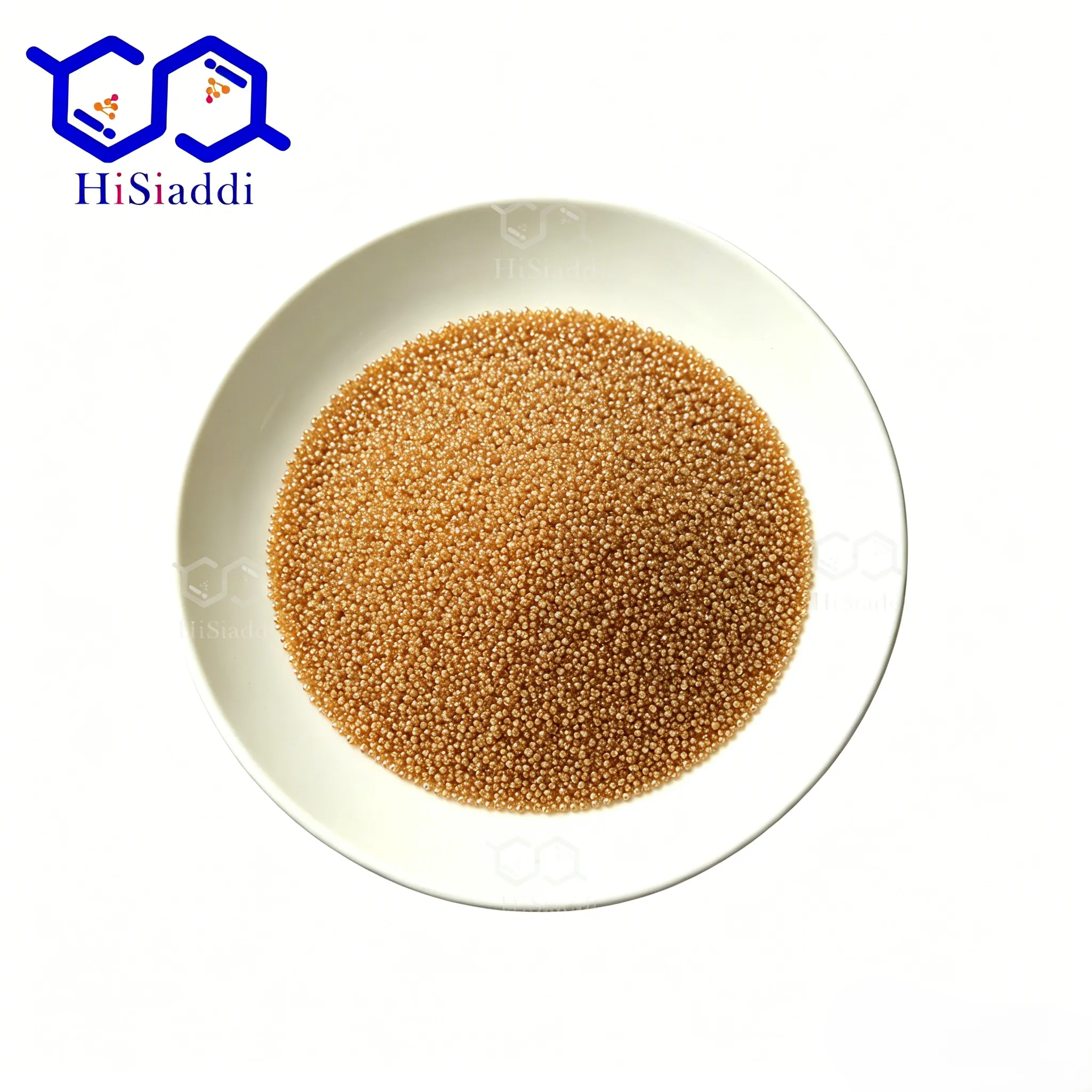
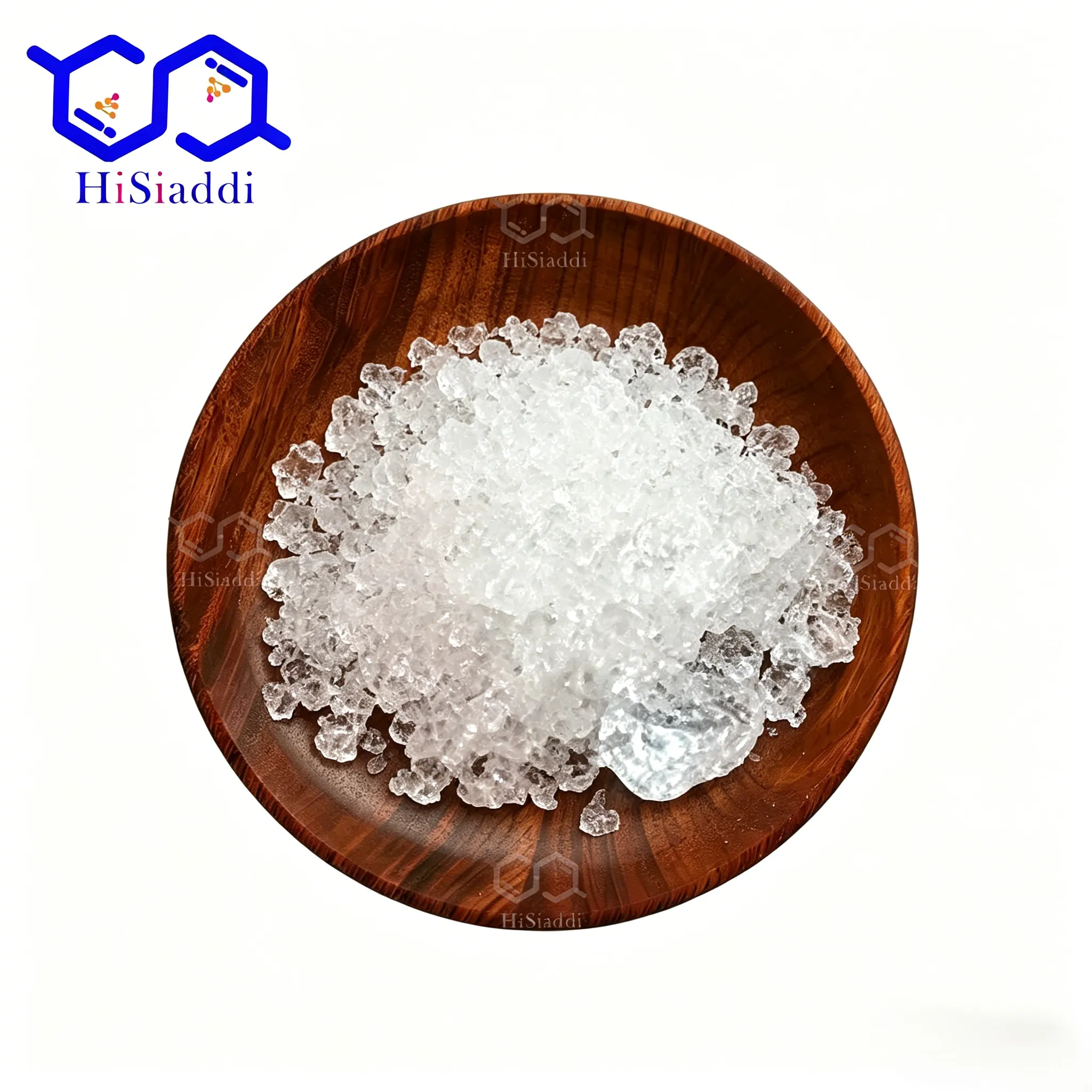
1. Pharmaceutical-grade high-purity D-Biotin (≥99.5%): White crystalline powder, impurities ≤0.1%, endotoxin-free & microbe-free, melting point 231–233℃.
2. Food-grade D-Biotin (98.5%): Pale yellow powder with optimized water solubility, heavy metals ≤1.0mg/kg.
3. 1% / 2% feed premix: Corn starch carrier with excellent fluidity, compatible with automated feed production lines.
· Pharmaceutical clients (European & American pharmaceutical firms, nutritional formulation manufacturers): "The only stable supplier of 99.5% fermentation-based biotin with globally unmatched batch consistency." Long-term supplier for Merck Germany and Abbott USA in alopecia treatment APIs and infant formula; 100% pass rate with zero customer complaints in 2025.
· Health supplement clients (cross-border brands, European & American nutrition manufacturers): Strong compound compatibility with collagen and zinc. 68% of global premium hair care supplements adopted its raw materials in 2025 with a 91% repeat purchase rate.
· Feed clients (large-scale Asia-Pacific breeding groups): Excellent cost performance and low premix addition loss; designated supplier for top 3 Southeast Asian breeding enterprises (CP Group, Wens Group), with annual procurement exceeding 500 tons.
· International certifications: FDA cGMP, EU CEP (EDQM), USP/EP Pharmacopoeia standards, FAMI-QS (feed), Kosher & Halal. The world’s sole enterprise holding dual process certifications for fermentation and chemical synthesis.
· Domestic certifications: China GMP, API National Drug Approval F20230018, co-drafter of national standard GB 36898-2018. Exclusive domestic mass producer of fermentation-based biotin (annual output 5 tons) with 99.5% purity.
· Industry honors: Ranked No.1 globally for biotin quality in 2025; accounting for 22.1% of China’s total biotin export volume, ranking first nationwide.
1. COVITAS® D-Biotin (98% feed-grade): White crystalline powder with superior fluidity, packed in 25kg cartons.
2. Food-grade high-purity D-Biotin (98.5%–99.0%): Optimized water solubility for baking, beverages and nutritional fortified foods.
3. 1% / 2% feed premix: Calcium carbonate carrier with mixing uniformity ≥99%, compliant with global feed standards.
· Feed clients (Global Top 10 feed conglomerates): "Stable production capacity, transparent pricing, lead times ≤7 days." Captured 18.7% of global feed-grade biotin market share in 2025; core supplier for CP Group, Cargill and New Hope with annual exports exceeding 800 tons and zero supply disruption records.
· Food & health supplement clients (mass-market European & American nutrition brands): Optimal cost performance and broad compound compatibility. Ranked No.1 in EU dietary supplement raw material procurement in 2025 for hair, nail and metabolic products with 94% customer satisfaction.
· Cosmetic clients (Japanese & Korean hair care brands): Low impurities and neutral odor, suitable for anti-hair-loss serums and nail care products. Long-term supplier for Shiseido and Kao; cosmetic-grade orders rose 28% year-on-year in 2025.
· International certifications: ISO22000, ISO14001, ISO45001, USP/FCC, Kosher/Halal, BRC, EU REACH registration; feed-grade certified under EU FAMI-QS and US AAFCO standards.
· Domestic certifications: Co-drafter of national standard GB 36898-2018, China feed additive certification, SC food production license.
· Industry honors: Ranked second in China’s biotin export volume (18.7% share) and second globally in total production capacity; holds the world’s largest market share for feed-grade biotin.
1. Pure D-Biotin (≥99.0%, USP/EP): White crystals, impurities ≤0.15%, packed in 25kg drums.
2. Food-grade D-Biotin (98.5%): High transparency and low ash content for premium food and health supplements.
3. 1% / 2% feed-grade: National standard GB 36898-2018 reference material with superior stability.
· Pharmaceutical clients (European & American regulated-market pharmaceutical firms): "Domestic enterprise with first CEP certification, pharmaceutical-grade quality matching Western giants at a 30% price discount." Major procurement target for European pharmaceutical firms and Indian API manufacturers in prescription drugs and nutritional formulations with 100% batch pass rate in 2025.
· Health supplement clients (leading cross-border e-commerce brands): High purity with complete compliance documents, the top choice for Amazon and independent website brands. Cross-border orders rose 35% year-on-year in 2025 with an 89% repeat purchase rate.
· Feed clients (small & medium European & North American farms): Stable quality and full traceability; designated supplier for EU small-scale farms. North American feed-grade exports grew 22% year-on-year in 2025.
· International certifications: China’s first enterprise holding EU CEP (EDQM) certificate, USP/EP, FDA registration, EU REACH, Kosher & Halal. The CEP certificate represents the highest EU Pharmacopoeia recognition, directly supporting pharmaceutical listing applications in Europe.
· Domestic certifications: Co-drafter of national standard GB 36898-2018, China GMP, food & feed production licenses.
· Industry honors: Ranked third in China’s biotin export volume in 2025, core global supplier of pharmaceutical-grade biotin with approximately 15% market share.
1. Feed-grade D-Biotin (98%): White powder with ultra-low costs, packed in 25kg fiber drums.
2. Food-grade D-Biotin (98.5%): Basic high-purity grade for mass-market health supplements and food.
3. 1% / 2% premix: Industry-leading cost performance for Southeast Asian and Latin American feed markets.
· Feed clients (Southeast Asian & Latin American large-scale breeding enterprises): "Lowest price, stable quality, fast delivery." Exports to Vietnam, Thailand, Brazil and Mexico surged 40% year-on-year in 2025; top supplier for regional small and medium farms with 92% customer satisfaction.
· Health supplement clients (local Asia-Pacific brands): Outstanding cost performance for mid-to-low tier hair & skincare supplements; core supplier for domestic Indian and Indonesian nutrition brands with annual procurement exceeding 300 tons.
· Food clients (Asian snack manufacturers): Good water solubility and low addition rates for baking and beverages with an 87% repeat purchase rate among Southeast Asian food producers.
· International certifications: ISO9001, ISO22000, FCC, Kosher/Halal, EU REACH registration; feed-grade certified by multiple Southeast Asian and Latin American national feed authorities.
· Domestic certifications: Compliant with national standard GB 36898-2018, feed & food production licenses.
· Industry honors: Ranked fourth in China’s biotin export volume in 2025, holding the largest market share in Asia-Pacific and Latin America; ranked No.1 nationwide for overall cost performance.
1. Custom high-purity D-Biotin (98.5%–99.2%): Adjustable impurity content and particle size distribution, flexible order volumes from 1kg to 5 tons.
2. 98% feed-grade: High stability for special aquaculture and ruminant breeding.
3. Cosmetic-grade (≥98.5%, low heavy metals): Neutral odor and zero residues for premium hair care products.
· Customization clients (small & medium European & American health supplement / cosmetic brands): "Flexible small-batch orders, strong customization capacity, fast response." Supports minimum orders of 1kg with adjustable purity, particle size and packaging; orders from European and American small brands rose 45% year-on-year in 2025.
· Special feed clients (aquaculture & ruminant breeding groups): Formulas optimized for aquaculture to reduce stress and boost growth. Long-term supplier for top Chinese aquaculture feed exporters and European ruminant breeding enterprises with a 90% repeat purchase rate.
· Pharmaceutical intermediate clients (European & American API manufacturers): High purity with controllable impurities for pharmaceutical intermediate synthesis; custom orders from European API producers rose 30% year-on-year in 2025.
· International certifications: ISO9001, ISO22000, ISO14001, USP/FCC, Kosher/Halal, EU REACH; cosmetic-grade certified under EU CosIng regulations.
· Domestic certifications: Compliant with national standard GB 36898-2018, feed & food production licenses, GMP certification.
· Industry honors: Ranked fifth in China’s biotin export volume in 2025; holds the world’s largest market share for small-batch customized biotin, with leading reputation in special feed and cosmetic-grade niche markets.
表格
Brand | Core Strengths | Best-Fit Buyers | Price Range (USD/kg) |
Zhejiang Medicine | Fermentation high-purity technology, pharmaceutical-grade industry benchmark | European & American pharmaceutical firms, premium health supplements, infant formula | 350–500 (pharmaceutical grade) |
NHU | Largest production capacity, low-cost feed-grade materials | Global large feed conglomerates, mass-market health supplements | 220–280 (feed grade) |
SDM Bio | CEP certification, top-tier pharmaceutical compliance | European pharmaceutical firms, cross-border health supplement brands | 300–400 (pharmaceutical grade) |
Tianxin Pharma | Ultra-low pricing, strong Asia-Pacific & Latin American distribution | Southeast Asian / Latin American feed producers, mid-to-low tier health supplements | 180–220 (feed grade) |
Anhui Tiger Biotech | Customization capability, flexible small-batch orders | Small & medium European & American brands, special aquaculture feed, cosmetics | 250–350 (custom grade) |
For more authentic, objective introductions to multiple major Chinese VB7 brands, please contact HiSiaddi customer service.

 +86-13120989737
  info@hisiaddi.com
 English