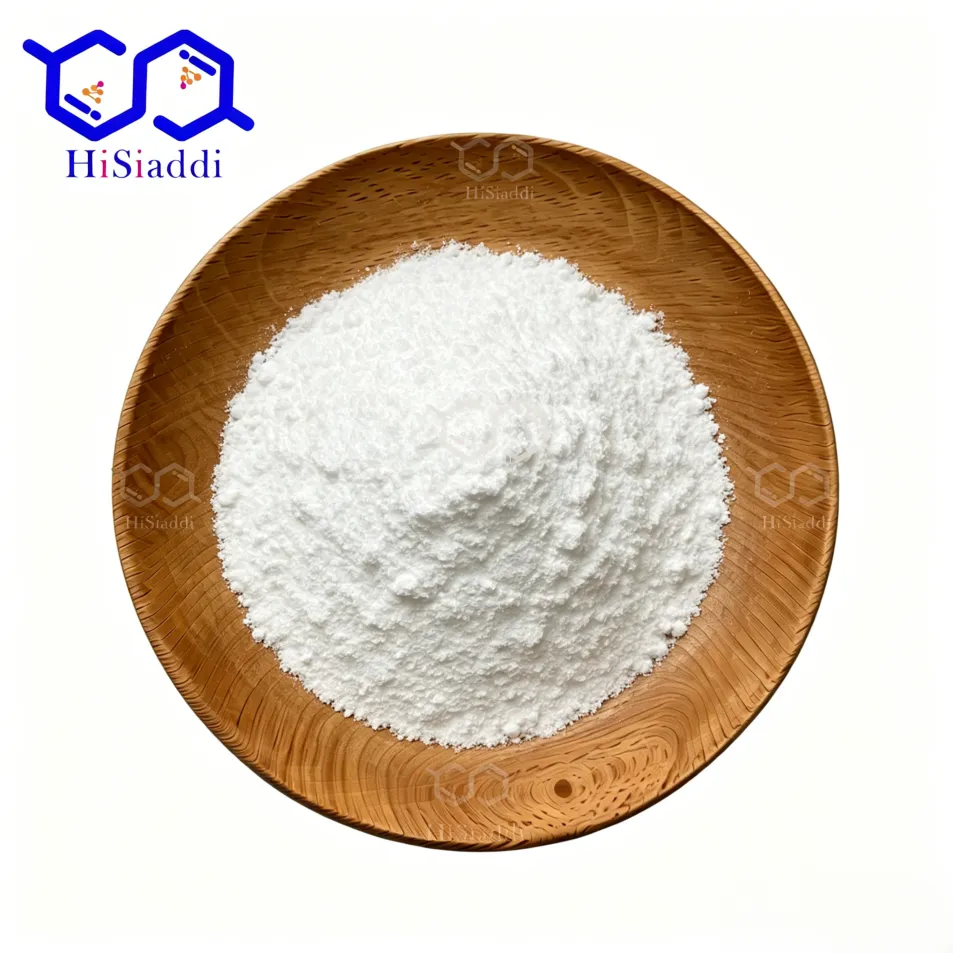
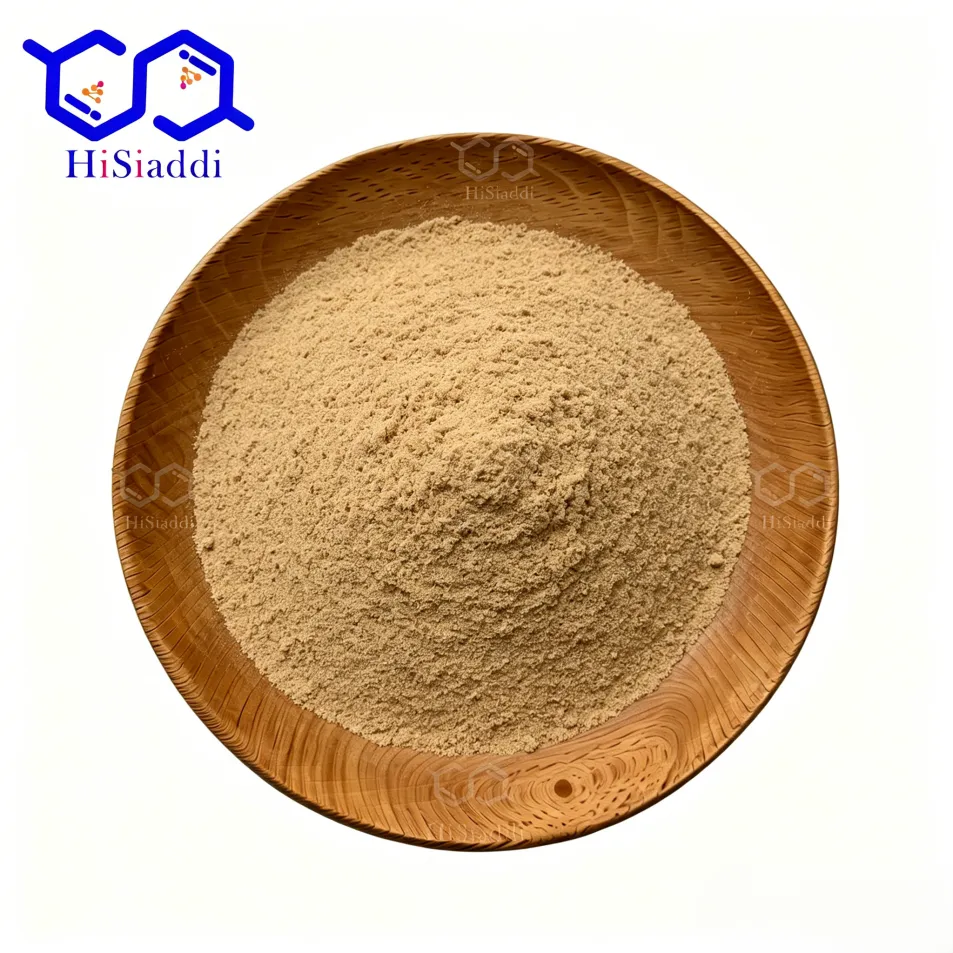
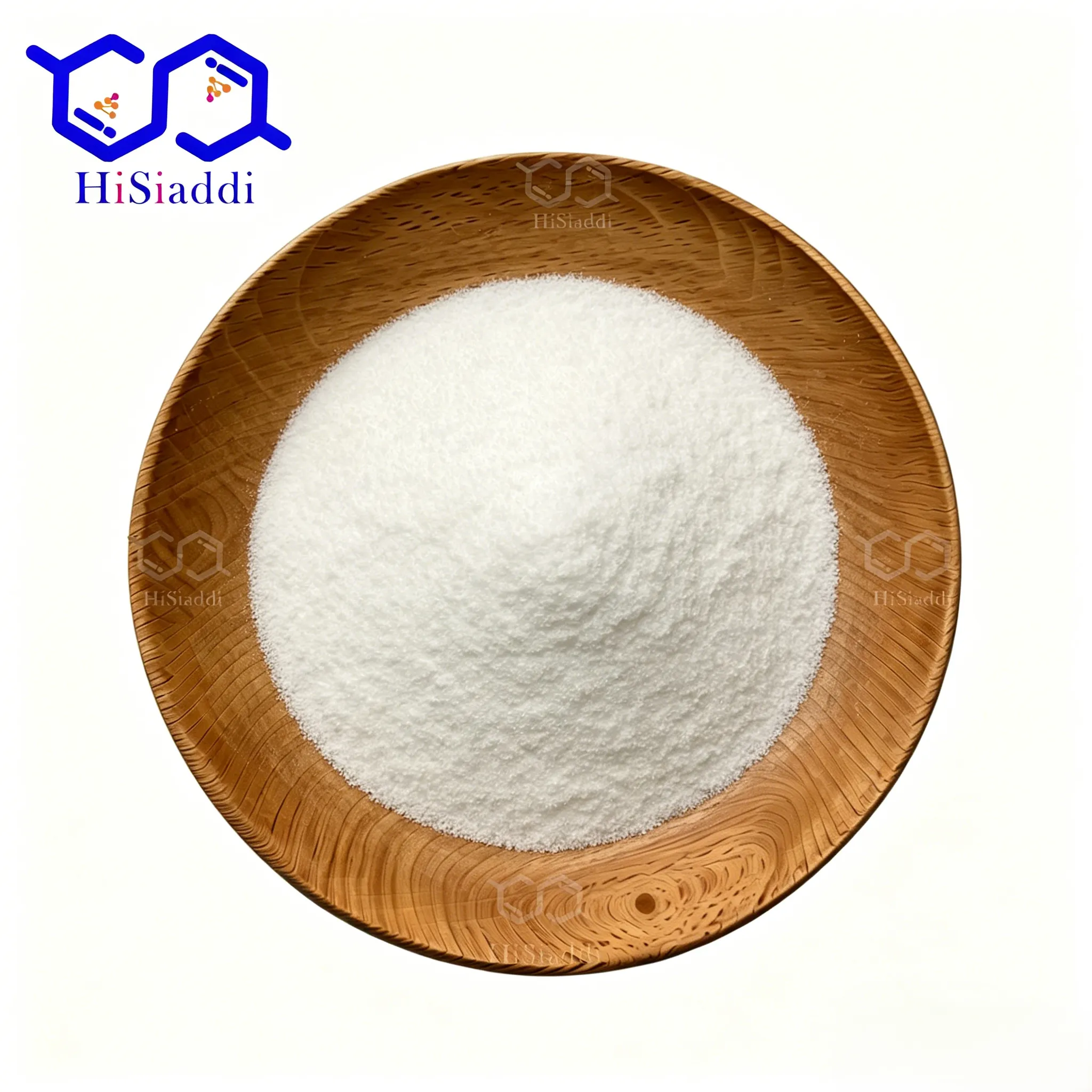
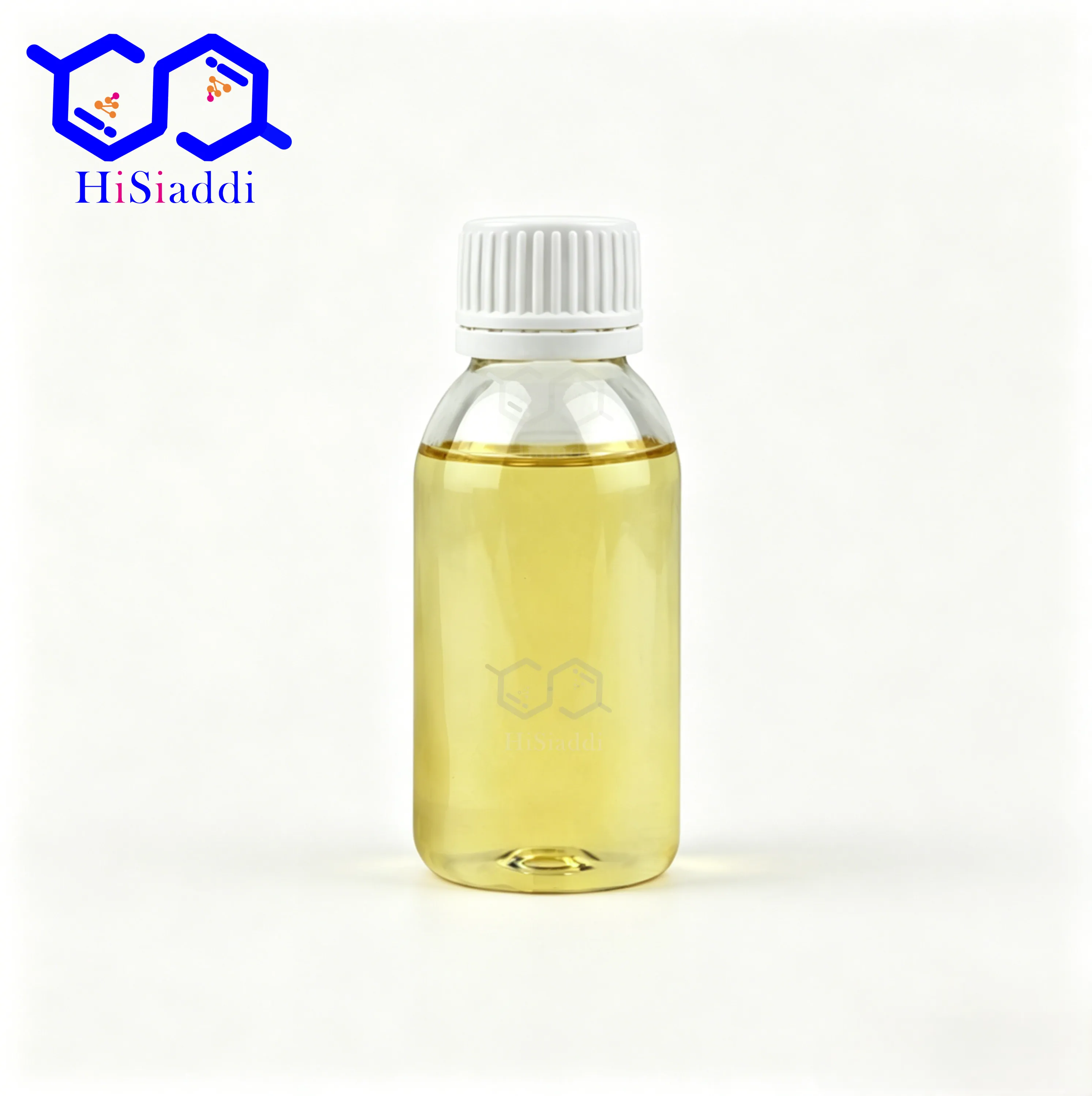
As a new-type foreign trade service provider driven by dual engines of technology commercialization and foreign trade export, HiSiaddi has built a "1+2+3+4=1" service system and can supply original factory goods of multiple well-known XPhos brands.
Adopting a "1+1>2" business model, HiSiaddi focuses on the integrated development of technology transformation and overseas export, and continuously tracks the global XPhos market from both R&D and market perspectives. Today, we conduct a professional analysis of new shifts and trends in the global XPhos market.
If you require more comprehensive and valuable market intelligence on XPhos, please contact HiSiaddi’s customer service team.
This section sorts out quantifiable, perceptible real market changes across six dimensions: supply-demand landscape, production technology, cost and pricing, supply chain layout, global compliance systems, and end-user demand structure, distinguishing itself from generalized industry descriptions.
The global XPhos market size reached USD 117 million in 2024, growing 4.2% year-on-year to USD 122 million in 2025. Institutions forecast a steady compound annual growth rate (CAGR) of 4.0% for 2026–2031, with the overall market size exceeding USD 154 million by 2031. Demand growth is not universal but structural: demand for high-end pharmaceutical grade and electronic special grade products surges rapidly, while growth for traditional industrial grade slows to 1.8%.
· Production capacity: Accounts for 60% of global total capacity, with China alone holding 42% of global capacity as the world’s largest XPhos production base.
· Consumption: Makes up 55% of global consumption. Domestic pharmaceutical CDMOs, generic drug manufacturers and innovative pharmaceutical companies continue capacity expansion. Coupled with industrial transfer of pharmaceutical industries to Southeast Asia and India, local and re-export procurement volumes in Asia-Pacific climb year after year.
· Core shift: The region has transitioned from solely supplying mid-to-low-end industrial grade products to mass-producing pharmaceutical grade and high-purity electronic grade variants, achieving full-grade domestic substitution.
· Production capacity share: 22%; consumption share: 23%. Focused on high-end R&D grade and ultra-high-purity custom products.
· End customers: Local CROs, innovative pharmaceutical firms and university laboratories in Europe and the US. These buyers have low price sensitivity but impose stringent requirements on impurity control, batch consistency and technical support.
· Shift: Local production capacity prioritizes domestic supply, with export volumes declining year by year. Overseas buyers face higher procurement costs and extended lead times when sourcing from North American suppliers.
· Production capacity share: 15%; consumption share: 16%. Restricted by strict EU environmental legislation, outdated local production lines keep shutting down, leading to mild capacity shrinkage.
· Shift: European buyers actively reduce domestic procurement and shift to compliant Asia-Pacific suppliers, while mandating carbon footprint and environmental traceability documentation for all products.
No large-scale production capacity; all demand relies on imports, dominated by mid-to-low-end industrial grade products with demand fluctuating moderately alongside basic chemical industries.
Pharmaceutical intermediates remain the primary application field, accounting for 68% of total demand. Two high-growth tracks have emerged in the past two years:
· Semiconductor / photoresist supporting synthetic materials (annual demand growth of 11% year-on-year)
· New energy organic functional materials and battery additive synthesis (annual demand growth of 9.5% year-on-year)
These two new high-growth tracks boost the overall market share of high-purity, low-metal-residual XPhos, continuously squeezing market share of low-end products.
The XPhos industry has moved past extensive synthesis. Technological iteration directly stratifies manufacturers and has become a core selection criterion for buyers. Three major technological shifts are outlined below:
Traditional processes rely heavily on polar organic solvents and high-temperature reactions, generating high waste discharge and elevated E-factors (ratio of waste to target product). Key new developments:
1. The EU Green Chemical Production Act, China’s "Dual Carbon" policies and global carbon tariff rules mandate over 30% reduction in production-side carbon emissions for fine chemical products.
2. Leading manufacturers fully deploy three green processes: solvent-free synthesis, aqueous-phase catalysis and continuous flow reaction, cutting product E-factors by 40% compared with traditional routes.
3. Market impact: Small and medium-sized production capacities that fail to complete green process upgrades have been eliminated from supplier rosters by formal buyers across Europe, the US and Asia-Pacific. XPhos manufactured via green processes qualifies for tariff incentives in certain regions during cross-border trade.
Industry purity benchmarks have risen noticeably over the past three years, with clear tiered requirements:
· Industrial grade XPhos: Mainstream purity lifted from 98% to above 98.5%, with tighter limits on moisture and insoluble matter.
· Pharmaceutical grade (for API and high-end intermediates): General standards raised from 99.0% to 99.5%–99.9%. Heavy metals, residual solvents and organic impurities are controlled at ppb levels, complying with FDA, EMA and EP pharmacopoeia requirements.
· Electronic grade (for semiconductor supporting materials): Purity ≥99.95%, with additional restrictions on halogens and ionic residues, setting far higher thresholds than pharmaceutical grade. Supporting requirement: Every formal batch must be accompanied by complete impurity profiles, test spectra and COA analysis reports; simply labeling purity values no longer meets procurement standards.
Differentiated downstream synthetic routes render generic XPhos unsuitable for specialized catalytic scenarios, forming a market landscape dominated by customized products with standardized variants as supplements:
1. Common modification directions: Group functionalization, chiral modification and carrier-supported XPhos.
2. Application scenarios: Complex chiral drug synthesis requires customized sterically hindered ligands, while continuous production lines demand supported XPhos.
3. Market performance: Customized products command a 25%–40% premium over generic equivalents and deliver strong customer stickiness, whereas standardized general products are trapped in vicious price competition.
The two core raw materials for XPhos are dicyclohexylchlorophosphine and 2,4,6-triisopropylbromobenzene, with upstream ties to phosphate ore, bromine, basic aromatics and crude oil. Raw material composite prices fluctuated by 25%–35% throughout 2024–2026, triggered primarily by phosphate ore regional supply controls, bromine plant maintenance, swings in international crude oil prices and seasonal shortages of basic chemical feedstocks.
Raw material costs account for over 62% of total XPhos production costs, with raw material volatility directly passed downstream:
1. Finished product prices swing 10%–15% quarterly, with the maximum annual gap between peak and trough prices reaching 18%.
2. Spot prices adjust in real time to market conditions; even long-term contracts cannot fully lock pricing, with only top-tier manufacturers offering limited floating range agreements.
3. Tiered pricing disparity: High-purity pharmaceutical and customized grades exhibit milder price swings (buffered by technical barriers), while low-end industrial grade prices fluctuate sharply in tandem with raw materials.
Global high-end grade (pharmaceutical, electronic and customized) capacity is monopolized by four leading enterprises: BASF (Germany), Thermo Fisher Scientific (Sigma-Aldrich, US), Shaanxi Ruike (China) and Xi’an Kaili (China). Together they hold 75% of global high-end capacity and control core patents, purification technologies and overseas certifications. Mid-to-low-end industrial grade capacity is fragmented among small and medium-sized Chinese chemical manufacturers, plagued by overcapacity and cutthroat price competition.
1. Geopolitical risks drive regionalized supply chains: To mitigate cross-border logistics, geopolitical and tariff risks, European and American buyers abandon single-country reliance, adopting a hybrid model of small-scale local supplementary capacity plus primary supply from Asia-Pacific.
2. Dual/multi-source procurement becomes a mandatory requirement: Over 80% of mid-to-large downstream enterprises explicitly prohibit single-supplier sourcing, mandating parallel supply from at least two qualified vendors.
3. Transformed inventory strategies: Cross-border buyers establish bonded warehouses and front-end inventories in target markets to shorten lead times and guard against sudden supply disruptions.
Compliance has become the primary threshold for cross-border XPhos trade rather than an auxiliary requirement, with new rules covering the full value chain:
1. Environmental compliance: EU REACH, US TSCA and China’s hazardous chemical regulations oblige suppliers to provide pollutant discharge permits, three-waste treatment reports and annual environmental audit documents.
2. Carbon compliance: European and American customers mandate full-lifecycle carbon footprint reports; products lacking carbon traceability cannot enter end markets in the EU and North America.
3. Quality compliance: Pharmaceutical-related procurement must align with GMP systems, with full testing per batch and fully traceable records. Cross-border transportation requires complete MSDS and hazardous goods transport identification documents.
4. Hidden barriers: Overseas customers increase on-site supplier audit frequency to 1–2 times annually, driving sharp rises in compliance rectification costs for small and medium suppliers.
Combined with different downstream procurement entities (large pharmaceutical CDMOs / innovative pharmaceutical firms, small and medium fine chemical enterprises, CRO research institutions, electronic material manufacturers and chemical traders), this section distinguishes universal industry challenges from exclusive segment-specific pain points, all reflecting real operational, procurement and production pain points.
1. No buffer exists for cost transmission from raw materials to finished XPhos, with quarterly price hikes directly raising procurement costs. During the 2025 H1 price surge, gross margins for most downstream enterprises fell by 5%–8%.
2. High-end grades carry substantial brand premiums: International top-tier brands cost 30%–50% more than domestic equivalents of identical purity, with small and medium buyers lacking bargaining power to lower purchase prices.
3. Intense competition in downstream end products (pharmaceutical intermediates, fine chemicals) prevents full pass-through of rising procurement costs to end customers, squeezing profits from both sides.
1. Supply disruption risk: High global concentration of high-end capacity means maintenance shutdowns, environmental production limits or regional regulatory controls at top-tier manufacturers trigger regional shortages. Case study: A 3-month maintenance shutdown at a major European plant in 2024 forced downstream manufacturers across Europe and neighboring regions to reduce production loads or suspend operations entirely.
2. Lead time delays: Standard lead times for generic products stand at 2–3 weeks, while customized orders require 4–8 weeks. Coupled with cross-border logistics congestion, customs inspections and hazardous goods sampling inspection, overall delay rates hit 20%–30%, disrupting downstream production scheduling and end-order fulfillment.
3. Quality fluctuation risk: Uneven technical and QC capabilities among mid-to-low-tier suppliers lead to inconsistent purity and impurity levels across batches of the same grade, reducing yields in downstream catalytic reactions, generating excess byproducts and causing finished product scrappage with heavy hidden losses.
1. To align with multi-country global regulations, procurement enterprises must establish dedicated compliance teams, purchase testing equipment and build traceability filing systems. Compliance-related expenses for small and medium enterprises exceed 10% of annual revenue.
2. Supplier audits and cross-border product certifications (FDA, REACH, carbon footprint) take 6–12 months; failed audits directly terminate existing cooperation.
3. Cross-border hazardous goods transport compliance requirements grow stricter yearly, elevating logistics compliance risks with detention and fines imposed for violations.
Green-process, high-purity and modified customized XPhos feature reaction parameters and usage requirements vastly different from traditional variants:
1. Outdated reaction equipment, temperature control systems and post-treatment workflows cannot match new product specifications, forcing reduced catalytic efficiency if deployed without modification.
2. Most small and medium buyers lack professional ligand catalysis technical teams, delaying process debugging and leaving them unable to keep pace with industry technological advances.
· Pain point 1: Mandatory use of ultra-high-purity pharmaceutical grade limits eligible suppliers to only four top-tier manufacturers, creating highly concentrated procurement and maximum supply disruption risk.
· Pain point 2: Heavy reliance on overseas brand suppliers inflates procurement costs; domestic substitution faces internal approval and end-customer certification barriers.
· Pain point 3: Diverse new drug R&D pipelines generate fragmented, multi-batch, small-volume customized XPhos demand, which receives low production priority from suppliers and highly unstable lead times.
· Pain point 1: Limited capital capacity rules out long-term price locking and bulk inventory stocking, forcing passive acceptance of spot price volatility.
· Pain point 2: Absence of professional QC teams prevents independent testing of XPhos impurities and trace metals, hindering identification of substandard products.
· Pain point 3: Low pricing power for mid-to-low-end end products eliminates capacity to absorb cost increases from raw material price hikes.
· Pain point 1: Small single-order volumes exclude volume purchase discounts, driving extremely high unit procurement costs.
· Pain point 2: Manufacturers are reluctant to accept small-batch custom orders for specialized modified and lab-scale products due to complex production requirements.
· Pain point 3: Tight project timelines leave zero tolerance for lead time delays, which directly derail experimental progress.
· Unique pain point: Self-contained industry standards impose additional restrictions on halogens, ions and metal residues beyond purity benchmarks; standard pharmaceutical grade XPhos fails to meet specifications, drastically narrowing the pool of qualified suppliers.
· Pain point 1: Asymmetric upstream and downstream information complicates price forecasting, creating risk of losses from overstocking at high prices and liquidating inventory at low prices.
· Pain point 2: Escalating end-customer requirements for traceability, carbon footprint and compliance documentation drastically increase workload for document sorting and traceability coordination.
1. Iterative development of homologous Buchwald ligands (SPhos, RuPhos) and novel non-phosphine catalysts enables substitution of XPhos in conventional cross-coupling reaction scenarios, exposing downstream buyers to risks of technological replacement and lost existing customers.
2. Overcapacity of generic industrial grade XPhos fuels cutthroat price competition among manufacturers; buyers focused on low-end product lines remain trapped in low-margin price wars.
While market trends introduce challenges, they also unlock clear growth dividends. Buyers of varying scales and verticals can align with corresponding opportunities to penetrate high-growth markets precisely.
1. Leading Chinese manufacturers achieve full-grade mass production of pharmaceutical and electronic grade XPhos, with product indicators and batch consistency matching top international brands.
2. Clear price advantage: Domestic equivalents of identical grades cost 20%–30% less than imported brands with negligible quality gaps.
3. Realized benefits:
o Large pharmaceutical enterprises / CDMOs: Gradually replace partial imported supply to cut comprehensive procurement costs without compromising product quality.
o All buyers: Reduce reliance on single-source European and American supply chains, hedging disruption risks from geopolitical tensions and overseas factory maintenance shutdowns.
o Traders: Expand product portfolios with cost-effective domestic supply lines to boost market competitiveness.
1. Amid global dual-carbon and green procurement trends, European and American end customers and major brand enterprises prioritize finished goods manufactured using green raw materials.
2. Realized benefits:
o Intermediates and end chemicals produced with green-process XPhos qualify for premium pricing in high-end European and American supply chains.
o Tax reductions, subsidies and customs clearance expediting are available to green chemical enterprises in certain regions.
o Enterprises that proactively source green raw materials build an eco-friendly brand identity to differentiate from competitors.
1. While generic products face brutal price wars, downstream products supported by customized modified XPhos operate in low-competition, high-value-added market segments.
2. Realized benefits:
o Manufacturers collaborate with suppliers to develop exclusive ligands, universally boosting cross-coupling reaction yields by 10%–20%, reducing byproducts and cutting post-processing costs.
o Proprietary catalytic systems create technical barriers that cannot be easily replicated by competitors, locking in high-end customers and eliminating price competition exposure.
o CROs and research institutions leverage customized ligands to deliver cutting-edge R&D projects and elevate their technical reputation.
1. The industry widely adopts the "dual supplier + front-end inventory + long-term agreement" framework, granting buyers expanded tools for supply chain optimization.
2. Realized benefits:
o Long-term strategic agreements lock in production capacity and capped price floating ranges to smooth short-term pricing volatility.
o Consolidated bulk purchasing with peer enterprises unlocks tiered volume discounts and annual rebates, further reducing comprehensive procurement costs by 8%–12%.
o Regional bonded front-end inventories cut cross-border lead times from 4–6 weeks to under one week, accelerating order response speeds.
Sustained growth in semiconductor electronic materials and new energy functional materials drives rising demand for high-purity XPhos. Traditional pharmaceutical-focused buyers can cross-industry expansion into these emerging tracks to unlock new revenue streams.
Combined with the aforementioned challenges and opportunities, differentiated, tangible implementation actions are categorized across five modules: cost control, supply chain security, technical process, compliance management and market competition, with tailored guidance for large enterprises, small and medium enterprises, traders and research institutions.
1. Tiered procurement structure design (core action)
o High-end pharmaceutical / electronic grade: Retain 10%–20% supply from top international brands as backup; shift 80% of volume to domestic leading compliant manufacturers to cut costs by over 20%.
o Conventional industrial grade: Mandate multi-vendor price comparison, selecting domestic suppliers with green processes and stable QC, rejecting substandard low-cost raw materials without bottom-line pricing discipline.
2. Long-term price-locking + tiered volume procurement model
o Enterprises with annual procurement ≥5 tons: Sign 1–3 year long-term cooperation agreements with core suppliers, capping price floating ranges within ±5% to lock annual production capacity.
o Adopt tiered volume pricing: Higher order volumes unlock lower unit prices; consolidate orders with peer buyers to secure annual rebates and freight waivers, delivering an additional 8%–12% reduction in comprehensive procurement costs.
3. Full-lifecycle cost accounting (abandon single unit-price evaluation mindset) Accounting dimension = unit purchase price + quality inspection costs + scrappage losses + lead time delay losses + compliance expenses. While high-purity, high-stability products carry slightly higher unit prices, they reduce scrappage and QC overhead, delivering lower total comprehensive costs and should be prioritized.
· Small and medium enterprises: Avoid blind bulk stockpiling; adopt small-batch, frequent restocking to mitigate inventory losses from raw material price declines.
· R&D / CRO institutions: Consolidate scattered small orders for unified procurement to qualify for exclusive small-volume discounts.
1. Establish a "core + backup" dual/multi-supplier system (mandatory standard)
o Allocation standard: 1–2 core suppliers (70%–80% of procurement volume) selected from top-tier, fully qualified, capacity-stable manufacturers; 2–3 backup suppliers (20%–30% of volume) pre-vetted via qualification audits, sample verification and small-batch trial production.
o Outcome: Seamless supply switching in the event of disruptions at a single vendor, cutting supply disruption risks by over 60%.
2. Build deep collaborative mechanisms with core suppliers
1. Share monthly production schedules and order forecasts to secure priority production scheduling and shorten lead times.
2. Enforce a 24-hour response protocol for quality incidents to accelerate resolution of batch abnormalities and minimize production losses.
3. Jointly conduct process optimization and customized product development to access exclusive technical support.
3. End-to-end quality control implementation
1. Supplier onboarding: Deploy standardized audit checklists to verify business licenses, hazardous chemical qualifications, environmental documentation and historical COA reports, with 1–2 on-site audits conducted annually.
2. Warehouse receiving control: Mandate complete test reports per batch; enterprises with in-house testing capacity conduct incoming sampling inspection, while SMEs without labs outsource third-party sampling testing.
3. Batch traceability: Maintain inventory filing systems enabling full traceability of every XPhos batch from source through production stages to finished product destination.
4. Inventory and logistics optimization
1. Set safety stock levels for mainstream products (covering 15–30 days of production demand) to buffer logistics delays and temporary shortages.
2. Prioritize suppliers and service providers offering bonded warehouse services for cross-border procurement to enable rapid local pickup.
1. Equipment and process retrofitting Conduct targeted upgrades aligned with green-process, high-purity XPhos usage requirements: revamp low-temperature reaction systems, optimize catalytic feeding ratios and adjust post-treatment workflows to fully leverage the catalytic activity of new ligands and boost reaction yields.
2. Industry-university-research joint development to resolve customized demand
1. Enterprises with in-house R&D capabilities: Establish joint experimental teams with suppliers to co-develop proprietary modified XPhos targeting unique synthetic pain points, building exclusive manufacturing processes.
2. Small and medium enterprises: Leverage supplier technical teams to access on-site process guidance and commissioning support, eliminating the need to hire dedicated high-cost technical staff.
3. Talent recruitment and training
1. Deliver internal specialized training on ligand catalysis, product application and quality identification to upskill frontline operators.
2. Long-term development plan: Recruit professionals specializing in fine chemistry and catalytic chemistry to build small internal technical teams.
1. Establish internal compliance workflows Appoint full-time or part-time compliance staff, map regulations for target markets (REACH, TSCA, GMP, carbon footprint rules) and compile standardized compliance operation manuals for cross-functional alignment.
2. Complete full-value-chain certification in advance
1. Accelerate product and supplier certification for FDA, EMA and REACH registration for export markets to avoid lost orders due to delayed certification timelines.
2. Standardize carbon footprint, environmental and three-waste documentation into unified document packages provided to overseas customers alongside shipments.
3. Digitalized management Deploy supply chain management systems to digitally archive supplier qualifications, test reports and compliance documents, with automated reminders for expiring audits and qualification renewals to reduce human error.
1. Differentiated product track positioning
o Exit low-margin industrial grade red oceans; focus on high-value-added segments including high-end pharmaceutical intermediates, semiconductor materials and customized synthesis, marketing green, ultra-high-purity and customized integrated solution packages.
o Leverage customized XPhos ligands to develop exclusive synthetic workflows, creating non-replicable competitive advantages over peers.
2. Empower customer stickiness via value-added services Transition from pure product suppliers to comprehensive solution providers by offering downstream customers process optimization, technical consulting, sample testing and compliance document agency services alongside finished goods.
3. Brand building and market outreach
1. Build eco-friendly brand positioning via green-process, high-purity product lines; participate in professional industry expos including CPhI and Global Fine Chemical Exhibition.
2. Distribute technical case studies and regulatory interpretation content via industry platforms and specialized communities for overseas clients to strengthen professional brand credibility.
4. Mitigate risks from substitute products Preemptively build supplier and process libraries for alternative ligands including SPhos and RuPhos, enabling flexible raw material switching per customer requirements to reduce reliance on a single product category.
1. Large Pharmaceutical Enterprises / CDMOs: Priority

 +86-13120989737
  info@hisiaddi.com
 English