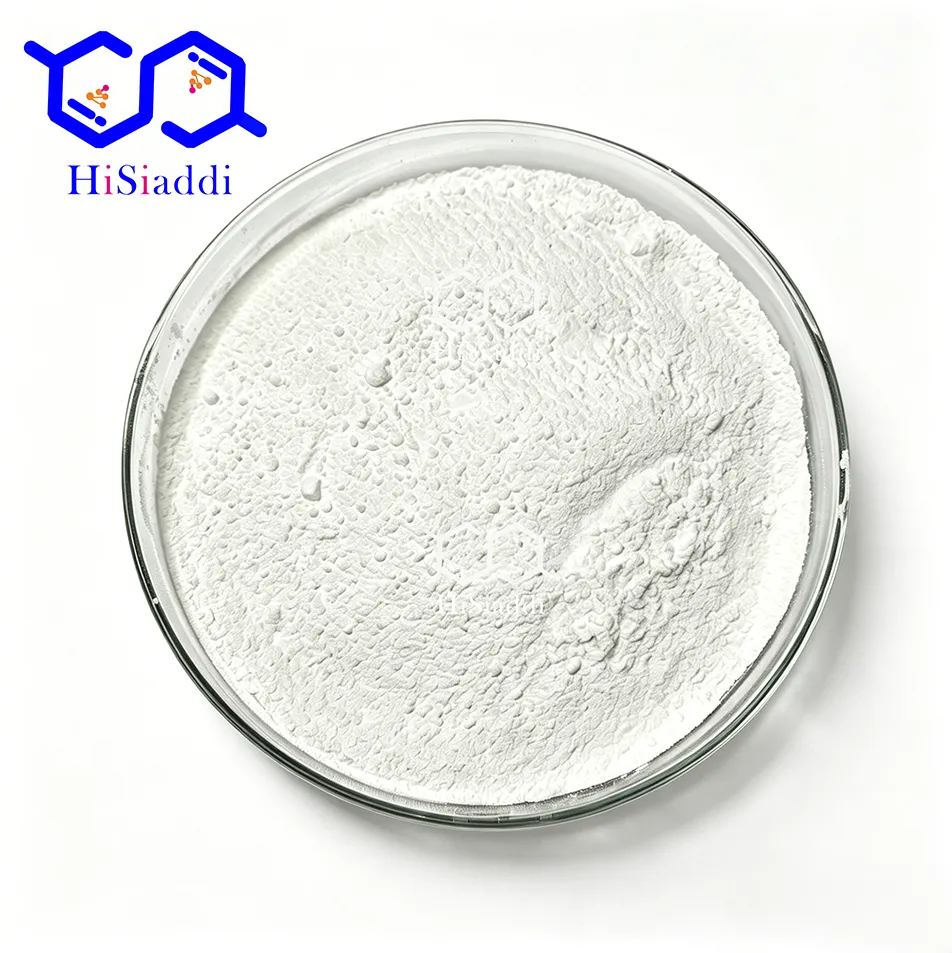
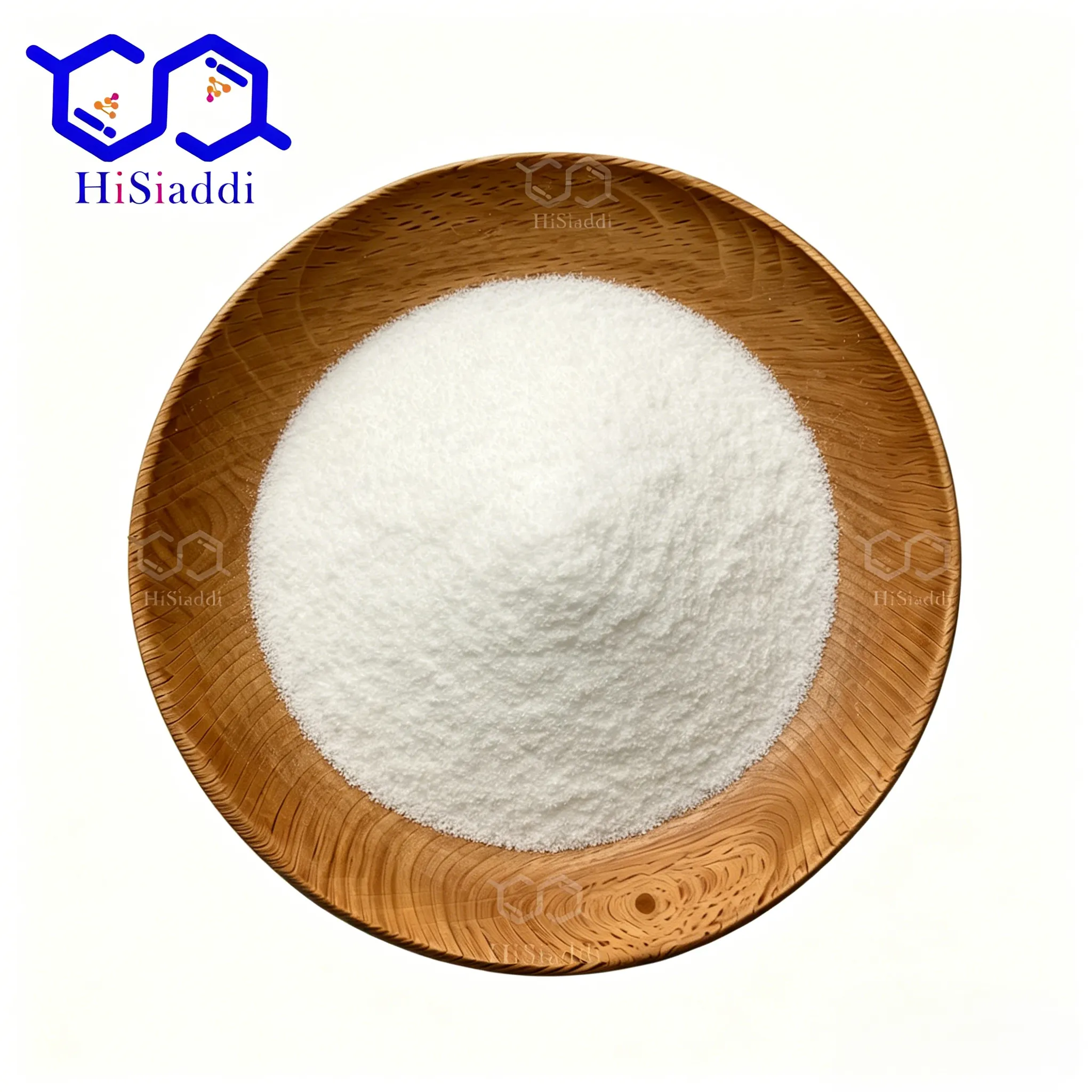
HiSiaddi is an innovative foreign trade service provider driven by technology transformation and export business, with a "1+2+3+4=1" service system and access to ATBC tributyl acetylcitrate supplies from multiple well-known original manufacturers. As a foreign trader with independent R&D capabilities, HiSiaddi leverages technical cooperation with manufacturers and precise market insights to deliver ATBC formulation optimization and application improvement solutions. Below is a consulting case on ATBC formulation optimization.
Contact HiSiaddi customer service for more formulation optimization consulting services.
Purchaser: NORPACK HEALTH AS, located in a high-tech biochemical industrial park in Oslo, Norway. With 31 years of expertise in premium Nordic food-contact flexible packaging, infant complementary food sealing films, sterile medical infusion outer bags, and low-temperature cold chain meat lamination films, the company supplies top Nordic dairy groups, infant food brands, and national hospital consumable procurement systems. All finished products comply with EU REACH, EU 10/2011 food contact regulations, Norwegian NS food safety standards, and USP pharmaceutical excipient controls. Films must pass four stringent tests: -35°C ultra-low temperature stability, 125°C high-temperature cooking sterilization, 2000h xenon lamp weathering aging, and high-fat food migration analysis.
The enterprise previously purchased Eastman Citroflex A4 medical-grade ATBC exclusively, with a stable annual procurement volume of 86 tons. All PVC formulations, extrusion temperature controls, mixing sequences, and post-cooking sterilization processes were calibrated around the physical properties of imported ATBC, maintaining a stable mass production yield rate of 99.7% for years.
In 2024, shrinking overseas chemical production capacity and rising ocean freight drove a 37% year-on-year price increase for imported ATBC, with production lead times extended to 112 days. High inventory capital occupation and delivery uncertainty pushed Norpack to launch a domestic Chinese ATBC localization substitution project. Upon recommendation from the Nordic Plastics Association, the client sourced samples from two domestic food-grade ATBC manufacturers and placed an initial 26-ton bulk order after basic physical index comparison. The domestic ATBC was directly fed into four fully automatic cast film production lines using the original formulation ratio, mixing procedures, and extrusion temperatures calibrated for Eastman’s product.
Within just seven production days, five severe manufacturing defects emerged across all four lines, pushing the film rejection rate to 38.6% and forcing two core production lines to suspend operation. Downstream Nordic dairy and infant food clients faced liquidated damages for delayed orders.
The client immediately contacted the two domestic raw material suppliers for technical support, yet the manufacturers only provided national standard physical inspection reports. Focused solely on ATBC synthesis, they lacked professional engineers specializing in downstream PVC film formulation, extrusion molding, and cooking application conditions. Repeated minor adjustments to ATBC dosage (8 on-site trials) failed to eliminate defects, and some samples exhibited worsened quality. With domestic manufacturers unable to resolve technical failures and production lines sustaining continuous downtime losses, Norpack commissioned HiSiaddi via the Nordic Plasticizer Alliance to form a dedicated technical team addressing root causes across five dimensions: raw material physical property tracing, defect mechanism analysis, formulation system optimization, on-site production process rectification, and post-production raw material quality upgrading.
The original mature formula contained 18.5% Eastman ATBC by weight. Retaining this identical dosage for domestic ATBC triggered irreversible quality defects across mixing, film extrusion, low-temperature storage, high-temperature cooking, and weathering aging processes, all exceeding internal acceptance standards:
1. Poor wettability and agglomeration during high-speed PVC powder mixing Imported ATBC fully infiltrated PVC resin powder within 3 minutes of high-speed mixing, while domestic ATBC adhered to mixer walls to form oily clumps even with mixing extended to 7.5 minutes. Single-batch mixing energy consumption rose by 42%, and clumped material entering extruders caused intermittent pinhole film ruptures, spiking reject rates.
2. White oily bloom precipitation on film surfaces 24 hours post-extrusion Fresh transparent films developed irregular white bloom after room-temperature storage; residue reappeared shortly after wiping, rendering packaging unfit for supermarket food products, which were rejected by Nordic retail terminals.
3. Brittle cracking under -35°C cold chain storage after 72 hours sealed placement The client’s products are widely used for Nordic fresh cold chain meat packaging. Films plasticized with imported ATBC retained flexibility under -38°C bending, while domestic ATBC films lost polymer chain plasticity at -35°C, with over 45% cracking rate under bending tests, failing cold storage and transportation requirements.
4. Excessive shrinkage and organic leaching after 125°C high-pressure cooking sterilization Nordic dairy packaging undergoes high-temperature sterilization. Imported ATBC films had a cooking shrinkage rate ≤1.2%, while domestic ATBC films reached 3.7%. Hydrolyzed trace impurities leached into food simulants during heating, exceeding EU 10/2011 high-fat food migration limits and failing Norwegian food authority warehouse acceptance.
5. Severe yellowing after 2000h xenon lamp weathering aging Film yellowing index ΔE ≥2.1, far exceeding the internal control limit ΔE ≤0.8, causing rapid discoloration for outdoor temporary cold chain packaging applications.
HiSiaddi’s dedicated team included senior plasticizer R&D engineers, PVC flexible packaging formulators, extrusion process engineers, and EU compliance inspectors. We collected parallel samples of Eastman original ATBC, two batches of domestic ATBC, the client’s full set of PVC resin, calcium-zinc stabilizers, epoxidized soybean oil additives, and defective finished films for comparative full-index testing at SGS-accredited domestic laboratories. Cross-referencing the client’s mixing logs, extrusion temperature parameters, and post-cooking process records, we decomposed root causes for all five defects into three categories:
1. Excessive acid value Eastman medical-grade ATBC internal control acid value ≤0.025mgKOH/g, while the national standard premium grade upper limit is 0.05mgKOH/g. The two domestic batches tested at 0.14mgKOH/g and 0.17mgKOH/g. Incomplete acetylation left residual free citric and acetic acids, triggering hydrolysis under high-temperature processing and cooking to generate small acidic byproducts. These disrupted the calcium-zinc stabilization system, causing additive migration and surface bloom, alongside organic leaching exceeding food migration limits during cooking.
2. High residual light small-molecule impurities Generic mass-produced ATBC only undergoes one-stage rectification, retaining incompletely esterified monobutyl citrate and free n-butanol volatile fractions. Imported products use three-stage molecular distillation to remove light impurities, with volatile weight loss ≤0.22%, while domestic samples hit 0.93%. Light fractions migrated under extrusion and cooking heat, forming surface bloom and driving abnormal film thermal shrinkage.
3. Unbalanced isomer ratios impairing low-temperature performance Insufficient catalyst selectivity during synthesis produced high-freezing-point isomers in excess. Imported products precisely control feed ratios to suppress high-melting fractions and preserve low-temperature plasticization efficiency. Generic domestic grades lack isomer regulation, losing plasticizing capacity at low temperatures, leaving PVC polymer chains underdeveloped and prone to brittle cracking.
4. Elevated trace colored impurities Domestic raw materials utilize industrial-grade citric acid and n-butanol with loose controls on heavy metals and unsaturated impurities, reaching platinum-cobalt color 28#, versus imported grades ≤12#. Impurities accelerated oxidative discoloration under UV radiation, driving excessive film yellowing during weathering aging.
Eastman ATBC delivers superior plasticizing efficiency to generic domestic ATBC. Maintaining the original 18.5% dosage left insufficient effective plasticizing components, causing poor mixing dispersion, inadequate finished film flexibility, and abnormal shrinkage. The original epoxidized soybean oil and auxiliary cold-resistant additive ratios were formulated for imported ATBC polarity, exacerbating additive precipitation when paired with domestic raw materials.
Imported ATBC features a higher thermal decomposition temperature. The client’s original extruder zone temperature range of 155°C–182°C triggered premature thermal decomposition and volatilization of additives in less thermally stable domestic ATBC under identical heat, worsening small-molecule precipitation and film thermal shrinkage. Synchronous feeding of ATBC and PVC also failed to facilitate rapid resin infiltration due to weaker surface polarity of domestic ATBC, causing oily agglomeration and wall adhesion.
Without replacing the client’s existing PVC resin, purchasing new extrusion equipment, or scrapping the 26-ton inventory of domestic ATBC, HiSiaddi delivered actionable refinements covering pre-processing raw material adjustments, reformulated PVC systems, and full production line process controls, eliminating defects step-by-step while ensuring mass production stability and Nordic food regulation compliance.
HiSiaddi liaised with the supplier’s R&D department to adjust synthesis and purification workflows for future batches. For existing inventory unable to be re-refined at the plant, we issued a raw material pre-treatment protocol:
1. Preheat stored ATBC at a constant 45°C for 24 hours prior to feeding to lower viscosity and improve infiltration and dispersion during mixing.
2. Optimize acetylation catalyst ratios, extend vacuum rectification duration, and add a secondary short-path distillation stage for new batches to strip light fractions. Lock factory exit specifications: acid value ≤0.05mgKOH/g, volatile weight loss ≤0.35%, color ≤18#, forming a customized improved exclusive grade NOR-ATBC01 dedicated to Norpack.
We split formulations into two core application scenarios (high-temperature cooking food films and low-temperature cold chain packaging films) with precise additive ratio adjustments:
1. Reduce primary plasticizer ATBC dosage: Cut original 18.5% ATBC down to 16.2% to offset weaker plasticizing efficiency of domestic grades and prevent excess unabsorbed additive precipitation.
2. Compound auxiliary plasticizer system to enhance low-temperature performance and anti-precipitation properties: Add 1.3% dioctyl sebacate (DOS) as a synergistic cold-resistant agent to boost film flexibility at -35°C; compound 0.6% refined epoxidized soybean oil to neutralize trace free acid in ATBC and suppress hydrolysis bloom precipitation.
3. Adjust calcium-zinc stabilizer dosage: Raise stabilizer loading from 3.2% to 3.55% to buffer damage to the stabilization system from residual free acid in ATBC, improving overall formulation thermal stability and reducing additive decomposition under high-temperature processing.
4. Add 0.12% hindered phenolic antioxidant to slow UV oxidative yellowing of films, controlling weathering aging yellowing ΔE within 0.8.
1. Revise feeding and mixing sequences: Abolish synchronous feeding of ATBC and PVC; new workflow: pre-mix PVC resin for 1 minute → add calcium-zinc stabilizer and epoxidized soybean oil, mix 2 minutes → slowly drip preheated ATBC into the mixer. Total mixing time reduced from 7.5 minutes to 4 minutes, eliminating oily agglomeration and wall adhesion while restoring original mixing efficiency.
2. Gradually lower extruder temperature settings: Replace the flat 155–182°C temperature range with stepped temperature control: Zone 1 barrel 142°C, Zone 2 150°C, Zone 3 158°C, Zone 4 165°C, die head 170°C. Reduce localized high-temperature induced thermal decomposition and volatilization of additives to mitigate film thermal shrinkage and cooking precipitation.
3. Optimize post-production cooking stepped heating process: Replace constant 125°C cooking for 30 minutes with staged heating: 85°C pre-cook 8min → 105°C ramp 10min → 122°C final cook 12min. Gradual heating reduces instantaneous hydrolysis and leaching of ATBC under high heat, controlling food migration within EU regulatory limits.
HiSiaddi prepared multiple batches of optimized formulation samples and shipped them to Norpack’s Norwegian R&D laboratory for full simulation testing on a small cast extruder. We assessed mixing dispersion, room-temperature precipitation, -35°C bending resistance, 125°C cooking shrinkage, high-fat migration, and 2000h xenon lamp weathering. After three minor ratio adjustments, the optimal formulation met all internal control benchmarks matching Eastman’s original grade, delivering bloom-free films, crack resistance under low-temperature bending, and compliant cooking migration and yellowing indicators.
One cold chain film dedicated line implemented the full revised formulation and process rectification for uninterrupted 72-hour mass production. Online full-process film quality inspection confirmed smooth mixing without ruptures, no bloom after 7 days of room-temperature storage, and one-pass compliance with all low-temperature, cooking, and weathering tests by Norwegian third-party food authorities. Pilot production yield stabilized at 99.5%.
After pilot acceptance, the remaining three production lines sequentially adopted the optimized formulation and process parameters. The full 26-ton raw material inventory was consumed across 11 separate production batches. Post-rectification line reject rates plummeted from 38.6% to 0.42%, enabling on-time delivery of delayed Nordic dairy and infant food orders and avoidance of large liquidated damages.
1. Signing of 86-Ton Annual ATBC Procurement Framework Agreement Supported by HiSiaddi’s formulation and process technical services, the client formally locked in the domestically improved customized NOR-ATBC01 grade for annual supply split across 8 balanced shipments. Compared with imported Eastman raw materials, overall procurement costs fell by 30.7%, and sea freight lead times shortened from 112 days to 36 days, drastically cutting the client’s capital tied up in raw material inventory.
2. Permanent Technical Custodianship for All Plasticizer Categories Norpack later launched premium infant teether and medical catheter raw material procurement projects, entrusting HiSiaddi with full-time technical custodianship covering all citrate plasticizer selection, formulation debugging, and production line process guidance. Pre-delivery compatibility small-batch testing is completed by HiSiaddi for every raw material shipment to eliminate mass production failures from raw material substitution at the source.
3. Upstream Manufacturer Product Standardization Upgrade Leveraging real-world application data from the premium Norwegian food and medical client, the cooperating ATBC manufacturer refined internal control standards for food and medical-grade ATBC, formalizing the standardized high-end NOR-ATBC01 grade. With HiSiaddi’s support, the factory secured additional ATBC orders from two equivalent mid-to-high-end packaging manufacturers in Sweden and Denmark, expanding its high-end overseas client portfolio.
1. Most domestic ATBC manufacturers focus on mass continuous production of general food-grade products with workflows calibrated to national standard basic physical indicators, lacking downstream PVC film and medical consumable segmented formulation R&D and process support capabilities to optimize products for overseas customized working conditions. Mid-to-high-end European and American product formulations are permanently calibrated around imported grade physical properties; direct equivalent substitution with generic domestic ATBC almost inevitably triggers compatibility conflicts and full-process mass production failures – a core industry pain point for clients sourcing domestic raw materials independently.
2. HiSiaddi’s differentiated core value as a foreign trade service provider lies in closing the full technical loop: tracing raw material physical defects, decomposing failure mechanisms, refining formulations, rectifying on-site manufacturing processes, and driving iterative upgrading of exclusive factory product grades. We bridge the application technology gap between ATBC raw material manufacturers and high-end overseas end manufacturers, delivering successful localization substitution of domestic raw materials through technology empowerment rather than basic import and export trading.
3. For Nordic mid-to-high-end food and medical manufacturing clients purchasing ATBC, unit price is secondary to customized processing technology, exclusive product grades, and comprehensive supporting compliance technical services. One-stop full-cycle technical implementation services represent an irreplicable core competitive advantage unavailable from general spot goods traders, underpinning long-term deep cooperation with high-end overseas clients.
Contact HiSiaddi customer service for more formulation optimization consulting services.

 +86-13120989737
  info@hisiaddi.com
 English