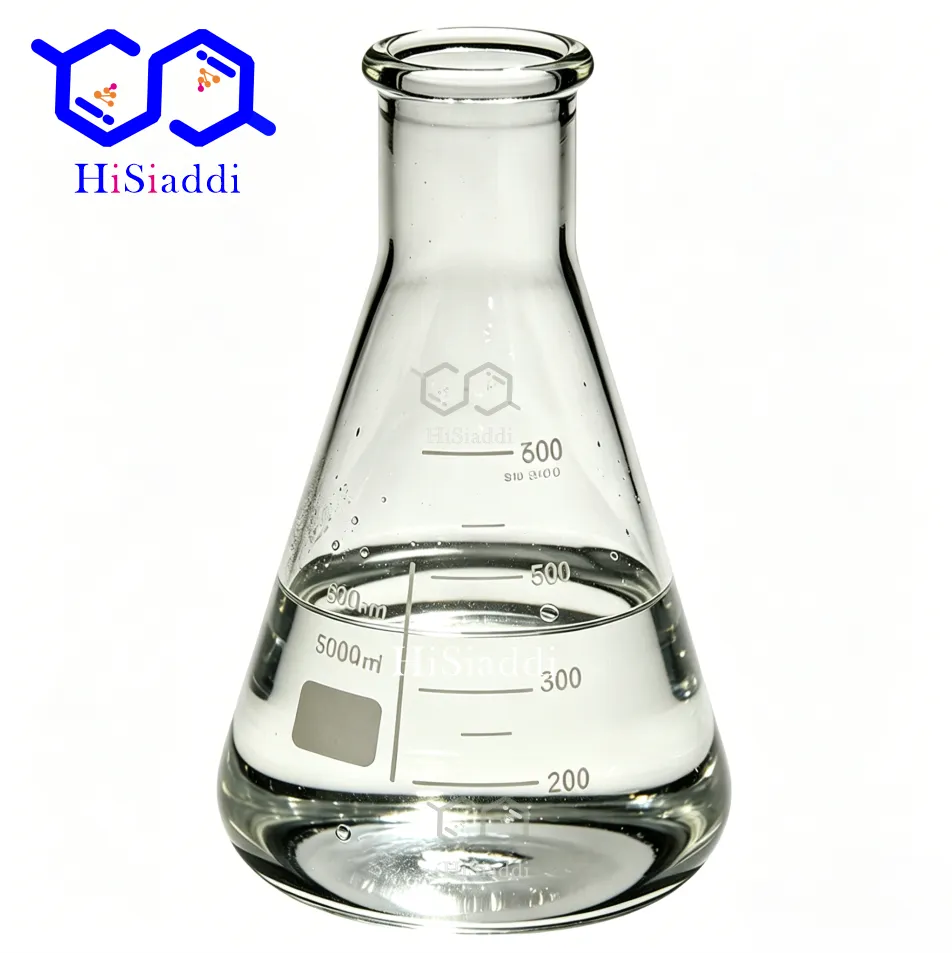
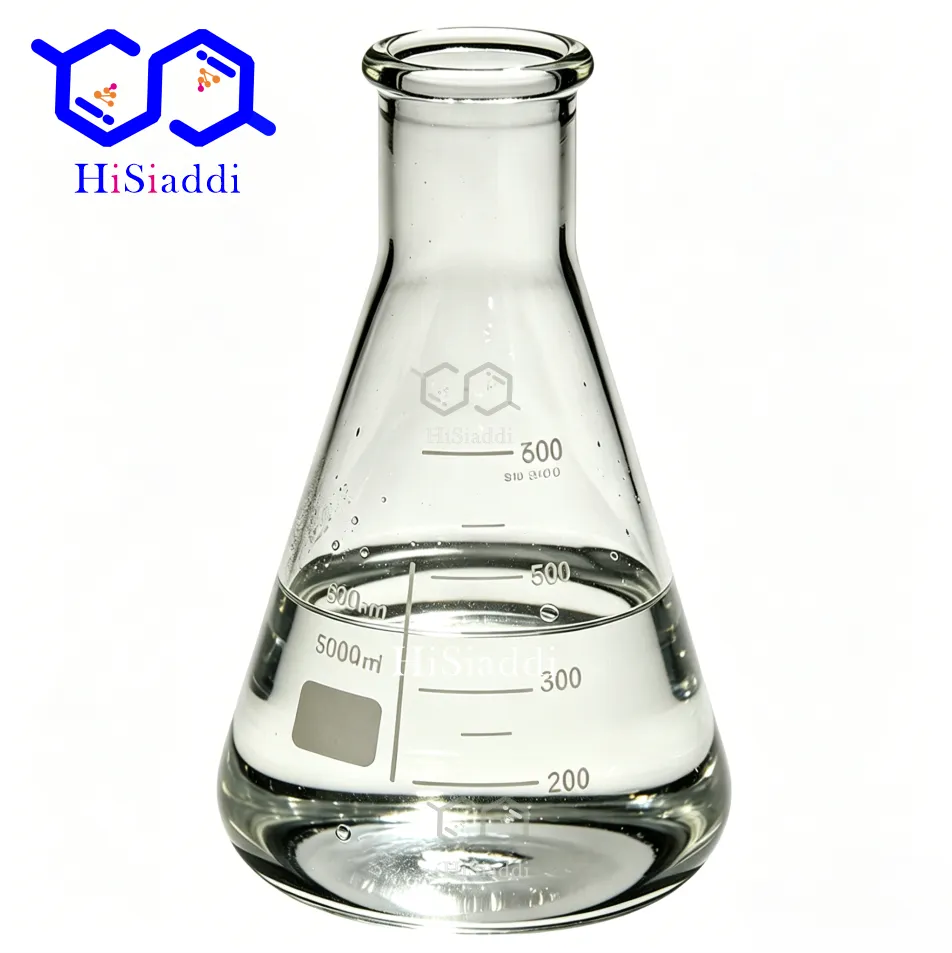
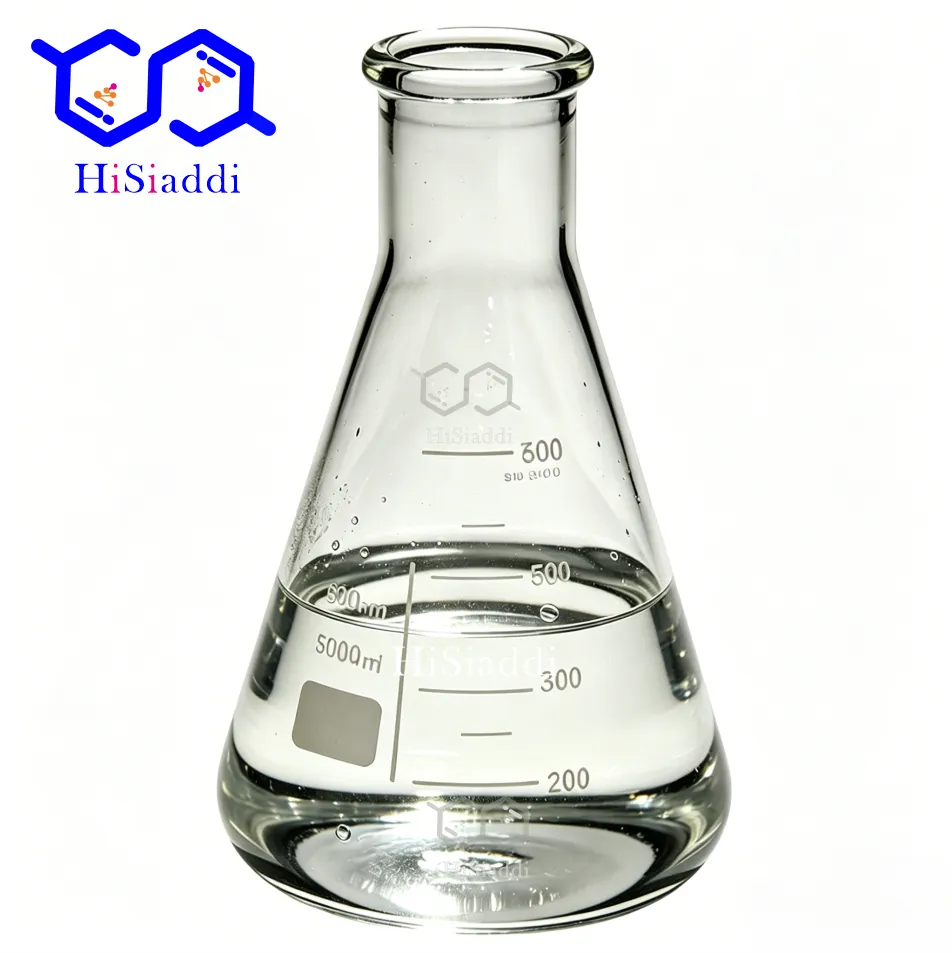
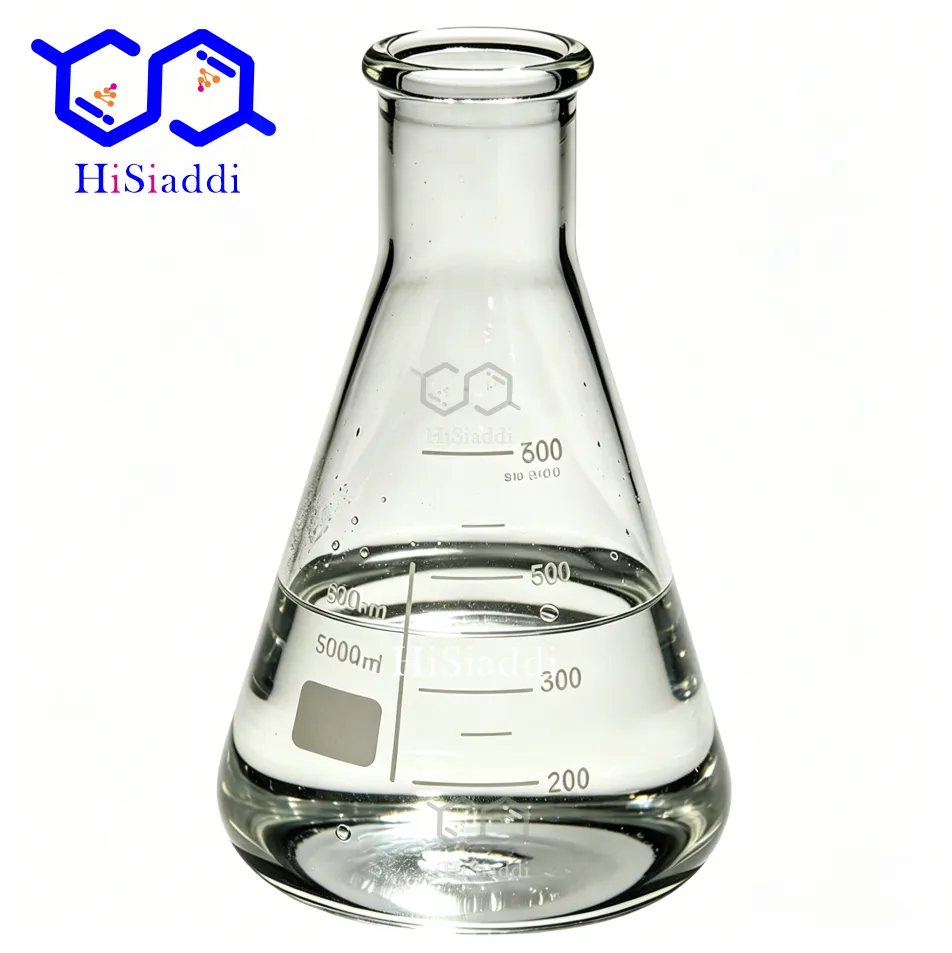
Sulfolane, Tetramethylene sulfone can also be written as a polar non proton solvent, mainly used for aromatic hydrocarbon extraction, purification, desulfurization, organic synthesis, etc. Based on ten years of experience in scientific research consulting services, HiSiaddi recommends:
Jinzhou Petrochemical (Kunlun): with the best heat resistance (≤ 15), the lowest impurities, and batch stability RSD<0.3%, it has long been exported to high-end refining giants in Europe and America. Industrial grade global lowest price range, 40% -50% lower than foreign old production capacity; Electronic grade is only 60% of similar products in Japan.
Guanghua Chemical (Guanghua): High purity moisture/impurity double low, electronic grade metal ions ≤ 10pppb, monopolized by Japanese and Korean semiconductor/lithium battery customers. High purity/electronic grade is 30% -40% lower than European and American brands, filling the high-end gap.
Purchase suggestion: Jinzhou Petrochemical 99.5%/99.9% is recommended for high-end applications; Recommended for electronic/pharmaceutical use by Guanghua Chemical GH-998/GH-E999.
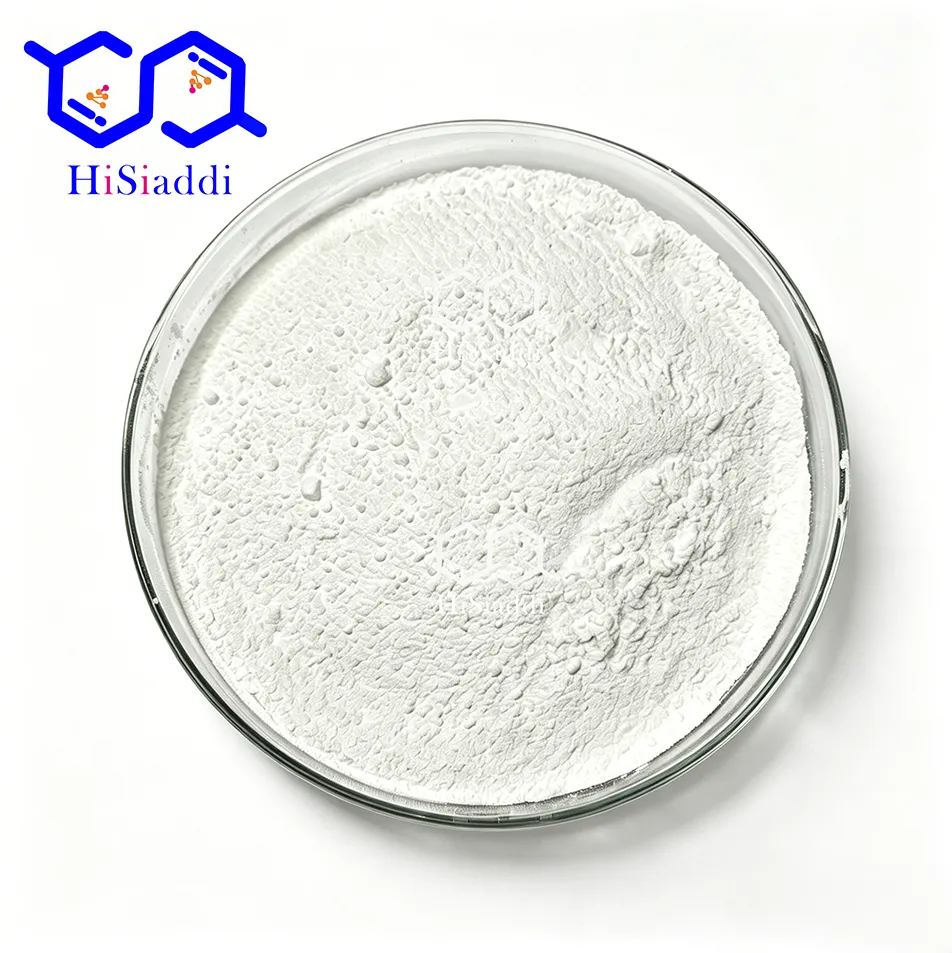
 CONTACT HiSiaddi NOW
Name: | Sulfolane (Anhydrous) | Other Name: | Tetramethylene sulfone |
CAS No. | 126-33-0 | Brand: | Multi-Brand |
MF: | C₄H₈O₂S | Model Number: | Multi-models |
EINECS No. | 204-783-1 | Place of Origin: | Jiangsu, China |
Purity: | 99.9% | Grade: | Industrial grade |
MOQ: | 1ton | Storage: | Please refer to the product packaging or contact the customer service |
What are the key indicator advantages and application impacts of the mainstream models of well-known sulfolane brands?
What competitive services can sulfolane suppliers provide?
What are the qualification certifications and market feedback of target sulfolane brands?
What is the inventory level and supply stability of sulfolane suppliers?
What factors should be considered when purchasing sulfolane?
Industrial Grade: S995 (99.5%), S997 (99.7%) (for general petrochemical scenarios)
High Purity Grade: S999 (99.9%) (for pharmaceutical & lithium battery general use)
Electronic Grade: S9999 (99.99%) (mass production launched in 2025, dedicated for semiconductors)
Purity Stability: Industrial grade ≥99.5%, high purity grade ≥99.9%, batch fluctuation ≤0.1% (far better than ±0.2% of Japanese and South Korean brands)
Ultra-low Impurities: Moisture ≤30ppm (electronic grade ≤10ppm), metal ions (Na/K/Fe/Cu) ≤10ppb (electronic grade ≤5ppb)
Thermal Stability: Boiling point 287℃, no decomposition under long-term use at 220℃ (suitable for high-temperature aromatic extraction & gas purification)
Production Capacity Scale: Annual capacity of 58,000 tons with five production bases, the world's largest single-unit production capacity
Cost Barrier: Vertically integrated production with self-produced sulfuryl chloride and butadiene raw materials, costing 12%–15% lower than the industry average.
Advanced Technology: 20,000 tons/year microreactor continuous production unit (pioneering in China), cutting reaction time by 90%, achieving a yield of 92.5% and reducing energy consumption by 23%.
Impurity Control: Free acid ≤0.005%, colority ≤10APHA (nearly colorless, superior to national standards)
High Purity & Low Colority: Purity over 99.8%, colority ≤5APHA (top-tier in the industry, far exceeding ordinary European and American grades)
Low Heavy Metals: Pb/As/Hg ≤0.5ppm, certified by FDA food contact standards and registered with EU REACH
Environmental Compliance: ISO 14001/45001 certified, VOCs emissions in production 30% lower than the industry average
Low Sulfur & Low Corrosion: Patented catalyst technology with sulfur content ≤0.002%, causing almost no corrosion to carbon steel equipment (corrosion rate of Japanese and South Korean brands is twice higher)
Regional Supply Stability: Sufficient inventory (≥500 tons) in Northeast Asia (Japan, South Korea, Russia), delivery cycle of 7–12 days (20 days faster than European and American brands)
Low Temperature Resistance: Solidification point of 27.4℃, adapting to cold winter environments in Northeast Asia and preventing pipeline blockage due to crystallization
Continuous Crystallization Technology: Stable purity over 99.5% with inter-batch purity fluctuation ≤0.08% (optimal in the industry)
High Capacity Utilization Rate: 92% with flexible supply capacity and rapid capacity expansion in peak seasons
Fast Technical Response: 24-hour response by East China regional technical team with on-site process commissioning available
Benefits for End Customers: Stable quality of pharmaceutical intermediates achieving qualified batch consistency of end pharmaceutical production; high purity of pesticide intermediates ensuring stable efficacy and low residue of end pesticides.

| Brand | Mainstream Models | Core Advantage Indicators | Cost Performance | Core Target Customers | Core Benefits for Downstream Purchasers |
| Sinopec | S995/S997/S999/S9999 | Stable purity, ultra-low impurities, strong thermal stability, large production capacity | Comparable with global top-tier brands, 15%–20% lower than Japanese & South Korean brands | Large-scale refining & chemical, natural gas purification, semiconductor wafer fabs | Reduce energy consumption, extend equipment service life, lower solvent loss |
| Luxi Chemical | LX-S995/LX-S999 | Self-produced raw materials, microreactor process, low cost | Benchmark for industrial grade, 25%–30% lower than imported products | Small & medium-sized petrochemical, pharmaceutical intermediates, lithium battery enterprises | Cut procurement costs, fast delivery, small-batch customization |
| Wanhua Chemical | WH-S998/WH-S9999 | High purity & low colority, low heavy metals, FDA certification | Outperform European & American brands in high-end market, 20%–25% lower price | High-end coatings, polysulfone, electronic chemical manufacturers | Product quality improvement, EU & US compliance, reduced side reactions |
| Liaodong Fine Chemical | LD-995/LD-997 | Low sulfur & low corrosion, fast delivery in Northeast Asia, low temperature resistance | Leading cost performance in Northeast Asia, 25%–35% lower than Japanese & South Korean brands | Northeast Asian refineries, Russian natural gas purification | Reduce maintenance costs, extend solvent service life, stable supply |
| Yangnong Chemical | YN-S995/YN-S999 | Continuous crystallization, stable batches, strong technical services | Fast delivery in East China, over 25% lower than imported products | Yangtze River Delta pharmaceutical intermediates, fine chemical enterprises | Stable supply, fast technical response, minor batch fluctuation |
HiSiaddi is an innovative foreign trade service provider driven by both technology transformation and foreign trade services. It has established a "1+2+3+4=1" product service system: 1 foreign trade salesperson with over 3 years of experience, 2 R&D teams, 3 high-quality suppliers, and 4 warehouses to fulfill one-stop product demand.
Backed by this service system, HiSiaddi boasts deeper expertise in Sulfolane R&D and process optimization than most foreign trade firms, better insight into market demands and competitive edges of various Sulfolane brands than standalone manufacturers, and a more thorough grasp of the Sulfolane export market than research institutions.
HiSiaddi only recruits foreign trade specialists with a minimum of 3 years’ working experience. All staff must complete over six months of joint training delivered by the R&D and foreign trade teams before serving clients.
(1) Basic Support Services for Sulfolane
Supported by the foreign trade team and corporate service system, we deliver full-process one-stop document handling services for clients, including but not limited to provision and application of all compliance certificates for Sulfolane, and submission & resolution of third-party reports and quality warranty issues.
(2) Exclusive Premium Services for Sulfolane
Leveraging our R&D team, we provide customized product and technical consulting services, such as comparative analysis of core indicators and costs across all Sulfolane brands, and regular sharing of global market updates.
Weekly Price Bulletin: Weekly updates on global Sulfolane price trends, factory quotations in China, and price comparisons between Japanese, Korean, European and American brands
Monthly Supply & Demand Report: Monthly analysis of global production capacity, regional demand, inventory levels and future market outlook
Competitive Product Benchmark Report: Indicator and price comparisons, plus strength & weakness analysis for client-specified competing products to support purchasing decisions
Through in-depth collaboration with original manufacturers via technology transformation, as well as internal coordination with the foreign trade team, our R&D team delivers technical training to sales staff. This enables professional Sulfolane customization and provides research-grade consulting on Sulfolane brand matching and application formula optimization.
(1) Research-Grade Customization Services for Sulfolane
Purity Gradient Customization: Custom purity ranging from 99.9% to 99.999%, with metal ion control down to 1ppb to match 2nm semiconductor manufacturing processes
Targeted Impurity Control: For pharmaceutical clients, heavy metal ≤0.1ppm and free acid ≤0.001%; for electronics clients, particle size ≤0.1μm
Clean Packaging: Electronic-grade Sulfolane adopts dust-free aluminum drums sealed with nitrogen to avoid contamination during transit
(2) Research-Grade Consulting Services for Sulfolane
Cooperation with Sinopec Research Institute of Petroleum Processing on spent Sulfolane regeneration technology (recovery rate ≥98%, chlorine removal rate >90%)
Supply of regeneration process packages and equipment selection recommendations, plus technical training to cut solvent procurement costs by 50% for clients
Regenerated solvent testing with official quality inspection reports to guarantee qualified performance
Our foreign trade and R&D teams collaborate to conduct preliminary market research, on-site factory audits, product testing, deep technology transformation cooperation and bulk purchasing cooperation. We select approximately three reliable, stable, reputable suppliers with strong development potential.
(1) Initiative to Secure Lower Sulfolane Prices
Long-term partnerships built on technology transformation and authorized distribution grant us access to factory-direct pricing.
(2) Long-Term Supply Chain Assurance for Sulfolane
Long-term cooperation via technology transfer and authorized distribution strengthens production supervision, full-lot traceability, batch stability control, and compensation guarantees for substandard third-party inspection results.
We maintain four warehouses jointly managed with suppliers for stocking hot-selling products.
(1) Fast Local Delivery & On-Site Issue Resolution for Sulfolane
Our four warehouses are located at Qingdao Port (North China), Ningbo Port (East China), Shenzhen Port (South China), and Zhengzhou (inland logistics hub). This enables prompt Sulfolane shipments and on-site staff to resolve transit damage, packaging defects or export compliance issues immediately when they arise.
(2) Mitigate Price Volatility & Support Custom Packaging for Sulfolane
We pre-stock inventory in advance during peak price seasons to cushion cost fluctuations. Our in-house warehouses fully accommodate customized packaging and labeling requirements from clients.
As a new foreign trade service provider driven by both technology transformation and foreign trade services, HiSiaddi has established a "1+2+3+4=1" service system and can supply sulfolane from multiple well-known original manufacturers. As a research and development-oriented foreign trade service provider, HiSiaddi will systematically sort out specific common challenges faced by global B2B buyers sourcing sulfolane from China, and propose targeted solutions from a professional perspective.
If you require more professional and in-depth analysis regarding sulfolane procurement, please contact HiSiaddi customer service.
1. Extremely stringent purity thresholds (99.9%+, water content ≤100ppm, metal impurities at ppb levels). Ordinary industrial-grade sulfolane is unfit for use, with very few global manufacturers capable of stably supplying electronic-grade material, leading to high pricing and limited production capacity.
2. Rigorous batch stability requirements: Minimal fluctuations in refractive index, color, water content and metal ions across batches for individual clients, otherwise directly reducing yield rates of photoresists and electrolytes. Most suppliers fail to deliver full-item COA testing and online monitoring for every batch.
3. High barriers to international compliance certification: Mandatory REACH registration, TSCA, SEMI F57 and ISO 14644 cleanroom certifications. Certification cycles span 6–8 months with substantial costs, unaffordable for small and medium-sized suppliers.
4. Conflicts between delivery lead times and inventory security: Semiconductor production lines cannot halt operations, requiring 90 days of safety stock plus 7-day restocking response times. Yet high-purity sulfolane involves complex distillation processes and long production cycles, frequently resulting in delivery delays.
1. Secure stable supply from China’s leading high-purity production bases: Direct cooperation with manufacturers certified under SEMI F57 and electronic-grade group standards (including Shenyang Mota and Guanghua Chemical), consistently supplying batches with water content ≤50ppm and metal impurities ≤1ppb.
2. Provide "batch locking + full-item COA + traceability reports": Each batch is accompanied by chromatograms, water content curves and metal ion test reports, supported by a batch traceability system allowing clients to retrieve production records, distillation parameters and raw test data at any time.
3. Pre-complete full sets of international compliance documents: Supply English-language REACH, TSCA, 16-section SDS, GHS labels, dangerous goods packaging certificates and UN numbers. All documents comply with official EU and US formats, valid long-term with free lifetime updates.
4. Deploy a bonded warehouse + safety stock + rapid restocking model: Maintain 30–60 days of high-purity inventory in bonded warehouses located in or near client countries, enabling direct factory delivery within 3–5 days upon order confirmation to avoid production disruptions from ocean freight or customs clearance delays.
1. Dramatic price fluctuations: Raw materials for sulfolane (butadiene, benzene) are impacted by energy prices and geopolitics, with monthly price swings of 10–20%, making it difficult for overseas buyers to lock in long-term costs.
2. Unstable supply and outage risks: China’s "Dual Carbon" policies force production limits or shutdowns for outdated facilities, while new projects face lengthy EIA cycles leading to fluctuating industrial-grade capacity. Overseas small suppliers frequently delay or cancel orders due to capacity shortages.
3. High logistics costs for bulk shipments and hazardous goods transportation restrictions: Sulfolane is classified as UN 3082 (Class 9 hazardous goods), requiring dedicated hazardous cargo vessels, IBC totes and temperature-controlled transport. Port congestion and limited hazardous berths in Europe, America and Southeast Asia push ocean and inland freight costs to account for 15–25% of total expenses.
4. Uncertain tariffs and trade barriers: The US imposes a 25% tariff on Chinese chemical products; EU REACH compliance incurs heavy costs, while anti-dumping investigations target Southeast Asian markets. Tariffs and compliance expenses can erode 10–18% of profit margins.
1. Sign long-term agreements with price locking and floating ranges: Offer 6–12 month framework contracts with base prices and ±5% fluctuation caps to lock core costs. Partial price volatility is absorbed during raw material surges, with corresponding price reductions passed on during market declines.
2. Pooled supply capacity across multiple manufacturers: Integrate stable industrial-grade production capacity from 3–5 Chinese manufacturers (Luxi, Balin, etc.). Supply gaps from one plant are offset by others, guaranteeing continuous monthly deliveries of 100–500 tons.
3. All-in-one hazardous goods dedicated line + bonded logistics + door-to-door services:
1. Fully IMDG-compliant hazardous cargo vessels paired with anti-static, leak-proof dedicated IBC totes;
2. Customs clearance at nearby ports and temporary bonded warehouse storage to cut detention and warehousing fees;
3. Dedicated hazardous goods fleets for inland delivery directly to factories, eliminating all logistics operations and risks for clients.
4. Tariff optimization and bundled compliance packages:
1. US-bound orders: Prioritize third-country transit and origin optimization to reduce tariff burdens;
2. EU-bound orders: Provide REACH pre-registration, SDS and dangerous goods packaging certificates in a one-time annual compliance package;
3. Southeast Asian markets: Assist with ASEAN FTA certificate applications to secure 0–5% preferential tariffs.
1. High manufacturer minimum order quantities (typically 20 tons). Small clients requiring 1–5 tons per order face unaffordable pricing or unavailable direct factory supply.
2. Diversified specification demands: Simultaneous requirements for 99.5% industrial grade, low-water grade (≤200ppm), decolorized grade and other variants, which cannot be fully covered by a single supplier.
3. Slow lead times and poor responsiveness: Small orders are deprioritized by manufacturers, extending lead times to 4–8 weeks versus client requirements of 1–2 weeks.
4. Cumbersome error-prone documentation: Separate SDS, dangerous goods packaging certificates and labels must be produced for every small export batch; manual translation errors cause customs detention and fines.
5. Opaque pricing with multi-layer distributor markups: Overseas traders face 2–3 tiers of resale markup, inflating final prices by 20–35% above factory rates.
1. Consolidated small-batch orders with flexible minimum order quantities: 1-ton minimum order, mixed multi-specification consolidated shipments. Aggregate small client orders to secure factory bulk pricing with small-batch delivery.
2. One-stop supply of full specifications: Spot inventory maintained across four core grades (industrial, low-water, high-purity, decolorized) with quotation responses within 24 hours and shipments within 3 working days.
3. Dedicated fast-track processing for small orders: Priority production and shipment scheduling cutting lead times to 7–14 days, with dedicated account managers providing daily logistics tracking updates.
4. Standardized reusable document templates: Custom English SDS, GHS labels, dangerous goods packaging certificates and COA templates provided once for repeated free updates on all subsequent orders, eliminating customs clearance errors.
5. Direct factory supply without intermediate markups: Operating as the direct foreign trade division of Chinese manufacturers with zero resale margins, pricing 15–25% lower than local traders, supported by quarterly price adjustments and volume-linked preferential rates.
1. Demand for small packaging (1L/5L/25L), while industrial suppliers predominantly offer 200kg steel drums or IBC totes unsuitable for direct laboratory use.
2. Mandatory 99.9%+ purity with full disclosure of impurities (water, free acid, metals). Conventional reagent-grade products lack detailed test data and exhibit large batch-to-batch discrepancies.
3. Severe price inflation: Overseas reagent suppliers impose steep markups, pricing 1L high-purity sulfolane at USD 300–500, far exceeding manufacturing costs.
4. Lack of traceability: Complete production logs, raw test data and batch traceability reports are unavailable, undermining the credibility of research results.
1. Professional small-volume packaging services: Supply 1L/5L/25L light-proof, sealed contamination-resistant high-purity HDPE drums, packaged in Class 10,000 clean workshops to prevent secondary contamination.
2. Full impurity testing with detailed COA per batch: Test items include purity, water content, free acid, color, refractive index, Fe, Na, K, Ca, Mg and more. COAs include original chromatograms, testing instrument models and calibration certificates.
3. Direct factory pricing for research-grade material: 1L 99.9% high-purity sulfolane priced at USD 80–120, a 60–70% discount versus overseas reagent vendors, with flexible payment options including Alipay, credit card and telegraphic transfer.
4. Research-grade traceability archives: Each batch is assigned a unique production lot number with full distillation, packaging and testing records plus validity dates for fully traceable, reproducible research data.
1. Volatile upstream supply: Fluctuating Chinese production capacity, environmental production limits and raw material price hikes trigger frequent supply disruptions or price surges, preventing distributors from issuing stable commitments to downstream clients.
2. Unpredictable pricing: Monthly price swings of 10–20% deter inventory stockpiling and long-term contracting, leading to lost orders or financial losses.
3. High compliance costs and risks: Divergent REACH, TSCA, GHS and hazardous goods transportation rules across jurisdictions risk cargo detention, fines and client churn for a single compliance violation.
4. Heavy inventory burdens: Sulfolane is classified as hazardous goods with high warehousing costs and a 2–3 year shelf life. Stockpiling exposes distributors to price depreciation risks, while zero inventory creates supply outage vulnerabilities.
1. Long-term strategic cooperation with locked production capacity: 1–3 year exclusive supply agreements signed with 2–3 leading Chinese manufacturers to secure fixed annual output volumes and base pricing for reliable, predictable supply.
2. Price hedging and floating pricing mechanisms: "Base price + crude oil/benzene index-linked" pricing with monthly transparent adjustments. Distributors may lock prices in advance to mitigate volatility risks.
3. Bundled global compliance with full risk indemnification:
1. Universal SDS, GHS labels, dangerous goods packaging certificates and UN numbers provided;
2. Region-specific compliance documents for EU, US and Southeast Asian markets;
3. Full financial compensation for detention charges or fines incurred due to document irregularities.
4. Consignment stock in bonded warehouses with on-demand pickup: 50–100 tons of safety inventory maintained in bonded warehouses in Rotterdam, Singapore and Los Angeles. Distributors fulfill orders first and withdraw goods later, eliminating capital occupation and inventory risks.
1. End-use application dictates procurement priorities: Refining manufacturers prioritize stable mass production and process compatibility; fine chemical producers focus on reaction safety and formulation compatibility; pharmaceutical buyers adhere to strict clean production compliance; distributors prioritize cost profit margins and market circulation feasibility.
2. Tiered stringency of core indicators: Pharmaceutical procurement enforces the strictest impurity control standards, followed by fine chemicals; refining focuses on operational working-condition parameters; distributors only verify compliance with baseline qualified indicators.
3. Divergent cooperation priorities: Production-oriented buyers value supply stability, quality traceability and long-term partnerships; distribution buyers prioritize price advantages, universal product applicability and cross-border circulation compliance; research buyers focus on batch stability and certification compliance.
4. Regional shared procurement characteristics: All global buyers emphasize cross-border logistics safety, quality inspection certificates and after-sales quality compensation mechanisms, with personalized prioritization of sub-indicators, supply models and compliance standards based on industrial end-use.
If you require more professional and in-depth analysis regarding sulfolane procurement, please contact HiSiaddi customer service.
Purity and Impurity Control: Optimized the combined process of continuous rectification and deep dehydration with molecular sieves. The product purity was stabilized at 99.85%–99.9%, and water content was controlled at ≤80 ppm. Chloride ions and sulfide ions were strictly limited to ≤5 ppm to reduce corrosion on carbon steel and stainless steel equipment.
Low-temperature Stability Customization: Adjusted the proportion of refined components to lower the freezing point to -25℃. The viscosity was kept below 12 mPa·s at -20℃, ensuring no crystallization or pipeline blockage under extremely cold working conditions.
Compliance with Certifications & Documents: Assisted the manufacturer in completing REACH registration, CE and PED certifications. We provided batch-specific English COA, SDS, Certificate of Origin and quality inspection reports to meet EU customs clearance and project filing requirements.
Packaging Adaptation: Customized 25 kg thickened stainless steel drums with PTFE lining. The drums were printed with the client’s logo, UN number and anti-corrosion marks, suitable for automatic filling, warehousing and stacking to prevent leakage and contamination.
Pilot Test & Mass Delivery: We first delivered 200 kg samples for the client to conduct low-temperature cycle tests and desulfurization efficiency verification. After confirming no crystallization, corrosion or substandard efficiency, we started mass production of 15 tons. Within 20 days, the products passed third-party SGS inspection and were shipped to the Port of Rotterdam via sea transportation with whole-process temperature monitoring.
Unstable Polymerization Reaction: Fluctuating sulfolane purity (99.2%–99.5%) and excessive water content (≥200 ppm) resulted in a broad molecular weight distribution (PDI ≥ 1.8) of PSU, unstable viscosity, low tensile strength and brittle fracture of resins, with the product pass rate standing at only 78%.
High-temperature Degradation & Yellowing: Insufficient thermal stability of sulfolane and trace impurities triggered catalytic degradation at the polymerization temperature of 210–220℃, causing resin yellowing with a yellowness index over 15, which failed to meet the standards for food-grade transparent products.
Low Solvent Recovery Efficiency: Difficult separation between sulfolane and by-product salts led to a recovery purity of only 97%. Accumulated impurities after repeated use further deteriorated product quality and pushed up production costs.
Established standards for polymerization-grade sulfolane: purity ≥ 99.8%, water content ≤ 80 ppm, free acid ≤ 5 ppm, total impurities ≤ 0.1%, and metal ions strictly controlled below 10 ppb to avoid catalytic degradation.
Optimized the mass ratio of sulfolane to monomers at 6:4 in PSU polymerization to reduce system viscosity and improve polymerization uniformity. Nitrogen purging for 30 minutes before feeding was adopted to remove trace oxygen and inhibit oxidative degradation at high temperature.
Adjusted the temperature profile: maintained a constant polymerization temperature of 210℃ (±2℃) to avoid degradation caused by overheating, and extended the holding time to 1.5 hours to ensure complete reaction and narrow the molecular weight distribution (PDI ≤ 1.3).
Impurity inhibition: Added 0.05% phosphite antioxidant compounded with sulfolane to capture degradation free radicals. The resin yellowness index was reduced to ≤ 5, complying with requirements for food-grade products.
Optimized recovery process: Combined vacuum distillation (vacuum degree: 0.09 MPa, temperature: 120℃) with activated carbon adsorption, raising the recovery purity of sulfolane to 99.5%. The recycled product can be reused directly, cutting the loss rate from 8% to 2%.
On-site training: Our engineers guided three batches of trial production, optimized feeding sequence, stirring speed, nitrogen flow rate and distillation parameters. We also trained the client’s technical staff to master troubleshooting methods for yellowing, viscosity fluctuation and low recovery purity, as well as daily quality control points.
Lead time
Quantity (ton) | 0 - 10 | 10 - 30 | > 30 |
Lead time (days) | 7 | 15 | To be negotiated |
The monthly inventory volume of Sulfolane is 80 tons, with appropriate adjustments upwards or downwards in response to peak and off-peak seasons.
HiSiaddi safeguards the supply stability of Sulfolane through the following measures:
(1) Performance evaluation and screening of Sulfolane brand factories based on on-time delivery rate, batch pass rate, timeliness of risk alerts, and completeness of documentation to assess their supply stability.
(2) For each mainstream model or major grade of Sulfolane, secure 1 primary high-quality brand manufacturer and 2 backup high-quality manufacturers.
(3) Each factory operates independent production lines in separate production zones to prevent production halts caused by major unforeseen incidents such as environmental production suspensions and power outages.
Through long-term cooperation with brand manufacturers via technology commercialization and authorized distribution channels, HiSiaddi can effectively strengthen supervision over the production processes of brand manufacturers, optimize full-process traceability management, improve batch stability control, and further reinforce real-time monitoring of the supply stability of Sulfolane products.
Long-term Annual Framework Supply Guarantee Agreement. HiSiaddi signs 12-month long-term agreements with leading manufacturers. The agreements specify the minimum guaranteed supply volume, maximum price hike range, and priority production scheduling rights during peak seasons. It is stipulated that manufacturers shall issue a 30-day prior written notice if production is suspended due to environmental rectification or equipment maintenance, and backup manufacturers will be activated to replenish goods accordingly.
We have 4 warehouses, which are jointly operated and managed with suppliers to store hot-selling products.The four warehouses are located at Qingdao Port in North China, Ningbo Port in East China, Shenzhen Port in South China, and Zhengzhou, China’s inland logistics hub. This setup guarantees sufficient supply and timely shipment of Sulfolane during peak seasons.
HiSiaddi issues a rolling demand forecast covering the subsequent three months on the 25th of each month, allowing manufacturers to reserve production capacity in accordance with the forecast. Any new urgent orders from overseas clients will be prioritized to draw on inventories or production capacity from backup manufacturers.
Unstable logistics for Sulfolane will extend delivery lead times. HiSiaddi has established alternative arrangements covering multiple freight forwarders, ports and transportation solutions:
(1) Binding of multiple professional chemical freight forwarders for Sulfolane
Each product is assigned 2 to 3 freight forwarders with hazardous chemical/food transport qualifications affiliated with different shipping lines. Alternative sailing schedules can be switched to immediately in case of space shortages or customs inspections on a single shipping route.
(2) Backup transportation solutions for Sulfolane
Ocean freight serves as the standard mode; air freight and rail freight are reserved as alternatives for urgent orders. Long-term agreements for temperature-controlled containers are signed for temperature-sensitive and perishable food additives to secure shipping space.
(3) Visual tracking and digital early warning for Sulfolane
Freight forwarders synchronize daily updates on container loading, customs declaration, vessel loading and port arrival milestones. If customs inspection occurs, replenishment from backup inventory will be initiated immediately to shorten client waiting periods.
Full-chain digital early warning automatically monitors four categories of risks:
Factory side: Expiring supplier environmental assessment certificates, renewal of production permits, scheduled major equipment overhauls, and notifications of price hikes for upstream raw materials;
Inventory side: Inventory falling below safety thresholds, excessive inventory age, and batches failing quality inspection;
Logistics side: Shipping line space shortages, strikes at destination ports, and updates to customs policies;
Overseas side: Revisions to additive regulations and adjustments to import restriction lists in target countries.
Early warning notifications are automatically pushed to procurement and business leads, allowing backup suppliers or inventory contingency plans to be activated in advance.
As a new type of foreign trade service provider driven by dual engines of technology commercialization and export services, HiSiaddi has built a "1+2+3+4=1" service system, capable of supplying sulfolane sourced directly from multiple well-known original manufacturers.
As a R&D-focused foreign trade service firm, unlike single-brand manufacturers that only promote their own products, we objectively analyze China’s top export-competitive sulfolane brands and share their official certifications and global market feedback to streamline buyers’ selection and reduce procurement decision risks.
For more authentic, objective details on China’s major sulfolane brands, please contact HiSiaddi customer service.
Dear Overseas Buyers, As a professional service provider specializing in sulfolane foreign trade, we have compiled profiles of China’s top five sulfolane export brands, covering mainstream product grades, worldwide market reception and authoritative certification endorsements. This transparent overview showcases the quality competitiveness and international recognition of domestically manufactured sulfolane, empowering you to efficiently select qualified suppliers and lower procurement risks.
· GH-995 (Industrial Grade): Purity 99.5%, moisture ≤200ppm, universal industrial formulation
· GH-9999 (Electronic & New Energy Grade): Purity ≥99.99%, metal ions ≤1ppb, moisture ≤50ppm, dedicated for semiconductors and lithium-ion batteries
· GH-LOW-S (Low-Sulfur Custom Grade): Sulfur content ≤10ppm, customized for photovoltaic silver powder and pharmaceutical synthesis
· Europe: Approved aromatic extraction solvent for BASF and INEOS Germany; superior batch consistency compared to Japanese and South Korean alternatives, with an 89% repeat purchase rate in Europe in 2025.
· South Korea & Japan: Certified high-voltage electrolyte co-solvent for Samsung SDI and LG Energy Solution; enables 25% cost reduction while replacing Sumitomo Chemical products.
· Southeast Asia: Core supplier for Indonesia’s Pertamina and Malaysia’s Petronas; 42% year-on-year order growth in 2025, optimized for high-temperature tropical operating conditions with 12% lower solvent loss than European and American equivalents.
· International: Full REACH registration, SEMI standard certification, ISO 14644 cleanroom accreditation; validated for sub-14nm processes at TSMC and Samsung wafer fabs.
· Domestic: National High-Tech Enterprise, Top 100 Chinese Chemical Enterprises; Electronic-Grade product awarded National Key New Product Certificate.
· JL-995 (Industrial Grade): Purity 99.5%, moisture ≤200ppm, primary grade for aromatic extraction and natural gas desulfurization
· JL-998 (Refined Low-Moisture Grade): Purity 99.8%, moisture ≤100ppm, for hydrogen purification and fine chemical synthesis
· JL-GAS (Natural Gas Special Grade): Impurity content ≤50ppm, anti-corrosion formulation for high-sulfur gas fields
· Middle East: Long-term strategic partner for Saudi Aramco and ADNOC UAE; captured 38% of China’s industrial sulfolane export volume to the Middle East in 2025, with exceptional thermal stability suited for desert operating environments.
· North America: Approved alternative supplier for Chevron Phillips US; superior cost-performance versus domestic US brands, with 35% year-on-year sales growth in North America in 2025.
· Asia-Pacific: Preferred supplier for PetroChina and Sinopec overseas refinery projects; 85% repeat purchase rate across Southeast Asian refineries with broad compatibility for legacy processing facilities.
· International: REACH registration, ISO 9001 quality management certification, API standard accreditation; Class A qualified vendor after audit by major Middle Eastern oil corporations.
· Domestic: China Famous Chemical Product, Liaoning Provincial Well-Known Trademark; Output of the National "Eighth Five-Year Plan" Key R&D Project, ranking No.1 in domestic aromatic extraction market share.
· LD-995 (Industrial Grade): Purity 99.5%, color ≤10 APHA, for dye and pharmaceutical intermediate manufacturing
· LD-999 (High-Purity General Grade): Purity 99.9%, moisture ≤80ppm, base material for lithium batteries and electronic chemicals
· LD-MED (Pharmaceutical Grade): Heavy metals ≤0.1ppm, compliant with USP standards, dedicated for antibiotic synthesis
· Europe: Pharmaceutical solvent certified by Merck Germany and Lonza Switzerland; 50% year-on-year growth in European pharmaceutical orders in 2025, recognized for low toxicity by the European Pharmacopoeia Commission.
· Southeast Asia: Leading supplier for Vietnamese and Thai dye manufacturers, capturing 29% regional market share in 2025 with consistent color stability superior to Indian competitors.
· North America: Specified fine chemical solvent vendor for Dow Chemical US; 82% repeat purchase rate, optimized for low-temperature reaction workflows.
· International: REACH registration, ISO 14001 environmental management certification, USP pharmaceutical certification, EU SVHC compliance certification.
· Domestic: Liaoning Provincial Specialized, Refined, Unique & Innovative "Little Giant" Enterprise, Liaoyang City Famous Product, First-Class Liaoning Provincial Science & Technology Progress Award.
· HZ-995 (General Industrial Grade): Purity 99.5%, moisture ≤250ppm, universal formulation with superior price competitiveness
· HZ-997 (Cost-Effective Refined Grade): Purity 99.7%, moisture ≤150ppm, preferred for small-to-medium refineries and gas treatment facilities
· HZ-REC (Recycling-Dedicated Grade): Optimized for closed-loop recovery systems with ≥90% solvent recovery rate, ideal for cost reduction programs
· Southeast Asia: Captures 35% market share among small-to-medium refineries in Indonesia and Vietnam; 45% year-on-year order growth in 2025, tailored for budget-sensitive clients.
· Africa: Primary supplier for natural gas projects in Nigeria and Algeria, holding 22% regional market share in 2025 with robust weather resistance.
· Middle East: Long-term procurement partner for small refineries in Iran and Iraq, outperforming Japanese and South Korean products on price with an 80% repeat purchase rate.
· International: REACH registration, ISO 9001 certification, GCC GSO standard accreditation for Middle Eastern markets.
· Domestic: National High-Tech Enterprise, Member of China Chemical Industry Association; passed supplier qualification audits for PetroChina and Sinopec.
· MT-9999 (Electronic Grade): Purity ≥99.99%, metal ions ≤0.5ppb, engineered for sub-14nm advanced semiconductor processes
· MT-BATT (Lithium Battery Grade): Moisture ≤30ppm, chloride ions ≤0.5ppm, formulated for high-voltage electrolytes
· MT-998 (High-Purity Industrial Grade): Purity 99.8%, moisture ≤60ppm, for premium fine chemical manufacturing
· South Korea & China: Certified by SMIC and Yangtze Memory Technologies, replacing Nippon Seika Japan; accounted for 41% of domestic electronic-grade sulfolane export volume in 2025.
· Europe: Passed testing for Infineon Germany and NXP Netherlands; 60% year-on-year growth in European semiconductor orders in 2025, delivering a 1%-1.5% production yield improvement.
· North America: Sample certification completed for Intel and Micron US with small-batch commercial orders launched in 2025, delivering 30% cost savings versus Honeywell US equivalents.
· International: Full REACH registration, SEMI Grade 1 certification, ISO 14644 Class 1000 cleanroom accreditation; qualified vendor after audits by TSMC, Samsung and SMIC.
· Domestic: Core subsidiary under Sinochem Group, supported by the National Integrated Circuit Industry Investment Fund; Electronic-Grade product recommended by China Electronic Chemicals Association.
1. Internationally Comparable Quality: All top five brands deliver stable 99.5%+ purity for industrial grades and ≥99.99% ultra-high purity for electronic grades, with ppb-level heavy metal control fully matching European, American, Japanese and South Korean specifications.
2. Significant Price Advantage: Domestic products cost 20%-30% less than European and American brands, with electronic-grade variants priced 25%-35% below Japanese alternatives, delivering outstanding cost-performance.
3. Robust Customization Capability: Bespoke grades developed rapidly for petrochemical, semiconductor, lithium battery and pharmaceutical end-use sectors to respond to client-specific technical requirements.
4. Stable Supply Chain: China accounts for 45% of global sulfolane production capacity; combined annual capacity of the top five brands exceeds 100,000 tons, with long-term supply contracts mitigating supply disruption risks.
All five leading manufacturers hold full REACH registration and ISO 9001 quality certification; high-end product grades carry supplementary international accreditations including SEMI, API and USP. Domestically, all are recognized National High-Tech Enterprises and core industry association members, backed by dual quality and compliance guarantees.
As your dedicated foreign trade service partner, we deliver one-stop procurement covering all five domestic brands, alongside full qualification verification, customized grade selection and end-to-end logistics distribution services to accelerate access to premium domestic raw material resources, cut costs and stabilize long-term cooperation.
For more comprehensive and valuable market intelligence on sulfolane, please contact HiSiaddi customer service.
As a new type of foreign trade service provider driven by dual engines of technology commercialization and export services, HiSiaddi has built a "1+2+3+4=1" service system, capable of supplying sulfolane sourced directly from multiple well-known original manufacturers.
As a R&D-focused foreign trade service firm, unlike single-brand manufacturers that only promote their own products, we objectively analyze China’s top export-competitive sulfolane brands and share their production workflows, supply reliability and core technical indicators, alongside the downstream procurement impacts of these parameters, to streamline buyers’ selection and reduce procurement decision risks.
For more authentic, objective details on China’s major sulfolane brands, please contact HiSiaddi customer service.
Key Summary:
· Guanghua Chemical (Liaoyang Guanghua): ~31%
· PetroChina Jinzhou Petrochemical (Jinlong Brand): ~24%
· Liaoyang Liaodong Fine Chemical: ~17%
· Haizhou Chemical (Changle Haizhou): ~14%
· Sinochem International (Shenyang Morta Chemical): ~9%
· All other brands combined: ~5%
Detailed brand profiles covering production processes, supply stability, key technical indicators and downstream procurement impacts are provided below, tailored for overseas buyers with actionable, granular data.
· GH-995: Industrial Grade (Aromatic extraction, natural gas desulfurization)
· GH-9999: Electronic & New Energy Grade (Semiconductors, high-voltage lithium batteries)
· GH-LOW-S: Low-Sulfur Custom Grade (Photovoltaic silver powder, pharmaceutical manufacturing)
· Core Synthesis Route: Butadiene + SO₂ cyclization → Sulfolene → Catalytic hydrogenation → Crude sulfolane (mature industrial pathway)
· Refining Workflow: Dual-stage high-vacuum rectification + molecular sieve dehydration + metal ion adsorption + ultra-clean filtration + nitrogen-sealed packaging
· Premium Grade (GH-9999) Special Process: Catalytic dehydration coupled low-temperature crystallization technology, consistently stabilizing moisture ≤32ppm and sulfur ≤0.8ppm
· Capacity: Total annual capacity 22,000 tons, including 6,000 tons dedicated electronic-grade production; highest level of continuous automated operation among domestic manufacturers
· Operating Rate: Steady 92%-95%, sustained near-full annual production
· Inventory Reserves: Dual warehousing bases in Changzhou and Lianyungang maintaining permanent safety stock of 1,500–2,000 tons
· Lead Time: 7–10 days for industrial grade; 14–21 days for electronic grade; long-term contract clients receive priority production scheduling
· Historical Fulfillment Performance: 98.7% order fulfillment rate for overseas shipments 2024–2025, with zero major supply disruption incidents
· GH-995: Purity ≥99.5%; moisture ≤150ppm; color ≤10 APHA; metal ions ≤10ppm
· GH-9999: Purity ≥99.99%; moisture ≤50ppm; metal ions ≤1ppb; chloride ions ≤1ppb; particle cleanliness ISO Class 4
· GH-LOW-S: Sulfur ≤10ppm; heavy metals ≤0.1ppm; fully USP pharmaceutical compliant
· Petrochemical & Natural Gas: Consistent batch quality reduces solvent replenishment frequency, cutting annual solvent consumption losses by 10%-15%
· Semiconductor Manufacturing: ppb-level impurity control boosts production yield by 0.8%-1.5%; viable drop-in replacement for Sumitomo and Honeywell products delivering 25%-30% cost savings
· Lithium Battery Production: Ultra-low moisture and chloride ion content supports 4.5V+ high-voltage electrolyte formulations, extending battery cycle life by 5%-8%
· JL-995: Industrial Grade (Primary feedstock for refinery aromatic extraction)
· JL-998: Refined Low-Moisture Grade (Hydrogen purification, fine chemical manufacturing)
· JL-GAS: Natural Gas Special Grade (High-sulfur gas field processing)
· Synthesis Feedstock: Butadiene sourced internally from refinery C4 cracking streams for superior cost control; dual hydrogenation systems (batch autoclave + fixed bed continuous reactor)
· Refining Workflow: Dual-tower vacuum rectification + water washing & drying + deep desulfurization; production focused primarily on industrial grades with ongoing upgrades for high-purity variants
· Capacity: Annual output 18,000 tons, all industrial/refined grades; high self-sufficiency of raw materials via PetroChina’s integrated refining network
· Operating Rate: 85%-90%, with pre-planned annual maintenance shutdowns of only 7–10 days
· Inventory Reserves: Permanent tank storage of 1,000–1,200 tons at Jinzhou Port, prioritized allocation for Middle Eastern and Southeast Asian long-term contract partners
· Lead Time: 10–14 days; priority production scheduling during peak demand seasons to guarantee supply
· Fulfillment Track Record: Multi-year long-term supplier for Saudi Aramco and ADNOC UAE with sustained 98%+ order fulfillment rate
· JL-995: Purity ≥99.5%; moisture ≤200ppm; acidity ≤0.01%; exceptional thermal stability up to 280°C
· JL-998: Purity ≥99.8%; moisture ≤100ppm; total impurities ≤50ppm
· JL-GAS: Sulfur ≤20ppm; enhanced corrosion inhibition for high-sulfur operating environments
· Refining & Natural Gas (Middle East, Southeast Asia): Superior high-temperature stability suited for desert and tropical processing conditions, cutting equipment corrosion maintenance costs by 12%-18%
· Hydrogen Purification: Low moisture and impurity levels boost hydrogen output purity by 0.2%-0.5%, raising efficiency of downstream hydrogenation facilities
· Cost Advantage: 20%-25% cheaper than equivalent European and American grades for large-volume bulk procurement
· LD-995: Industrial Grade (Dye & pharmaceutical intermediate synthesis)
· LD-999: High-Purity General Grade (Entry-level lithium battery electrolyte, crude electronic cleaning solvent)
· LD-MED: Pharmaceutical Grade (Antibiotic and vitamin manufacturing)
· Synthesis Technology: Composite nickel-based catalyst delivering high conversion rates and minimal byproduct formation; continuous hydrogenation reactors maintaining stable 92%+ product yield
· Refining Workflow: Three-stage rectification + membrane dehydration + activated carbon deodorization + heavy metal adsorption; LD-MED pharmaceutical grade manufactured under full USP compliance protocols
· Capacity: Annual output 12,000 tons, with 30% dedicated pharmaceutical-grade production; joint R&D partnerships with Dalian University of Technology and Tianjin University for pharmaceutical solvent innovation
· Operating Rate: 80%-88%, flexible production scheduling optimized for small-batch, multi-grade orders
· Inventory Reserves: Dual storage facilities in Liaoyang and Lianyungang holding permanent 600–800 ton safety stock, with segregated dedicated storage for pharmaceutical-grade material
· Lead Time: 7–12 days standard delivery; 5–7 day expedited fulfillment for small-batch orders (50–200 tons)
· Compliance Credentials: Full REACH, USP and ISO 14001 certification, sustaining long-term stable supply for European pharmaceutical manufacturers
· LD-995: Purity ≥99.5%; color ≤10 APHA; moisture ≤180ppm; ultra-low color distortion and odor
· LD-999: Purity ≥99.9%; moisture ≤80ppm; metal ions ≤5ppm
· LD-MED: Heavy metals ≤0.1ppm; ignition residue ≤0.05%; fully compliant with USP pharmaceutical standards
· Dye & Pigment Manufacturing (Southeast Asia): Consistent color light stability with minimal batch chromatic aberration, lifting finished product qualification rates by 3%-5%
· Pharmaceutical Synthesis (Europe): Low toxicity and ultra-low heavy metal content validated by European Pharmacopoeia standards; viable cost-effective replacement for German and Swiss pharmaceutical solvents delivering 20%+ cost savings
· Mid-Tier Lithium Battery Production: LD-999 offers competitive pricing for entry-level electrolyte formulations with performance comparable to standard-grade Nippon Seika Japanese products
· HZ-995: General Industrial Grade (Small-to-medium refineries, gas treatment facilities)
· HZ-997: Cost-Effective Refined Grade (Low-moisture, controlled impurity formulation)
· HZ-REC: Recycling-Dedicated Grade (Optimized for closed-loop solvent recovery systems)
· Synthesis Route: Traditional hybrid batch-continuous process with low capital equipment investment and broad operational flexibility
· Refining Workflow: Dual-tower rectification + standard dehydration process, prioritizing core impurity removal to control overall production costs
· Capacity: Annual output 10,000 tons, exclusively industrial and refined grades; one of China’s most cost-efficient sulfolane manufacturers
· Operating Rate: 85%-90%, full capacity allocation prioritized for long-term contract clients
· Inventory Reserves: Permanent tank storage of 800–1,000 tons at Changle Shandong and Nantong warehousing hubs
· Lead Time: 7–10 days; robust supply commitment during periods of raw material price volatility
· Client Portfolio: Dominant supplier for small-to-medium refineries in Indonesia, Vietnam and Nigeria with an 80% repeat purchase rate
· HZ-995: Purity ≥99.5%; moisture ≤250ppm; color ≤15 APHA; unrivaled price competitiveness
· HZ-997: Purity ≥99.7%; moisture ≤150ppm; total impurities ≤80ppm
· HZ-REC: Formulated for seamless integration with solvent recovery equipment, delivering ≥90% in-system recovery efficiency and minimal solvent loss
· Small-to-Medium Refineries & Natural Gas Facilities (Southeast Asia, Africa): Lowest market pricing, 30%-35% cheaper than equivalent Japanese and South Korean grades, ideal for budget-limited capital projects
· Closed-Loop Recovery Operators: HZ-REC demonstrates superior compatibility with solvent regeneration hardware, cutting annual raw material procurement volumes by 30%-40% and reducing total comprehensive operating costs by 25%+
· Risk Note: Not recommended for high-precision advanced manufacturing applications (sub-14nm semiconductors, ultra-high-voltage lithium batteries), as impurity control standards lag behind Guanghua Chemical and Morta Chemical
· MT-9999: Electronic Grade (Sub-14nm advanced wafer manufacturing, advanced semiconductor packaging)
· MT-BATT: Lithium Battery Grade (High-voltage electrolytes, solid-state electrolyte formulations)
· MT-998: High-Purity Industrial Grade (Premium fine chemical synthesis)
· Synthesis Feedstock: Ultra-high-purity butadiene paired with proprietary catalysts to minimize impurity generation at the source
· Refining Workflow: Four-stage molecular distillation + ion exchange + ultrafiltration + ultra-clean nitrogen-sealed filling, manufactured to SEMI Grade 1 international standards
· Capacity: Annual total output 5,000 tons, including 3,000 tons dedicated electronic-grade production; backed by Sinochem Group and China National Integrated Circuit Industry Investment Fund, ranking among China’s top domestic electronic-grade sulfolane manufacturers
· Operating Rate: 75%-85%, with ongoing capacity expansion to achieve full sustained production by 2026
· Inventory Reserves: Dedicated electronic-grade safety stock of 400–600 tons at bonded warehouses in Shenyang and Lingang Shanghai
· Lead Time: 21–28 days for electronic-grade orders; certification cycle shortened to 10–12 months (30%-50% faster than European and American manufacturers)
· Compliance Credentials: Full SEMI, REACH and ISO 14644 Class 1000 certification; completed performance validation at TSMC, Samsung and SMIC wafer fabs
· MT-9999: Purity ≥99.99%; moisture ≤30ppm; metal ions ≤0.5ppb; particle size ≤0.2μm with ≤10 particles per mL
· MT-BATT: Moisture ≤30ppm; chloride ions ≤0.5ppm; free acid ≤1ppm
· MT-998: Purity ≥99.8%; moisture ≤60ppm; total impurities ≤20ppm
· Semiconductor Manufacturing (Korea, Japan, Europe): Ranks alongside Guanghua Chemical as one of China’s two leading domestic electronic-grade sulfolane producers, delivering equivalent production yield to Honeywell and Nippon Seika at a 25%-30% lower price point
· High-Voltage Lithium Battery Production: Ultra-low moisture and chloride ion specifications support 4.8V high-voltage battery systems, extending full charge-discharge cycle life by 8%-12%
· Domestic Import Substitution Window: Shorter delivery lead times (30%-50% faster than European/American suppliers) and proactive technical certification support accelerate integration into new production lines
· Guanghua Chemical: Industry leader in stable high-end quality and electronic-grade output; optimal for semiconductor manufacturing, high-voltage lithium batteries and premium pharmaceutical synthesis.
· Jinzhou Petrochemical: Unmatched cost-performance and supply reliability for petrochemical and natural gas processing; top choice for large-scale refinery projects in the Middle East and Asia-Pacific.
· Liaoyang Liaodong Fine Chemical: Specialized pharmaceutical and dye-grade producer with long-standing trust from European pharmaceutical and Southeast Asian dye manufacturers.
· Haizhou Chemical: Ultimate cost-performance solution; ideal for small-to-medium refineries and budget-restricted natural gas projects in Southeast Asia and Africa.
· Sinochem Morta Chemical: Fast-growing electronic-grade specialist; preferred domestic substitution option for advanced semiconductor processes and high-voltage lithium electrolyte production.
For more comprehensive and valuable market intelligence on sulfolane, please contact HiSiaddi customer service.
As a new foreign trade service provider driven by both technology transformation and foreign trade services, HiSiaddi has established a "1+2+3+4=1" service system and can supply sulfolane from multiple well-known original manufacturers. As a research and development-oriented foreign trade service provider, HiSiaddi will analyze key purchasing considerations and critical indicators from a professional perspective to ease buyers’ procurement concerns.
If you require more professional and in-depth analysis regarding sulfolane procurement, please contact HiSiaddi customer service.
Such buyers are mostly global leading petrochemical groups and regional large refining plants. Sulfolane is primarily used in aromatic extraction units as a core auxiliary agent for producing benzene, toluene and xylene, featuring ultra-large purchasing volume and long-term stable procurement cycles.
First and foremost, they evaluate whether the product can match their continuous large-scale production units. Refining production lines operate 24/7, imposing stringent requirements on raw material stability and sustainable supply. Therefore, beyond product quality, buyers heavily assess suppliers’ global warehousing layout, cross-regional logistics capacity and emergency restocking capabilities. They do not limit sourcing to a single origin; instead, they compare suppliers across global production bases and build multi-channel supply systems to avoid supply disruptions.
Second, they control overall production costs by comprehensively calculating FOB prices, ocean/land transportation costs, regional tariffs and cross-border customs clearance lead times. Long-term cooperation is formalized via annual framework agreements to balance price stability and performance reliability.
In addition, these enterprises maintain rigorous internal quality control systems. Suppliers must provide products compliant with universal petrochemical industry standards, together with complete traceability documents and third-party test reports.
1. Purity & Main Component Content: A minimum sulfolane purity of 99.5% is mandatory. Under aromatic extraction working conditions, insufficient purity directly reduces extraction efficiency and impairs the overall output of the unit, making this the primary hard requirement.
2. Water Content: Water content is strictly controlled. Excess water corrodes refining equipment and disrupts the balance of extraction systems, with the industry standard specifying water content ≤0.1%.
3. Acidity & Ash Content: Excessive acidity accelerates corrosion of pipelines and reactors, while ash tends to block unit filters and towers. Both indicators directly affect equipment service life and production failure rates.
4. Thermal Stability: Refining units operate at elevated temperatures, so buyers test whether the product decomposes or discolors under high heat to prevent impurity generation during long-term use.
5. Batch Consistency: Large-scale production lines cannot tolerate significant fluctuations in indicators across batches, requiring highly uniform test data for every batch.
This group consists of small and medium-sized manufacturers producing coatings, resins, pesticide intermediates and synthetic materials. Sulfolane serves as a reaction solvent and solubilizer, with medium purchasing volumes delivered in separate batches, and diversified downstream product categories.
First, raw material grades are selected based on end-product positioning: refined-grade sulfolane is adopted for high-end fine chemicals, while industrial-grade suffices for ordinary chemical products to control costs accordingly.
Second, compatibility with proprietary production formulas is verified. Buyers request samples for lab and pilot tests to confirm dissolving performance and reaction activity before bulk orders.
Given frequent formula iterations, procurement remains flexible without long-term exclusive supply ties. Buyers also evaluate whether suppliers offer customized packaging and small-batch blending supporting services.
Furthermore, factories supplying daily chemical and agrochemical products additionally verify compliance with local environmental regulations and chemical safety codes.
1. Dissolving Performance: The capacity to dissolve organic substances and polymer materials is the core solvent selection criterion, validated through actual testing matching proprietary formulas.
2. Impurity Composition: Heavy metals, residual organic compounds, sulfur and other trace impurities are tightly controlled, as such contaminants render finished fine chemical products unqualified.
3. Color: Colorless or pale light yellow appearance is required; high color value compromises the visual quality of coatings, resins and other end products, representing a key appearance indicator.
4. Boiling Point & Freezing Point: Selection is based on workshop reaction temperatures and storage environments to avoid operational disruptions from low-temperature solidification or high-temperature volatilization.
5. Safety Parameters: Flash point, toxicity classification and MSDS compliance must align with workshop safety protocols and local chemical storage & transportation regulations.
This category covers pharmaceutical intermediate manufacturers, electronic chemical processing plants and laboratory reagent suppliers, representing high-end segmented procurement segments. Sulfolane is applied in high-purity extraction, electronic cleaning and pharmaceutical synthesis with small procurement volumes yet the strictest product grade requirements.
These buyers prioritize quality over price, screening global suppliers exclusively with high-end refining capacity and internationally authoritative certifications.
Certification review forms the primary threshold: suppliers must hold GMP, REACH, FDA and other regional compliance certificates with full product traceability.
Next, production environment control is critical. Raw materials must be manufactured and packaged in dust-free, sterile workshops to eliminate cross-contamination.
Procurement follows a small-batch, high-frequency model with stringent packaging requirements: moisture-proof, sealed, contamination-resistant specialized packaging and full-temperature-controlled transportation.
Restricted by pharmaceutical and electronic industry regulations worldwide, buyers rigorously verify import/export filing and quarantine documents, with compliance overriding supply pricing.
1. Ultra-High Purity: A minimum purity of 99.9% is standard; ultra-high-purity grades are deployed for premium pharmaceutical and semiconductor applications, as trace impurities may cause drug failure or electronic component damage.
2. Ion Content: Cations and anions including potassium, sodium, iron and chloride are strictly regulated, a critical metric for electronic chemicals where excessive ions trigger circuit malfunctions.
3. Volatile Organic Compounds (VOCs): Low-boiling volatiles are restricted to meet environmental standards for clean pharmaceutical production workshops and electronic dust-free facilities.
4. Microorganisms & Particulate Matter: Microbial content testing is mandatory for pharmaceutical applications, while zero solid particulate standards apply to electronics manufacturing.
5. Complete Compliance Documentation: Beyond test reports, suppliers must provide qualification certifications, toxicology reports and cross-border compliance certificates.
Such buyers do not directly consume sulfolane but resell to local downstream end customers across refining, fine chemical and reagent sectors, featuring flexible procurement models and globally circulated raw materials.
Procurement logic centers on balancing universal applicability, profit margins and circulation convenience.
First, universally standard industrial-grade sulfolane is selected to match most local downstream clients and avoid unsellable niche specifications.
Second, comprehensive costs across global production bases are compared, including ex-factory prices, international logistics, tariffs and regional resale margins, prioritizing cost-effective supplies with sufficient profit potential.
Universal global certifications such as REACH and GHS are highly valued to ensure smooth customs clearance for local sales and transit trade.
Additionally, distributors assess suppliers’ standardized packaging, full-container delivery capacity, and support for product exchange & after-sales coordination to reduce inventory risks.
1. National & International Standard Compliance: Products only need to meet mainstream global industrial standards without ultra-high purity requirements to maximize market coverage.
2. Packaging Specifications: Standard universal packaging (IBC totes, steel drums) is preferred to accommodate local warehousing, secondary transit and end-customer pickup practices.
3. Indicator Stability: Limited fluctuation across batches prevents end-customer complaints and protects distributors’ channel reputation.
4. Complete Compliance Certifications: Mandatory documents including REACH, GHS and transportation identification reports must be fully provided to guarantee cross-border circulation and local sales compliance.
5. Supply Flexibility: Support for full-container and consolidated container shipments, combined sourcing from multiple production bases to fulfill diversified customer order demands.
The procurement logic and core indicators of the four primary buyer groups are summarized across four dimensions for intuitive comparison:
1. Large Refining Enterprises: Supply stability > product indicators > comprehensive cost; consistent long-term supply outweighs short-term low pricing.
2. Fine Chemical Manufacturers: Formula compatibility > basic quality > procurement flexibility; matching proprietary production formulas is paramount, with acceptance of flexible batch purchasing.
3. Pharmaceutical & Electronic Buyers: Compliance certifications > ultra-high purity > logistics packaging > price; regulatory compliance and quality are non-negotiable thresholds with low price sensitivity.
4. Trading Distributors: Gross profit margin > universal applicability > circulation compliance > single product indicators; market circulation and profitability guide all purchasing decisions.
Purity thresholds follow a tiered hierarchy: Pharmaceutical/Electronic Grade (≥99.9%) > Refining Grade (≥99.5%) > Fine Chemical Industrial Grade (≥99.0%) > General Distribution Industrial Grade (meets basic national standards only). High-end segments demand ultra-low impurities and ions, while bulk industrial sectors prioritize main component content and fundamental physical & chemical indicators.
1. Refining Enterprises: Global warehousing, mass continuous restocking, large-scale ocean freight capacity and framework agreement partnerships.
2. Fine Chemical Manufacturers: Sample trial provision, small-batch supply and customized packaging services.
3. Pharmaceutical & Electronic Enterprises: Sterile/sealed specialized packaging, temperature-controlled logistics, full-process traceability and complete compliance certification packages.
4. Distribution Intermediaries: Standard universal packaging, flexible consolidated/full-container shipments, complete customs clearance documents and after-sales coordination capabilities.
1. Bulk Refining: Accept annual long-term fixed pricing with tolerance for stable long-term rates and low acceptance of short-term price volatility.
2. Fine Chemicals: Market-based batch purchasing with separate pricing negotiations; flexible multi-supplier comparison procurement.
3. Pharmaceutical & Electronic: Minimal price sensitivity; premium pricing is acceptable if quality and compliance standards are satisfied, favoring long-term partnerships with premium niche suppliers.
4. Trading & Distribution: Extreme focus on origin price differentials, logistics expenses and regional tariffs; frequent cross-regional sourcing comparison to select optimal supplies.
If you require more professional and in-depth analysis regarding sulfolane procurement, please contact HiSiaddi customer service.



 +86-13120989737
  info@hisiaddi.com
 English