As a foreign trade service provider with over a decade of expertise in global berberine trade, HiSiaddi maintains long-term market observation and in-depth industry research. Buyers from different regions and sectors exhibit vastly different procurement priorities for berberine due to varying downstream applications, local regulations, and budget constraints.
Berberine is a natural plant-extracted alkaloid primarily derived from Coptis chinensis and Phellodendron amurense. Widely used in pharmaceuticals, food, and feed industries, it has a global production footprint beyond China. Below is a detailed breakdown of core procurement demands for diverse buyer groups.
For European and American pharmaceutical and health supplement buyers, compliance is the primary market entry threshold. Berberine is applied in pharmaceuticals for antibacterial, antidiarrheal, and metabolic regulation purposes, and in health supplements for natural herbal conditioning — both requiring stringent quality standards.
Europe and America enforce the world’s strictest pharmaceutical and health supplement regulations. Procurement must comply with USP and EP standards; pharmaceutical-grade berberine requires FDA drug registration, while health supplement-grade products need FDA GRAS certification and EU natural herbal supplement regulations. The EU CEP certification is a mandatory passport for berberine API entry into the EU market and is widely recognized in Australia, Canada, and other regions.
Purity and impurity control are critical hard requirements. Pharmaceutical-grade berberine mandates a minimum purity of ≥99%. Strict limits apply to heavy metals (lead, arsenic, mercury <0.1ppm), residual solvents (ethanol, acetone ≤50ppm), related substances (≤1.5%), and residue on ignition (≤0.2%). As a natural plant extract, improper extraction processes easily leave residual impurities requiring rigorous procurement screening.
European and American markets prioritize naturally extracted berberine (from Coptis chinensis and Phellodendron amurense) over synthetic alternatives, aligning with consumer demand for natural herbal ingredients despite a moderate price premium. Eco-friendly extraction processes such as ultrasonic and ethanol extraction are preferred to meet EU environmental regulations.
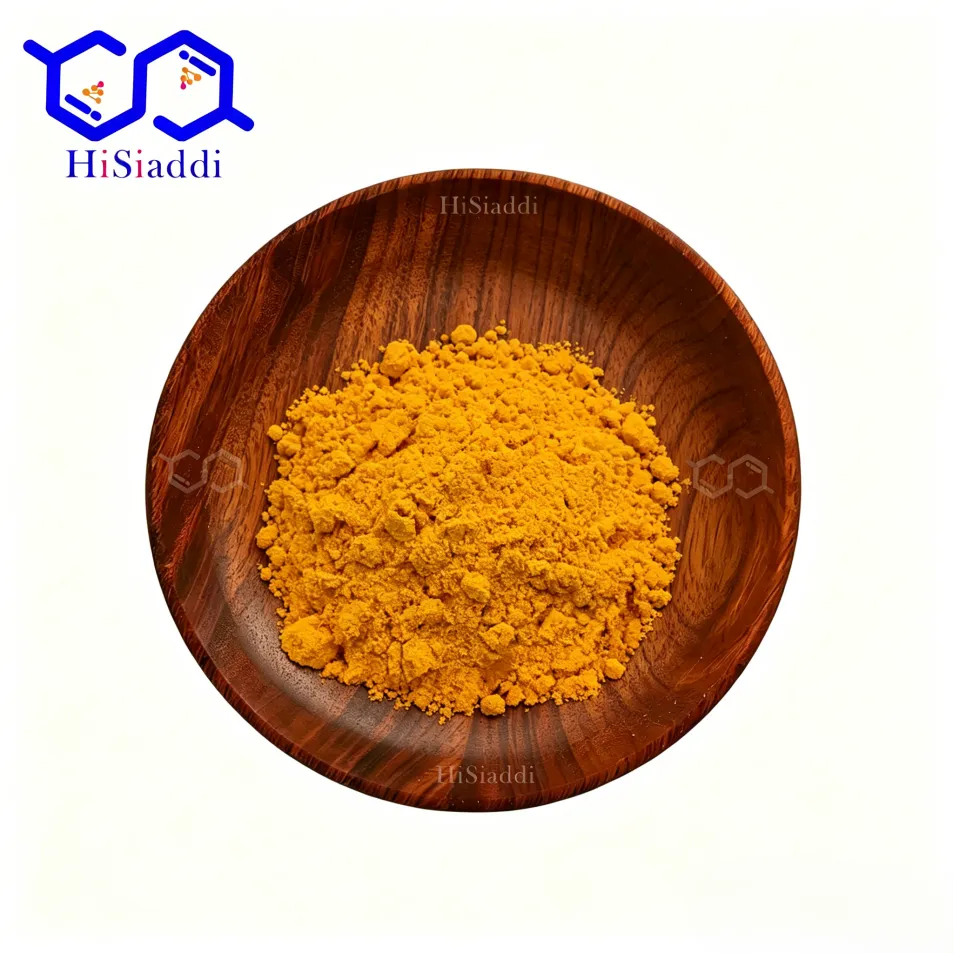
Full traceability and complete certifications including GMP, ISO22000, Non-GMO, Vegan, Kosher, and Halal are essential for regulatory compliance and downstream client trust. Berberine is a yellow crystalline powder sensitive to light and heat, requiring strict control over light stability, moisture (≤2%), loss on drying (≤6.0%), and batch potency fluctuation (<2%) to safeguard production and end-product quality.
Purity (≥99%) and related substances (≤1.5%) — core hard indicators
Heavy metals, residual solvents, and residue on ignition — safety baseline
Raw material source and extraction process (prioritize natural plant extraction and eco-friendly processes)
Pharmacopoeia compliance (USP/EP), CEP certification, and full certification list for market access
Batch potency stability, complete COA and MSDS to prevent production disruptions
For European and American food and beverage buyers (large food manufacturers, functional beverage, and herbal food enterprises), berberine is used for food preservation and functional fortification (intestinal conditioning). Pharmaceutical-grade purity is unnecessary, yet safety and production adaptability remain paramount.
Food-grade berberine must comply with FCC and EU food additive standards, requiring a minimum purity of ≥98%. Zero tolerance applies to heavy metals, microbial limits (total plate count ≤100cfu/g, mold and yeast ≤10cfu/g), and allergens to ensure food safety.
The clean label trend drives demand for Non-GMO, gluten-free, vegan, and low-carbon footprint certifications. Berberine’s inherent intense bitterness necessitates effective debittering processes to preserve the taste of final food and beverage products, a key factor in market acceptance.
Processing stability is critical. Berberine must withstand high-temperature sterilization, pH fluctuations, and mixing processes, with shelf-life potency decline capped at ≤5%. Insufficient stability causes active ingredient loss during beverage sterilization, compromising product efficacy and causing cost waste.
Cost performance is prioritized without compromising safety. Food-grade berberine is priced lower than pharmaceutical-grade variants, yet substandard products with insufficient purity or excessive impurities must be avoided to prevent regulatory penalties and brand damage. For large-volume procurement, supplier bulk supply capacity, flexible packaging (25kg/bag, 50kg/drum), palletized transportation, and delivery lead times are vital to sustain production schedules, especially for tier-one distributors.
Heavy metals (lead/arsenic/mercury <0.1ppm) and microbial limits — food safety baseline
Processing stability and shelf-life potency retention for production compatibility
Clean label certifications (Non-GMO, vegan, allergen-free) and debittering technology for market alignment and taste optimization
FCC/EU food-grade compliance for market entry
Unit price, delivery cycle, and bulk supply stability for cost control and production continuity
Berberine enjoys stable demand across pharmaceuticals, food, and feed in Asia, with distinct regulatory frameworks and market preferences across regions.
Japan and South Korean buyers adopt JP, USP, and EP benchmarks, requiring pharmaceutical-grade berberine purity of ≥99% with stringent microbial control and sterility assurance. Japan’s PMDA certification is rigorous and widely recognized across Southeast Asia and the Middle East, simplifying product registration in multiple regions.
Naturally extracted berberine from Coptis chinensis is preferred to meet regional consumer demand for natural herbal ingredients. Price tolerance exceeds feed-grade levels but is slightly lower than European pharmaceutical-grade products, balancing quality and cost performance. Additional requirements include Japan MHLW, ISO, and GMP certifications, plus supplementary heavy metal and microbial testing for non-local suppliers, alongside full supply chain traceability for quality control.
Food sector: Halal certification is mandatory for market access. A minimum purity of ≥98% is acceptable, with price sensitivity balanced against food safety. High temperature and humidity necessitate strict moisture-proof stability to prevent caking and deterioration during storage.
Feed sector: Cost minimization is prioritized with a minimum potency of ≥95% and purity of ≥90%. Low-cost supply sources from China and India are preferred to reduce breeding costs. Compliance only requires local ministry of agriculture and food authority standards with no Western certification requirements. Port logistics efficiency, inventory availability, delivery speed, and tropical climate-adapted packaging are key procurement considerations.
Berberine procurement differences stem from downstream applications, local regulations, and budget constraints, with clear demand gradients across buyer segments.
European & American Pharmaceutical/Health Supplement: Compliance > Purity > Raw Material Source & Extraction Process > Stability > Price (uncompromised quality and compliance, prioritizing pharmacopoeia and eco-friendly extraction)
European & American Food Fortification/Beverage: Safety Compliance > Production Adaptability > Clean Label & Taste > Cost Performance (prioritizing debittering technology and processing stability)
Global Feed-Grade Buyers: Potency Compliance > Price > Mixing Adaptability > Local Compliance (low-cost efficiency priority, no high purity requirement; focus on mixing uniformity and supply stability)
Asian Buyers: Japan-South Korea follow Western standards plus localized certifications (PMDA, MHLW) with emphasis on natural sourcing and detailed quality control; Southeast Asia prioritizes local compliance and cost performance (food focuses on Halal and moisture resistance; feed focuses on low price and potency).
High-Priority Indicators: European pharmaceutical-grade focuses on purity (≥99%), related substances, pharmacopoeia compliance, and CEP certification; European food-grade emphasizes heavy metals, microbial limits, processing stability, and debittering technology; feed-grade targets potency (≥95%), unit price, mixing uniformity, and water solubility; Japan-South Korea prioritizes pharmacopoeia benchmarking, sterility, and PMDA certification;
Southeast Asian food requires Halal certification and moisture resistance, while feed focuses on low price and potency. Low-Priority Indicators: European pharmaceutical buyers are least price-sensitive; feed buyers care least about certifications; Asian buyers are more price-focused than Western counterparts, with Japan-South Korea maintaining strict quality standards and Southeast Asia prioritizing local compliance and storage adaptability.
As a professional foreign trade service provider, HiSiaddi is proficient in global berberine regulations and sector-specific procurement needs. We supply authentic raw materials from renowned Chinese manufacturers with full certification support including PMDA and CEP, helping clients mitigate procurement risks and optimize cost control.
Share your specific procurement requirements including application sector and target indicators, and HiSiaddi will tailor a dedicated procurement solution for you.

 +86-13120989737
  info@hisiaddi.com
 English