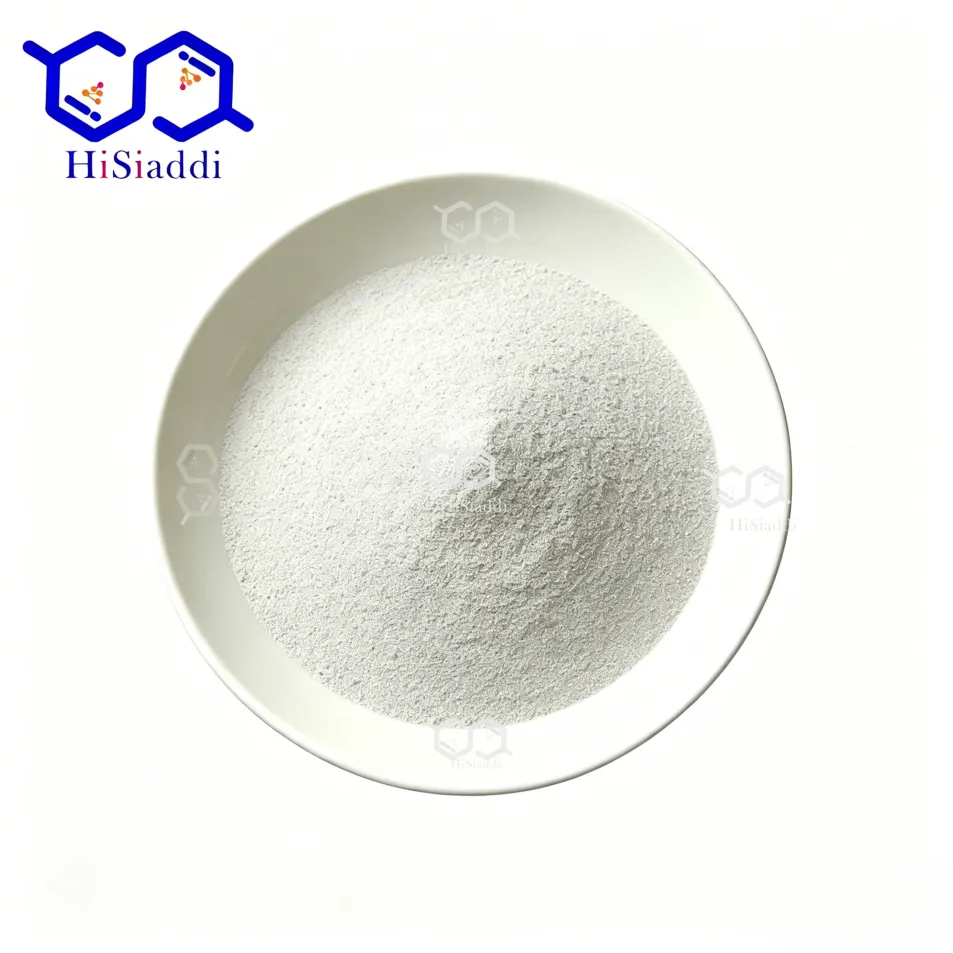
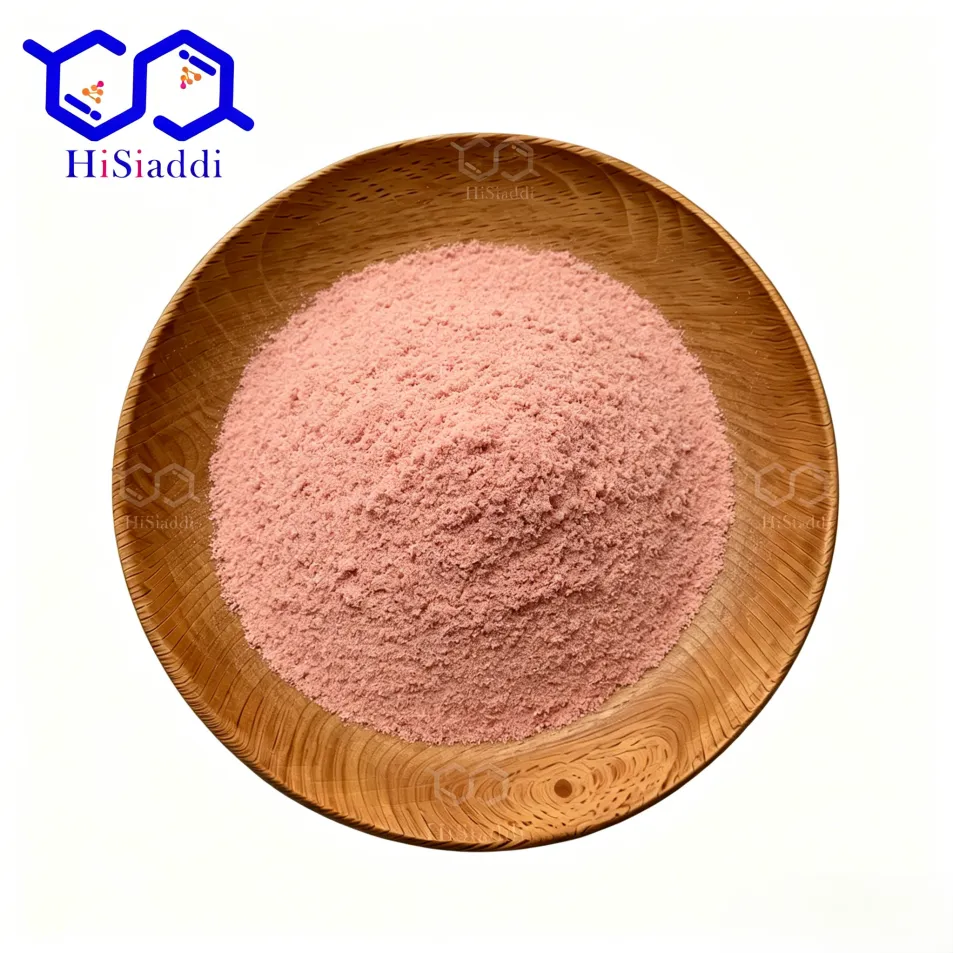
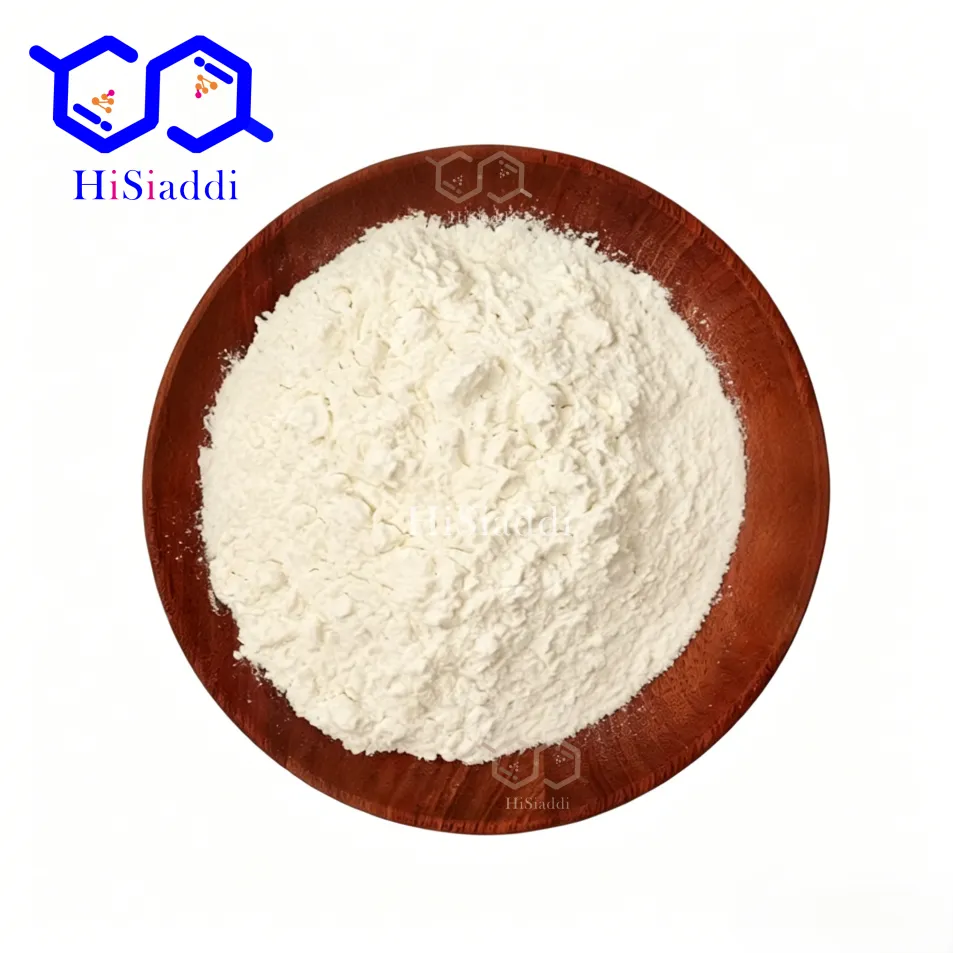
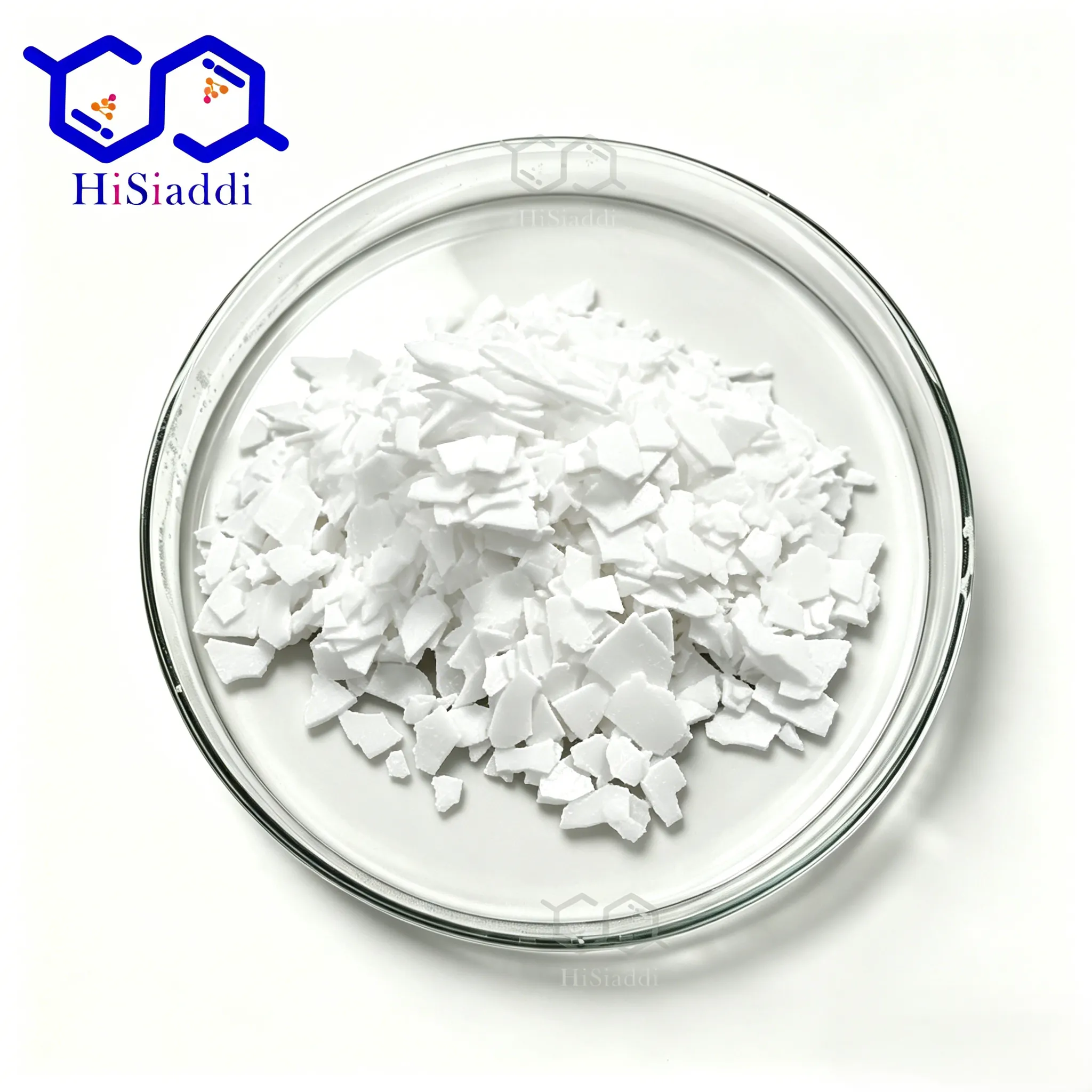
As a new-type foreign trade service provider driven by technological transformation and foreign trade services, HiSiaddi has established the "1+2+3+4=1" service system and supplies original factory goods of many well-known brands for nutritional fortifiers. With over ten years of in-depth experience in the nutritional fortifier market, this article elaborates on the comprehensive factors that overseas merchants need to consider throughout the whole process — cooperation docking, compliance access, production adaptation and cost control — when purchasing food-grade and health-grade core raw materials of nutritional fortifiers from China. It also specifies the mandatory core indicators that must be strictly checked in sample verification, bulk ordering and warehousing acceptance.
Nutritional fortifiers are directly applied in food and health-related products. The standardization and stability of supply are the primary prerequisites for procurement, far more important than short-term low prices.
First, verify the completeness of production qualifications and industry access credentials. Procurers must confirm whether manufacturers hold a food production license, official food additive production qualifications and SC certification, and have passed ISO22000 Food Safety Management System and HACCP Hazard Control System certification. For raw materials dedicated to health products, it is necessary to check the GMP clean production workshop qualification. Only products from fully certified and compliant enterprises can pass the review of food and drug authorities worldwide, eliminating non-compliant raw material risks at the source.
Second, evaluate product portfolio completeness and professional formula adaptation capability. Nutritional fortifiers cover thousands of categories including vitamins, amino acids, mineral elements, probiotics, plant extracts and nucleotides. Premium suppliers can not only provide a full range of conventional raw materials but also offer scientific formulation matching suggestions based on customers’ end-product formulas, dosage standards and applicable consumer groups, accurately catering to segmented demands such as infant food, adult health supplements, sports nutrition, maternal and infant complementary food, and pet nutrition.
Third, assess large-scale mass production capacity and global permanent inventory. The overseas dietary nutrition market maintains steady annual demand with obvious seasonal fluctuations. It is critical to confirm manufacturers have scaled production capacity and sufficient safety stock to guarantee long-term order supply even amid raw material price hikes and supply shortages, avoiding stockouts and delayed deliveries that disrupt overseas factory production schedules.
Fourth, examine mature practical capabilities in export business. The export of nutritional fortifiers imposes extremely high requirements on documents, traceability and inspection certificates. Reliable partners must be familiar with global food raw material export procedures, provide one-stop English qualification documents, traceability reports and batch quality inspection certificates, proficiently handle food additive commodity inspection and customs filing, adapt to multiple shipping methods including sea and air freight, and assist customers with destination port customs clearance to reduce cross-border circulation barriers.
Finally, consider full-process supporting services and after-sales technical support. Qualified suppliers support customized particle sizes, dosage forms and content specifications, customized Chinese-English food-grade outer packaging and labels complying with overseas market standards, free sample provision, formula debugging and dosage ratio guidance. They can quickly provide adjustment solutions for quality discrepancies and formula adaptation issues after delivery, realizing integrated raw material supply and technical guidance services.
As raw materials for direct human consumption, the compliance of nutritional fortifiers is the core determinant of smooth customs clearance and end-product market launch, which cannot be compromised.
First, match food regulations of target countries. Exports to the EU must comply with EFSA food raw material standards and REACH food-grade regulations; exports to North America need to meet FDA food additive filing requirements; sales to Southeast Asia, Australia, the Middle East and other regions must strictly follow local limits and scope of use for nutritional additives. Confirm the permitted food categories and maximum dosage of selected fortifiers in advance to avoid non-compliance due to excessive addition.
Second, distinguish food safety grades and applicable crowds. Clarify whether raw materials are general food-grade, infant-specific grade, health product-specific grade or feed-grade. Different grades have vast gaps in production cleanliness and impurity control standards. Fortifiers for maternal and infant food, children’s complementary food and elderly nutrition products must adopt the highest cleanliness grade with strict control of harmful residues to meet safety requirements for special consumer groups.
Third, control allergens and ensure edible safety. The global food market has increasingly stringent allergen control. Procurers must confirm no cross-contact with common allergens such as gluten, dairy products, nuts and seafood during production, and obtain clear allergen-free statements to comply with overseas food labeling specifications and avoid food safety complaints after product launch.
Fourth, ensure preservation performance and cross-border transportation stability. Most nutritional fortifiers are moisture-sensitive, heat-sensitive and prone to oxidative deterioration. Long-distance ocean shipping features large temperature and humidity variations. It is essential to confirm standard storage conditions, moisture-proof sealing technology and full shelf life of products, ensuring no loss of active ingredients, no moisture caking and no microbial growth during sea transportation to maintain full quality upon arrival.
Fifth, restrict prohibited substances and additive limits. Strictly ensure no illegal auxiliary materials or prohibited processing aids are used in production, with zero excessive levels of pigments, flavors, heavy metals and pesticide residues, aligning with the global development trend of green food and clean labels.
The optimal selection of nutritional fortifiers lies in seamless integration into the existing production system and adaptation to processing workflows and end-product positioning. High-quality raw materials are impractical if they fail to fit actual production conditions.
First, match dosage form with production line feeding requirements. Differentiate powder, granule, crystal, liquid and microencapsulated dosage forms. Select products with good fluidity, easy dispersion and uniform mixing based on production equipment such as mixing, granulation, tableting, filling and powder brewing systems, avoiding production problems like uneven feeding, poor solubility and caking.
Second, evaluate thermal resistance and process stability. Many end products undergo high-temperature sterilization, baking, steaming and extrusion molding. It is necessary to confirm the high-temperature resistance and thermal decomposition temperature of selected fortifiers to prevent nutrient loss and activity decline during thermal processing, maximizing nutritional value retention.
Third, verify formula compatibility. Confirm that nutritional fortifiers can stably coexist with other food raw materials, sweeteners, thickeners, emulsifiers and acidity regulators without chemical reactions, discoloration, odor generation, precipitation or stratification, and without altering the original taste, flavor and physicochemical properties of end products.
Fourth, adapt sensory properties to end-product taste and appearance. For snack food, solid beverages and oral nutritional products, prioritize fortifiers with low peculiar odor, no bitter taste and pure color, avoiding strong inherent odor or dark color that impair end-product taste, appearance and consumer acceptance.
Fifth, accurately match nutritional fortification purposes. Clarify core procurement demands: vitamin supplementation, mineral supplementation, amino acid supplementation, intestinal nutrition regulation or general dietary fortification. Select raw materials precisely in accordance with national and international dosage standards instead of blindly choosing high-content and high-priced products to achieve targeted nutrition enhancement with cost efficiency.
Overseas procurers should avoid focusing solely on unit price and comprehensively calculate overall usage costs to maximize cost performance.
First, effective nutrient content determines actual dosage cost. For the same category, higher effective nutrient content means lower daily dosage and lower total raw material consumption. Low-price and low-purity fortifiers require larger dosages, fail to meet nutritional standards and occupy formula space, ultimately increasing long-term production costs.
Second, batch stability reduces formula debugging costs. Premium raw materials with minor batch-to-batch fluctuations in nutrient content and physicochemical properties eliminate frequent adjustments to production formulas and feeding ratios, maintaining consistent end-product quality and saving formula and production debugging costs.
Finally, control warehouse storage and near-expiry loss costs. Select nutritional fortifiers with strong oxidation resistance, good stability and long shelf life to significantly reduce losses from raw material deterioration, moisture damage and scrapping of expired inventory, cutting implicit operating costs.
Below are the mandatory hard indicators that must be checked item by item during sample testing, contract signing and goods arrival acceptance, serving as the core criteria for raw material qualification judgment.
Main Active Nutrient Content
The core indicator determining nutritional supplementation efficacy. Ensure the measured content of each batch is consistent with labeled standards with stable deviations, forming the basis for nutritional labeling of end products.
Moisture Content
Strictly control water content; excessive moisture causes powder caking, bacterial growth and accelerated nutrient oxidation, shortening shelf life, serving as a fundamental control indicator for food-grade fortifiers.
Particle Size and Mesh Distribution
Directly affect dispersion speed, solubility and feeding uniformity. Uniform particle size ensures balanced nutrient distribution in mixed finished products without local nutrient excess or deficiency.
Loss on Drying and Residue on Ignition
Loss on drying reflects volatile substance proportion; residue on ignition indicates inorganic impurity content. Lower values represent higher raw material purity, fewer impurities and higher edible safety.
Heavy Metal Limit Indicators
Strictly control harmful heavy metals such as lead, arsenic, mercury and cadmium in compliance with international food additive limit standards, forming the basic safety bottom line for exported food raw materials.
Microbial Limit Indicators
Include total bacterial count, coliforms, mold and yeast, and pathogenic bacteria testing. Food-grade nutritional fortifiers must meet microbial standards to eliminate food safety risks from excessive flora.
Acidity and pH Value
Stable pH ensures raw material storage stability and adapts to the acid-base system of end products, avoiding damage to product flavor, stability and shelf life.
Solubility and Clarity
Critical for solid beverages, oral liquids and brewed products. Verify dissolution speed in cold and hot water as well as clarity after dissolution with no precipitation or suspended impurities to meet end-product requirements.
Odor, Color and Sensory Properties
Maintain pure and uniform appearance and odor with no peculiar smell, discoloration, mildew or caking, enabling preliminary judgment of raw material freshness and quality via sensory evaluation.
Encapsulation Rate and Antioxidant Stability
For easily oxidized vitamins and unsaturated nutritional fortifiers, test encapsulation stability and long-term antioxidant capacity to prevent nutrient loss and efficacy attenuation during long-term finished product storage.
Pesticide and Solvent Residues
Strictly screen pesticide residues and production solvent residues for plant-derived and synthetic nutritional fortifiers, meeting stringent safety testing requirements for high-end food and export health products.
When purchasing nutritional fortifiers in China, procurers are advised to first define five core demands: end-product category, applicable consumer groups, export target country regulations, production and processing technology, and nutritional fortification standards. Apply for multi-category samples for laboratory testing and production trial runs. Only after verifying nutrient content, taste, compatibility and stability are fully compliant should you proceed from small trial orders to long-term stable supply contracts.
As a professional foreign trade service provider, HiSiaddi provides one-stop full support including global access certifications, complete export documents for food-grade products, batch quality inspection reports and traceability files. We solve the whole-process challenges of product selection, inspection, ordering, customs declaration and cross-border logistics, helping customers procure safe, compliant, stable and cost-effective domestic nutritional fortifiers, enhance the competitiveness of overseas end products and achieve long-term mutually beneficial cooperation.
Contact HiSiaddi customer service for more accurate, detailed and in-depth analysis on the selection and procurement of nutritional fortifiers.

 +86-13120989737
  info@hisiaddi.com
 English