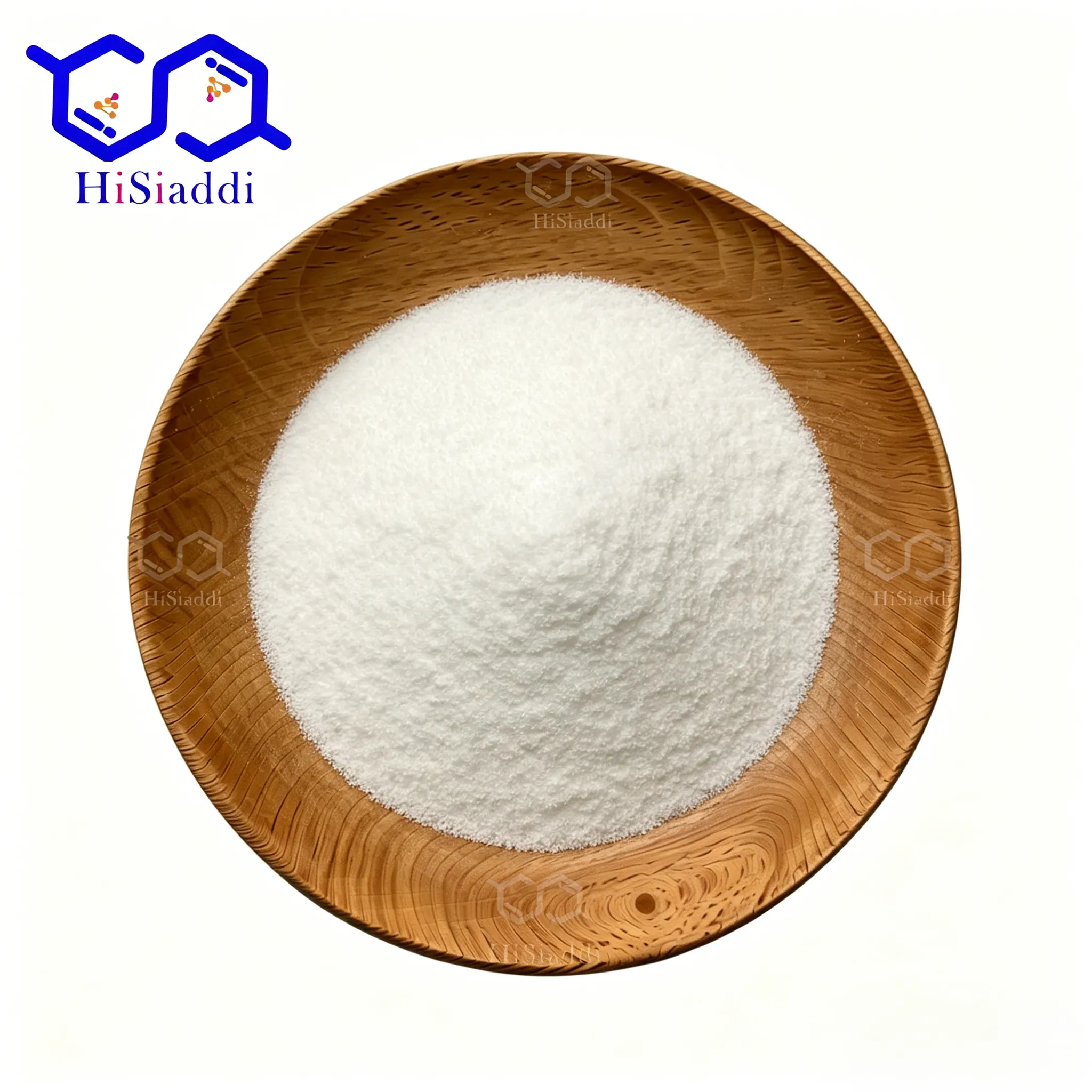
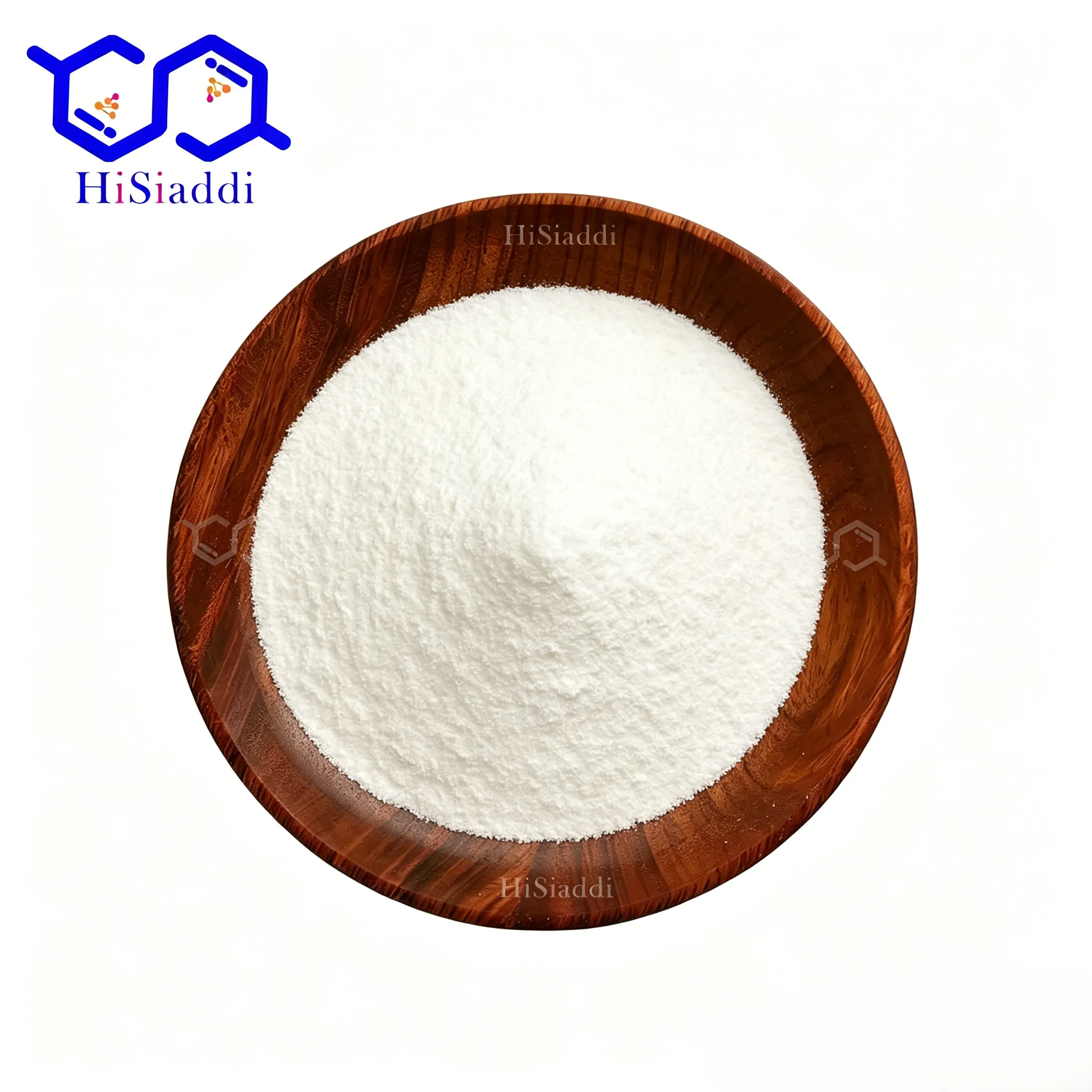
As a new-type foreign trade service provider driven by dual engines of technology commercialization and foreign trade, HiSiaddi has built a "1+2+3+4=1" service system and can supply original factory goods from many well-known brands of Cassava Iron.
Adopting the "1+1>2" business model, HiSiaddi focuses on the integrated development of technology transformation and export trade, and consistently tracks the global Cassava Iron market from both scientific research and market perspectives. Today, we will analyze the new changes and trends of the global Cassava Iron market from a professional standpoint.
If you need more comprehensive and valuable market information on Cassava Iron, please contact HiSiaddi customer service.
1. Highly concentrated supply pattern: 70% of global cassava raw materials come from Southeast Asia (Thailand, Vietnam, Cambodia). In 2025, Thailand’s cassava starch exports accounted for 35% of the global total. Benefiting from RCEP policies, Vietnam’s raw material processing costs are 12%-15% lower than China’s, forming a stable supply chain of "Southeast Asian raw materials + Chinese deep processing". Guangxi and Yunnan in China serve as core processing zones, with a wet process penetration rate of 82.7%.
2. Green raw materials become mandatory requirements: The EU, North America and the Middle East impose mandatory requirements for non-GMO raw materials, zero pesticide residues and full traceability. The Carbon Border Adjustment Mechanism (CBAM) was officially implemented in 2025, adding an extra compliance cost of 80-120 RMB per ton of exported Cassava Iron. This forces purchasers to prioritize suppliers with organic certifications and carbon footprint reports.
3. Intensified price volatility: Frequent extreme weather in Southeast Asia from 2024 to 2026 caused a 10%-15% cassava output reduction. Coupled with rising ocean freight, raw material costs of Cassava Iron rose by 3.8% year-on-year. Spot prices show a pattern of "sharp surges in peak seasons and firm prices in off-seasons", with concentrated port inventories and obvious price-hoarding sentiment among traders.
1. Upgraded purity and stability: Traditional Cassava Iron features an iron content of 15%-20% with high risks of excessive impurities (heavy metals, free iron). New-generation products boost iron content to 25%-30%, with free iron ≤0.5% and solubility ≥98%. Adopting microcapsule sustained-release and enzymatic modification technologies, their bioavailability increases by 30%, and they have obtained EU EP and US USP pharmacopoeia certifications.
2. Segmented customized products for diversified application scenarios:
1. Feed grade: Low-irritation, high-absorption formulas developed for piglets and pregnant livestock. Over 4 billion piglets nationwide have safely used such products since 2024, with a new oral dextran iron powder dosage form replacing traditional injections.
2. Pharmaceutical grade: Special formulations for children (strawberry flavor, odorless) and nephropathy patients (low sodium, high chelation stability) to meet precision medical demands.
3. Food grade: Water-soluble, high-temperature-resistant fortifiers tailored for baking, dairy and ready-to-eat food processing scenarios.
3. Breakthrough in dosage form diversification: Expanded from single powder to four major forms: powder, granule, oral liquid and microcapsule. Feed-grade granules can be directly mixed with feed, while pharmaceutical-grade oral liquids achieve a 95% absorption rate, solving the long-standing pain points of poor solubility and unpleasant taste of traditional polysaccharide iron.
1. Regional demand shift:
1. Traditional markets (Europe and America): Slow growth (2%-3%), focusing on high-end pharmaceuticals and organic feed with high unit prices (12-18 USD/kg) and stringent certification requirements (FDA, EFSA).
2. Emerging markets (Southeast Asia, Africa, Middle East): 8%-12% growth rate. Over 40% of Africa’s population suffers from iron deficiency anemia, driving surging demand for feed and food fortification. The Middle East market requires Halal certification with unit prices of 6-10 USD/kg, prioritizing cost performance.
2. Restructured proportion of downstream sectors: In 2025, feed grade accounted for 65% (core growth driver fueled by scaled livestock farming), pharmaceutical grade 20% (stable rigid demand), and food grade 15% (fastest-growing segment driven by health diet trends). The share of feed grade rose by 10 percentage points compared with 2022.
3. Strengthened rigid demand attributes: Over 2 billion people worldwide live with iron deficiency anemia, and scaled livestock farming creates strong demand for improving piglet survival rates and protecting pregnant livestock. The substitution trend of Cassava Iron for inorganic iron (ferrous sulfate) and small-molecule organic iron (ferrous lactate) is clear, with the substitution rate jumping from 30% in 2020 to 55% in 2025.
1. Global unification of certification systems: The EU mandates REACH registration, heavy metal testing (lead ≤2ppm, arsenic ≤1ppm) and microbial limit testing (total bacterial count ≤100cfu/g); the US requires FDA GRAS certification; China demands new feed additive certificates and veterinary GMP certification; the Middle East requires Halal certification. Mutual recognition of certifications is improving, and uncertified products are banned from import directly.
2. Strict environmental policies: China and the EU restrict high-pollution traditional chemical complexation processes and mandate green complexation and zero-emission technologies. Normalized environmental inspections in China starting in 2025 have accelerated the phase-out of small and medium-sized production capacities failing environmental standards. The industry CR5 (market concentration of top 5 enterprises) is expected to exceed 50% by 2030.
3. Mandatory labeling and traceability: European and American markets demand full ingredient labeling, raw material traceability codes and carbon footprint labels traceable to cassava planting plots. The EU will implement the "no traceability, no import" policy starting in 2026.
1. Severe overcapacity: Global Cassava Iron capacity reached 80,000 tons in 2025 against actual demand of only 52,000 tons, representing a capacity utilization rate of 65%. China accounts for 60% of global capacity, with clusters of small and medium processing plants in Guangxi and Yunnan. Fierce price wars plague low-end products (iron content ≤20%), with unit prices falling below 4 USD/kg and slim profit margins.
2. Technological monopolies of leading enterprises: Top players including Guangxi Research Institute of Chemical Industry and Thailand Tapioca Development hold core technologies for high-purity complexation and microcapsule sustained release with high patent barriers. High-end products (iron content ≥25%) deliver gross profit margins of 40%-50%, far exceeding the 10%-15% of low-end products.
3. Limited impact from substitutes: Alternatives such as corn starch-based polysaccharide iron and seaweed polysaccharide iron feature higher raw material costs (corn starch 3,200 RMB/ton vs cassava starch 2,800 RMB/ton) and immature technologies, making large-scale substitution impossible in the short term. They only penetrate slightly in the high-end pharmaceutical sector.
1. Surging cost pressures: Rising costs of cassava raw materials, ocean freight and environmental compliance squeeze profit margins of low-end feed enterprises. Price wars create a vicious cycle of low prices and poor quality, weakening purchasers’ bargaining power.
2. Uneven product quality: Substandard free iron, heavy metal residues and poor stability from small and medium suppliers cause animal diarrhea and low absorption rates, triggering frequent quality disputes that hurt farming efficiency.
3. Lack of certifications and traceability: Large-scale breeding enterprises (e.g., Wens, Muyuan) and overseas major clients (Southeast Asia, Africa) require veterinary GMP, full traceability and Halal certifications. Small and medium purchasers unable to meet these standards lose high-value orders.
4. Insufficient dosage form adaptation: Traditional powders are prone to caking and uneven mixing. Large-scale farming requires granules and premixes, yet most suppliers offer a single dosage form unable to match market demands.
1. Vast substitution potential: Inorganic iron (ferrous sulfate) is highly irritating with low absorption rates (only 10%-15%), while Cassava Iron delivers absorption rates of 70%-80%. Scaled farming creates urgent substitution demand supported by superior cost performance and safety.
2. Booming emerging markets: Scaled livestock farming is taking off in Africa and Southeast Asia, driving 10% annual growth in demand for feed-grade Cassava Iron at moderate unit prices (6-8 USD/kg), ideal for small and medium purchasers to enter.
3. Premium gains from product upgrading: Purchasing high-purity, granular and sustained-release products enables a 20%-30% price premium for high-end breeding markets (breeding pigs, young poultry), expanding profit margins.
4. Supply chain integration opportunities: Concentrated production capacity among leading suppliers allows small and medium purchasers to combine bulk orders and lock long-term prices to cut costs, while binding high-quality suppliers to stabilize product quality.
1. High certification barriers: European and American markets require FDA, EP and USP certifications, while domestic sales demand national drug approval and GMP certification. Certifications take 1-2 years and cost 500,000-1,000,000 RMB, unaffordable for small and medium purchasers.
2. Stringent technical requirements: Pharmaceutical-grade products demand precise iron content (28%-30%), free iron ≤0.3%, sterility and pyrogen-free standards with testing criteria far stricter than feed grade, leading to high unqualified rates.
3. Zero tolerance for quality despite low price sensitivity: Purchasers prioritize stability, safety and bioavailability over price, yet any quality defect triggers massive compensation and brand crises.
4. High demand for customization: Exclusive dosage forms, flavors and dosages are required for segmented groups including children, pregnant women and nephropathy patients, mandating purchasers to possess customized R&D coordination capabilities.
1. Stable rigid demand & high gross margins: Over 2 billion people globally suffer from iron deficiency anemia. Pharmaceutical-grade Cassava Iron delivers gross profit margins of 50%-60%, far higher than feed grade, with stable demand and strong anti-cyclical performance.
2. Precision medical trend: Personalized iron supplementation and combined medication (synergistic with vitamin C and folic acid) represent clear trends, with customized products commanding large premiums. Small and medium purchasers can target segmented groups (children, pregnant women) for differentiated competition.
3. Expanding pharmaceutical markets in emerging regions: Rapid growth of pharmaceutical sectors in Southeast Asia and Africa fuels demand for cost-effective, safe iron supplements. Chinese products hold a price advantage (8-12 USD/kg) over European and American brands (15-20 USD/kg).
4. Growing health supplement market: Rising health awareness drives 12% annual growth in demand for supplement-grade Cassava Iron (oral liquids, chewable tablets), with lower entry thresholds than pharmaceutical grade for small and medium purchasers.
1. Dual requirements of high temperature resistance and water solubility: Food processing (baking, sterilization) reaches 120°C, requiring products that resist high temperatures, dissolve fully, carry no odor and do not alter food taste or color – criteria most products fail to meet.
2. Fragmented and complex compliance standards: Food additive standards vary widely across nations. The EU mandates EFSA approval with an acceptable daily intake (ADI) ≤0.8mg/kg, while the Middle East requires Halal certification, pushing up scattered certification costs.
3. Intense price competition: Low entry barriers attract clusters of small and medium suppliers to the food-grade market, triggering price wars and thin profit margins that force purchasers to balance quality, price and stability.
4. Small-batch, multi-variety demand: Rapid product iteration by food enterprises requires small-batch, multi-specification and fast delivery orders, yet most suppliers lack flexible production capacity, causing frequent delivery delays.
1. Driven by healthy diet trends: Global popularization of "low salt, low sugar and iron fortification" concepts fuels explosive demand for food fortification (flour, dairy, ready-to-eat meals) with an annual growth rate of 12%-15%, the highest among all three downstream sectors.
2. Premiums for scenario-specific customization: Baking-specific (high temperature resistant) and dairy-specific (high water solubility) products tailored for infant food command a 30%-40% price premium, offering ample room for differentiated competition.
3. Underservedness in emerging markets: Penetration rates of fortified food in Africa and Southeast Asia remain below 5%, far lower than Europe and America’s 30%, creating massive market gaps for small and medium purchasers to develop.
4. Flexible supply chain integration: Lower technical thresholds for food-grade products allow purchasers to cooperate with multiple small and medium suppliers for small-batch, multi-batch procurement, reducing inventory risks and enabling rapid market response.
1. Tiered procurement for precise market positioning:
1. Feed grade: Prioritize granules with iron content ≥25% and free iron ≤0.5% to serve large-scale breeding clients with a 20% price premium; supply basic varieties with iron content 20%-22% to cost-sensitive smallholder markets.
2. Pharmaceutical & health supplement grade: Focus on sterile, microcapsule sustained-release products with iron content 28%-30%. Secure FDA and Halal certifications to capture high-end orders targeting children and pregnant women.
3. Food grade: Source varieties stable at 120°C with solubility ≥98% and zero odor for baking and dairy applications, customized into small packages (1kg/bag) to respond quickly to client demands.
2. Partner with technology-driven suppliers: Prioritize suppliers with proprietary technologies, internal R&D teams and complete testing equipment (e.g., Guangxi Research Institute of Chemical Industry) to eliminate small workshops and guarantee stable quality. Cooperate with suppliers to develop customized products (feed premixes, food oral liquids) and build differentiated barriers.
3. Strict quality inspection controls: Implement dual testing mechanisms of incoming inspection and third-party re-inspection, focusing on iron content, free iron, heavy metals and microorganisms with immediate rejection of unqualified goods. Request COA (Certificate of Analysis), traceability codes and certification documents to meet overseas traceability requirements.
1. Secure long-term cooperation with premium suppliers: Sign 1-3 year long-term procurement contracts with 2-3 leading suppliers to lock prices and production capacity and hedge raw material price volatility risks. Unite small and medium purchasers for bulk combined orders to strengthen bargaining power and slash procurement costs by 10%-15%.
2. Multi-regional layout to diversify risks: Source raw materials from Thailand (low cost), Vietnam (RCEP benefits) and China (large production capacity) to avoid supply disruptions from single-region risks. Adopt a combined transport model of China-Europe Railway Express and ocean freight; the railway delivers stable 15-day transit times with mild price fluctuations, ideal for high-end product shipments.
3. Optimize inventory management for flexible delivery: Establish a safety stock reserve equal to 30 days of consumption alongside dynamic replenishment mechanisms to counter price spikes and delivery delays. Cooperate with suppliers with flexible production capacity supporting small minimum orders (starting at 500kg), multiple specifications and fast delivery within 7 days to match food and health supplement client needs.
4. Build green supply chains: Prioritize suppliers adopting eco-friendly production processes, low carbon footprints and full traceability to obtain organic certifications and carbon labels, comply with EU CBAM requirements and avoid carbon tariff costs.
1. Prioritize core certification acquisition:
1. Feed grade mandatory certifications: Veterinary GMP, new feed additive certificate, Halal (for Middle East & Africa), GSP (for Southeast Asia).
2. Pharmaceutical grade mandatory certifications: FDA GRAS, EP, USP, national drug approval; allocate 1-2 year lead time and dedicated certification budgets in advance.
3. Food grade mandatory certifications: EFSA approval, Halal, ISO22000; align standards with target markets to prevent order losses due to missing certifications.
2. Establish standardized quality management systems: Implement ISO9001 (quality), ISO14001 (environmental) and ISO22000 (food safety) systems to standardize full processes including procurement, testing, warehousing and delivery. Unify product specifications (iron content, impurity limits, dosage forms) for standardized global supply.
3. Strengthen labeling and traceability management: Apply full ingredient labeling, traceability codes and carbon footprint labels per target market requirements to realize full-chain traceability from raw materials to finished goods. Prepare multi-language COAs, certification documents and test reports to support overseas client audits.
1. Deepen emerging markets to avoid European and American red oceans: Prioritize layout in Africa (feed & food), Southeast Asia (feed & pharmaceutical) and the Middle East (feed & health supplements) – regions with fast demand growth, low competition and moderate price levels ideal for small and medium purchasers. Leverage policy dividends from RCEP and China-Africa Cooperation Forum to access 5%-10% tariff reductions and strengthen price competitiveness.
2. Differentiated pricing by segmented clients:
1. High-end clients (large-scale breeding enterprises, European and American pharmaceutical firms): Supply high-purity, fully certified customized products with a 30%-50% price premium.
2. Mid-tier clients (small and medium feed mills, Southeast Asian food manufacturers): Supply cost-effective, stable-quality products with a 10%-20% price premium.
3. Low-end clients (African smallholders, mini food factories): Supply basic low-cost varieties for high-volume thin-margin sales.
3. Brand operation to escape low-price positioning: Register proprietary brands with a brand image of "high safety, high absorption and eco-friendliness". Participate in Southeast Asian Feed Exhibitions, African Food Exhibitions and European Pharmaceutical Exhibitions to showcase products and certifications and raise brand awareness. Promote products on B2B platforms (Alibaba International, Made-in-China) with optimized keywords such as "High Purity Cassava Polysaccharide Iron" and "Feed Grade Iron Supplement" to attract targeted clients.
4. Value-added services to boost customer loyalty: Provide clients with technical support (formula optimization, usage guidance), testing services, certification assistance and logistics solutions. Offer iron supplementation schemes and animal health monitoring for breeding clients, and application testing & taste optimization for food clients to improve satisfaction and stickiness.
The global Cassava Iron market is in a critical phase of technological upgrading, demand expansion and landscape restructuring, marked by accelerated phase-out of low-end production capacity and mainstream adoption of high-end customized, eco-friendly products. Downstream B-end purchasers face intertwined challenges and opportunities. Only by abandoning low-price competition, focusing on high-purity customized products, reinforcing supply chain and compliance barriers, developing emerging markets and building proprietary brands can enterprises gain a firm foothold amid fierce competition and achieve sustainable growth.
As your foreign trade service provider, we deliver one-stop services including premium supplier matching, certification support, supply chain integration and overseas market expansion to help you quickly adapt to market trends and lift core competitiveness. We look forward to cooperating with you to seize new opportunities in the global Cassava Iron market!

 +86-13120989737
  info@hisiaddi.com
 English