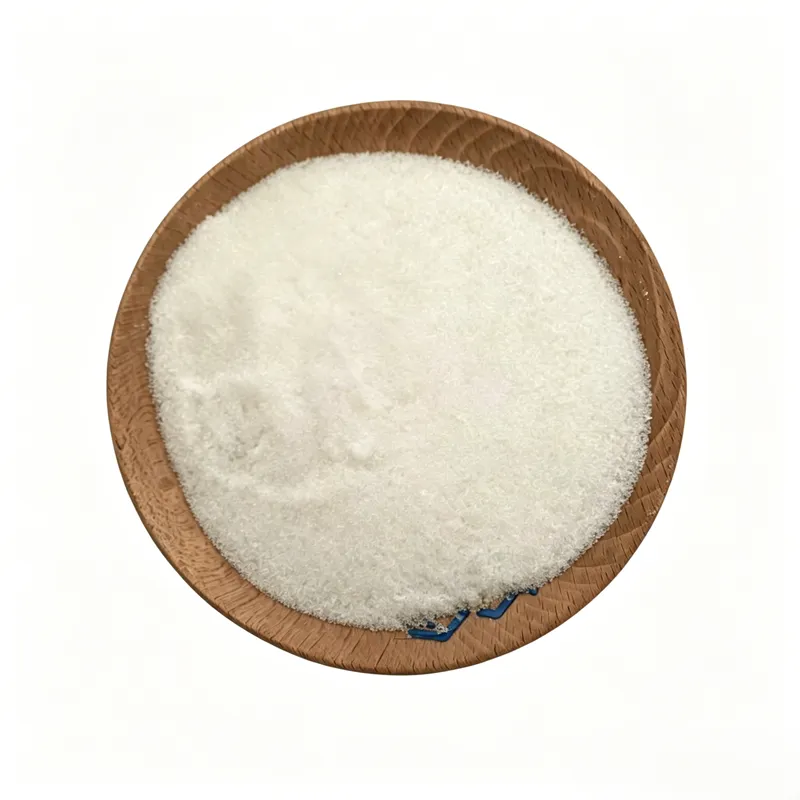
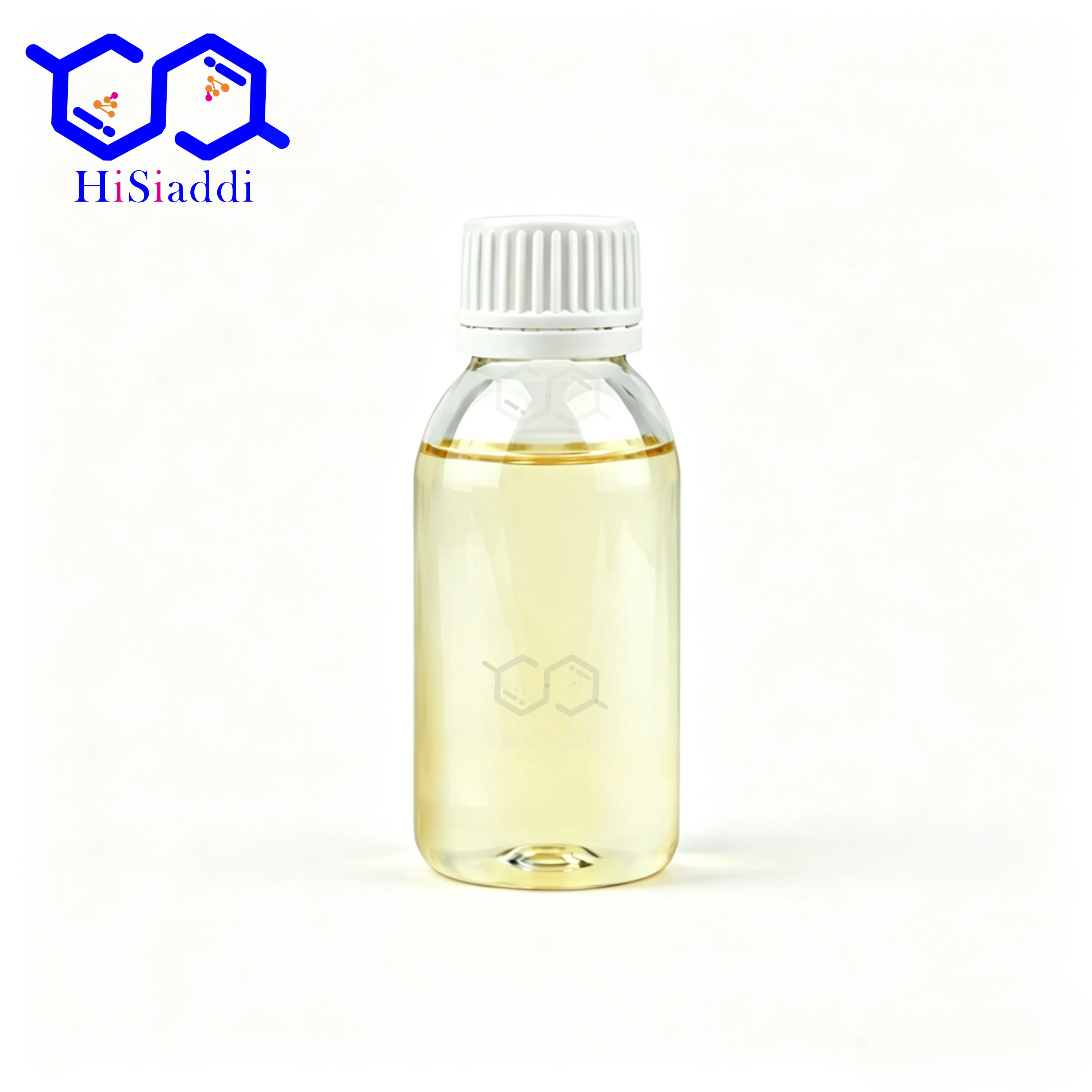
As a new-type foreign trade service provider driven by technological transformation and foreign trade business, HiSiaddi has built a "1+2+3+4=1" service system and can supply DMI (1,3-Dimethyl-2-imidazolidinone) sourced directly from multiple well-known original manufacturers. As a foreign trader with R&D capabilities, HiSiaddi has repeatedly proposed DMI formulation optimization solutions and application improvement recommendations through technological cooperation with factories and precise market insight. Below is a technical consultation case regarding DMI formulation optimization delivered by HiSiaddi.
Contact HiSiaddi customer service for more formulation optimization consultation services.
The client is Advanced Polymer Solution SAS, a high-end specialty materials enterprise based in Lyon, France, focused on R&D and mass production of high-performance aramid fibers and premium functional coating materials. Its products are supplied to European aerospace and precision advanced manufacturing sectors, complying with ISO 14001, REACH and EU material application standards with stringent requirements for solvent purity, impurity levels, formulation compatibility and production condition adaptability, representing a typical high-end overseas client.
The enterprise has long purchased electronic high-purity DMI as the core polar solvent for polymer polymerization and coating manufacturing, with an annual procurement volume of 42 tons. After switching to domestic raw material suppliers, continuous production line issues emerged: formulation system delamination, reduced polymerization conversion rate, micro-pinhole defects on finished coatings, moisture absorption and discoloration during storage and feeding. Multiple internal R&D and process adjustments to formulation ratios and production parameters failed to fully resolve the issues, driving down finished product yield and delaying core order deliveries. The client subsequently commissioned HiSiaddi to conduct root-cause diagnosis, formulation optimization, production process rectification and long-term technical guidance.
Working with raw material laboratory and application technology teams, HiSiaddi completed sample testing and on-site production condition reviews to categorize four major problems and identify their fundamental causes:
1.
Poor Compatibility of Compound Systems Resulting in Slurry/Compound Delamination The client blends DMI with DMAC and multi-component resins, with visible stratification occurring 1 hour after mixing and insufficient system homogeneity. Root Cause: Trace 1,3-dimethyl-2-imidazolinimine isomer impurities in DMI (difficult to fully separate via conventional rectification due to similar boiling points). The polar discrepancy of this impurity disrupts the interfacial balance of mixed systems; elevated trace water content further exacerbates phase separation.
2.
3.
Low Polymerization Conversion Rate & Substandard Product Performance Polymerization conversion dropped by 7% compared with batches using imported DMI, failing to meet design tensile strength and temperature resistance benchmarks for finished fibers. Root Cause: Excessive free amine impurities and low-boiling volatiles in DMI inhibit catalyst activity and disrupt polymerization kinetics. Fluctuations in product purity across batches further destabilize reaction consistency.
4.
5.
Micro-Pinholes & Dense Bubble Defects on Finished Coatings Micro pinholes and bubbles cover the surface of spray-formed functional coatings, rendering them unfit for high-precision component applications. Root Cause: Residual low-boiling fractions in DMI volatilize during high-temperature coating curing, rupturing liquid films to form defects. Enrichment of trace metal ions on coating surfaces also induces localized imperfections.
6.
7.
Moisture Absorption & Yellow Discoloration During Warehouse Storage & Feeding DMI rapidly absorbs moisture during ambient-temperature workshop storage and open feeding, turning the clear liquid pale yellow with inconsistent color across batches. Root Cause: DMI inherently exhibits strong hygroscopicity, with no dedicated moisture removal refinement and inadequate sealing performance of original packaging. Unmatched workshop temperature/humidity control standards for DMI continuously draw water vapor into the material.
8.
HiSiaddi formed a dedicated team of raw material refinement specialists, formulation application engineers, production process consultants and on-site service technicians, implementing rectifications across four dimensions: raw material index optimization, compound formulation adjustment, production operation standardization and packaging/storage upgrade. Full-process validation was completed within 18 days to restore stable production.
1. Deep Raw Material Refinement to Eliminate Harmful Impurities at the Source
· Optimized secondary high-vacuum precision rectification to precisely separate imidazolinimine isomers, limiting this impurity to below 50 ppm; simultaneously stripped low-boiling volatiles and free amines to ensure a clean reaction environment
· Upgraded impurity removal workflows with chelation filtration to deeply reduce iron, sodium and other metal ions to a total metal content below 0.3 ppm, eliminating triggers for coating defects
· Enhanced dehydration treatment combining molecular sieve adsorption and negative-pressure drying to lock water content below 15 ppm, far below the client’s internal control standard and resolving water-induced delamination
1. Customized Formulation Optimization Scheme Two minor adjustment plans tailored to the revised DMI physicochemical parameters were provided, requiring no major overhauls to core production workflows:
· Adjust the ratio range of DMI and DMAC, supplemented with a small amount of inert co-solvent to strengthen miscibility across multi-component systems and permanently eliminate delamination
· Fine-tune catalyst dosage and feeding timing based on impurity characteristics to counteract inhibition from trace residual substances, restoring polymerization conversion to standard levels
· Optimize pre-mixing duration and stirring speed for slurries to achieve full integration of all components and improve overall system stability
1. Standardized On-Site Production & Feeding Processes
· Environmental Control: Establish dedicated DMI workshop standards with temperature maintained at 18–24°C and relative humidity ≤30%; install dehumidification equipment in high-humidity zones
· Operation Protocols: Limit single unpacking feeding volume to match daily consumption to minimize open-air exposure; adopt fully sealed pipelines for material transfer and conveyance to reduce air contact
· Process Optimization: Adjust curing temperature ramp rates for coating production lines with staged gradient heating to reserve volatilization time for low-boiling fractions and eliminate bubble and pinhole formation
1. Packaging & Warehouse System Upgrade
· Packaging upgraded to thickened galvanized iron drums with double-layer PTFE lining and sealing gaskets; drums filled with high-purity nitrogen before shipment to strengthen moisture-proof sealing performance
· Warehouse management standards implemented: segregated elevated material storage away from heat and water sources with first-in-first-out protocols; clear labeling of optimal shelf life for materials
1. Batch Quality Control & Technical Communication Mechanism Established Manufacturers are required to issue full-item English test reports per batch, highlighting key indicators including impurities, water content and chroma. HiSiaddi assigned a dedicated technical liaison to synchronize batch data in real time and pre-empt risks of indicator fluctuations.
1.
Fully Optimized Product Specifications Post-rectification DMI maintains stable purity ≥99.92%, with isomers, low-boiling substances, metal ions, water content and other critical indicators all exceeding client requirements and drastically improved batch consistency.
2.
3.
Full Resolution of Production Malfunctions
4.
· No further delamination of compound formulations; mixed liquids maintain homogeneous stability over extended storage periods
· Polymerization conversion restored to baseline levels, with finished fiber mechanical and temperature resistance performance meeting design standards
· Coating pinhole and bubble defects completely eliminated, production yield rebounding above 98%
· Moisture absorption and discoloration permanently resolved, with consistent color stability throughout the full service life of the material
1.
Improved Production Efficiency & Cost Control Production rework rates declined, enabling full-capacity operation of the entire production line and on-time delivery of aerospace material orders. Raw material waste reduced by 4%, lowering overall comprehensive production costs.
2.
3.
Client Recognition & Long-Term Cooperation Renewal The client highly recognized HiSiaddi’s capacity for technical diagnosis and solution implementation, praising its integrated expertise in raw material characteristics and downstream formulation applications to resolve long-standing production bottlenecks. Both parties renewed the annual procurement agreement with annual purchasing volume rising to 55 tons. The client also entrusted HiSiaddi with procurement and technical support for multiple premium solvents and fine chemicals, establishing a long-term strategic partnership.
4.
For overseas high-end material manufacturers using DMI, trace impurities including isomers, low-boiling substances, metal ions and water trigger cascading issues such as formulation delamination, reaction failure and finished product defects. Mismatched production environments, operating procedures and packaging/storage conditions further amplify these malfunctions. Most raw material manufacturers only focus on factory-outlet specifications and lack experience with downstream formulation and end-production applications, making them unable to deliver systematic solutions.
Drawing on expertise in raw material refinement and cross-industry downstream application accumulation, HiSiaddi traced and locked root causes of failures, simultaneously upgrading raw materials, optimizing formulations, standardizing production processes and revamping packaging and storage to resolve full-chain technical bottlenecks in one stop. This not only restored production capacity and guaranteed premium product quality for the client but also consolidated cooperative relationships through comprehensive technical service professionalism, supporting domestic high-purity DMI to continuously penetrate the European mid-to-high-end market.
Contact HiSiaddi customer service for more formulation optimization consultation services.

 +86-13120989737
  info@hisiaddi.com
 English