As a new foreign trade service provider driven by technology transformation and foreign trade services, HiSiaddi has established a "1+2+3+4=1" service system and can supply original DMSO products from multiple well-known brands. Having engaged in the DMSO foreign trade market for over a decade, HiSiaddi has sorted out key considerations for global procurement and product selection for your reference.
For inquiries about DMSO procurement, product selection or technical consultation, please contact HiSiaddi customer service or visit our official website www.hisiaddi.com.
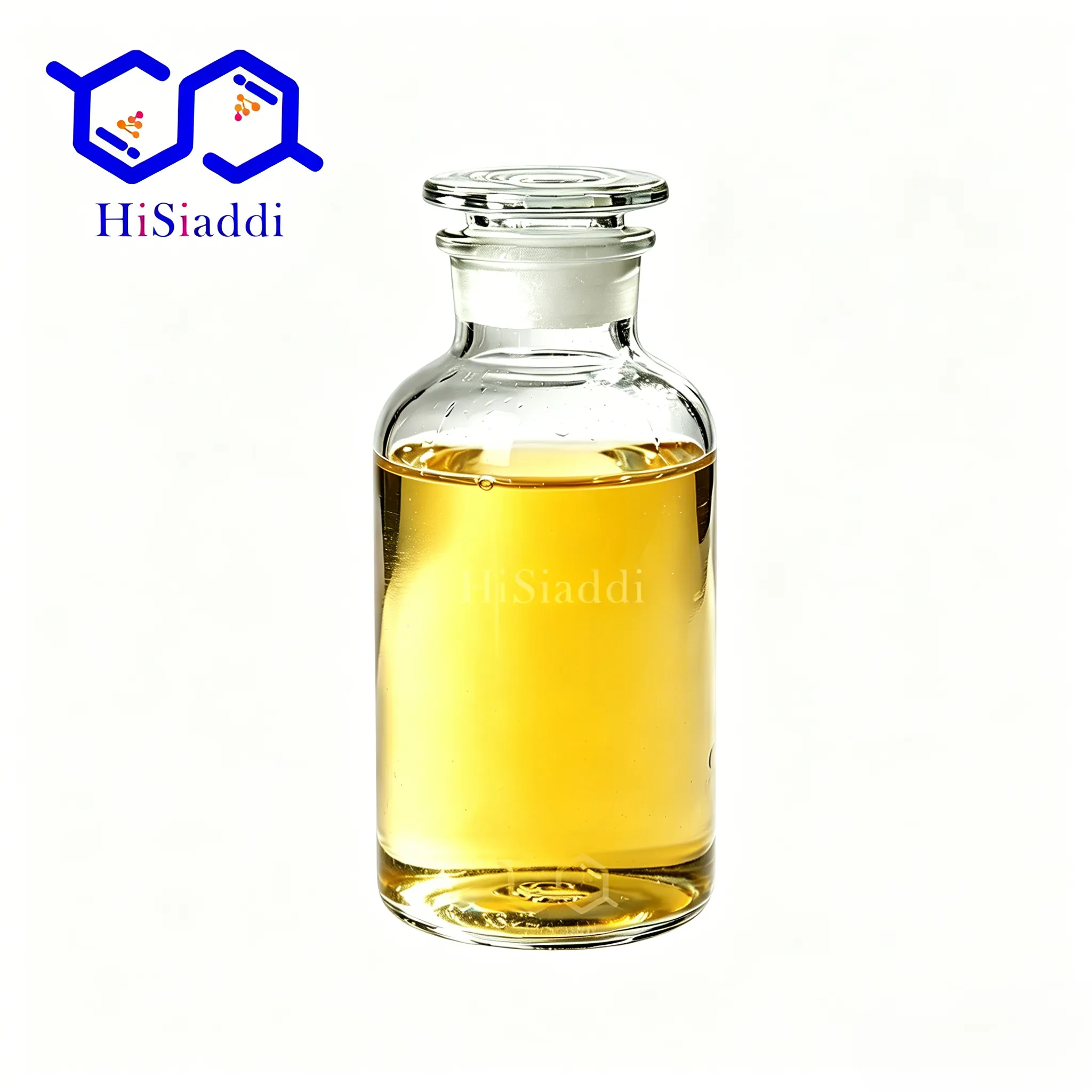
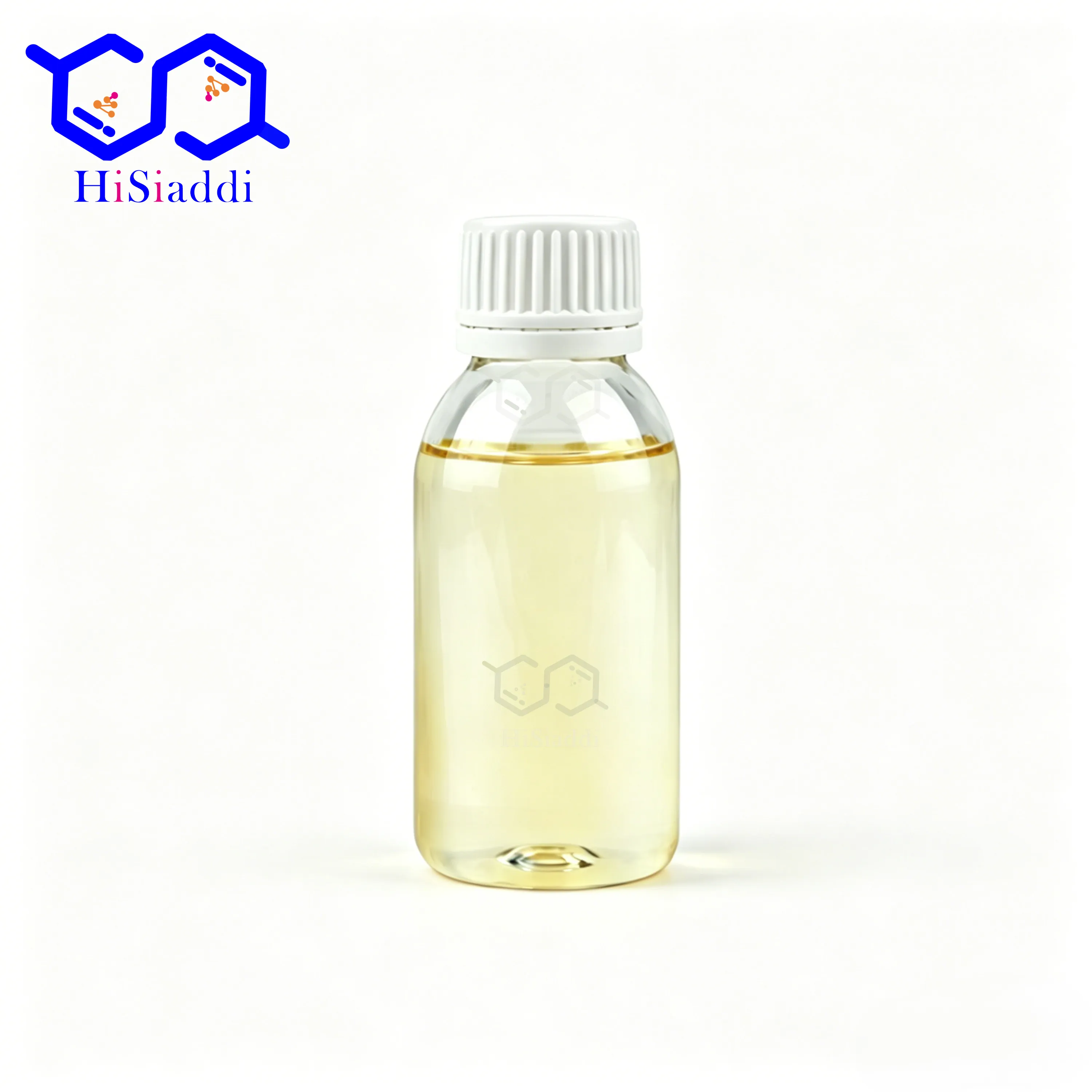
Molecular Formula: \(\boldsymbol{(CH_3)_2SO}\); Molecular Weight: 78.13 Physicochemical Properties: Colorless transparent polar liquid; boiling point 189°C; highly hygroscopic; infinitely miscible with water, alcohols and esters; strong skin penetration, leaving a characteristic garlic odor upon human contact; shelf life 12 months under sealed normal-temperature storage, extendable under low temperature; slowly decomposes into dimethyl sulfide (DMS) and dimethyl sulfone (DMSO₂) impurities when exposed to strong acids or strong oxidants.
Core Application Segments:
1. Pharmaceutical Grade: Solvent for GLP-1 peptides and injectable APIs, skin penetration enhancer, cell cryopreservation medium, topical anti-inflammatory formulations
2. Electronic Grade: Stripping agent for semiconductor photoresist, wafer cleaning solvent, lithium battery slurry solvent, ultra-high-purity precision manufacturing processes
3. ACS Reagent Grade: Laboratory organic synthesis, analytical testing, cell culture
4. Industrial Grade: Extraction for organic synthesis, resin polymerization, industrial degreasing, pesticide auxiliary agent
表格
Domestic Grade | Equivalent Overseas Manufacturer Model | Downstream Application Positioning |
USP/EP/ChP Pharmacopoeia Pharmaceutical Grade (GC ≥99.9%) | Merck Pharma Grade, BASF EP, Carl Roth USP | Injectable APIs for European & American markets, sterile cell cryopreservation, FDA/EMA-compliant supply chains |
SEMI Ultra-High-Purity Electronic Grade (GC ≥99.99%) | JSR Electronic Grade, Evonik Semiconductor-Specific Grade | Wafer fabrication, advanced packaging & testing, high-end lithium battery production lines |
ACS Analytical Reagent Grade (GC 99.5–99.8%) | Sigma ACS, TCI p.a. | CRO R&D, university laboratories, routine cell experiments |
National Standard Industrial Grade (GC ≥99.5%, GB/T21395-2024) | BASF Tech Grade, Indian Industrial Solvents | Bulk chemical industry, coatings, general organic synthesis |
Crude Industrial Grade (GC <99.5%) | No compliant overseas equivalents | Low-end agrochemical extraction; strictly prohibited for pharmaceutical & electronic applications |
1. Pharmacopoeia Pharmaceutical Grade (Injectable/Sterile Formulations): Main component ≥99.9%; single unknown impurity ≤0.05%; total organic impurities ≤0.10%; dimethyl sulfone (DMSO₂) ≤0.03%; dimethyl sulfide (DMS) ≤0.02%
2. SEMI Ultra-High-Purity Electronic Grade: GC ≥99.99%; single organic impurity ≤10 ppm; total impurities ≤50 ppm; metal ions as core controlled indicators
3. ACS Reagent R&D Grade: 99.5–99.8%; single impurity ≤0.20%; total impurities ≤0.50%
4. National Standard Industrial Grade: ≥99.5%; total impurities ≤1.00% (mandatory requirement under revised GB/T21395-2024)
Crude grades with purity below 99.5% contain sulfur byproducts and heavy metals with high moisture content. When used in pharmaceuticals, they cause excess related substances in APIs; when used in electronics, they lead to wafer short circuits and sharp yield reduction.
· Water content (Karl Fischer titration): ≤0.10%; elevated moisture accelerates sulfur impurity generation and disrupts peptide stereostructure
· Heavy metals (Pb/Cd/Hg/As): Single element ≤2 ppm; Fe/Cu/Ni ≤0.5 ppm (ICH Q3D)
· Residual solvents (ICH Q3C Class 3): Methanol, dichloromethane, toluene ≤3000/600/890 ppm respectively
· Endotoxin: Sterile injectable grade ≤0.1 EU/mg; total microorganisms ≤10 CFU/g, free of pathogenic bacteria
· UV transmittance at 270 nm: ≥95% (to control trace colored sulfur impurities)
· Water content (KF): ≤0.005% (50 ppm); trace moisture directly corrodes photolithographic circuits
· Metal ions (Na/K/Fe/Cu/Cr/Zn): Single element ≤0.1 ppb; particles ≥0.5 μm ≤5 pcs/mL
· UV transmittance at 270 nm ≥99%; total organic carbon (TOC) ≤10 ppb
· Anions Cl⁻, SO₄²⁻ ≤0.01 ppb
Water content ≤0.20%; heavy metals ≤5 ppm; 270 nm UV transmittance ≥90%; no mandatory endotoxin/particle control requirements
Water content ≤0.30%; heavy metals ≤50 ppm; no mandatory UV transmittance standards
Each batch must be accompanied by: ¹H NMR spectrum, full GC chromatogram, refractive index, density, APHA color value. Pharmaceutical grade additionally requires sterility/endotoxin test reports; electronic grade requires particle and ion chromatography test reports.
Complete REACH substance registration (EC No. 2006643), SVHC screening, CPNP notification; pharmaceutical grade compliant with EP Pharmacopoeia; electronic grade with RoHS and SEMI environmental certifications; WGK 3 aquatic hazard classification with supporting hazardous waste disposal qualifications.
Pharmaceutical Grade: TSCA inventory listing, USP Pharmacopoeia, DMF supporting documents, full ICH validation data Electronic Grade: SEMI standards, halogen-free certification
Pharmaceutical Grade: Linkage review, GMP cleanroom certification Electronic Grade: Special production qualification for ultra-high-purity solvents Industrial Grade: Compliance with GB/T21395-2024
UN3077, Class 9 environmentally hazardous marine pollutant liquid. Pharmaceutical/electronic grades use high-cleanliness HDPE sterile drums with PTFE-lined sealing; industrial grade packed in 200kg iron drums. Long-term storage and transportation in ordinary plastic drums are prohibited due to moisture absorption.
Non-compliance Red Lines:
· Pharmaceutical orders: GC purity <99.9%, moisture >0.1%, excess endotoxin
· Electronic orders: Metal ions >0.1 ppb, moisture >50 ppm
· No full original test chromatograms or industry-specific compliance certifications
· Strict ban on crude industrial grade for pharmaceutical and semiconductor manufacturing
Process Route: Crude DMSO from dimethyl sulfide oxidation → multi-stage precision negative pressure distillation (separates DMS and dimethyl sulfone) → molecular sieve deep dehydration → Class 10,000 cleanroom sterile filtration for pharmaceutical grade; electronic grade adds ion exchange and ultrafiltration for particle removal. Advantages: Deep removal of sulfur impurities, moisture and metal ions; stable batch consistency, compatible with long-term FDA/SEMI audits; applicable to GLP-1 APIs and advanced wafer manufacturing. Leading Manufacturers: Wanhua Chemical, Yaxing Chemical, Merck, JSR
Single-pass distillation for impurity removal without molecular sieve deep dehydration or sterile filtration; large fluctuations in moisture and sulfur impurities. Only suitable for laboratory use and bulk industrial synthesis; prohibited for injectable APIs and advanced semiconductor manufacturing.
Only simple distillation with excessive impurities and moisture; solely applied to low-end agrochemical extraction.
表格
Grade | Mandatory Hard Indicators | Downstream Application Scenarios | Mandatory Qualification List |
USP Pharmacopoeia Sterile Pharmaceutical Grade | GC ≥99.9%, moisture ≤0.1%, endotoxin ≤0.1 EU/mg, single heavy metal ≤2 ppm | Semaglutide/Tirzepatide GLP-1 peptides, injectable APIs, sterile cell cryopreservation, API outsourcing for European & American pharmaceutical manufacturers | REACH/TSCA registration, GMP cleanroom certification, full batch COA including GC/NMR/endotoxin/ICP, USP/EP pharmacopoeia conformity, DMF documentation, ICH residual solvent validation |
SEMI Ultra-High-Purity Electronic Grade | GC ≥99.99%, moisture ≤50 ppm, single metal ion ≤0.1 ppb, particles ≤5 pcs/mL | Advanced wafer fabrication, packaging & testing, high-end lithium batteries, photoresist stripping processes | SEMI certification, RoHS halogen-free certification, full ion/particle test reports, dust-free filling workshop qualification |
ACS Analytical Reagent Grade | GC 99.5–99.8%, moisture ≤0.2%, 270 nm transmittance ≥90% | Clinical CRO pilot production, university laboratory research, routine cell culture, small-molecule synthesis | MSDS, basic GC/NMR chromatograms, self-inspection residual solvent reports |
National Standard Industrial Grade | GC ≥99.5%, moisture ≤0.3% | Organic synthesis, resin production, industrial degreasing, pesticide additives | GB/T21395-2024 factory COA, hazardous chemical production license |
| Solvent | Water Miscibility | Impurity Risk | Pharmaceutical Compatibility | Electronic Compatibility | Core Drawbacks | | ---- | ---- | ---- | ---- | ---- | | Pharmacopoeia Grade DMSO | Fully miscible, excellent biocompatibility | Extremely low; impurities controllable via multi-stage distillation | Optimal, ICH Class 3 low-risk solvent | Excellent, deep ion removal achievable | Highly hygroscopic; airtight moisture control required throughout storage & transport | | DMF/DMAc | Water-miscible | Reproductive toxicity (EU REACH Category 1B) | Restricted, EMA imposes strict dosage limits | Poor, high residual metal content | Phased production & usage restrictions in EU | | NMP | Slightly water-soluble | Reproductive toxicity, high VOC | Banned for injectable formulations | Moderate | Tightening environmental regulations | | Acetone / Methanol | Fully miscible | Low, insufficient polarity | Only for temporary extraction | Incompatible with photolithography processes | Far weaker peptide dissolution capacity than DMSO |
Selection Guideline:
· Injectable peptides & sterile cell cryopreservation for Europe & US: USP Pharmacopoeia Grade DMSO (99.9%) processed via multi-stage negative pressure distillation with sterile filtration
· Advanced semiconductors & high-end lithium batteries: SEMI Ultra-High-Purity Electronic Grade
· Clinical laboratory R&D: ACS Reagent Grade
· Bulk chemical synthesis: National Standard Industrial Grade DMF/NMP shall not substitute DMSO for pharmaceutical and electronic manufacturing.
1. Chromatography: Reject batches where pharmaceutical grade GC <99.9% or dimethyl sulfone >0.03%; reject electronic grade batches with metal ions >0.1 ppb
2. Moisture: Reject entire lots if pharmaceutical KF moisture >0.1% or electronic KF moisture >50 ppm (indicates moisture absorption & degradation)
3. Documentation: Reject goods without original GC, NMR and specialized impurity test reports (suspected recycled waste solvent re-distillation)
4. Appearance & Packaging: Reject yellow, turbid, layered products or batches with leaking sealed drums; qualified material is colorless, transparent and free of suspended solids
5. Functional Verification (Mandatory for Pharmaceutical & Semiconductor Manufacturers): Peptide bench test with no new impurity peaks; wafer cleaning test with no particle-induced short-circuit defects
Mandatory Grade: Multi-stage negative pressure distillation USP Pharmacopoeia Sterile DMSO (GC ≥99.9%) Controlled Indicators: Main component ≥99.9%, dimethyl sulfone ≤0.03%, moisture ≤0.10%, endotoxin ≤0.1 EU/mg, single heavy metal ≤2 ppm; full REACH, CPNP, FDA DMF documentation; each batch complete COA including GC, NMR, endotoxin, ICP and residual solvent testing; stored in constant-temperature sealed tanks/sterile HDPE drums with maximum stockpiling cycle of 3 months to prevent moisture absorption.
Procurement Red Lines: Ban single-tower batch distillation reagent grade and industrial grade; domestic alternatives require third-party benchmark stability reports comparing peptide coupling impurities against Merck Pharma Grade.
Mandatory Grade: SEMI Ultra-High-Purity Electronic Grade (GC ≥99.99%); strictly control moisture below 50 ppm, metal ions below 0.1 ppb and particle impurities; filled in dust-free workshops with PTFE-lined drums under full nitrogen protection during transport and storage.
Grade: ACS Reagent Grade (99.5–99.8%); relaxed endotoxin and particle control; standard 4°C sealed storage acceptable.
Grade: National Standard Industrial Grade (≥99.5%) compliant with GB/T21395-2024; no strict impurity limits for pharmaceutical/electronic applications.
1. Merck, BASF: 22% global market share, dual pharmaceutical & electronic grade qualifications, full FDA/SEMI audit documentation; advantages include ultra-stable impurities and global distribution network; disadvantages include significant price premium, 35–60 day ocean transit lead time, minimum order quantity of 200L
2. JSR, Evonik: Electronic grade specialists, core suppliers for semiconductor manufacturers Target Customers: Novo Nordisk, TSMC, Samsung, leading European & American CDMO pharmaceutical companies
1. Wanhua Chemical, Shandong Yaxing Chemical: 36% global market share, China’s largest multi-stage distillation DMSO production lines with dual pharmaceutical & electronic certifications and full REACH/TSCA compliance; equivalent to Merck Pharma Grade with comprehensive procurement cost reduced by 35–45%
2. Jiangsu Zhongdan, Zhejiang Xinnong: Specialized in pharmaceutical grade DMSO, stable export supply for peptide CDMOs Target Customers: Domestic leading GLP-1 API manufacturers, domestic packaging/testing & lithium battery enterprises, export-oriented peptide CDMOs
No multi-stage negative pressure distillation, sterile filtration or ion exchange purification; purity fluctuates 99.0–99.4% with unstable moisture and sulfur impurities. Only suitable for general chemical manufacturing and basic university experiments; strictly prohibited for injectable API and advanced semiconductor procurement.
1.
Risk of Adulteration & Recycled Waste Solvent Re-Distillation Contractually lock GC purity, dimethyl sulfone, moisture and heavy metal compensation clauses; conduct full third-party testing upon delivery with 30% cargo value compensation for excess impurities; require full batch traceability and original chromatograms to eliminate recycled waste solvent; reject all batches with leaking sealed drums.
2.
3.
Degradation & Loss from Hygroscopic Storage & Transport (Largest Source of Product Loss) Store pharmaceutical/electronic grade under fully sealed nitrogen-filled constant-temperature dry warehouses with molecular sieve drying protection for storage tanks; consume opened drums within 24 hours and re-seal residual material with nitrogen; limit single stock cycle to maximum 3 months as moisture rises continuously over storage time.
4.
5.
Customs Detention Compliance Risks for EU/North American Exports Prepare REACH registration numbers, SVHC screening and cGMP workshop audit documents in advance for EU shipments; accurately declare HS code 29309000 (organosulfur solvent) with complete UN3077 hazard labels; provide TSCA, DMF and SEMI test reports for North American shipments.
6.
7.
Supply Chain Capacity Fluctuation & Supply Disruption Risk Adopt dual-supplier backup model (1 overseas high-end brand + 1 domestic integrated multi-stage distillation leader); maintain 45–60 days of safety stock; sign annual long-term agreements to lock distillation production capacity (high-purity DMSO frequently faces supply shortages and price hikes during GLP-1 and semiconductor capacity expansion cycles).
8.
9.
Hidden Feeding Loss Control Multi-stage distillation pharmacopoeia/electronic grade feed moisture absorption loss ≤0.7%; single-tower batch reagent grade loss reaches 2.5–4%. Commercial pharmaceutical and semiconductor mass production must adopt continuous multi-stage distillation material to reduce raw material scrap and improve product yield.
10.
1. Demand Confirmation: Clarify downstream application (injectable API/semiconductor/laboratory/industrial), export destination, impurity limit, sealed storage & transport requirements, and lock corresponding grade (Pharmacopoeia/Electronic/ACS/Industrial)
2. Supplier Qualification Pre-Audit: Review MSDS, UN3077 hazard packaging certificate, REACH/TSCA/DMF/SEMI registration, continuous multi-stage distillation process certification, and full GC/ICP COA for the past 3 months
3. Small Batch Functional Verification: Conduct peptide synthesis/wafer cleaning bench test to benchmark impurity levels and yield against imported original products to confirm equivalence
4. Annual Framework Agreement Signing: Include compensation clauses for sulfur impurities/moisture/heavy metals, nitrogen-sealed cold-chain packaging, 12-month shelf life warranty, third-party re-inspection, and compensation for moisture absorption feeding loss
5. Bulk Goods Warehouse Receipt: Sample for full third-party testing covering GC, dimethyl sulfone, KF moisture, residual solvents, ICP heavy metals, endotoxin (pharmaceutical grade) / particle & ion testing (electronic grade); only qualified batches enter warehouse; unqualified lots fully returned with compensation for production shutdown and port detention losses
6. Quarterly Supplier Rating: Evaluate batches based on impurity stability, intactness of sealed moisture-proof packaging, completeness of compliance documentation, and delivery performance; phase out small manufacturers without multi-stage deep purification distillation equipment
For inquiries about DMSO procurement, product selection or technical consultation, please contact HiSiaddi customer service or visit our official website www.hisiaddi.com.

 +86-13120989737
  info@hisiaddi.com
 English